St Ives is well placed for exploring Cornwall. Land's End is around 16 kilometers (10 miles) away, the Minack Theatre clifftop outdoor stage is about 19 kilometers (around 12 miles) south, and the Eden Project is around 48 kilometers (about 30 miles) to the east. The town of Penzance, with its ferry links to the Isles of Scilly, is just 14 kilometers (around 9 miles) away, making St Ives an ideal base for a wider Cornish itinerary.
The town center is compact and most attractions, beaches, and restaurants are reachable on foot. Be prepared for steep hills and uneven cobblestones, which can be challenging for wheelchairs and strollers. The harbor area is relatively flat and most accessible. Driving into the center is best avoided in peak season, as parking is extremely limited and roads are very narrow.
Tipping is common but not obligatory. In sit-down restaurants, 10% to 15% is a typical tip for good service, though always check the bill first as some places add a service charge automatically. Tipping at bars when ordering drinks is not standard in the UK. For taxis, rounding up the fare is a common and appreciated gesture.
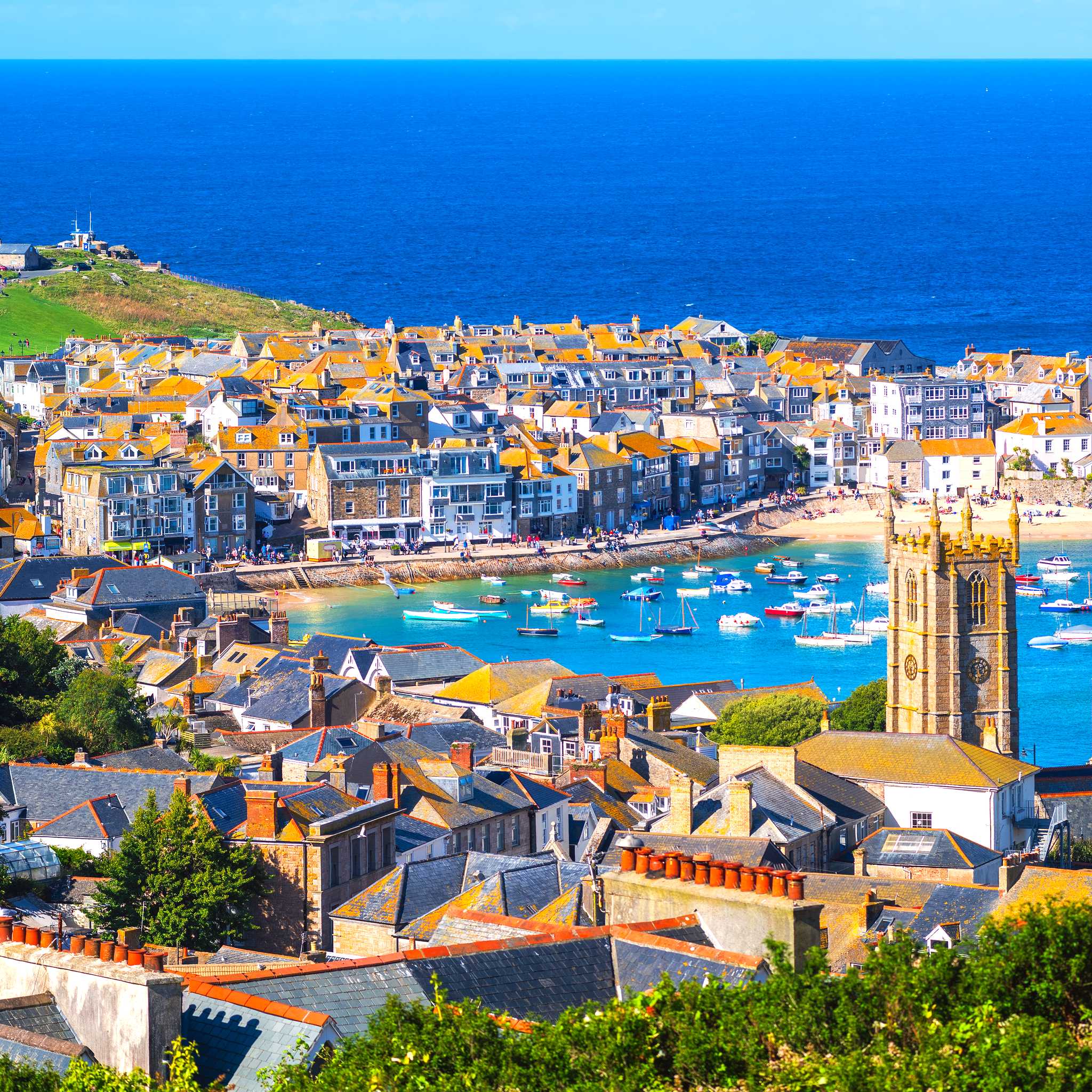
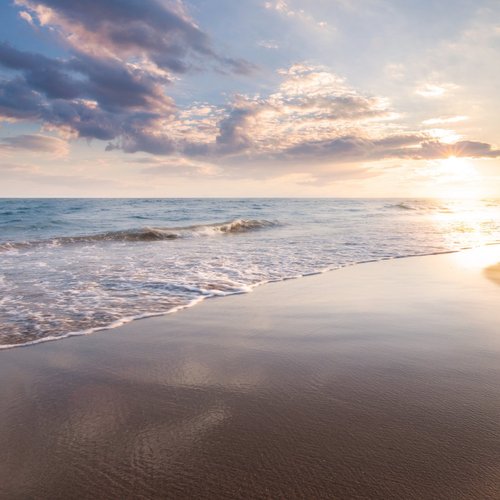
Top highlights include Tate St Ives (an iconic modern art gallery overlooking Porthmeor Beach), the Barbara Hepworth Museum and Sculpture Garden, six stunning beaches including Porthminster and Porthmeor, the historic harbor, boat trips to Seal Island, and the winding streets of the old quarter known as Downalong.
The United Kingdom uses the pound sterling (GBP). Cards are accepted almost everywhere in St Ives, including restaurants, shops, and attractions. Contactless payment is widely used. It is worth having a small amount of cash for car parking, smaller stalls, and local markets, though most businesses will accept cards without issue.
St Ives enjoys one of the mildest climates in the UK, thanks to its far southwest position. Summers are warm and sunny with occasional showers, while winters stay relatively mild with frost being rare. The sea is at its warmest from July to September. Rain and wind are possible at any time of year, so layers and a waterproof jacket are always worth packing.
A Cornish pasty (a baked shortcrust pastry filled with beef, potato, swede, and onion) is an absolute must. Fresh seafood is a local specialty, from crab sandwiches to beer-battered fish and chips by the harbor. Do not leave without a traditional Cornish cream tea: scones with clotted cream and jam, ideally served with a view of the sea.
Early June through early October is the sweet spot, with the warmest weather, the best conditions for swimming and surfing, and the full range of restaurants and attractions open. July and August are very busy and accommodation books up quickly. The shoulder months of May and September offer a quieter, more relaxed experience with decent weather.