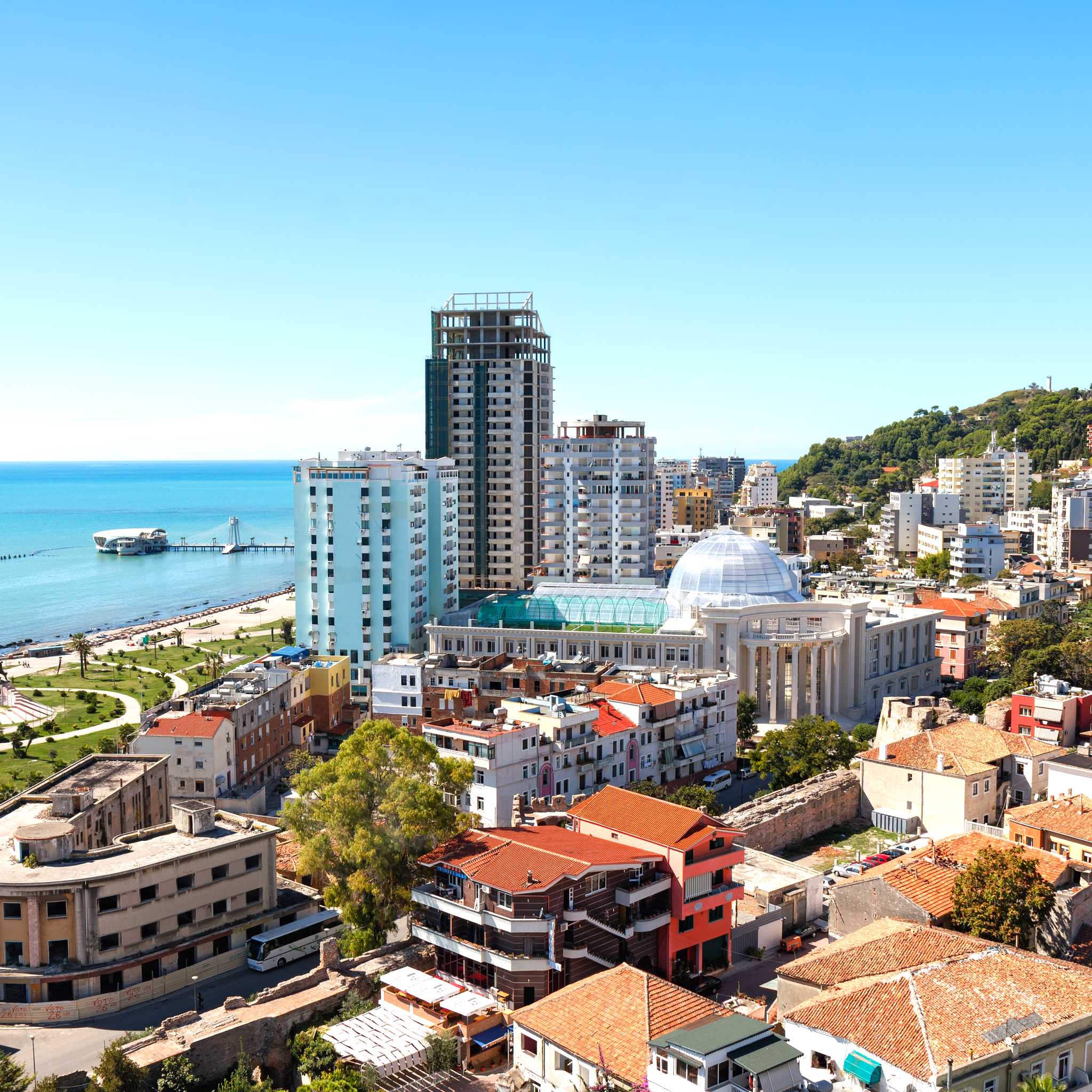
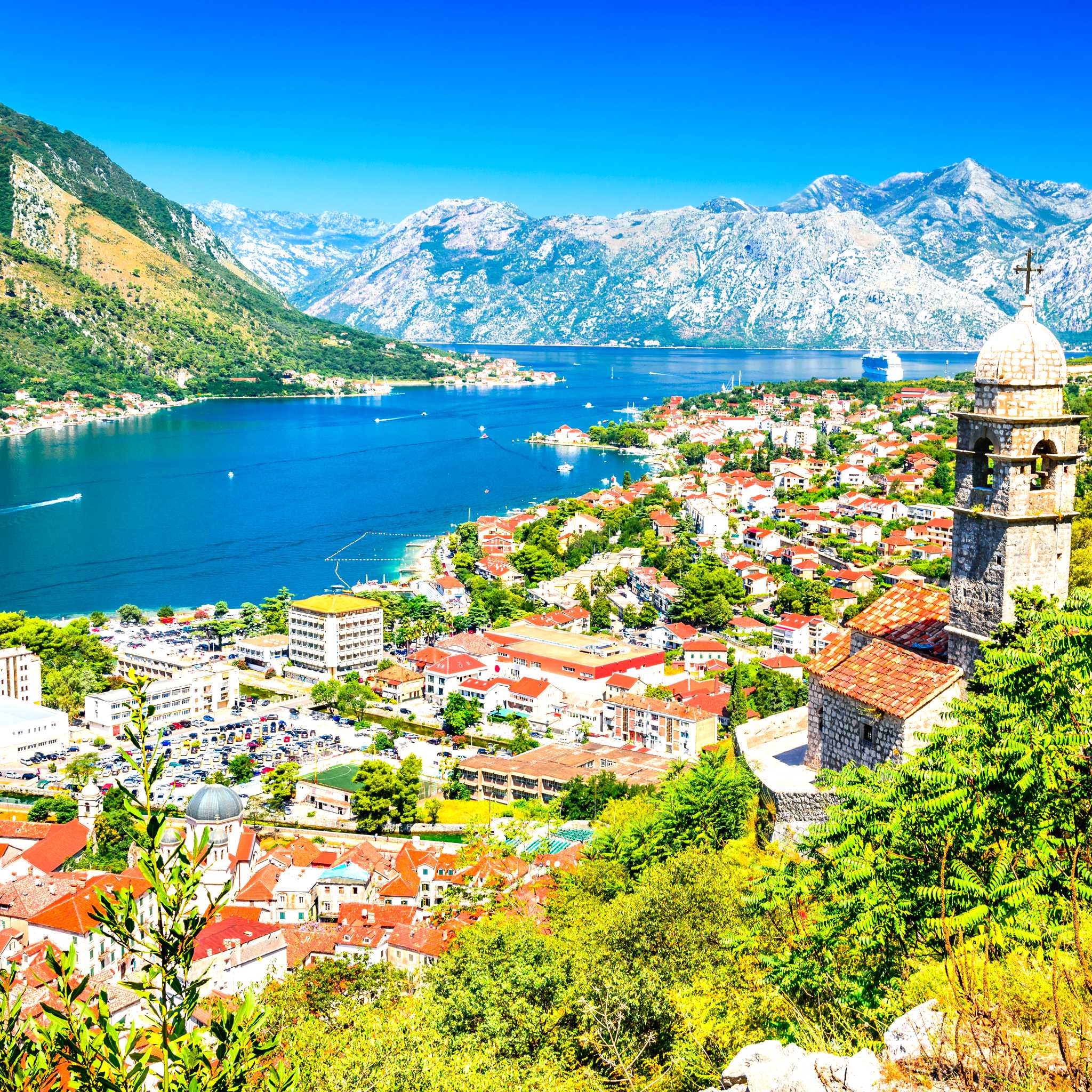
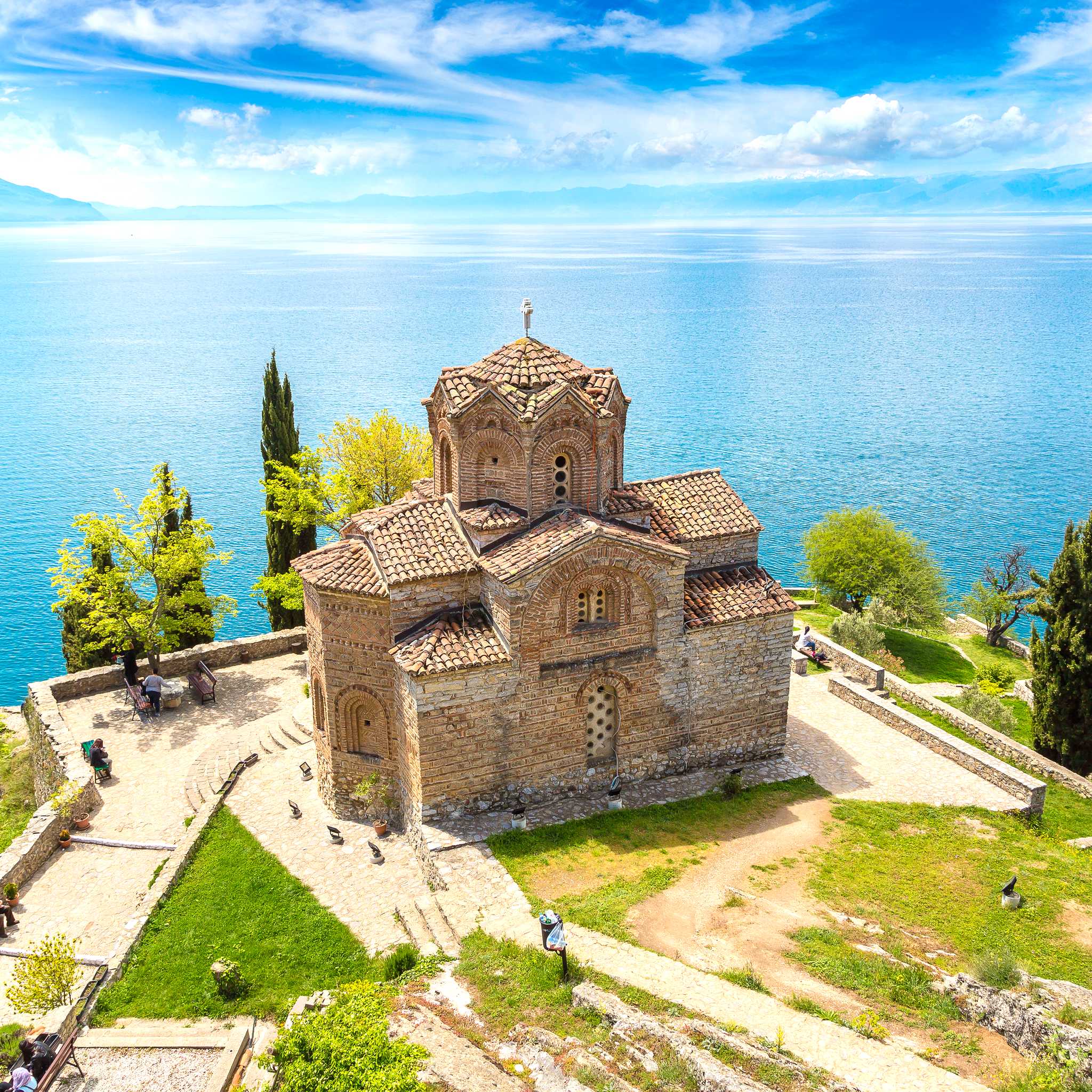
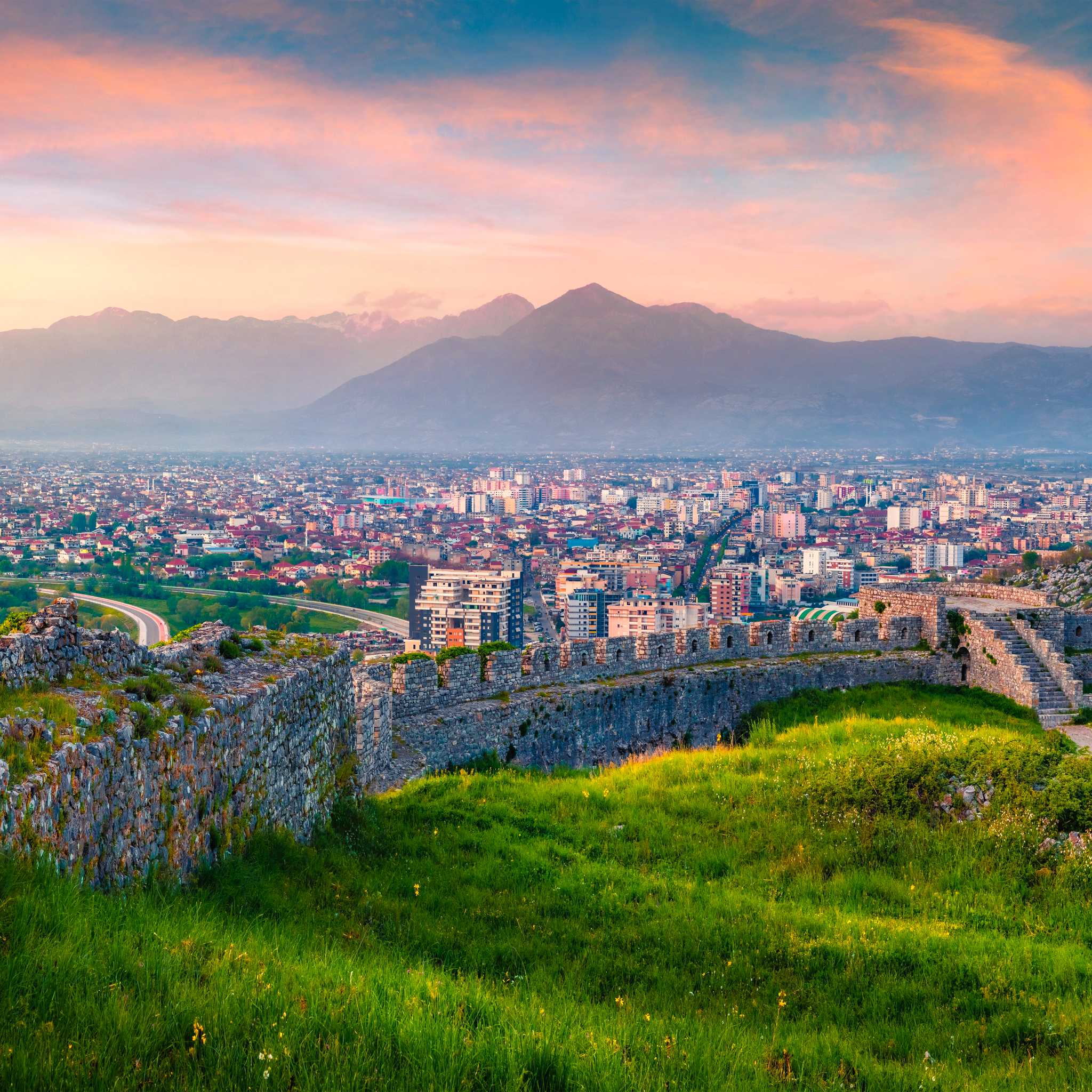
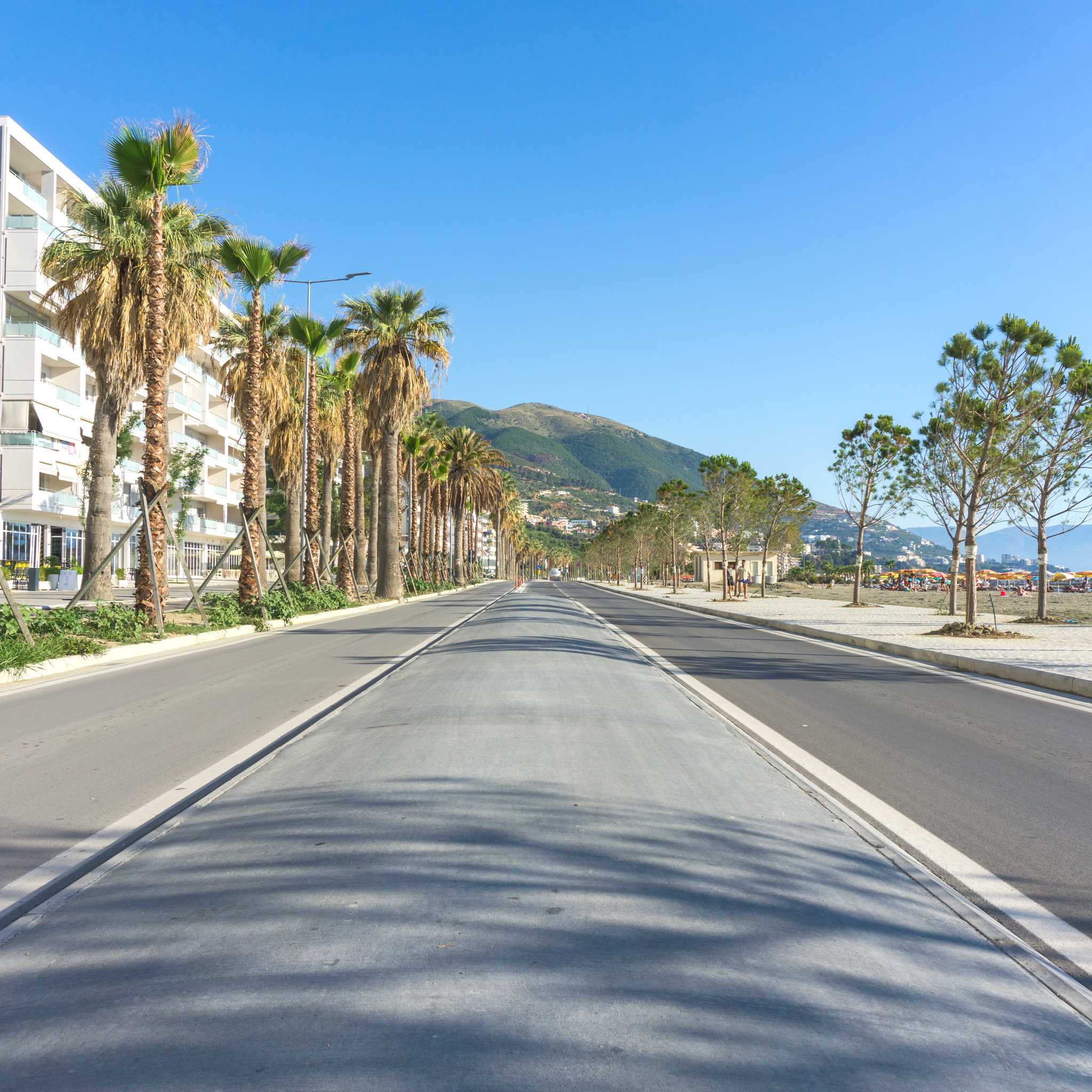
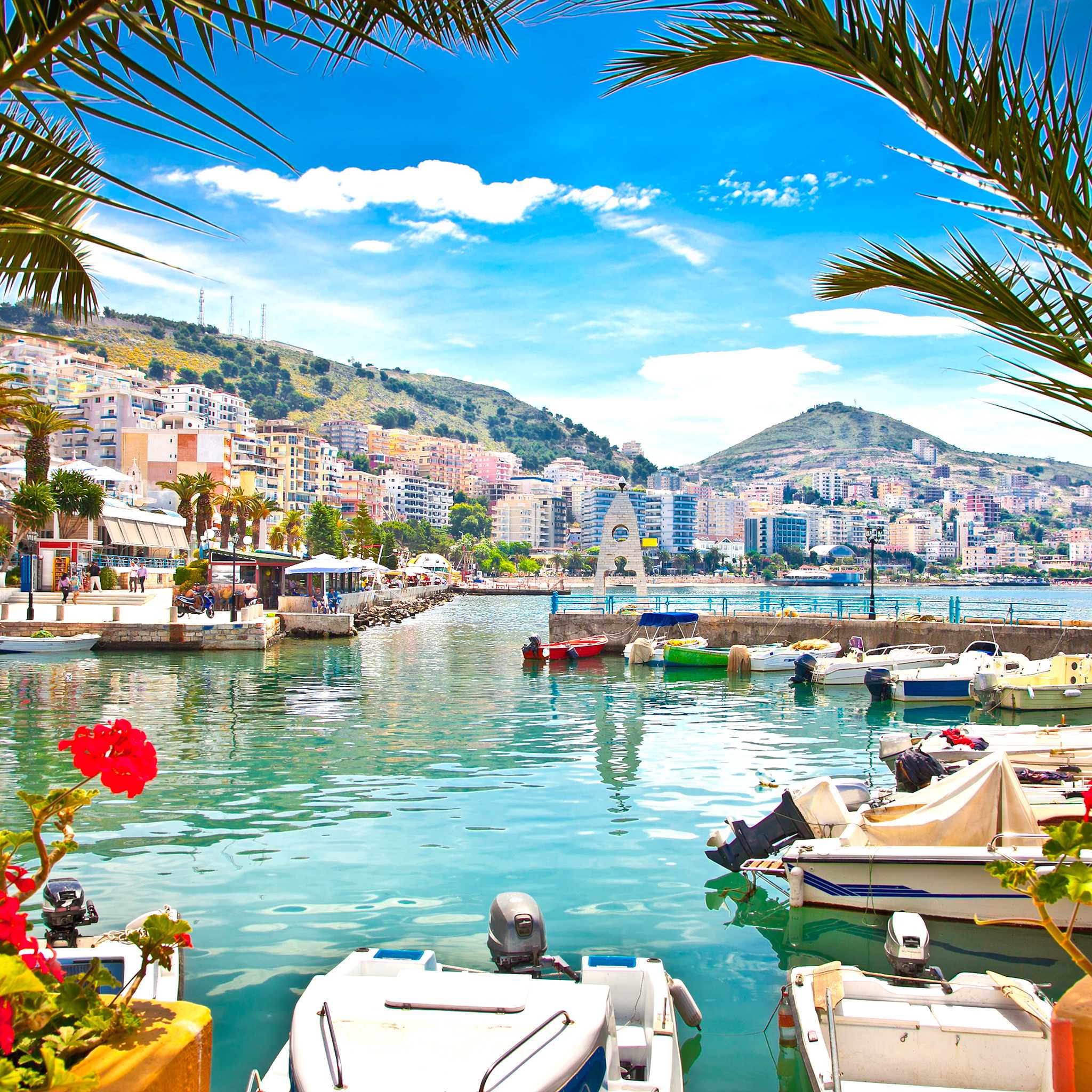
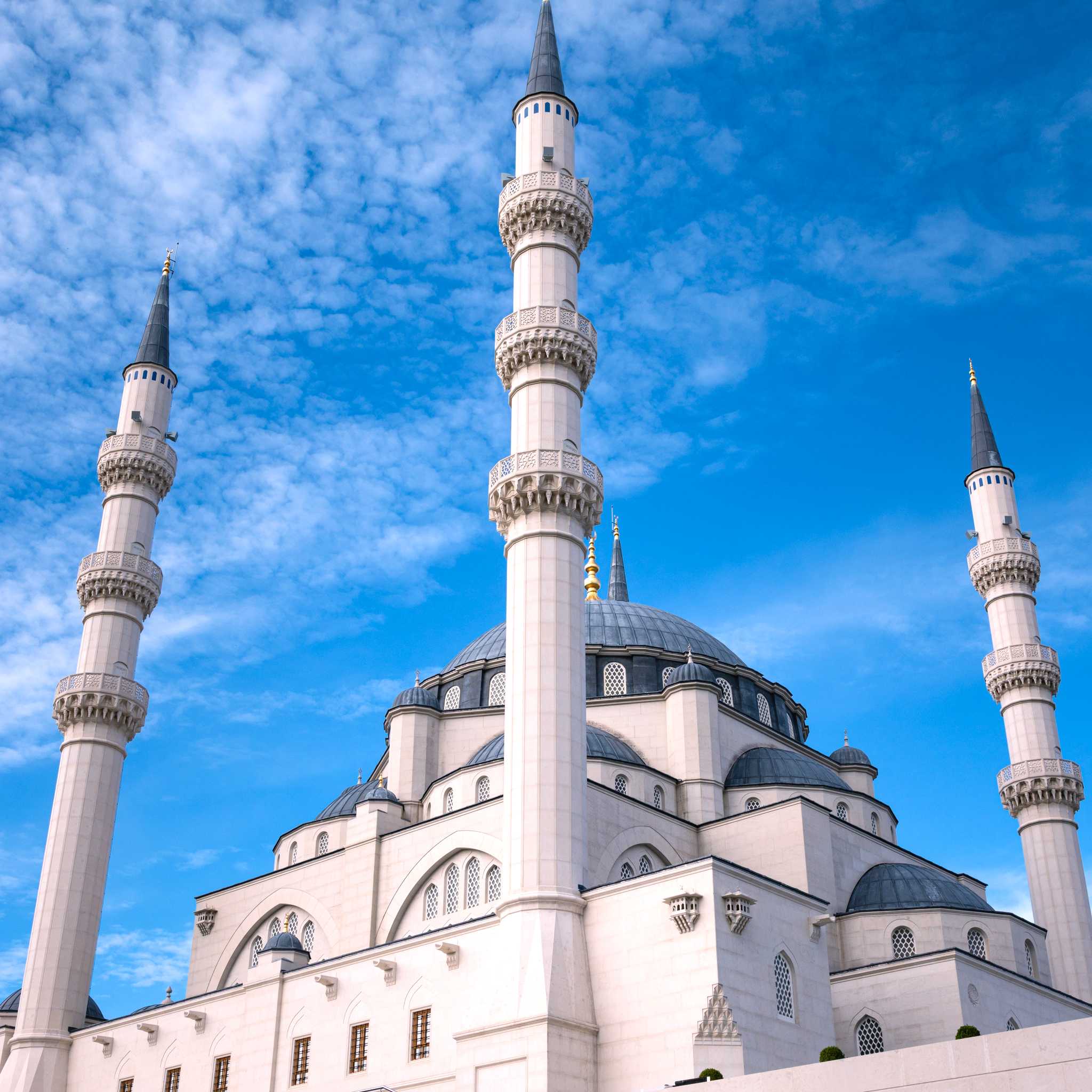
Tirana's central location enables excellent day trips to UNESCO sites like Berat and Gjirokaster (2-3 hours), ancient ruins at Apollonia and Butrint, Durres beaches and Roman amphitheater (30 minutes), Kruja's castle and bazaar (45 minutes), and Dajti Mountain National Park accessible via cable car. The compact country allows exploring diverse landscapes and historical sites within short distances.
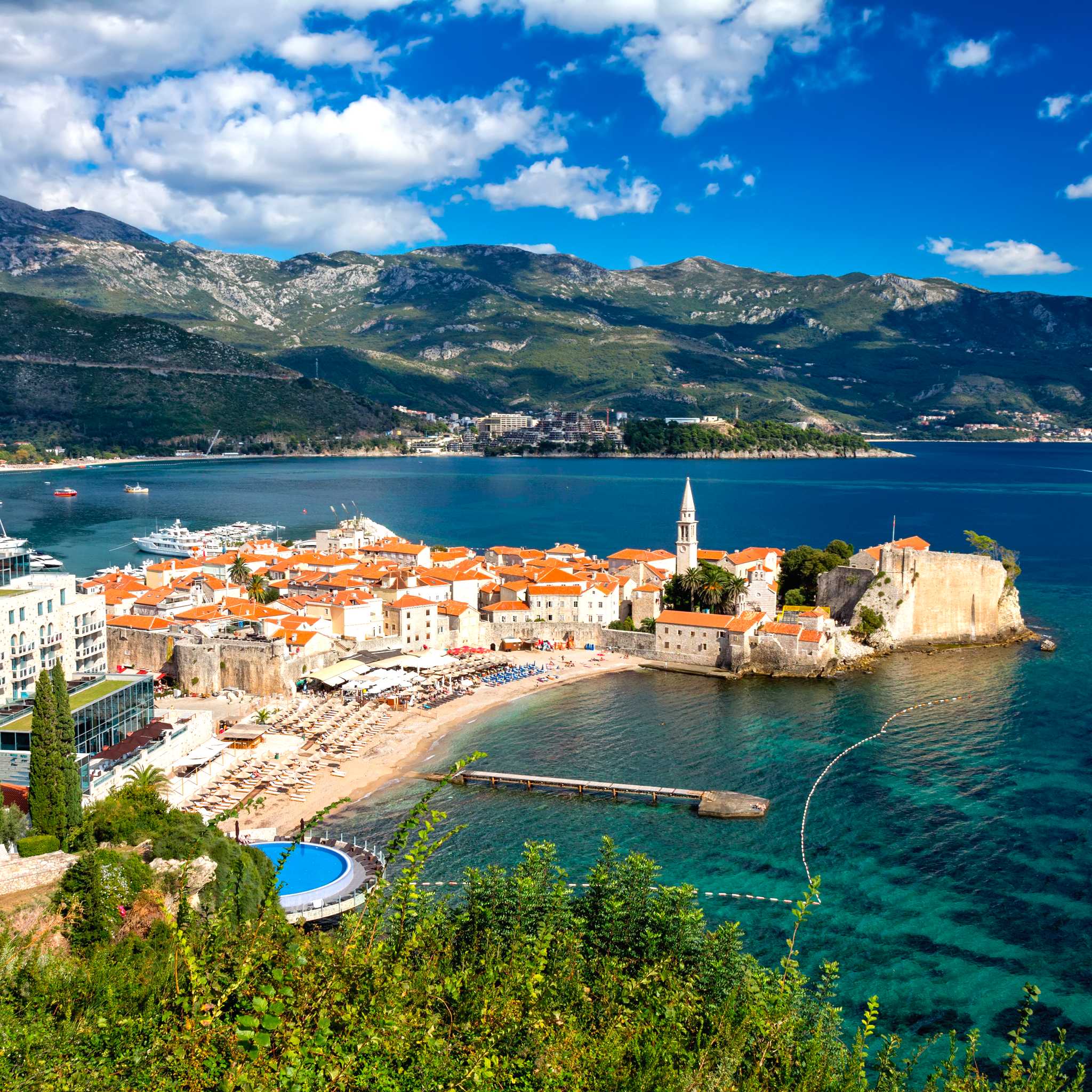
Tirana sits approximately 40 kilometers (25 miles) inland from the Adriatic Sea port city of Durres. The journey takes 30-45 minutes by car along a modern highway. The Albanian Riviera's famous beaches near Saranda and Himara lie 3-4 hours south. Tirana's central location makes it an ideal base for exploring both coastal areas and mountainous regions within a few hours' drive.
Tirana is generally very safe for tourists with low crime rates compared to many European capitals. Standard precautions apply regarding pickpocketing in crowded areas. Albanian people are known for exceptional hospitality and friendliness toward visitors. The city's rapid development has created a welcoming environment for tourism, with English increasingly spoken among younger generations and in tourist-oriented businesses.
Albanian cuisine blends Mediterranean and Balkan influences featuring dishes like tavë kosi (lamb with yogurt), fërgesë (peppers with cheese), and byrek (savory pastries). Grilled meats, fresh seafood, and vegetables dominate menus. Try raki (grape brandy) and local wines. Tirana's restaurants range from traditional qoftes (meatballs) to modern fusion cuisine, with dining remarkably affordable compared to Western Europe.
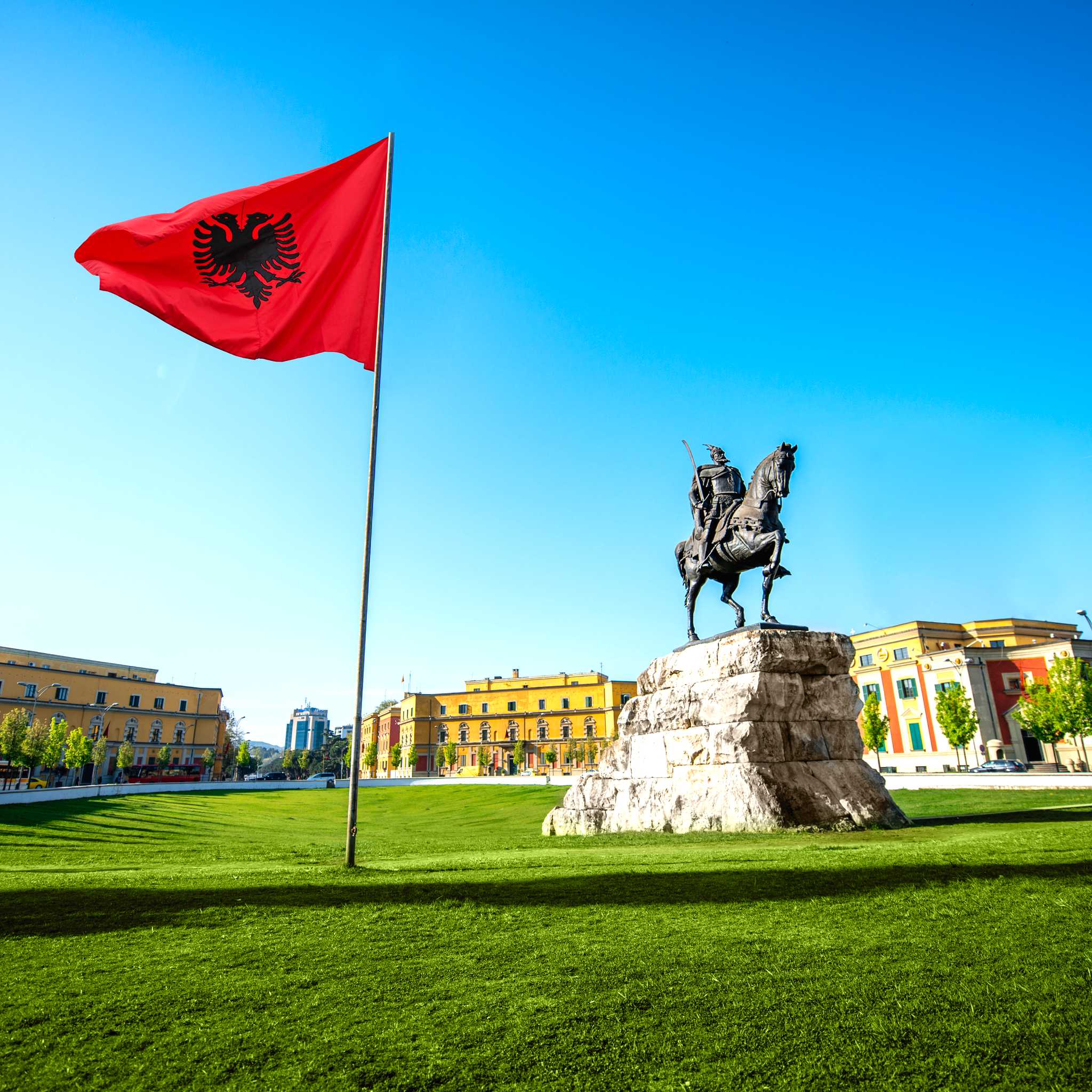
Skanderbeg Square is Tirana's massive central plaza and main gathering place, named after Albania's national hero. The pedestrianized square underwent major renovation in 2017, featuring open spaces, fountains, and key landmarks including the National History Museum with its striking Socialist Realism mosaic facade, Et'hem Bey Mosque, Clock Tower, and Opera House. The square serves as Tirana's social hub.
Tirana is Albania's vibrant capital, featuring colorful buildings, communist-era architecture, Ottoman mosques, and lively cafe culture in Skanderbeg Square. The city has transformed dramatically since the 1990s, emerging as a young, energetic destination with museums, galleries, and Blloku district's trendy bars and restaurants. Tirana serves as the gateway to exploring Albania's mountains, beaches, and UNESCO sites.
Bunk'Art 1 and 2 are museums inside massive Cold War-era nuclear bunkers, offering powerful insights into Albania's communist past. These underground labyrinths feature exhibits on the Enver Hoxha regime, secret police, persecution, and daily life during isolation. The atmospheric spaces combine history, art installations, and preserved bunker facilities. Both museums provide essential understanding of Albania's unique 20th-century experience.
April through June and September through October offer ideal conditions with pleasant weather, fewer crowds, and comfortable temperatures for city exploration. July and August bring heat but lively summer atmosphere with outdoor cafes and events. Winter (November-March) sees rain and cooler temperatures but lower prices and authentic local life. Spring features beautiful blooming parks and mild weather perfect for sightseeing.