Yes. Much of Tropea's historic center is a Zona Traffico Limitato (ZTL), meaning it is restricted to non-resident vehicles. Driving into these areas without a permit can result in fines. If you are staying in the old town, check the access rules with your accommodation in advance. Parking areas on the edge of the center are available and signposted.
Tropea is a very welcoming and generally safe destination. As with anywhere in Italy, use common sense: watch your belongings in busy areas and avoid poorly lit streets at night. The locals are proud of their town and are typically warm and hospitable toward visitors. Calabria as a whole has low levels of crime directed at travelers.
The Santa Maria dell'Isola sanctuary and Tropea's white-sand beach are the main draws, but the region offers much more. Day trips to the Aeolian Islands (including active volcano Stromboli) are popular in summer. The cliffside town of Pizzo, famous for its Tartufo ice cream, and the wide beaches of Capo Vaticano are both a short drive away.
Italy uses the euro (EUR). Cards are accepted in most hotels and restaurants in Tropea, though smaller trattorias, beach lidos, and market stalls often prefer cash. It's a good idea to carry some euros, especially when exploring the town's smaller shops or heading to a less-developed stretch of beach.
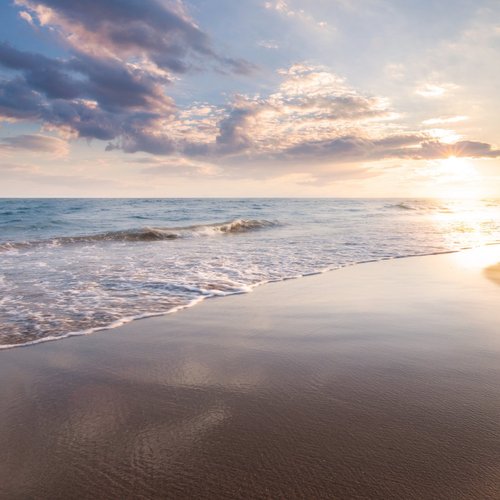
Tropea is best known for its iconic view of the Santa Maria dell'Isola monastery perched on a rocky promontory above the sea, its crystal-clear beaches, and its prized sweet red onion, the Cipolla Rossa di Tropea, which has its own protected designation of origin. The town was also named Borgo dei Borghi (Best Village in Italy) in 2021.
Italian is the official language of Italy. In Tropea, English is spoken at most hotels and larger restaurants, but the town has a very local feel and not everyone is fluent in English. Learning a few Italian phrases is warmly received and can enrich your experience, especially in family-run trattorias and small shops.
The Tropea red onion features in everything from salads and bruschetta to jams and even ice cream. Other local favorites include fileja pasta with nduja (a spicy pork spread), fresh swordfish and anchovies, and desserts made with bergamot citrus. Eating well in Tropea is effortless, with many family-run restaurants serving deeply regional Calabrian food.
June and September are the sweet spots for visiting Tropea. The weather is warm and sunny, the sea is perfect for swimming, and the town is less packed than in July and August, when Italian visitors flock to the coast. Spring (April and May) is also lovely for exploring the old town without summer crowds.