Escandinavia insólita: Excursión privada de un día desde Copenhague

Viaje privado con un conductor local
Acerca de tu viaje
Qué esperar
Tu excursión comienza dondequiera que estés
Conozca a nuestro conductor profesional directamente donde prefiera en Copenhague cuando le convenga. No pierda tiempo llegando al punto de recogida, tome su bolsa y comience su viaje de inmediato.Descubra más con la experiencia local
Las perspectivas locales de su conductor marcarán el tono de su Daytrip. Un café escondido aquí, un restaurante que debe probar allí; consejos de expertos que le encantará compartir más tarde. Esto no es un tour guiado, pero su viaje estará lleno de historias y descubrimientos en el camino. Y durante todo el día, su conductor estará disponible para usted según sea necesario, listo para asistir, feliz de ayudar, haciendo su viaje libre de estrés.Explora a tu propio ritmo
Perfecto para cualquier grupo privado
Ya sea que viaje solo, en familia con niños o en un grupo grande, este servicio está diseñado para su comodidad y flexibilidad. Es la opción ideal, especialmente si tiene poco tiempo o una agenda ocupada.Información Relevante
- Traslado en coche privado de ida y vuelta
- Vehículo con aire acondicionado
- Recogida y entrega personalizadas
- Sillas infantiles incluidas sin coste adicional
- Conductor profesional de habla inglesa
- Agua embotellada de cortesía
- Cancelación gratuita 24 horas antes de la salida
- Las entradas/admisiones a atracciones de pago en Malmö, Dragor, Stevns Klint y Oscar Under the Bridge deben comprarse por separado a menos que se indique lo contrario
- Las comidas, los aperitivos y la propina no están incluidos
Su viaje de un vistazo
Su viaje de un vistazo


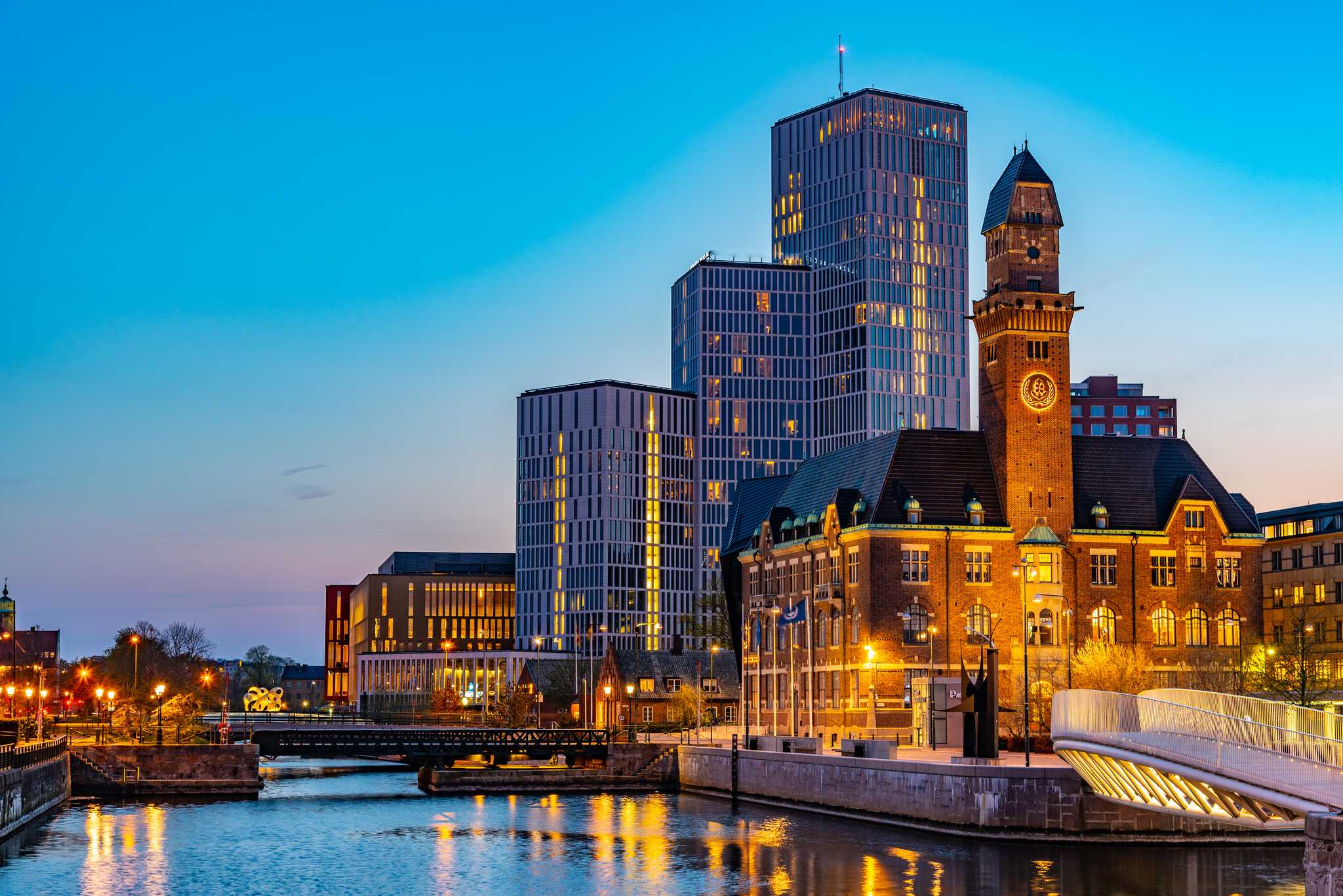
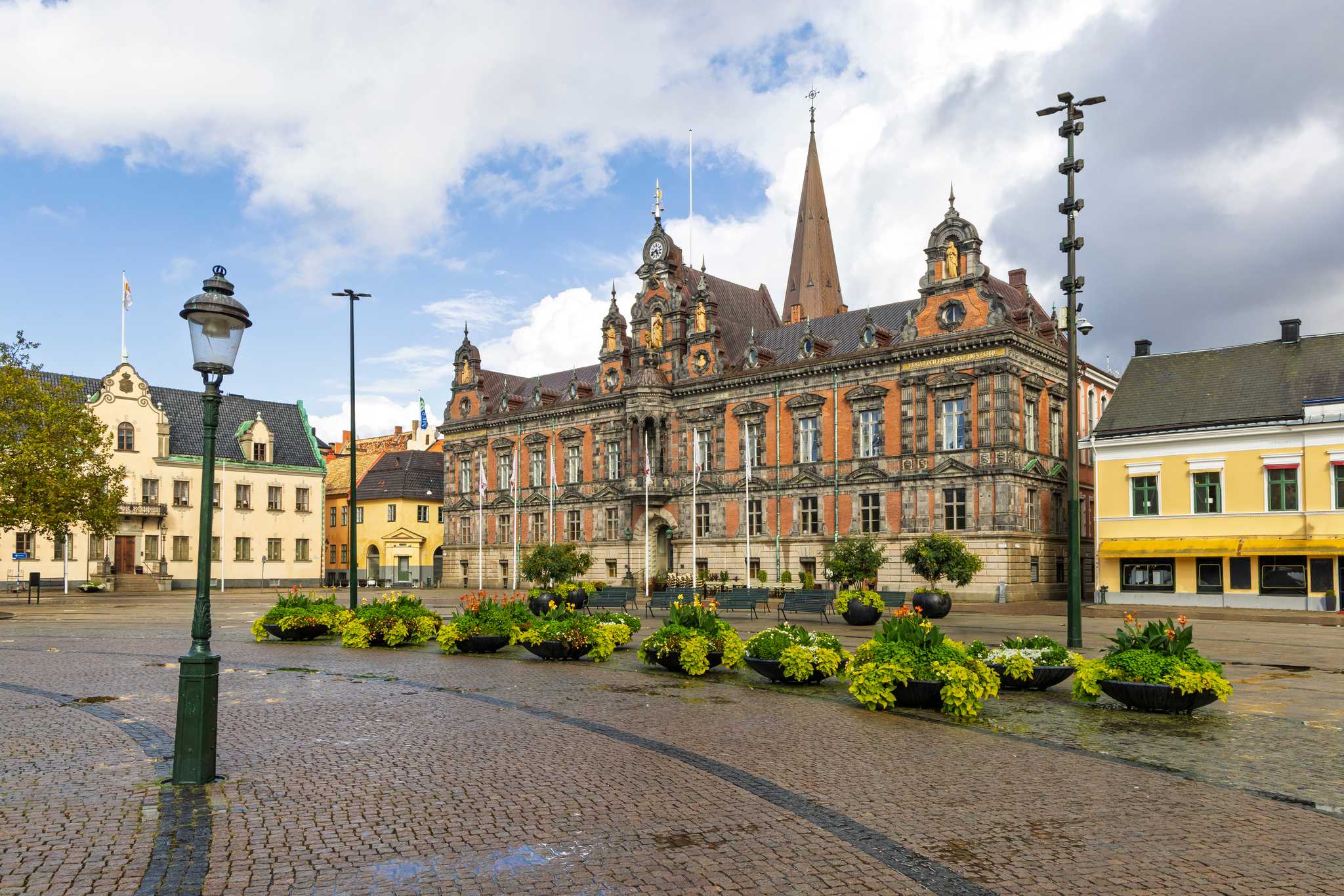
Prepárate para una de las experiencias museísticas más deliberadamente incómodas del mundo en el Disgusting Foods Museum de Malmö, un templo dedicado a los alimentos que unen a algunas culturas y horrorizan a otras.
Qué ver
- Más de 80 alimentos de todo el mundo seleccionados por su capacidad de provocar asco, fascinación o ambas cosas: queso con gusanos de Cerdeña, tiburón fermentado de Groenlandia, huevos centenarios e insectos preparados como delicias cotidianas
- Exposiciones que invitan a la reflexión y exploran cómo la cultura, la biología y la psicología moldean nuestra percepción de lo que es comestible (y lo que no)
- El bar de olores: un recorrido sensorial que presenta algunas de las muestras más penetrantes de la exposición sin ningún contexto visual
Qué hacer
- Atrévete a probar muestras de las entradas más notorias del museo; los más aventureros serán recompensados
- Reflexiona sobre cómo los alimentos que nos resultan repugnantes revelan más sobre nuestra propia cultura que sobre las culturas que los disfrutan
Ten en cuenta
- Consulta el horario de apertura actual y reserva con antelación: disgustingfoodmuseum.com
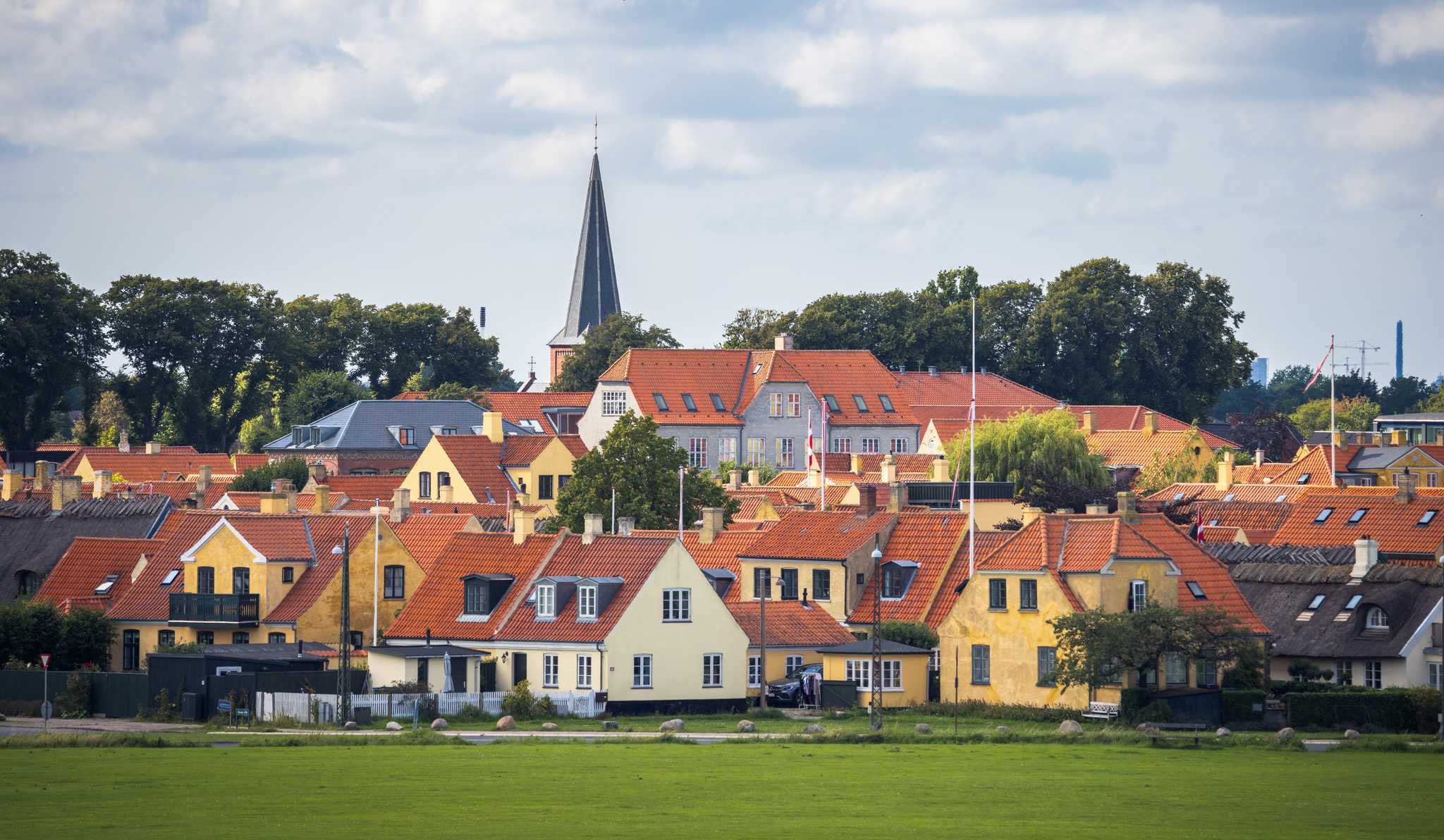
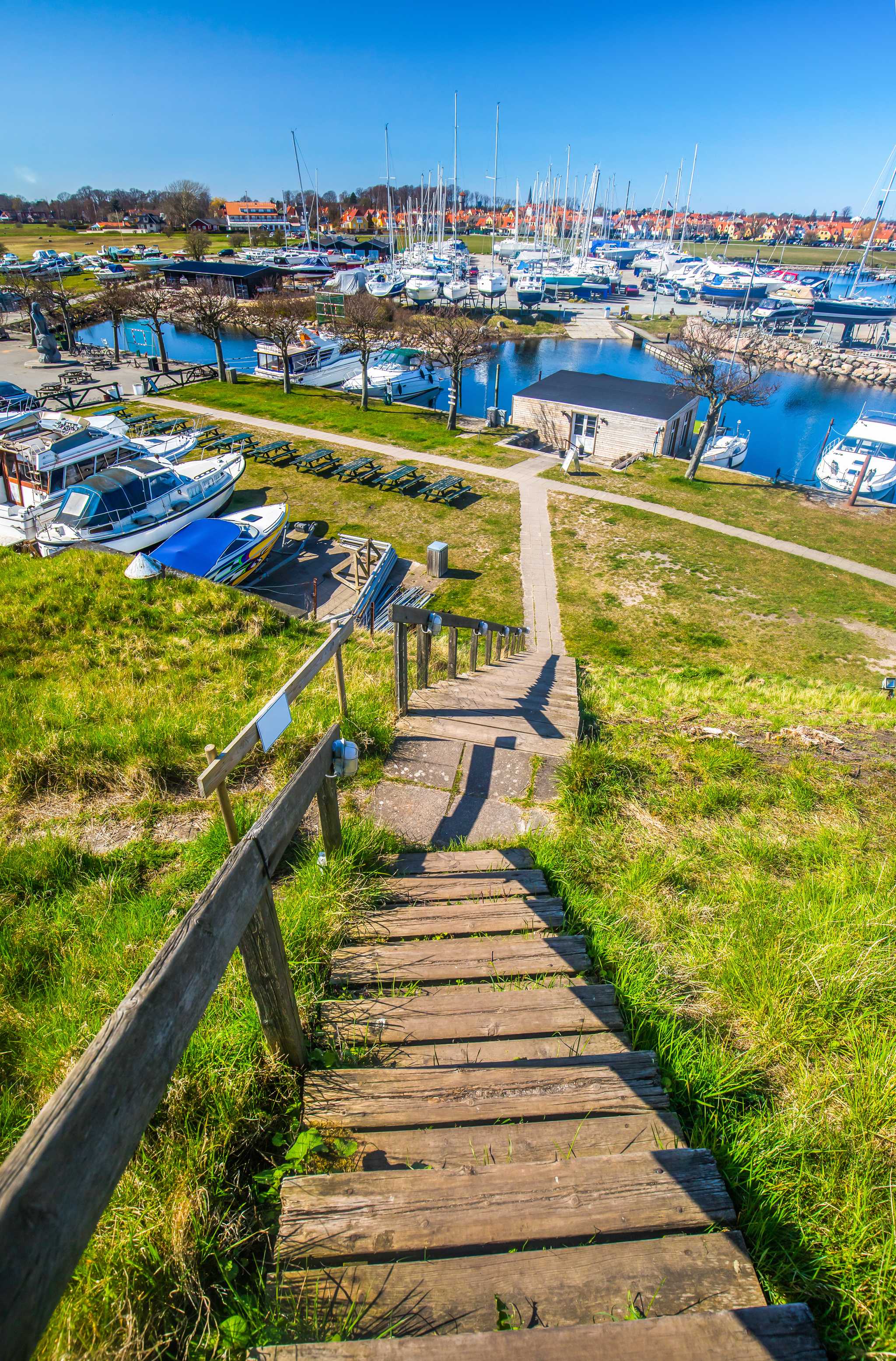
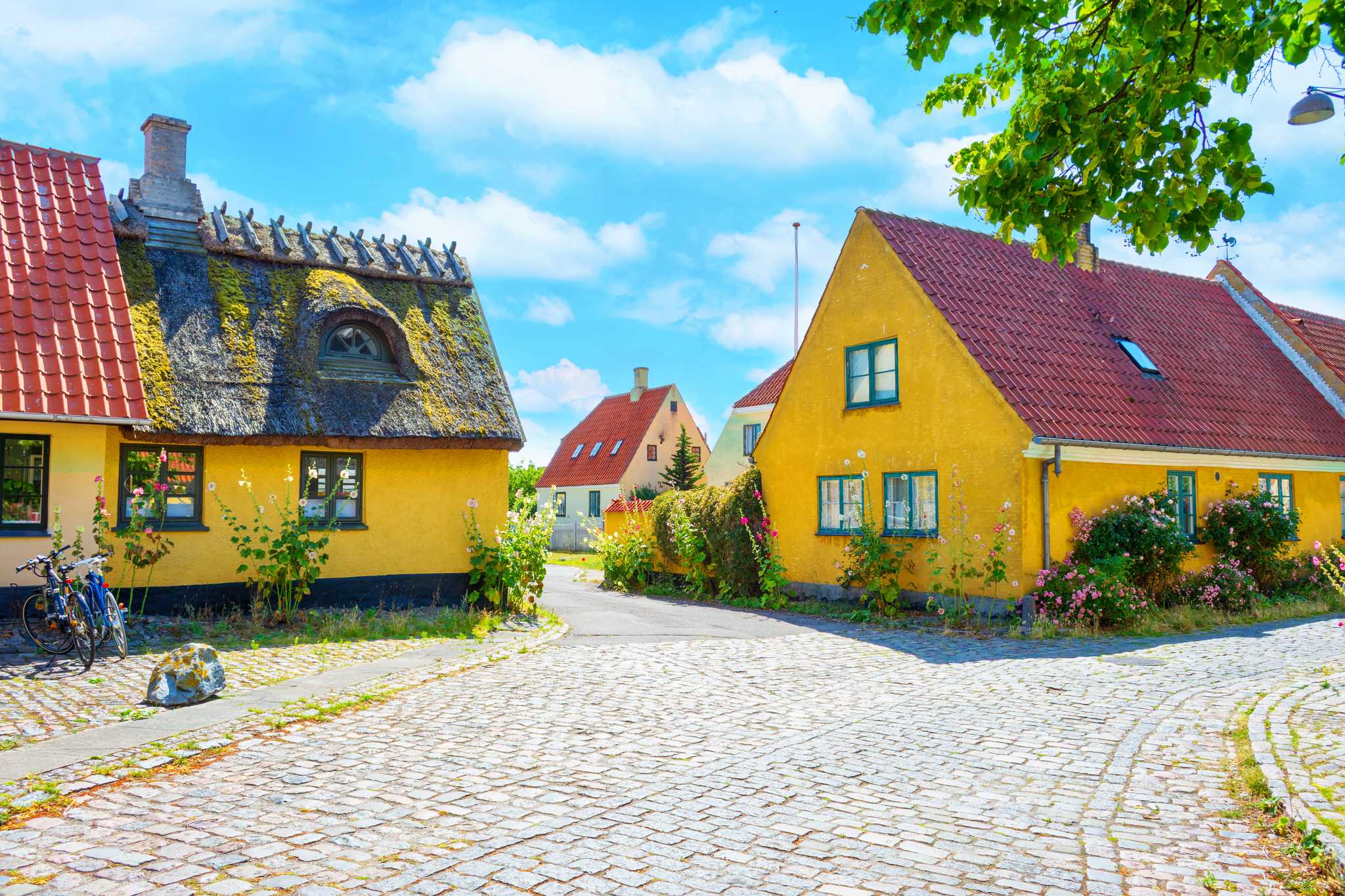
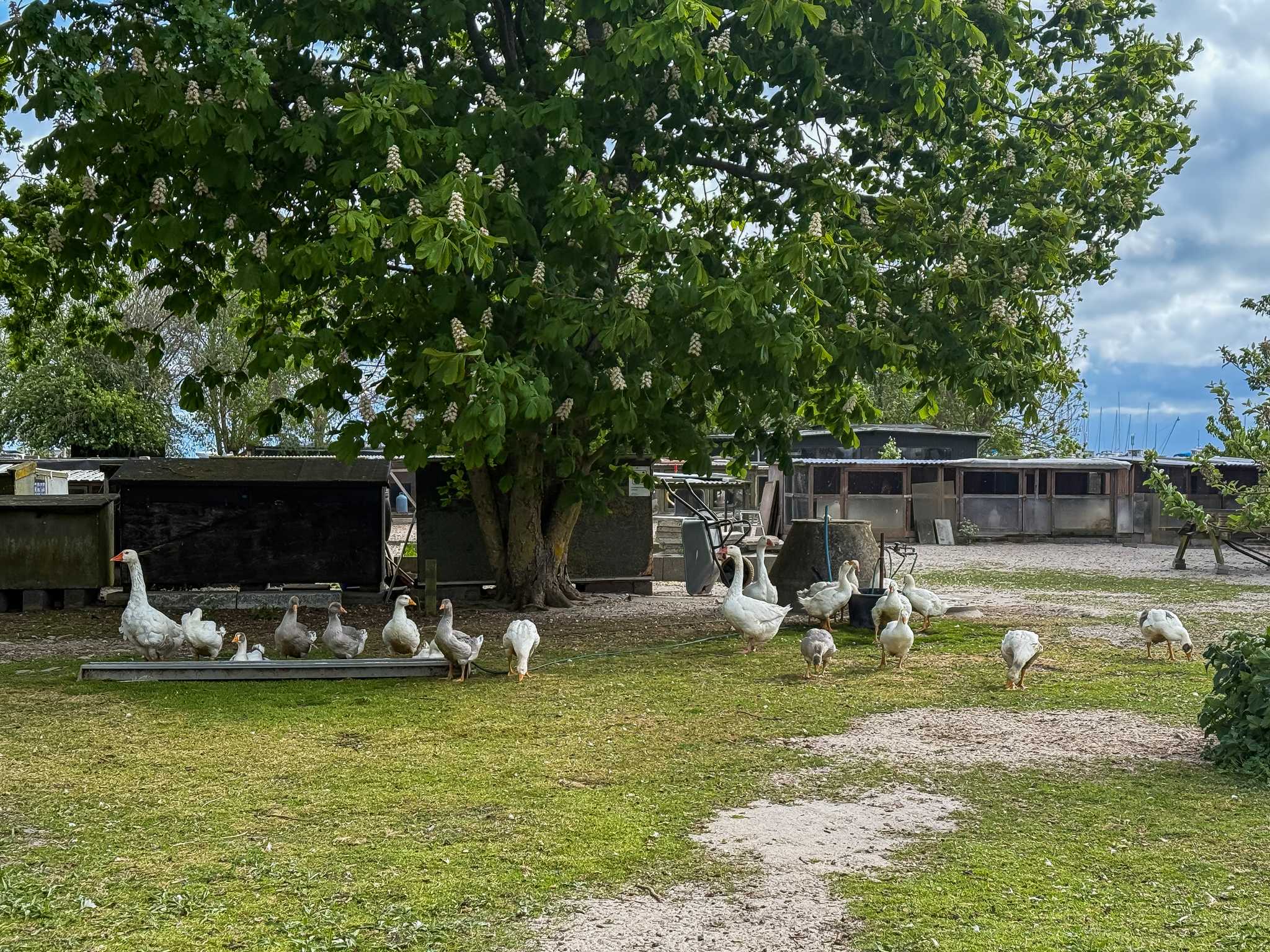
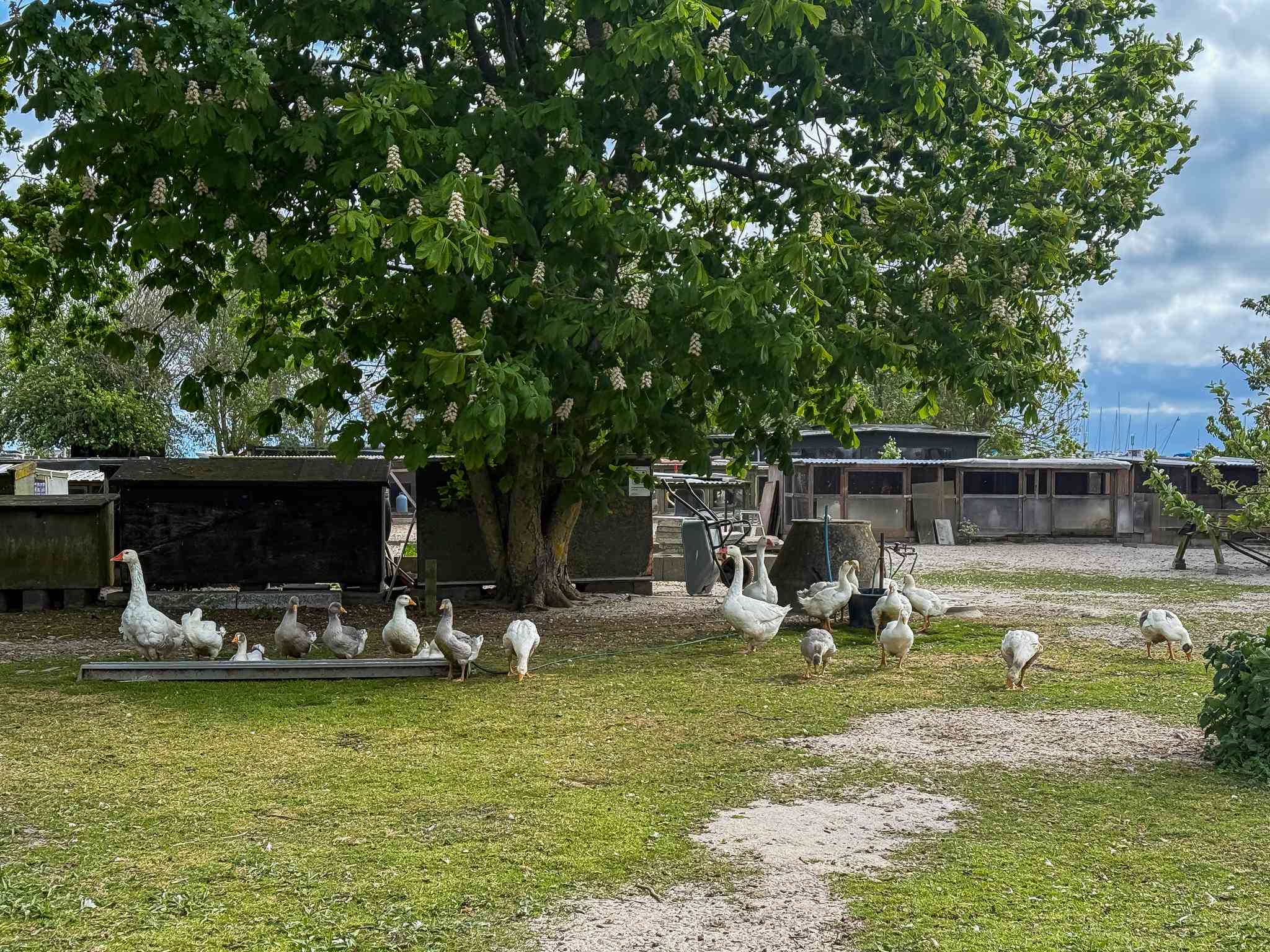
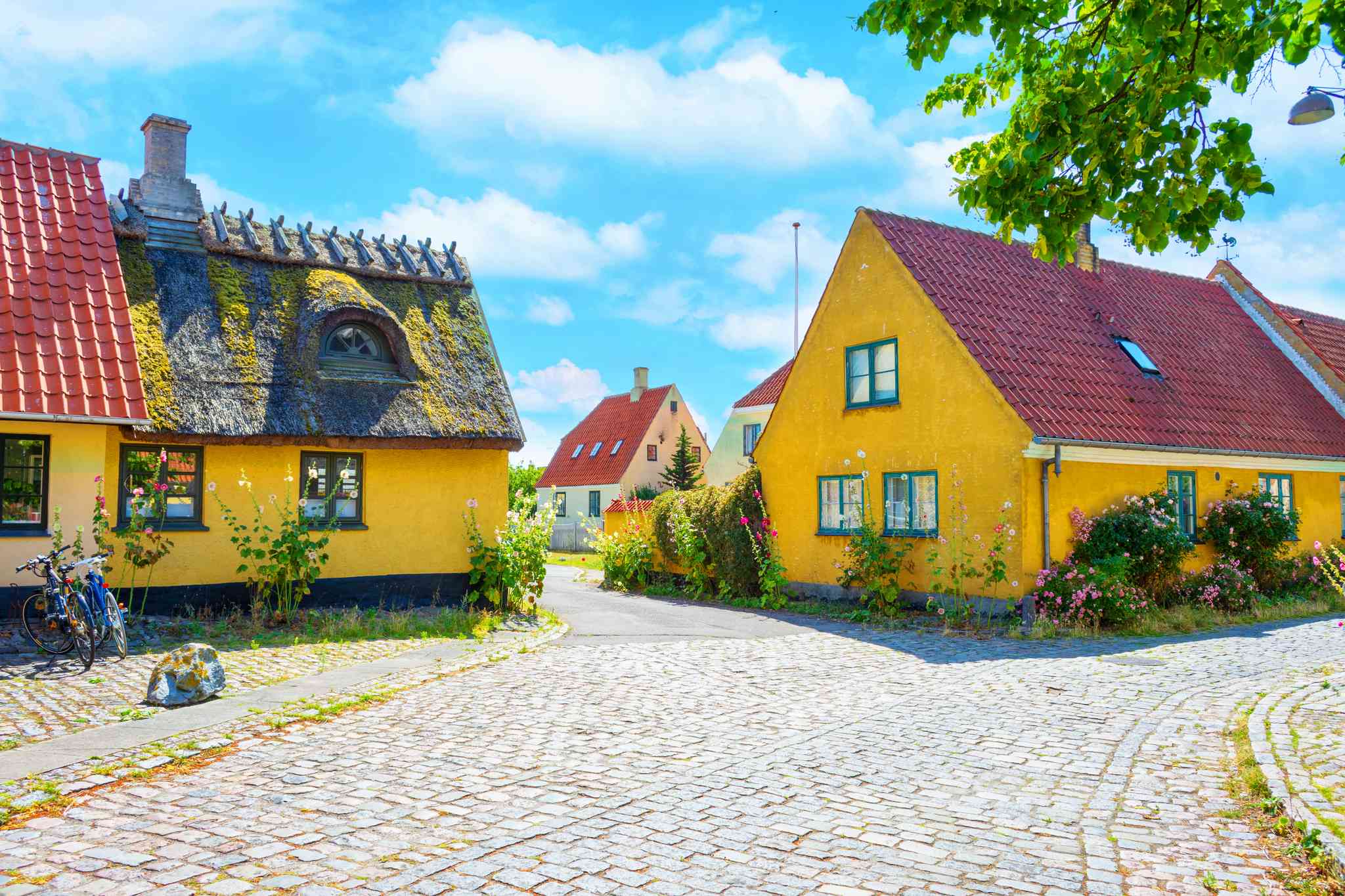
Pasea por uno de los pueblos del siglo XVIII mejor conservados de Dinamarca, donde las calles adoquinadas, las casas pintadas de ocre y una inusualmente dominante población de gansos en libertad te garantizan una tarde inolvidable.
Qué ver
- El puerto histórico y sus coloridas casas de pescadores, en su mayoría intactas desde el siglo XVIII y que lucen especialmente bien en la luz dorada de la tarde
- La autoproclamada "República de los Gansos", una divertida tradición local en la que los gansos del pueblo deambulan libremente y suelen reclamar el paso a los visitantes en las calles
- El Museo de Dragør, ubicado en una antigua villa de comerciantes y dedicado a la herencia marítima y comercial del pueblo
Qué hacer
- Pasea por las estrechas calles y siéntate junto al puerto para tomar un café o hacer un picnic; el ritmo de vida aquí se siente agradablemente alejado de la capital
- Da a los gansos un espacio respetuoso, se toman muy en serio su república
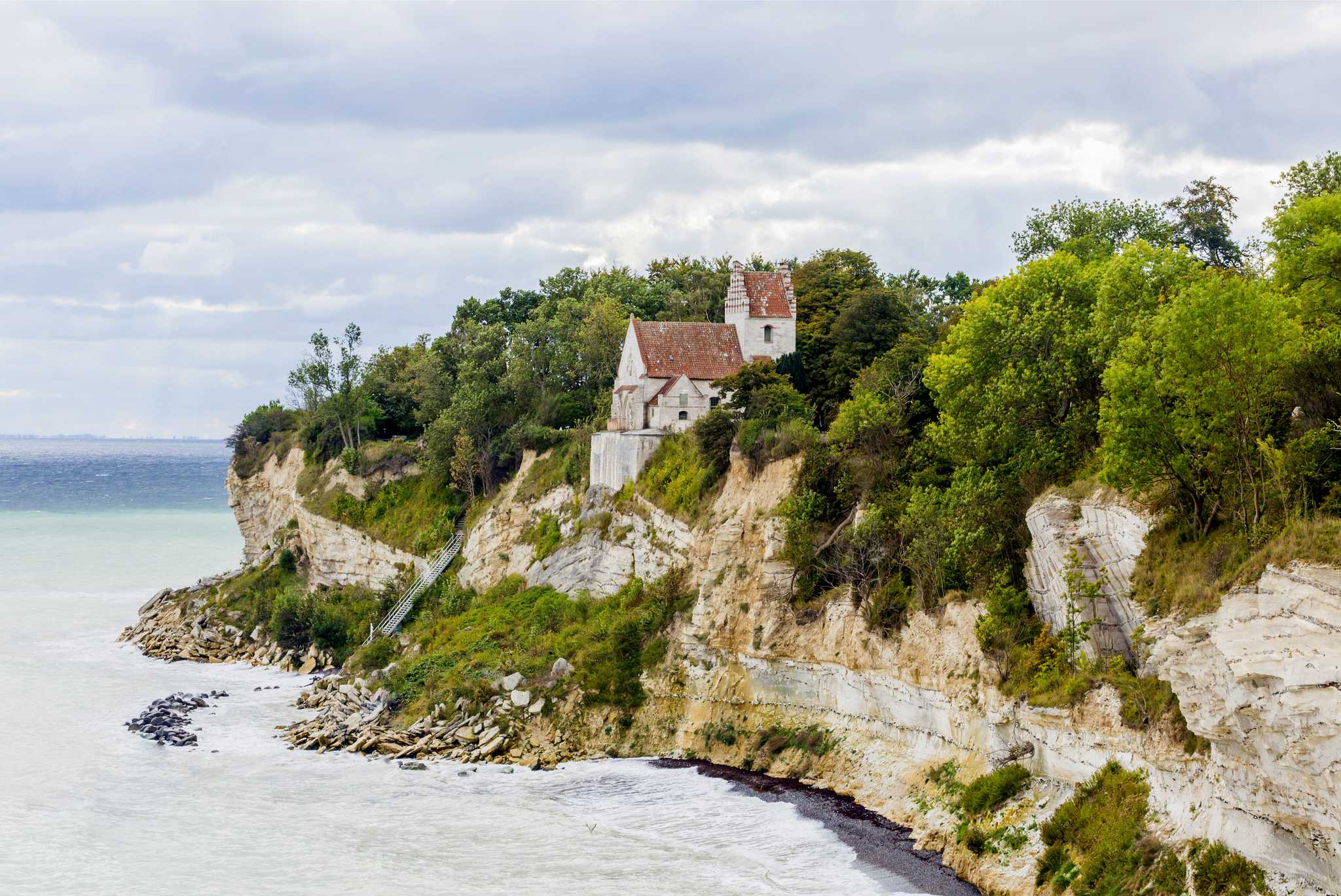
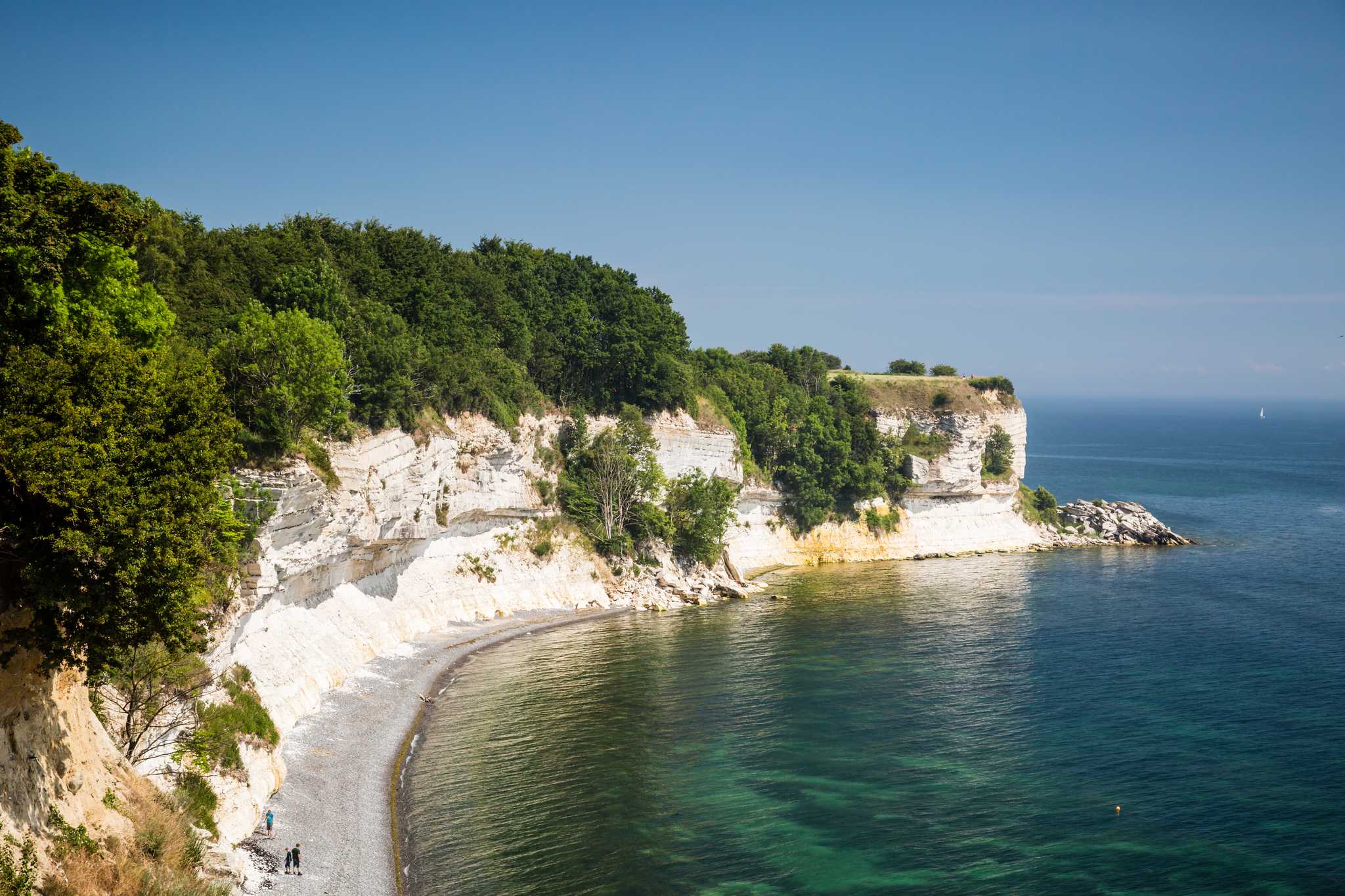
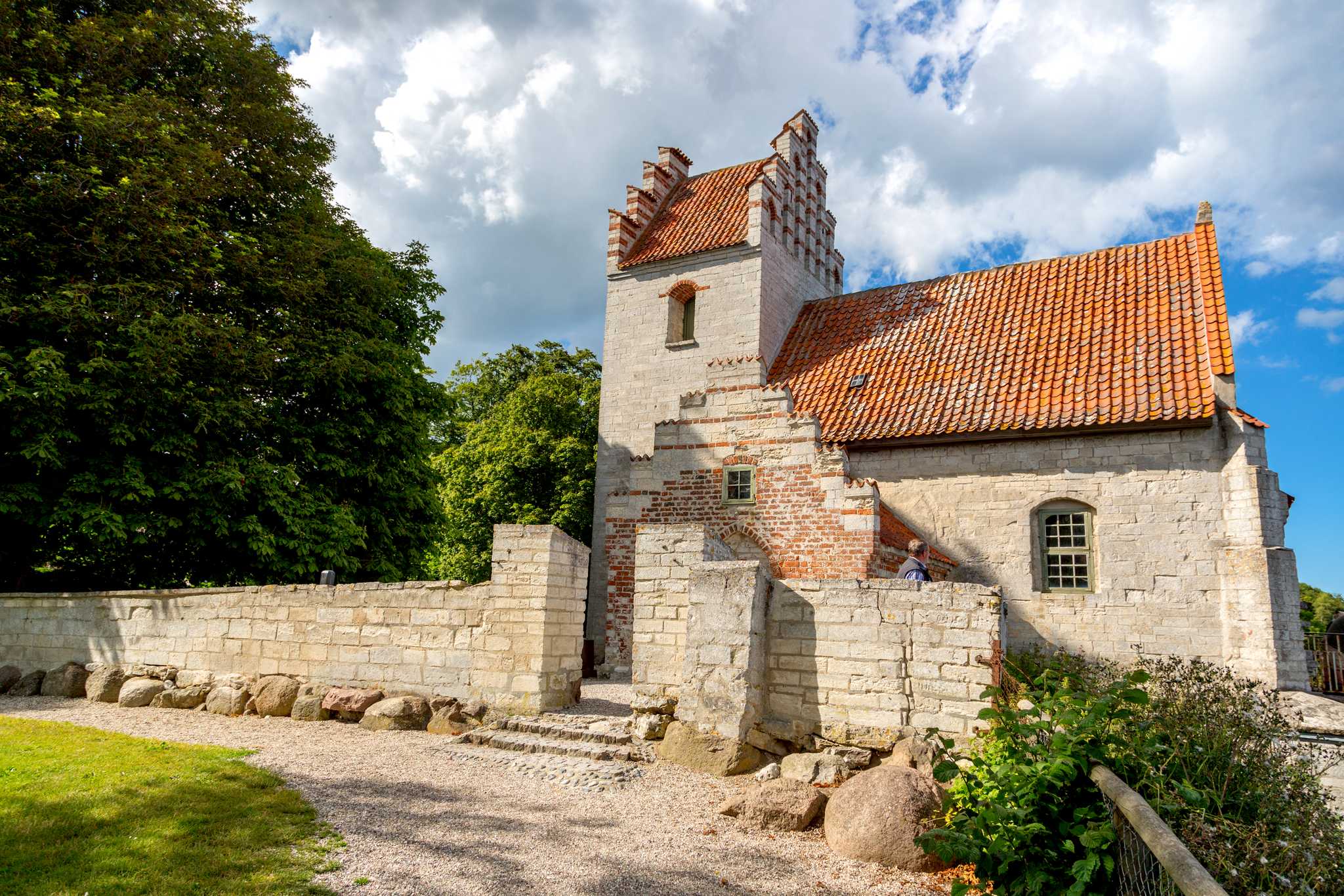
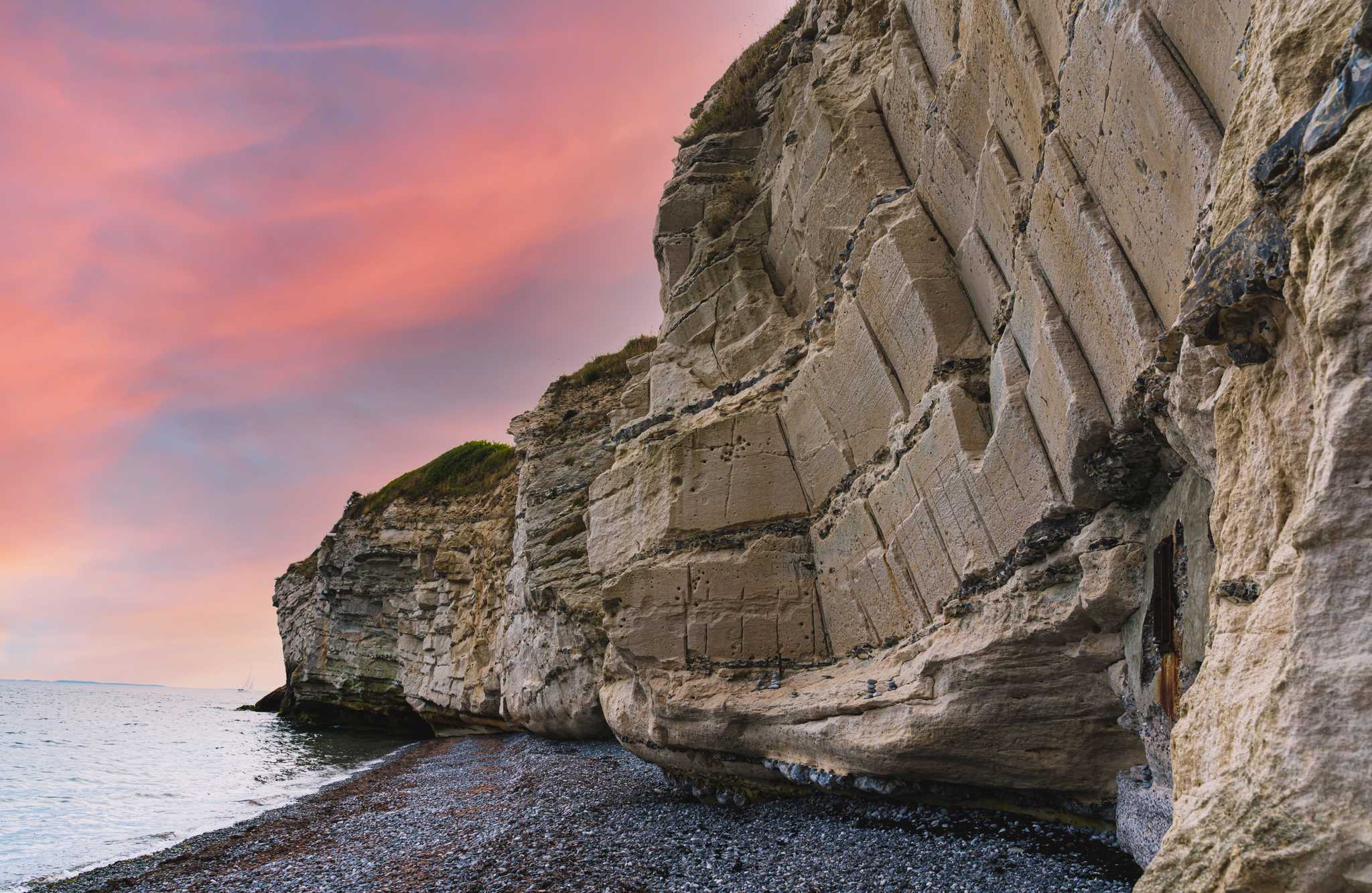
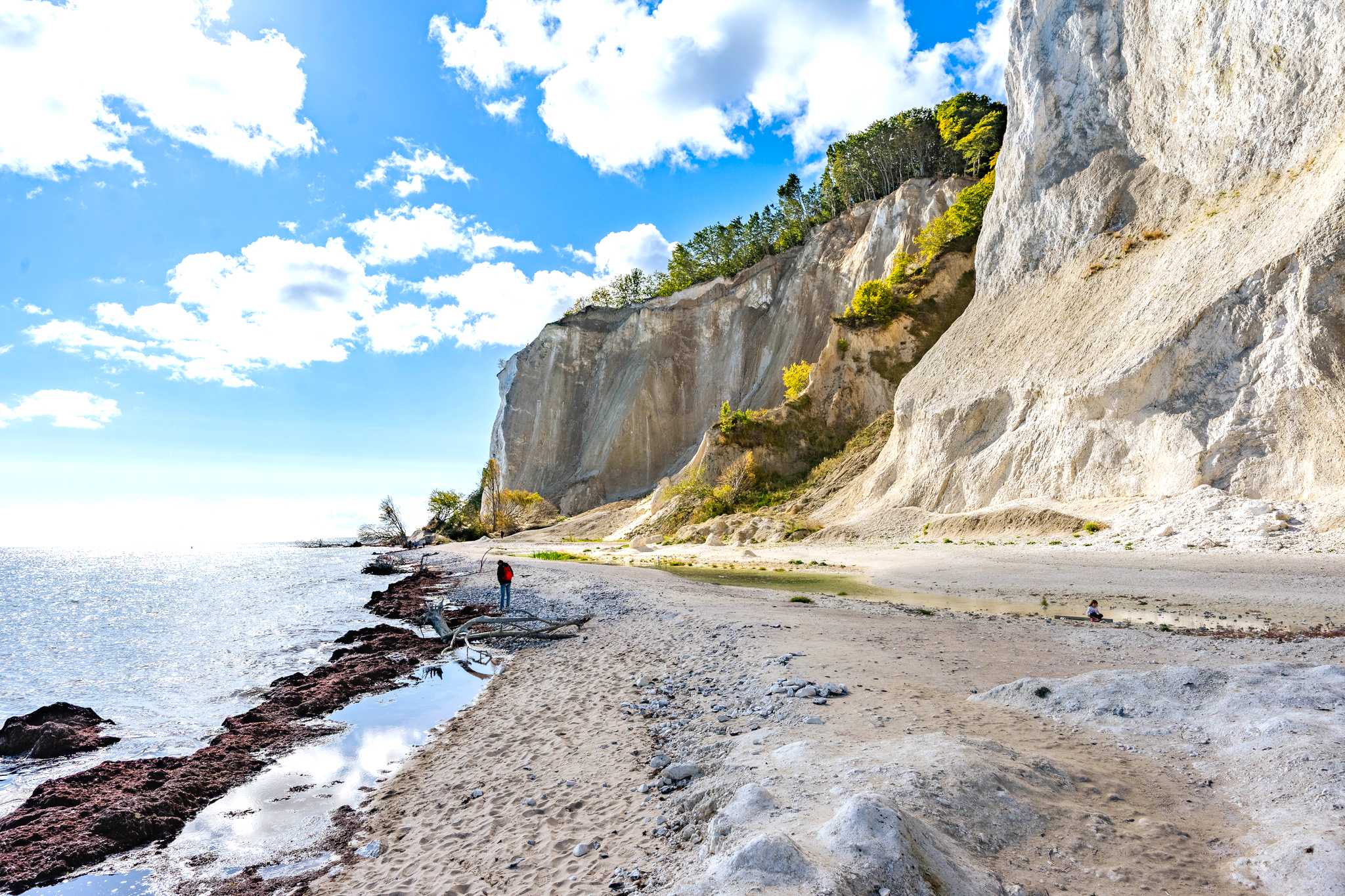
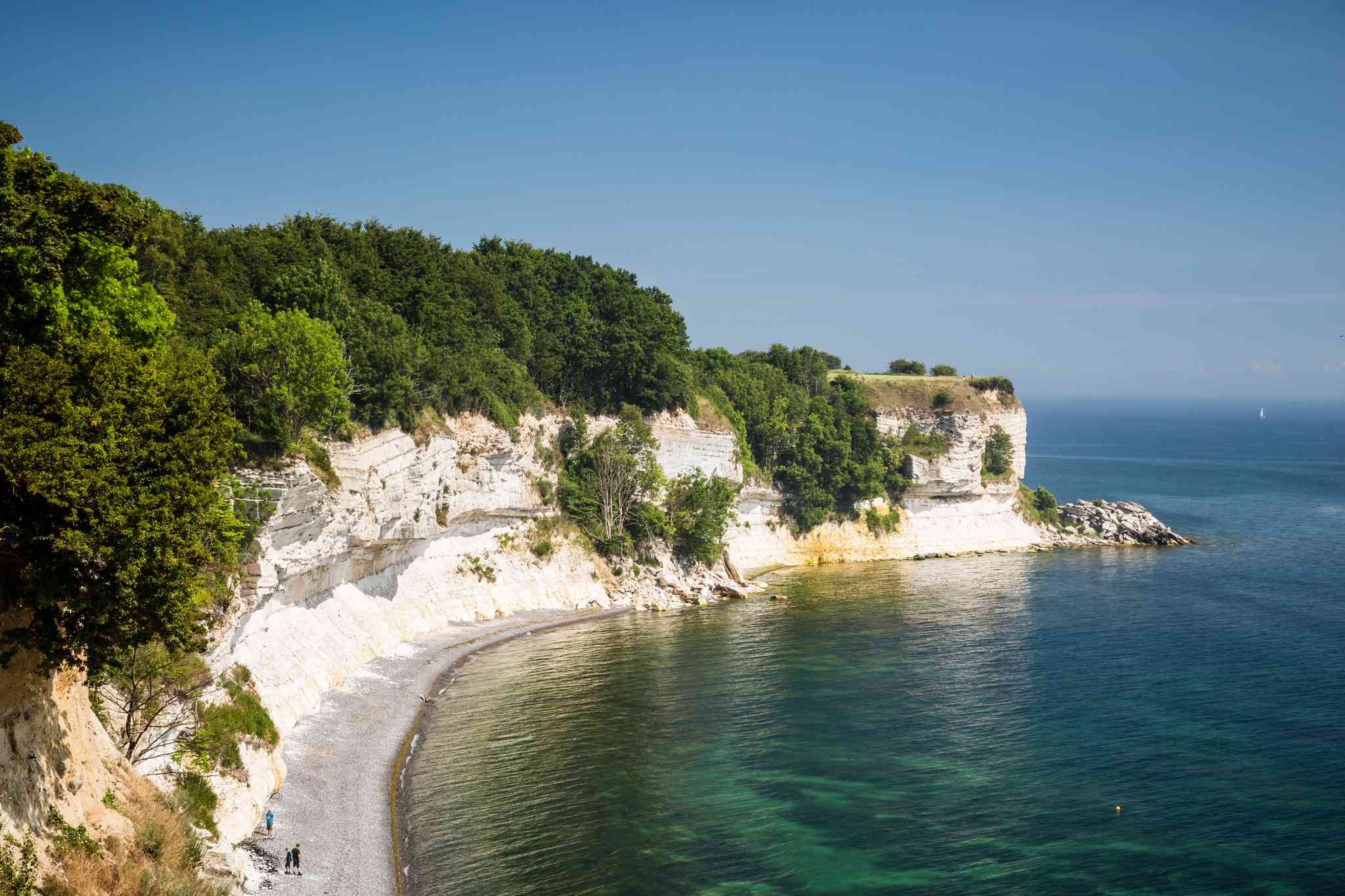
Párate sobre uno de los límites geológicos más significativos del planeta, un acantilado de creta donde el día en que los dinosaurios se extinguieron está literalmente escrito en la roca.
Qué ver
- Los acantilados de Stevns Klint, Patrimonio de la Humanidad por la UNESCO, que se extienden a lo largo de 15 kilómetros de la costa danesa, una impresionante pared de creta blanca y pedernal oscuro que surge directamente del mar
- La capa de arcilla de peces incrustada en la cara del acantilado: una fina banda oscura de sedimento rico en iridio depositada exactamente hace 66 millones de años, cuando el impacto del asteroide que puso fin al período Cretácico dejó su huella química en la corteza terrestre
- La fortaleza Stevnsfort de la era de la Guerra Fría, construida en la cima del acantilado durante la década de 1950 para defenderse de un posible asalto naval soviético
Qué hacer
- Camina por el sendero sobre el acantilado para disfrutar de las vistas a lo largo de la espectacular costa y hacia las paredes de creta pálida que se encuentran abajo
- Visita el Museo Stevns Klint (Klimarium) para comprender las historias geológicas y de la Guerra Fría que están presentes en este sitio extraordinario
¿Tiene preguntas o necesita ayuda?
Contacte a nuestro Soporte al Cliente. Estamos disponibles 24/7Daytrip es amado en todo el mundo. Aquí está el porqué.
Preguntas Frecuentes
Si tiene alguna pregunta, aquí están las respuestas.Sé el primero en descubrir más
Recibe ideas de viaje seleccionadas, destacados secretos y ofertas especiales de Daytrip.