What is the easiest way to get from Chefchaouen to Tangier?
The easiest way to travel from Chefchaouen to Tangier is with a private car from Daytrip. Moroccoâs rail lines are still being developed between smaller cities, buses are slow, and with taxis, you have to negotiate prices and pay cash.
How much is a taxi from Chefchaouen to Tangier?
Taxis are $60 to $200 depending on your negotiation skills and if you book through a hotel (it is more expensive this way). However, with Daytrip, you not only know the price up-front but you are also backed by 24/7 customer support and peace of mind when traveling abroad.
Does Chefchaouen have an airport?
No, the closest airport is the Sania Ramel Airport (TTU) in Tetouan. It is 27 miles (45 km) away and is small with very few international flights. For more international flight options, fly into the airports in Tangier or Fez.
What is the fastest way to get from Chefchaouen to Tangier?
Get to Tangier in just two hours when you ride in a private car! Buses take three hours just to travel between the stations and do not account for your taxi rides to and from your hotels. Door-to-door service is the fastest and most flexible.
Does Chefchaouen have a train station?
No. Although Morocco has rail lines between major cities and recently opened its first high-speed train in 2018, it will be many years before the Tangier-Chefchaouen line is built. You will have to travel to and from âThe Blue City of Moroccoâ by bus or private car.
Does Morocco have good beaches?
Yes! Moroccoâs 1553 miles (2500 km) of coastline span two bodies of water: the Atlantic and the Mediterranean. The Atlantic coast is popular with surfers for its higher waves, but the Mediterranean coast has calmer, warmer water that is popular with families and casual swimmers.
If Morocco has an abundance of anything, it is color! After your stay in Chefchaouen, the âBlue City of Morocco,â youâll make an unforgettable journey across the foothills to Tangier. This drive covers 69 miles (112 km) on modern highways and takes two hours nonstop.
The dark green Rif Mountains will fade from your view on the N2 highway as the land opens up into scrubland with scattered farms until you reach Tetouan. After a stroll through the historic medina with its kaleidoscope of rugs, spices, and jewelry, have a coffee break in the city center.
Once youâre back on the road, the N2 highway will redirect you to Tangier. As the coast becomes closer, the surroundings will become more lush and tropical. Before you know it, youâll reach Tangier, where the Mediterranean and Atlantic collide.
About Tangier
Tangierâs first inhabitants were the Amazigh (or Berbers), the indigenous people of Morocco. However, Tangier is in an incredibly valuable location and has been the subject of conquest for thousands of years. It is at the crossroads of the Atlantic Ocean and the Mediterranean Sea and jets out into the Strait of Gibraltar. Its wide, natural harbor is excellent for docking many ships at a time.
With mainland Europe just a short boat ride away and the entirety of the African continent to the south, it is no wonder that many empires have come and gone from its shores for thousands of years.
### Ancient Tangier
The Carthaginians began their rule in the 5th century BCE and built Tangier up as a significant trading post. Later, under Roman control, Tangier prospered as the capital of the province of Mauretania Tingitana but declined after the fall of the Roman Empire.
In the 8th century, Tangier became a launching point for the Islamic conquest of Spain under the Umayyad Caliphate. Over the centuries, it experienced multiple changes in control under the Idrisids, Almoravids, Portuguese, Spanish, and English.
In 1923, the neutral Tangier International Zone was created to appease the multiple foreign interests who wanted a foothold in Morocco: France, Spain, Britain, and the US. Moroccans eventually gained independence in 1956, after which Tangier was reintegrated into Morocco.
### Tangier Today
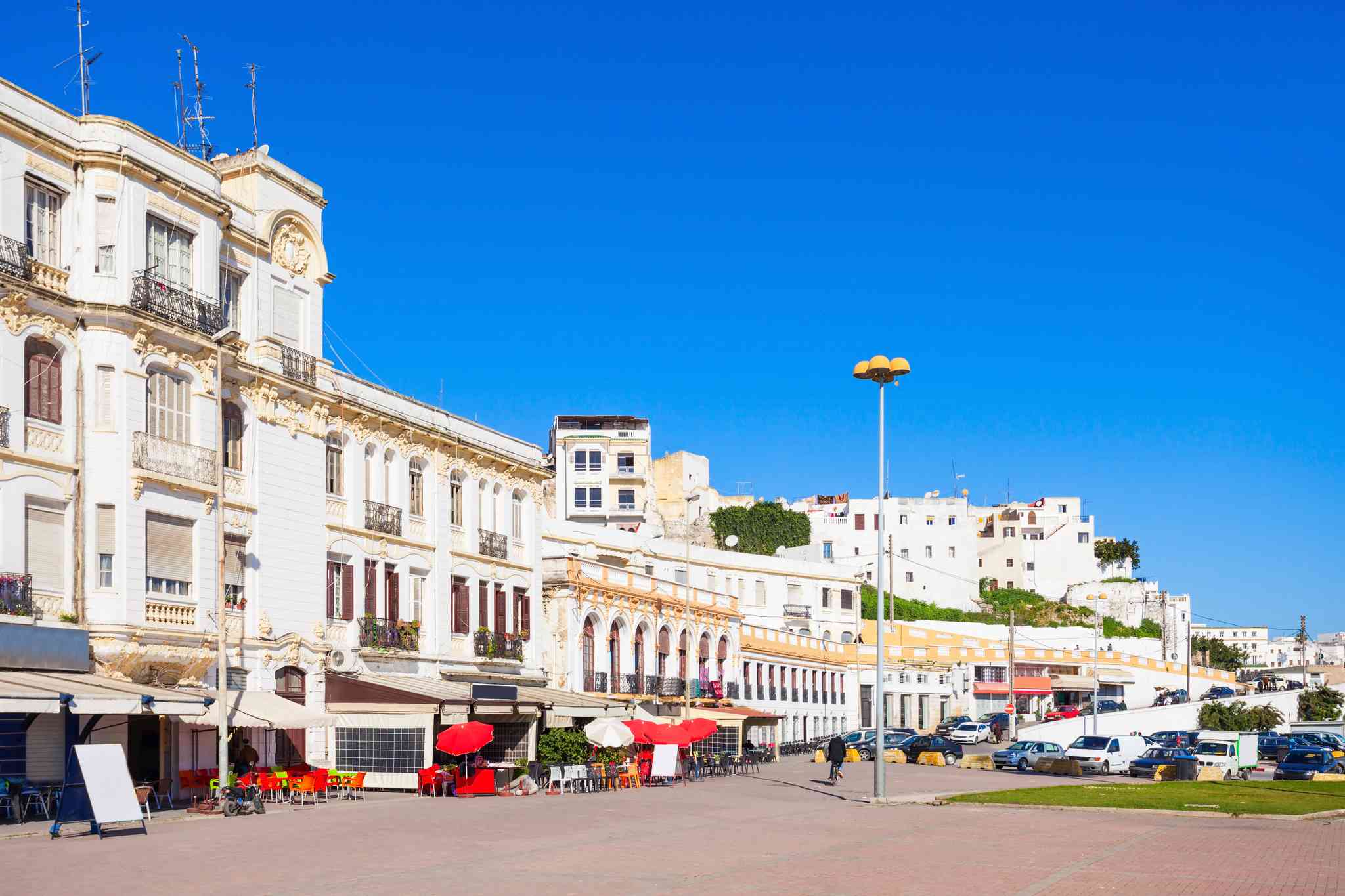
Tangier, âThe Bride of the North,â remains the largest city on Moroccoâs northern coast. Its historical influences arenât just remnants of the past displayed in its architecture and art. Listen carefully while you walk the streets, and youâll hear Berber, French, Moroccan Arabic, some Spanish, and even English. True to its roots as a port city, local cuisine incorporates flavors and techniques from all over the world.
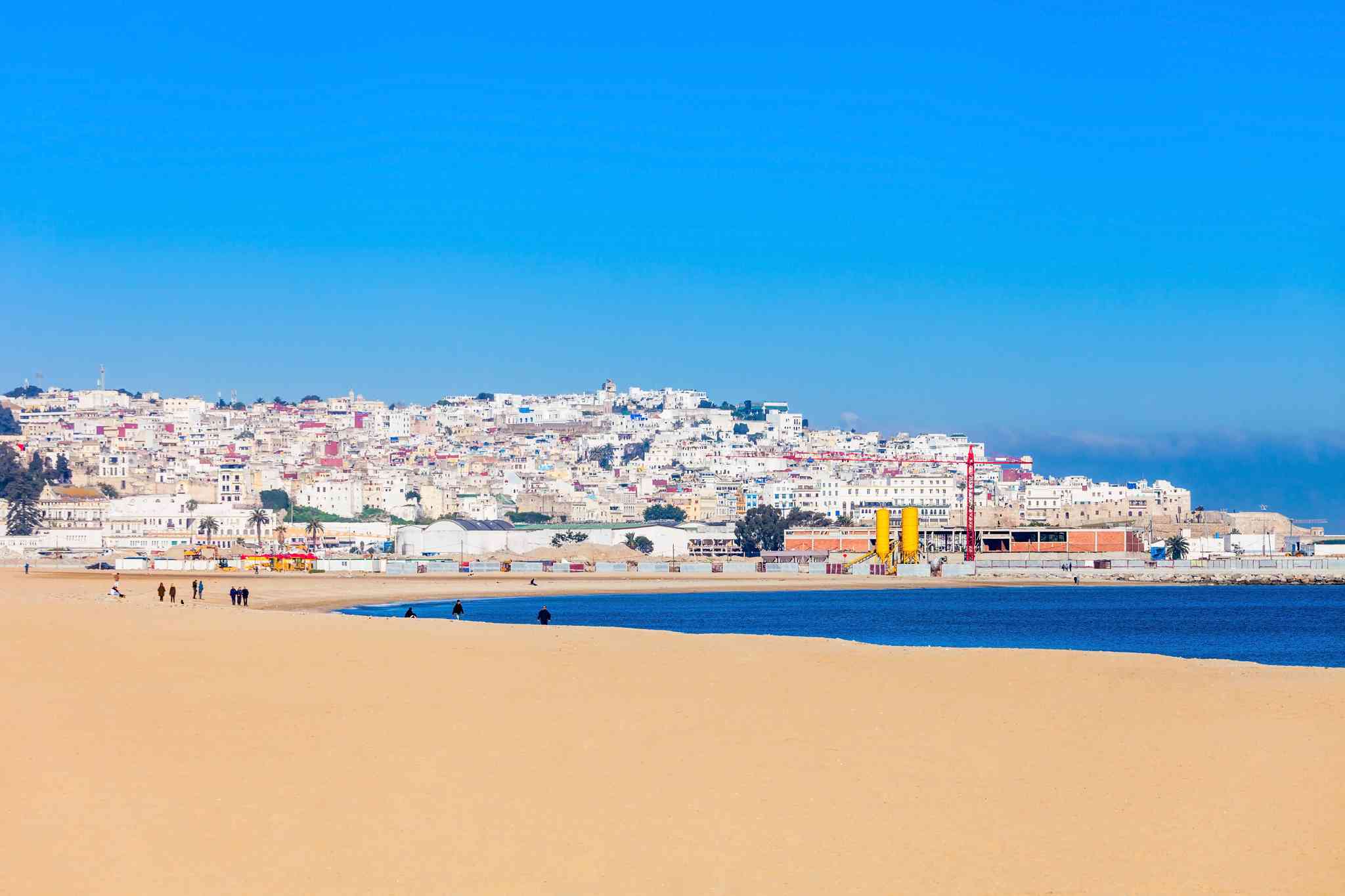
Tangier is the third-largest city in Morocco and has about one million inhabitants. It is still an under-rated vacation destination but is growing in popularity for its short distance from Europe, great beaches, and overwhelming display of colors, textures, smells, and sounds.
From Chefchaouen to Tangier: travel tips
Traveling in Morocco doesnât have to be intimidating! Feel your most confident by following these easy rules for your trip from Chefcaouen to Tangier.
Be discreet when taking photos
Taking photos on your vacation is a beloved hobby and a great way to preserve memories and show your friends your travels, but Moroccans are generally strict on public photography. Most religious and tourism sites also have no-photography policies once inside, so check the signage before pulling out your DSLR.
Avoid photographing people up close without permission, and when taking snapshots on the streets, avoid any government or military buildings. It is possible that a security guard or the police will ask you to delete photos of an area they deem sensitive or ask to review your photos. If approached by someone, calmly apologize and delete the pictures they do not like. They will understand you are from abroad and are not usually looking to escalate the situation.
### Have small bills on you in cash
Morocco is a cash country. It is important to not only have cash, but to have the right type of cash, especially when you are in between cities and may not have an ATM close by. Carry enough money for the day in small bills so you can pay the exact amount or easily make change at shops and restaurants.
How to get from Chefchaouen to Tangier
Chefchaouen is a small city with limited bus departure times and no train or air travel. In order to make your trip from Chefchaouen to Tangier, you will need to hire a driver or take the bus.
Private drivers from Chefchaouen to Tangier
Hire a private driver so you can plan your vacation on your schedule. Instead of relying on the bus with standard departure and arrival times, have your driver take you door-to-door across northern Morocco. Gain the flexibility you wouldnât have on a bus ride to pull over for once-in-a-lifetime photos and visit sightseeing stops like the Cascades d'Akchour.
This trip can be done in two hours without stops. Our fleet of vehicles is insured and can accommodate childrenâs car seats, pets, and the disabled.
Unlike with a taxi, when you book with Daytrip, you will have peace of mind: email confirmations, 24/7 customer care, and the option to pay with a card. Come see why we received Tripadvisorâs Travelers' Choice Award for the 8th year in a row- book your car today for $127.
### Buses from Chefchaouen to Tangier
In order to reach Tangier by bus, book through CTM. Their direct buses depart three times per day from Cherchaouen between 1:15 PM and 6:15 PM. Tickets cost $4 to $10 per person before adding the additional cost of luggage. The ride should take three hours.
When you arrive in Tangier, it is important to note that the CTM bus station is a 15-minute drive from the city center. Taxis are readily available to transport passengers as they arrive from the buses, but you will need to have cash and rely on your negotiation skills to get the best price. To avoid an unexpected âtourâ of the city with a much longer ride time (and, therefore, a higher price), confirm the cost of your taxi before getting in the car.
Things to do when you get to Tangier
After your drive back from Chefchaouen to Tangier, hit the streets and explore all the city has to offer. Make sure these places and activities get onto your itinerary:
Cape Spartel
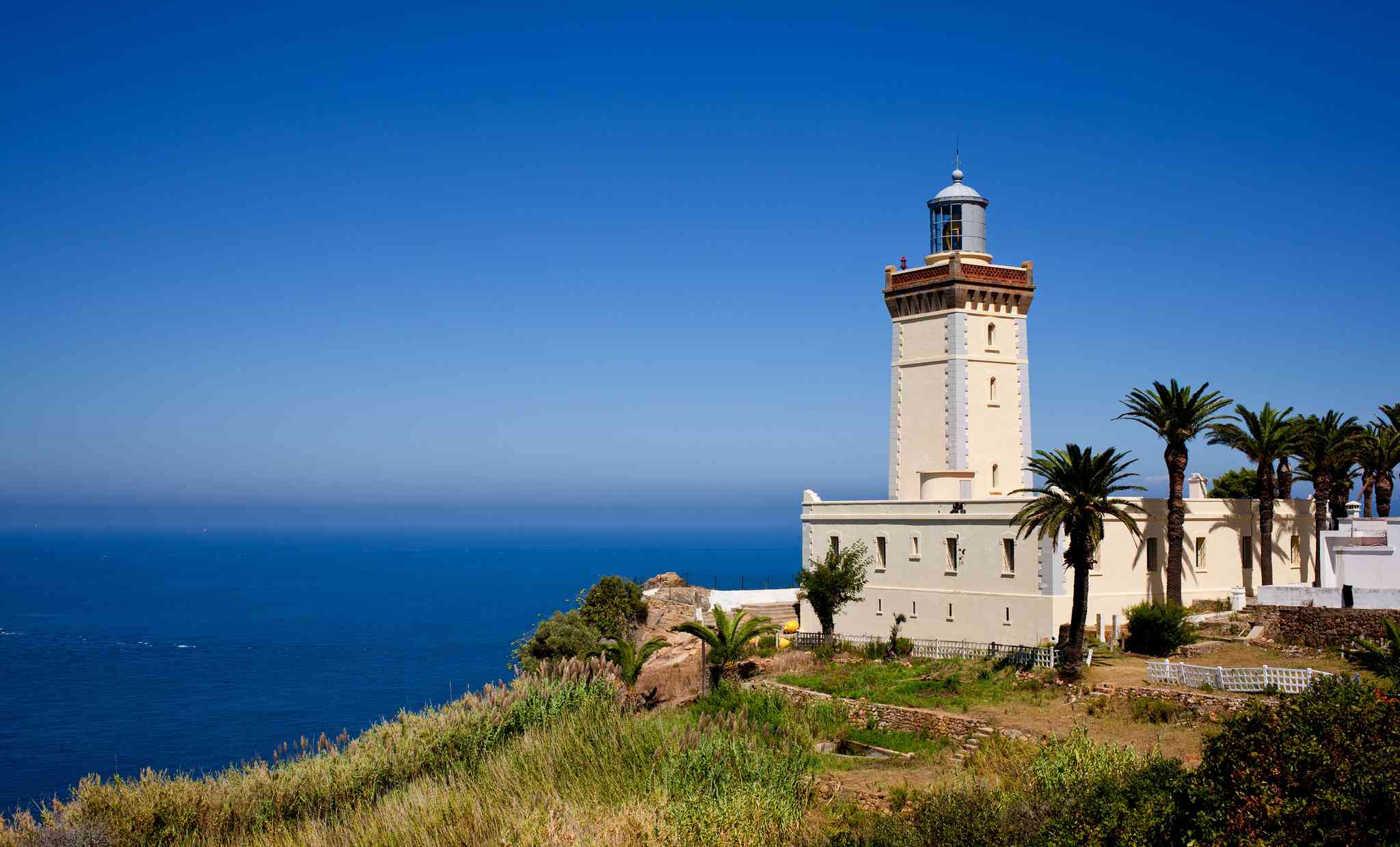
Watch the sunset from the northwesternmost point of mainland Africa! Cape (or Cap) Spartel is the meeting point of the Mediterranean Sea and the Atlantic Ocean, and you can even see Spain across the Strait of Gibraltar from a distance on clear days. It is located just outside of Tangier to the west and is one of the possible stops you can make during your Daytrip transfer.
### The Kasbah Museum
Located within the Kasbah, this museum showcases a wide range of artifacts from Morocco's history, including pottery, textiles, and ancient manuscripts. The museum is set in a former palace complete with courtyards and marble fountains.
### Medina markets
Bazaars, souks, markets- no matter what you call them, they are all over Morocco! Flex your bargaining muscle and learn the art of negotiation in Tangierâs Medina markets. Haggling is an uncomfortable practice in many countries, but in Morocco, itâs tradition! Never pay full price, and remember to have fun shopping for local jewelry, carved boxes, spices, baked goods, and shawls.
### Moshe Nahon Synagogue
Before mass migration to Israel in the 1940s, Morocco had the largest Jewish population in the Arab world. Today only about 2,000 Moroccans identify as Jewish, but their historical impact on Tangier is still visible. This unassuming synagogue tucked away off of *Rue Synagogues *is ornately decorated on the inside and well-worth the short detour for a visit.
### Tangier American Legation Museum
Visit the only U.S. national historical landmark located in a foreign country! The Kingdom of Morocco was the first nation to recognize American independence in 1777, and the Tangier American Legation building was a gift from the Sultan to the young country. Come learn about US-Moroccan diplomatic relations through the centuries in this sprawling mansion.
### Go to Spain for the day
Tangier has a smaller port than Tanger Med, but you can still take a ferry a short distance across the Strait of Gibraltar to Tarifa, Spain. Ferries arrive and depart frequently, and the ride takes 1 hour, so why not mark another country off of your bucket list?
When is the best time to visit Tangier
Morocco is a North African country only separated from southern Spain by the Strait of Gibraltar. It has a typical Mediterranean climate in the north and gradually becomes more arid as you travel south towards the Sahara Desert. The spring and autumn are the best seasons to travel because of the milder temperatures, with average daytime temperatures around 77°F (25°C). It is sunny and warm but not sweltering.
Avoid traveling around Morocco in the summer. It is incredibly hot, and thermostats regularly reach 96°F (36°C) in the shade. On the other hand, winter isnât the best time to visit either. Even though Morocco has very mild winters, if youâd like to swim at Tangierâs beaches or work on your tan, it may be too cold between November and February.
Visitez ces sites en chemin
Cascades d'Akchour
The dramatic landscape surrounding this stunning series of waterfalls stopped a Spanish invasion. A Halting HikeÂ
Tetouan
Closely tied to Spain, the UNESCO-listed medina of this historic town is essentially an Andalusian Pueblo Blanco. An Andalusian TransplantÂ
Caves of Hercules
This cave complex at the far tip of Africa is surrounded by legends linking it to Hercules and Gibraltarâs monkeys. The Point of LegendsÂ
Cape Spartel
This rocky promontory marks the entrance to the Strait of Gibraltar, offering views of both the Atlantic and Mediterranean. Where the Ocean Meets the SeaÂ