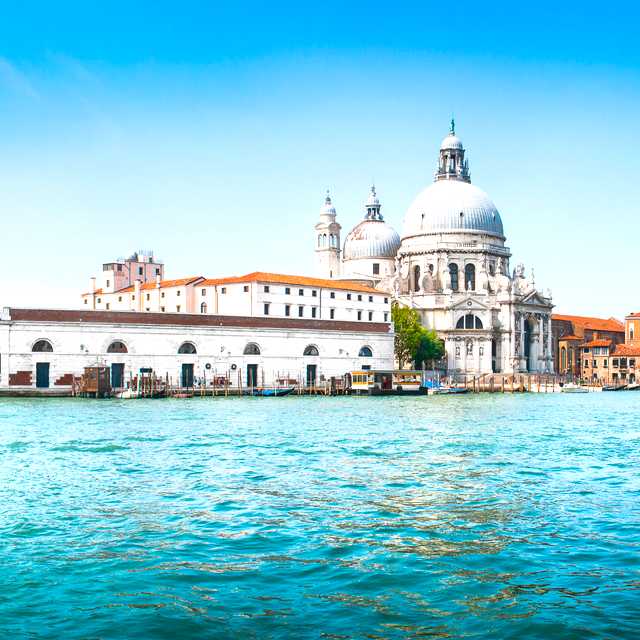
Transferts en voiture privée à Mlini
Découvrez les transferts en voiture privée autour de Mlini, Croatie, et explorez la région confortablement avec un chauffeur anglophone sympathique.
Les itinéraires les plus populaires depuis Mlini
Découvrez davantage Croatie en une journée, depuis les sites populaires jusqu'aux coins tranquilles, en toute aisance et confort.
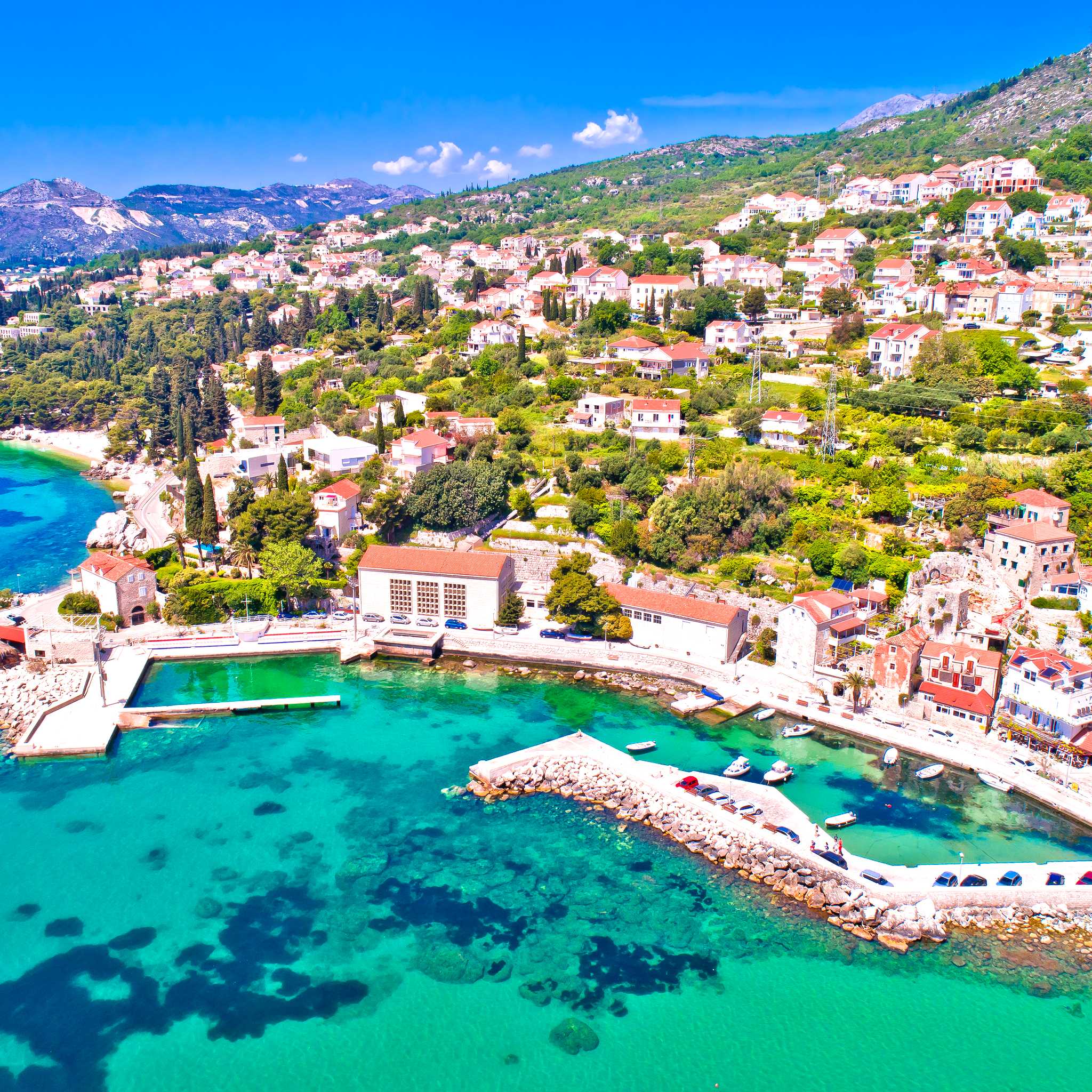


Les itinéraires les plus populaires vers Mlini
Découvrez davantage Croatie en une journée, depuis les sites populaires jusqu'aux coins tranquilles, en toute aisance et confort.
Approuvé dans plus de 130 destinations dans le monde
Opérer dans le monde entier signifie que nous connaissons les meilleurs chemins, partout.
Assistance 24/7 sur laquelle vous pouvez compter
Avec Daytrip, vous n'êtes jamais seul. Obtenez l'aide dont vous avez besoin, à tout moment, n'importe où.
Des experts locaux au volant
Nos chauffeurs anglophones sont des professionnels vérifiés qui sont experts en itinéraires, conseils locaux et sécurité.
Flexibilité pour personnaliser votre voyage
Personnalisez votre voyage pour voir exactement ce que vous voulez, quand vous le voulez.
Sécurité et confiance, tout au long du parcours
Découvrez de nouveaux lieux en toute tranquillité, sachant que vous êtes en sécurité, à l'aise et à l'heure.
Voyages de dernière minute, réservations faciles
Réservez aujourd'hui, voyagez demain. Votre prochaine escapade est prête quand vous l'êtes.
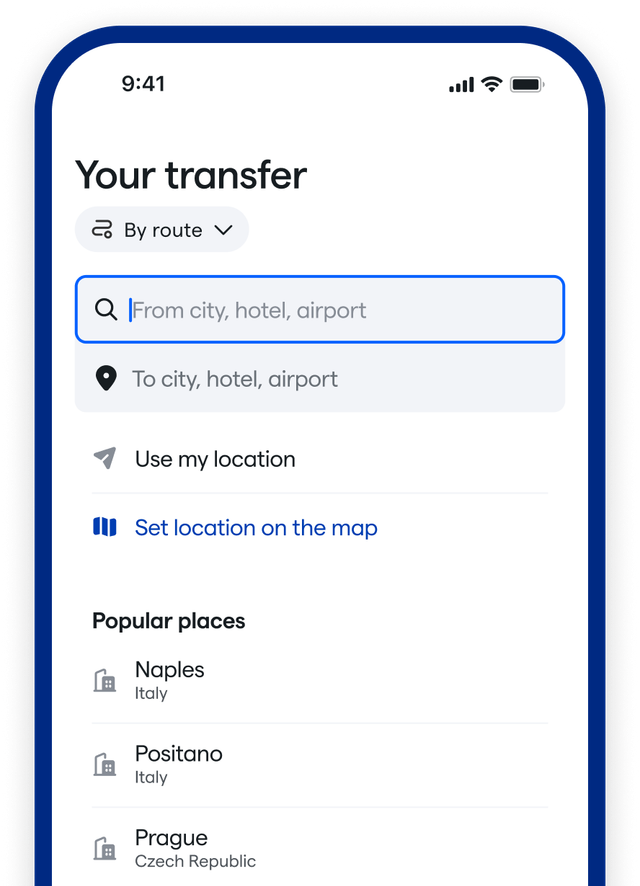
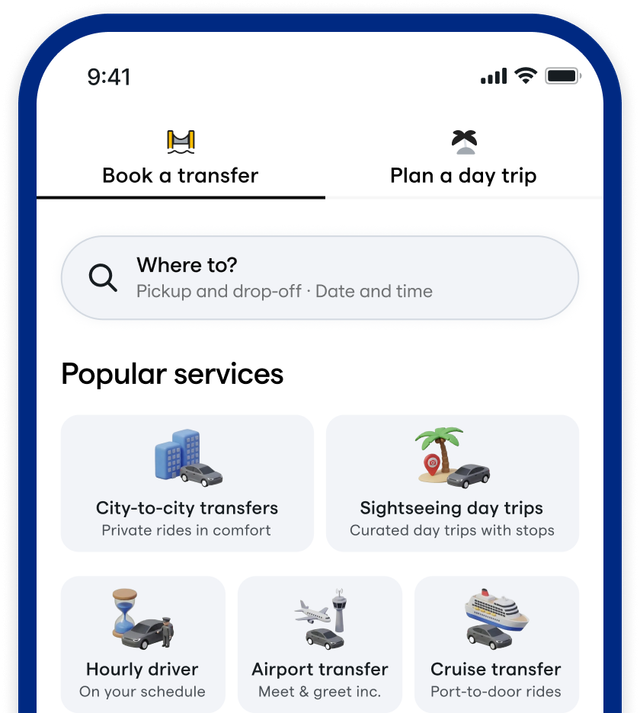
Allez n'importe où. L'application Daytrip le rend facile.
Réservez des transferts interurbains, explorez des arrêts incroyables, et voyagez facilement dans l'application Daytrip.
Scannez le code QR, téléchargez l'application et commencez à explorer !
Questions fréquemment posées
Si vous avez des questions, voici les réponses.Soyez le premier à découvrir plus
Recevez des idées de voyage soigneusement sélectionnées, des points forts d'initiés et des offres spéciales Daytrip.