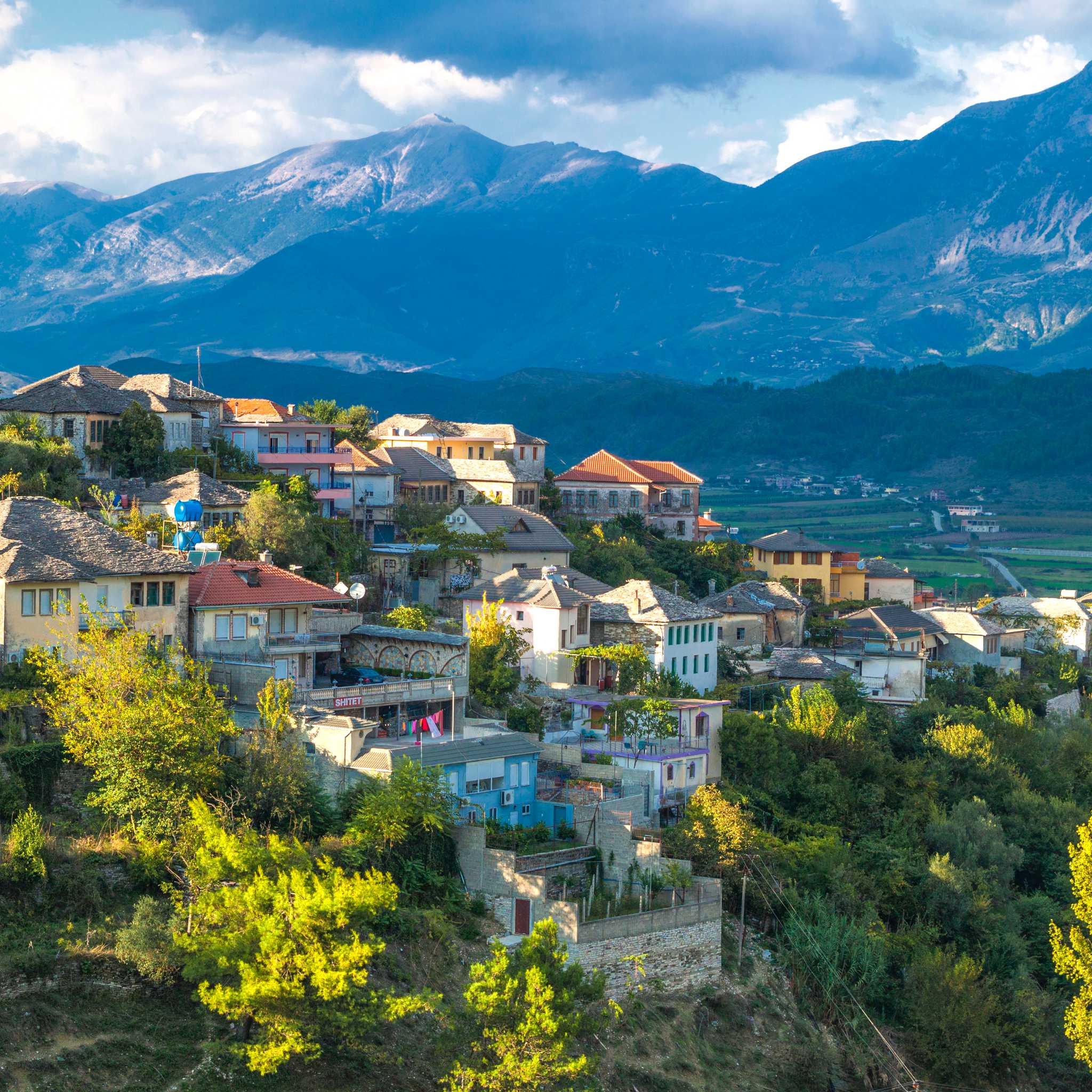
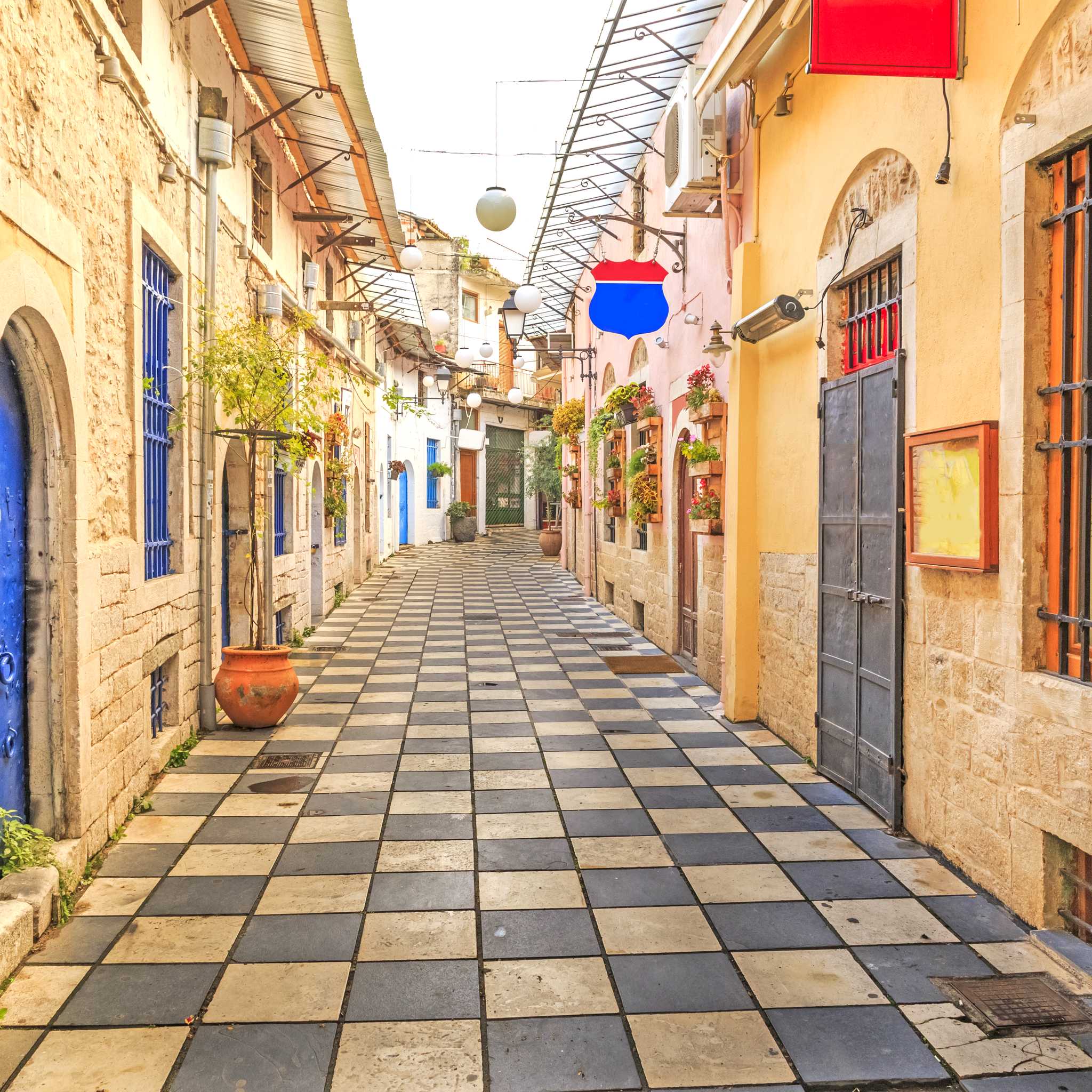
Gjirokaster is a steep hillside town with cobbled, often slippery stone streets, so it is genuinely challenging for strollers and wheelchairs and demands a good level of mobility. Comfortable, sturdy shoes are essential. Most sights are within walking distance but involve uphill climbs and uneven surfaces. If arriving by bus, a taxi up to the old town saves a long, steep walk to the top.
Albania is generally a very safe and welcoming country, and Gjirokaster is a relaxed, friendly town where visitors feel comfortable, including families and solo travelers. Crime is low, and locals are known for their hospitality. The main things to watch are practical: the steep, uneven cobbles can be slippery, so wear good footwear, and carry some cash, as not everywhere takes cards.
Tipping is appreciated but not obligatory in Albania. In restaurants, rounding up the bill or leaving around 10 percent for good service is a kind and common gesture. Small tips for guides, drivers and helpful staff are welcome too. Since much of daily life here runs on cash, keeping small lek notes on hand makes tipping easy as you explore the Stone City.
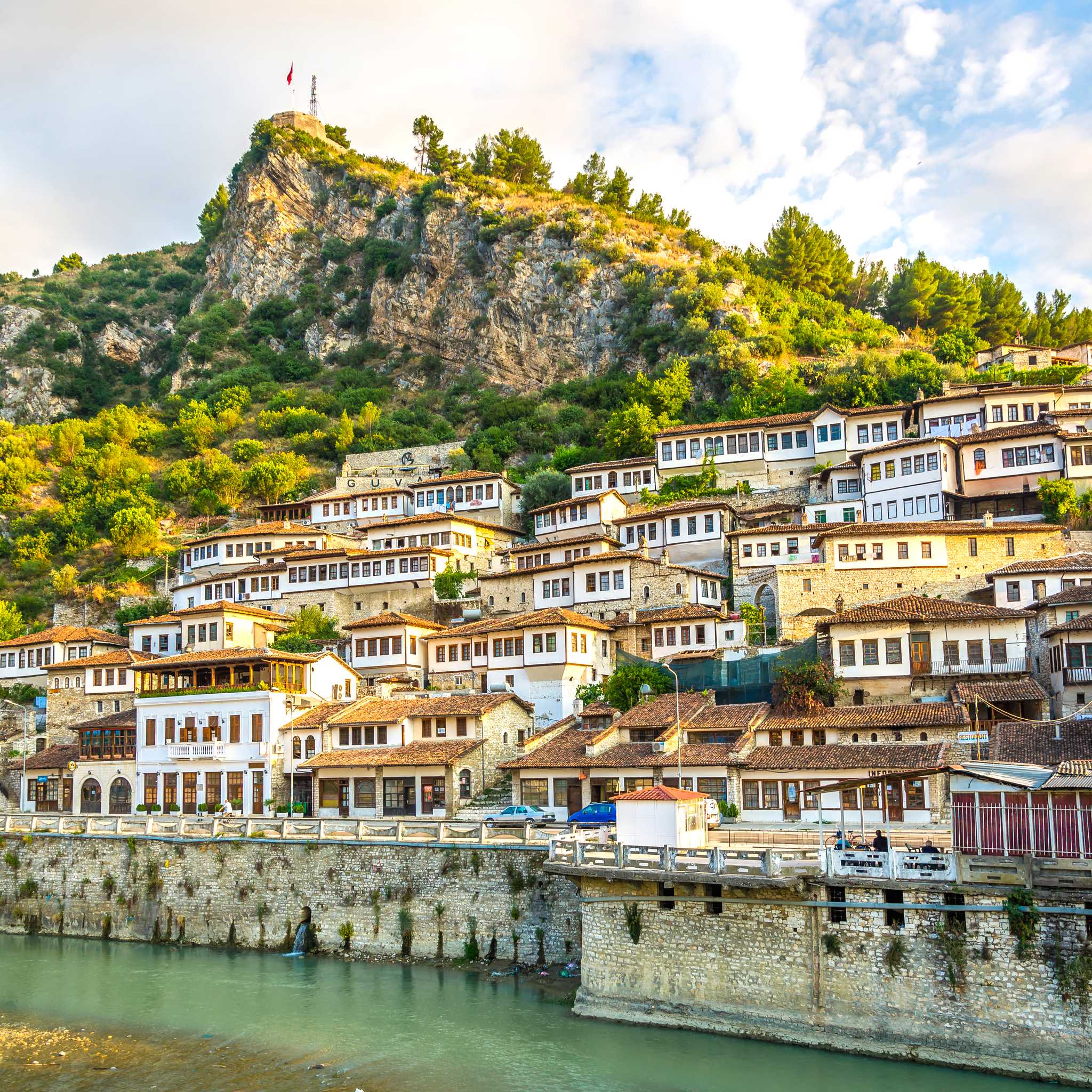
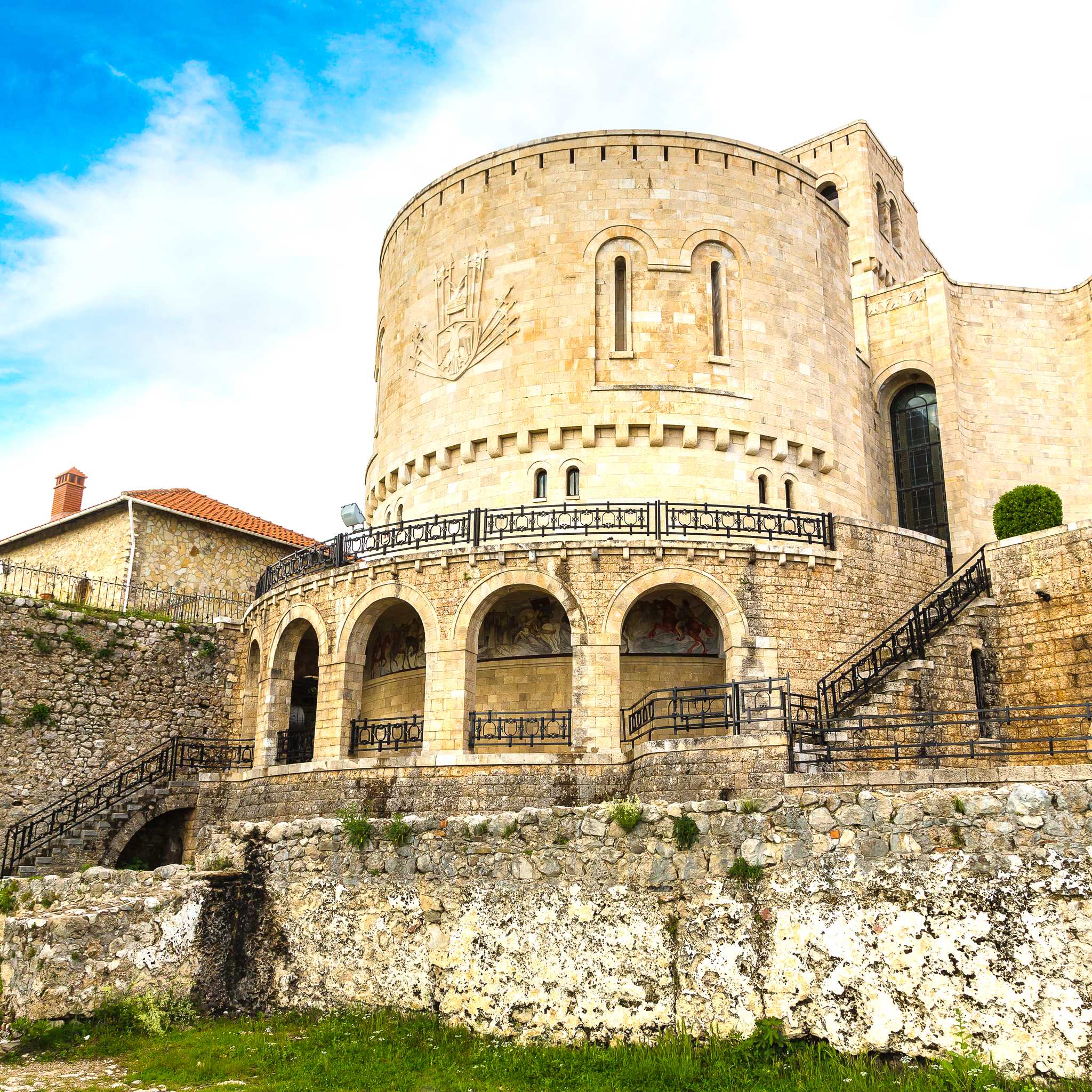
The highlight is Gjirokaster Castle, a vast hilltop fortress with a clock tower, weapons museum and a famous old spy plane, offering sweeping valley views. Explore the historic Old Bazaar, tour grand Ottoman tower houses like Zekate House, and descend into the eerie Cold War Tunnel. Nearby, the electric-blue spring known as the Blue Eye makes a wonderful day trip.
Albania uses the Albanian lek (ALL). Cash is still important here, especially for the bazaar, small shops, taxis and local restaurants, though some hotels and larger establishments accept cards. You will find ATMs in town. It is wise to carry lek for everyday spending. Euros are sometimes accepted, but you will usually get better value paying in the local currency.
The official language is Albanian. In Gjirokaster, you will also hear Greek, reflecting the area's heritage, and English is increasingly spoken at hotels, restaurants and sights that welcome visitors, especially among younger people. Learning a few Albanian words is appreciated and adds a friendly touch. A translation app is handy for smaller shops and local spots.
Albanian cuisine is hearty and flavorful, with Mediterranean and Balkan influences. In Gjirokaster, try qifqi, fried rice balls seasoned with herbs that are a true local specialty. Sample byrek, a flaky savory pastry, plus grilled meats, fresh salads, creamy local cheeses and tasty dips. Pair your meal with local wine or raki, and finish with honey-sweetened desserts and strong Albanian coffee.
Late spring and early autumn, roughly April to June and September to October, are the best times to visit Gjirokaster, with warm, comfortable weather, clearer views and thinner crowds, ideal for climbing the castle and wandering the cobbled streets. Summers are hot and busier, so start early and rest at midday. Winters are cooler but atmospheric, with the town pleasantly quiet.