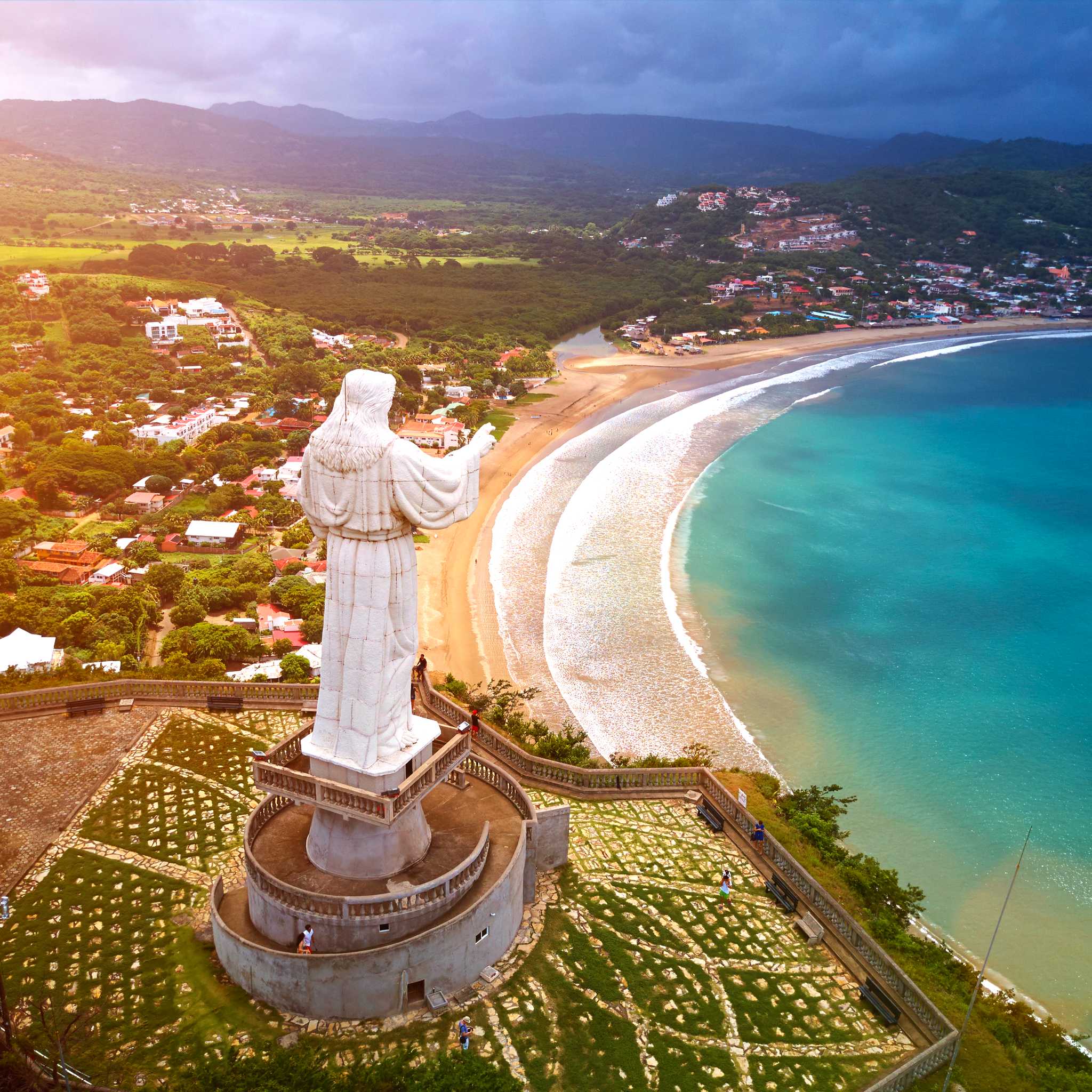
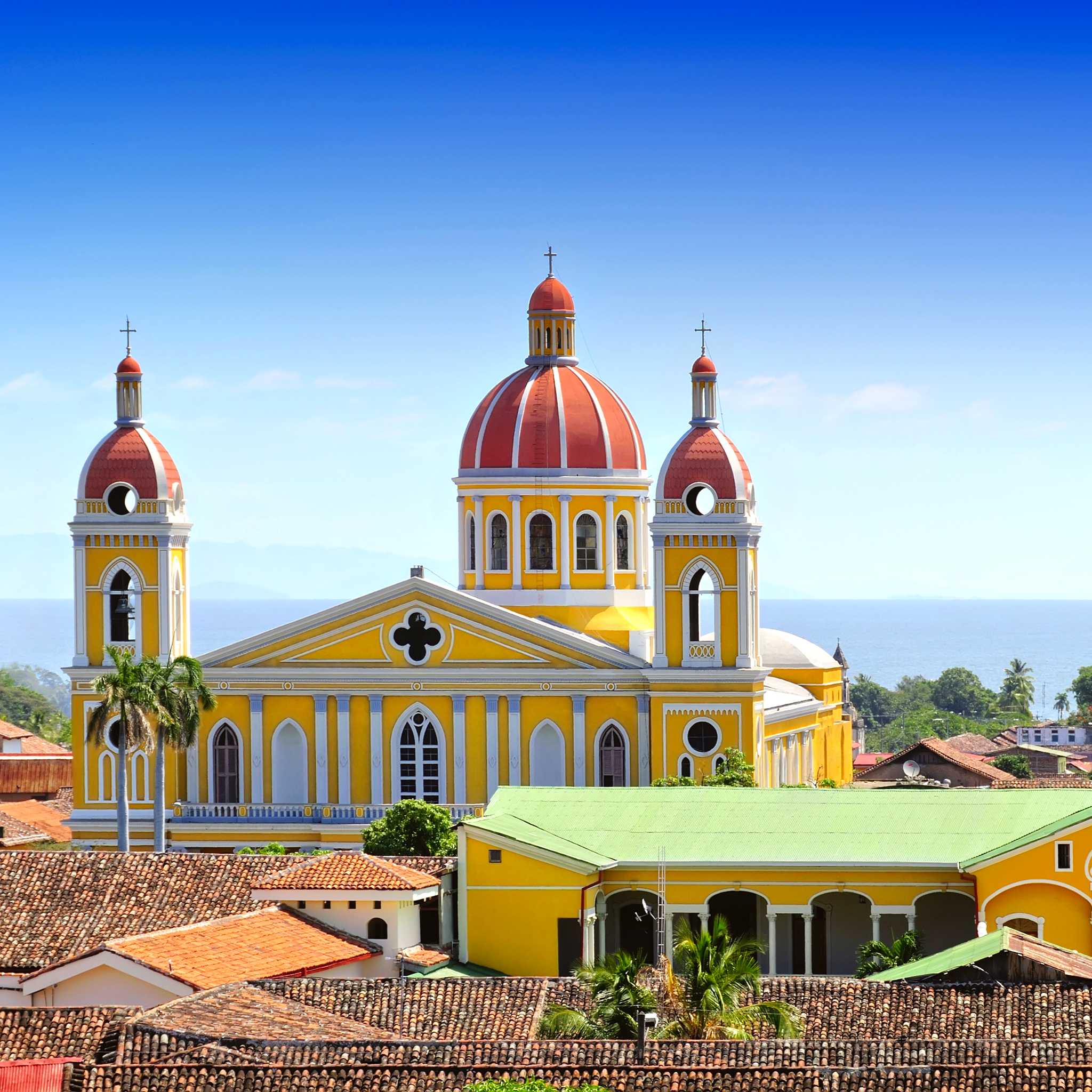
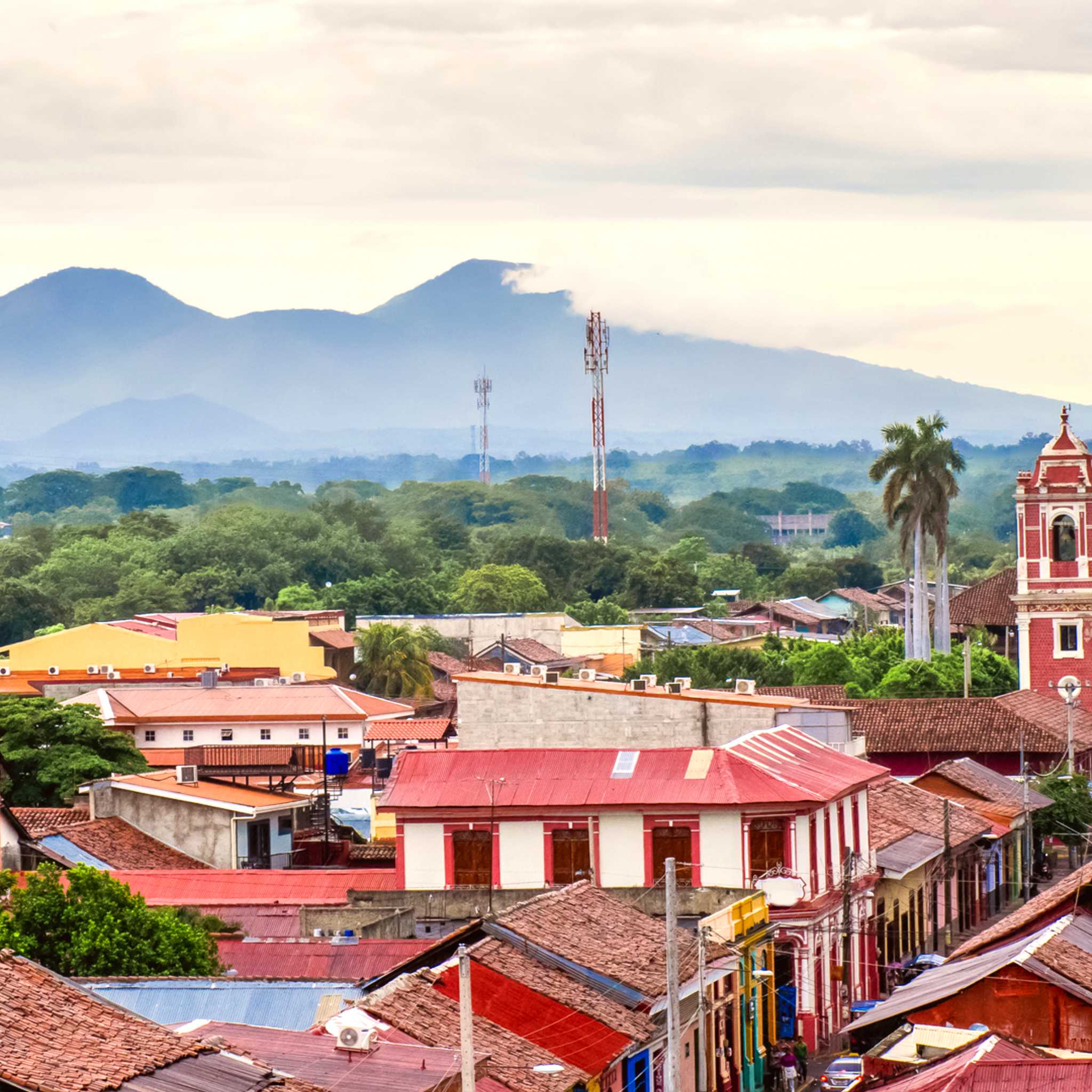
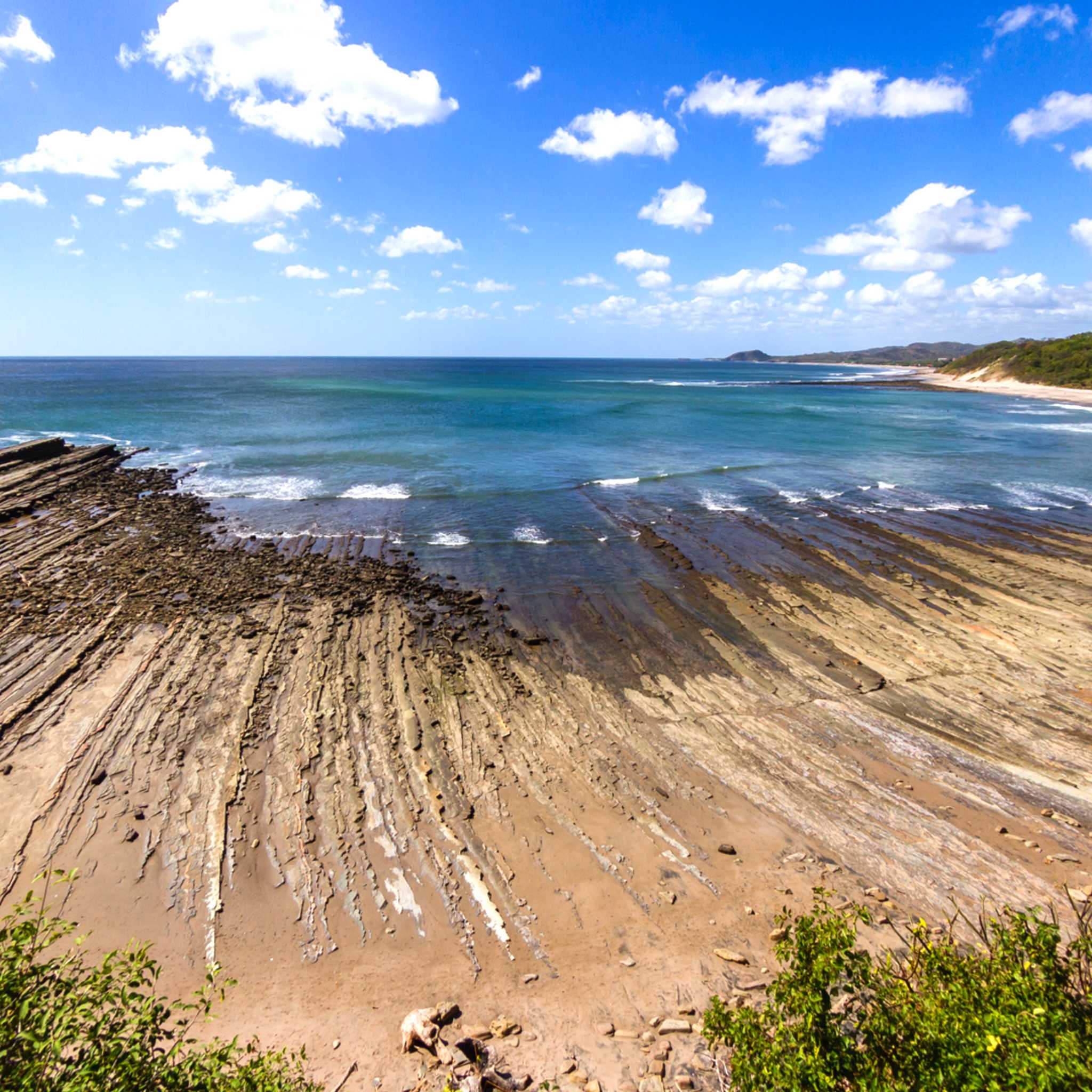
Managua serves as Nicaragua's main transportation hub. Colonial Granada is 45 minutes south, artistic Leon is 90 minutes northwest, and beach towns like San Juan del Sur are 2-3 hours away. Managua's international airport connects to the rest of Central America and North America efficiently.
Managua requires more caution than other Nicaraguan destinations. Stick to well-traveled areas during daytime, avoid walking at night, and use registered taxis or ride-sharing apps rather than street taxis. Keep valuables hidden and stay aware of surroundings. Tourist areas like the Malecon and major hotels are generally safer.
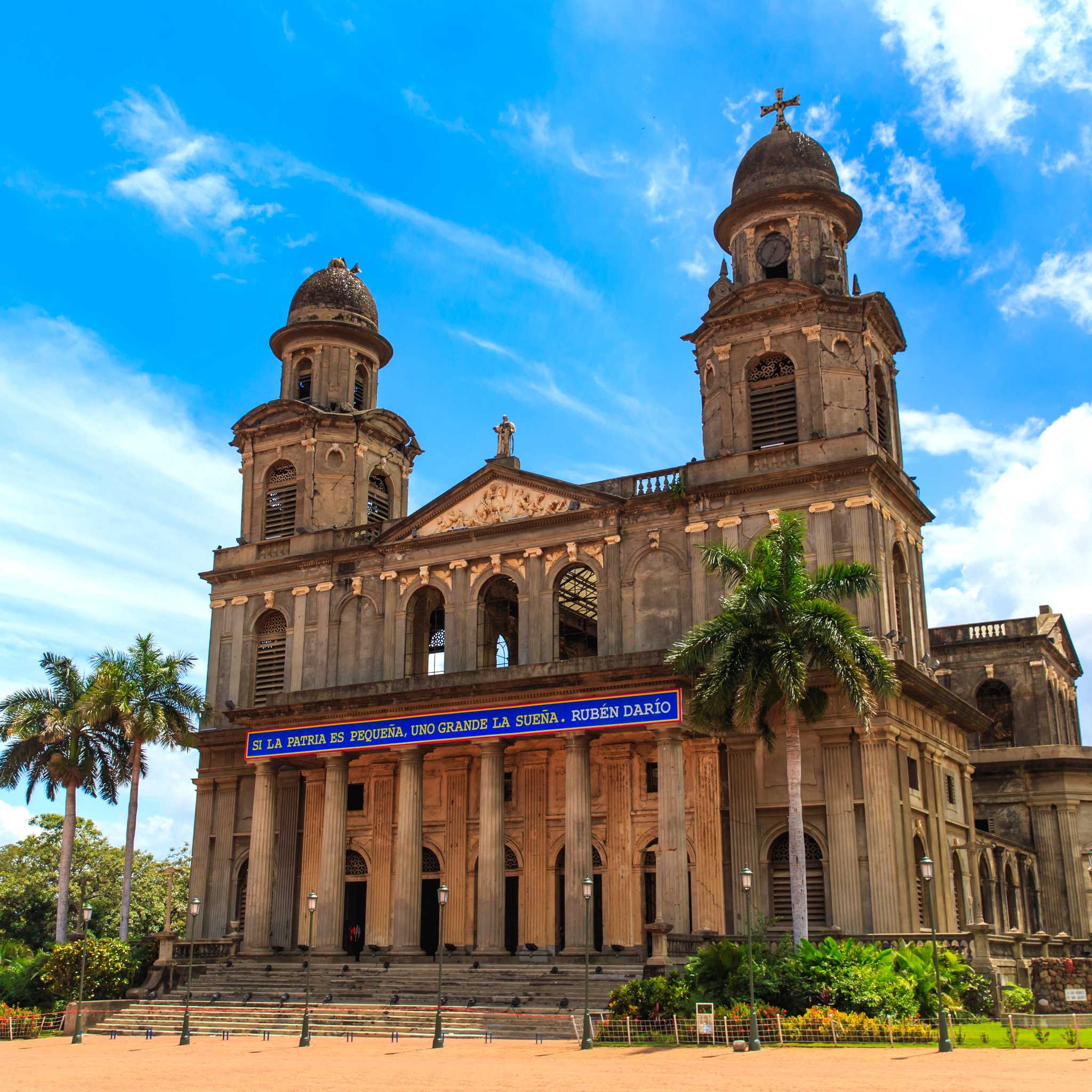
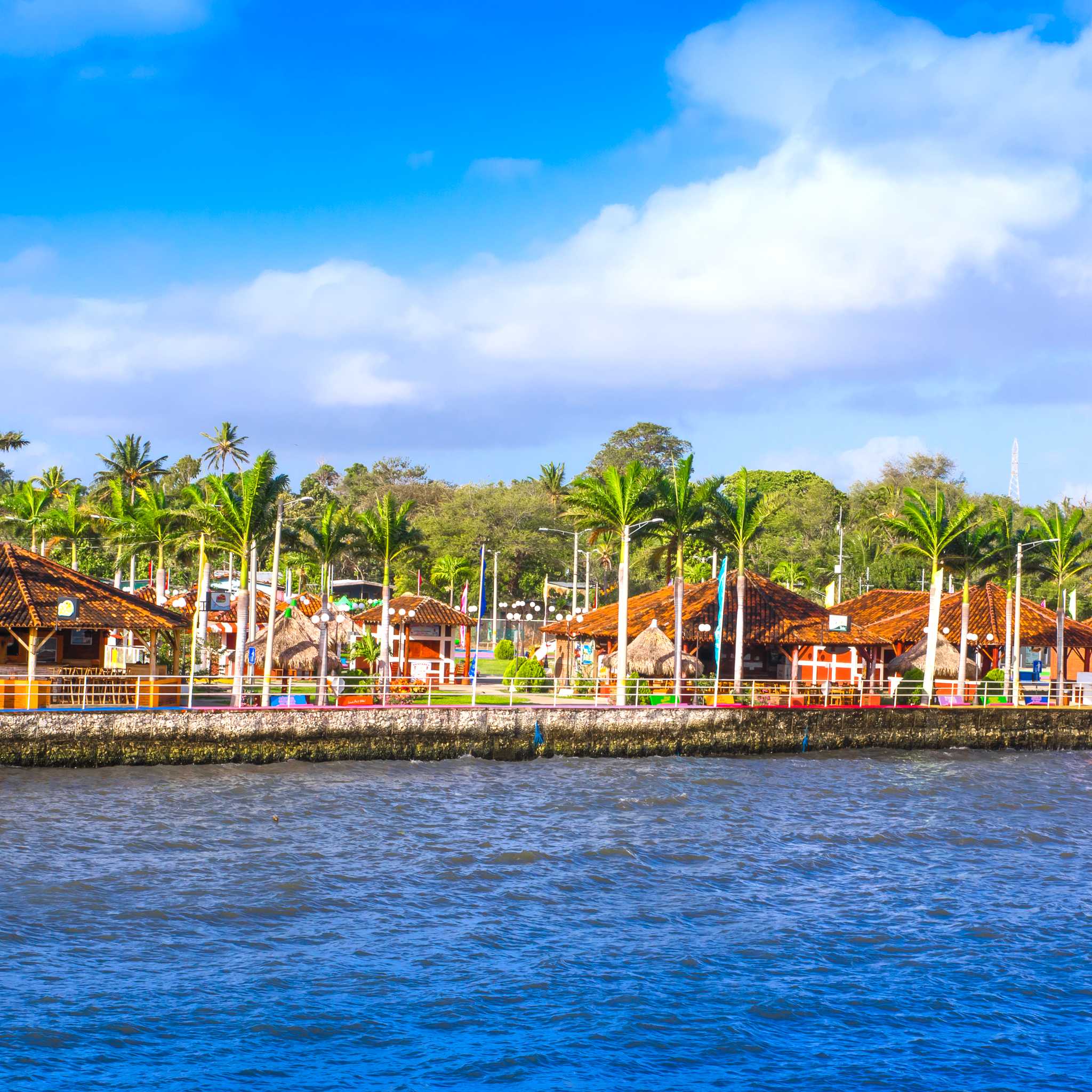
Visit the Old Cathedral ruins, a poignant reminder of the 1972 earthquake, and Loma de Tiscapa for panoramic views. The National Palace houses cultural exhibits, while the Malecon lakefront offers dining and evening entertainment. Nearby attractions include Masaya Volcano and the colonial gems of Granada and Leon.
The Nicaraguan cordoba (NIO) is the official currency, though US dollars are widely accepted throughout Nicaragua. Many businesses price items in dollars. ATMs dispense both currencies. Credit cards work in larger establishments, but carry cash for markets, local restaurants, and transportation. Small bills are essential.
Try gallo pinto (rice and beans), Nicaragua's national dish served at breakfast. Sample nacatamal (corn tamale), vigoron (yuca with pork rinds), and quesillo (cheese tortilla). Fresh tropical fruits are abundant. Flor de cana rum is Nicaragua's famous spirit. Street food offers authentic, affordable dining experiences.
Spanish is the official language of Nicaragua. In Managua, English is spoken in upscale hotels and some businesses catering to international visitors, but far less commonly than in tourist towns like Granada or San Juan del Sur. Learning basic Spanish phrases will greatly enhance interactions.
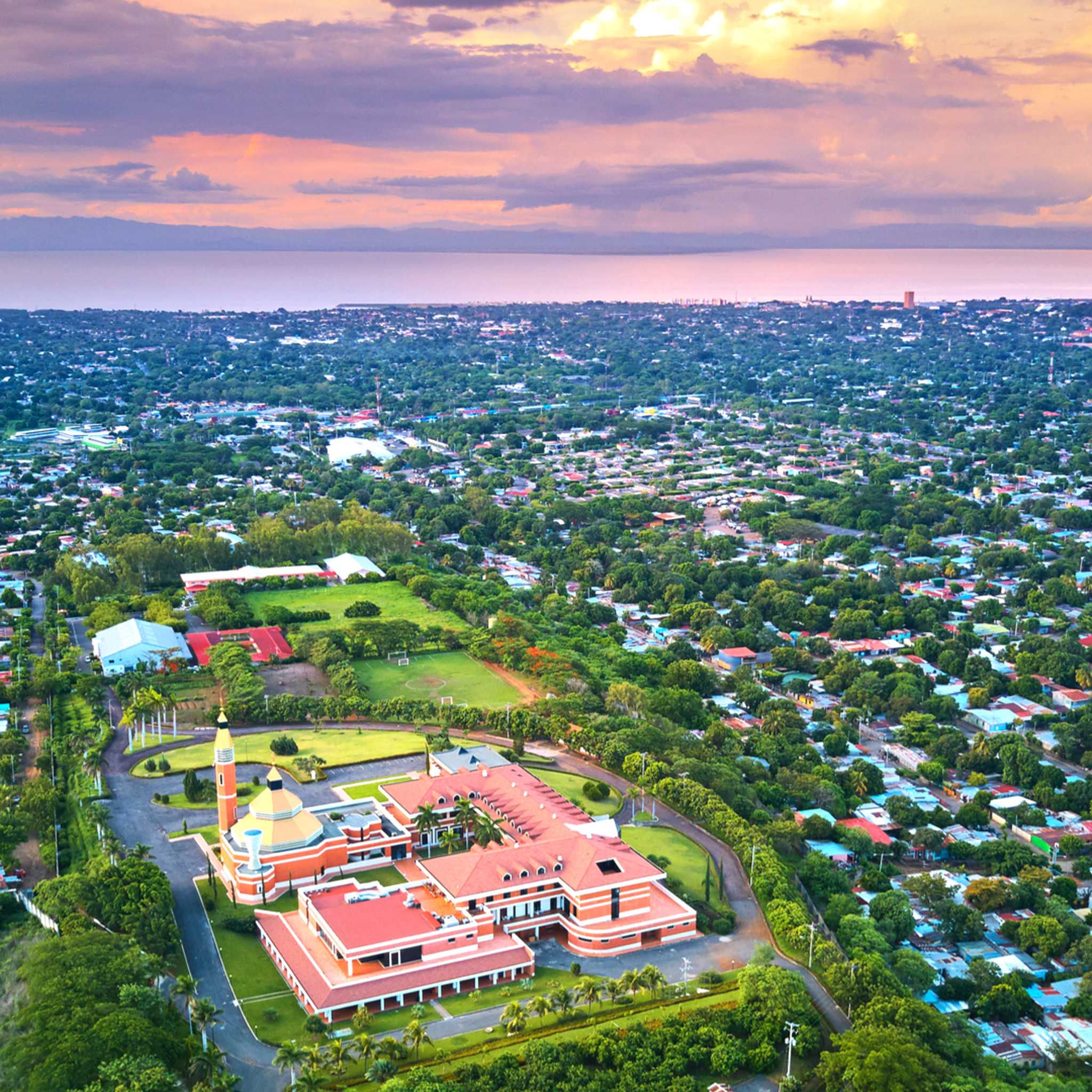
Managua lacks a traditional city center and is spread out, making personal transportation essential. Use registered taxis, ride-sharing apps like Uber, or arrange drivers through hotels. Avoid local buses in tourist situations. The city's layout can be confusing, as streets often lack names with directions given by landmarks.
The dry season from November through April offers the best weather for visiting Nicaragua, with sunny days and minimal rain. December through February is peak season. The rainy season (May-October) brings afternoon showers and lush landscapes. Hurricane season runs June through November, though direct hits are rare.