Quiet side of the Habsburgs: Private day trip from Vienna

Private ride with a local driver
About your trip
What to expect
Your day trip begins wherever you are
Meet our professional driver right where you prefer in Vienna whenever suits you best. No time wasted getting to the pickup point, grab your bag and start your trip right away.Discover more with local expertise
Your driver’s local insights will set the tone for your day trip. A hidden café here, a must-try restaurant there; insider tips you’ll love sharing later. This isn’t a guided tour but your ride will be rich with stories and discoveries along the way. And throughout the day, your driver will be available for you as needed, ready to assist, happy to help, making your trip stress-free.Explore at your own pace
Perfect for any private group
Whether you're traveling solo, as a family with kids, or as a large group, this service is tailored for your comfort and flexibility. It's the ideal option especially if you have limited time or a busy schedule.Good to know
- Two-way private car transfer
- Air-conditioned vehicle
- Personalized pickup and drop-off
- Professional English-speaking driver
- Complimentary bottled water
- Free cancellation 24 hours before departure
- Entry/Admission tickets to paid attractions Liechtenstein castle, Heiligenkreuz Abbey, and Baden bei Wien should be purchased separately unless specified otherwise
- Meals, snacks, and gratuity are not included
Your trip at a glance
Your trip at a glance
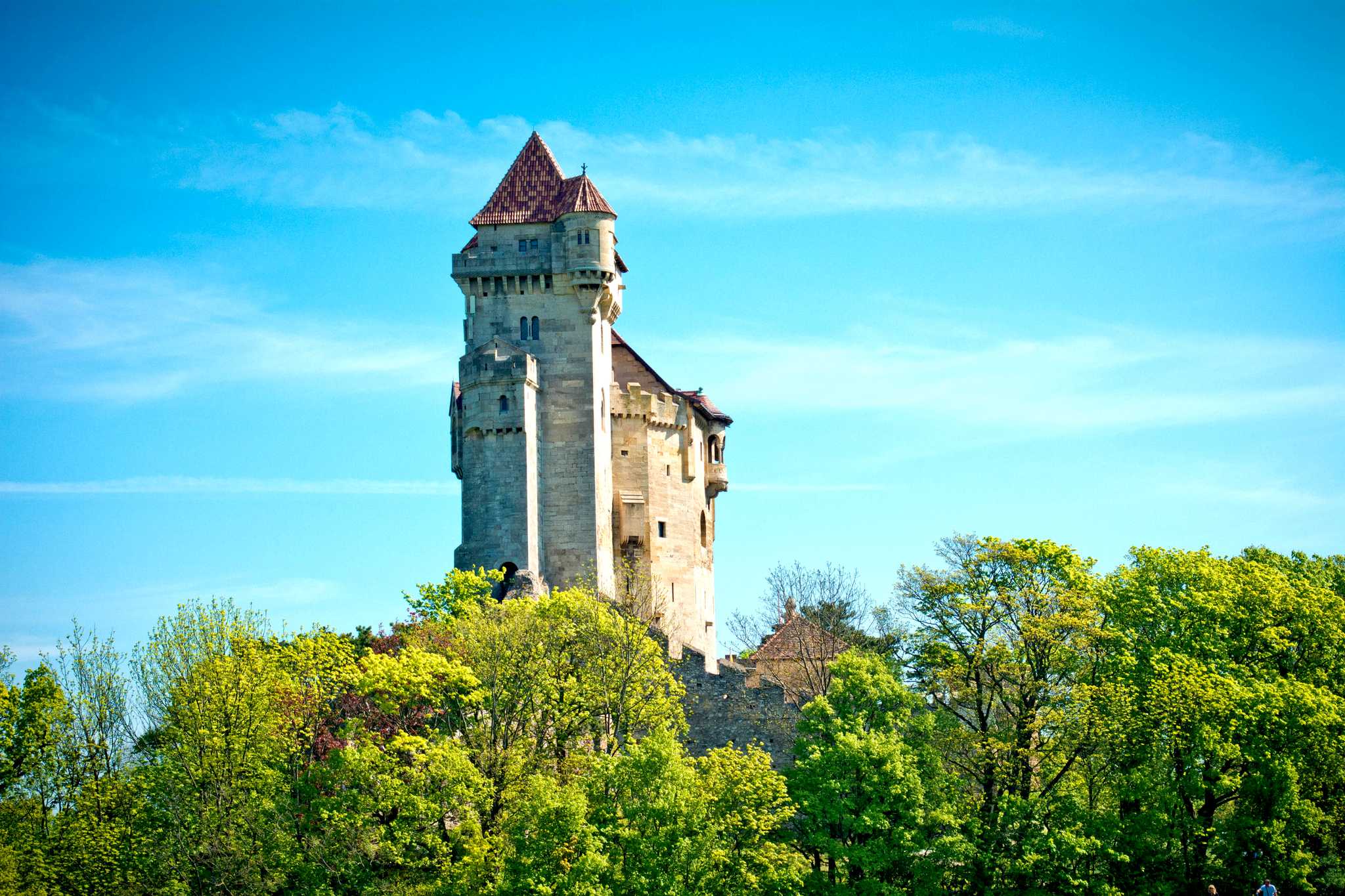
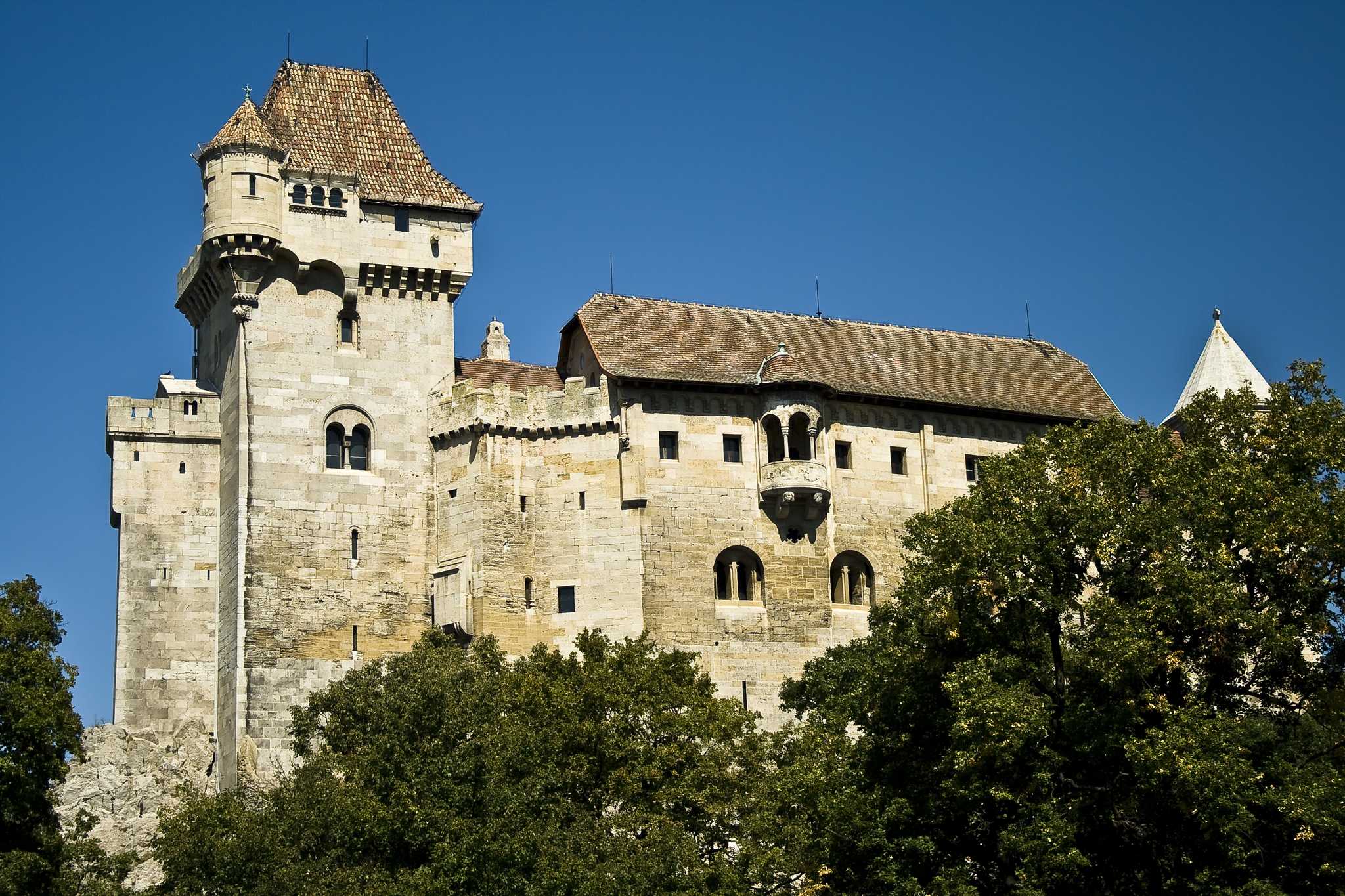
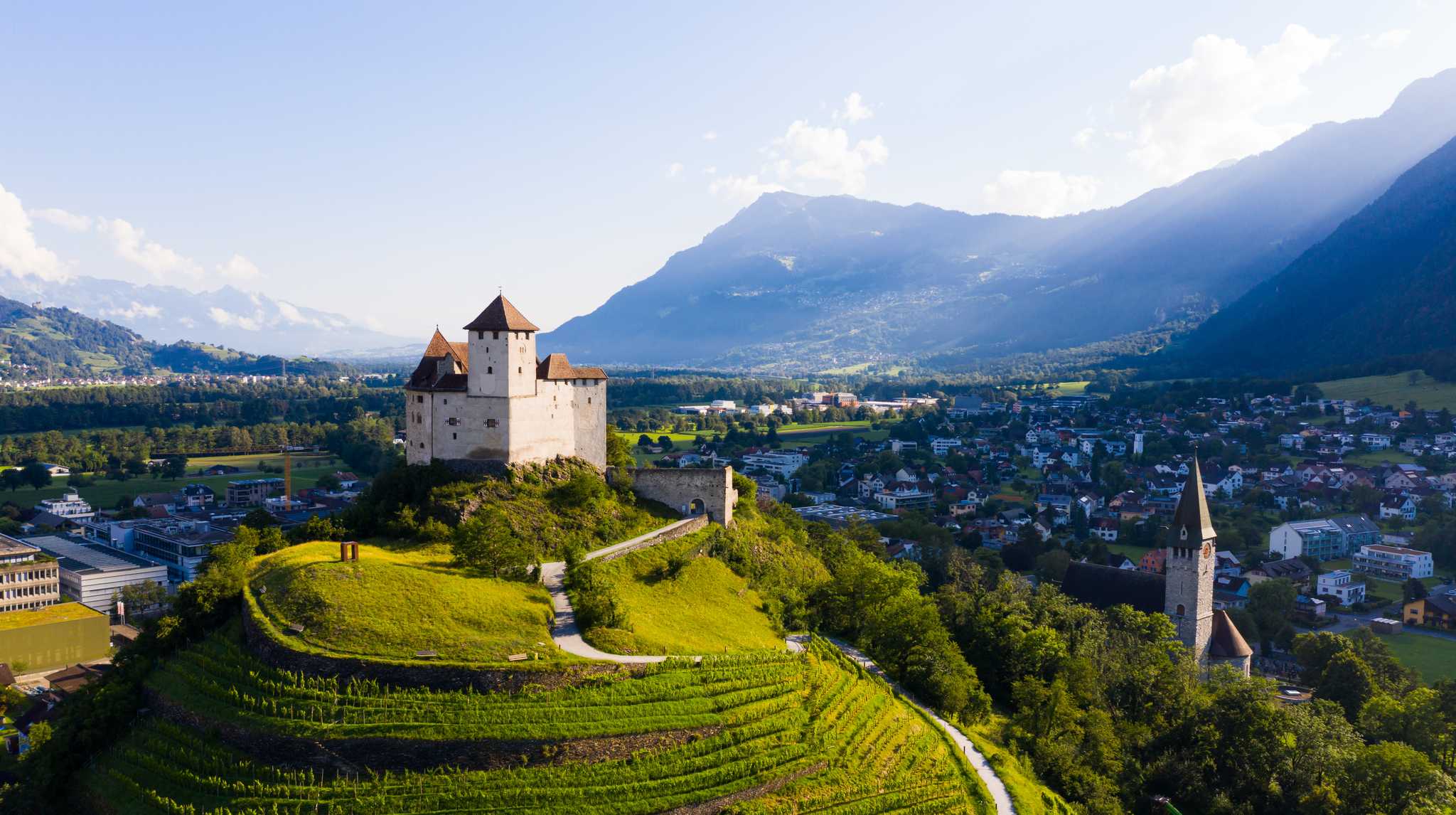
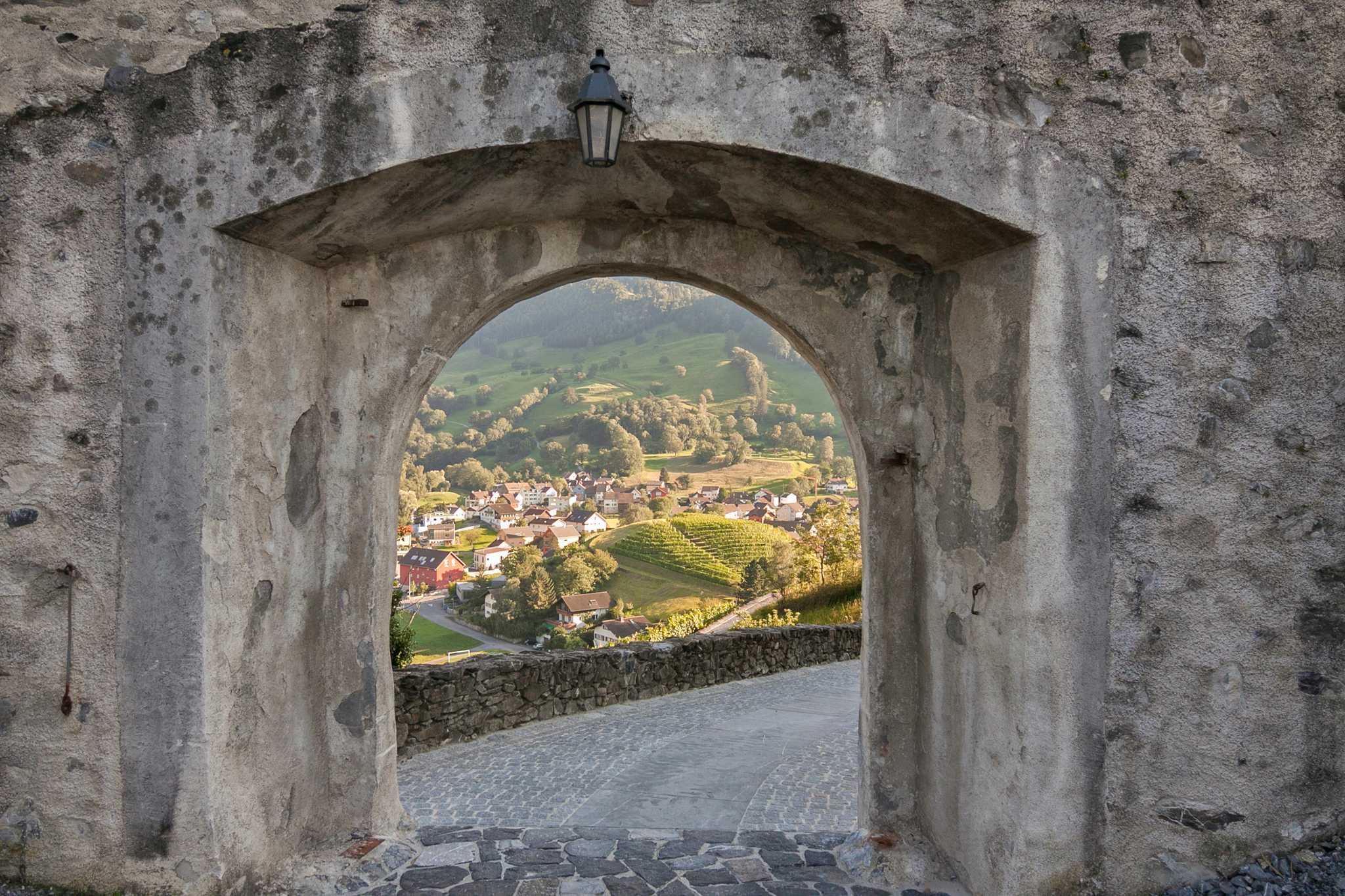
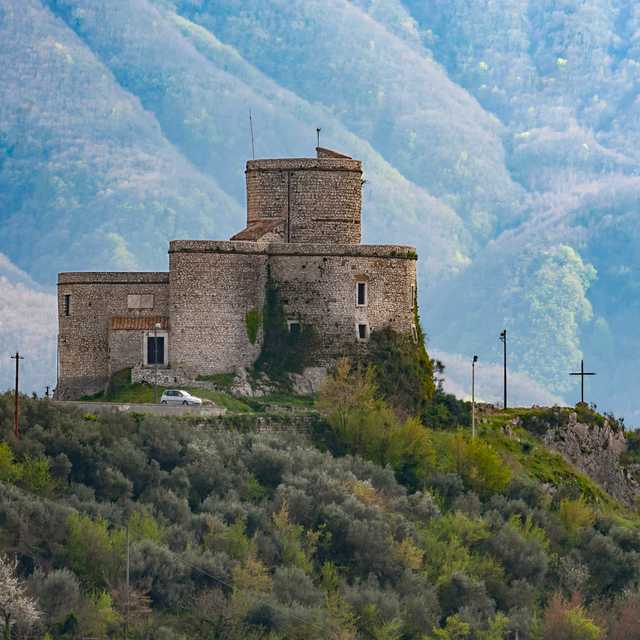
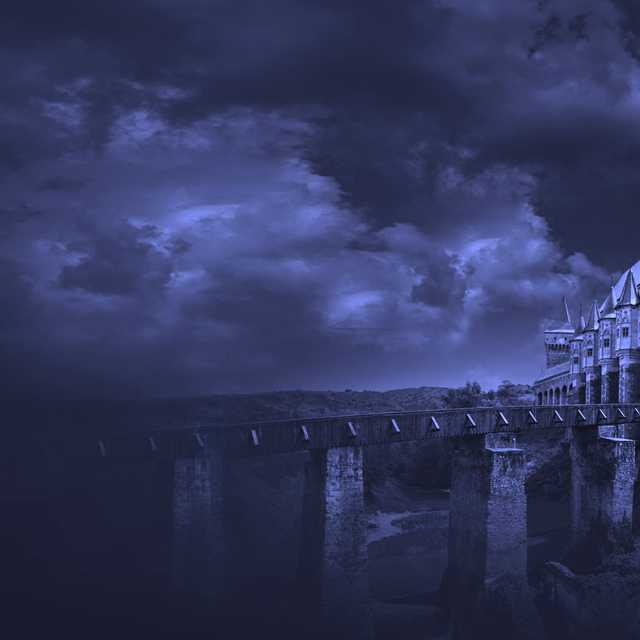
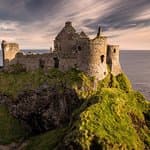
Perched on a rocky spur above the gorge of the Klausen valley, Liechtenstein Castle is one of the oldest noble residences in the German-speaking world, and one of the most dramatically sited ruins in the Vienna Woods.
What to see
- The 12th-century keep and restored towers of the original castle, home of the Liechtenstein dynasty before they moved to their more famous Moravian and Viennese estates
- The romantic ruin landscape of the Klausen gorge below, with the Mödling stream running through a narrow canyon of limestone rock and forest
- The views across the Wienerwald (Vienna Woods) and south towards Baden
What to do
- Walk the short path from the valley to the castle gate; the approach through the gorge is as impressive as the ruins themselves
Take note
- Access to the castle does require an entrance fee, and opening hours vary by season, best to check ahead before visiting https://www.burgliechtenstein.eu/en/visitors/opening-hours.html
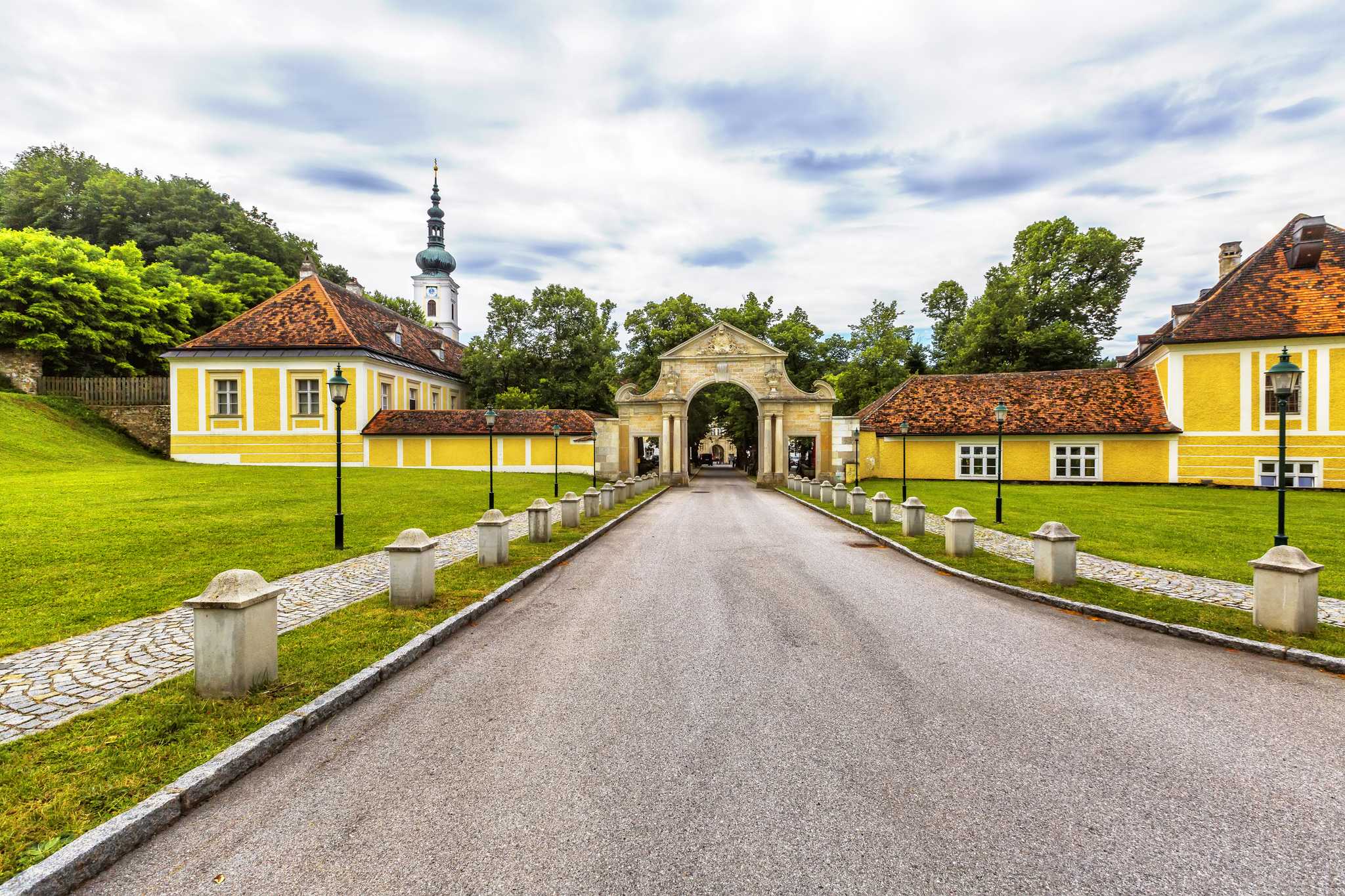
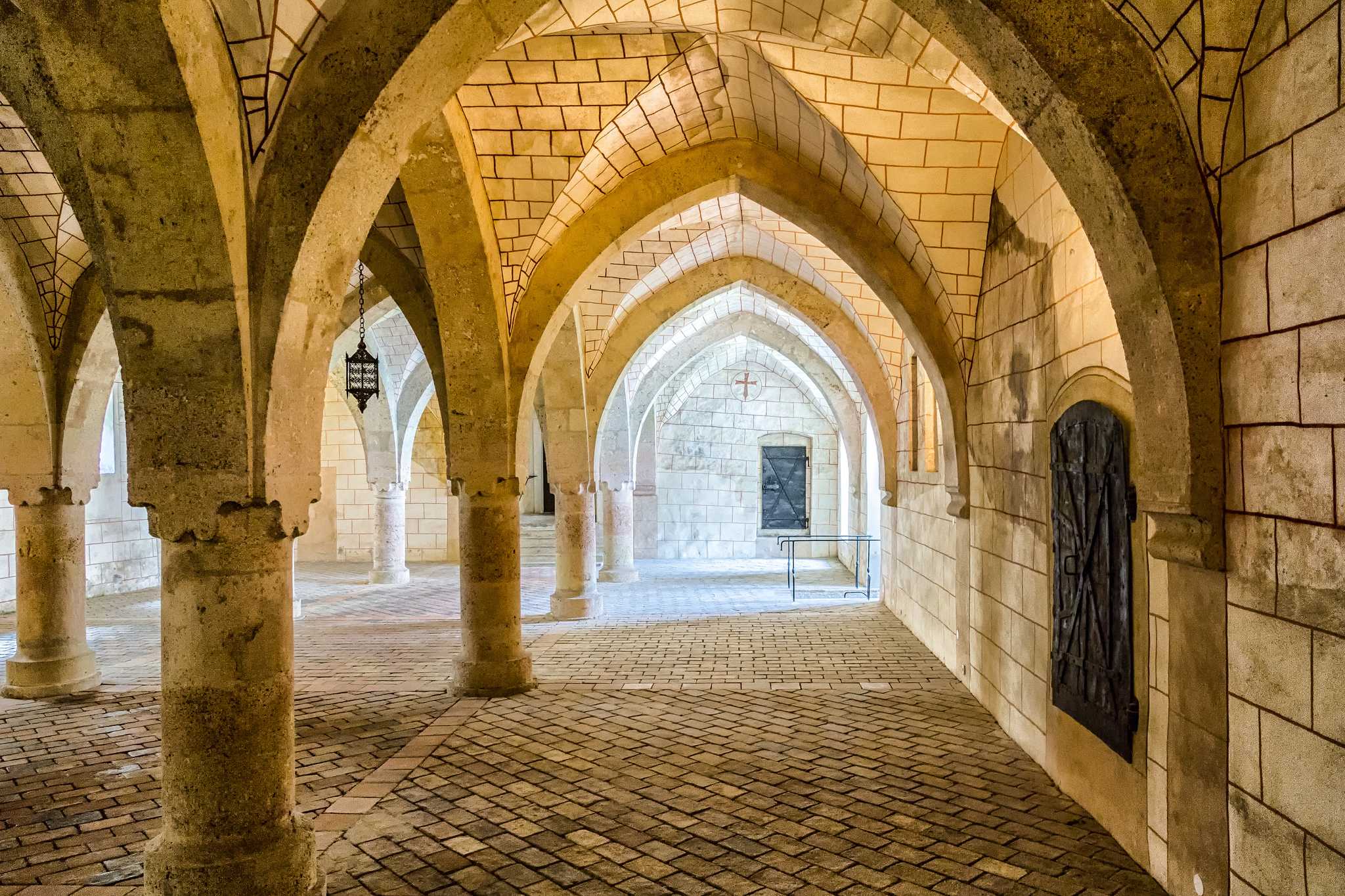
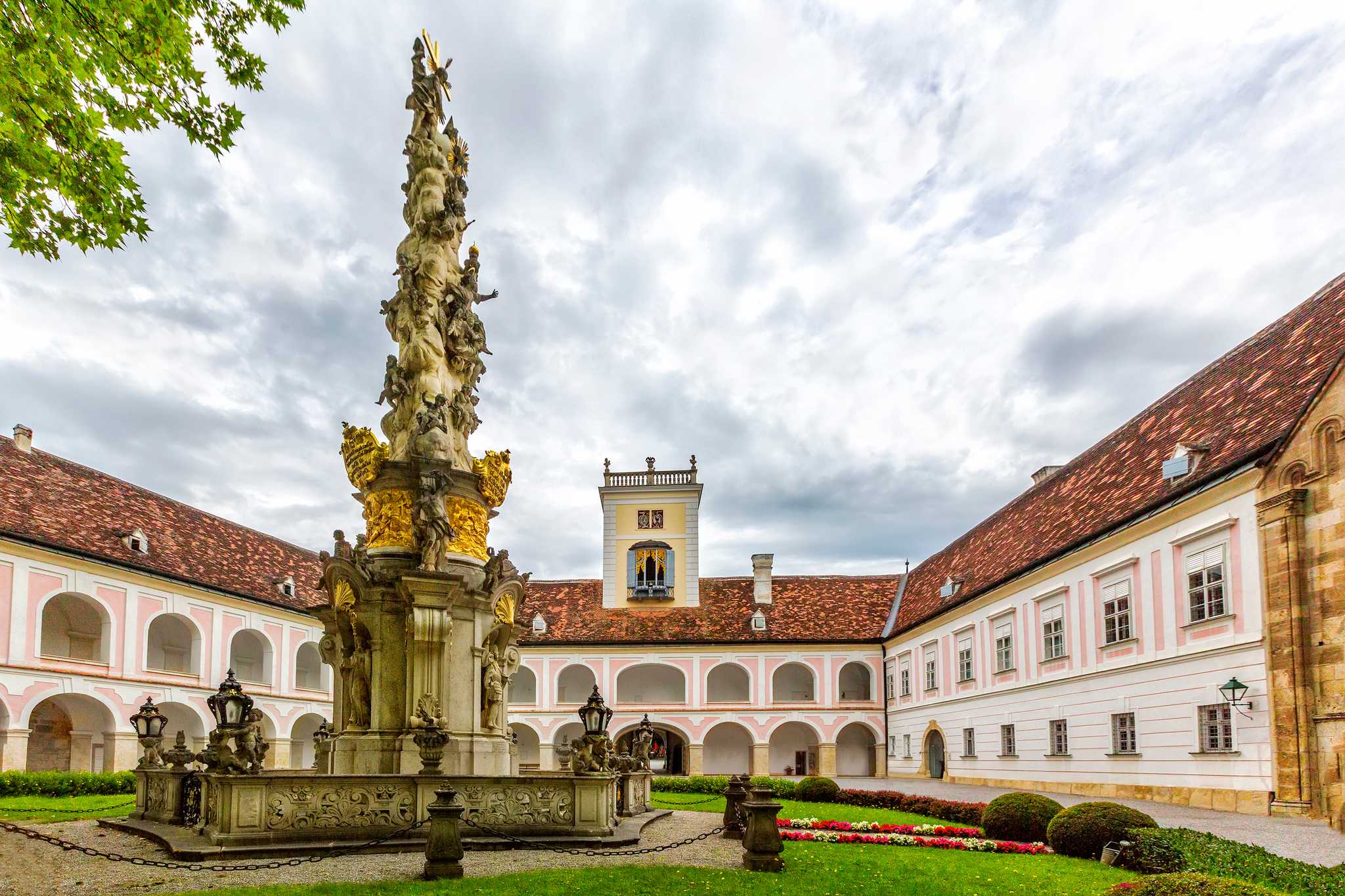
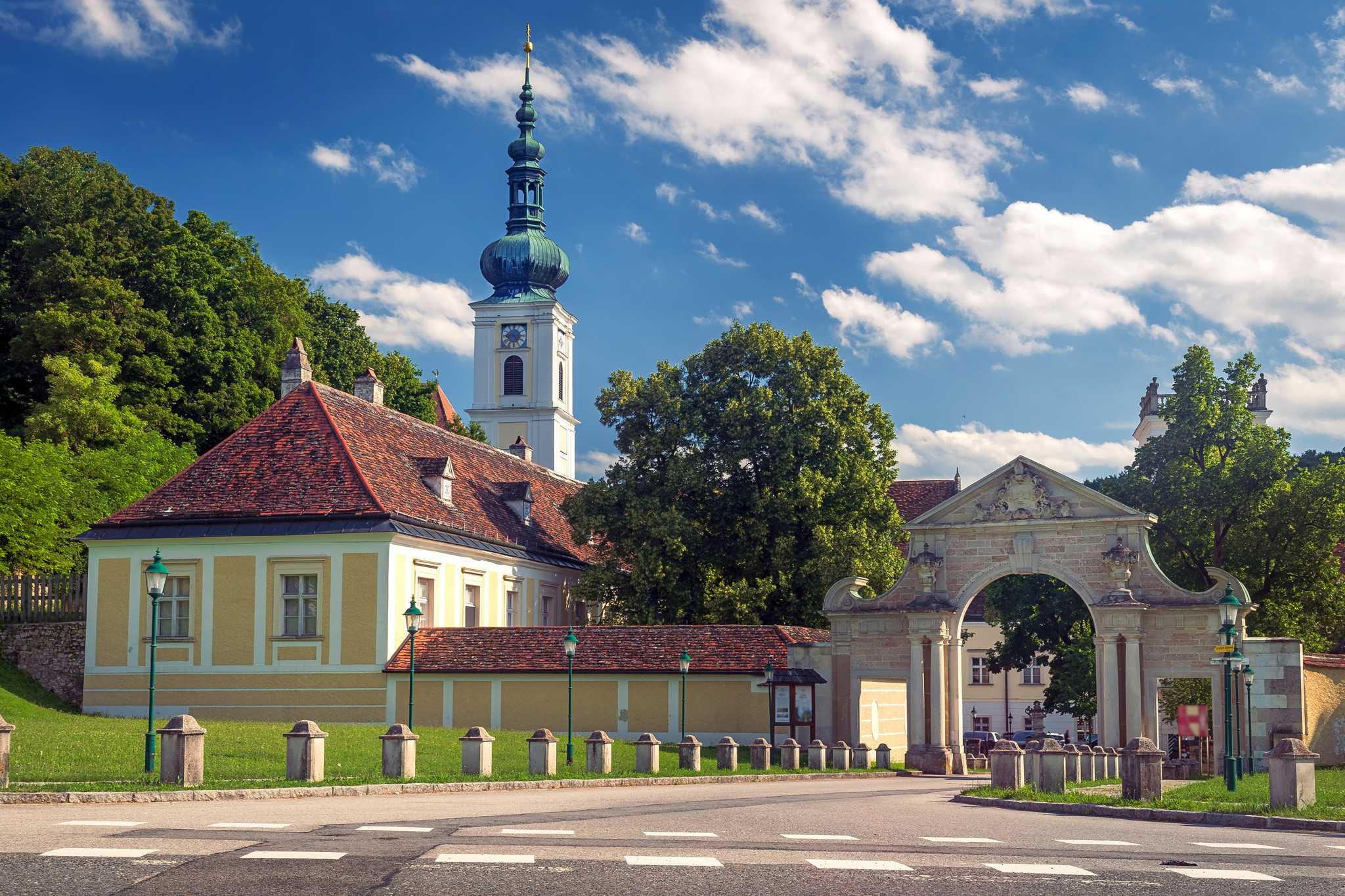
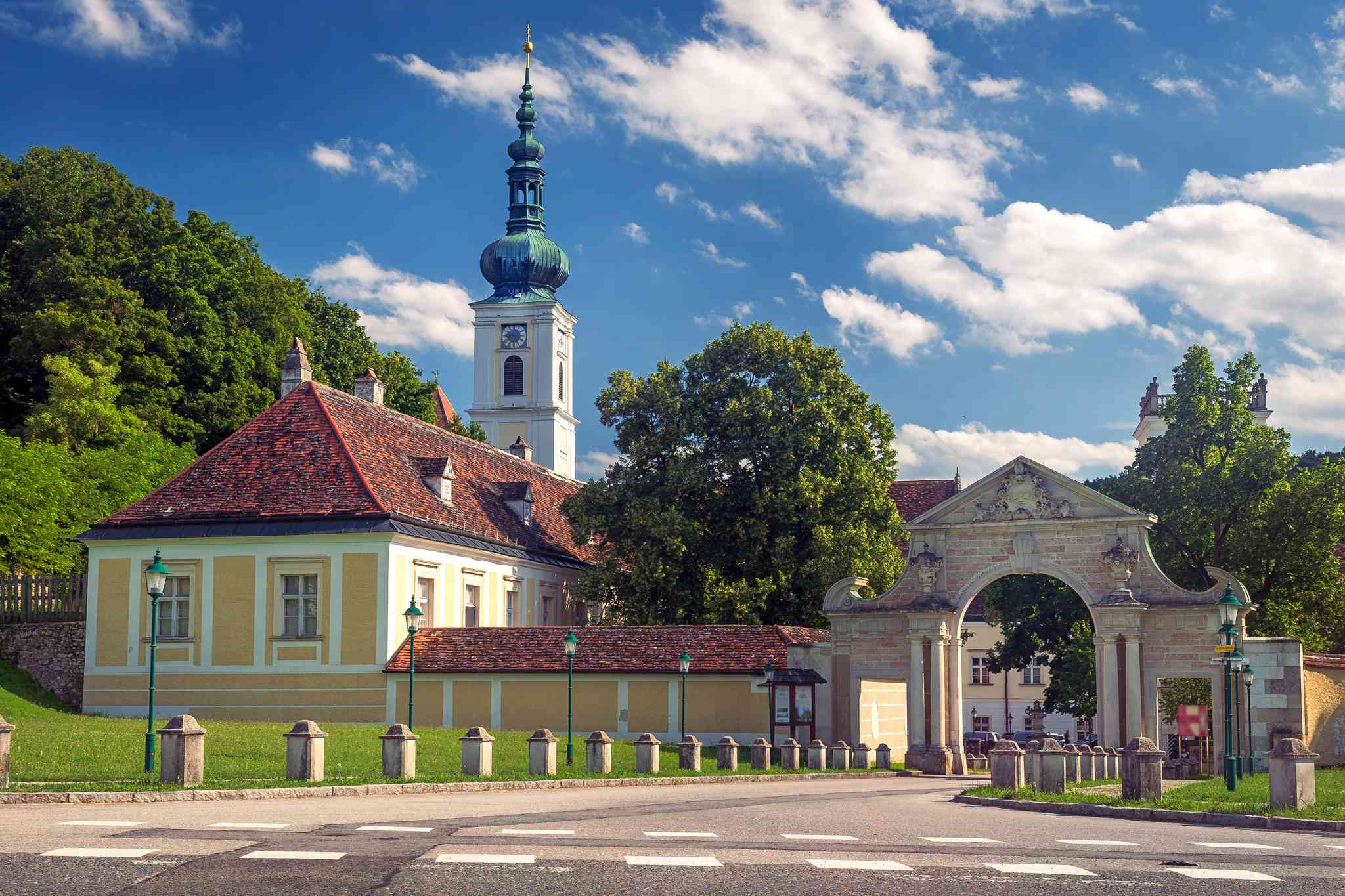
Founded in 1133 by the Babenberg Margrave Leopold III, Heiligenkreuz is the oldest continuously inhabited Cistercian abbey in the world, and one of the most beautiful in Central Europe.
What to see
- The Romanesque-Gothic church, built in the 12th century and little altered since, with a magnificent choir stall and gilded altarpiece
- The cloister, one of the finest medieval cloisters in Austria, with 300 red marble columns and a chapter house containing the tombs of the Babenberg dynasty
- The Trinity column in the courtyard, erected in thanksgiving after the plague of 1713, a twin to Vienna's famous Pestsäule
- An active monastic community of over 80 Cistercian monks, who continue to sing the daily liturgy as they have since the 12th century
What to do
- Join a guided tour of the abbey, available in English; the monks' daily life and the abbey's unbroken 900-year history are brought to life by the guides
Take note
- Tours run several times daily; check https://www.stift-heiligenkreuz.org/besichtigung-fuehrungen/english/ for times and admission
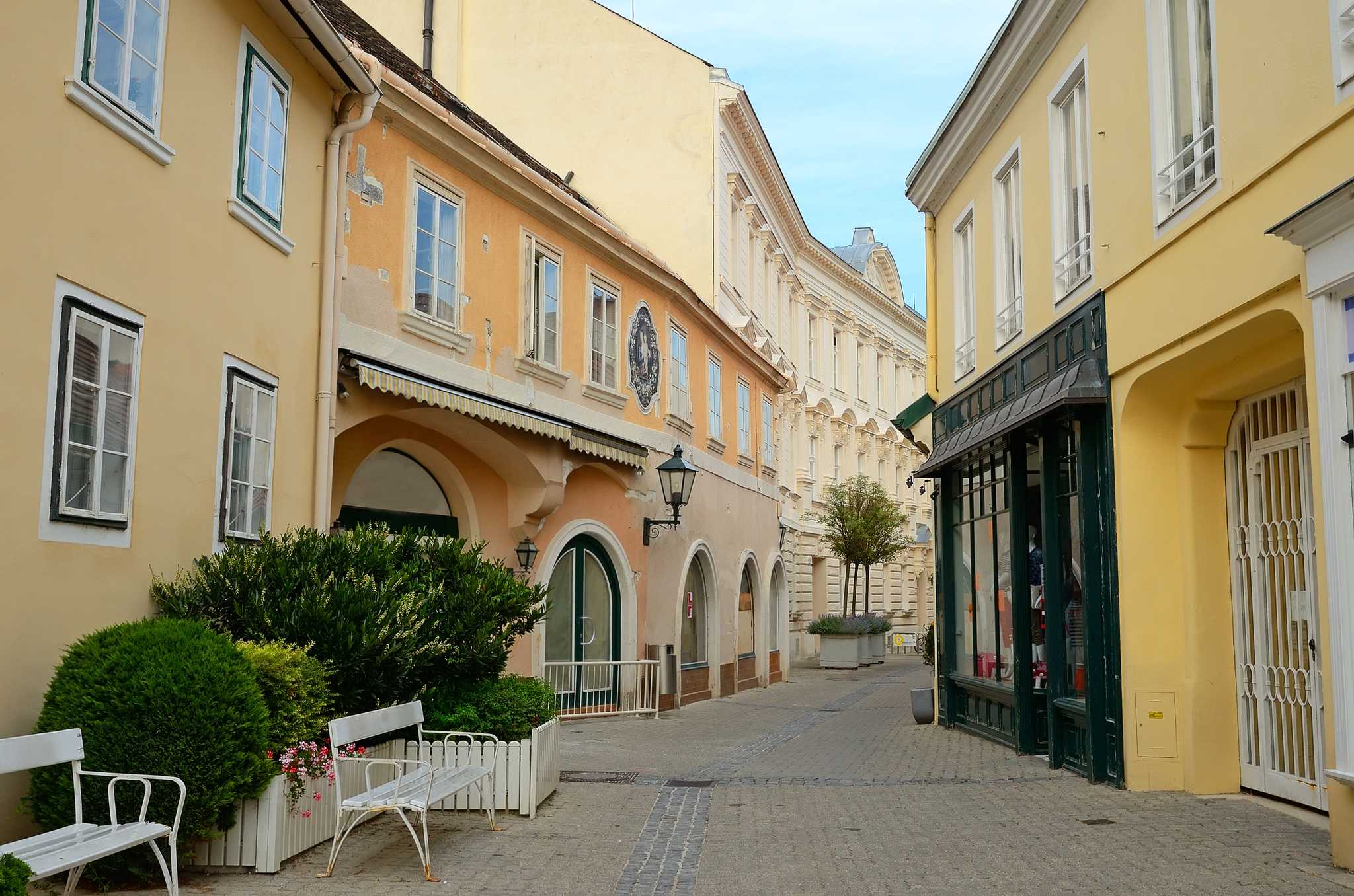
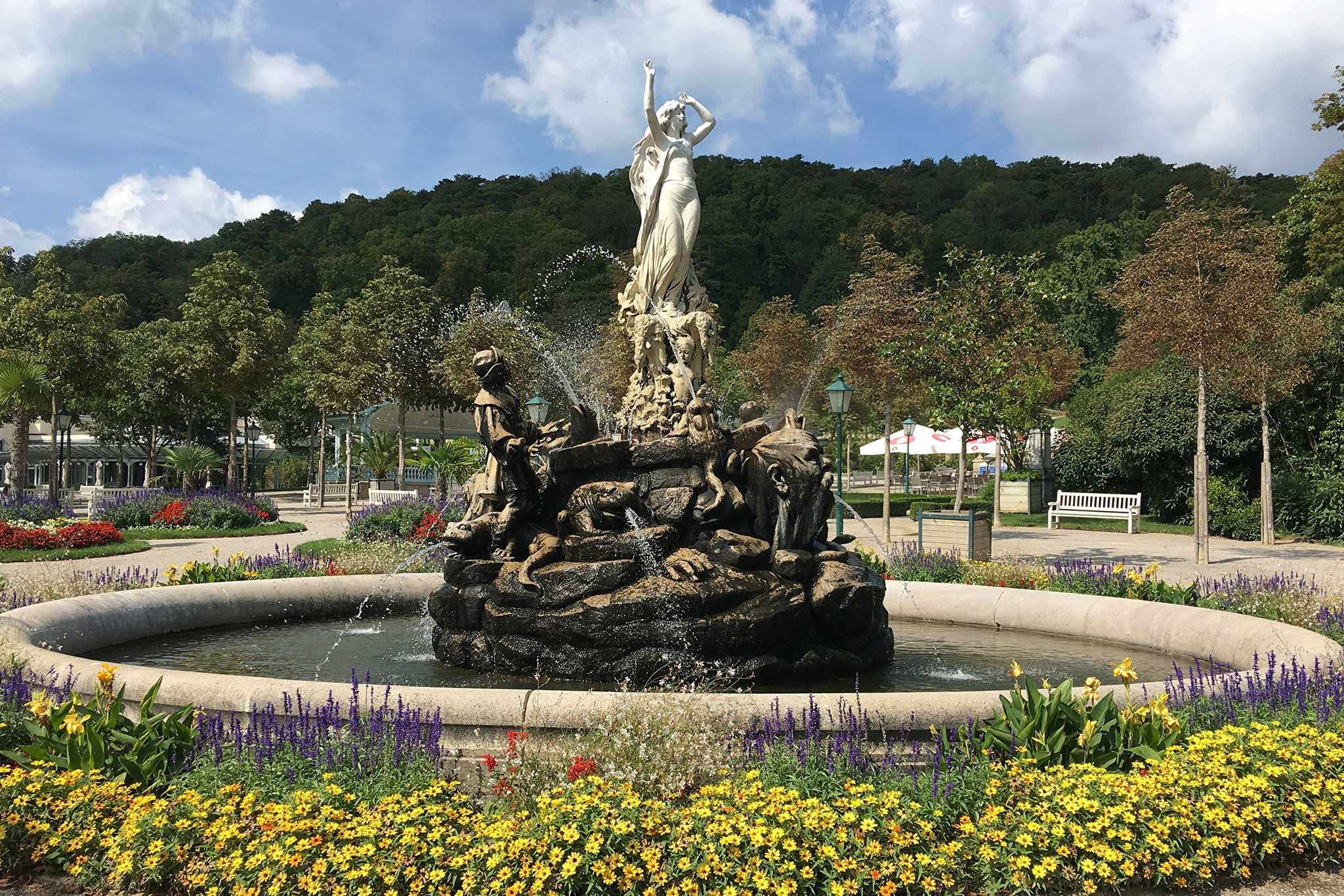
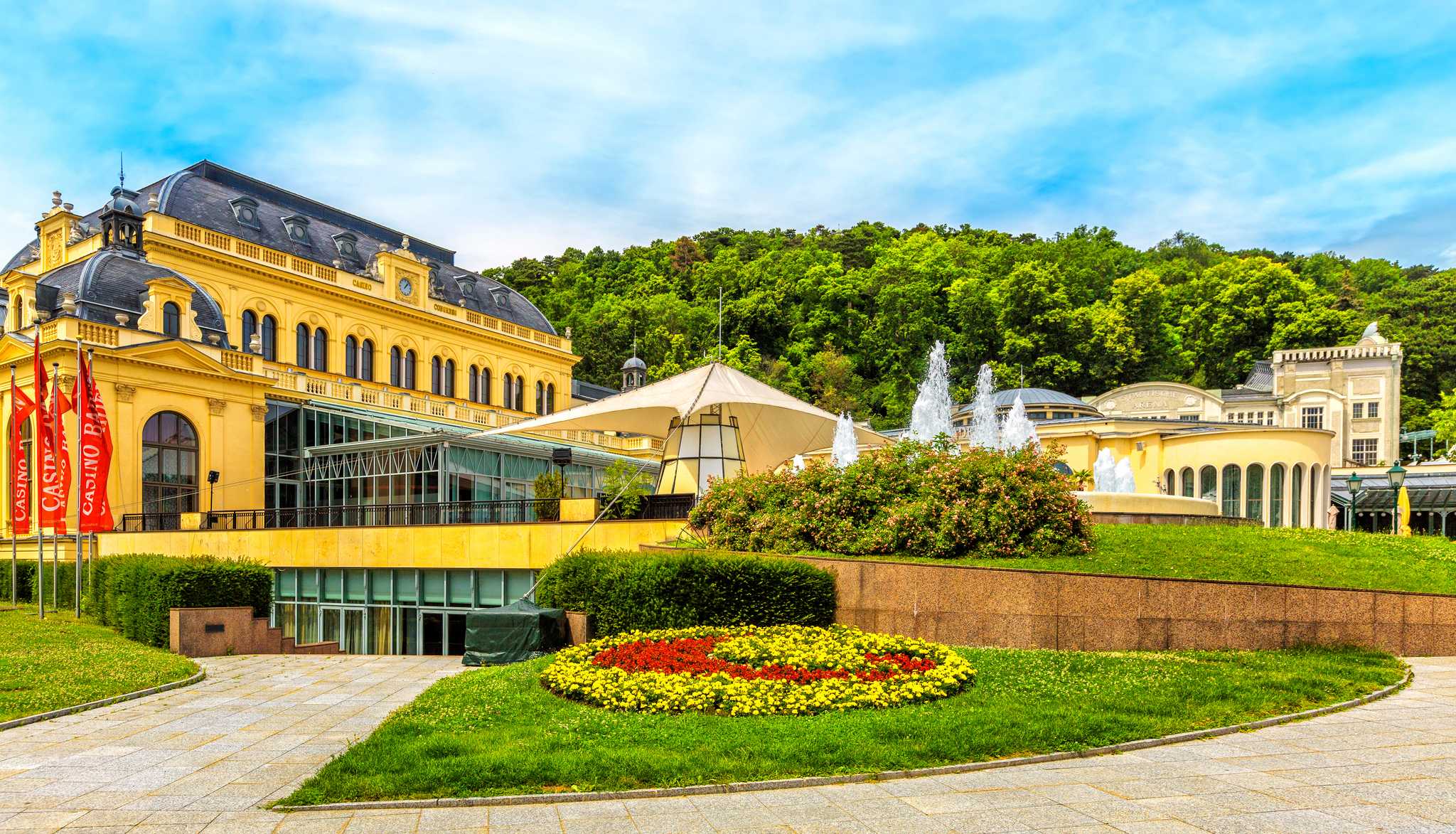
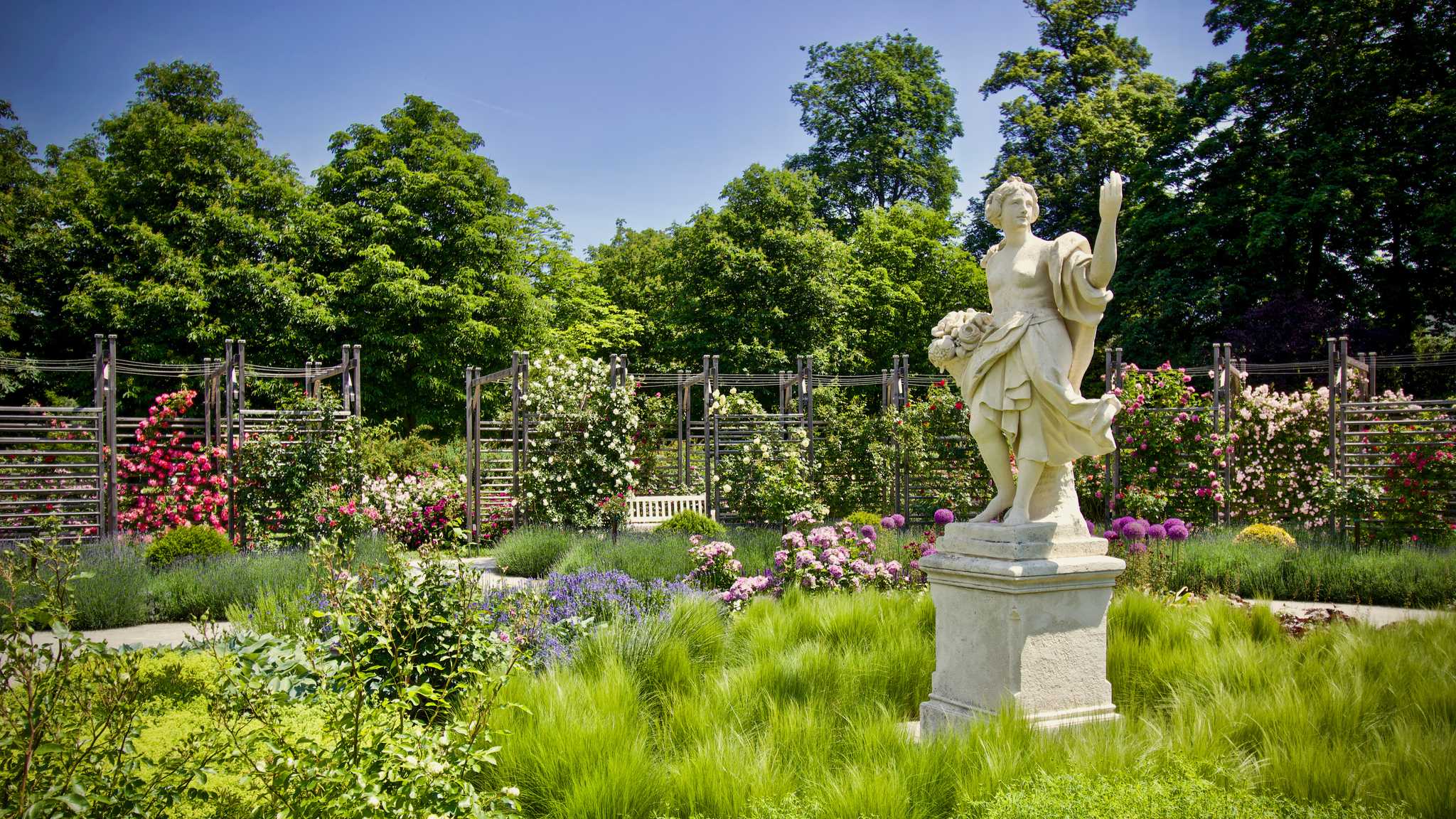
Just 25 kilometers (about 15 miles) south of Vienna, Baden bei Wien is the most elegant spa town in Austria, a place where the imperial court summered, Beethoven composed, and the waters have been rising since Roman times.
What to see
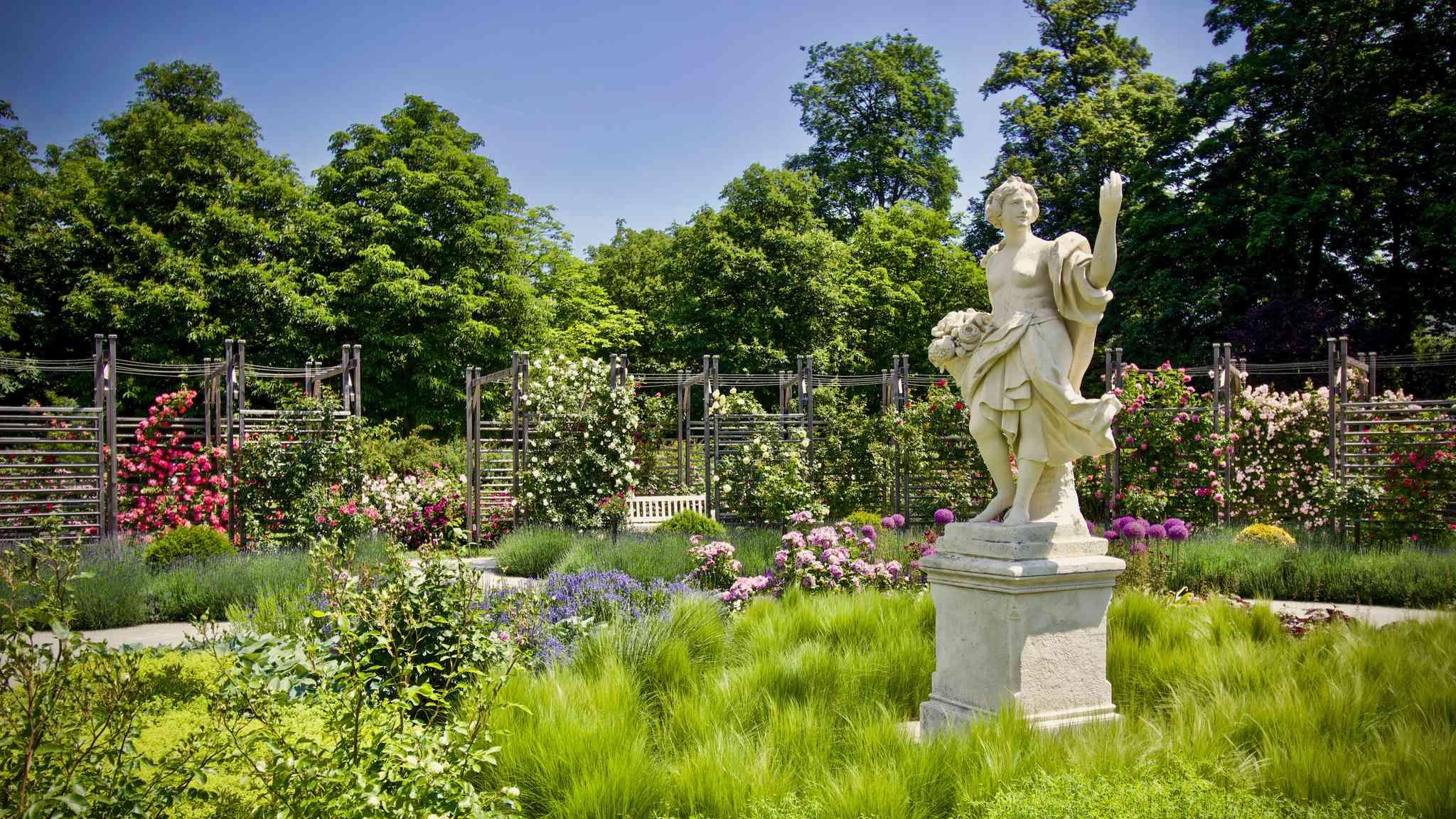
- The Kurpark, a beautifully maintained landscaped park at the heart of the town, with the Casino Baden, rose garden, and open-air theatre
- The Beethoven House, where the composer spent 15 summers and wrote substantial parts of his Ninth Symphony
- The Biedermeier townscape of the pedestrianized center, the uniform neoclassical architecture dates from the rebuilding after the town burned down in 1812
What to do
- Walk the Kurpark and take coffee or wine at one of the terrace cafes overlooking the rose garden
- Visit the Beethoven House for the personal context it adds to both the composer and Baden's imperial summer identity What to eat
- Schwarzbeere (blackcurrant) cake and the Ruster biscuits that have been made in Baden's patisseries since the 19th century *
Have questions or need help?
Contact our Customer Support. We are available 24/7Daytrip is loved all around the world. Here's why.
Frequently Asked Questions
If you have any questions, here are the answers.Be the first to discover more
Get handpicked travel ideas, insider highlights, and special Daytrip offers.