El lado tranquilo de los Habsburgo: Excursión privada de un día desde Viena

Viaje privado con un conductor local
Acerca de tu viaje
Qué esperar
Tu excursión comienza dondequiera que estés
Conozca a nuestro conductor profesional directamente donde prefiera en Viena cuando le convenga. No pierda tiempo llegando al punto de recogida, tome su bolsa y comience su viaje de inmediato.Descubra más con la experiencia local
Las perspectivas locales de su conductor marcarán el tono de su Daytrip. Un café escondido aquí, un restaurante que debe probar allí; consejos de expertos que le encantará compartir más tarde. Esto no es un tour guiado, pero su viaje estará lleno de historias y descubrimientos en el camino. Y durante todo el día, su conductor estará disponible para usted según sea necesario, listo para asistir, feliz de ayudar, haciendo su viaje libre de estrés.Explora a tu propio ritmo
Perfecto para cualquier grupo privado
Ya sea que viaje solo, en familia con niños o en un grupo grande, este servicio está diseñado para su comodidad y flexibilidad. Es la opción ideal, especialmente si tiene poco tiempo o una agenda ocupada.Información Relevante
- Traslado en coche privado de ida y vuelta
- Vehículo con aire acondicionado
- Recogida y entrega personalizadas
- Sillas infantiles incluidas sin coste adicional
- Conductor profesional de habla inglesa
- Agua embotellada de cortesía
- Cancelación gratuita 24 horas antes de la salida
- Las entradas/admisiones a atracciones de pago en Castillo de Liechtenstein, Abadía de Heiligenkreuz y Baden bei Wien deben comprarse por separado a menos que se indique lo contrario
- Las comidas, los aperitivos y la propina no están incluidos
Su viaje de un vistazo
Su viaje de un vistazo
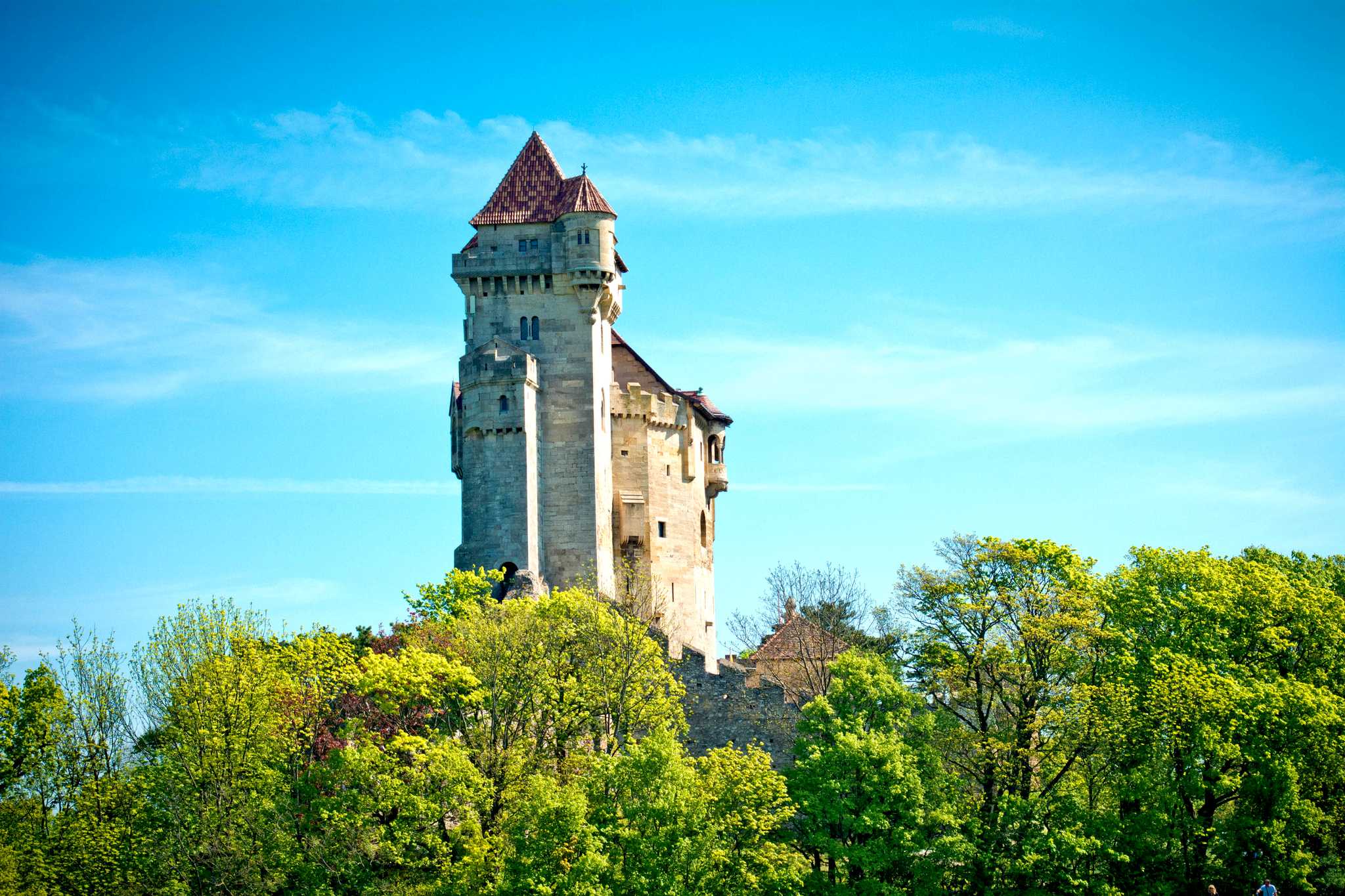
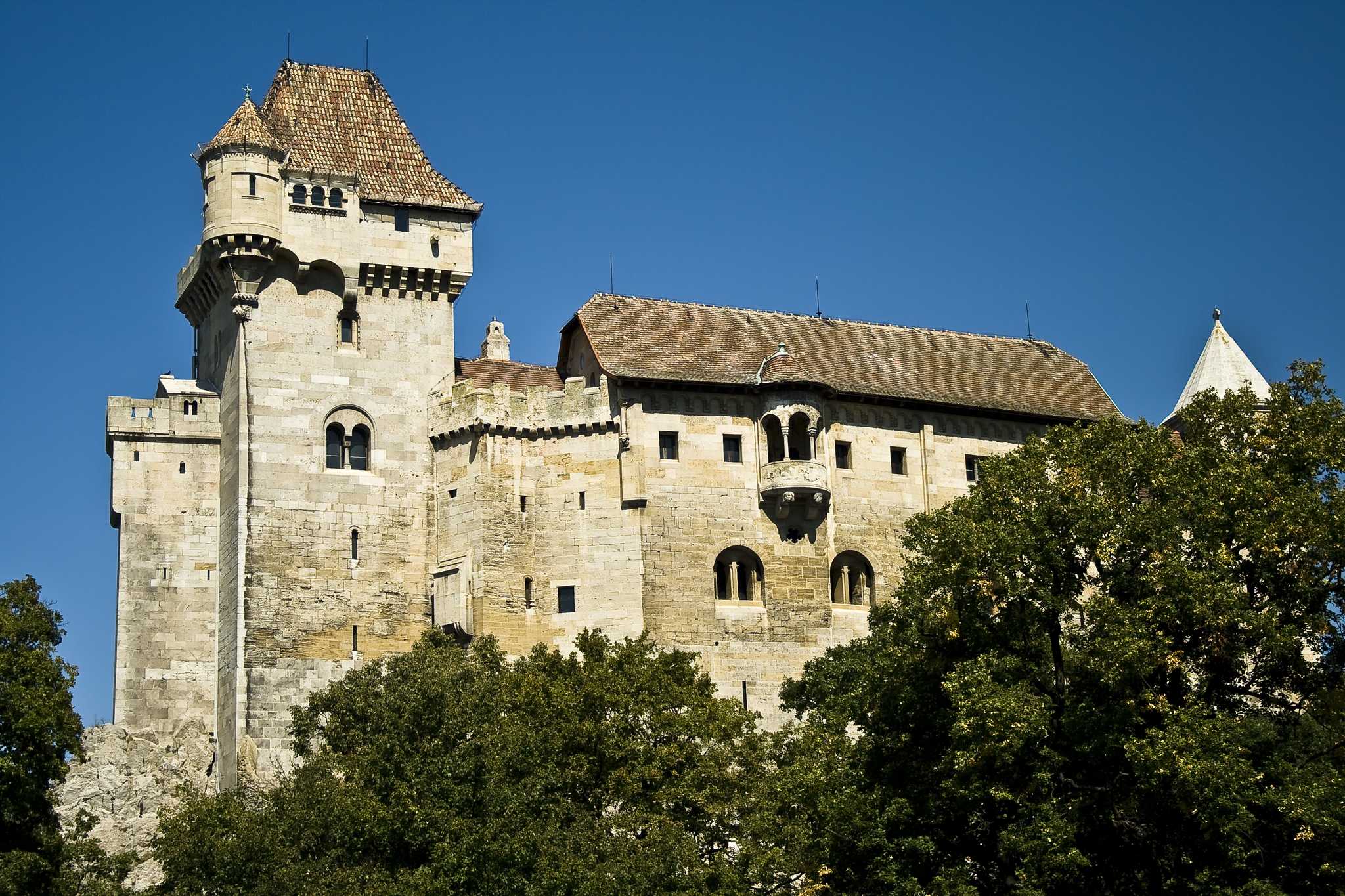
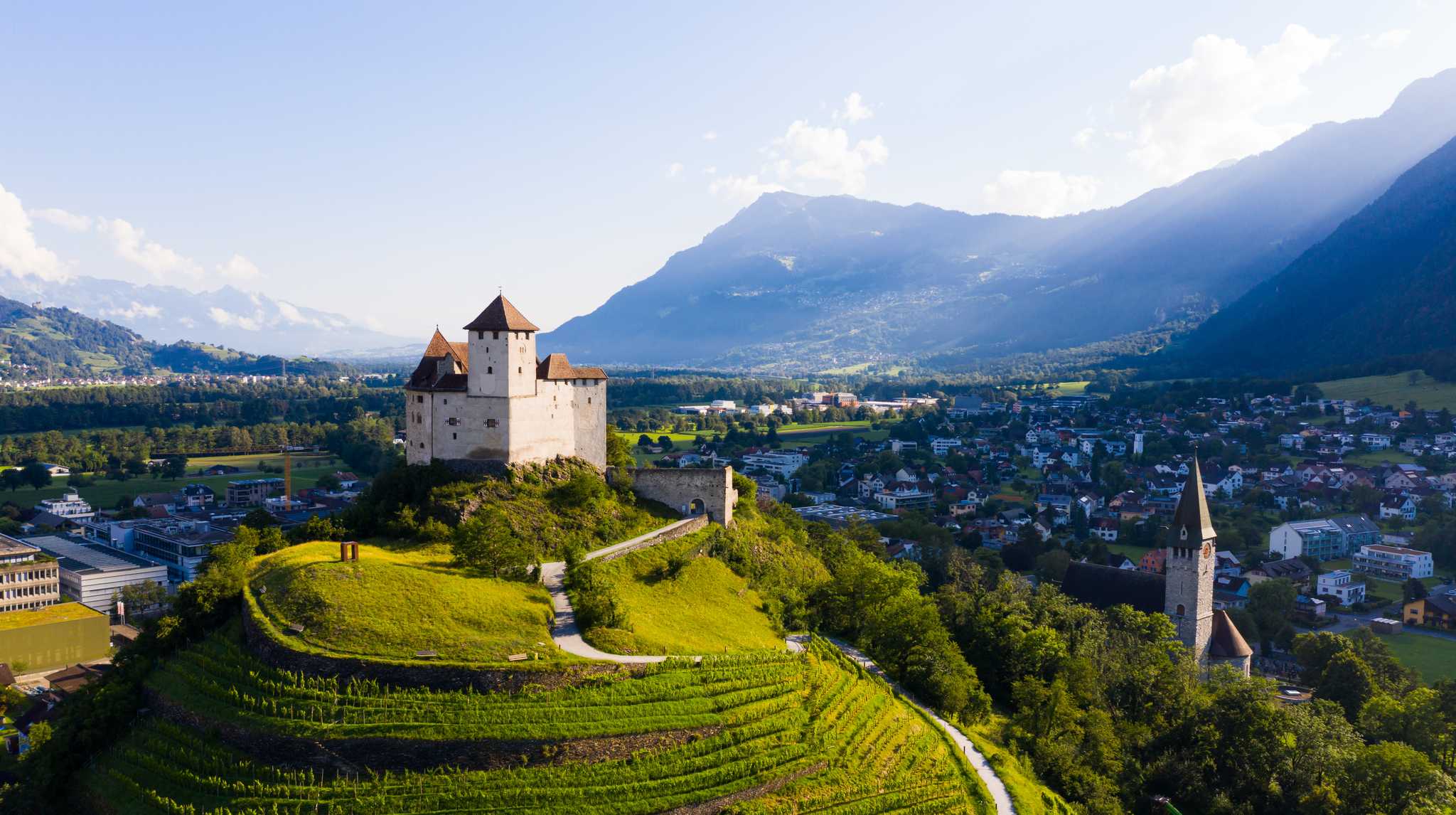
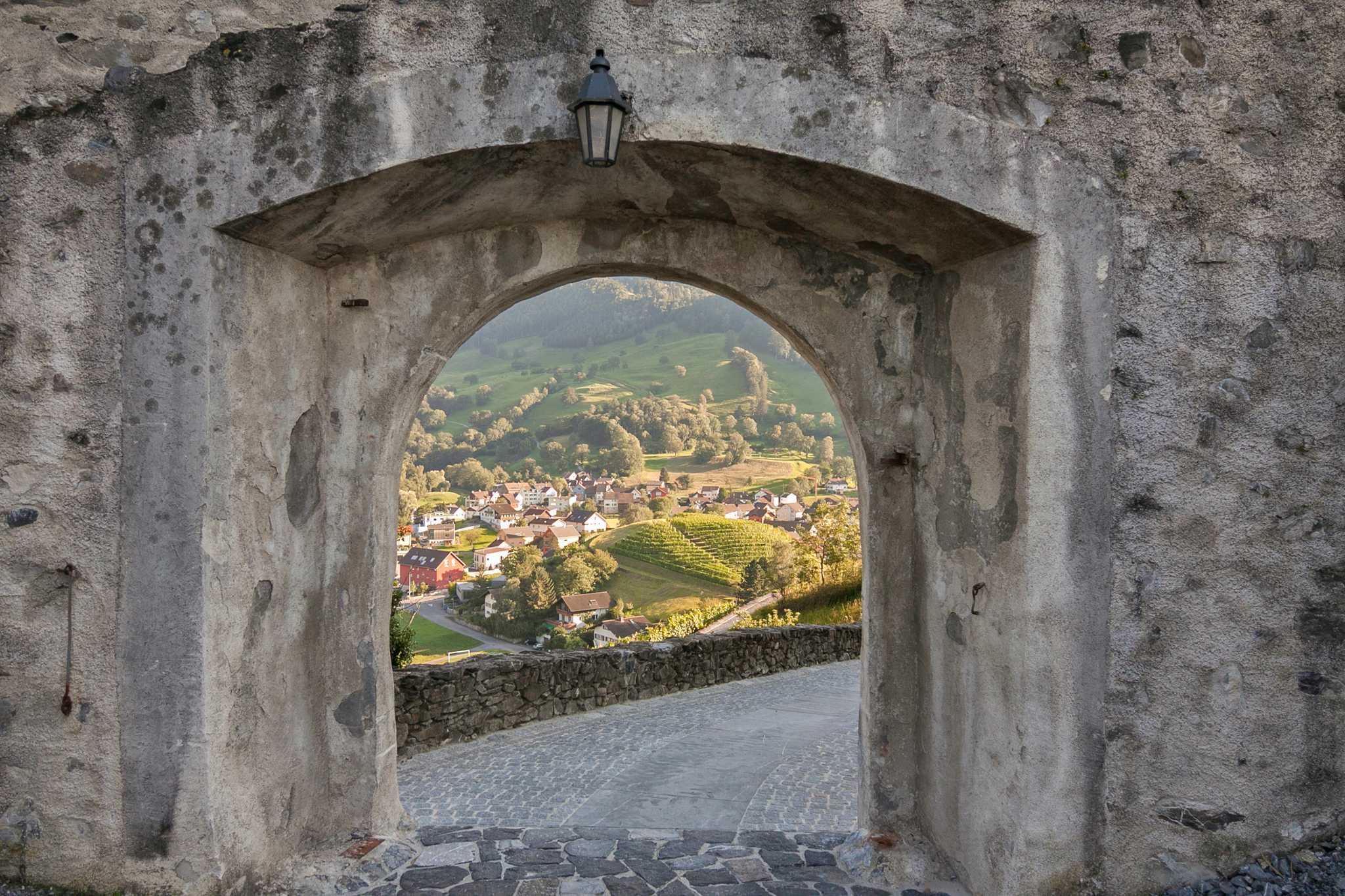
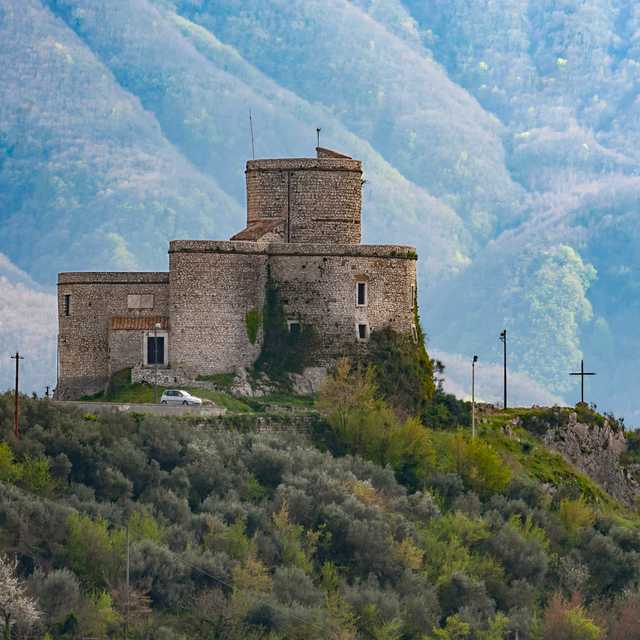
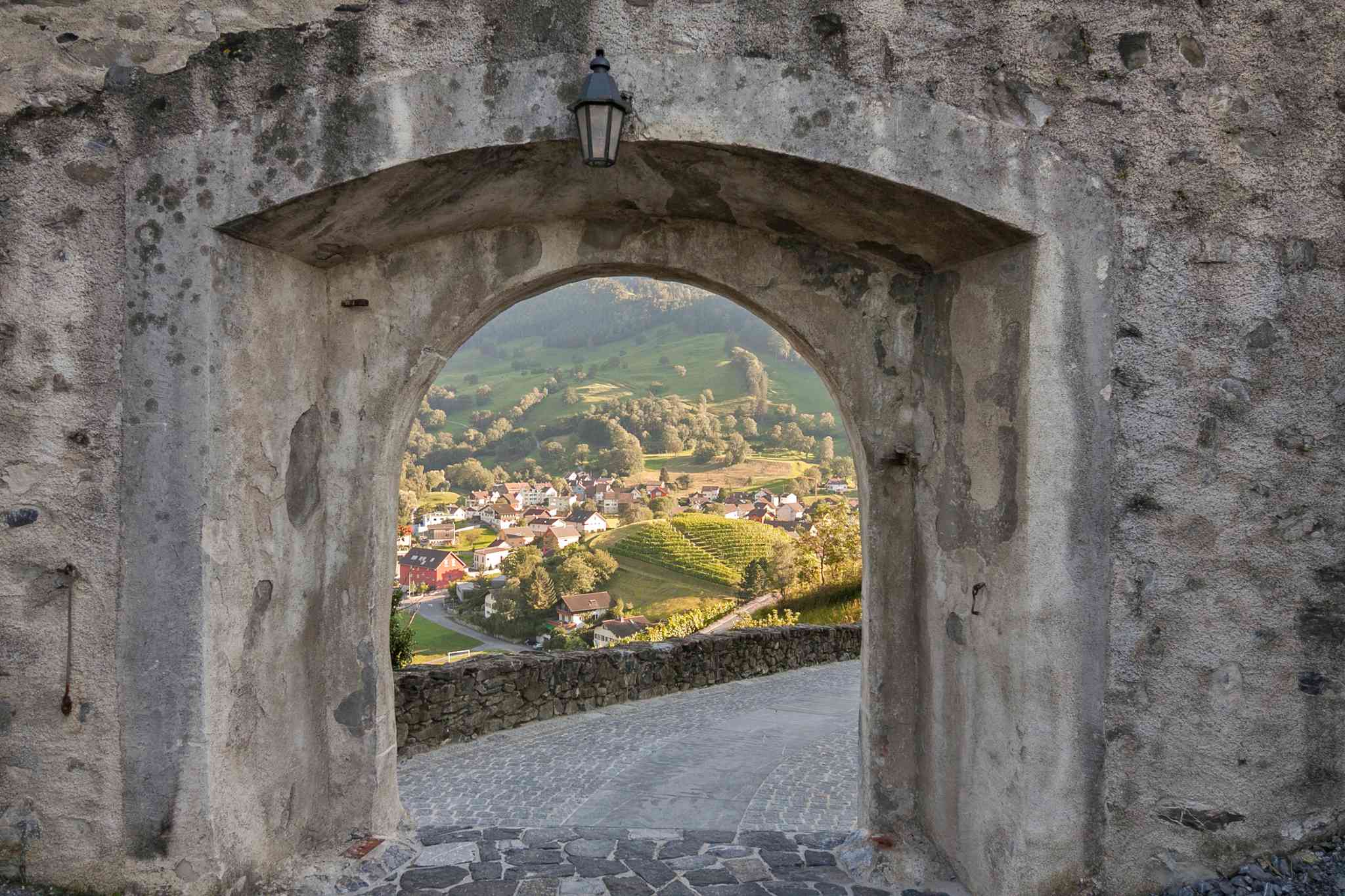
Encaramado en un espolón rocoso sobre la garganta del valle de Klausen, el Castillo de Liechtenstein es una de las residencias nobiliarias más antiguas del mundo germanoparlante y una de las ruinas con ubicación más espectacular en el Bosque de Viena.
Qué ver
- La torre del homenaje del siglo XII y las torres restauradas del castillo original, hogar de la dinastía Liechtenstein antes de mudarse a sus más famosos dominios moravos y vieneses
- El paisaje romántico de ruinas en la garganta de Klausen, con el arroyo Mödling atravesando un estrecho cañón de roca caliza y bosque
- Las vistas sobre el Wienerwald (Bosque de Viena) y hacia el sur en dirección a Baden
Qué hacer
- Caminar el corto sendero desde el valle hasta la puerta del castillo; el acceso a través de la garganta es tan impresionante como las propias ruinas
Ten en cuenta
- El acceso al castillo requiere el pago de una entrada y el horario de apertura varía según la temporada, por lo que es recomendable consultar antes de la visita https://www.burgliechtenstein.eu/en/visitors/opening-hours.html
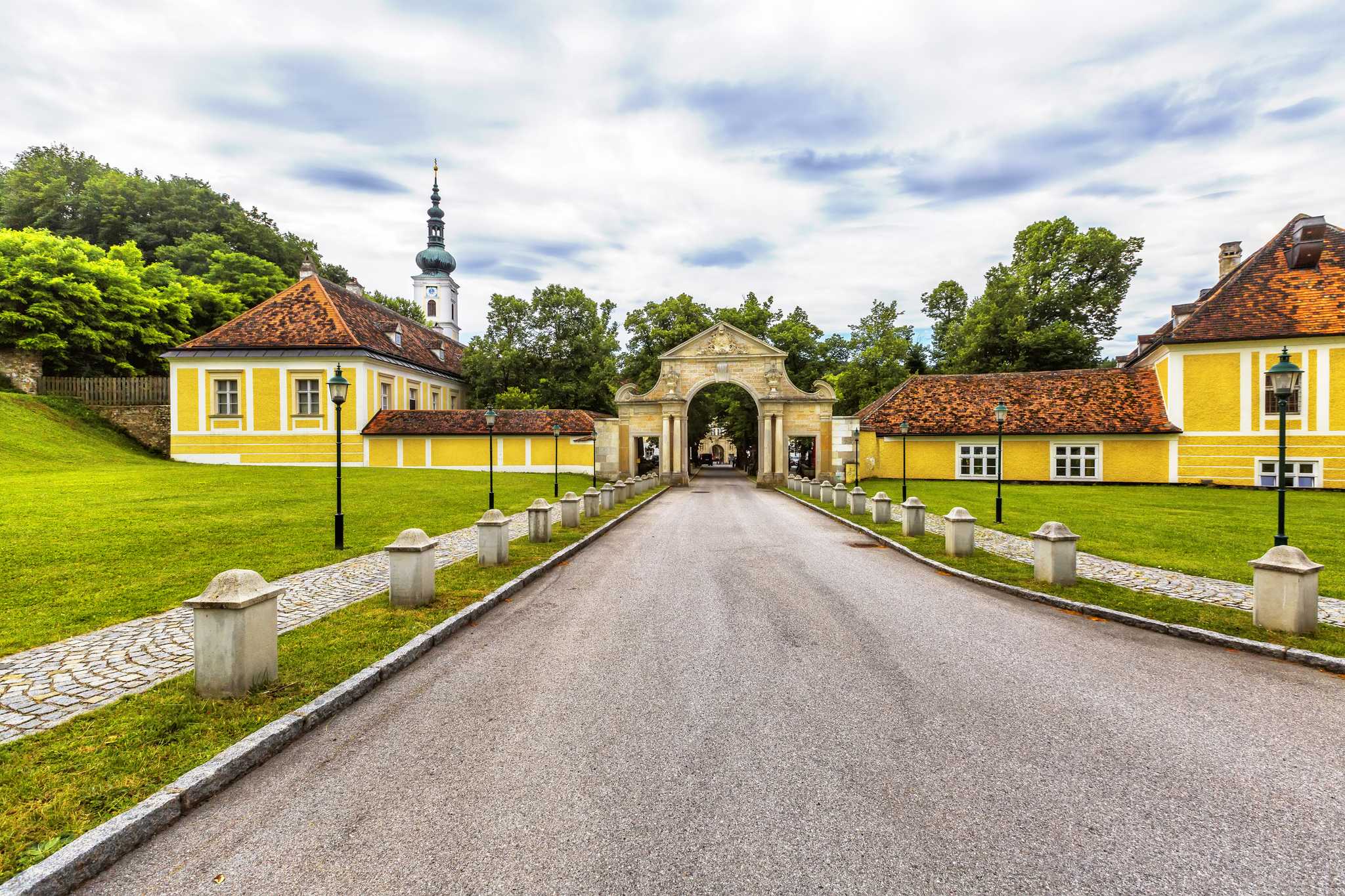
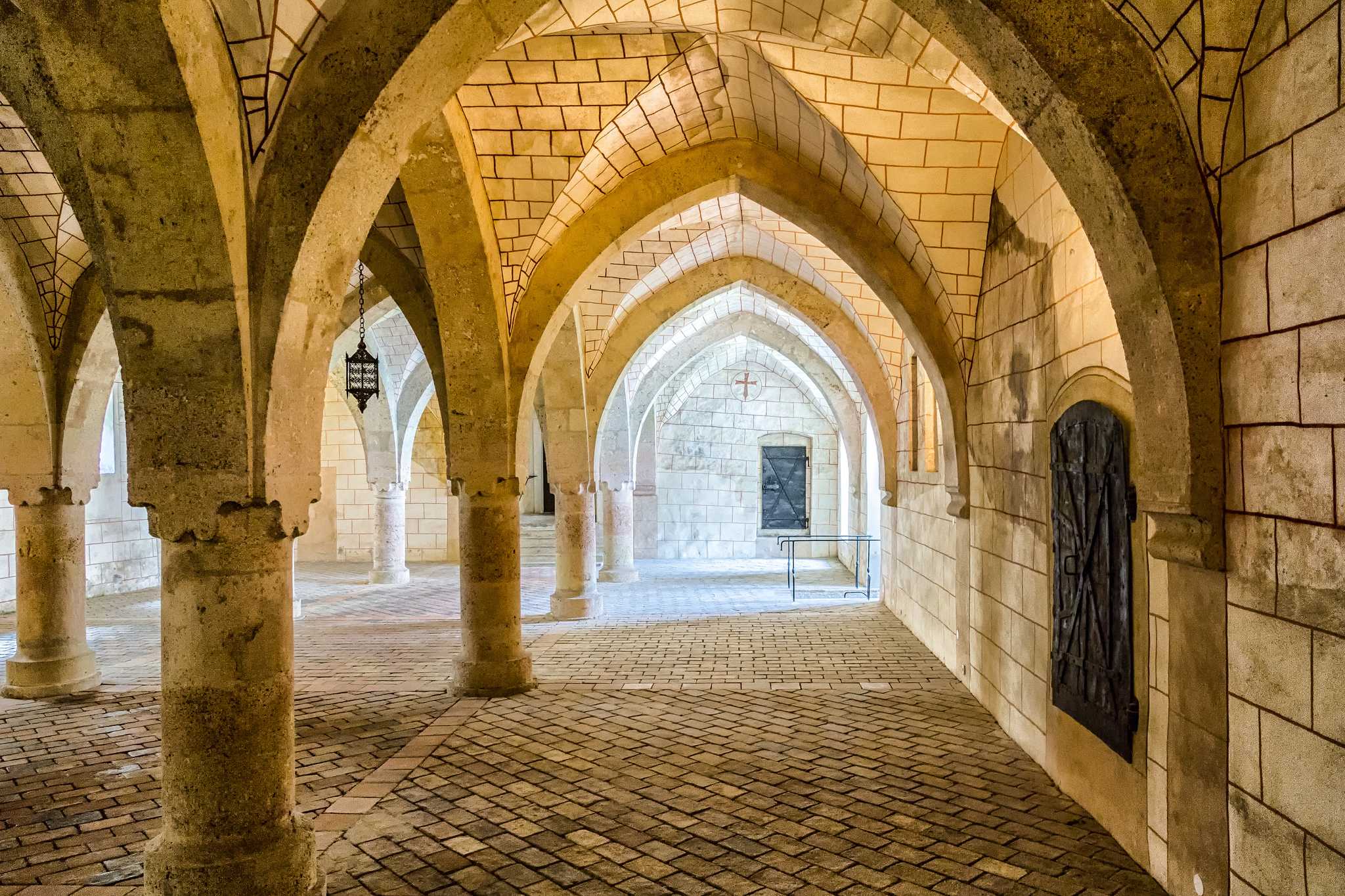
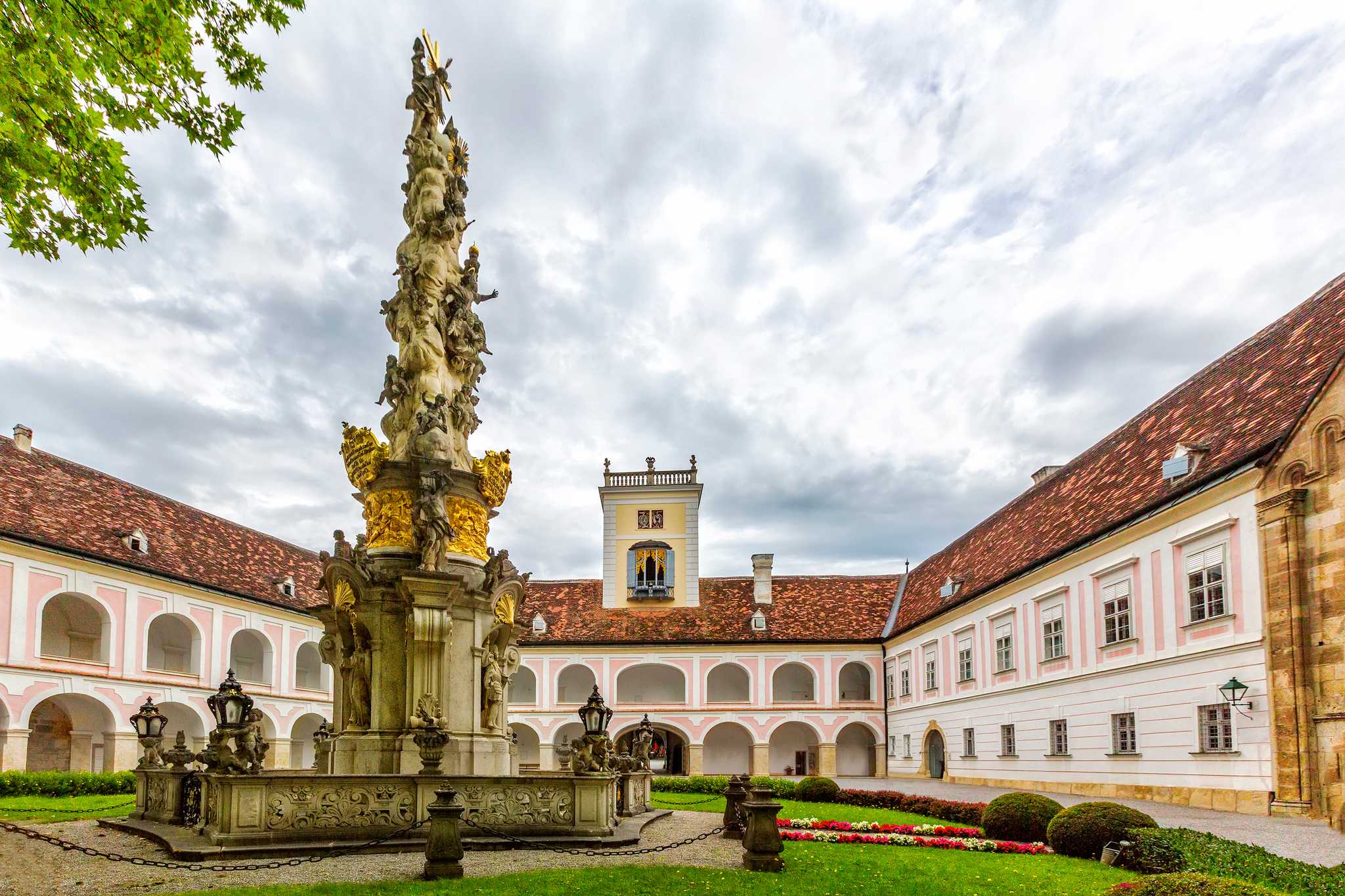
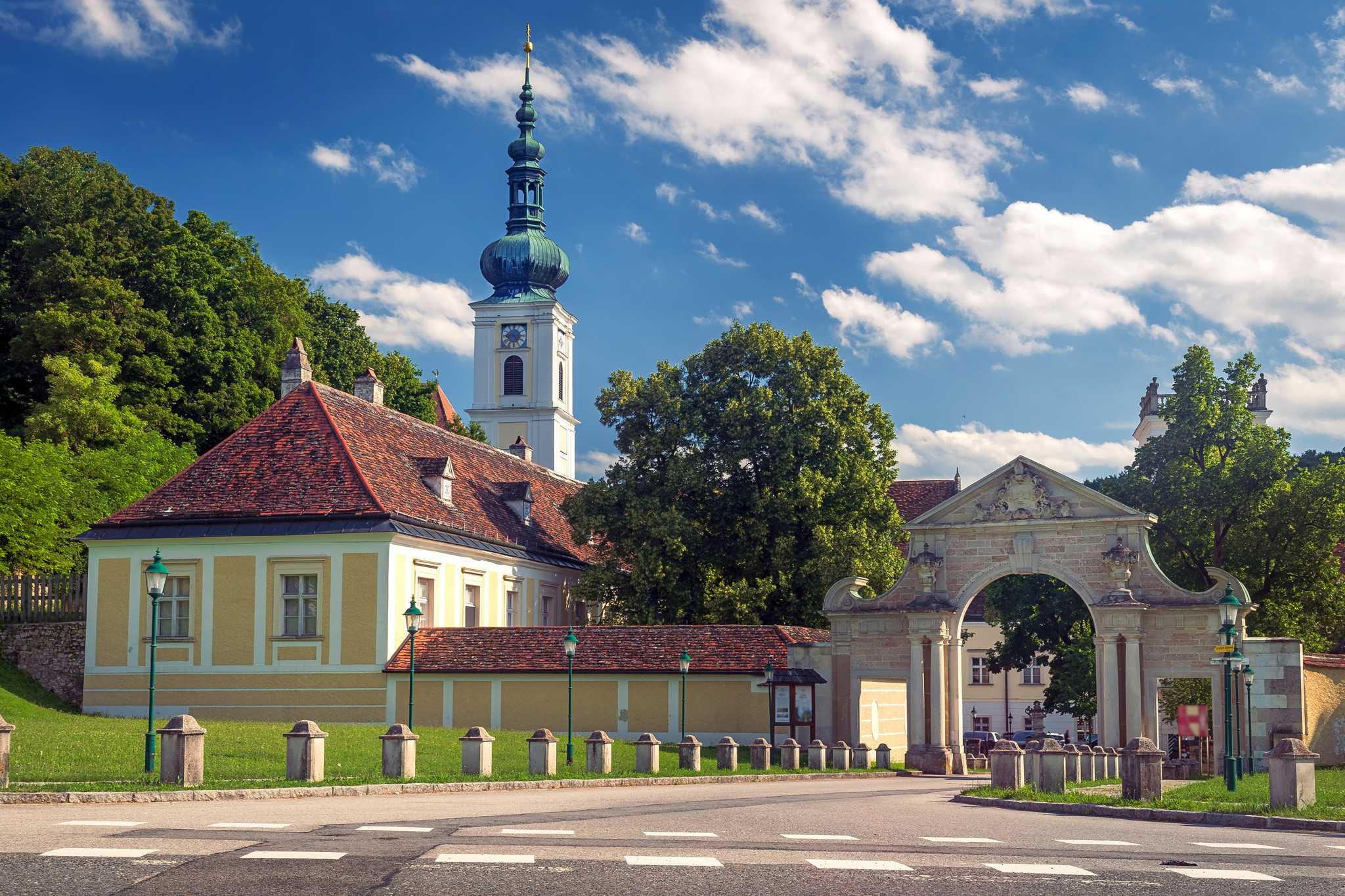
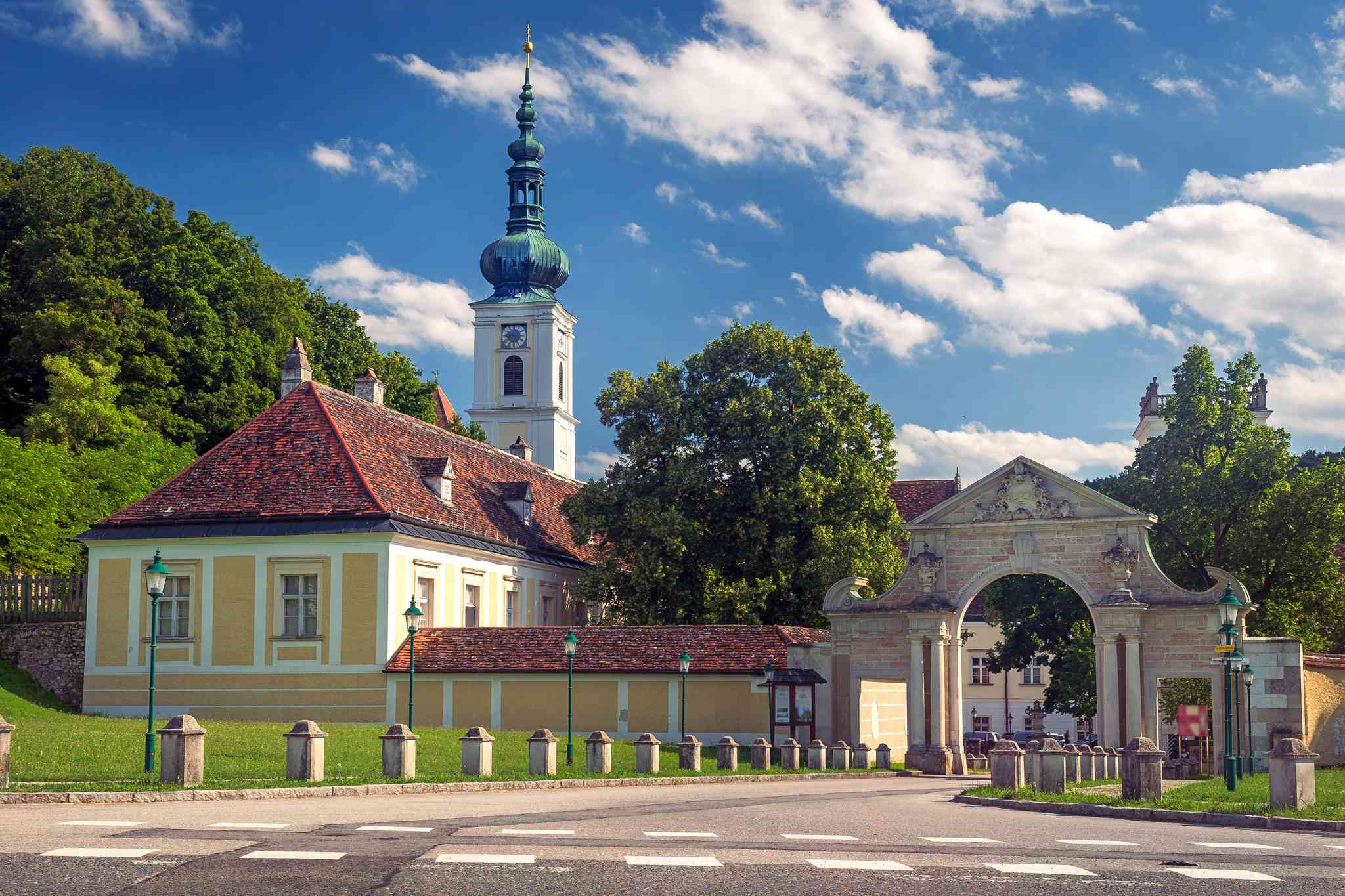
Fundada en 1133 por el margrave Babenberg Leopoldo III, Heiligenkreuz es la abadía cisterciense habitada de forma continua más antigua del mundo y una de las más bellas de Europa Central.
Qué ver
- La iglesia románico-gótica, construida en el siglo XII y apenas modificada desde entonces, con un magnífico coro y un retablo dorado
- El claustro, uno de los claustros medievales más destacados de Austria, con 300 columnas de mármol rojo y una sala capitular que alberga las tumbas de la dinastía Babenberg
- La columna de la Trinidad en el patio, erigida en agradecimiento tras la peste de 1713, gemela de la famosa Pestsäule de Viena
- Una activa comunidad monástica de más de 80 monjes cistercienses, que continúan cantando la liturgia diaria como lo han hecho desde el siglo XII
Qué hacer
- Únete a una visita guiada por la abadía, disponible en inglés; los guías dan vida a la vida diaria de los monjes y a los 900 años ininterrumpidos de historia de la abadía
Ten en cuenta
- Las visitas guiadas se realizan varias veces al día; consulta https://www.stift-heiligenkreuz.org/besichtigung-fuehrungen/english/ para horarios y precios
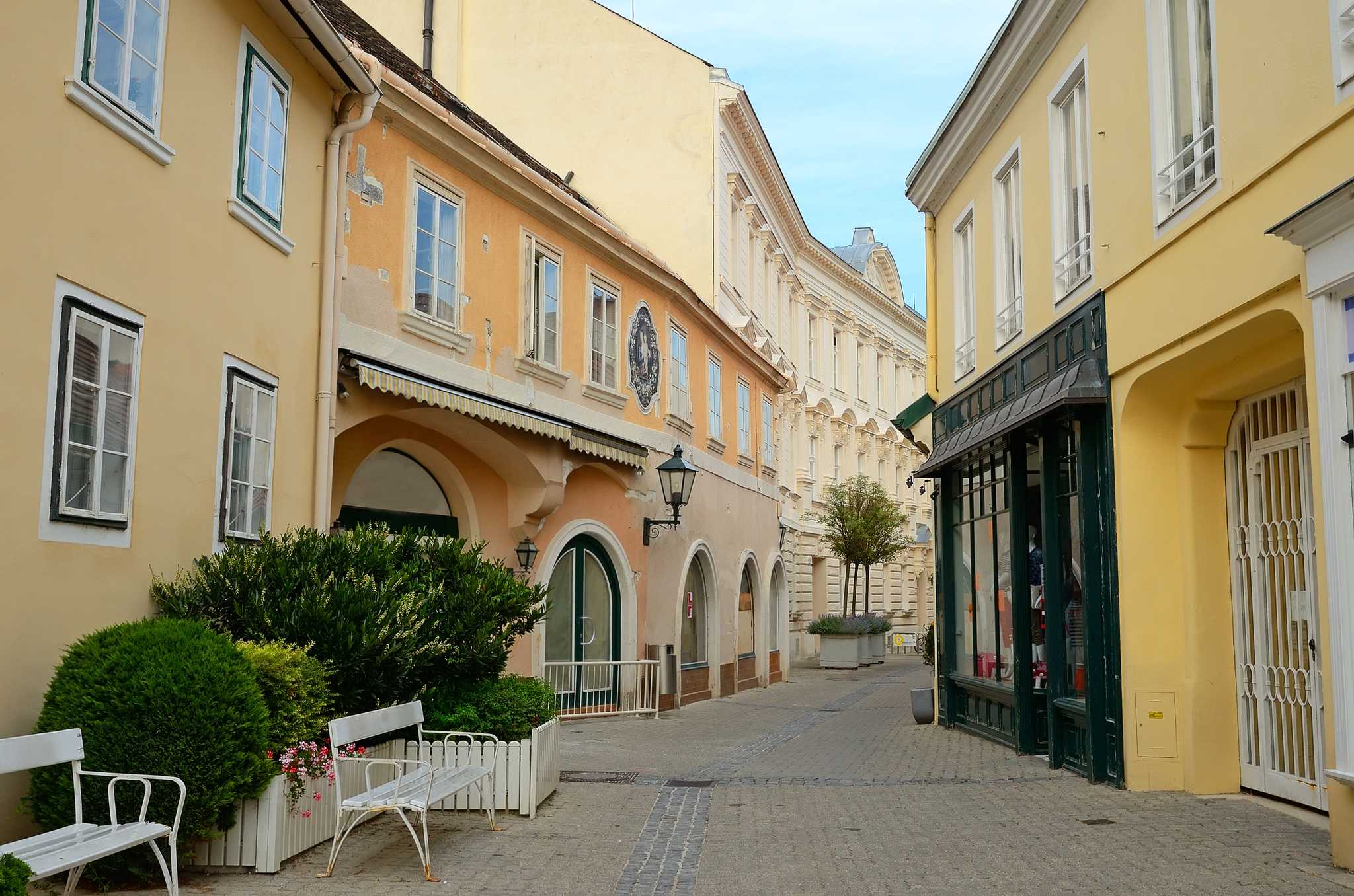
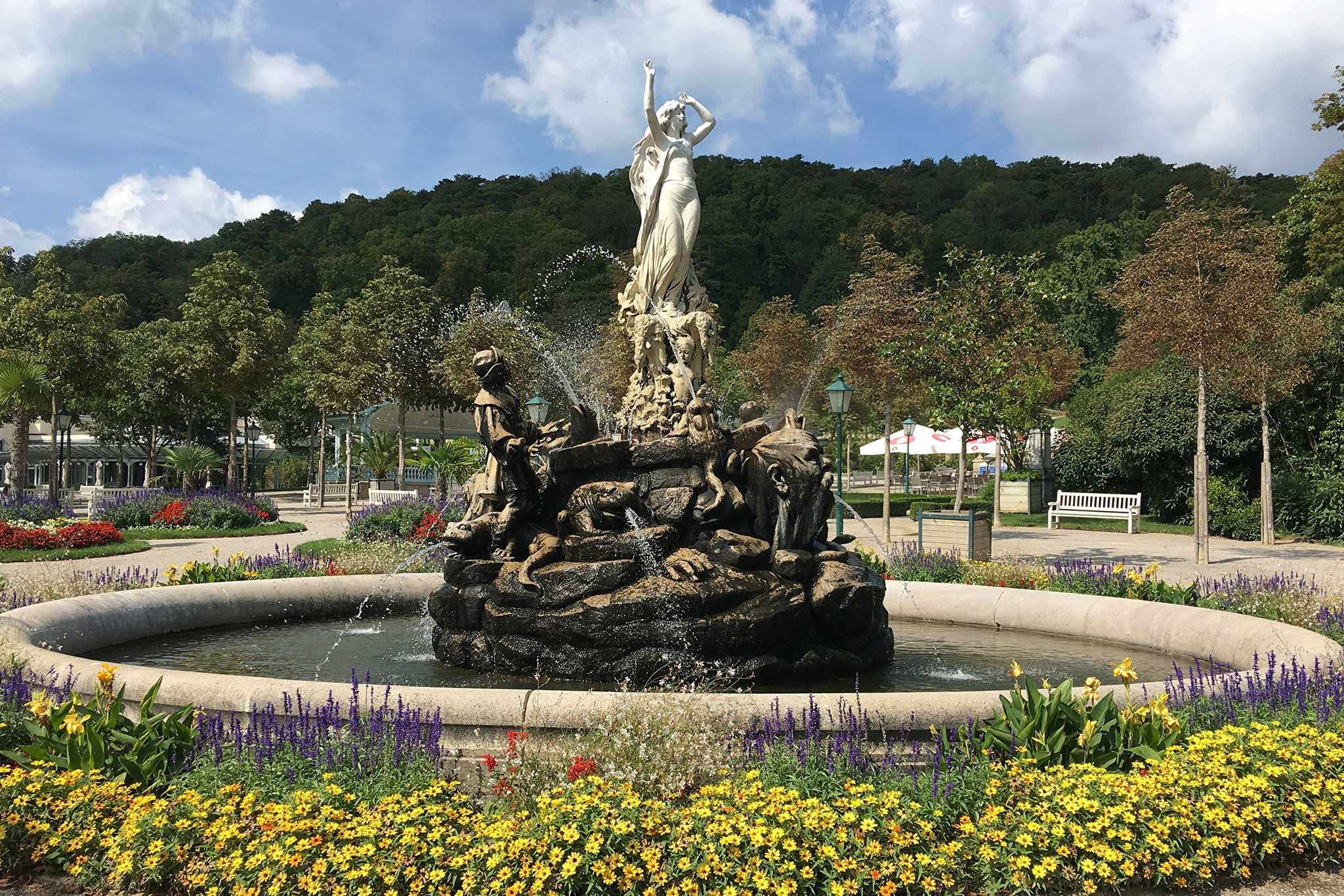
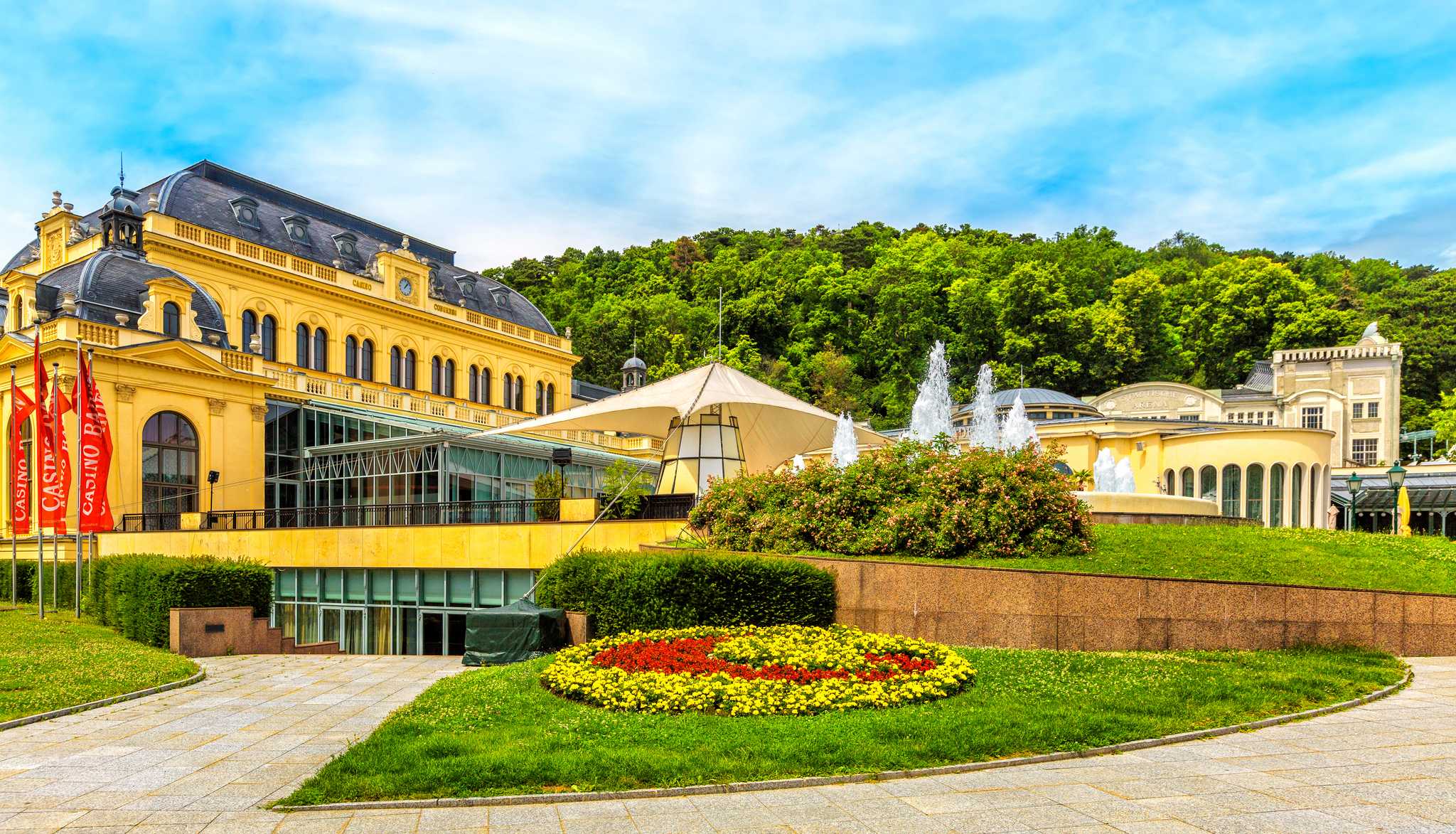
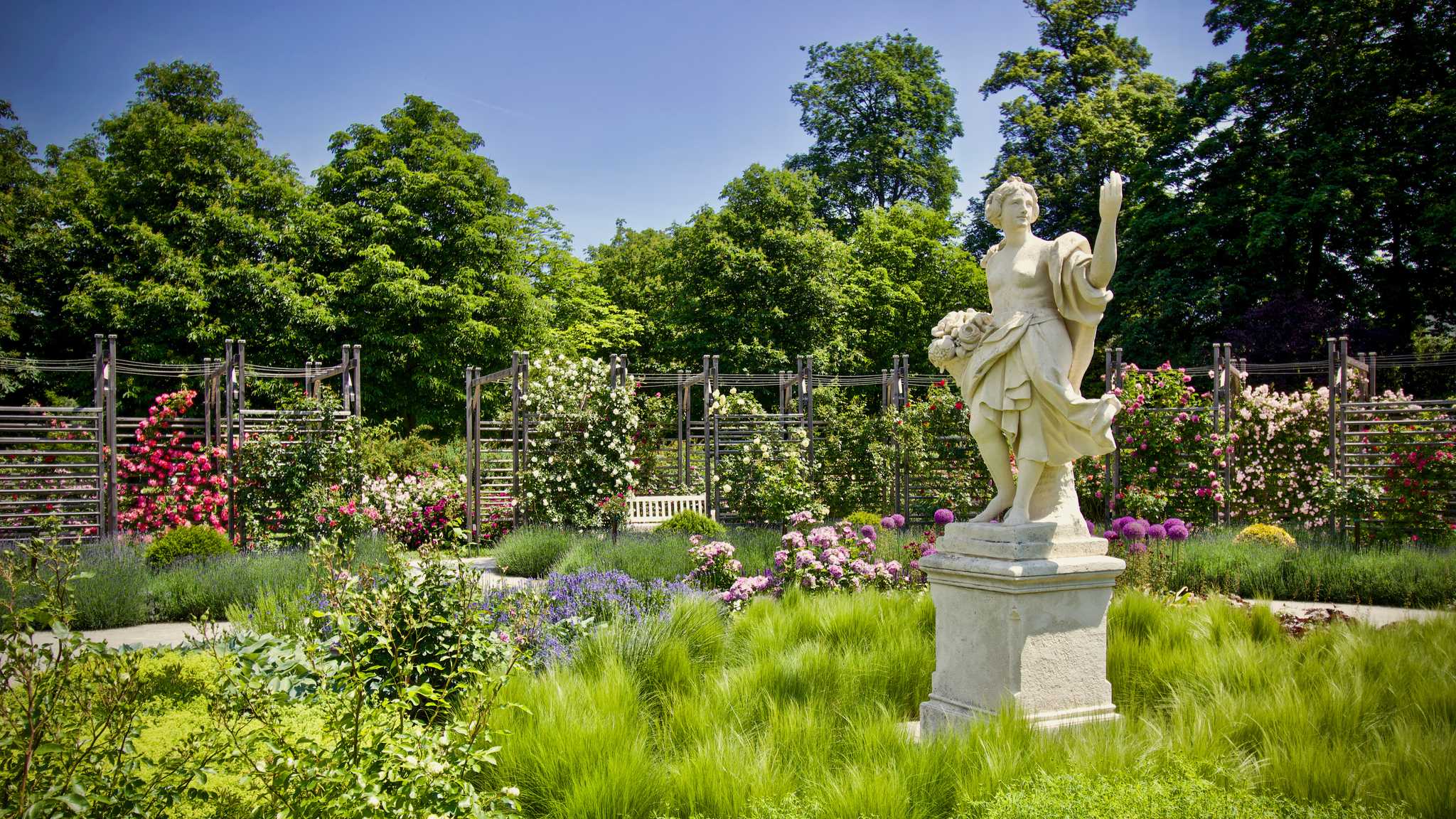
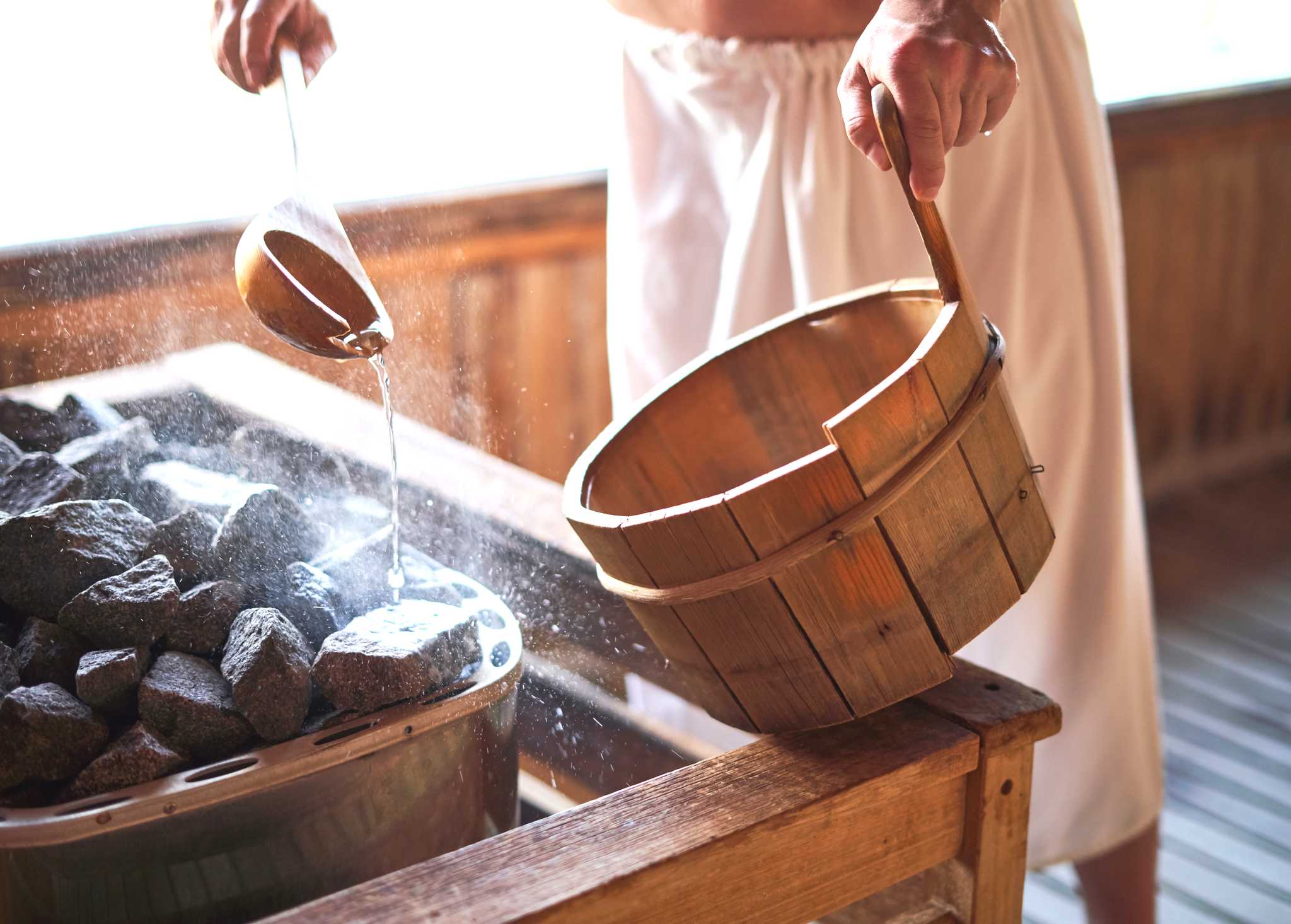
A solo 25 kilómetros al sur de Viena, Baden bei Wien es la ciudad balneario más elegante de Austria, un lugar donde veraneaba la corte imperial, Beethoven componía y las aguas termales brotan desde la época romana.
Qué ver
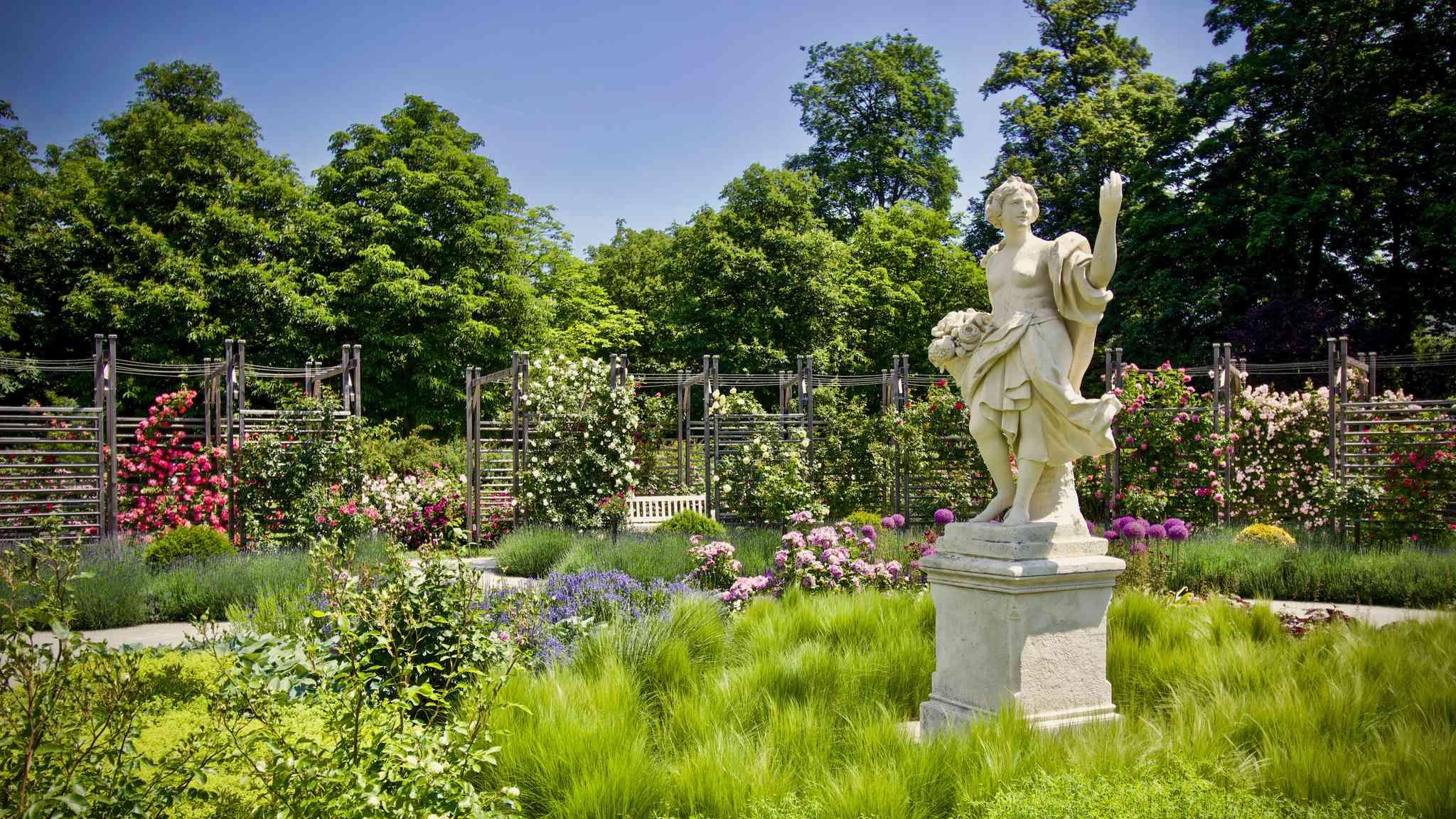
- El Kurpark, un parque paisajístico bellamente cuidado en el corazón de la ciudad, con el Casino Baden, el jardín de rosas y el teatro al aire libre
- La Casa de Beethoven, donde el compositor pasó 15 veranos y escribió partes sustanciales de su Novena Sinfonía
- El paisaje urbano Biedermeier del centro peatonal, cuya arquitectura neoclásica uniforme data de la reconstrucción tras el incendio de la ciudad en 1812
Qué hacer
- Pasear por el Kurpark y tomar un café o una copa de vino en alguna de las terrazas con vistas al jardín de rosas
- Visitar la Casa de Beethoven para conocer el contexto personal tanto del compositor como de la identidad veraniega imperial de Baden
Qué comer
- Pastel de schwarzbeere (grosella negra) y las galletas Ruster, que se elaboran en las pastelerías de Baden desde el siglo XIX
¿Tiene preguntas o necesita ayuda?
Contacte a nuestro Soporte al Cliente. Estamos disponibles 24/7Daytrip es amado en todo el mundo. Aquí está el porqué.
Preguntas Frecuentes
Si tiene alguna pregunta, aquí están las respuestas.Sé el primero en descubrir más
Recibe ideas de viaje seleccionadas, destacados secretos y ofertas especiales de Daytrip.