Le côté paisible des Habsbourg : excursion privée d'une journée au départ de Vienne

Trajet privé avec un chauffeur local
À propos de votre voyage
À quoi s'attendre
Votre excursion commence où que vous soyez
Rencontrez notre chauffeur professionnel là où vous préférez à Vienne à l'heure qui vous convient le mieux. Pas de temps perdu pour rejoindre le point de ramassage, prenez votre sac et commencez votre voyage immédiatement.Découvrez plus avec l'expertise locale
Les connaissances locales de votre chauffeur donneront le ton de votre Daytrip. Un café caché ici, un restaurant incontournable là-bas ; des conseils d'initiés que vous adorerez partager plus tard. Ce n'est pas une visite guidée, mais votre trajet sera riche en histoires et découvertes en cours de route. Et tout au long de la journée, votre chauffeur sera disponible pour vous selon vos besoins, prêt à vous assister, heureux de vous aider, rendant votre voyage sans stress.Explorez à votre propre rythme
Parfait pour tout groupe privé
Que vous voyagiez seul, en famille avec des enfants, ou en grand groupe, ce service est conçu pour votre confort et votre flexibilité. C'est l'option idéale surtout si vous avez peu de temps ou un emploi du temps chargé.Bon à savoir
- Transfert privé en voiture aller-retour
- Véhicule climatisé
- Prise en charge et dépose personnalisées
- Sièges enfants inclus gratuitement
- Chauffeur professionnel anglophone
- Eau en bouteille offerte
- Annulation gratuite 24 heures avant le départ
- Les billets d'entrée/admission pour les attractions payantes Château de Liechtenstein, Abbaye d'Heiligenkreuz et Baden bei Wien doivent être achetés séparément sauf indication contraire
- Les repas, les collations et les pourboires ne sont pas inclus
Votre voyage en un coup d'œil
Votre voyage en un coup d'œil
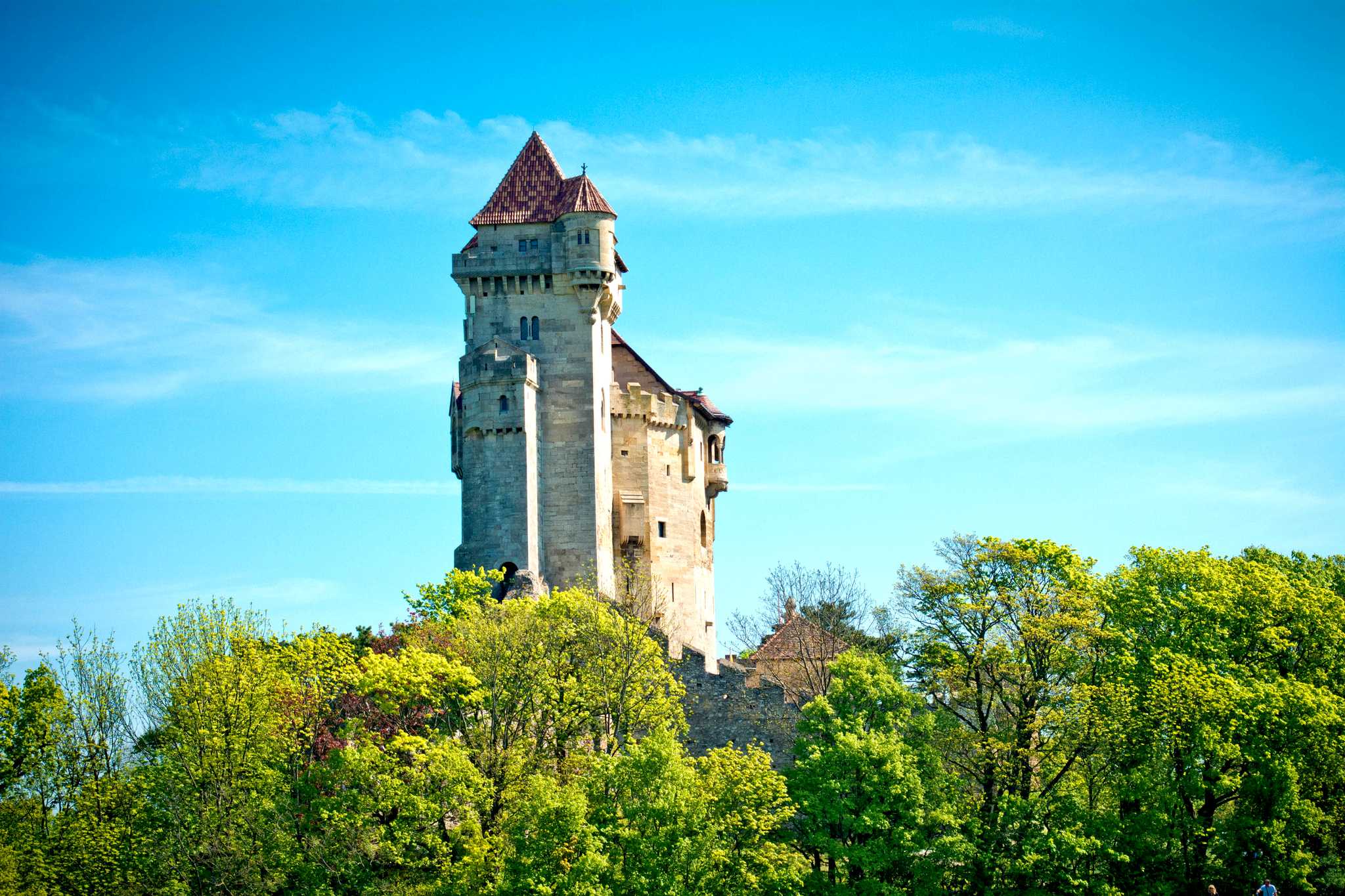
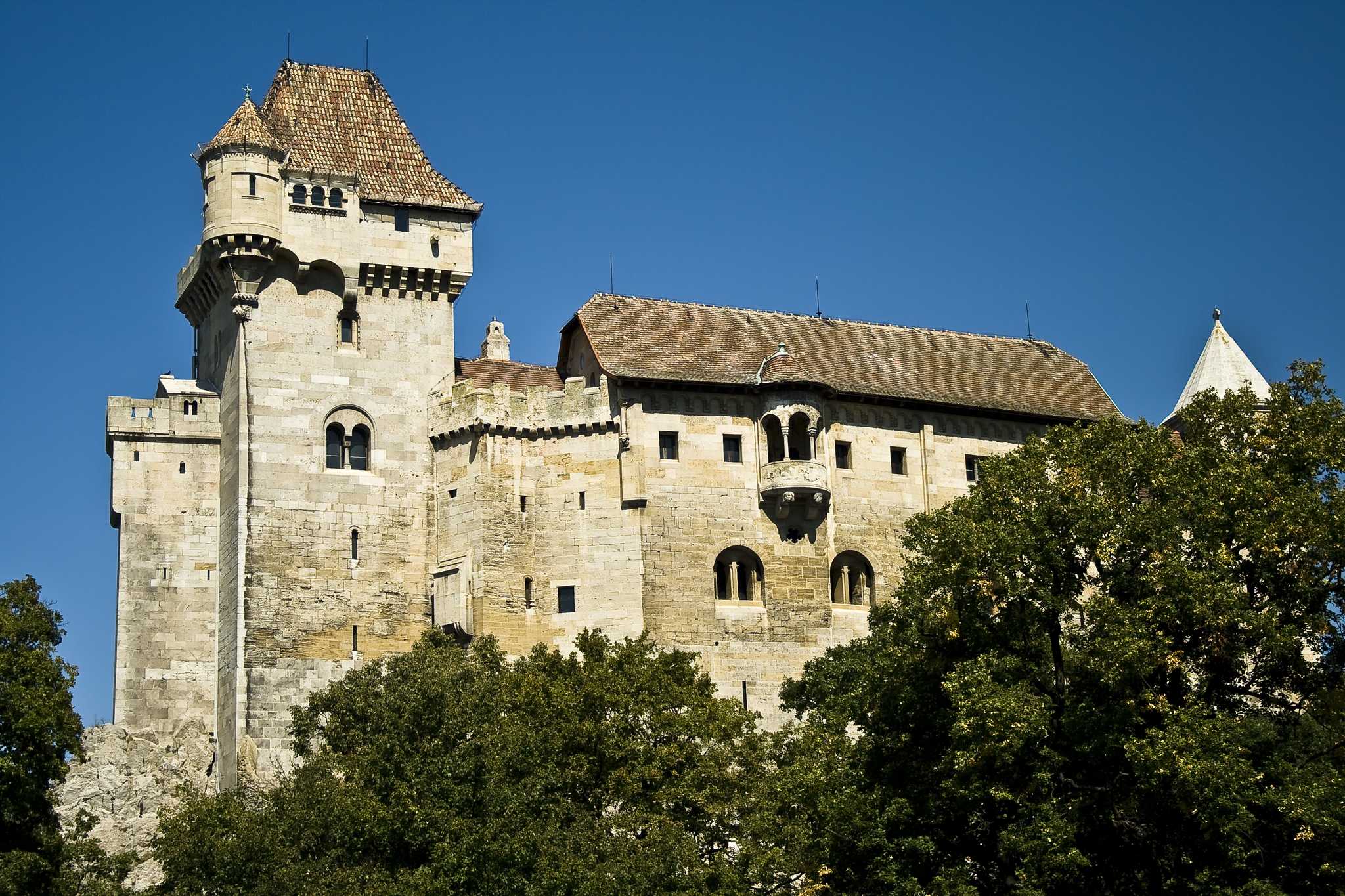
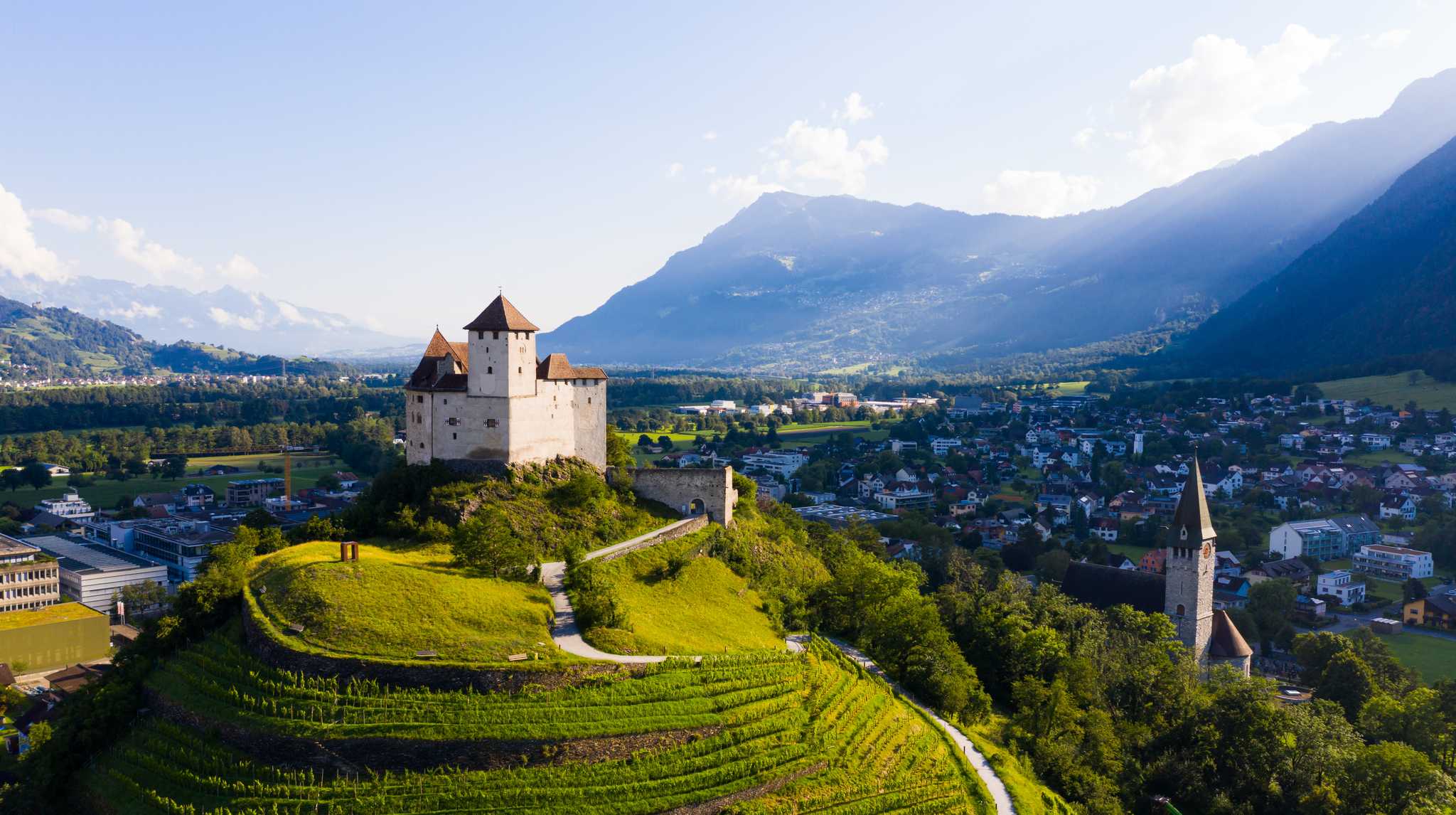
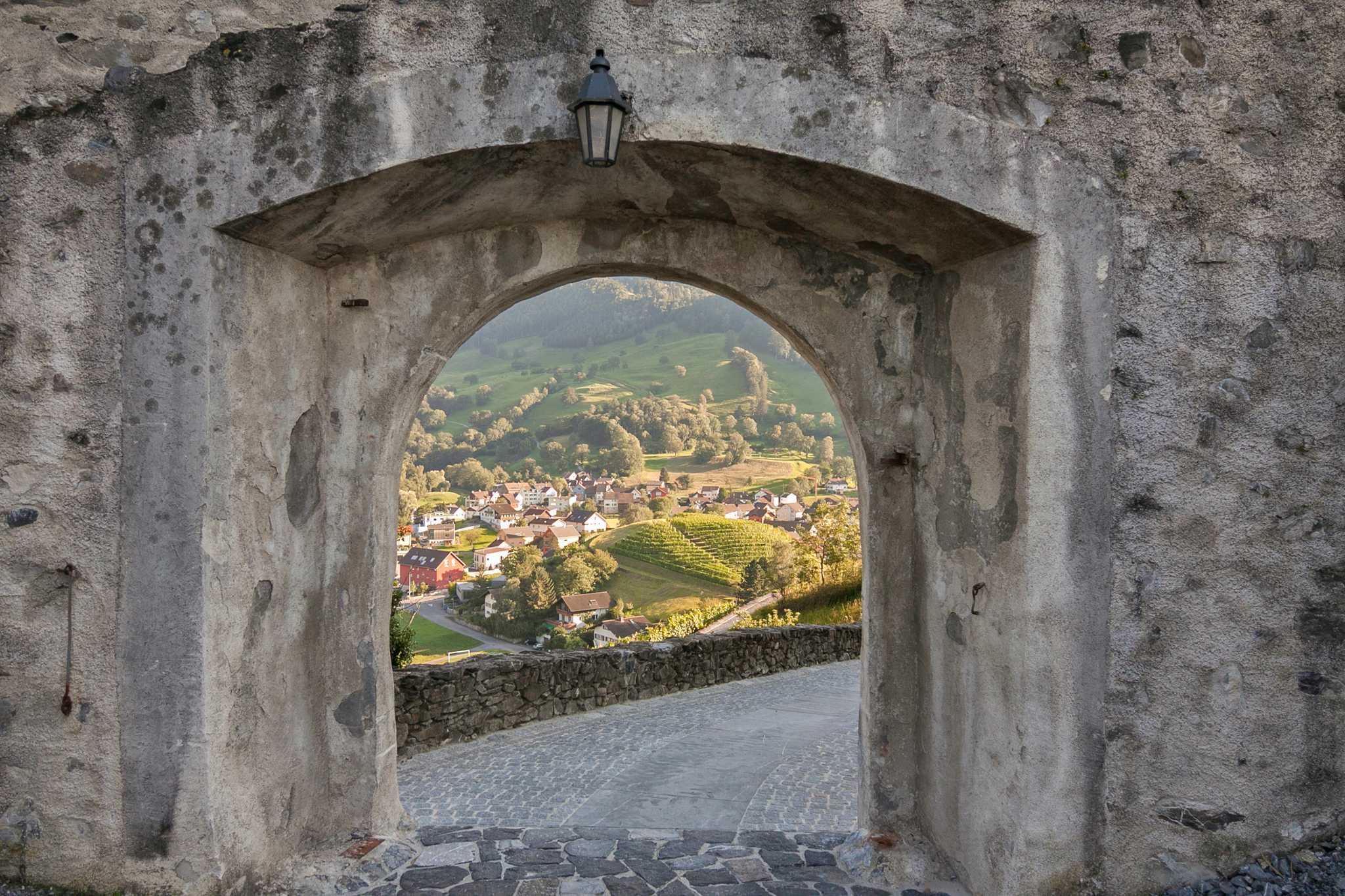
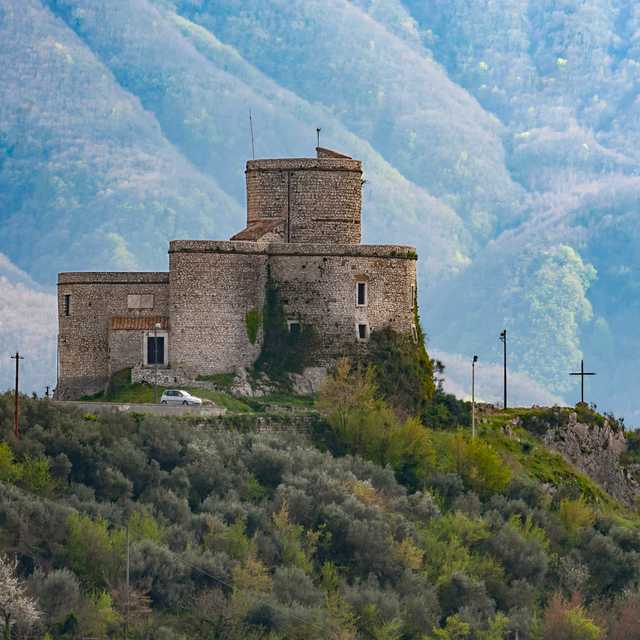
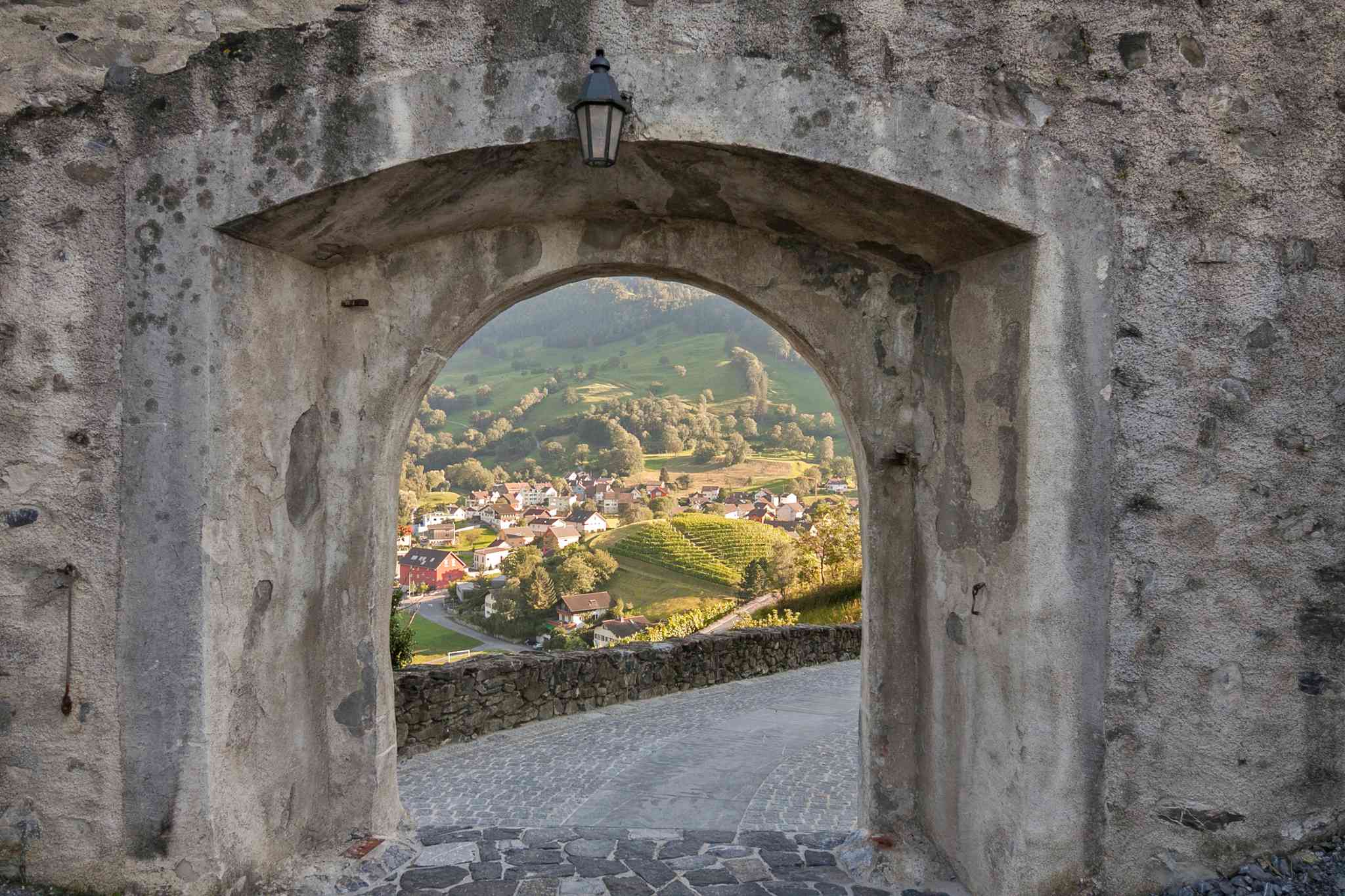
Perché sur un éperon rocheux au-dessus de la gorge de la vallée de Klausen, le château de Liechtenstein est l’une des plus anciennes résidences nobles du monde germanophone, et l’une des ruines les plus spectaculaires de la forêt viennoise.
À voir
- Le donjon du XIIe siècle et les tours restaurées du château d’origine, demeure de la dynastie Liechtenstein avant leur installation dans leurs domaines moraves et viennois plus célèbres
- Le paysage romantique de ruines de la gorge de Klausen en contrebas, avec le ruisseau de Mödling serpentant à travers un étroit canyon de roche calcaire et de forêt
- Les panoramas sur le Wienerwald (forêt viennoise) et vers le sud en direction de Baden
À faire
- Emprunter le court sentier depuis la vallée jusqu’à la porte du château ; l’approche à travers la gorge est aussi impressionnante que les ruines elles-mêmes
À noter
- L’accès au château est payant et les horaires d’ouverture varient selon la saison ; il est conseillé de vérifier à l’avance avant de visiter https://www.burgliechtenstein.eu/en/visitors/opening-hours.html
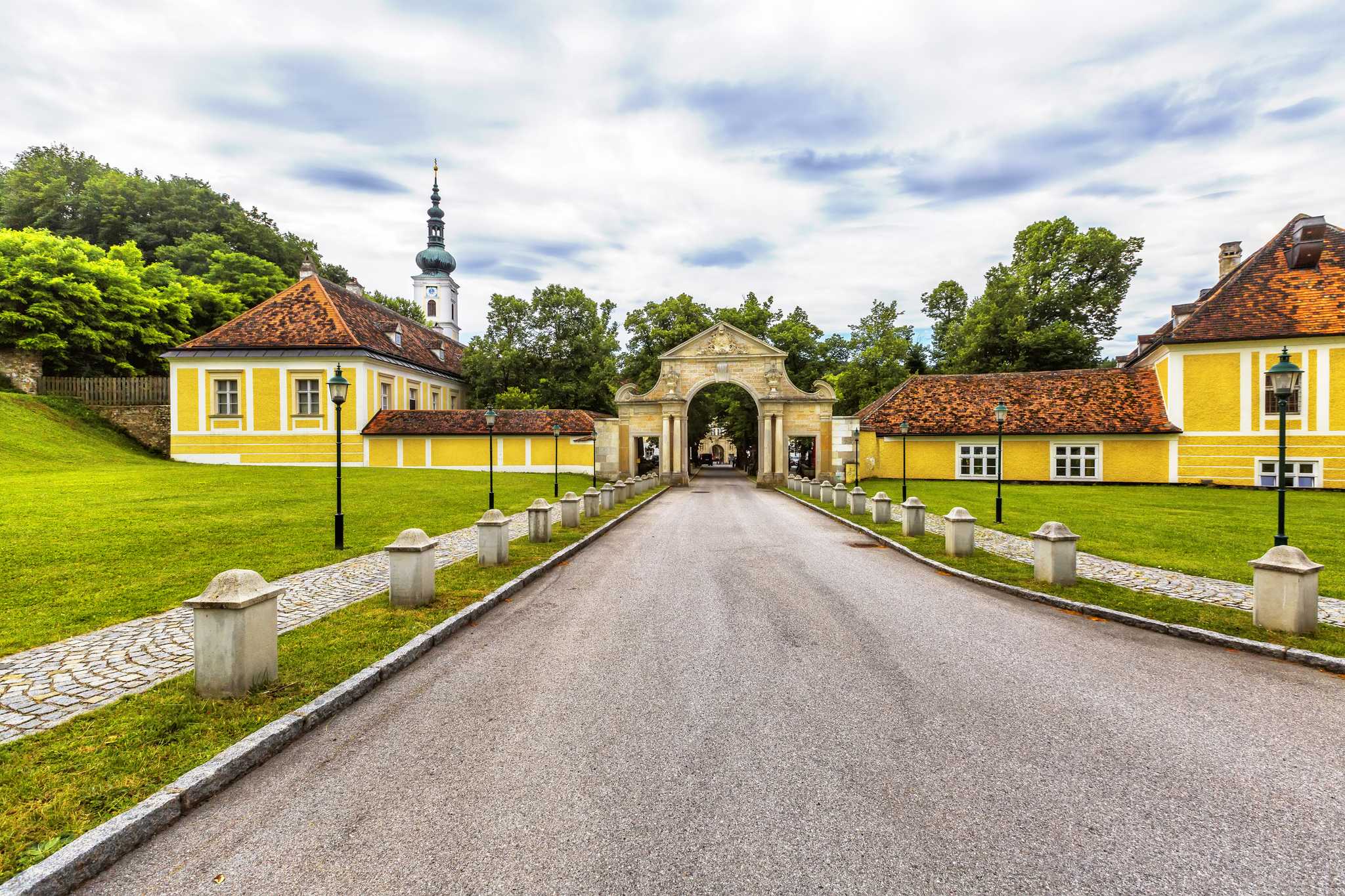
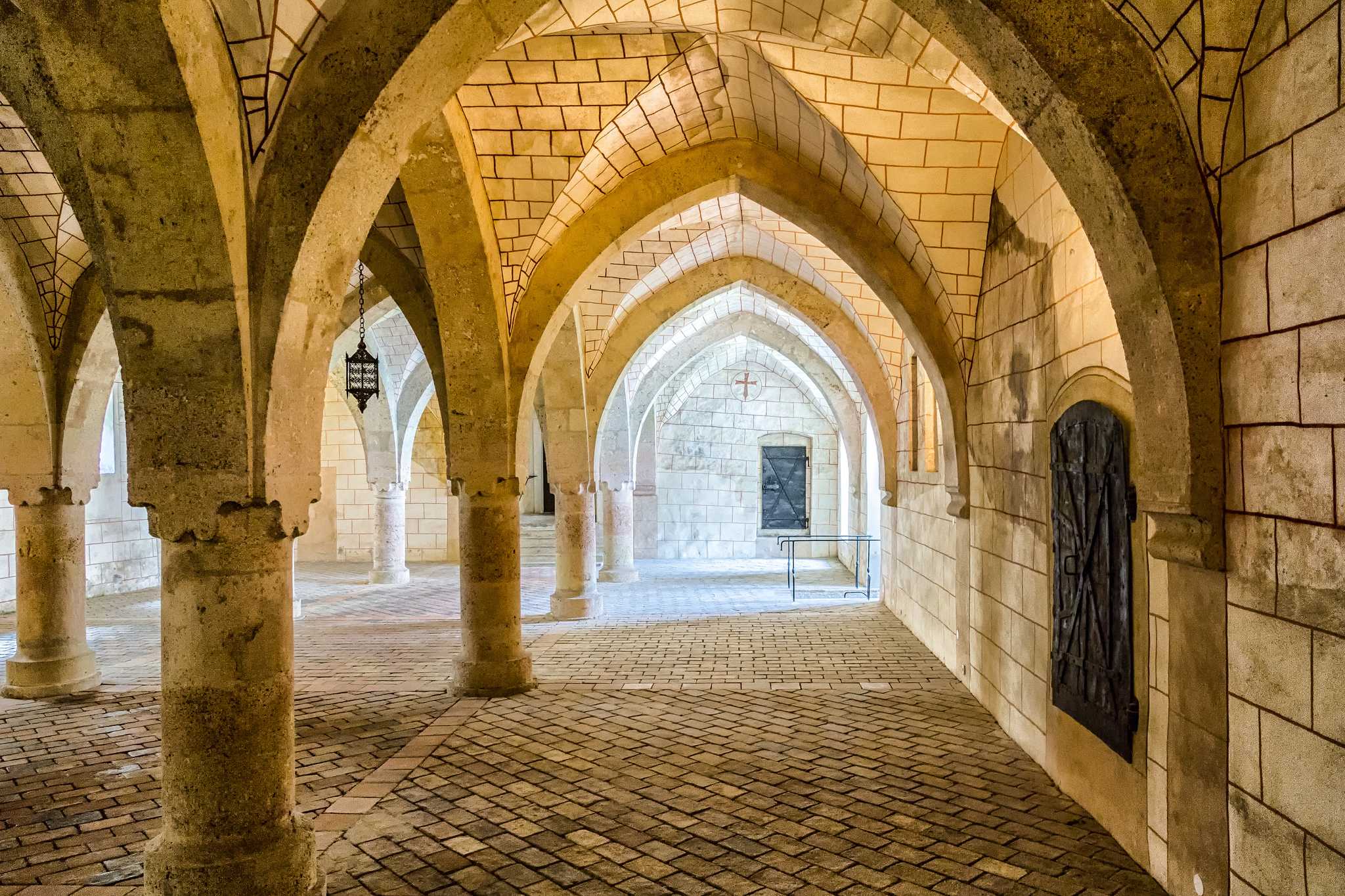
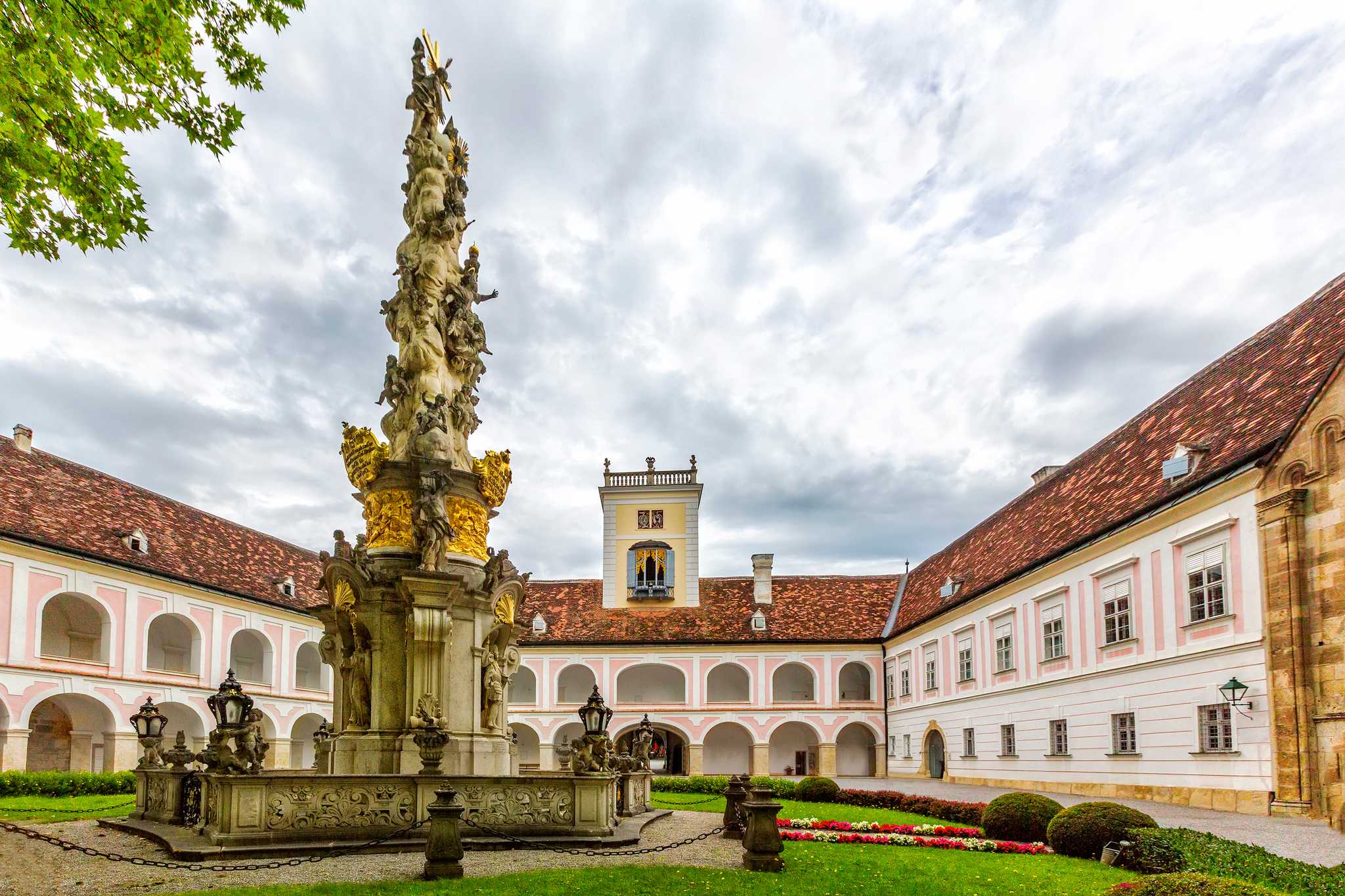
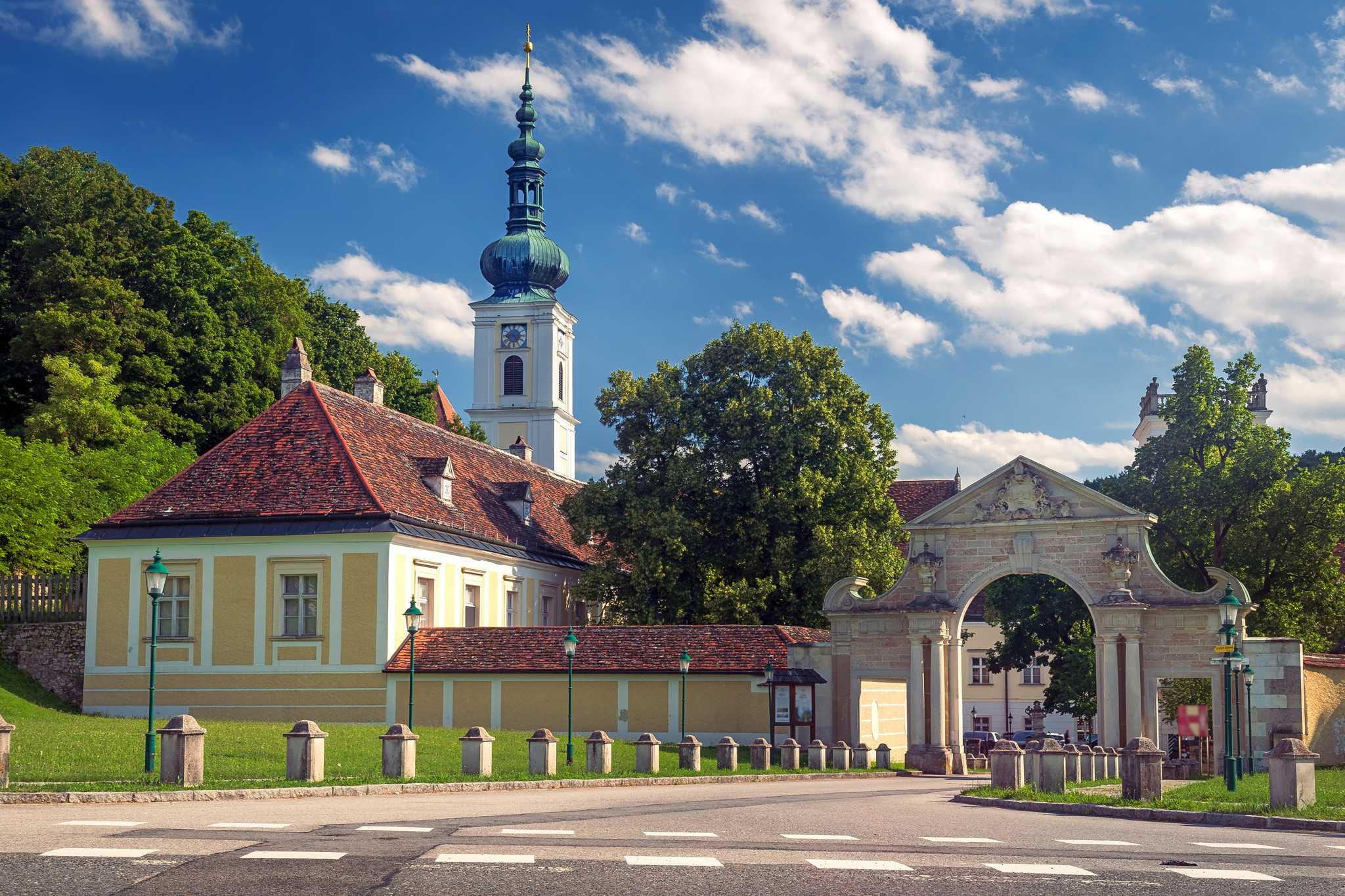
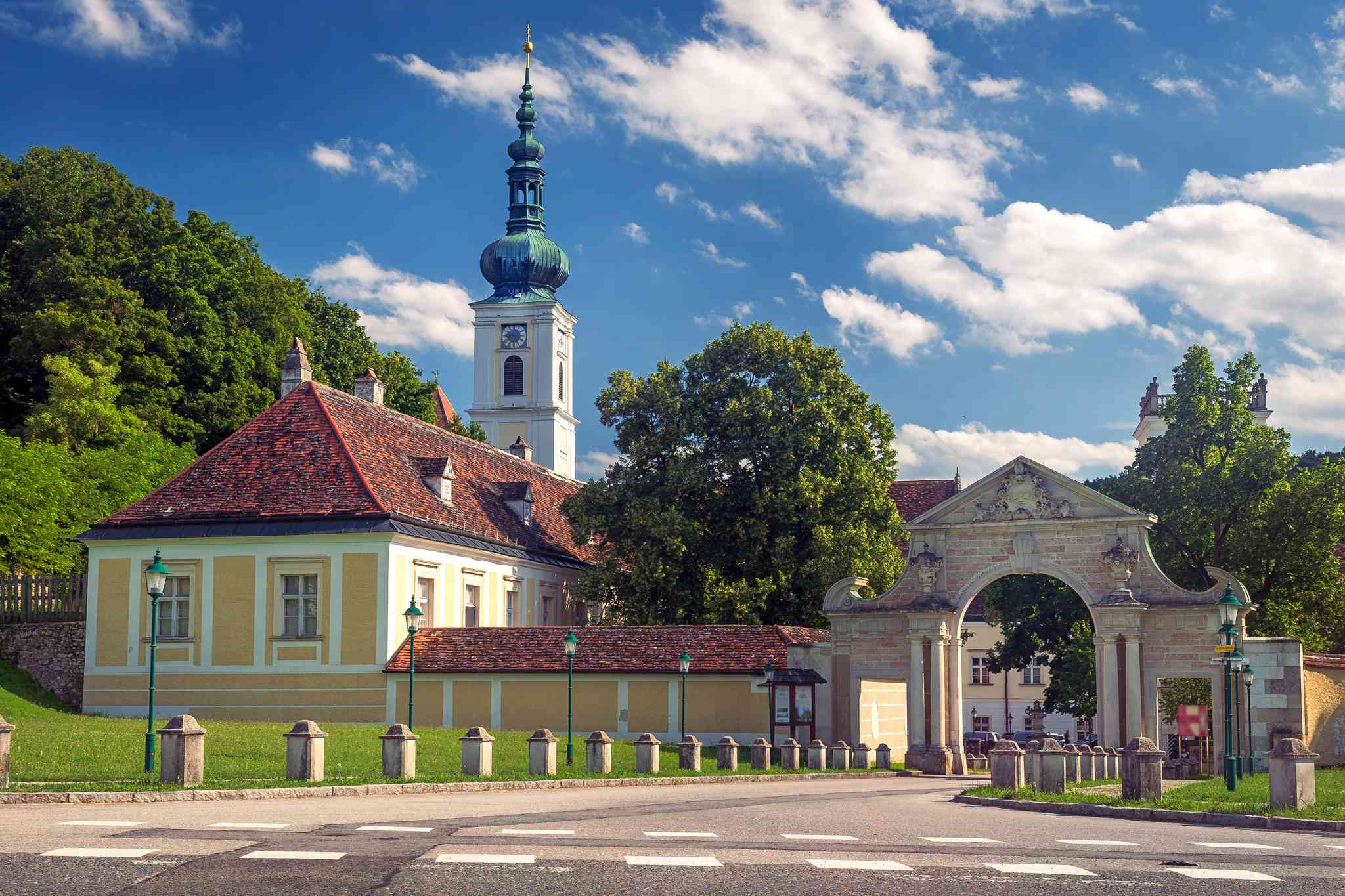
Fondée en 1133 par le margrave Babenberg Léopold III, Heiligenkreuz est la plus ancienne abbaye cistercienne habitée en continu au monde, et l'une des plus belles d'Europe centrale.
À voir
- L'église romano-gothique, construite au XIIe siècle et peu modifiée depuis, avec un magnifique chœur en stalles et un retable doré
- Le cloître, l'un des plus beaux cloîtres médiévaux d'Autriche, avec 300 colonnes en marbre rouge et une salle capitulaire abritant les tombeaux de la dynastie Babenberg
- La colonne de la Trinité dans la cour, érigée en remerciement après la peste de 1713, jumelle de la célèbre Pestsäule de Vienne
- Une communauté monastique active de plus de 80 moines cisterciens, qui continuent de chanter la liturgie quotidienne comme ils le font depuis le XIIe siècle
À faire
- Participez à une visite guidée de l’abbaye, disponible en anglais ; la vie quotidienne des moines et les 900 ans d’histoire ininterrompue de l’abbaye sont racontés par les guides
À noter
- Les visites ont lieu plusieurs fois par jour ; consultez https://www.stift-heiligenkreuz.org/besichtigung-fuehrungen/english/ pour les horaires et les tarifs
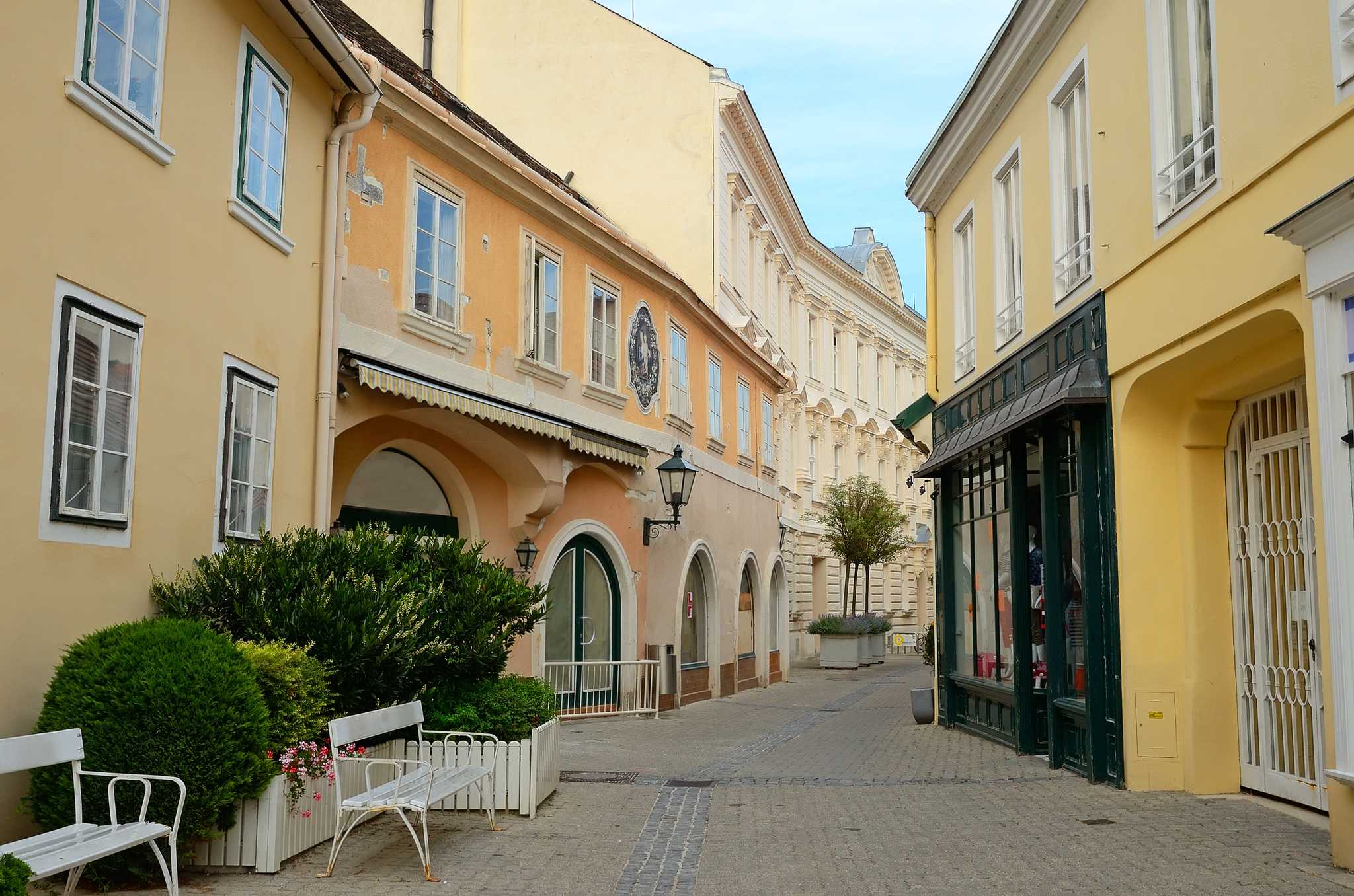
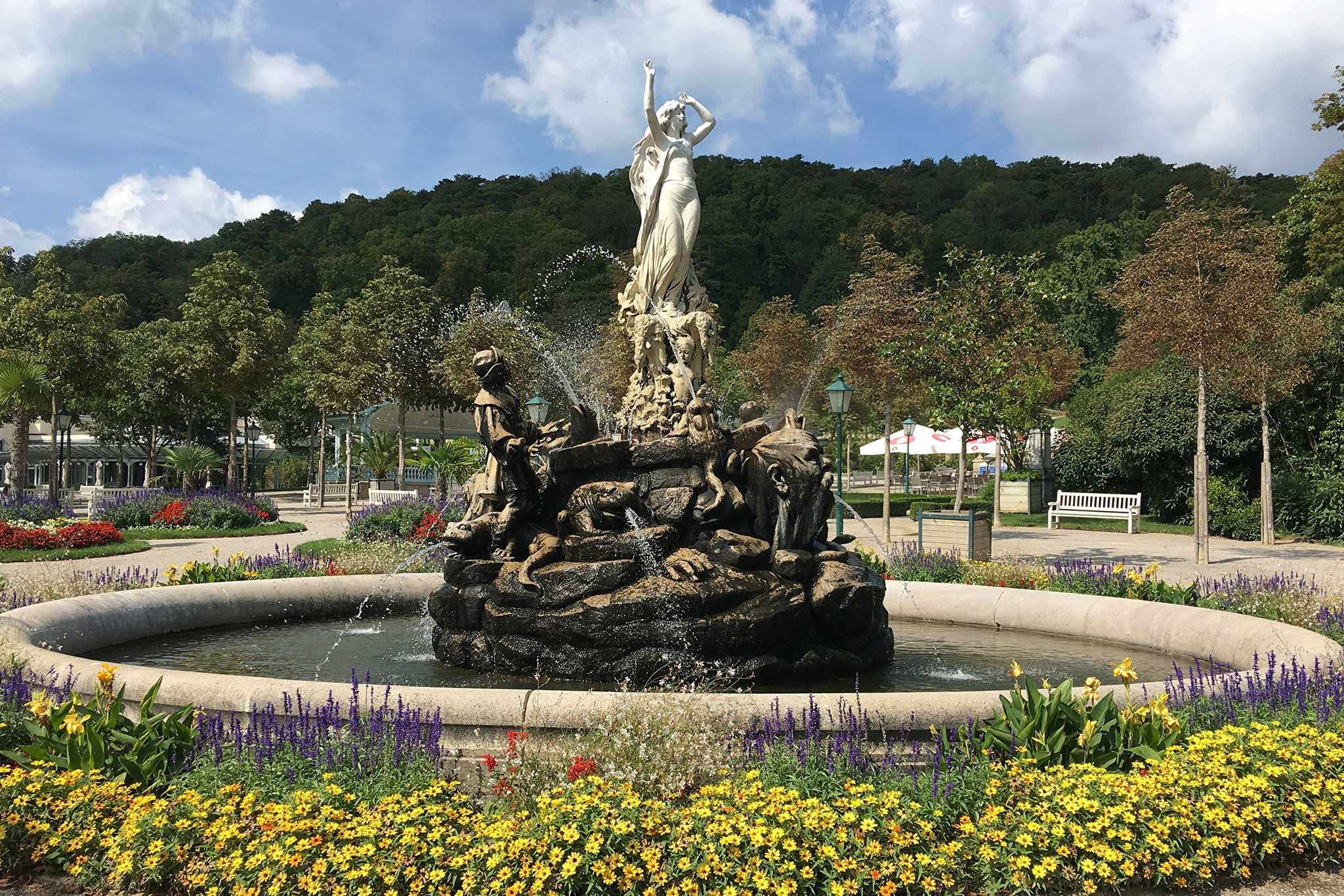
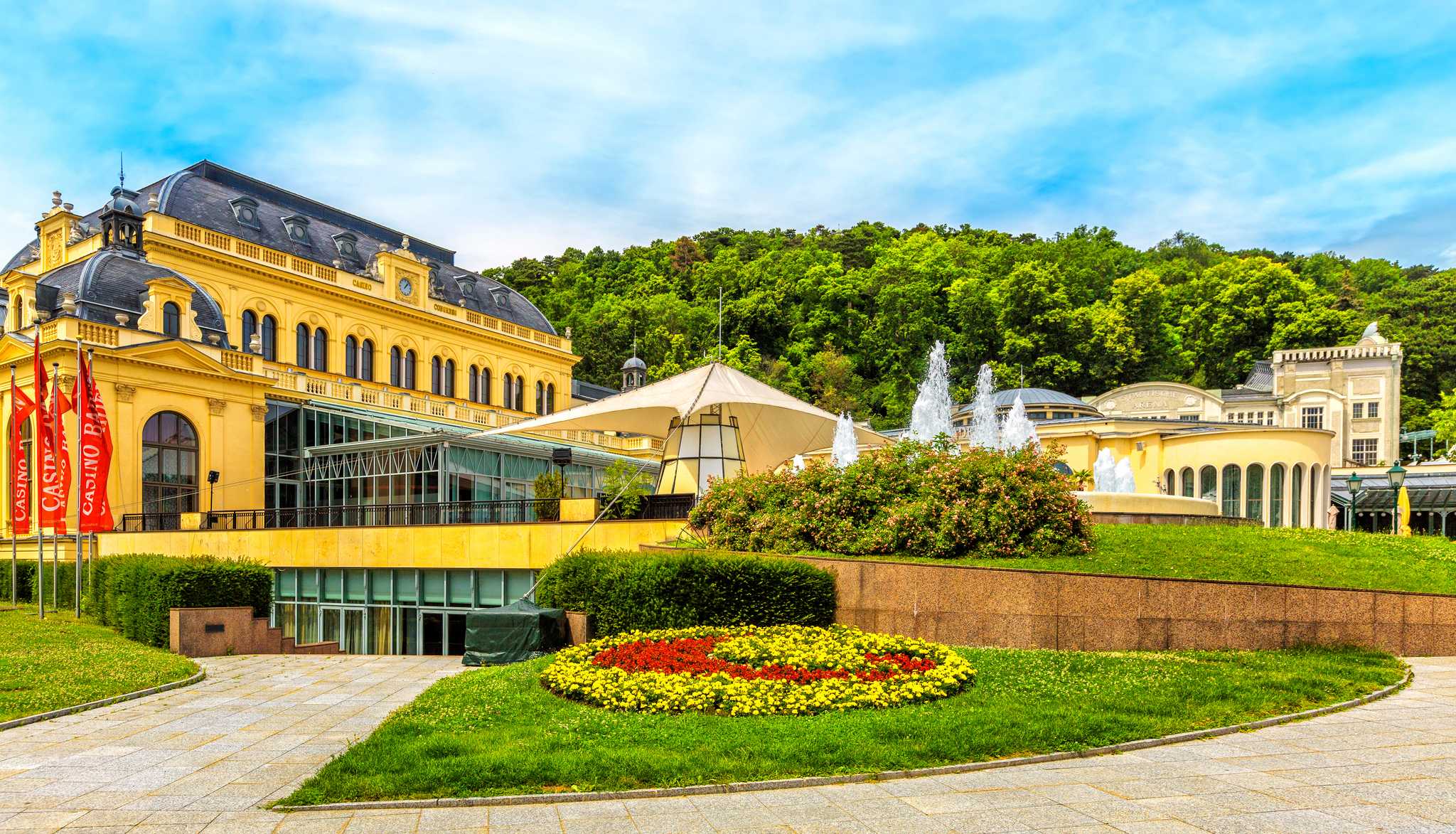
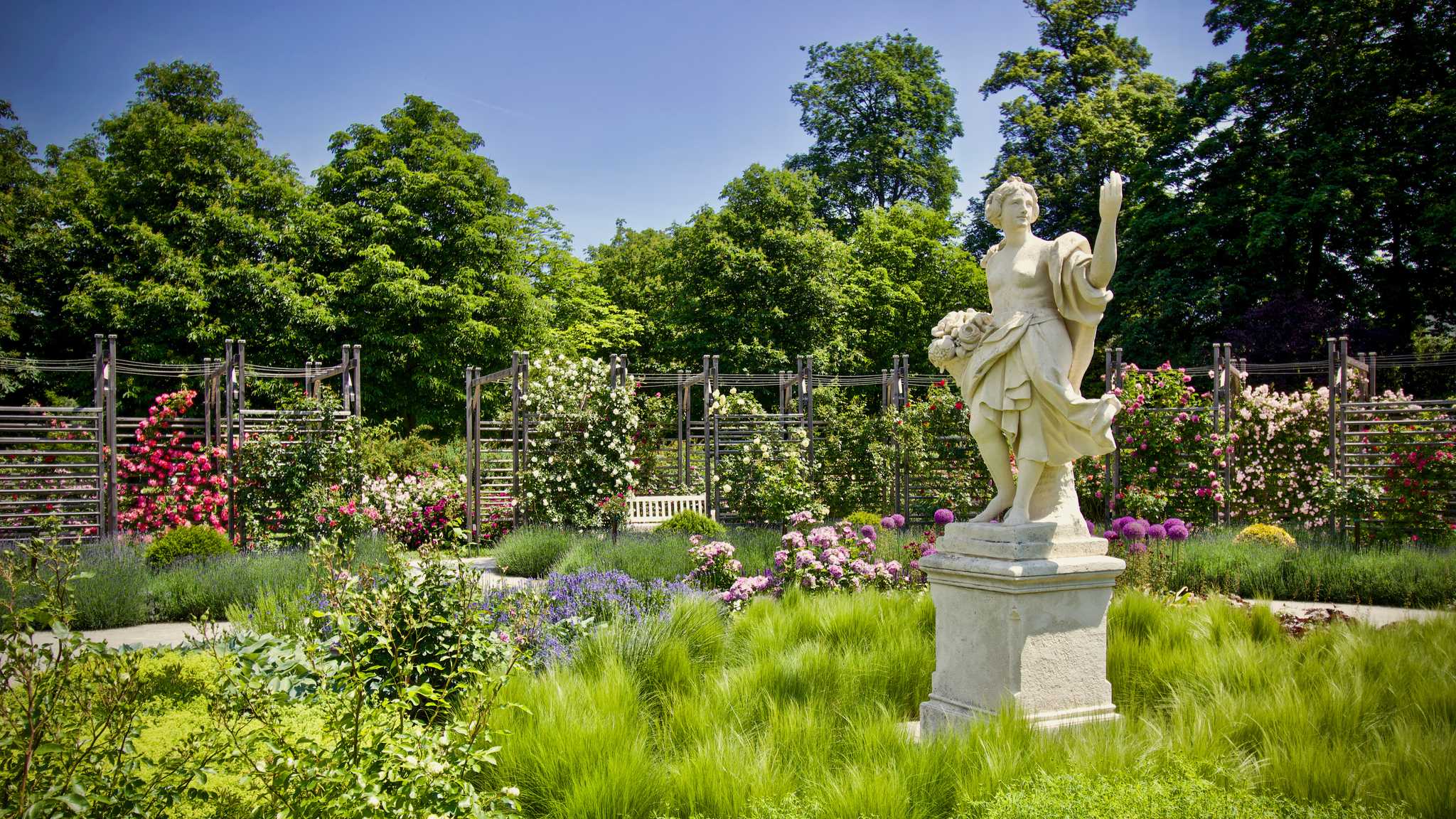
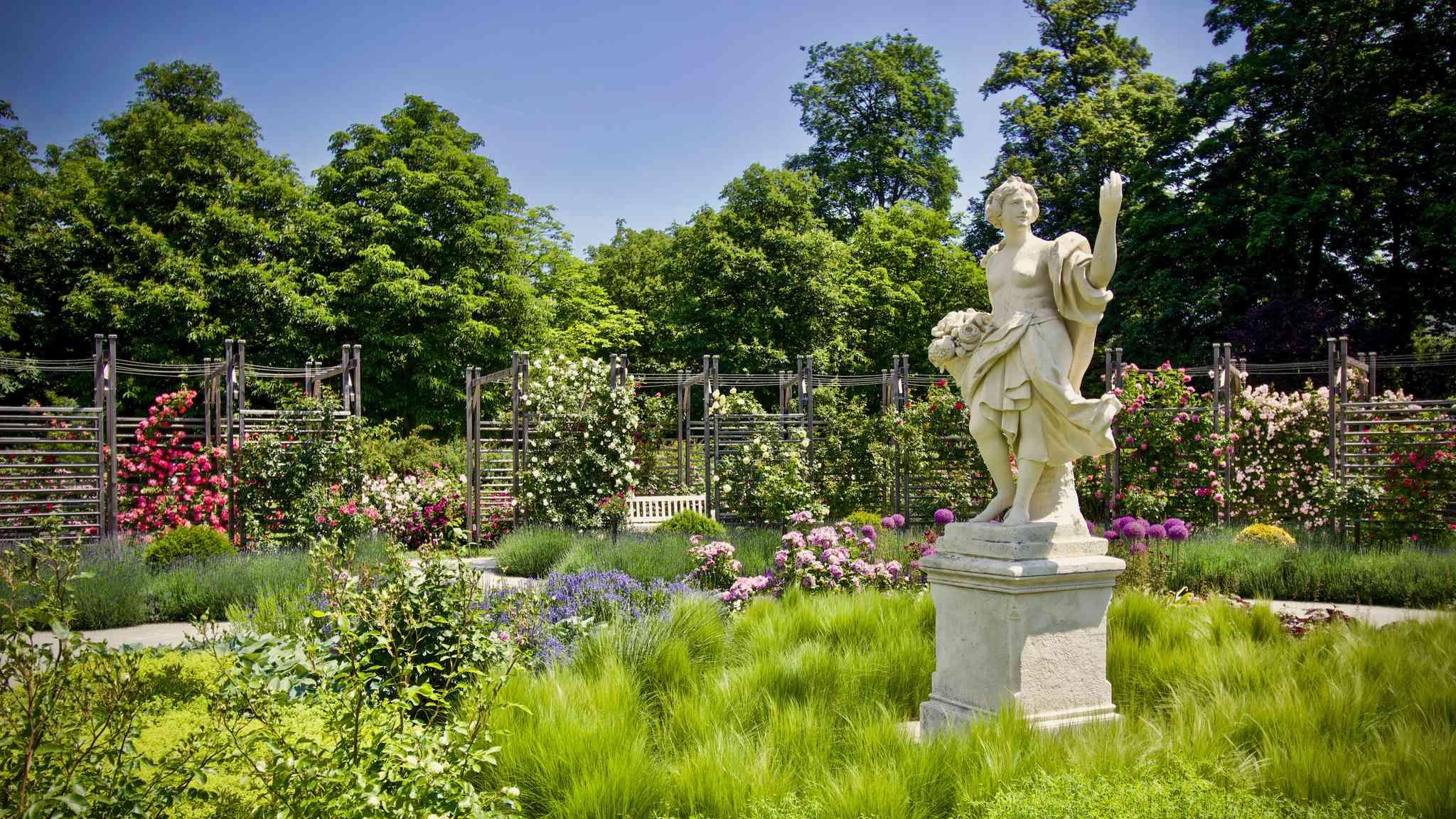
À seulement 25 kilomètres (environ 15 miles) au sud de Vienne, Baden bei Wien est la ville thermale la plus élégante d’Autriche, un lieu où la cour impériale passait l’été, où Beethoven composait, et où les eaux jaillissent depuis l’époque romaine.
À voir
- Le Kurpark, un parc paysager magnifiquement entretenu au cœur de la ville, avec le Casino Baden, la roseraie et le théâtre de plein air
- La Maison de Beethoven, où le compositeur a passé 15 étés et écrit une grande partie de sa Neuvième Symphonie
- Le paysage urbain Biedermeier du centre piétonnier, dont l’architecture néoclassique uniforme date de la reconstruction après l’incendie de la ville en 1812
À faire
- Se promener dans le Kurpark et prendre un café ou un verre de vin sur l’une des terrasses surplombant la roseraie
- Visiter la Maison de Beethoven pour le contexte personnel qu’elle apporte tant au compositeur qu’à l’identité estivale impériale de Baden
À goûter
- Gâteau aux Schwarzbeere (cassis) et biscuits Ruster, confectionnés dans les pâtisseries de Baden depuis le XIXe siècle
Avez-vous des questions ou besoin d'aide ?
Contactez notre service client. Nous sommes disponibles 24h/24 et 7j/7Daytrip est apprécié dans le monde entier. Voici pourquoi.
Questions fréquemment posées
Si vous avez des questions, voici les réponses.Soyez le premier à découvrir plus
Recevez des idées de voyage soigneusement sélectionnées, des points forts d'initiés et des offres spéciales Daytrip.