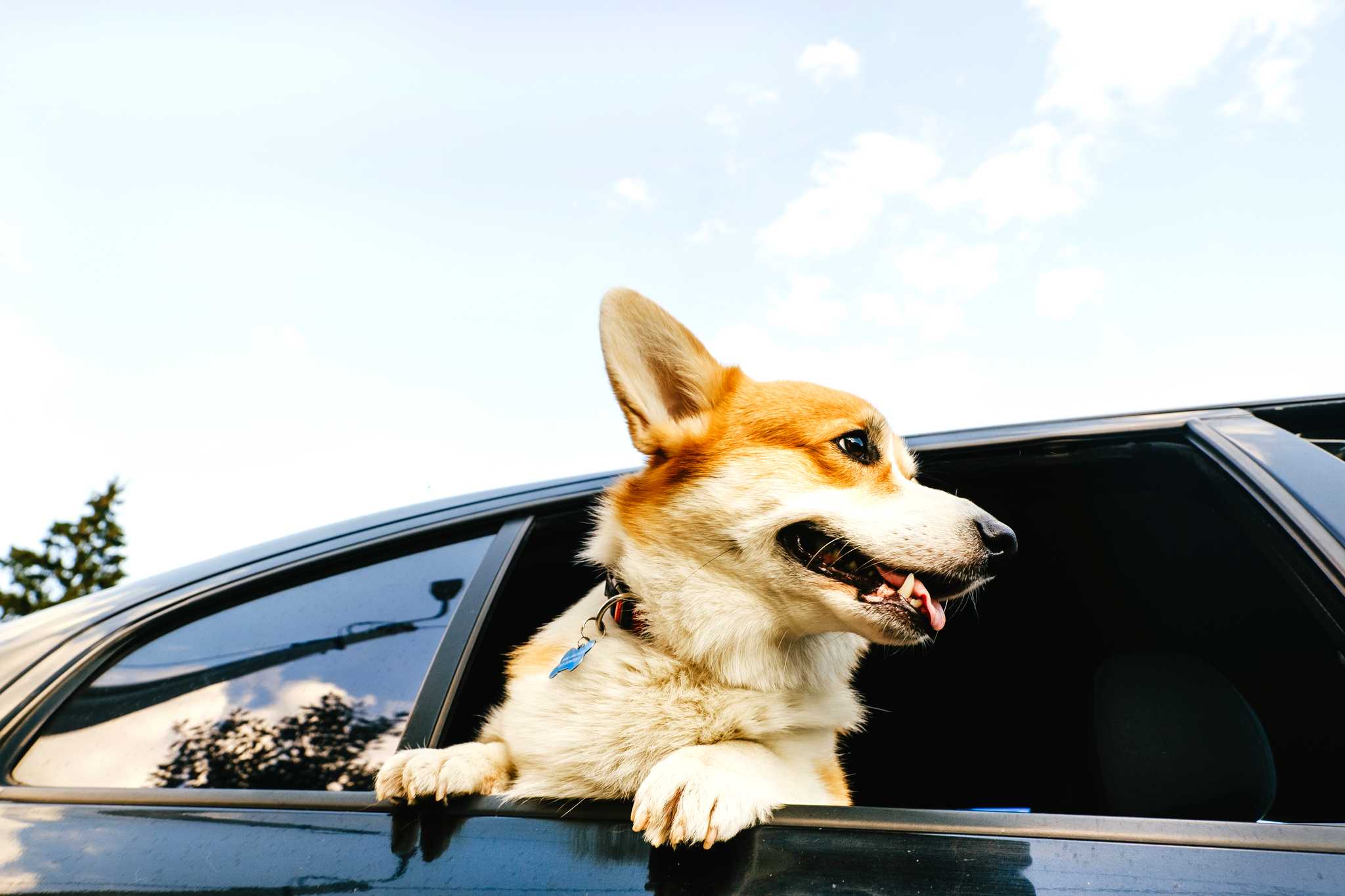
Votre chauffeur vous retrouvera à votre adresse à Zagreb.
Service porte-à-porte
Aide avec vos bagages
Voyage
Vous voyagerez confortablement pendant 3 h 50 min.
Visite touristique facultative
Voiture propre et confortable
Chauffeur professionnel
Eau en bouteille
Sièges enfants
Préparé pour les handicapés
Non-fumeur
Animaux acceptés
Depose
Votre chauffeur vous déposera à votre adresse à Budapest.
Service porte-à-porte
Aide avec vos bagages
Au total
350 km3 h 50 min
Questions et réponses sur le voyage de Zagreb à Budapest
Is there a high-speed train from Zagreb to Budapest?
No, there currently is no high-speed train service between Zagreb and Budapest. However, regular train services operated by Austria’s OBB trains can make the journey in about 6 hours without any transfers. Book your ticket ahead of time to ensure a smooth vacation.
What is the best way to get from Croatia to Budapest?
The best way to travel from Croatia to Budapest if you’re concerned about is with a private driver. It's the only door-to-door option and the only way to stop for sightseeing! Other options include taking the train or a bus for the 220-mile (350 km) distance. Trains and buses provide convenient and budget-friendly options while driving allows for flexibility and scenic exploration.
Is there a direct flight from Croatia to Budapest?
No, not very often. During the height of the tourist season, some airlines may have a limited number of direct flights from various Croatian cities to Budapest, but not usually. Layovers are most often in Vienna, Munich, or Frankfurt. Your trip may involve traveling to another city by train, bus, or car if you would like to have a nonstop flight.
Can I use euros in Budapest?
No. Hungary uses the Hungarian Forint as its currency. Tourist hotspots may take cash in euros, but the conversion rate will not be favorable for you. Some places are cash-only, so make sure you have some Forints in cash on you as well.
Explorez des excursions sur mesure conçues pour vous
Daytrip est le moyen le plus pratique de découvrir 14 700+ villes à travers le monde.
Chaque voyageur mérite une véritable compréhension des cultures des pays qu'il visite. Et chaque endroit incroyable sur Terre mérite d'être visité et apprécié. Nous croyons que des connaissances locales uniques et une véritable connexion humaine sont irremplaçables pour vraiment comprendre une autre culture.
The car trip from Zagreb to Budapest offers sights that few visitors to either of these cities get to see. With Daytrip, you can get to Budapest while also admiring the built and natural wonders between these two cities. Add some stops to personalize your itinerary and make it a memorable journey!
To start the trip off right, travel about an hour and a half north of Zagreb and stop by Varaždin. This former capital of Croatia was mostly spared during the Yugoslav wars of the 1990s, and is, therefore, known for its well-preserved Baroque architecture. While other Croatian cities have had to incorporate modern buildings into their downtowns, Varaždin has remained relatively unchanged. Explore the medieval Old Town, visit Varaždin Castle, and enjoy a leisurely walk along the Drava River.
Once you’re in Hungary, you do not want to miss the Tapolca Lake Cave. Take a guided boat tour underground and admire the naturally formed limestone caves and thermal spring waters from Lake Tapolca. Your Daytrip driver can get you right where you need to go for this excursion, but this trip often sells out fast, so secure your tickets today to avoid being disappointed!
Once you’ve dried off from the hot springs, continue to the Hungarian capital of Budapest! With Daytrip’s door-to-door service, you won’t have to worry about returning a rental car or hauling luggage all over the city. You’ll be all set for the next part of your vacation: Budapest.
About Budapest
Originally two separate cities—Buda and Pest—Budapest was united in 1873 to form the modern metropolis it is today. Buda, situated on the west bank of the Danube River, is known for its historic castle district, dominated by the majestic Buda Castle, which offers panoramic views of the city. A quick walk over the Chain Bridge will get you to Pest, which is located on the opposite bank. Its grand boulevards, neoclassical buildings, and iconic landmarks are hard to miss. Make sure you stop by the Hungarian Parliament Building and St. Stephen's Basilica.
Budapest suffered significant damage during World War II, with many of its historic buildings and landmarks destroyed or damaged. However, extensive reconstruction efforts in the post-war years restored much of the city's architectural heritage. Notable examples include the meticulous rebuilding of Buda Castle, Castle Hill, and the Jewish Quarter. Some buildings are still undergoing reconstruction and detailing almost 80 years later. As you walk around the city, find pre-war photos on your phone and compare the reconstructed buildings to the originals for an interesting look into the process.
Today, Budapest has a vibrant cultural scene and thriving urban life which attracts visitors from around the world. From its charming thermal baths, exciting nightlife, and bustling markets, Budapest offers a lively atmosphere to guests and residents alike.
From Zagreb to Budapest: Travel tips
Things may have changed since the last time you traveled from Zagreb to Budapest! Keep these travel tips in mind for your trip:
No More Border Checks
If you have been in this region before and remember a long wait at the Croatian-Hungarian border so everyone could get their passport scanned and examined, then this is good news! As of 1 January 2023, Croatia entered the Schengen zone, which is an agreement between countries to allow the free movement of people between the borders of member countries. Now you can pass between Croatia and Hungary without border checks, just like any other EU country.
### Add a stop to your schedule
This route within Europe is so under-explored that no matter which excursion you add to your Daytrip journey, you are sure to have a unique time in a place few others have visited. Visit the stagecoach museum in Helikon Castle and see how your Daytrip ride may have looked 200 years ago before cars. Or relax and take a thermal bath at Heviz Lake, with mineral-rich mud and warm water in every season. What better way to make a unique experience out of a travel day?
How to get from Zagreb to Budapest
You have lots to look forward to on your trip, but first, let’s get you on the road! Check out how to get from Zagreb to Budapest!
Zagreb to Budapest by Private Driver with Daytrip
If you don’t want to be beholden to the bus or train timetables, a private car from Zagreb to Budapest is the most flexible option. Hiring a private driver from Daytrip will save you from the chore of driving while still keeping you in control. Daytrip drivers know the region well, speak English and will help get you to all the points of interest you’d like to see.
The distance is approximately 220 miles (350 kilometers) and takes around 4 hours. This is the perfect amount of travel time to add excursions. Break up the driving with a stop or two, and turn your travel day into an unforgettable part of your European vacation.
### Zagreb to Budapest by Bus
Traveling from Zagreb to Budapest by bus is a cheap option and the direct journey takes around 5 to 6 hours. Check the timetables ahead of time, and purchase your tickets online in advance for the smoothest experience and lowest cost.
### Zagreb to Budapest by Train
Depending on the time of year, there are direct train services available from Zagreb to Budapest, operated by national railways like OBB and HŽPP. Summer tourist season tends to have daily direct trains, but in other seasons you may need to transfer. For interrail pass holders, this can be a cost-effective way to travel in coach, but be aware that interrail tickets must be purchased ahead of time, and the direct trains sell out fast.
### Flights from Zagreb to Budapest
There are currently very few, if any, direct flights from Zagreb to Budapest. Most flights will require a stop first in Vienna, Frankfurt, or Munich. Between the extra flight time, layover, getting to and from the airport, and the time needed for check-in and security, flying loses its appeal. Take this into consideration if you plan to fly, and do your research well in advance. For the price of flying, it might be more convenient to hire a private driver.
Things to do when you get to Budapest
Thanks to Daytrip’s door-to-door service, you won’t have to worry about returning a rental car once you arrive from Zagreb to Budapest. Once you arrive in Budapest, you won't be stranded without a car. Budapest is incredibly bike-friendly, so take advantage of the dedicated bike lanes, flat landscape, and easy-to-use bike rentals. Biking is not only great exercise, but it is also a cheap, quick way to get around the hotspots of Budapest. If biking isn’t your style, rest assured, that the public transit system is widespread and runs frequently. Let’s start exploring the best things to do when you get to Budapest!
### Explore the Buda Castle District
Buda Castle, on the west bank of the Danube River, dominates the busy streets of Pest below. A castle has stood over the river since 1295, protecting citizens from attacks and invasions.
The castle today isn't the same structure as 700 years ago, having been destroyed and rebuilt multiple times over the centuries, most recently following its destruction during World War II. Today, you can explore the walkways and learn about this history without spending a penny.
Some of Castle Hill’s most notable landmarks include:
- Fisherman’s Bastion
- The Royal Palace
- The Royal Gardens
- Matthias Church
- Hungarian National Gallery
### Have a Spa Day
You had an exciting trip from Zagreb to Budapest, so now it’s time to relax in one of Budapest's many thermal baths. The city sits atop over 100 natural thermal springs, making it one of the top destinations for thermal bathing in Europe. The Rudas Thermal Bath is one of the oldest and was founded in the 16th century during Ottoman rule, which is evident by its alluring Turkish bathhouse style. The Széchenyi Thermal Bath is the largest medical bath in Europe and is the most popular in Budapest. With options to add saunas, steam rooms, massages, and clay baths, you can find spa packages at any price point at one of the many baths.
### Scenes of the Danube River
Take a stroll or bike ride along the riverbanks of the Danube, admiring iconic landmarks such as the Chain Bridge and the Parliament Building. Even better, take a scenic cruise along the Danube River to see Budapest's landmarks illuminated at night. Many night cruises also offer dinner and drinks to bring you the full experience of a romantic night out on the river under the moon.
### The Jewish Quarter
Budapest had a solidly middle-class Jewish population before WWII, but its community fell by 90% during WWII and the Jewish Quarter faced extensive damage. Today, it is home to restored historic synagogues that are open for tours. The Synagogue Triangle has three large synagogues within walking distance of each other. The Dohány Street Synagogue is the largest synagogue in Europe and one of the most iconic landmarks of Budapest, with room to seat 3,000 people.
Along with historic synagogues and memorials, the Jewish Quarter is also a party district now, with trendy cafes and quirky “ruin pubs” in formerly run-down buildings. This unique repurposing of buildings that would have otherwise been left abandoned is just one way Budapest was able to find creative ways to bounce back after the destruction of WWII.
When is the best time to visit Budapest
Budapest is full of activities no matter the season. The historical buildings, museums, spas, and nightclubs are there year-round, but Budapest also offers cultural events and festivals for each season.
Spring is perhaps the best time to visit Budapest. The weather is pleasant, there are fewer crowds, and you’ll be able to enjoy the Budapest Wine Festival, which showcases Hungary's rich wine culture!
Summer is the most popular time to visit. The many tourists and high temperatures can make exploring the city frustrating. But it's worth it for the Sziget Festival, one of Europe's largest music festivals. It attracts international artists and music lovers from around the world.
Like spring, autumn sees cooler temperatures and fewer visitors. It's also when the Budapest International Documentary Festival occurs, so you can catch some thought-provoking documentaries.
Lastly, during the winter months, Budapest transforms into a holiday wonderland with festive decorations, Christmas markets, and events for New Year's Eve. When temperatures dip, the thermal spas are even more enticing!
Visitez ces sites en chemin
Varazdin
The city of Varazdin is one of Croatia’s best-kept secrets. Once the capital of Croatia, Varazin is a charming and picturesque city worth visiting. Little Vienna
Thermal Lake of Heviz
The Thermal Lake of Hévíz is the largest biologically active thermal lake in the world. Bathe in the water lily spotted waters and experience a relaxation you can only dream of. The fountain of life
Helikon Castle
The Festetics Palace, located in Keszthely, is Hungary’s third largest and most visited palace. The two-story, U-shaped Baroque palace now houses the Helikon Palace Museum and an events center. Castle and museum
Tapolca Lake Cave
Tapolca Lake Cave is a strictly protected cave beneath the streets of Hungary. It offers a unique underground boat trip on the illuminated, blue waters of the underground lake. Cave hiding beneath the streets
Tihany Abbey
With the only medieval royal tomb left in the country, this elegant abbey on the shores of Lake Balaton is an invaluable piece of Hungarian history. Rest Like a King
Szekesfehervar
Founded by the crown prince, Hungary’s medieval capital has retained its noble heritage. Seat of the White Castle
Pourquoi les voyageurs aiment cet itinéraire
5 100+ avis
45 évaluations de cet itinéraire
4 791 passagers ont emprunté cet itinéraire avec nous
“Nous étions très heureux de notre voyage et si contents d'avoir trouvé DayTrip quand nous l'avons fait. Nous avions initialement réservé (depuis chez nous aux États-Unis) un voyage en train de Budapest à Zagreb. Une fois en Europe, nous avons vérifié la réservation et découvert qu'elle ne nous mènerait en fait pas à Zagreb du tout ! Mon mari a trouvé DayTrip dans une recherche Google et après avoir lu quelques avis, nous avons réservé un voyage. Notre chauffeur, Darko, était très professionnel et a rendu notre voyage sans effort. Nous avons maintenant l'application DayTrip sur nos téléphones et nous l'utiliserons certainement pour nos aventures futures !”
Évalué par le voyageur Tripadvisor Discover05512976791
“Nous avons utilisé Daytrip pour nos besoins de transport entre Zagreb et Budapest, Budapest et Vienne, et Vienne et Prague. Nos chauffeurs étaient formidables, ponctuels, professionnels et nous ont fourni des informations locales pendant le trajet. Nous avons choisi Daytrip pour éviter de devoir nous rendre à une gare/bus avec nos bagages. Facile à réserver en ligne. Je recommande vivement Daytrip.”
“Mon mari et moi avons réservé Daytrip pour notre transfert de Budapest à Zagreb avec deux arrêts de visite. Notre chauffeur était ponctuel, amical, professionnel et un conducteur sûr. Nous avons beaucoup apprécié ces deux arrêts recommandés qui nous ont permis de découvrir de nouveaux villages. Nous recommandons Daytrip.”
“Nous avons récemment utilisé Daytrip pour un trajet de Zagreb à Budapest. Le conducteur Dario était professionnel, courtois et sympathique. La voiture était impeccable et confortable. Nous recommandons fortement ce service.”
“Mon frère et moi avons récemment fait un voyage de Budapest à Zagreb. Notre chauffeur, Attila, était très ponctuel, un excellent conducteur et un bon guide. Nous avons apprécié découvrir la vie en Hongrie. Nous réserverons certainement à nouveau !”
“Je recommande fortement cette entreprise. J'ai particulièrement apprécié les arrêts touristiques recommandés entre Budapest et Zagreb. Notre chauffeur était serviable, très sûr, et la voiture était confortable.”
“C’était la première fois que je réservais une voiture privée et j’étais un peu anxieuse. Je suis très heureuse de l’avoir fait. Notre chauffeur, Adnan, est arrivé à l’heure avec un véhicule impeccable. Mon mari et moi avons adoré sa compagnie. Nous avons eu une excellente expérience et nous avons même l’impression d’avoir gagné un ami en Adnan.”
“Bonjour, compagnons de voyage ! Je reviens d’un voyage incroyable en Europe de l’Est. En tant que voyageur solo rejoignant 7 autres passionnés de photographie à Zagreb, en Croatie, pour commencer notre périple. J'ai utilisé Daytrip de Budapest, Hongrie, à Zagreb (et retour). C'était plus rapide et plus confortable que le train ! Le trajet entre ces deux capitales dure environ 4 heures avec un arrêt rapide pour un espresso et le contrôle des passeports à la frontière entre la Hongrie et la Croatie. Mes chauffeurs avaient des personnalités différentes, mais tous deux parlaient bien anglais, étaient prudents et expérimentés. J'ai découvert Daytrip.com grâce au leader de mon groupe photo qui avait réservé pour nous le trajet entre Zagreb et Split avec une nuit à Plitvice. Nous étions tous ravis de la qualité des voitures/vans utilisés !”
“Nous avons voyagé de Budapest à Zagreb. Le chauffeur était aimable, la voiture propre et spacieuse, et les arrêts étaient bienvenus. Un service impressionnant.”
Évalué par le voyageur Tripadvisor 385TamaraR
Bon à savoir
Enfants
Si vous voyagez avec des enfants, assurez-vous de nous en informer lors de la réservation afin que nous puissions préparer les sièges enfants appropriés !
Animaux de compagnie
Les animaux de compagnie sont autorisés (et aimés) ! Nous devons juste le savoir à l'avance. Vous pouvez nous en parler à la prochaine étape de la réservation.
Pourboires
Le pourboire n'est pas inclus ni obligatoire, mais si vous avez vraiment apprécié votre voyage, vous pouvez montrer votre appréciation à votre chauffeur avec un pourboire facultatif (10 % est suffisant).
Bagages
Gros bagages
29x21x11 pouces
74x53x28 cm
Petit bagage
22x14x9 pouces
56x36x23 cm
Chaque passager est autorisé à avoir un bagage enregistré et un bagage à main. Si vous voyagez avec plus de bagages ou des bagages surdimensionnés, vous pouvez ajuster cela lors de la réservation.
Méthodes de paiement
Payez par carte de crédit en ligne, ou en espèces directement à votre chauffeur!
Daytrip est une plateforme qui vous met en relation avec des chauffeurs locaux qui vous transporteront de porte à porte, d'une ville à l'autre. Nous vous donnons également la possibilité d'explorer des sites/attractions en chemin. Nous conduisons, vous découvrez.
Toutes les réservations avec Daytrip sont des trajets simples. Si vous avez besoin d'un retour à une date différente, réservez-le simplement comme un autre trajet simple. Pour une excursion le même jour, veuillez demander un voyage personnalisé. Si vous prévoyez de rester plus de quelques heures, nous vous recommandons tout de même de réserver deux trajets simples afin de ne pas payer un chauffeur pour attendre.
Pour le service privé de Daytrip, vous pouvez annuler et obtenir un remboursement complet jusqu'à 24 heures avant le départ. Pour le service Daytrip Pool (navette partagée), nous proposons 3 options de billet lors de la réservation : Non-remboursable, Flexible avec annulation 24 heures avant le départ, et Super-flexible avec annulation jusqu'à 15 minutes avant le départ. Vous pouvez annuler votre réservation pour un remboursement complet jusqu'à 24 heures à l'avance, mais les changements demandés sous 36 heures sont soumis à la disponibilité des chauffeurs, surtout en haute saison.
Choisissez simplement votre lieu de départ et votre destination via notre page d'accueil et entrez la date et l'heure de départ. Parcourez et ajoutez des arrêts touristiques en suivant les instructions de réservation affichées à l'écran. C'est un moyen simple, facile et amusant de réserver votre prochaine aventure ! Et si vous ne voyez pas votre route souhaitée sur notre site, vous pouvez demander un voyage personnalisé. Vous pouvez même réserver sans connaître l'adresse exacte de prise en charge ou de dépose - nous vous permettons de les ajouter plus tard !
Chaque passager a droit à un grand sac (74 x 53 x 28 cm) et un petit sac (56 x 36 x 23 cm). Les berlines de luxe ne peuvent accueillir que 2 grands sacs. Nous envoyons toujours le véhicule le plus adapté pour vous et vos bagages, alors assurez-vous de sélectionner le nombre réel de bagages lors de la réservation. Si vous avez des bagages surdimensionnés ou si vous n'êtes pas sûr que vos bagages rentreront, contactez-nous.
Partout sauf aux États-Unis, les chauffeurs fourniront des sièges enfants appropriés (il suffit de nous en informer lors de la réservation). Aux États-Unis, certains États exigent que vous apportiez vos propres sièges enfants.