The best of Spanish Baroque: Private day trip from Seville


Private ride with a local driver
Reviews
About your trip
What to expect
Your day trip begins wherever you are
Meet our professional driver right where you prefer in Seville whenever suits you best. No time wasted getting to the pickup point, grab your bag and start your trip right away.Discover more with local expertise
Your driver’s local insights will set the tone for your day trip. A hidden café here, a must-try restaurant there; insider tips you’ll love sharing later. This isn’t a guided tour but your ride will be rich with stories and discoveries along the way. And throughout the day, your driver will be available for you as needed, ready to assist, happy to help, making your trip stress-free.Explore at your own pace
Perfect for any private group
Whether you're traveling solo, as a family with kids, or as a large group, this service is tailored for your comfort and flexibility. It's the ideal option especially if you have limited time or a busy schedule.Good to know
- Two-way private car transfer
- Air-conditioned vehicle
- Personalized pickup and drop-off
- Professional English-speaking driver
- Complimentary bottled water
- Free cancellation 24 hours before departure
- Entry/Admission tickets to paid attractions Carmona, Ecija, and Osuna should be purchased separately unless specified otherwise
- Meals, snacks, and gratuity are not included
Your trip at a glance
Your trip at a glance

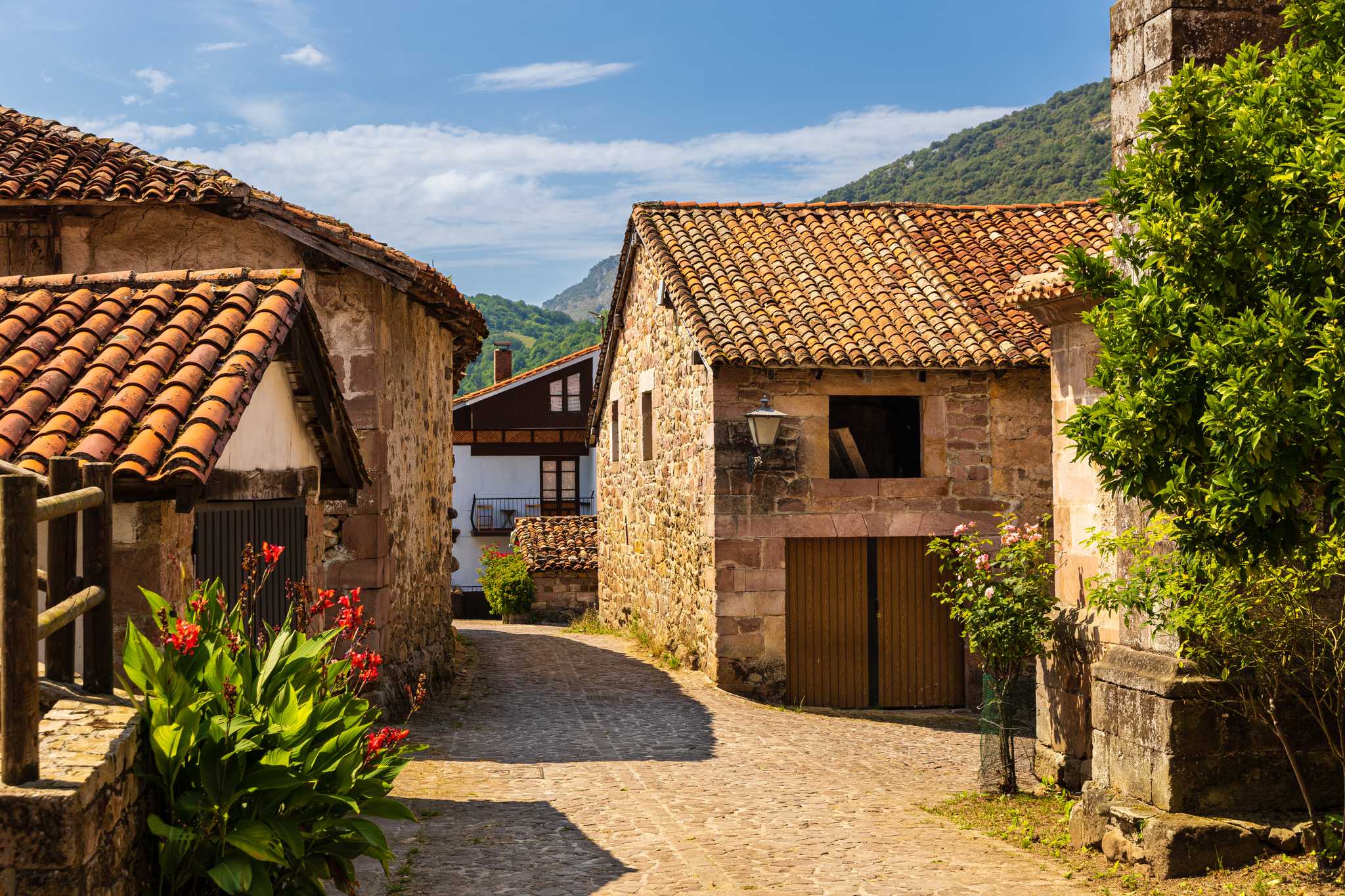
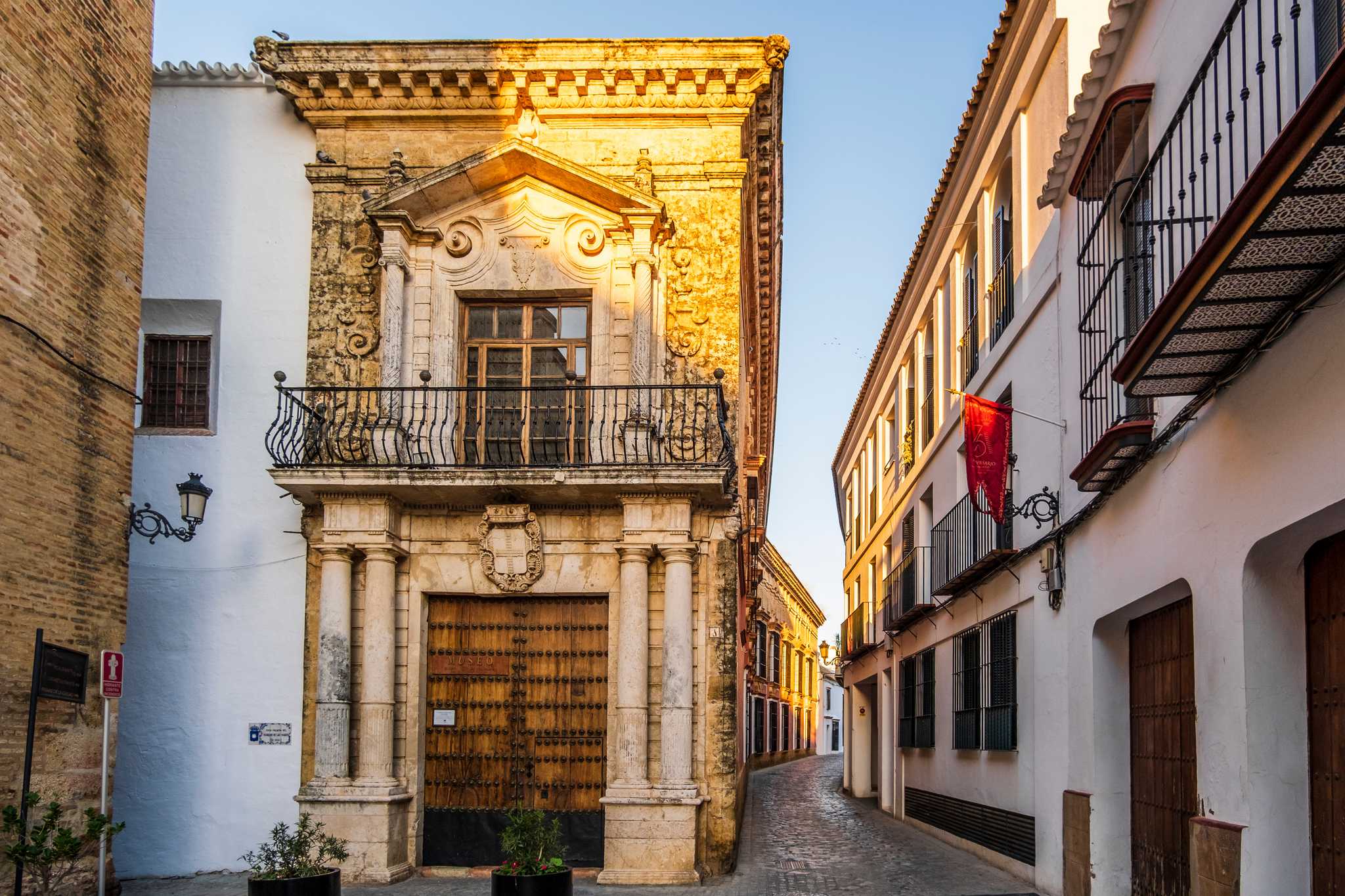
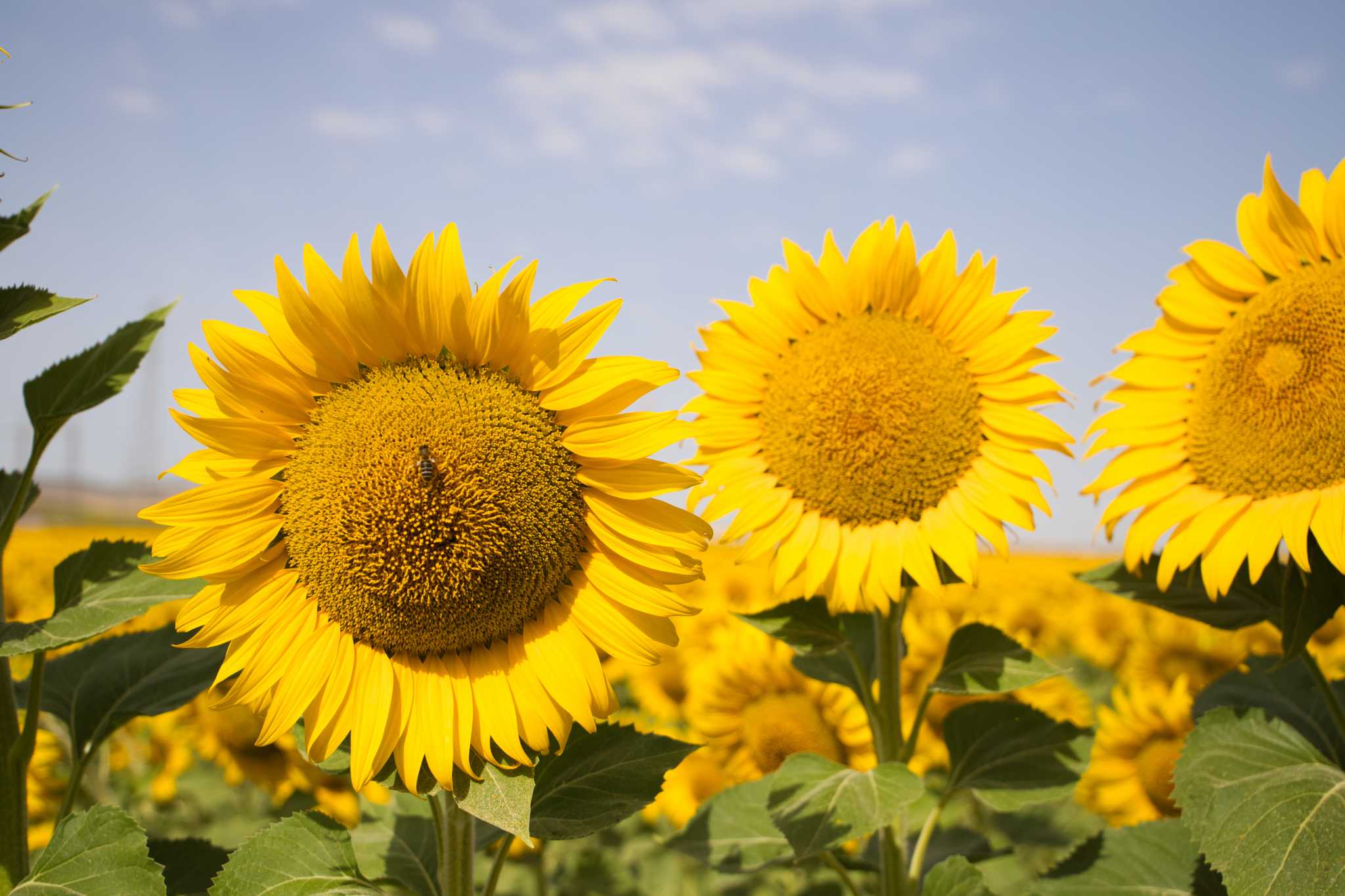
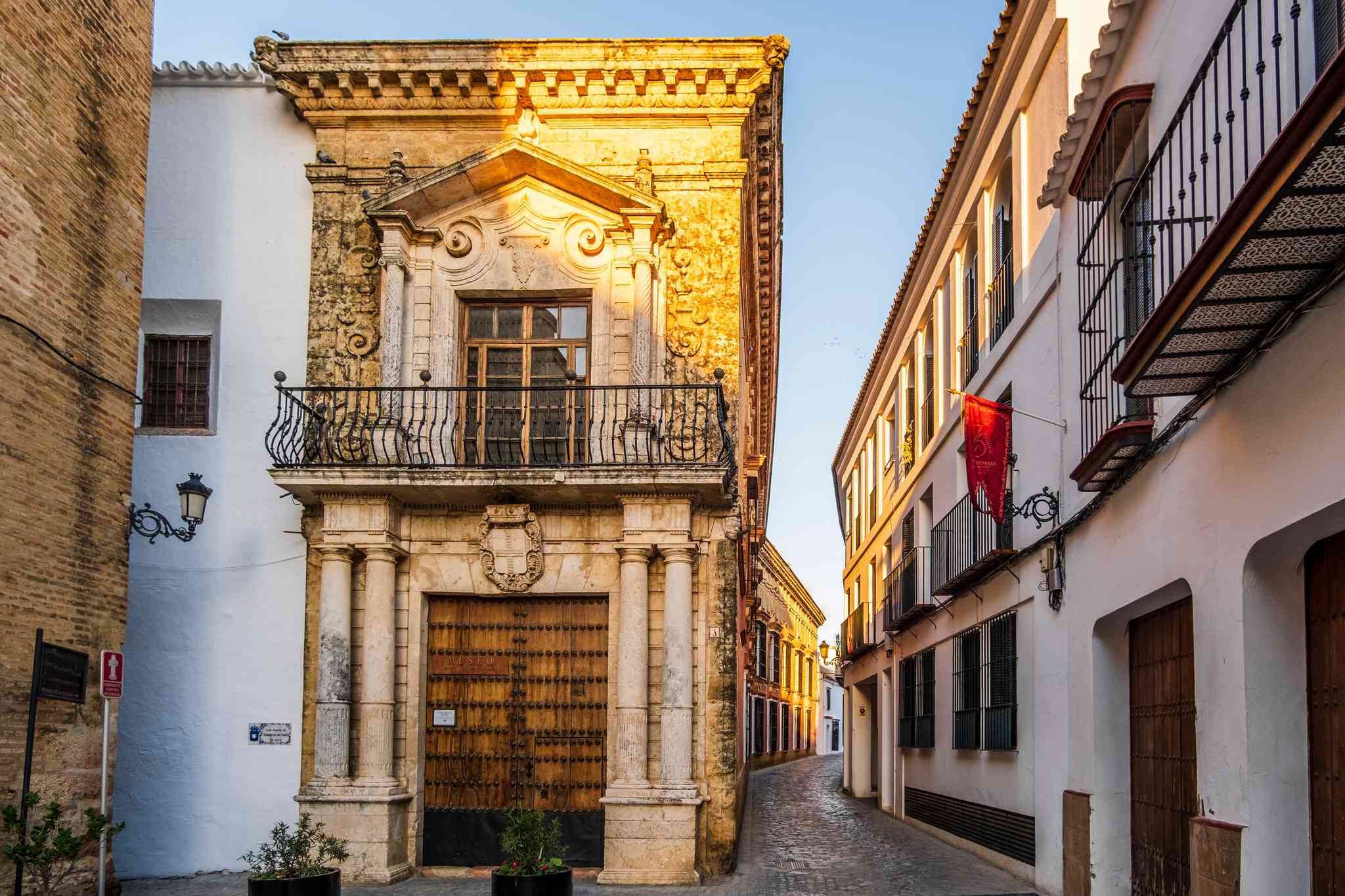
One of the oldest continuously inhabited cities in Europe, Carmona occupies a hill above the Sevillan plain and carries the layers of every civilization that has claimed Andalusia, from Carthaginian walls to Moorish gates to Renaissance churches. What to see
- The Roman Necropolis, one of the largest and best-preserved outside Italy, with family tombs carved into the rock and a small museum of funerary objects
- The Alcazar de la Puerta de Sevilla, a fortress gateway built in layers by Carthaginians, Romans, and Moors, still standing where it has stood for two millennia
- The Plaza de San Fernando, a handsome Baroque square at the heart of the whitewashed old town What to do
- Climb the Puerta de Cordoba for panoramic views across the Sevillan plain
- Walk the Roman-era streets of the old town, where Baroque churches and whitewashed facades line every corner What to eat
- Pavia de bacalao (salt cod in batter) and local Montilla-Moriles wines at a traditional bar off the main square
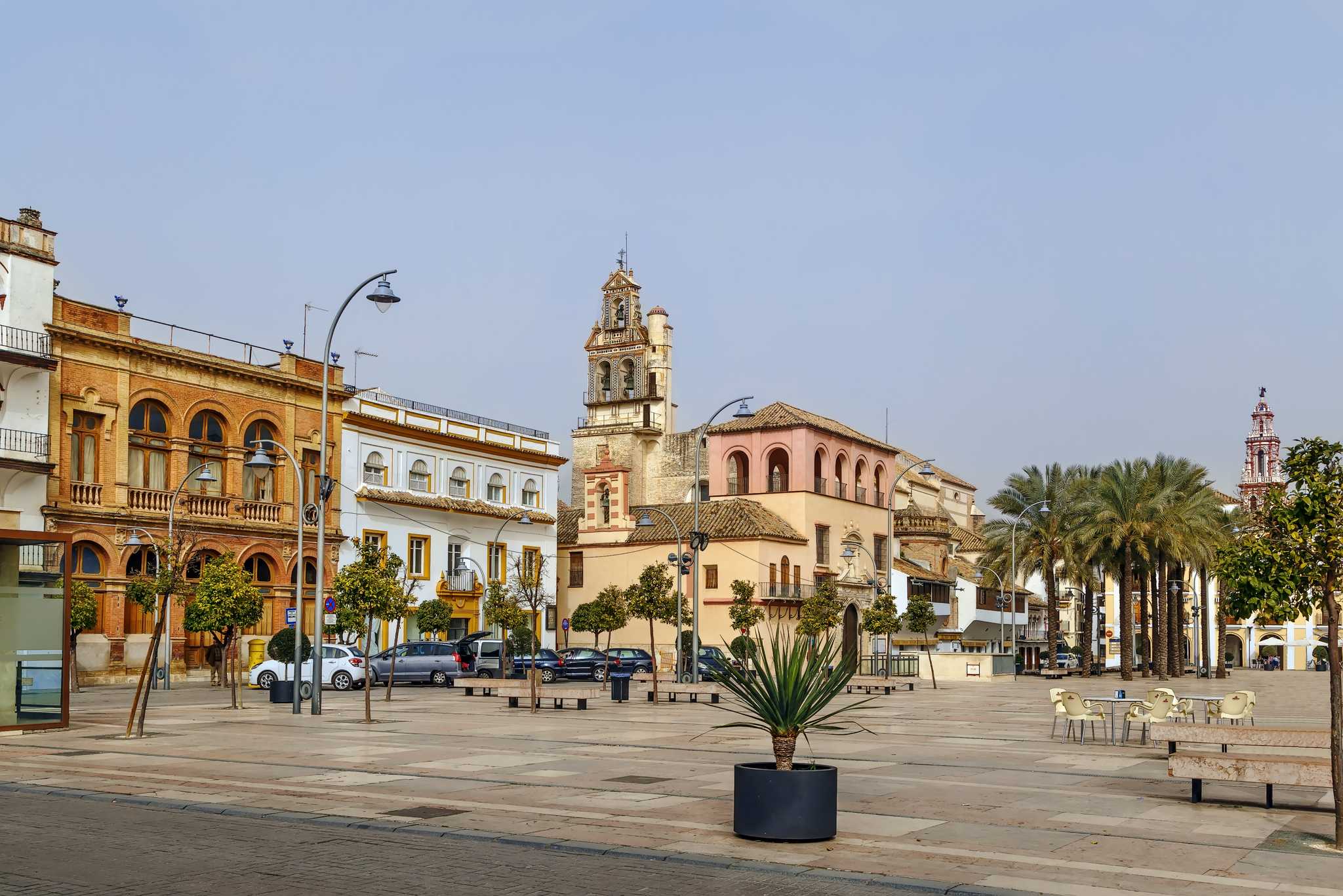
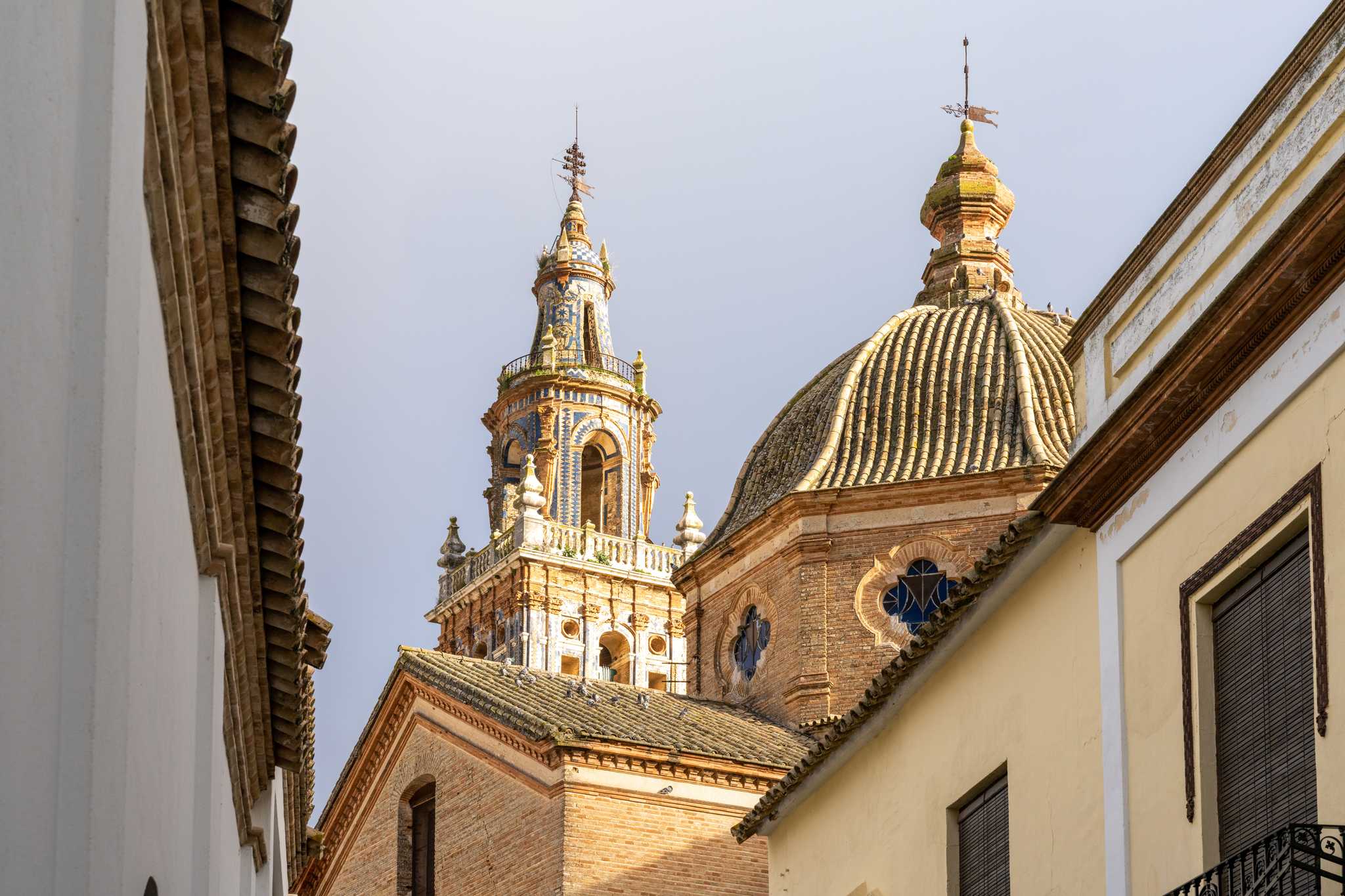
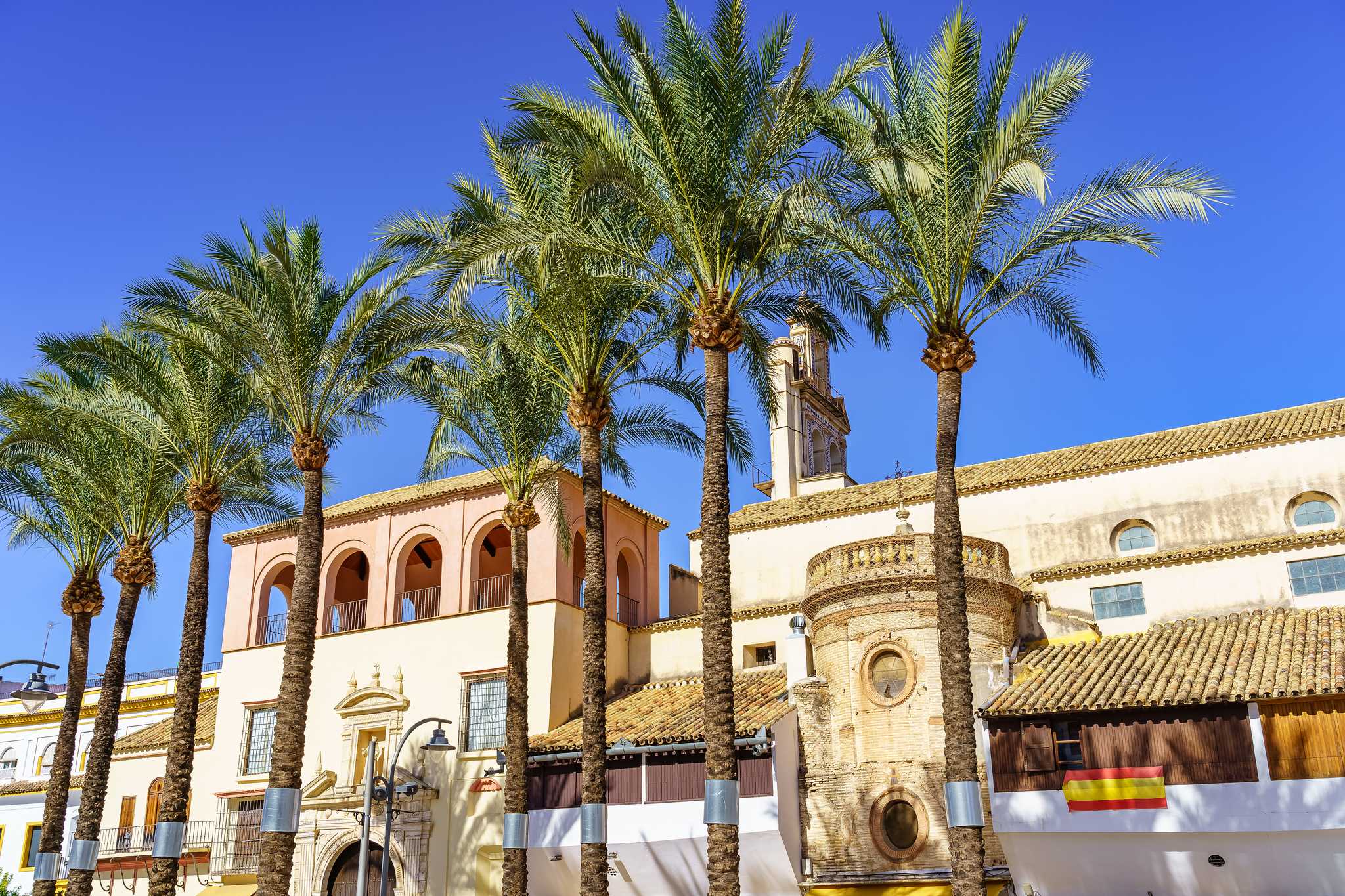
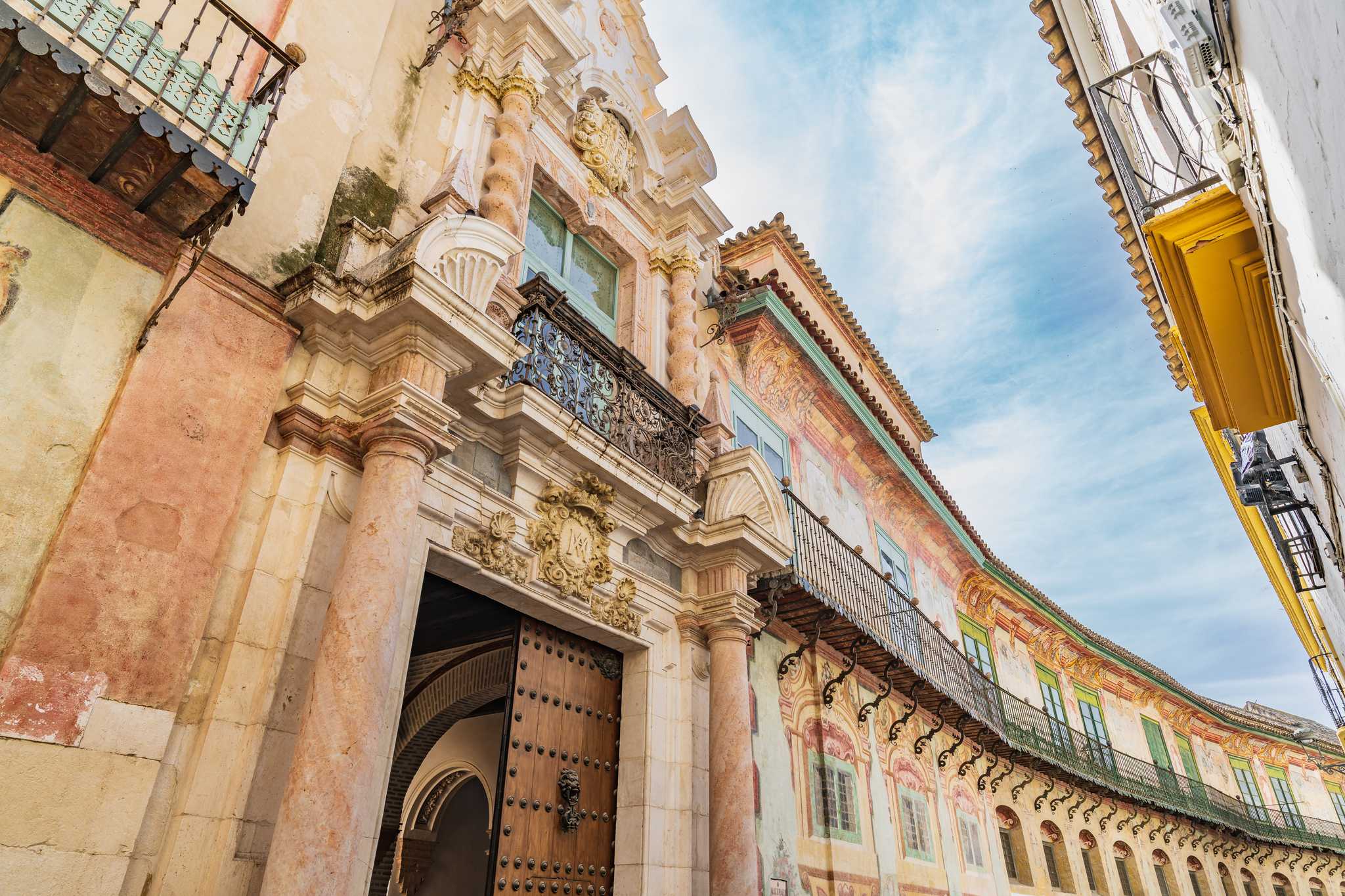
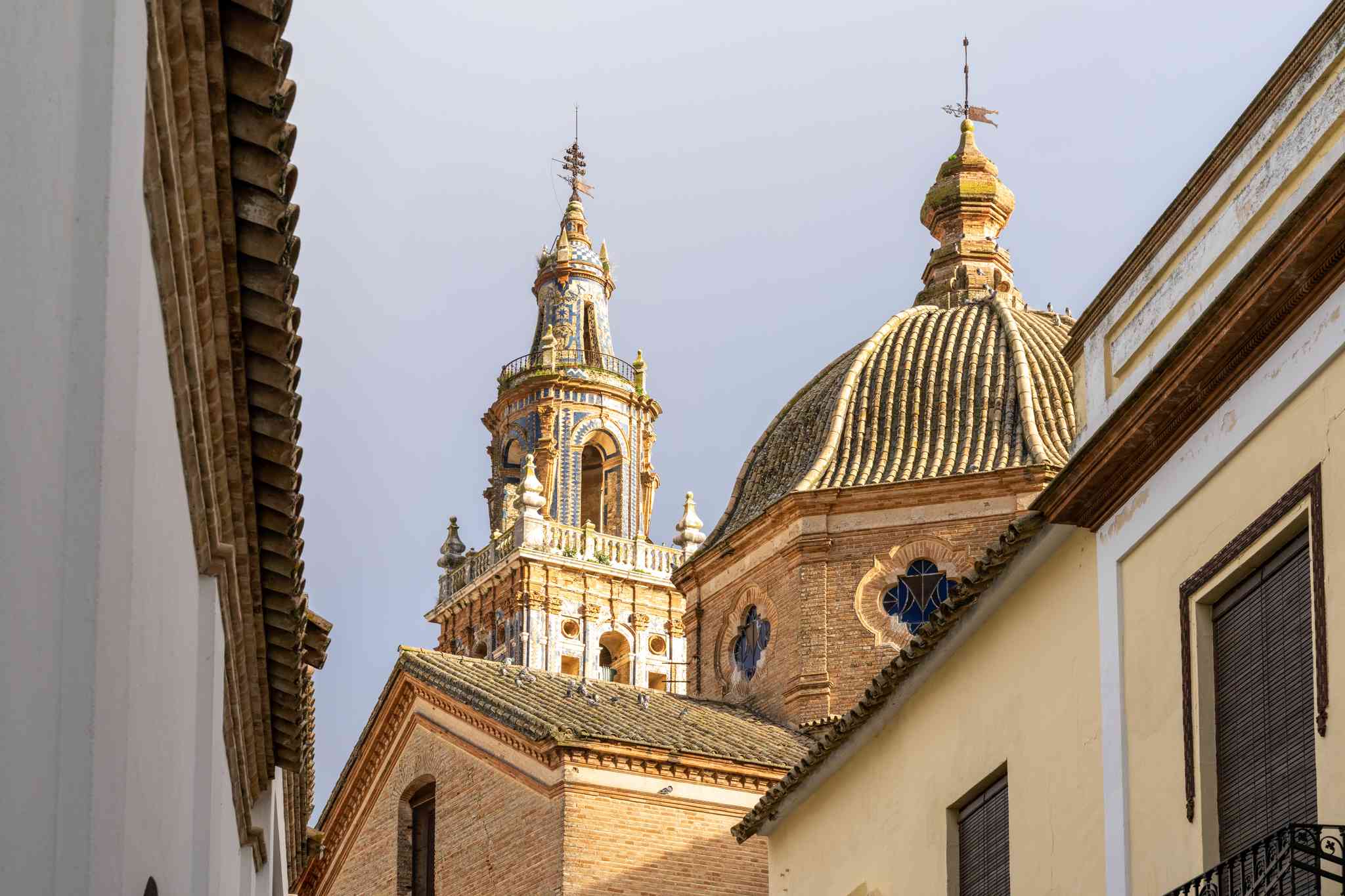
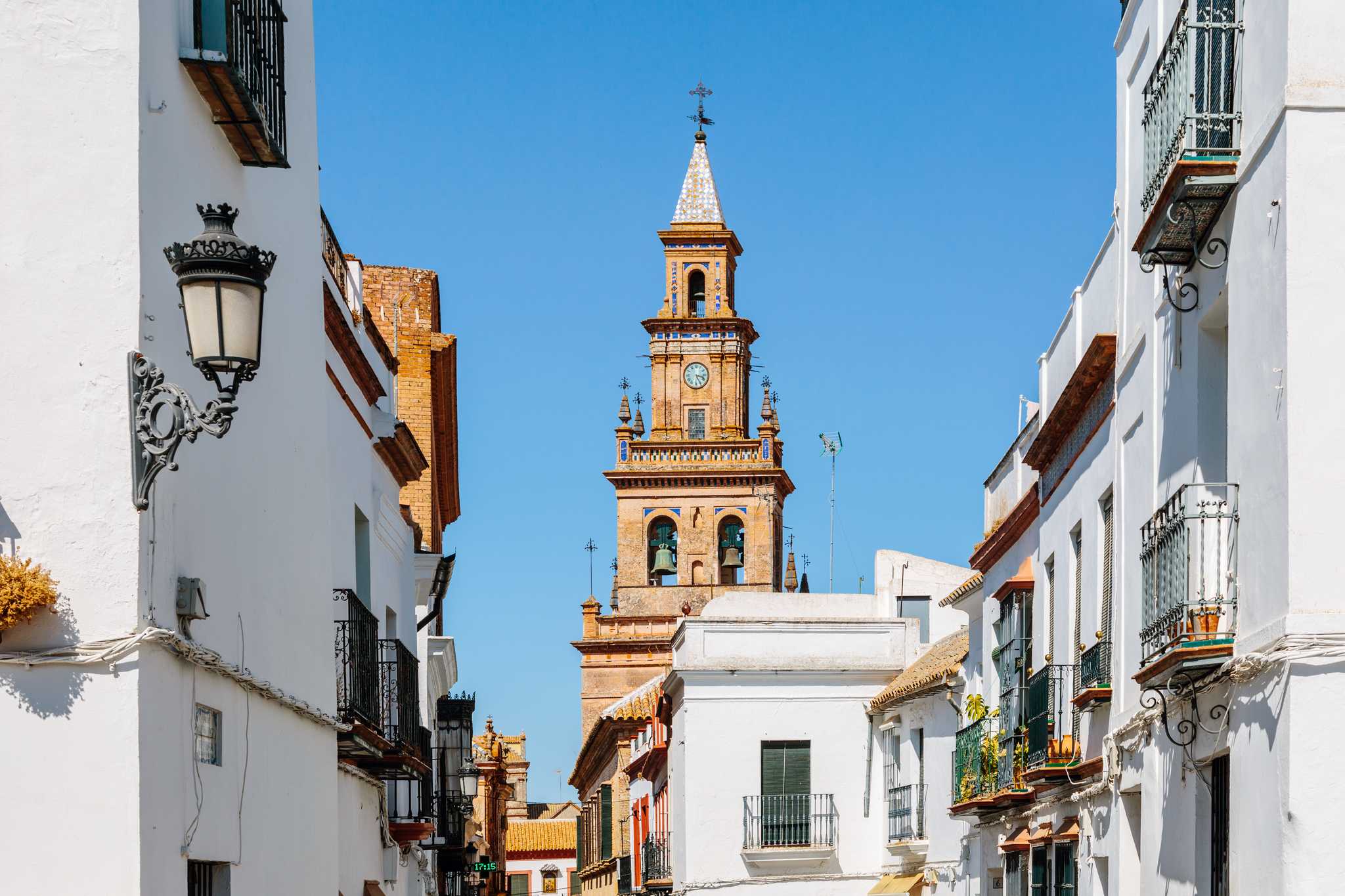
Ecija earns its nickname, the 'City of Towers,' from the eleven Baroque church towers that puncture its skyline, each one a more elaborate exercise in azulejo tile, stucco, and stone than the last. What to see
- The skyline of towers, best seen from the edge of town before entering, eleven church belfries rising in a concentration of 18th-century Baroque ornament, unlike anywhere else in Spain
- The Plaza de Espana, a vast and elegant square lined with grand buildings, including the Palacio de Benameji, now a city museum with excellent Roman mosaic collections
- The Torre de la Iglesia de Santa Maria, the tallest of the towers, with a tiled exterior that covers every available surface in polychrome patterns What to do
- Walk between the towers on the town's old streets, comparing the Baroque excess of each; there is genuine one-upmanship between them
- Visit the Palacio de Benameji museum to see Roman mosaics found beneath the city What to eat
- Flamenquin cordobes (pork loin in breadcrumbs) and local olive oil on pan tostado


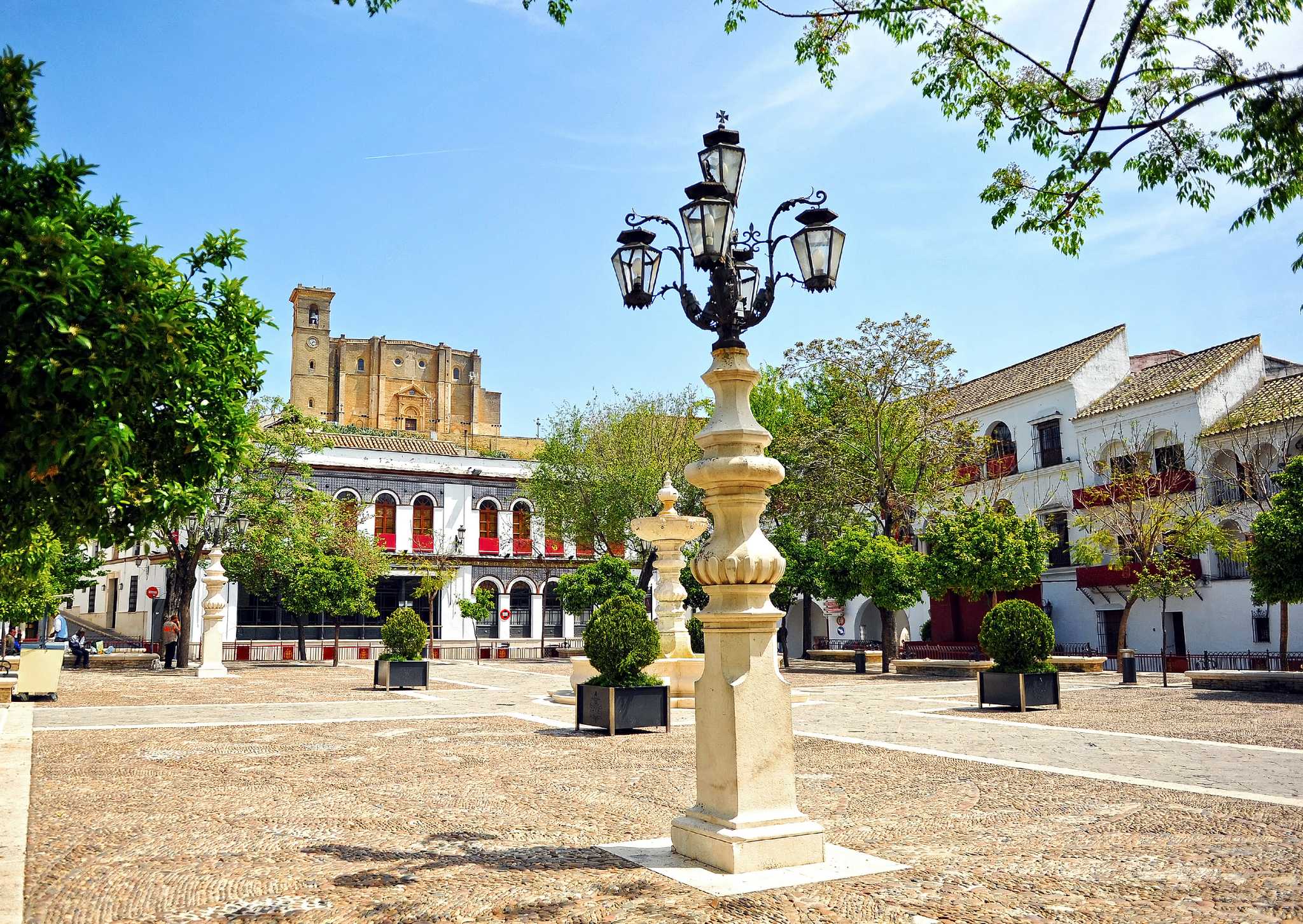
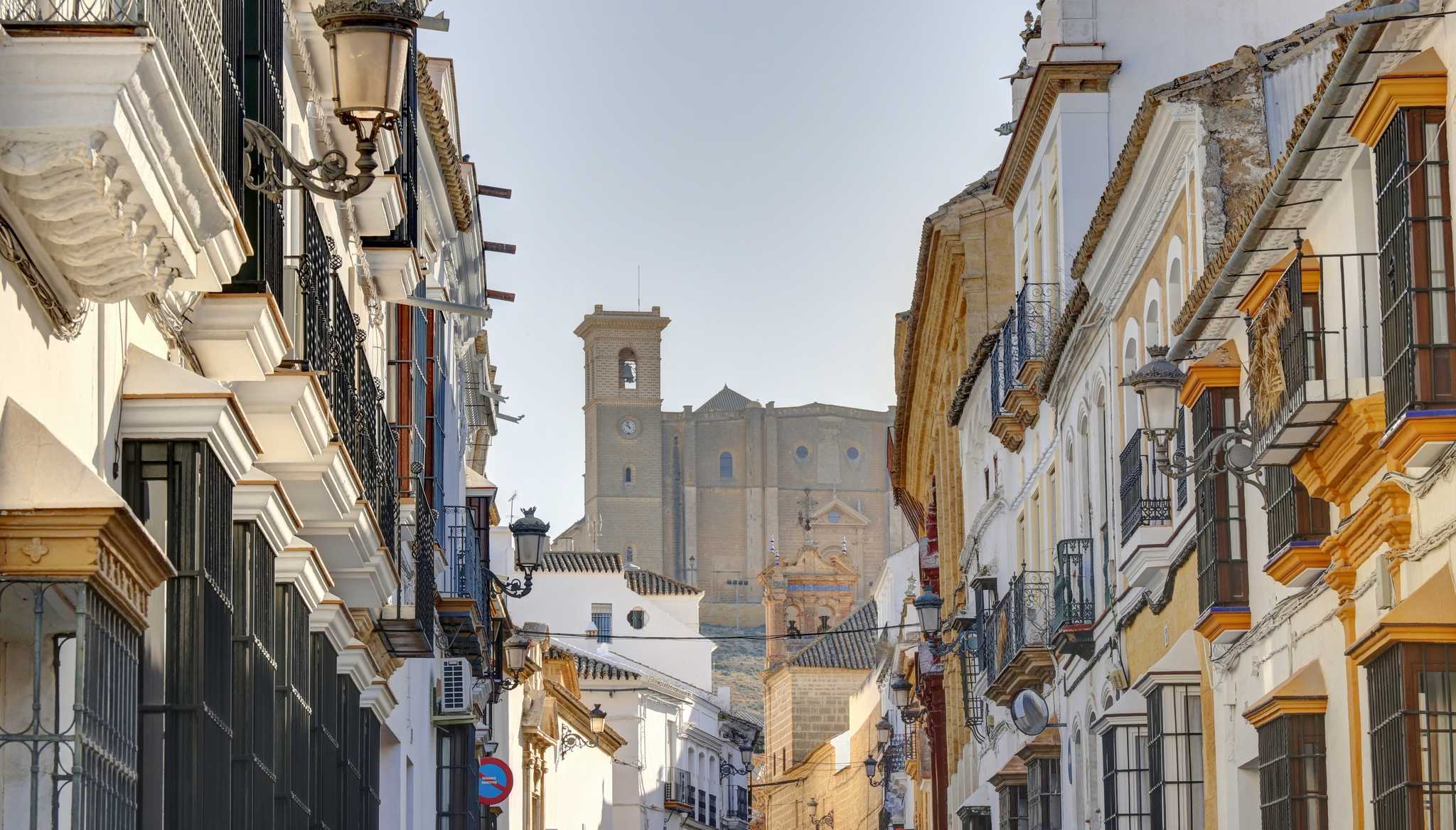
Founded as a ducal capital by the powerful Osuna family in the 16th century, Osuna is a Baroque and Renaissance jewel that few tourists from Seville ever reach, and its two great hilltop monuments reward the effort entirely. What to see
- The Colegiata church and ducal pantheon on the hilltop, where the Dukes of Osuna are buried in a spectacular 16th-century collegiate church with fine paintings and carved altarpieces; Game of Thrones fans will recognize the surrounding streets from the Meereen scenes
- The Universidad de Osuna (1548), one of the first universities in Andalusia; its Renaissance courtyard virtually unchanged since it was built
- The lower town's grid of Baroque mansions, convents, and churches, built when Osuna was one of the wealthiest noble seats in Spain What to do
- Climb to the Colegiata for the views across the Campina plain and the ducal tombs inside What to eat
- Mantecados, crumbly lard-and-cinnamon shortbreads made in Osuna bakeries since the 16th century; the best in Andalusia
Have questions or need help?
Contact our Customer Support. We are available 24/7Daytrip is loved all around the world. Here's why.
Explore similar trips from Seville

From US$145 / per person

From US$175 / per person

From US$137 / per person

From US$205 / per person

From US$143 / per person

From US$160 / per person

From US$115 / per person

From US$191 / per person
From US$248 / per person
From US$144 / per person
From US$171 / per person
From US$183 / per person
From €62 / per person