Lo mejor del Barroco español: Excursión privada de un día desde Sevilla


Viaje privado con un conductor local
Acerca de tu viaje
Qué esperar
Tu excursión comienza dondequiera que estés
Conozca a nuestro conductor profesional directamente donde prefiera en Sevilla cuando le convenga. No pierda tiempo llegando al punto de recogida, tome su bolsa y comience su viaje de inmediato.Descubra más con la experiencia local
Las perspectivas locales de su conductor marcarán el tono de su Daytrip. Un café escondido aquí, un restaurante que debe probar allí; consejos de expertos que le encantará compartir más tarde. Esto no es un tour guiado, pero su viaje estará lleno de historias y descubrimientos en el camino. Y durante todo el día, su conductor estará disponible para usted según sea necesario, listo para asistir, feliz de ayudar, haciendo su viaje libre de estrés.Explora a tu propio ritmo
Perfecto para cualquier grupo privado
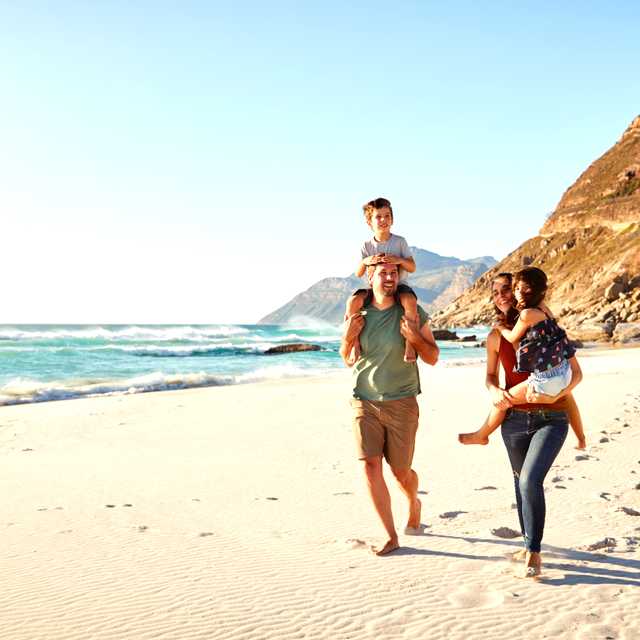
Ya sea que viaje solo, en familia con niños o en un grupo grande, este servicio está diseñado para su comodidad y flexibilidad. Es la opción ideal, especialmente si tiene poco tiempo o una agenda ocupada.Información Relevante
- Traslado en coche privado de ida y vuelta
- Vehículo con aire acondicionado
- Recogida y entrega personalizadas
- Conductor profesional de habla inglesa
- Agua embotellada de cortesía
- Cancelación gratuita 24 horas antes de la salida
- Las entradas/admisiones a atracciones de pago en Carmona, Écija y Osuna deben comprarse por separado a menos que se indique lo contrario
- Las comidas, los aperitivos y la propina no están incluidos
Su viaje de un vistazo
Su viaje de un vistazo

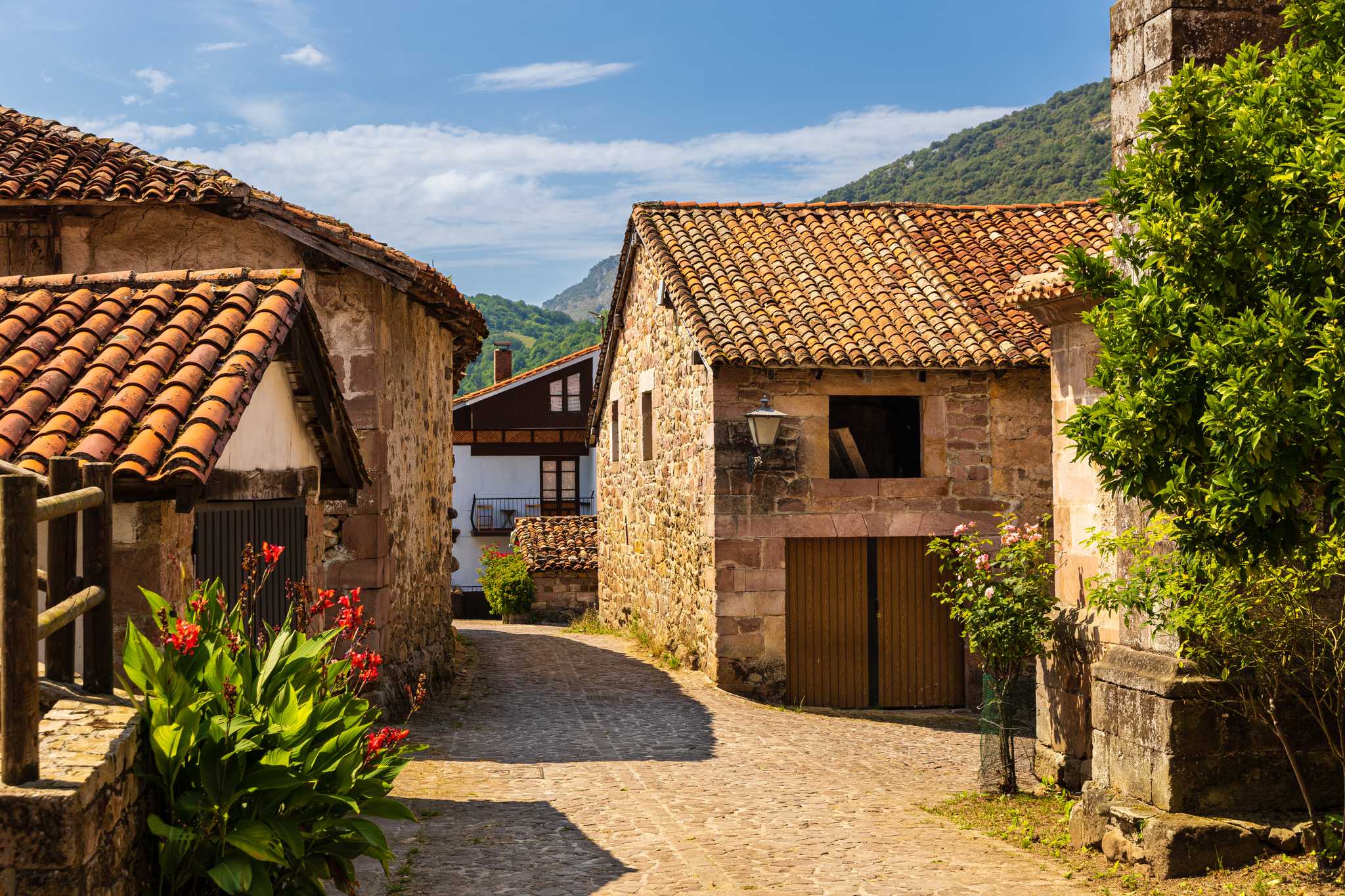
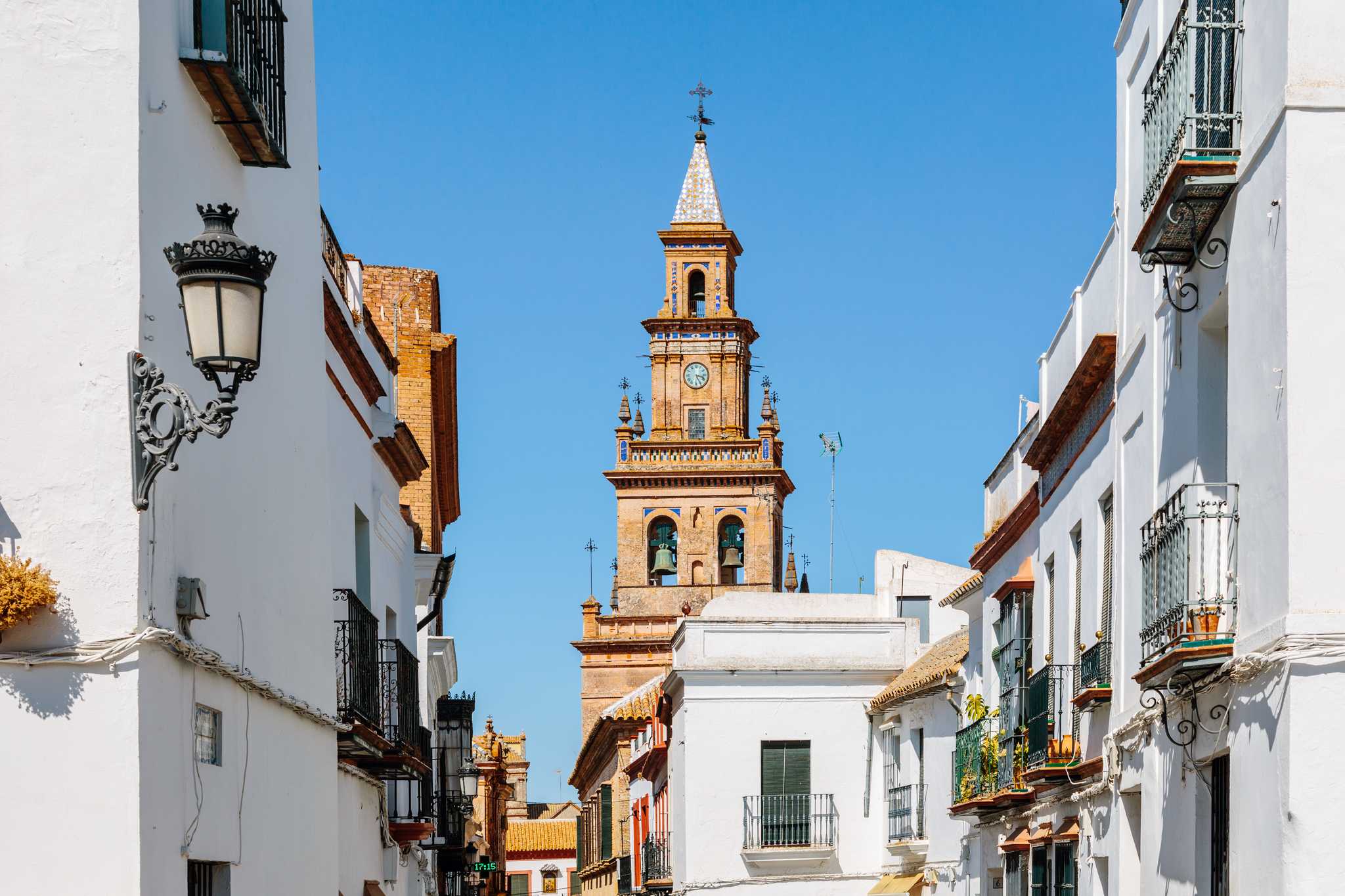
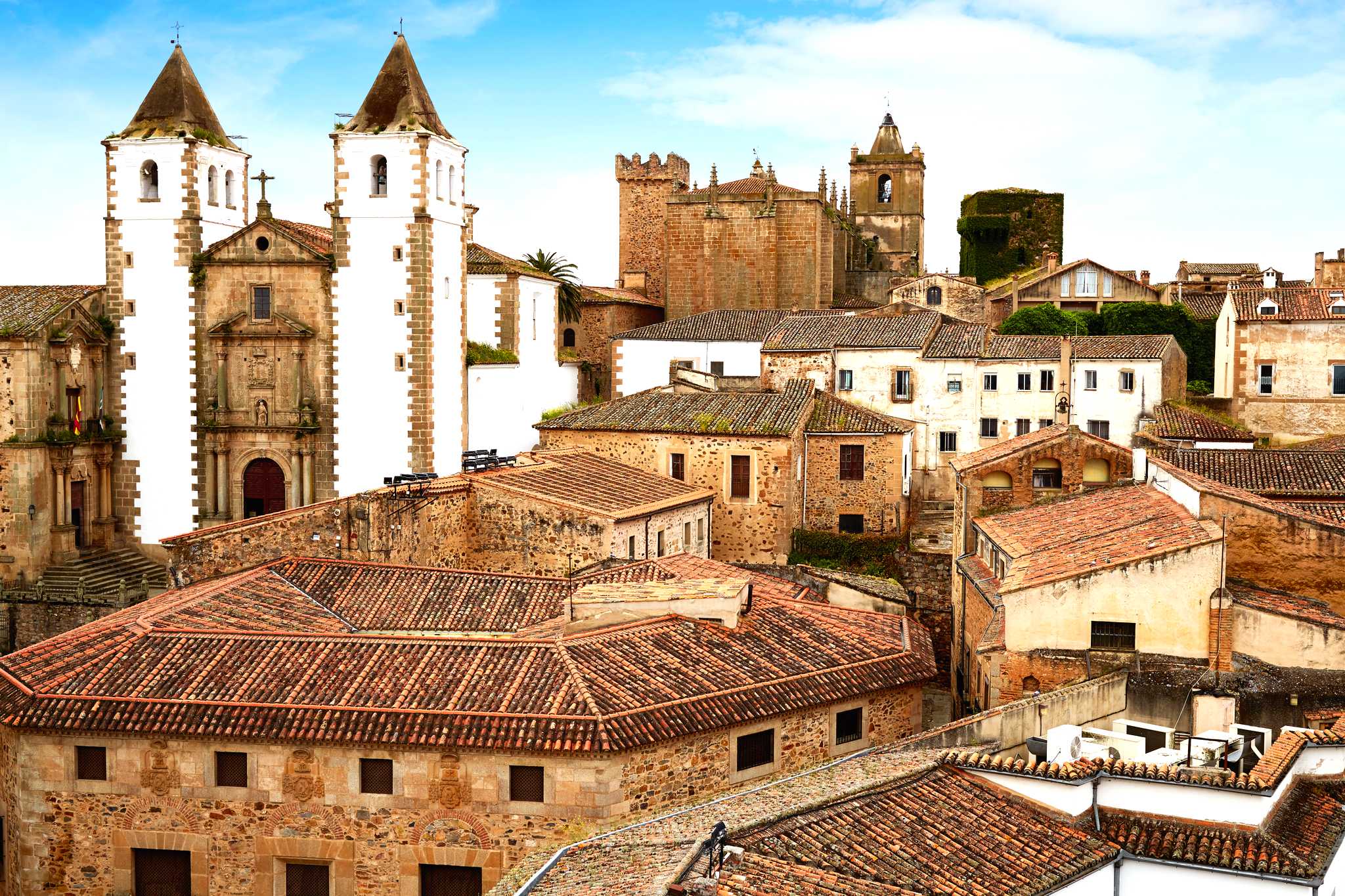
Una de las ciudades habitadas de forma continua más antiguas de Europa, Carmona se alza sobre una colina que domina la llanura sevillana y conserva las huellas de todas las civilizaciones que han pasado por Andalucía, desde murallas cartaginesas hasta puertas moriscas y templos renacentistas.
Qué ver
- La Necrópolis Romana, una de las más grandes y mejor conservadas fuera de Italia, con tumbas familiares excavadas en la roca y un pequeño museo de objetos funerarios
- El Alcázar de la Puerta de Sevilla, una fortaleza construida en capas por cartagineses, romanos y moros, que sigue en pie en el mismo lugar desde hace dos milenios
- La Plaza de San Fernando, una elegante plaza barroca en el corazón del casco antiguo encalado
Qué hacer
- Subir a la Puerta de Córdoba para disfrutar de vistas panorámicas de la llanura sevillana
- Pasear por las calles de época romana del casco antiguo, donde iglesias barrocas y fachadas blancas adornan cada esquina
Qué comer
- Pavía de bacalao y vinos locales de Montilla-Moriles en un bar tradicional cerca de la plaza principal
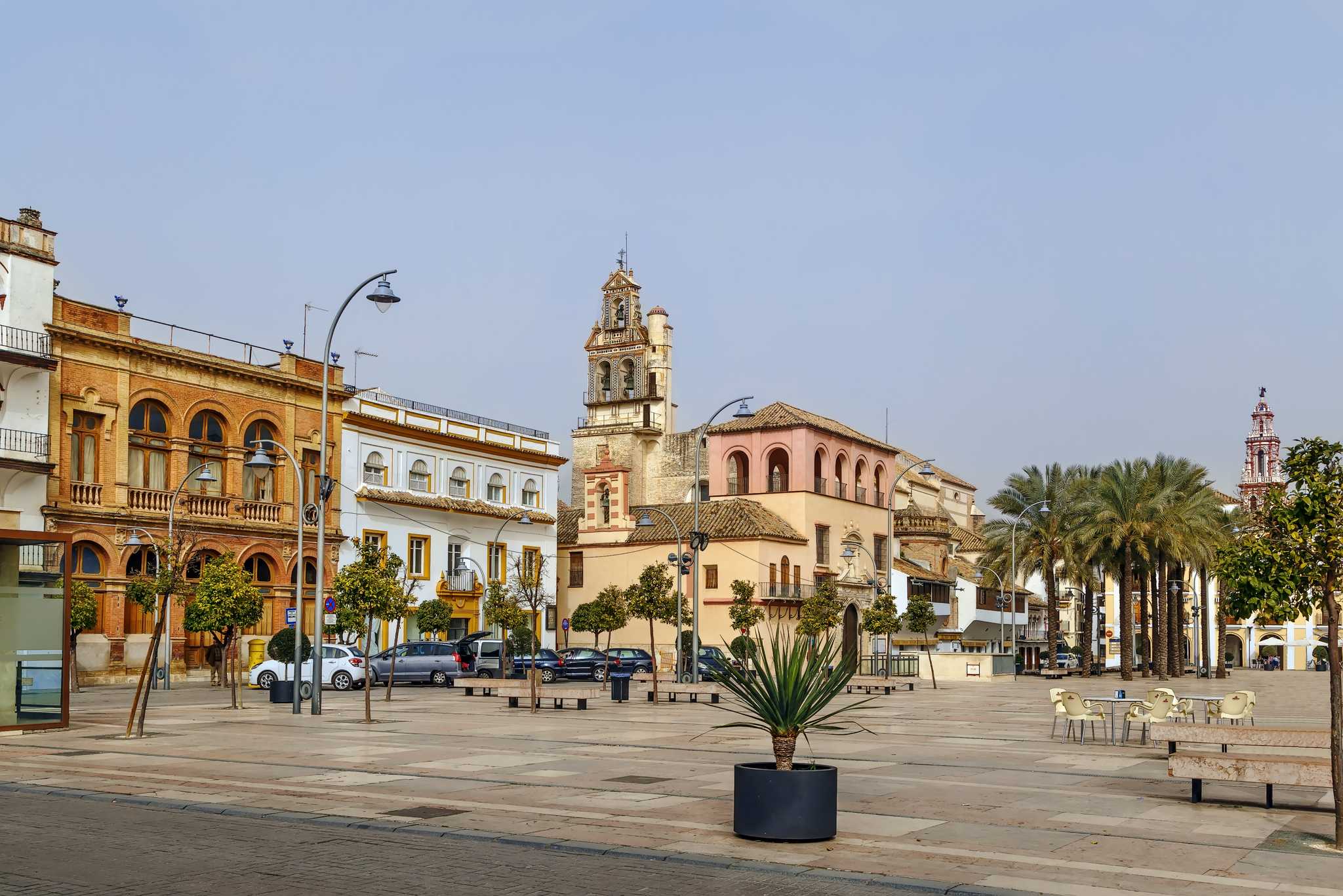
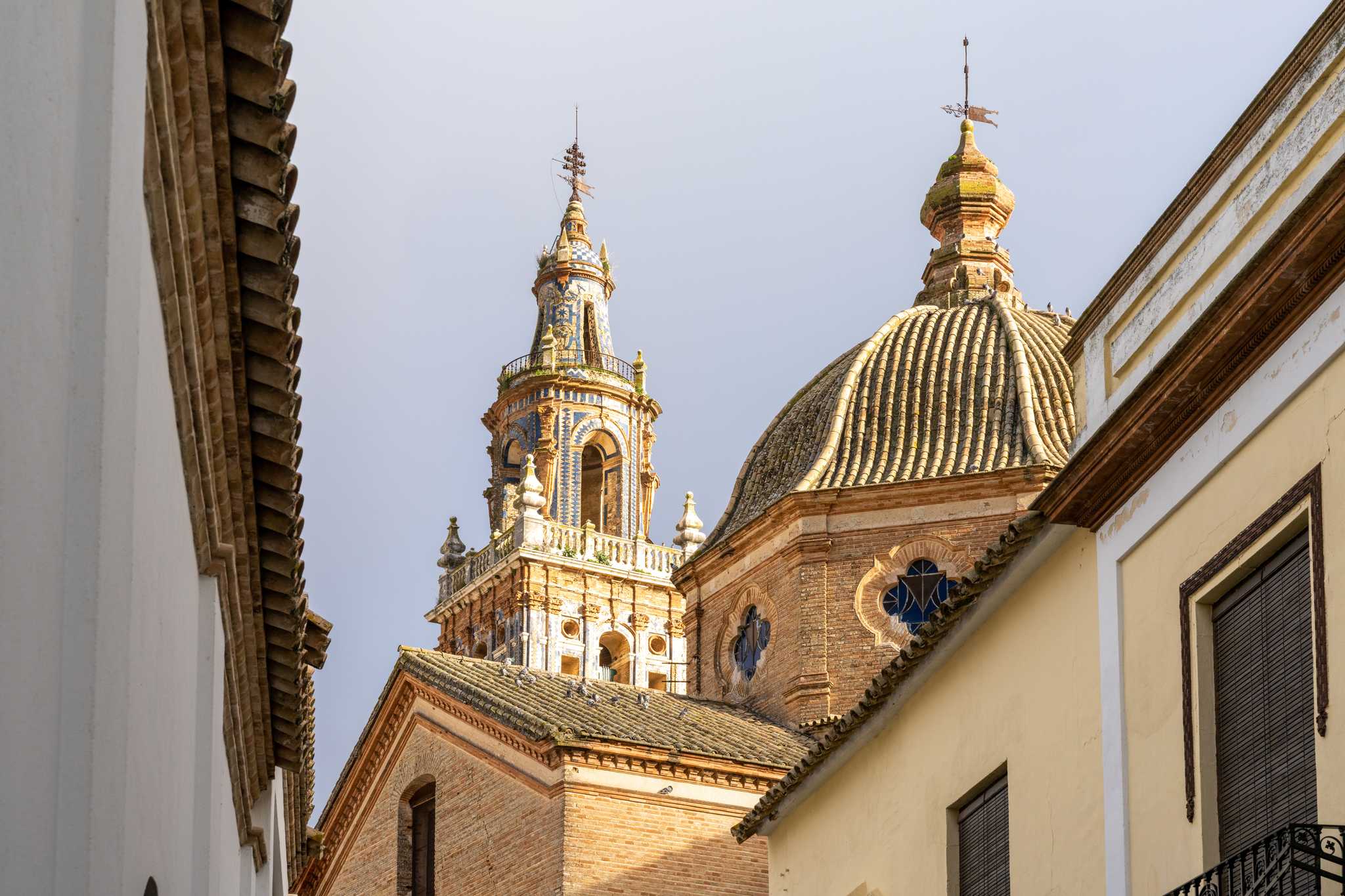
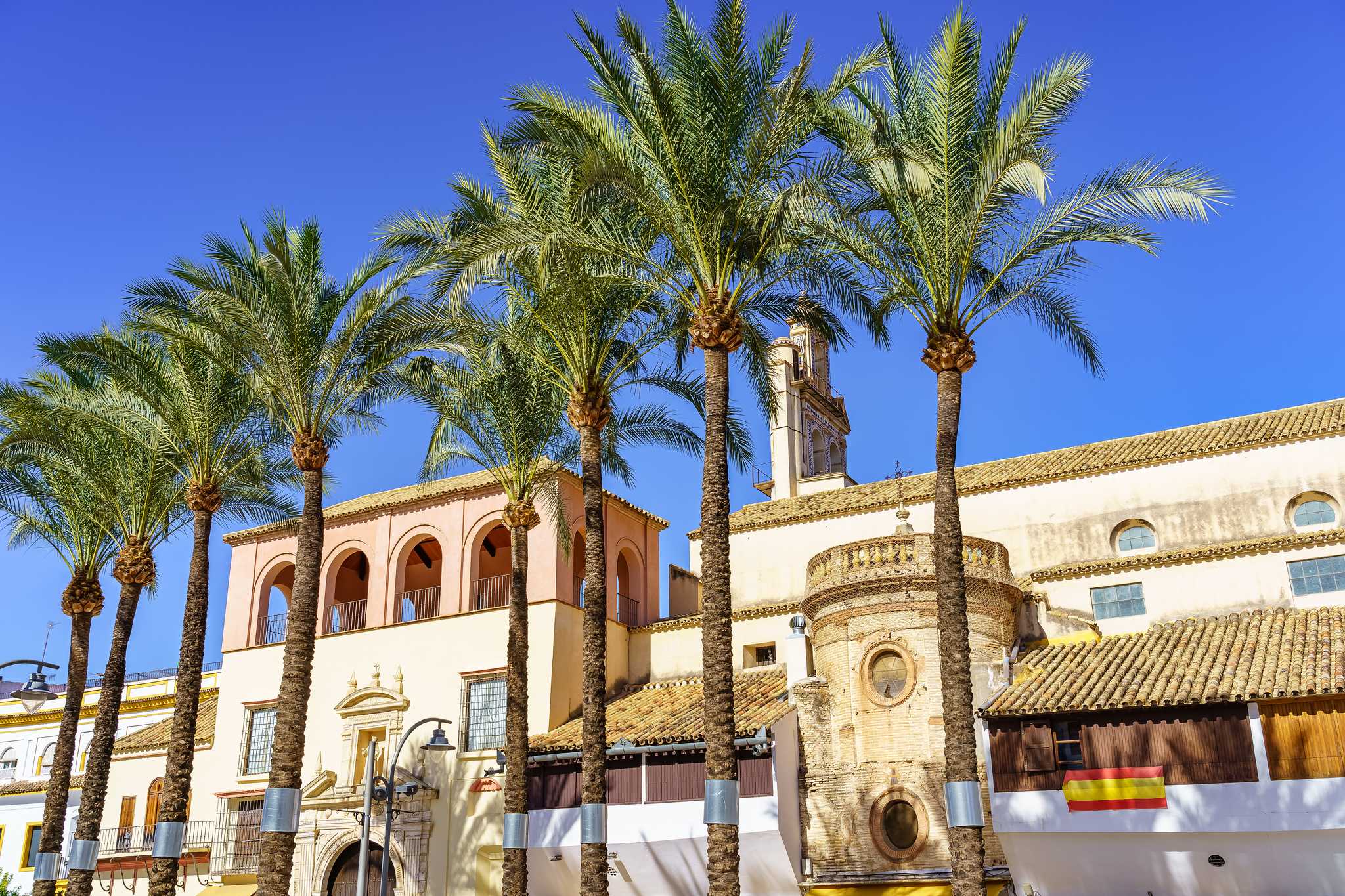
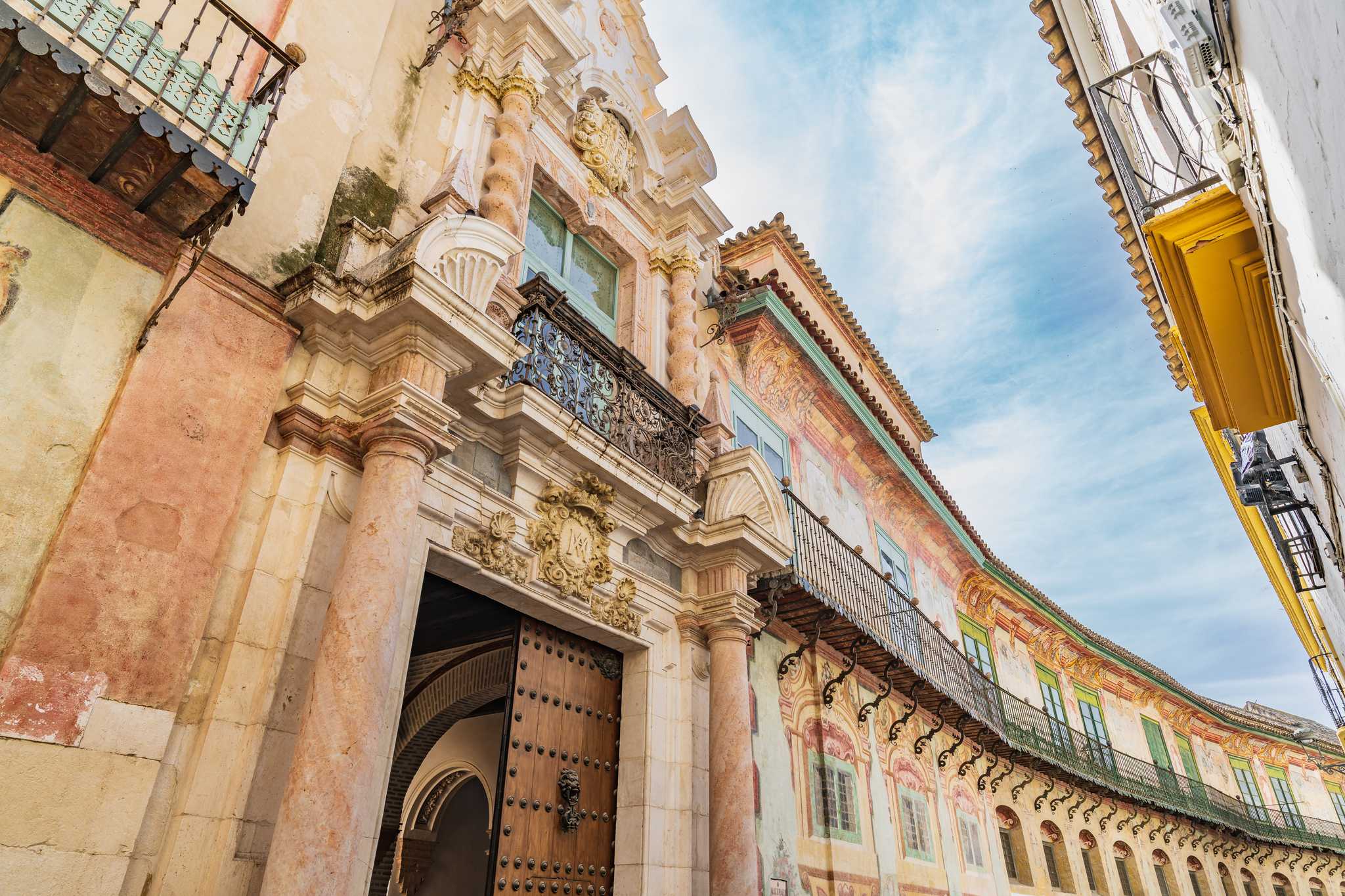
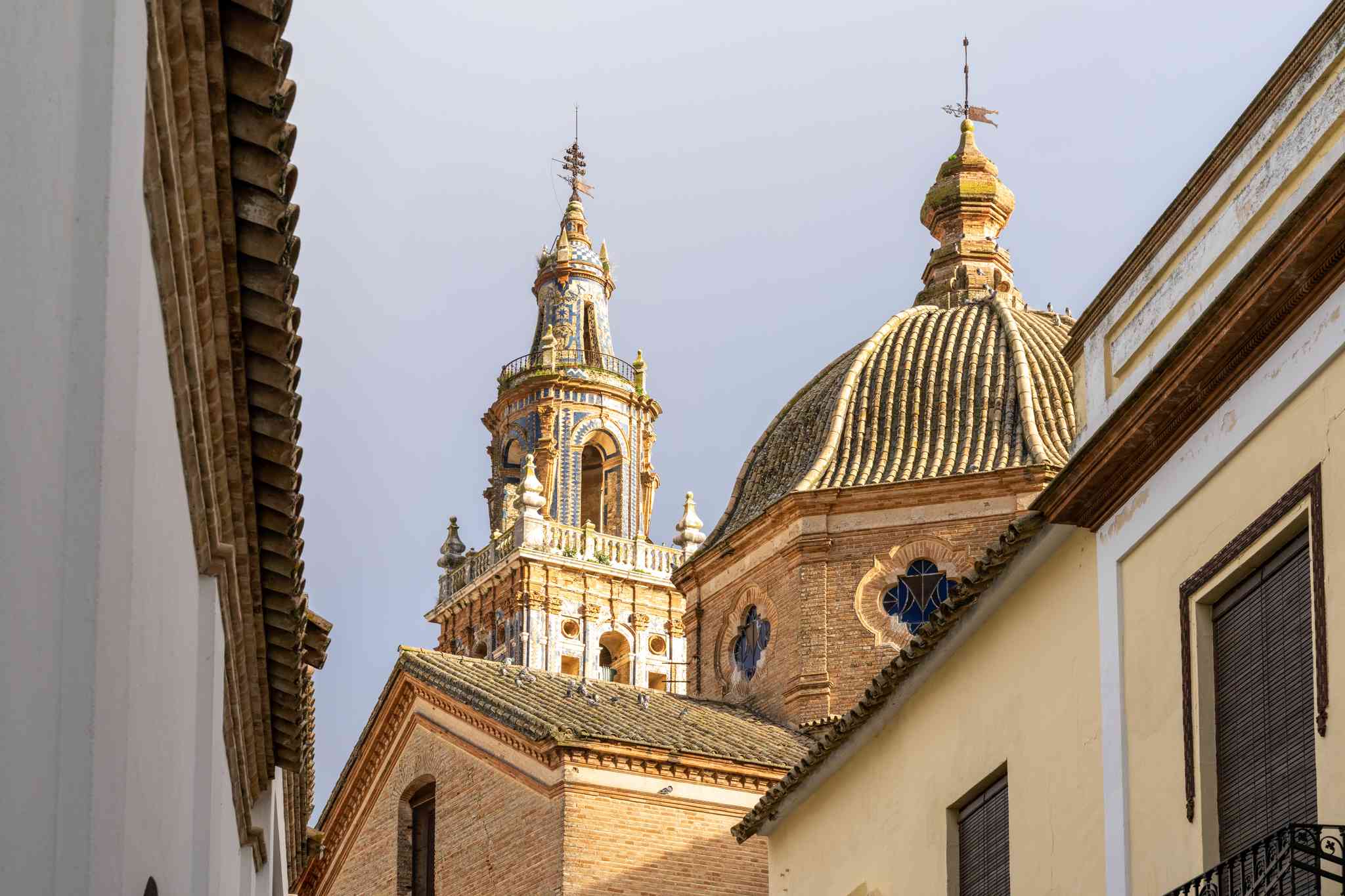
Écija se gana su apodo, la 'Ciudad de las Torres', gracias a las once torres barrocas de iglesias que perforan su horizonte, cada una más elaborada en azulejos, estuco y piedra que la anterior.
Qué ver
- El perfil de torres, mejor apreciado desde las afueras antes de entrar al pueblo, con once campanarios de iglesias que se elevan en una concentración de ornamentación barroca del siglo XVIII, algo único en España.
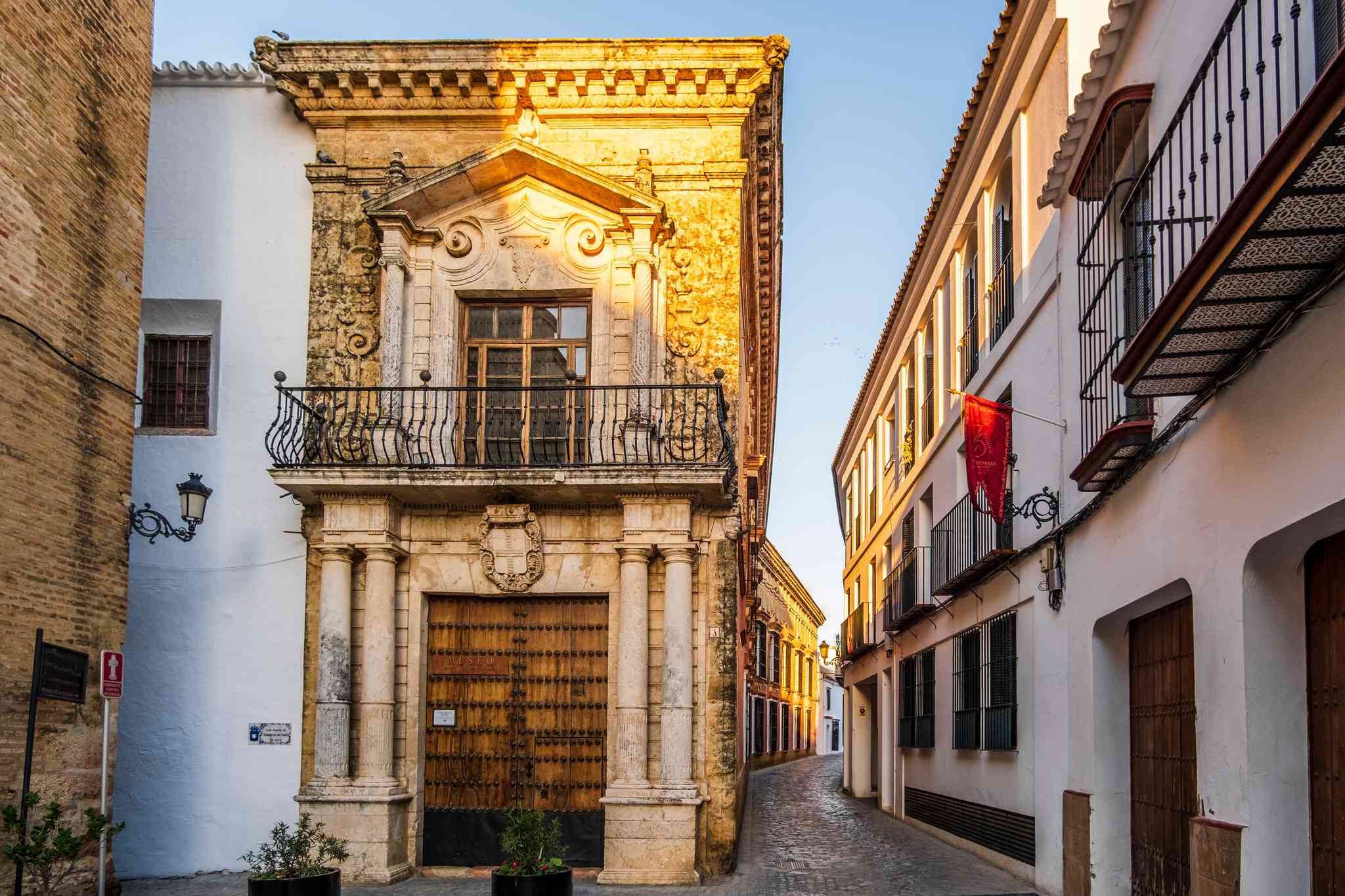
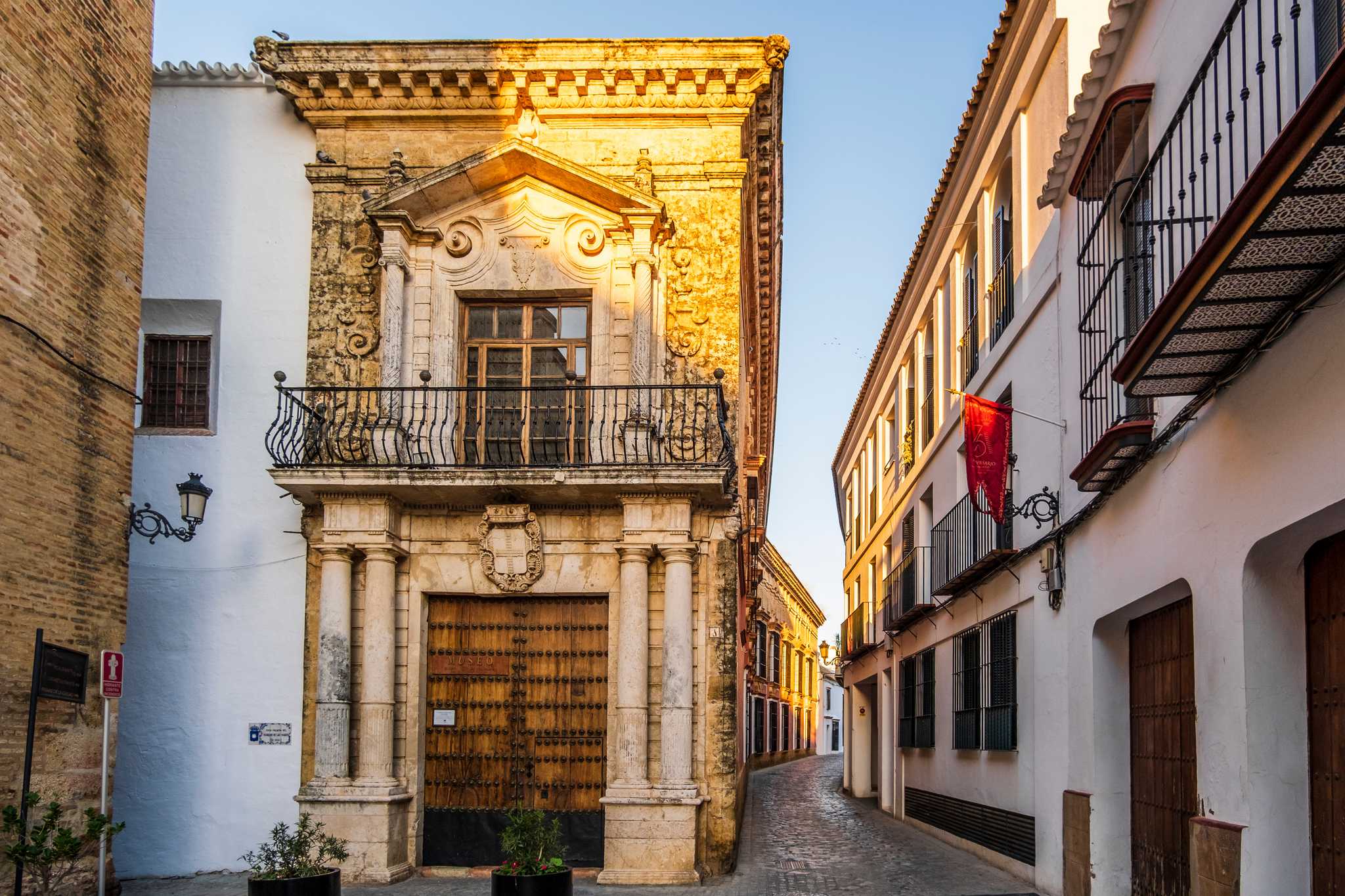
- La Plaza de España, una plaza amplia y elegante rodeada de majestuosos edificios, incluido el Palacio de Benamejí, que ahora es un museo municipal con excelentes colecciones de mosaicos romanos.
- La Torre de la Iglesia de Santa María, la más alta de las torres, con un exterior revestido de azulejos que cubren cada superficie disponible con patrones policromados.
Qué hacer
- Pasear entre las torres por las antiguas calles del pueblo, comparando el exceso barroco de cada una; hay una auténtica competencia entre ellas.
- Visitar el museo del Palacio de Benamejí para ver los mosaicos romanos hallados bajo la ciudad.
Qué comer
- Flamenquín cordobés (lomo de cerdo empanado) y aceite de oliva local sobre pan tostado.


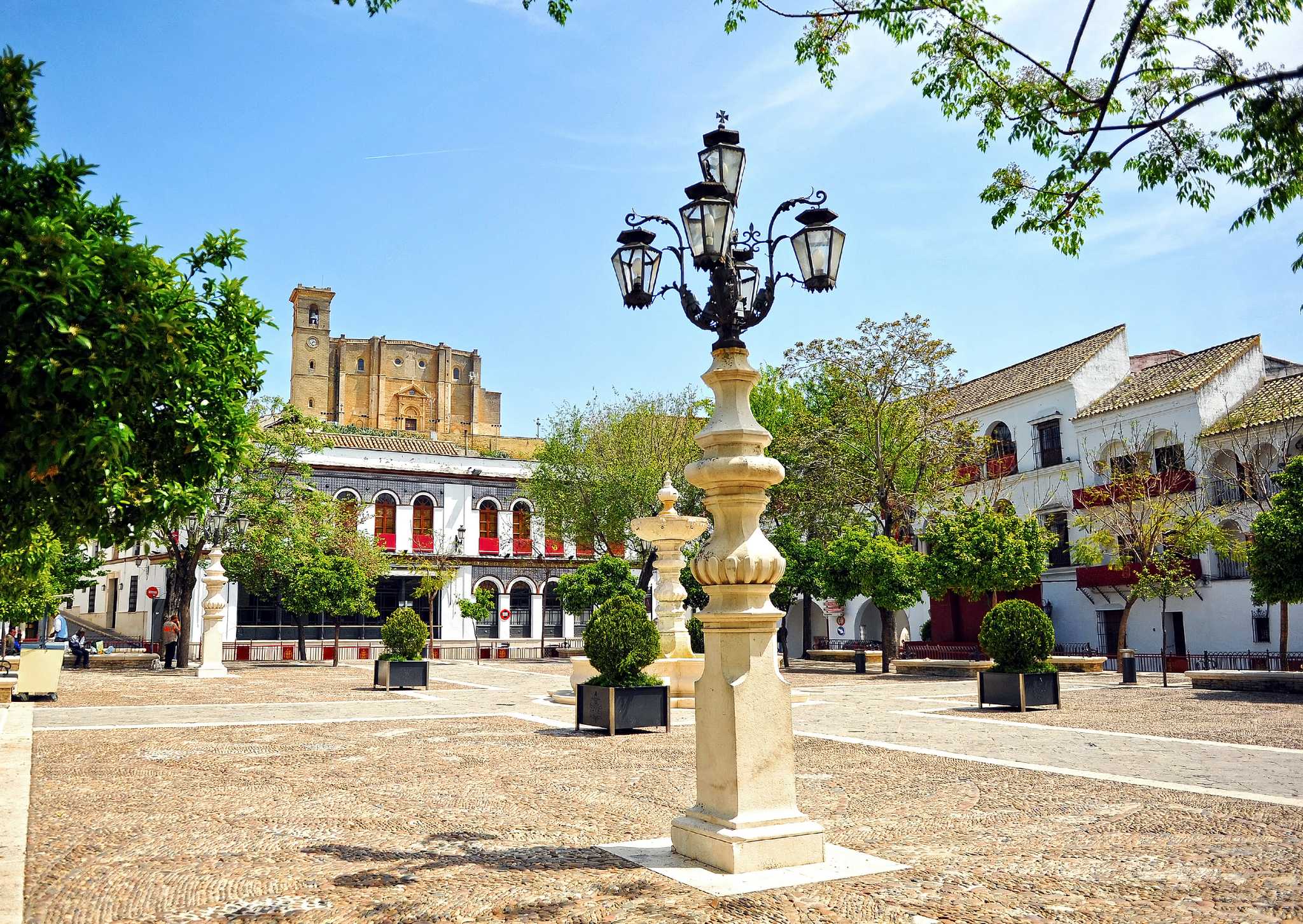
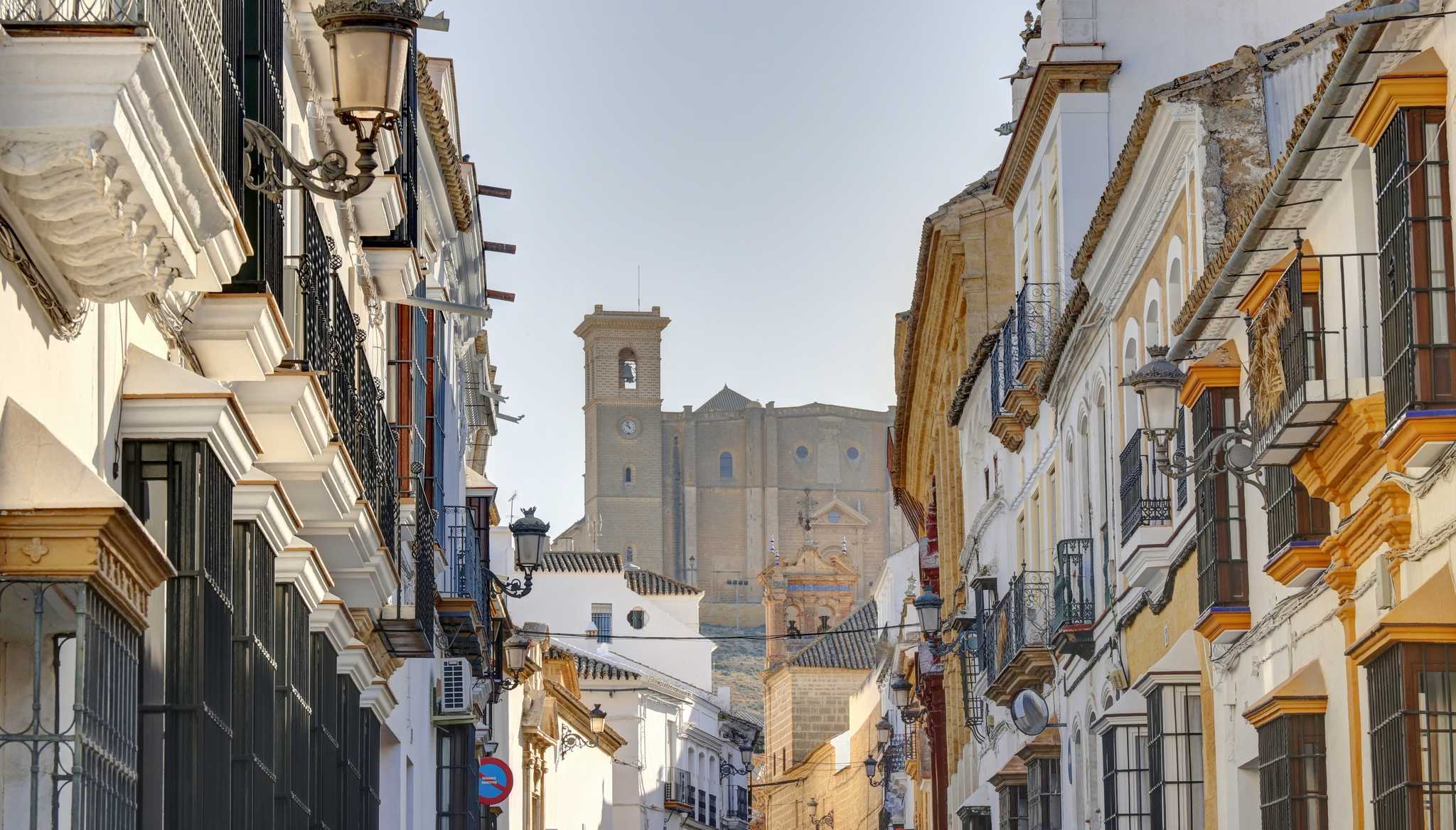
Fundada como capital ducal por la poderosa familia Osuna en el siglo XVI, Osuna es una joya barroca y renacentista que pocos turistas de Sevilla llegan a conocer, y sus dos grandes monumentos en la cima de la colina recompensan totalmente el esfuerzo.
Qué ver
- La iglesia Colegiata y el panteón ducal en lo alto de la colina, donde están enterrados los Duques de Osuna en una espectacular colegiata del siglo XVI con magníficas pinturas y retablos tallados; los fanáticos de Juego de Tronos reconocerán las calles cercanas de las escenas de Meereen
- La Universidad de Osuna (1548), una de las primeras universidades de Andalucía; su patio renacentista permanece prácticamente igual desde su construcción
- El entramado de mansiones barrocas, conventos e iglesias en la parte baja del pueblo, construidos cuando Osuna era uno de los señoríos más ricos de España
Qué hacer
- Subir a la Colegiata para disfrutar de las vistas sobre la campiña y de las tumbas ducales en su interior
Qué comer
- Mantecados, polvorosas galletas de manteca y canela elaboradas en las panaderías de Osuna desde el siglo XVI; los mejores de Andalucía
¿Tiene preguntas o necesita ayuda?
Contacte a nuestro Soporte al Cliente. Estamos disponibles 24/7Daytrip es amado en todo el mundo. Aquí está el porqué.
Preguntas Frecuentes
Si tiene alguna pregunta, aquí están las respuestas.Sé el primero en descubrir más
Recibe ideas de viaje seleccionadas, destacados secretos y ofertas especiales de Daytrip.