O melhor do Barroco Espanhol: Excursão privada de um dia saindo de Sevilha


Passeio privado com um motorista local
Sobre sua viagem
O que esperar
Sua viagem de um dia começa onde quer que você esteja
Encontre nosso motorista profissional exatamente onde você preferir em Sevilha no horário que for mais conveniente para você. Sem perder tempo indo até o ponto de encontro, pegue sua bagagem e comece sua viagem imediatamente.Descubra mais com a experiência local
As percepções locais do seu motorista definirão o tom do seu Daytrip. Um café escondido aqui, um restaurante imperdível ali; dicas internas que você adorará compartilhar depois. Esta não é uma excursão guiada, mas sua viagem será rica em histórias e descobertas ao longo do caminho. E durante todo o dia, seu motorista estará disponível para você conforme necessário, pronto para ajudar, feliz em ajudar, tornando sua viagem livre de estresse.Explore no seu próprio ritmo
Perfeito para qualquer grupo privado
Quer esteja a viajar sozinho, em família com crianças, ou em grupo grande, este serviço é adaptado para o seu conforto e flexibilidade. É a opção ideal especialmente se tiver tempo limitado ou uma agenda ocupada.Bom saber
- Transferência privada de carro de ida e volta
- Veículo com ar-condicionado
- Ponto de partida e destino personalizados
- Cadeiras de criança incluídas gratuitamente
- Motorista profissional que fala inglês
- Água engarrafada de cortesia
- Cancelamento gratuito 24 horas antes da partida
- Bilhetes de entrada/admissão para atrações pagas Carmona, Écija e Osuna devem ser adquiridos separadamente a menos que especificado de outra forma
- Refeições, lanches e gorjeta não estão incluídas
Sua viagem em um relance
Sua viagem em um relance

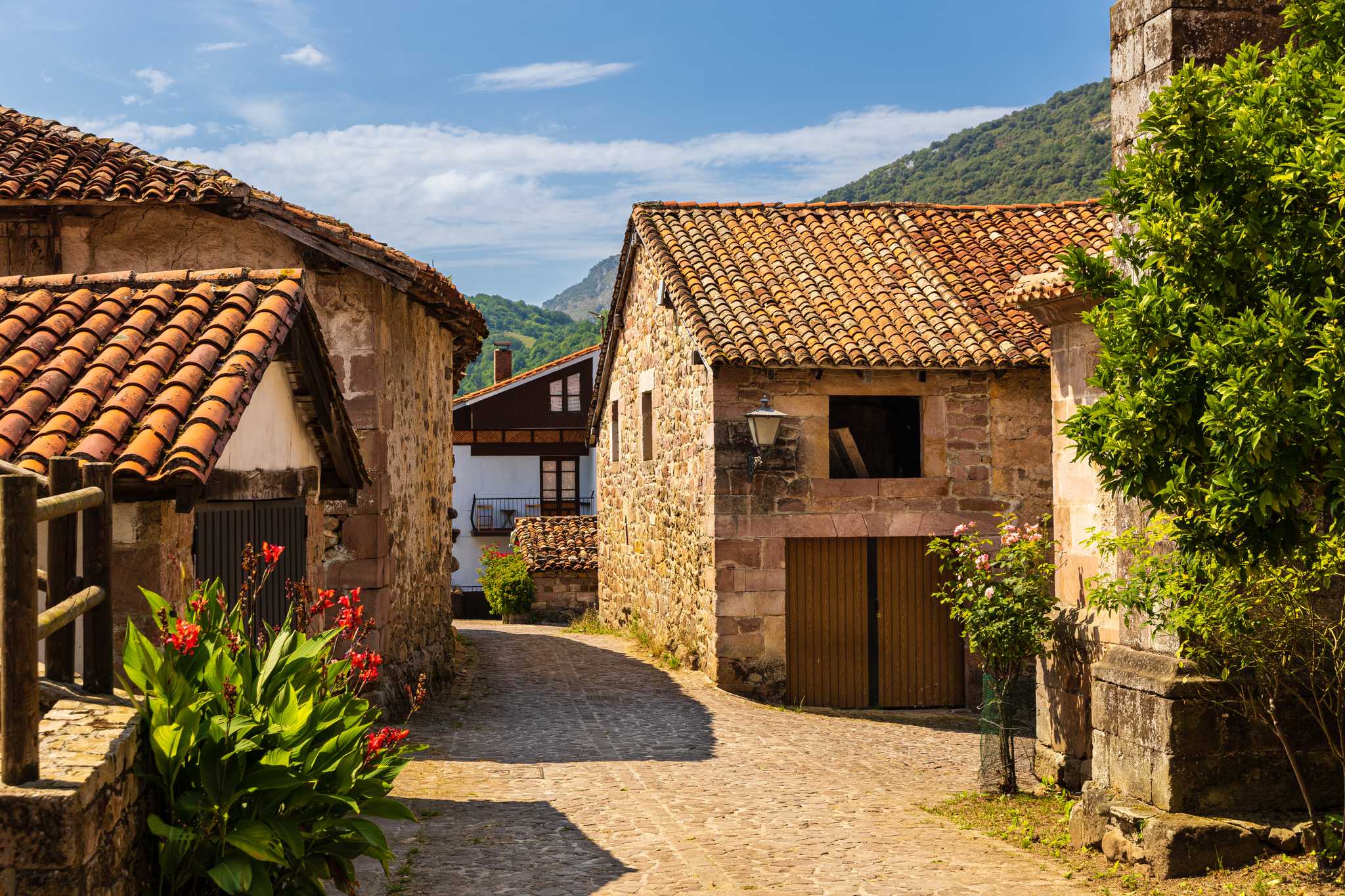
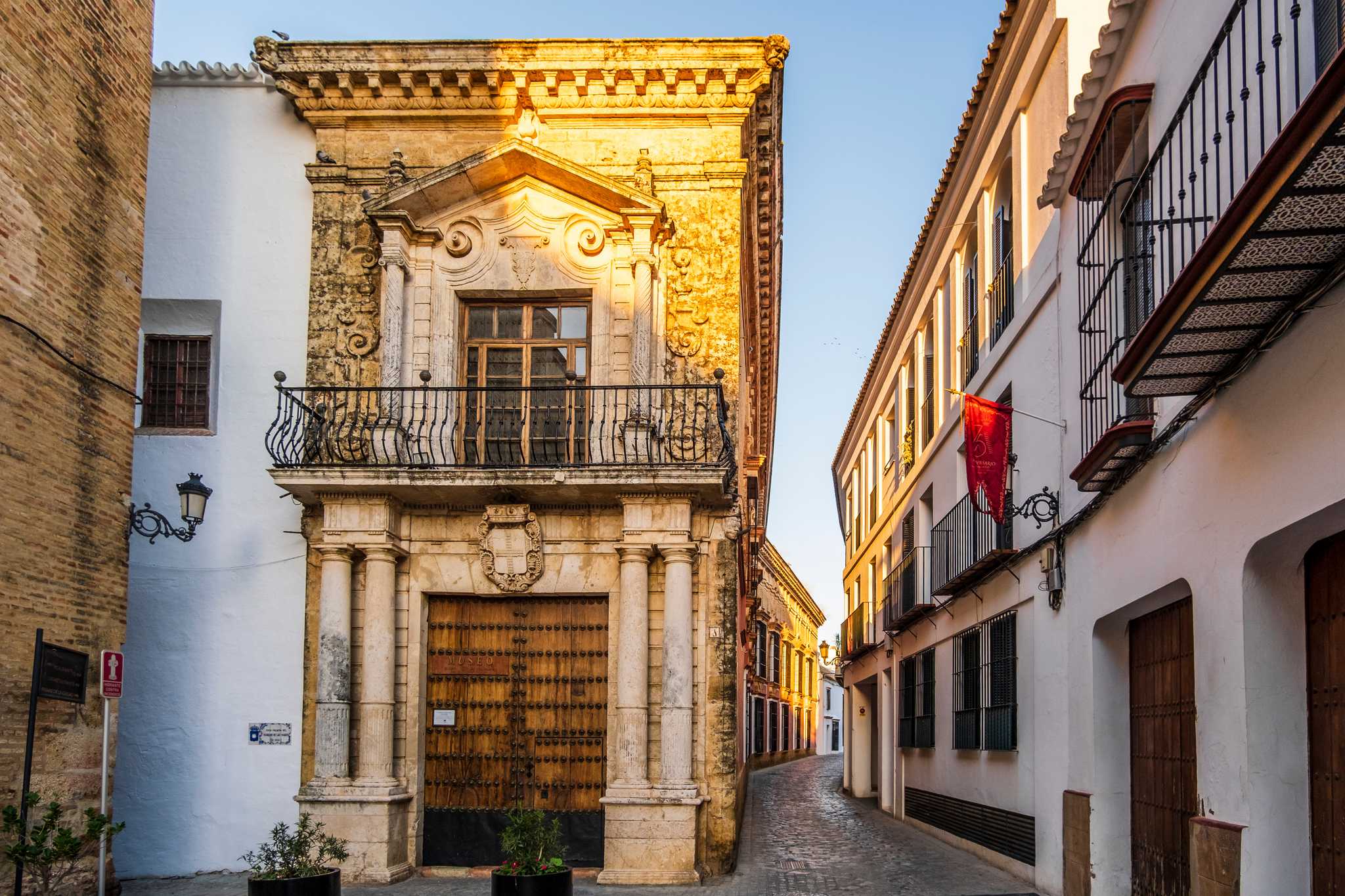
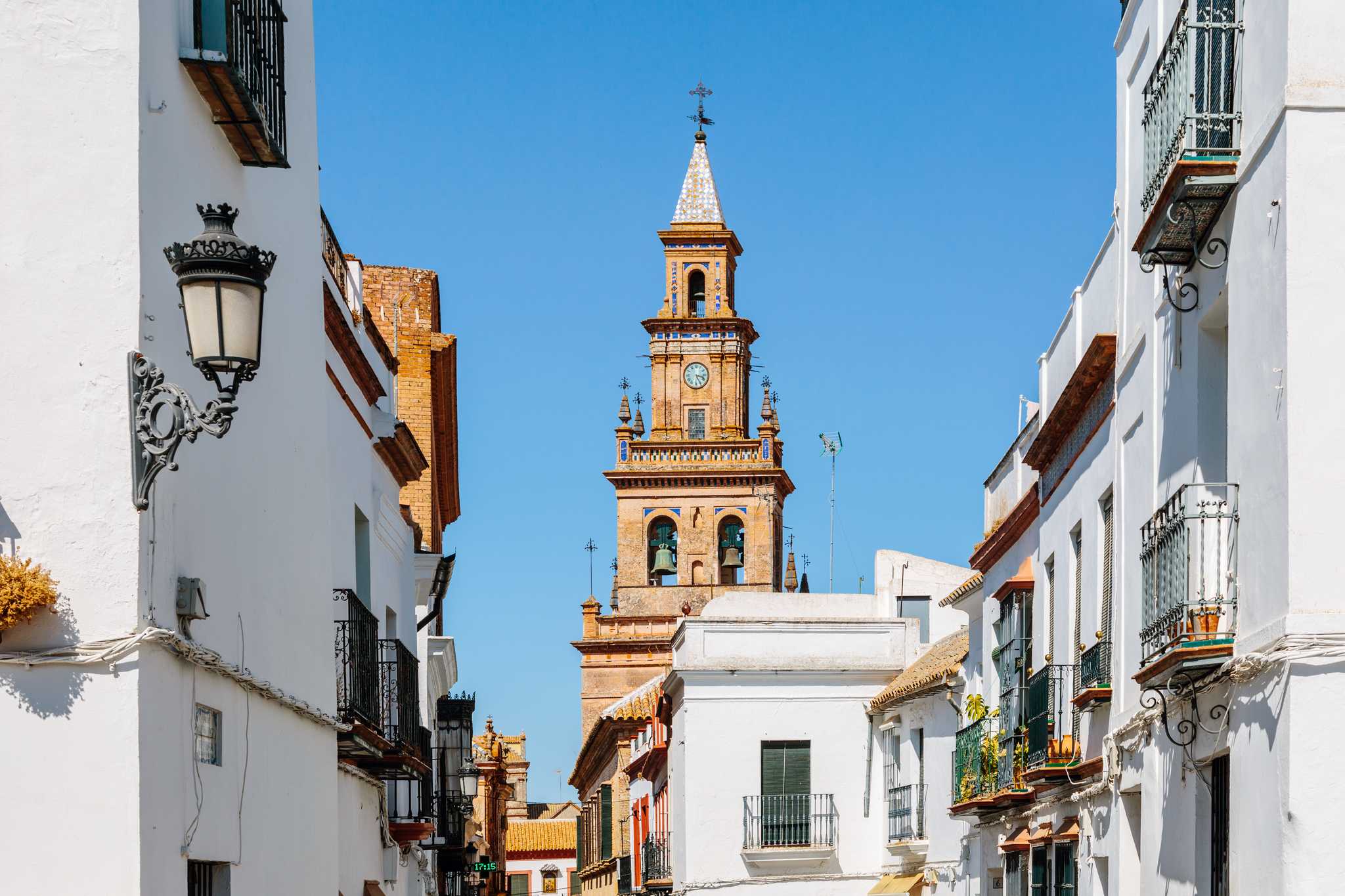
Uma das cidades mais antigas continuamente habitadas da Europa, Carmona ocupa uma colina acima da planície de Sevilha e carrega as marcas de todas as civilizações que dominaram a Andaluzia, desde muralhas cartaginesas até portões mouros e igrejas renascentistas.
O que ver
- A Necrópole Romana, uma das maiores e mais bem preservadas fora da Itália, com túmulos familiares escavados na rocha e um pequeno museu de objetos funerários
- O Alcázar da Puerta de Sevilla, um portal fortificado construído em camadas por cartagineses, romanos e mouros, ainda de pé no mesmo local há dois milênios
- A Plaza de San Fernando, uma elegante praça barroca no coração do centro histórico caiado de branco
O que fazer
- Subir à Puerta de Córdoba para vistas panorâmicas da planície de Sevilha
- Caminhar pelas ruas de época romana do centro histórico, onde igrejas barrocas e fachadas caiadas emolduram cada esquina
O que comer
- Pavia de bacalhau (bacalhau empanado) e vinhos locais de Montilla-Moriles em um bar tradicional próximo à praça principal
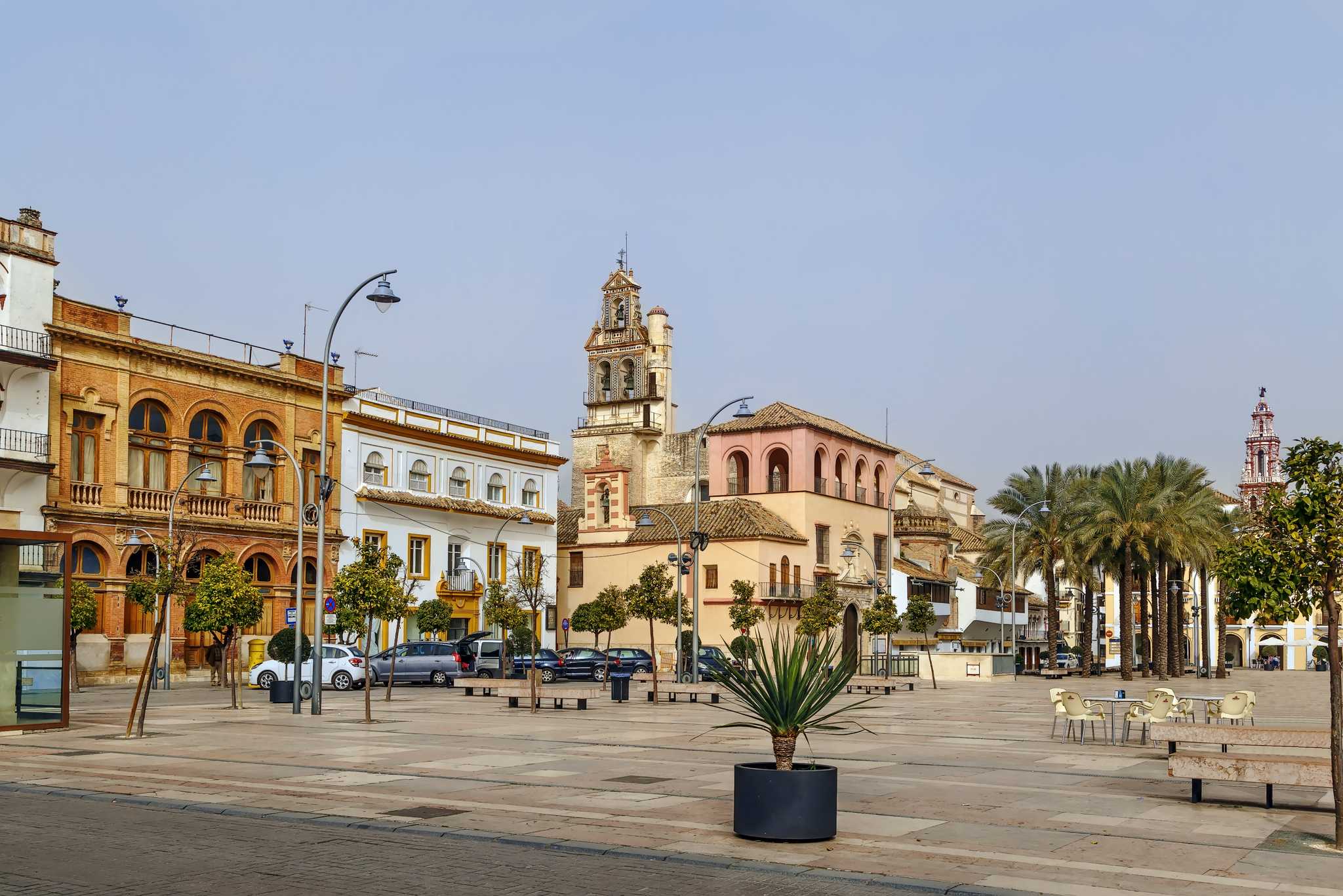
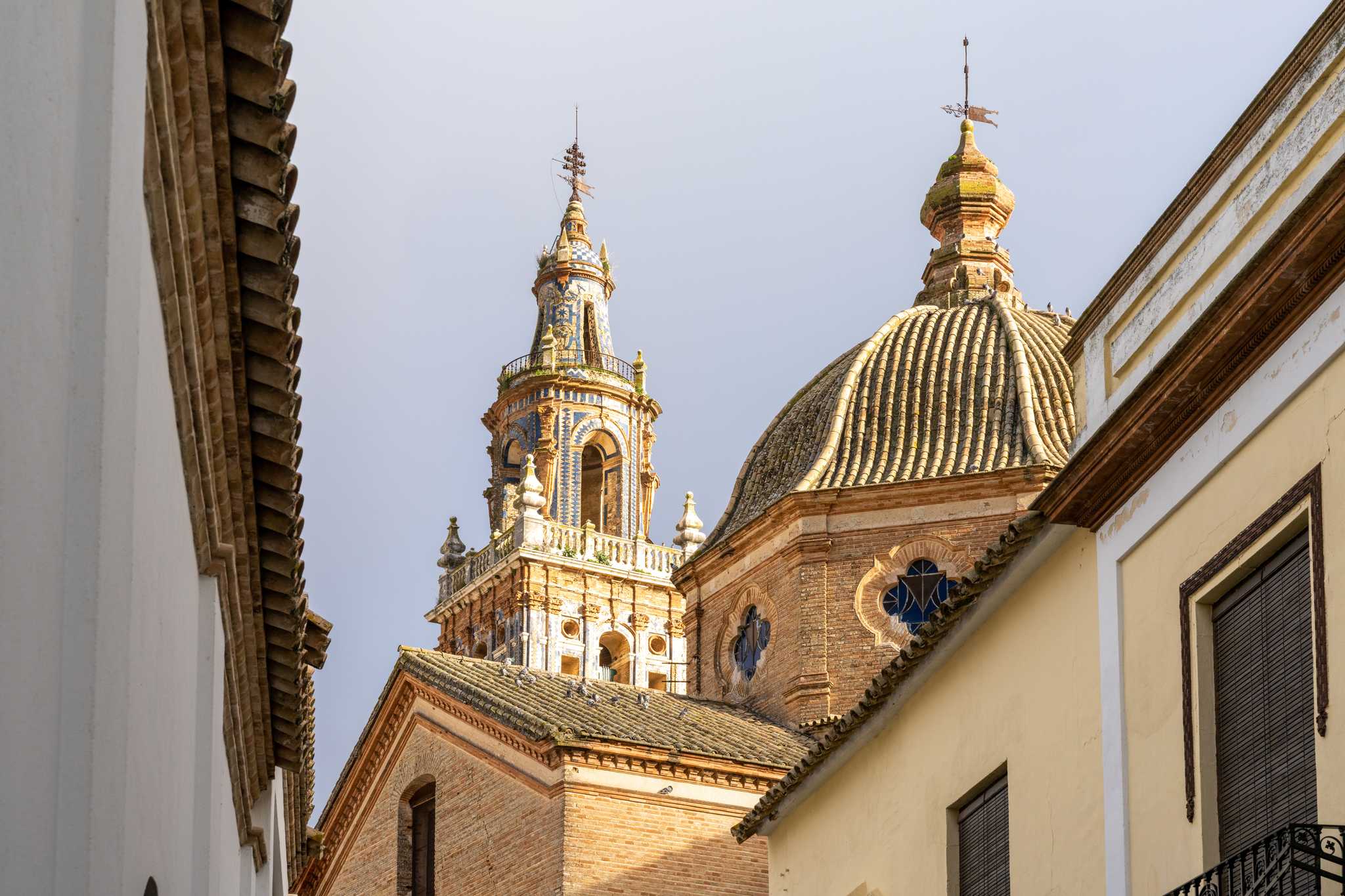
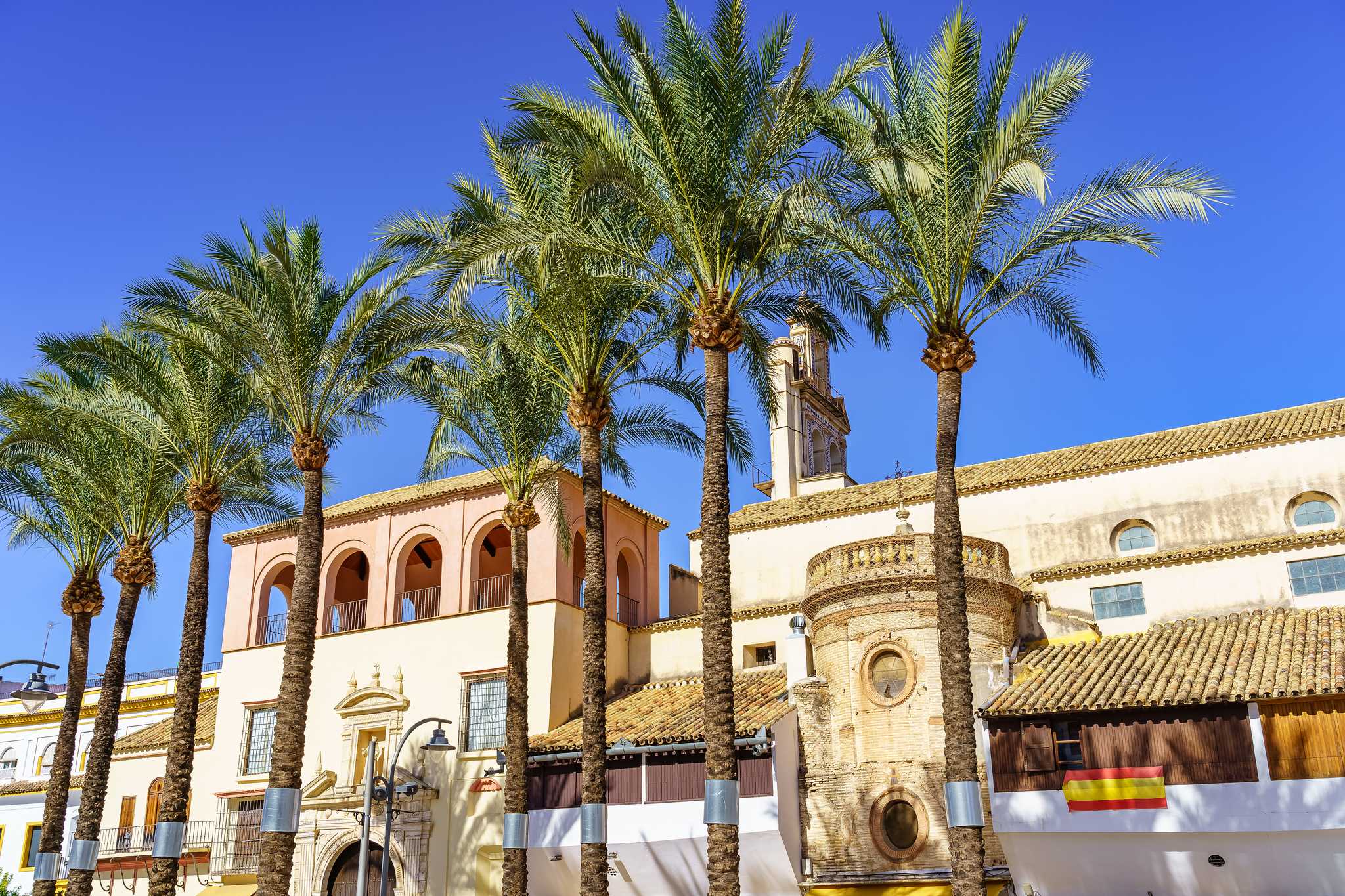
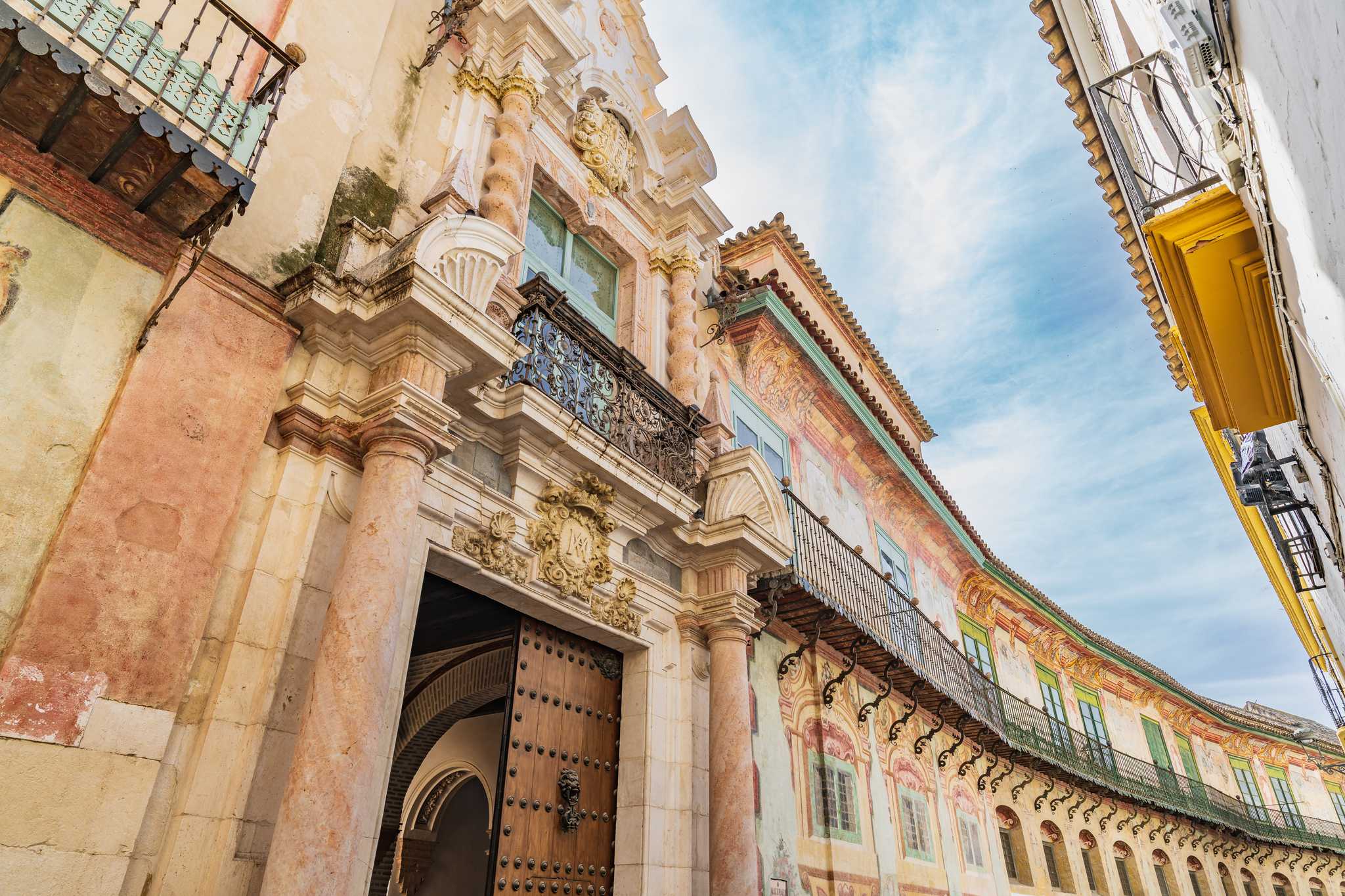
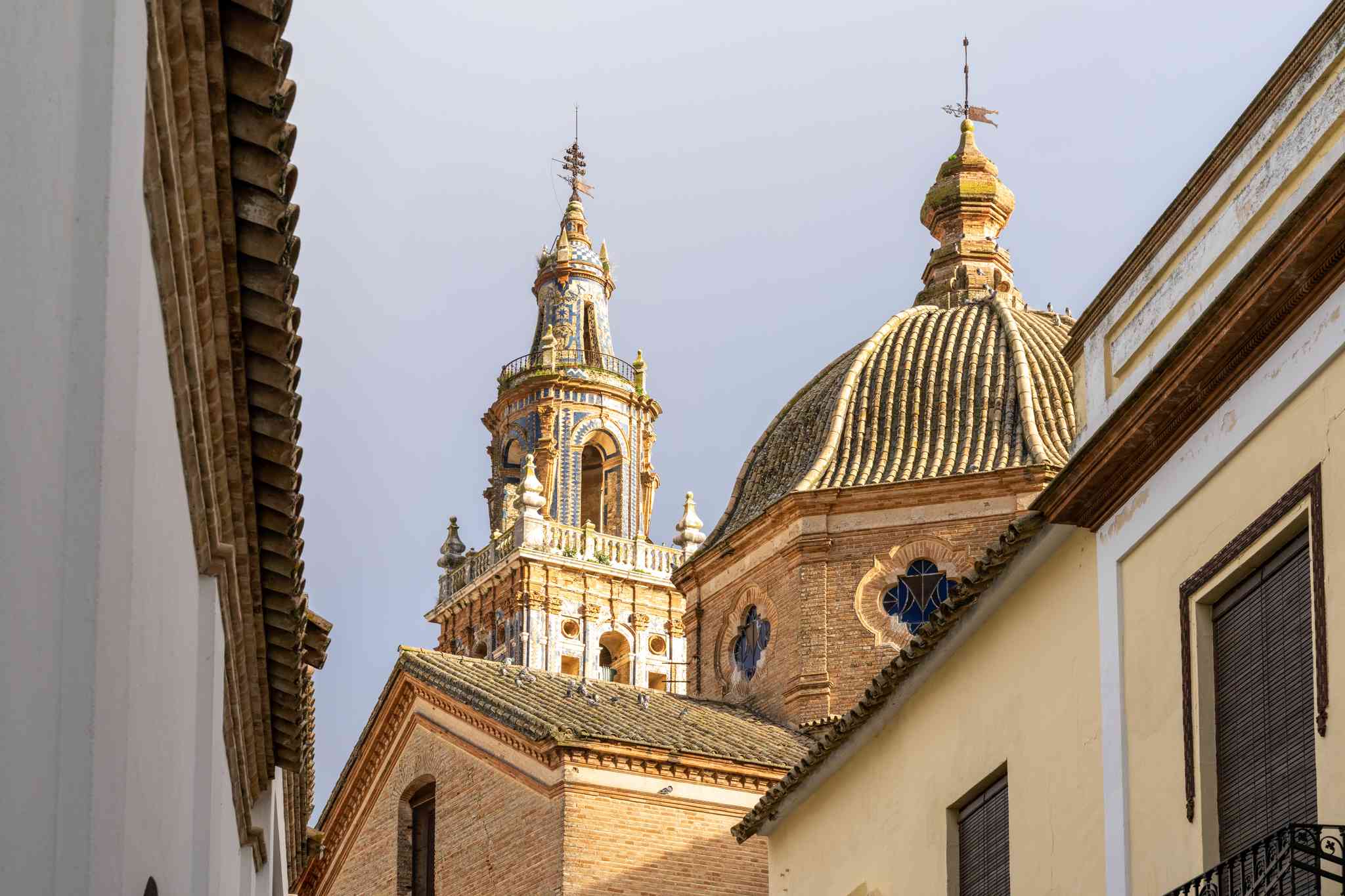
Écija ganha seu apelido, a 'Cidade das Torres', das onze torres barrocas de igrejas que perfuram seu horizonte, cada uma mais elaborada em azulejos, estuque e pedra do que a anterior.
O que ver
- O horizonte de torres, melhor apreciado da entrada da cidade, com onze campanários de igrejas formando uma concentração de ornamentos barrocos do século XVIII, algo único na Espanha
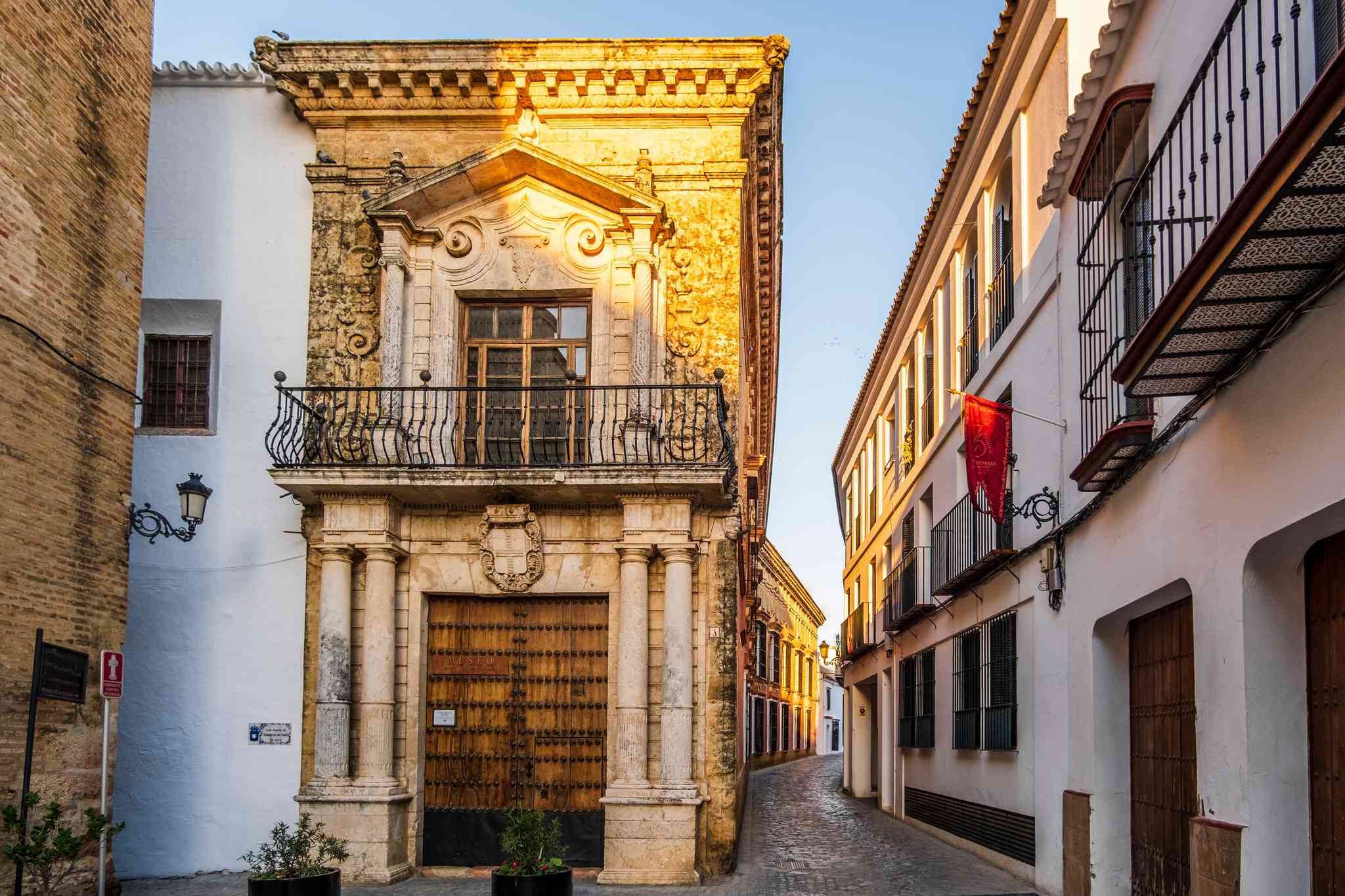
- A Plaza de España, uma praça vasta e elegante cercada por edifícios imponentes, incluindo o Palacio de Benamejí, atualmente um museu municipal com excelentes coleções de mosaicos romanos
- A Torre da Iglesia de Santa María, a mais alta das torres, com exterior revestido de azulejos que cobrem todas as superfícies disponíveis em padrões policromáticos
O que fazer
- Caminhar entre as torres pelas antigas ruas da cidade, comparando o excesso barroco de cada uma; há uma verdadeira competição entre elas
- Visitar o museu do Palacio de Benamejí para ver mosaicos romanos encontrados sob a cidade
O que comer
- Flamenquín cordobés (lombo de porco empanado) e azeite de oliva local sobre pão tostado


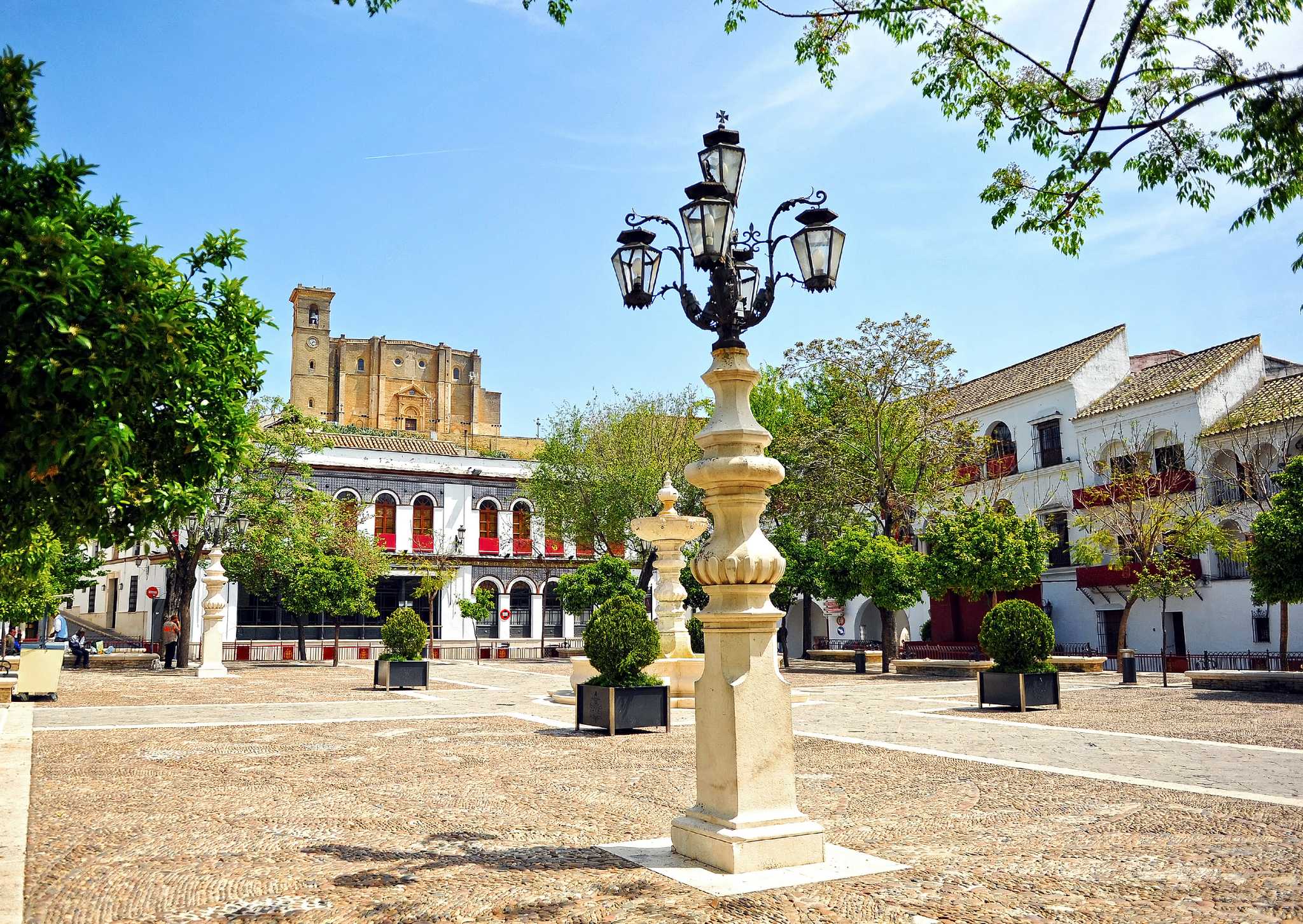
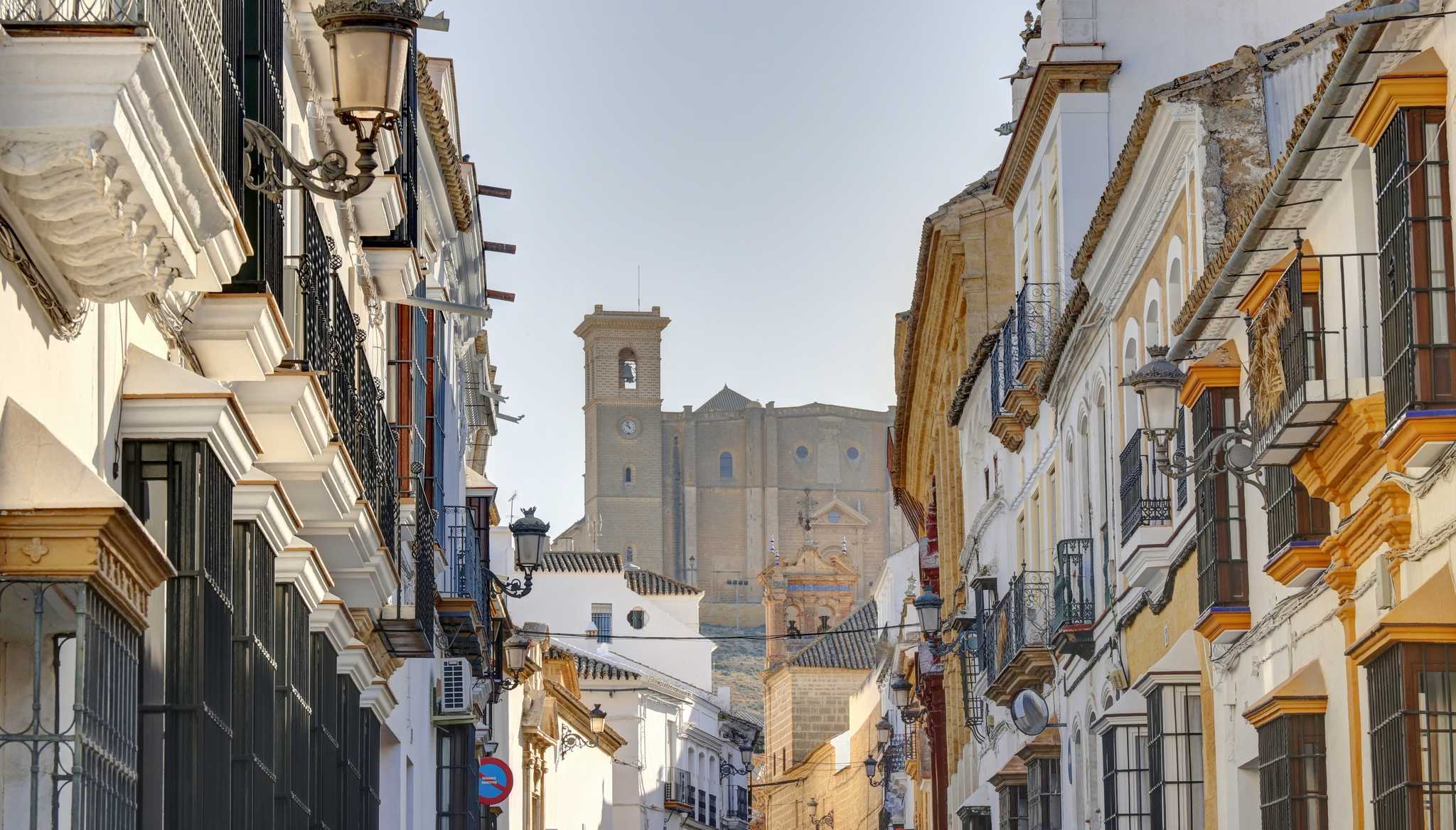
Fundada como capital ducal pela poderosa família Osuna no século XVI, Osuna é uma joia barroca e renascentista que poucos turistas de Sevilha chegam a conhecer, e seus dois grandes monumentos no alto da colina recompensam totalmente o esforço.
O que ver
- A igreja Colegiata e o panteão ducal no topo da colina, onde os Duques de Osuna estão sepultados em uma espetacular igreja colegiada do século XVI, com belas pinturas e retábulos entalhados; fãs de Game of Thrones reconhecerão as ruas ao redor das cenas de Meereen
- A Universidad de Osuna (1548), uma das primeiras universidades da Andaluzia; seu pátio renascentista permanece praticamente inalterado desde a sua construção
- O traçado em grade da parte baixa da cidade, com mansões barrocas, conventos e igrejas, construídos quando Osuna era uma das sedes nobres mais ricas da Espanha
O que fazer
- Subir até a Colegiata para apreciar a vista sobre a planície da Campina e os túmulos ducais no interior
O que comer
- Mantecados, biscoitos amanteigados de banha e canela feitos nas padarias de Osuna desde o século XVI; os melhores da Andaluzia
Tem perguntas ou precisa de ajuda?
Contacte o nosso Suporte ao Cliente. Estamos disponíveis 24/7Daytrip é amado em todo o mundo. Aqui está o porquê.
Perguntas frequentes
Se tiver alguma dúvida, aqui estão as respostas.Seja o primeiro a descobrir mais
Receba ideias de viagem selecionadas, destaques internos e ofertas especiais da Daytrip.