Le meilleur du baroque espagnol : excursion privée d'une journée au départ de Séville


Trajet privé avec un chauffeur local
À propos de votre voyage
À quoi s'attendre
Votre excursion commence où que vous soyez
Rencontrez notre chauffeur professionnel là où vous préférez à Séville à l'heure qui vous convient le mieux. Pas de temps perdu pour rejoindre le point de ramassage, prenez votre sac et commencez votre voyage immédiatement.Découvrez plus avec l'expertise locale
Les connaissances locales de votre chauffeur donneront le ton de votre Daytrip. Un café caché ici, un restaurant incontournable là-bas ; des conseils d'initiés que vous adorerez partager plus tard. Ce n'est pas une visite guidée, mais votre trajet sera riche en histoires et découvertes en cours de route. Et tout au long de la journée, votre chauffeur sera disponible pour vous selon vos besoins, prêt à vous assister, heureux de vous aider, rendant votre voyage sans stress.Explorez à votre propre rythme
Parfait pour tout groupe privé
Que vous voyagiez seul, en famille avec des enfants, ou en grand groupe, ce service est conçu pour votre confort et votre flexibilité. C'est l'option idéale surtout si vous avez peu de temps ou un emploi du temps chargé.Bon à savoir
- Transfert privé en voiture aller-retour
- Véhicule climatisé
- Prise en charge et dépose personnalisées
- Sièges enfants inclus gratuitement
- Chauffeur professionnel anglophone
- Eau en bouteille offerte
- Annulation gratuite 24 heures avant le départ
- Les billets d'entrée/admission pour les attractions payantes Carmona, Écija et Osuna doivent être achetés séparément sauf indication contraire
- Les repas, les collations et les pourboires ne sont pas inclus
Votre voyage en un coup d'œil
Votre voyage en un coup d'œil

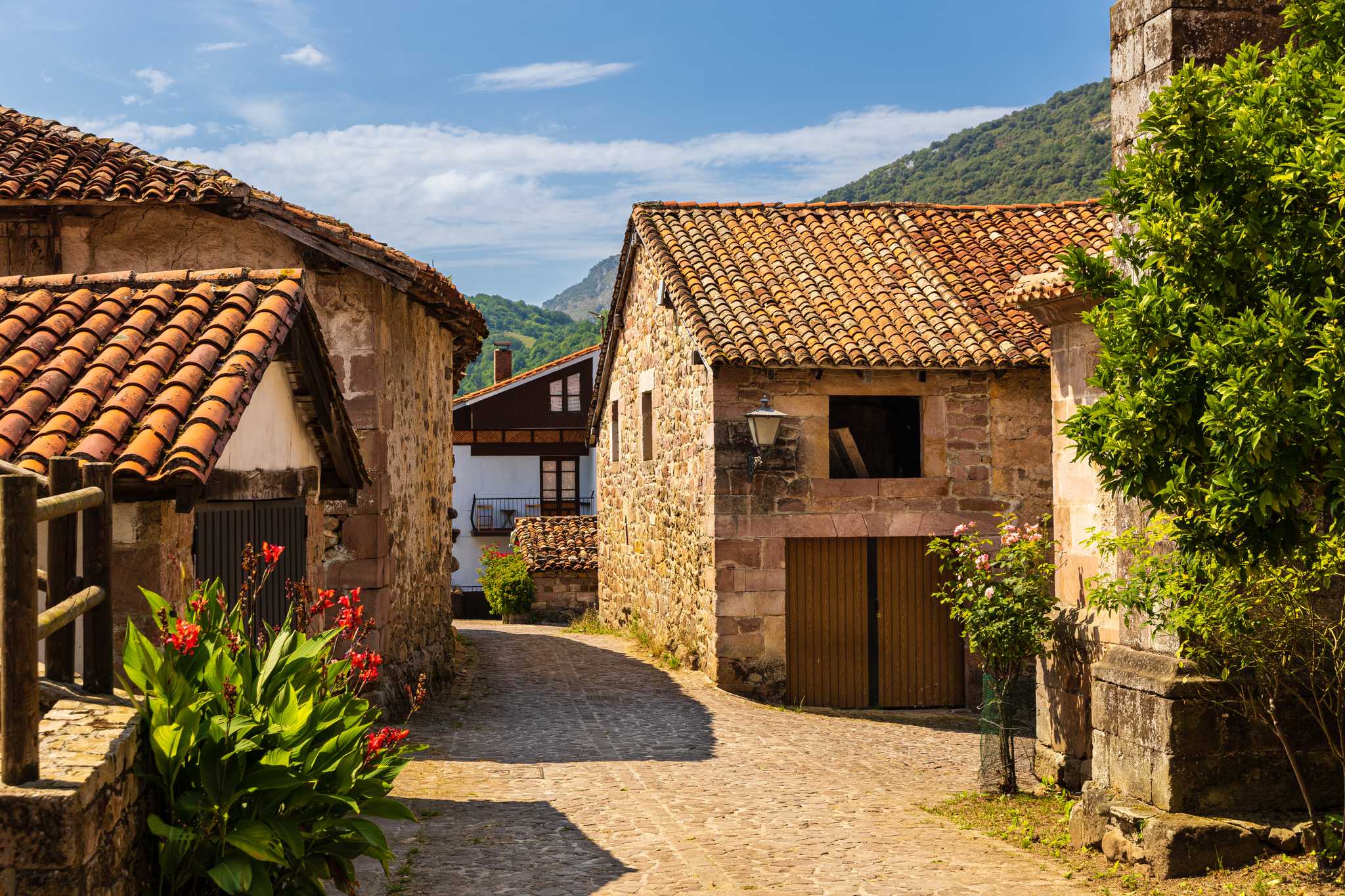
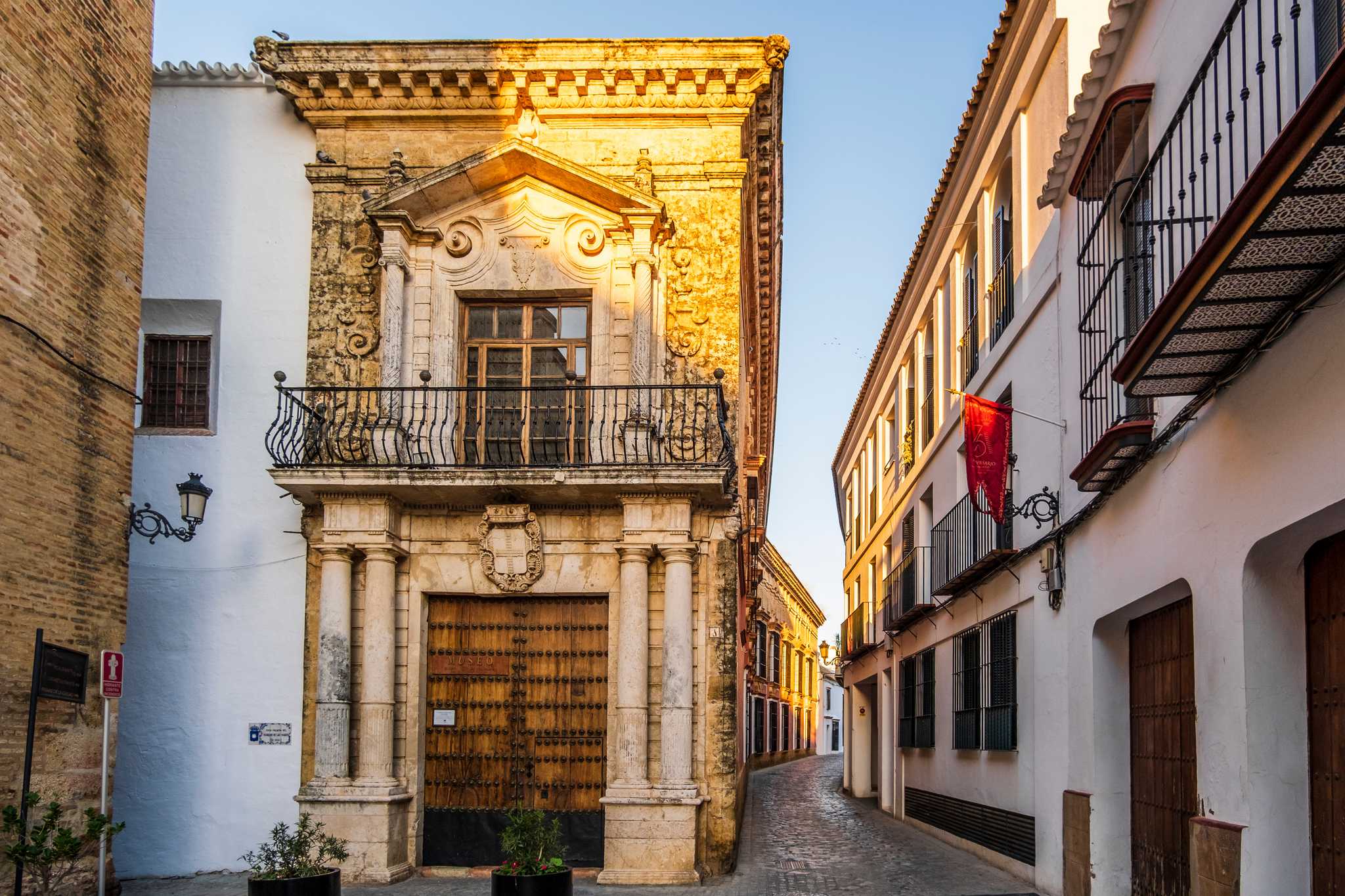
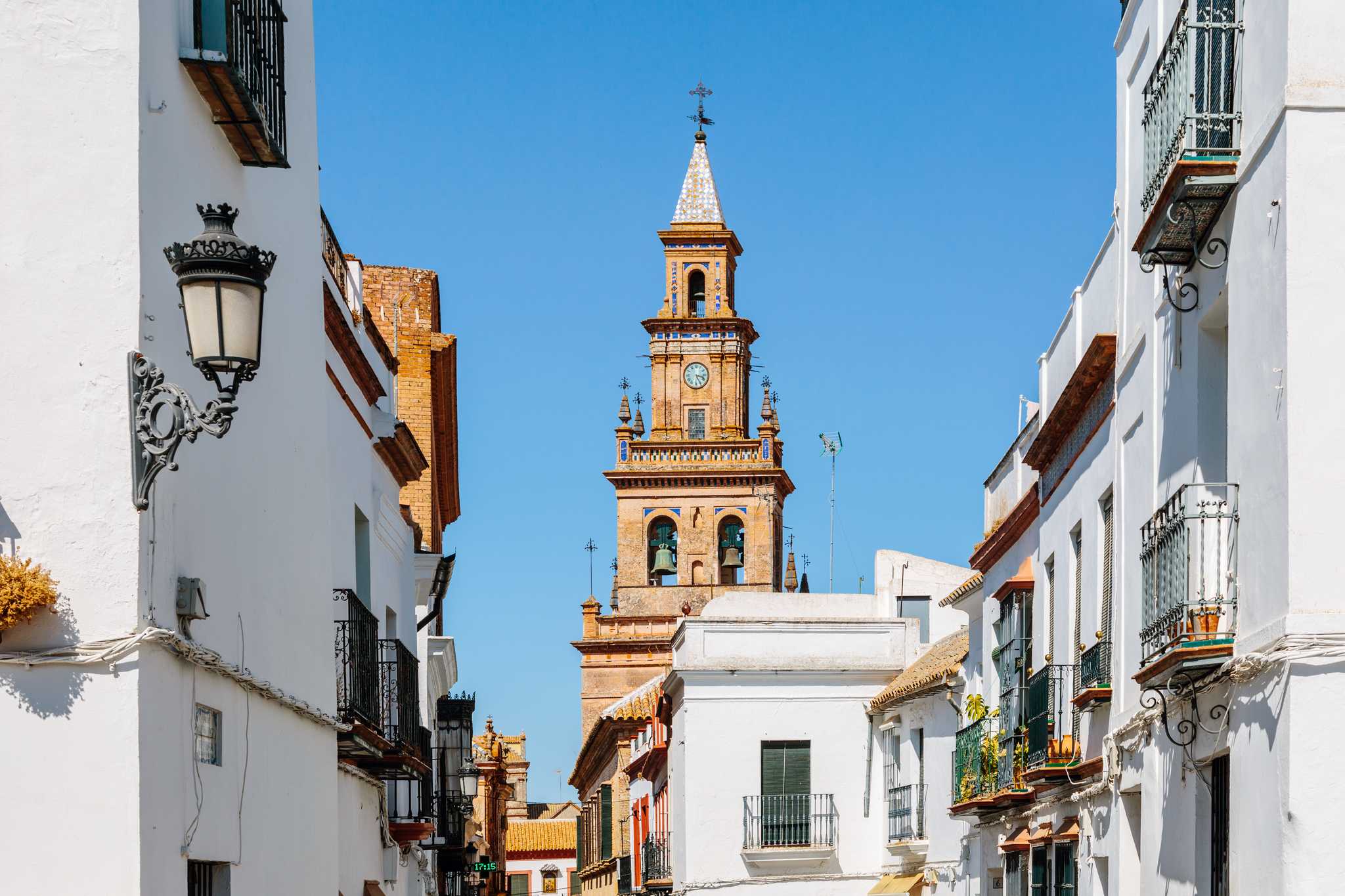

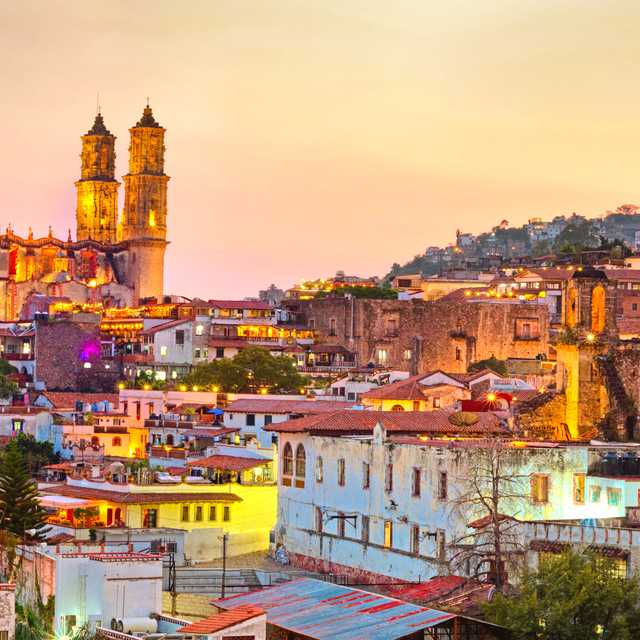
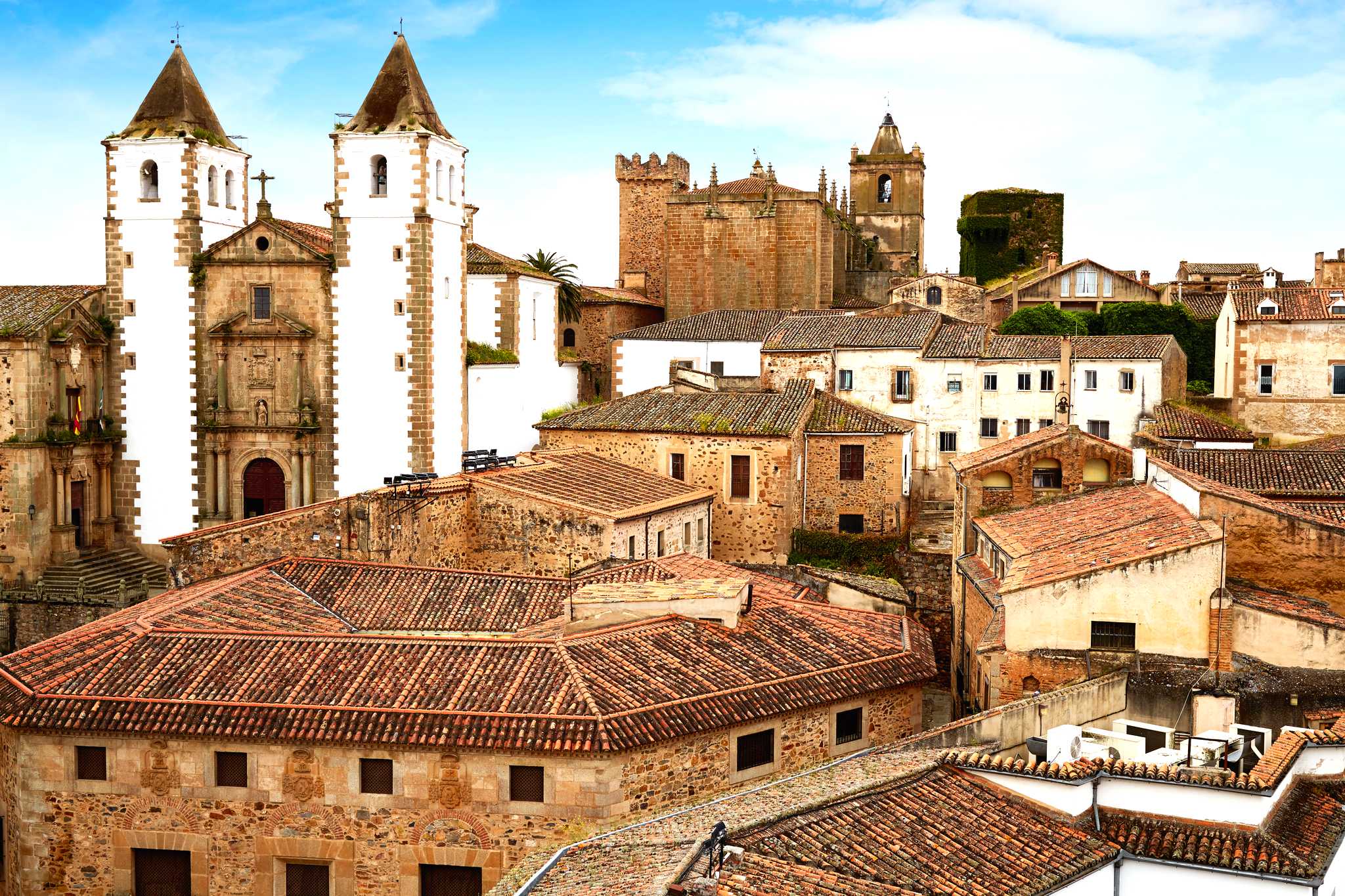
L'une des plus anciennes villes habitées en continu en Europe, Carmona occupe une colline dominant la plaine sévillane et porte les traces de toutes les civilisations qui ont marqué l’Andalousie, des remparts carthaginois aux portes mauresques en passant par les églises de la Renaissance.
Que voir
- La Nécropole romaine, l’une des plus grandes et des mieux conservées hors d’Italie, avec des tombes familiales creusées dans la roche et un petit musée d’objets funéraires
- L’Alcazar de la Puerta de Sevilla, une porte fortifiée construite en strates par les Carthaginois, les Romains et les Maures, toujours debout à l’endroit où elle se dresse depuis deux millénaires
- La Plaza de San Fernando, une élégante place baroque au cœur de la vieille ville blanchie à la chaux
Que faire
- Monter à la Puerta de Cordoba pour profiter d’une vue panoramique sur la plaine sévillane
- Parcourir les rues d’époque romaine de la vieille ville, où églises baroques et façades blanchies à la chaux bordent chaque coin
Que manger
- Pavia de bacalao (morue salée en beignet) et vins locaux de Montilla-Moriles dans un bar traditionnel près de la place principale
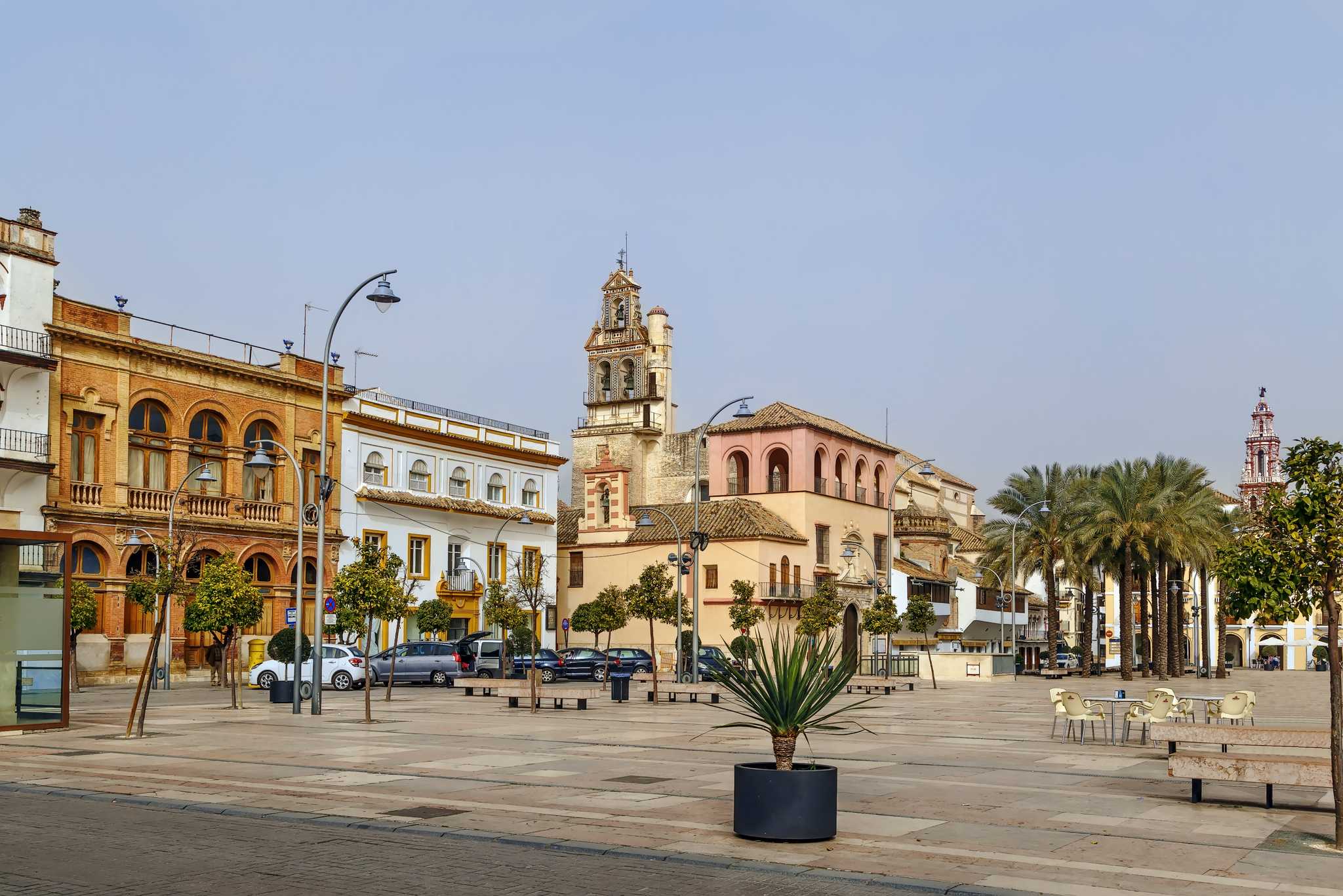
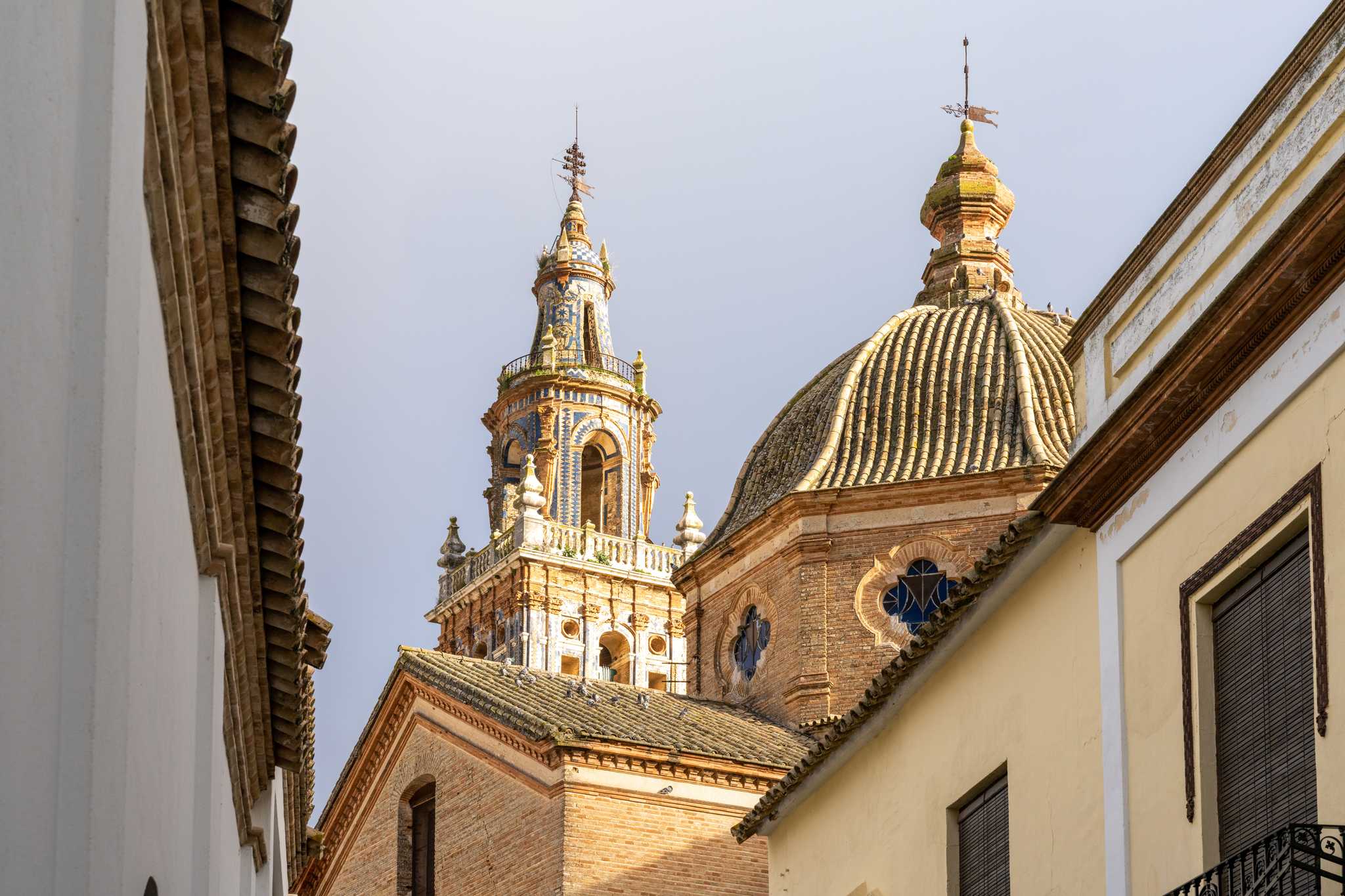
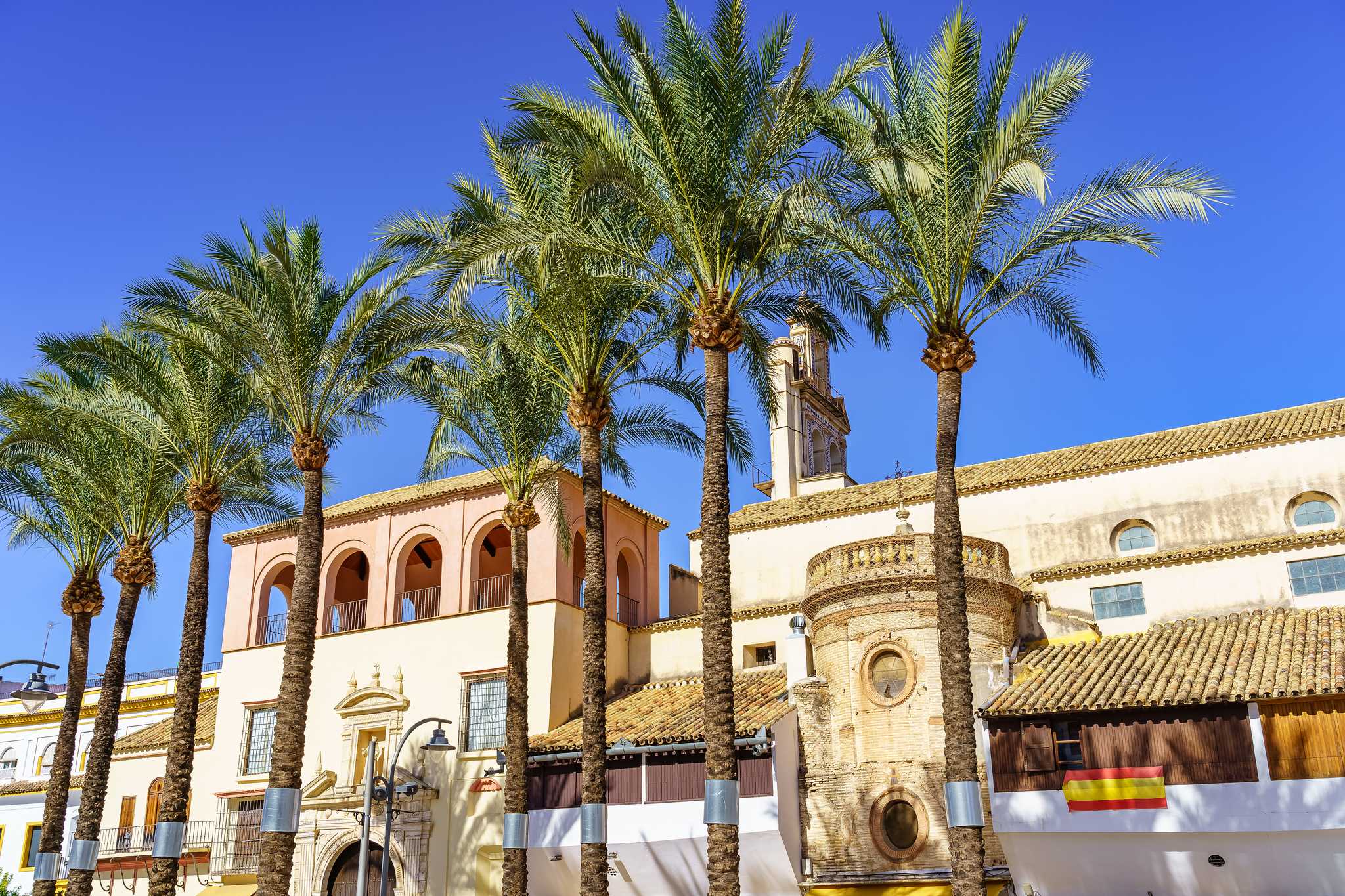
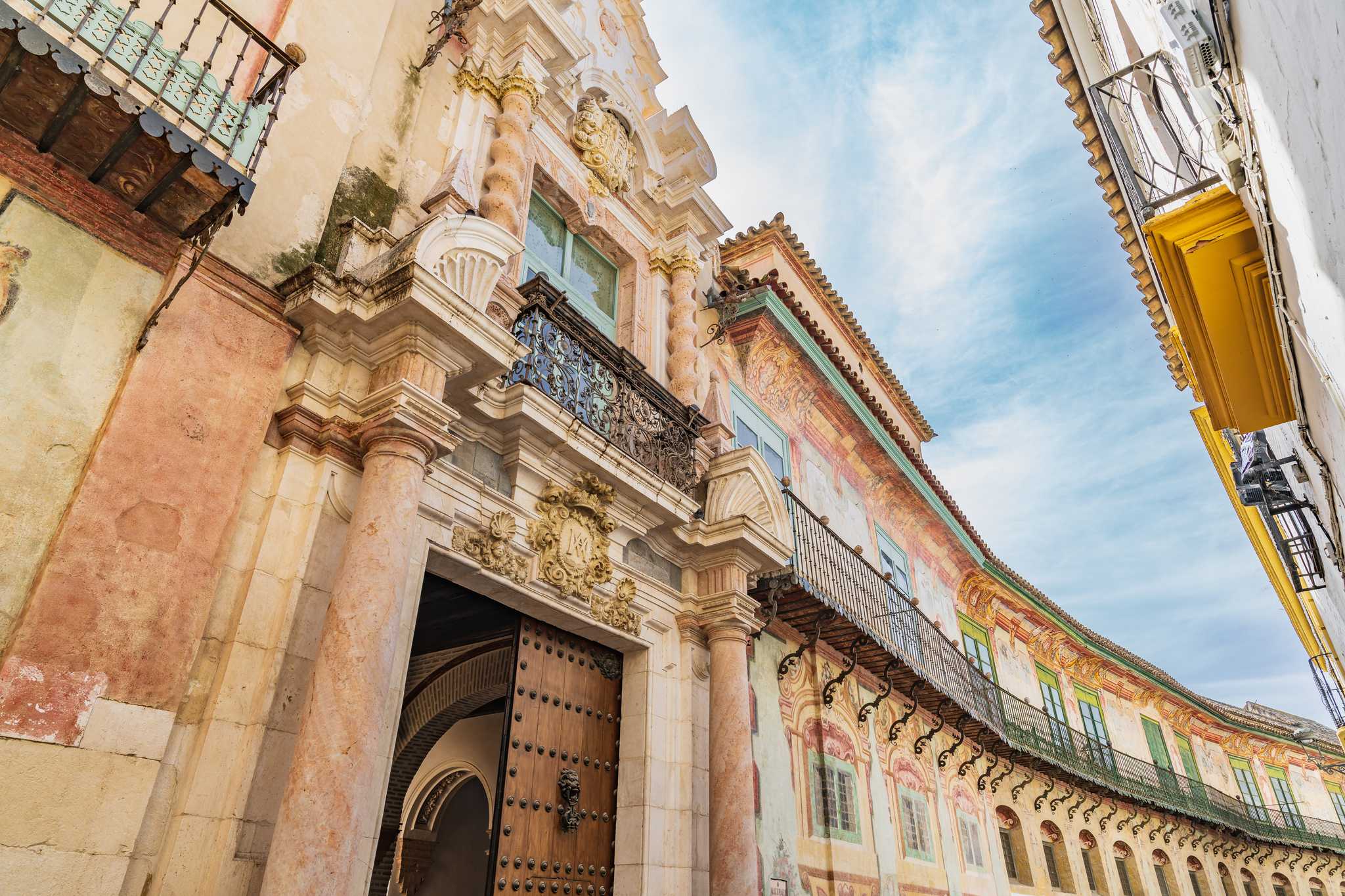
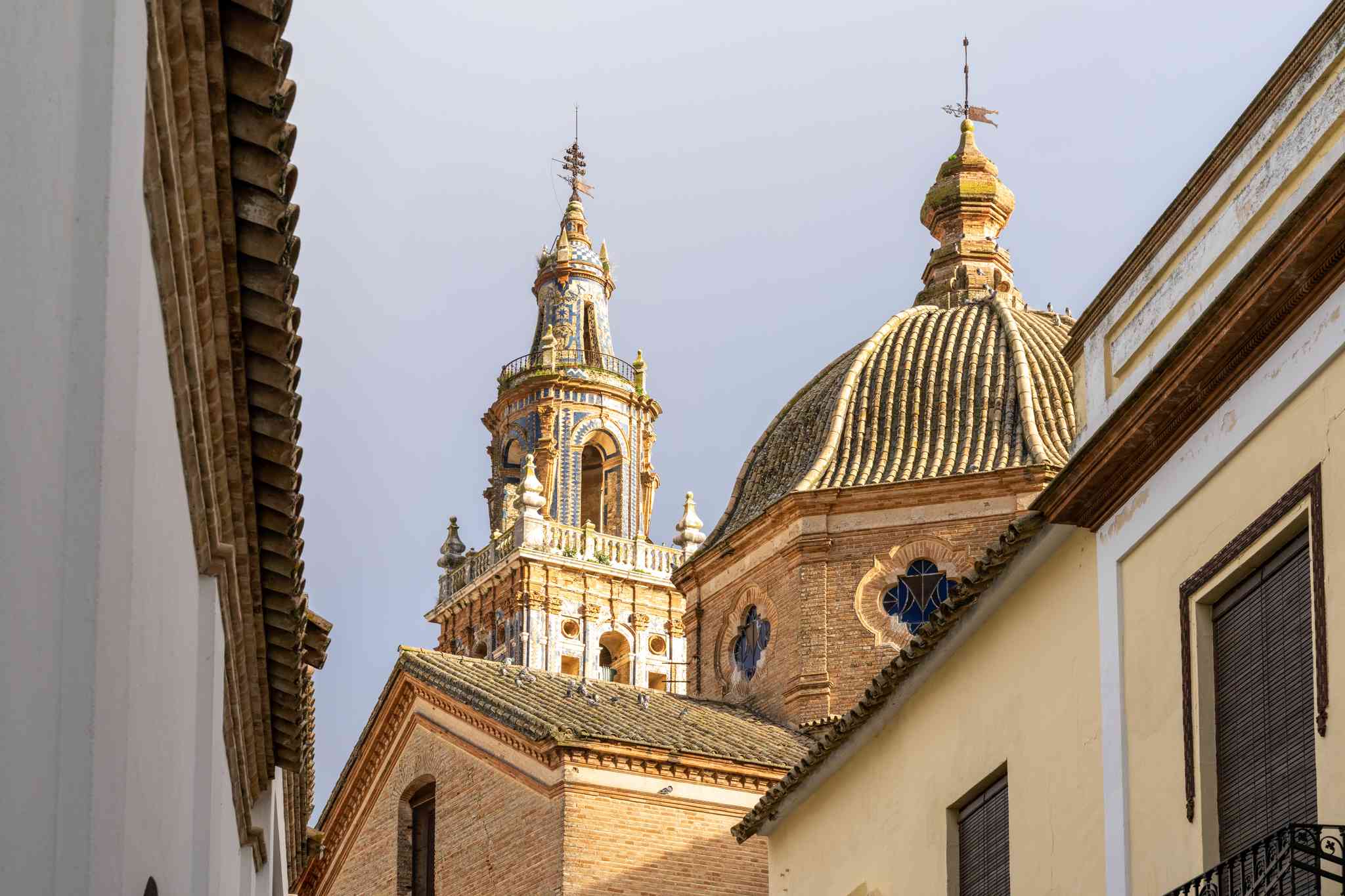
Écija doit son surnom de « Ville des Tours » aux onze clochers baroques qui percent son horizon, chacun rivalisant d’exubérance en azulejos, stuc et pierre.
Que voir
- La silhouette des tours, à admirer de préférence depuis la périphérie avant d’entrer en ville : onze clochers d’églises concentrant l’ornementation baroque du XVIIIe siècle, un spectacle unique en Espagne
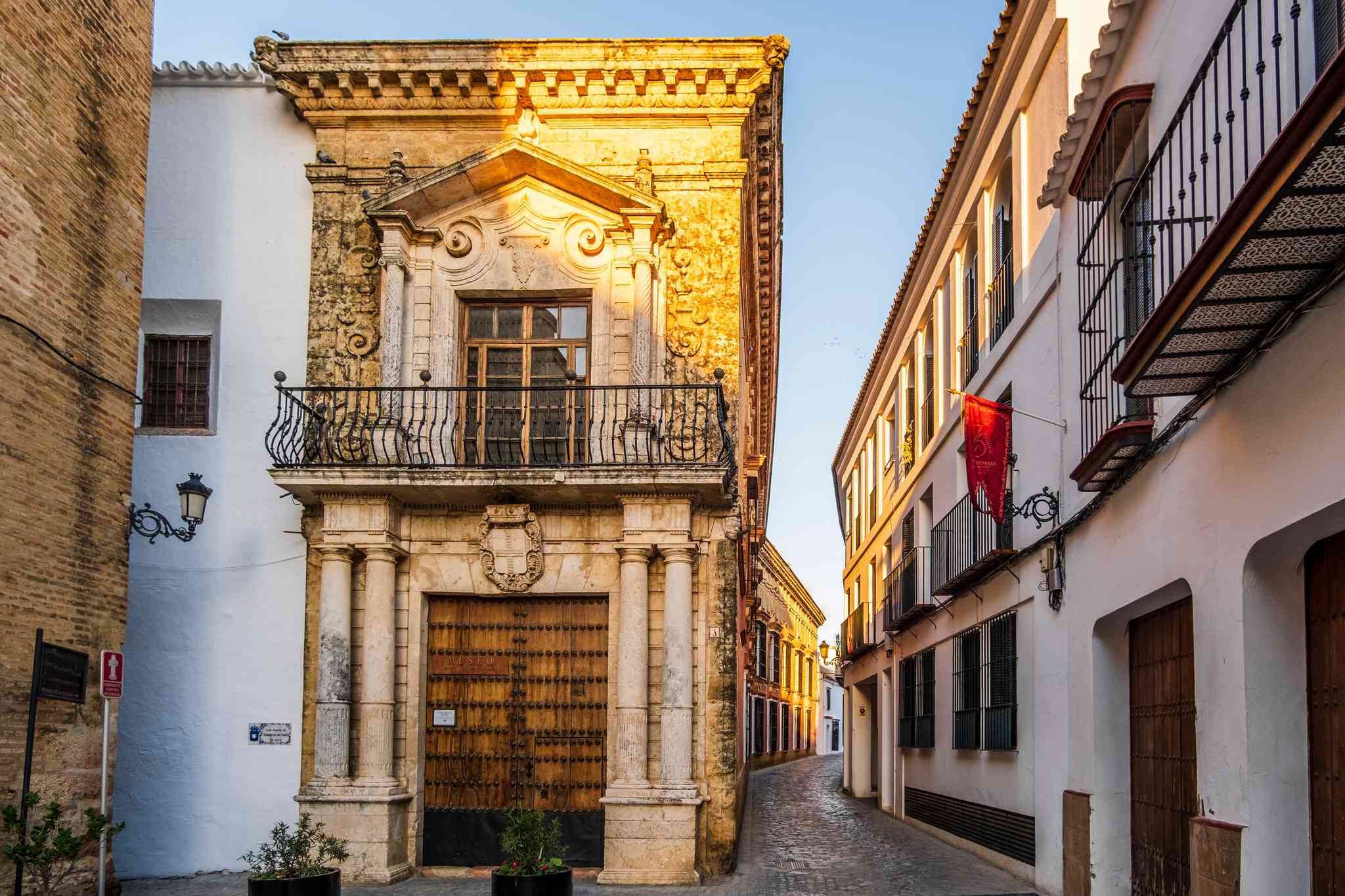
- La Plaza de España, vaste et élégante place bordée de bâtiments majestueux, dont le Palacio de Benamejí, aujourd’hui musée municipal réputé pour ses remarquables collections de mosaïques romaines
- La Torre de la Iglesia de Santa María, la plus haute des tours, dont la façade carrelée est entièrement recouverte de motifs polychromes
Que faire
- Flâner dans les vieilles rues de la ville en passant d’une tour à l’autre, pour comparer la surenchère baroque de chacune ; une véritable compétition d’originalité s’y joue
- Visiter le musée du Palacio de Benamejí pour admirer les mosaïques romaines découvertes sous la ville
Que manger
- Flamenquín cordobés (filet de porc pané) et huile d’olive locale sur pan tostado


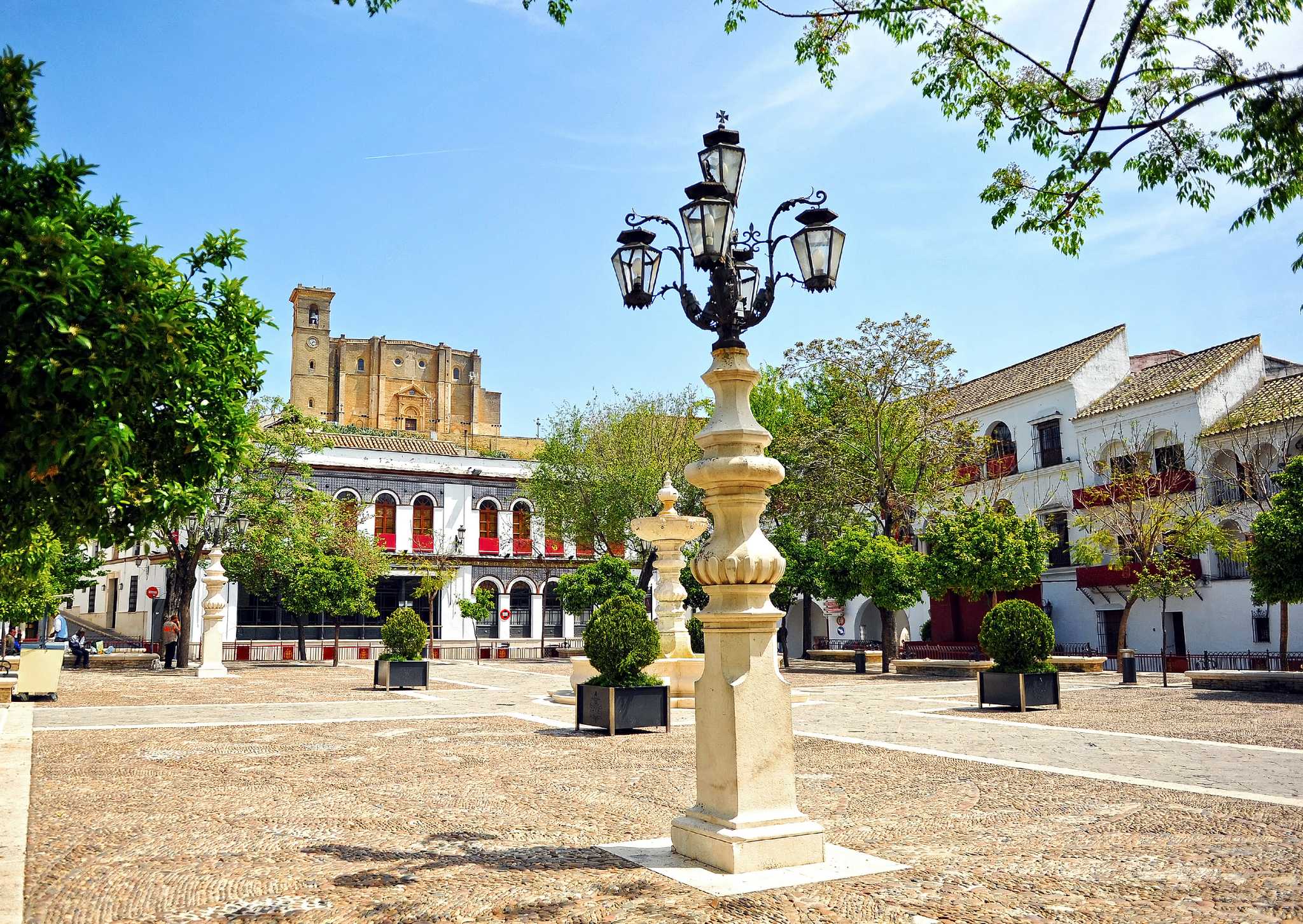
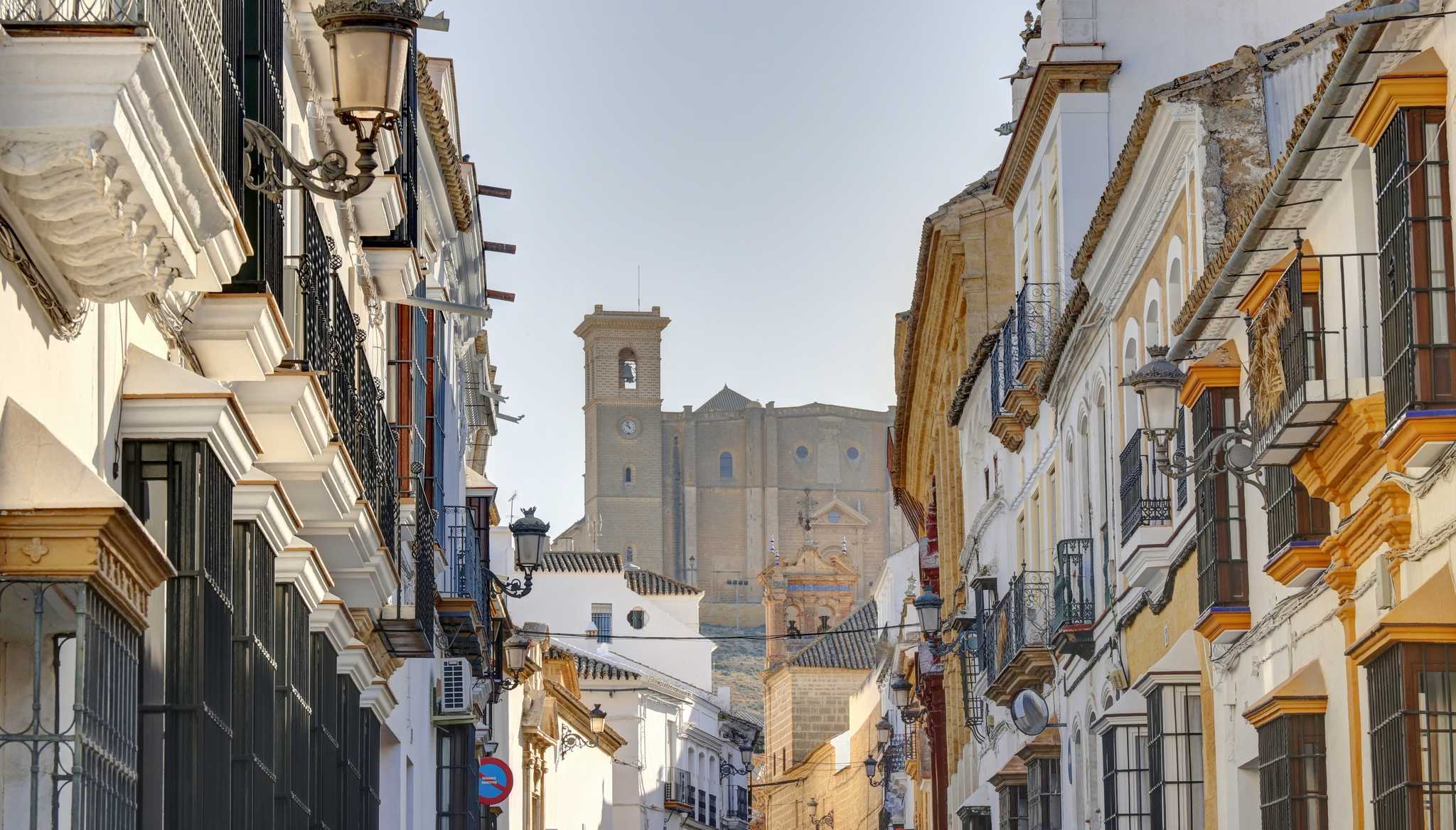
Fondée comme capitale ducale par la puissante famille Osuna au XVIe siècle, Osuna est un joyau baroque et Renaissance que peu de touristes venant de Séville atteignent, et ses deux grands monuments perchés sur la colline récompensent pleinement l’effort.
Que voir
- L’église collégiale (Colegiata) et le panthéon ducal au sommet de la colline, où les ducs d’Osuna sont enterrés dans une spectaculaire église collégiale du XVIe siècle ornée de magnifiques tableaux et retables sculptés ; les fans de Game of Thrones reconnaîtront les rues environnantes des scènes de Meereen
- L’Universidad de Osuna (1548), l’une des premières universités d’Andalousie ; sa cour Renaissance est restée pratiquement inchangée depuis sa construction
- Le quartier bas avec son réseau de demeures baroques, de couvents et d’églises, construits à l’époque où Osuna était l’un des sièges nobiliaires les plus riches d’Espagne
Que faire
- Monter jusqu’à la Colegiata pour admirer la vue sur la plaine de la Campiña et les tombeaux ducaux à l’intérieur
Que manger
- Mantecados, sablés friables à base de saindoux et de cannelle fabriqués dans les boulangeries d’Osuna depuis le XVIe siècle ; les meilleurs d’Andalousie
Avez-vous des questions ou besoin d'aide ?
Contactez notre service client. Nous sommes disponibles 24h/24 et 7j/7Daytrip est apprécié dans le monde entier. Voici pourquoi.
Questions fréquemment posées
Si vous avez des questions, voici les réponses.Soyez le premier à découvrir plus
Recevez des idées de voyage soigneusement sélectionnées, des points forts d'initiés et des offres spéciales Daytrip.