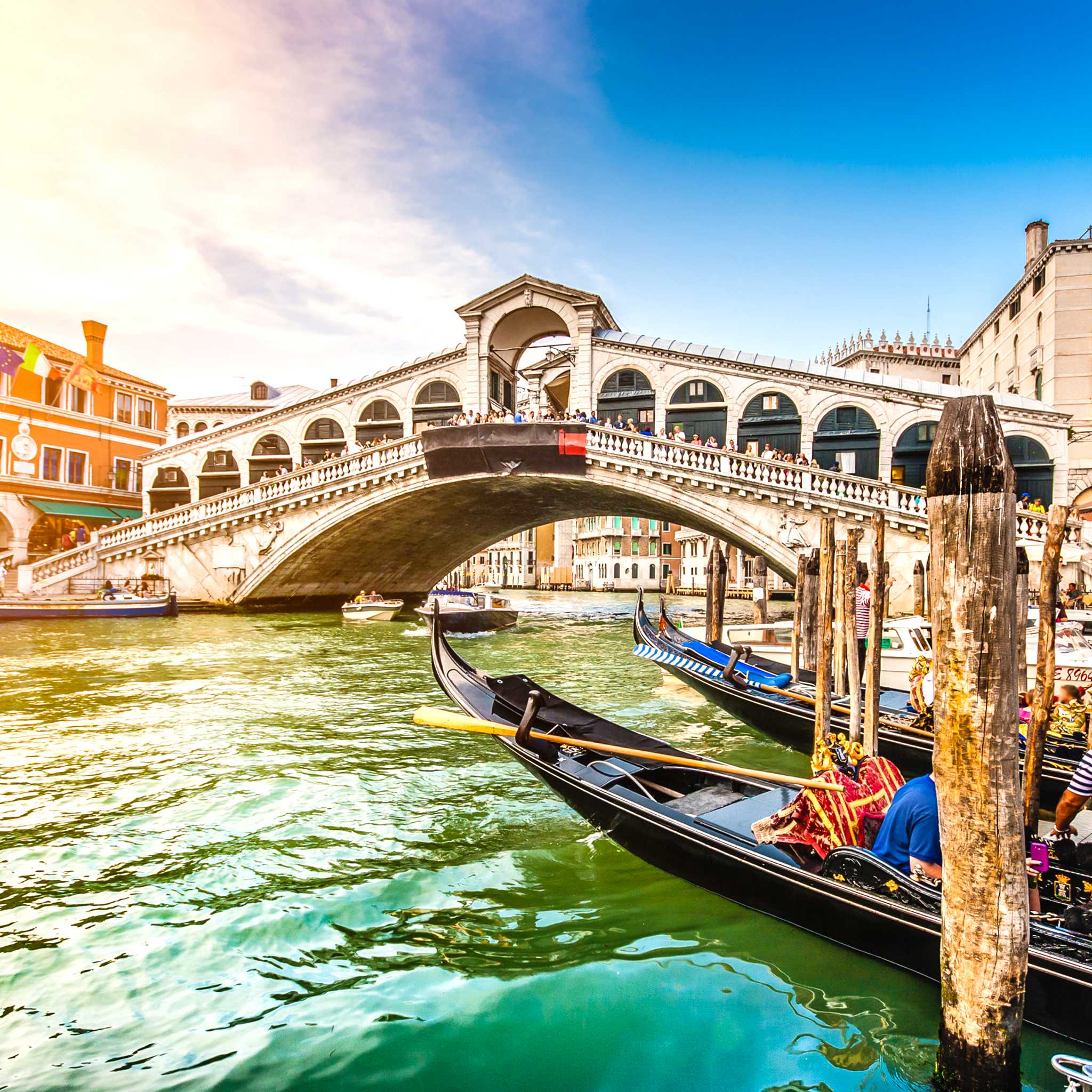
Walking is the primary way to explore Venice's pedestrian-only streets and bridges. Vaporetto water buses connect different areas and islands, while gondolas offer romantic but expensive scenic rides.
Venice tends to be pricier than other Italian cities due to tourism and logistics. Eating away from St. Mark's Square, staying in less central areas, and avoiding peak season helps manage costs.
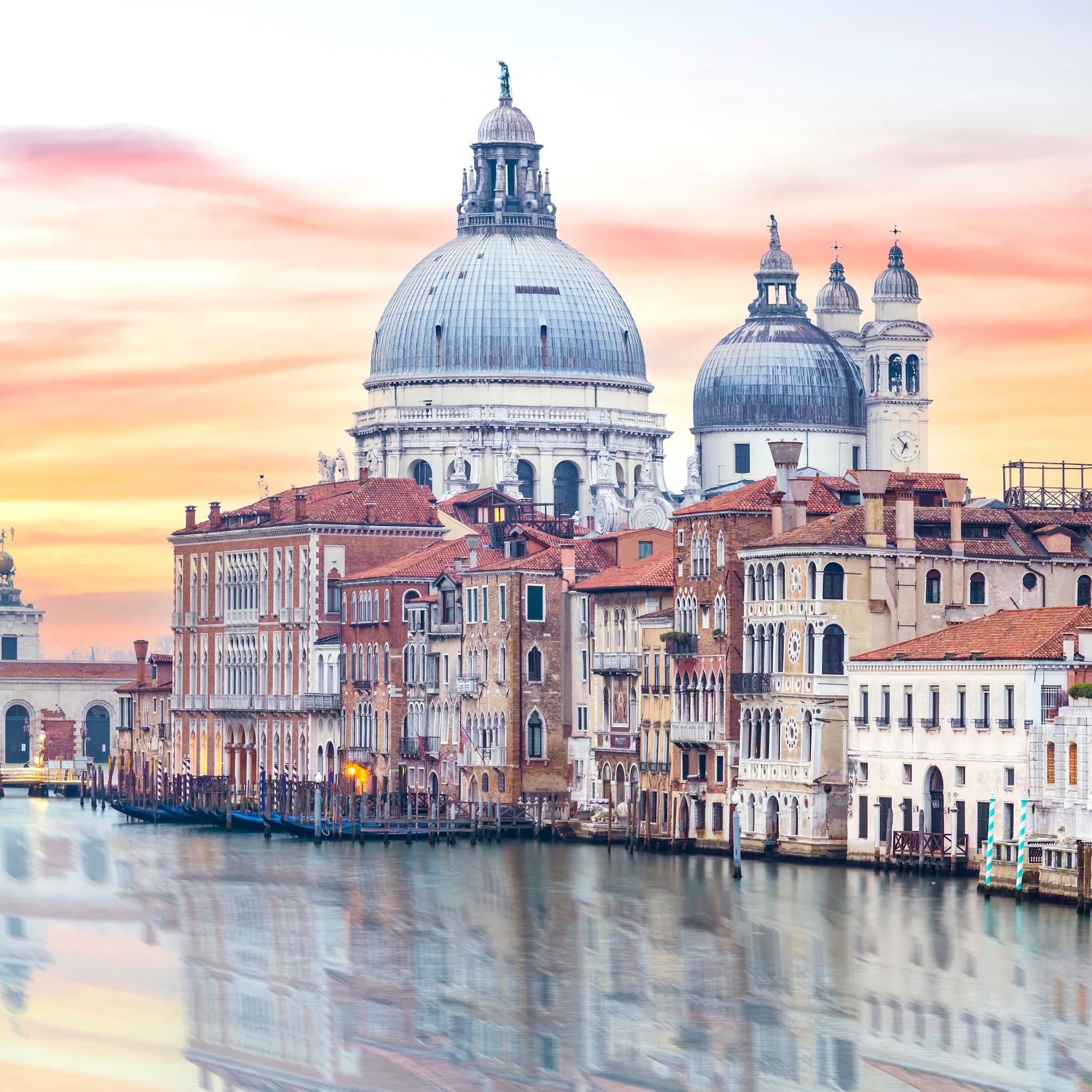
St. Mark's Square and Basilica, Doge's Palace, Rialto Bridge, and Grand Canal are essential sights. Consider visiting nearby islands Murano for glassmaking and Burano for colorful houses.
Italy uses the euro (EUR). Credit cards are widely accepted, though some smaller establishments prefer cash. ATMs are available throughout the city for convenient currency access.
Italian is the official language, with a distinctive Venetian dialect. English is common in tourist areas, though learning basic Italian phrases enhances interactions with locals.
Try Venetian specialties like risotto al nero di seppia (squid ink risotto), cicchetti (small plates), fresh seafood, and tiramisu. Prosecco and Aperol Spritz are popular local drinks.
Don't sit on church steps or canal edges, avoid swimming in canals, and be respectful in churches. On vaporettos, let passengers exit before boarding and store luggage properly.
September through November offers fewer crowds and pleasant weather. Spring brings beautiful conditions but more visitors, while winter can include acqua alta flooding but provides intimate atmosphere and lower prices.