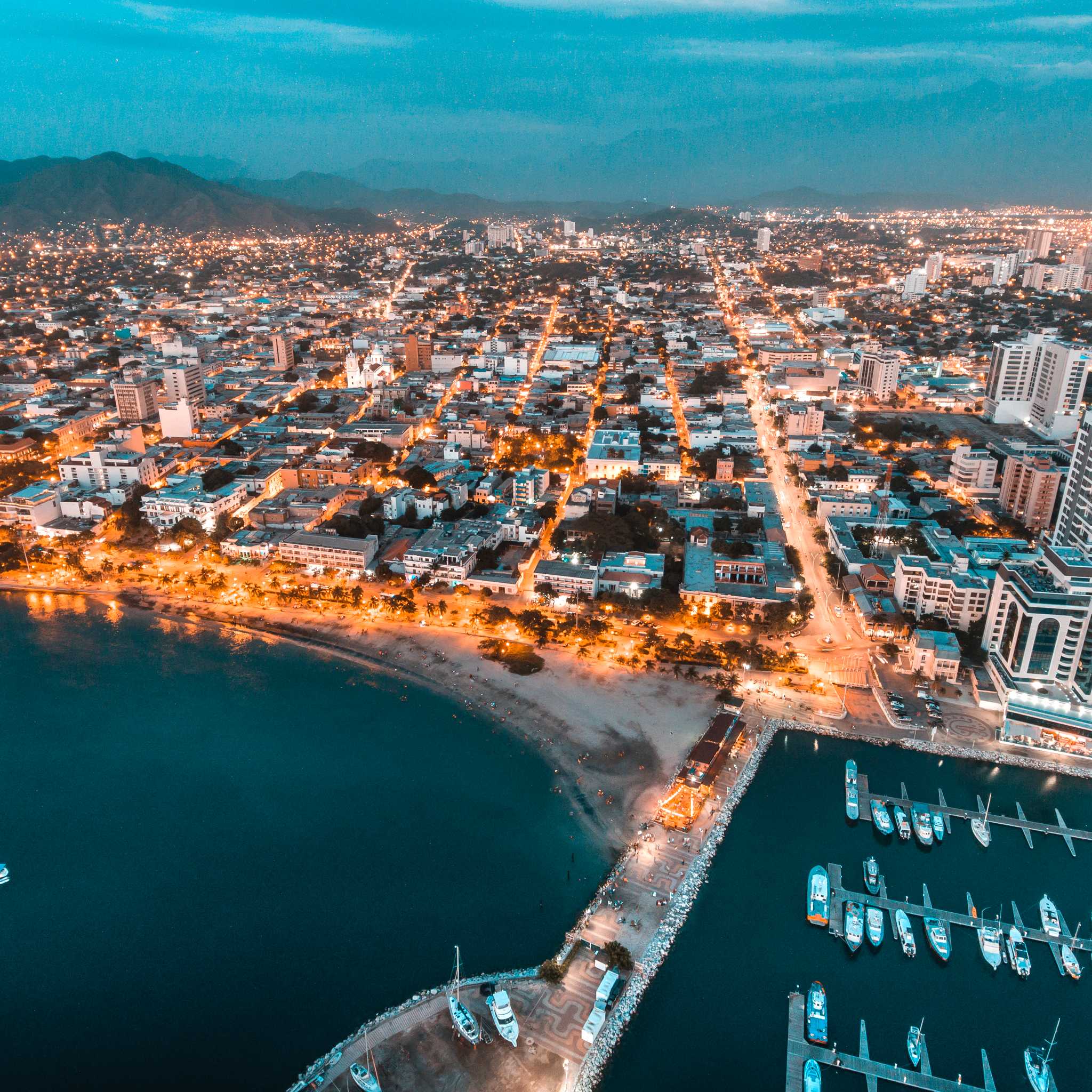
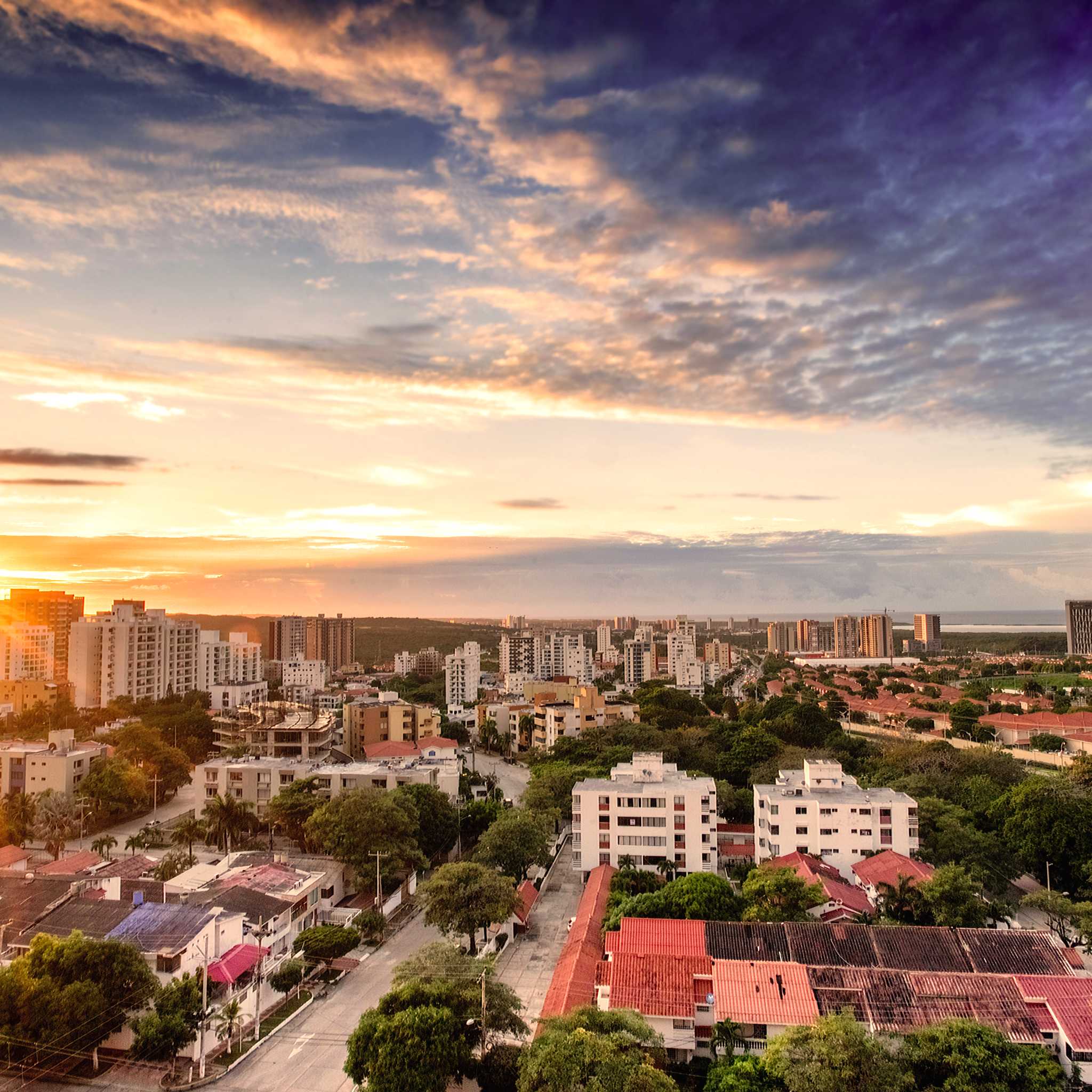
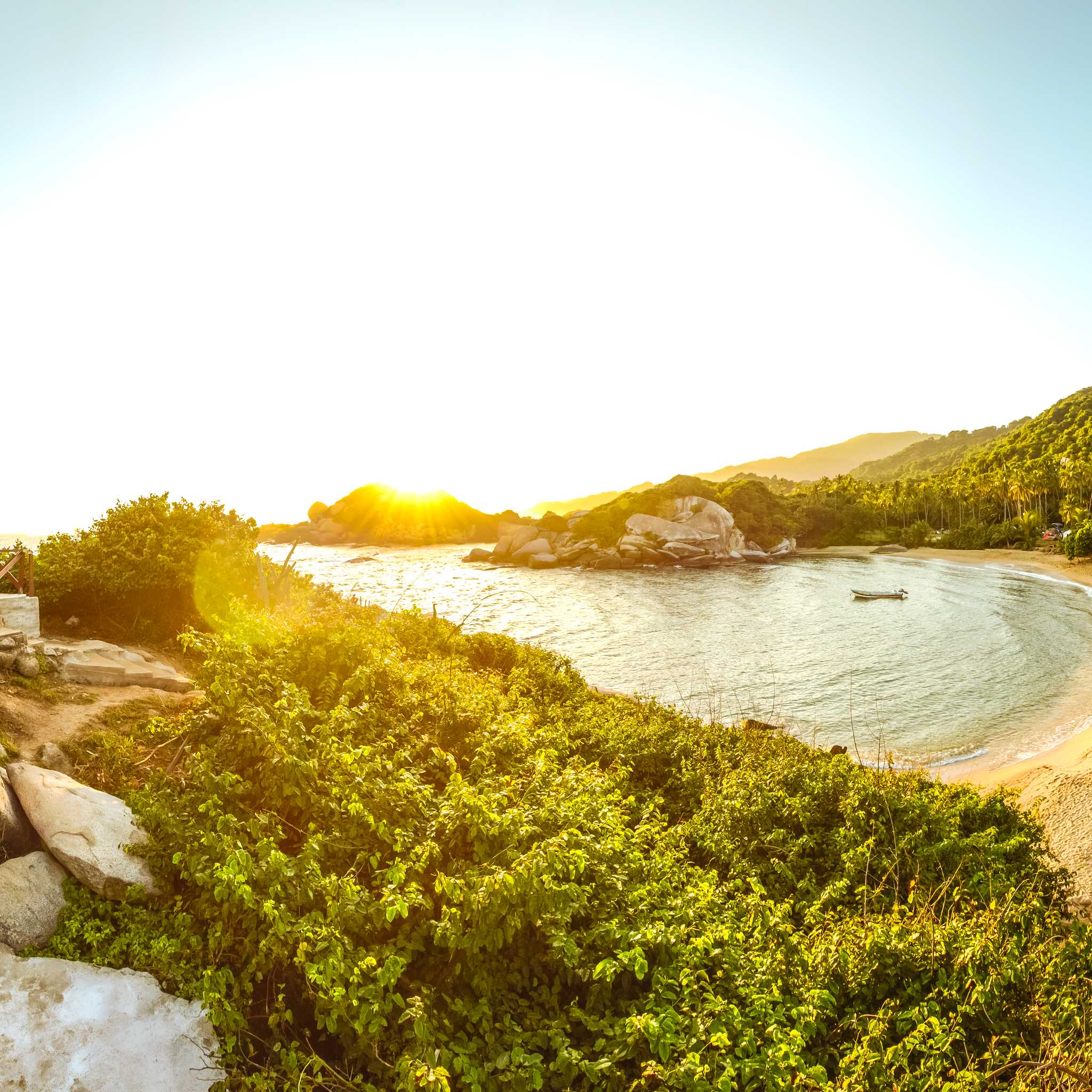
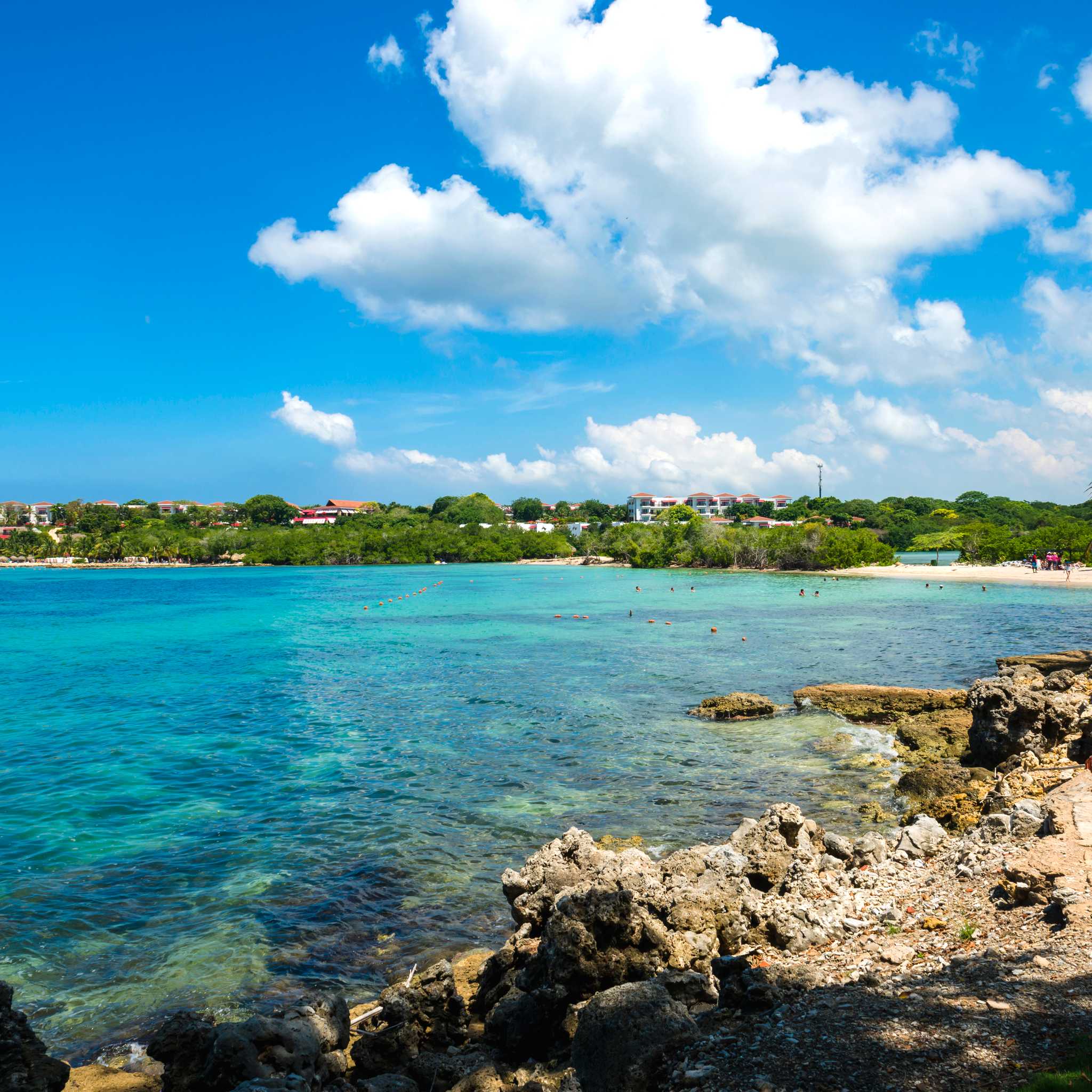
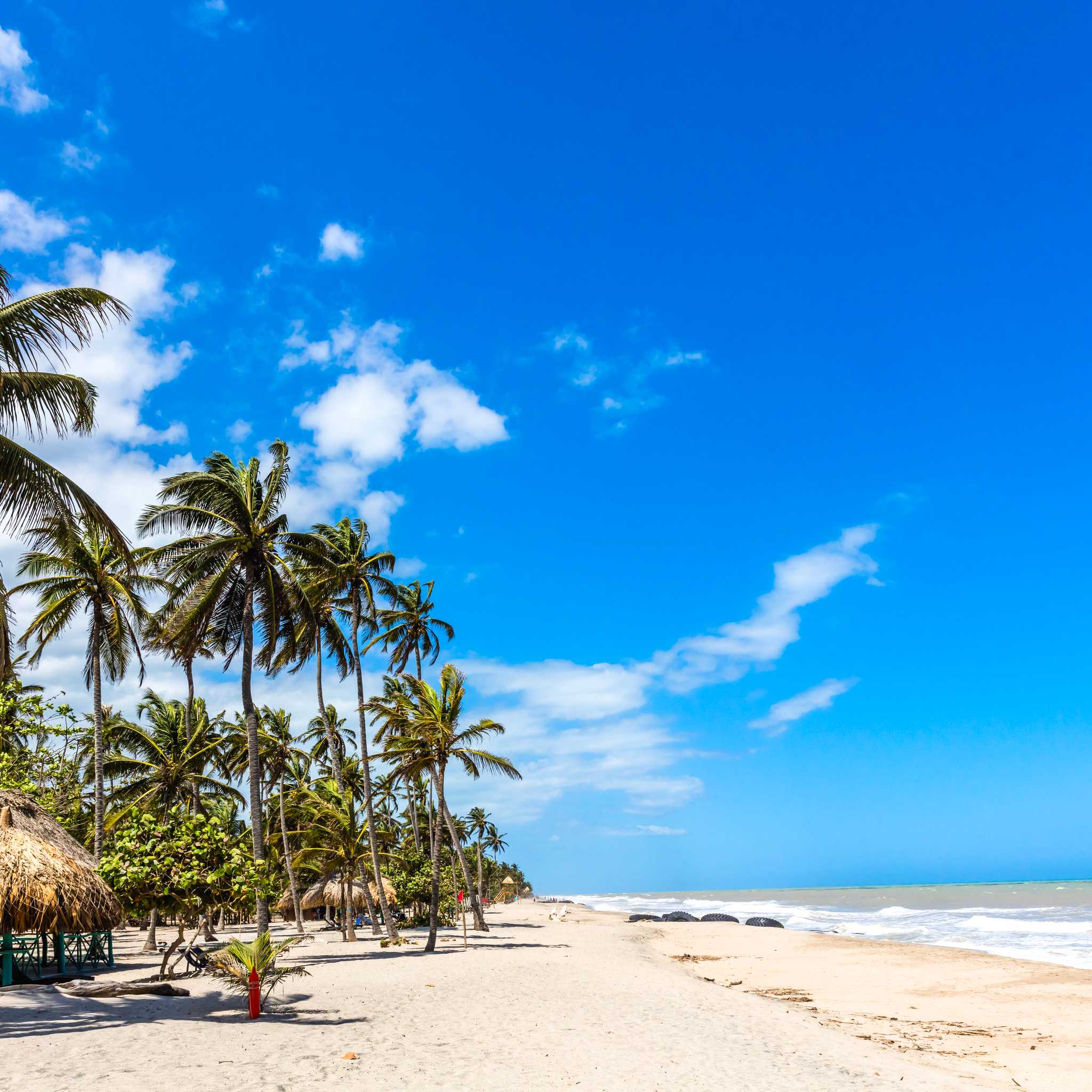
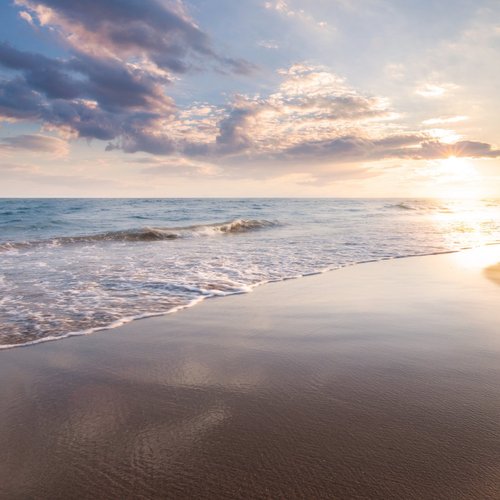
Yes, Cartagena offers several beach options. Bocagrande provides urban beach convenience with high-rise hotels. The Rosario Islands, 1 hour by boat, feature pristine Caribbean beaches with crystal-clear waters perfect for snorkeling. Playa Blanca on Isla Baru offers white sand and turquoise water. Day trips to these tropical paradises complement the colonial city exploration.
Cartagena sits approximately 1,000 kilometers (621 miles) north of Bogota on Colombia's Caribbean coast. Direct flights take about 1 hour and 20 minutes, making air travel the most practical option. The drive takes 18-20 hours through mountainous terrain, so flying is strongly recommended for this journey between Colombia's capital and coastal gem.
Cartagena sits approximately 50 kilometers (31 miles) southeast of Murcia, the regional capital. The journey takes about 40-50 minutes by car via the A-30 autopista through Mediterranean countryside. Both cities complement each other, with Murcia offering baroque architecture and rich gastronomy while Cartagena provides coastal atmosphere and exceptional Roman archaeology. Many travelers combine visits exploring Spain's Murcia region.
Cartagena's Walled City and Bocagrande are generally safe for tourists with visible police presence. Use common sense precautions: avoid displaying valuables, take registered taxis or rideshares, and stick to well-traveled areas especially at night. The tourist zones maintain good security. Outside these areas, exercise more caution and seek local advice.
Absolutely. Cartagena offers world-class Roman archaeology rivaling Italy's sites, beautiful modernist architecture, excellent seafood restaurants, and authentic Spanish atmosphere with fewer tourists than coastal resorts. The compact historic center is walkable, museums are excellent, and the coastal setting provides beach access. Cartagena deserves at least one full day, though many visitors stay longer discovering this underappreciated cultural and historical treasure.
Cartagena's Roman Theater, dating from the 1st century BC, is Spain's most impressive after Merida. The museum complex showcases the theater's restoration with artifacts and multimedia exhibits. Additional Roman sites include the Casa de la Fortuna villa, Augusteum temple, and sections of the old Roman wall. These remarkably preserved ruins reflect Cartagena's importance as Carthago Nova, a major Roman Mediterranean port.
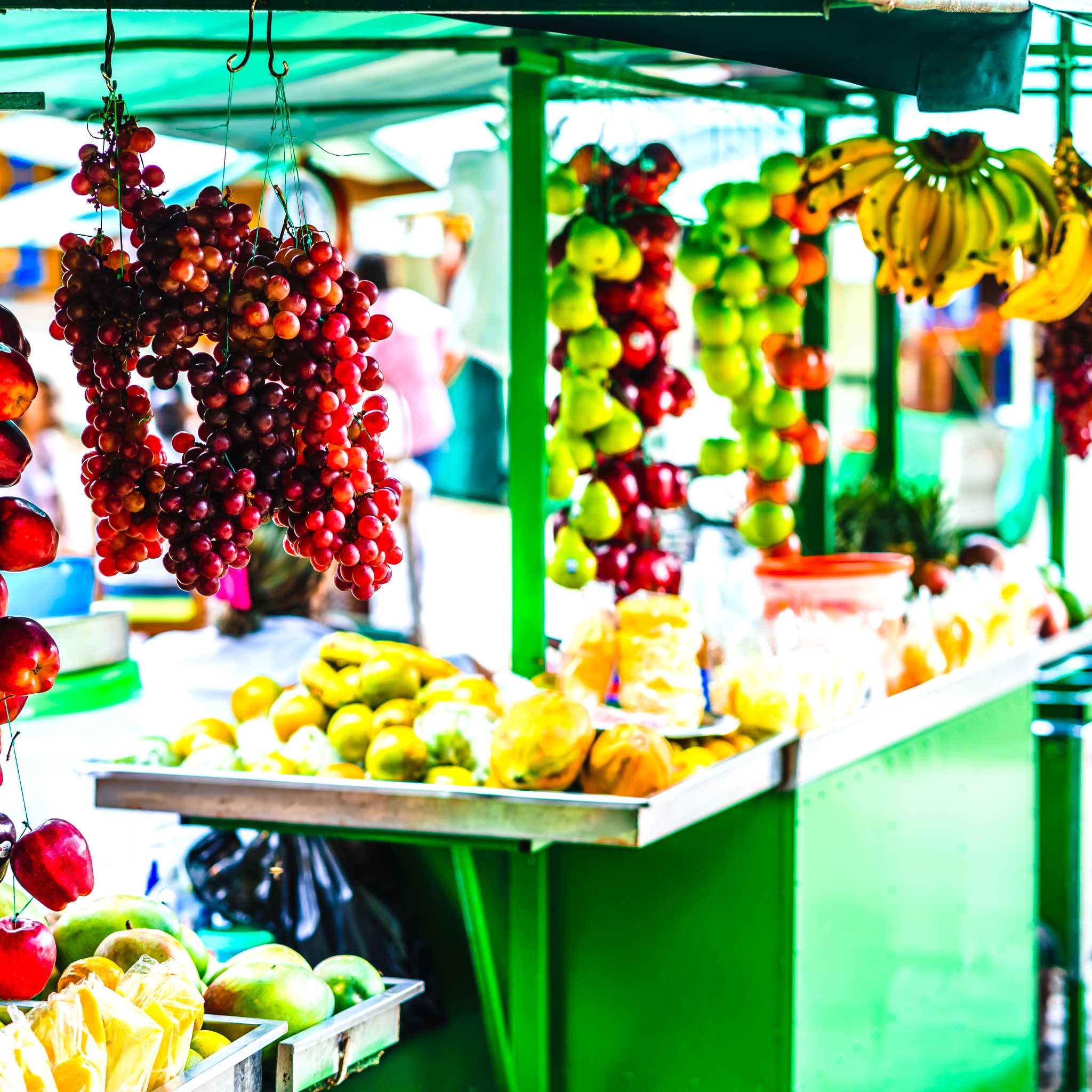
Cartagena's cuisine blends Spanish, African, and indigenous influences. Must-tries include arepas de huevo (fried corn cakes with egg), fresh ceviche, coconut rice, fried plantains, and cazuela de mariscos (seafood stew). Street vendors sell tropical fruits and empanadas. The Caribbean flavors and Afro-Colombian dishes reflect the city's multicultural heritage and coastal location.
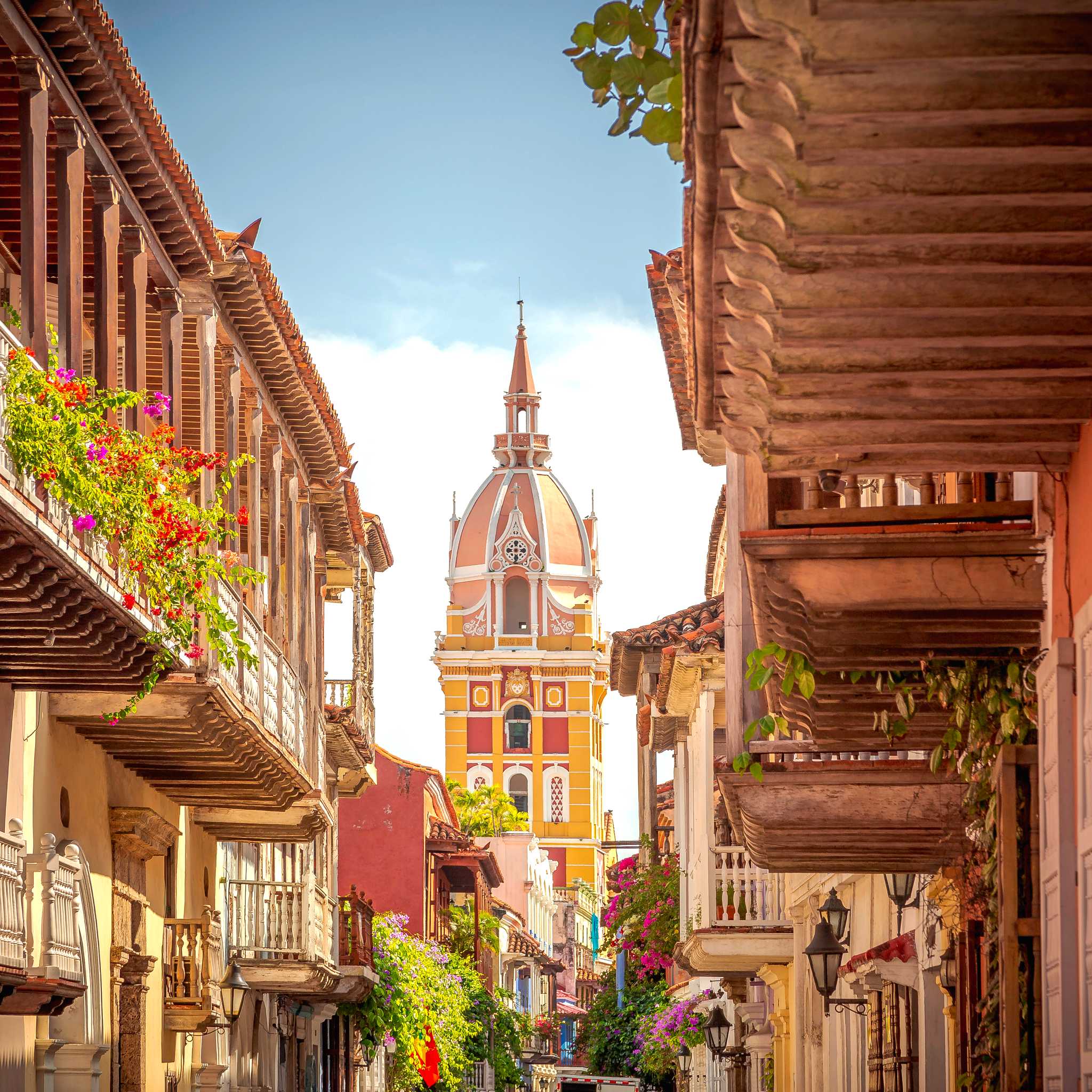
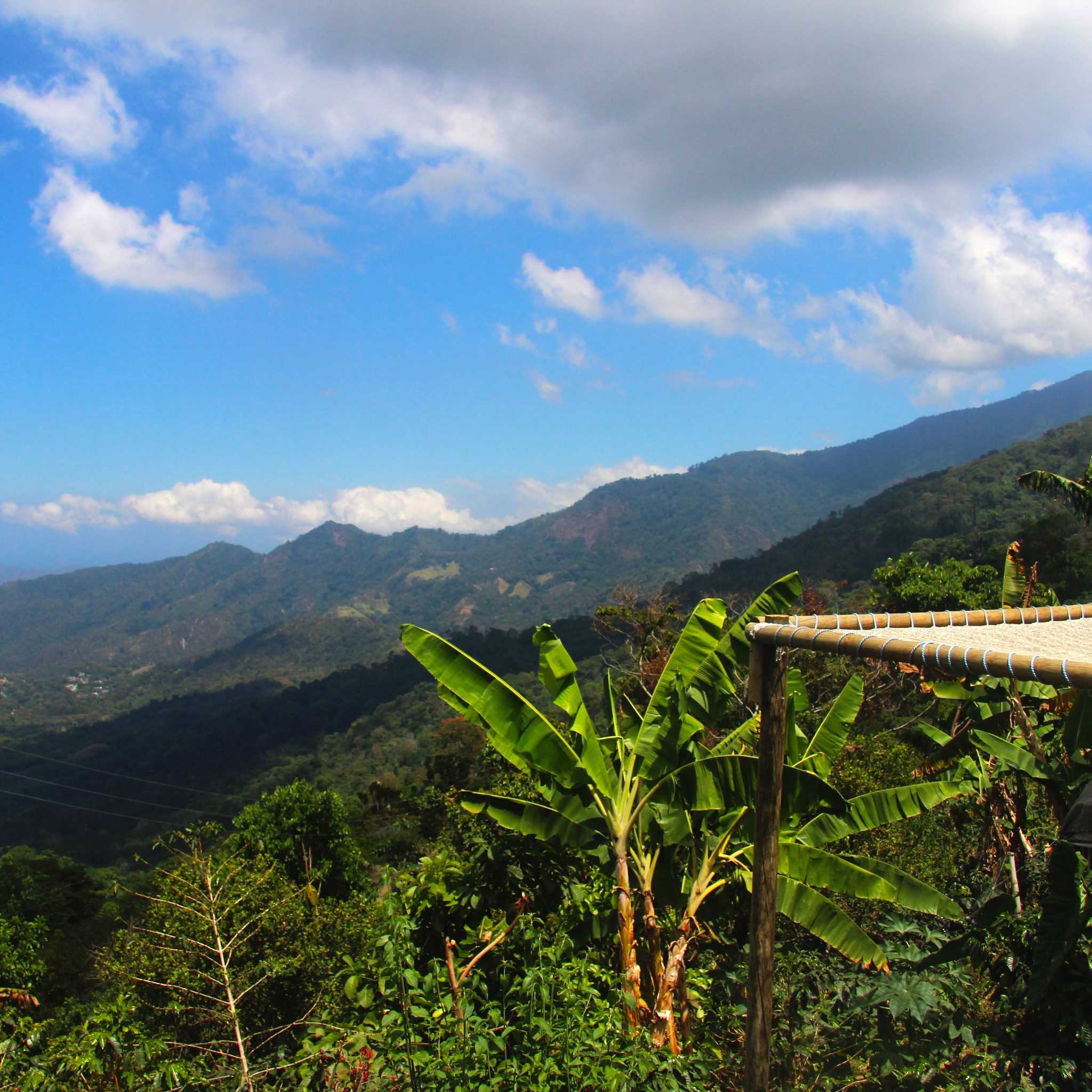
Cartagena is Colombia's most beautiful colonial city, featuring colorful Spanish architecture within massive stone walls built in the 16th century. The UNESCO World Heritage Old Town showcases baroque churches, flower-draped balconies, and vibrant plazas. This Caribbean jewel combines colonial history, Afro-Caribbean culture, tropical beaches, and romantic cobblestone streets making it Colombia's top coastal destination.
Castillo San Felipe de Barajas is the largest Spanish fortress built in the Americas, completed in 1657 on San Lazaro Hill. This massive military structure features ingenious tunnel systems, strategic defensive positions, and commanding city views. The fortress never fell to enemy attacks. Exploring the underground passageways and battlements provides fascinating insights into colonial military architecture.
Cartagena's early 20th-century modernist architecture rivals Barcelona's, featuring Art Nouveau buildings designed during the mining boom. Notable structures include Casa Cervantes, the Grand Hotel, and the casino. The architectural walking route showcases stunning facades with ornate details, ironwork, and ceramic decorations. This lesser-known architectural heritage makes Cartagena special beyond its Roman ruins, representing Spain's economic golden age.
The Walled City (Ciudad Amurallada) is Cartagena's historic heart, enclosed by massive stone fortifications built to protect against pirates. This UNESCO site features colonial mansions with bougainvillea-draped balconies, the stunning San Pedro Claver church, Plaza Santo Domingo, and narrow cobblestone streets. The romantic old town represents Spanish colonial architecture's finest Caribbean example.
December through March offers the driest weather with comfortable temperatures around 30 degrees Celsius (86 Fahrenheit) and cooling Caribbean breezes. This peak season brings lively atmosphere but higher prices. April-May and October-November provide good weather with fewer crowds. June-September sees afternoon rains and humidity but lower hotel rates and authentic local atmosphere.
Daytrip은 현지 운전기사와 연결해주는 프라이빗 차량 서비스 플랫폼으로, 고객님을 문 앞까지 안전하게 모셔다 드립니다. 또한 이동 중에 다양한 명소와 관광지를 탐방할 수 있는 기회도 제공합니다. 저희가 운전하고, 여러분은 새로운 곳을 발견하세요.
Daytrip은 현지 영어 구사 운전기사가 운전하는 프라이빗 도어 투 도어 이동 서비스, 선택 가능한 관광지 정차, 시간제 기사 대여, 엄선된 당일 여행을 130개국 이상에서 제공합니다.
취소 정책은 여행에 따라 다를 수 있습니다. 예약 시 적용되는 취소 조건은 여행을 확정하기 전에 항상 표시됩니다. 자격 요건에 따라 Daytrip은 다양한 취소 옵션을 제공합니다:
환불 불가: 여행이 확정된 후 취소할 경우, 결제하신 금액은 환불되지 않습니다.
표준: 예정된 출발 시간 최소 24시간 전까지 여행을 취소하면 결제하신 금액이 전액 환불됩니다. 출발 24시간 미만 전에 취소하는 경우 환불이 불가합니다.
유연: 예정된 출발 시간 최소 1시간 전까지 여행을 취소하면 결제하신 금액이 전액 환불됩니다. 출발 1시간 미만 전에 취소하는 경우 환불이 불가합니다.
출발 24시간 미만 전에 예약한 여행은 예약 과정에서 별도의 안내가 없는 한 무료 취소가 불가할 수 있습니다.
네! 현지 영어 가능 기사와 함께하는 프라이빗 도어 투 도어 공항 이동 서비스를 예약하세요. 고정되고 투명한 요금, 숨겨진 비용 없이 이용할 수 있으며, 해외 공항에서 현금을 환전하는 번거로움 없이 미리 결제할 수 있는 옵션도 제공합니다.
여행 인원 수에 가장 적합한 차량을 받게 되며, 인원이 최대 7명인 그룹의 경우 세단부터 밴까지 다양하게 제공됩니다. 여행하시는 지역에 따라 토요타 코롤라와 비슷한 세단부터 메르세데스 V-클래스, 클래식 쿠바 자동차까지 예약하실 수 있습니다. 정확한 차량 모델은 달라질 수 있지만, 항상 안전성, 신뢰성, 편안함 측면에서 고객님의 요구를 충족하는 차량을 제공합니다. 차량의 재고 상황에 따라 무료로 더 큰 차량으로 업그레이드될 수 있습니다. 최대 7인승 차량이 가장 크기 때문에, 7명 이상인 경우에는 여러 대의 차량이 조합되어 제공됩니다. 여행 며칠 전에 정확한 차량 정보를 안내해 드리겠습니다.
미국을 제외한 모든 지역에서는 운전자가 적절한 어린이용 카시트를 제공합니다(예약 시 알려주시면 됩니다). 미국의 경우, 일부 주에서는 고객이 직접 어린이용 카시트를 준비해야 합니다.
페루 리마를 여행하는 동안 두 번의 개인 이동 서비스를 예약하기 위해 이 웹사이트를 우연히 발견하게 되어 정말, 정말 기뻤습니다. 두 번 모두 약 3시간 정도의 편도 이동이었습니다. 예약을 이메일로 완료한 직후부터 소통이 매우 좋았고, 이후에는 앱도 다운로드했습니다. 앱 사용 중 몇 가지 문제가 있었지만 고객 서비스가 정말 훌륭하게 도와주며 해결하려고 노력해 주었습니다. 솔직히 고객 서비스가 매우 인상적이었고, 올바른 선택을 했다는 좋은 느낌을 받았습니다. 두 명의 기사님 모두 정확히 제시간에 도착했고 전혀 문제가 없었습니다! 이렇게 먼 곳을 여행할 때 서비스가 얼마나 훌륭하고 모든 과정이 얼마나 편리했는지 아무리 말해도 부족합니다. Daytrip 팀에 큰 박수를 보냅니다! 강력히 추천합니다.