Berlin to the Sachsenhausen Memorial: Private day trip


Private ride with a local driver
4h 45mRound tripPrivate driver
Trusted by 2+ million happy travelers across 130 countries
Reviews
4.9
Tripadvisor Travelers' Choice 2026
Tripadvisor Travelers' Choice 2026
4.9
5307Reviews
About your trip
Visit Sachsenhausen Memorial, a former Nazi concentration camp that has become one of the most documented Holocaust sites in cinema and television. Located just north of Berlin, this memorial has appeared in countless documentaries, educational films, and historical productions exploring the darkest chapter of German history. The preserved barracks, watchtowers, and grounds provide an essential context for understanding films like Schindler's List, The Pianist, and Life is Beautiful—works that depicted similar camps. This somber journey offers vital historical education and reveals how cinema has worked to document and memorialize the Holocaust.
Exclusively yours: private vehicle and professional driver
Discover local insights you won't find in guidebooks
Experience the freedom to explore at your own speed
Perfectly planned for families, friends, or solo travelers
What to expect
Your day trip begins wherever you are
Meet our professional driver right where you prefer in Berlin whenever suits you best. No time wasted getting to the pickup point, grab your bag and start your trip right away.Discover more with local expertise
Your driver’s local insights will set the tone for your day trip. A hidden café here, a must-try restaurant there; insider tips you’ll love sharing later. This isn’t a guided tour but your ride will be rich with stories and discoveries along the way. And throughout the day, your driver will be available for you as needed, ready to assist, happy to help, making your trip stress-free.Explore at your own pace
Your private driver handles the short journey north from Berlin. Once at Sachsenhausen Memorial, you can experience this significant historical site and its museum exhibits at your own pace. Throughout your visit, your driver will stay nearby, ready to assist, offer recommendations, or share local insights before ensuring a safe return to Berlin. Please check the opening hours on the official website before your visit.
Perfect for any private group
Whether you're traveling solo, as a family with kids, or as a large group, this service is tailored for your comfort and flexibility. It's the ideal option especially if you have limited time or a busy schedule.Good to know
- Two-way private car transfer
- Air-conditioned vehicle
- Personalized pickup and drop-off
- Professional English-speaking driver
- Complimentary bottled water
- Free cancellation 24 hours before departure
- Entry/Admission tickets to paid attractions Sachsenhausen Concentration Camp should be purchased separately unless specified otherwise
- Meals, snacks, and gratuity are not included
From US$145
per person
Select date and travelers
Free cancellation up to 24 hours before your pickup time.
For a group of 1-3 travelersTotalUS$435
Your trip at a glance
Your trip at a glance
Start in Berlin
You choose the pickup spot. Sachsenhausen Concentration Camp
Feel free to explore at your own pace and discoverStop: 3 hours - admission not included


Back to Berlin
We’ll take you back to your starting point.Duration of the stops can be changed upon request after booking
Have questions or need help?
Contact our Customer Support. We are available 24/7Daytrip is loved all around the world. Here's why.
Explore similar trips from Berlin

Berlin to Dresden
8h 45mPrivate group
From US$290 / per person

Berlin to Leipzig
8h 45mPrivate group
From US$299 / per person

Berlin to Magdeburg
7h 30mPrivate group
From US$246 / per person

Berlin to Dresden and Bastei
10h 45mPrivate group
From US$338 / per person

Berlin to Gorlitz and Muskau Park
11h 30mPrivate group
From US$367 / per person

Berlin to Leipzig and Weimar
11h 15mPrivate group
From US$382 / per person

Berlin to Dresden and Konigstein
9h 30mPrivate group
From US$313 / per person

Berlin to Potsdam and Wittenberg private day trip
8h 30mPrivate group
From US$277 / per person

Berlin to Bauhaus sites
8h 30mPrivate group
From US$278 / per person

Berlin to Bauhaus Dessau
8h 30mPrivate group
From US$369 / per person
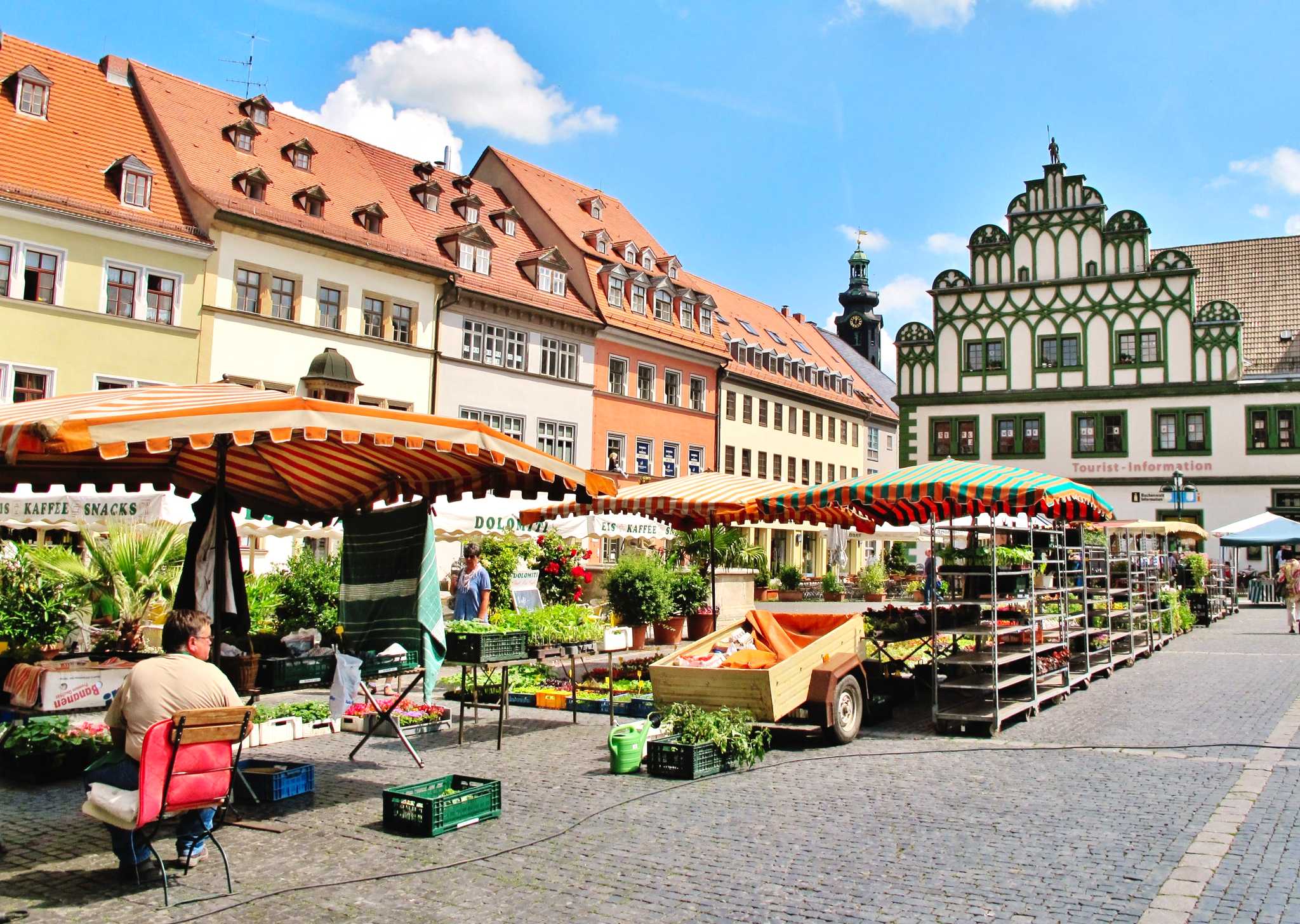
Berlin to Weimar
9h 30mPrivate group
From US$313 / per person
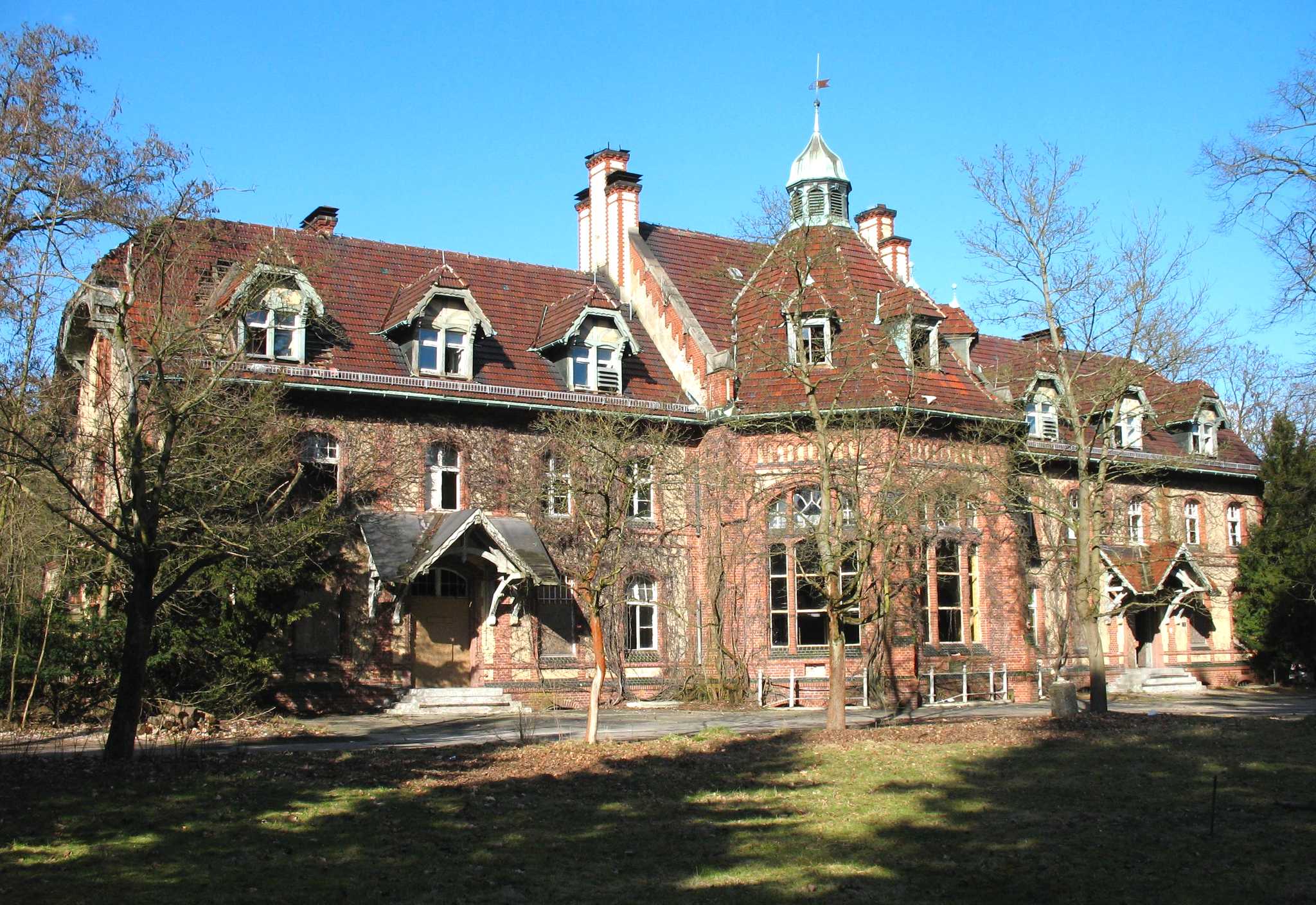
Berlin to Beelitz-Heilstatten
5h 0mPrivate group
From US$157 / per person

Berlin to Gorlitz
10h 0mPrivate group
From US$305 / per person
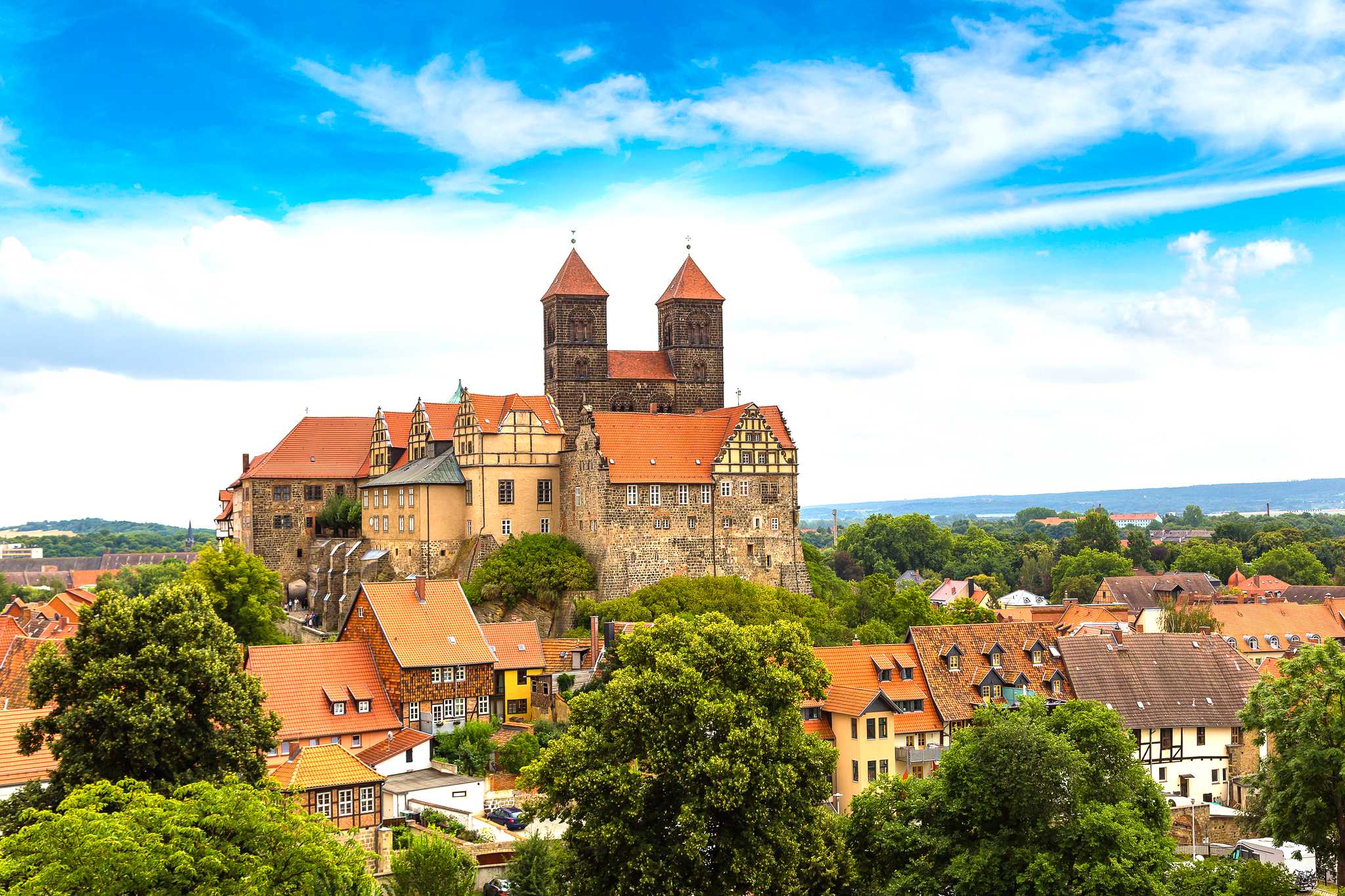
Berlin to Quedlinburg
8h 30mPrivate group
From US$266 / per person
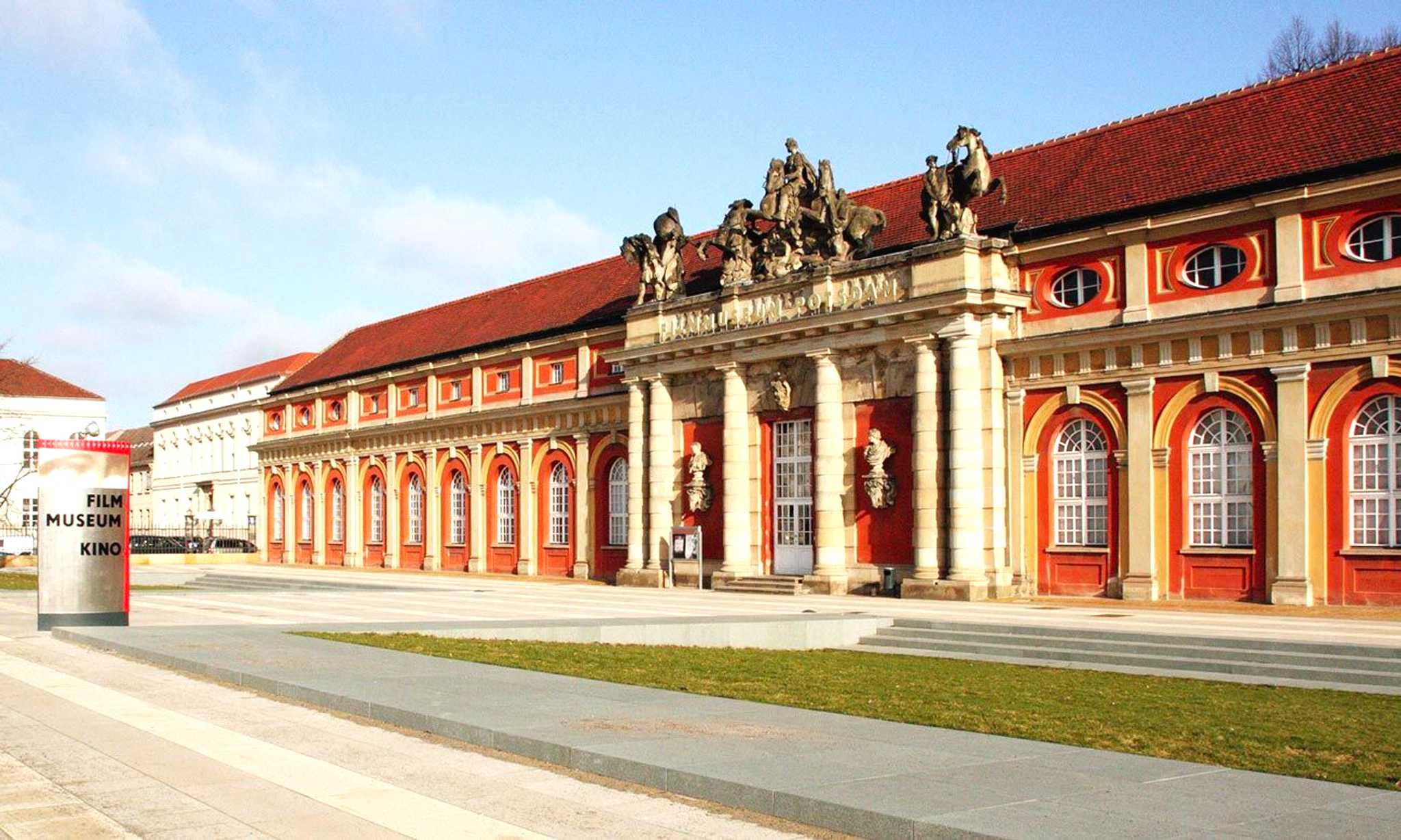
Berlin to Filmmuseum Potsdam and Wittenberg
7h 15mPrivate group
From US$217 / per person
German filming locations from Berlin
11h 45mPrivate group
From €302 / per person