World War I heavily impacted the Champagne region. Sites include Fort de la Pompelle (battlefield museum), American Monuments at Blanc Mont, and trenches in surrounding countryside. World War II sites include the Museum of Surrender where Germany signed capitulation documents ending European war. Champagne cellars served as bomb shelters during both wars. These sobering reminders of conflict contrast with the region's celebratory champagne culture, reflecting France's complex 20th-century history.
Yes, several champagne houses sit within walking distance of Reims city center including Taittinger, Mumm, and Veuve Clicquot. Public buses serve some houses. Organized tours with transportation visit multiple producers in the Champagne region. The central location makes Reims ideal for champagne tourism without driving, though having a car allows exploring smaller family-owned vineyards throughout the countryside. Taxis and private drivers are also available.
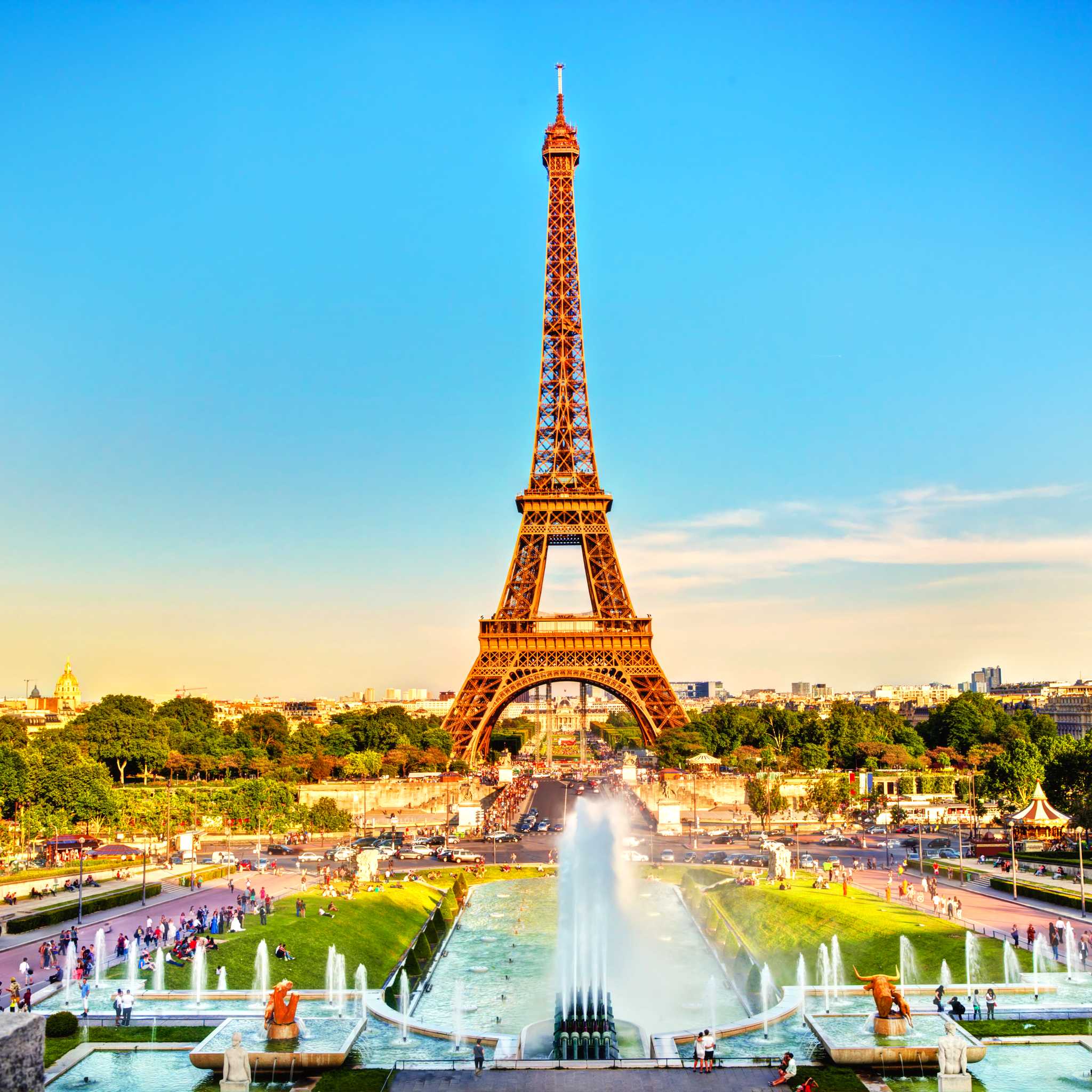
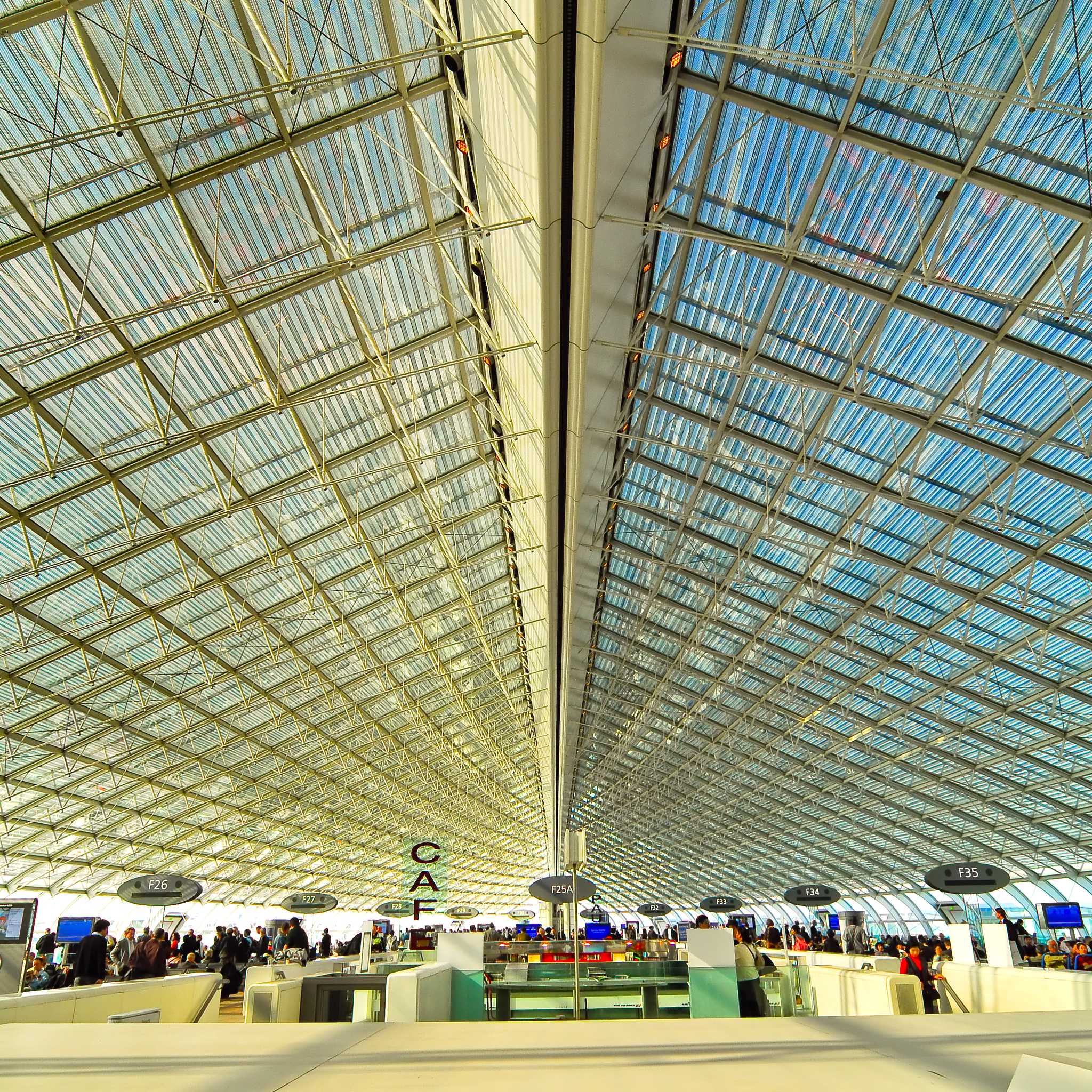
Reims sits approximately 145 kilometers (90 miles) northeast of Paris in the Champagne region. The high-speed TGV train reaches Reims in just 45 minutes from Paris Gare de l'Est, making day trips extremely feasible. By car, the journey takes about 1.5-2 hours via the A4 autoroute. The proximity allows easy access to champagne tours while staying in Paris or vice versa, combining capital culture with regional wine experiences.
Major houses offering tours include Taittinger (medieval chalk cellars), Veuve Clicquot (historic riddling process), Mumm (modern multimedia experience), Pommery (artistic installations in caves), and smaller producers. Tours typically include cellar visits, production explanations, and tastings. Advance booking is essential, especially for prestigious houses. Tours range from budget-friendly to exclusive experiences with rare vintage tastings. English tours are widely available at major houses catering to international visitors.
Champagne region specialties include jambon de Reims (ham in champagne aspic), Chaource cheese, pink biscuits (biscuits roses), and potee champenoise (pork stew). Michelin-starred restaurants offer refined pairings with vintage champagnes. Casual brasseries serve regional dishes with house champagnes. The delicate bubbles complement oysters, seafood, and light dishes. Reims' restaurants at all levels embrace champagne culture with extensive wine lists and food designed for sparkling wine pairing.
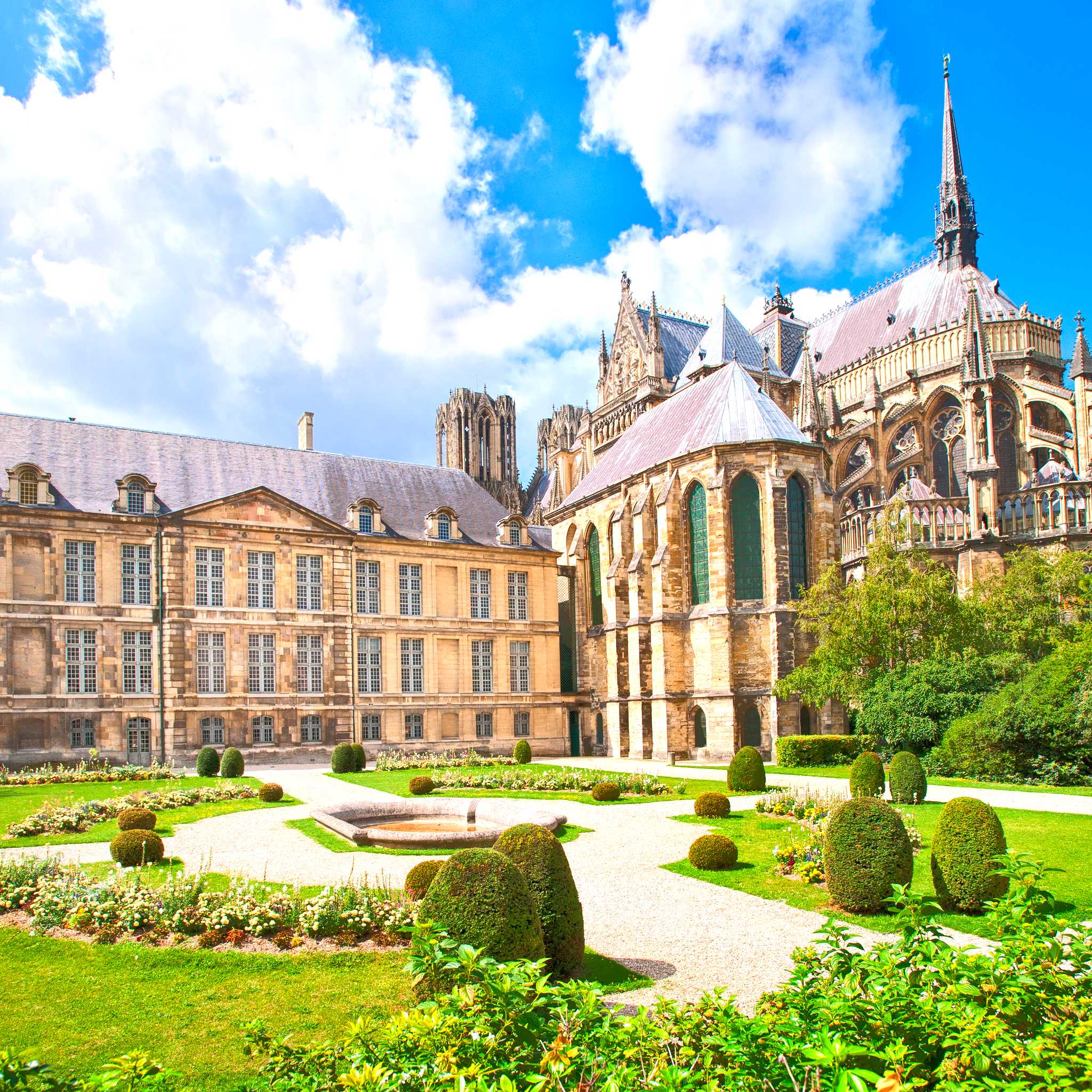
The Cathedral of Notre-Dame de Reims is a 13th-century Gothic masterpiece where French kings were crowned for over 1,000 years. The facade features 2,300 statues including the famous Smiling Angel. Chagall's stunning stained glass windows illuminate the interior. UNESCO recognizes the cathedral's architectural and historical significance. Though heavily damaged in World War I, meticulous restoration preserved this symbol of French monarchy and religious heritage.
Reims is the champagne capital of France, home to prestigious houses like Veuve Clicquot, Taittinger, Mumm, and Pommery offering cellar tours and tastings. The magnificent Gothic Notre-Dame Cathedral hosted French royal coronations for centuries. This elegant city combines champagne heritage, stunning architecture, World War history, and refined gastronomy. Reims sits in the heart of Champagne region, making it the perfect base for exploring French sparkling wine culture.
Spring (April-June) and fall (September-October) offer pleasant weather for vineyard visits without peak summer crowds. Harvest season (late September-early October) provides special atmosphere with grape picking and festivals. Summer brings warmest weather and most tourists. Winter offers cozy cellar tours and Christmas markets, though some smaller producers close. The cathedral and major champagne houses remain open year-round, making Reims a viable destination in any season.