As home to europe's oldest university (founded 1088), Bologna has a vibrant student atmosphere with lively bars, cafes, and cultural events. The young energy contributes to the city's dynamic dining and nightlife scene.
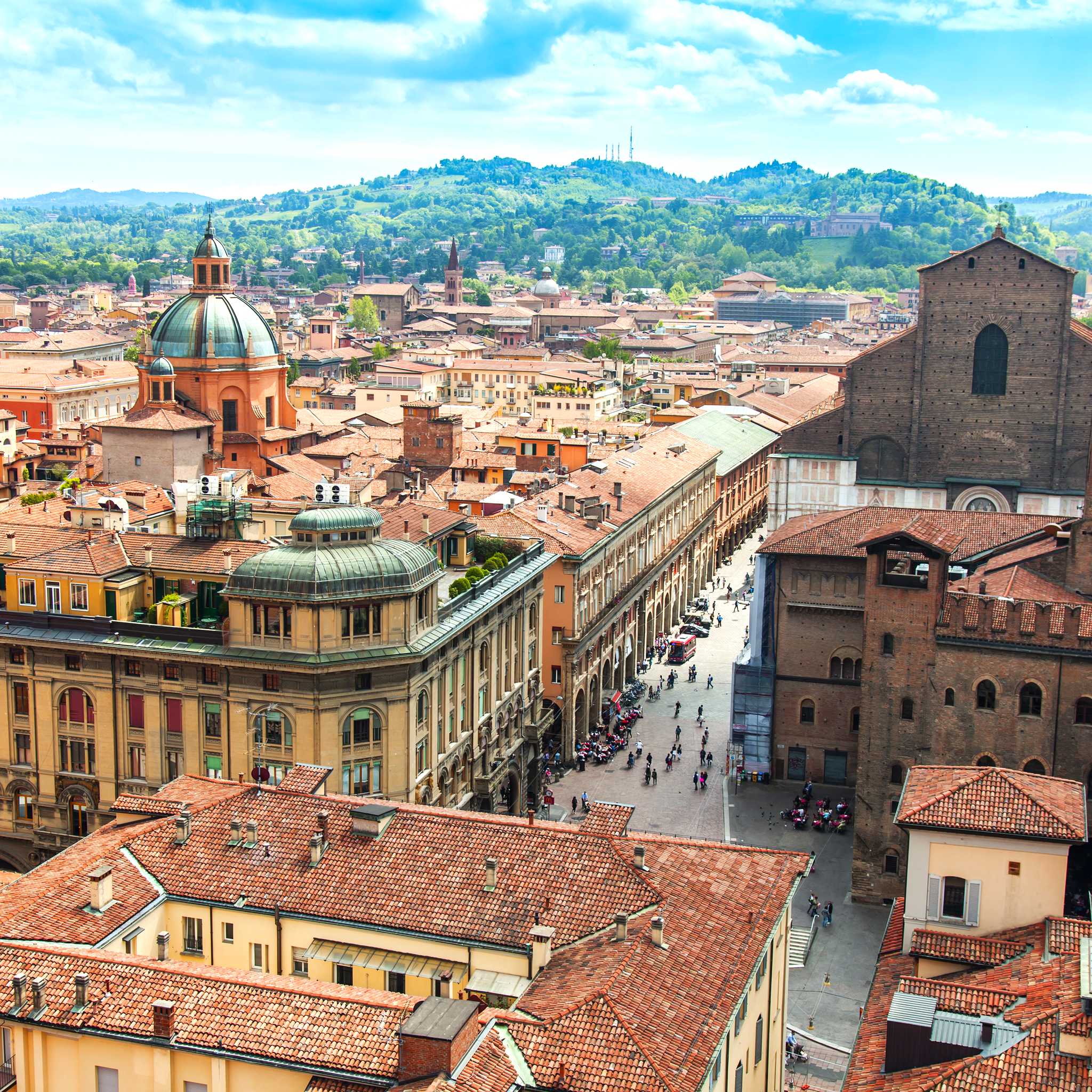
Yes, Bologna's historic center is very walkable with its famous porticoes (covered walkways) providing shelter. The medieval streets are mostly pedestrian-friendly, though some areas feature cobblestones and uneven surfaces.
Bologna has over 40 kilometers of covered walkways called porticoes, a UNESCO World Heritage feature. These elegant arcades allow comfortable walking in any weather and are an integral part of the city's character.
Italy uses the euro (EUR). Credit cards are widely accepted in restaurants, shops, and hotels throughout Bologna. ATMs are readily available for cash withdrawals using international bank cards.
Bologna is the birthplace of Bolognese sauce, fresh pasta like tagliatelle, tortellini, mortadella, and Parmigiano-Reggiano cheese. The city offers incredible authentic Italian dining experiences with traditional osterie and markets.
Italian is the official language. English may be spoken in establishments that cater to travelers, though learning basic Italian phrases is helpful and appreciated when exploring this authentic Italian city.
Lunch is typically served from 12:30-2:30 PM and dinner from 7:30 PM onward. Many restaurants close between lunch and dinner. Aperitivo culture is popular from 6-8 PM with drinks and small plates.
Spring (April-June) and autumn (September-November) offer pleasant weather for walking and exploring. Summer can be quite warm, while winter is mild but some outdoor dining may be limited.