Yes, Trakai sits just 28 kilometers (17 miles) west of Vilnius, about 30-40 minutes by car or train. The stunning island castle on Lake Galve looks like a fairytale with red brick towers rising from water. Inside, a museum displays medieval weapons, armor, and history. The town's Karaite community (Turkic ethnic group) offers unique cuisine including kibinai (meat pastries). Trakai makes an essential half-day or full-day excursion from Vilnius combining nature, history, and culture.
Vilnius sits approximately 290 kilometers (180 miles) south of Riga, Latvia's capital. The journey takes about 3-3.5 hours by car or comfortable bus through forested Baltic countryside. Many travelers visit both capitals exploring the Baltic States' distinct cultures. The route passes through pastoral landscapes and small Lithuanian and Latvian towns. Combined visits showcase the region's shared Soviet past and unique national identities developing since independence.
Yes, Vilnius is very safe with low crime rates compared to many European capitals. The compact Old Town is well-lit and patrolled. Standard precautions regarding pickpocketing in crowded areas apply. Lithuanians are reserved but friendly when approached. English is increasingly spoken, especially among younger people and in tourist areas. The post-Soviet transition created a welcoming, modern capital that takes pride in hosting visitors while maintaining authentic Baltic character.
Lithuanian cuisine features hearty dishes adapted to cold climate. Specialties include cepelinai (potato dumplings stuffed with meat), saltibarsciai (cold pink beetroot soup), kugelis (potato casserole), smoked cheese, and dark rye bread. Vilnius offers both traditional and modern restaurants elevating local ingredients. The city's cafes serve excellent coffee and pastries. Beer culture thrives with local breweries. Prices remain remarkably affordable compared to Western Europe.
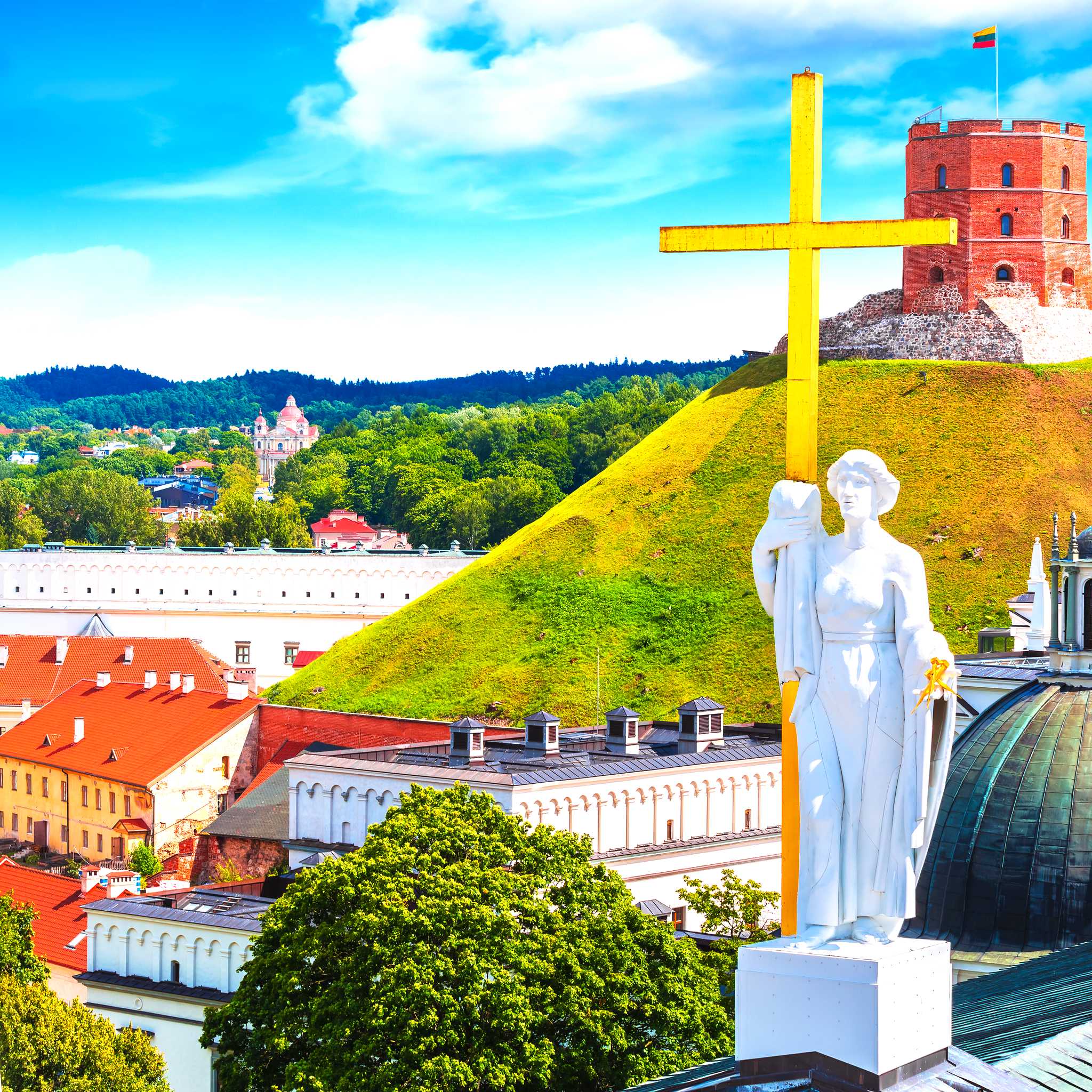
Vilnius is Lithuania's baroque capital featuring one of Europe's largest and best-preserved Old Towns (UNESCO site). The city combines Gothic, Renaissance, and baroque architecture with trendy cafes, street art, and vibrant cultural scene. Vilnius offers affordability, beautiful churches including St. Anne's, Gediminas Tower views, unique Republic of Uzupis artist quarter, and tragic yet inspiring Jewish heritage. This Baltic gem provides rich history and modern energy at fraction of Western European prices.
Pre-WWII Vilnius (called the "Jerusalem of Lithuania") was a major Jewish cultural and learning center with 100+ synagogues and vibrant community. The Holocaust devastated this heritage, destroying most synagogues and murdering the population. Today, memorials at Paneriai forest massacre site, the remaining Choral Synagogue, Jewish Quarter markers, and museums preserve this tragic history. Vilnius's Jewish legacy remains essential to understanding the city and Lithuania's complex past.
Uzupis is a bohemian neighborhood that declared itself an independent republic on April Fool's Day 1997, complete with constitution, flag, and currency. This former neglected quarter transformed into an artistic enclave featuring galleries, cafes, studios, and street art. The constitution (displayed in multiple languages) includes rights like "the right to be happy" and "the right to be a dog." The creative, whimsical atmosphere makes Uzupis Vilnius's most unique district.
May through September offers warmest weather with long daylight perfect for exploring Old Town's outdoor cafes and festivals. June-August sees peak tourism but pleasant temperatures. Christmas markets (December) create magical atmosphere despite cold weather. Spring and fall shoulder seasons provide good weather with fewer crowds. Winter (January-February) brings snow, ice, and short days but beautiful frosty architecture and very low prices for budget travelers who don't mind cold.