Best time to visit Mexico

By Ján Tompkins
There is no single best time to visit Mexico, because there is no single Mexico. The country runs nearly 2,000 miles (3,200 km) from the US border to the rainforests near Guatemala, and its weather shifts with altitude as much as latitude. On one January day, the Caribbean is warm enough to swim, the Pacific off Los Cabos is freezing, and Mexico City, over 7,000 feet (2,100 m) up, is mild by day and cold after dark.
Mexico has two broad seasons. The dry season, November to April, brings clear skies and the busiest, priciest weeks: Christmas, New Year’s, spring break, and Holy Week, when Mexicans travel too. The rainy season, late May to October, turns the country green and cuts prices, except during school holidays from mid-July to August. Storms usually pass by evening, but hurricane season peaks from August to October.
Weather is only part of it. Winter brings gray whales to Baja California and monarch butterflies to the forests west of Mexico City. Food lovers should aim for late summer, when huitlacoche and chiles en nogada fill menus. Day of the Dead (Día de los Muertos) takes over early November, and culture lovers do best in March and October, when the highlands are mild.
If you need one month, make it November. Otherwise, decide what matters most: reliable sun and busy beaches, or green hills, lower prices, and some rain. Start with the best months by trip type below.
How to choose when to go
First-time visitors
Best: November, February, March. Avoid: the Christmas holidays, Holy Week. Sunny skies over beaches, ruins, and highland cities alike, with everything open and prices below holiday spikes.
Food and drink
Best: July, August, September. Rains bring huitlacoche and wild mushrooms, chiles en nogada fill menus, and Independence Day in September is toasted with tequila.
Coasts and beaches
Best: December to March. Avoid: September, October. Smooth seas and settled weather on both coasts, before seaweed drifts onto Caribbean beaches and well before hurricane season peaks.
History and ruins
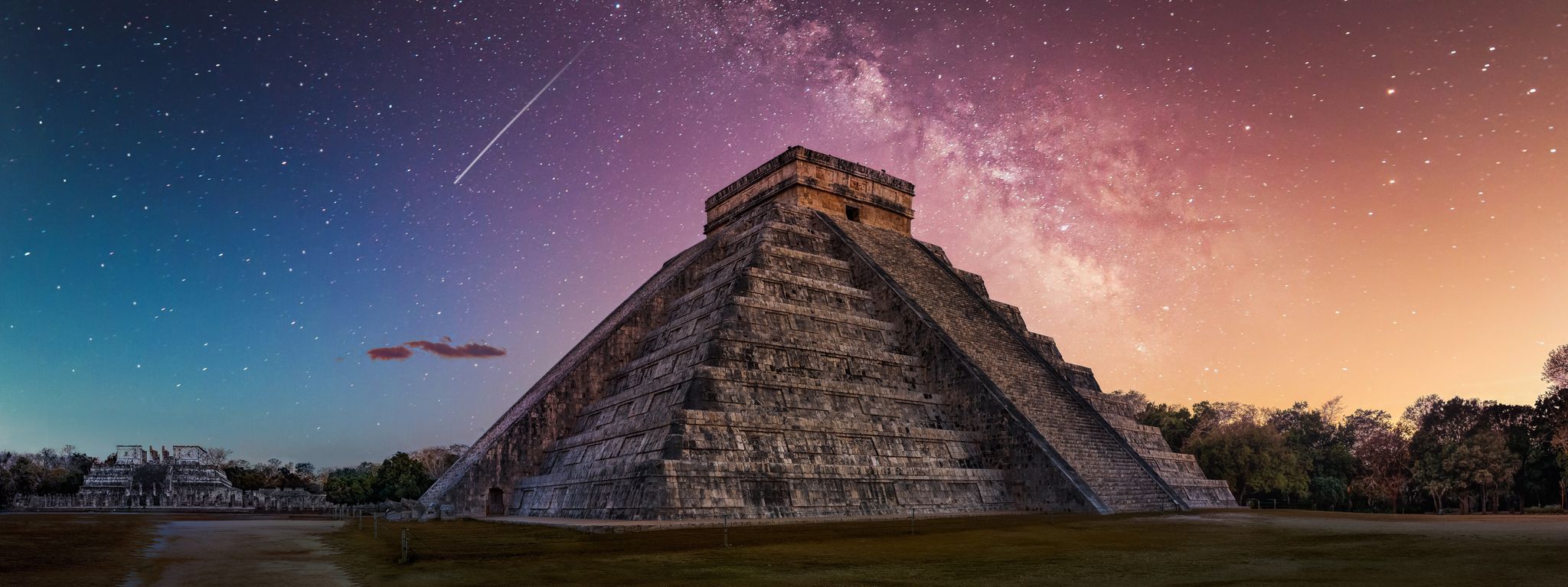
Best: November to February. Avoid: April, May. Cooler mornings at Chichén Itzá, Palenque, and Teotihuacán make long site days bearable; by late spring the Yucatán is too hot.
Festivals and celebrations
Best: July, September, November. Oaxaca's Guelaguetza in July, Independence Day on Sept. 16, and Día de los Muertos in early November each take over whole cities. Book rooms well ahead.
Avoiding crowds
Best: May, September, early December. Avoid: Christmas to New Year’s, Holy Week, mid-July to August. Schools are in session, foreign arrivals dip, and big resorts and ruins feel half empty.
Diving and snorkeling
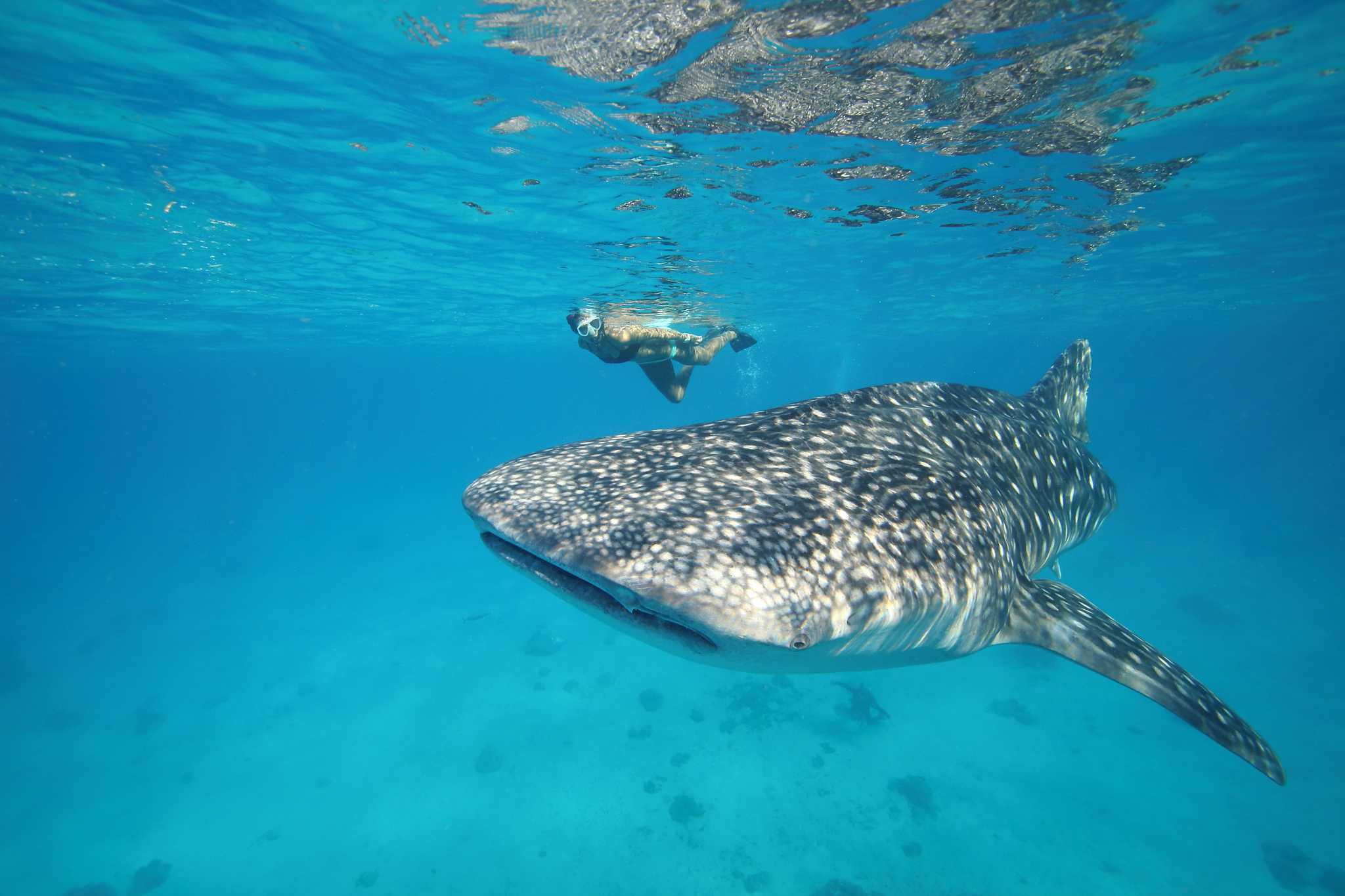
Best: June, July, August. Avoid: September, October. Whale sharks gather off Isla Mujeres and Holbox, the Caribbean is at its warmest, and Cozumel's reefs stay clear and full of life.
Art and culture
Best: February, March, October. Zona Maco makes early February Mexico City’s art week, worth high-season rates. In March and October, Puebla and San Miguel de Allende are mild and calm.
Nature and outdoors
Best: January, February, March. Gray whales calve in Baja California's lagoons, millions of monarch butterflies cluster in the forests, and cool, dry air suits highland hikes.
Slow travel
Best: June, September, October. The rains turn the highlands green, and Mexico City residents escape to Tepoztlán and Malinalco for bright mornings, evening storms, and long lunches.
Mexico in winter
Winter is Mexico’s high season, and for good reason. From December to February, the rains are long gone, the coasts are warm and dry, and the highlands are bright and crisp. It is also the busiest and priciest time of year. Pack a warm layer, as highland nights turn cold.
Winter is Mexico’s high season, and for good reason. From December to February, the rains are long gone, the coasts are warm and dry, and the highlands are bright and crisp. It is also the busiest and priciest time of year. Pack a warm layer, as highland nights turn co...

December
December splits at the 15th: the first weeks are calm and good value, then posadas, piñatas, and holiday prices take over. Pilgrims fill the Basilica of Guadalupe on Dec. 12, and Oaxaca carves giant radishes on Dec. 23. Warm up with ponche navideño, a hot fruit punch, and book Christmas beach stays months ahead.

January
January was our busiest month in Mexico in 2025, and the Riviera Maya shows why: rides between Tulum and Cancún topped all our routes. After Three Kings Day on Jan. 6, holiday crowds leave and inland museums empty out. Monarch butterflies peak near Valle de Bravo. Eat rosca de reyes; whoever finds the hidden figure owes tamales in February.
February
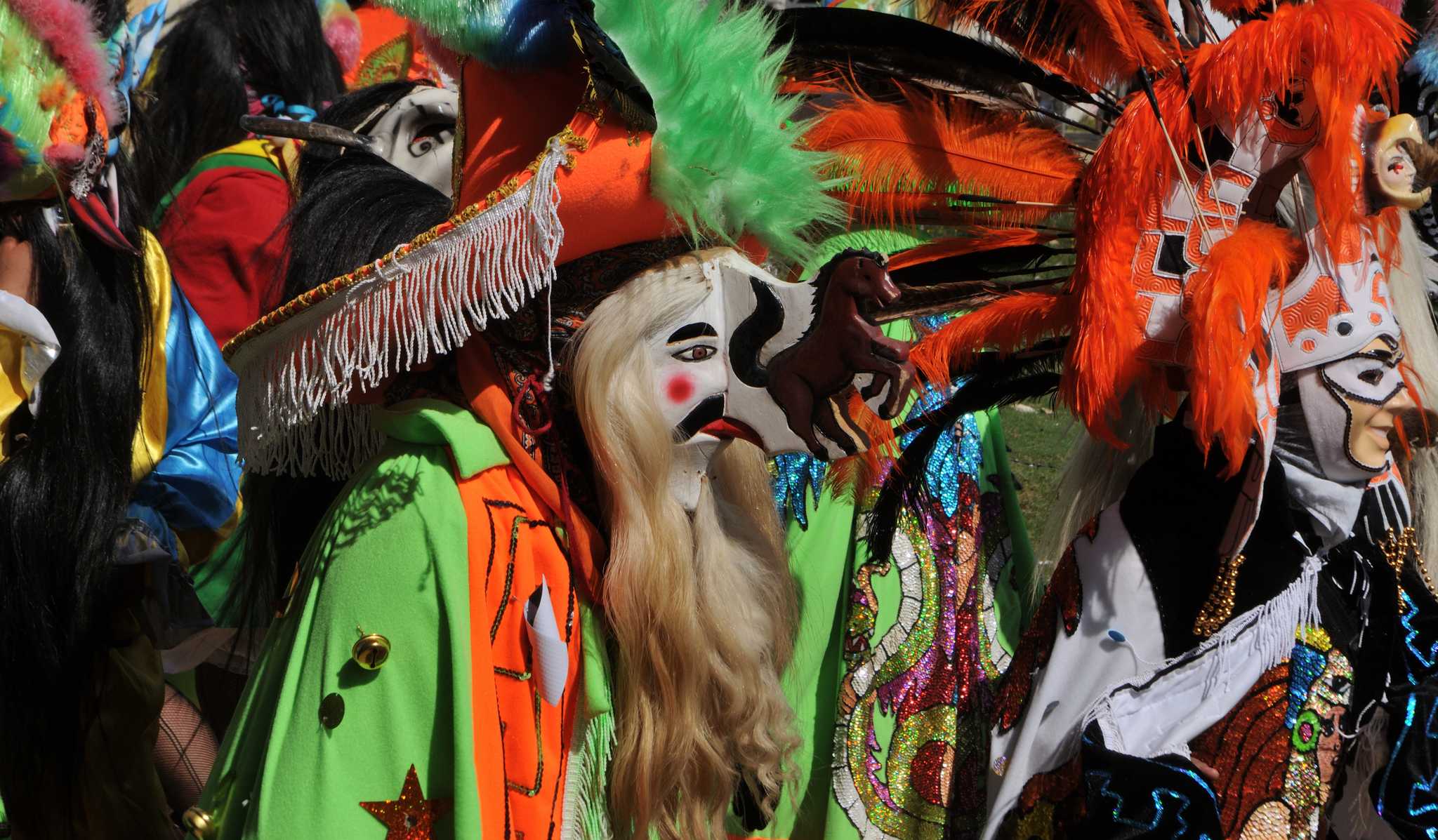
February brings Carnival to Veracruz, Mérida, and Campeche, and art week to Mexico City, with Zona Maco in the first days. Gray whale numbers peak off Baja California Sur. On Feb. 2, Candlemas, families gather over tamales and atole. It is still high season, and the US Presidents' Day break fills the beaches, so book those dates early.
Winter weather
Overview
Winter is dry almost everywhere. Altitude matters more than latitude: coasts stay warm day and night, while highland cities swing from warm afternoons to cold nights.
Mexico City and the central highlands
Sunny, dry days around 70-72°F (21-22°C), with nights falling to 39-45°F (4-7°C). San Miguel de Allende and Querétaro follow the same warm-day, cold-night pattern.
Oaxaca
Warm, bright days of 79-81°F (26-27°C) and crisp nights near 46-48°F (8-9°C). Almost no rain, and some of the clearest skies of the year.
Yucatán and Riviera Maya
Highs of 81-82°F (27-28°C), lows near 66-68°F (19-20°C), and a sea around 79°F (26°C). A passing norte can bring a cool, windy day.
Puerto Vallarta and the Pacific coast
Days of 79-81°F (26-27°C) and nights of 59-63°F (15-17°C) in Puerto Vallarta, warmer on the Oaxaca coast. The sea sits near 77°F (25°C).
Los Cabos and Baja California Sur
Dry, sunny days around 79°F (26°C) and cool nights of 54-59°F (12-15°C). The sea is near 73°F (23°C), cool but swimmable.
Mexico in spring
Spring is Mexico's dry season at its peak. March and April bring jacarandas to Mexico City, the equinox at the pyramids, and the year's biggest travel rush over spring break and Holy Week. By May the heat builds inland, crowds fall away, and the first rains are only weeks off.
Spring is Mexico's dry season at its peak. March and April bring jacarandas to Mexico City, the equinox at the pyramids, and the year's biggest travel rush over spring break and Holy Week. By May the heat builds inland, crowds fall away, and the first rains are only we...
March
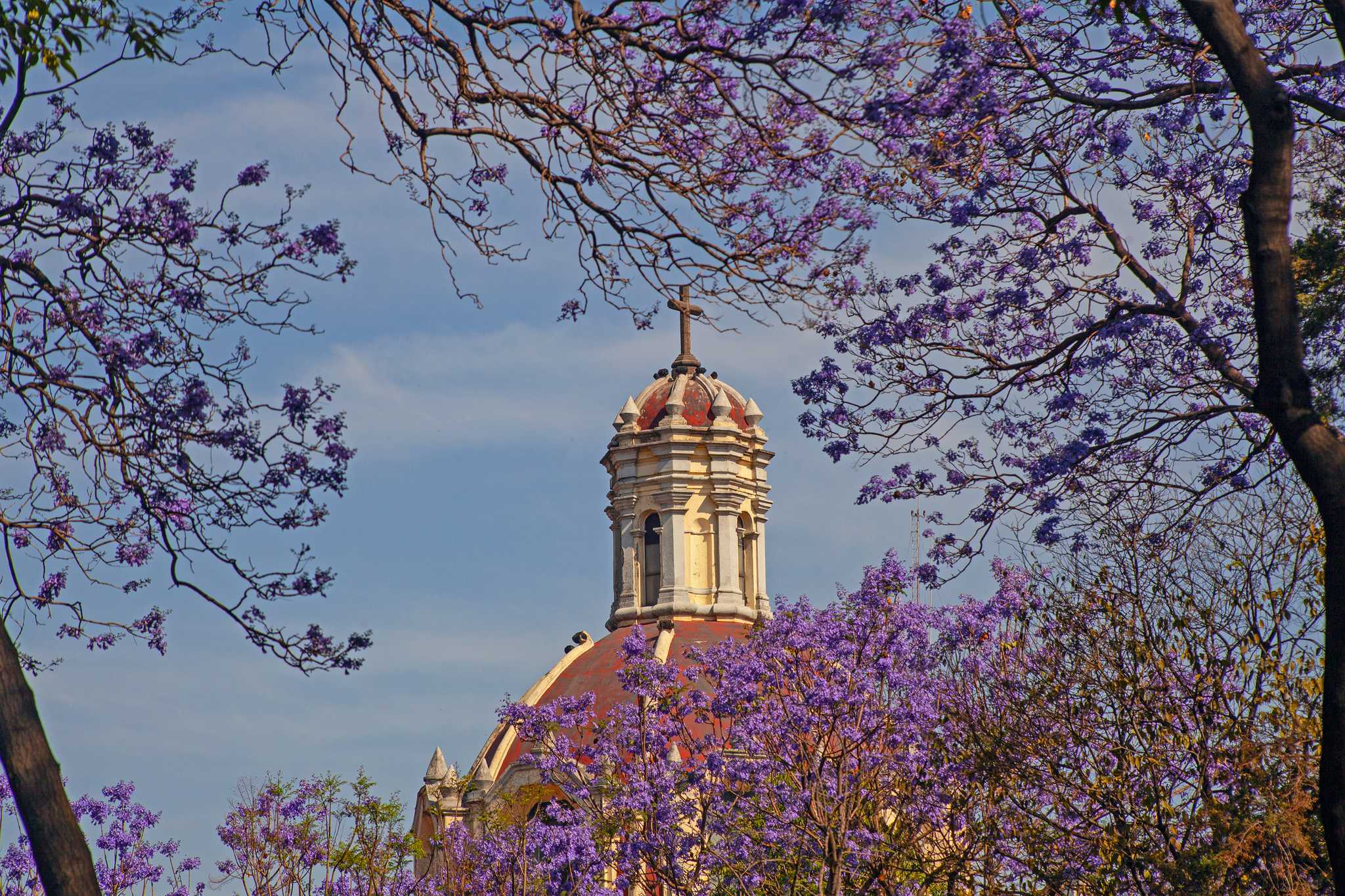
Spring break fills Cancún and Los Cabos, and when Easter falls early, Holy Week lands in March too, so head inland. Jacarandas turn Mexico City purple, and the equinox draws crowds in white to Teotihuacán and Chichén Itzá. Lent puts pescado a la veracruzana on Friday menus, and escamoles, ant larvae in butter, are in season.
April
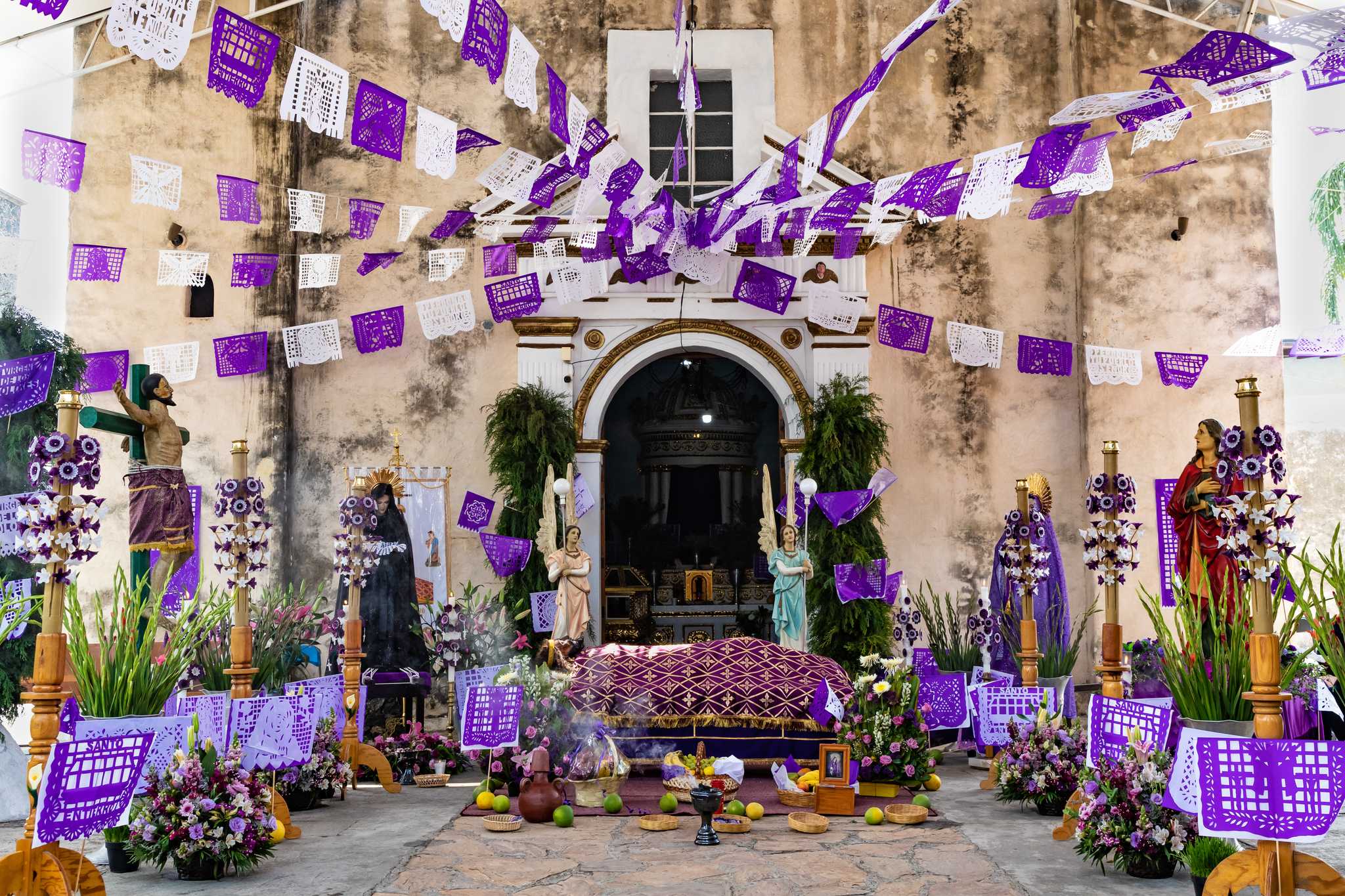
Holy Week and the week after Easter bring Mexico’s biggest travel rush, as families fill beach hotels. Easter moves, so in years like 2027 the rush hits in late March. Book early or come after, when rates drop. Aguascalientes’ Feria de San Marcos, Mexico’s largest fair, opens mid-April, and mangoes arrive on a stick with chile and lime.
May
May is hot, quiet, and good value, with rates low after Easter. Whale shark season opens May 15 off Holbox, a two-hour drive from Cancún and a short ferry ride. Inland, the Yucatán’s cenotes are the best escape from the heat. Restaurants fill up for Mother’s Day on May 10. Look for mamey milkshakes and short-season cactus pitayas.
Spring weather
Overview
The driest stretch of the year, warming fast. April is pleasant almost everywhere; by May, inland cities hit their hottest days, and late-month storms begin to build.
Mexico City and the central highlands
Warm, dry days of 79-81°F (26-27°C) and nights of 45-54°F (7-12°C). May is the capital’s warmest month, with the first storms toward its end.
Oaxaca
Hot afternoons of 88-90°F (31-32°C) and mild nights of 55-59°F (13-15°C). The hottest time of year here, so plan sightseeing for the morning.
Yucatán and Riviera Maya
Coastal highs of 84-88°F (29-31°C), nights of 72-73°F (22-23°C), and a sea near 81°F (27°C). Inland, Mérida and the ruins top 95°F (35°C) by May.
Puerto Vallarta and the Pacific coast
Sunny, dry days around 82°F (28°C), nights of 59-66°F (15-19°C), and a sea near 75-77°F (24-25°C). Little rain until June.
Los Cabos and Baja California Sur
Clear days of 82-86°F (28-30°C) and nights of 59-66°F (15-19°C). The sea stays cool, near 72°F (22°C), until summer.
Mexico in summer
Summer is Mexico's rainy season, greener and gentler than it sounds. Mornings are usually clear, with storms by late afternoon. Prices dip, except when Mexican families hit the beaches in July and August, and the calendar fills with the Guelaguetza, whale sharks, and chiles en nogada.
Summer is Mexico's rainy season, greener and gentler than it sounds. Mornings are usually clear, with storms by late afternoon. Prices dip, except when Mexican families hit the beaches in July and August, and the calendar fills with the Guelaguetza, whale sharks, and *chiles en nogada...

June
The rains begin, prices stay low, and the highlands turn green. Los Cabos stays dry, and Los Cabos made our top five destinations in June 2025 and 2026. Sea turtles start nesting on Riviera Maya beaches, and Mexico City Pride fills Reforma late in the month. Look for huitlacoche quesadillas and chicatanas, crunchy flying ants, in Oaxaca’s markets.
July
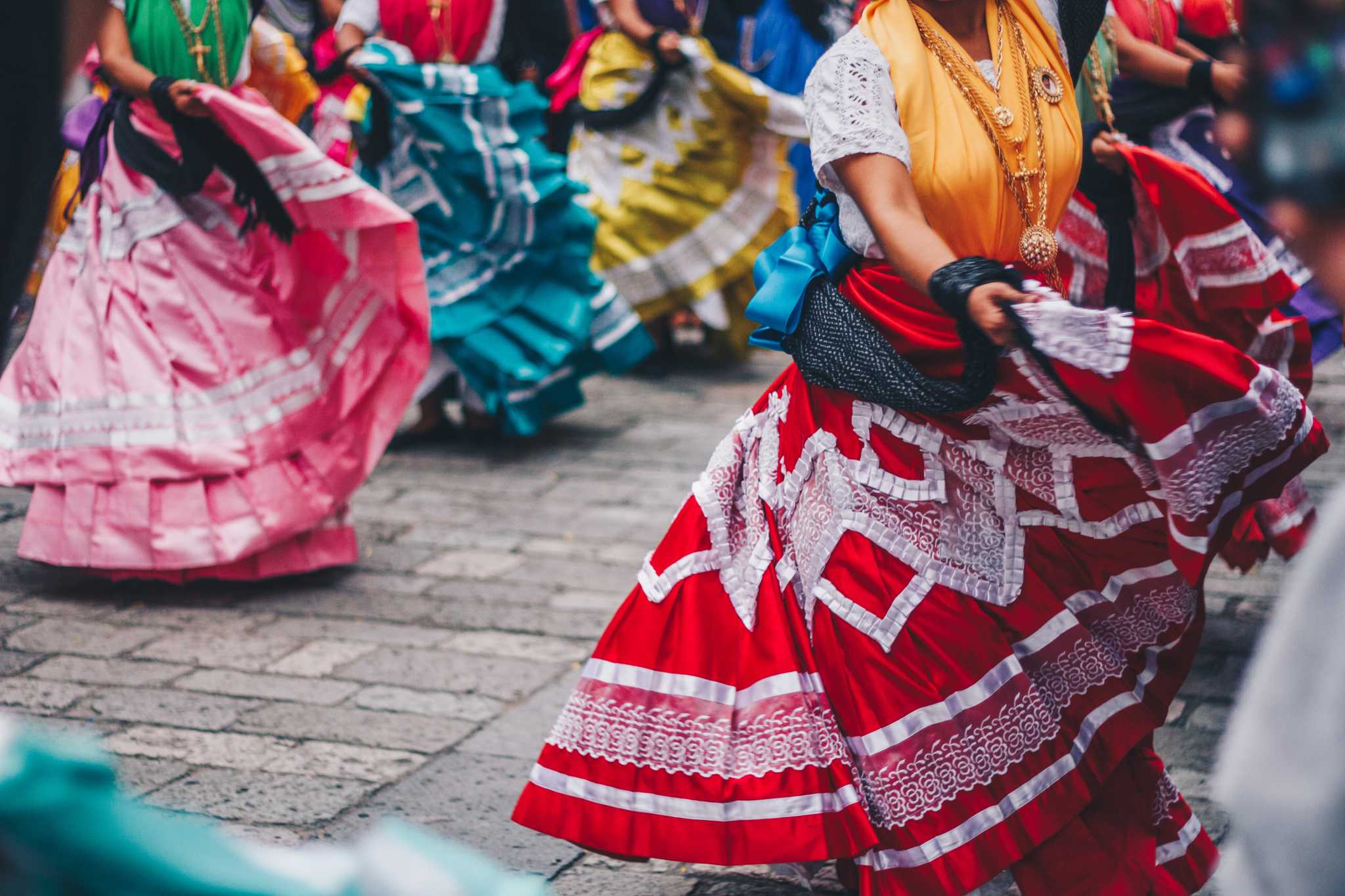
Oaxaca owns July. The Guelaguetza, a Zapotec word for a mutual offering, brings dancers from all eight of the state’s regions to the Cerro del Fortín on the last two Mondays. Mexican school holidays start mid-month, so beaches fill, and big swells draw surfers to Puerto Escondido. Eat tlayudas, and buy tunas, peeled prickly pears, by the bag.
August
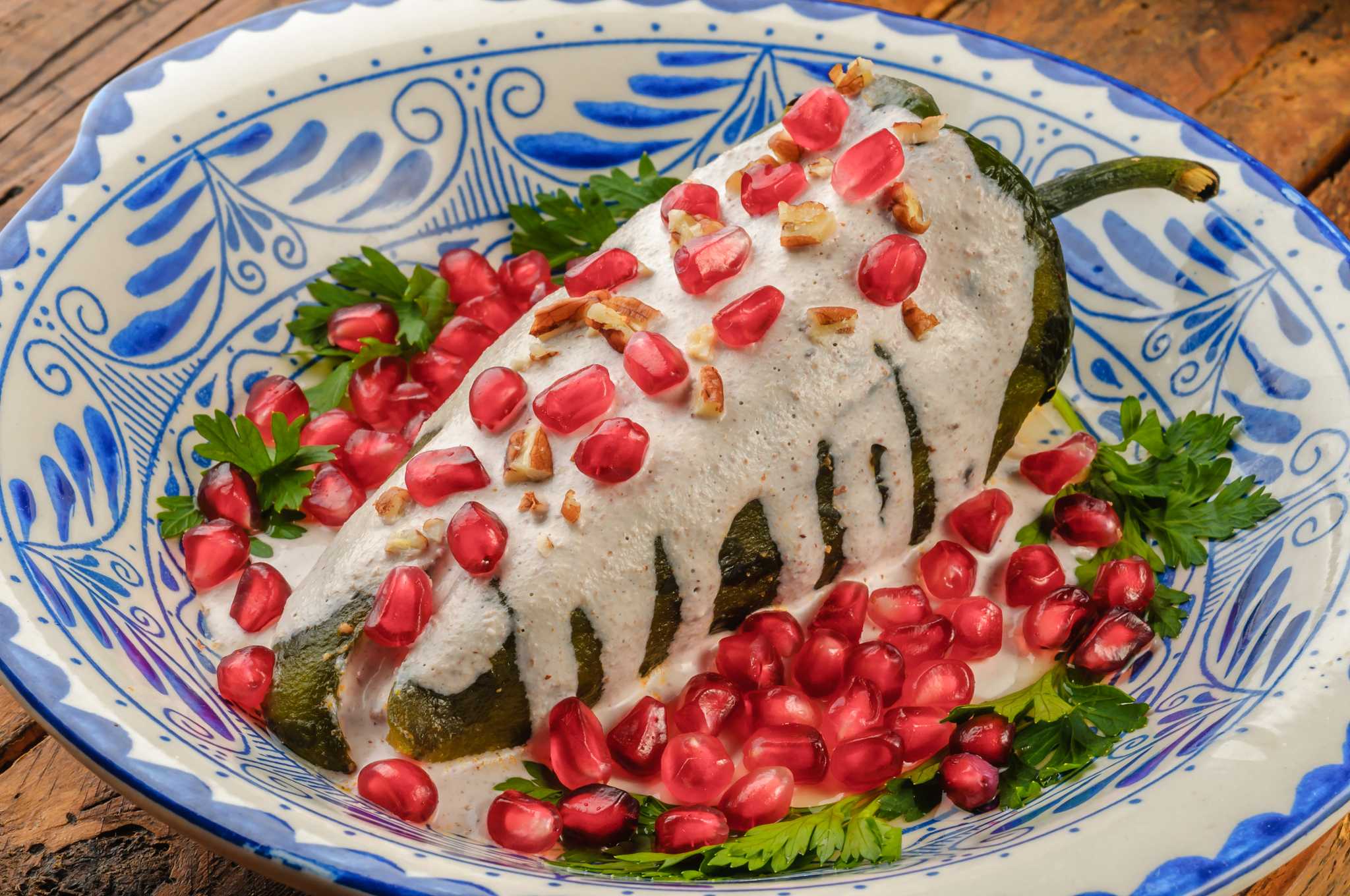
August is for food lovers. Chiles en nogada, poblanos under walnut sauce and pomegranate seeds, fill Puebla's menus, and Querétaro's vineyards hold harvest fiestas. On Aug. 14, Huamantla lays sawdust and flower carpets through the night. Beaches stay busy until schools return, and hurricane season picks up, so book flexibly.
Summer weather
Overview
Hot on the coasts, mild in the highlands, and wet nearly everywhere but Los Cabos. Expect short afternoon storms and watch for late-season hurricanes.
Mexico City and the central highlands
Mild days of 73-75°F (23-24°C) and nights of 54-55°F (12-13°C). Showers arrive most afternoons, so carry an umbrella and plan museums for later in the day.
Oaxaca
Pleasant days of 81-82°F (27-28°C) and nights of 59-61°F (15-16°C). Afternoon rain turns the valleys green, and mornings are often bright.
Yucatán and Riviera Maya
Hot and humid, with highs of 90-91°F (32-33°C), lows of 75-77°F (24-25°C), and a sea near 84°F (29°C). Seaweed peaks June to August.
Puerto Vallarta and the Pacific coast
Highs of 86-90°F (30-32°C), warm nights of 70-77°F 21-25°C, and a sea near 84°F (29°C). The wettest stretch of the year, with heavy evening storms.
Los Cabos and Baja California Sur
The driest corner of summer Mexico: highs of 91-93°F (33-34°C), nights of 73-79°F (23-26°C), and a sea near 81°F (27°C).
Mexico in fall
Fall is when Mexico turns from wet to dry. September is the stormiest, quietest, and cheapest month; by October the highlands dry out, though the Caribbean stays wet, and by November high season is back. In between come Independence Day, the Cervantino arts festival, and Day of the Dead.
Fall is when Mexico turns from wet to dry. September is the stormiest, quietest, and cheapest month; by October the highlands dry out, though the Caribbean stays wet, and by November high season is back. In between come Independence Day, the [Cervantino](https://festivalcervan...

September
September was our quietest month in Mexico in 2025: low rates, empty sites, and peak hurricane season, so stay flexible. At 11 PM on Sept. 15, the eve of Independence Day, main squares echo the Grito, the 1810 call to revolt first shouted in Dolores, near San Miguel de Allende. Then comes pozole, the hominy stew of patriotic nights.
October
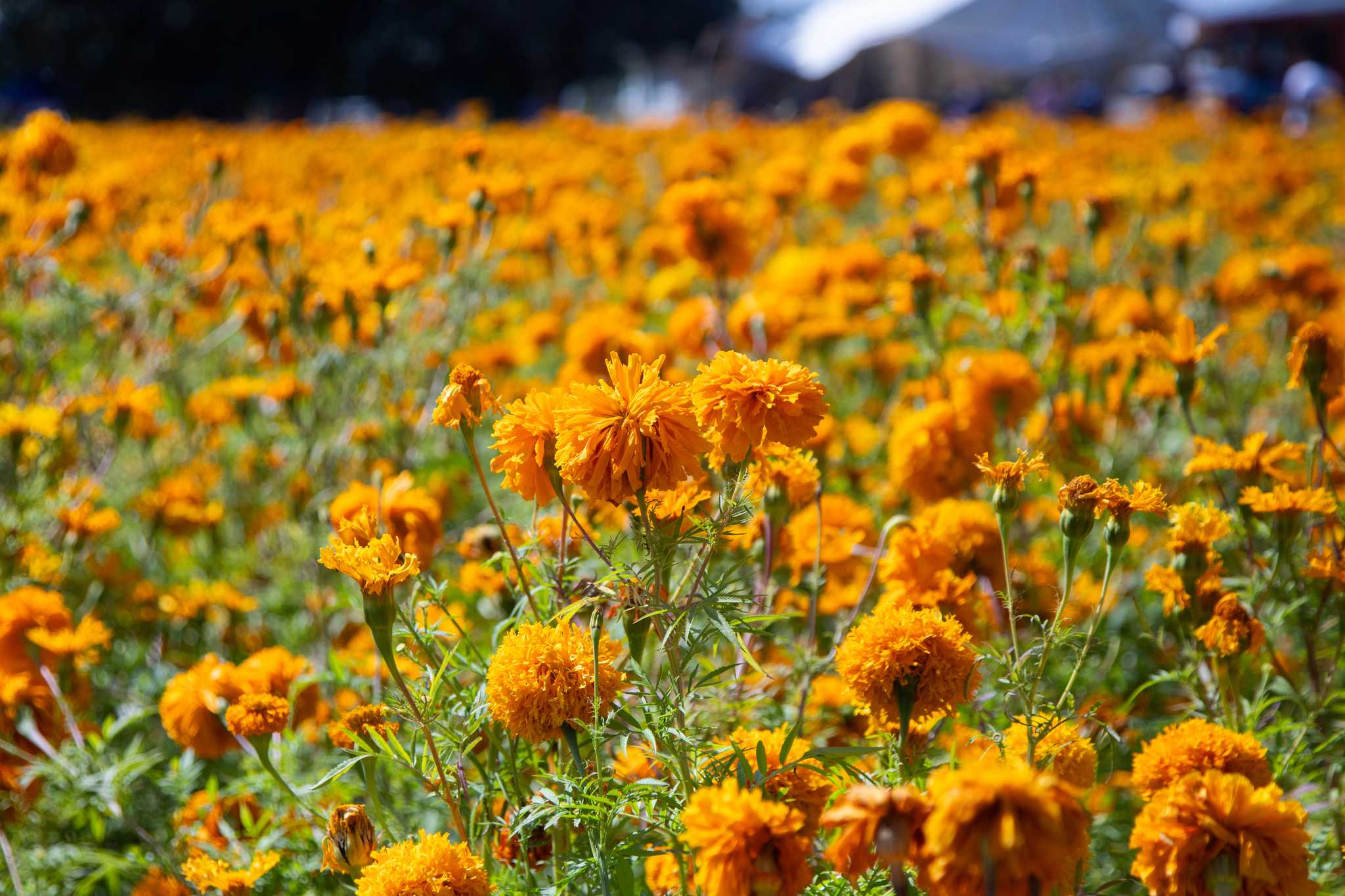
The highlands dry out, and crowds stay away, though the Caribbean coast stays wet until November. Guanajuato hosts the Cervantino arts festival, giant alebrijes parade down Paseo de la Reforma, and Guadalajara throws its monthlong Fiestas de Octubre. Marigold fields glow orange around Atlixco. Try calabaza en tacha, pumpkin candied in piloncillo.
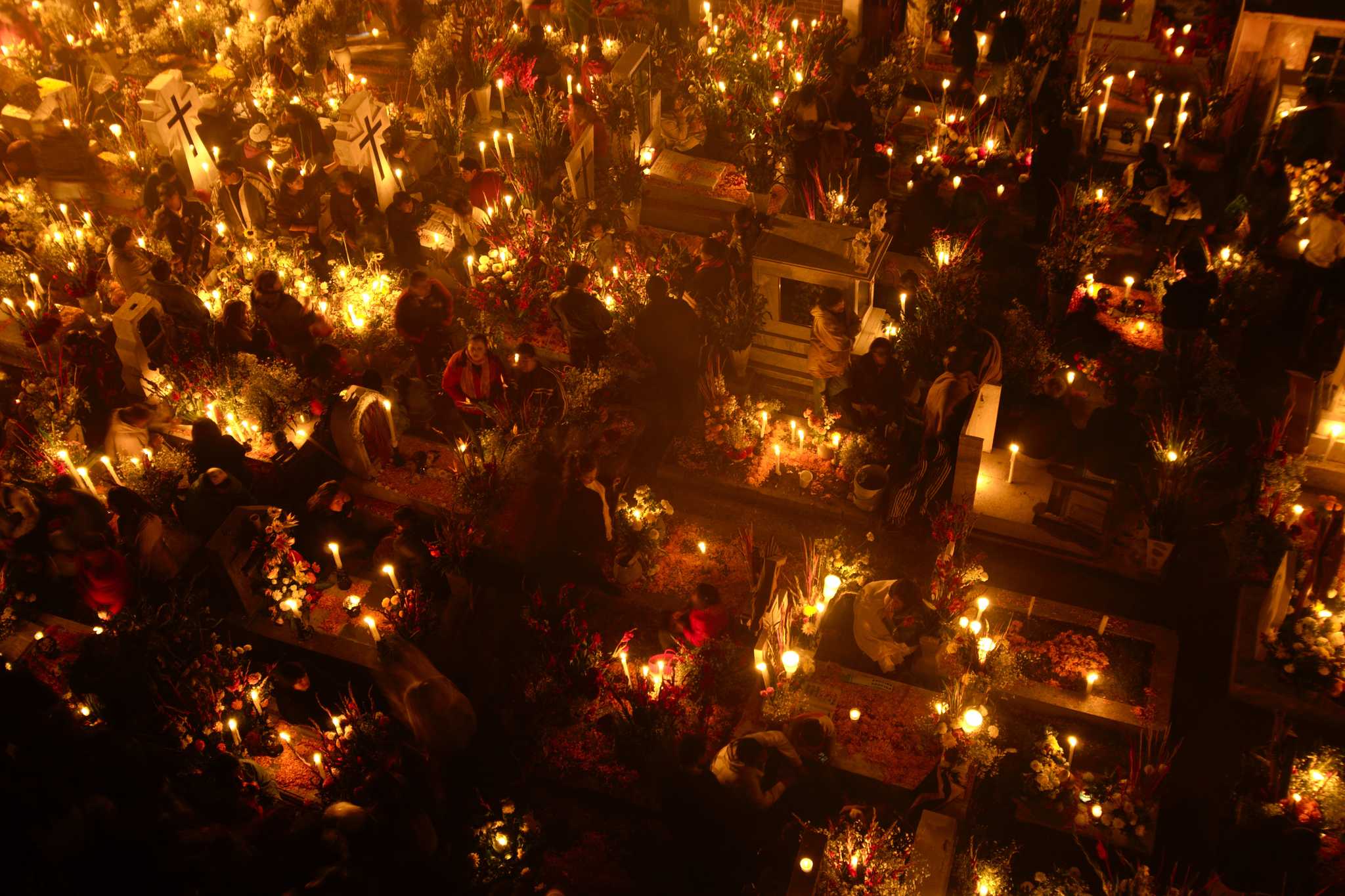
November
Día de Muertos opens the month with candlelit vigils in Oaxaca and Mixquic, while Mérida marks Hanal Pixán with mucbipollo, a tamale baked underground. November was one of our busiest months in Mexico in 2025. The drive north from Mexico City across the Bajío plains to San Miguel de Allende’s pink church spire is at its best this month: dry, clear, and mild.
Fall weather
Overview
Rain fades month by month, and hurricane risk peaks in September before easing. Days stay warm everywhere, while highland nights start to cool by November.
Mexico City and the central highlands
Pleasant days of 73-75°F (23-24°C) and nights of 50-52°F (10-11°C). Rain tapers off through October, and November is mostly dry and clear.
Oaxaca
Warm days of 81-82°F (27-28°C) and nights of 57-59°F (14-15°C). The valleys stay green after the rains, and skies are clear.
Yucatán and Riviera Maya
Highs of 86-90°F (30-32°C), lows of 73-75°F (23-24°C), and a sea near 84°F (29°C). Often the wettest stretch here, drying out in November.
Puerto Vallarta and the Pacific coast
Highs of 86-90°F (30-32°C), nights of 68-75°F (20-24°C), and a sea near 84-86°F (29-30°C). Storms ease off through October.
Los Cabos and Baja California Sur
Hot and mostly dry, with highs of 90-91°F (32-33°C), nights of 70-75°F (21-24°C), and a sea near 82°F (28°C), at its warmest.
Our recommended routes in Mexico
Puebla to Mexico City
2h 14min • 132km (82.0mi)
From US$151
Tepoztlan to Mexico City
1h 30min • 84km (52.2mi)
From US$97
Oaxaca de Juarez to Puerto Escondido
3h 7min • 195km (121.2mi)
From US$323
Cabo San Lucas to La Paz
2h 1min • 157km (97.6mi)
From US$136
Teotihuacan to Mexico City
1h 1min • 49km (30.4mi)
From US$57
Valle de Bravo to Mexico City
2h 17min • 142km (88.2mi)
From US$159
Guanajuato to San Miguel de Allende
1h 27min • 77km (47.8mi)
From US$135
Cancun Airport to Tulum
1h 35min • 119km (73.9mi)
From US$114
Mexico City to San Miguel de Allende
3h 38min • 266km (165.3mi)
From US$252
Los Cabos International Airport to Cabo San Lucas
51min • 52km (32.3mi)
From US$95
Cancun Airport to Chiquila
2h 16min • 146km (90.7mi)
From US$175
Mexico City to Oaxaca de Juarez
5h 58min • 462km (287.1mi)
From US$442
Best day trips in Mexico

Mexico City to Teotihuacan: Private day trip

Puerto Vallarta to Sayulita and San Pancho: Private day trip

The Authentic Yucatan Triple Crown: Day trip from Cancun

Cabo San Lucas to Todos Santos and Cabo Estuary: Day trip

Guadalajara to Tequila and Destileria La Rojena: Day trip

Oaxaca to Mitla and Yagul: Private day trip

Puebla to Cholula and Atlixco: Private day trip

Mexico City to Valle de Bravo: Private day trip
2+ million travelers like you. Moments they'll never forget.

Your Mexico travel season questions, answered
About the author
Ján Tompkins is a Prague-based travel writer with a passion for arts and culture. His travels are shaped as much by museum exhibitions as by bakeries, greasy spoons, and funny signage. His favorite Juan Gabriel song is "¿Por Qué Me Haces Llorar?"
Be the first to discover more
Get handpicked travel ideas, insider highlights, and special Daytrip offers.


