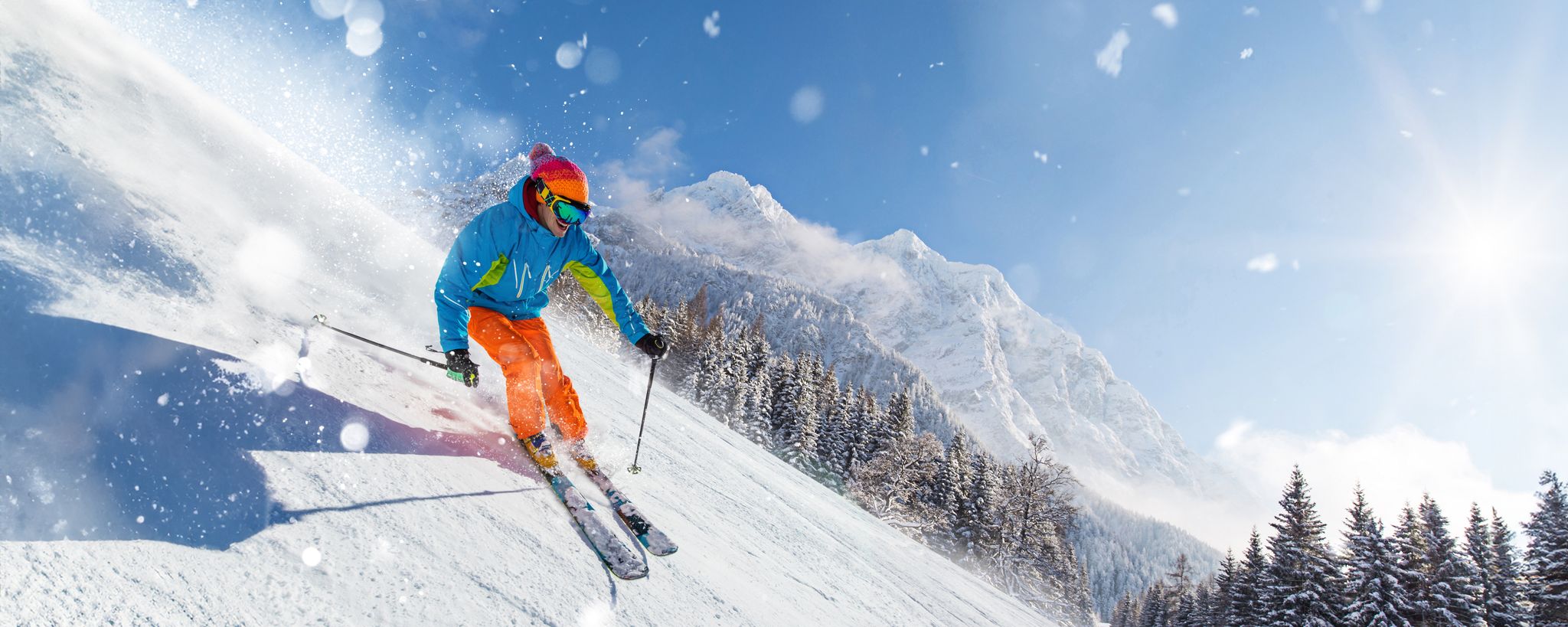
Daytrip's guide to Italian skiing
By Ján Tompkins
Italy is one of the great ski nations, with slopes strung along the Alps and the Apennines and a style of skiing all its own. The mountains are as serious as anywhere in Europe, but the day is built differently: more sun, a long lunch at a mountain hut, and prices that undercut Switzerland and the big French resorts. This guide covers where and how to ski in Italy, for everyone from first-timers to experts.
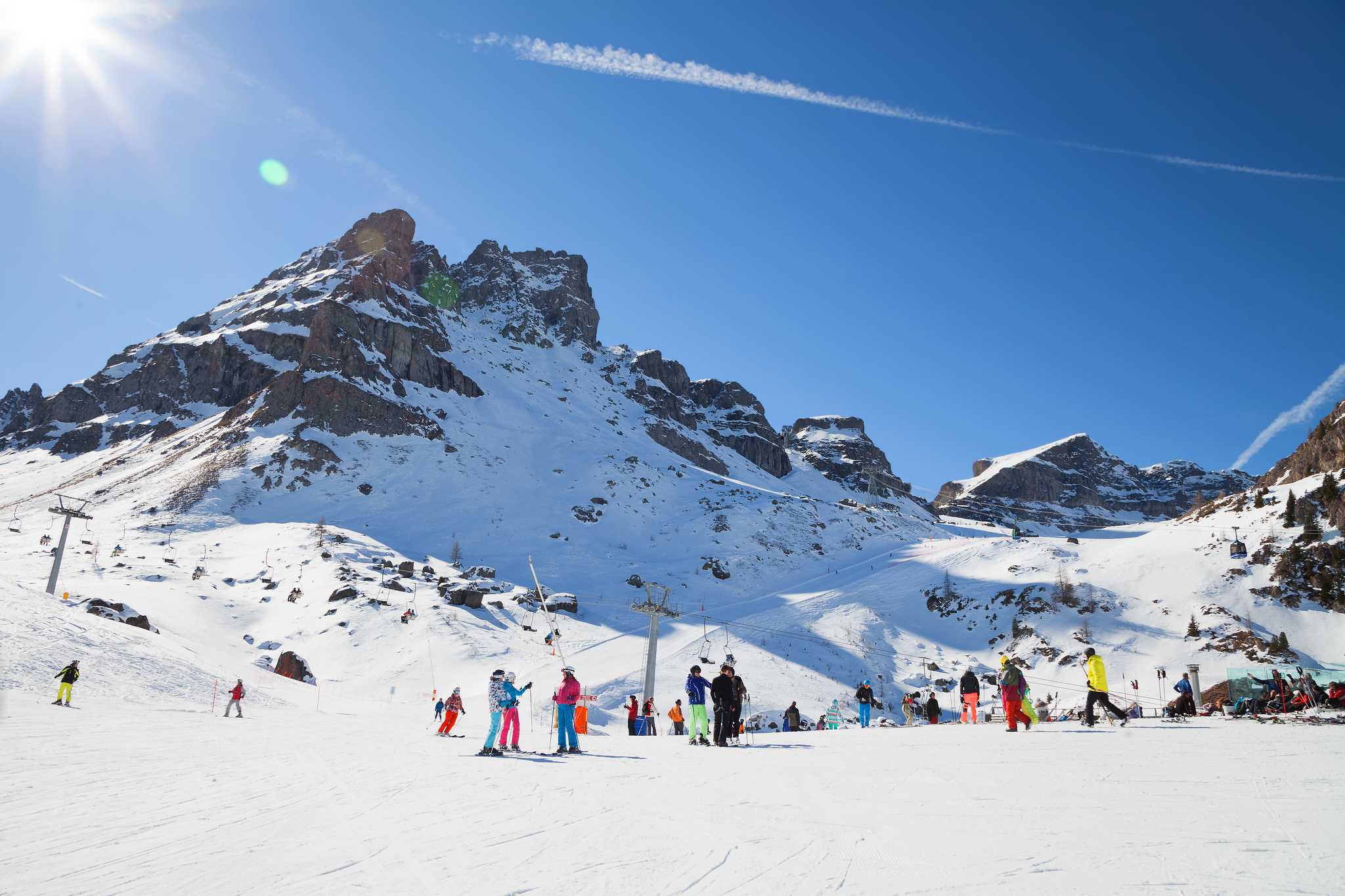
At its heart are the Dolomites, whose pale, jagged peaks are among the most striking on earth. They’re linked by Dolomiti Superski, the world's largest ski network, with about 1,200 km (745 miles) of pistes on a single pass. To the west rise the high, snow-sure resorts of the Aosta Valley, some sharing their slopes with France and Switzerland; the wide, sunny terrain of Piedmont's Milky Way, a cross-border circuit reaching into France; and Lombardy's Livigno and Bormio, where the snow is dependable and the prices stay low.
The season runs from about early December to mid-April, and the highest resorts stretch it at either end. January and February bring the most reliable snow, along with the busiest, priciest weeks around Christmas, New Year, and the school holidays. Book those dates months ahead. In the pages that follow, we cover the four main regions in depth, plus a handful of other resorts worth knowing, so you can match the mountain to the trip you have in mind.
Ski terms to know in Italy
Après-ski
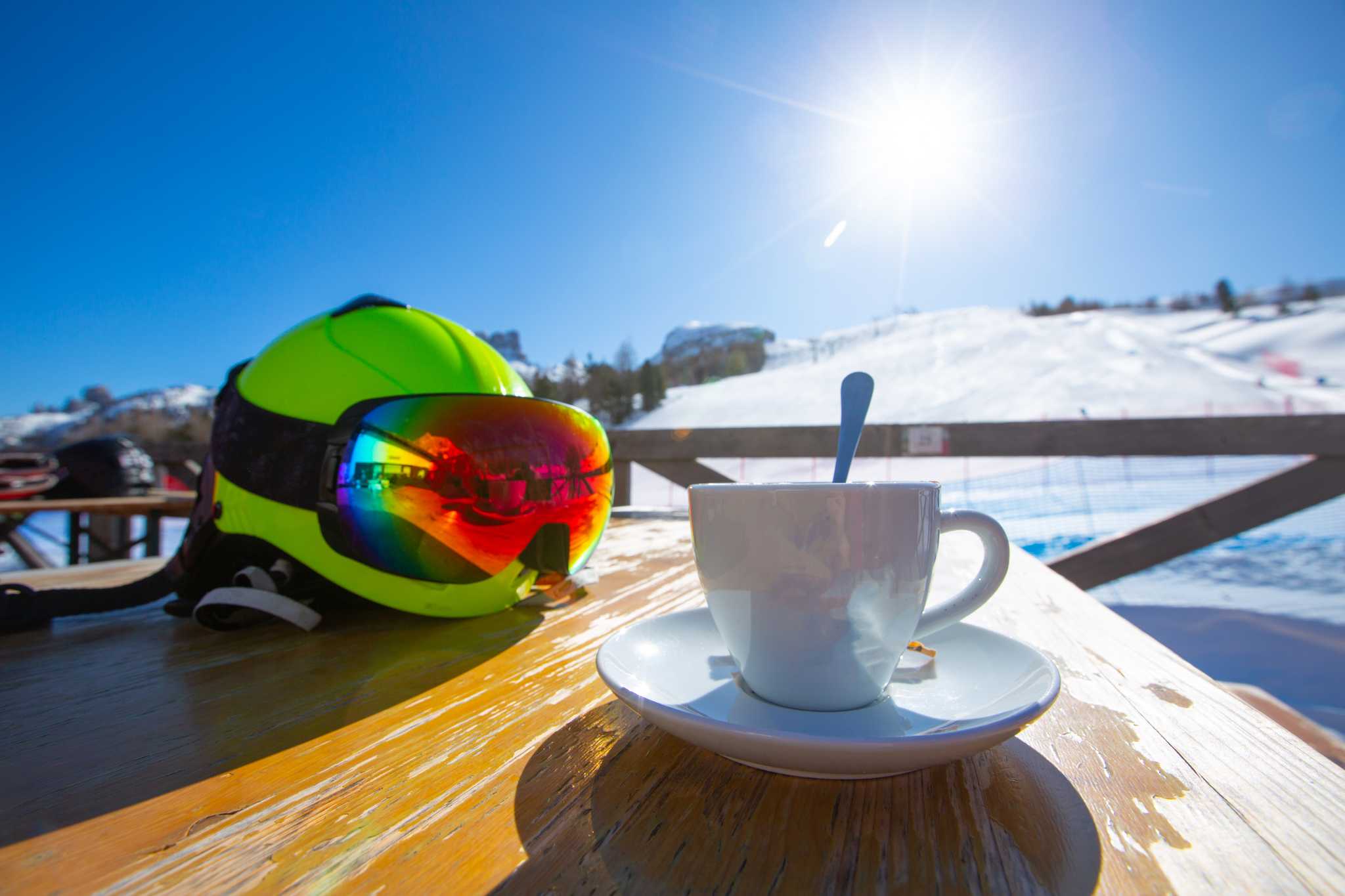
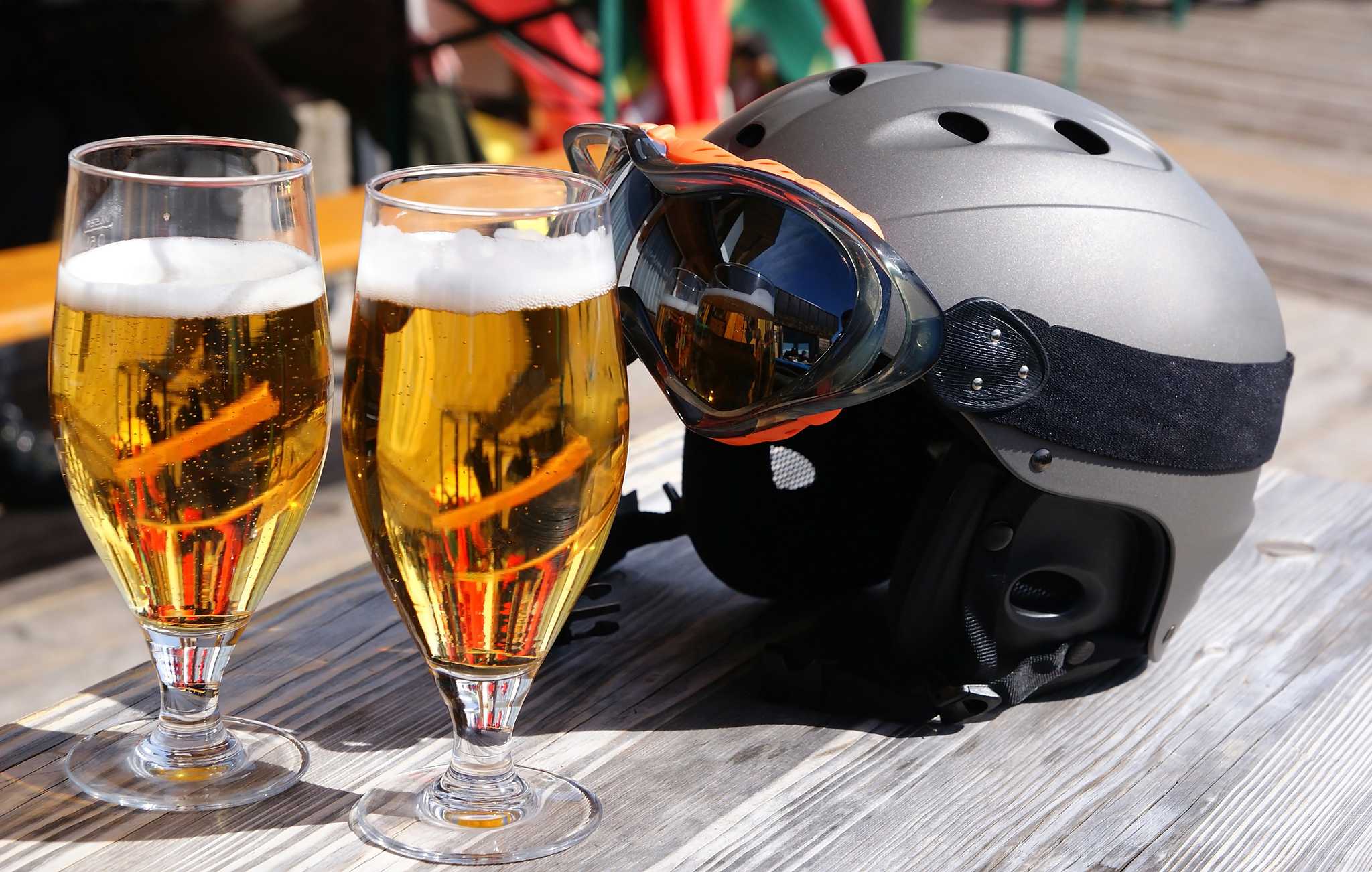
The social scene after skiing: drinks, music, and food at slope-side bars, often starting in the mid-afternoon. In Italy, expect good wine, aperitivo, and the occasional warm bombardino.
Rifugio
A mountain hut on the slopes, and the heart of Italian skiing. Most serve full sit-down lunches of pasta, polenta, and strudel, with a sunny terrace and a view.
Settimana bianca
Literally "white week," the traditional Italian week-long ski holiday. It fills resorts during the winter school breaks, which is why February is one of the busier times.
Sella Ronda
A famous circular ski route (about 40 km, or 25 miles) in the Dolomites, looping the Sella massif through four valleys on lifts and pistes. Doable in a day, in either direction.
Impianti
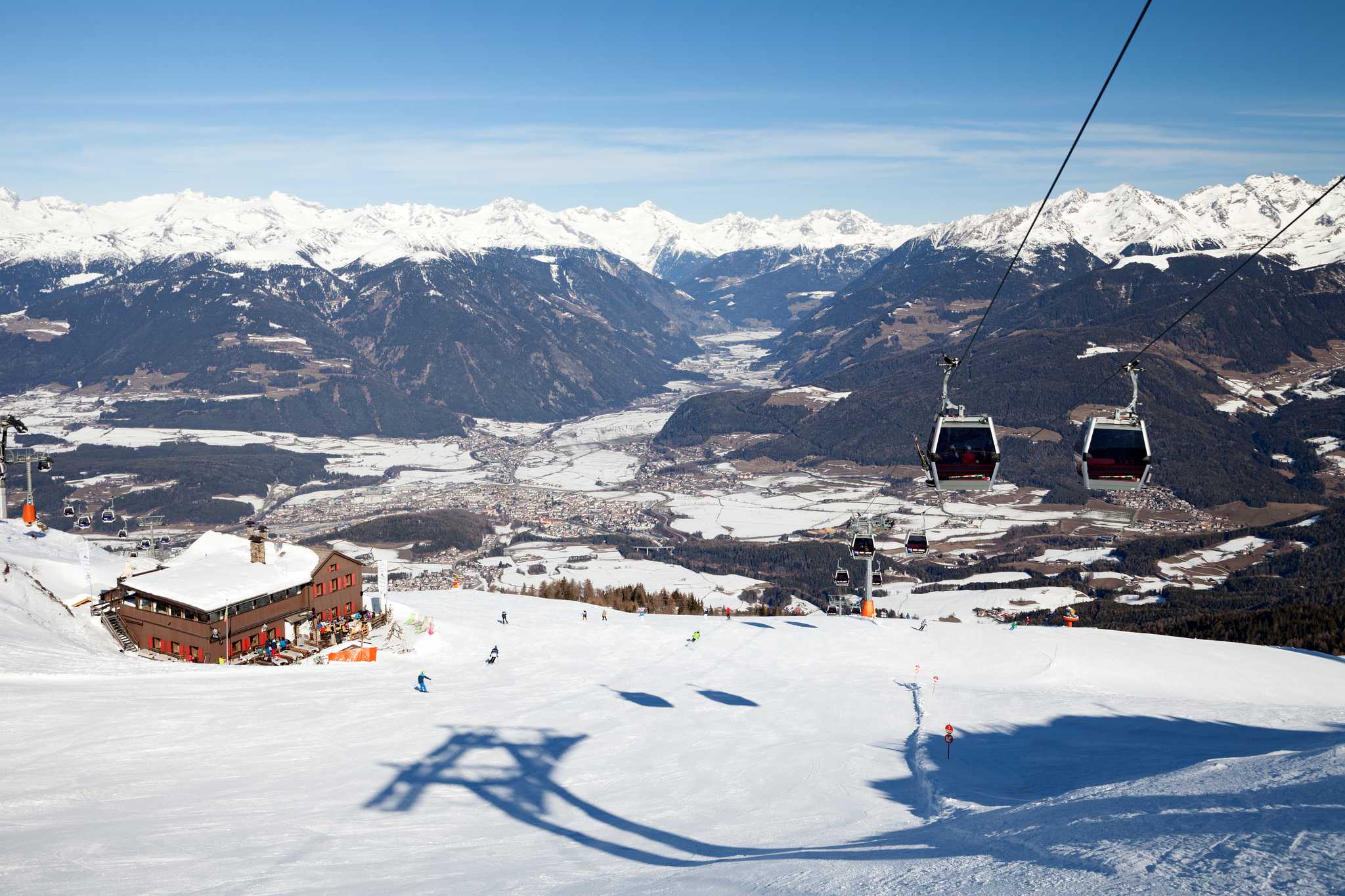
The lifts. A funivia is a cable car, a cabinovia is a gondola, a seggiovia is a chairlift, and a sciovia is a drag lift. Look for "impianti aperti" on the morning report to know which are open.
Piste
A marked, groomed ski run, graded by difficulty: blue for easy, red for intermediate, black for hard. Skiing off them, on ungroomed snow, is off-piste.
Skiing in the Dolomites
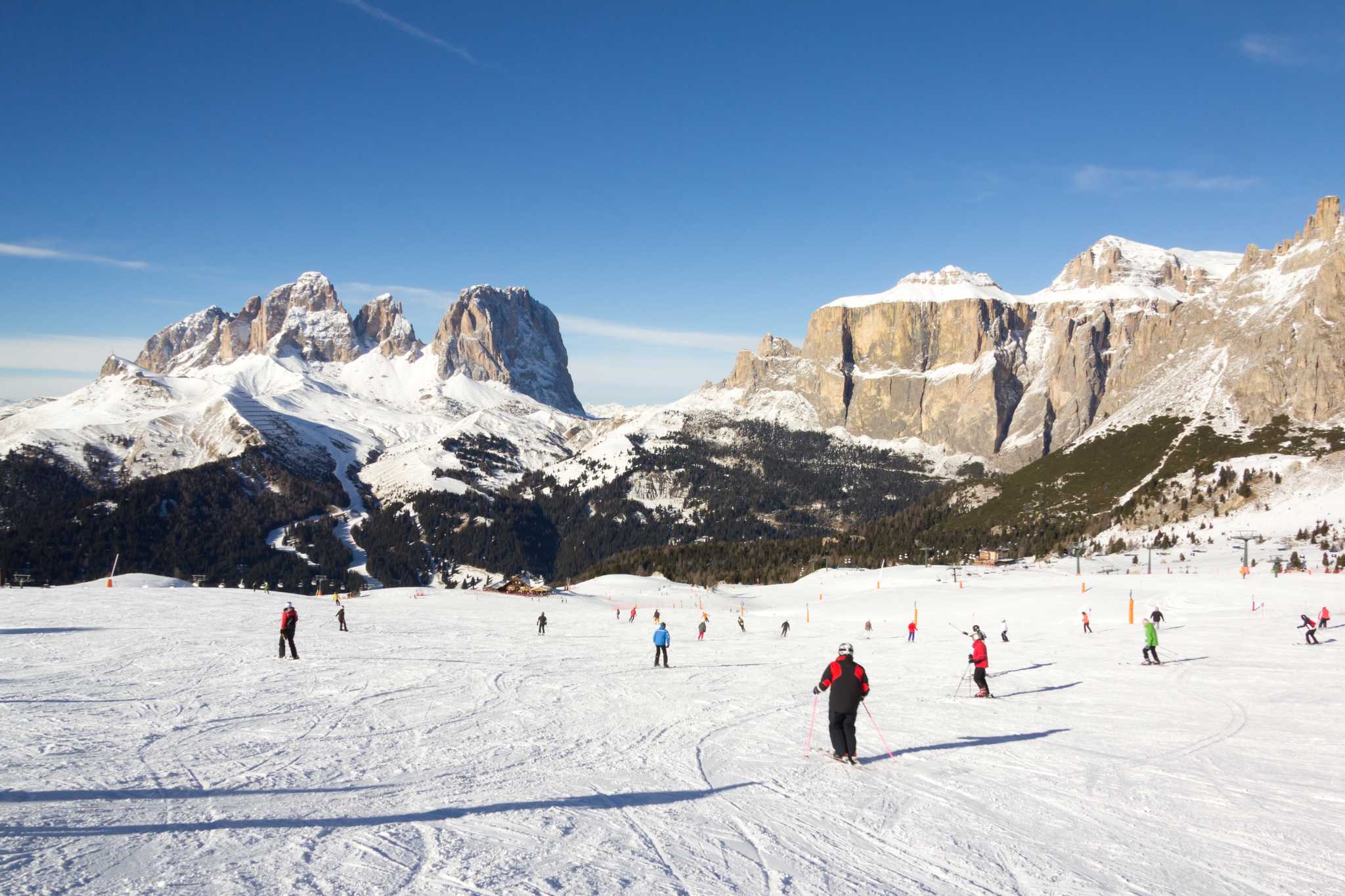
Dolomiti Superski links 12 areas on one pass, all under pale peaks. The six below form its core, from chic Cortina to the valley villages of Val Gardena and Alta Badia. Fly into Venice, Verona or Innsbruck, each two to three hours away.
Dolomiti Superski links 12 areas on one pass, all under pale peaks. The six below form its core, from chic Cortina to the valley villages of Val Gardena and Alta Badia. Fly into Venice, [Verona](https://daytri...

What to eat and drink in the Dolomites
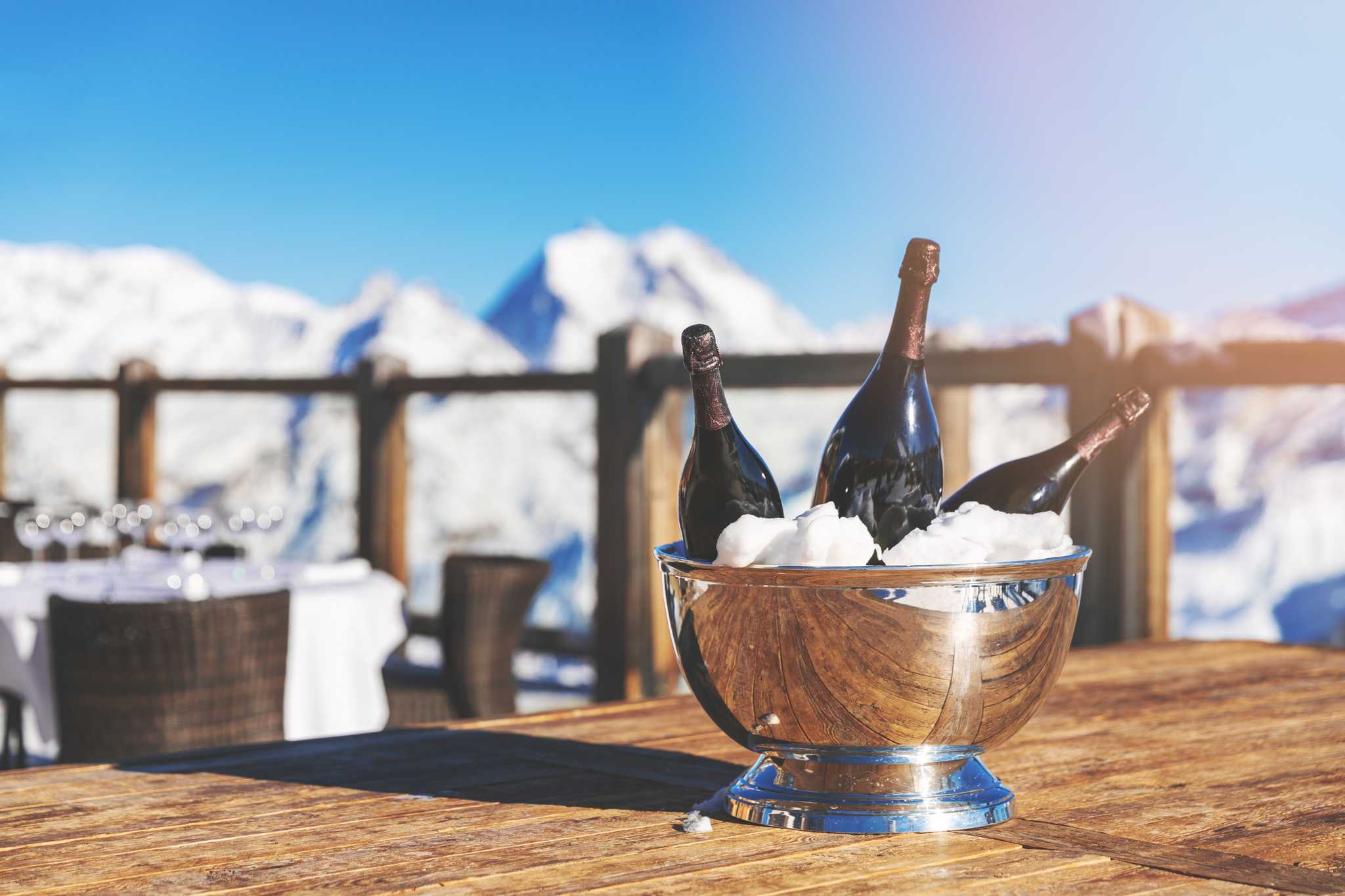
Skiing in the Dolomites means eating well, and the food up here leans Alpine rather than Mediterranean. Expect dumplings, cured pork, and buttery pastry, eaten at a rifugio with the peaks in view and a glass of local wine. Lunch is a proper sit-down affair, not a sandwich on the lift.
Skiing in the Dolomites means eating well, and the food up here leans Alpine rather than Mediterranean. Expect dumplings, cured pork, and buttery pastry, eaten at a rifugio with the peaks in view and a glass of local wine. Lunch is a proper sit-down affair, not a sandwich on the lift.
Canederli
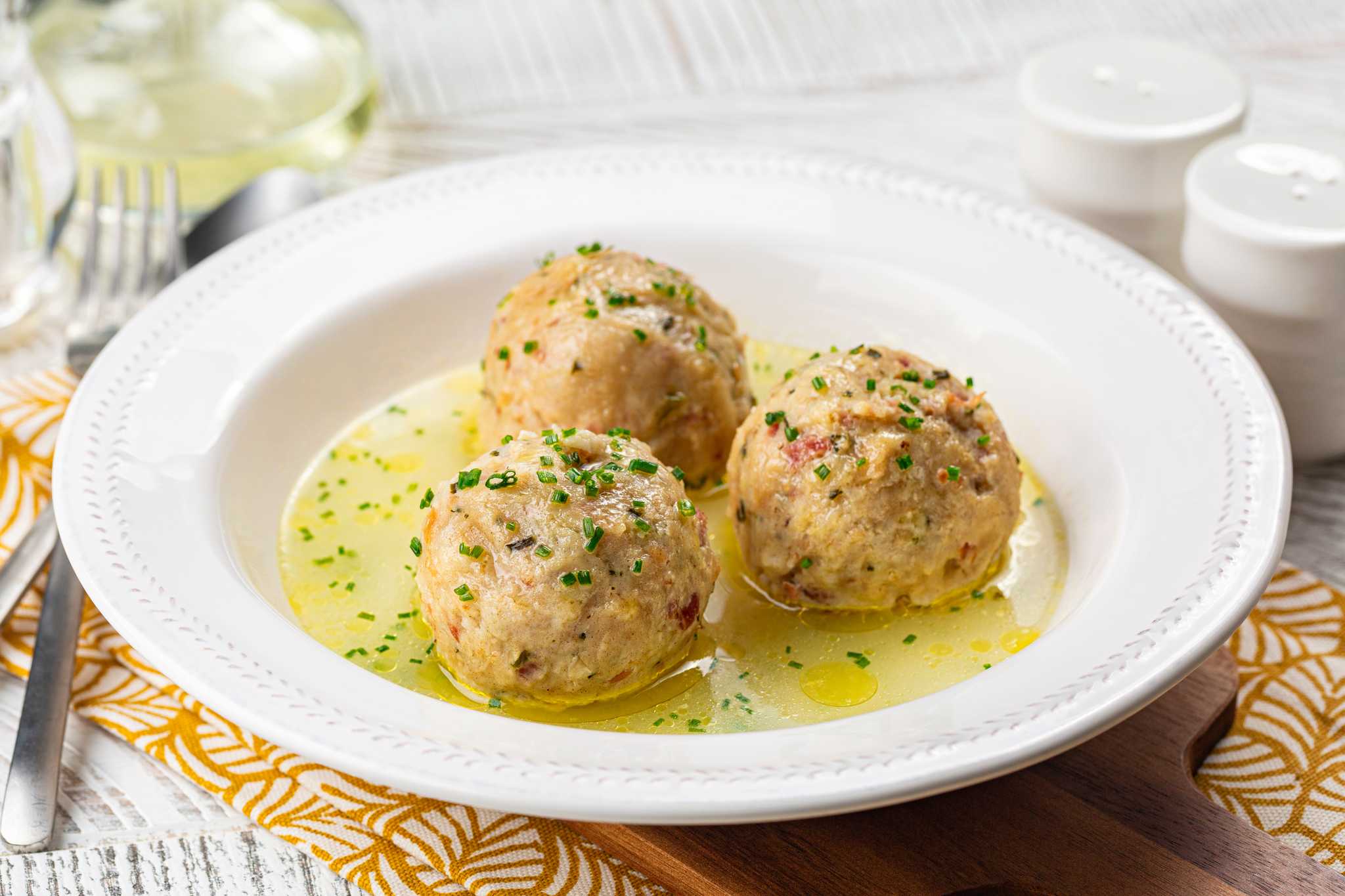
Big bread dumplings studded with speck or cheese, served in broth or with butter. The classic warming mountain lunch.
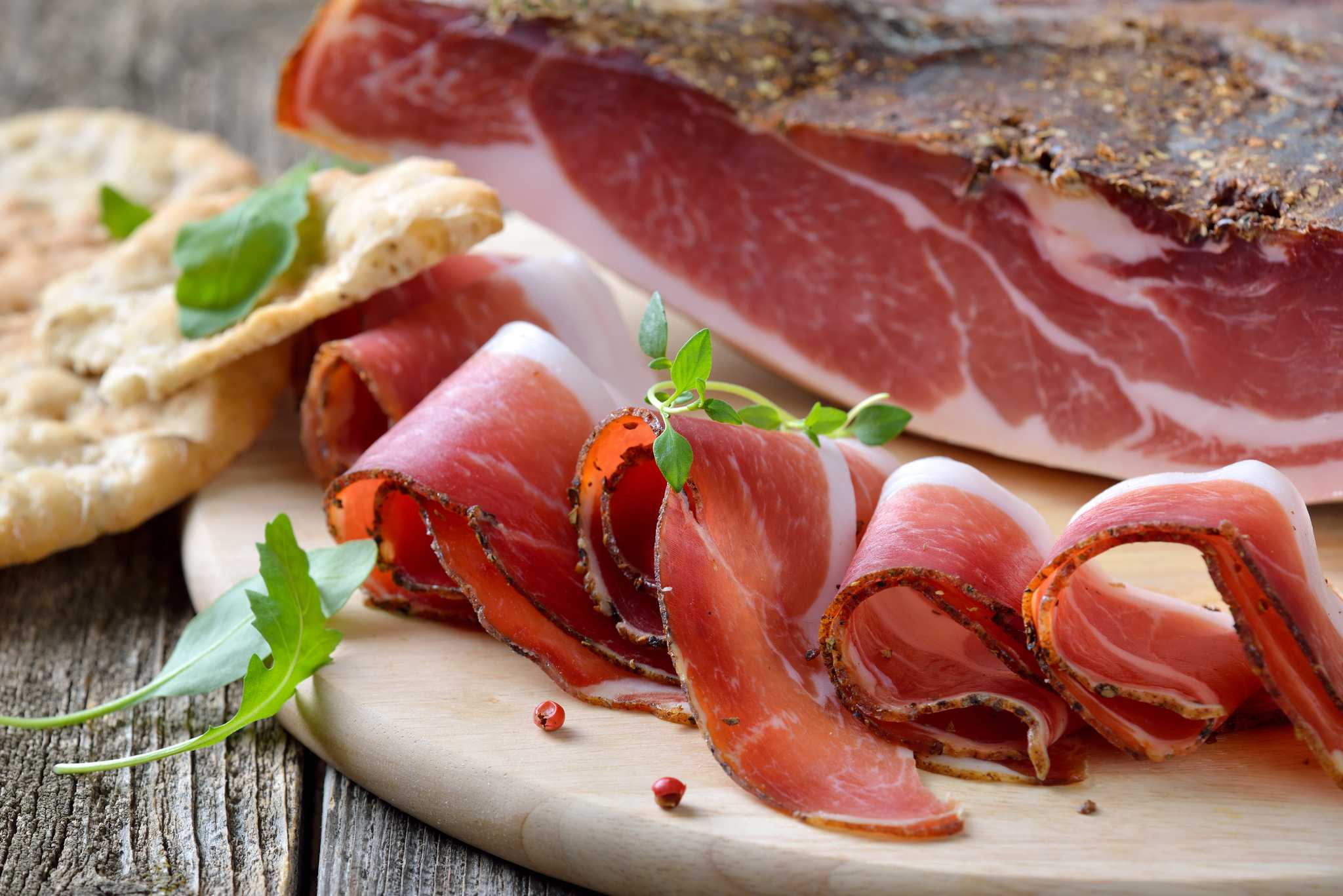
Speck
South Tyrol's lightly smoked, spice-cured ham, sliced thin. A staple of every board, best with dark bread and mountain cheese.
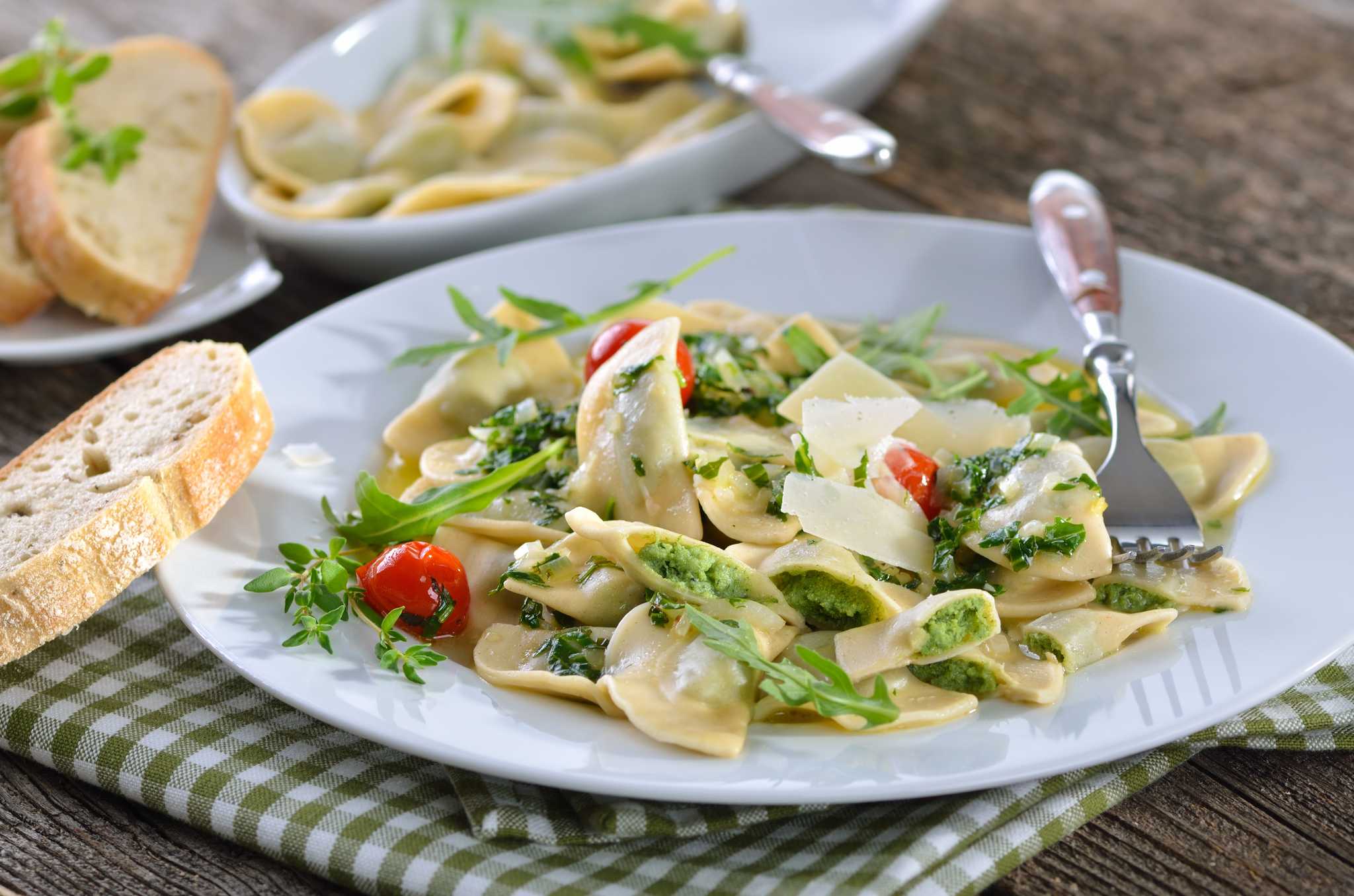
Schlutzkrapfen
Half-moon ravioli filled with spinach and ricotta, finished with butter, parmesan, and chives. Alpine comfort food.
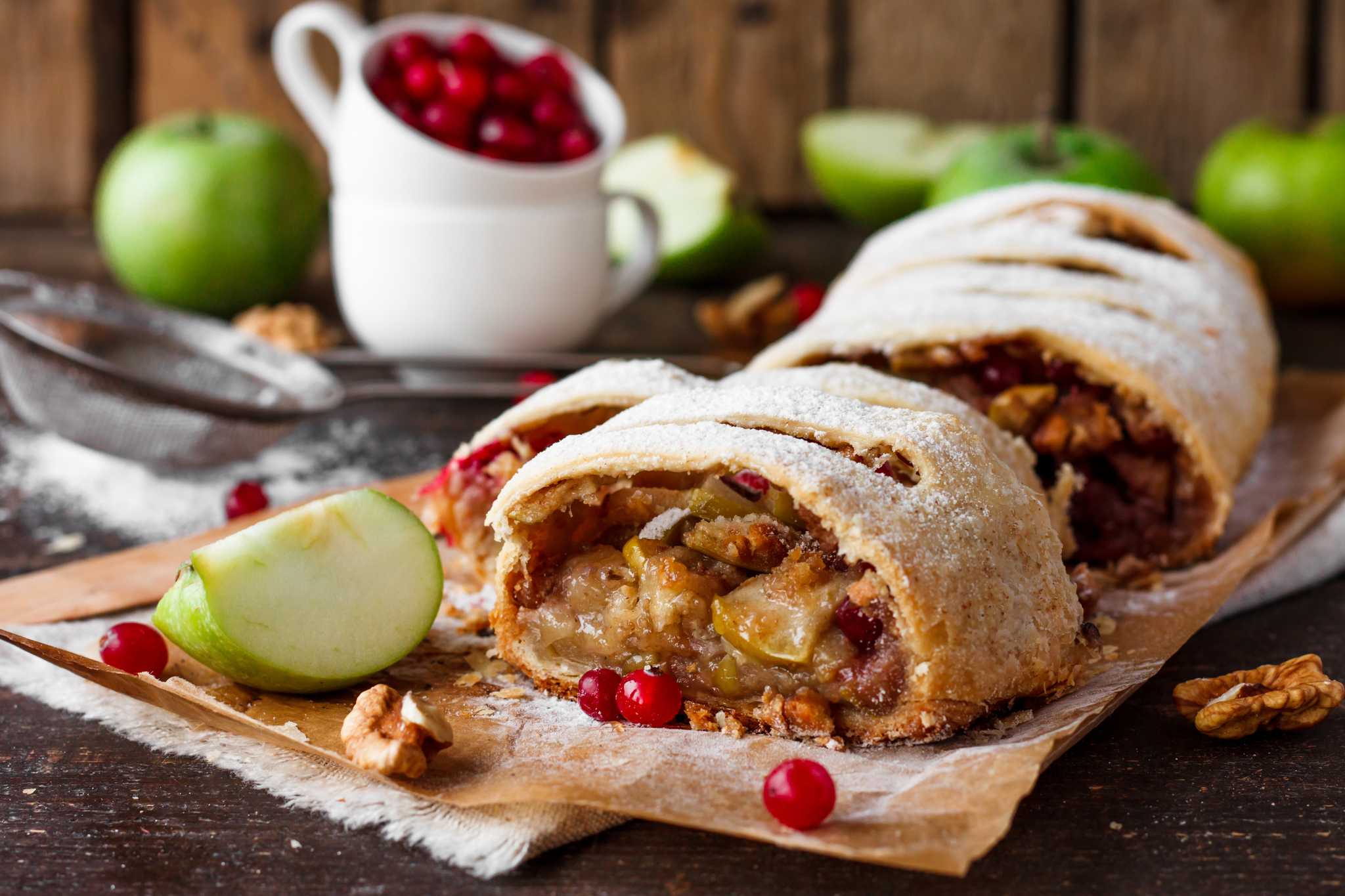
Apple strudel
Thin pastry rolled around spiced apples, raisins, and pine nuts. The standard rifugio dessert, warm with cream.
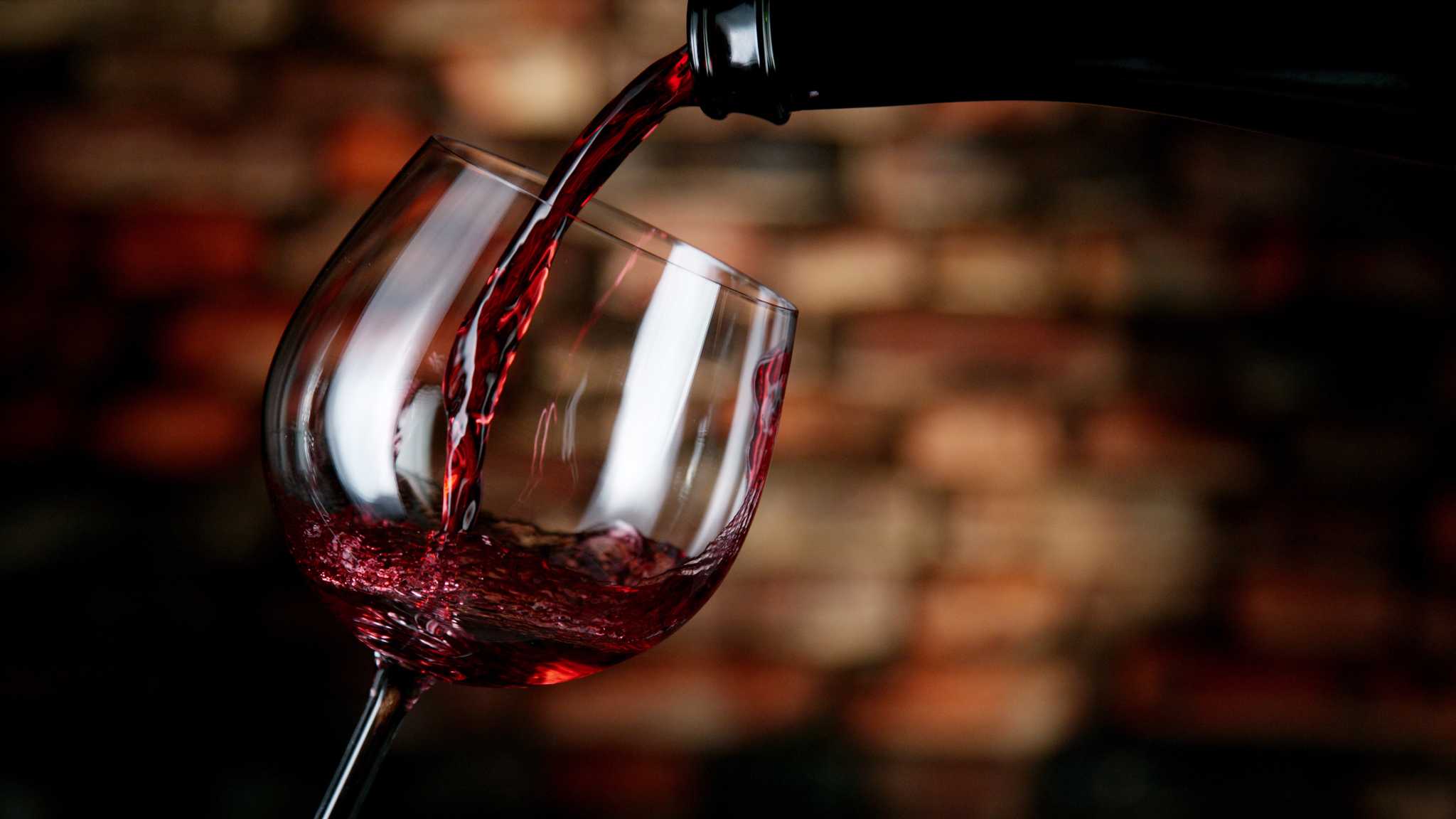
Lagrein
The dark, plummy red of Alto Adige pairs well with speck and game. The region is also known for crisp whites.
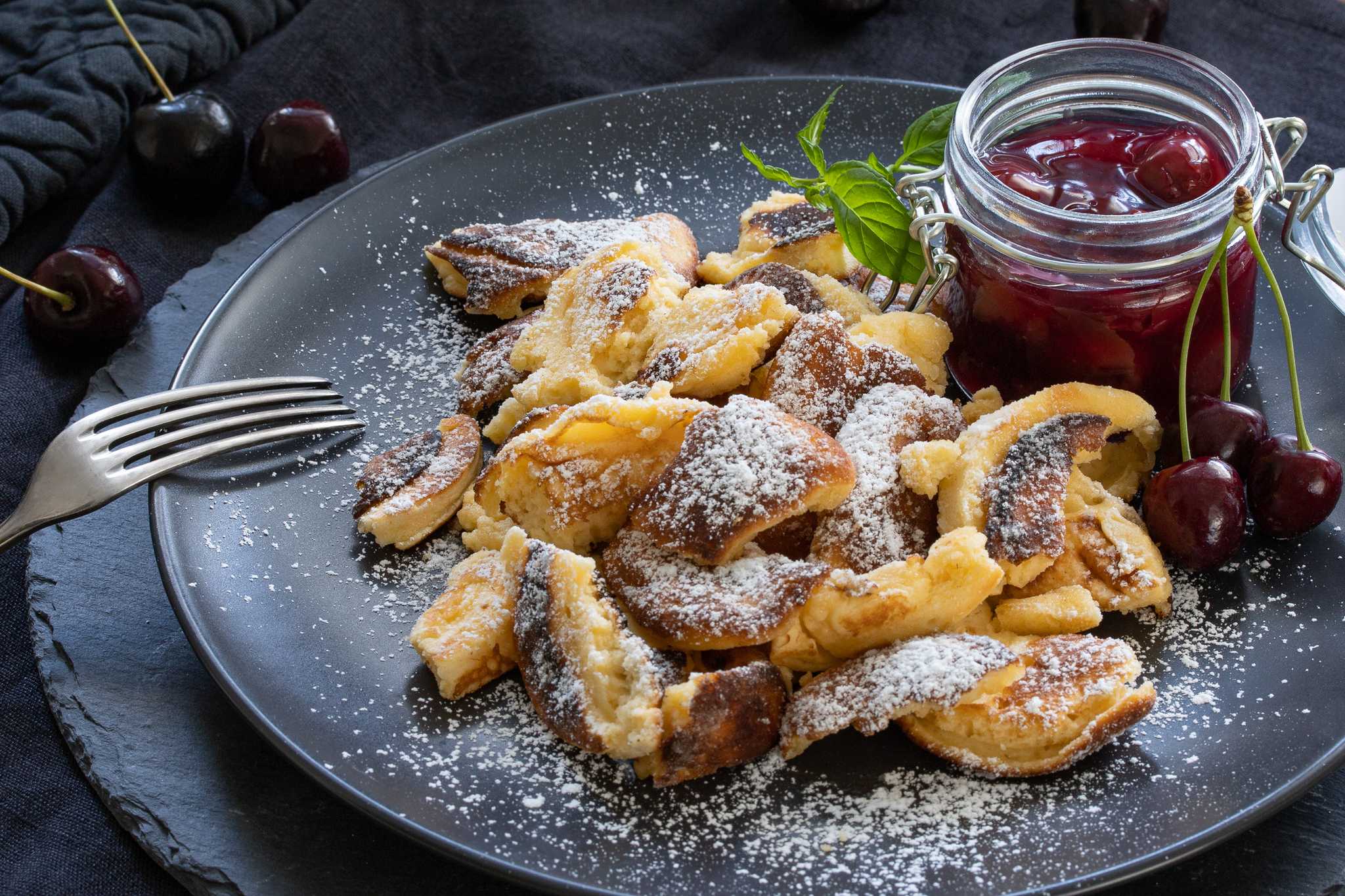
Kaiserschmarren
Torn, caramelized pancake with fruit compote. Our local driver Stefano says it's best eaten in a mountain hut.
Skiing in the Aosta Valley
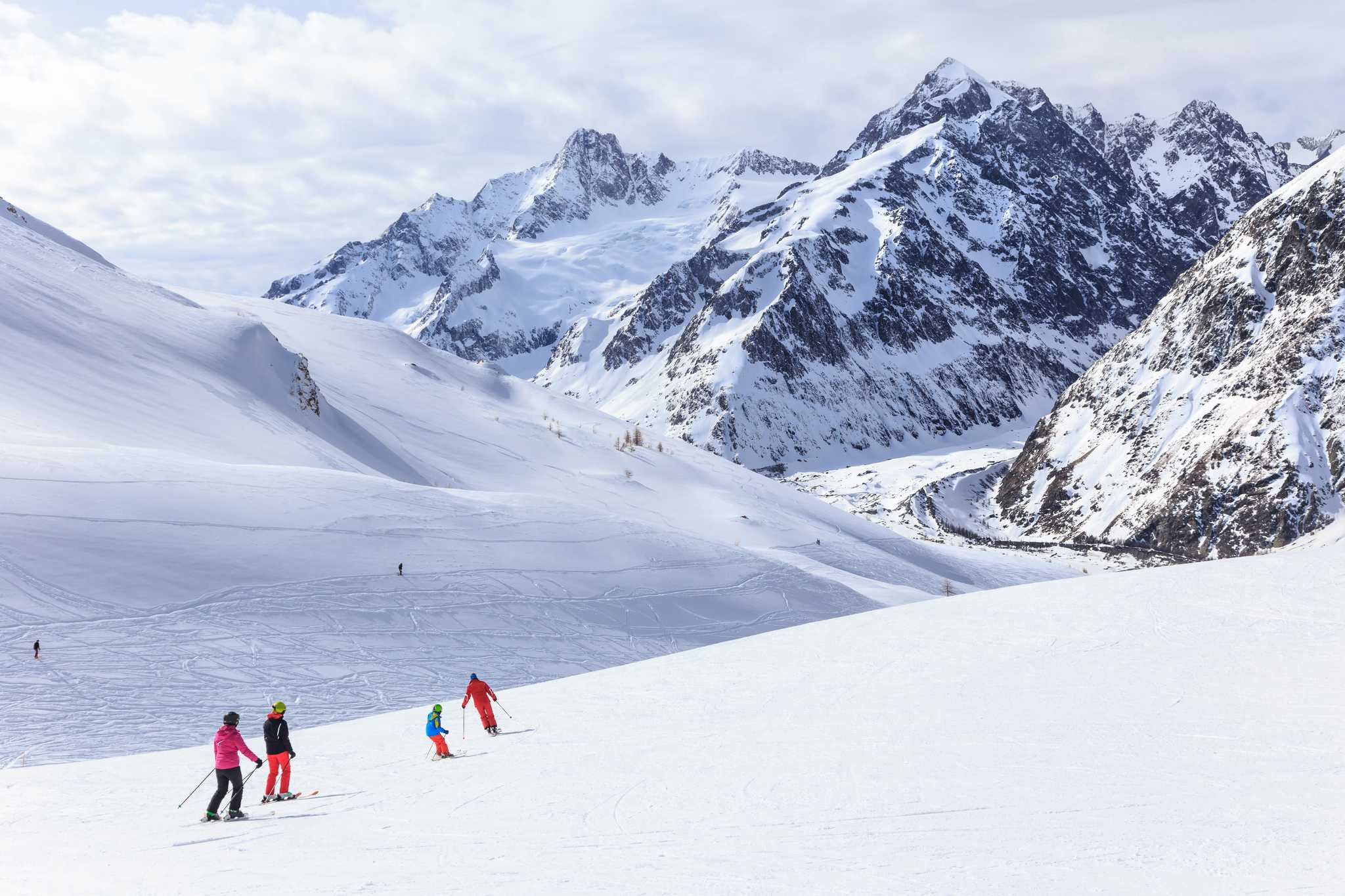
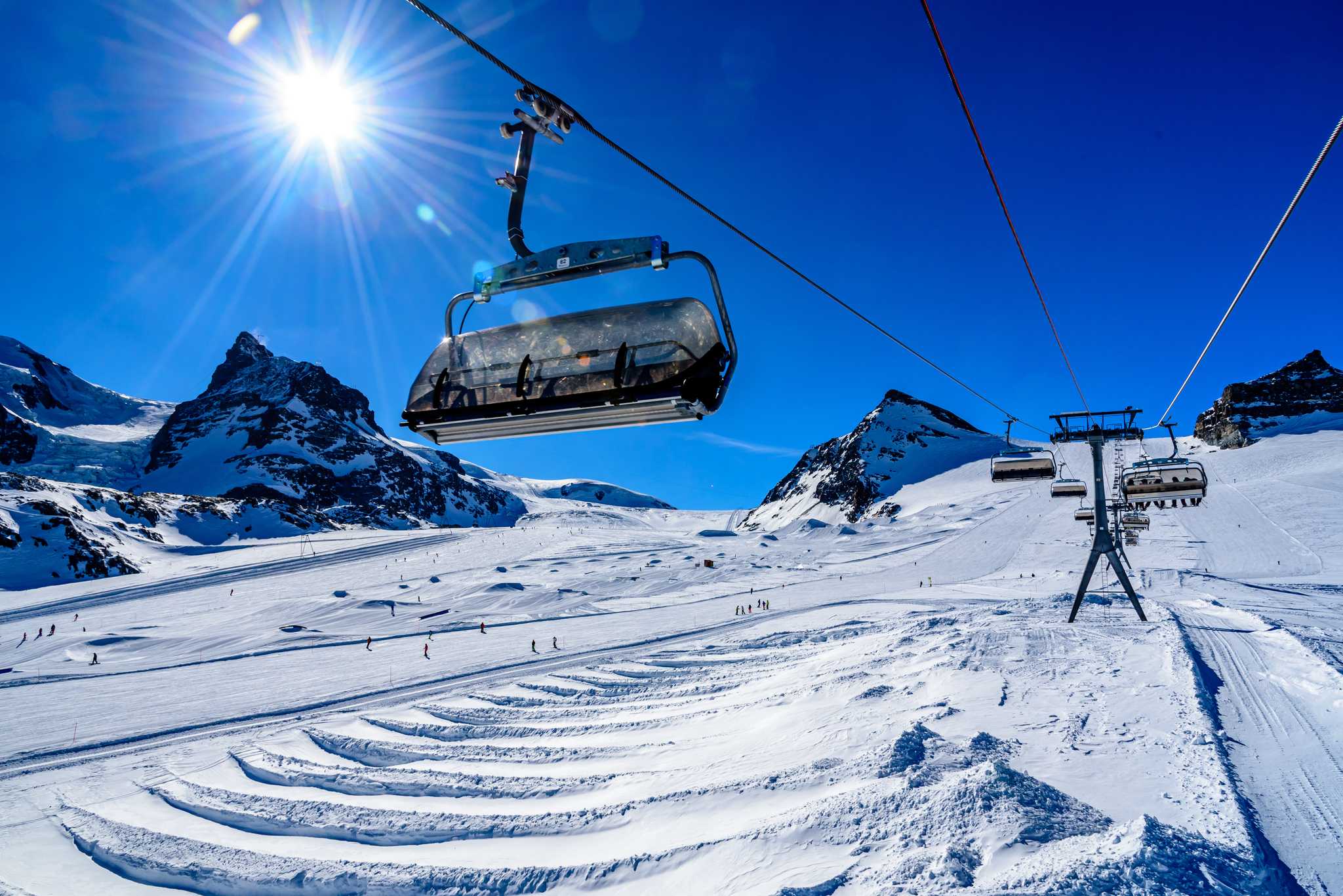
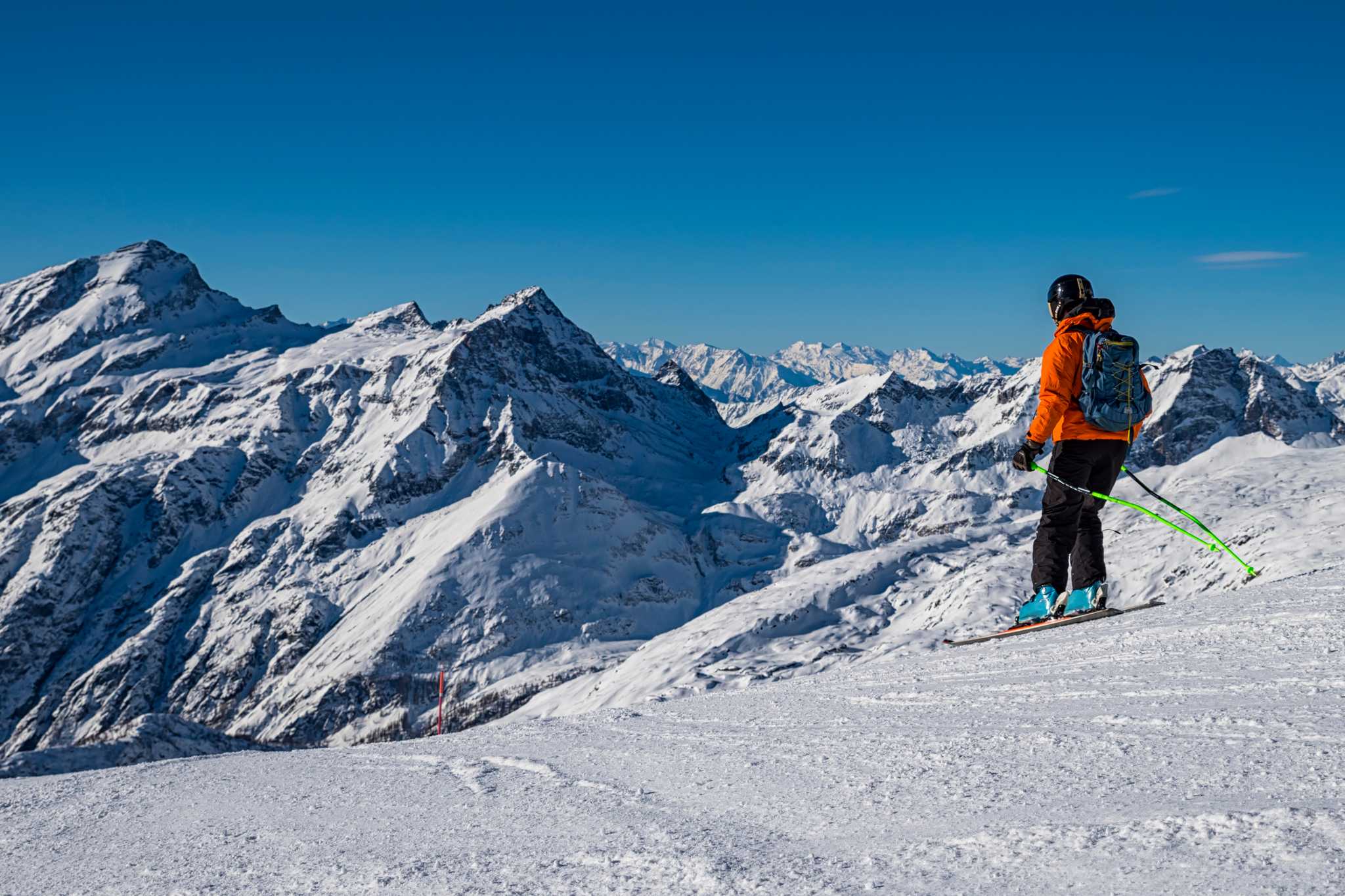
Italy's highest, snow-surest skiing sits in the northwest, ringed by Mont Blanc, the Matterhorn, and Monte Rosa. Two resorts link over the border into France and Switzerland. Base yourself in Aosta or in the resort towns, and fly into Turin or Milan, roughly two hours away, or Geneva, 1.5 to 2 hours away.
Italy's highest, snow-surest skiing sits in the northwest, ringed by Mont Blanc, the Matterhorn, and Monte Rosa. Two resorts link over the border into France and Switzerland. Base yourself in Aosta or in the resort towns, and fly into [Turin](https://daytrip.com/en/transfers/turin-it/...
What to eat and drink in the Aosta Valley
Aosta Valley cooking is mountain food shaped by France and Switzerland next door: cheese, butter, rye, and game, rich enough for a day on the slopes. Fontina runs through nearly everything, and meals end with a shared cup of spiced coffee passed around the table. 
Aosta Valley cooking is mountain food shaped by France and Switzerland next door: cheese, butter, rye, and game, rich enough for a day on the slopes. Fontina runs through nearly everything, and meals end with a shared cup of spiced coffee passed around the table. 
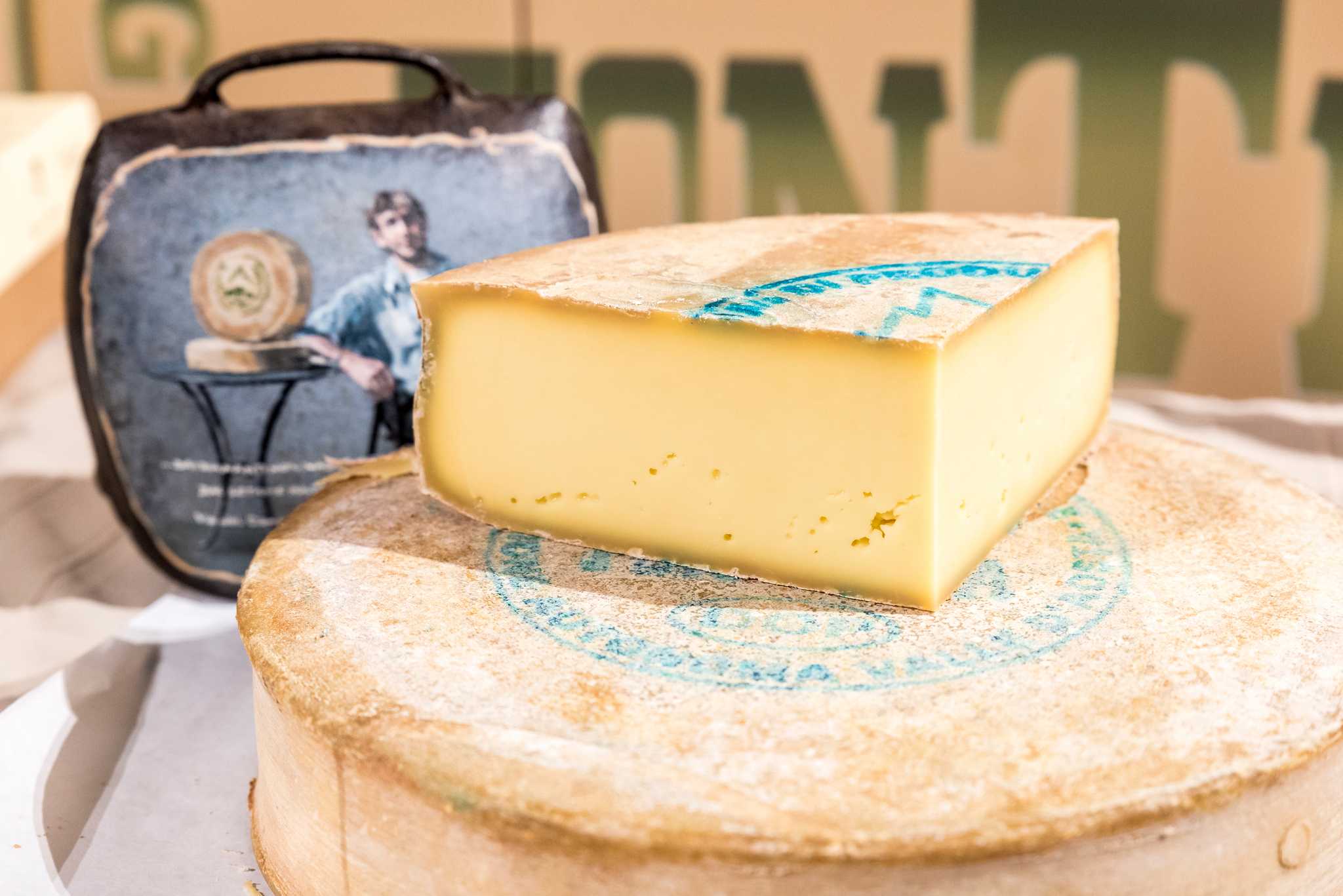
Fontina
The valley's great cow's milk cheese, nutty and semi-soft. It melts into almost every local dish, and ages in mountain cellars.
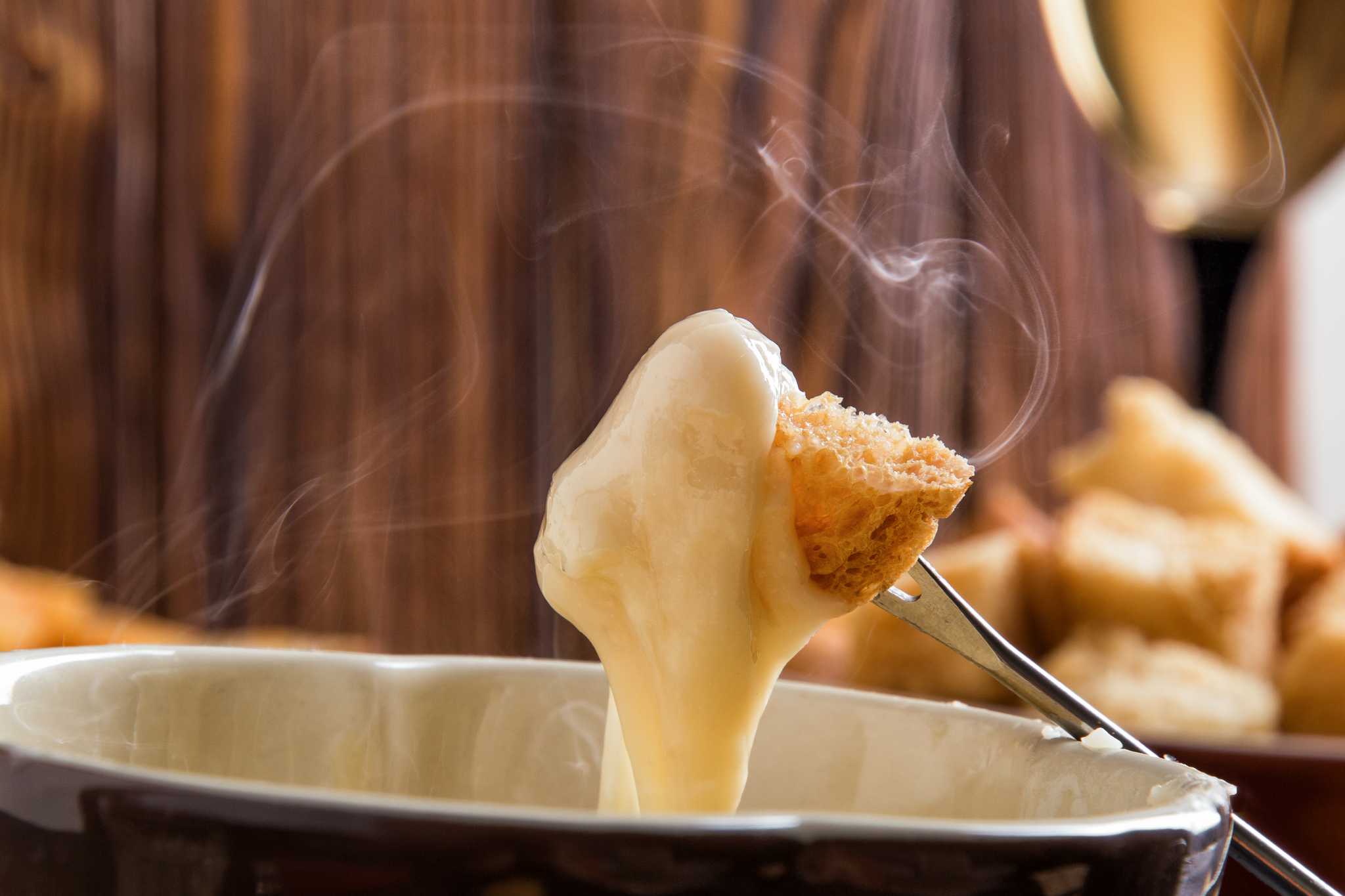
Fonduta
Fontina melted with milk, butter, and egg yolks into a silky fondue, poured over polenta or bread. The ultimate ski lunch.
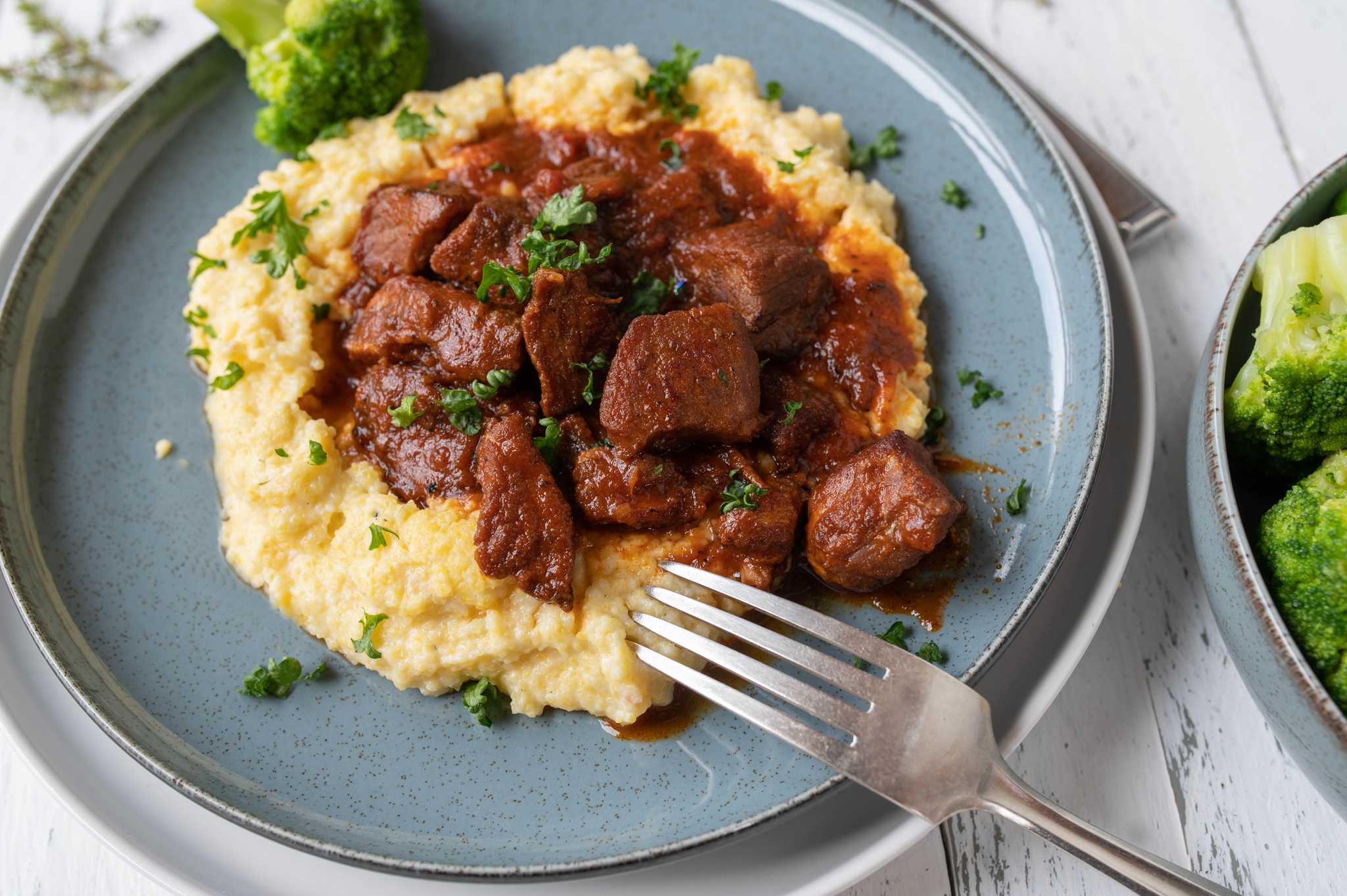
Carbonade Valdostana
Beef slow-cooked in red wine with onions and spices until dark and tender, served with polenta. Hearty old mountain cooking.
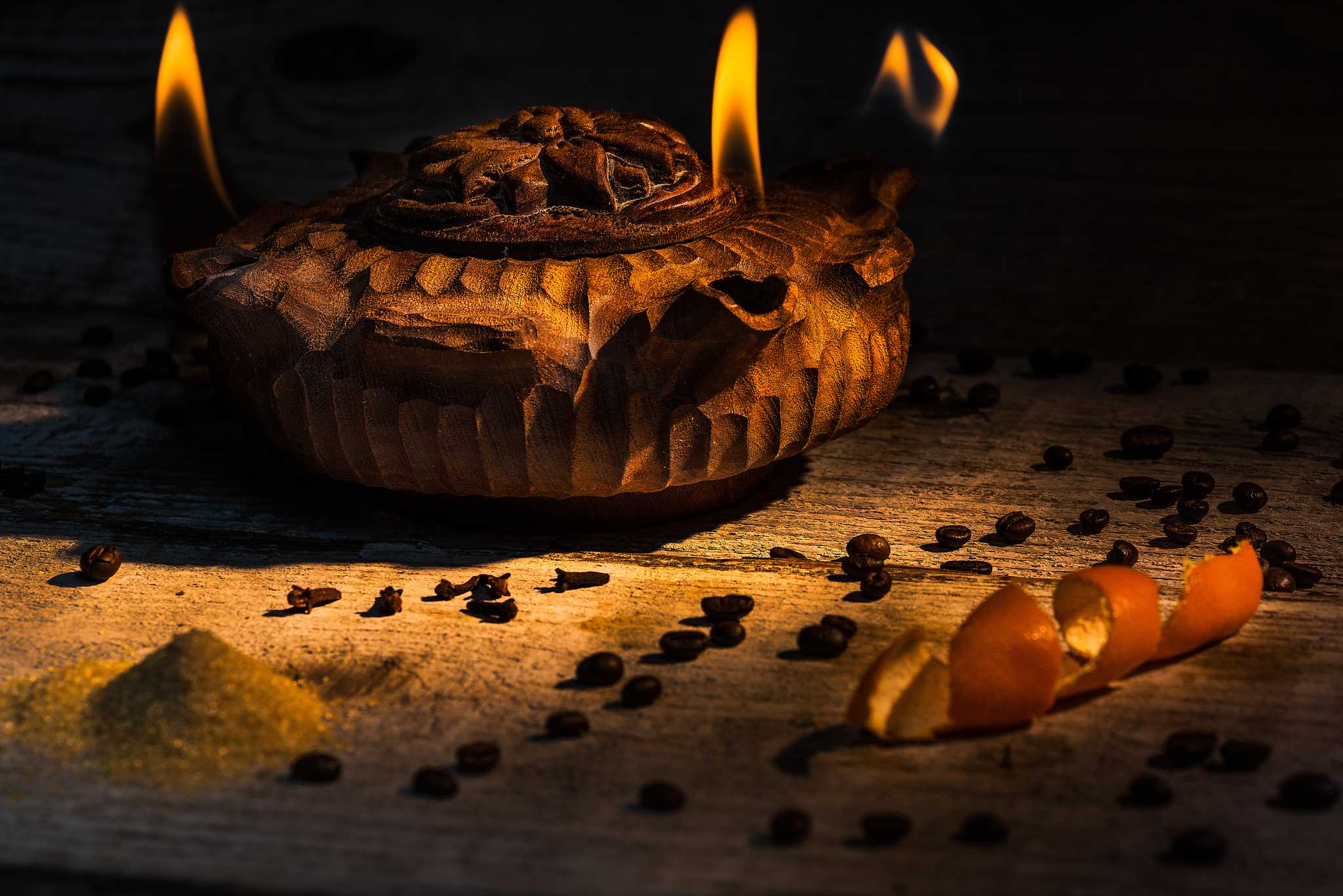
Caffè alla valdostana
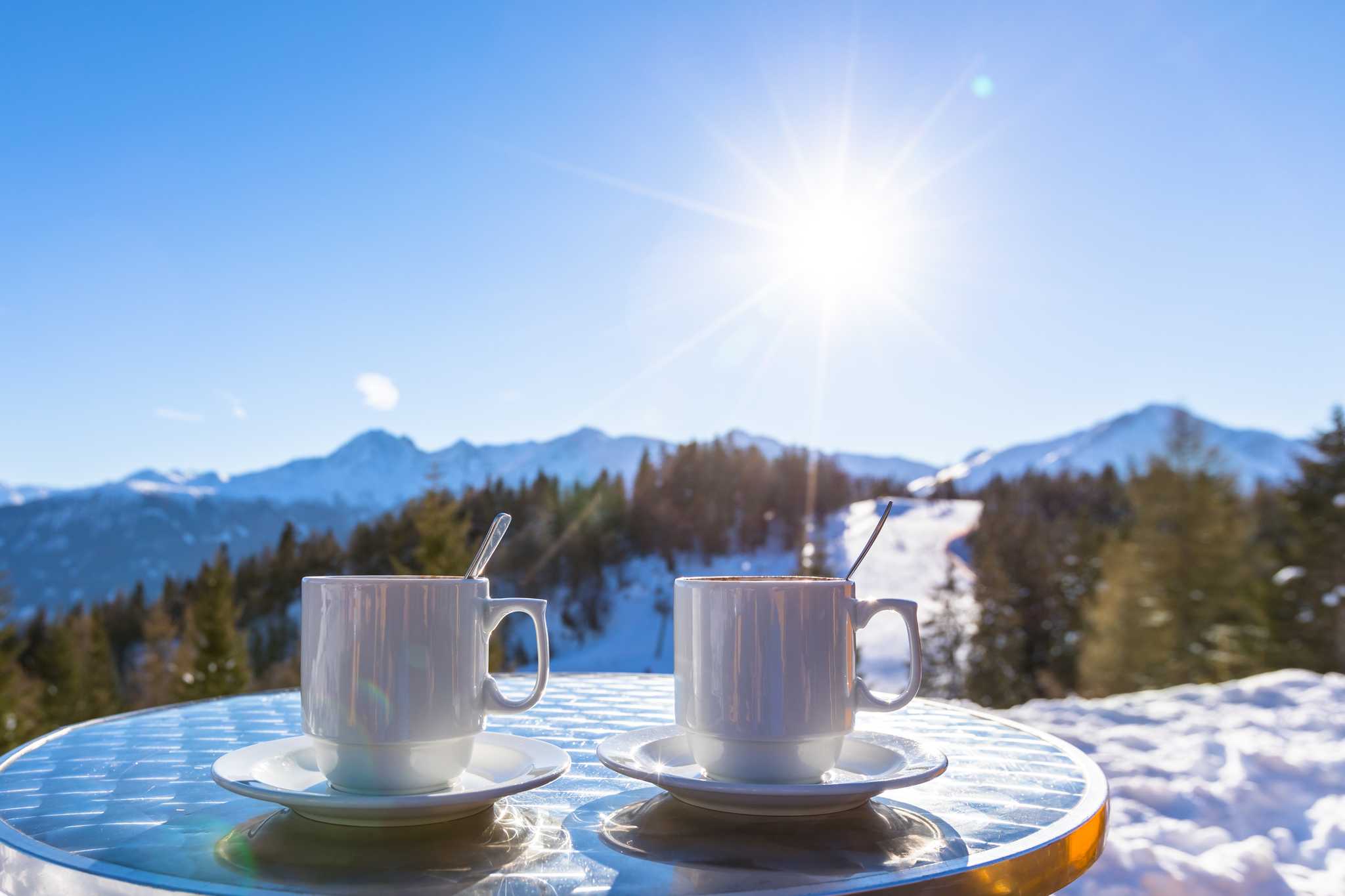
Coffee with grappa, sugar, and orange peel, set alight and shared from the coppa dell'amicizia, a many-spouted wooden cup.
Skiing in Piedmont
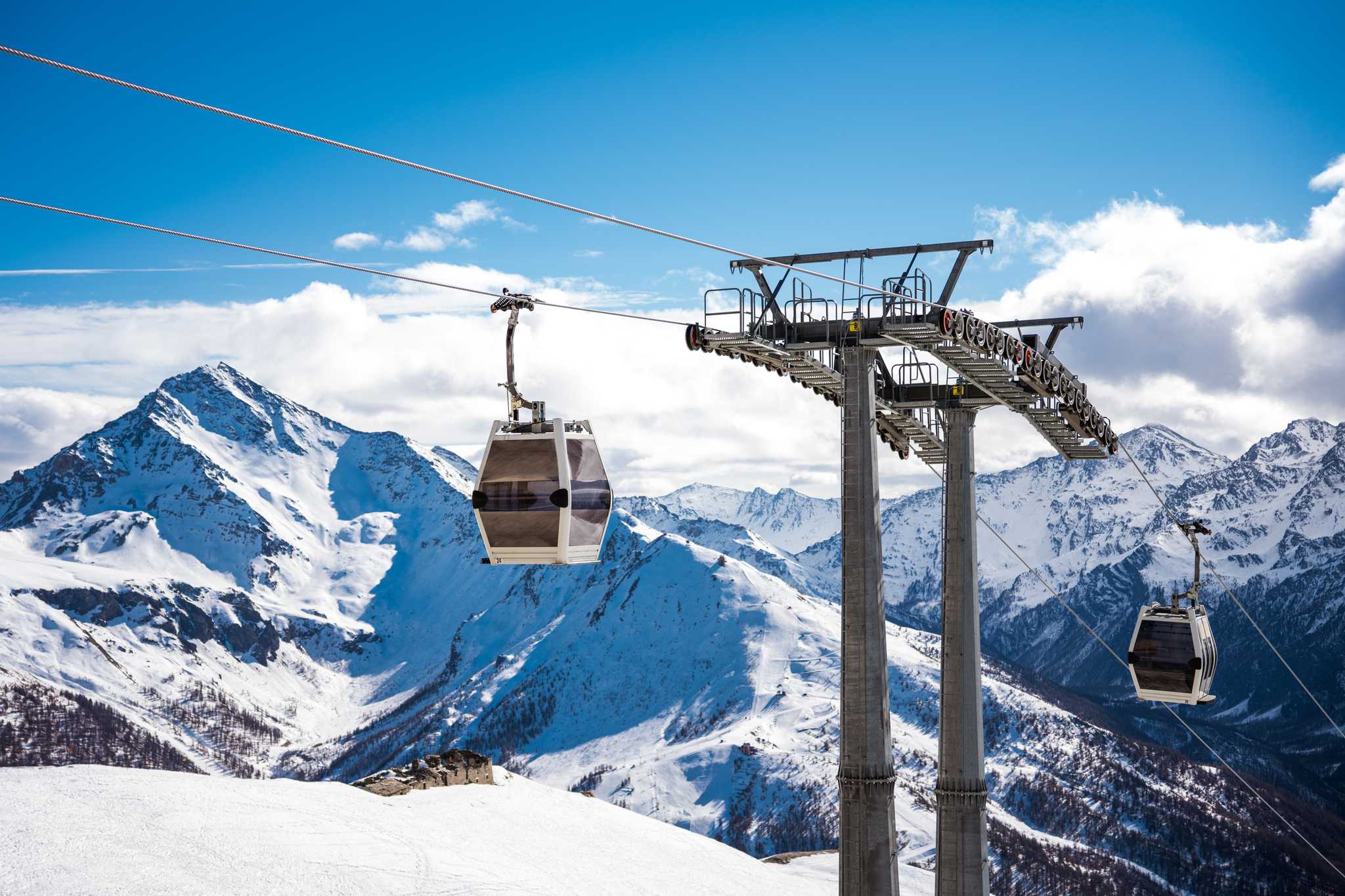
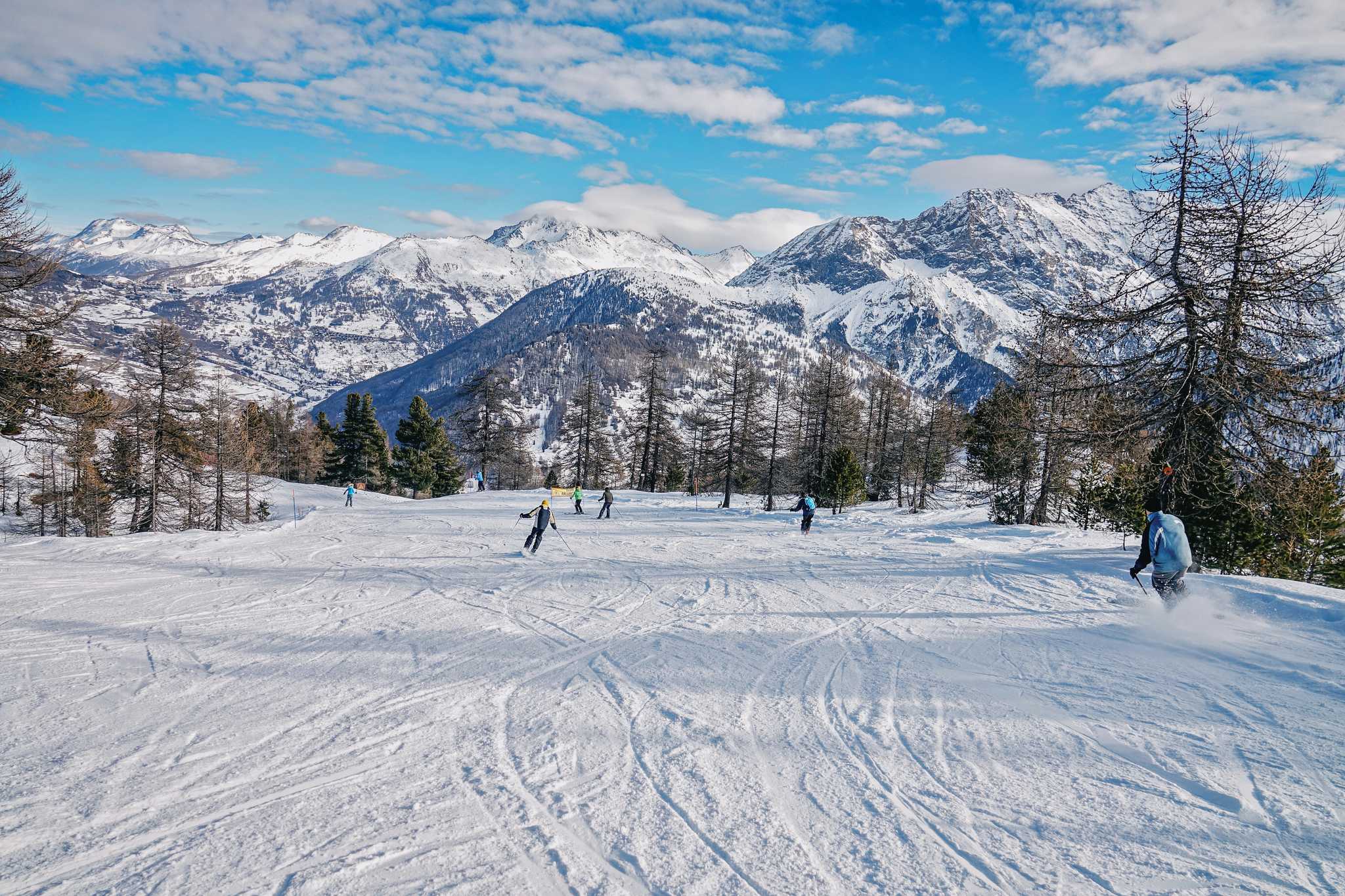
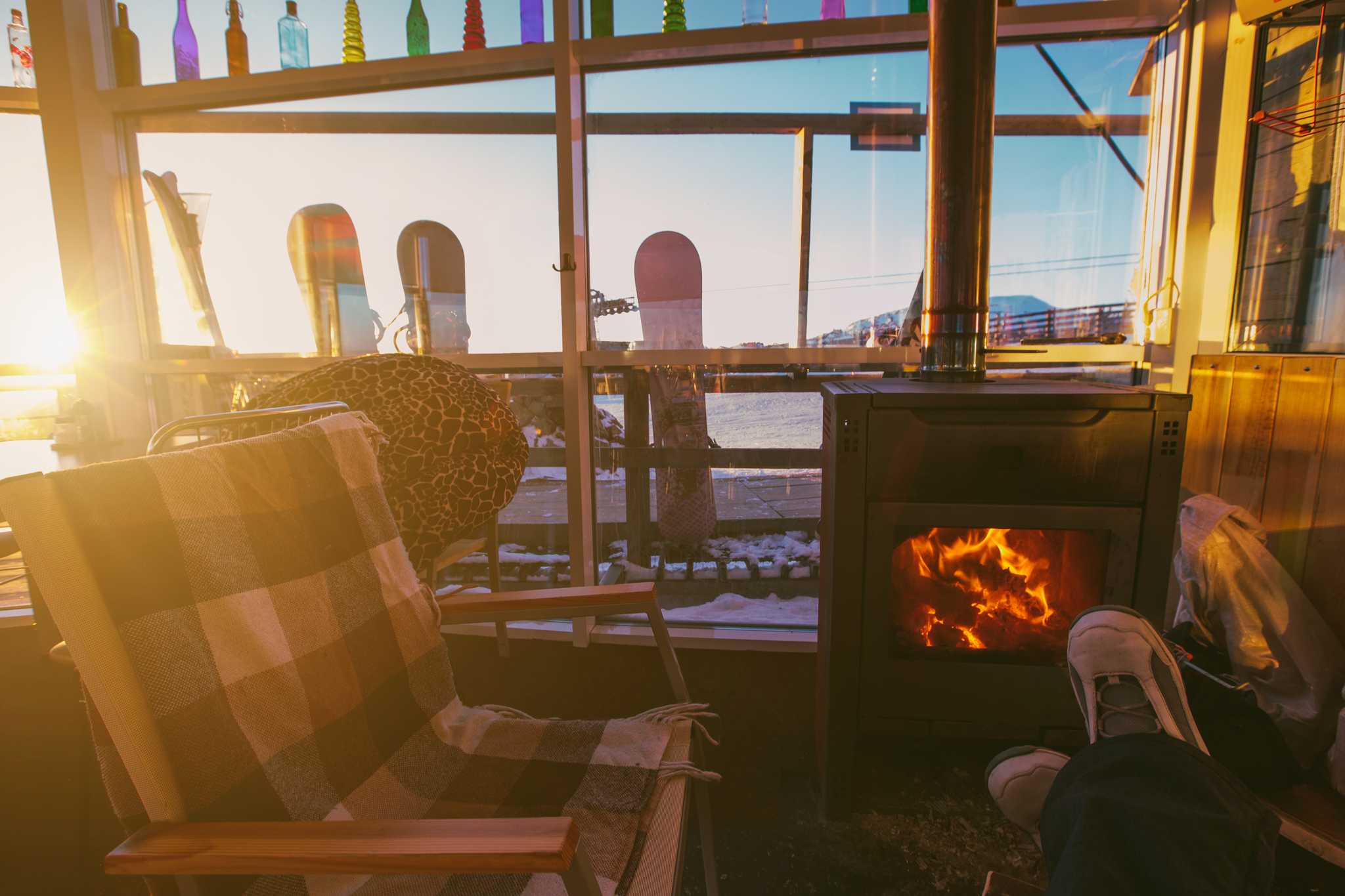
Piedmont's skiing centers on the Milky Way (Via Lattea), a vast circuit of linked resorts reaching into France. Slopes are wide, sunny, and high, and prices undercut the big names. Base in Sestriere or Bardonecchia, which has its own ski area, and fly into Turin, 60 to 90 minutes away.
Piedmont's skiing centers on the Milky Way (Via Lattea), a vast circuit of linked resorts reaching into France. Slopes are wide, sunny, and high, and prices undercut the big names. Base in Sestriere or Bardonecchia, which has its own ski area, and fly into Turin, 60 to 90 minutes aw...
What to eat and drink in Piedmont
Piedmont may be Italy's finest table. This is the land of Barolo, white truffles, and hazelnuts, where French technique meets mountain cooking, and meals stretch for hours. After a day on the slopes, it means slow-braised meat, rich sauces, and a serious glass of red.
Piedmont may be Italy's finest table. This is the land of Barolo, white truffles, and hazelnuts, where French technique meets mountain cooking, and meals stretch for hours. After a day on the slopes, it means slow-braised meat, rich sauces, and a serious glass of red.
Bagna càuda
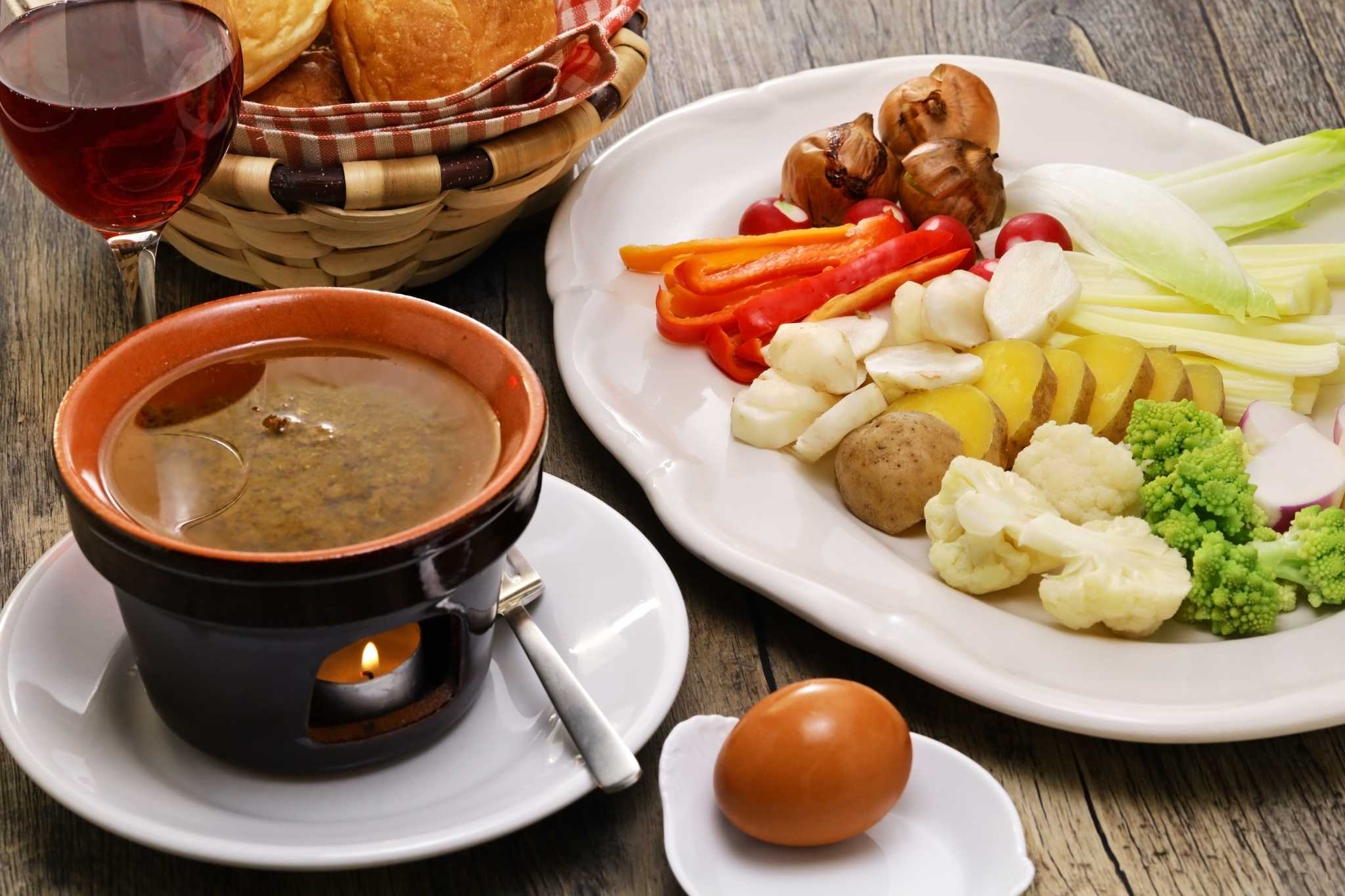
A hot dip of garlic, anchovies, and oil, kept warm at the table for dunking raw vegetables. A winter ritual meant for sharing.
Agnolotti del plin
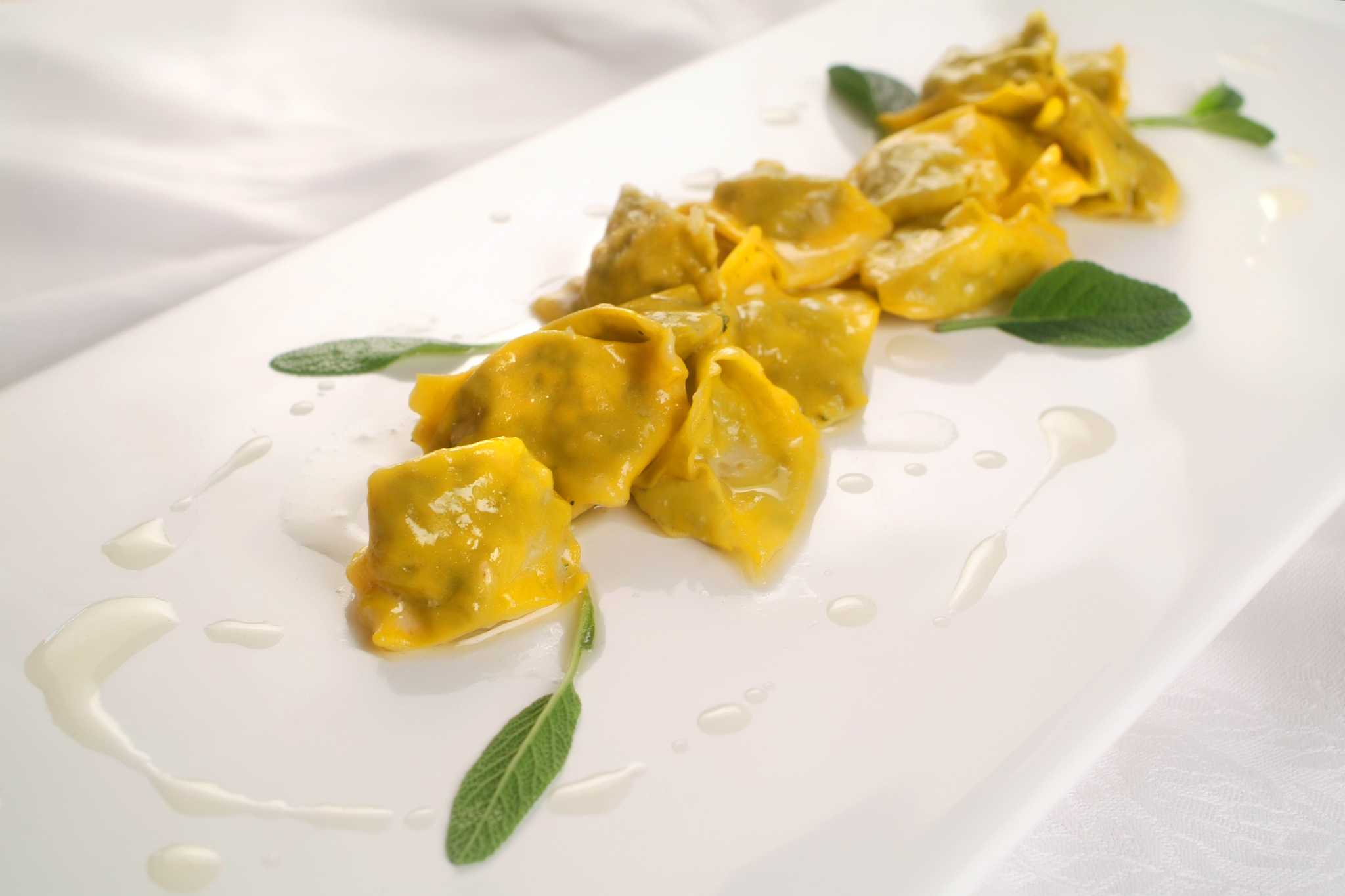
Tiny pinched parcels of pasta filled with roast meat, served in butter and sage or their own roasting juices. The regional pasta.
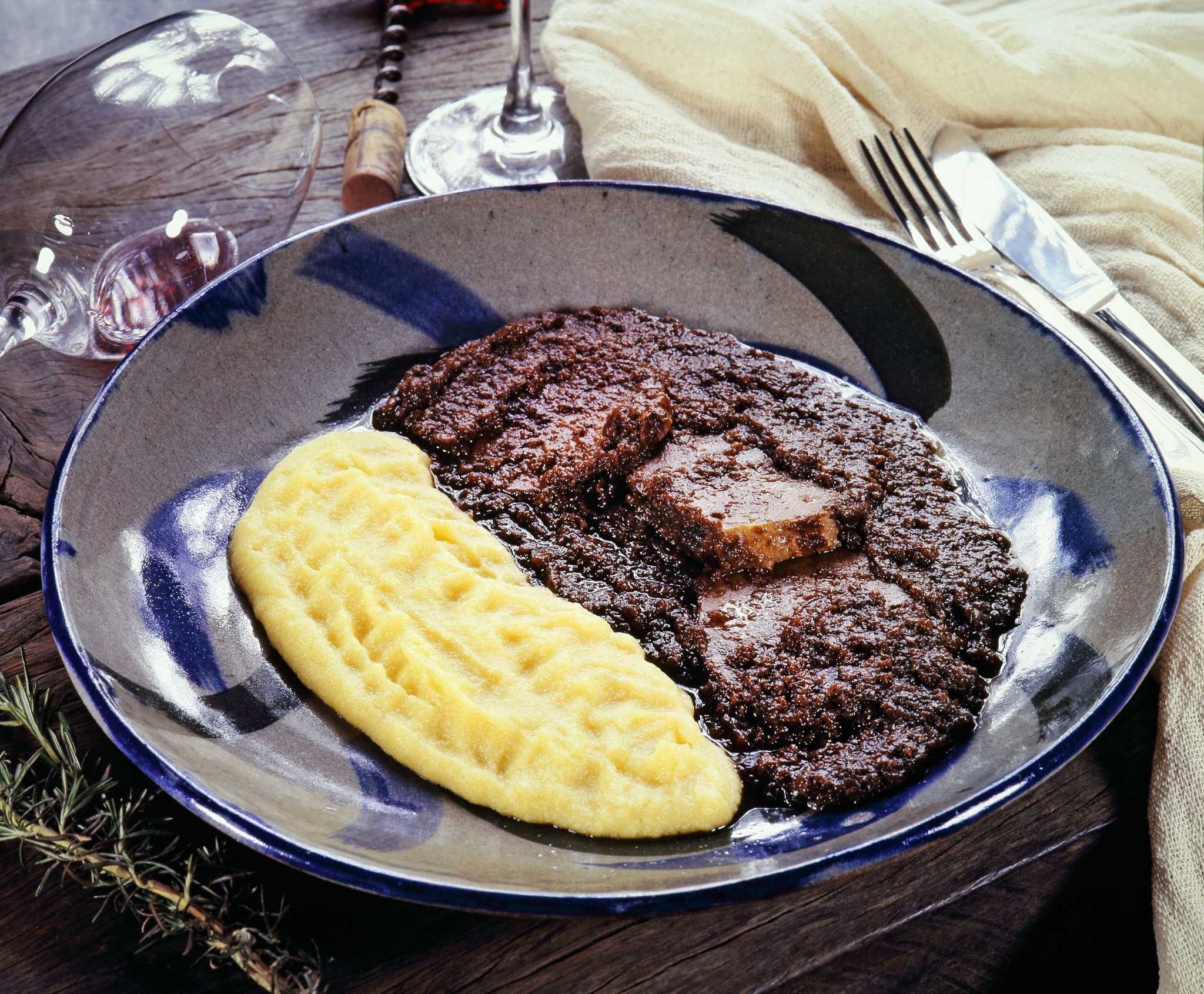
Brasato al Barolo
Beef braised for hours in Barolo with herbs and vegetables until it falls apart. Rich, dark, and made for a cold night.
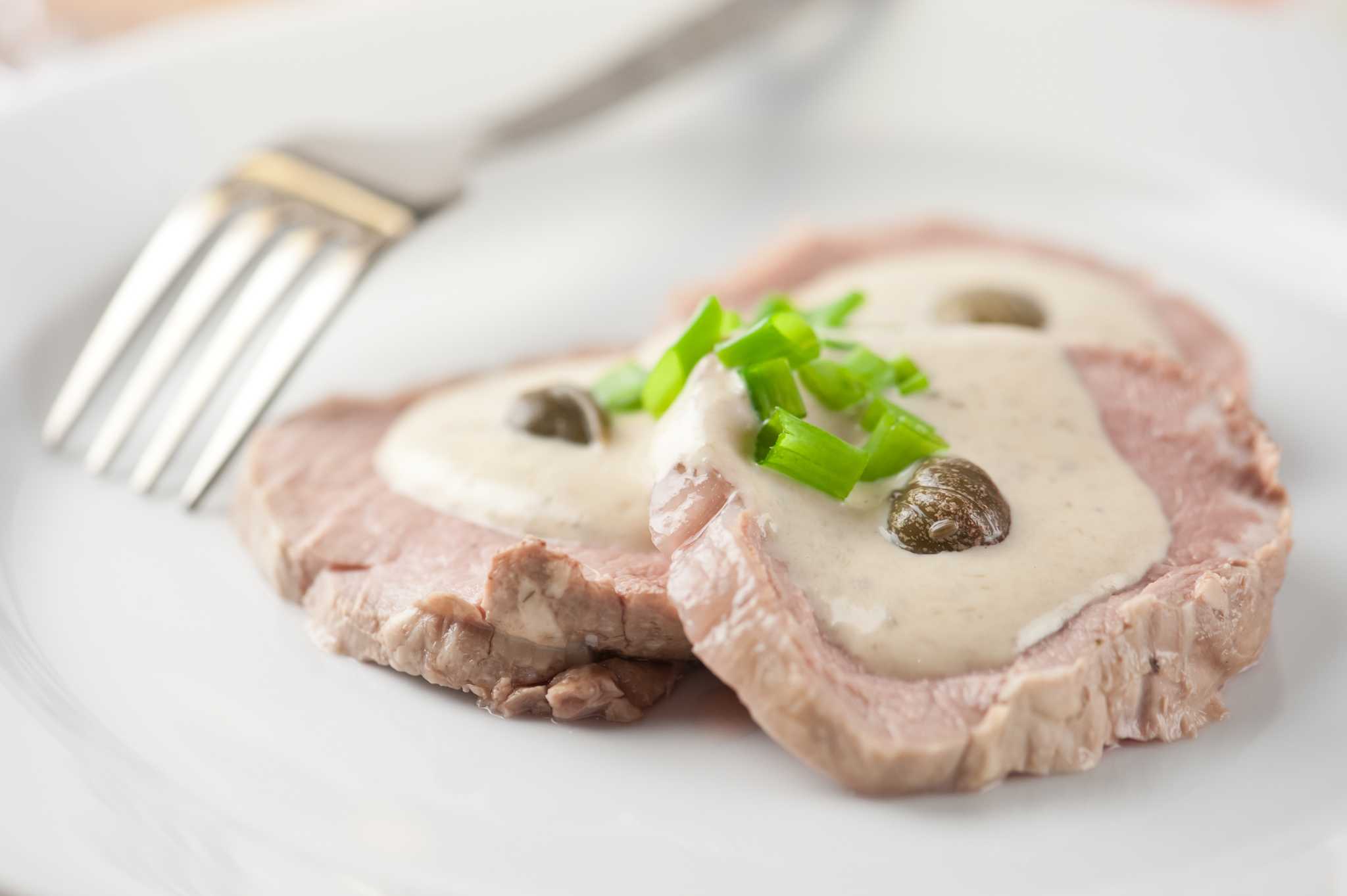
Vitello tonnato
Cold sliced veal under a creamy tuna and caper sauce. Strange on paper, superb on the plate, and a regional classic.
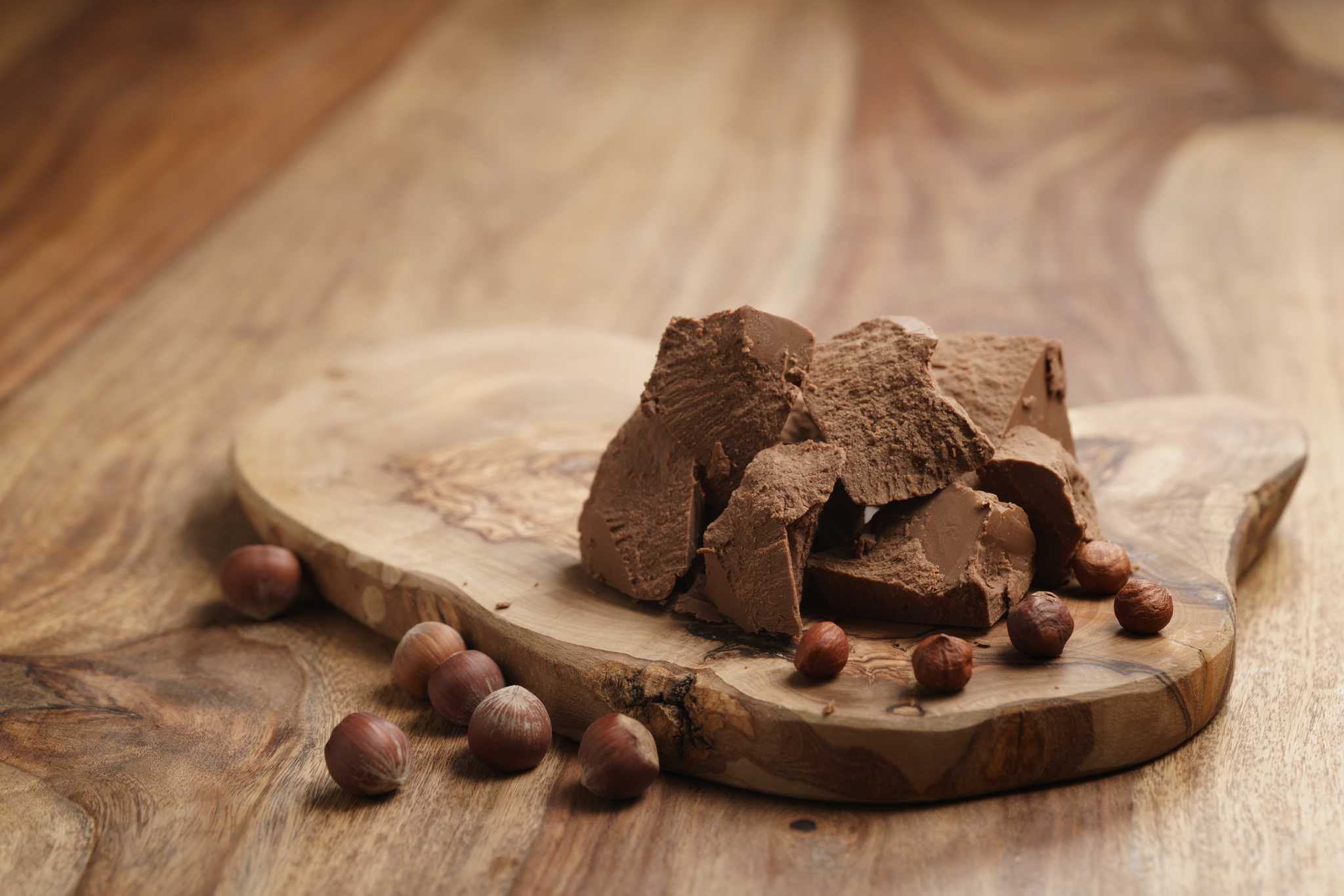
Gianduja
Chocolate blended with local hazelnuts, invented in Turin. Eat it as gianduiotti. Turin's other hot classic is bicerin, layered coffee, chocolate, and cream.
Skiing in Lombardy
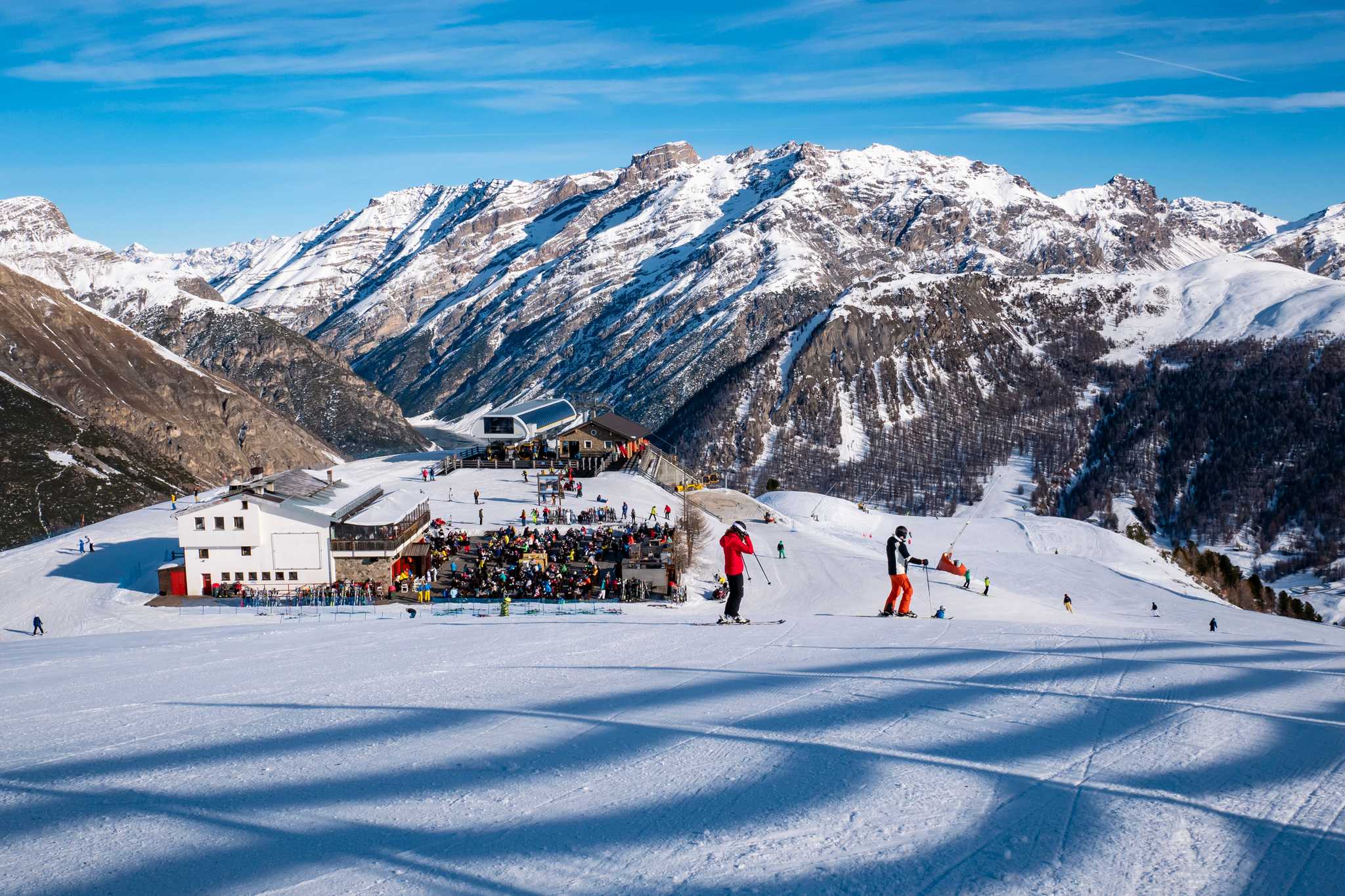
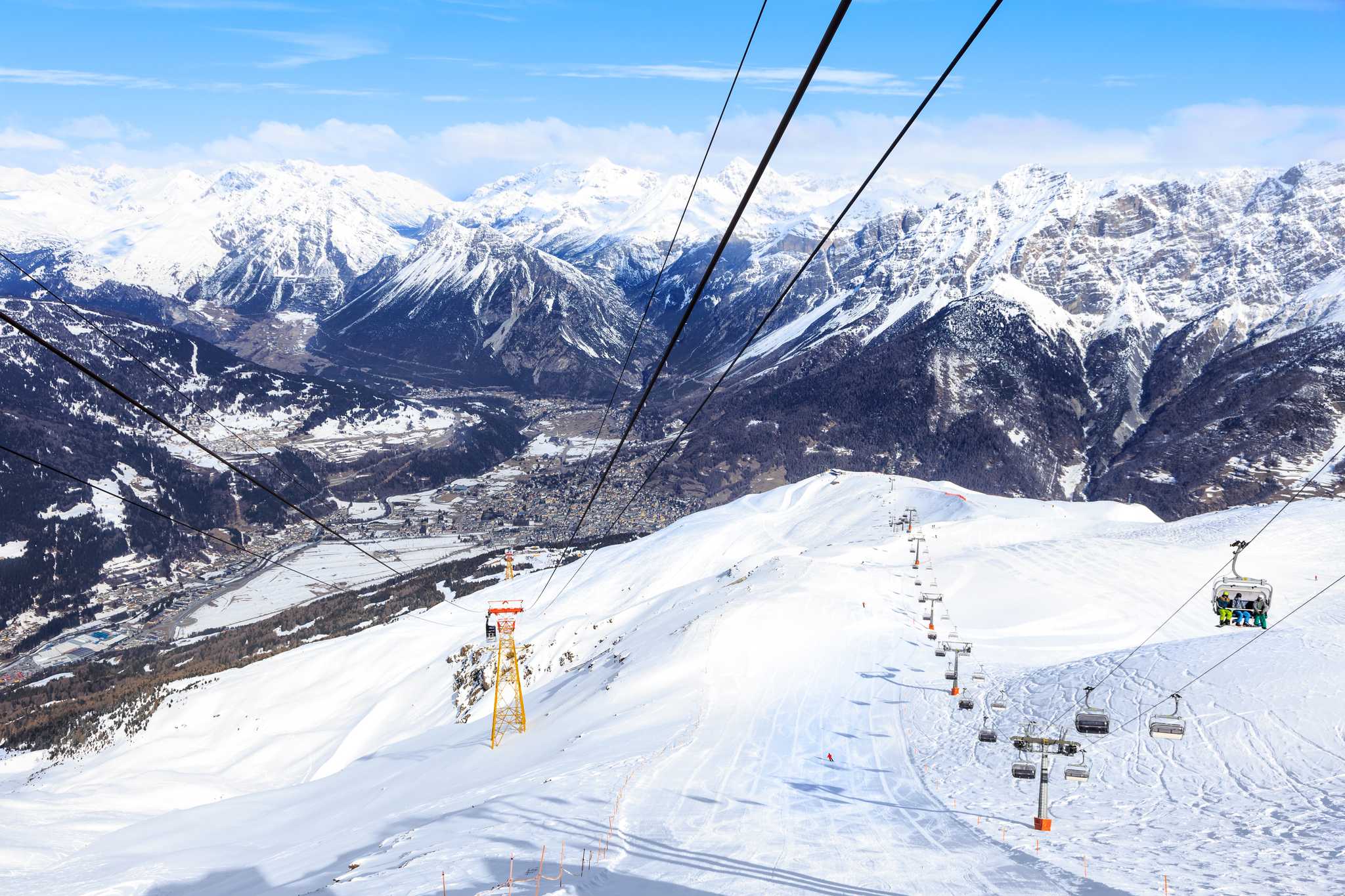
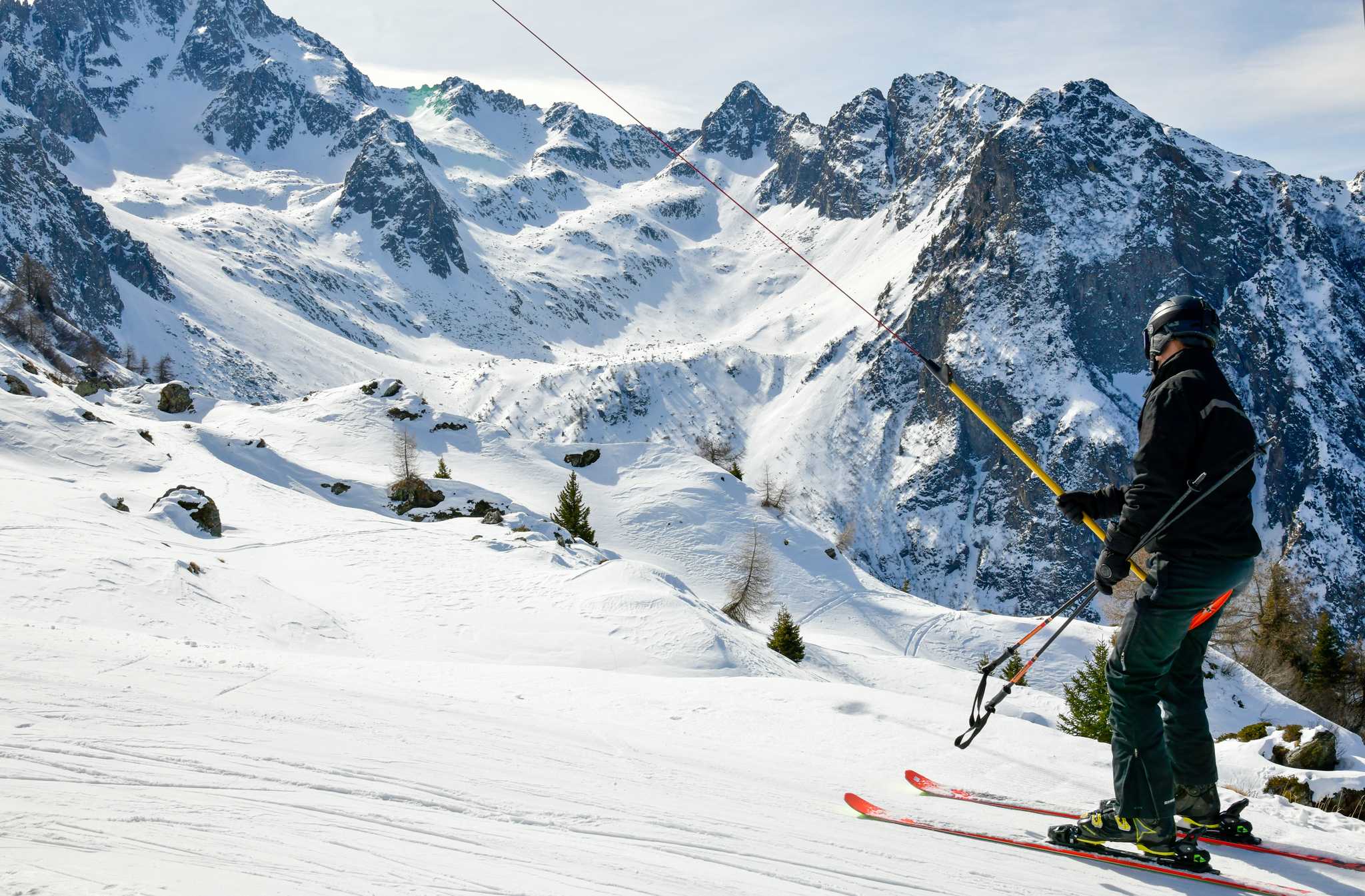
Lombardy skiing runs along the Alpine border north of Milan, from duty-free Livigno to the spa town of Bormio, whose Stelvio glacier opens for skiing only in summer. Snow is reliable, the valleys long, and prices sit below the famous names. Base in Bormio or Livigno, and fly into Milan, two to four hours out.
Lombardy skiing runs along the Alpine border north of Milan, from duty-free Livigno to the spa town of Bormio, whose Stelvio glacier opens for skiing only in summer. Snow is reliable, the valleys long, and prices sit below the famous names. Base in Bormio or Livigno, and fly into [Mil...
What to eat and drink in Lombardy
Most of Lombardy's ski food comes from the Valtellina, the long valley behind Bormio and Livigno. It is buckwheat country, so the pasta is dark and nutty, the cheese is local, and the wine comes from Nebbiolo grown on terraces cut into the mountainside. Hearty, rustic cooking.
Most of Lombardy's ski food comes from the Valtellina, the long valley behind Bormio and Livigno. It is buckwheat country, so the pasta is dark and nutty, the cheese is local, and the wine comes from Nebbiolo grown on terraces cut into the mountainside. Hearty, rustic cooking.
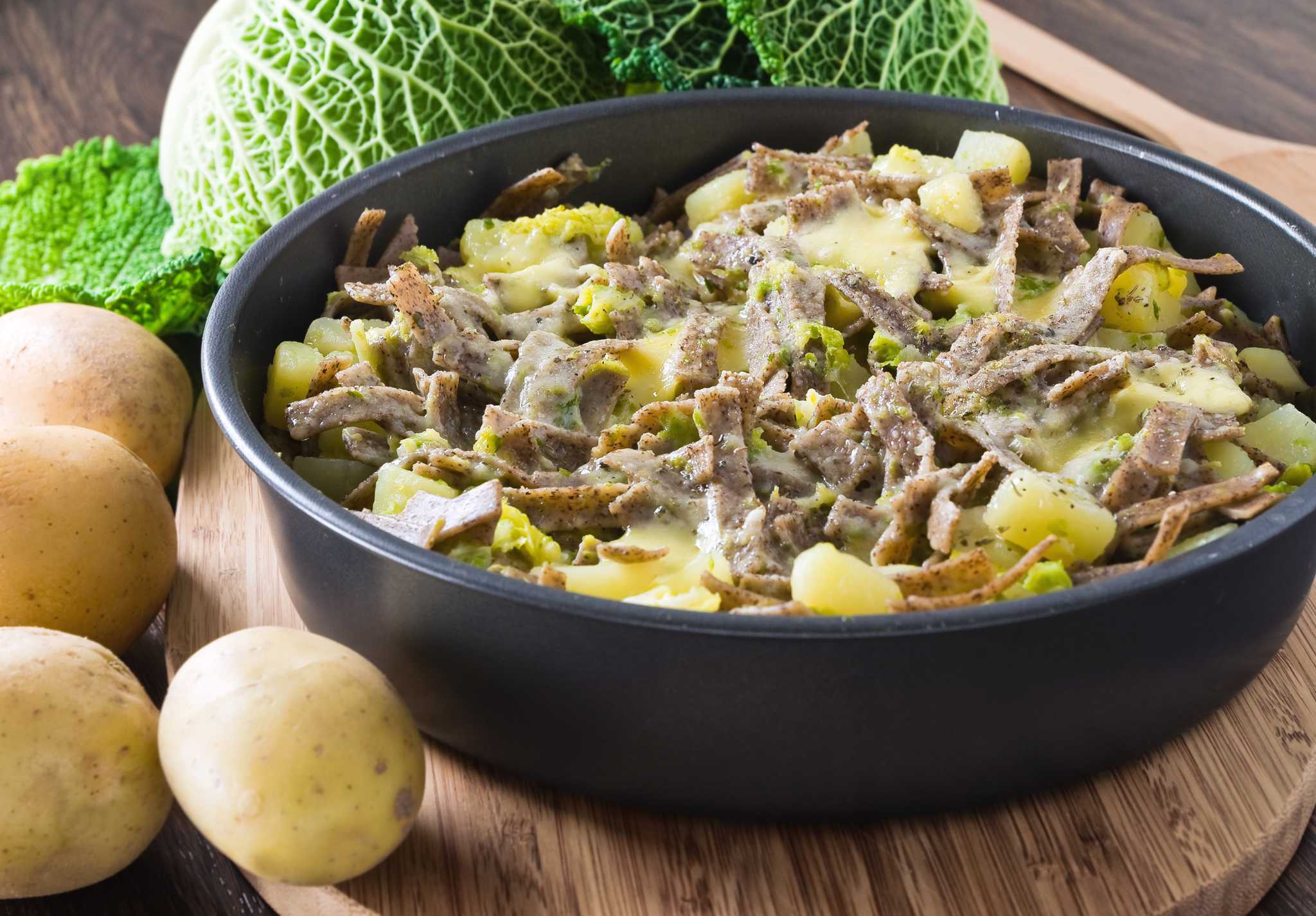
Pizzoccheri
Short buckwheat noodles layered with cabbage, potato, butter, and melted cheese. The valley's great dish, and a meal in itself.
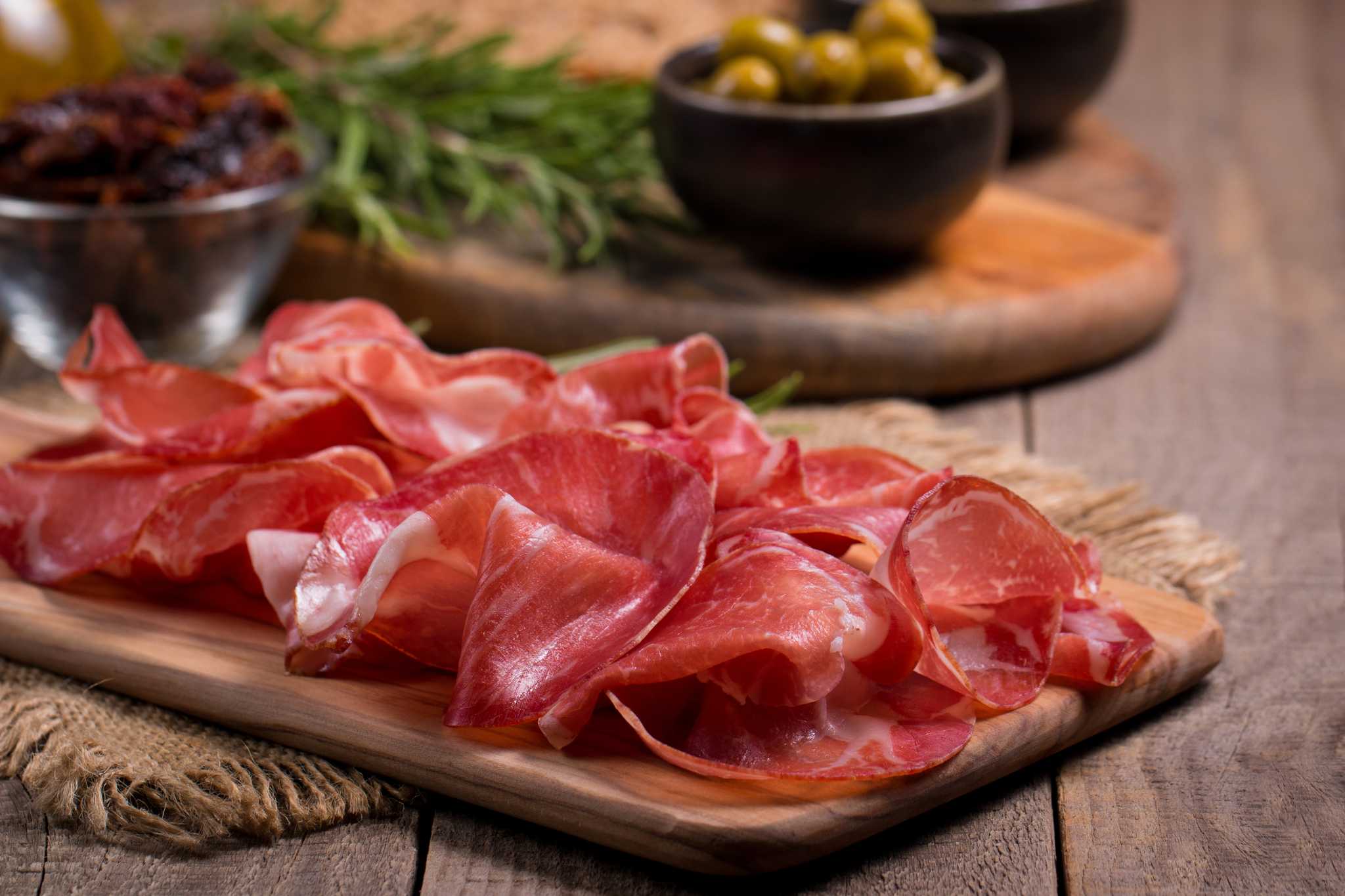
Bresaola
Air-dried, salt-cured beef from the Valtellina, sliced thin and dressed with oil, lemon, and rocket. Lean, dark, and delicate.
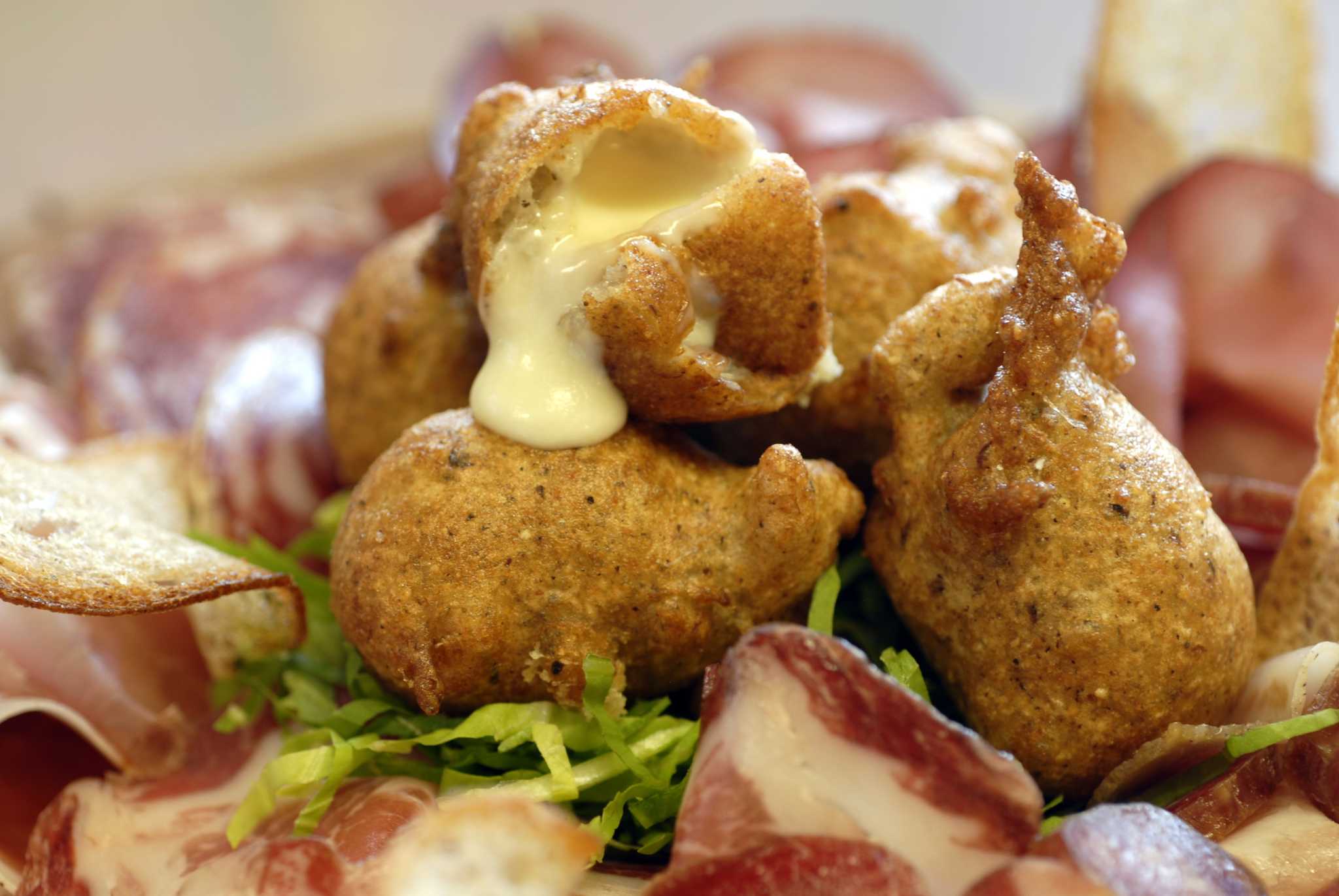
Sciatt
Buckwheat fritters with a molten cheese center, fried crisp and served on bitter leaves. The perfect thing with a drink.
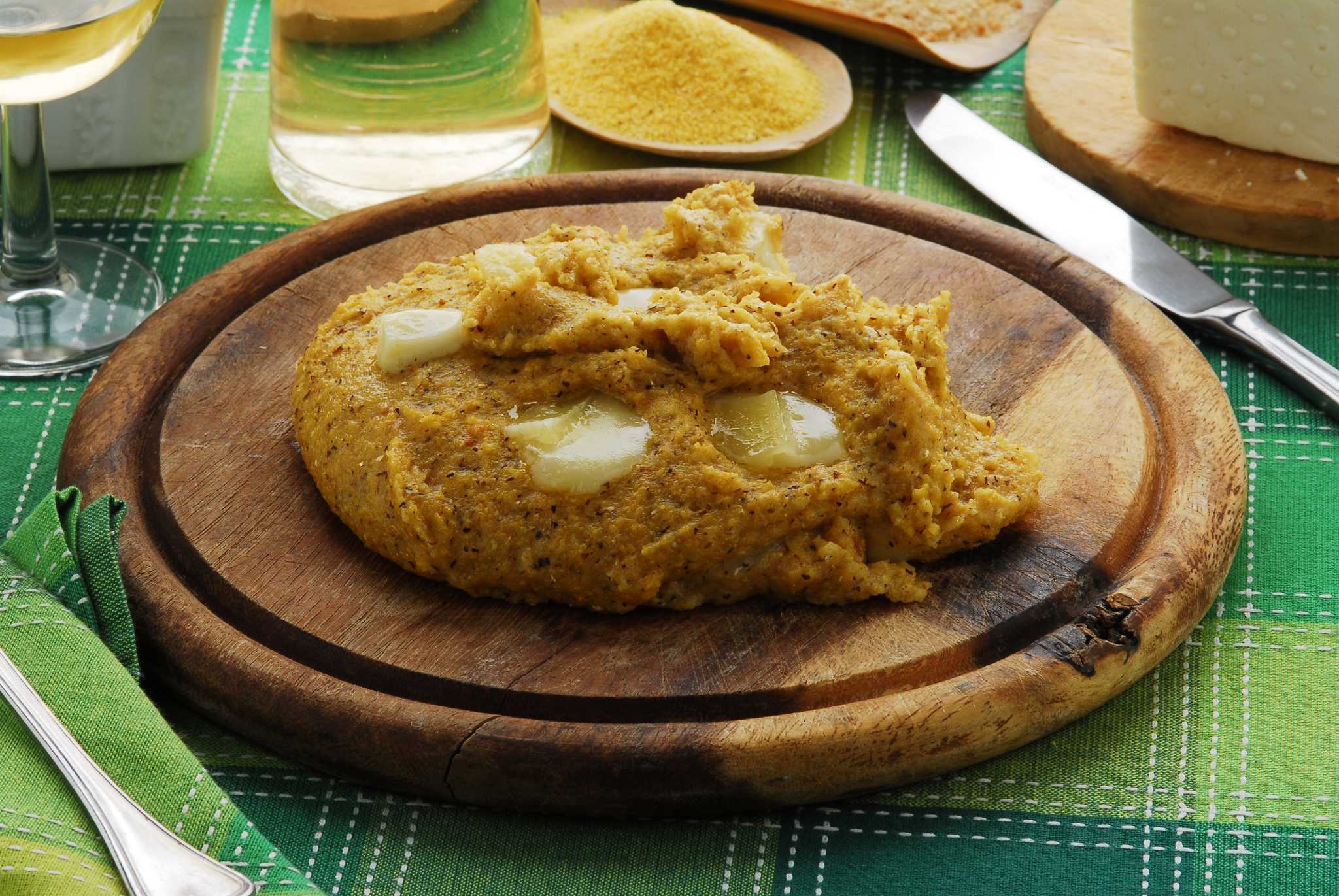
Polenta taragna
Dark buckwheat and cornmeal polenta beaten with butter and cheese, served under meat or game. Thick, rich, and deeply warming.
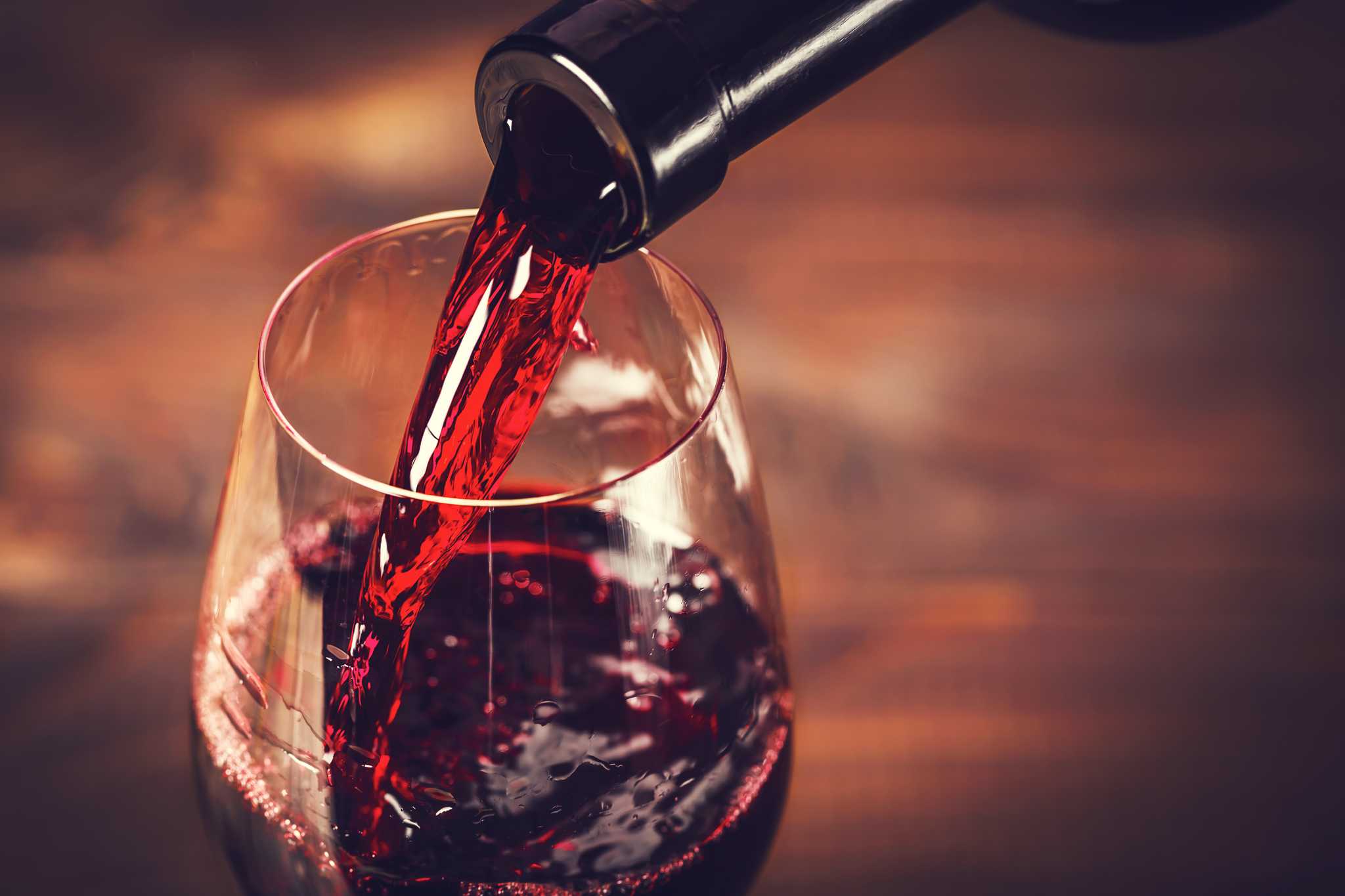
Sforzato
A powerful red from dried Nebbiolo grapes, grown on the Valtellina's steep terraces. Look also for Inferno and Grumello.
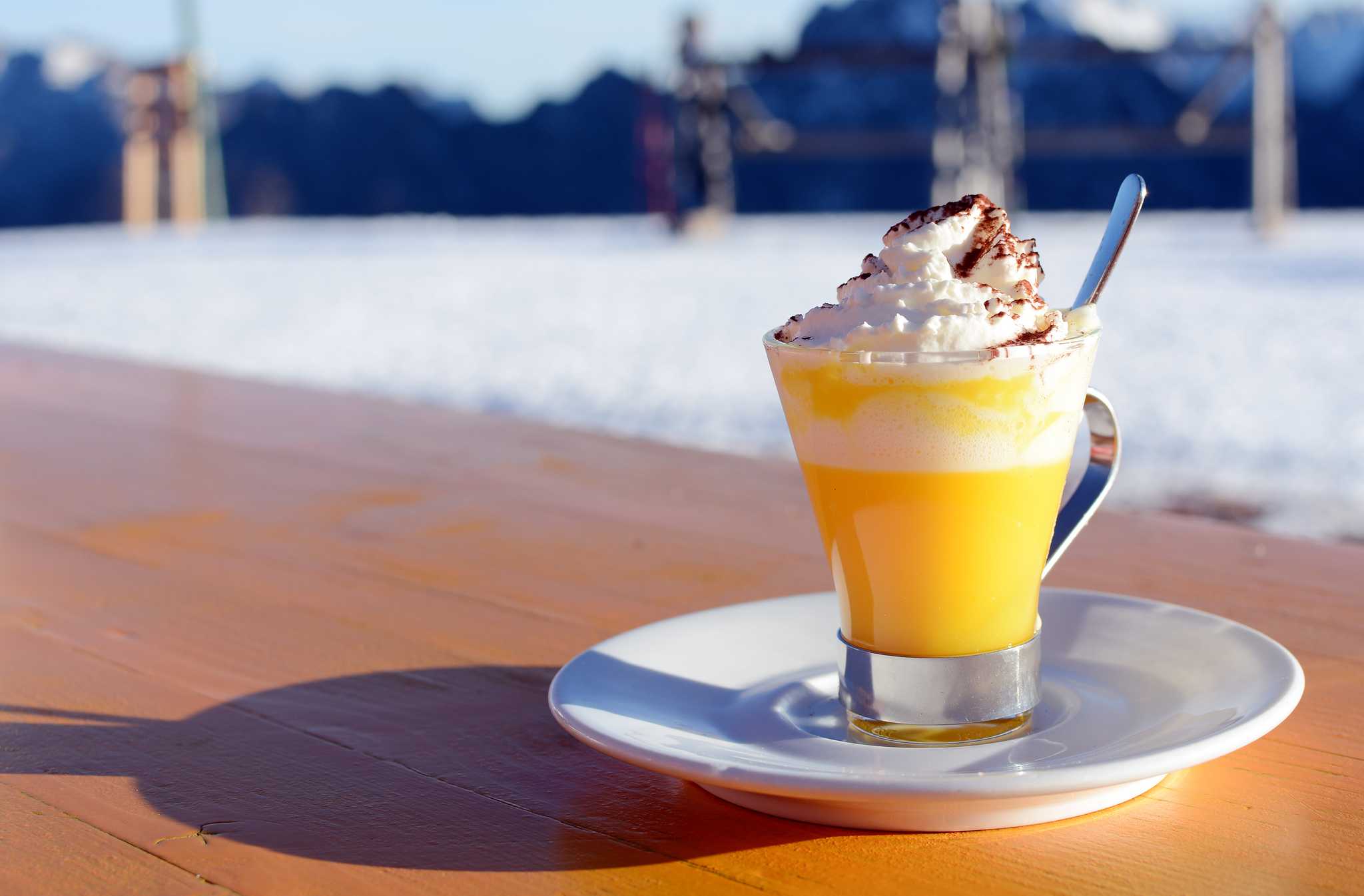
Bombardino
The après-ski institution said to have been invented in Livigno: warm egg liqueur and brandy, topped with whipped cream. Sweet, strong, and unapologetic.
More Italian ski resorts
Madonna di Campiglio
Trentino's most upscale resort, in the Brenta Dolomites and on the Superski pass, with elegant hotels, a lively scene and links to Pinzolo and Folgarida.
Passo Tonale
A high, treeless pass on the Trentino border with a long season and glacier skiing on the Presena. Snow-sure, affordable, and good for beginners.
San Martino di Castrozza
A quiet Trentino village on the Superski pass, beneath the sheer Pale di San Martino. Uncrowded slopes and a spectacular setting.
Tarvisio
Up in Friuli where Italy, Austria, and Slovenia meet, with long tree-lined runs, three-country day trips, and some of the best value in the Alps.
Roccaraso
The largest ski area in the Apennines, high in the Abruzzo mountains. Wide, sunny slopes on one Alto Sangro pass, a lively Italian crowd, and prices well below the north.
Mount Etna
Skiing on an active volcano in Sicily, with runs over snow-covered black lava and the Mediterranean far below. A short, strange, unforgettable season.
Practical tips
Italian skiing is well organized and good value, but a few things work differently here. Lift passes can cover whole regions rather than single resorts, lunch is a sit-down affair, and the busiest weeks sell out months ahead. Get these basics right, and the rest of the trip falls into place.
- Match the pass to your plans. Dolomiti Superski covers 12 areas on one ticket, while single-valley passes cost less if you plan to stay put.
- Book by September for Christmas, New Year, and February; these are the busiest weeks of the season. Elsewhere, a month or two ahead is usually enough.
- Plan on a week. Most hotels and packages run Saturday to Saturday, and six days of skiing leaves room for weather or a rest day.
- Stop for a proper lunch. Rifugi serve full meals with a view, and most are walk-in, so eat before noon or after 2 p.m. to avoid the worst of the queue and book the popular ones.
- Rent skis and boots in the resort rather than flying with your own. Shops are plentiful, prices are fair, and you can swap gear if conditions change.
- Book lessons early, especially for children. Italian ski schools are excellent and cheap by Alpine standards, but the best instructors fill up fast.
- Don't go into the woods alone. Our Trentino driver Stefano says solo walks are a common cause of mountain accidents.
Our recommended ski routes in Italy
Venice to Alta Badia
2h 55min • 183km (113.7mi)
From €407
Livigno to Milan
3h 59min • 243km (151.0mi)
From €534
Milan to Cervinia Valtournenche
2h 31min • 190km (118.1mi)
From €408
Cervinia Valtournenche to Turin
1h 49min • 117km (72.7mi)
From €373
Innsbruck to Ortisei
1h 46min • 114km (70.8mi)
From €273
Milan to Courmayeur
2h 31min • 219km (136.1mi)
From €464
Verona to Madonna di Campiglio
2h 33min • 177km (110.0mi)
From €374
Venice to Cortina d'Ampezzo
2h 9min • 158km (98.2mi)
From €332
Munich Airport to Cortina d'Ampezzo
4h 31min • 358km (222.5mi)
From €747
Venice to Selva di Val Gardena
3h 21min • 309km (192.0mi)
From €590
Turin to Sestriere
1h 32min • 102km (63.4mi)
From €373
Verona to Canazei
2h 41min • 200km (124.3mi)
From €416
Discover the best day trips

Venice to Cortina d'Ampezzo: Private day trip

Cortina d'Ampezzo to Ortisei and Bolzano: Private day trip
Innsbruck to Ortisei: Private day trip

Turin to Aosta: Private day trip

Catania to Mount Etna: Private day trip

Venice to Treviso and Cortina d'Ampezzo: Private day trip

Cortina to Lake Braies and San Candido: Private day trip

Innsbruck to Vipiteno and Brixen: Private day trip
2+ million travelers like you. Moments they'll never forget.

Your Italy skiing questions, answered
About the author
Ján Tompkins is a Prague-based travel writer with a passion for arts and culture. His travels are shaped as much by museum exhibitions as by bakeries, greasy spoons, and quirky signage. His favorite trip to Italy has been to the quiet clifftop Sorrentine town of Vico Equense.
Be the first to discover more
Get handpicked travel ideas, insider highlights, and special Daytrip offers.


