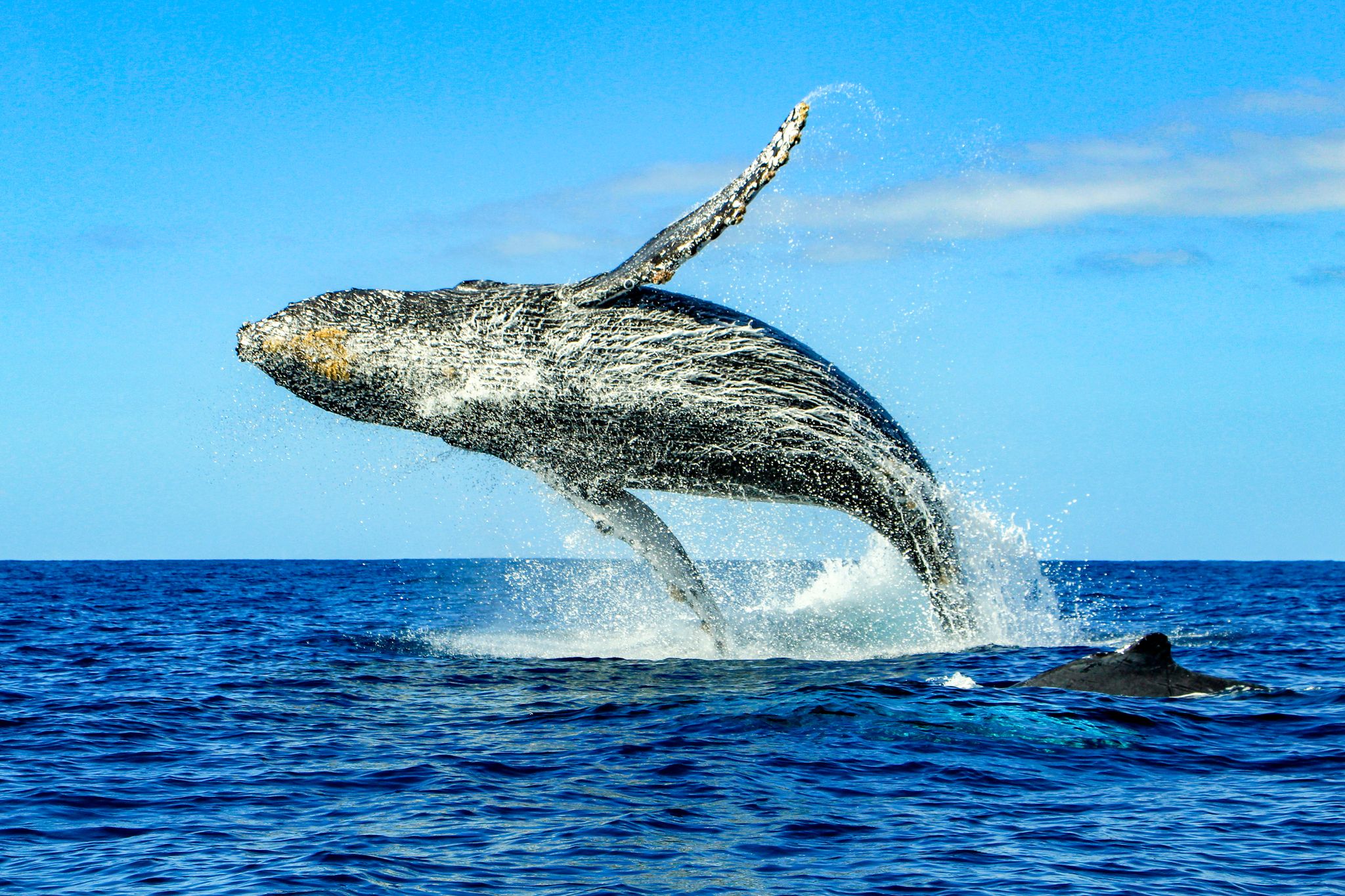
Follow the whales to Baja
Every winter, whales leave their northern feeding grounds and head toward Mexico's warmer waters. Many make their way to Baja California Sur, the southern part of the Baja California peninsula, where protected bays and lagoons provide favorable conditions for their seasonal stay. For travelers, this means a chance to spot these enormous mammals on a boat trip or sometimes even from the shore.
Three species draw whale watchers to the region. Humpbacks spend the winter around Los Cabos, where they leap above the surface and slap the water with their powerful tails. Blue whales, the largest animals on Earth, come to feed in the Sea of Cortez near Loreto. Gray whales travel thousands of miles from the Arctic to sheltered lagoons along the Pacific coast, where they give birth and raise their calves.
The most memorable encounters happen in Magdalena Bay, San Ignacio Lagoon, and Ojo de Liebre. Local operators take visitors in small boats into these shallow waters, where gray whale mothers care for their newborns. These curious animals sometimes approach the boats on their own.
The season runs from mid-December through April, with January to March offering the best chances to see all three species. This guide helps you figure out where to go, when to visit, and what to expect at each location.
Did you know
According to NOAA, the gray whale's annual migration ranks among the longest of any mammal. It covers roughly 10,000 miles (16,000 kilometers) on a round trip between summer feeding grounds in the Bering and Chukchi seas and the winter lagoons of Baja California Sur.
Whale calendar
Whale watching in Mexico follows a schedule set by the country's environment ministry, based on years of tracking migration patterns. It determines when tours can operate in each region. In Baja California Sur, tours begin on Dec. 15 or Jan. 1 and run through April 30. These are permitted dates, but sightings depend on when the whales arrive.
| Species | Official season | Place |
|---|---|---|
| Humpback whale | December 15 to April 30 | Los Cabos: Cabo San Lucas, San José del Cabo |
| Gray whale | December 15 to April 30 | San Ignacio Lagoon, Ojo de Liebre |
| Gray whale | January 1 to April 30 | Magdalena Bay: Puerto Adolfo López Mateos, Puerto San Carlos, Puerto Chale |
| Blue whale | January 1 to April 30 | Loreto Bay National Park |
Where to see humpback whales
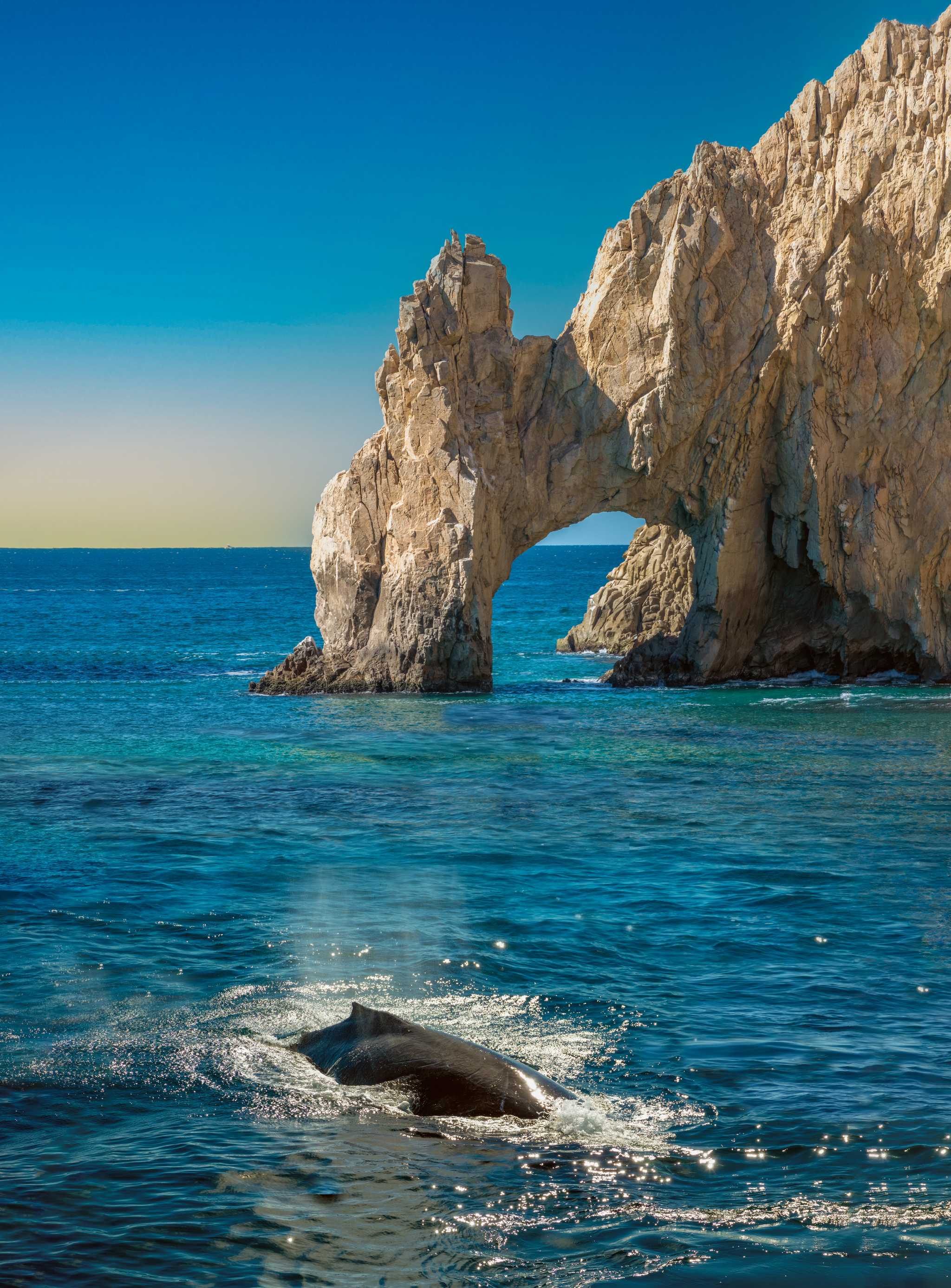
Each winter, humpbacks head to the warm waters off Los Cabos to mate and give birth. Males sing, likely to attract females, while mothers often keep their calves close to shore. Of the three species, they are the easiest to spot, both from boats and from the beach.
Each winter, humpbacks head to the warm waters off Los Cabos to mate and give birth. Males sing, likely to attract females, while mothers often keep their calves close to shore. Of the three species, they are the easiest to spot, both from boats and from the beach.
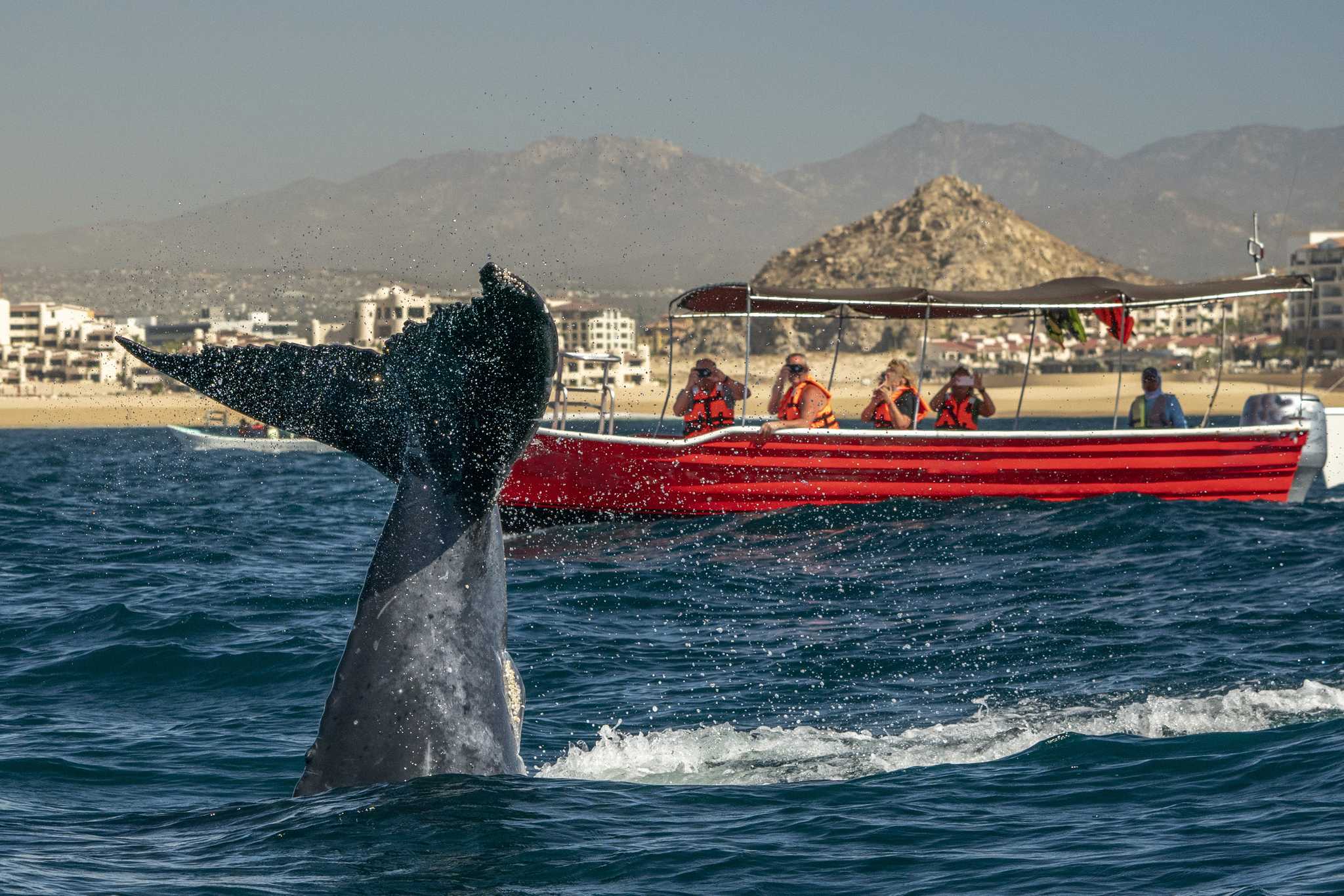
Los Cabos
Most tours depart from the Cabo San Lucas marina and head into the waters off the peninsula's southern tip, where humpbacks surface, breach, and slap the water with their long pectoral fins. It's one of the easiest ways to see whales in Baja California Sur.
- The official season runs here from Dec.15 to April 30.
- Whale activity is highest between January and March.
- Most excursions take around two to three hours.
- Choose a licensed operator, as required by Mexican law.
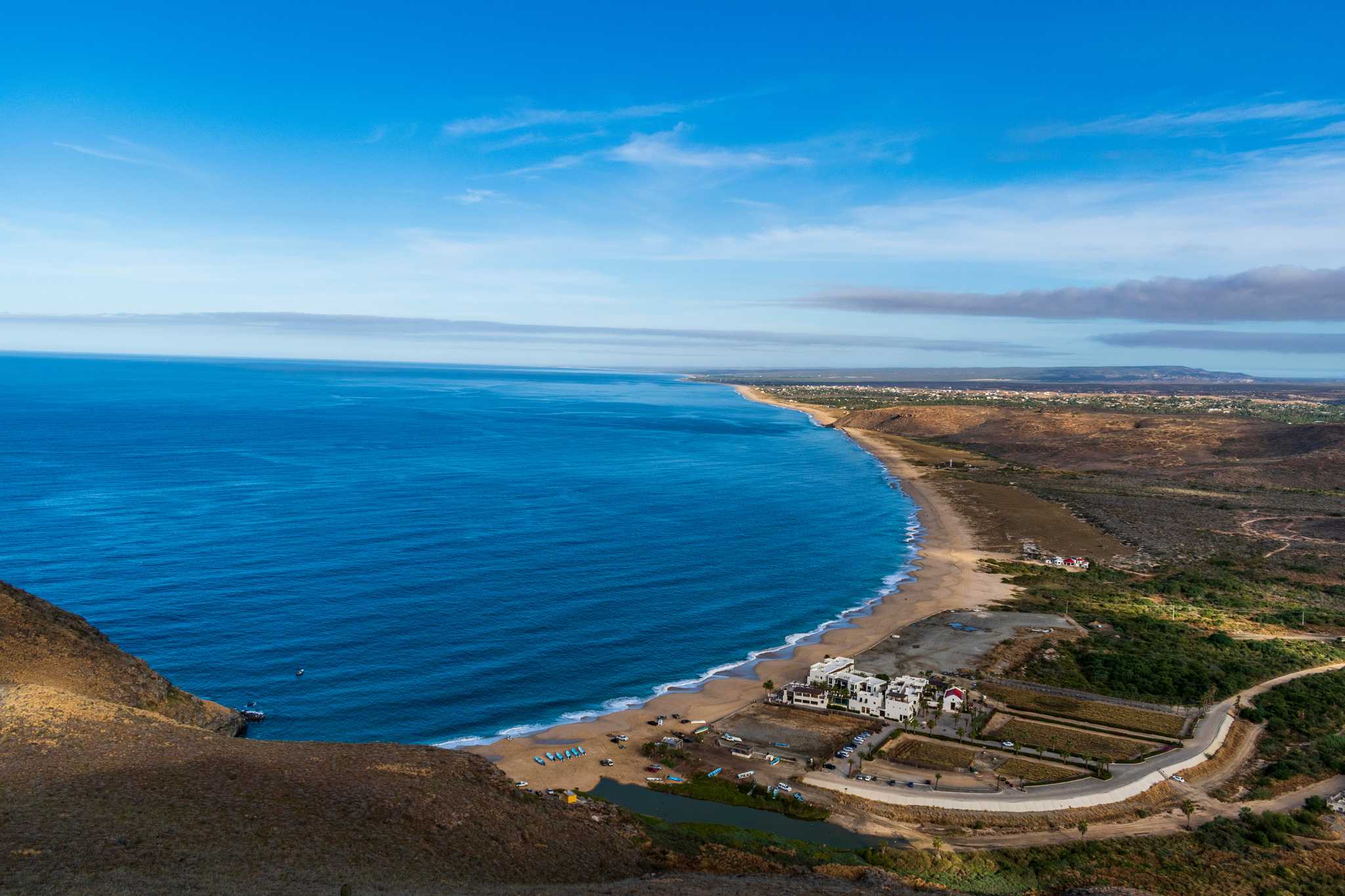
Todos Santos
About an hour north of Cabo San Lucas, Todos Santos offers a chance to watch humpbacks from the shore without joining a boat tour. Head to Playa La Pastora or Punta Lobos and keep an eye on the Pacific for spouts and breaches. Spotting whales takes patience and a little luck, so allow plenty of time.
- Binoculars help you see whales farther offshore.
- Strong currents make Playa La Pastora unsuitable for swimming.
- The path above Punta Lobos offers sweeping views across the ocean.
- Pair whale watching with a day exploring the town of Todos Santos.
Where to see gray whales
Baja California Sur's Pacific coast offers three main lagoons for gray whale watching: Magdalena Bay, San Ignacio, and Ojo de Liebre. The first is a long day trip from La Paz, while the other two lie farther north. Visit in February or March for the best chance to see mothers with their calves.
Baja California Sur's Pacific coast offers three main lagoons for gray whale watching: Magdalena Bay, San Ignacio, and Ojo de Liebre. The first is a long day trip from La Paz, while the other two lie farther north. Visit in February or March for the best chance to see moth...
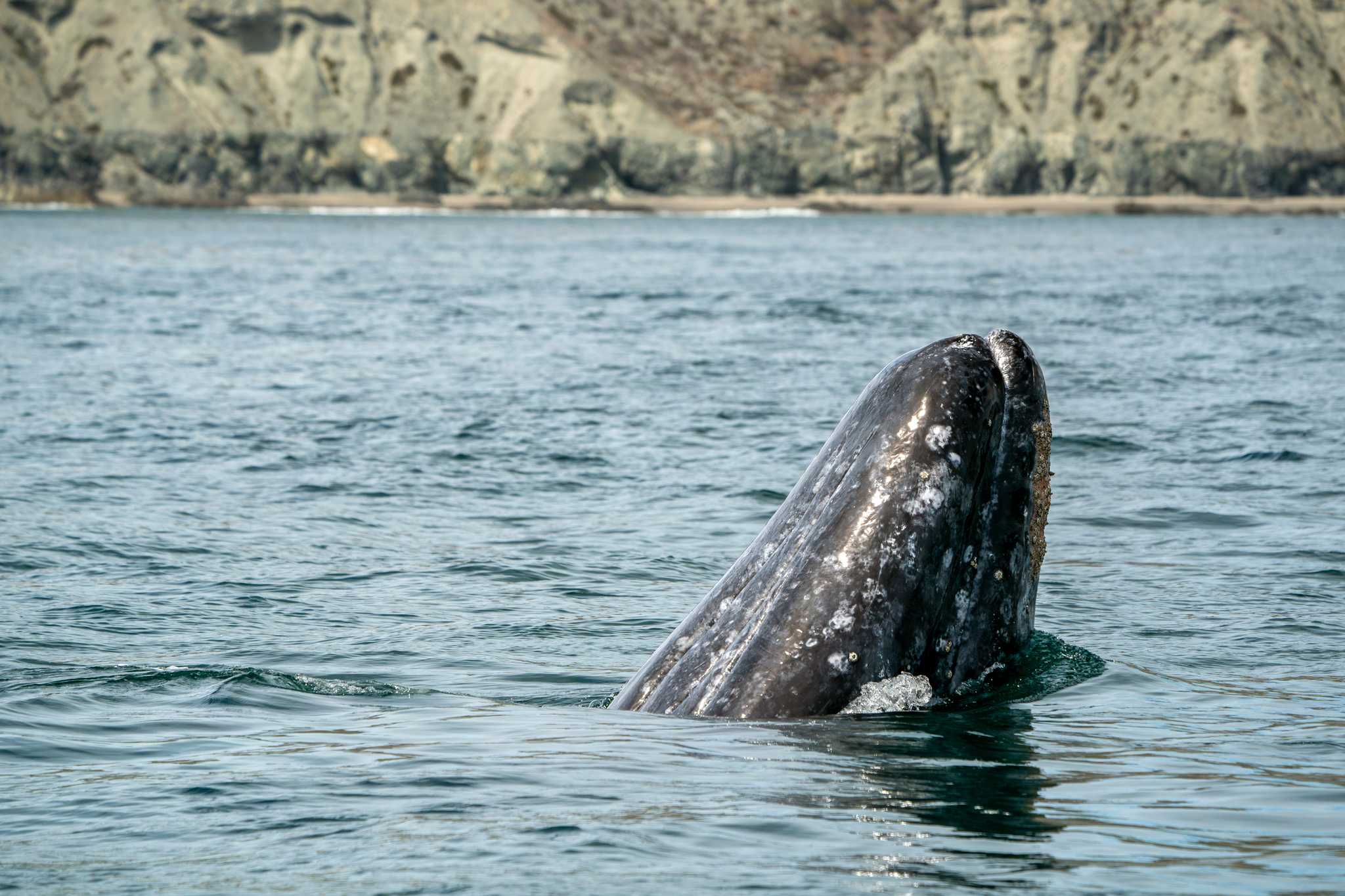
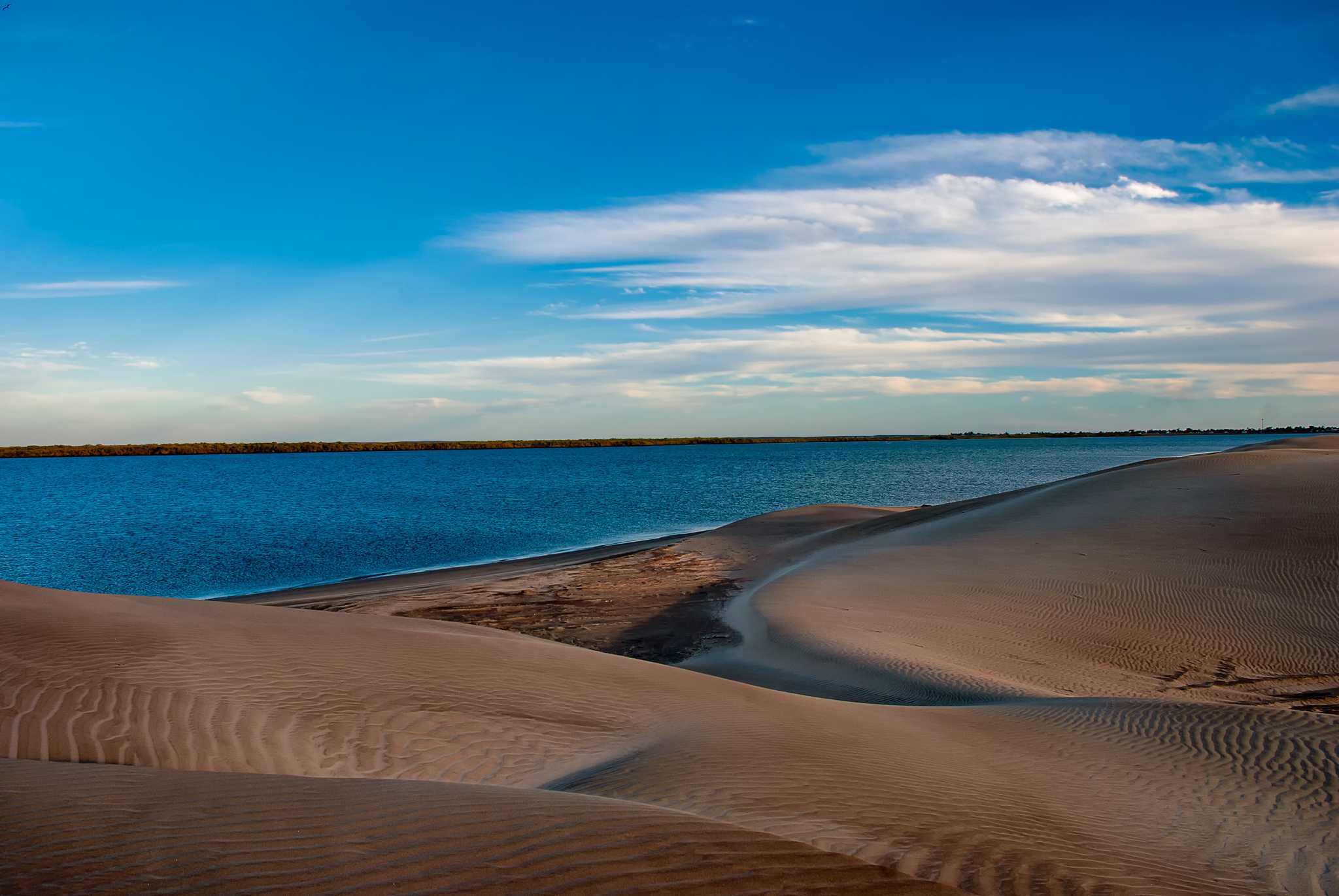
Puerto Chale
Puerto Chale sits at the southern tip of Magdalena Bay and offers the closest gray whale tours to La Paz. The local fishing cooperative organizes small-boat outings into the bay's sheltered waters, where gray whales spend the winter caring for their calves.
- The village is about a 2.5-hour drive from La Paz.
- The season here runs from Jan. 1 to April 30.
- Expect to spend at least two hours on the water.
- Shared and private boat trips are both available.
Puerto Adolfo López Mateos
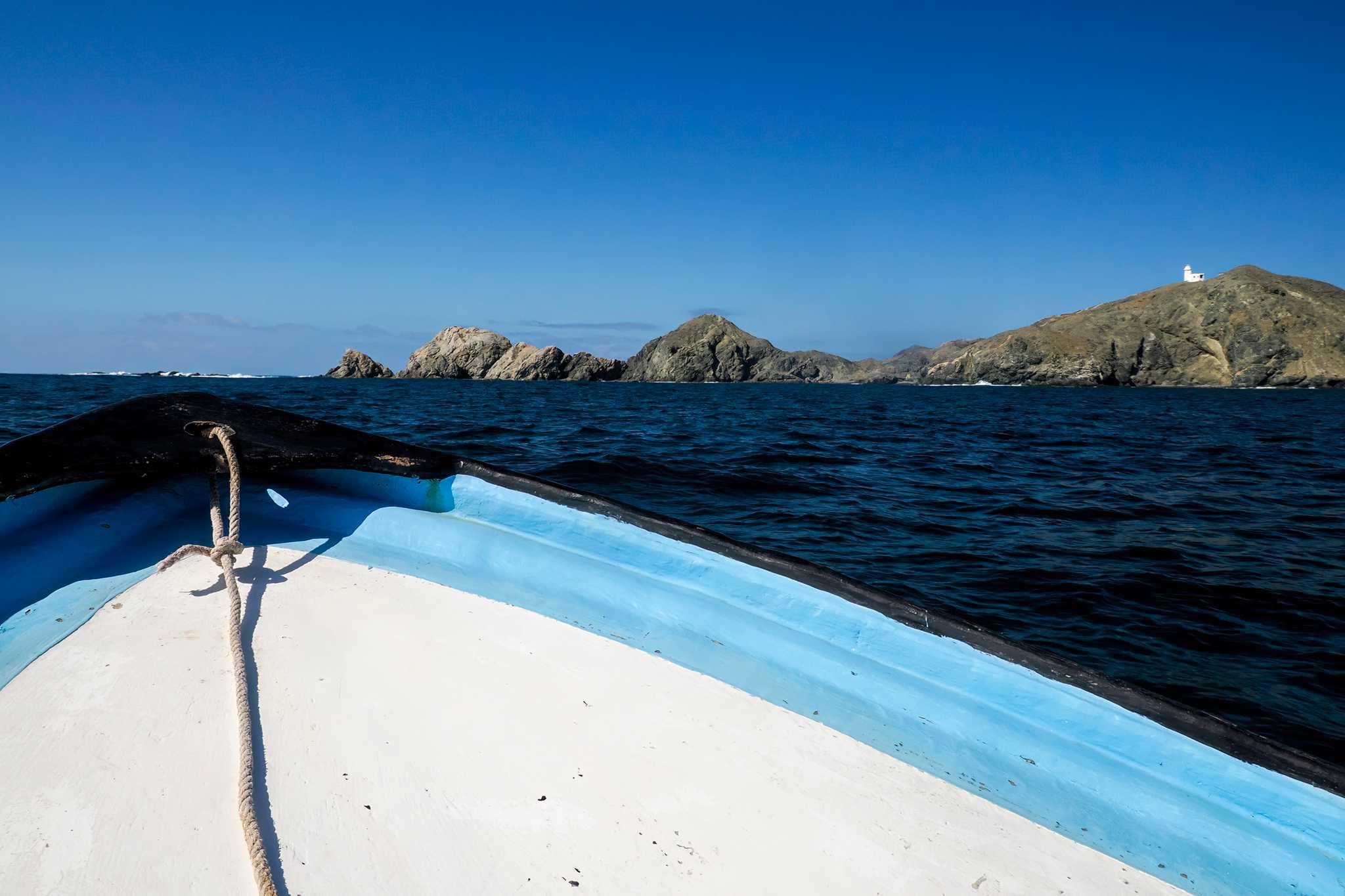
On Magdalena Bay's northern shore, Puerto Adolfo López Mateos is another base for gray whale watching. Boat trips venture into the lagoon right off town, where the whales gather during the winter months. The town is farther from La Paz than Puerto Chale, but more than 100 whales were recorded in the area in early 2026.
- The drive from La Paz takes about 3 hours and 20 minutes.
- The season runs from Jan. 1 to April 30.
- Leave early to make the trip in one day.
Puerto San Carlos
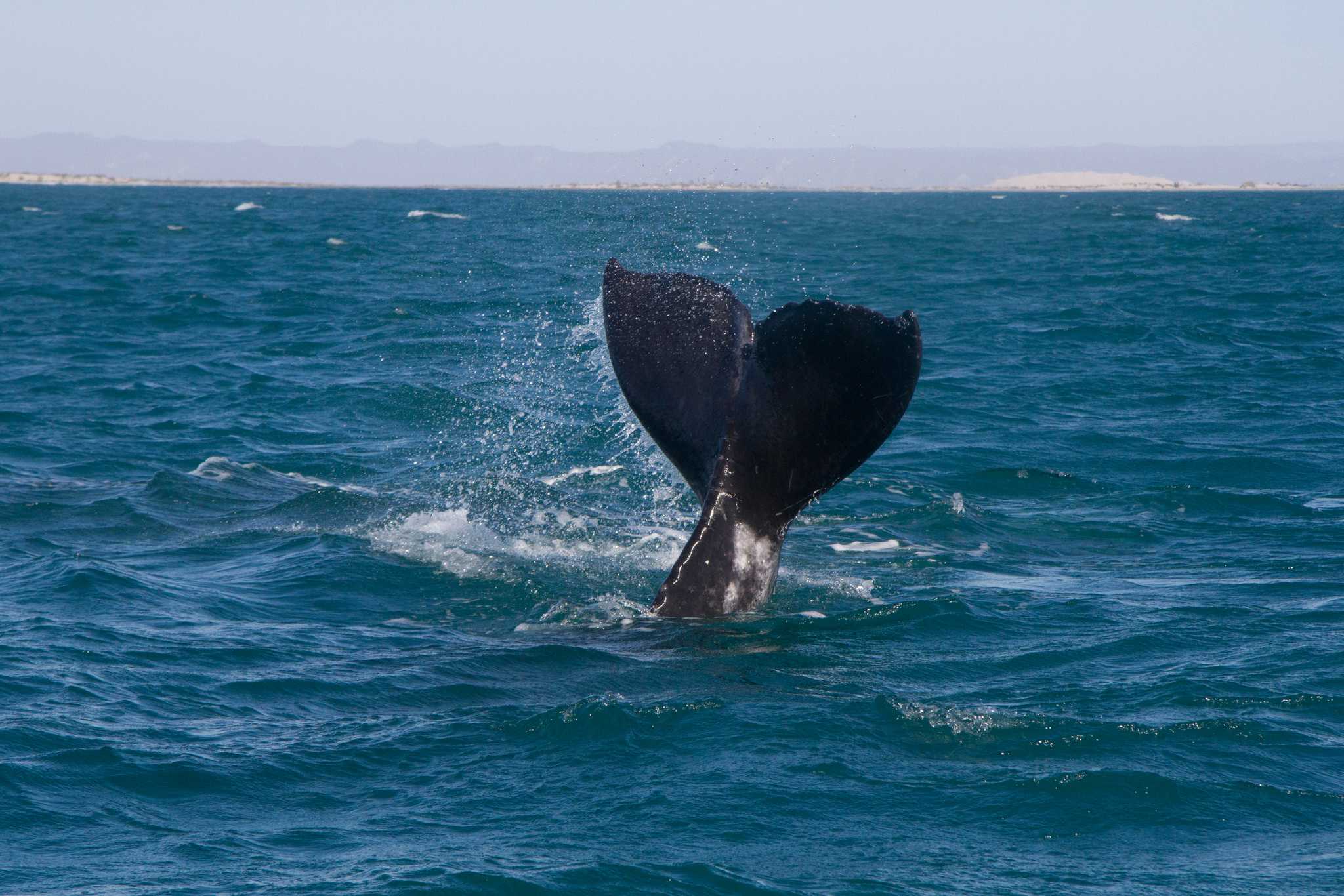
Puerto San Carlos is another whale-watching stop along Magdalena Bay, with local boats going into its open waters. The town has several places to stay, making it a convenient option if you want to spend the night and go out on the water more than once. Some waterfront rooms even offer views across the bay, where whales occasionally surface.
- The drive from La Paz takes a little over 3 hours.
- The season runs from Jan. 1 to April 30.
- Staying overnight makes it easier to catch an early boat departure.
San Ignacio Lagoon
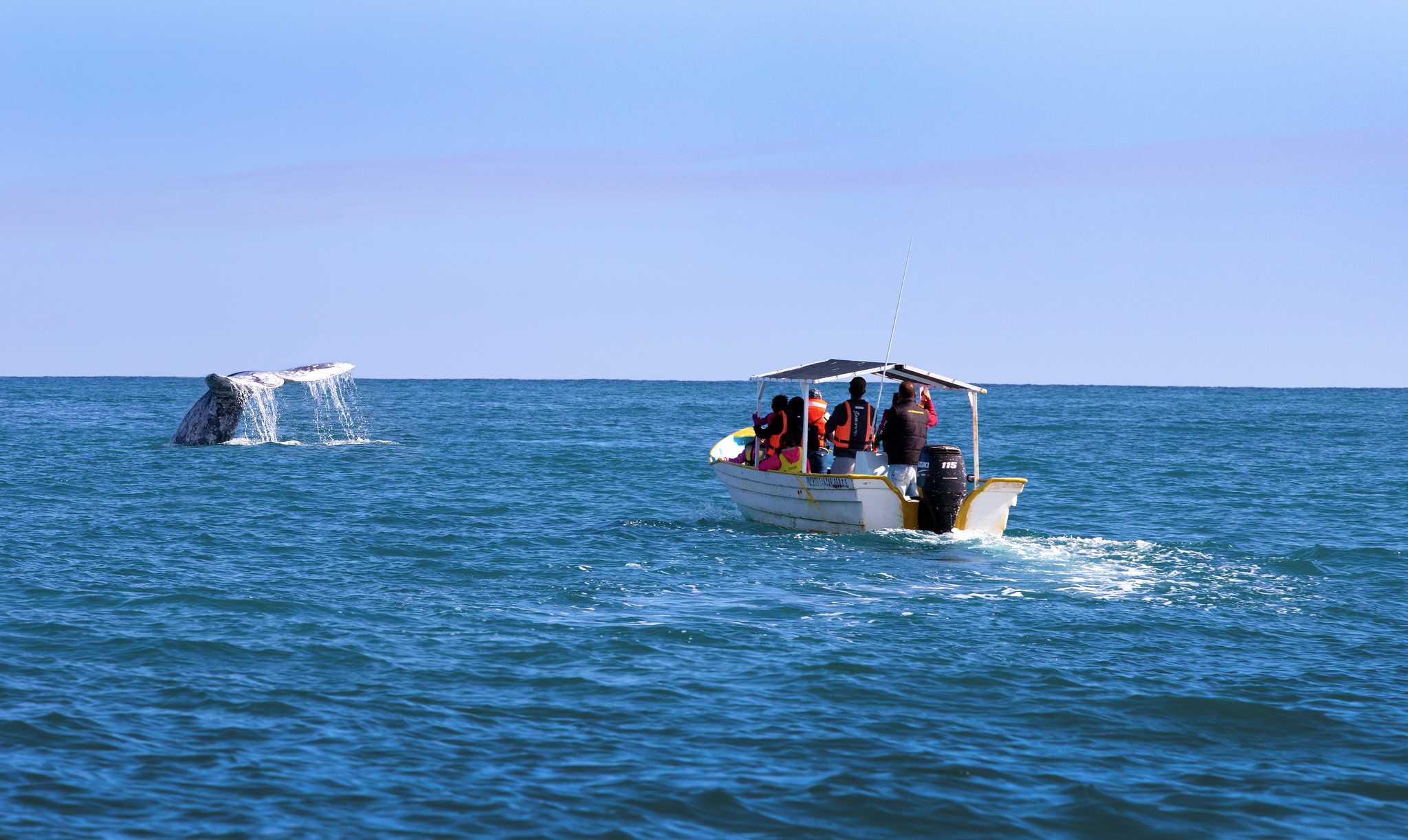
Inside the El Vizcaíno Biosphere Reserve, San Ignacio Lagoon is one of the most remote places to see gray whales. Friendly encounters here date back to 1973, when local fisherman Francisco "Pachico" Mayoral reportedly had a whale approach his boat. Visitors can stay at camps along the shore.
- Loreto is the closer starting point; La Paz is a full-day drive away.
- The final part of the route follows an unpaved road.
- The season runs from Dec. 15 to April 30.
- Plan on spending at least one night here.
Ojo de Liebre
Ojo de Liebre lies near the town of Guerrero Negro, in the far north of Baja California Sur. Together with San Ignacio Lagoon, it forms a UNESCO World Heritage site recognized as the world's most important gray whale breeding ground. During the 2024-2025 season, researchers counted 578 whales here.
- It's north of San Ignacio, so you can visit both on one trip.
- Hotels in Guerrero Negro can help arrange boat tours.
- The season runs from Dec. 15 to April 30.
- Book ahead for mid-January to March, when demand is highest.
Giants of the Sea of Cortez
Along the peninsula's eastern coast, the Sea of Cortez attracts two of the ocean's giants. Blue whales feed in the waters near Loreto, while whale sharks gather in the Bay of La Paz. Despite their name, whale sharks are sharks, not whales, and the largest fish on Earth.
Along the peninsula's eastern coast, the Sea of Cortez attracts two of the ocean's giants. Blue whales feed in the waters near Loreto, while whale sharks gather in the Bay of La Paz. Despite their name, whale sharks are sharks, not whales, and the largest fish on Earth.
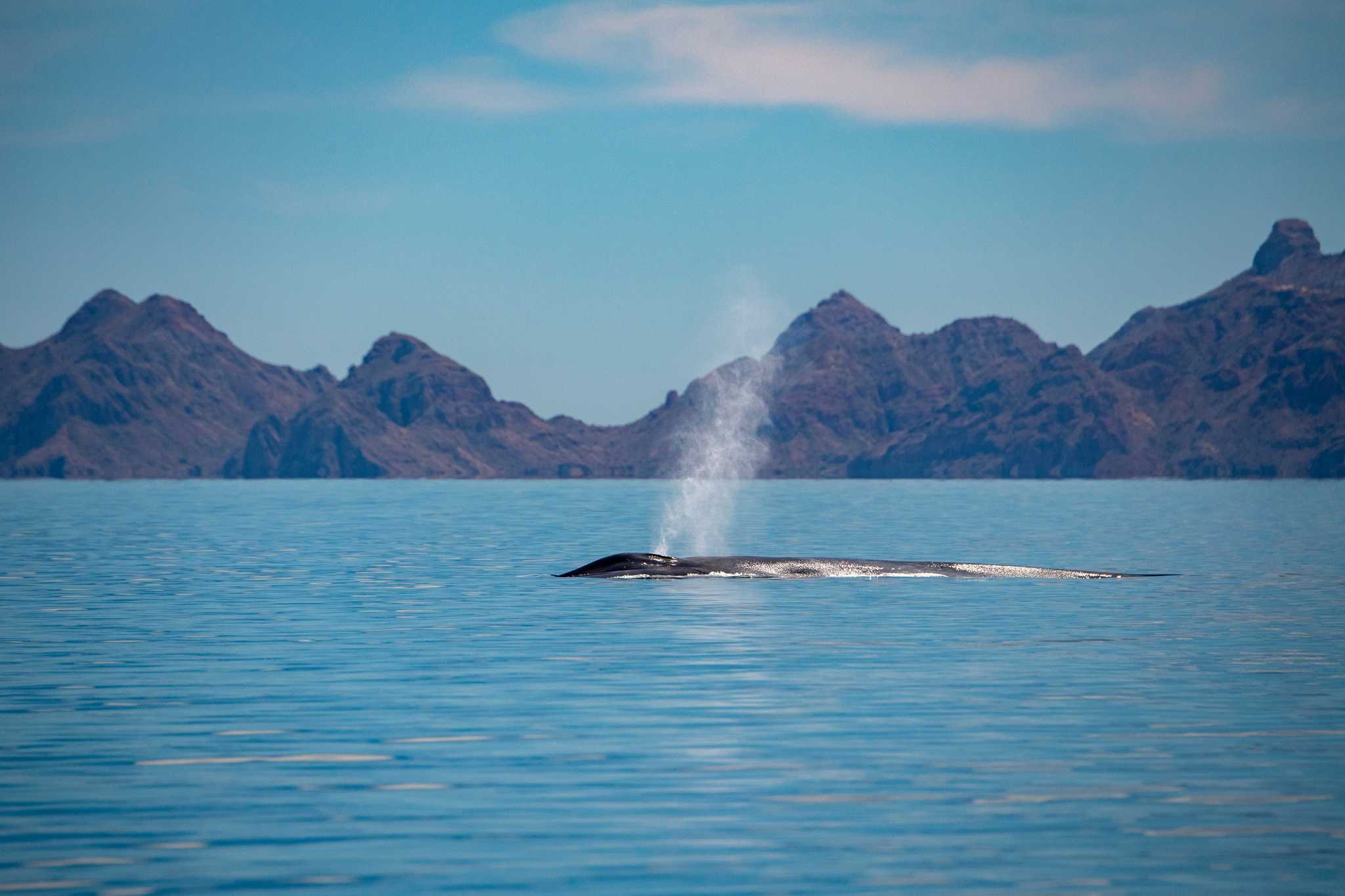
Loreto
Winter brings blue whales, the planet's largest animals, to Loreto Bay National Park. Park staff recorded more than 30 individuals in 2026. Small-boat excursions depart from Loreto's waterfront and spend several hours looking for them. You may also spot fin whales during the trip.
- Tours operate from Jan. 1 to April 30.
- Mid-January through late March offers the best chances.
- The park entrance fee is not always included in the tour price.
- Loreto is a 4.5-hour drive from La Paz, or you can fly straight in.
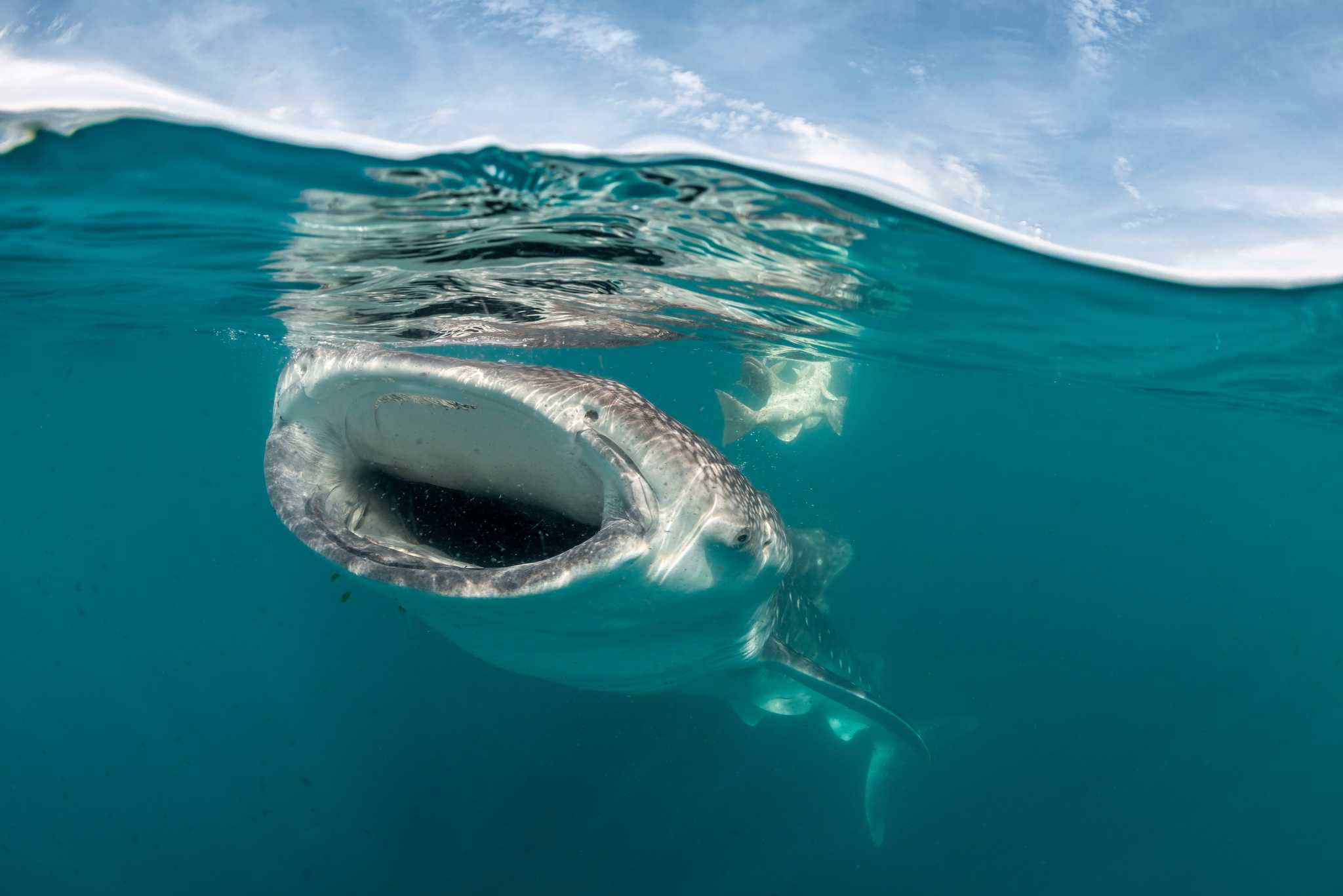
La Paz
Whale sharks visit the Bay of La Paz, gathering in its protected waters between fall and spring. Tours depend on official counts, which must confirm at least six sharks in the area before excursions can begin. In recent years, low numbers have delayed the season or brought it to an early end, so check before you book.
- The official season runs from Oct. 1 to April 30.
- Each guide can take up to five swimmers at a time.
- Keep at least 6.5 feet (2 meters) from the shark's head and sides.
- Touching the sharks and flash photography are prohibited.
Our data suggests
Since 2023, nearly 60% of Daytrip rides from Los Cabos International Airport to La Paz have taken place between December and April, when whales gather along Baja California Sur's coasts.
Which base fits your trip?
Staying in Los Cabos: Join a humpback whale tour from the Cabo San Lucas marina, watch for whales from the beach in Todos Santos, or take a day trip to La Paz for a whale shark swim when the season opens.
Staying in La Paz: Look for whale sharks in the bay when swimming tours are operating, or set aside a full day to see gray whales in Magdalena Bay.
Staying in Loreto: Spot blue whales on a boat trip in Loreto Bay National Park, or head north for a few days near San Ignacio Lagoon and Ojo de Liebre.
Practical tips
Planning a whale-watching trip involves more than choosing where to go and when. Mexican law sets rules to protect whales, including requirements for tour operators and limits on how boats can approach them. Knowing these rules and what to bring helps you prepare for a comfortable day on the water.
- Choose a licensed operator. Only boats with a permit from Mexico's environment ministry can offer whale-watching tours.
- Give whales plenty of space. Boats must stay at least 200 feet (60 meters) away, farther for blue whales, and can remain nearby for up to 30 minutes.
- Know where swimming is allowed. Swimming, kayaking, and diving near whales are prohibited, but licensed whale shark tours run in the Bay of La Paz.
- Start early for Magdalena Bay. The drive from La Paz takes 2.5 to over 3 hours each way, so an early departure gives you more time on the water.
- Reserve ahead in peak season. Hotels and tours near the northern lagoons fill up fastest between mid-January and March.
- Dress for a day on the water. Bring sunscreen, drinking water, a hat, and an extra layer for the wind.
- Pack binoculars for shore watching. They're especially useful when looking for whales from Todos Santos.
Top rated routes
La Paz to Cabo San Lucas
2h 1min • 157km (97.6mi)
From US$136
La Paz to Loreto
4h 13min • 357km (221.8mi)
From US$303
La Paz to Todos Santos
1h 8min • 82km (51.0mi)
From US$125
La Paz to Adolfo Lopez Mateos
3h 18min • 273km (169.6mi)
From US$232
La Paz to San Carlos
3h 13min • 268km (166.5mi)
From US$229
Los Cabos International Airport to La Paz
2h 35min • 200km (124.3mi)
From US$179
Los Cabos International Airport to Todos Santos
1h 30min • 119km (73.9mi)
From US$134
Los Cabos International Airport to Loreto
6h 34min • 551km (342.4mi)
From US$472
Loreto to La Paz
4h 13min • 357km (221.8mi)
From US$303
La Paz to San Ignacio
8h 6min • 627km (389.6mi)
From US$548
La Paz to Ojo de Liebre
9h 56min • 781km (485.3mi)
From US$678
La Paz to Puerto Chale
2h 16min • 179km (111.2mi)
From US$156
Best day trips for whale season
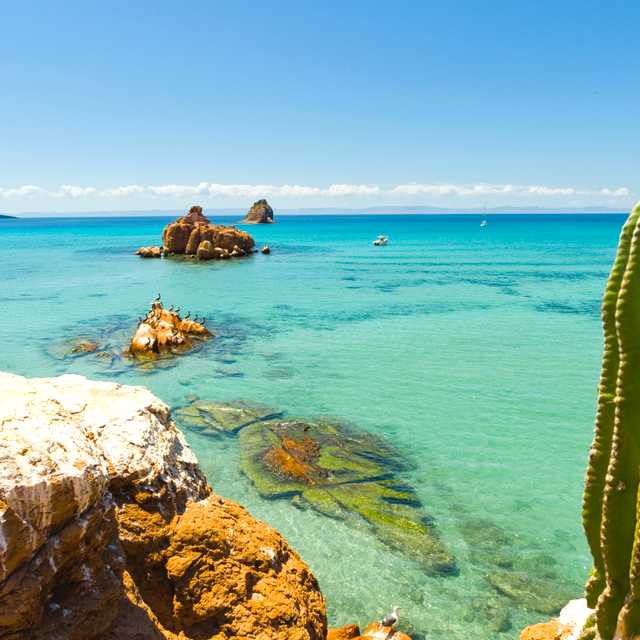
Cabo San Lucas to Todos Santos: Private day trip
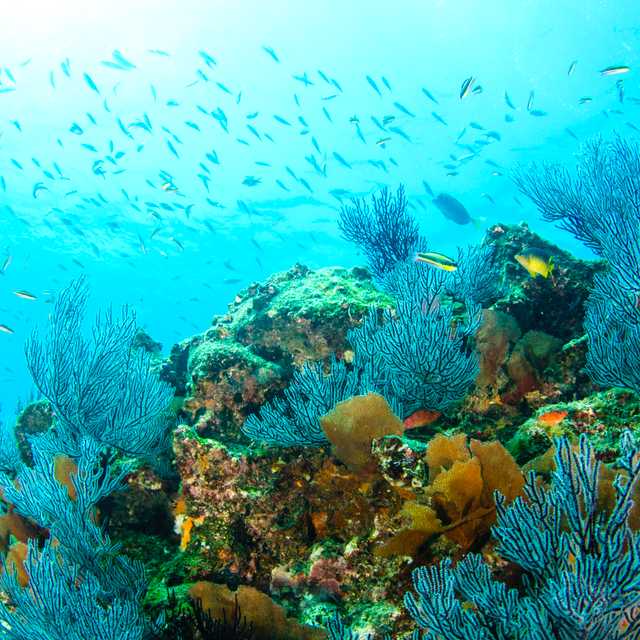
San Jose del Cabo to La Paz: Private day trip
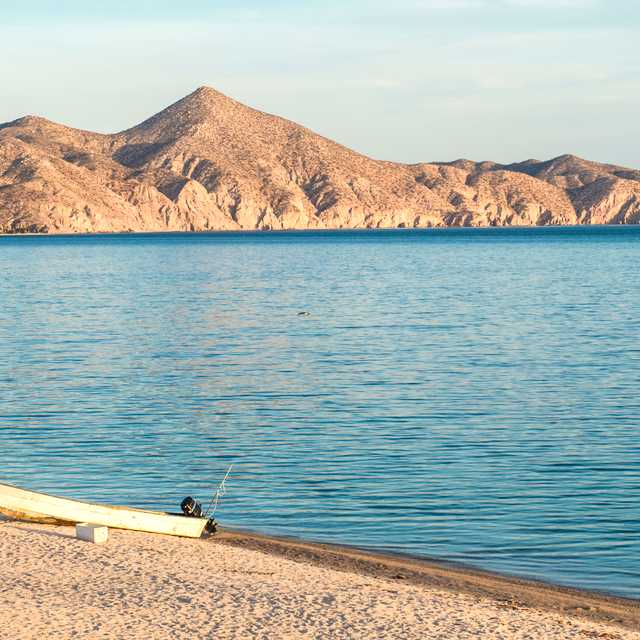
Cabo San Lucas to Cabo Pulmo National Park
La Paz to Ensenada de Muertos and Cabo Pulmo Park: Day trip
2+ million travelers like you. Moments they'll never forget.

Your whale-watching questions, answered

About the author
Veronika Houdková is a Prague-based writer and journalism student. Coming from landlocked Czechia, she especially enjoys exploring coastal destinations, where she feels the most relaxed and at ease.
Be the first to discover more
Get handpicked travel ideas, insider highlights, and special Daytrip offers.


