Daytrip's guide to Emilia-Romagna
Visit Emilia-Romagna for the food that other countries copy badly. It is loved for its dairies and cured meat cellars, its brick porticoes, its racing car factories, and a flat green plain that puts them all within an hour of each other by road.
The region is really two joined at Bologna. Emilia runs west along the Via Emilia, a Roman road laid in 187 B.C. that still carries traffic in an almost straight line through Modena, Reggio, and Parma.
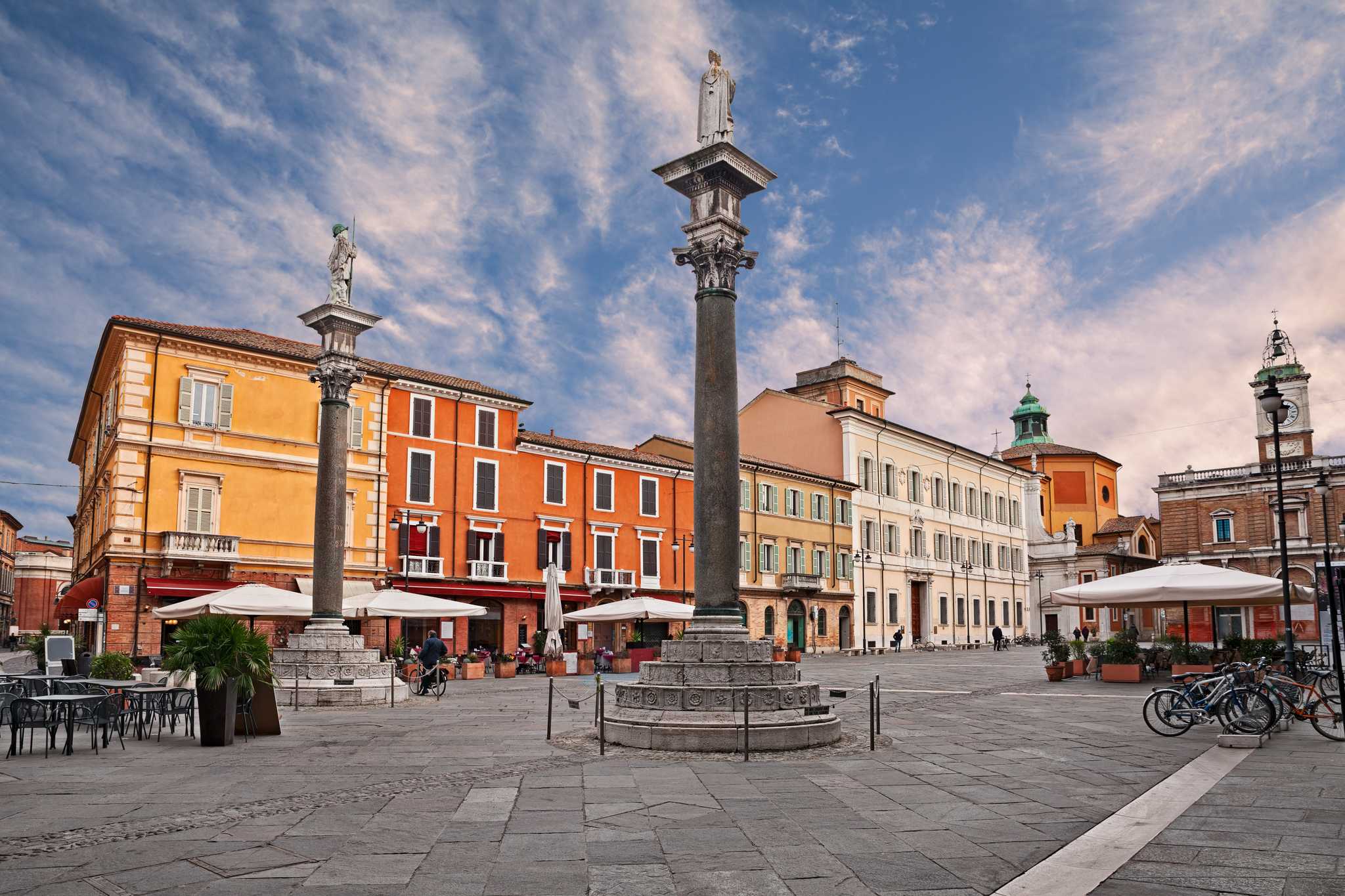
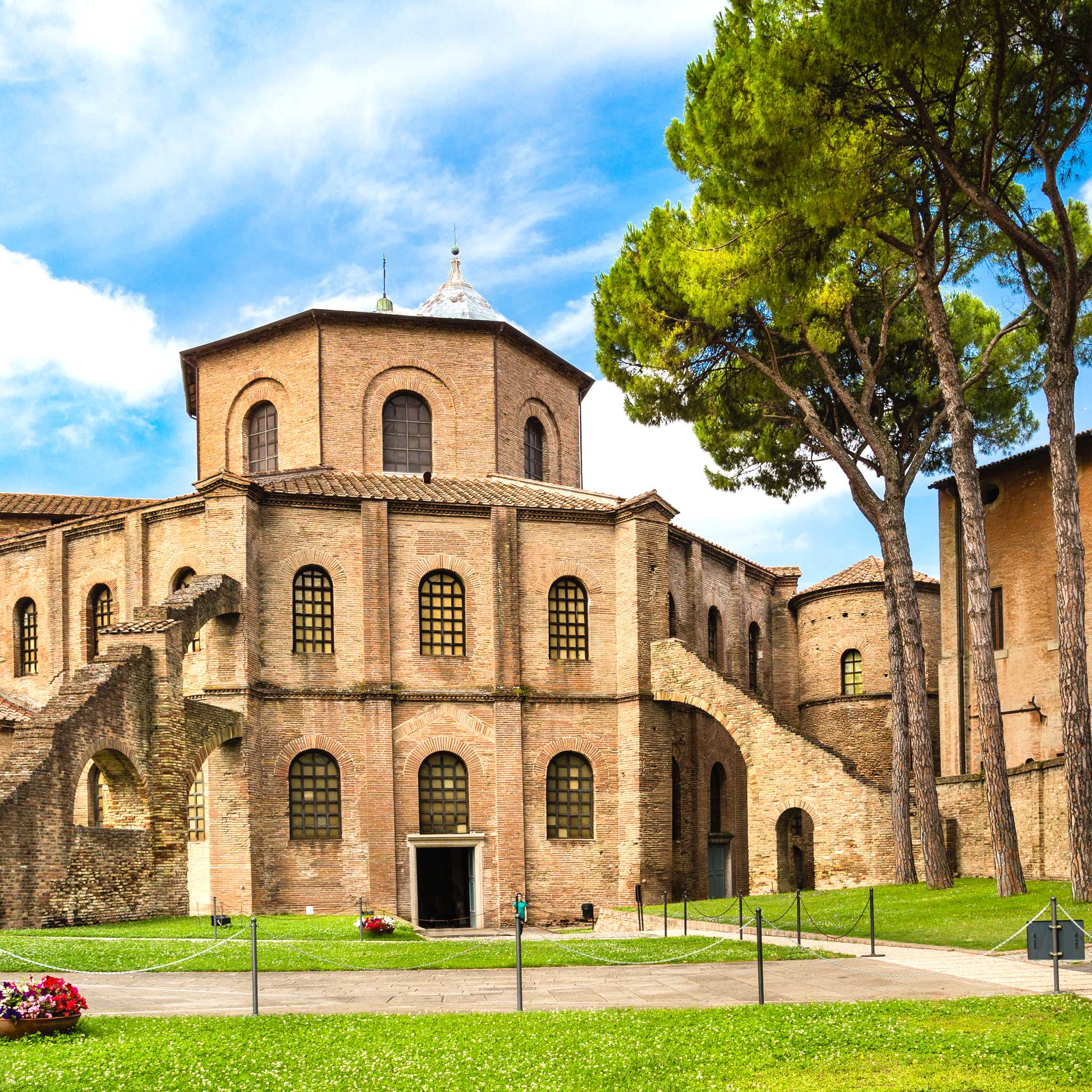
Romagna runs southeast toward the Adriatic, ending in the beach towns and the lagoons of the Po delta. Ravenna, on that side, was capital of the Western Roman Empire and holds the finest Byzantine mosaics outside Istanbul.
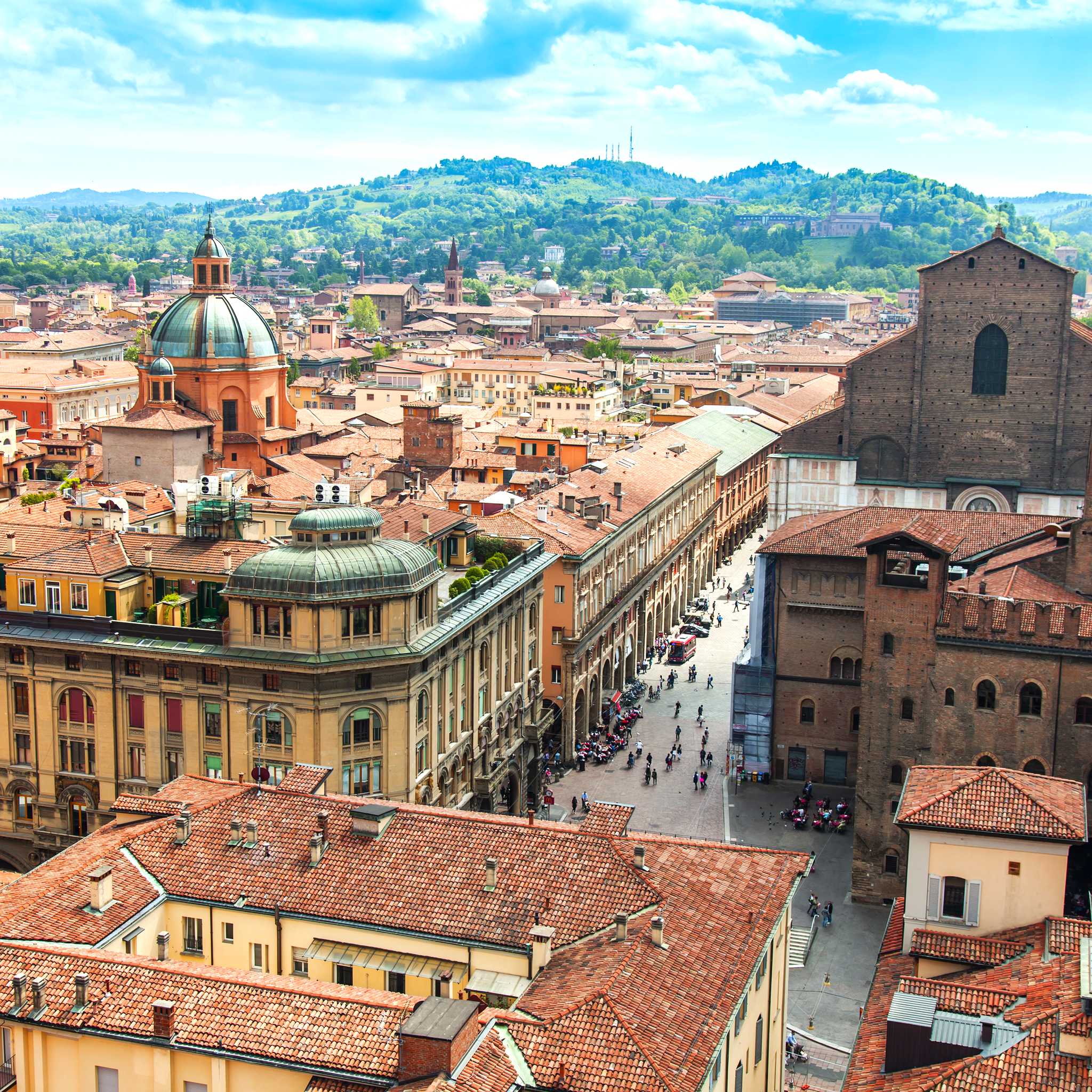
About 4.5 million people live here. Bologna has Europe's oldest university, founded in 1088, which is why the city feels younger than its architecture. Ferrari, Lamborghini, Maserati, and Ducati all build within a short drive of Modena, a cluster locals call the Motor Valley.
Practical things worth knowing:
- Parmigiano dairies and prosciutto cellars start work early, so morning visits are often the only ones offered, and most require advance booking.
- Bologna's historic center is a limited-traffic zone, so your driver will have to stop at the nearest legal point. Fog settles thickly on the plain from November to February.
- Etiquette here is about food. Do not ask for chicken in your pasta. Ragu goes on tagliatelle, never spaghetti. And lunch runs long on purpose.
Main airports:
- Bologna Guglielmo Marconi Airport (BLQ)
- Rimini Fellini Airport (RMI)
Emilia-Romagna in brief
Regional capital
Bologna
Languages
Italian, Emilian and Romagnol dialects
Currency
Euro (€)
Time zone
CET (UTC+1) / CEST (UTC+2) in the summer
Our favourite cities in Emilia-Romagna
Emilia-Romagna is flat, fast, and close together. There are six main cities, each with one thing it does better than anywhere else: pasta, cheese, ham, race cars, mosaics, beaches. Here is where to start.
Emilia-Romagna is flat, fast, and close together. There are six main cities, each with one thing it does better than anywhere else: pasta, cheese, ham, race cars, mosaics, beaches. Here is where to start.



Did you know
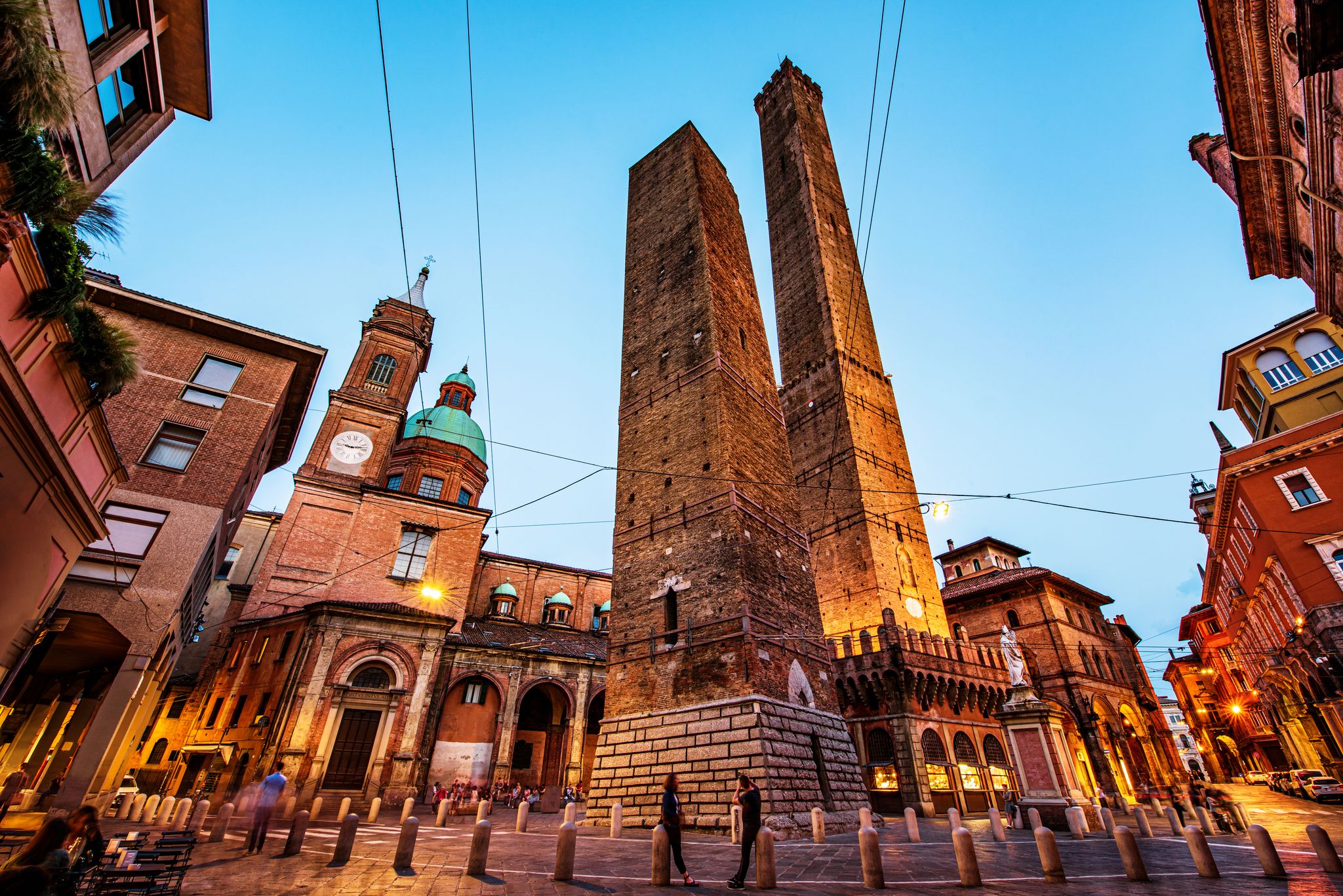
Bologna's nickname "La Dotta, La Rossa e La Grassa" means "the learned, the red, and the fat." It captures the true essence of the city: the university, the oldest in the Western world; the color of its rooftops and porticoes; and its food.
When to go
Spring
May is best: warm, green, and dry, with the scent of lime trees on the hills of Bologna. Early March skips the crowds. Go to Imola in mid-May for the Formula 1 weekend, or Cesena for cherry blossoms.
Summer
June before the coast fills. Late August empties the cities as locals leave. Head to Rimini for the beach clubs, or Comacchio for lagoon eels.
Fall
October is the best overall, but mid-November is quietest. Go to Sant'Agata Feltria for truffles, and Modena for the grape must that becomes balsamic.
Winter
January is cold, foggy, and cheap, with no lines. February is emptiest. Go to Cento for its Carnival celebrations. Tortellini season peaks in winter.
Our picks: things to do in Emilia-Romagna
Emilia-Romagna gives you six different trips on one flat plain: dairies and cellars, racing factories, gold mosaics, mountain roads, wide beaches, and cities built to be walked around. Nothing is far from anything. These are the ones worth building a trip around.
Emilia-Romagna gives you six different trips on one flat plain: dairies and cellars, racing factories, gold mosaics, mountain roads, wide beaches, and cities built to be walked around. Nothing is far from anything. These are the ones worth building a trip around.
Eat your way along the Via Emilia
Four protected foods come from a 60-mile stretch of this ancient road. Producers are open to visitors, but almost all work mornings and need booking ahead. Try to do two in a day, then eat lunch nearby.
- Parmigiano dairies near Parma start making cheese before dawn
- Prosciutto cellars in Langhirano cure legs on sea air alone
- Balsamic lofts in Modena age must in casks for 25 years
- Culatello di Zibello cures in the fog of the Po lowlands
- Bologna's Quadrilatero sells fresh pasta made that morning
- Lambrusco estates around Sorbara pour it dry, not sweet

Visit the Motor Valley
Ferrari, Lamborghini, Maserati, Ducati, and Pagani all build within an hour of Modena. The factories sit in ordinary farmland, so the drive there looks nothing like what the cars normally drive on.
- Museo Ferrari in Maranello sits beside the working plant
- Museo Enzo Ferrari in Modena is the original Ferrari workshop
- Lamborghini's museum and factory tour are in Sant'Agata Bolognese
- Ducati in Borgo Panigale covers a century of racing bikes
- Imola's circuit runs through a public park and is walkable
- Pagani's small factory near Modena builds a few cars a year
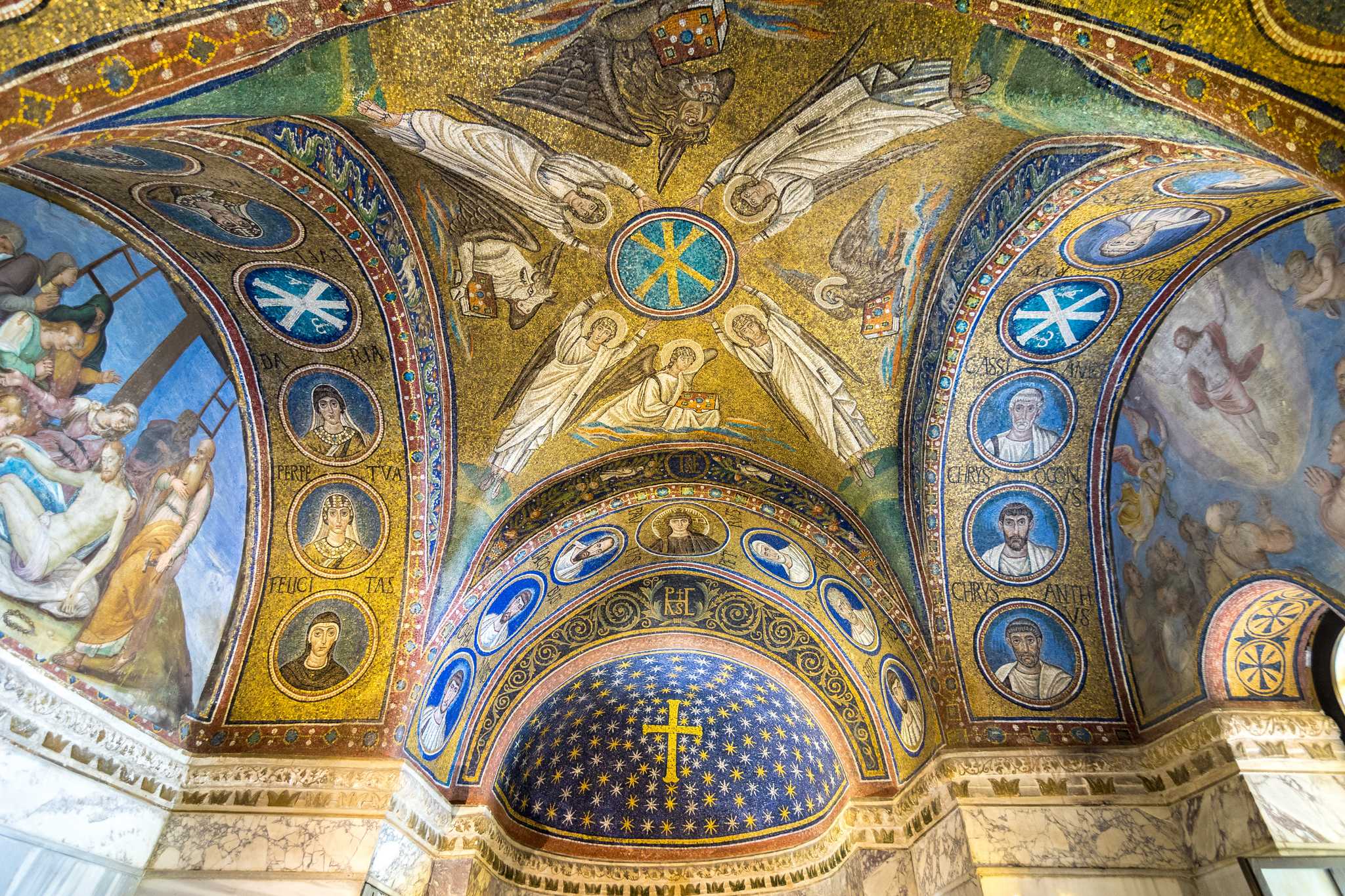
See Ravenna's mosaics
For a century Ravenna was capital of the Western Roman Empire, then a Byzantine outpost. Eight of its buildings are UNESCO-listed, and the gold it holds is still there.
- San Vitale's apse holds Justinian and Theodora in gold
- Galla Placidia's tiny mausoleum has a ceiling of glittering stars
- Sant'Apollinare in Classe stands alone outside town, by the road
- The Neonian Baptistery shows a domed Baptism of Christ
- Dante's tomb is here, since he died in exile in Ravenna

Walk the walled cities
These are compact, brick, and largely intact, built when each was its own duchy. Arriving by road, you see the walls before the town, then pass through a gate into a grid.
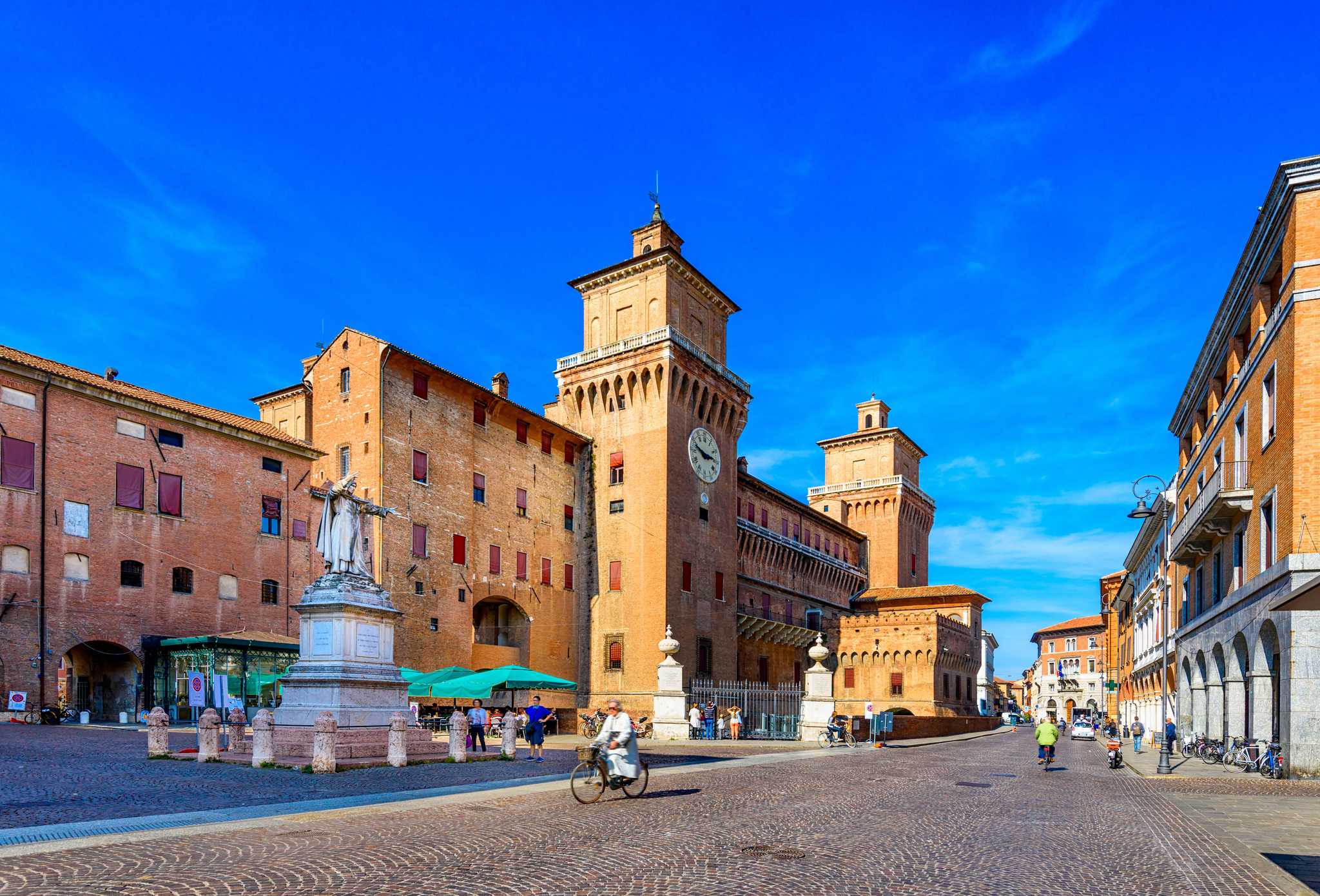
- **Ferrara'**s walls run five miles and are great for biking
- Bologna's porticoes cover 25 miles of sidewalk, rain or sun
- Parma's Teatro Farnese was built entirely of wood in 1618
- Modena's UNESCO-listed cathedral and tower, with Romanesque carvings
- Brisighella sits under three hilltop towers in the Apennines
- Comacchio is a lagoon town of small bridges and eel canals
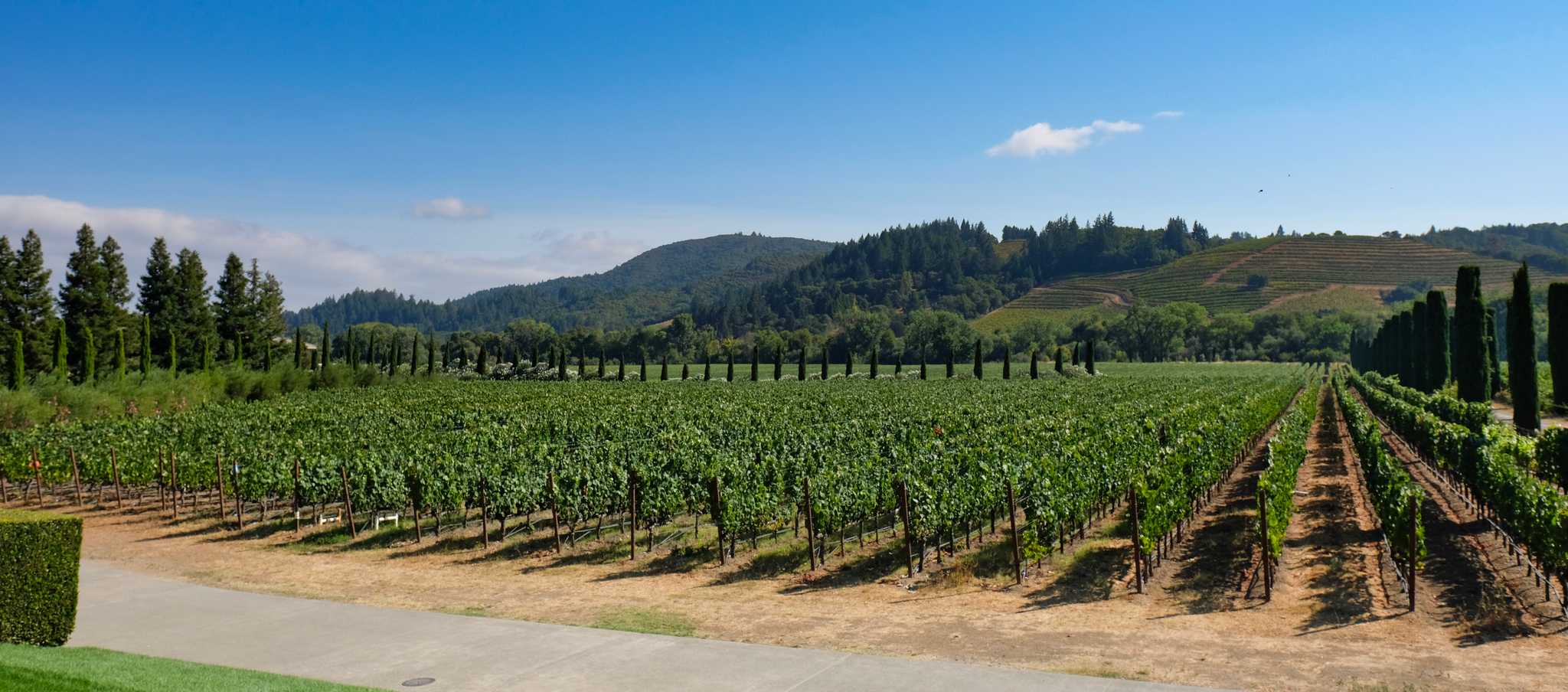
Head into the Apennines
South of the Via Emilia, the plain ends abruptly and the road starts climbing. Castles, chestnut forests, and pass roads, all within an hour or two of the cities.
- Castell'Arquato is a hill castle-town above the Piacenza vineyards
- Torrechiara's frescoed castle looks over the Parma valley
- Sanctuary of San Luca is reached by a short hike from Bologna’s city center
- Bagno di Romagna has thermal baths in a mountain valley
- Sant'Agata Feltria holds a white truffle market each fall Sunday
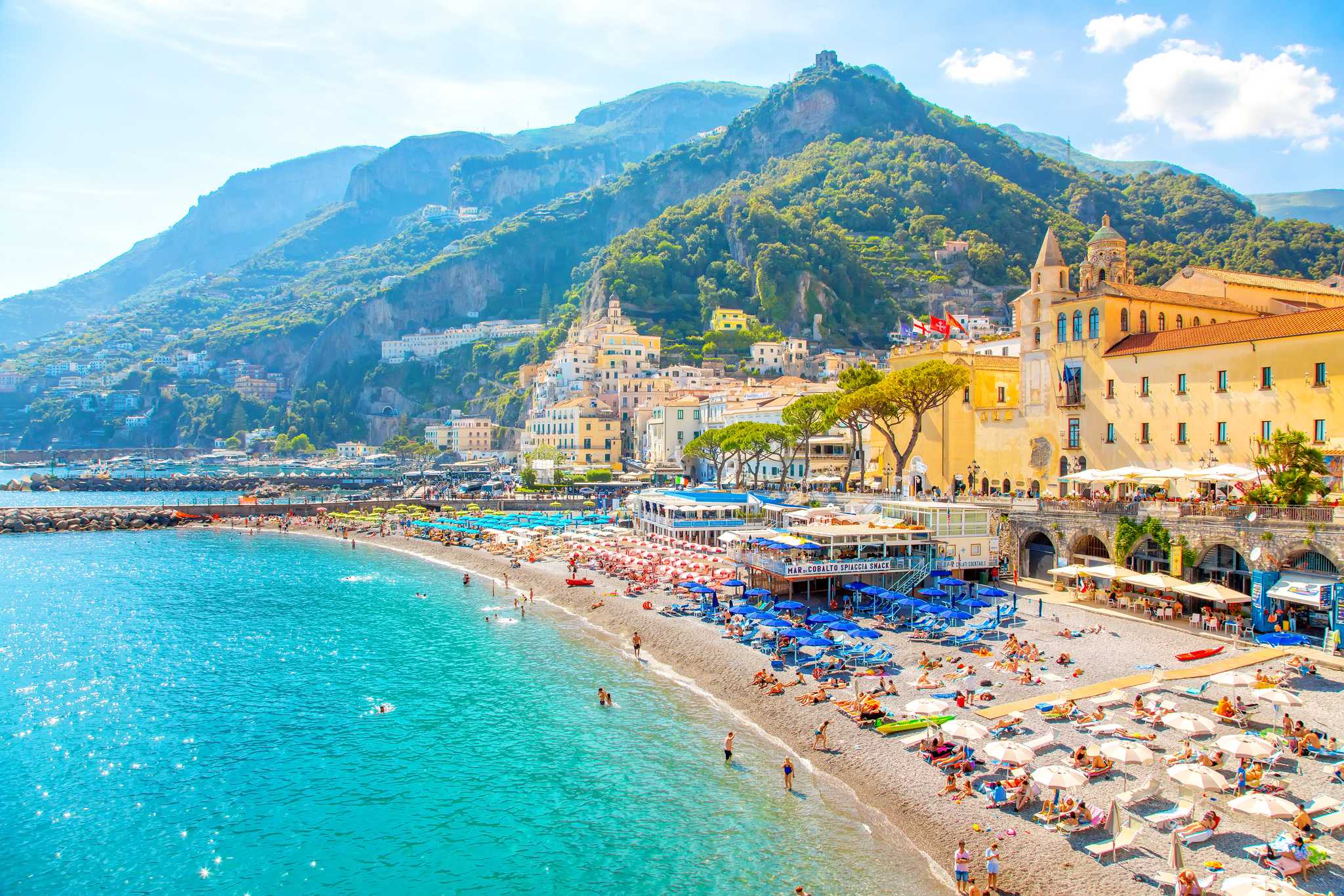
Reach the Adriatic
The Romagna coast is Italy's beach holiday destination, with wide flat sand, rows of umbrellas, and plenty of beach clubs.
- Rimini has the longest shore and a Roman bridge in town
- Cervia and Cesenatico are quieter, with a canal port by Leonardo
- Comacchio's lagoons draw flamingos in spring and fall
- The Po delta park is best seen by boat or by bike
- Pine forests behind Ravenna's beaches once hid Byzantine ports
- San Marino, a separate country, is 30 minutes up from Rimini
From a local
"Visit the old market in Via Albinelli, Modena. It’s a lovely small market, where most of the stalls are family-run and offer incredible local products. Keep in mind this: one restaurant in Modena has 3 Michelin stars and has been elected best restaurant in the world for a number of years (Osteria Francescana). The chef buys a lot of his ingredients there."
– Paolo, Daytrip team, Modena native
What to eat, drink, and order
Emilia-Romagna is where much of what the world calls Italian food actually comes from. Rich, dairy-heavy, built on eggs and pork and slow curing. Every town claims one dish and defends it. Eating where each was invented enhances your vacation.
Emilia-Romagna is where much of what the world calls Italian food actually comes from. Rich, dairy-heavy, built on eggs and pork and slow curing. Every town claims one dish and defends it. Eating where each was invented enhances your vacation.
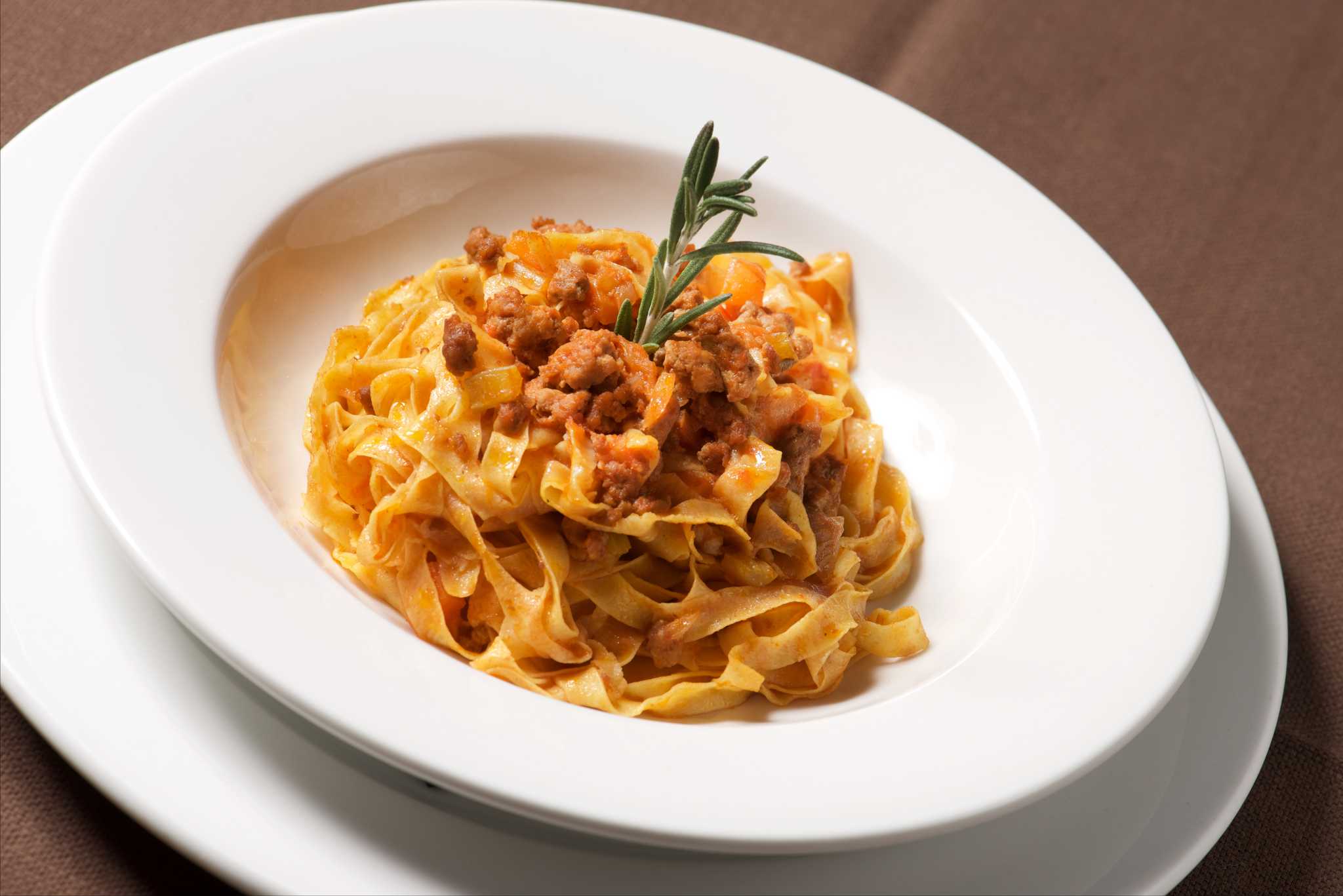
Tagliatelle al ragù in Bologna
Egg pasta with slow-cooked pork and beef, milk, and little tomato. Not spaghetti bolognese. The sauce clings because the pasta is porous.
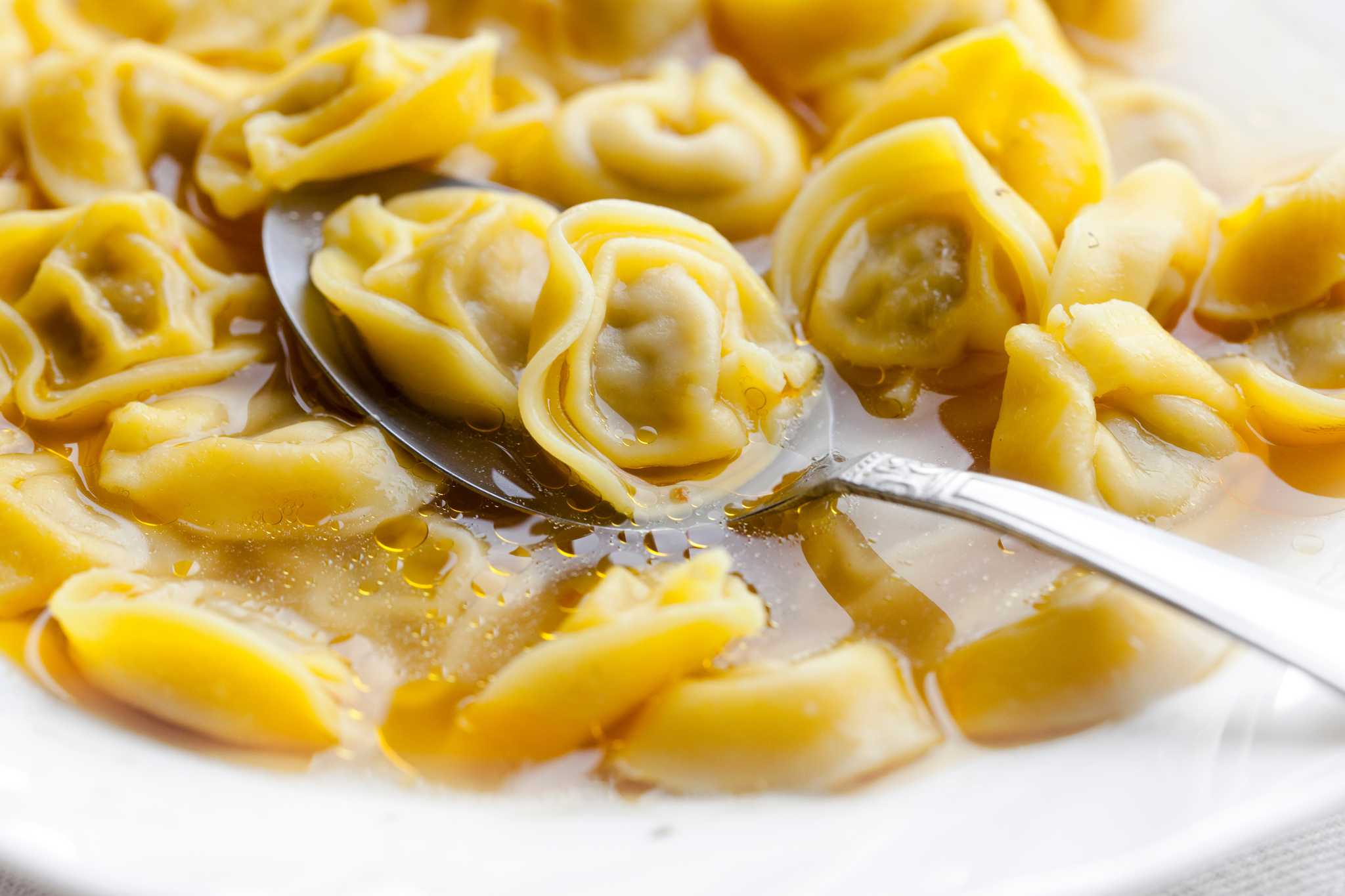
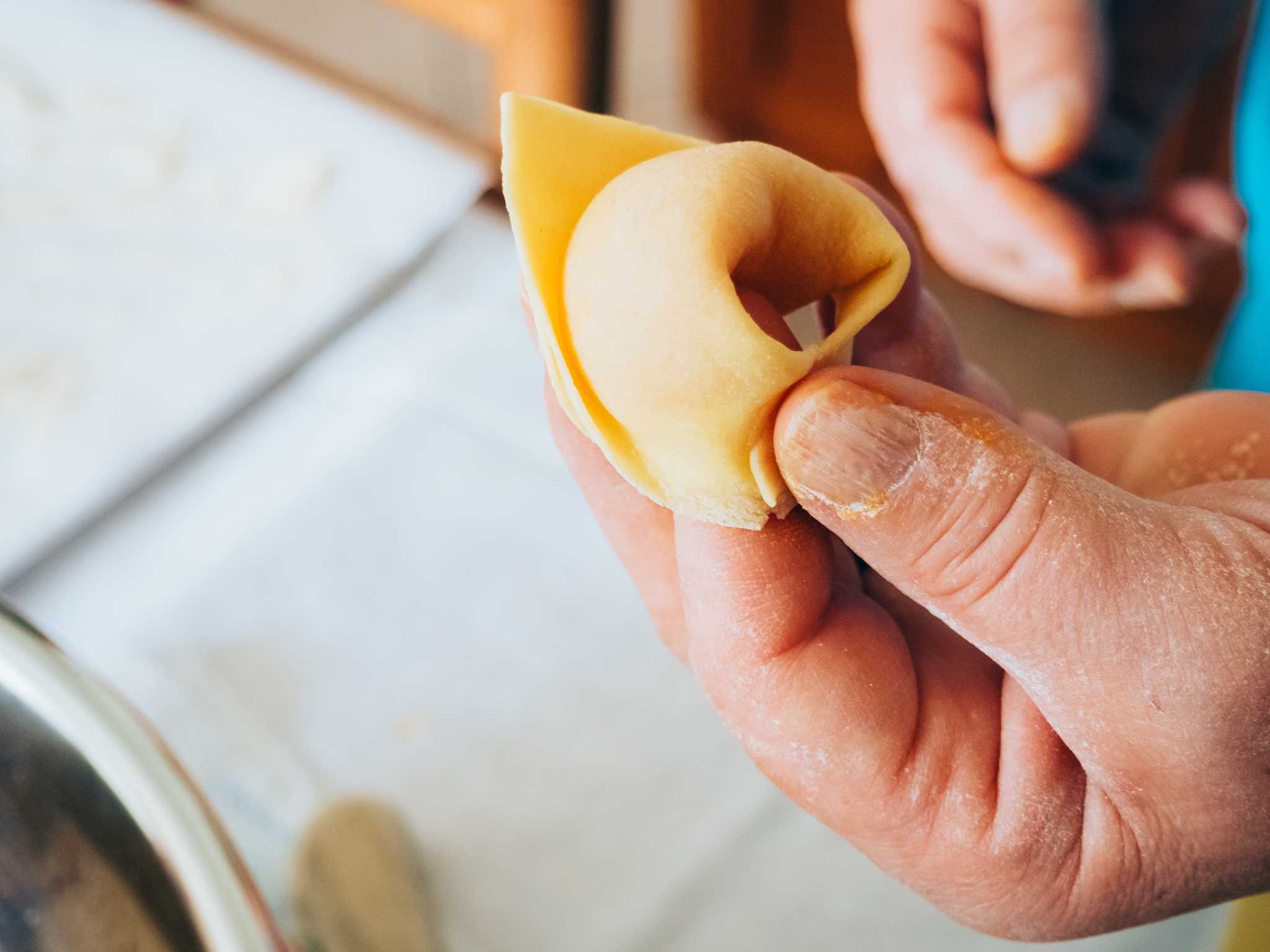
Tortellini in brodo in Bologna and Modena
Small stuffed pasta served floating in clear capon broth. A winter dish served during Christmas. Both cities claim it and argue over the folding pattern.
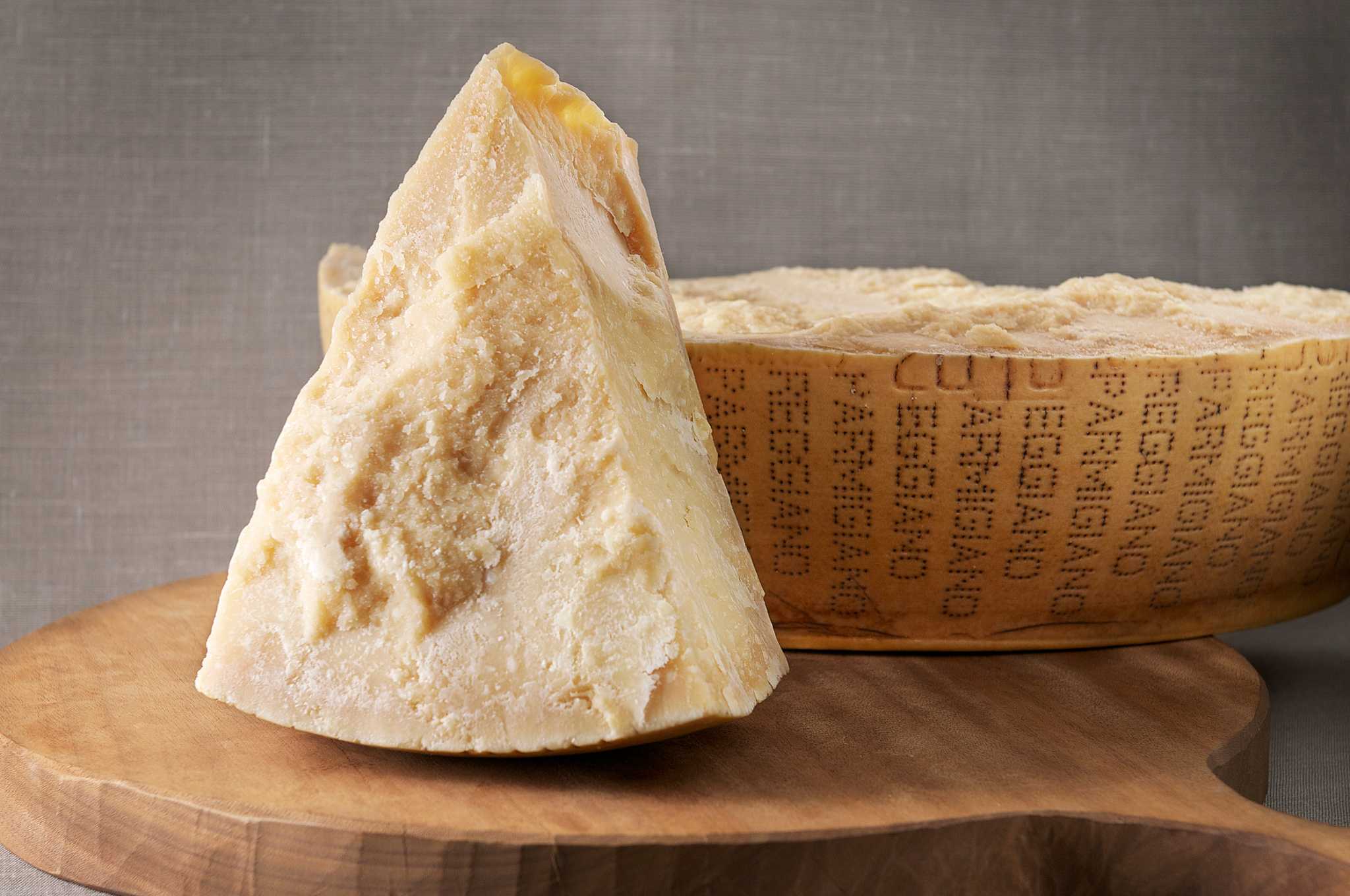
Parmigiano Reggiano in Parma and Reggio Emilia
Cow's milk cheese aged 12 to 36 months in vast warehouses. Older wheels get grainy and sharp. Taste different ages side by side for comparison.
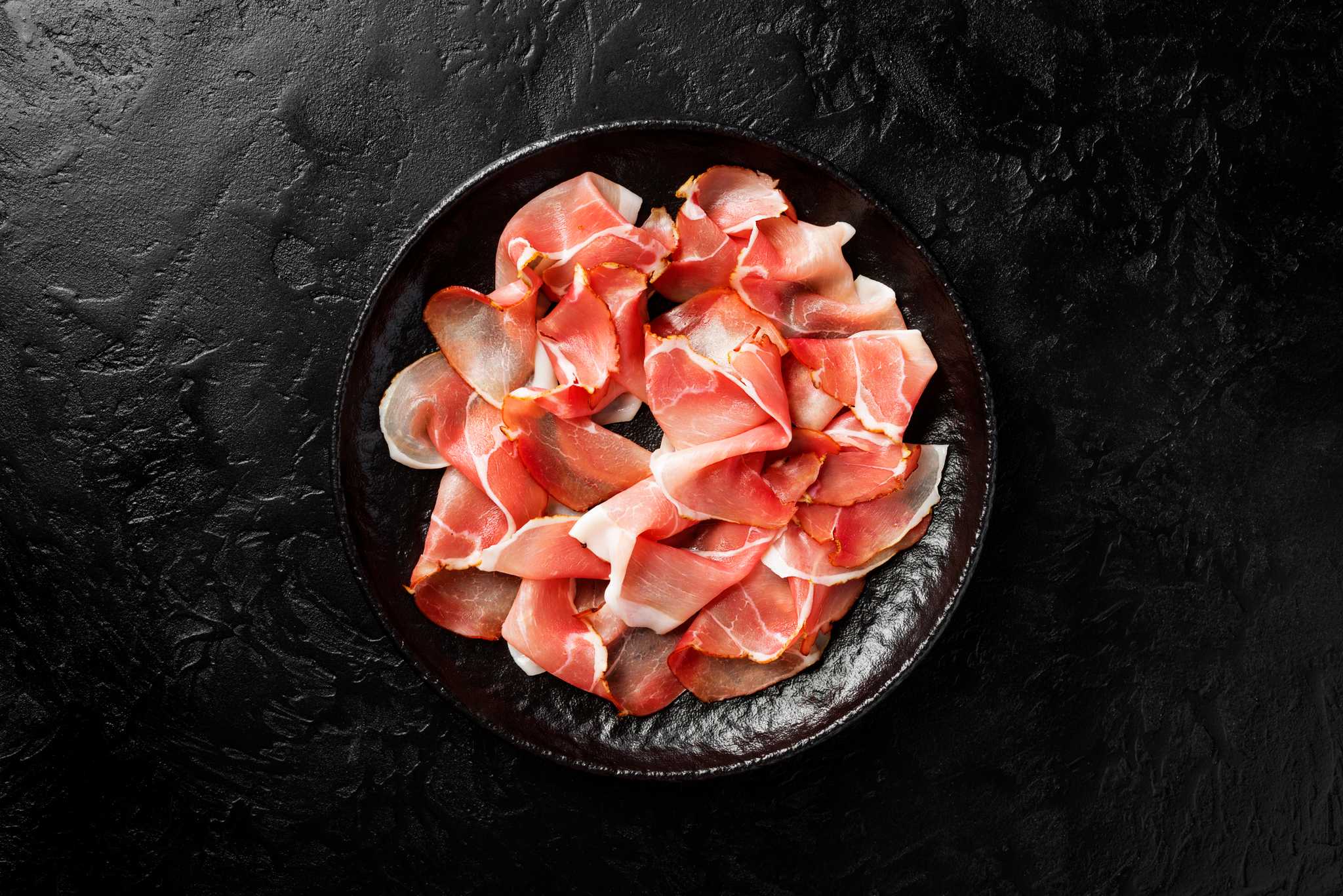
Prosciutto di Parma in Langhirano
Pork legs salted and hung in hillside cellars for a year or more, using only sea air. They’re sliced paper thin and are a delicacy.
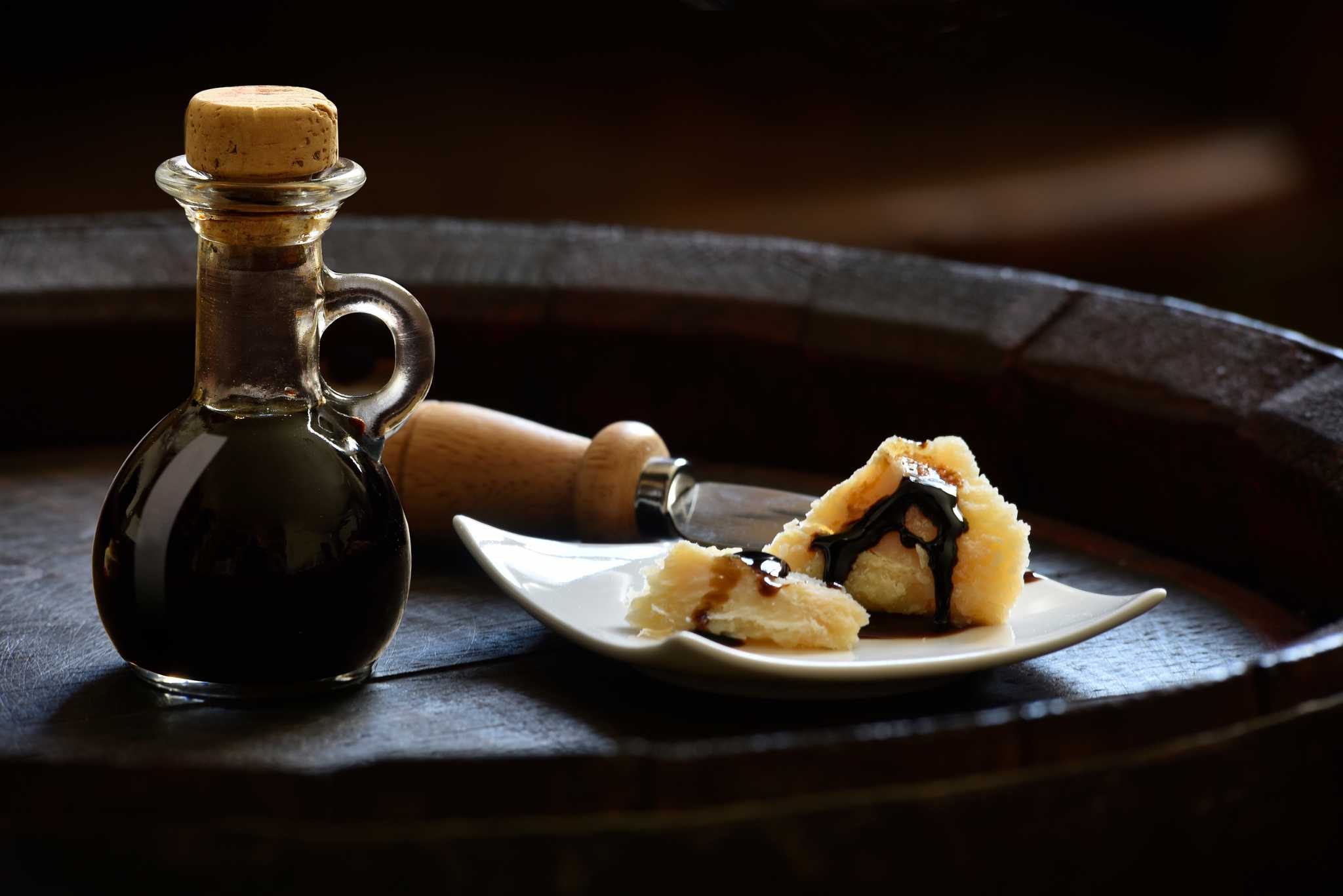
Aceto balsamico tradizionale in Modena
Grape must that is cooked down and aged in wooden casks for 12 to 25 years. Thick, syrupy, and expensive. Spoon it over cheese, not salad.
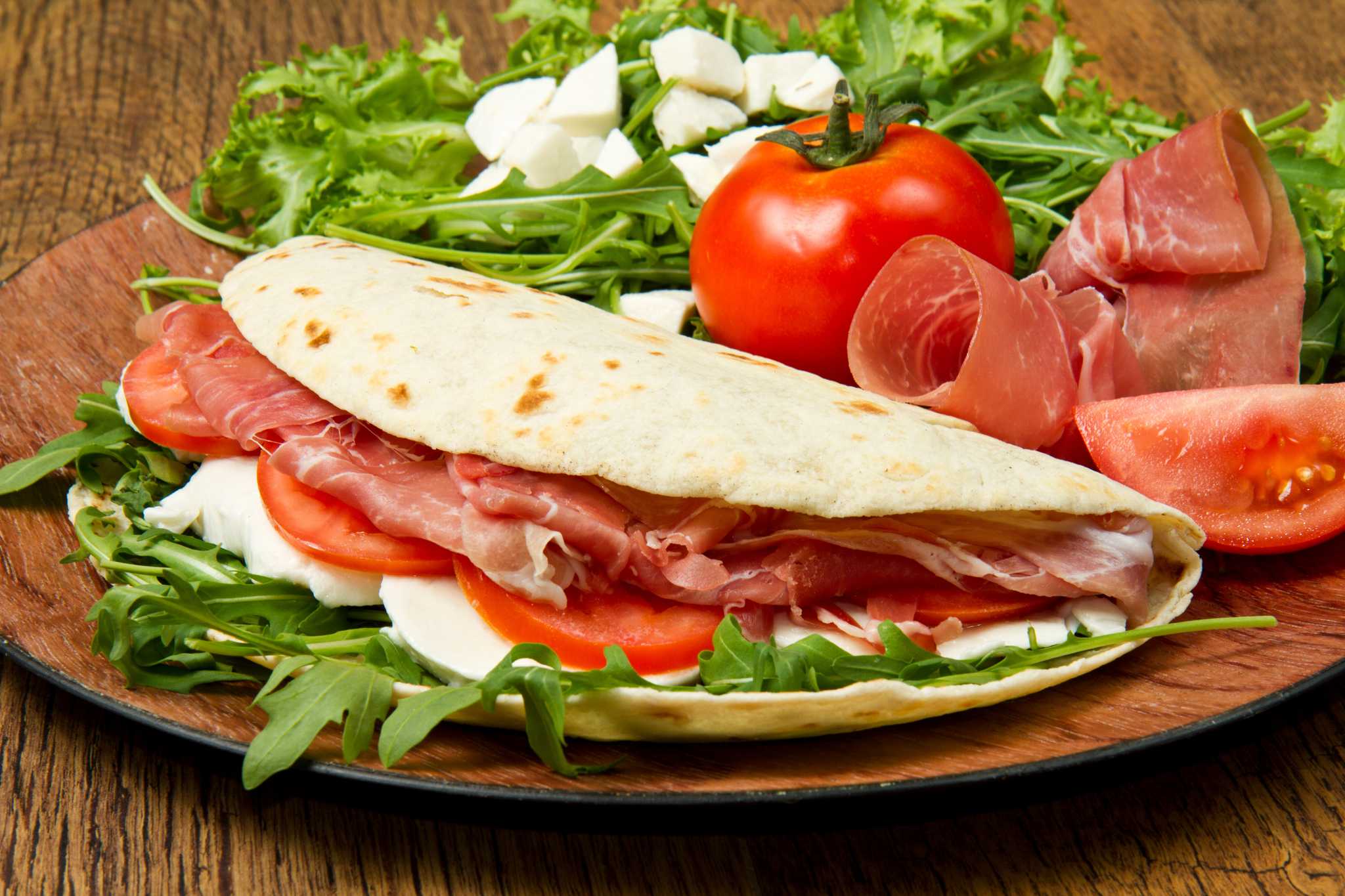
Piadina in Romagna
A thin flatbread cooked on a hot plate and folded around squacquerone cheese and greens. Sold from roadside kiosks along the coast.
Getting around Emilia-Romagna
Emilia-Romagna has some of the best railway connections in Italy, given its relatively flat terrain compared to the rest of the country. But while traveling from one major city to another is fine, you miss the real Emilia-Romagna found only in the smaller cities and countryside. Think Parmigiano dairies, prosciutto cellars, and the Motor Valley museums. Daytrip gives you a private car, an English-speaking driver, and a fixed price. Add stops, and your driver waits while you visit.
Our recommended routes in Emilia-Romagna
Bologna to Ravenna
1h 12min • 83km (51.6mi)
From €359
Ravenna to Venice
2h 18min • 144km (89.5mi)
From €388
Bologna to Florence
1h 40min • 122km (75.8mi)
From €368
Bologna to Venice
1h 48min • 157km (97.6mi)
From €319
Venice Marco Polo Airport to Ravenna
2h 21min • 209km (129.9mi)
From €471
Malpensa Airport to Bologna
2h 50min • 261km (162.2mi)
From €515
Bologna to Parma
1h 24min • 108km (67.1mi)
From €375
Bologna to Riccione
1h 24min • 123km (76.4mi)
From €368
Rimini to Bologna
1h 27min • 118km (73.3mi)
From €368
Modena to Bologna
50min • 44km (27.3mi)
From €350
Ravenna to Modena
1h 31min • 125km (77.7mi)
From €368
Bologna to Faenza
55min • 60km (37.3mi)
From €355
2+ million travelers like you. Moments they'll never forget.

Your Emilia-Romagna questions, answered
About the author
Caroline Beach is a Prague-based travel writer who prefers centering her trips around regional cultural events, rather than long-standing major points of interest. Regarding Italy, she is a repeat offender, having visited three times in 2025 alone.
Be the first to discover more
Get handpicked travel ideas, insider highlights, and special Daytrip offers.


