Daytrip's guide to Lazio
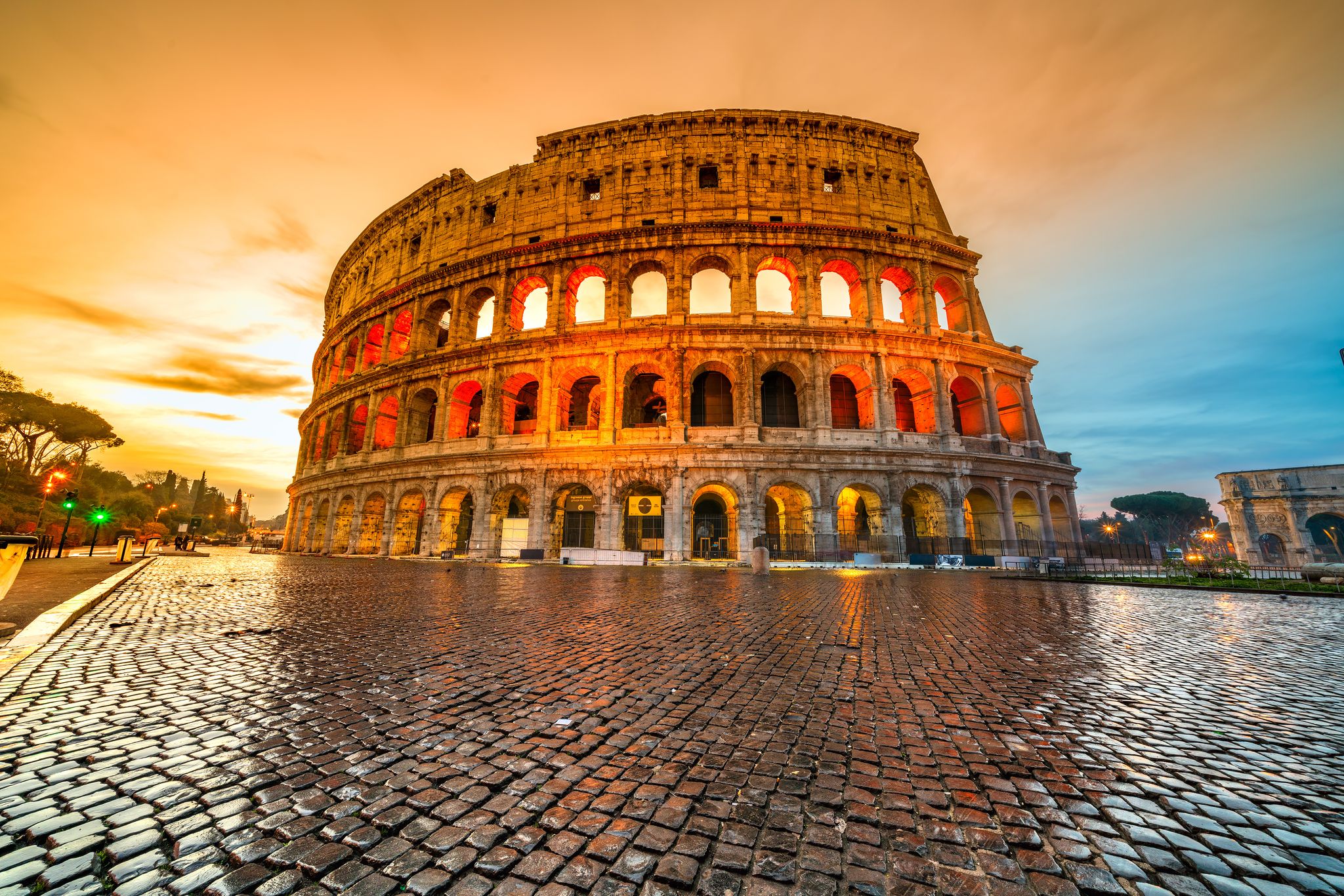
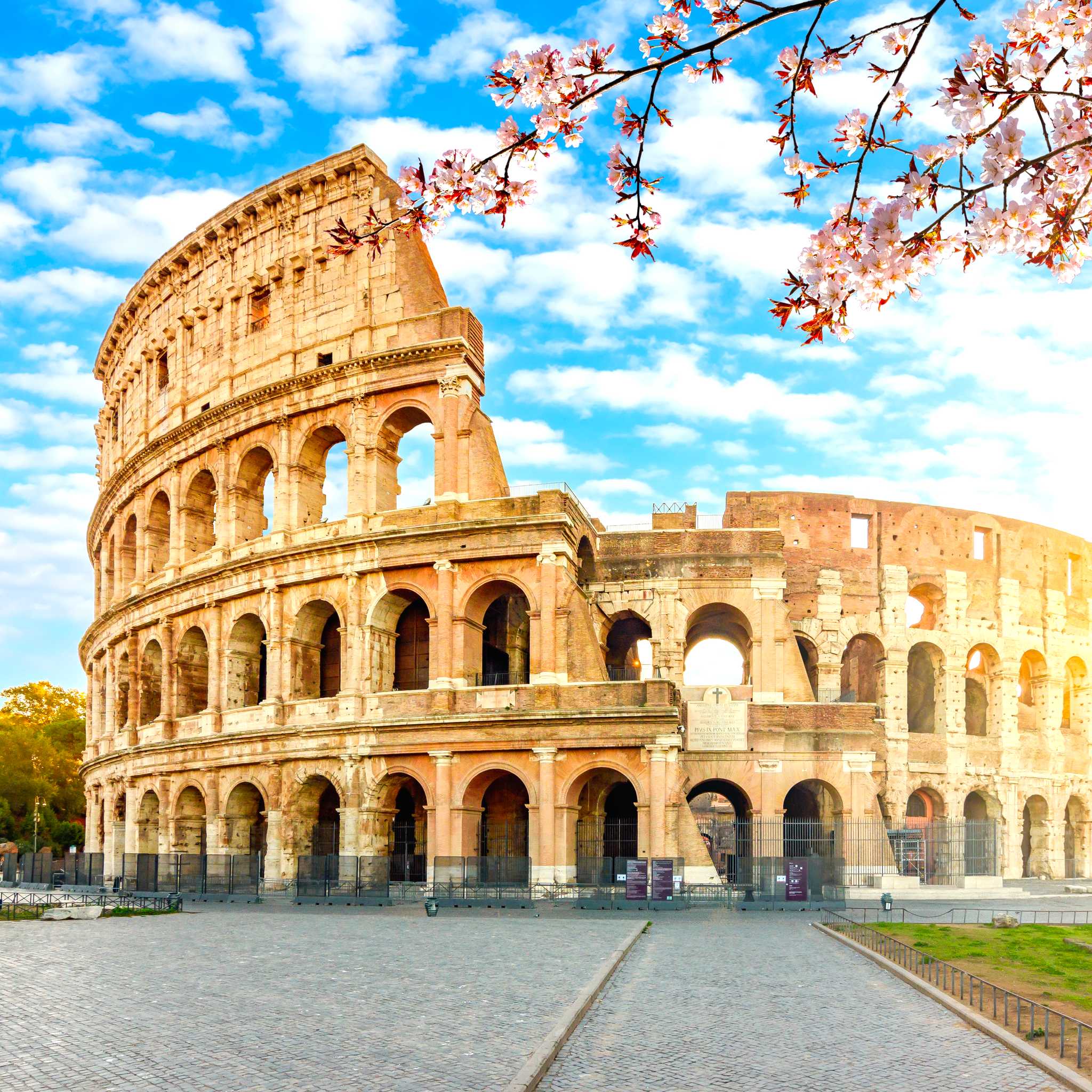
Rome is where you go when you want to stand inside history. The Colosseum, the Pantheon, St. Peter's Basilica – they're the buildings that defined Western civilization and have been drawing visitors for two thousand years. No other city in the world carries that kind of weight so casually.
Lazio is the region surrounding Rome. Stretching across central Italy from the Apennine Mountains to the Tyrrhenian Sea, it's a landscape of volcanic lakes, Etruscan hilltop towns, and coastline that Romans have been escaping to since the early years of the Republic.
Historically, Rome needs little introduction – founded, according to tradition, in 753 BC, it became the center of an empire that stretched from Scotland to Mesopotamia. The layers are still visible: walk ten minutes in any direction from the city center, and you'll pass something that predates every other country in Europe. The Renaissance arrived here too, via the Vatican's appetite for art – Michelangelo, Raphael, and Bramante all worked here, commissioned by popes with large budgets and longer ambitions.
Beyond the city, Lazio's smaller towns – Tarquinia, Civitavecchia, Tivoli, the Castelli Romani – offer a quieter version of the same depth. The food is its own tradition: cacio e pepe, supplì, carciofi alla giudia, and porchetta from Ariccia.
Main airports:
- Rome Fiumicino – Leonardo da Vinci International (FCO)
- Rome Ciampino (CIA)
Lazio in brief
Capital
Rome
Language
Italian, specifically the Roman or “Romanesco” dialect
Currency
Euro (€)
Time zone
CET (UTC+1) / CEST (UTC+2) in the summer
Our favourite cities in Lazio
Lazio is the region at the center of central Italy – literally and historically. Rome anchors it, but the surrounding towns and cities each hold their own, from Etruscan hilltops to medieval pilgrimage routes.
Lazio is the region at the center of central Italy – literally and historically. Rome anchors it, but the surrounding towns and cities each hold their own, from Etruscan hilltops to medieval pilgrimage routes.


When to go
Spring
Best overall for mild weather. Skip crowds by targeting March, before Easter hits Rome. Head to the Castelli Romani hills for wildflowers.
Summer
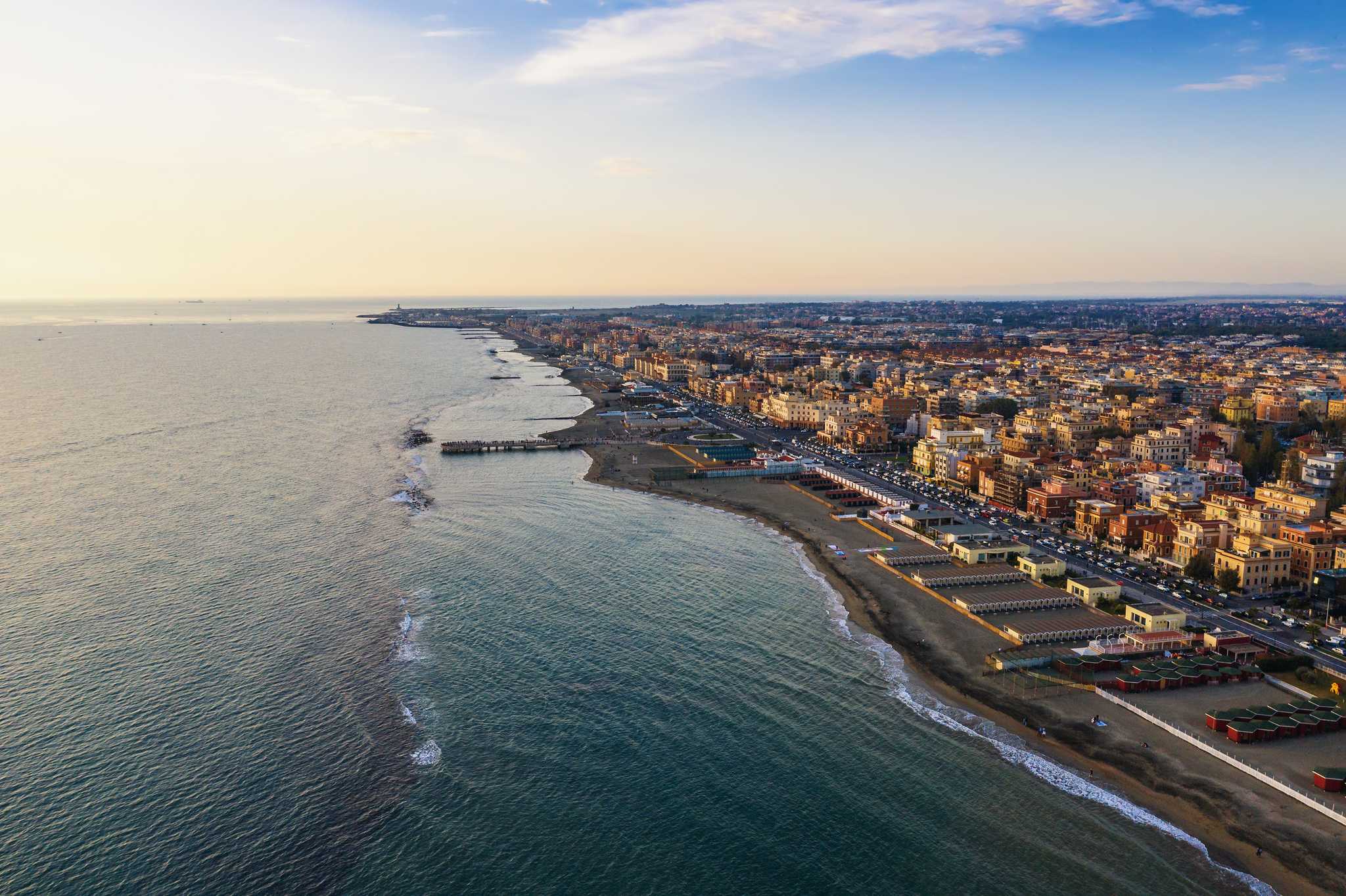
Best for the coast at Sperlonga. Skip Rome in August – it empties out and is very hot. Visit the Vatican and Colosseum at opening time to beat the heat.
Autumn
Best season to skip the crowds. Go to Tivoli for the olive harvest. Viterbo and Tarquinia are at their golden-light best now.
Winter
Best for museums without queues. Rome's Christmas markets run through December. Go to Viterbo in winter for thermal springs without the crowds.
Our picks: things to do in Lazio
Lazio pairs Rome's icons with quiet countryside beyond the capital. Explore ancient ruins, hilltop towns, and coastal escapes. From Etruscan tombs to papal palaces, thermal baths to sandy shores, here's how to spend your time well across the region.
Lazio pairs Rome's icons with quiet countryside beyond the capital. Explore ancient ruins, hilltop towns, and coastal escapes. From Etruscan tombs to papal palaces, thermal baths to sandy shores, here's how to spend your time well across the region.
Walk through ancient history
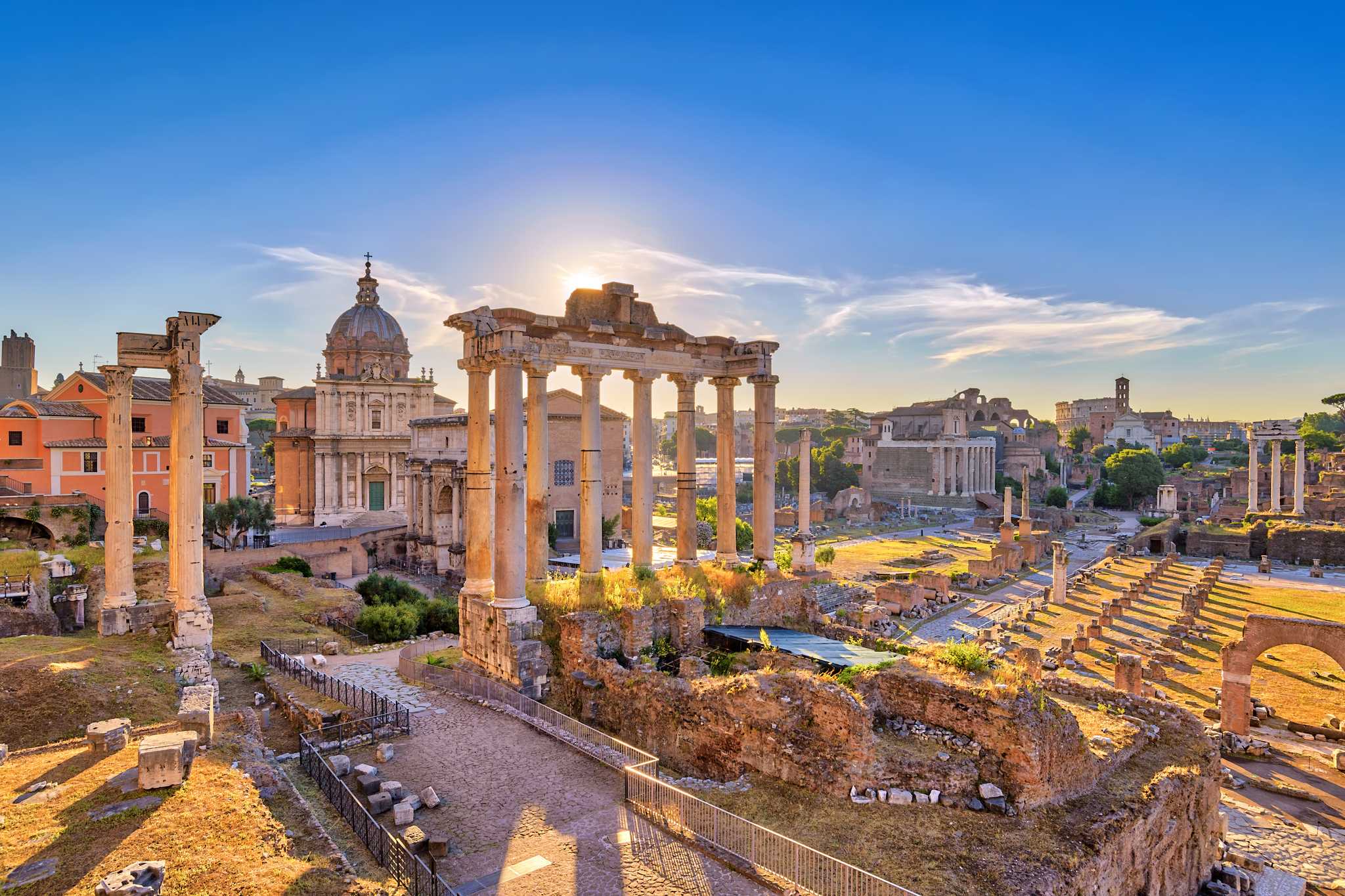
Lazio's ruins span 2,500 years, from Rome's imperial core to quiet coastal ports still standing along the Tyrrhenian shore.
- Colosseum, Rome – walk where gladiators once fought
- Roman Forum, Rome – trace the heart of ancient politics
- Ostia Antica – explore a preserved Roman port city
- Hadrian's Villa, Tivoli – tour an emperor's retreat
- Terme Taurine, Civitavecchia – see Roman bath ruins

Wander villas and gardens
Beyond the capital, Lazio's estates and parks offer fountains, forests, and shaded escapes from Rome's summer heat.
- Villa d'Este, Tivoli – wander terraced fountains
- Villa Gregoriana, Tivoli – hike past waterfalls in a gorge
- Vatican Gardens, Rome – stroll manicured papal grounds
- Pineta di Castel Fusano, Ostia – picnic among pines
Trace Etruscan roots
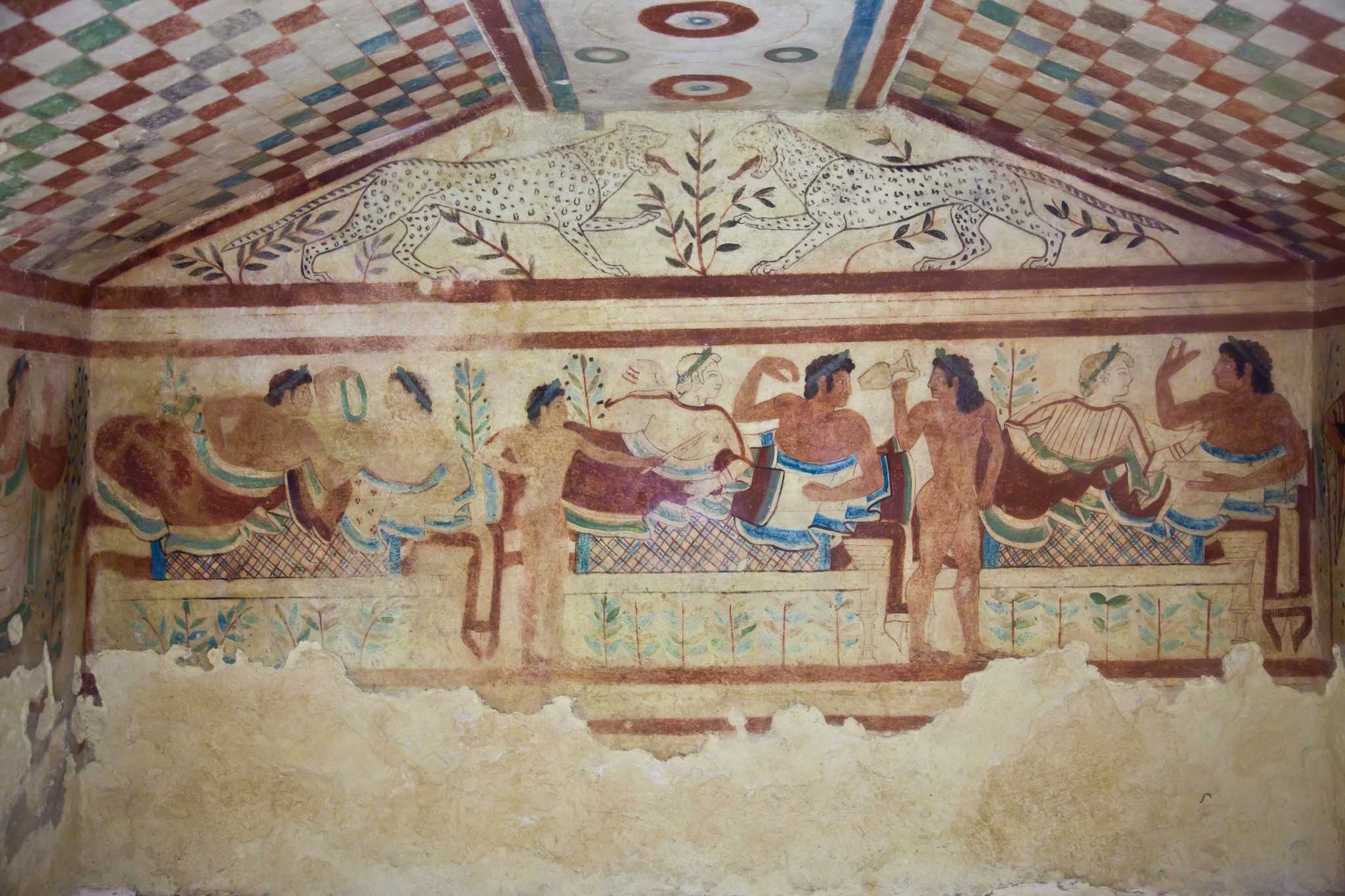
Long before Rome rose, the Etruscans shaped this land, leaving painted tombs, hilltop towns, and artifacts across Lazio.
- Painted Tombs, Tarquinia – enter frescoed burial chambers
- Etruscan Museum, Tarquinia – see artifacts up close
- Monterozzi Necropolis – explore this UNESCO burial site
- National Etruscan Museum, Rome – visit Villa Giulia

Step into the Middle Ages
Cobbled lanes and papal history linger in Lazio's walled towns, far quieter than Rome but just as steeped in the past.
- San Pellegrino district, Viterbo – roam stone stairways
- Papal Palace, Viterbo – see where popes were elected
- Old town walls, Tarquinia – walk ramparts above the sea
- Tivoli's old town – stroll narrow medieval streets
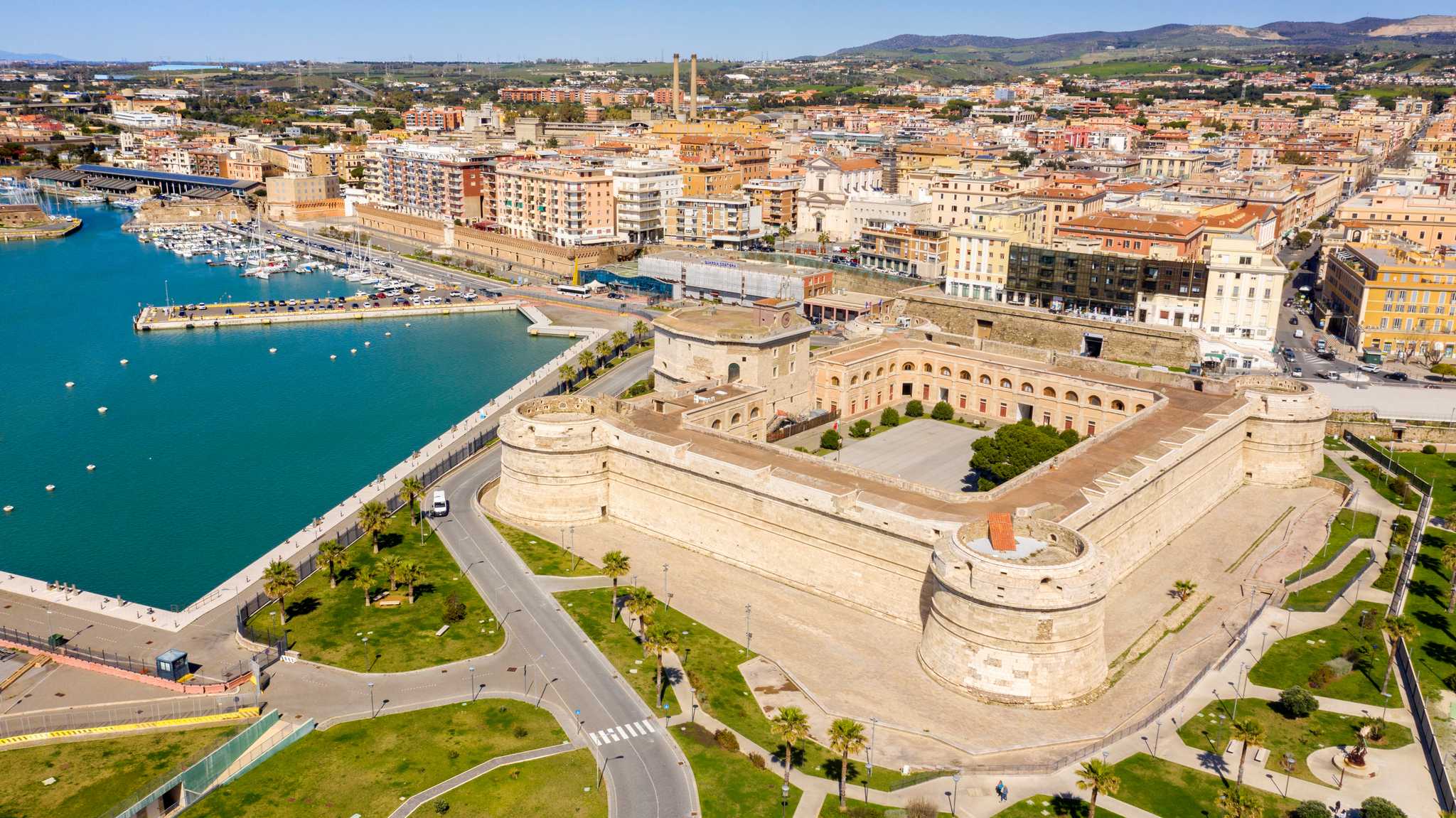
Enjoy the coast and ports
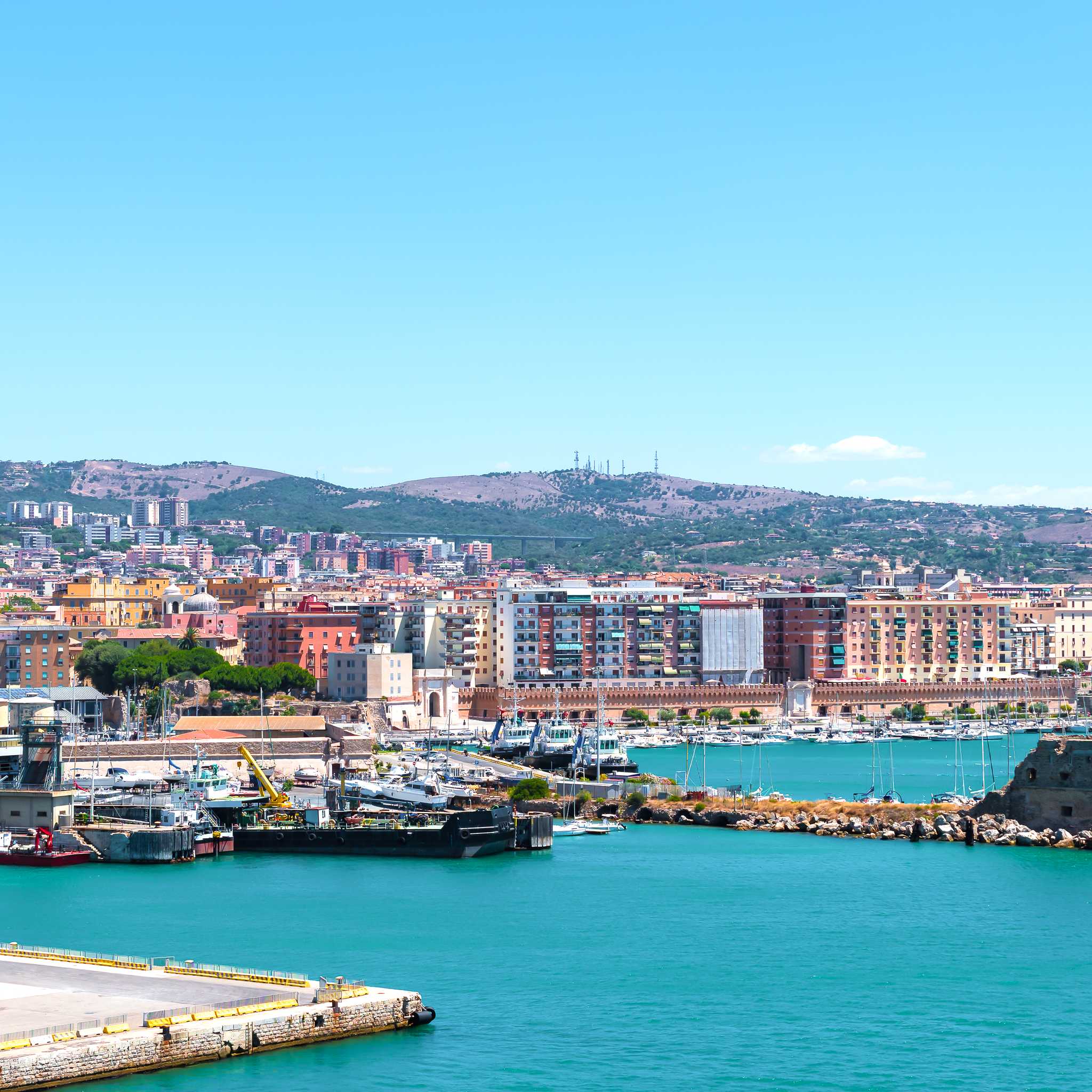
From cruise terminals to sandy beaches, Lazio's coastline blends maritime history with easy seaside relaxation.
- Forte Michelangelo, Civitavecchia – tour the fortress
- Old harbor, Civitavecchia – watch ships come and go
- Ostia beach – rent a lounger and swim in the sea
- Lungomare, Ostia – bike or stroll the seafront
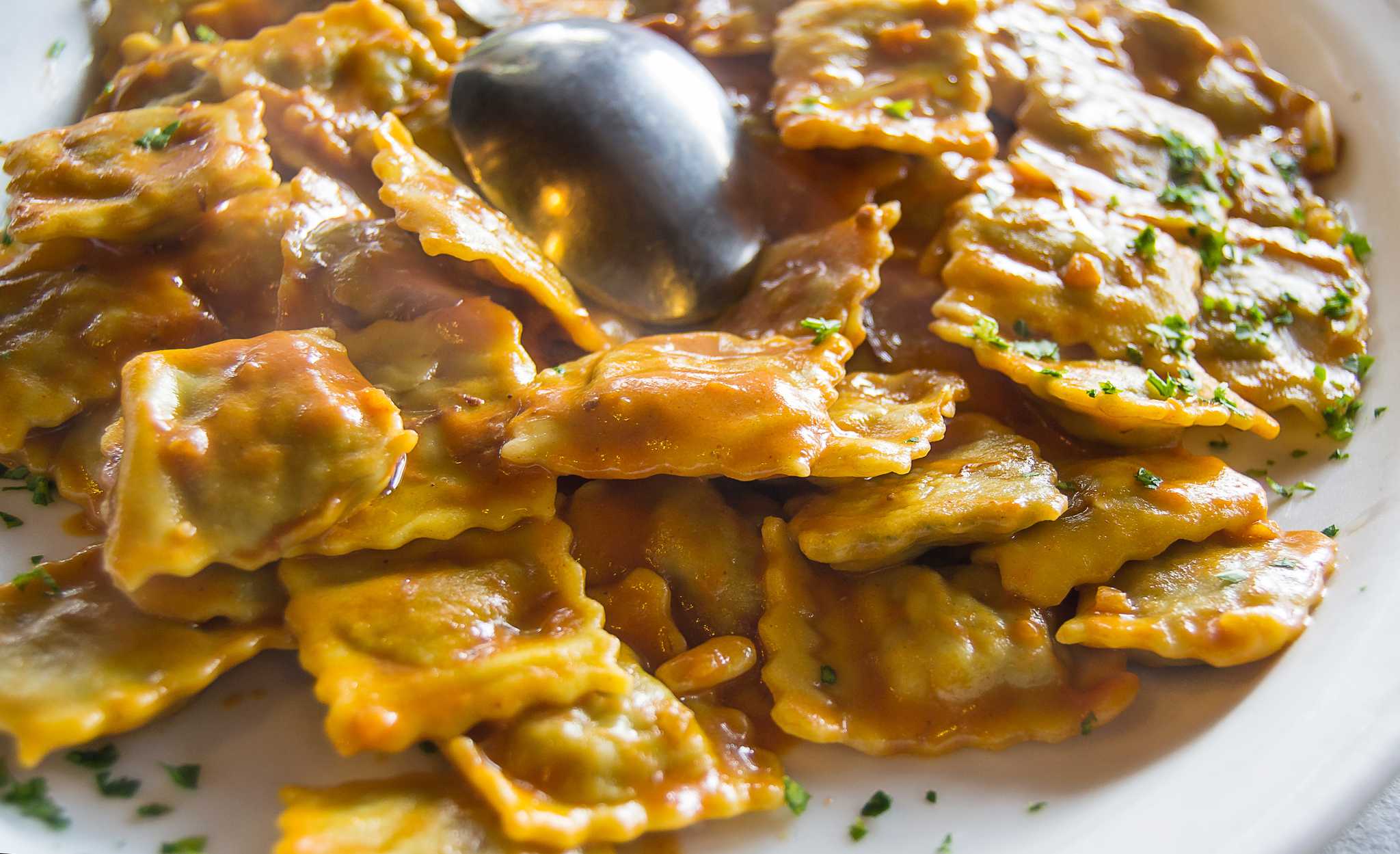
Slow down and indulge
Between sightseeing, Lazio invites you to soak, sip, and savor, from thermal springs to seafood lunches by the water.
- Terme dei Papi, Viterbo – soak in natural thermal springs
- Waterfront promenade, Civitavecchia – enjoy seafood
- Local trattorias, Rome – try classic Roman pasta dishes
- Ostia's beach clubs – relax with a view of the sea
What to eat, drink, and order
Roman food is one of Italy's most distinct regional traditions — built on offal, cured pork, pasta, and wine. Lazio's countryside feeds you as well as it dazzles. Beyond the capital, expect crisp local wines, fresh Tyrrhenian seafood, and rustic dishes shaped by hills and coast.
Roman food is one of Italy's most distinct regional traditions — built on offal, cured pork, pasta, and wine. Lazio's countryside feeds you as well as it dazzles. Beyond the capital, expect crisp local wines, fresh Tyrrhenian seafood, and rustic dishes shaped by hills and coast.
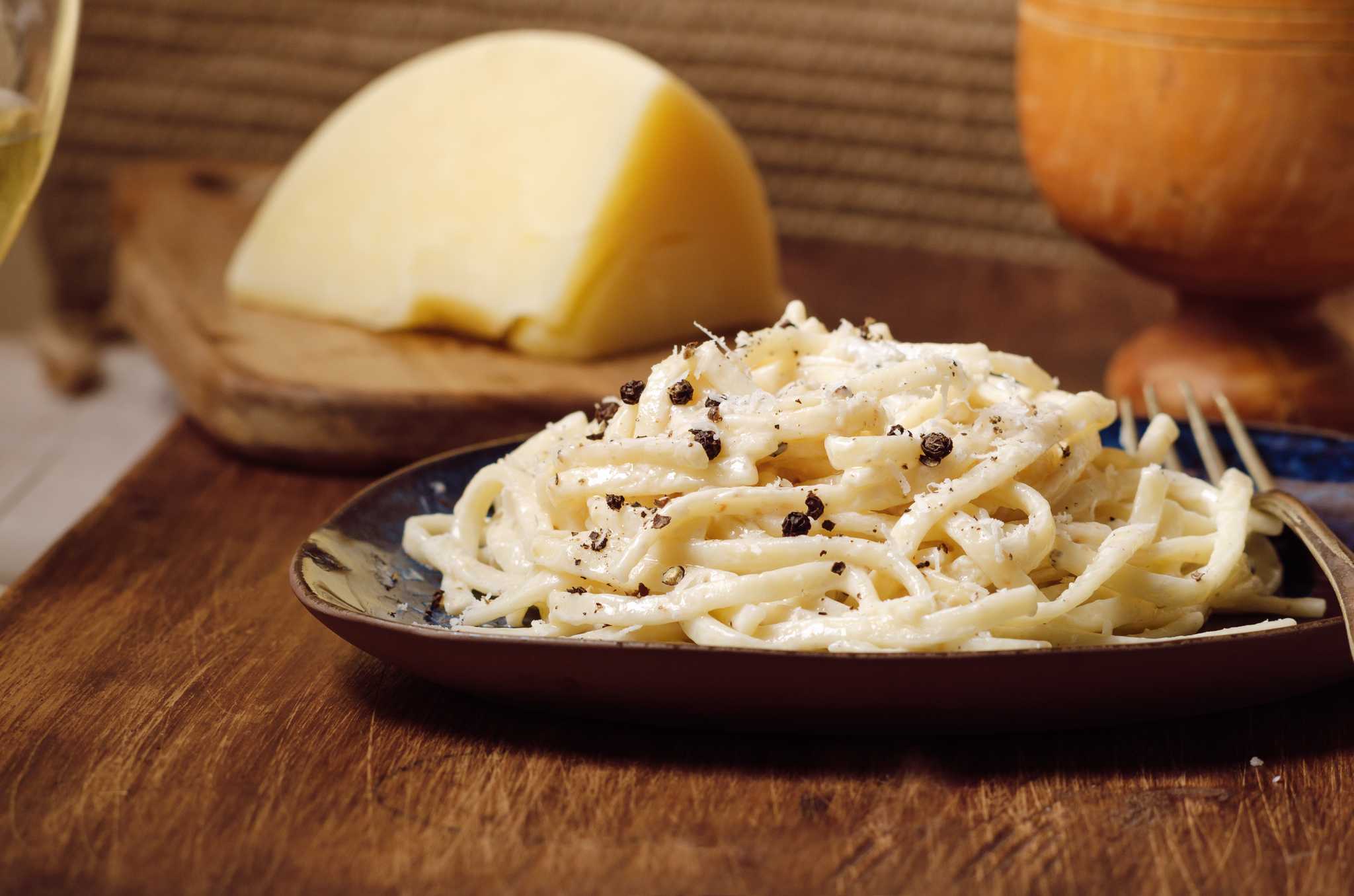
Cacio e pepe in Rome
Three ingredients: pasta, Pecorino Romano, black pepper. Simple, local, and impossible to replicate outside Rome.
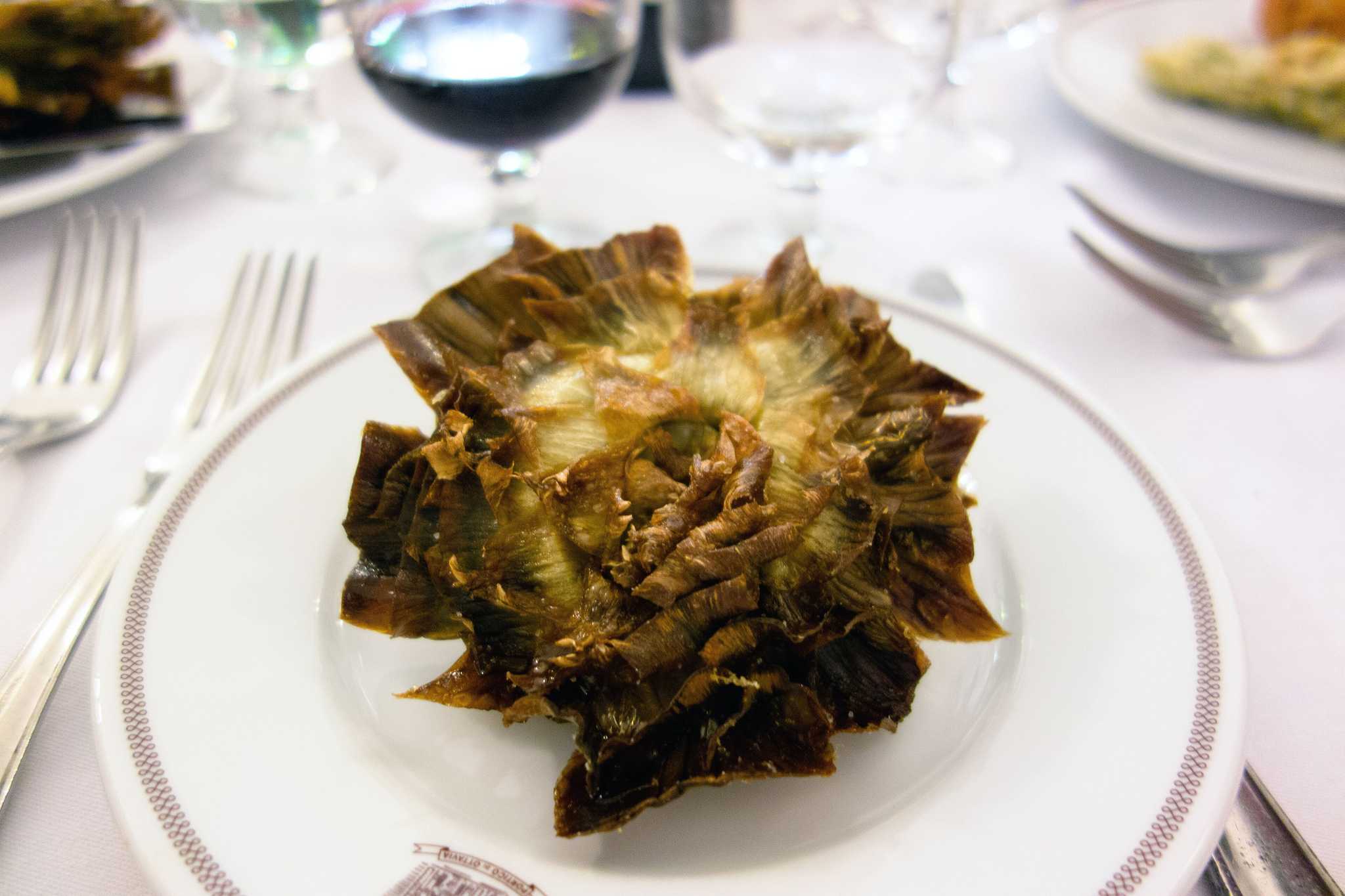
Carciofi alla giudia in Rome’s Jewish Ghetto
A whole artichoke, twice-fried until the leaves crisp like petals. A Jewish-Roman dish that's been cooked in the Ghetto for centuries.
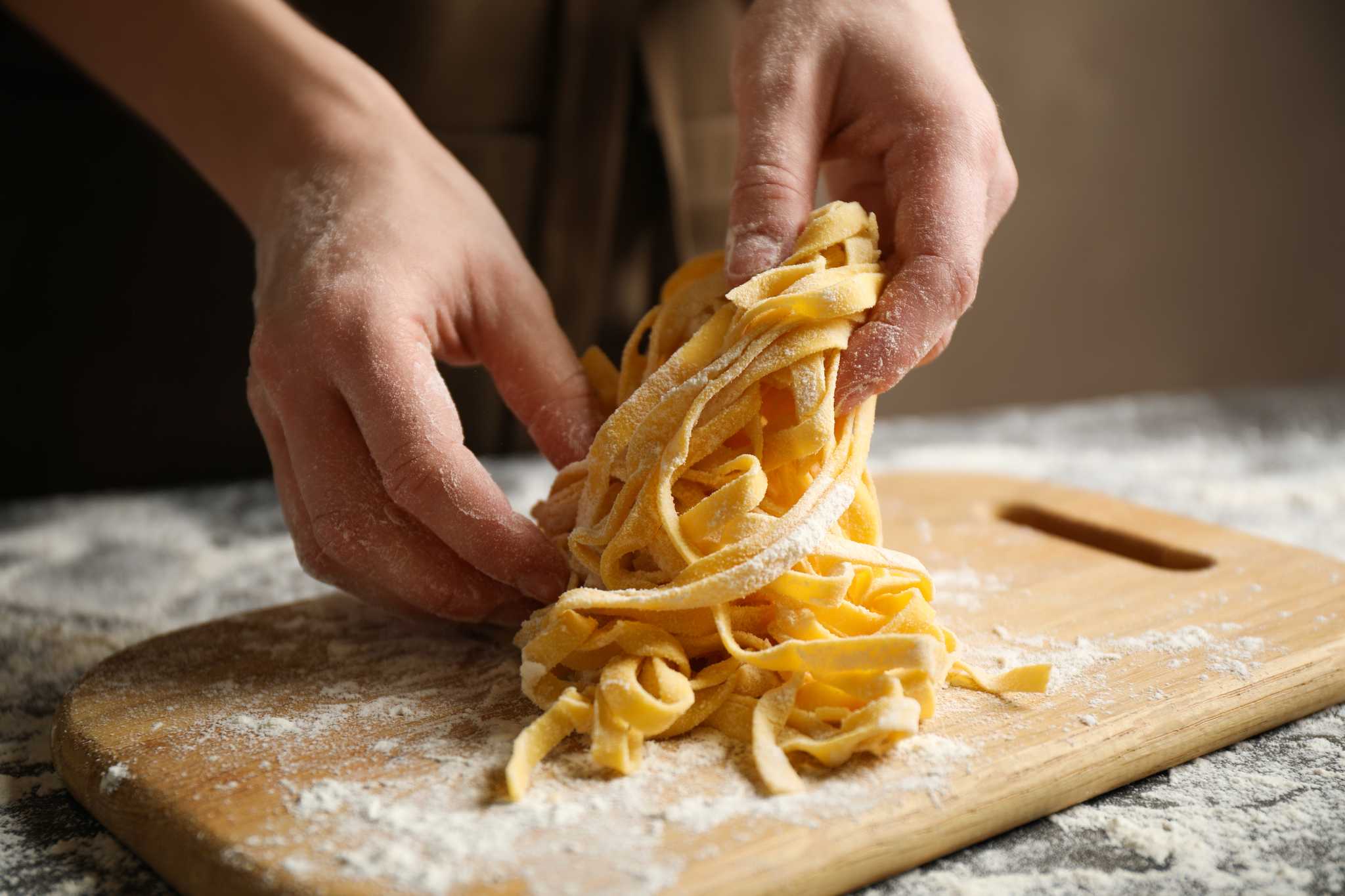
Fregnacce in Tivoli
Torn pasta ribbons in a rich mushroom and sausage ragù, born in Tivoli's cool, wooded hills.
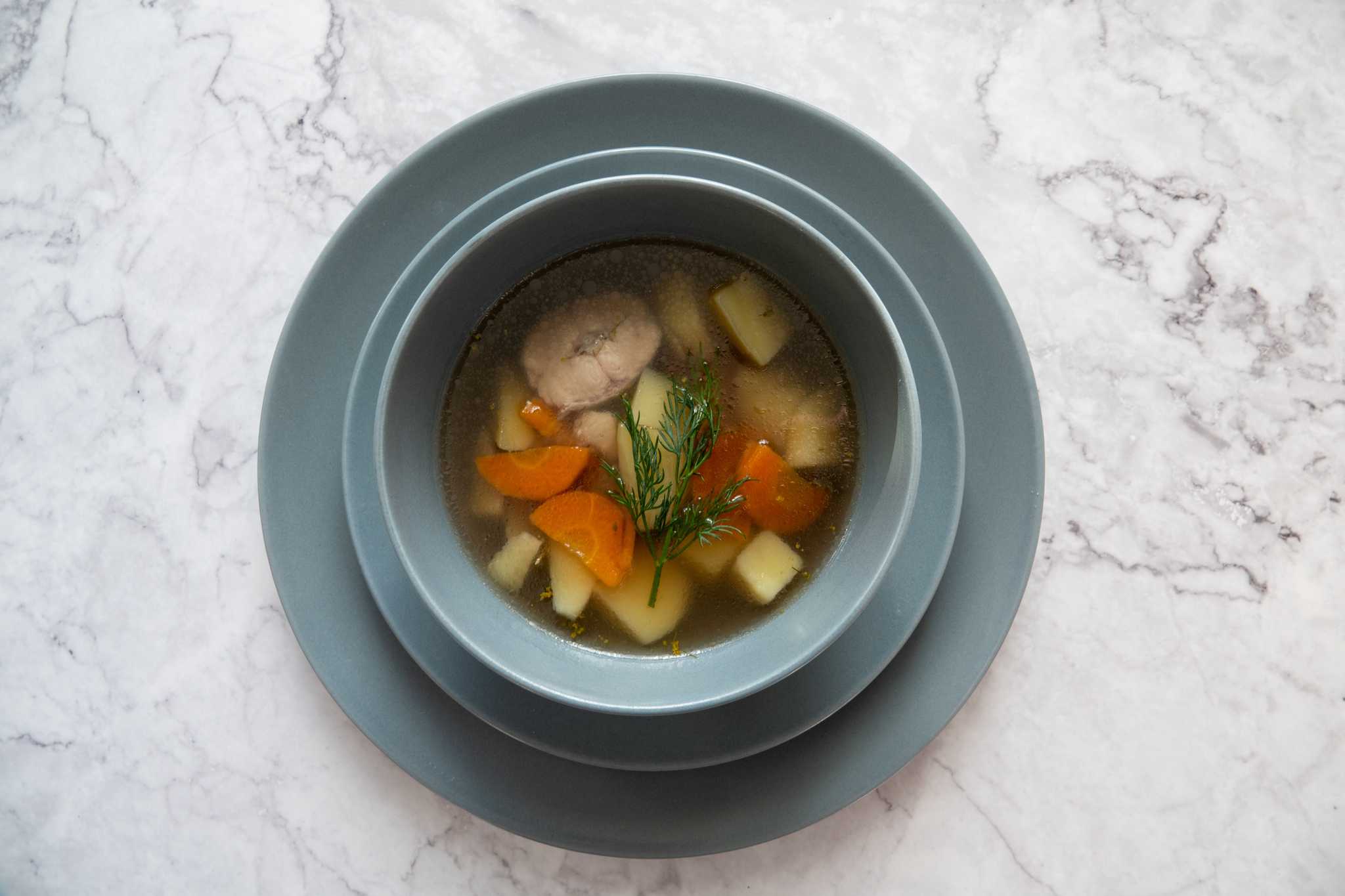
Zuppa di Pesce in Civitavecchia
A hearty fisherman's stew of the day's catch, straight from this working port town.
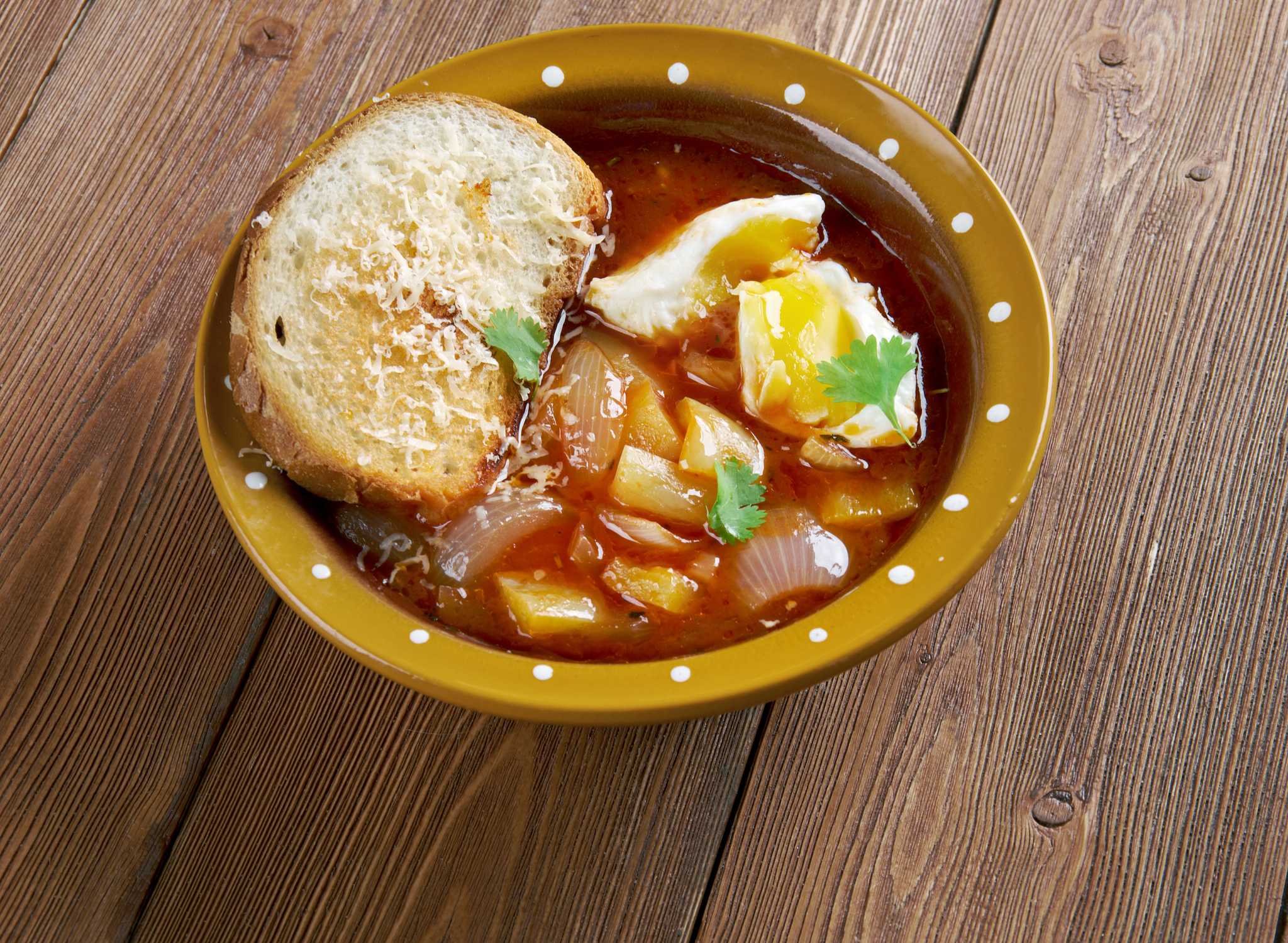
Acquacotta in Viterbo
A humble "cooked water" soup of vegetables and bread, rooted in Viterbo's rural Tuscia tradition.
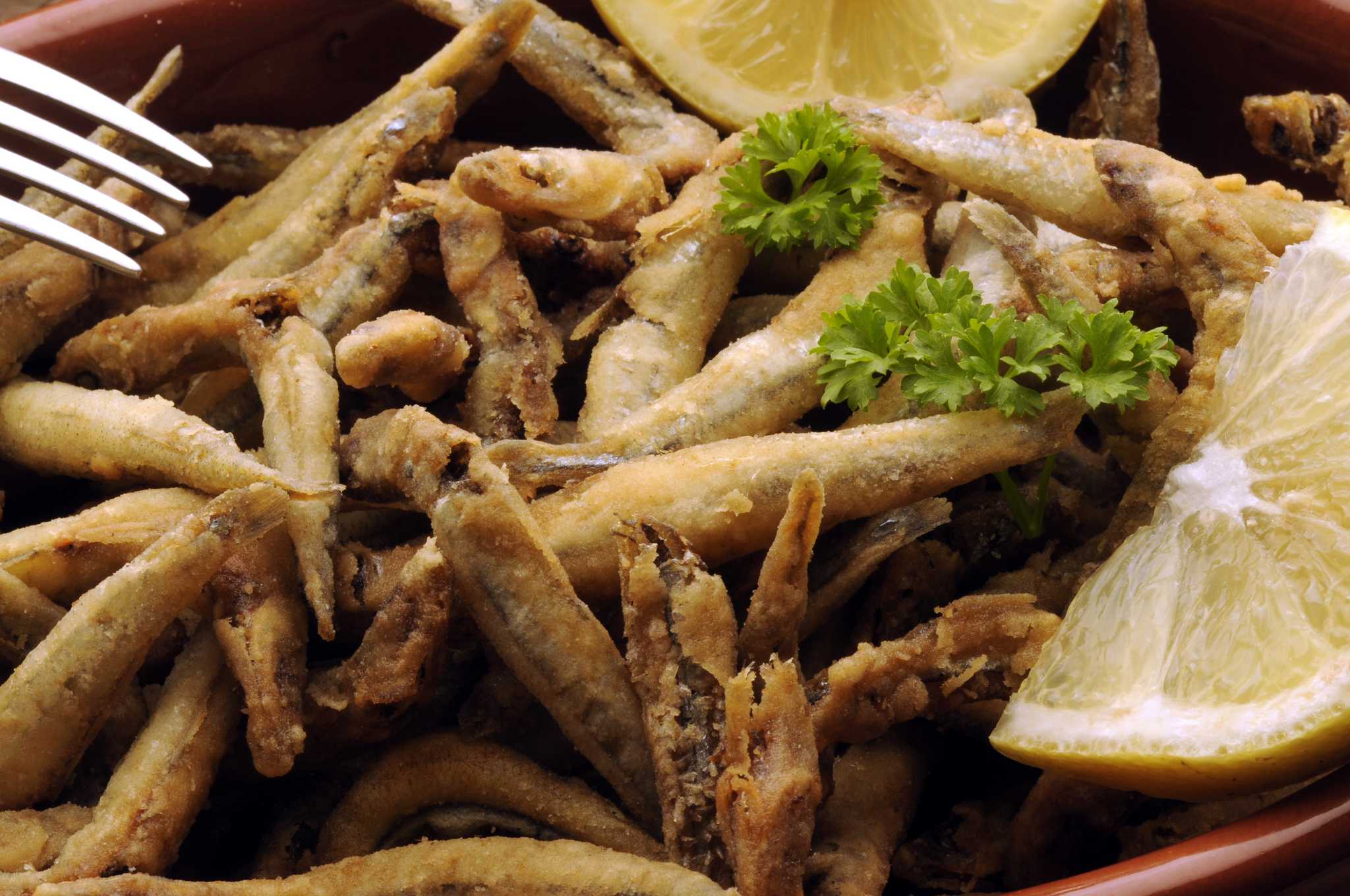
Frittura di Paranza in Ostia
Crispy, fried mixed seafood, best eaten seaside where the boats bring it in daily.
Getting around Lazio
Rome's metro has just two lines and misses most of what matters. Trains reach Tivoli, Civitavecchia, Tarquinia, and Viterbo, but connections are sparse, and Italy's rail and airline networks are prone to strikes with little notice. Ostia's coast is easiest by car. With kids, elderly travelers, or those with accessibility needs, a private transfer removes the guesswork – door to door, no connections, and no dragging luggage across platforms.
Our recommended routes in Lazio
Rome Fiumicino Airport to Rome - City Center
34min • 29km (18.0mi)
From €99
Rome - City Center to Civitavecchia
1h 7min • 70km (43.5mi)
From €239
Civitavecchia to Rome - City Center
1h 7min • 70km (43.5mi)
From €239
Civitavecchia to Tivoli
1h 26min • 112km (69.6mi)
From €216
Rome - City Center to Gaeta
2h 22min • 145km (90.1mi)
From €398
Caprarola to Rome
1h 5min • 62km (38.5mi)
From €181
Civita di Bagnoregio to Rome
1h 44min • 117km (72.7mi)
From €311
Frascati to Civitavecchia
1h 11min • 93km (57.8mi)
From €190
Cassino to Rome Fiumicino Airport
1h 36min • 152km (94.4mi)
From €311
Sperlonga to Rome
2h 2min • 149km (92.6mi)
From €353
Rome Ciampino Airport to Civitavecchia
1h 6min • 86km (53.4mi)
From €257
Tarquinia to Rome - City Center
1h 15min • 91km (56.5mi)
From €239
Day trips from Lazio's top cities

2+ million travelers like you. Moments they'll never forget.

Your Lazio questions, answered

About the author
Anica Mancinone is an Australian writer with Italian roots based in Europe. She believes the best way to understand a place is through what it eats – especially in the Castelli Romani hills.
Be the first to discover more
Get handpicked travel ideas, insider highlights, and special Daytrip offers.


