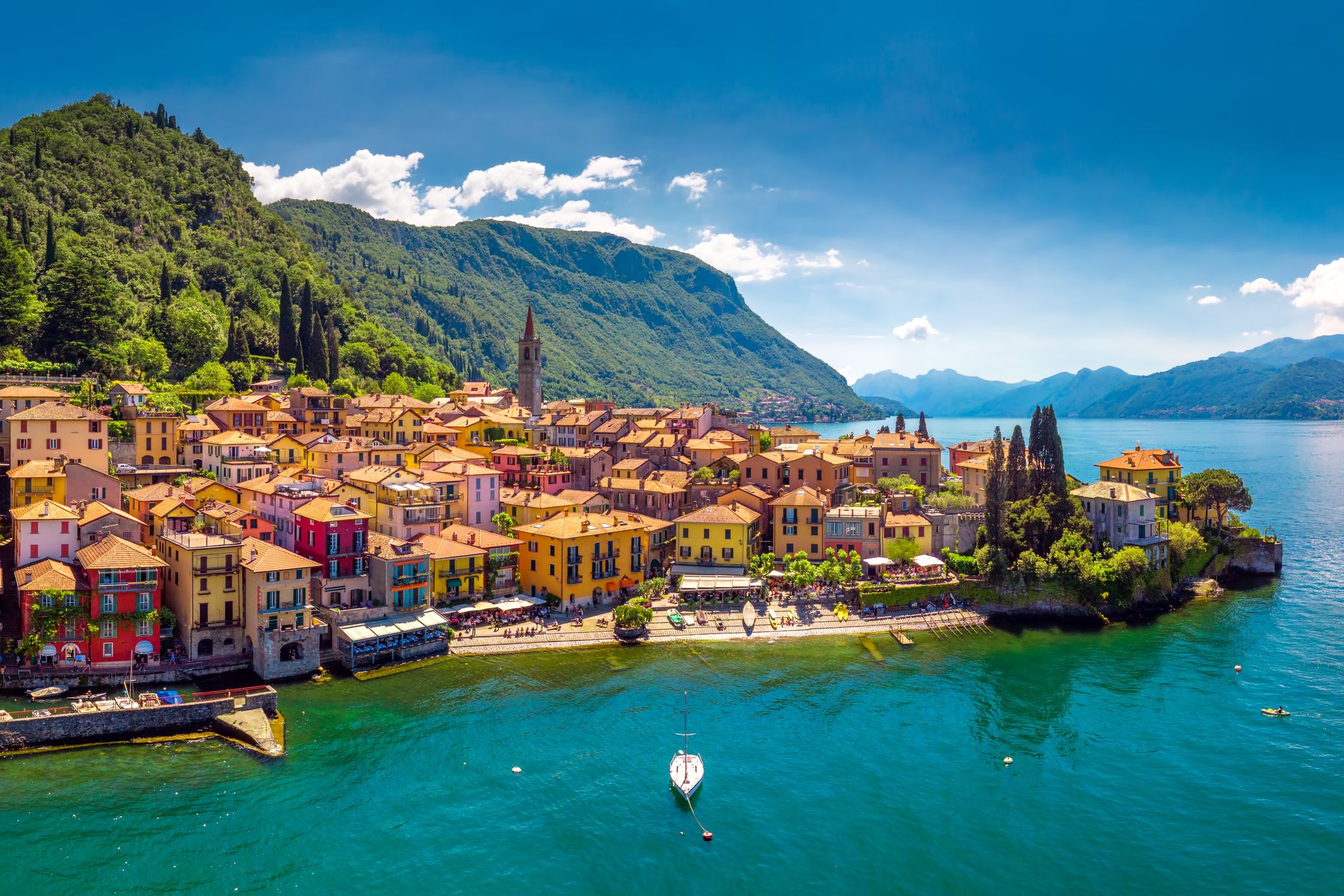
Daytrip's guide to Lombardy
Lombardy is northern Italy's economic engine and its most populous region, anchored by Milan, the country's capital of fashion, finance, and design. Beyond the city, the land climbs from the Po plain toward the Alps, with the lakes of Como, Garda, Maggiore, and Iseo spread out below, their shores lined with villages and grand villas.
Lombardy takes its name from the Lombards, a Germanic people who conquered much of northern Italy in the 6th century and made Pavia their capital. Milan later grew into a major power under two ruling dynasties, the Visconti and then the Sforza, while the Gonzaga built their own court in Mantua. Those rulers left their mark. Ludovico Sforza brought Leonardo da Vinci to Milan, where he painted The Last Supper, and the Gonzaga filled Mantua with the work of artists like Andrea Mantegna. The region passed through Spanish and Austrian rule before joining a unifying Italy in 1859.
This guide walks you through the cities worth building a trip around, the best time to come, and how to fill your days, from standing under Renaissance frescoes to swimming off a lakeside town, plus the dishes you shouldn't leave without trying. Because so much of Lombardy lies scattered across the map, from the Duomo in Milan to a village high in the Alps, it’s best to see the region by road. Here, the country between the stops is half the pleasure.
Main airports:
- Milan Malpensa Airport (MXP)
- Milan Bergamo Airport (BGY)
- Milan Linate Airport (LIN)
Lombardy in brief
Regional capital
Milan
Language
Italian, Lombard
Currency
Euro (€)
Time zone
CET (UTC+1) / CEST (UTC+2) in the summer
Our favourite cities in Tuscany
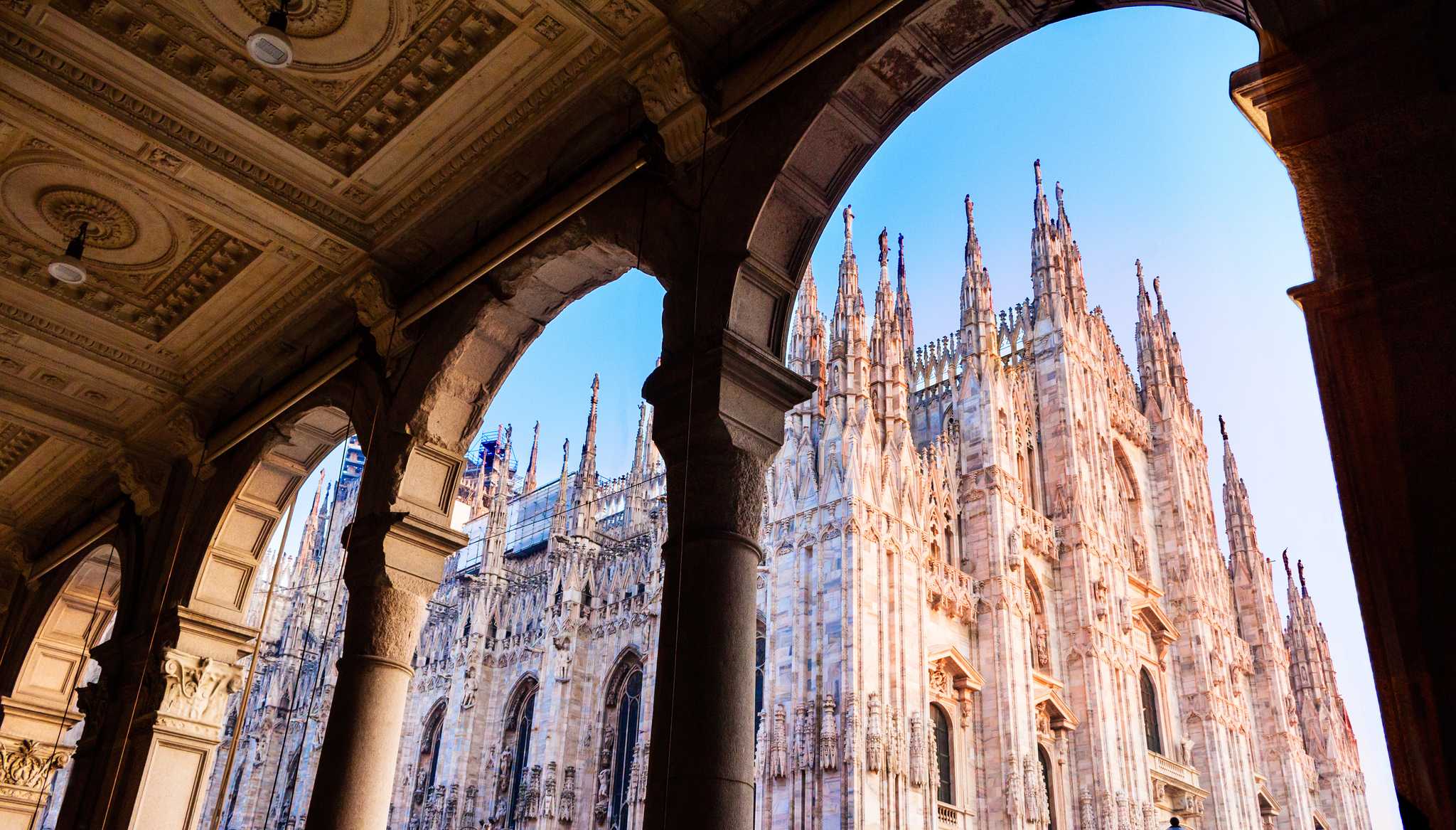
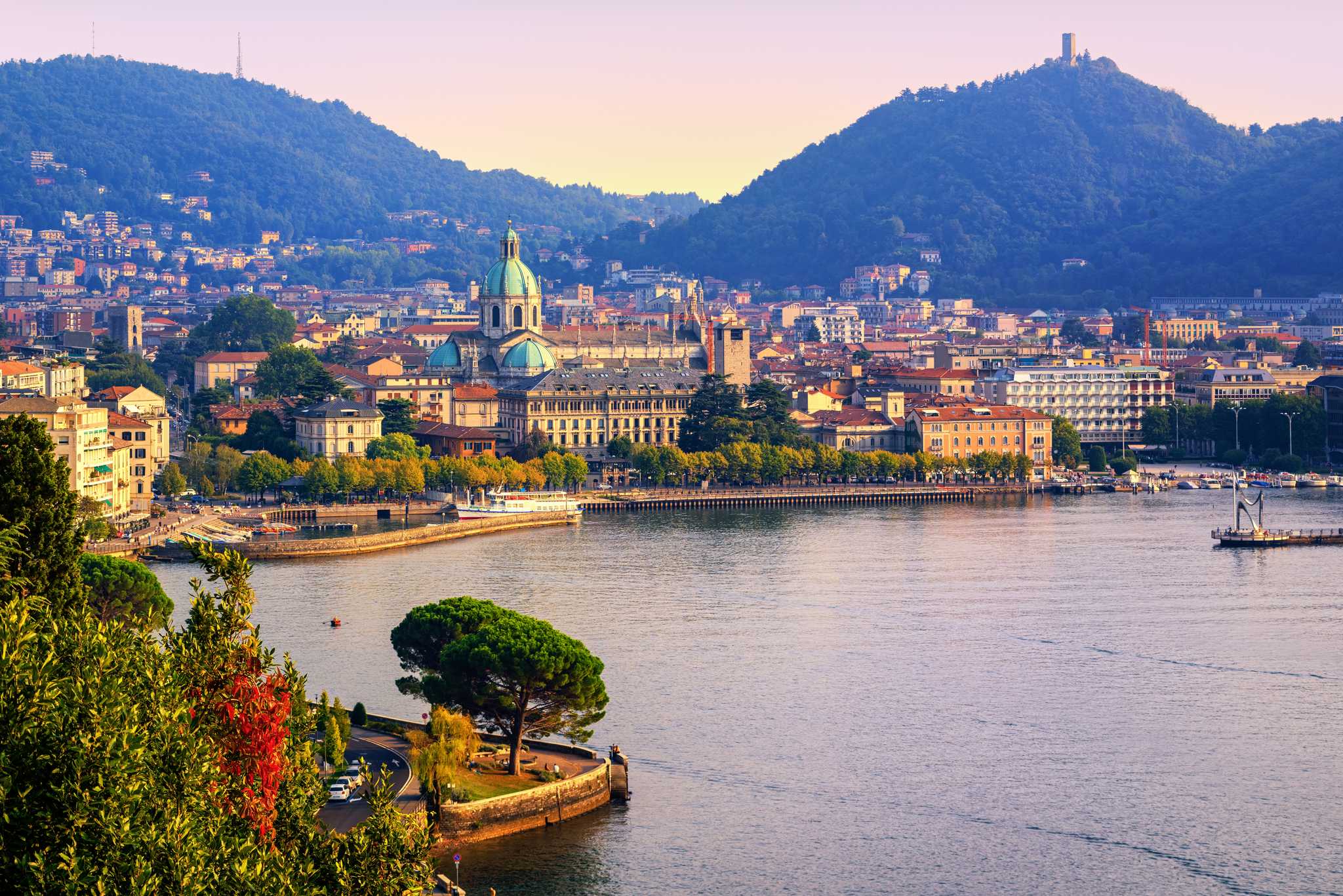
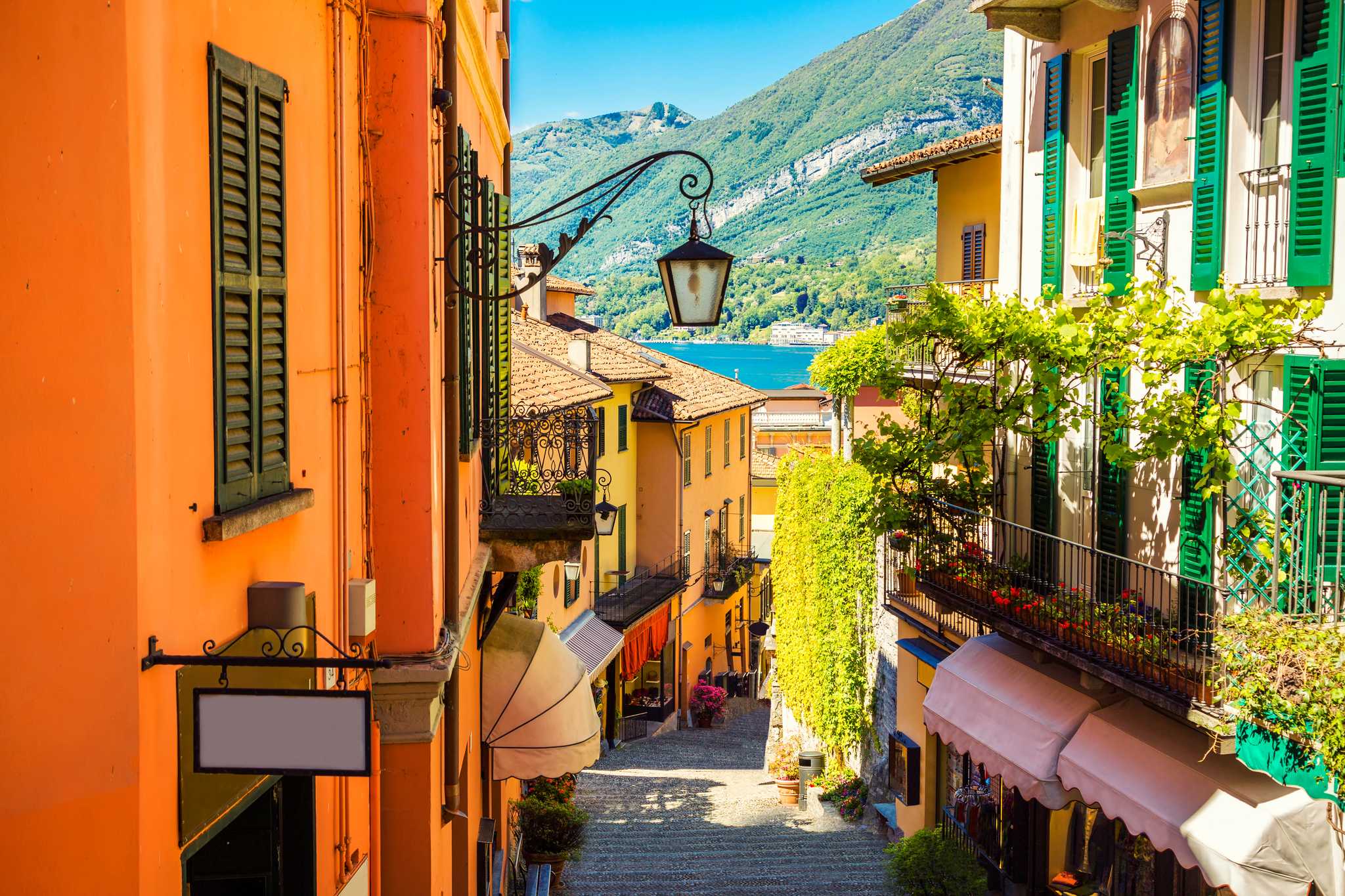
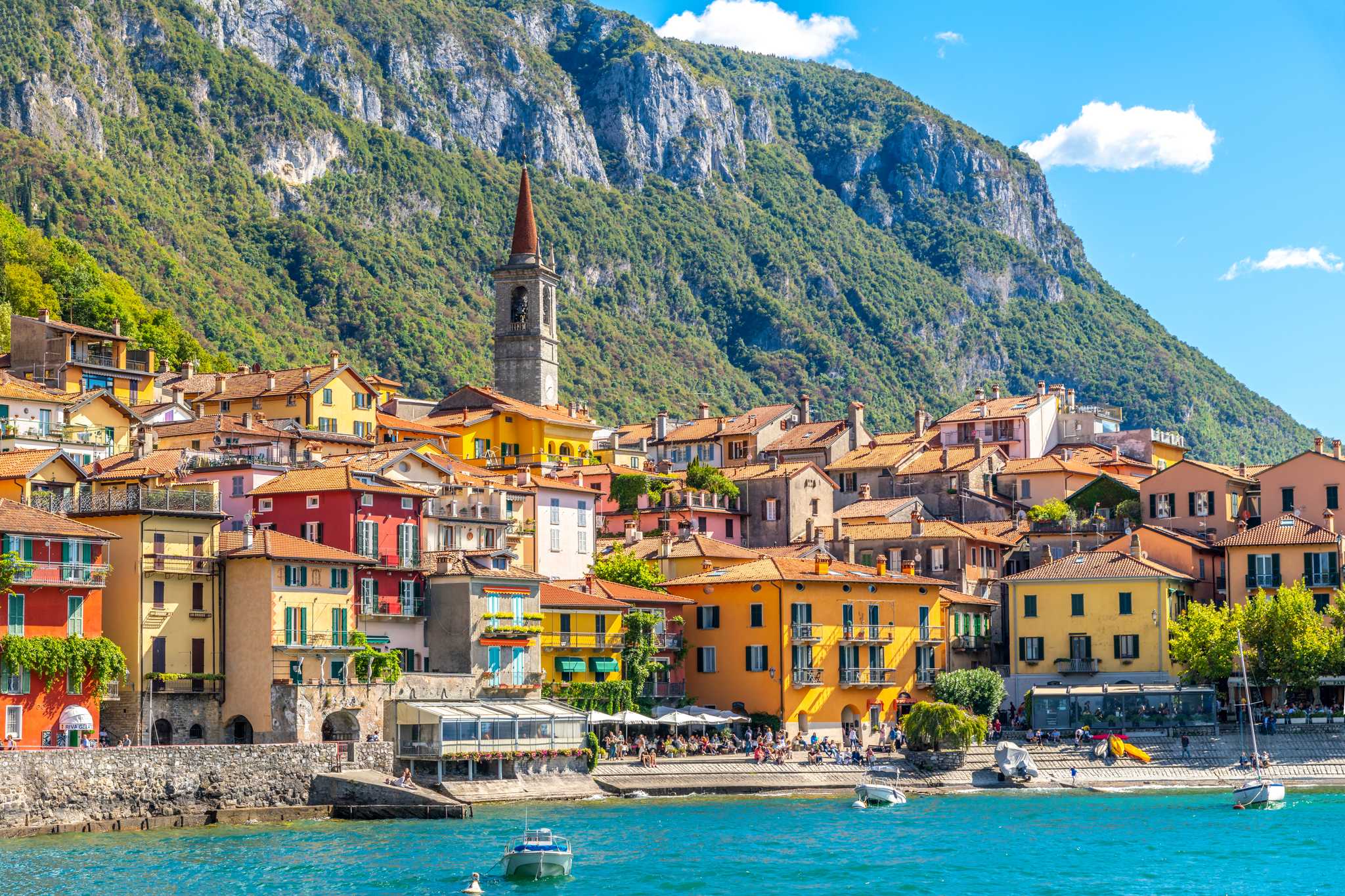
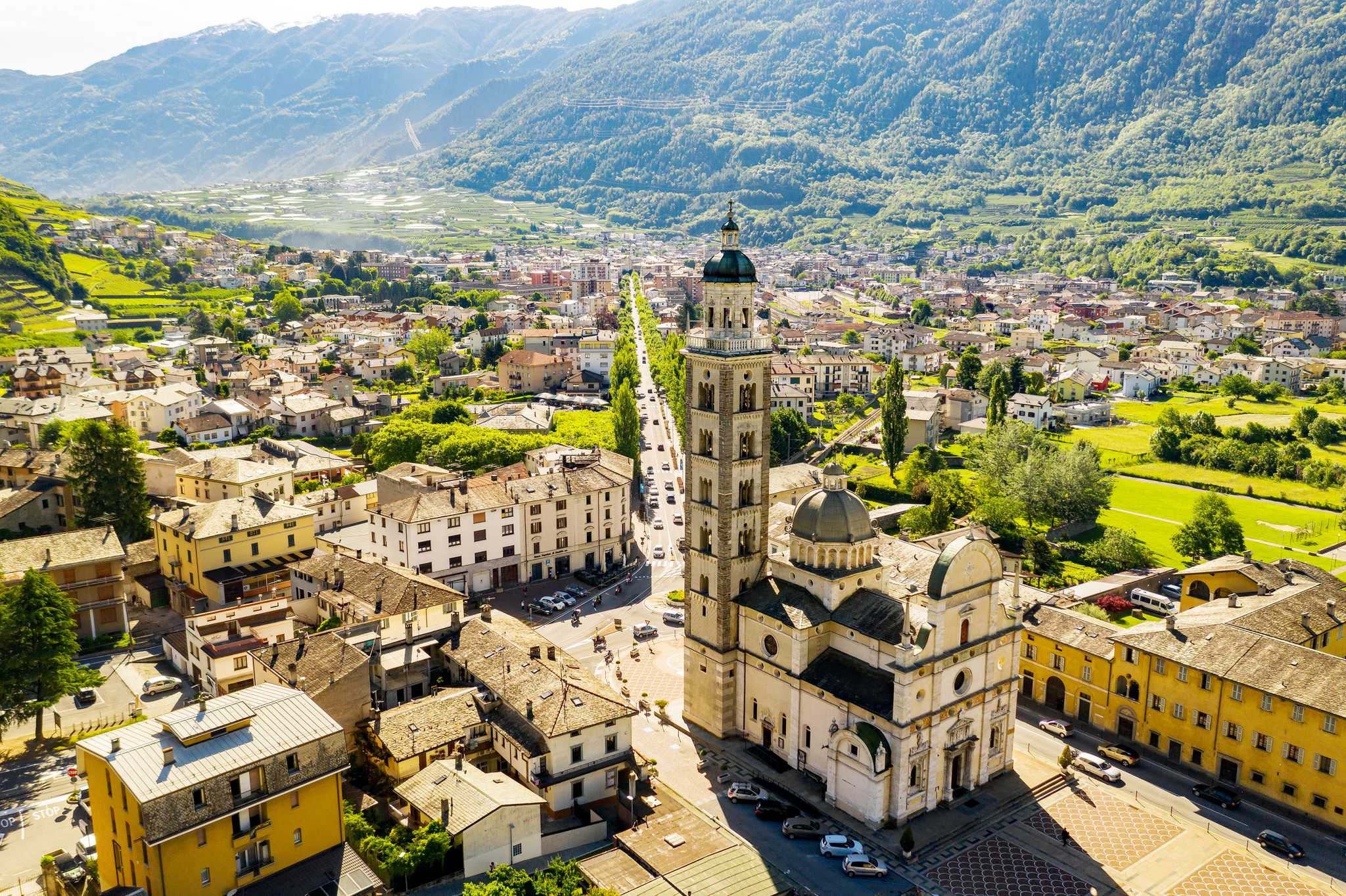
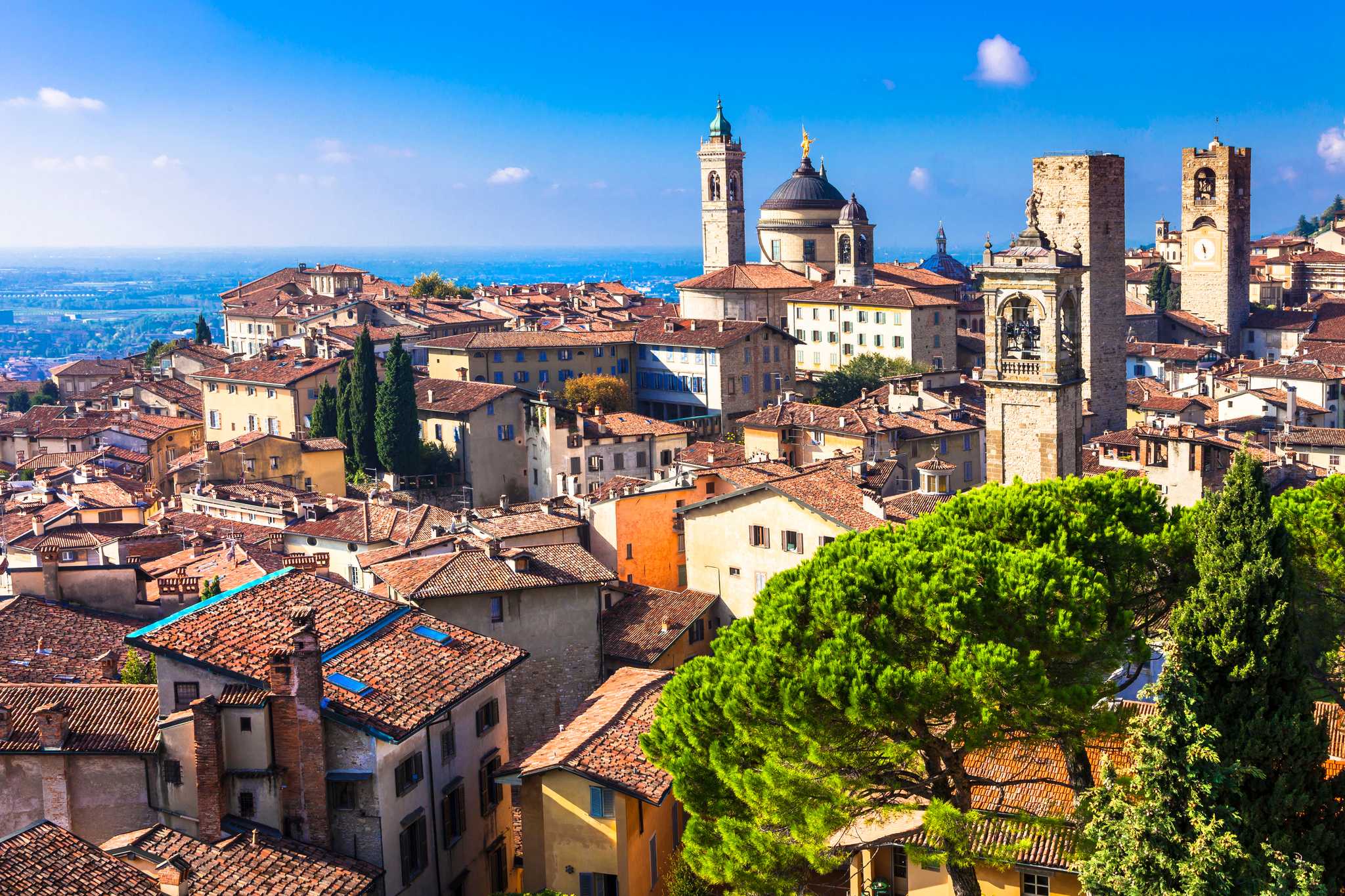
Lombardy can be a major city, a cluster of lakeside towns, or a valley high in the Alps, sometimes all in one trip. The distances are short; a couple of hours by road carries you from the plain to the lakeshores and up into the mountains. Few parts of Italy hold this much range.
Lombardy can be a major city, a cluster of lakeside towns, or a valley high in the Alps, sometimes all in one trip. The distances are short; a couple of hours by road carries you from the plain to the lakeshores and up into the mountains. Few parts of Italy hold this much range.
When to go
Spring
March, April, and May are a great chance to skip the crowds and still enjoy the region at its best. See the villa gardens bloom as Lake Como's wedding season begins.
Summer
June, July, and August draw the most visitors, and the region is at its liveliest. Swim, ride the ferries, and escape the heat in the cool Alpine valleys.
Autumn
Autumn brings cooler days and fewer crowds than summer. Time a visit for the Valtellina grape harvest and Milan's September Fashion Week.
Winter
Winter is for fashion and snow. Ski at Livigno, soak in Bormio's baths, and catch Milan's February Fashion Week and Christmas lights.
Our picks: things to do in Lombardy
Lombardy rewards every kind of traveler. Whether you're chasing big-city energy, lazy days on the water, fresh mountain air, or some of Italy's greatest art, you'll have no trouble filling your days. The hard part is choosing what to fit in.
Lombardy rewards every kind of traveler. Whether you're chasing big-city energy, lazy days on the water, fresh mountain air, or some of Italy's greatest art, you'll have no trouble filling your days. The hard part is choosing what to fit in.
See the art
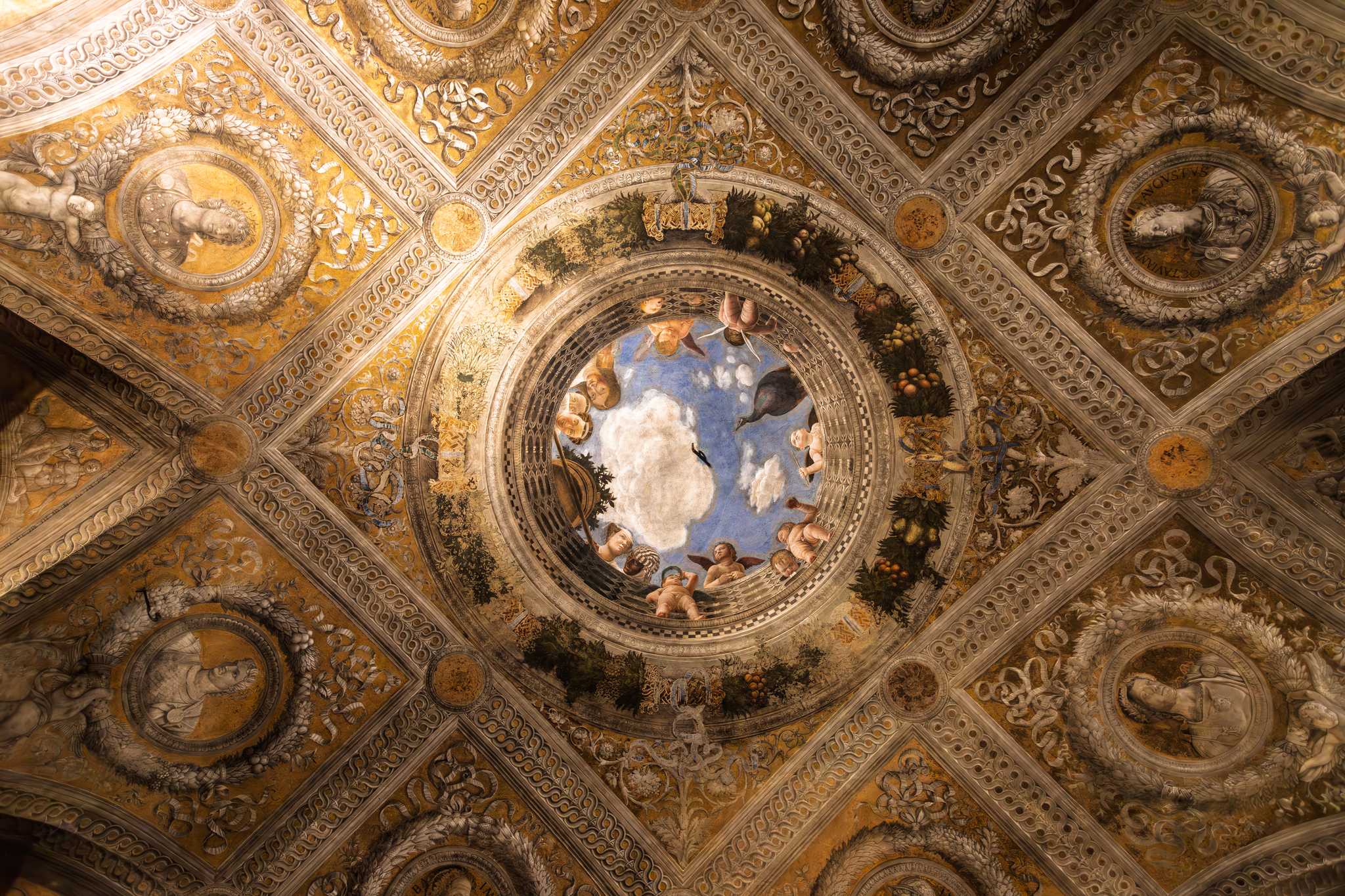
Lombardy bankrolled the Renaissance, and it shows. The region holds some of Italy's most important paintings, many still in the churches and palazzi for which they were made.
- See Leonardo's The Last Supper at Santa Maria delle Grazie, Milan
- Stand before Michelangelo's Pietà Rondanini in Castello Sforzesco
- Find Raphael's The Marriage of the Virgin at the Pinacoteca di Brera
- Look up at Mantegna's frescoes in the Camera degli Sposi, Mantua
- Browse Lombard and Venetian masters at Bergamo's Accademia Carrara
- Seek out Bergognone's frescoes at the Certosa di Pavia
Explore the lakes
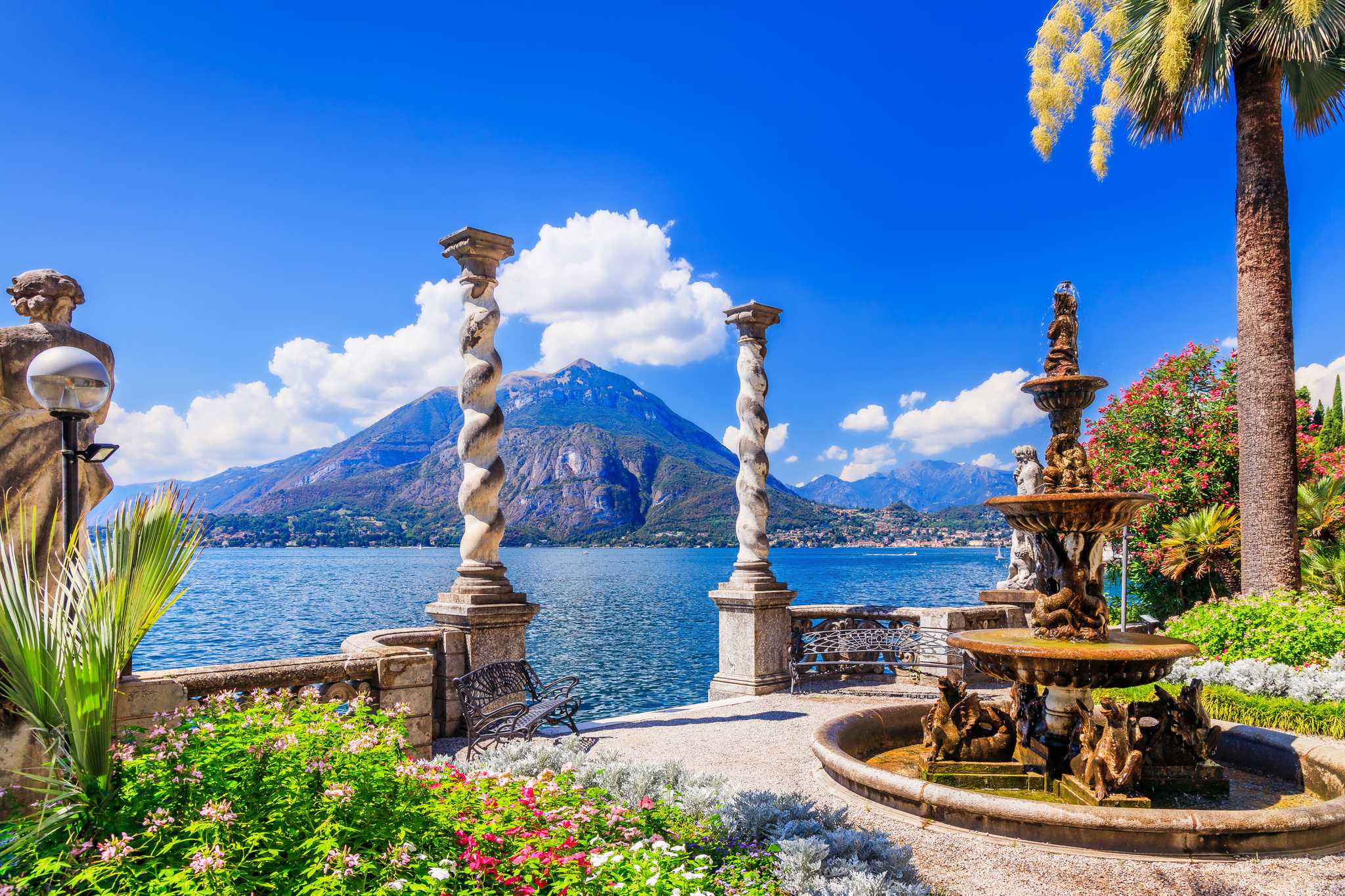
The lakes are why most people come north, and each has its own character. Steep and glamorous, wide and breezy, or quiet and overlooked, they're all best seen from the shoreline road or a ferry deck.
- Swim in Lake Como, where Bellagio sits at the fork of its two arms
- Tour the gardens of Villa Carlotta or Villa del Balbianello on Como
- Visit Sirmione, a spa town on a peninsula in southern Lake Garda
- Sail to the Borromean Islands from Stresa on Lake Maggiore
- Cross to Monte Isola, the mountain island on quiet Lake Iseo
Shop the region
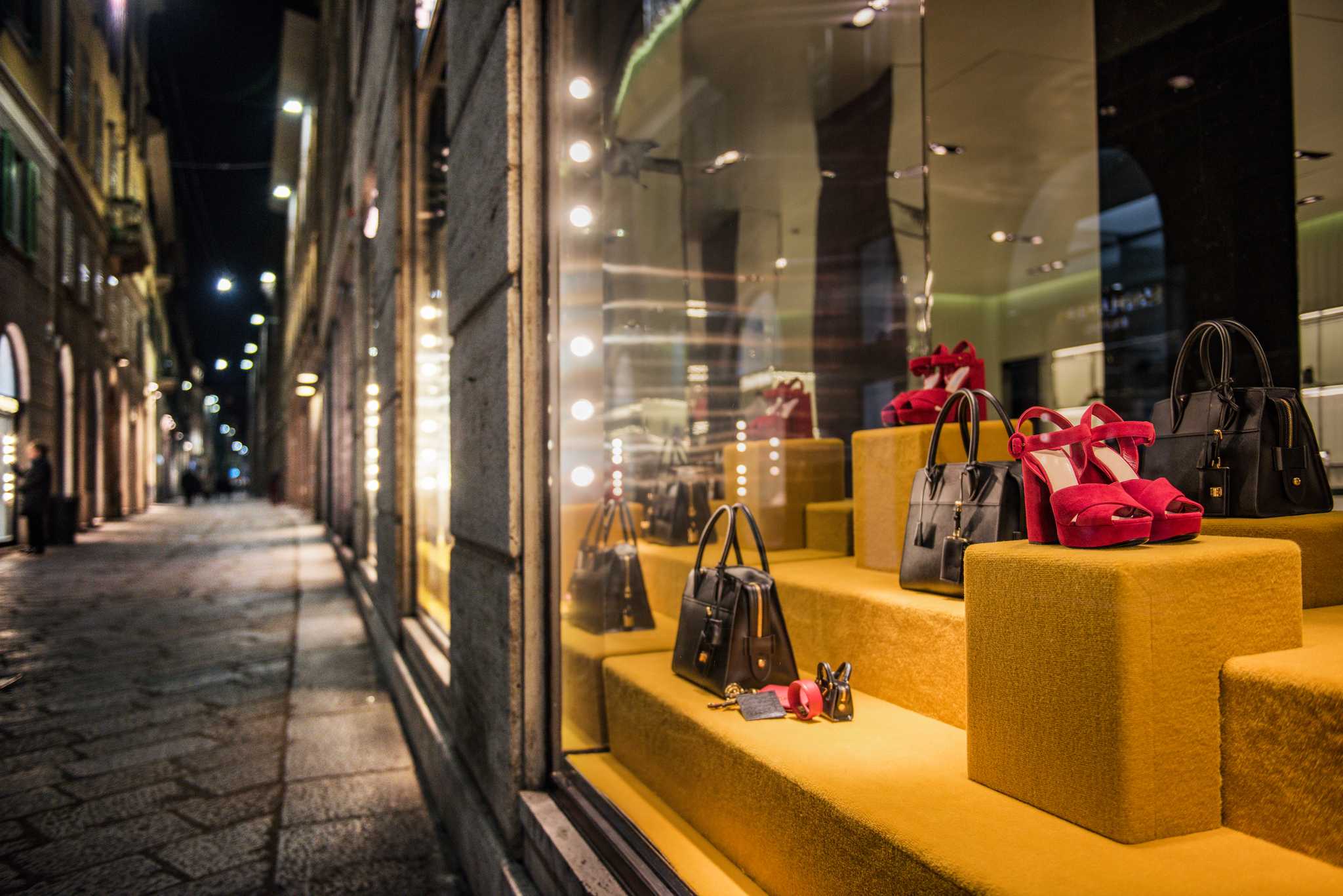
Milan is one of the world's fashion capitals, but the shopping doesn't end there. The region weaves the silk behind the big labels and runs outlet villages where last season goes cheap.
- Walk the Quadrilatero della Moda, Milan's luxury fashion district
- Shop the Galleria Vittorio Emanuele II, an 1877 arcade by the Duomo
- Buy silk scarves and ties in Como, home of Italian silk
- Drive to Franciacorta Village, an outlet in sparkling-wine country
- Hunt for vintage at the Fiera di Sinigaglia, Milan's flea market
Walk the old cities
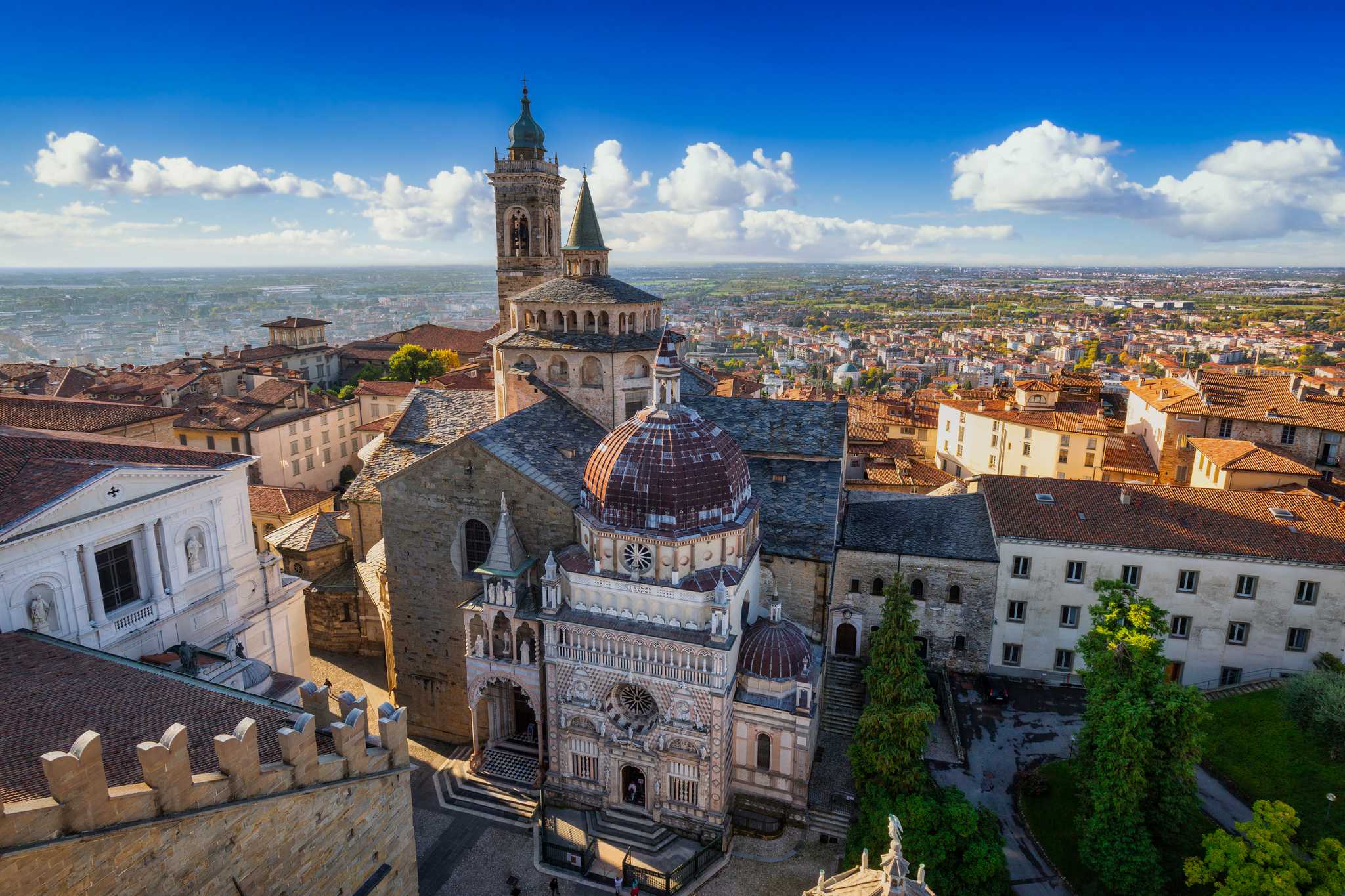
Lombardy has more than just Milan. Within an hour or two lie smaller historic towns, each compact enough to see on foot. Trade the city rush for medieval towers, Renaissance squares, and Roman ruins, all at a gentler pace than the capital.
- Climb to Bergamo's Città Alta, ringed by Venetian walls
- Wander Mantua, a Renaissance city ringed by three lakes
- See the Torrazzo in Cremona, one of Europe's tallest bell towers
- Walk Roman Brescia, with the Capitolium and Forum of old Brixia
- Stop in Pavia, a medieval university city near the Certosa
Head for the mountains
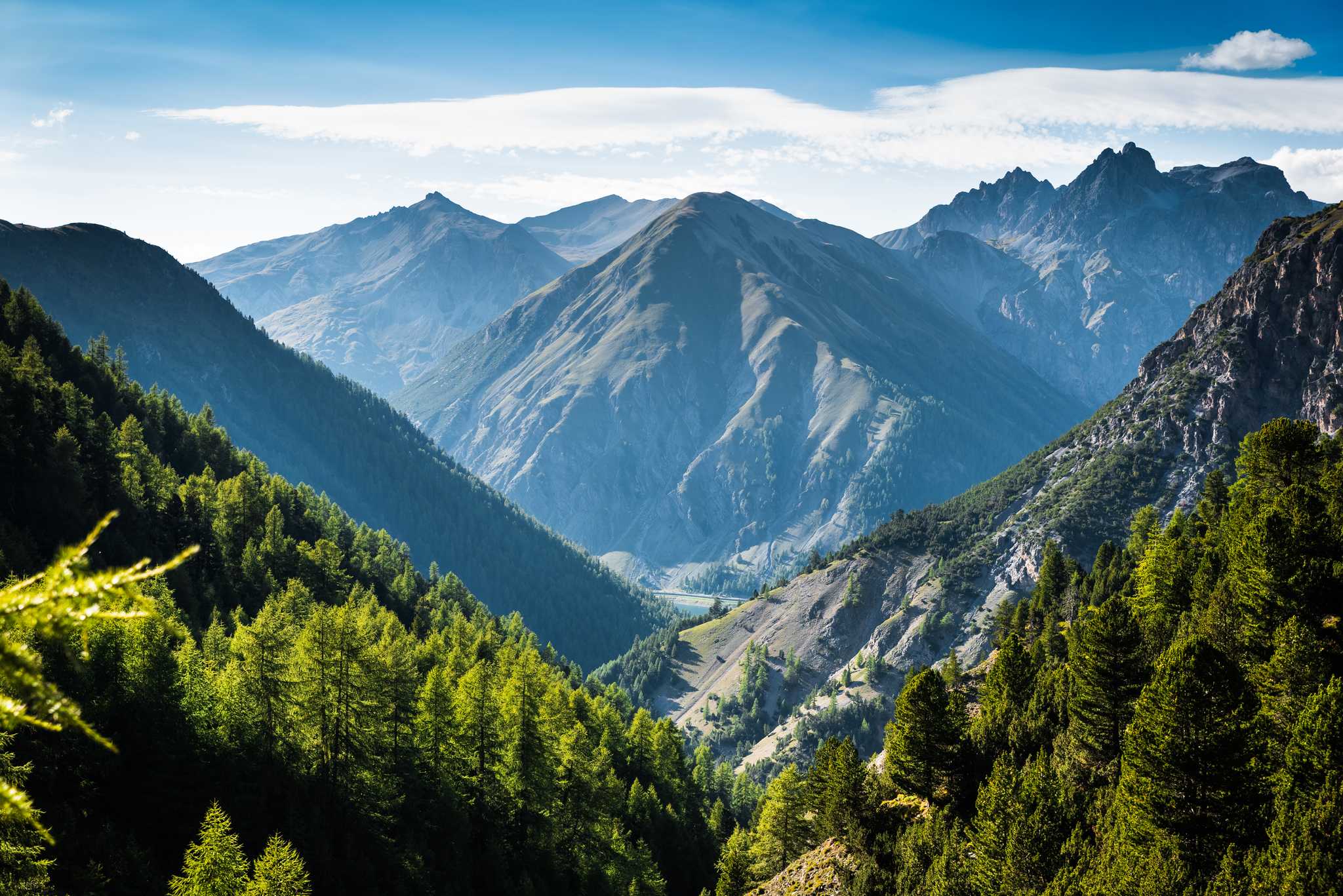
North of the lakes, Lombardy climbs into the Alps. The Valtellina and the valleys around it trade lakeshores for high passes, ski runs, thermal springs, and granite peaks.
- Drive the Stelvio Pass, 48 hairpin bends high into the Alps
- Soak in the thermal baths at Bormio, a Roman-era mountain spa
- Stop in Tirano, gathered around the Madonna di Tirano basilica
- Ski at Livigno, a duty-free resort near the Swiss border
- Wander Chiavenna, a stone town known for its rock-cut wine cellars
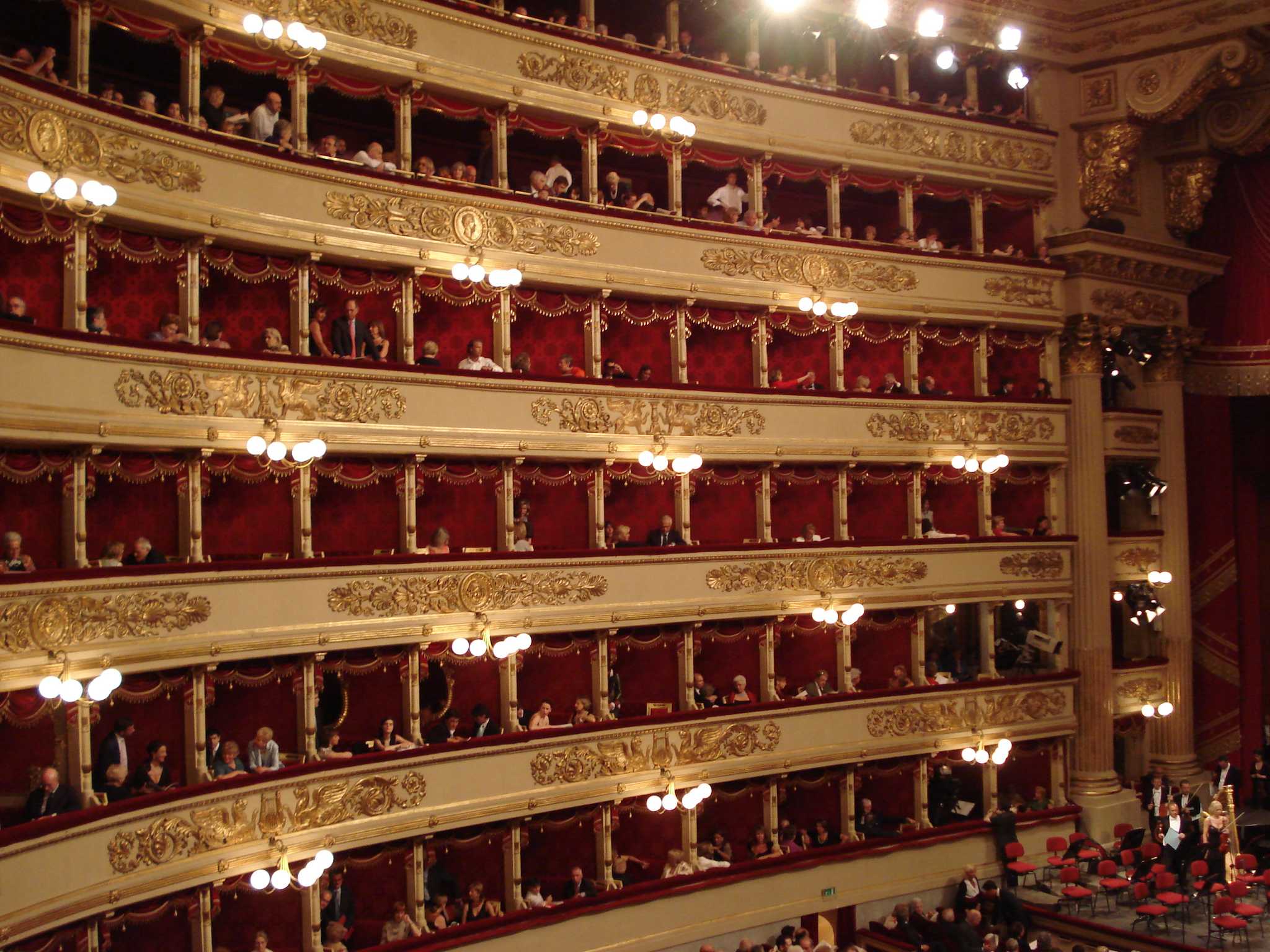
Take in the culture
Beyond its paintings and palazzi, Lombardy has a living cultural life, from one of the world's most famous opera houses to the workshops that still build its finest violins.
- Catch a performance at La Scala, Milan's opera house
- Watch a violin take shape in Cremona, home of Stradivari
- Time a trip for Festivaletteratura, Mantua's September book festival
- Visit the San Siro, home to AC Milan and Inter Milan
- Tour the Vittoriale, the poet D'Annunzio's estate on Lake Garda
What to eat, drink, and order
Lombardy's cooking surprises people who expect olive oil and tomatoes. This is a northern table built on butter, rice, and polenta, with long-aged cheeses alongside cured meats. It shifts as you travel, refined in Milan and heartier in the mountains.
Lombardy's cooking surprises people who expect olive oil and tomatoes. This is a northern table built on butter, rice, and polenta, with long-aged cheeses alongside cured meats. It shifts as you travel, refined in Milan and heartier in the mountains.
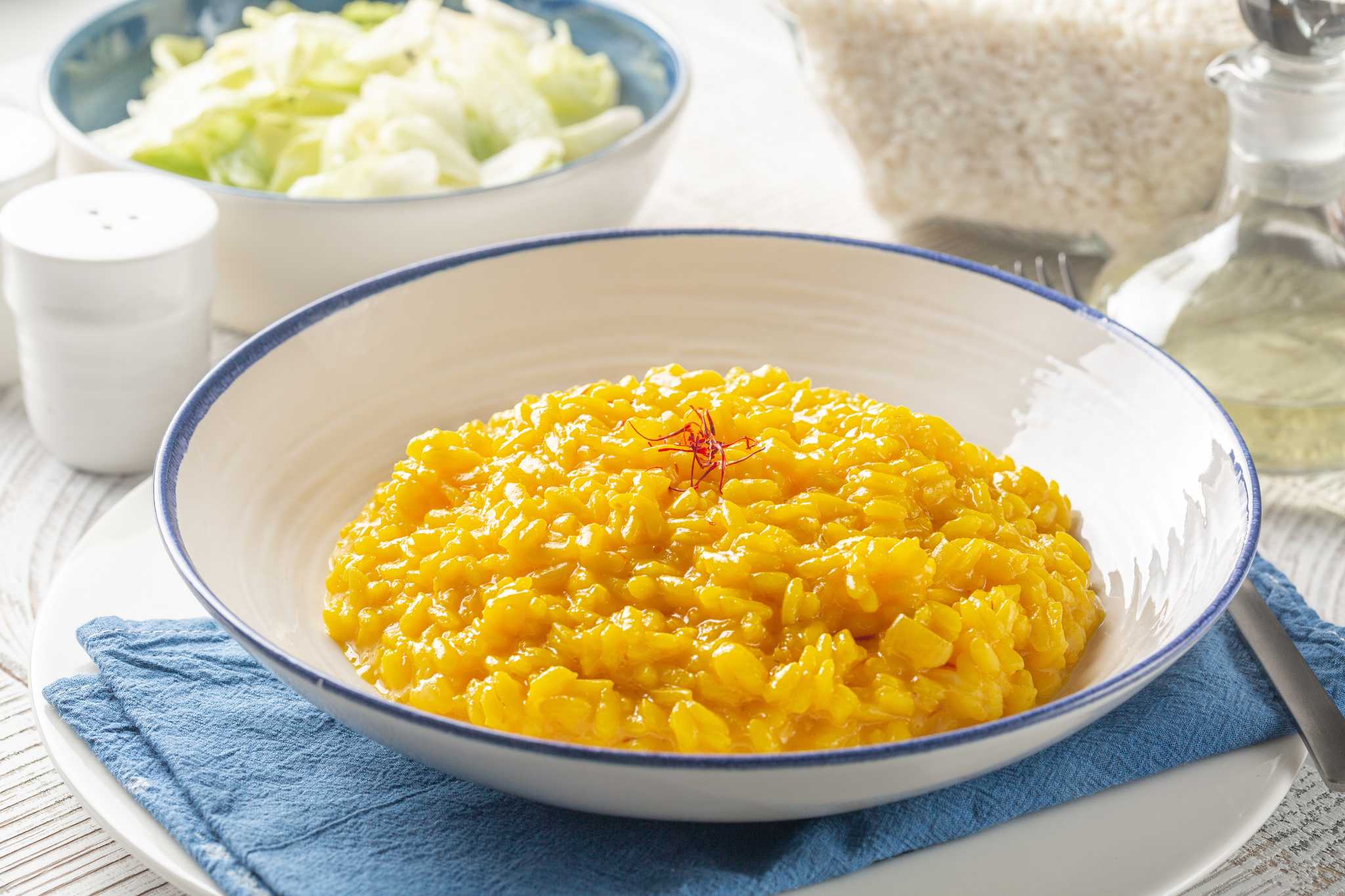
Risotto alla milanese in Milan
Rice slow-cooked with saffron and butter until golden and creamy. Milan's signature dish, often served with ossobuco.
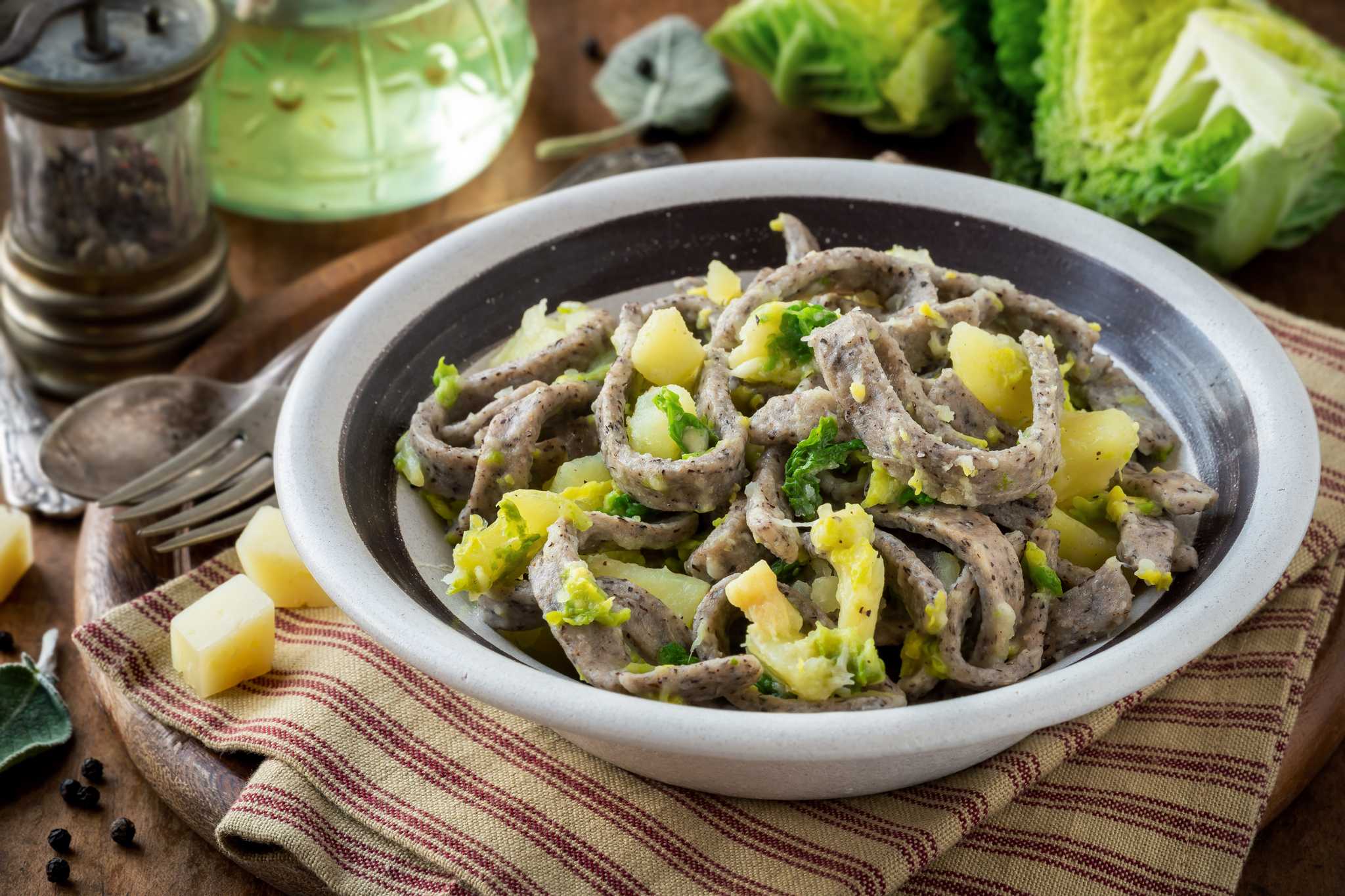
Pizzoccheri in Teglio
Buckwheat pasta baked with cabbage, potato, and Casera cheese, in the Valtellina village said to be its birthplace.
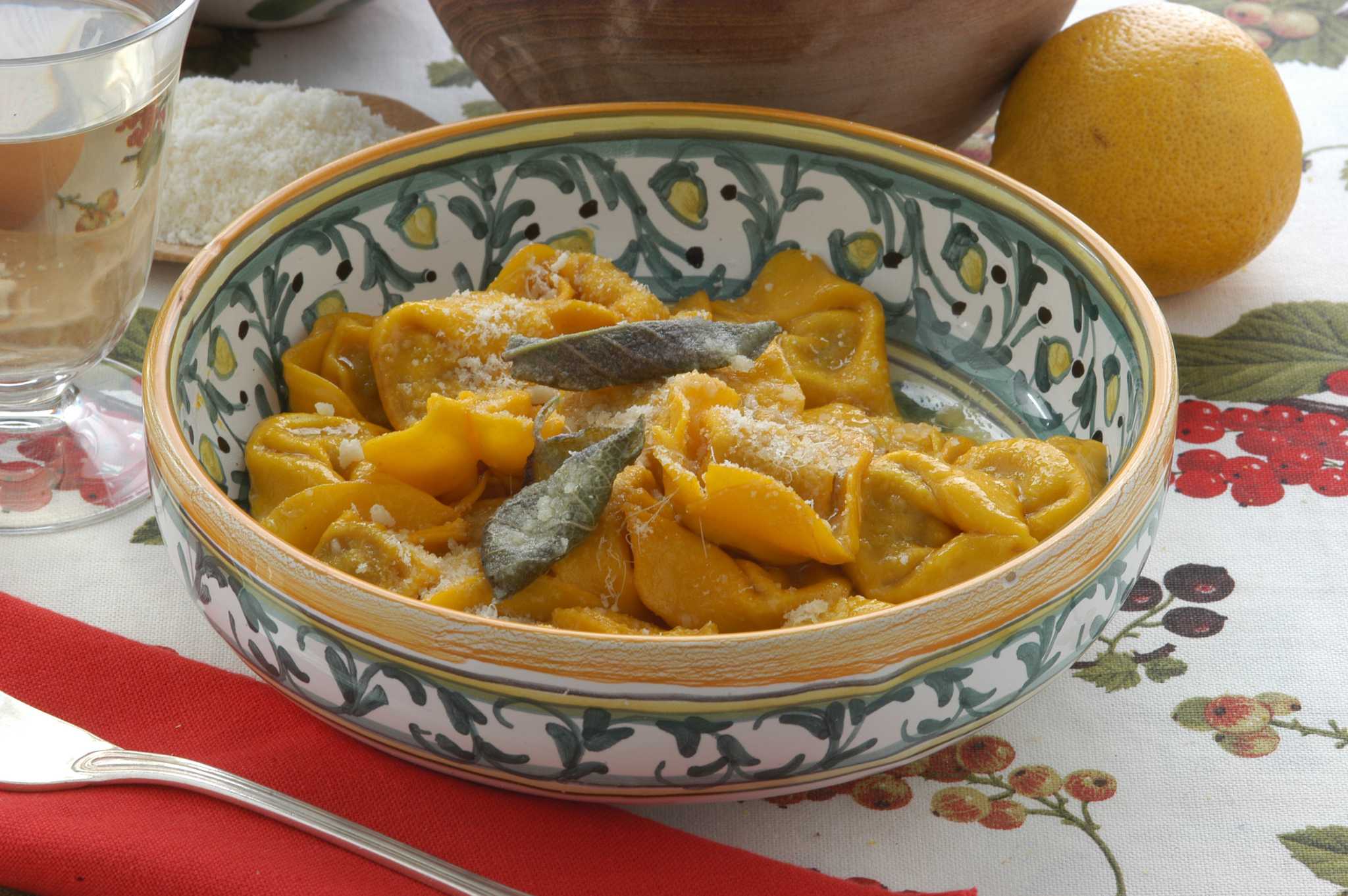
Tortelli di zucca in Mantua
Sweet-savory pumpkin pasta with amaretti and mostarda, from the Gonzaga, the dukes who ruled Renaissance Mantua.
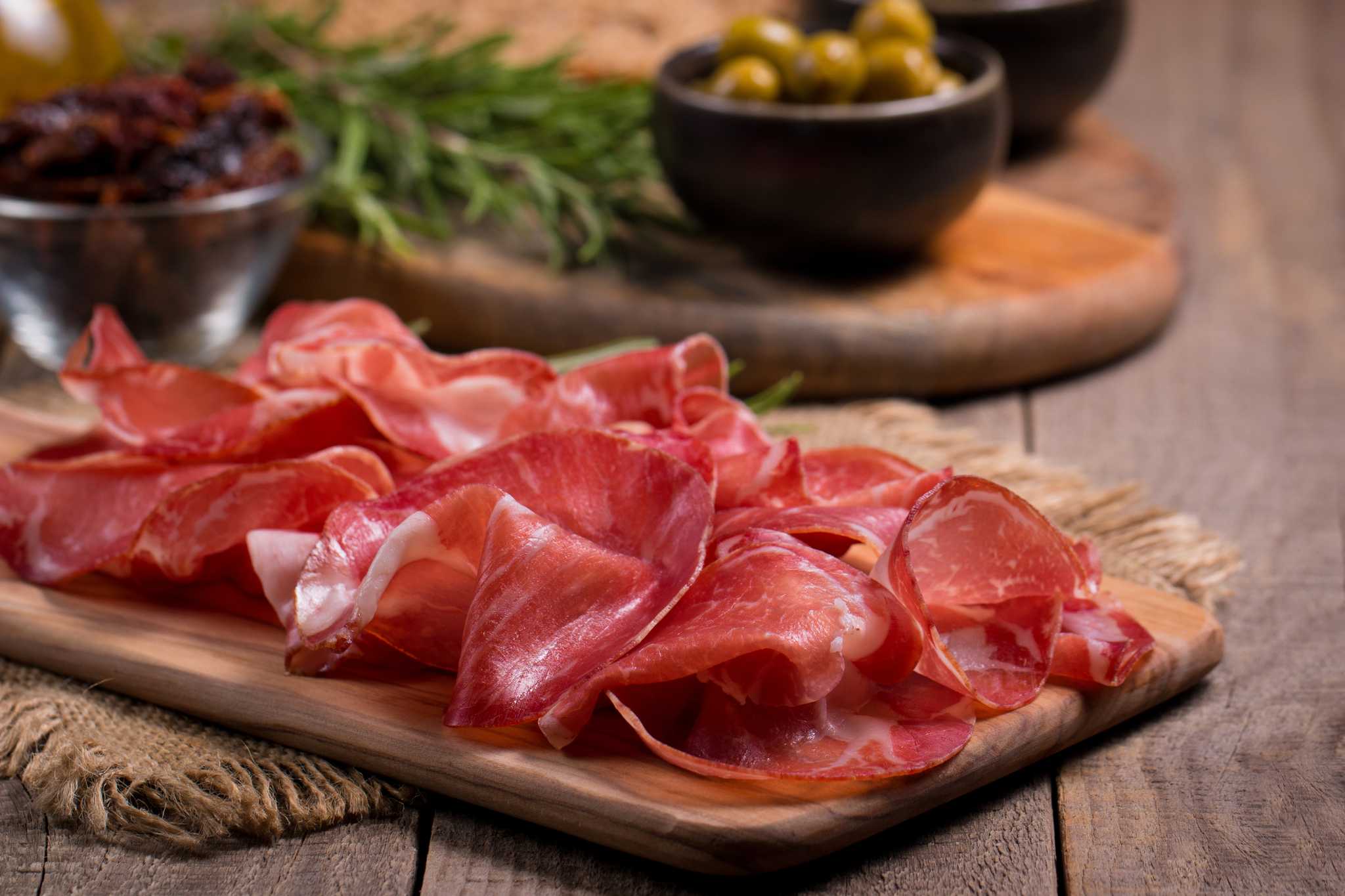
Bresaola in the Valtellina
Air-dried, salted beef in thin, deep-red slices. The Valtellina's cured meat, a Protected Geographical Indication (IGP).
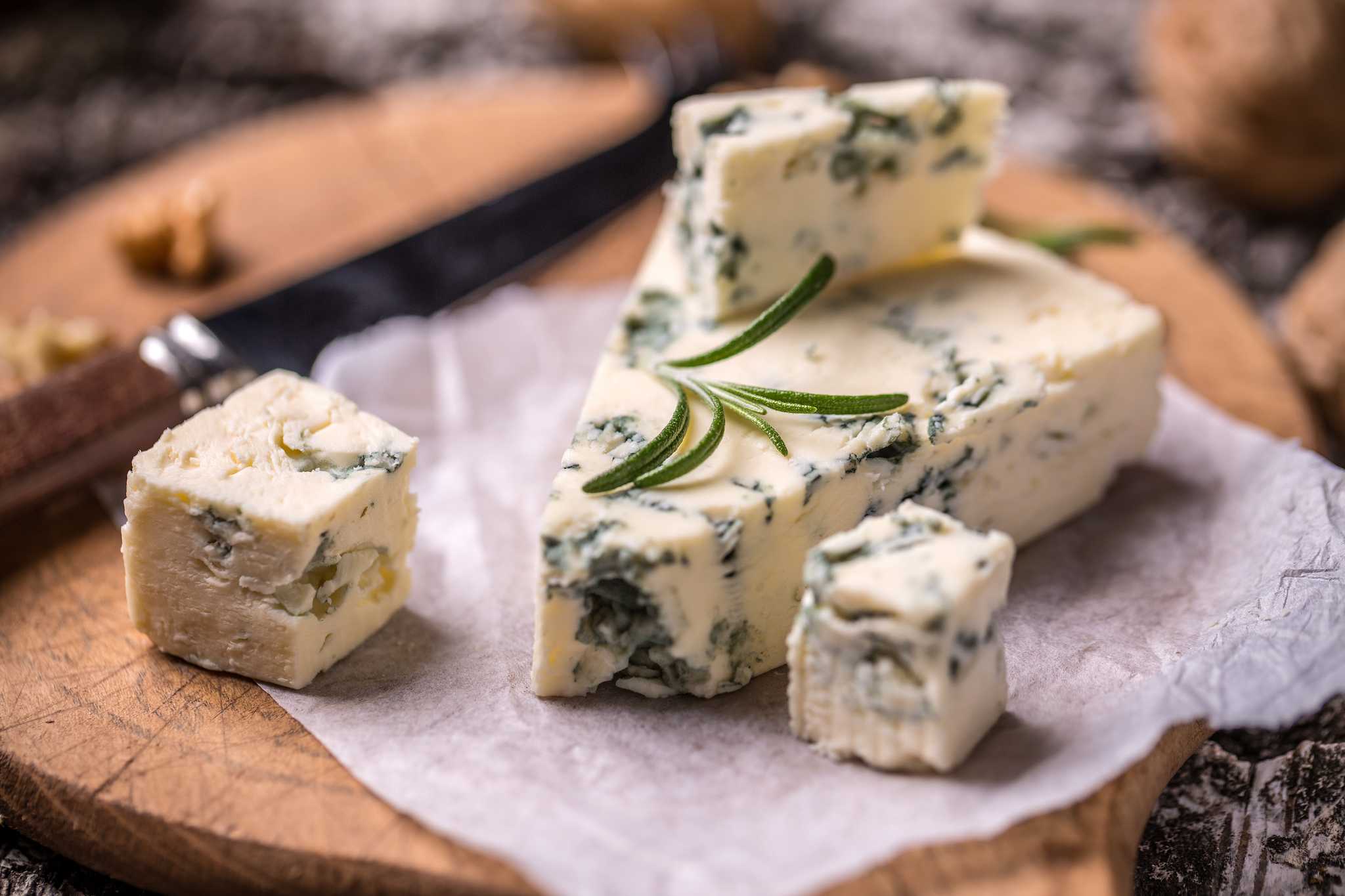
Gorgonzola cheese in Gorgonzola
The blue-veined cow's-milk cheese named for the town near Milan, sold sweet and young or firmer and sharp.
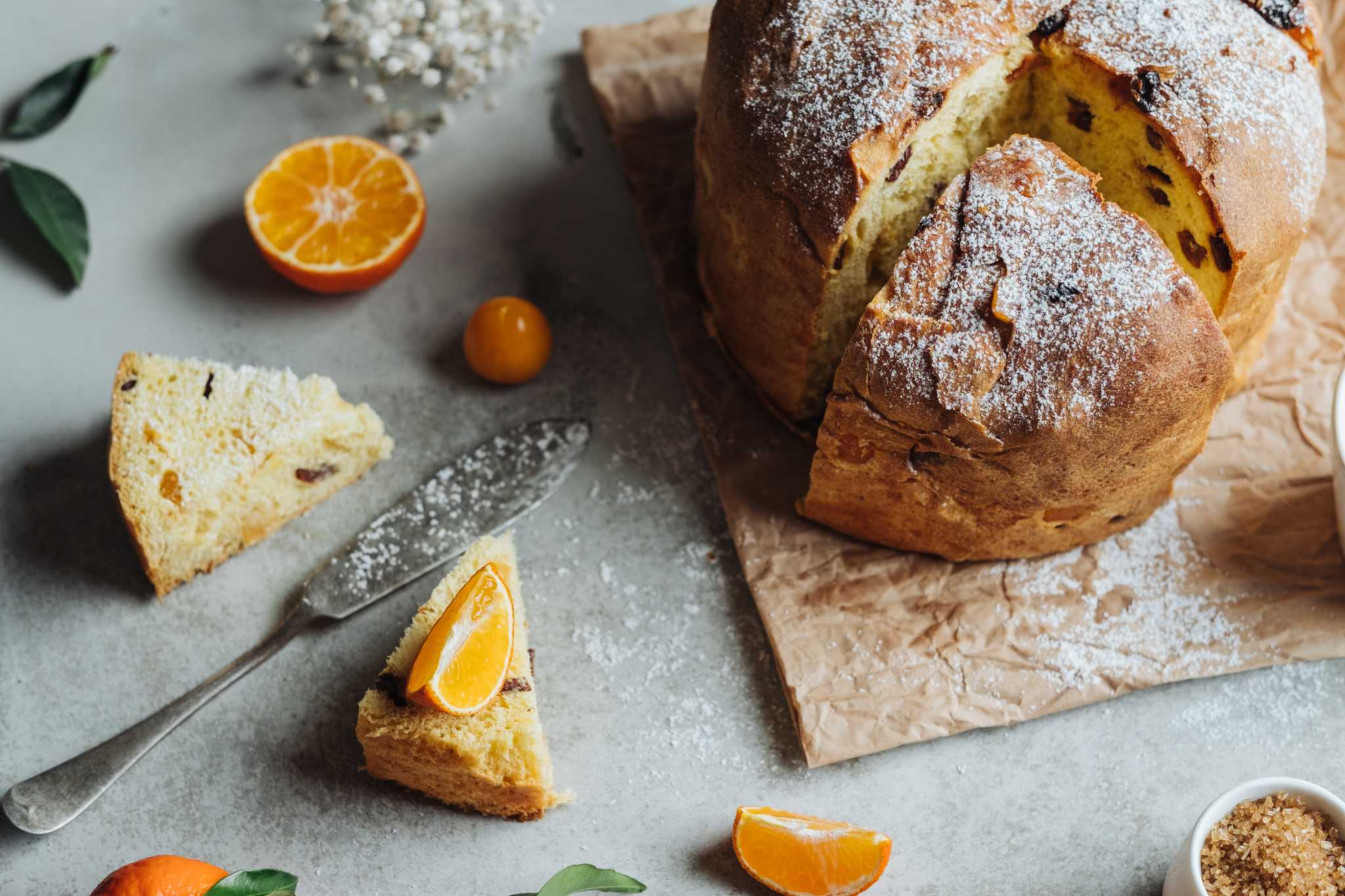
Panettone in Milan
The tall, domed Christmas cake dotted with candied fruit and raisins, invented in Milan, now eaten across Italy.
Getting around Lombardy
Lombardy runs from cities to lakeshores and mountain valleys, and no single transit option covers all three. Trains link the main cities; the lakes and mountains mean ferries, sparse buses, and many changes. Italy's frequent rail and air strikes can strand you on a travel day with little warning. A private door-to-door transfer skips the strikes and changes, and reaches spots public transport can't. It’s easier for traveling with kids, older travelers, or anyone needing step-free access.
Our recommended routes in Lombardy
Malpensa Airport to Milan - City Center
47min • 46km (28.6mi)
From €140
Milan to Bellagio
1h 30min • 79km (49.1mi)
From €284
Tirano to Milan
2h 40min • 162km (100.7mi)
From €362
Como City to Tirano
2h 21min • 138km (85.7mi)
From €384
Bergamo Airport to Como City
1h 14min • 93km (57.8mi)
From €259
Bergamo to Iseo
45min • 40km (24.9mi)
From €277
Varenna to Monza
1h 1min • 63km (39.1mi)
From €280
Bellagio to Sirmione
2h 12min • 145km (90.1mi)
From €314
Milan Linate Airport to Desenzano
1h 20min • 123km (76.4mi)
From €304
Brescia to Tremezzo
2h 3min • 165km (102.5mi)
From €338
Lecco to Milan Linate Airport
48min • 60km (37.3mi)
From €278
Monza to Varenna
1h 1min • 63km (39.1mi)
From €280
Day trips from Lombardy's top cities
2+ million travelers like you. Moments they'll never forget.

Your Lombardy questions, answered
About the author
Veronika Houdková is a Prague-based writer and devoted returnee to Italy. She loves that from one region to the next, the landscape, food, and pace all change. Same country, a hundred different ones.
Be the first to discover more
Get handpicked travel ideas, insider highlights, and special Daytrip offers.


