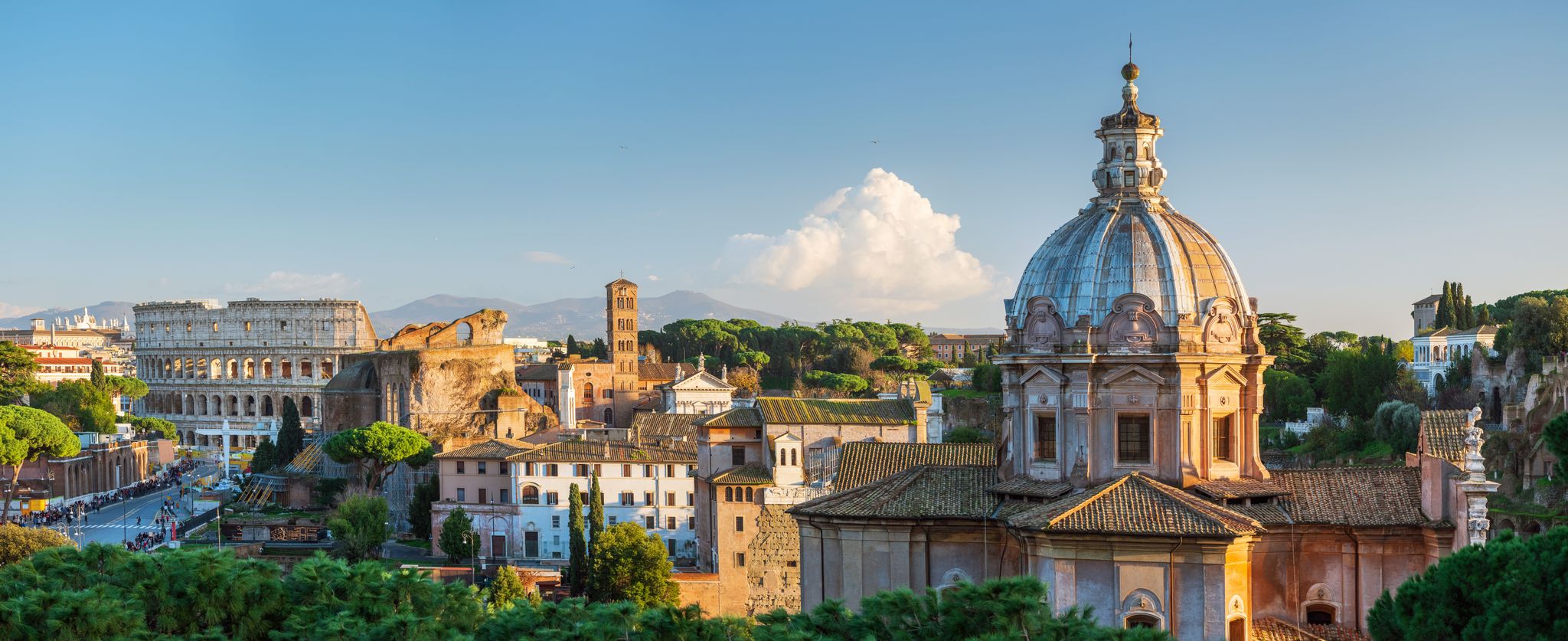
Daytrip's guide to Rome

By Ján Tompkins
Rome is not a museum, whatever the guidebooks say. It’s a loud, warm, lived-in capital of nearly three million people, where a 2,000-year-old temple might share a square with a scooter mechanic and a busy espresso bar. The ruins are real, but so is the traffic, the laundry strung across the alleys, and the long lunch that empties the streets. This is a city to move through slowly, on foot, with time to sit.
Legend has it that Romulus founded the city in 753 BC, killing his twin Remus in a quarrel over which hill to build on. From that village on the Palatine Hill, Rome grew into the heart of an empire, then of the Catholic Church, and at last the capital of a united Italy. Seven hills, one river, and layer upon layer of history underfoot: work on the newest metro line ran years behind as the diggers kept turning up ancient finds, some now displayed in the stations themselves. The Vatican remains a country of its own inside the city, with its own post office and football team.
Some of it you learn only by watching. Order a cappuccino before 11:00 AM and an espresso any time, taken standing at the bar. Dinner rarely starts before eight, and nobody will hurry you out once you are seated. Refill your bottle at the cast-iron street fountains called nasoni, which have run since the 1870s. Greet shopkeepers with a buongiorno, join the evening passeggiata, and let the city set the pace.
Main airports:
- Rome Fiumicino Airport (FCO)
- Rome Ciampino Airport (CIA)
Rome in brief
Nickname
The Eternal City
Region
Lazio
Currency
Euro (€)
Time zone
CET (UTC+1) / CEST (UTC+2) in the summer
Rome by neighborhood
Rome is a city of neighborhoods, each with its own character, and where you base yourself shapes the whole trip. Stay central for the big sights, in Trastevere or Monti for atmosphere, near the Vatican for calm, or in Testaccio for the food. Here are the areas worth knowing and choosing between.
Rome is a city of neighborhoods, each with its own character, and where you base yourself shapes the whole trip. Stay central for the big sights, in Trastevere or Monti for atmosphere, near the Vatican for calm, or in Testaccio for the food. Here are the areas worth knowing and choosi...
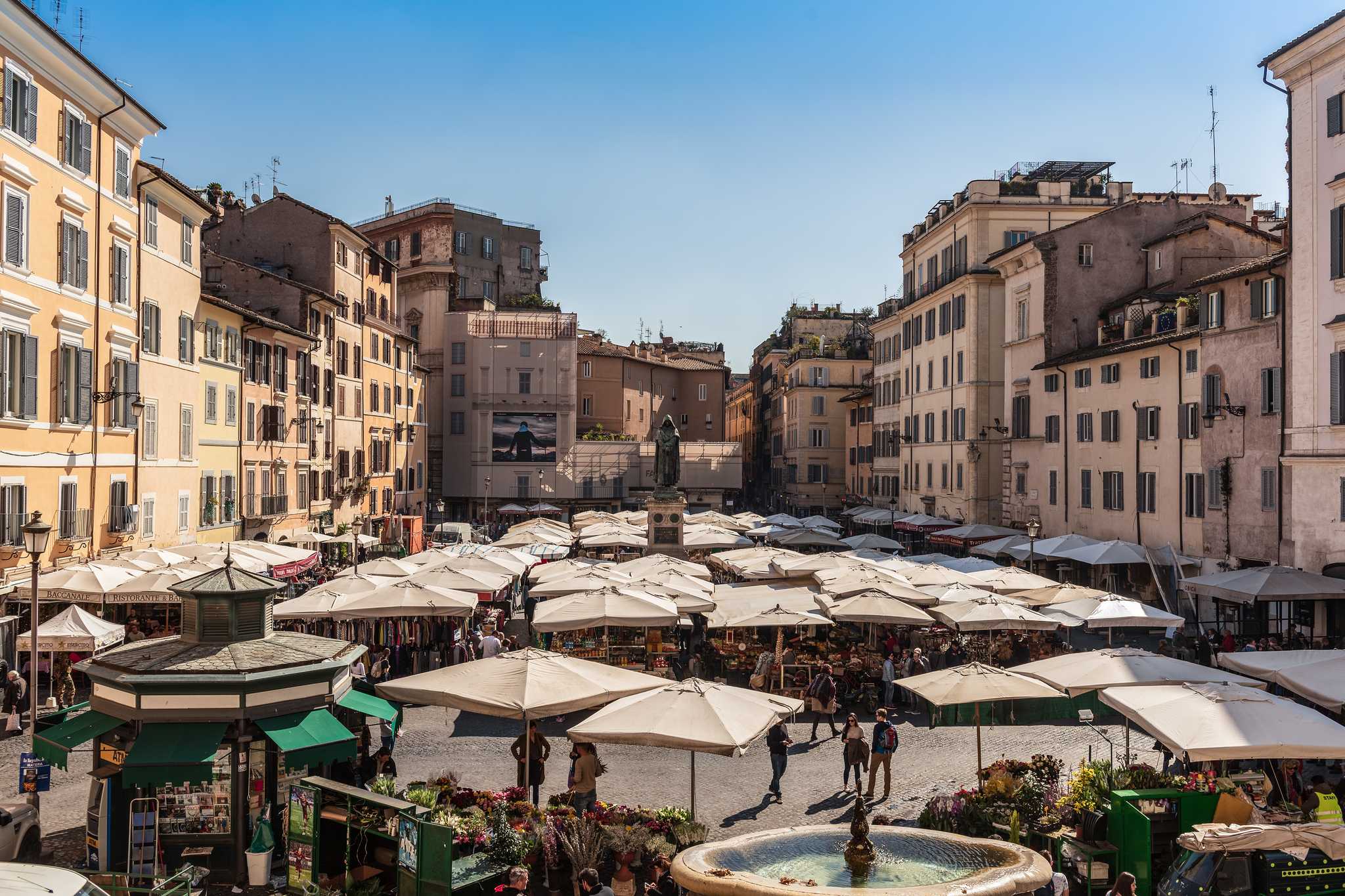
Centro Storico
Rome's showpiece heart, from the Pantheon to Piazza Navona. Everything is walkable, if you accept the crowds and higher prices.
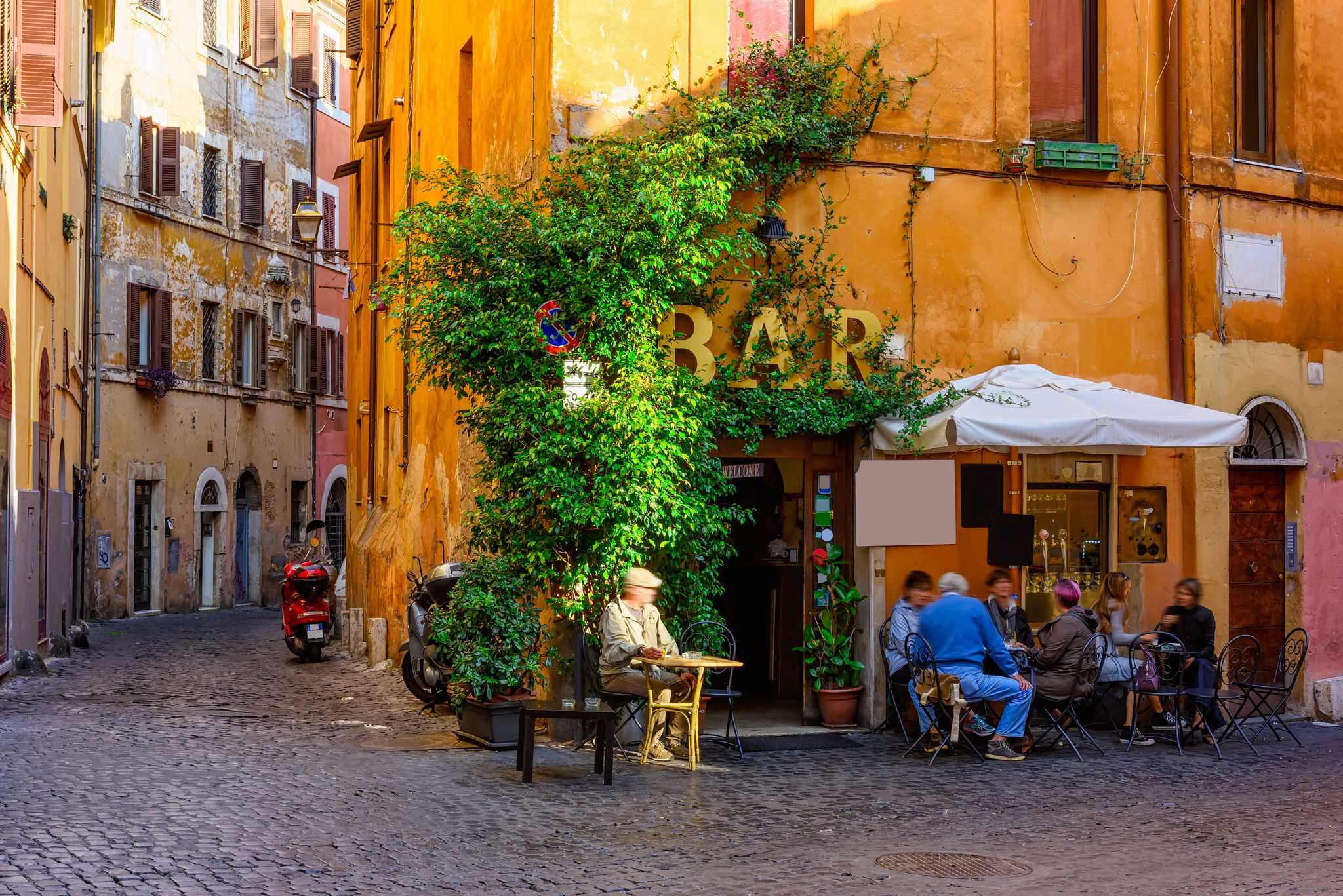
Trastevere
Cobbled, ivy-clad, and bohemian, with the city's liveliest trattorias and nightlife. Charming by day, buzzing after dark.
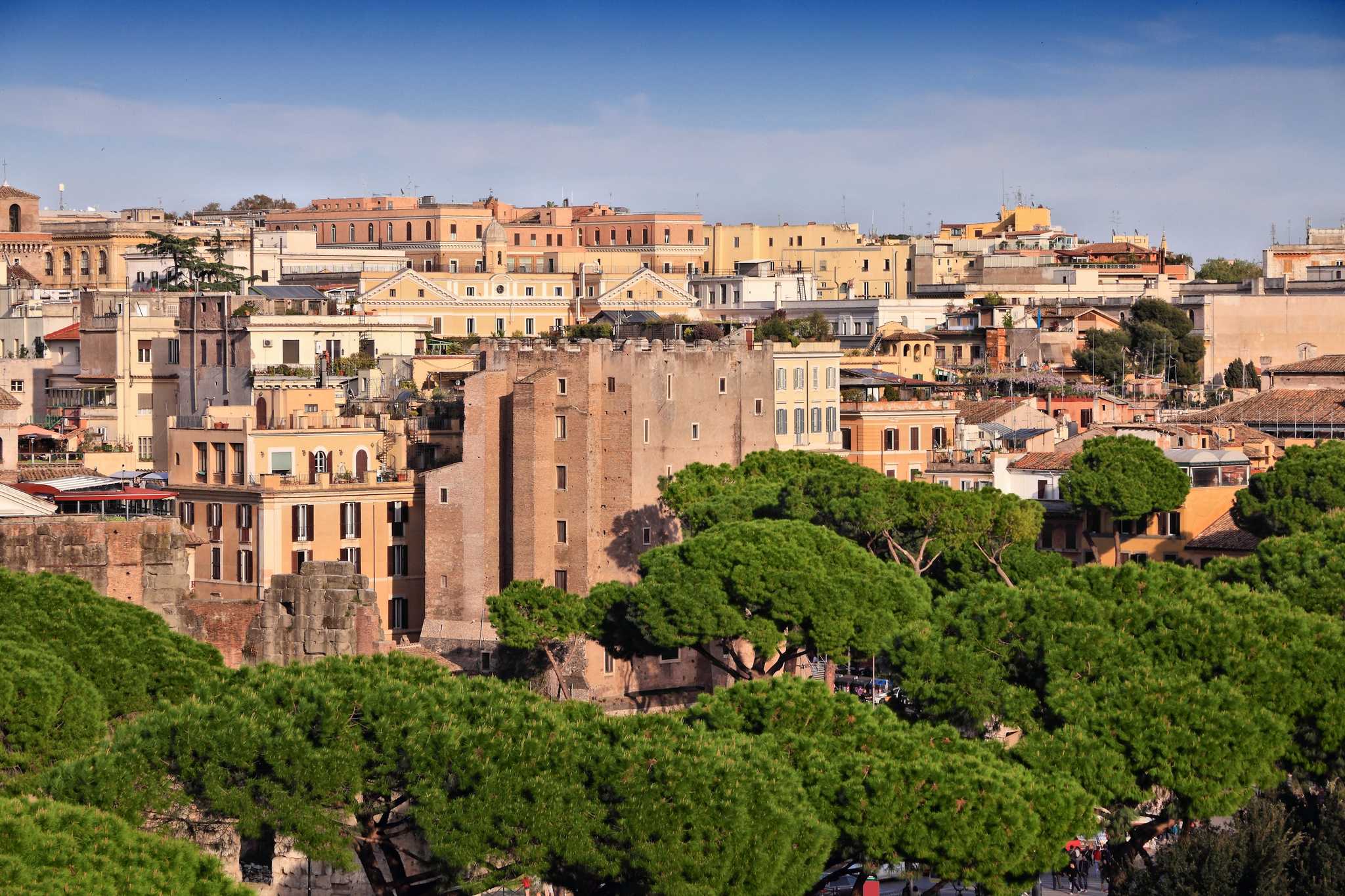
Monti
The oldest quarter turned hip, with wine bars and boutiques a short walk from the Colosseum. Central and full of character.
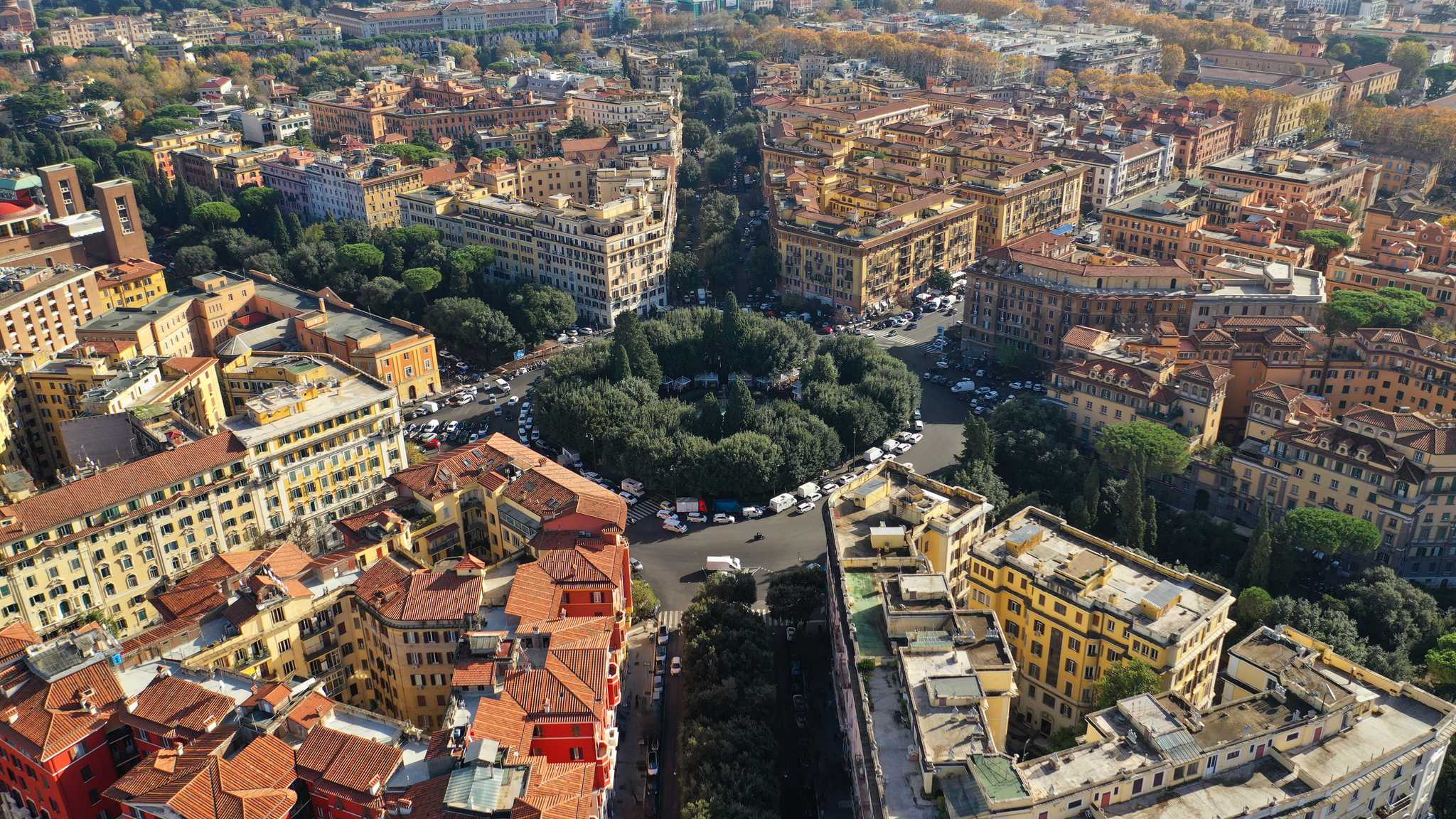
Prati
Elegant and orderly beside the Vatican, with smart shopping on Via Cola di Rienzo. A calm, convenient base for St. Peter's.
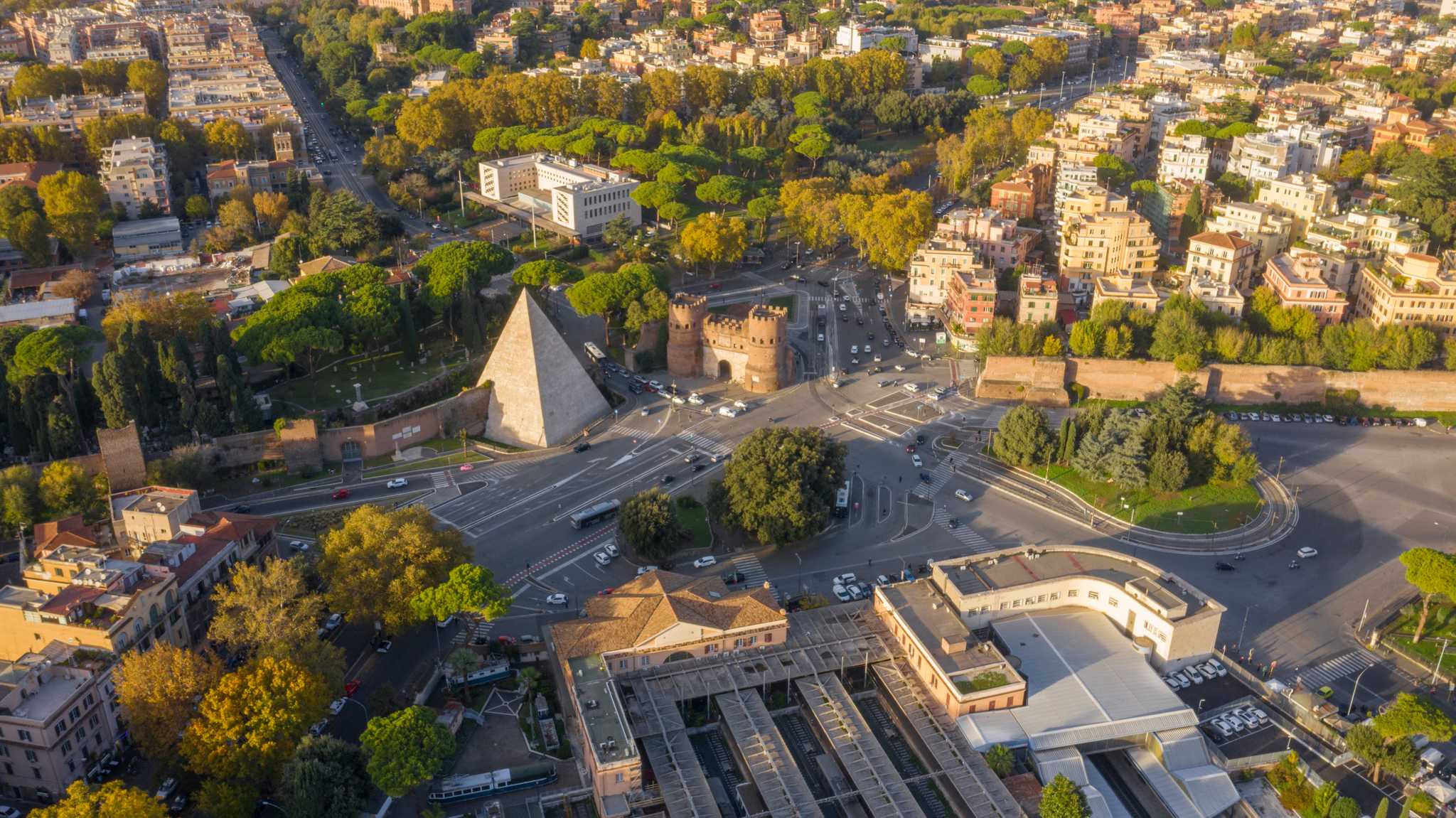
Testaccio
Rome's old food quarter: a covered market, offal-based trattorias, and Monte dei Cocci, its ancient pottery-shard hill.
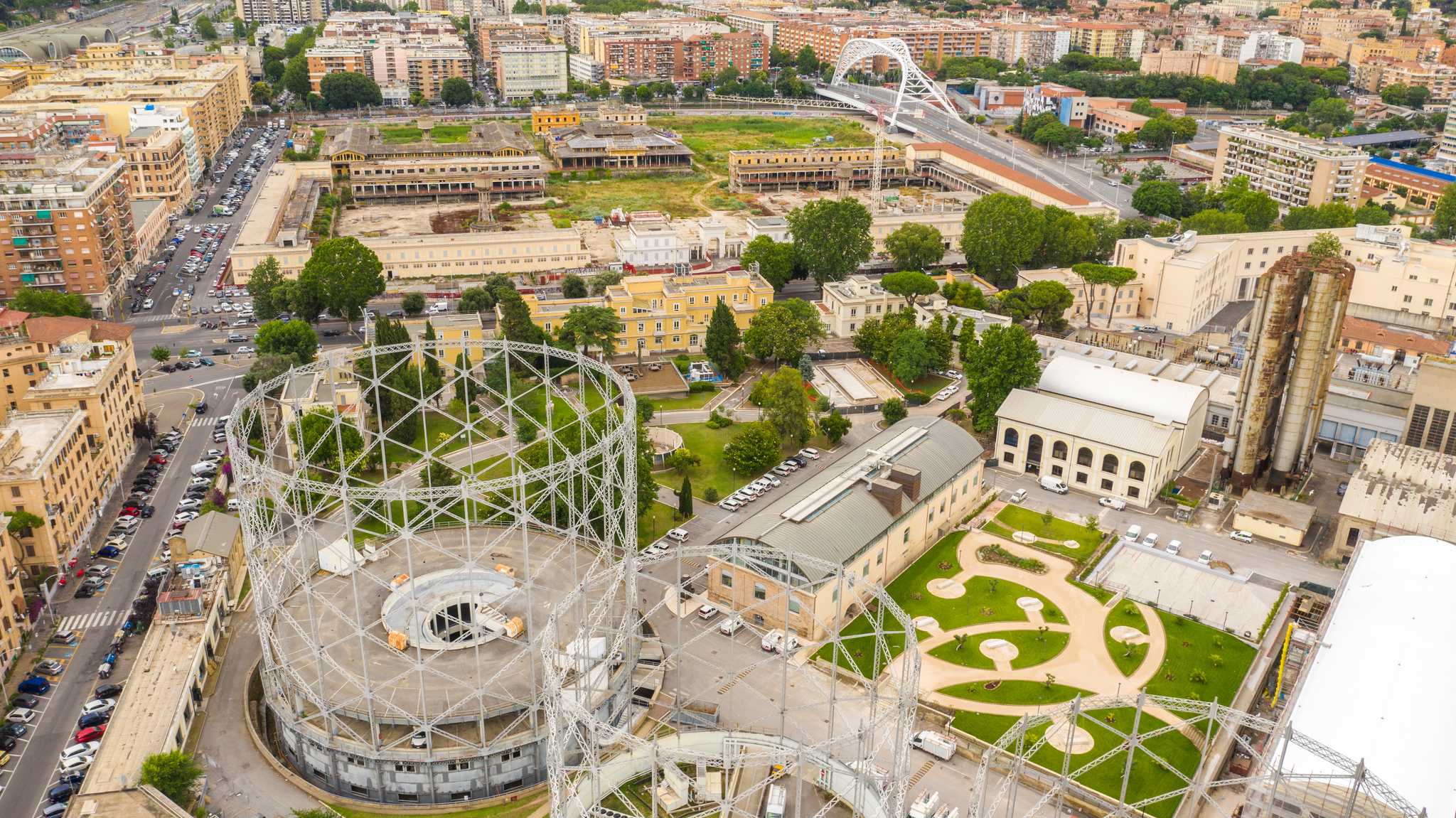
Ostiense
A gritty-cool former industrial zone of bold street art, nightlife, and a museum of Roman statues set among old machinery.
When to go
Spring
Mild, sunny, and in bloom, with cafe terraces reopening. Ideal for sightseeing on foot before the summer heat, though Easter draws crowds.
Summer
Hot and busy, and quieter in August as locals leave. Come for long evenings, open-air cinema, and festivals, but plan an escape for the midday heat.
Fall
Warm early, then mild and golden, with thinning crowds. An all-round great season for sightseeing, food, and comfortable days outdoors.
Winter
Cool, damp, and quiet, but mild for Europe. Low season brings empty sights and lower prices, plus Christmas lights and a festive buzz.
Our picks: things to do in Rome
Rome rewards a mix of the monumental and the everyday: ancient ruins and Baroque squares, world-class art and long lunches, all in a walkable center. These are six experiences worth building a trip around, from the Colosseum and the Vatican to eating like a Roman and watching the city glow at sunset.
Rome rewards a mix of the monumental and the everyday: ancient ruins and Baroque squares, world-class art and long lunches, all in a walkable center. These are six experiences worth building a trip around, from the Colosseum and the Vatican to eating like a Roman and watching the city...
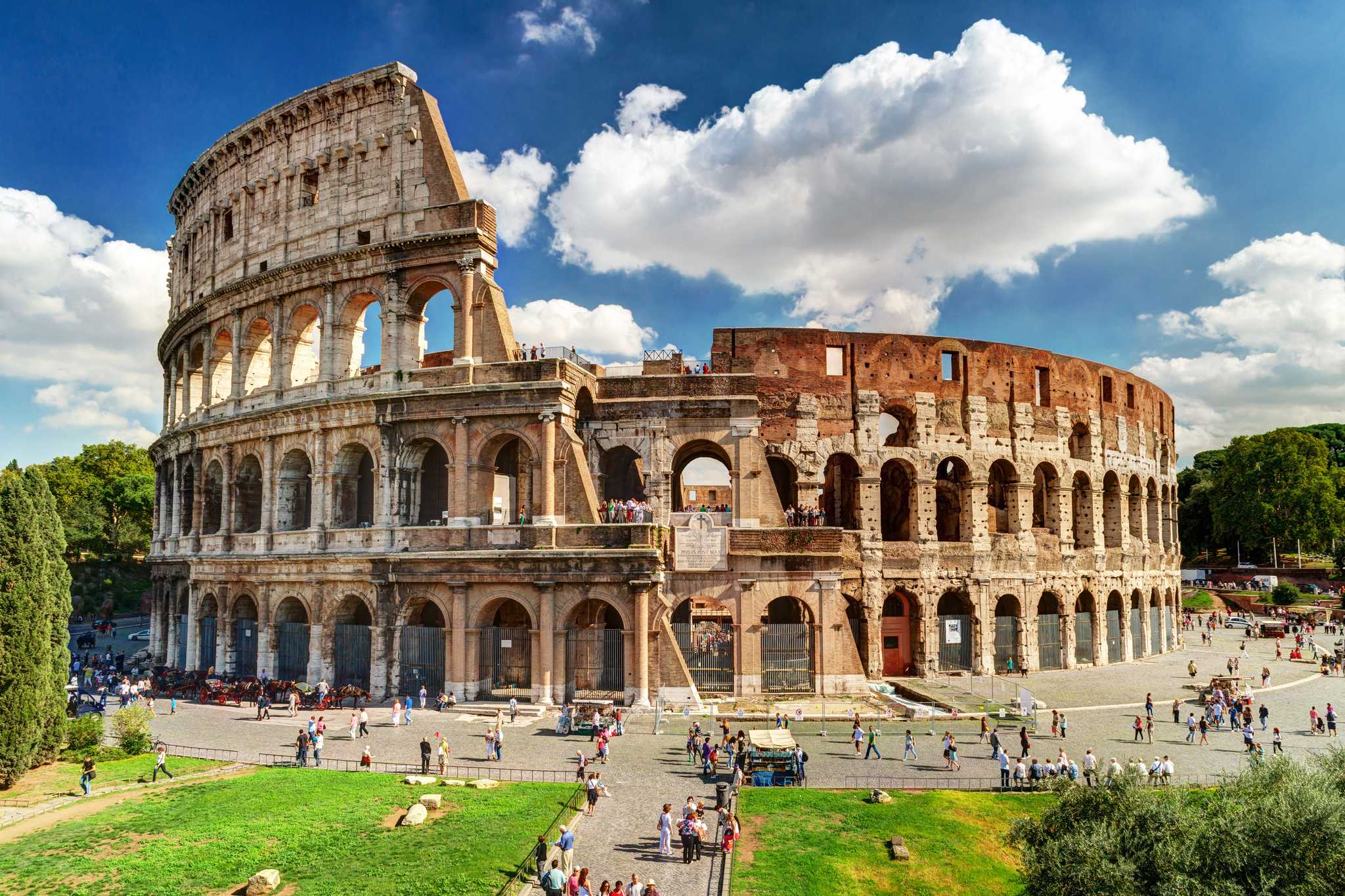
Step into ancient Rome
The Colosseum, Roman Forum, and Palatine Hill sit side by side, the monumental core of ancient Rome and its greatest sight. One combined ticket covers all three.
- The Colosseum roared with gladiator games before 50,000 spectators
- The Forum ran the empire's affairs; the Palatine housed its emperors
- Book timed Colosseum tickets online well ahead, as they sell out fast
- Add an arena-floor or underground tour, booked in advance
- Go early or late to dodge the crowds and the shadeless midday heat
- Wear sturdy shoes and allow a half day to walk all three sites
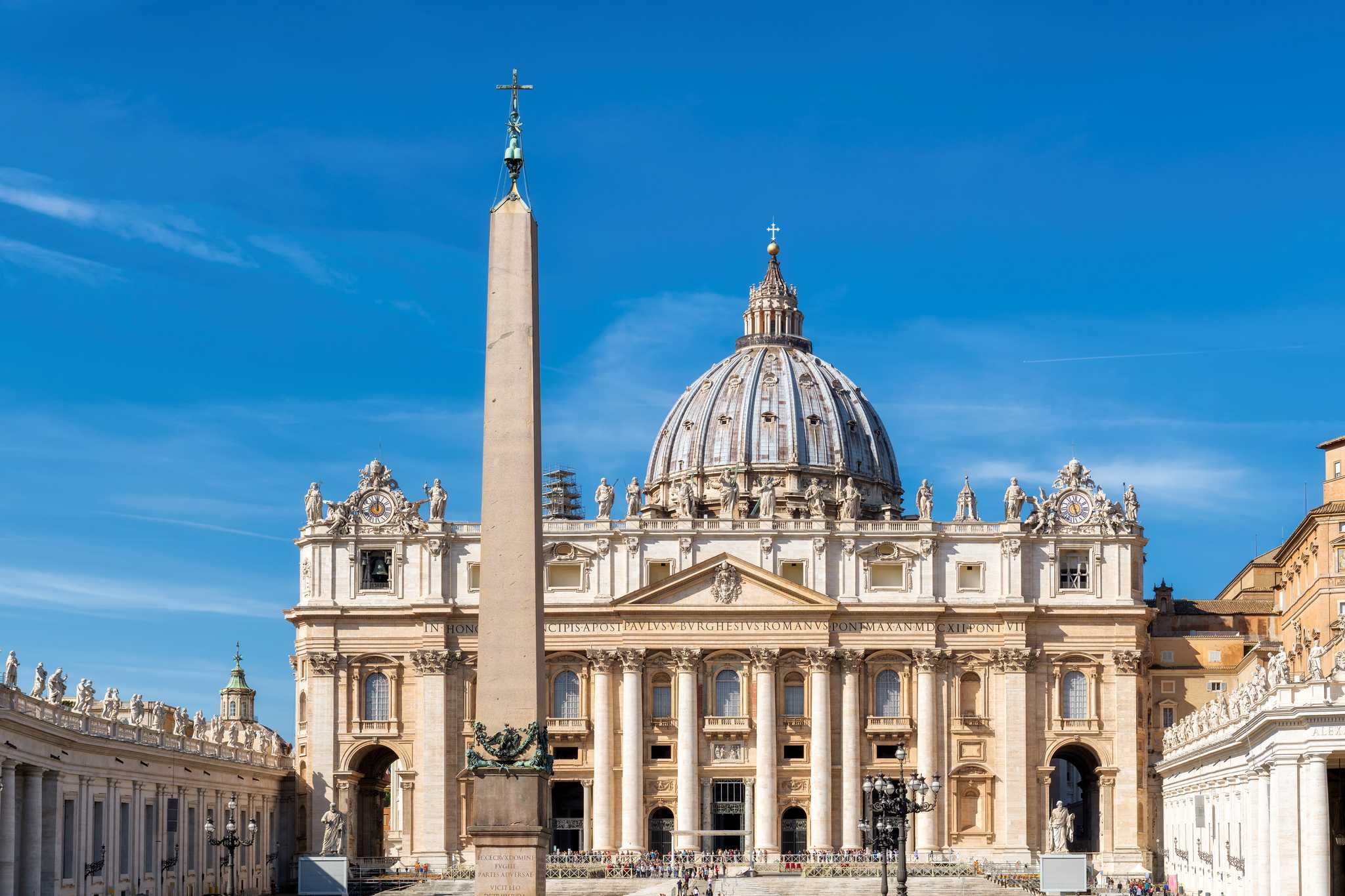
Explore the Vatican
St. Peter's Basilica, the Vatican Museums, and the Sistine Chapel all fit within the world's smallest country, and hold one of its greatest art collections.
- St. Peter's is free; arrive by 7-8 am to beat the lines or pay for skip-the-line tickets
- The Sistine Chapel comes at the very end of the museum route
- Cover your shoulders and knees, or you will be turned away
- Climb St. Peter's dome for a sweeping view over the square
- The museums close on Sundays, except the free last Sunday
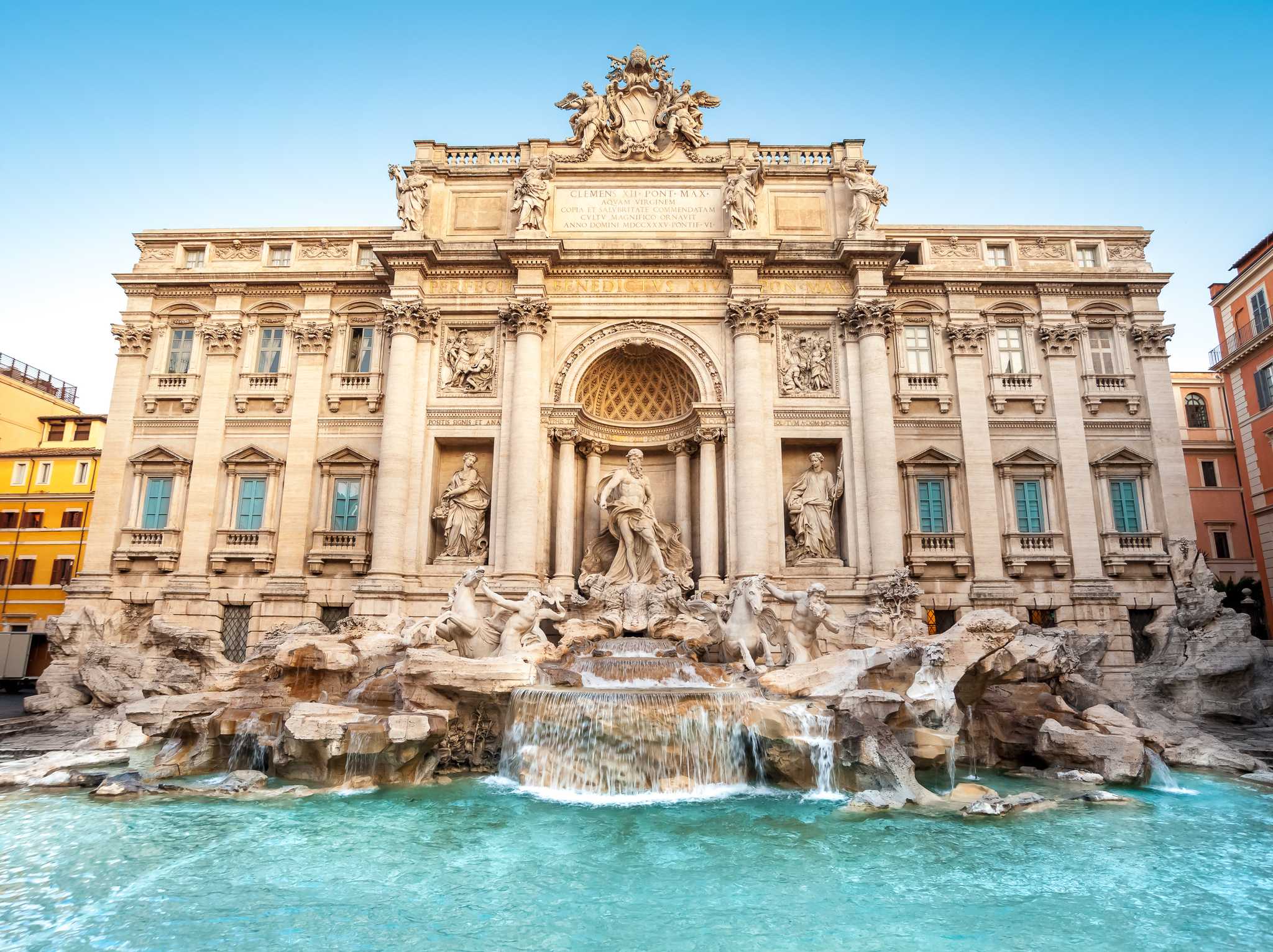
Wander the Baroque center
Rome's showpiece squares and fountains are free, open late, and a short walk apart, with world-class art hidden in the churches between them.
- Stand beneath the Pantheon's vast dome; a small ticket now applies
- Toss a coin over your shoulder into the Trevi Fountain
- Find Bernini's Fountain of the Four Rivers in Piazza Navona
- Climb the Spanish Steps, but do not sit and snack on them
- Hunt free Caravaggios in San Luigi dei Francesi and other churches
- Go early or late for space, softer light, and shorter lines
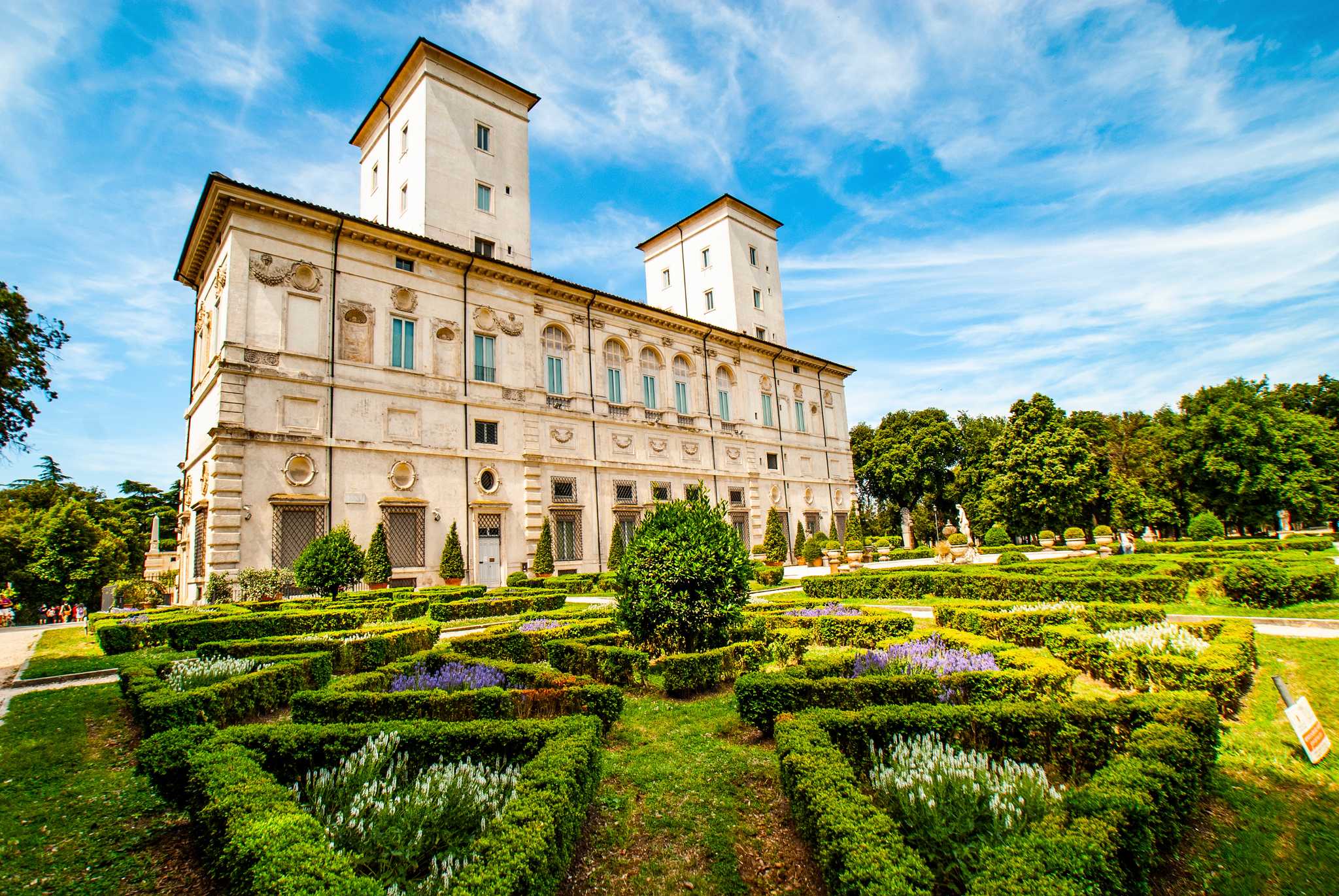
See the masters at the Borghese
The Galleria Borghese holds Rome's finest small collection, Bernini's marbles and Caravaggio's paintings, in a villa set in the city's central park.
- Booking ahead is mandatory; entry runs in timed two-hour slots
- See **Bernini'**s Apollo and Daphne and Caravaggio's dark canvases
- It closes Mondays, and slots sell out days or weeks ahead
- The gallery sits in Villa Borghese, Rome's big central park
- Rent a bike or row a boat on the park's little ornamental lake
- Pair it with the nearby Pincio terrace for a sunset view
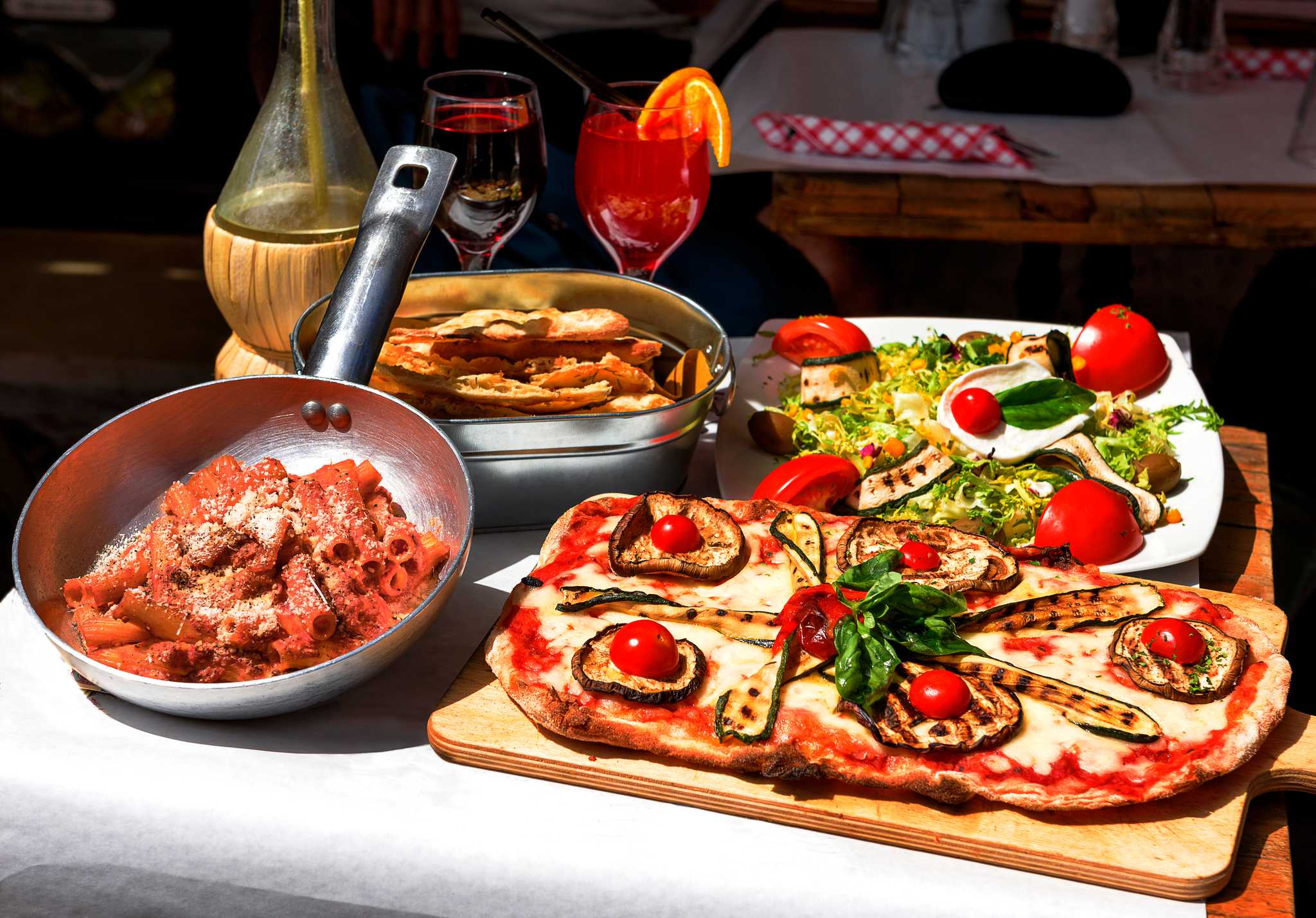
Eat like a Roman
Roman food is simple and bold, built on a handful of pastas and whatever the market has that day. Eat where the locals do, and shop where they shop.
- Order the amatriciana at Perilli or Flavio al Velavevodetto
- Grab a suppli at Supplizio and a stuffed trapizzino at one of Trapizzino’s branches
- Book ahead for institutions like Roscioli or Armando al Pantheon
- Browse Campo de' Fiori or the Mercato di Testaccio for market food
- Finish with an espresso and a gelato at Giolitti, Rome’s oldest and most iconic
- Romans dine from 8pm, so take an aperitivo first to bridge the wait
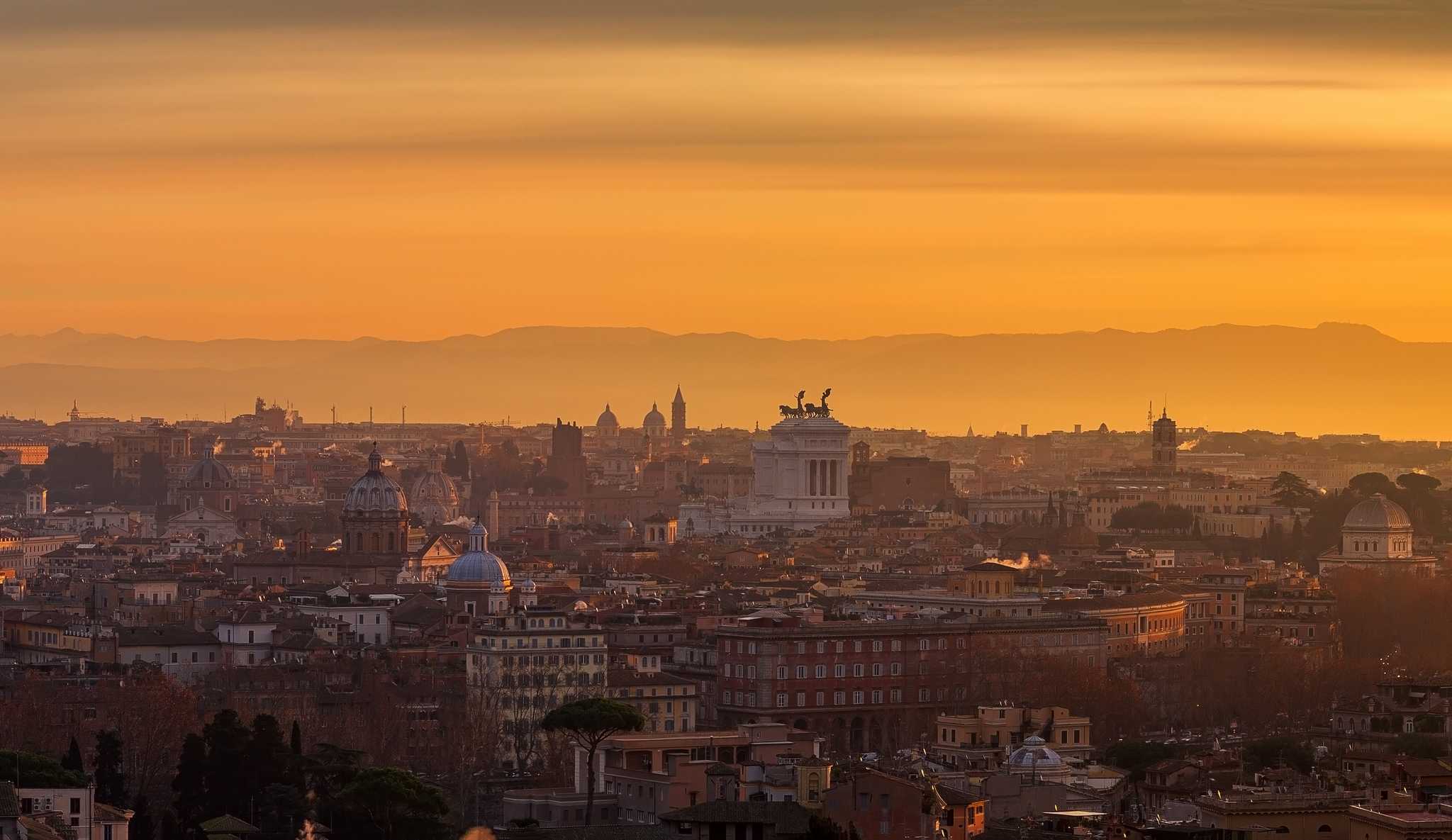
Catch Rome from above
Rome is a city of hills and rooftop terraces, and the views are best at golden hour. Most cost nothing but the climb, or the price of a drink.
- Watch the sunset from Janiculum Hill out over the rooftops
- Peek through the Knights of Malta keyhole on the Aventine Hill
- See the Orange Garden's framed view of St. Peter's dome
- Ride the lift to the Vittoriano roof for a 360-degree panorama
- Climb Castel Sant'Angelo's terrace high above the Tiber River
What to eat, drink, and order
Roman cooking is cucina povera at its best: a few humble ingredients done exactly right. Skip the cream and the photo menus, and go straight for the classics, from the signature pastas to crisp street snacks and a cream-filled bun. These six are where to start, and the classic addresses to find them.
Roman cooking is cucina povera at its best: a few humble ingredients done exactly right. Skip the cream and the photo menus, and go straight for the classics, from the signature pastas to crisp street snacks and a cream-filled bun. These six are where to start, and the classic addre...
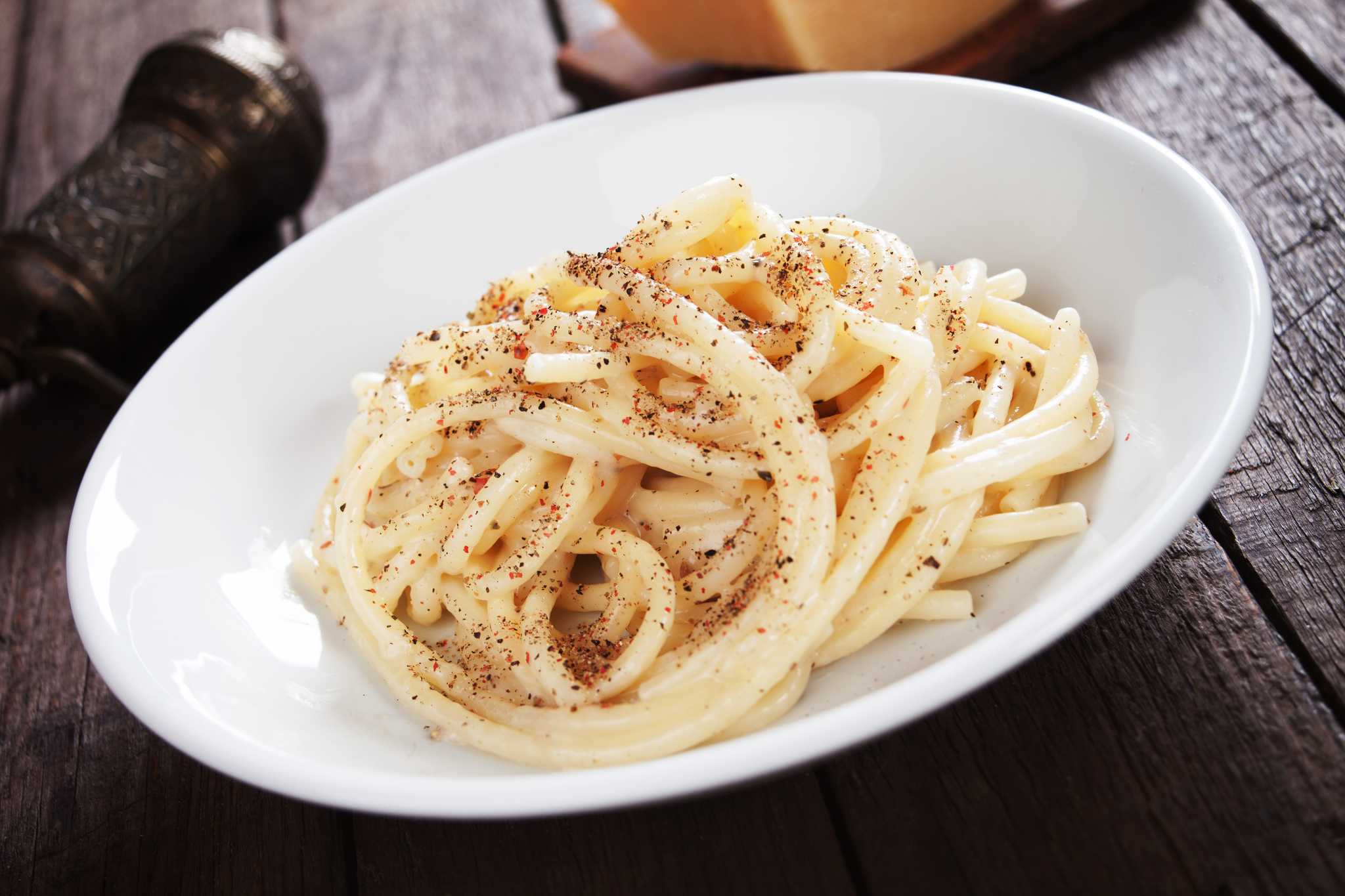
Cacio e pepe
Just pecorino, black pepper, and pasta, but famously hard to get right. Da Enzo in Trastevere and Felice a Testaccio nail it.
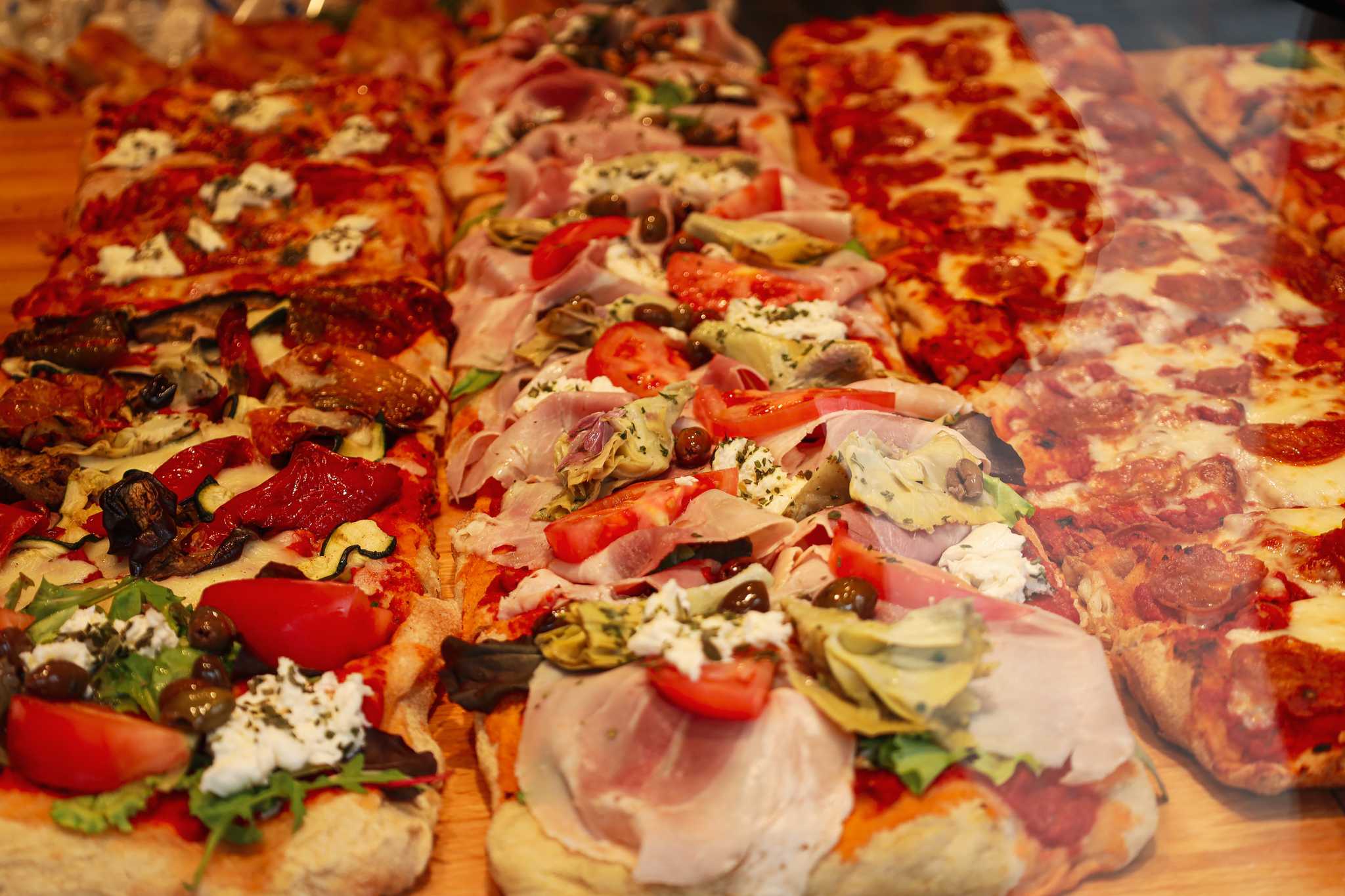
Pizza al taglio
Roman pizza by the slice, sold by weight, crisp and blistered. Try a counter like Bonci Pizzarium or Forno Campo de' Fiori.
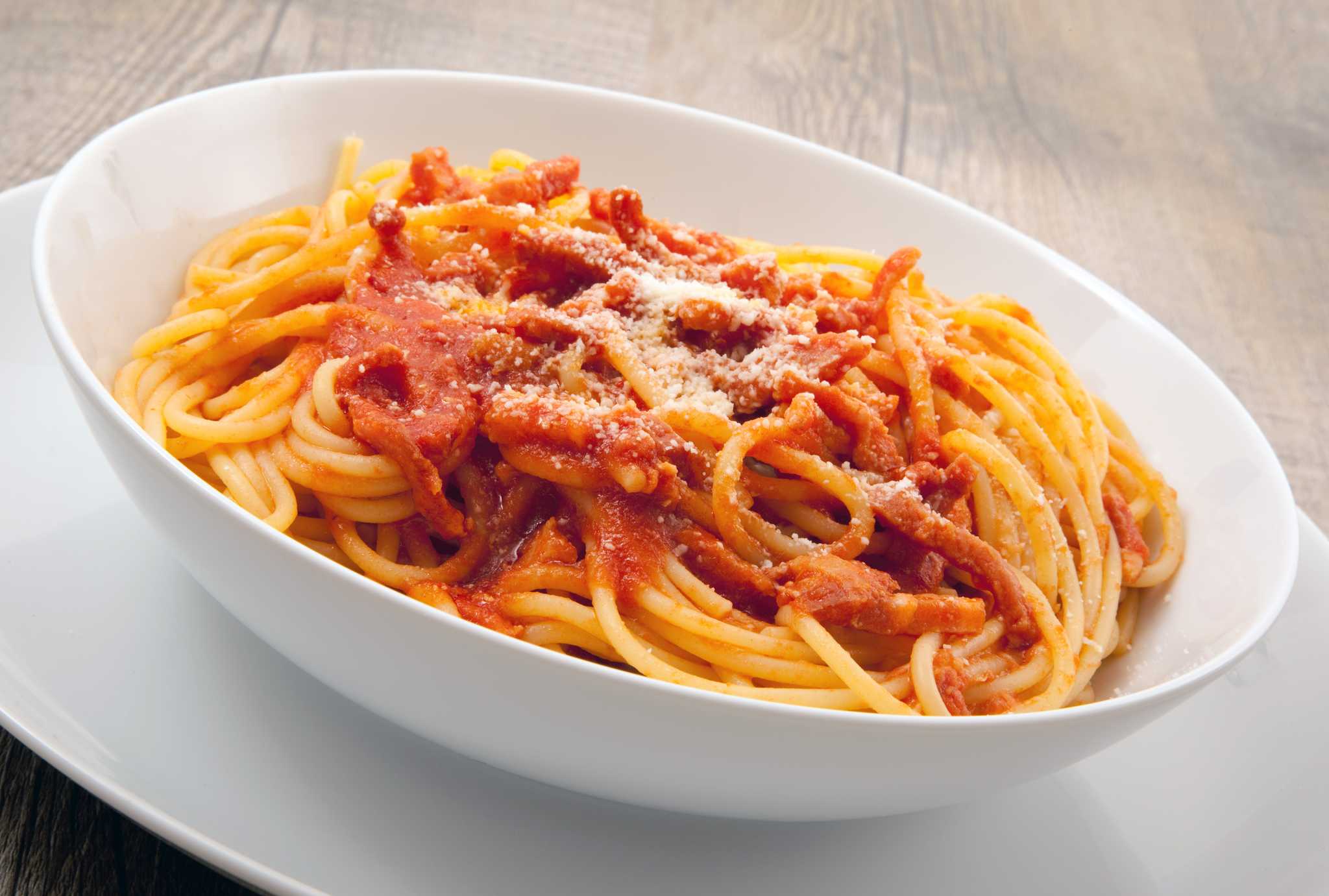
Amatriciana
Guanciale, tomato, and pecorino, usually on bucatini. Tangy, rich, and a staple on any classic Roman trattoria menu.
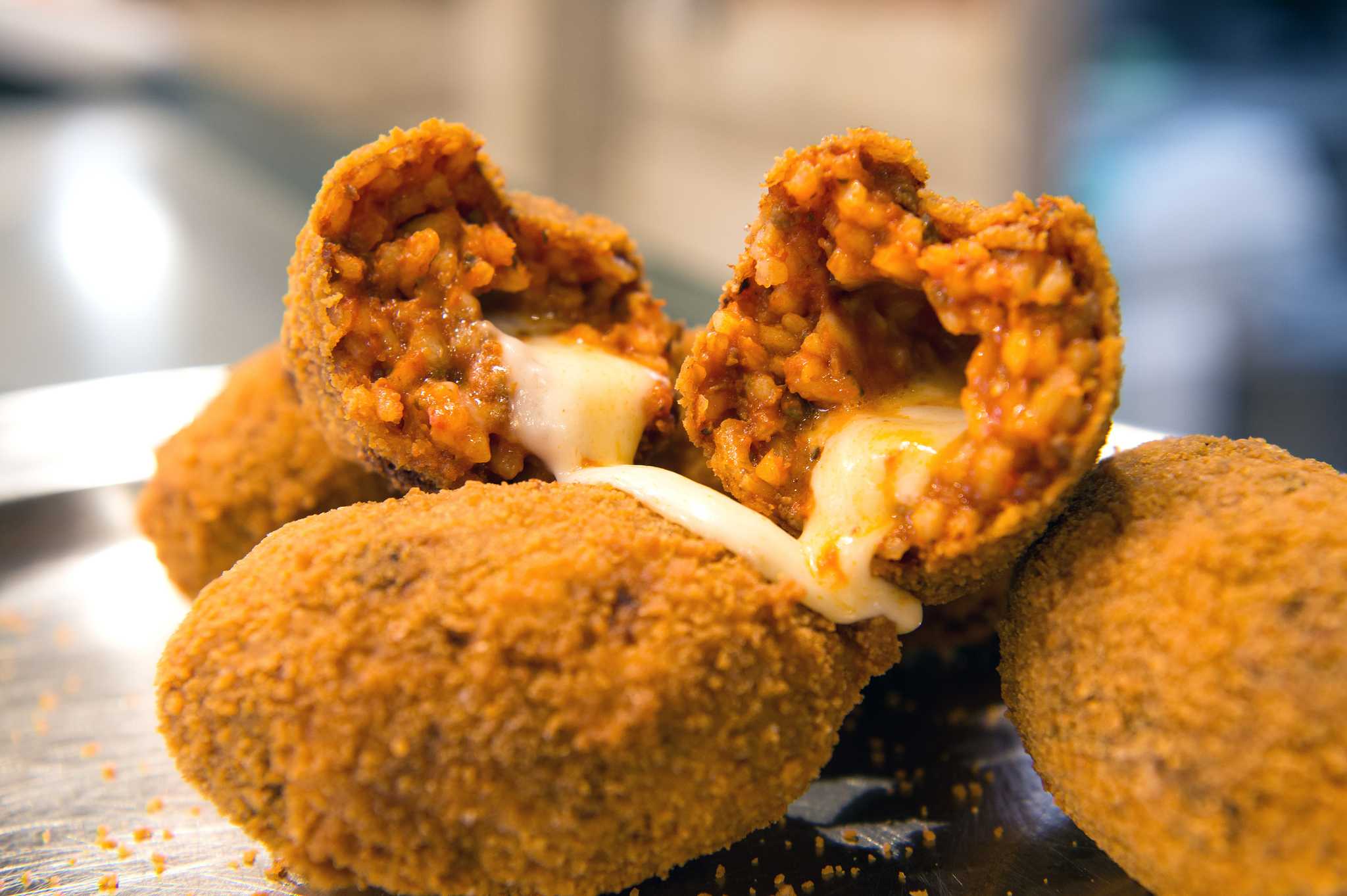
Suppli
Fried rice balls with a molten mozzarella center, Rome's favorite street snack. Grab one hot from any pizza counter.
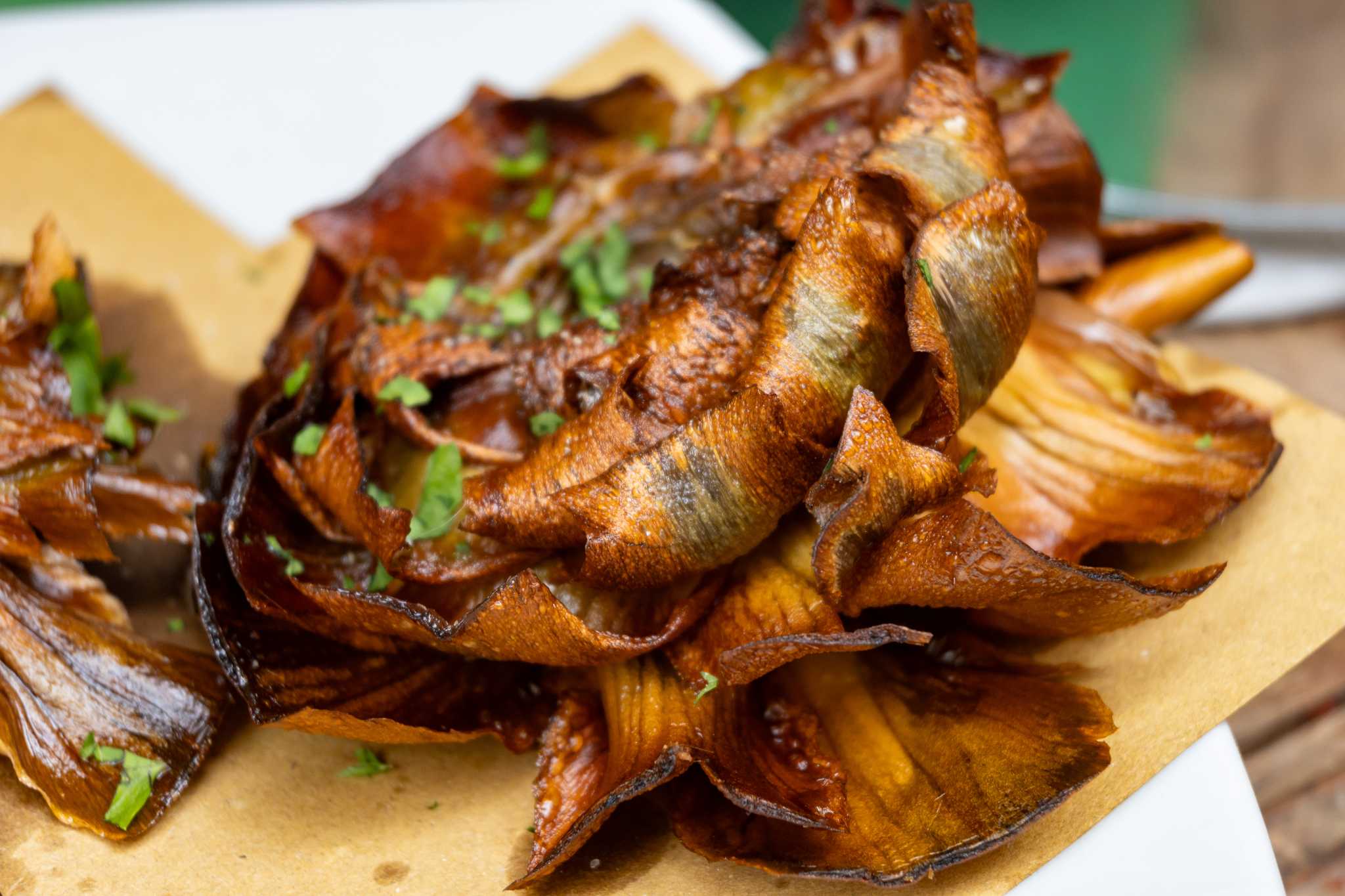
Carciofi alla giudia
Whole artichokes fried crisp, a Roman-Jewish specialty. Best in winter and spring, in the trattorias of the old Ghetto.
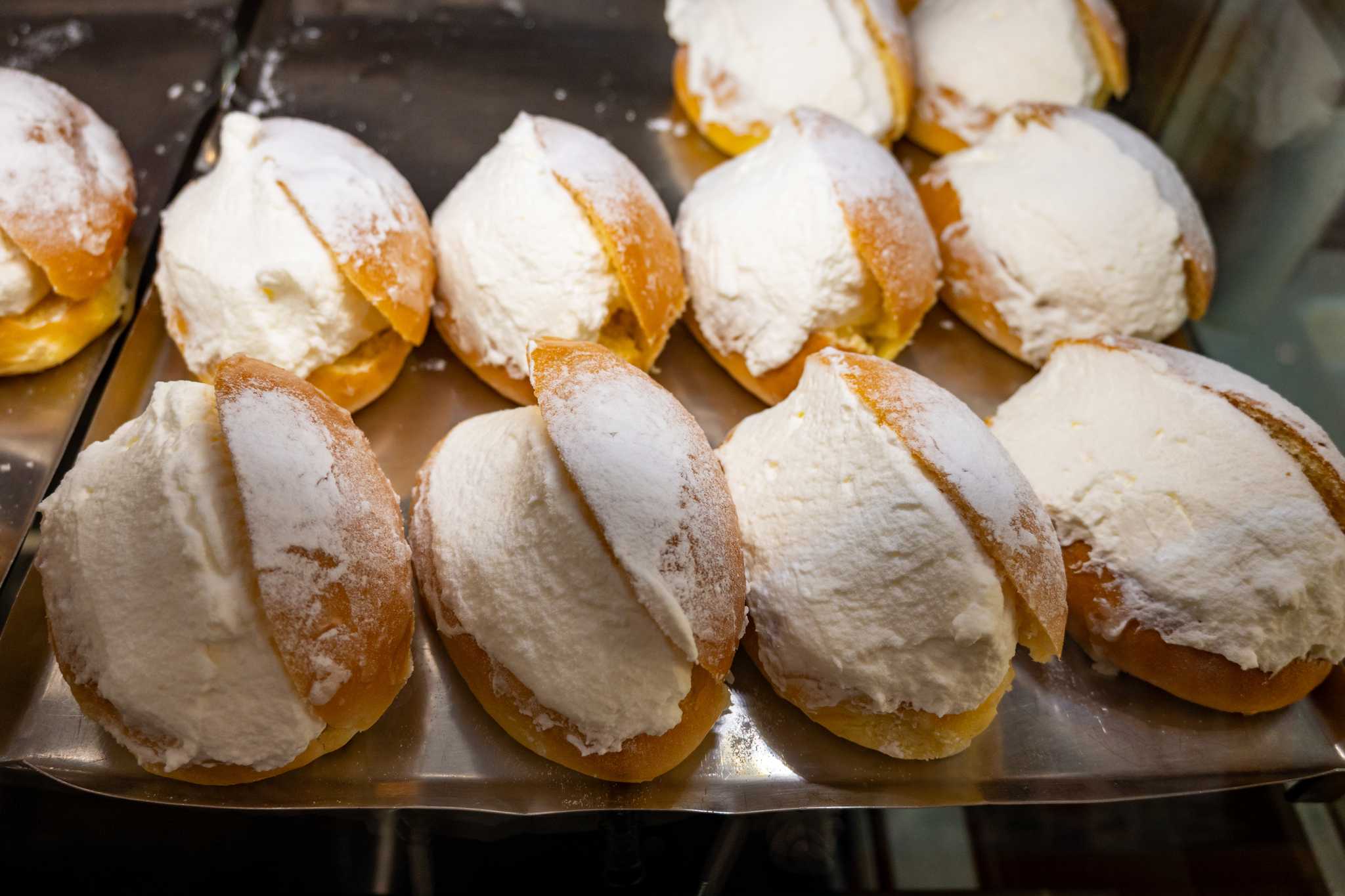
Maritozzo
A brioche bun filled with whipped cream, Rome's breakfast sweet. Regoli near Piazza Vittorio is classic; go early, they sell out.
Getting around Rome
Rome's historic center is compact and best explored on foot, over its cobblestones. For trips further out, the metro, buses, and trams are cheap, though the metro serves only a few points in the center. Official taxis are metered, and for door-to-door comfort, Daytrip's by-the-hour service gives you a private car and driver for as long as you like, on your own schedule. Fiumicino airport has the Leonardo Express train into Termini, while Daytrip's private transfers handle both pick up and drop off at either airport.
Beyond Rome
Rome is a natural base for the rest of central Italy: grand art cities within easy reach, and hilltop towns you can visit in a day. When you have had your fill of the capital, Tuscany, Umbria, and the south all beckon. Here are six of the best, three cities and three towns, for where to go next.
Rome is a natural base for the rest of central Italy: grand art cities within easy reach, and hilltop towns you can visit in a day. When you have had your fill of the capital, Tuscany, Umbria, and the south all beckon. Here are six of the best, three cities and three towns, for wh...


Our routes from Rome
Rome - City Center to Civitavecchia
1h 7min • 70km (43.5mi)
From €239
Rome - City Center to Sorrento
3h 19min • 268km (166.5mi)
From €459
Rome - City Center to Positano
3h 45min • 279km (173.4mi)
From €551
Rome - City Center to Massa Lubrense
3h 32min • 274km (170.3mi)
From €530
Rome - City Center to Venice
5h 32min • 533km (331.2mi)
From €945
Rome Fiumicino Airport to Rome
37min • 31km (19.3mi)
From €99
Rome Fiumicino Airport to Florence
3h 7min • 306km (190.1mi)
From €630
Rome Fiumicino Airport to Civitavecchia
47min • 64km (39.8mi)
From €280
Rome Fiumicino Airport to Sorrento
3h 17min • 282km (175.2mi)
From €470
Rome Fiumicino Airport to Positano
3h 43min • 294km (182.7mi)
From €513
Rome Fiumicino Airport to Naples
2h 28min • 243km (151.0mi)
From €420
Rome Ciampino Airport to Rome - City Center
40min • 20km (12.4mi)
From €90
Discover the best day trips from Rome
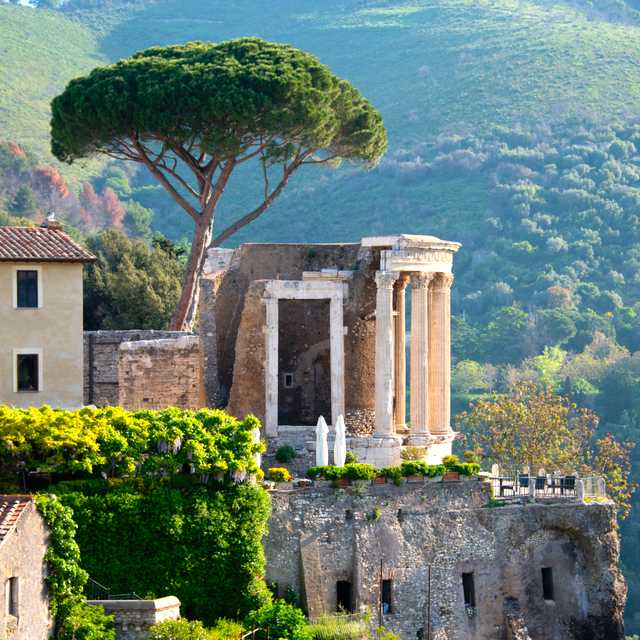
Rome to Tivoli: Private day trip
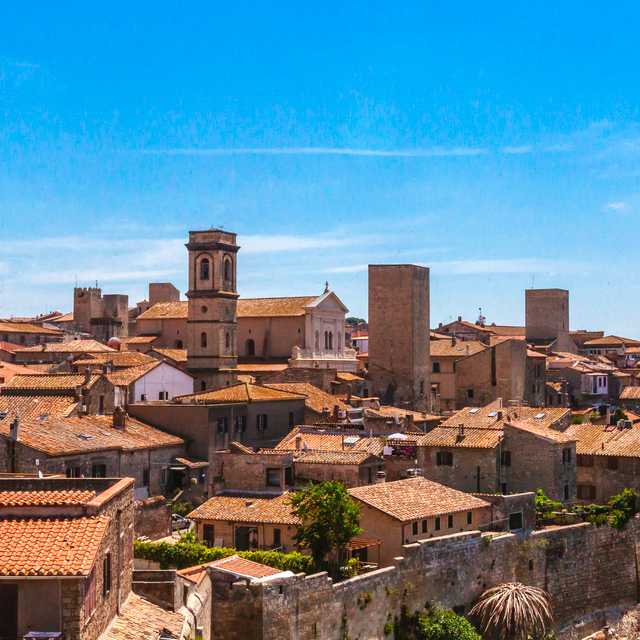
Rome to Tarquinia: Private day trip
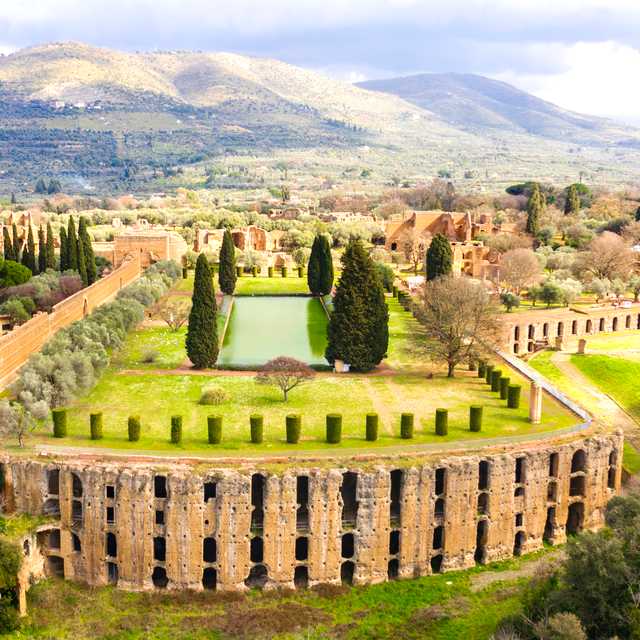
Rome to Hadrian's Villa: Private day trip
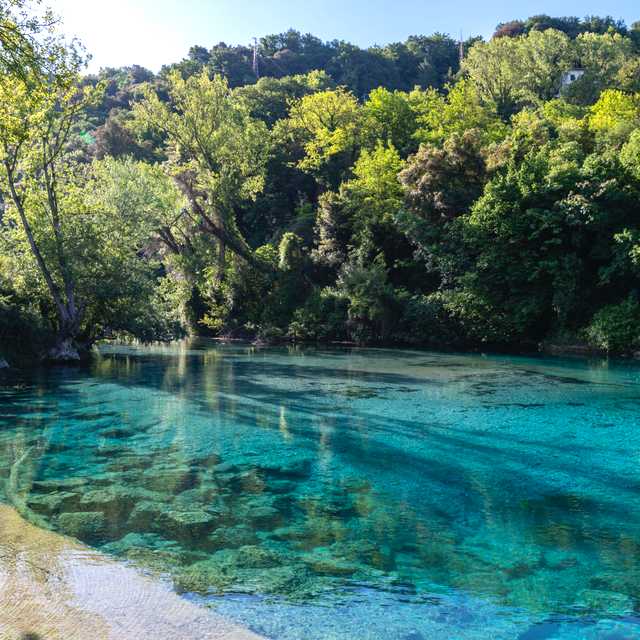
Rome to The Mills of Narni Lake: Private day trip
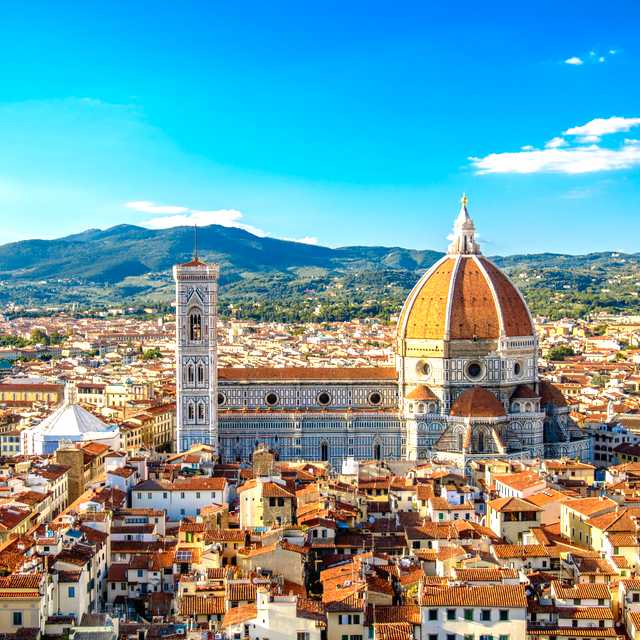
Rome to Florence: Private day trip
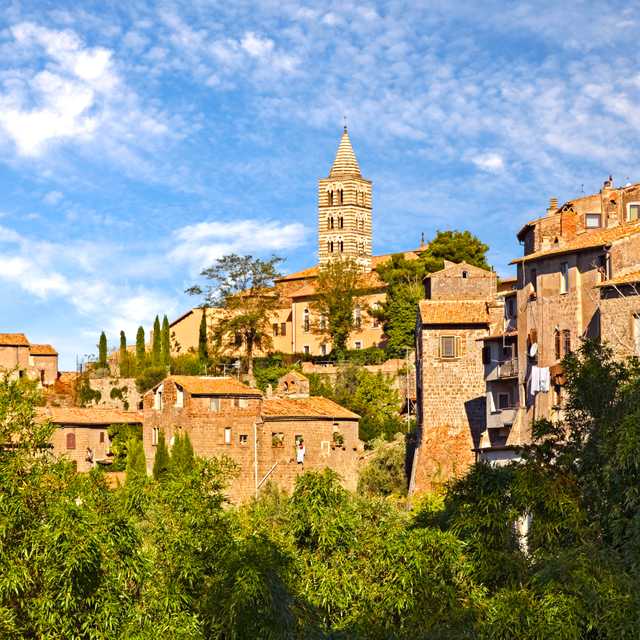
Rome to Tarquinia and Viterbo: Private day trip
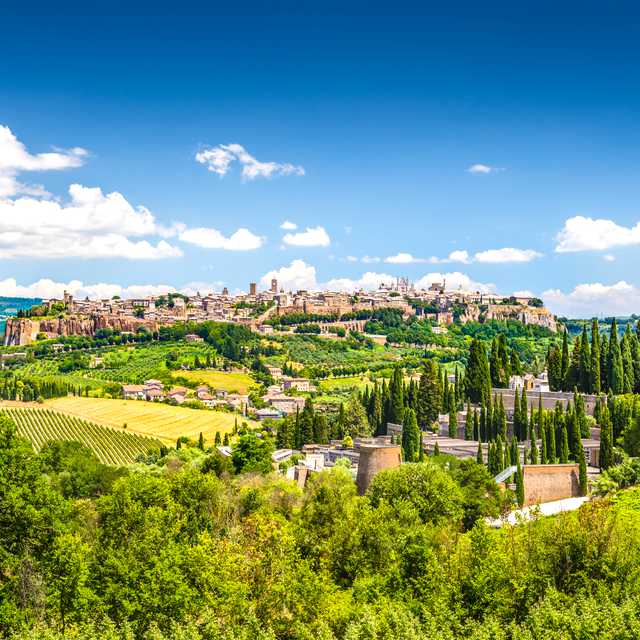
Rome to Orvieto and Assisi: Private day trip
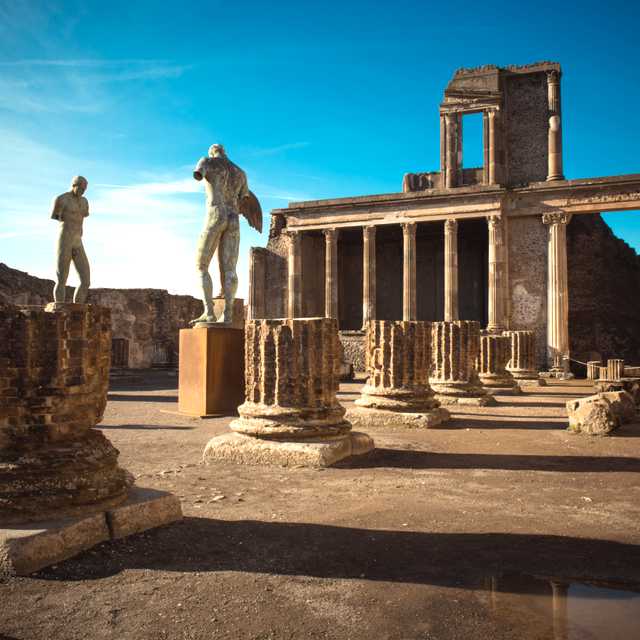
Rome to Pompeii: Private day trip
2+ million travelers like you. Moments they'll never forget.

Your Rome questions, answered
Three full days is the sweet spot for a first visit: one for ancient Rome, one for the Vatican, and one for the Baroque center. With four or five, add a neighborhood or two, like Trastevere or Testaccio, slow the pace, and fit in a day trip.
Rome is mid-range for a European capital, cheaper than London or Paris. A casual trattoria meal is modest, and a coffee at the bar is only a few euros. The higher costs are hotels in high season and sight tickets.
Yes, widely, in hotels, restaurants, and the main sights, so you will get by easily in the tourist areas. A few Italian words, buongiorno, grazie, per favore, are appreciated and go a long way, especially in smaller shops and the neighborhoods away from the center.
Tipping is modest and optional. Most bills already carry a cover charge, the coperto, so there is no need to add much on top. Round up or leave a euro or two for good service, and at a bar you simply pay at the counter. Big percentage tips are not expected here.
It can be, if you sightsee hard. The 48- or 72-hour pass covers unlimited public transport and free entry to one or two major sites, such as the Colosseum, plus a number of other attractions, exhibitions, discounts, and some skip-the-line entries. Do the math; light sightseers may not save.
Rome is very safe, with little violent crime. The real risk is pickpocketing in crowds, at Termini station, on packed buses like the 64, and around the big sights. Keep bags zipped and in front of you, ignore street distractions, and you are unlikely to have trouble.
About the author
Ján Tompkins is a Prague-based travel writer with a passion for arts and culture. His travels are shaped as much by museum exhibitions as by bakeries, greasy spoons, and funny signage. His favorite trip to Italy has been to the quiet clifftop Sorrentine town of Vico Equense.
Be the first to discover more
Get handpicked travel ideas, insider highlights, and special Daytrip offers.


