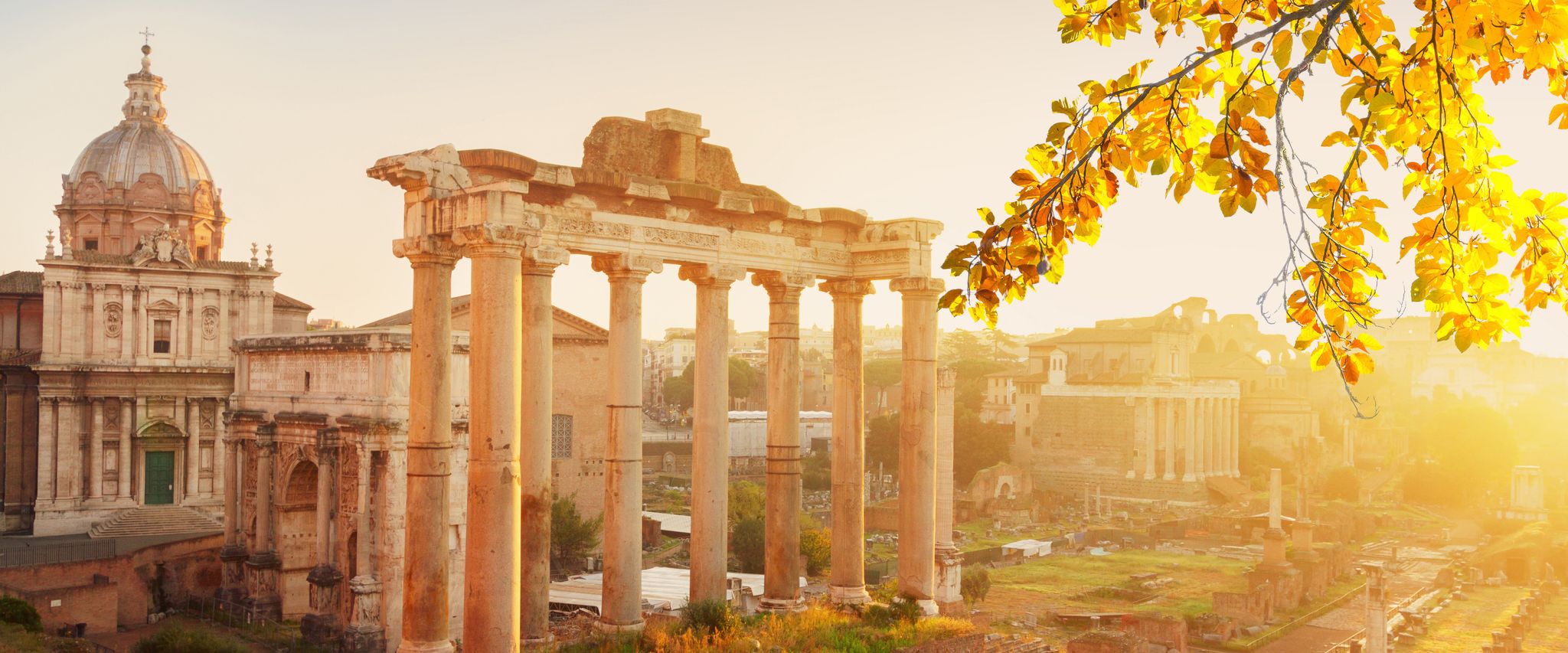
Best time to visit Italy

By Ján Tompkins
There is no single best time to visit Italy; the right month depends on what you want, where you’ll go, and what you’ll trade. Italy is not one climate but many. While the Alps lie under snow, Sicily's almonds may already bloom, and a July day glorious in the Dolomites is punishing in Rome. North and south can feel like different countries on the same afternoon.
Seasons also mean more than weather. Crowds, prices, and closures swing just as hard: August empties the cities for Ferragosto, the weeks around Christmas and Easter send prices soaring, and November and January are among the cheaper, quieter months. Events fill the calendar too, from harvest sagre and Carnevale to summer opera and the Venice Biennale.
So choose by your priorities or desires. Spring is the mild, blooming all-rounder. Sun-and-sea travelers brave the hot, crowded summer; food lovers should come for the fall harvest, when crowds thin and prices ease; art and culture lovers do best in the shoulder and low seasons, when the weather cools and museums empty; and skiers want deep winter.
This guide helps you match the month to what matters. It opens with a quick reference by interest, then works through each season and month: the weather by region, what each is best for, the events to plan around, and the food in season. Don’t use it to find the best time to visit Italy, but the best time for your Italy.
How to choose when to go
First-time visitors
Best: April to June, September, October. Avoid: August. Mild weather, long daylight, and open sights make the shoulder seasons ideal for a first trip, before the peak-summer heat and closures.
Food and wine
Best: September to November. Harvest season peaks: grape harvests sweep Tuscany, fresh olive oil is pressed across Puglia and Umbria, and mountain food festivals fill up with chestnuts and porcini.
Coasts and beaches
Best: June to September. The sea is warm all season and the coast at its best, but August packs out at peak prices. May is good for coastal days that aren’t as packed, though the water isn’t at its warmest just yet.
History and ruins
Best: March, April, October. Avoid: July, August. Cooler temperatures and shorter queues at Pompeii, the Colosseum, and Agrigento make the difference between a good day and an exhausting one.
Skiing
Best: December to March. Most of the Dolomites and Alps still hold reliable snow all winter, with January and February the surest for cover, fresh powder, and long groomed runs across the northern resorts.
Avoiding crowds
Best: November, early December, mid-January to February. Italy empties in the low season, so queues vanish, and prices fall, though some coastal and rural spots shut down until spring returns.
Festivals and events
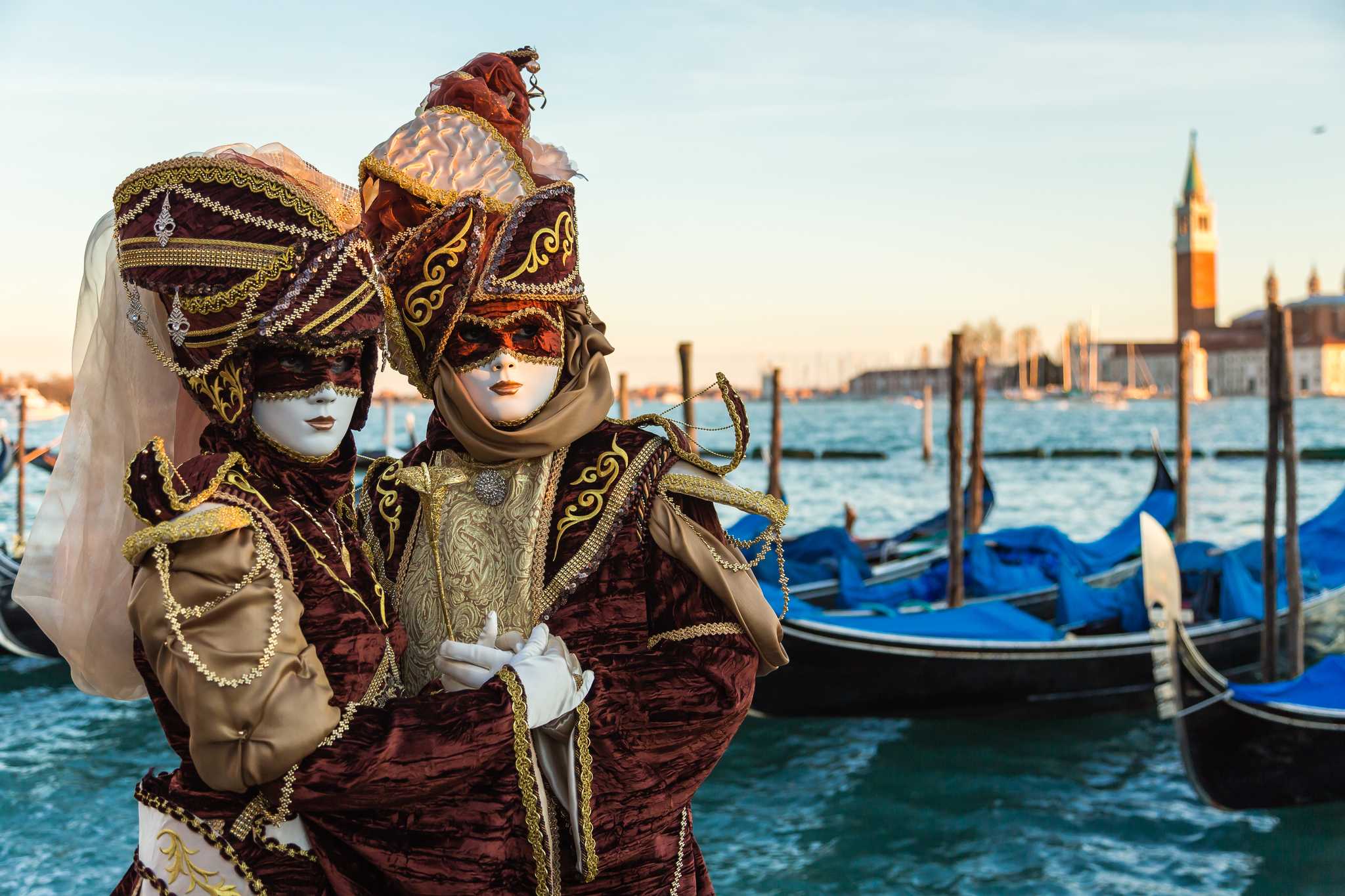
Best: February and December. Venice fills February with Carnival masks, spring brings Easter processions, and December lights up with Christmas markets and Naples' nativity scenes.
Art and culture
Best: November to March for museums, May to November for the Biennale. Winter empties the Uffizi and Vatican; Venice's Biennale fills the warm months.
Nature and outdoors
Best: May, June, September. Wildflowers and mild air make late spring and early fall ideal for hiking, with Dolomite trails open; winter closes many of the higher routes.
Slow travel
Best: May, late September, October. Off-peak but still alive: harvest festivals, locals back in their rhythm, and mild days that let you settle into small towns before or after the tourist waves.
Italy in spring
Spring may be the best time to see Italy. From March to May the country wakes up: almond and cherry blossom give way to wildflowers, the hills turn green, and the light softens. The big sights, from the Colosseum to Pompeii, are comfortable to walk before the summer heat and crowds arrive. Easter fills the calendar with processions, and by May the gardens, festivals, and outdoor tables are in full swing. Pack layers, though, since early spring can still turn cool and wet, especially in the north.
Spring may be the best time to see Italy. From March to May the country wakes up: almond and cherry blossom give way to wildflowers, the hills turn green, and the light softens. The big sights, from the Colosseum to Pompeii, are comfortable to walk before the summer heat and crowds ar...
March
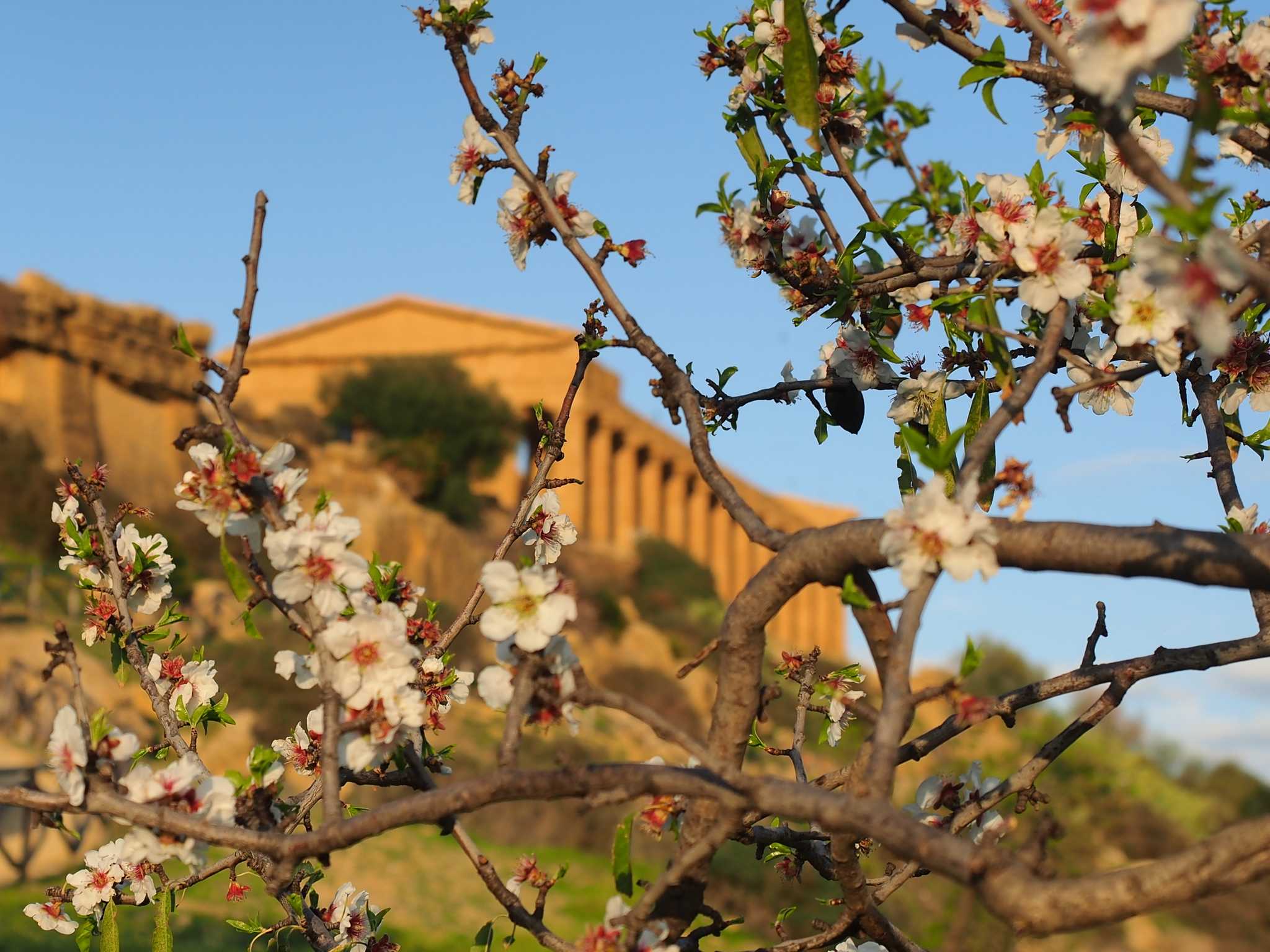
March is Italy at its more quiet and changeable. Winter lingers in the north and the Alps, while Sicily and the south slip into early spring, with almond trees in bloom. Crowds stay thin and prices low across the cities, making it a fine month for budget travelers. Pack layers for the mild afternoons, cool mornings and evenings, the occasional shower.
April
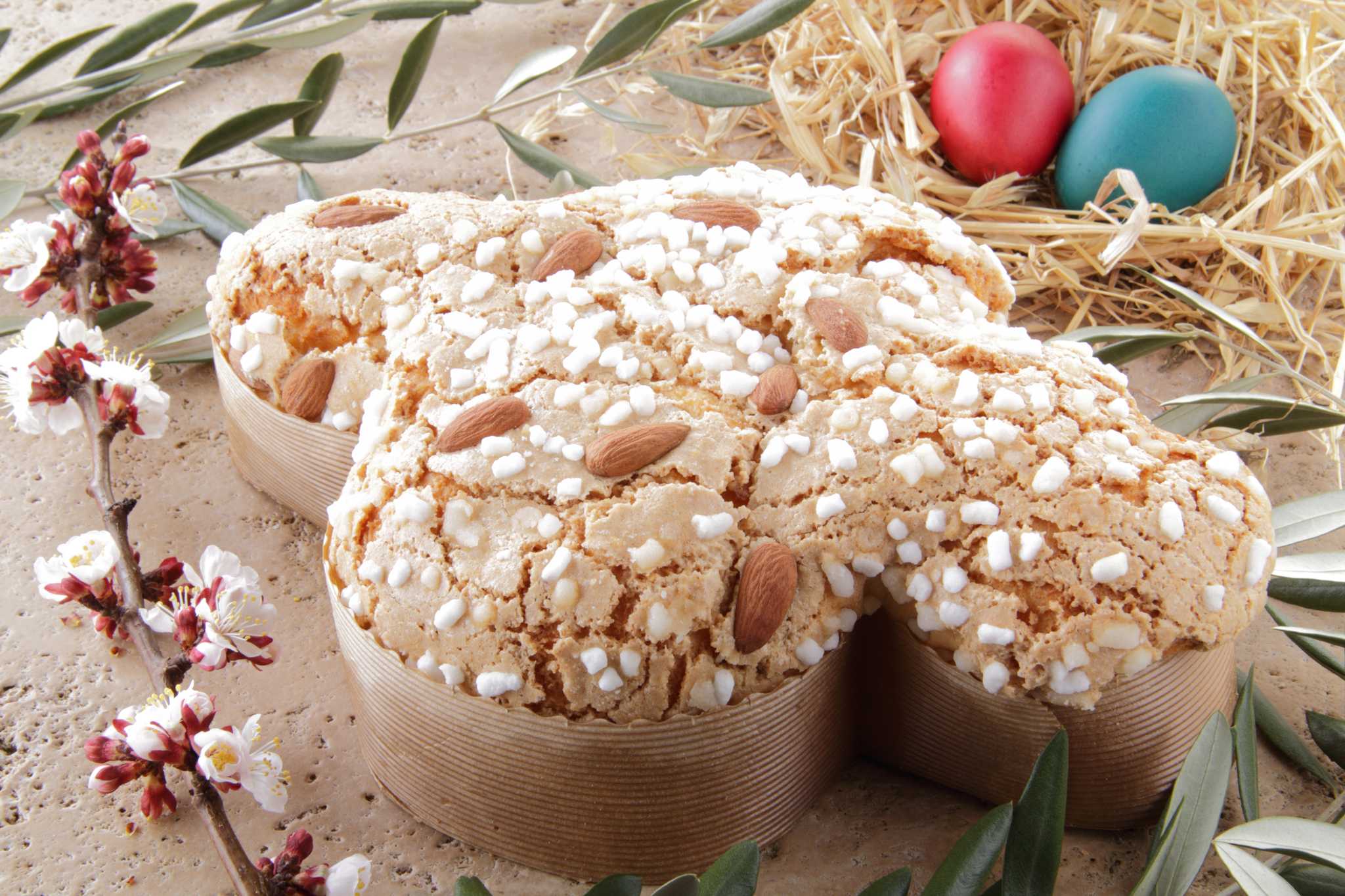
April may be one of Italy's best all-round months, and its busiest spring one. Gardens bloom, the weather warms, and everything reopens, but Easter and Milan's design week send crowds and prices spiking. Expect mild days, cool evenings, and sudden showers. Book the big dates early and April rewards you.
May
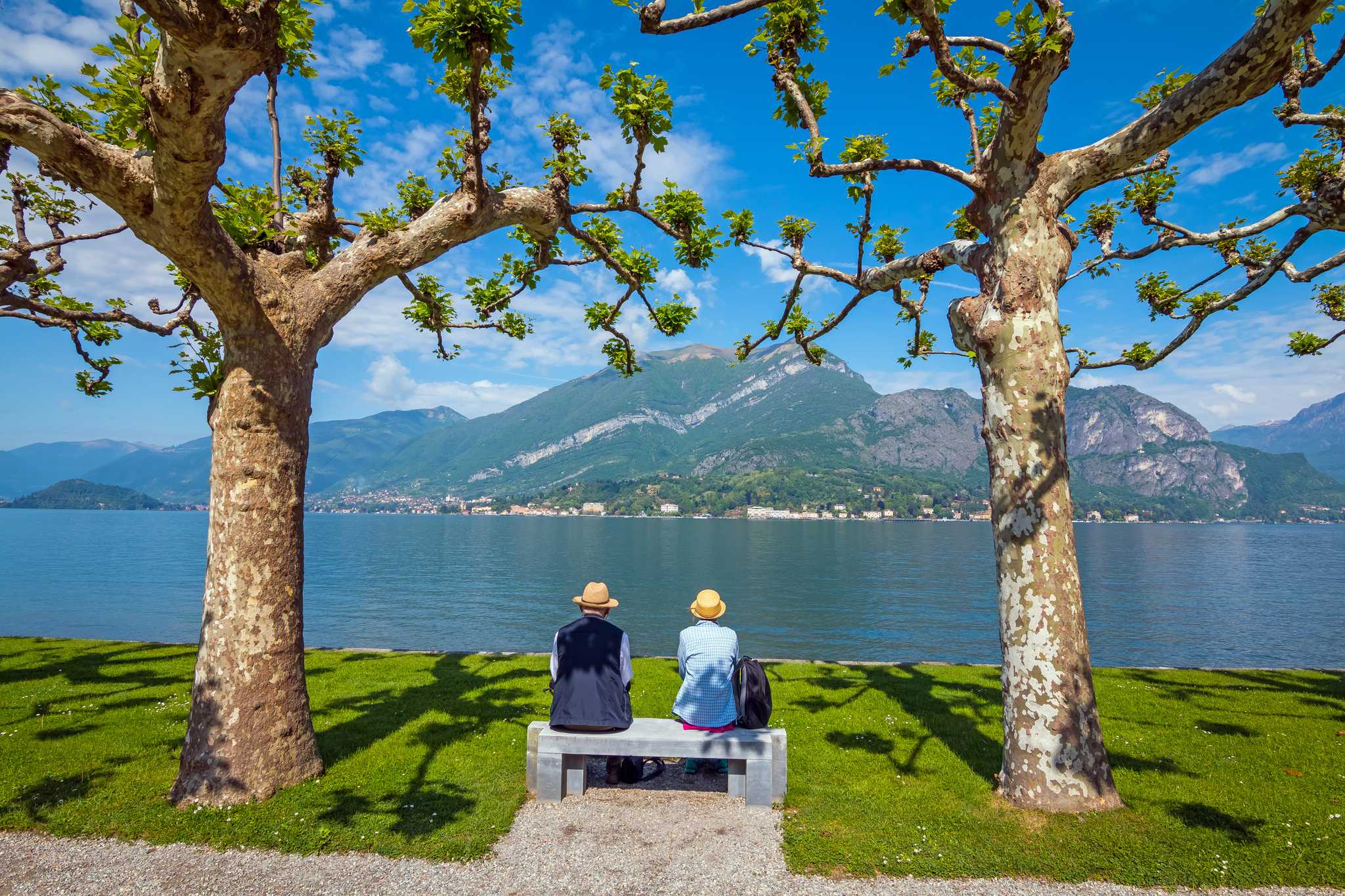
May might be the sweet spot of the Italian year: warm, long days, gardens and roses in bloom, and the crowds of summer still weeks away. The coast begins to wake, the hills fill with wildflowers, and festivals crowd the calendar. Only when May 1 falls near a weekend do rising prices hint at the season ahead.
Spring weather
Overview
Daytime highs, climbing from March (the low end) to May (the high end). Nights stay cool everywhere, and the mountains hold snow well into the season.
The Dolomites and Alps
Cold. Highs around 5–16°C (41–61°F), with snow lingering into April and freezing nights higher up.
North: Milan, Venice, and Turin
Cool to mild. Highs around 13–23°C (55–73°F). Showery and layered-up early, warm and pleasant by May.
Center: Rome and Tuscany
Mild. Highs around 15–24°C (59–75°F). Prime weather for walking cities and ruins, cool in the evenings.
South: Naples, Amalfi, and Puglia
Warm. Highs around 16–24°C (61–75°F), springlike from March, though the sea is still too cool to swim.
Sicily
Warmest. Highs around 16–25°C (61–77°F). The mildest, sunniest corner early in spring, and the first to feel summery.
Italy in summer
Summer is Italy at its most iconic and its most crowded. From June to August the country turns hot and golden: the coast and islands fill up, the mountains offer cool relief, and warm nights bring festivals and open-air opera. Cities bake, and in August many locals shut up shop and head to the sea for Ferragosto. Expect long days, high prices, and busy sights. Come for the beaches, the lakes, and the Dolomites, book everything well ahead, and save the cities for early mornings and late evenings.
Summer is Italy at its most iconic and its most crowded. From June to August the country turns hot and golden: the coast and islands fill up, the mountains offer cool relief, and warm nights bring festivals and open-air opera. Cities bake, and in August many locals shut up shop and he...
June
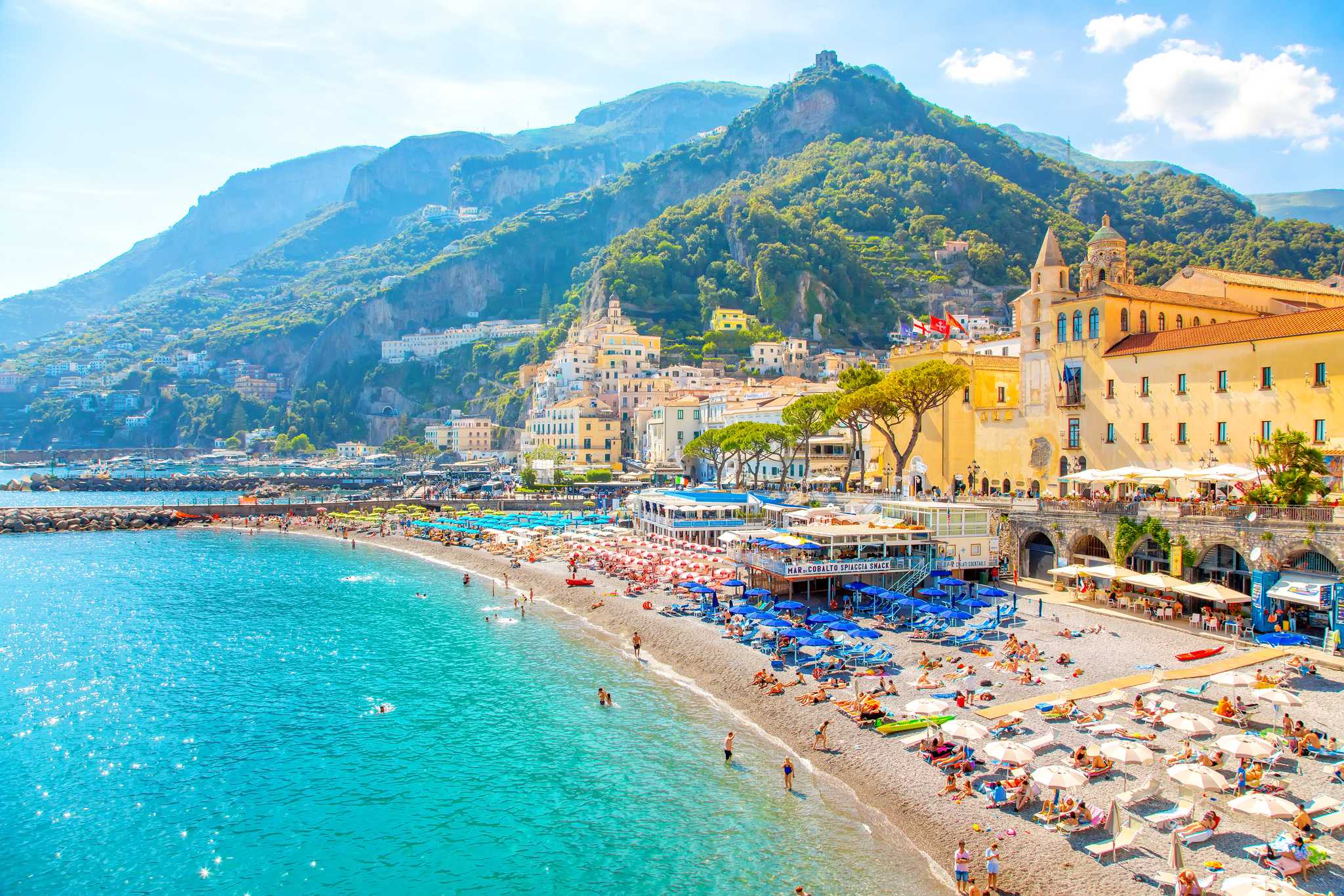
June is when summer arrives and Italy heads for the water. The sea is warm, the days are the longest of the year, and beach towns hum back to life, all before the August peak. Cities turn hot at midday but come alive after dark. Expect rising prices, big festivals, and a country in a holiday mood.
July
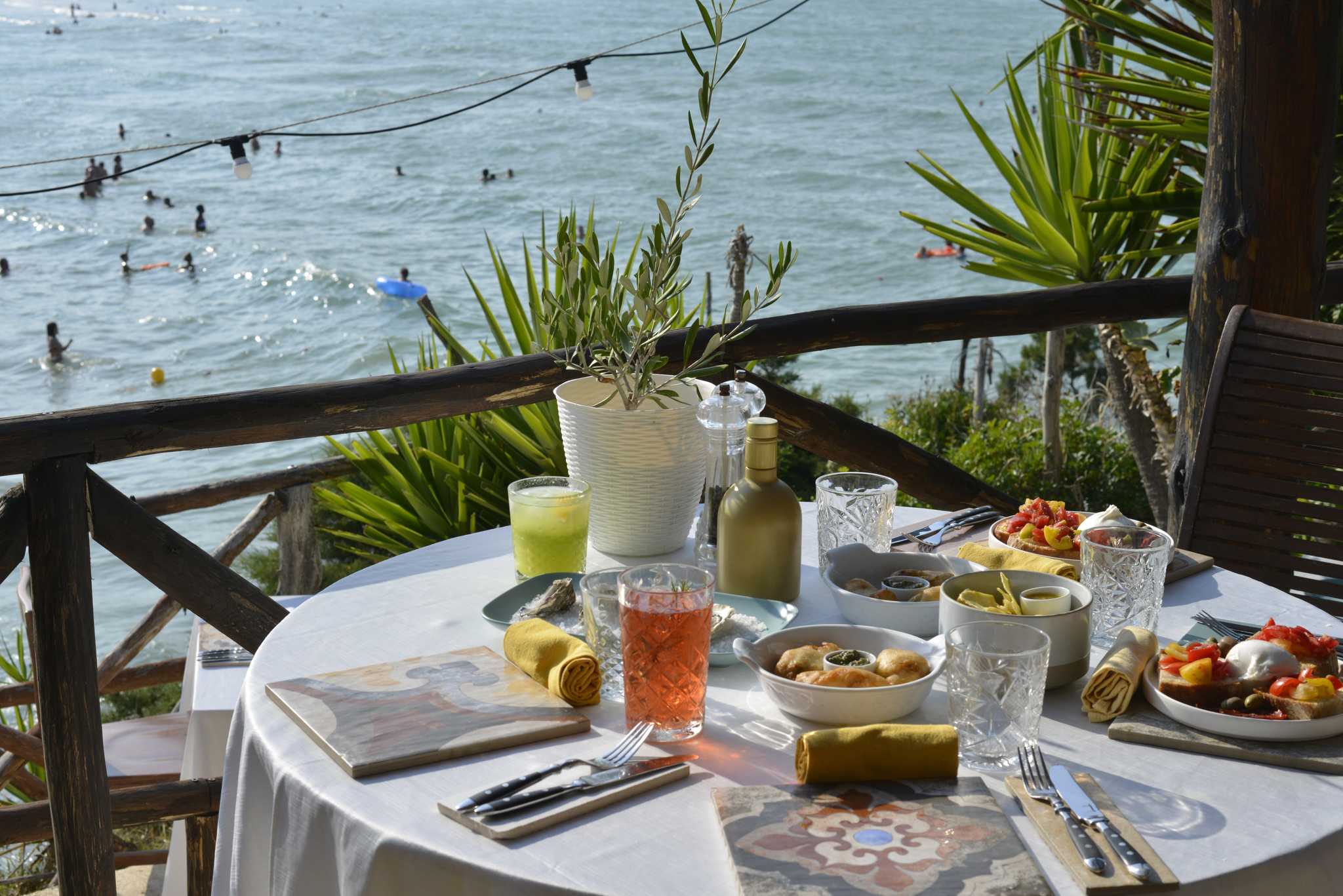
July is Italy at full summer: hot, crowded, and alive with festivals. The coast and islands are at their peak, the mountains offer a cool escape, and open-air opera and jazz fill warm nights. Cities swelter by day and empty of locals late in the month. Prices are high and everything needs booking ahead.
August
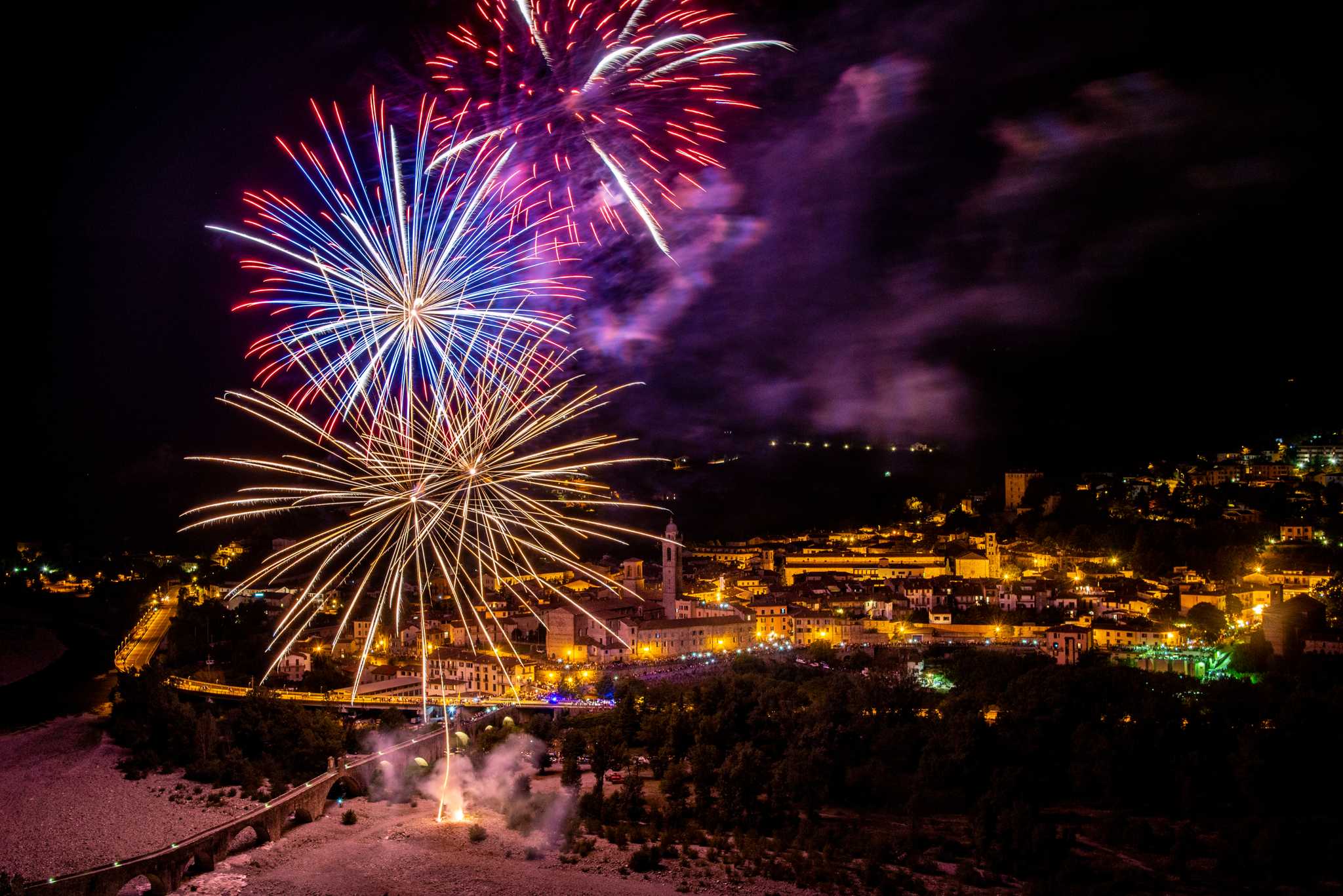
August is high summer at full tilt, and the month Italy takes its own holiday. The coast is packed and gorgeous, the mountains offer cool relief, and Ferragosto on the 15th empties the cities as locals head to the sea. Expect the hottest weather, the highest prices, and widespread closures. Book far ahead.
Summer weather
Overview
Daytime highs at the summer peak (July and August); June runs a little cooler. Nights stay warm everywhere except the mountains, and heatwaves can push well higher.
The Dolomites and Alps
Cool escape. Highs around 18–25°C (64–77°F) in the valleys, cooler higher up, with crisp nights. The relief from the heat.
North: Milan, Venice, and Turin
Hot and humid. Highs around 28–32°C (82–90°F), muggy, with short, violent afternoon thunderstorms.
Center: Rome and Tuscany
Hot. Highs around 30–35°C (86–95°F), and heatwaves can spike past 38°C (100°F) inland.
South: Naples, Amalfi, and Puglia
Hot. Highs around 29–34°C (84–93°F), eased a little by sea breezes along the coast.
Sicily
Hottest. Highs around 30–36°C (86–97°F), with the sirocco pushing the interior past 40°C (104°F).
Italy in fall
Fall really delivers the best of Italy: harvest-time foods, thin crowds, and mild weather. From September to November the summer heat fades, the crowds thin, and prices drop, while the countryside turns to harvest: grapes, olives, chestnuts, and mushrooms fill the markets. September is still warm in the south; October brings golden light and vineyards in color; November turns cool and quiet, with new oil and young wine on the table. Cities are comfortable to walk again. Pack layers, expect some rain, and eat well.
Fall really delivers the best of Italy: harvest-time foods, thin crowds, and mild weather. From September to November the summer heat fades, the crowds thin, and prices drop, while the countryside turns to harvest: grapes, olives, chestnuts, and mushrooms fill the markets. September i...
September
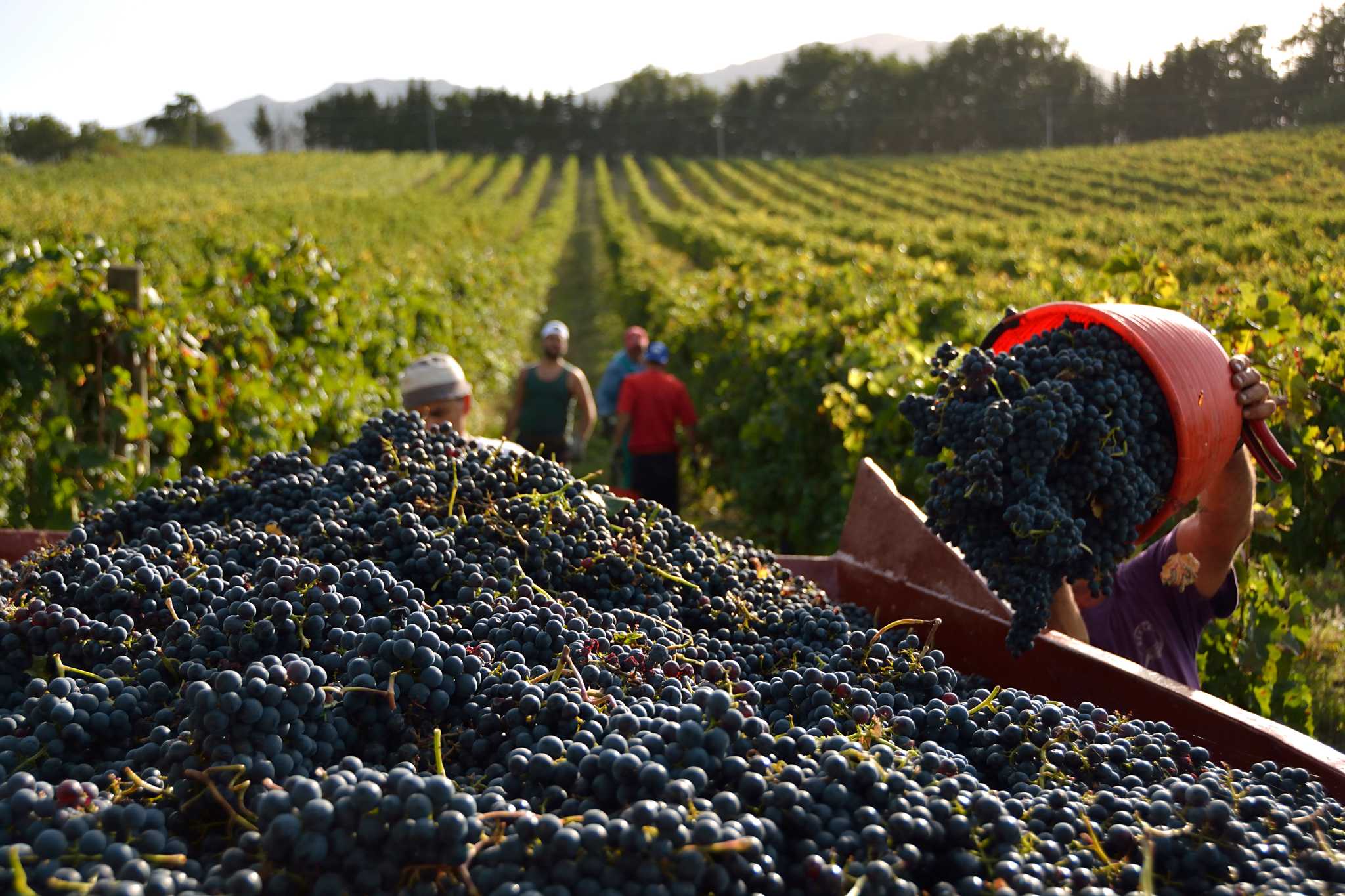
September might be one the best months to visit Italy. Summer's warmth lingers and the sea stays swimmable while the crowds thin after Ferragosto and prices ease. Grape harvests begin across the wine country, and the cities are comfortable again. Expect warm days, cooler nights, and the odd storm.
October
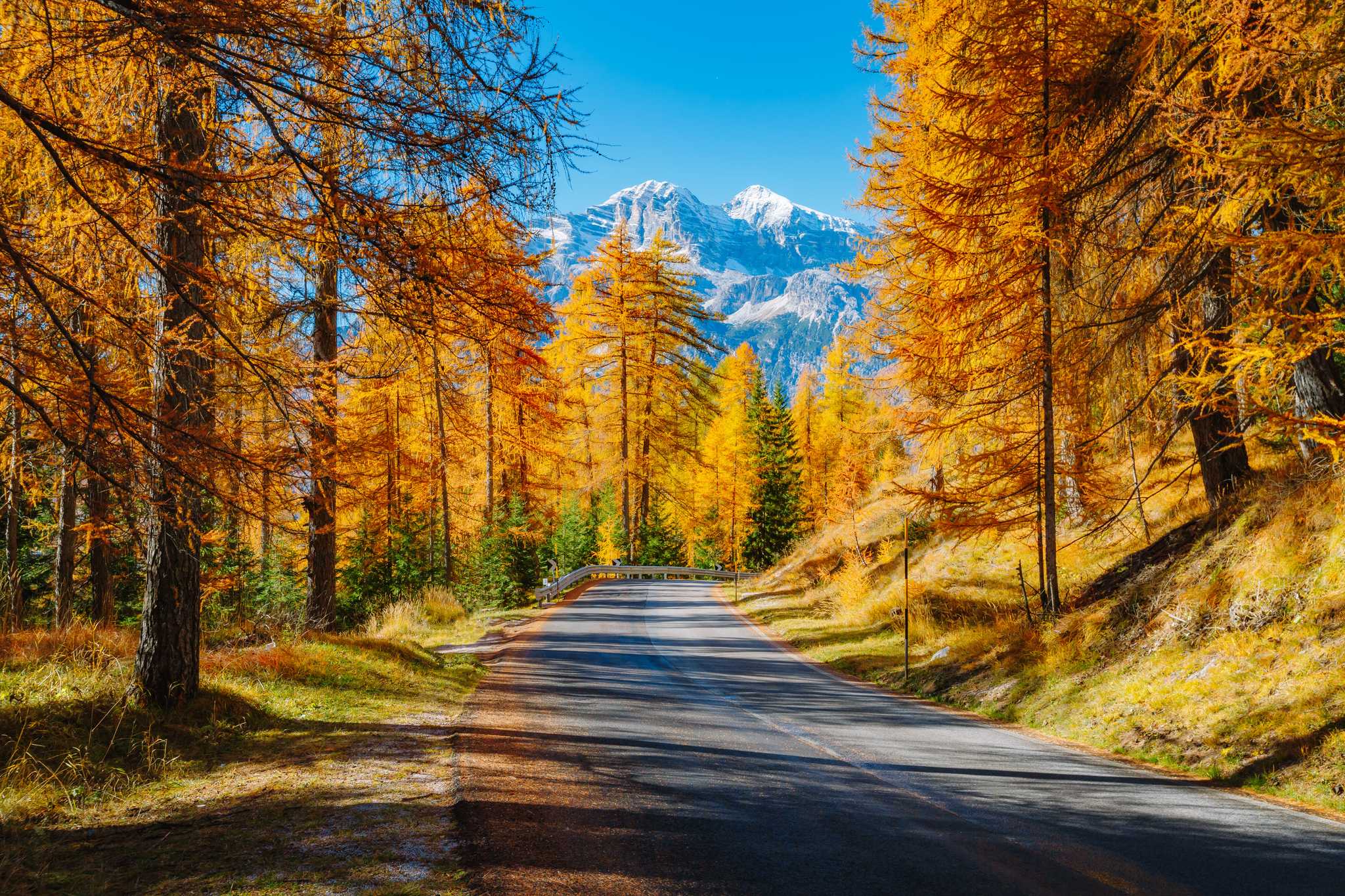
October is fall at its peak: mild, golden, and delicious. The harvest fills the markets with truffles, chestnuts, mushrooms, and new olive oil, while the hills turn red and gold. Crowds are thin, prices low, and cities easy to walk. The north grows wet; the center and south keep warm, clear afternoons.
November
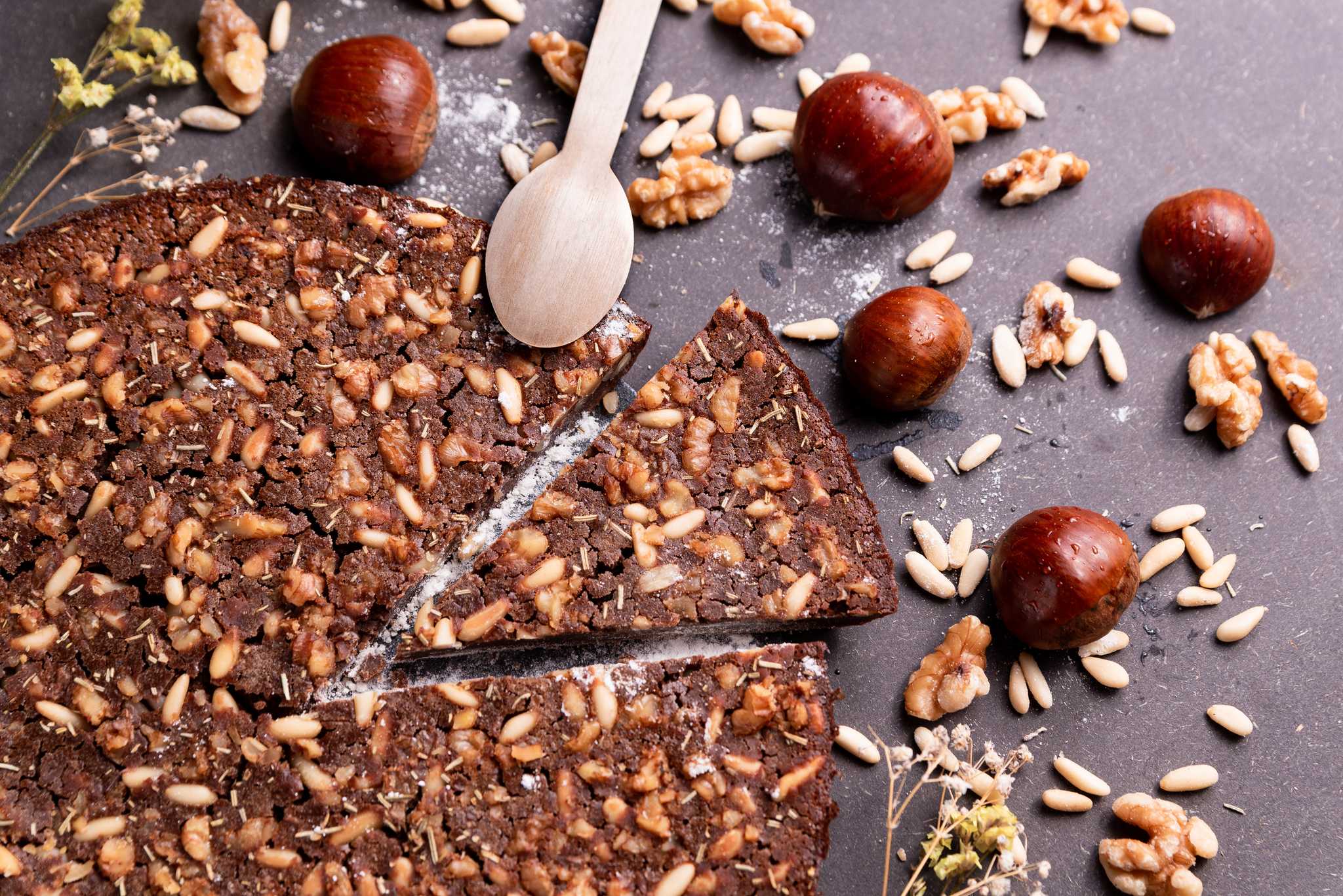
November may be one of Italy's more underrated month. The weather turns cool and wet, days shorten, and crowds all but vanish, leaving museums empty and prices low. It is a month for cities, food, and cozy indoor culture: new oil, new wine, truffles, and hearty cooking. Bring a coat and an umbrella.
Fall weather
Overview
Daytime highs, falling from September (the high end) to November (the low end). Nights cool quickly, and rain grows more likely as the season goes on.
The Dolomites and Alps
Cooling to cold. Highs around 4–18°C (39–64°F), with the first snow arriving by November and colder air higher up.
North: Milan, Venice, and Turin
Warm to cool. Highs around 11–24°C (52–75°F); balmy in September, then damp, foggy, and chilly by November.
Center: Rome and Tuscany
Mild and golden. Highs around 16–25°C (61–77°F), with warm October "ottobrate" days before the November rains.
South: Naples, Amalfi, and Puglia
Warm and easy. Highs around 17–25°C (63–77°F), pleasant well into November, with cooler evenings.
Sicily
Warmest. Highs around 19–29°C (66–84°F); summery in September and mild even in late fall.
Italy in winter
Winter is Italy at its quietest and, in places, its most magical. From December to February the north turns cold and foggy, the Alps fill with skiers, and the south stays mild. December glows with Christmas markets, nativity scenes, and feasts, before the calm depths of January and February, when museums empty and cities feel yours. Carnevale brings color in February, and Sicily's almonds bloom at winter's end. Pack warm layers and head to the mountains for snow or the south for mild air.
Winter is Italy at its quietest and, in places, its most magical. From December to February the north turns cold and foggy, the Alps fill with skiers, and the south stays mild. December glows with Christmas markets, nativity scenes, and feasts, before the calm depths of January and Fe...
December
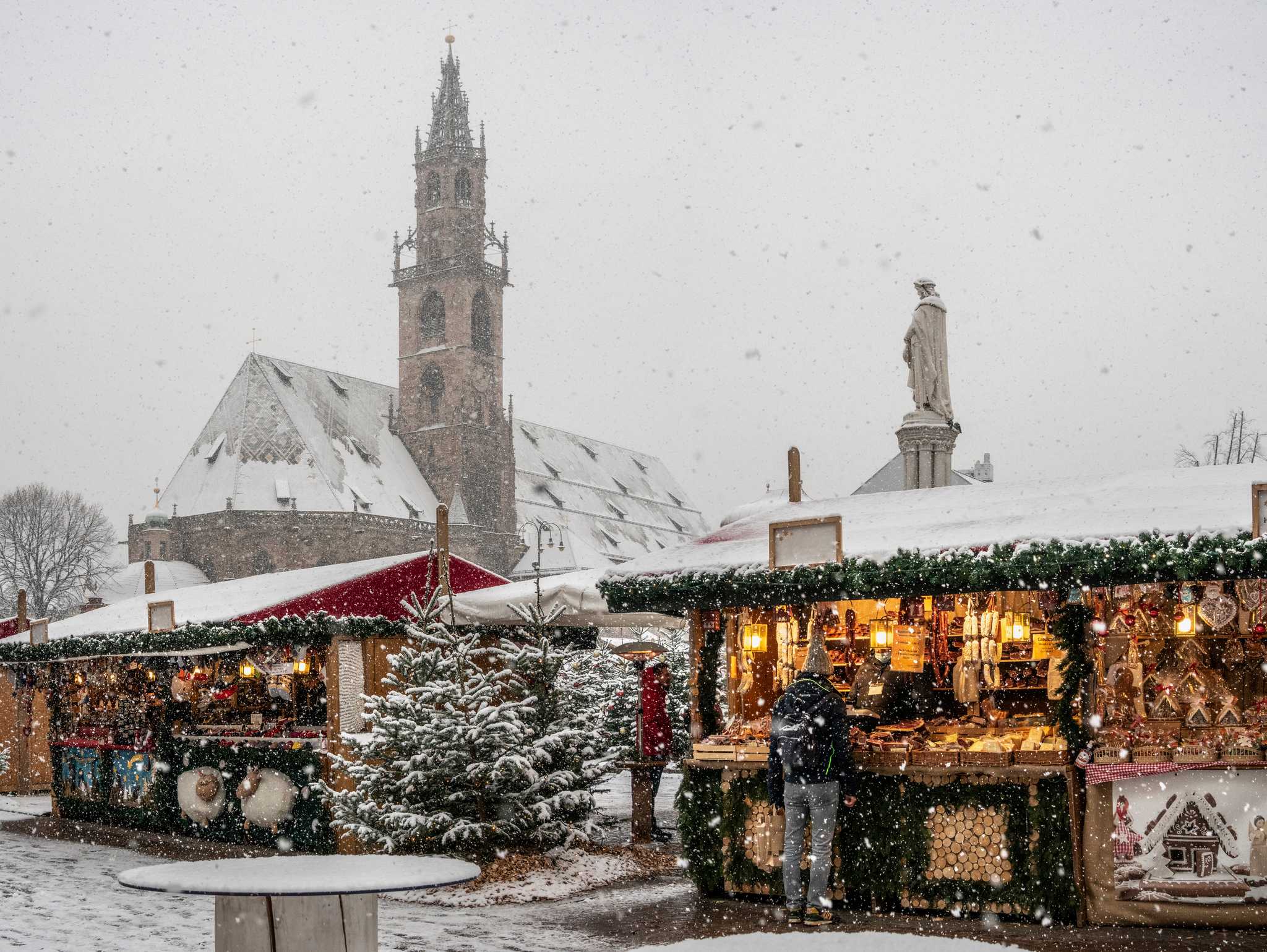
December is Italy's most festive month, and a study in contrasts. Early on, cities are quiet, cheap, and calm; then the Immacolata public holiday on the 8th flips the switch, and markets, lights, and nativity scenes take over. The north is cold, the south mild, the Alps deep in snow. The holidays are busy and pricey.
January
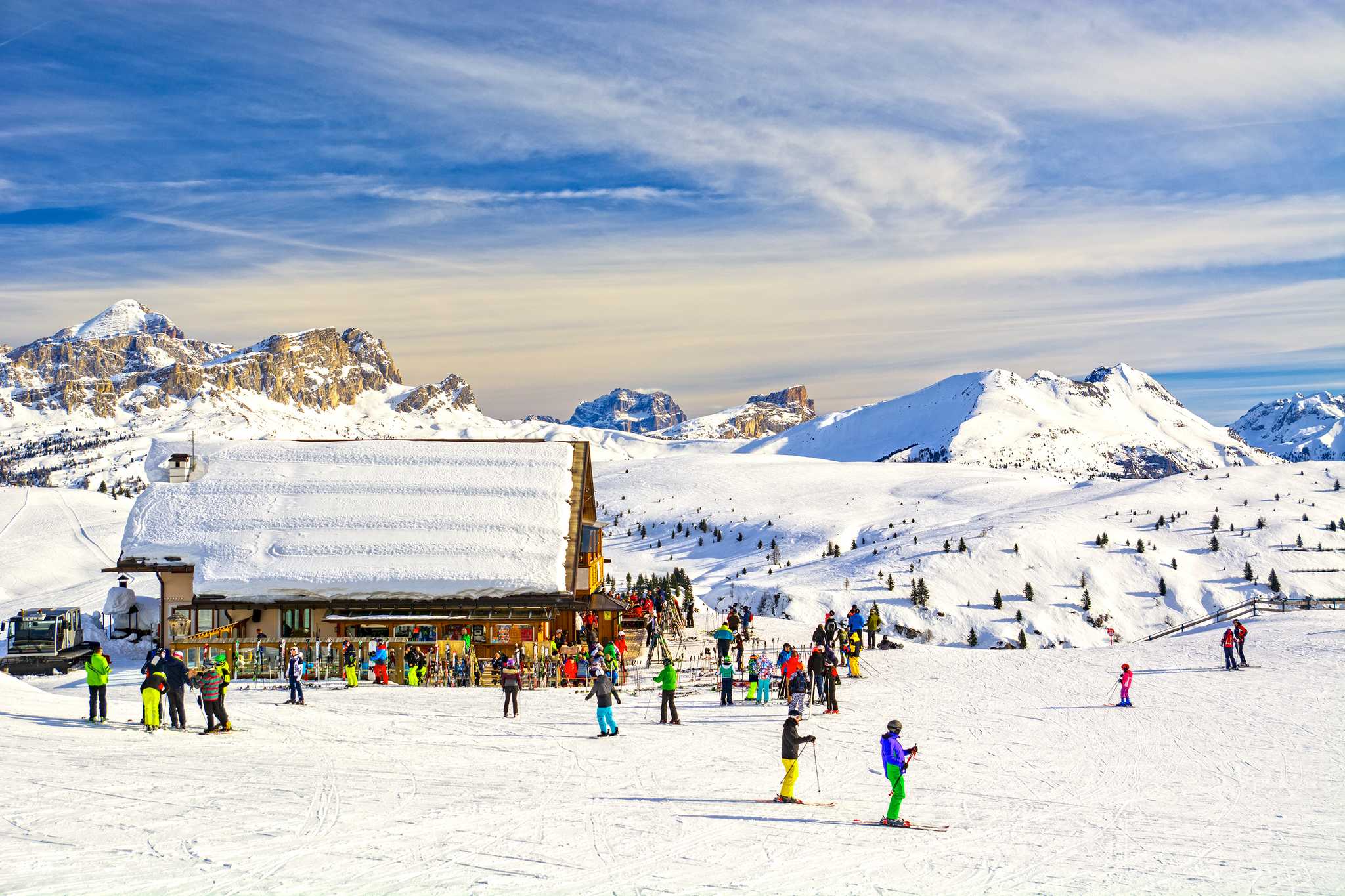
January is a quieter month, and Italy's coldest. After Epiphany on the 6th ends the Christmas season, crowds vanish, prices bottom out, and museums empty; mid-January is the cheapest stretch of the year. The Alps hit peak snow, and the mild south makes a fine escape. Bring your warmest coat.
February
February is winter's last act, and its most colorful. Carnevale takes over, from Venice's masks to Viareggio's floats and Ivrea's orange battle, while skiing runs on and days lengthen. The north stays cold, the south mild, and Sicily's almonds bloom by th end of the month. Outside Carnevale, it stays cheap and quiet.
Winter weather
Overview
Daytime highs; January is the coldest point, with December and February a touch milder. Nights are cold across the north and center, and short days mean early sunsets.
The Dolomites and Alps
Cold and snowy. Valley highs around 2–7°C (36–45°F), well below freezing at altitude, with deep snow. Ski country.
North: Milan, Venice, and Turin
Cold and grey. Highs around 6–10°C (43–50°F), with fog, damp, and frost; Venice sees winter acqua alta.
Center: Rome and Tuscany
Cool and damp. Highs around 11–15°C (52–59°F), with chilly nights and mild, clear spells between the rain.
South: Naples, Amalfi, and Puglia
Mild refuge. Highs around 13–16°C (55–61°F), the most comfortable mainland region, though wetter.
Sicily
Warmest. Highs around 15–18°C (59–64°F) on the coast, colder in the hill towns inland, with snow lying on Etna all winter.
Our recommended routes in Italy
Milan to Cortina d'Ampezzo
4h 51min • 422km (262.2mi)
From €849
Naples to Positano
1h 31min • 61km (37.9mi)
From €190
Ravenna - Cruise Port to Venice
2h 9min • 138km (85.7mi)
From €371
Florence to Siena
1h 11min • 76km (47.2mi)
From €353
Bologna to Modena
50min • 44km (27.3mi)
From €350
Palermo to Taormina
3h 3min • 265km (164.7mi)
From €475
Bari to Matera
1h 5min • 67km (41.6mi)
From €180
Venice to Verona
1h 25min • 121km (75.2mi)
From €296
Milan to Como City
55min • 50km (31.1mi)
From €283
Rome to Assisi
2h 17min • 174km (108.1mi)
From €407
Genoa to Cinque Terre
1h 48min • 103km (64.0mi)
From €296
Rome to Naples
2h 23min • 227km (141.1mi)
From €400
Day trips for every season
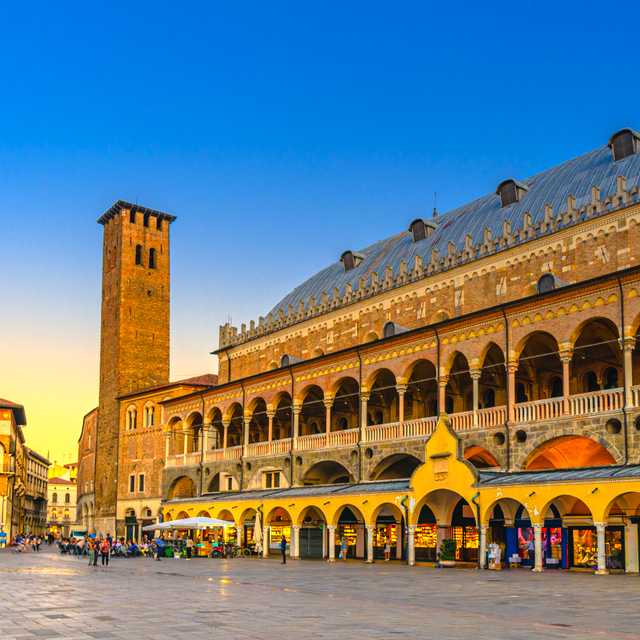
Verona to the Veneto region: Private day trip
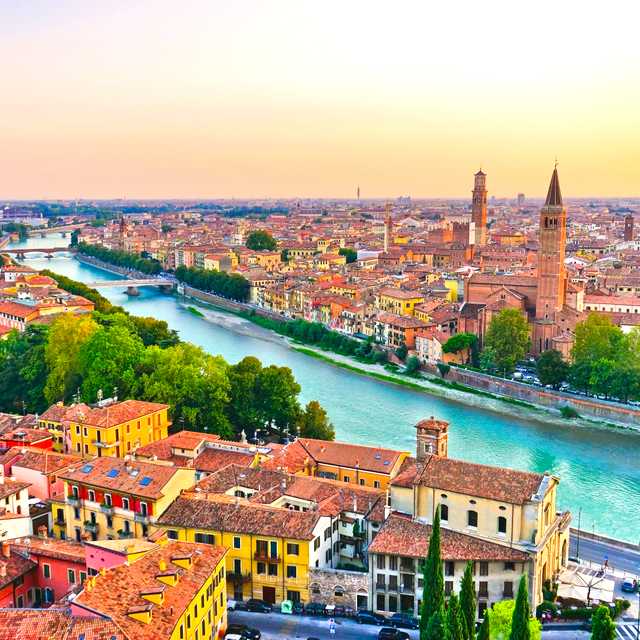
Venice to Verona: Private day trip
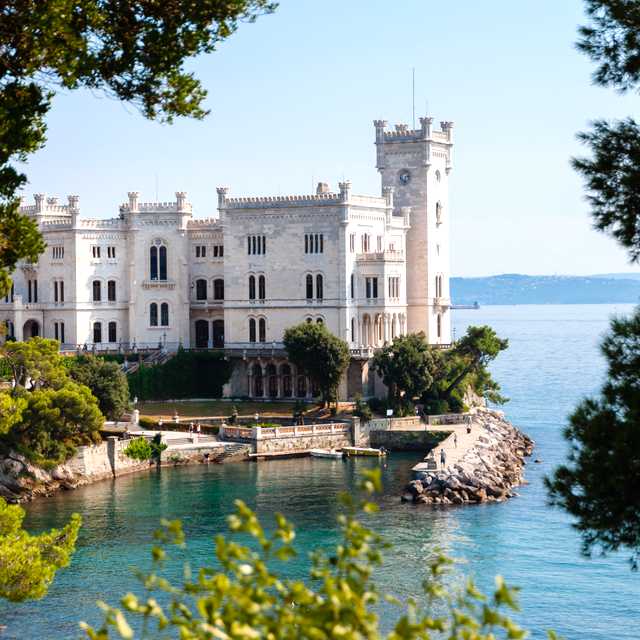
Trieste to Miramare Castle and Grotta Gigante: Day trip
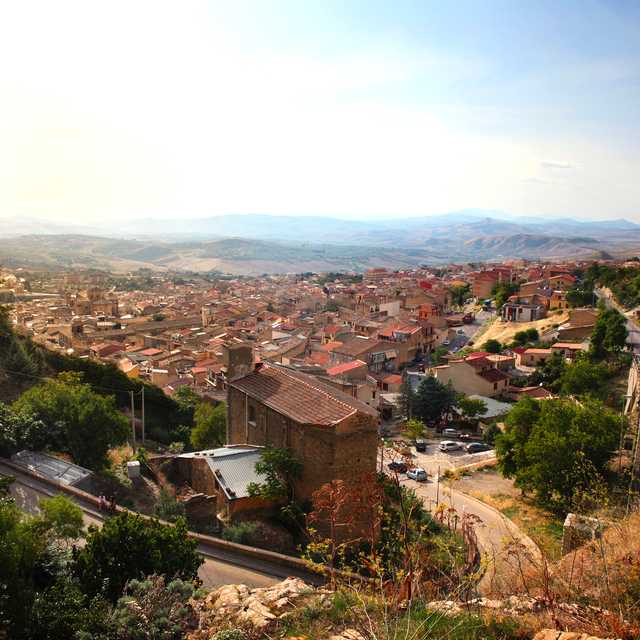
The Godfather locations from Palermo: Private day trip
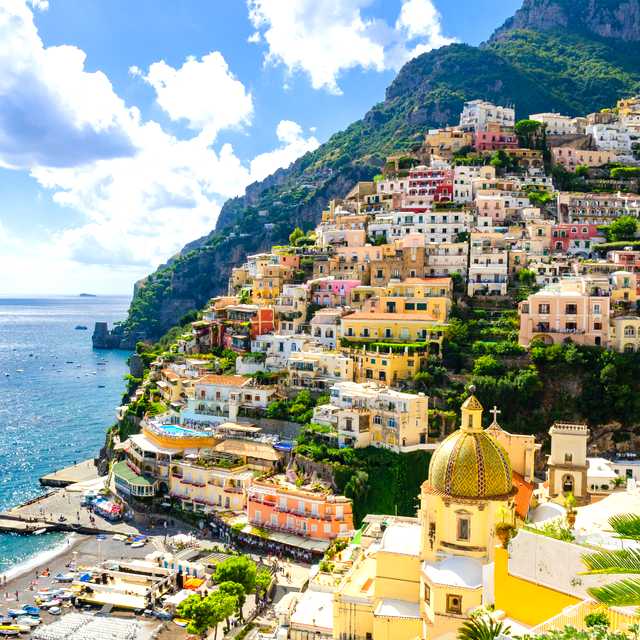
Sorrento to Positano and Ravello: Private day trip
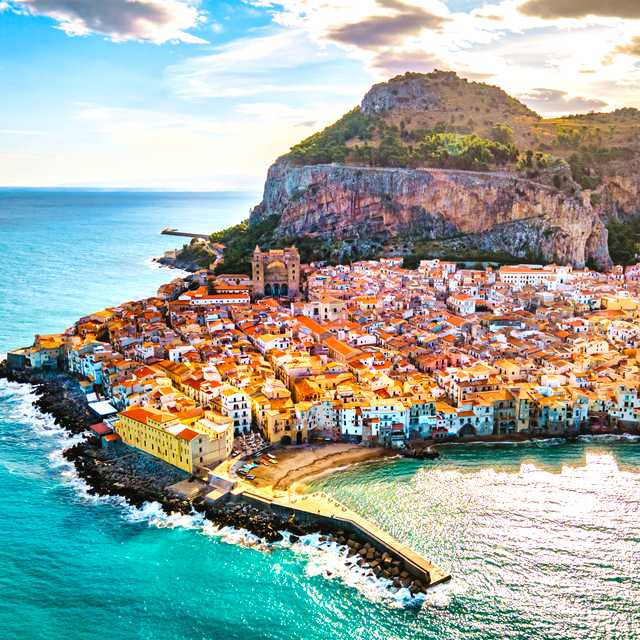
Sicily's White Lotus locations: Day trip from Palermo
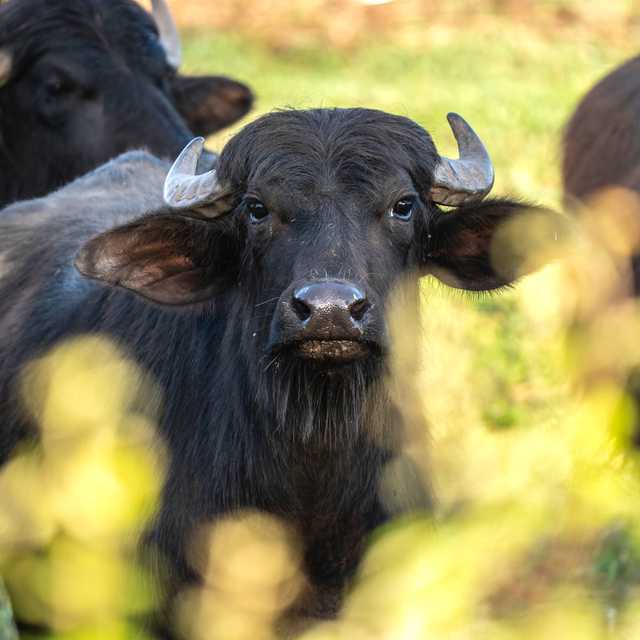
Naples to Campania cuisine highlights: Private day trip
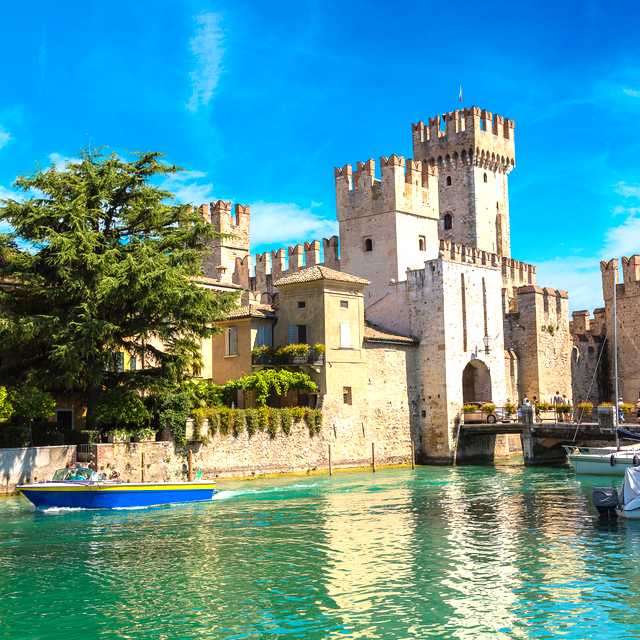
Milan to Lake Garda towns: Private day trip
2+ million travelers like you. Moments they'll never forget.

Your Italy questions, answered
About the author
Ján Tompkins is a Prague-based travel writer with a passion for arts and culture. His travels are shaped as much by museum exhibitions as by bakeries, greasy spoons, and funny signage. His favorite trip to Italy has been to the quiet clifftop Sorrentine town of Vico Equense.
Be the first to discover more
Get handpicked travel ideas, insider highlights, and special Daytrip offers.


