Yes, the Como-Brunate funicular operates since 1894, climbing 500 meters from Como's center to the hilltop village of Brunate in 7 minutes. The scenic ride offers spectacular Lake Como and Alps views. Brunate features restaurants, walking trails, and the Alessandro Volta Lighthouse providing 360-degree panoramas. The Art Nouveau funicular stations represent historic engineering charm. Operating daily year-round (weather permitting), the funicular provides Como's most dramatic viewpoint. Return tickets are affordable, making this essential for photographers and view enthusiasts.
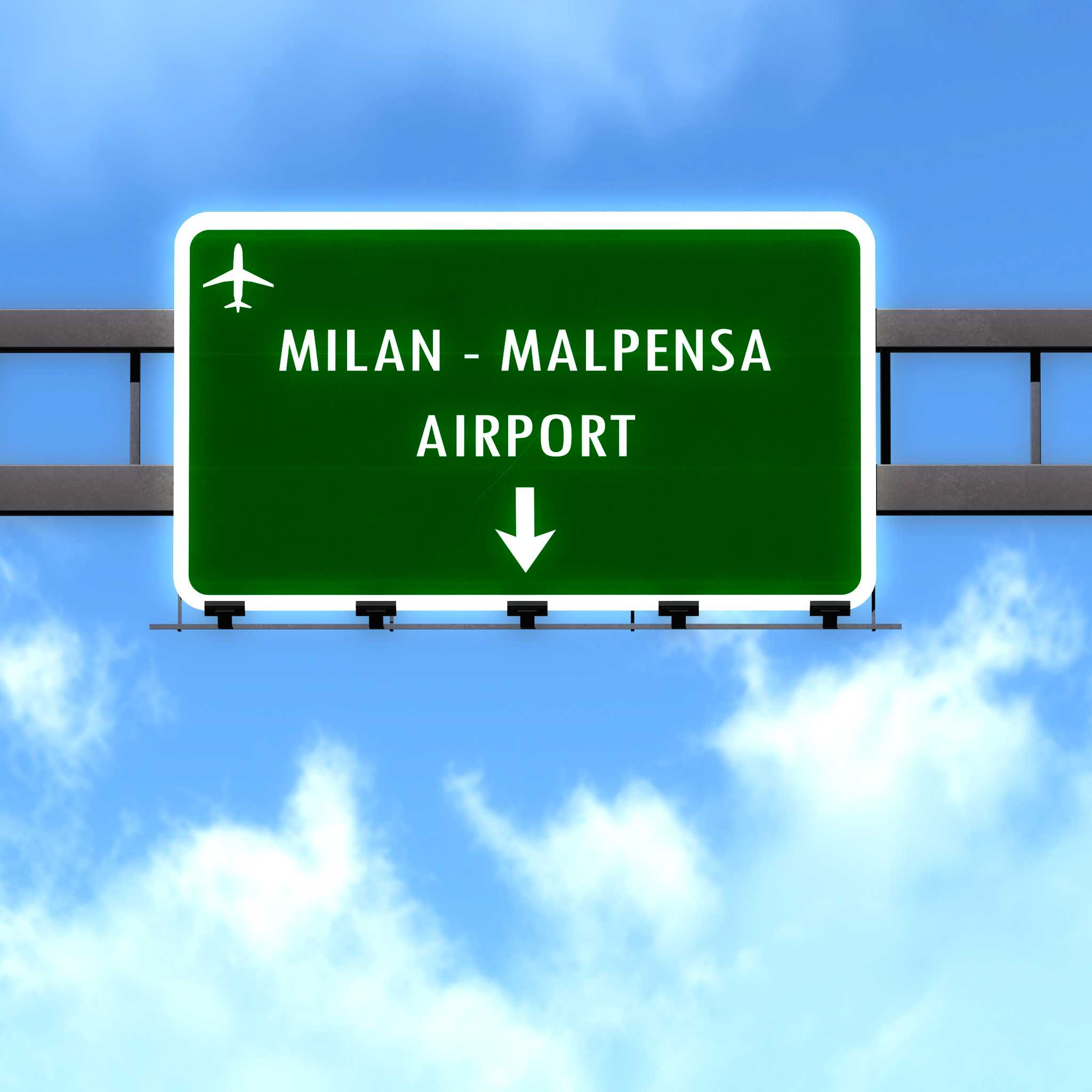
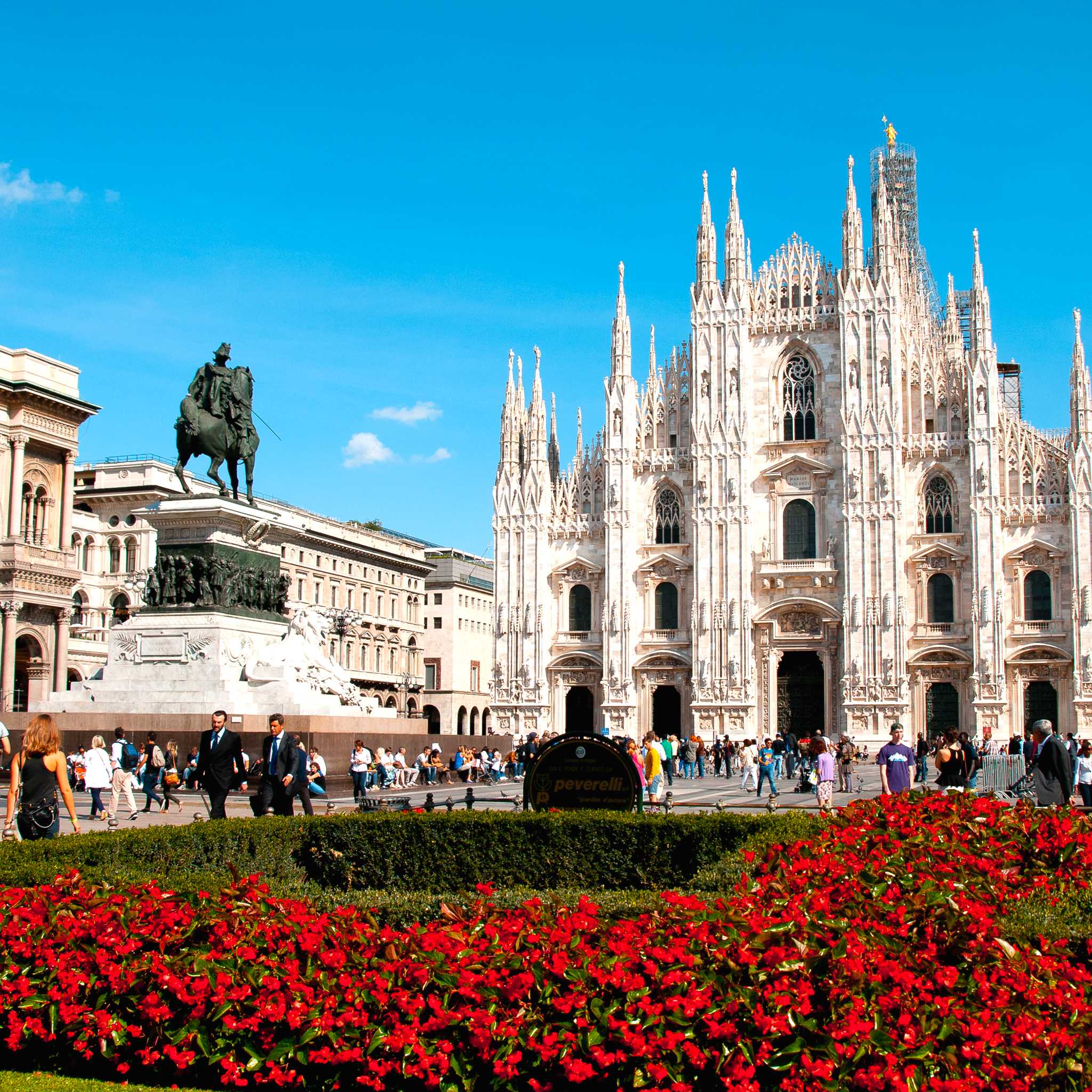
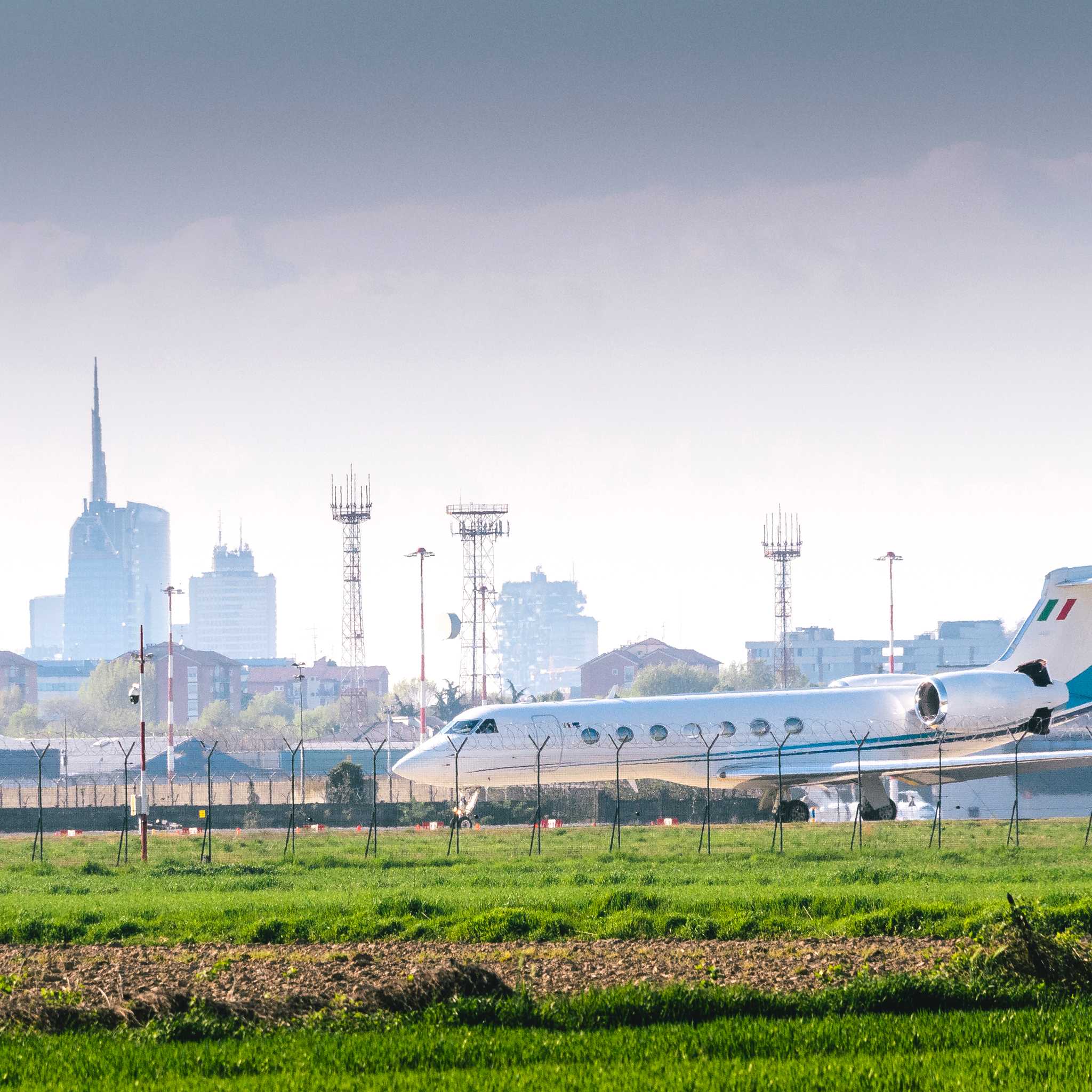
Como sits approximately 50 kilometers (31 miles) north of Milan at Lake Como's southern shore. The journey takes about 45-60 minutes by car via highway or about 1 hour by train from Milano Centrale or Milano Cadorna stations with frequent service. Many travelers visit both experiencing Milan's fashion and culture alongside Como's lakeside beauty. The proximity makes Como accessible as a day trip from Milan or as a base for exploring northern Italy's lakes region while remaining well-connected to Milan's international airport.
Yes, Como provides excellent Lake Como exploration base with advantages including extensive ferry connections to all major lake villages, more accommodation options and price ranges than smaller villages, restaurants and services, and easy Milan airport access. The city's position at the lake's southern end enables reaching Bellagio's center and Varenna within 1-2 hours by ferry. However, Como's urban character differs from smaller lakeside villages' romantic atmosphere. Some prefer staying in quieter Bellagio or Varenna. Como suits travelers wanting city amenities while exploring the lake.
Extensive public ferry services connect Como to lake villages including Bellagio, Varenna, Menaggio, Tremezzo, and Lenno. Car ferries (traghetti) transport vehicles across the lake's center. Passenger-only ferries (battelli) offer slower, scenic routes stopping at multiple villages. High-speed hydrofoils (aliscafi) provide faster connections to major destinations. Day passes allow unlimited travel for exploring multiple villages. Services run frequently during summer, with reduced winter schedules. The ferry system makes Como the ideal base for lake exploration without driving narrow lakeside roads. Timetables and tickets are available at Como's ferry terminal.
Como and Lake Como region specialize in lake fish including missoltino (dried shad), lavarello (whitefish), and perch prepared in various ways. Regional dishes include risotto with perch, polenta with lake fish, and brasato (braised meat). The area produces butter, cheeses, and charcuterie. Lombardy's proximity brings risotto and osso buco to menus. Lakeside restaurants serve fresh catches with mountain and water views. Italian gelato and aperitivos along the waterfront enhance the dining experience. The cuisine reflects both Alpine and Italian lake traditions.
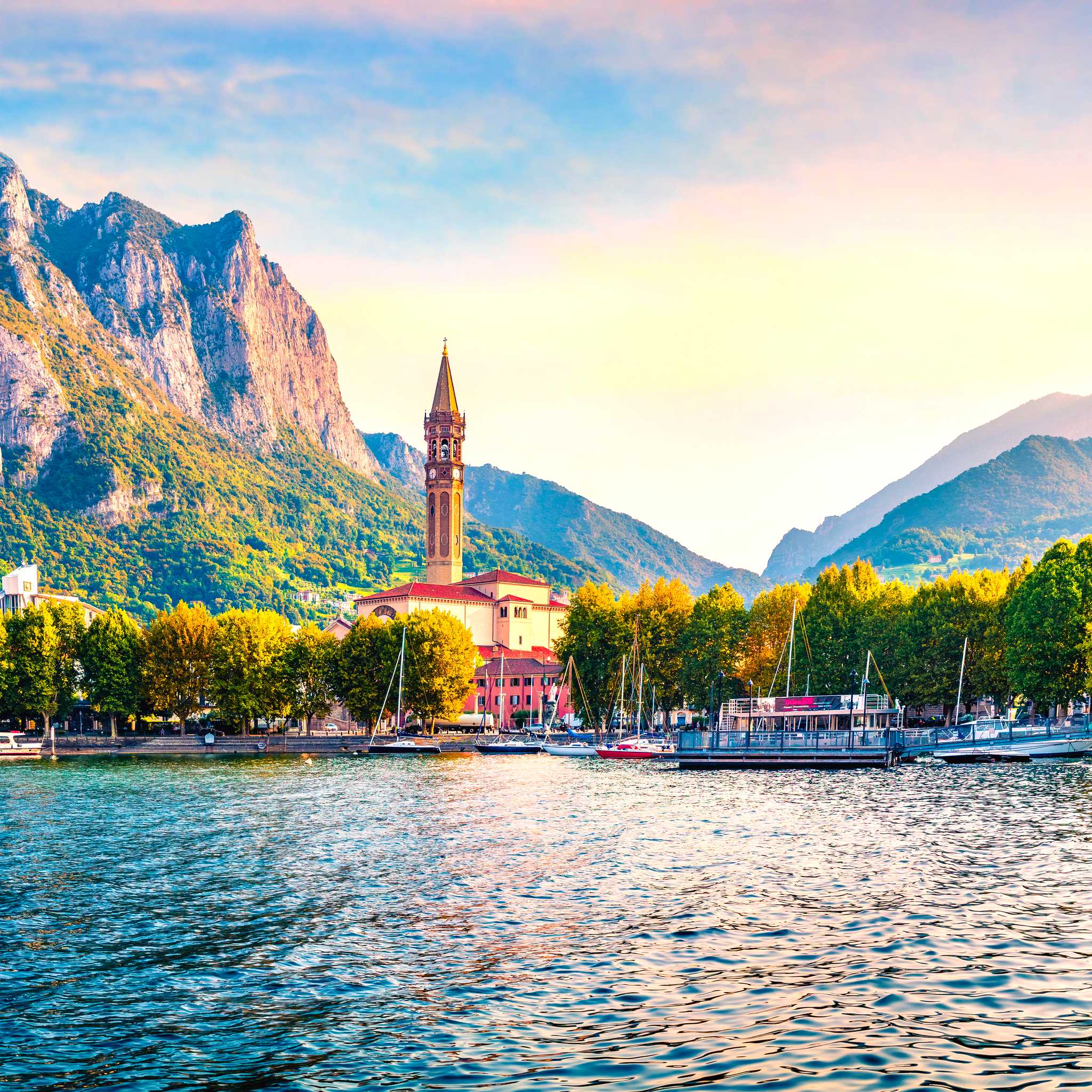
Como is an elegant Italian lakeside city at Lake Como's southern tip, famous for silk production, Gothic cathedral, funicular railway to hilltop Brunate, and Art Nouveau architecture. The historic center features beautiful piazzas, designer shops, and waterfront promenades with Alps backdrop. Como serves as Lake Como's main hub, offering ferry connections to Bellagio, Varenna, and other lake villages. The city combines urban amenities with stunning natural setting, providing convenient access to Italy's most beautiful lake while maintaining authentic Italian character.
Como Cathedral (Duomo di Como) is a stunning Gothic-Renaissance cathedral built between 1396-1770, featuring an elaborate marble facade with sculptures, rose window, and impressive dome designed by Filippo Juvarra. The interior houses beautiful artwork including tapestries and paintings. The cathedral's position in the historic center makes it Como's architectural centerpiece. The mix of Gothic and Renaissance styles reflects the long construction period. Free entry allows exploring this remarkable church. The adjacent Broletto (former city hall) complements the cathedral complex overlooking Piazza del Duomo.
Spring (April-June) and fall (September-October) offer pleasant weather without peak summer crowds, with comfortable temperatures for lake activities and mountain views. July-August bring maximum tourists, heat, and highest accommodation prices but lively summer atmosphere. Winter provides peaceful experiences with snow-capped Alps backdrop, though many lake businesses close November-March. Shoulder seasons balance good weather with manageable crowds. The Italian Lakes' microclimate keeps Como temperate. Each season offers different charm from spring blooms to winter tranquility.