Daytrip’s guide to Baja Sur
In Baja California Sur, you can spend the morning snorkeling with tropical fish, the afternoon exploring a desert trail, and the evening eating fresh tacos by the water. Covering the southern half of Mexico’s Baja California peninsula, the state lies between the Pacific Ocean and the Gulf of California, also known as the Sea of Cortez. Its landscapes range from cactus-covered hills and rugged mountains to white-sand beaches, rocky coves, and islands rich in marine life.
The region’s history stretches back thousands of years, with ancient rock art left by its earliest inhabitants. Spanish missionaries arrived in the 17th century, establishing the first permanent mission in Loreto in 1697. Its stone church, completed in 1744, still stands.
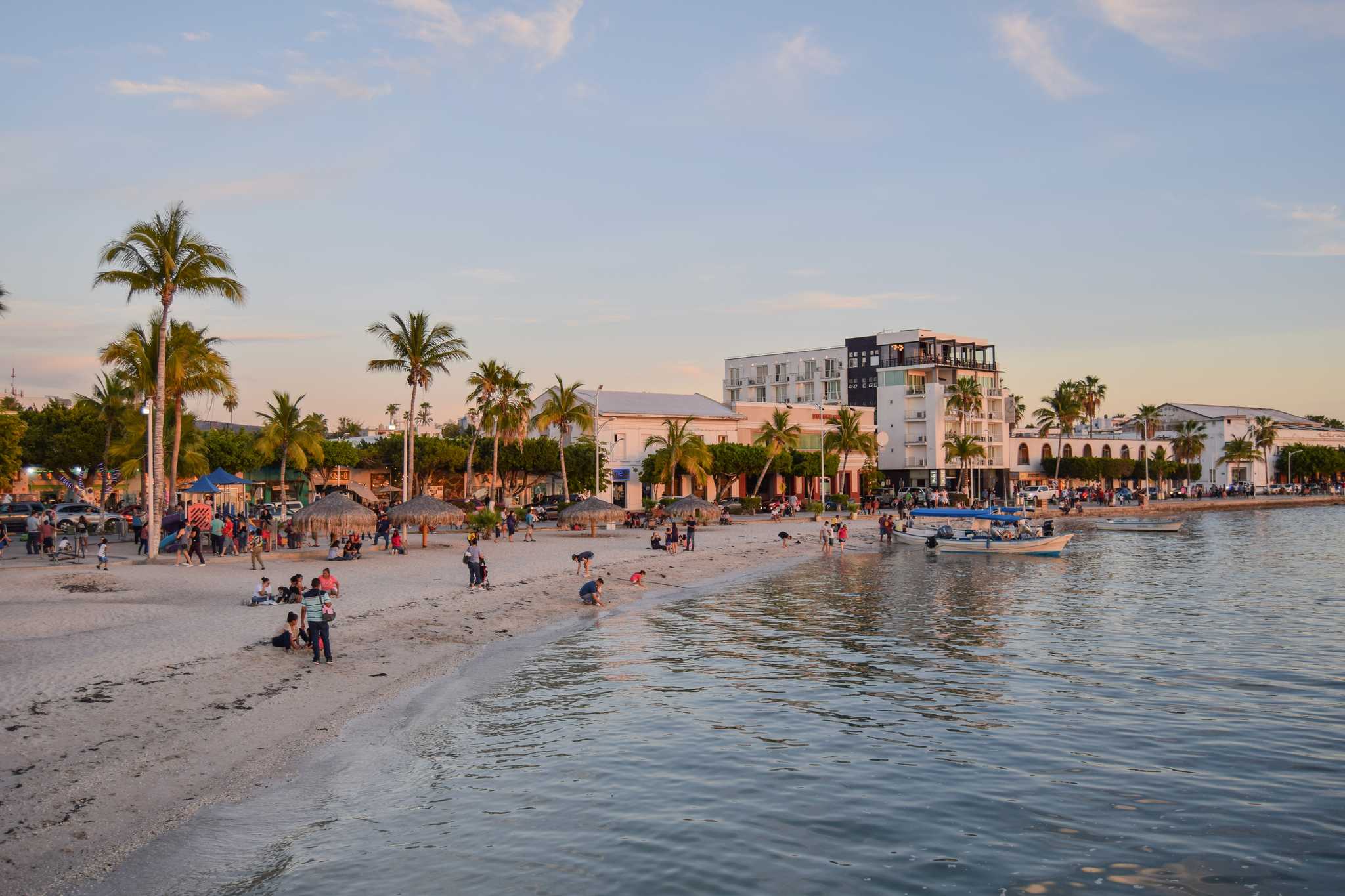
Each corner of Baja California Sur has its own character. La Paz is known for its lively waterfront and calm bays, Loreto for its historic center and nearby islands, Todos Santos for its surf culture and creative scene, and Los Cabos for luxury resorts, nightlife, and dramatic coastal scenery. From December to April, gray whales migrate to the sheltered Pacific lagoons to breed and raise their calves.
This guide covers the best towns to visit, seasonal highlights, things to do, local food, and transportation.
Main airports:
- Los Cabos International Airport (SJD)
- La Paz International Airport (LAP)
- Loreto International Airport (LTO)
Baja California Sur in brief
Main cities
Los Cabos, La Paz, and Loreto
Language
Spanish, with English widely spoken in resort areas
Currency
Mexican peso (MXN)
Time zone
UTC-7, no daylight saving time
Our favorite cities in Baja California Sur
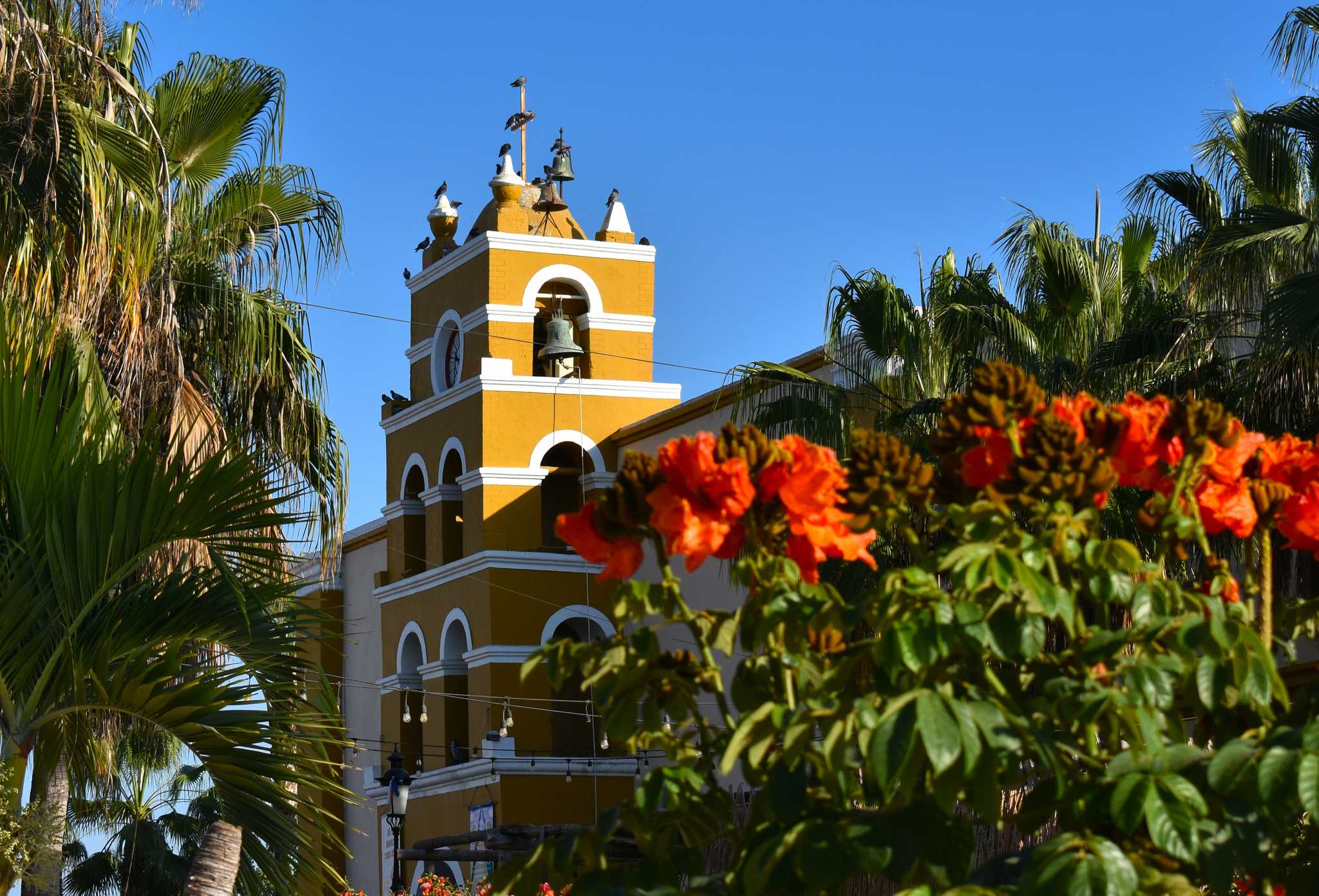
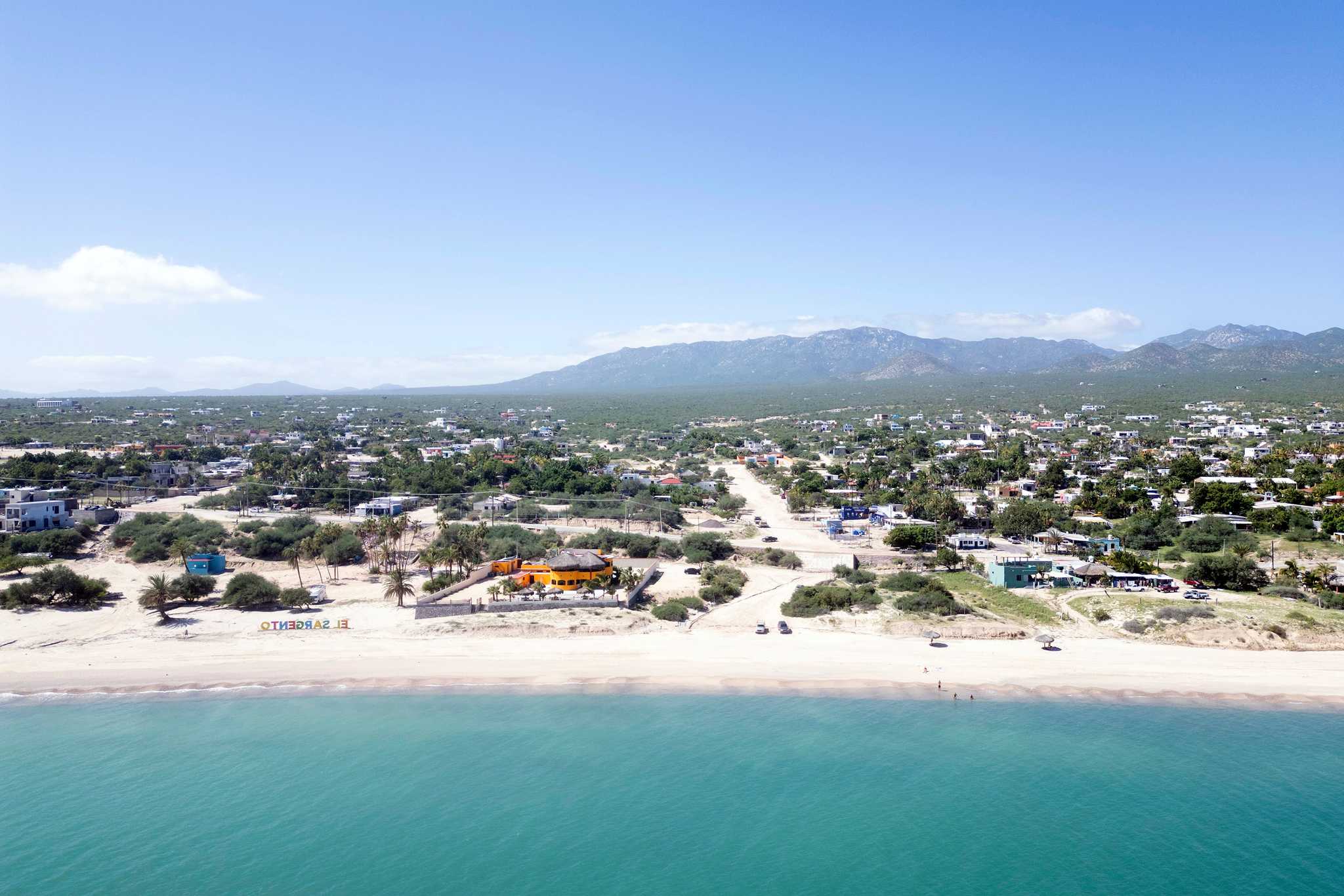
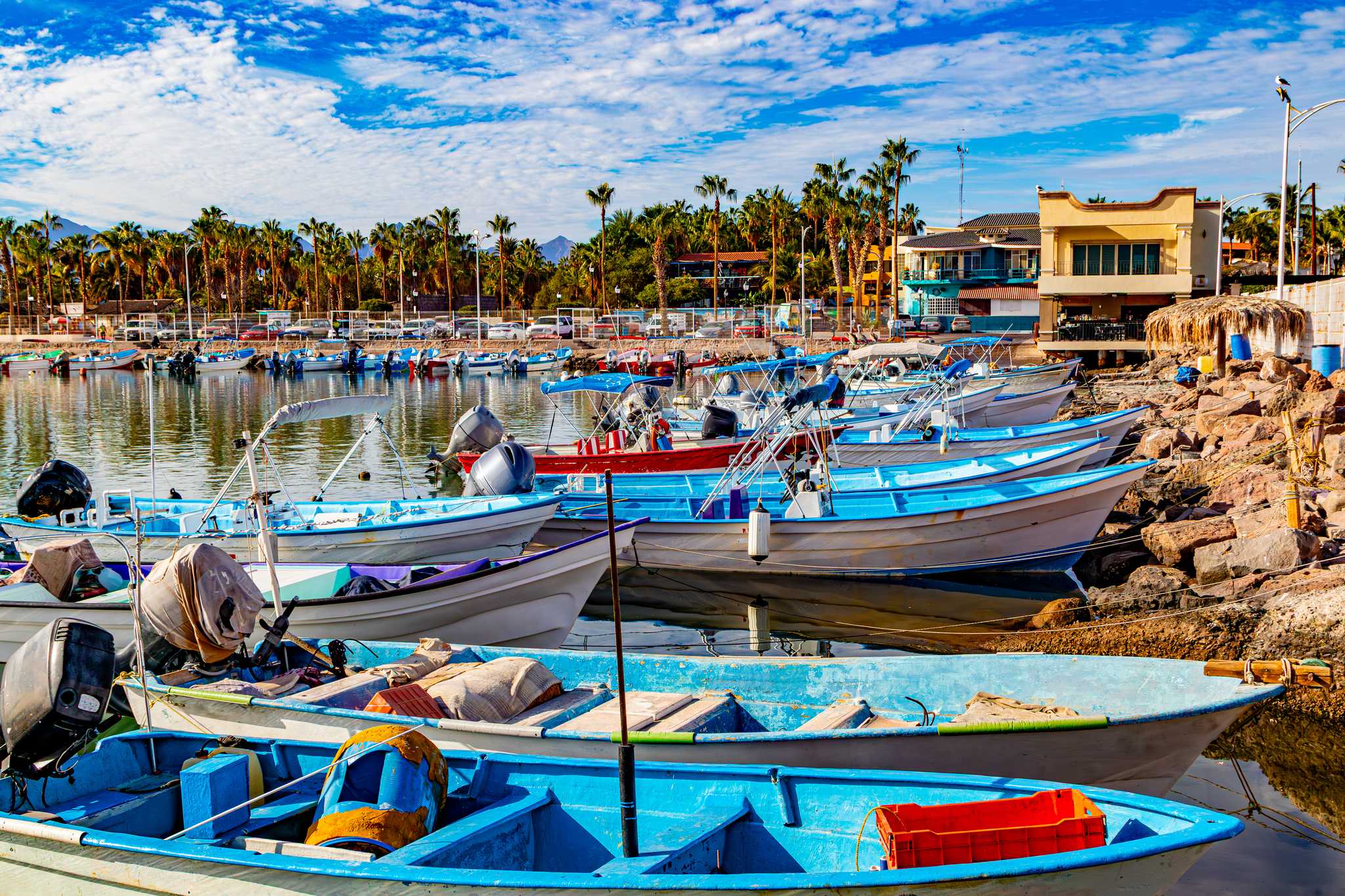
This long and sparsely populated state has most of its towns scattered along the coast. Los Cabos marks the southern tip, La Paz sits on the gulf, and Loreto lies farther north. These six destinations are among our travelers’ favorites.
This long and sparsely populated state has most of its towns scattered along the coast. Los Cabos marks the southern tip, La Paz sits on the gulf, and Loreto lies farther north. These six destinations are among our travelers’ favorites.
When to go
Spring
March brings spring break crowds to Los Cabos. Catch San José del Cabo's fiestas, spot whales through April, or celebrate La Paz's founding on May 3.
Summer
Hot, humid, and quiet, with lower prices and fewer crowds. Enjoy warm water and empty beaches, but watch out for hurricane season.
Fall
September brings the highest storm risk. Visit Todos Santos for October fiestas or Cabo San Lucas for marlin fishing. November is drier and milder.
Winter
The best time to visit, with dry, mild weather. Spot gray whales in Pacific lagoons or try kiteboarding in La Ventana. Book early for the holidays.
Our data suggests
Fall is our busiest season in Baja California Sur. November had the most rides of 2025.
Our picks: things to do in Baja California Sur
Turquoise waters, white-sand beaches, and lagoons where gray whales give birth make this corner of Mexico easy to love. Venture inland to discover old Jesuit missions, former mining towns, colorful art districts, and rugged mountain trails.
Turquoise waters, white-sand beaches, and lagoons where gray whales give birth make this corner of Mexico easy to love. Venture inland to discover old Jesuit missions, former mining towns, colorful art districts, and rugged mountain trails.
Watch the whales
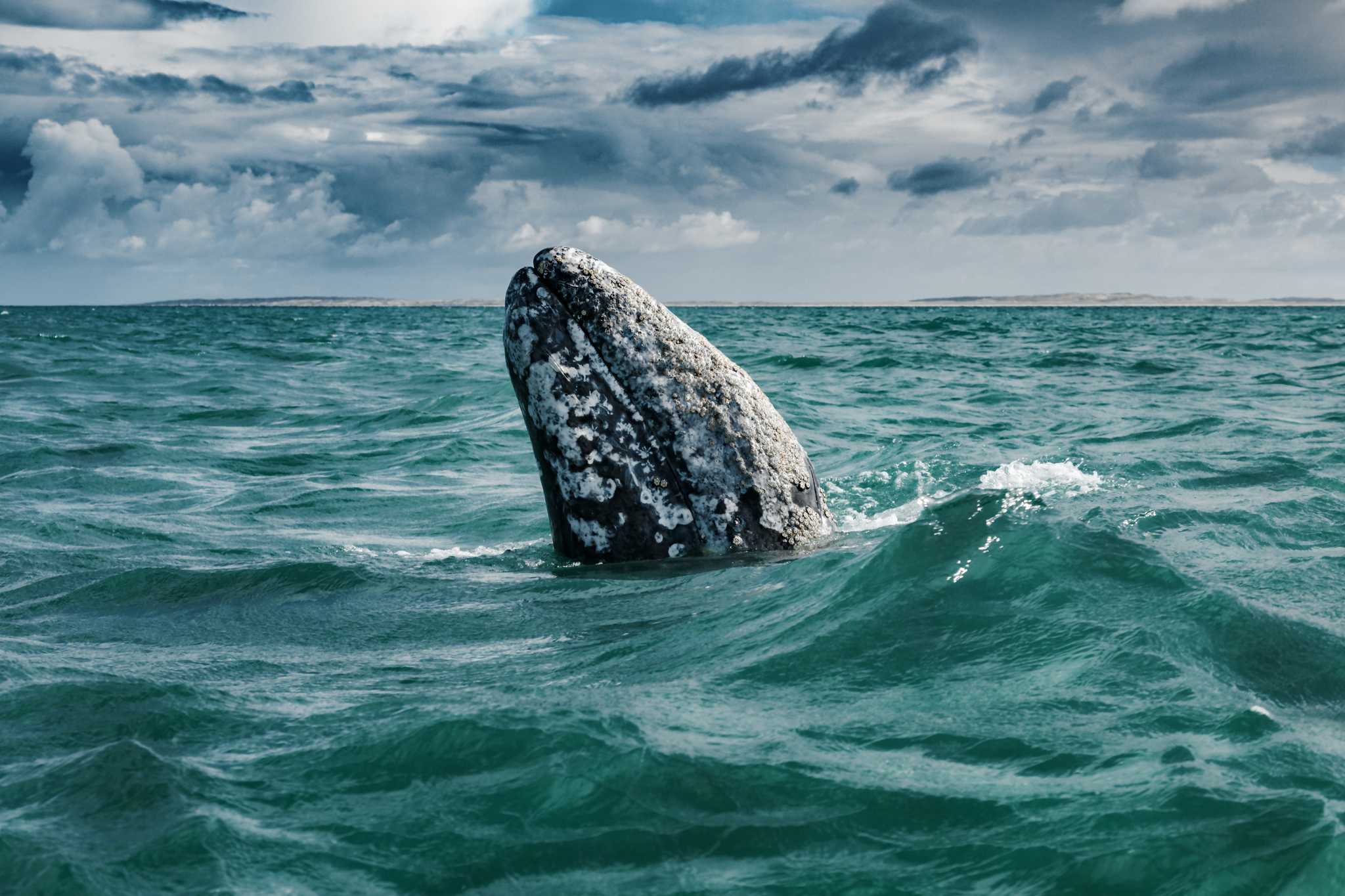
Each winter, gray whales arrive in Baja’s Pacific lagoons to mate and give birth, staying until spring. Watch mothers guide their calves through sheltered waters, sometimes right beside the boat.
- See gray whales from December to April, peaking in February and March.
- Visit Laguna Ojo de Liebre, a UNESCO-listed whale nursery.
- Spot curious whales approaching boats at Laguna San Ignacio.
- Explore Bahía Magdalena, a major whale-watching area.
- Watch humpback whales breach off Los Cabos from December to March.
Get out on the Sea of Cortez
The Sea of Cortez is rich in marine life, with rocky islands, coral reefs, and clear waters to explore. Snorkel among colorful fish, spot sea lions, or look for some of the gulf’s biggest residents.
- Snorkel with sea lions at Los Islotes or see them at Isla Coronado.
- Explore the protected coves and beaches of Espíritu Santo Island.
- Swim with whale sharks in La Paz Bay on licensed tours.
- Discover marine life around Cabo Pulmo’s 20,000-year-old reef.
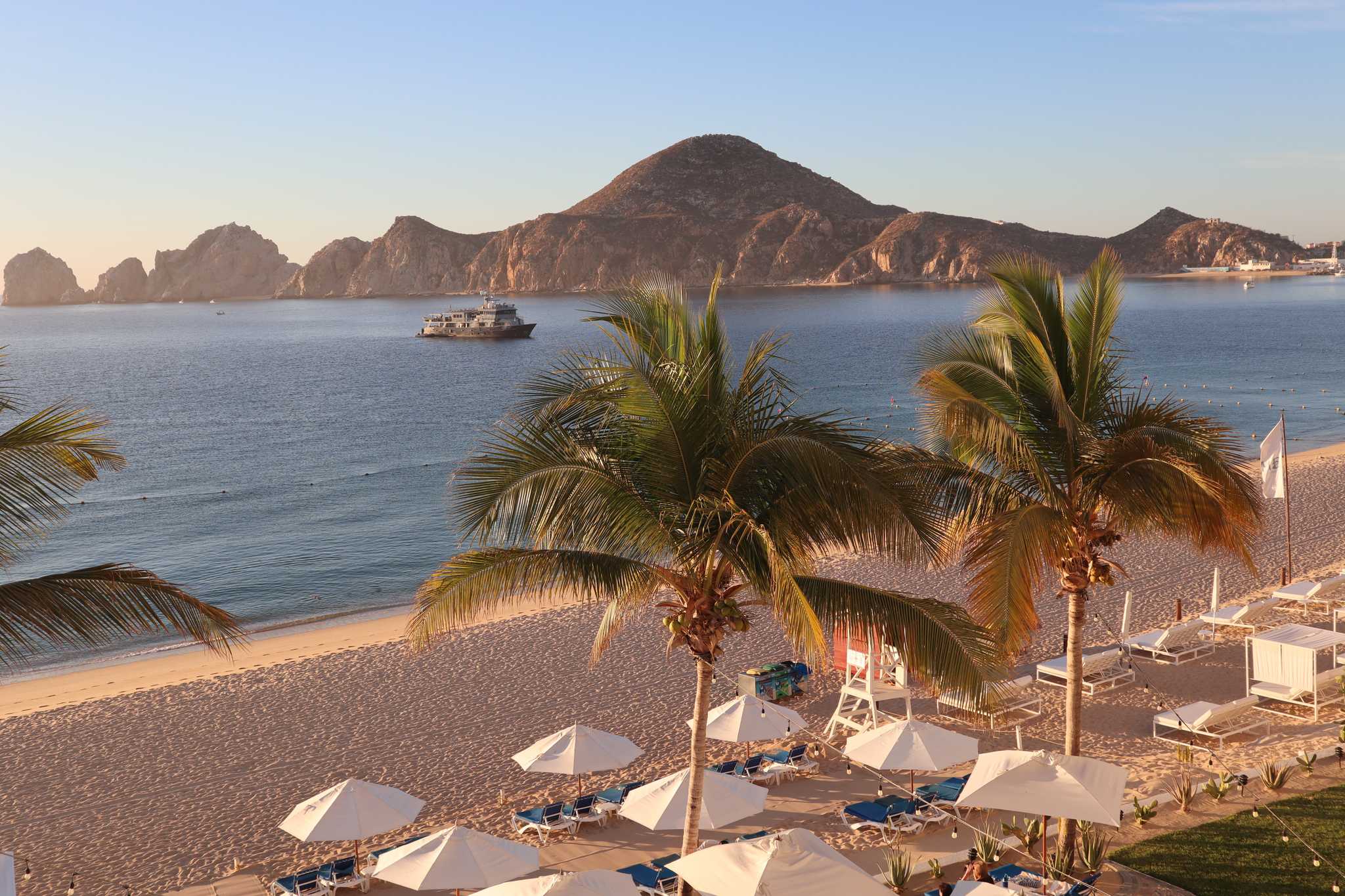
- Take a glass-bottom boat to admire El Arco in Cabo San Lucas.
Hit the beaches
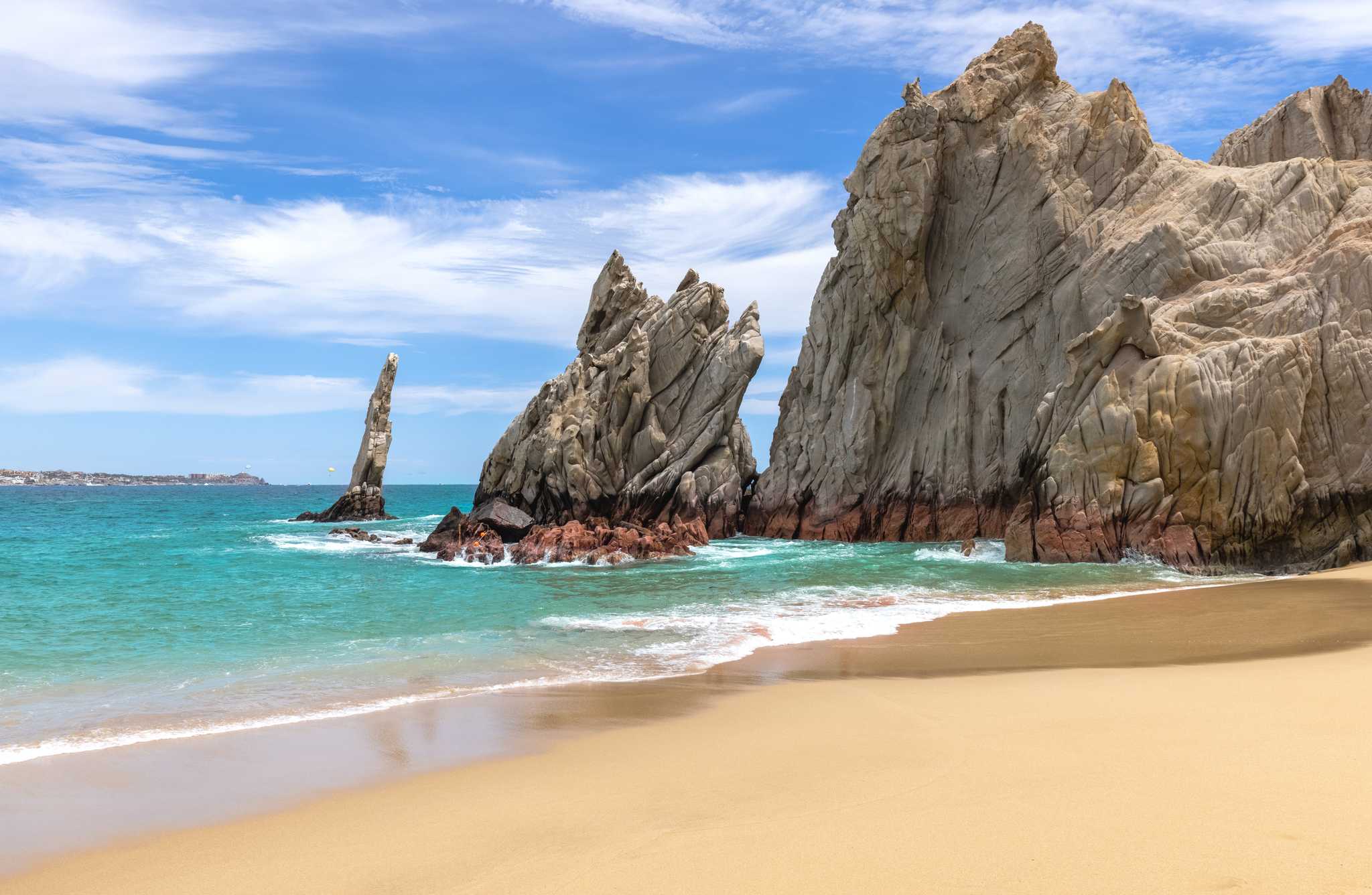
Baja’s two coastlines offer different ways to enjoy the water. The gulf has sheltered bays for swimming, while the Pacific brings surf breaks and wide-open beaches.
- Take a water taxi to Playa del Amor in Cabo San Lucas.
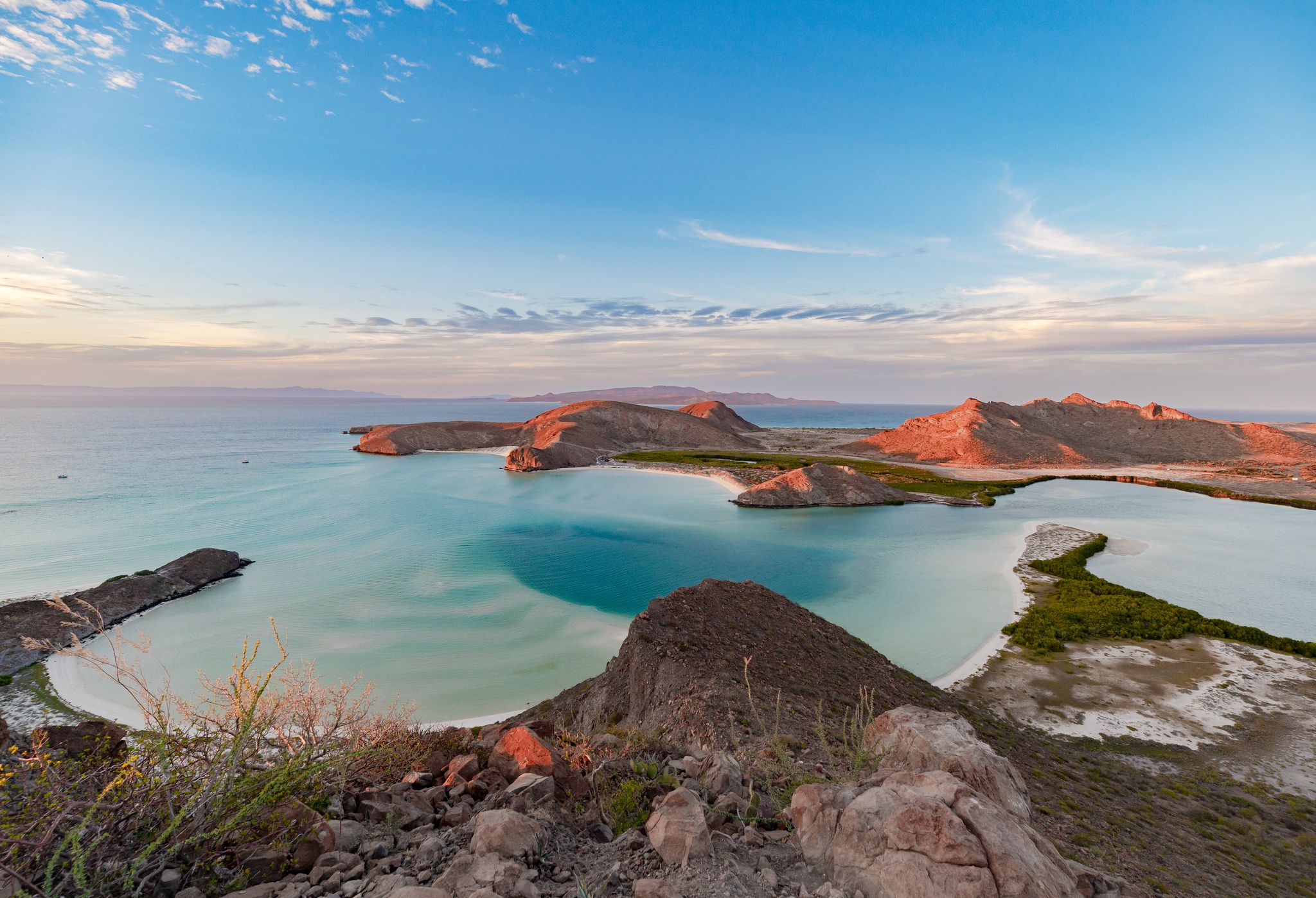
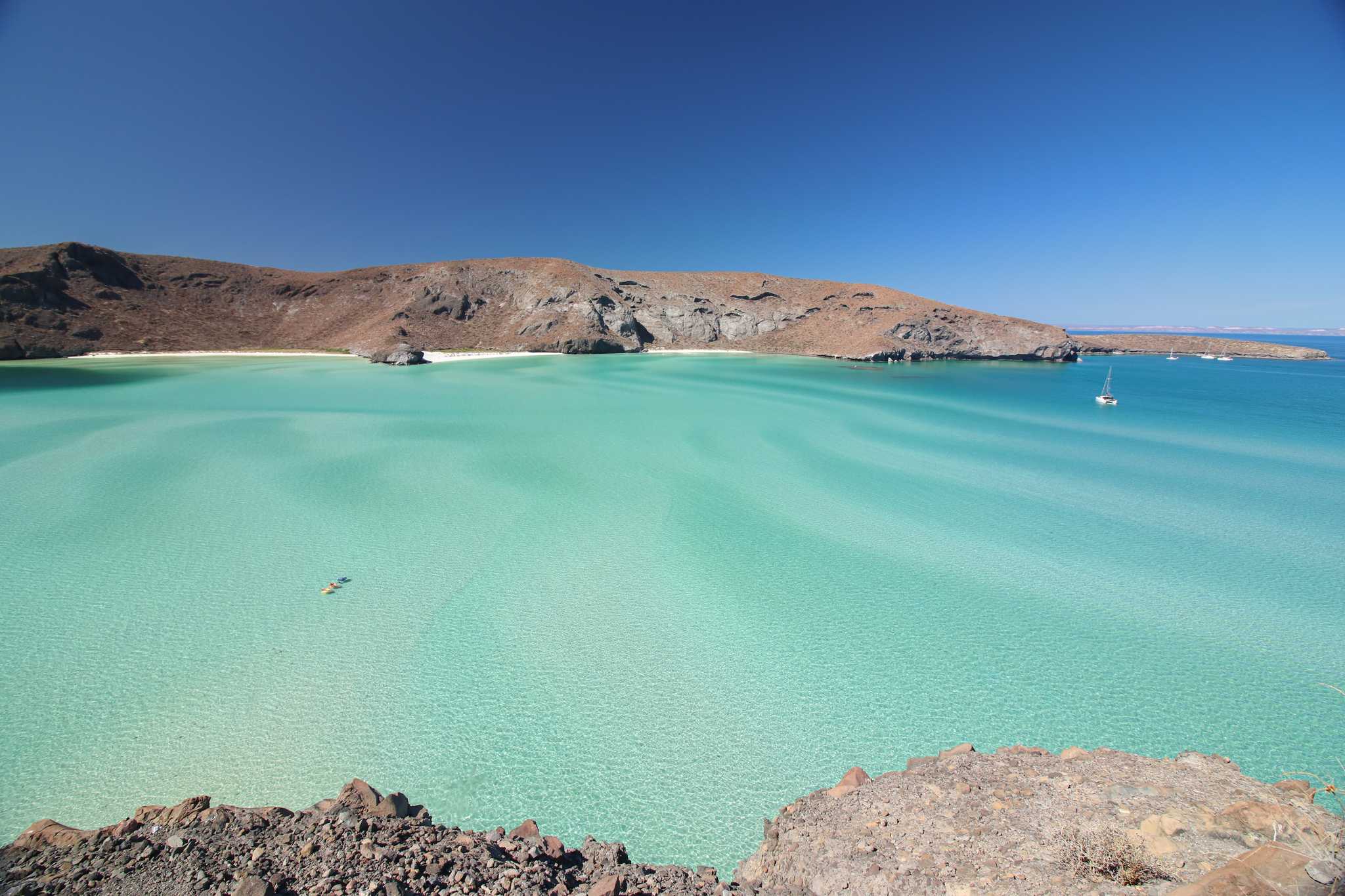
- Wade through the clear, shallow waters of Playa Balandra near La Paz.
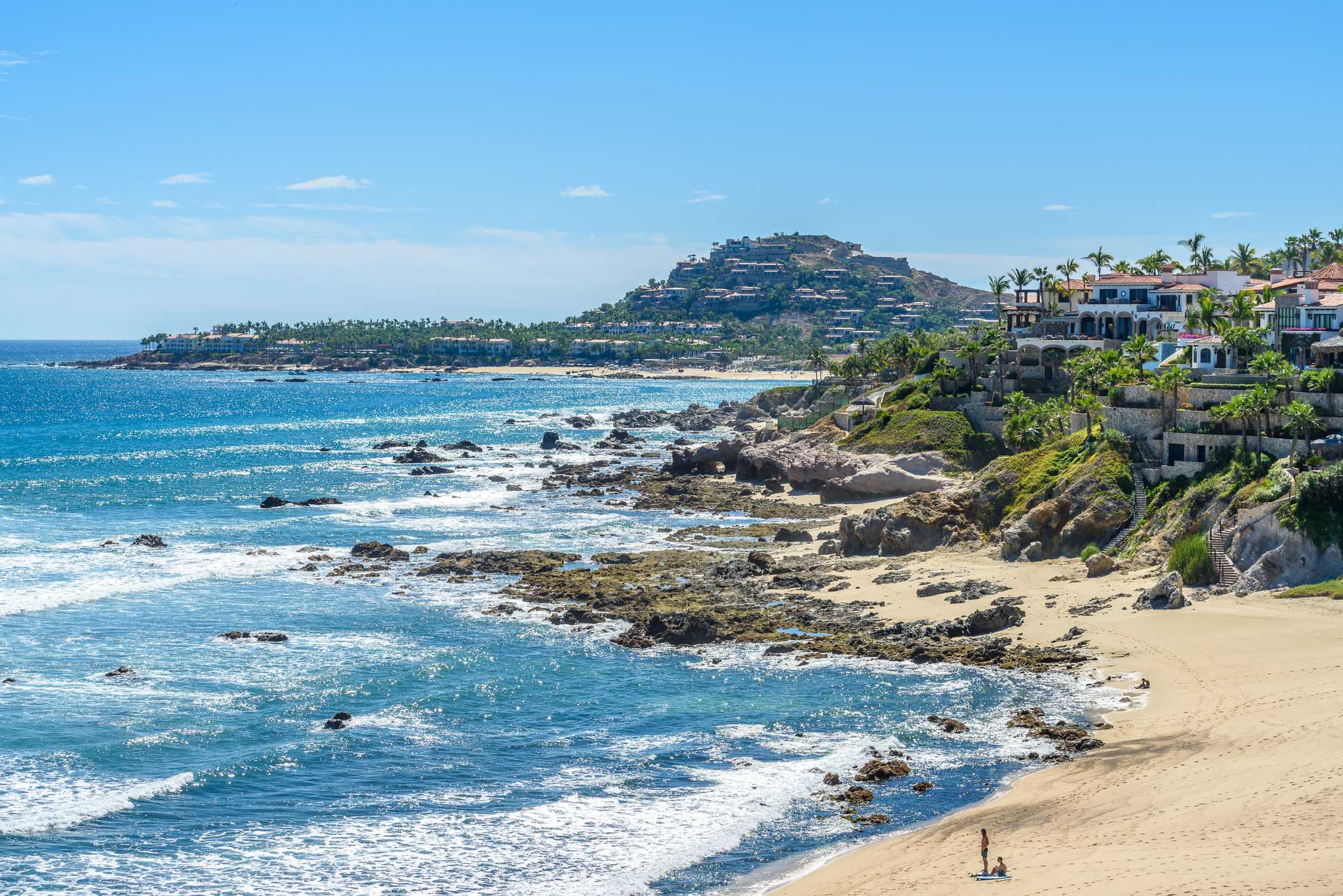
- Unwind in the sheltered cove of Bahía Santa María near Los Cabos.
- Catch your first wave at Playa Los Cerritos, a popular beginner spot.
- Kiteboard in La Ventana, where seasonal winds peak November to March.
Trace Baja’s history
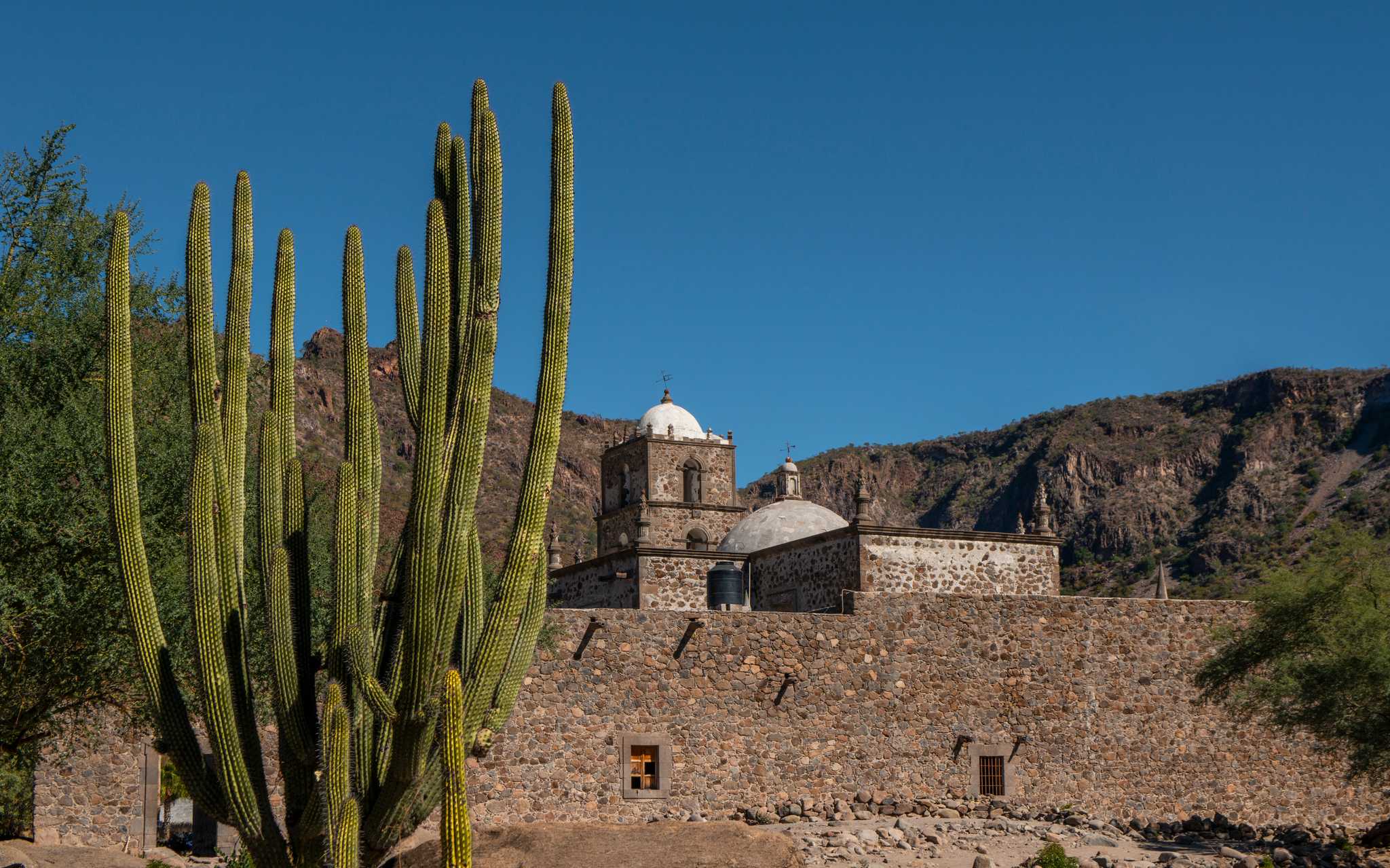
Historic churches and ancient rock art reveal Baja’s past, from Spanish missions to far older cave paintings.
- Visit Loreto, home to Baja’s first permanent Spanish mission.
- Explore Jesuit history at Loreto’s Museo de las Misiones.
- Admire San Javier’s stone church in the Sierra de la Giganta.
- See UNESCO-listed rock art in the Sierra de San Francisco.
- Spot painted deer, bighorn sheep, and a puma at Cueva del Ratón.
Venture inland
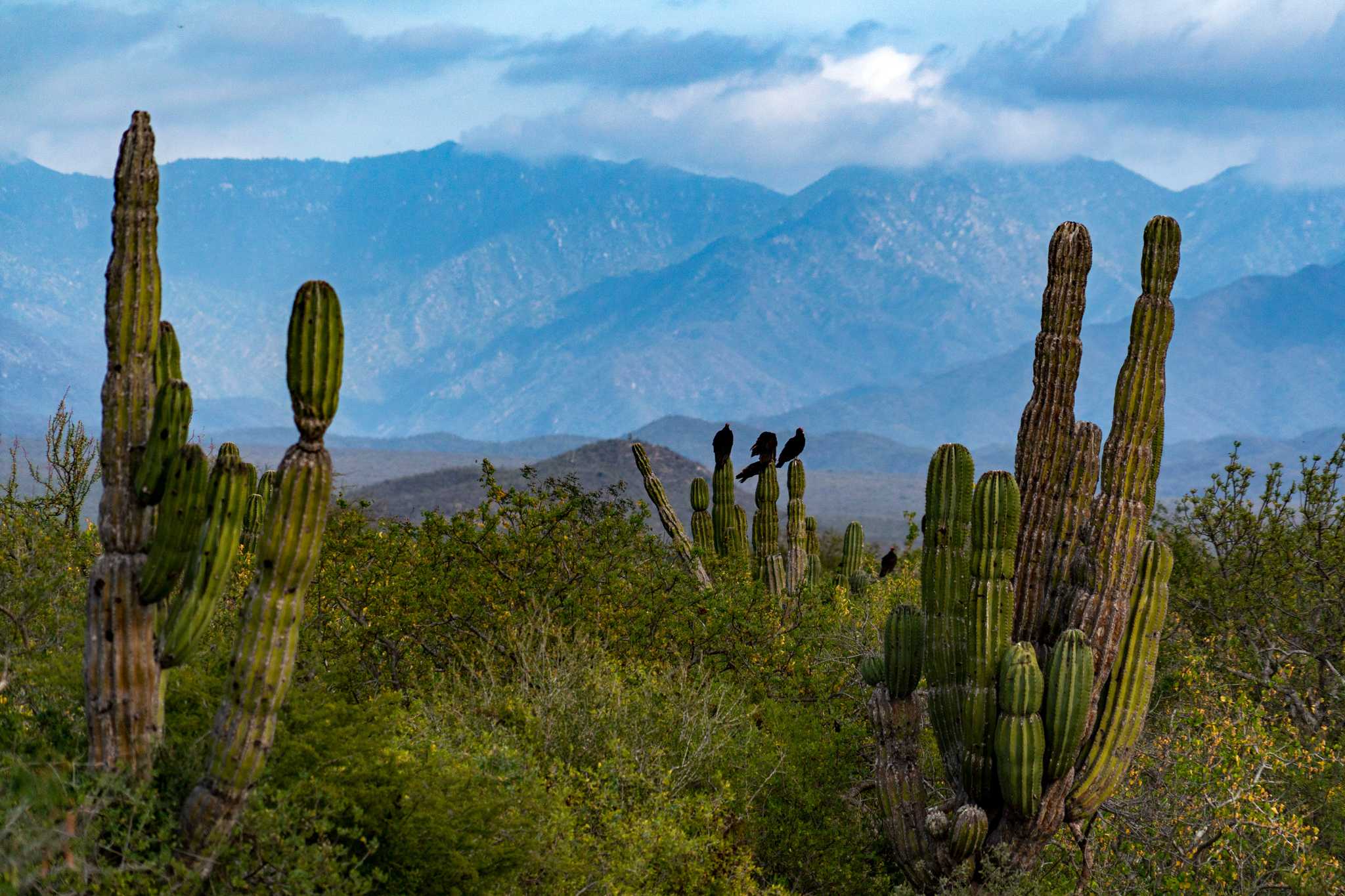
Away from the shoreline, inland Baja offers mountain trails, palm-filled oases, and rural settlements shaped by ranching and mining.
- Hike the Sierra de la Laguna, a biosphere reserve north of Los Cabos.
- Admire the waterfall at Cañón de la Zorra near Santiago.
- Soak in the natural hot springs at Santa Rita.
- Explore the rugged peaks of the Sierra de la Giganta near Loreto.
- Discover El Triunfo’s mining past and its unusual piano museum.
- Visit San Ignacio, where palms surround a historic mission church.
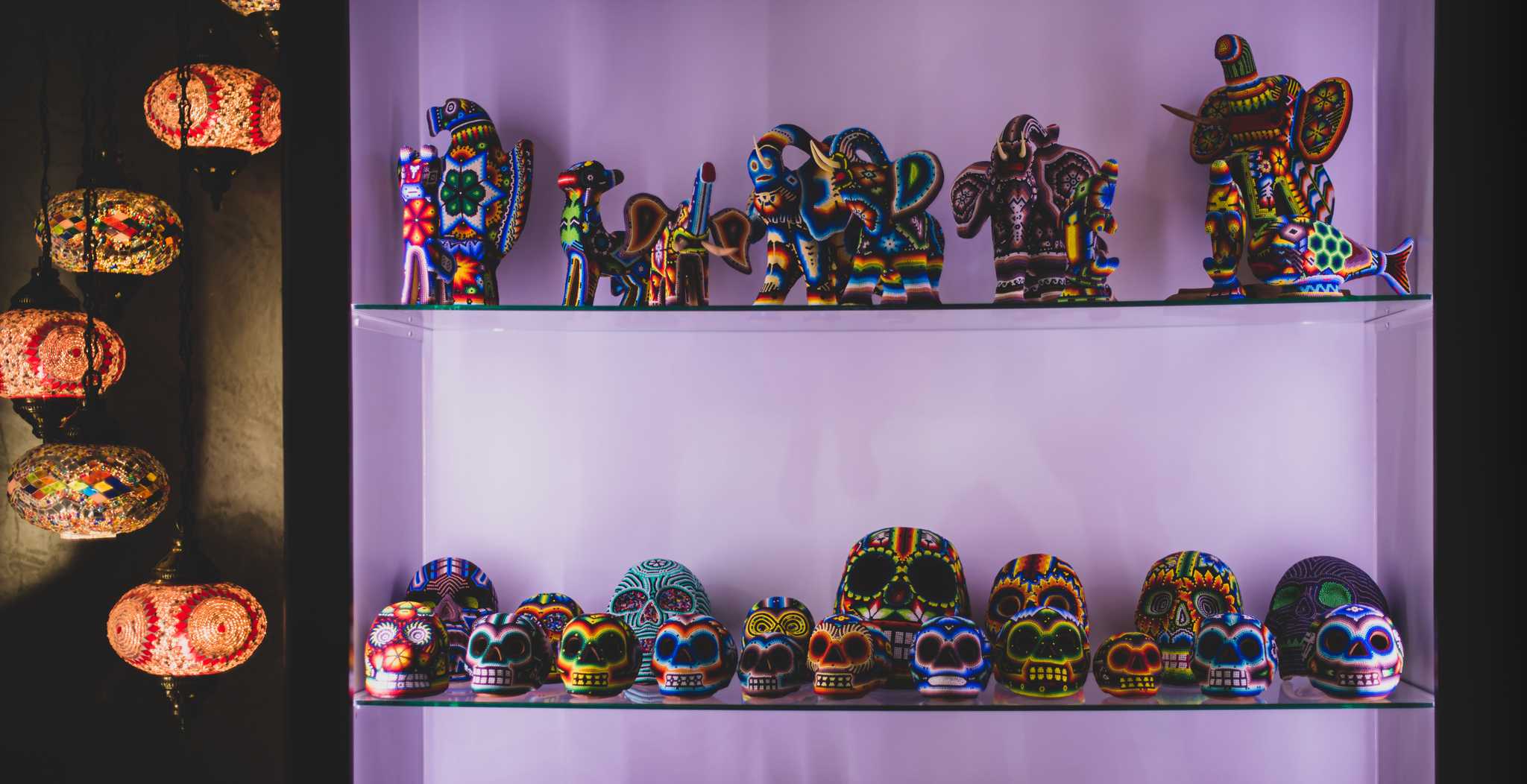
See the art
Baja’s creative side shines in its towns, with art galleries, lively plazas, and traditional crafts.
- Browse San José del Cabo’s galleries during its Thursday Art Walk.
- Catch live music and events at Plaza Mijares in San José del Cabo.
- Explore art galleries in the historic center of Todos Santos.
- Spot 17 sculptures along the Malecón de La Paz.
- Shop for handmade saddles, belts, and wallets in Miraflores.
Did you know
Jacques Cousteau, French ocean explorer and filmmaker, called the Sea of Cortez “the world’s aquarium.”
What to eat, drink, and order
Baja California Sur’s food reflects its coastal waters and desert landscape. Sample freshly caught seafood, traditional ranch-style cooking, and local sweets, with each town offering its own specialties.
Baja California Sur’s food reflects its coastal waters and desert landscape. Sample freshly caught seafood, traditional ranch-style cooking, and local sweets, with each town offering its own specialties.
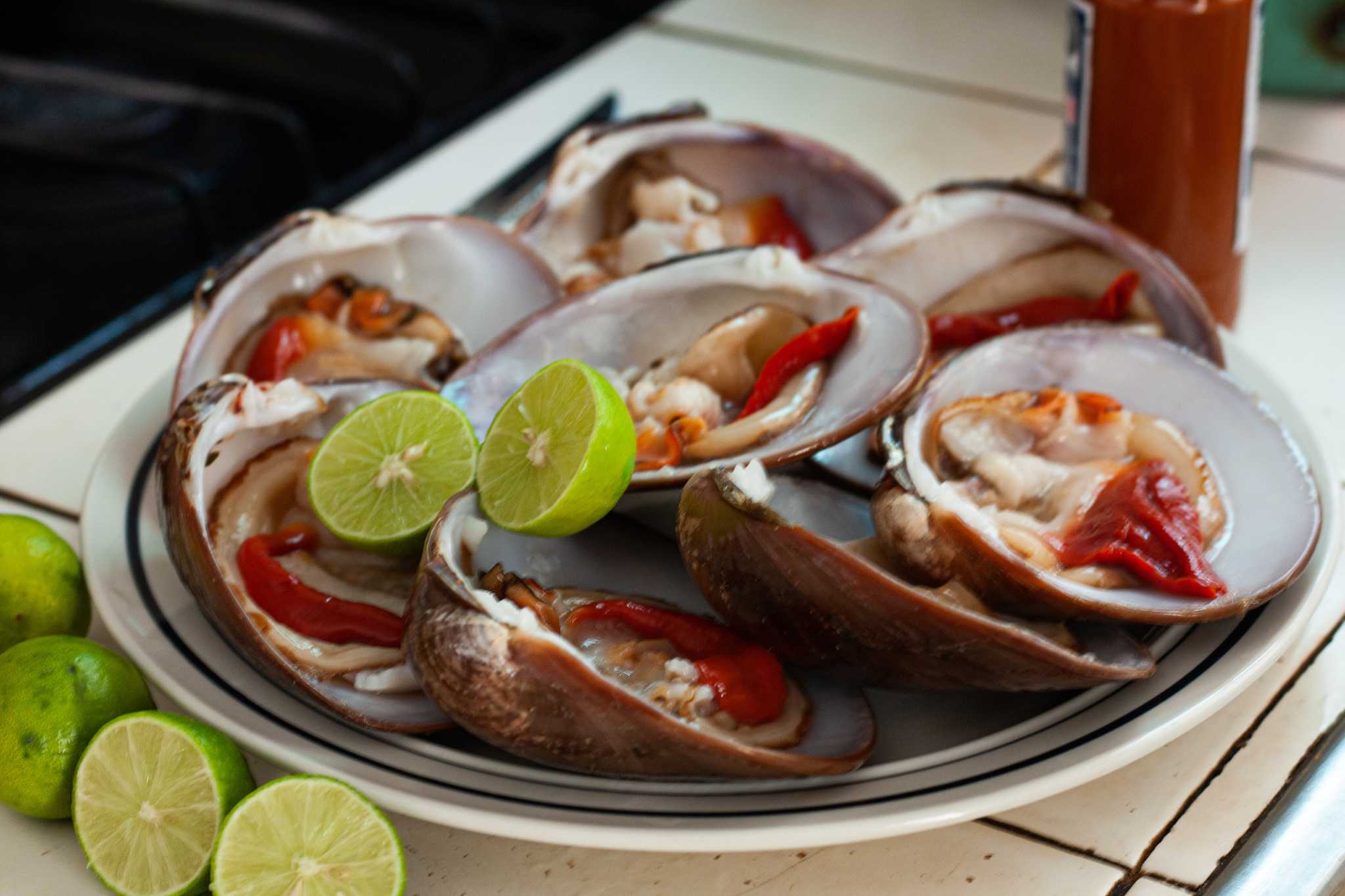
Almejas chocolatas in Loreto
Chocolate clams are a regional favorite, roasted in sand under a brush fire and served with a tangy mustard sauce.

Tacos de pescado in La Paz
Crispy battered fish, shredded cabbage, salsa, and lime fill tortillas in this classic Baja street food.

Burritos de machaca in Los Cabos
Seasoned shredded beef wrapped in a flour tortilla makes a hearty ranch-style meal that’s quick to eat on the go.

Pan de dátil in San Ignacio
This sweet date bread reflects the region’s date-growing tradition and goes well with a cup of coffee.
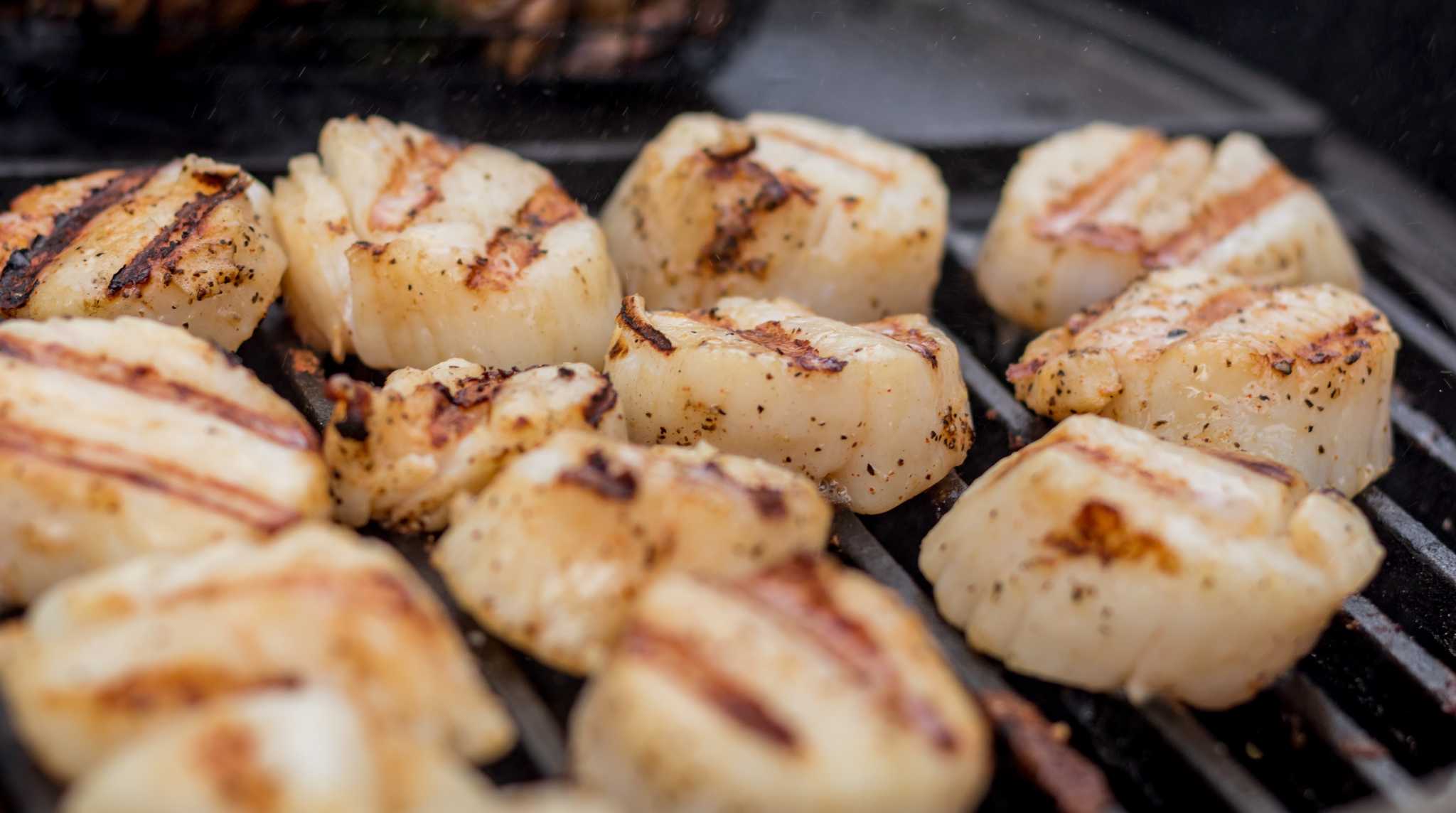
Callo de hacha in La Paz
Sweet, tender pen-shell scallops are often served raw with lime, letting the fresh flavor of the Sea of Cortez shine.

Pan francés in Santa Rosalía
Try this French-style bread at El Boleo, a bakery dating back to 1901, when French copper mining shaped the town.
Getting around Baja California Sur
Getting around Baja California Sur takes planning. Buses connect major towns, but reaching remote beaches, mountain villages, and small coastal communities can be tricky without a car. Renting a car gives you flexibility, while Daytrip offers a convenient alternative: book a private driver between destinations, get picked up at your hotel or the airport, and enjoy stops along the way without worrying about navigation or driving unfamiliar roads.
Our recommended routes in Baja California Sur
La Paz to Cabo San Lucas
2h 1min • 157km (97.6mi)
From US$136
La Paz to San Jose del Cabo
2h 15min • 186km (115.6mi)
From US$162
La Paz to Loreto
4h 13min • 357km (221.8mi)
From US$303
La Paz to Todos Santos
1h 8min • 82km (51.0mi)
From US$125
La Paz to Cabo Pulmo National Park
2h 39min • 168km (104.4mi)
From US$158
Cabo San Lucas to San Jose del Cabo
34min • 33km (20.5mi)
From US$118
San Jose del Cabo to Todos Santos
1h 14min • 104km (64.6mi)
From US$131
San Jose del Cabo to La Ventana
2h 17min • 157km (97.6mi)
From US$143
La Paz to San Carlos
3h 13min • 268km (166.5mi)
From US$229
San Jose del Cabo to Cabo Pulmo National Park
1h 43min • 99km (61.5mi)
From US$129
Los Cabos International Airport to Cabo San Lucas
51min • 52km (32.3mi)
From US$95
Los Cabos International Airport to La Paz
2h 35min • 200km (124.3mi)
From US$179
Best day trips in Baja California Sur

Cabo San Lucas to Todos Santos and Cabo Estuary: Day trip

San Jose del Cabo to Todos Santos: Private day trip

San Jose del Cabo to La Paz: Private day trip

Cabo San Lucas to Playa Palmilla and San Jose del Cabo

Cabo San Lucas to La Ventana and El Pescadero: Day trip

La Paz to Ensenada de Muertos and Cabo Pulmo Park: Day trip

La Paz to San Luis Gonzaga Mission and Sand Dunes Day Trip

Cabo San Lucas to East Cape Beach
2+ million travelers like you. Moments they'll never forget.

Your Baja California Sur questions, answered

About the author
Veronika Houdková is a Prague-based writer and journalism student. Coming from landlocked Czechia, she especially enjoys exploring coastal destinations, where she feels the most relaxed and at ease.
Be the first to discover more
Get handpicked travel ideas, insider highlights, and special Daytrip offers.


