Daytrip’s guide to the Yucatán
Visit Mexico’s Yucatán Peninsula for turquoise Caribbean beaches, jungle cenotes, and some of the finest Maya archaeological sites anywhere. Its distinctive cuisine and living Mayan culture bring visitors back year after year, and history feels close to the surface everywhere you go.
The peninsula separates the Gulf of Mexico from the Caribbean Sea. It covers the Mexican states of Yucatán, Campeche, and Quintana Roo (along with parts of Belize and Guatemala). Its flat limestone bedrock has almost no surface rivers. Instead, water flows underground and surfaces in thousands of cenotes. The ancient Maya considered these cenotes sacred gateways to the underworld.
The Maya built great cities here, including Chichén Itzá, Uxmal, and Calakmul. Spanish conquest followed in the 16th century, and in 1542 Mérida was founded on the site of the Maya city of T’hó. The region later grew rich on henequen (or Agave fourcroydes), a fiber called “green gold” that was used for rope, and that wealth still shows in its grand haciendas. Today, it is best known for its major resort centers.
This guide covers the best places to visit, how to get around, and when to go, with tips for combining beaches, ruins, and colonial towns.
Main airports:
- Cancún International Airport (CUN)
- Mérida International Airport (MID)
- Tulum International Airport (TQO)
Yucatán in brief
Main cities
Mérida, Cancún, and Campeche
Language
Spanish and Yucatec Maya
Currency
Mexican peso (MXN)
Time zone
UTC-5 in Quintana Roo, UTC-6 in Yucatán and Campeche, no daylight saving
Did you know
Maya is the second-most widely spoken Indigenous language in Mexico, with about 800,000 speakers in the country? Most of them live on the Yucatán Peninsula.
Our favorite cities in the Yucatán
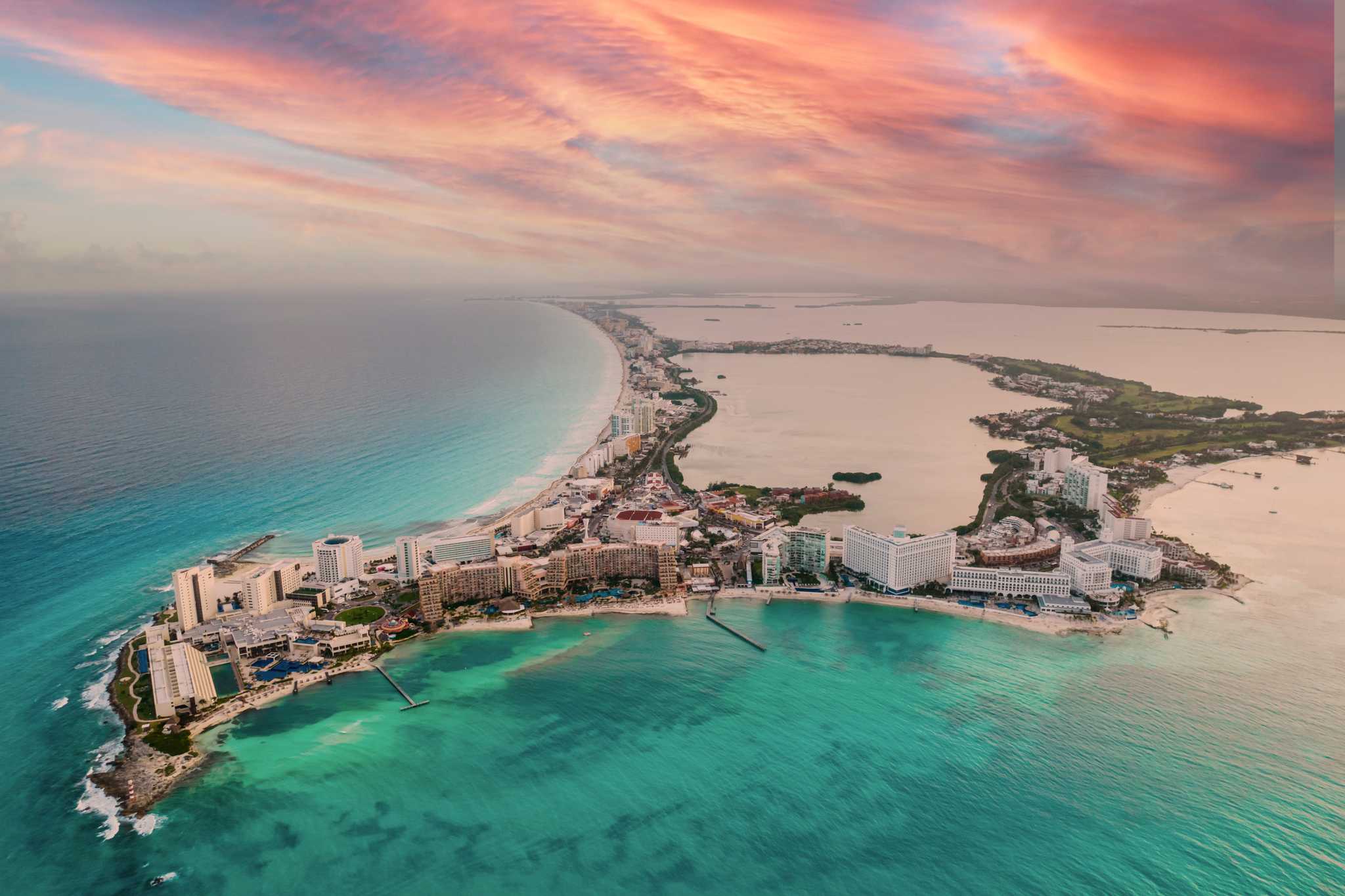
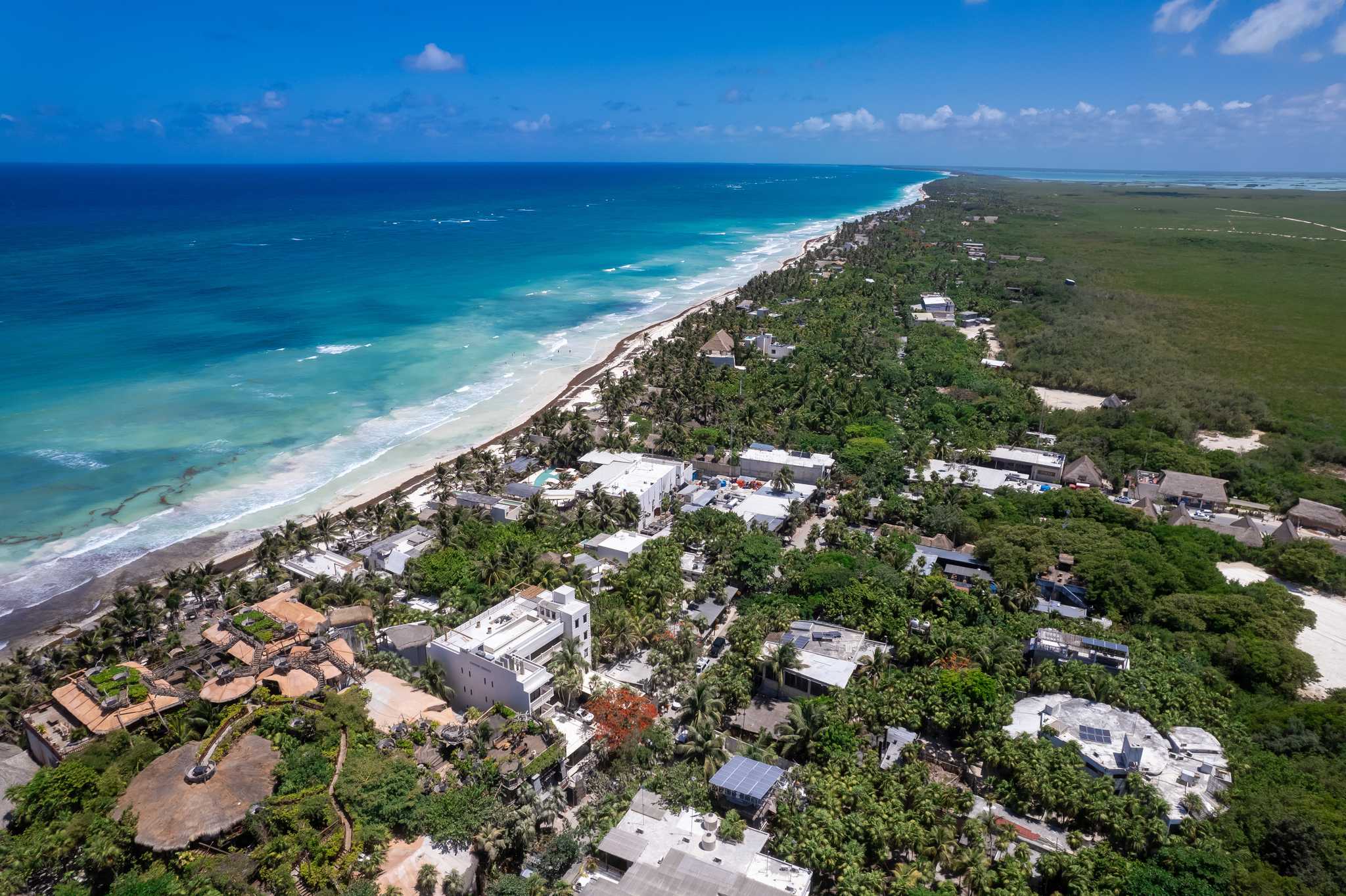
The Yucatán Peninsula has something for everyone. On the Caribbean coast, Cancún, Playa del Carmen, and Tulum trade in beaches, nightlife, and cenotes. Inland and on the Gulf, Mérida, Valladolid, and Campeche keep a slower colonial pace, with busy plazas, Maya ruins nearby, and the region’s best food.
The Yucatán Peninsula has something for everyone. On the Caribbean coast, Cancún, Playa del Carmen, and Tulum trade in beaches, nightlife, and cenotes. Inland and on the Gulf, Mérida, Valladolid, and Campeche keep a slower colonial pace, with busy plazas, *Maya ruins...



When to go
Spring
Warm, dry weather during March. Skip crowds by visiting right after Easter when other travelers are back home. Go to Chichén Itzá for the equinox.
Summer
Tropical, humid, and hot, with lots of heavy rain days. Prices are slightly lower for the off-season, and it is prime time to see marine life.
Fall
The rainiest season, with peak hurricane activity, but November is drier. Celebrate Hanal Pixán in Mérida, the local version of Day of the Dead.
Winter
The best overall for dry, sunny days. Go in early December to skip the crowds, or alternatively, go to Mérida for Carnival celebrations in February.
From a local
"Travel to Yucatán at the end of October or early November. The weather is great, and it’s the best time to experience Hanal Pixán, the Day of the Dead events you don’t get to see anywhere else in the world."
– Armando, Daytrip team, Mérida resident
Our picks: things to do in the Yucatán
The Yucatán Peninsula offers activities for every traveler, regardless of age or interests. Snorkel with wildlife, relax on the beach, step back in time at ancient archaeological sites, and eat a wide variety of delicious foods.
The Yucatán Peninsula offers activities for every traveler, regardless of age or interests. Snorkel with wildlife, relax on the beach, step back in time at ancient archaeological sites, and eat a wide varie...
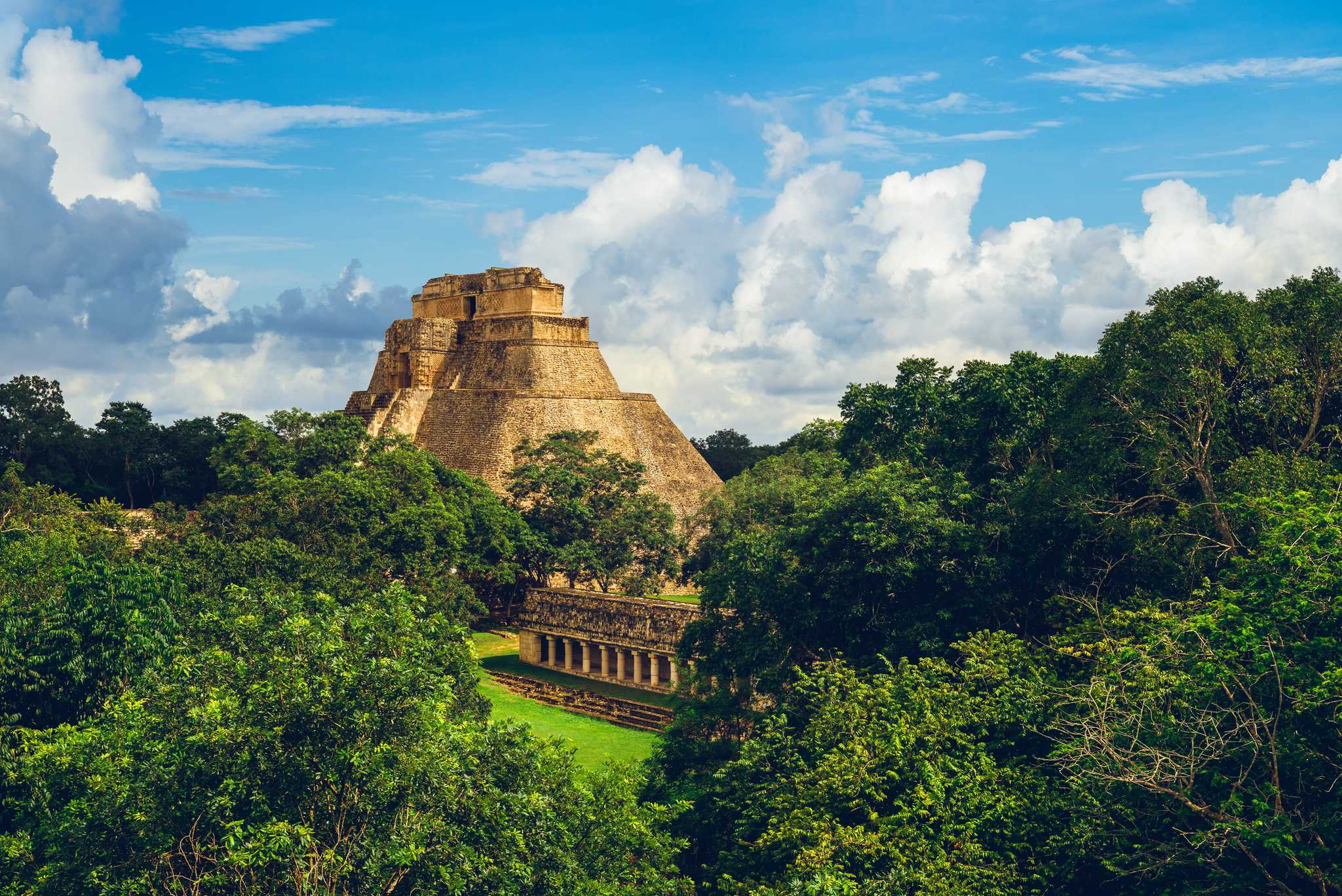
Visit ancient Mayan sites
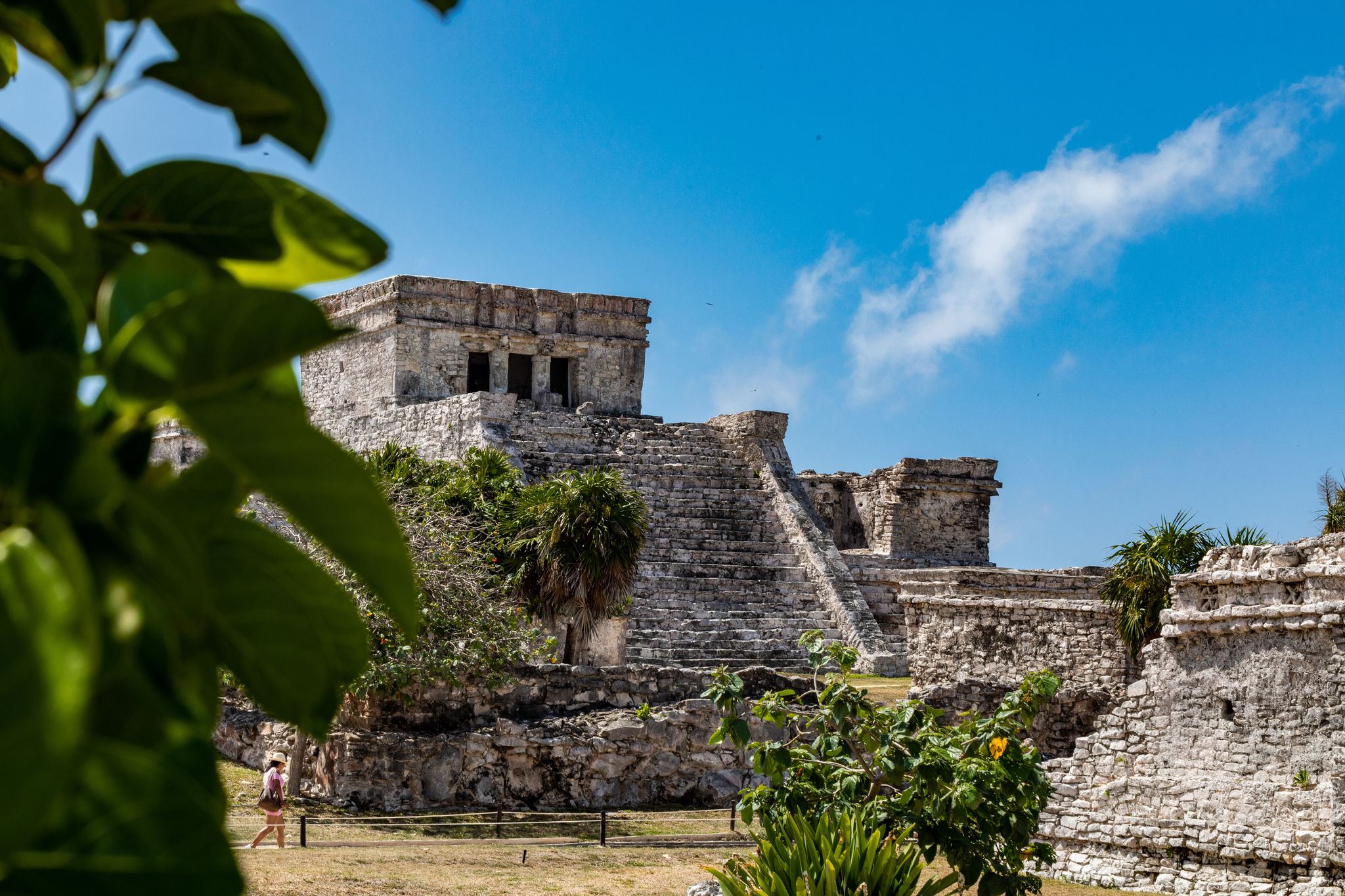
The Yucatán Peninsula is best known as the home to some of the Maya people’s largest temples and cities. As you explore the many pyramids and city ruins, history will feel closer than ever.
- Visit Chichén Itzá, which is one of the New Seven Wonders of the World
- See the imposing walls of Tulum, the pre-Columbian fortress on the sea
- Visit Uxmal for its unique rounded pyramid, an underrated spot
- Ek Balam’s hieroglyphs and statues bring many visitors
- Cobá is the tallest Maya pyramid in Quintana Roo, and you can climb it
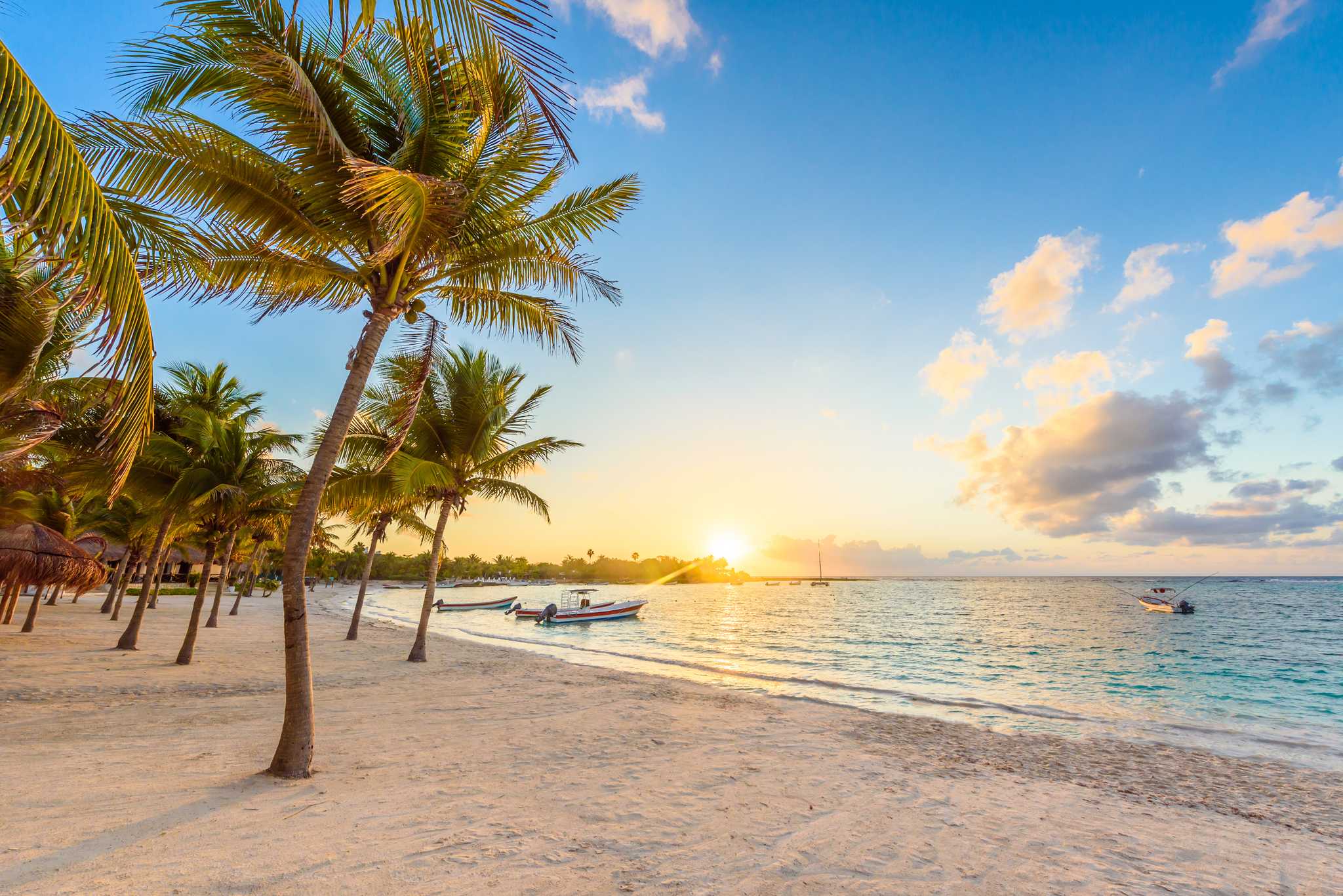
Soak up the sun
Some of the Caribbean’s best beaches are located on the coast of the Yucatán, sometimes called “Riviera Maya.” Go snorkeling, splash in the water, or simply relax on the beach with a drink and a book.
- Stay in one of Cancun’s many all-inclusive beachfront resorts
- Take a boat to Isla Mujeres for calm, shallow waters
- Visit Playa del Carmen for a laid-back vibe of a beach town
- Lounge on Tulum’s beaches with a view of Maya ruins
- Go snorkeling to see green sea turtles at Playa Akumal
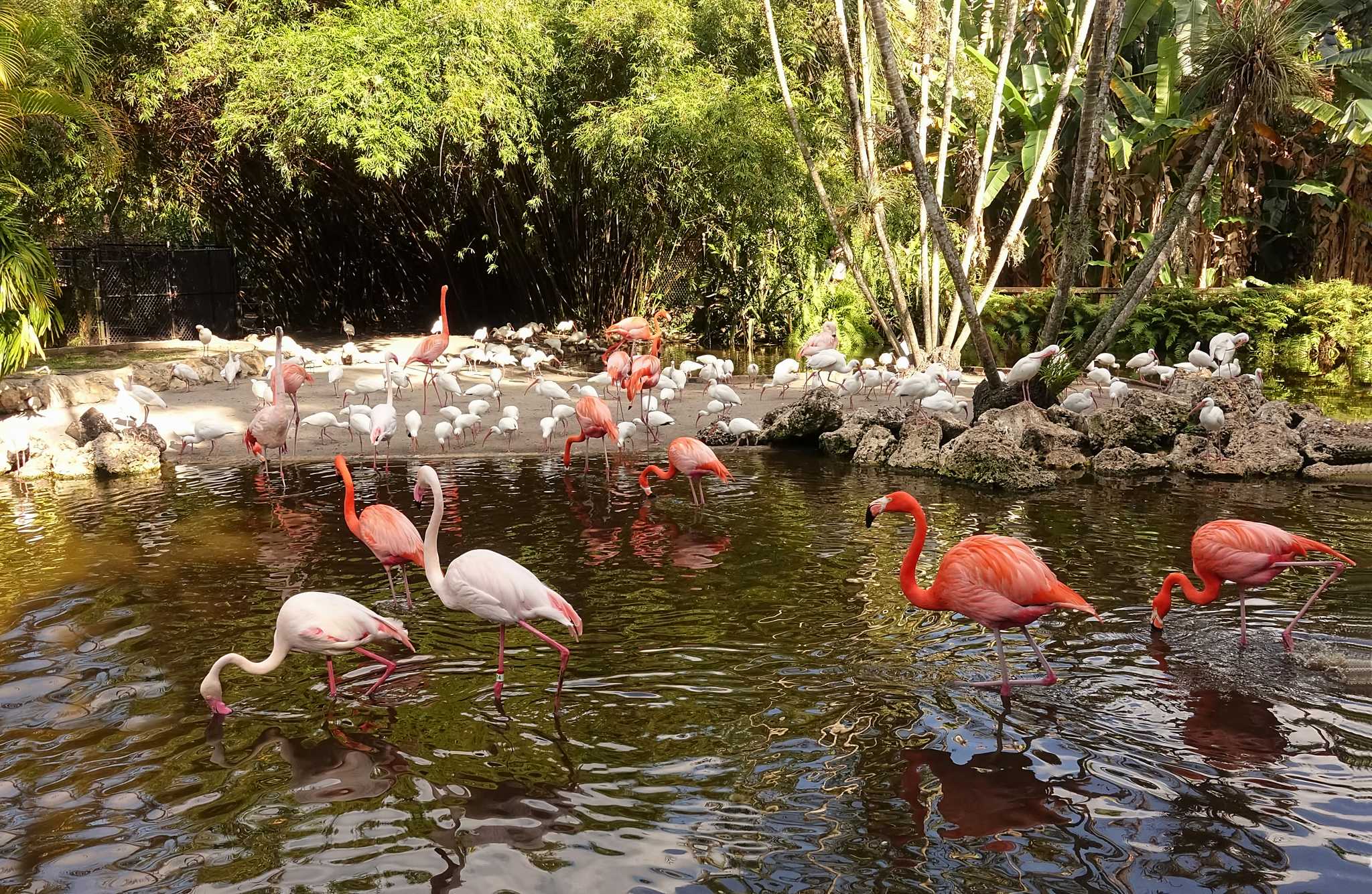
Spot wildlife
The Yucatán’s lagoons, mangroves, and reefs are home to an incredible range of wildlife. Take a boat tour, swim alongside gentle giants, or hike into the jungle to see animals in their natural habitat.
- Swim with whale sharks off Isla Holbox from June to September
- See thousands of pink flamingos in Celestún and Río Lagartos
- Explore the mangroves and lagoons of the Sian Ka’an Biosphere Reserve
- Listen for howler monkeys in the jungle around Calakmul
- Snorkel the Mesoamerican Reef, the second-largest barrier reef
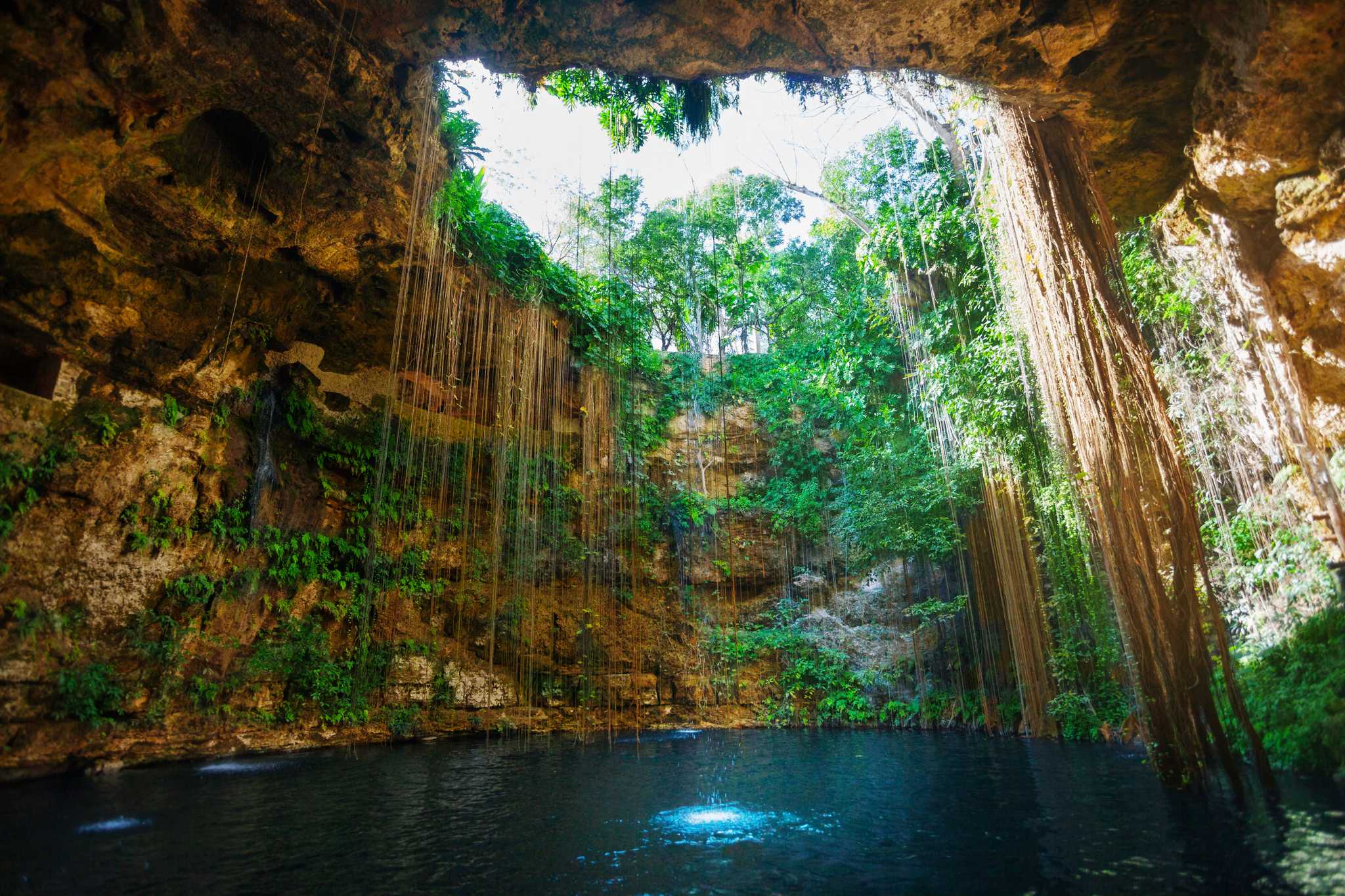
Visit the cenotes
With almost no rivers above ground, the Yucatán keeps its water below, in thousands of cenotes. Each is different: open lagoons, half-covered pools, and caverns where the water is so clear you can see straight to the bottom.
- In Tulum, snorkel in the Two Eyes Cenote, with two cavernous pools
- Cenote Suytun, near Valladolid, has a stone pier for photos
- Swim beneath the hanging vines of Cenote Ik Kil
- Tulum’s Gran Cenote has tunnels and shallow sandy pools
- Cenote Zaci is massive and deep enough to dive into
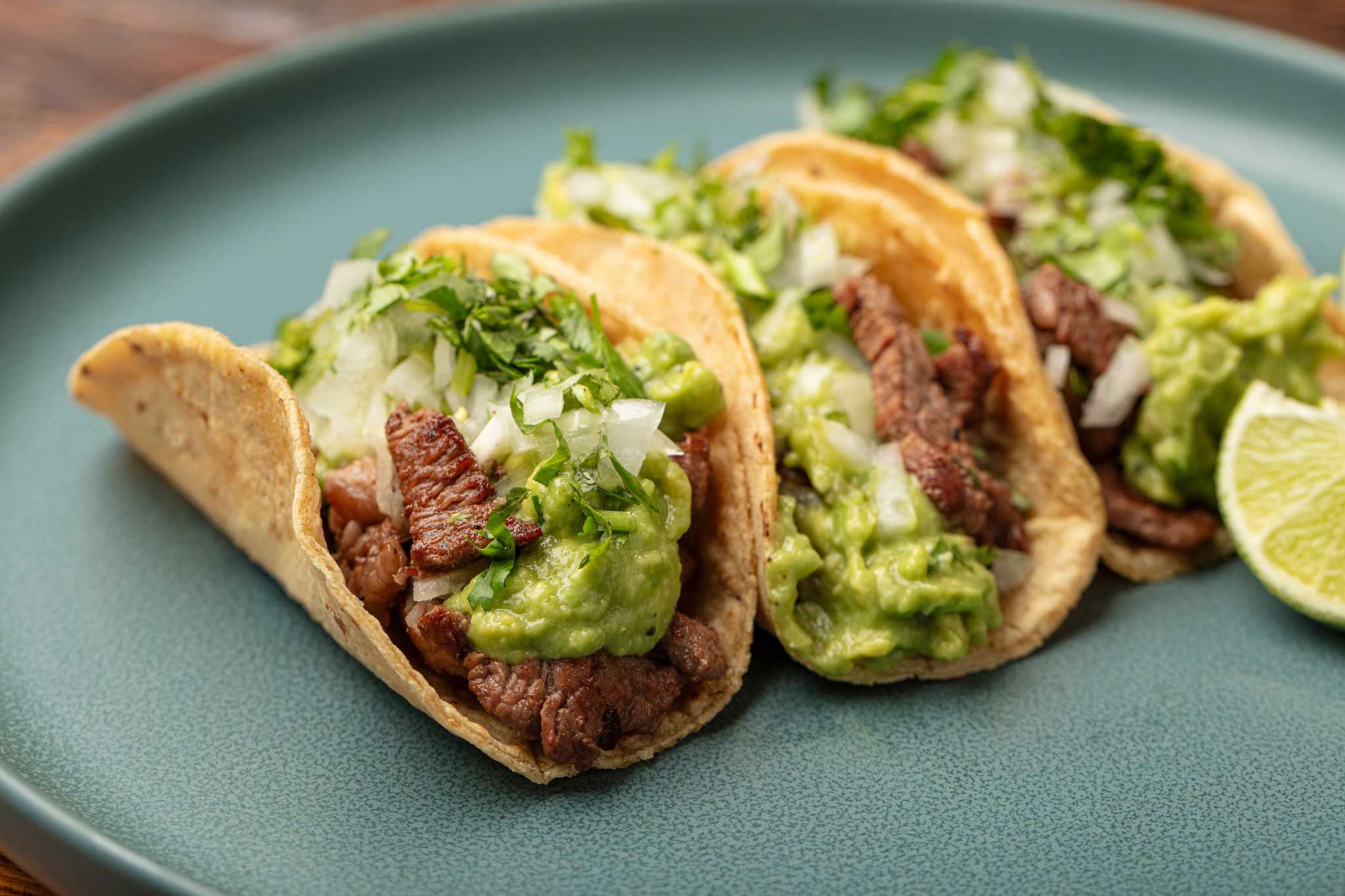
Eat local cuisine
A trip to Mexico usually centers heavily on cuisine, and for a good reason! The flavors of the Yucatán Peninsula have made their way to all corners of the globe for their tanginess and rich use of spices.
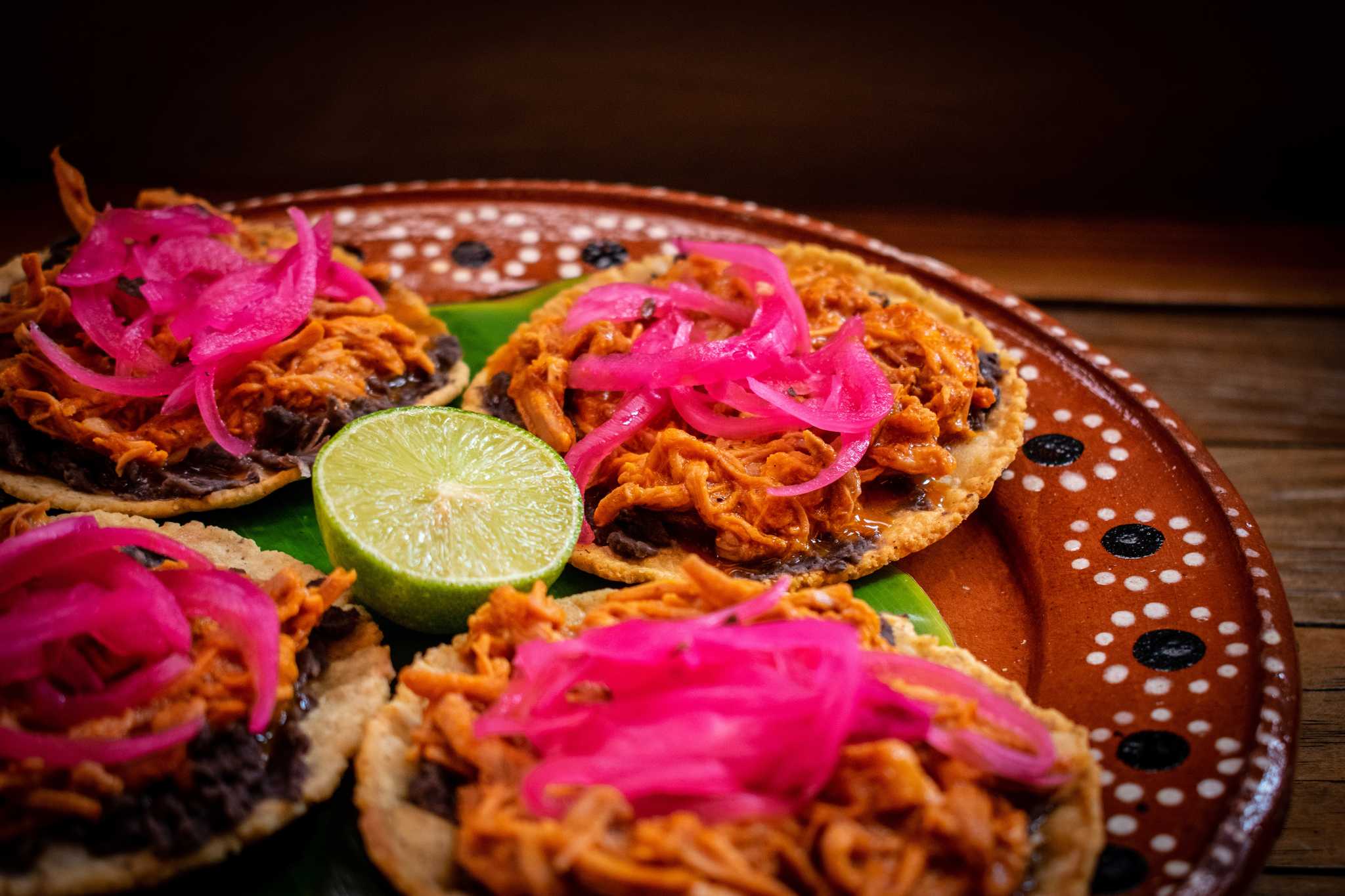
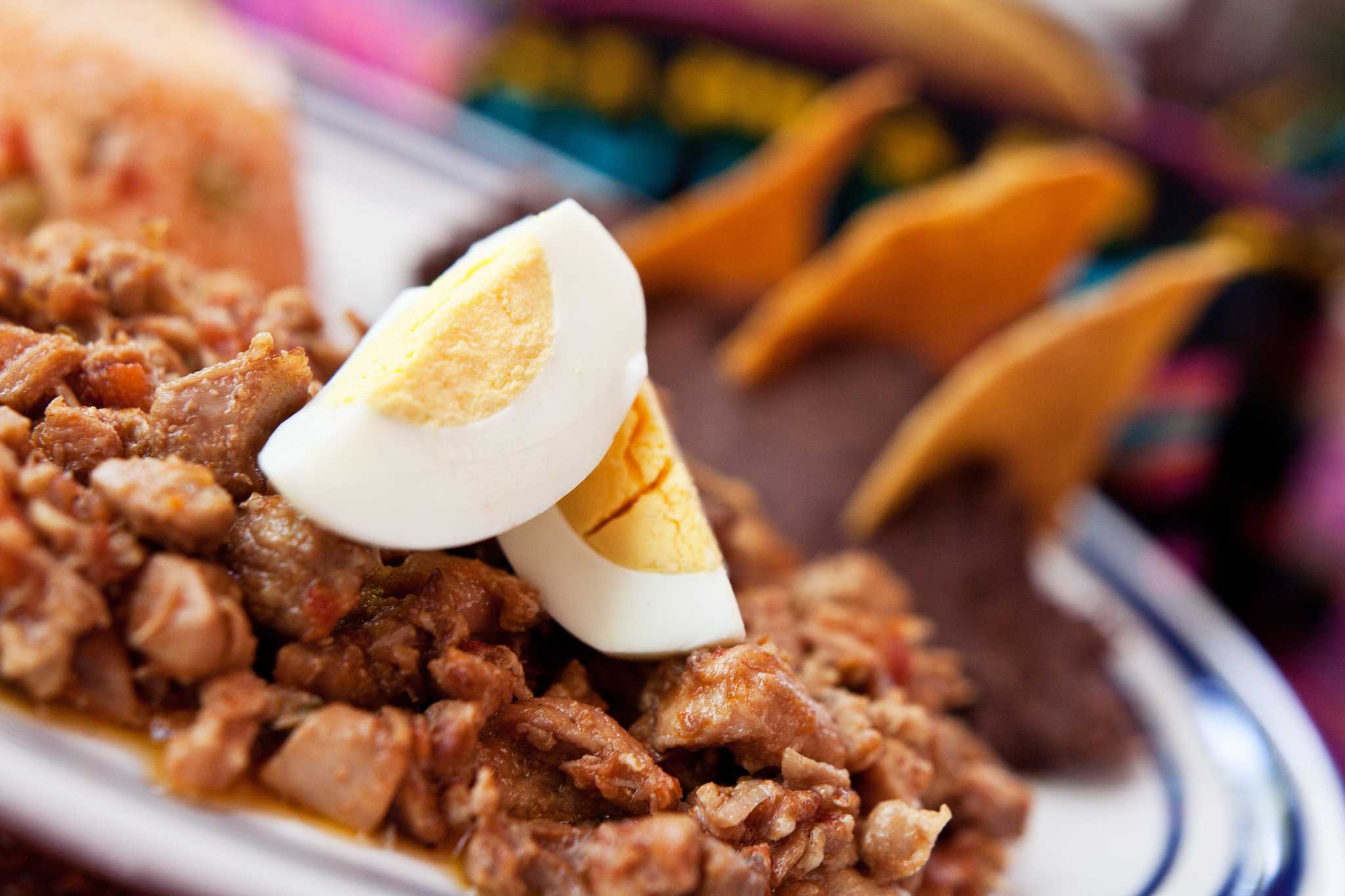
- Cochinita pibil is a Yucatán-born marinated, slow-roasted pork dish
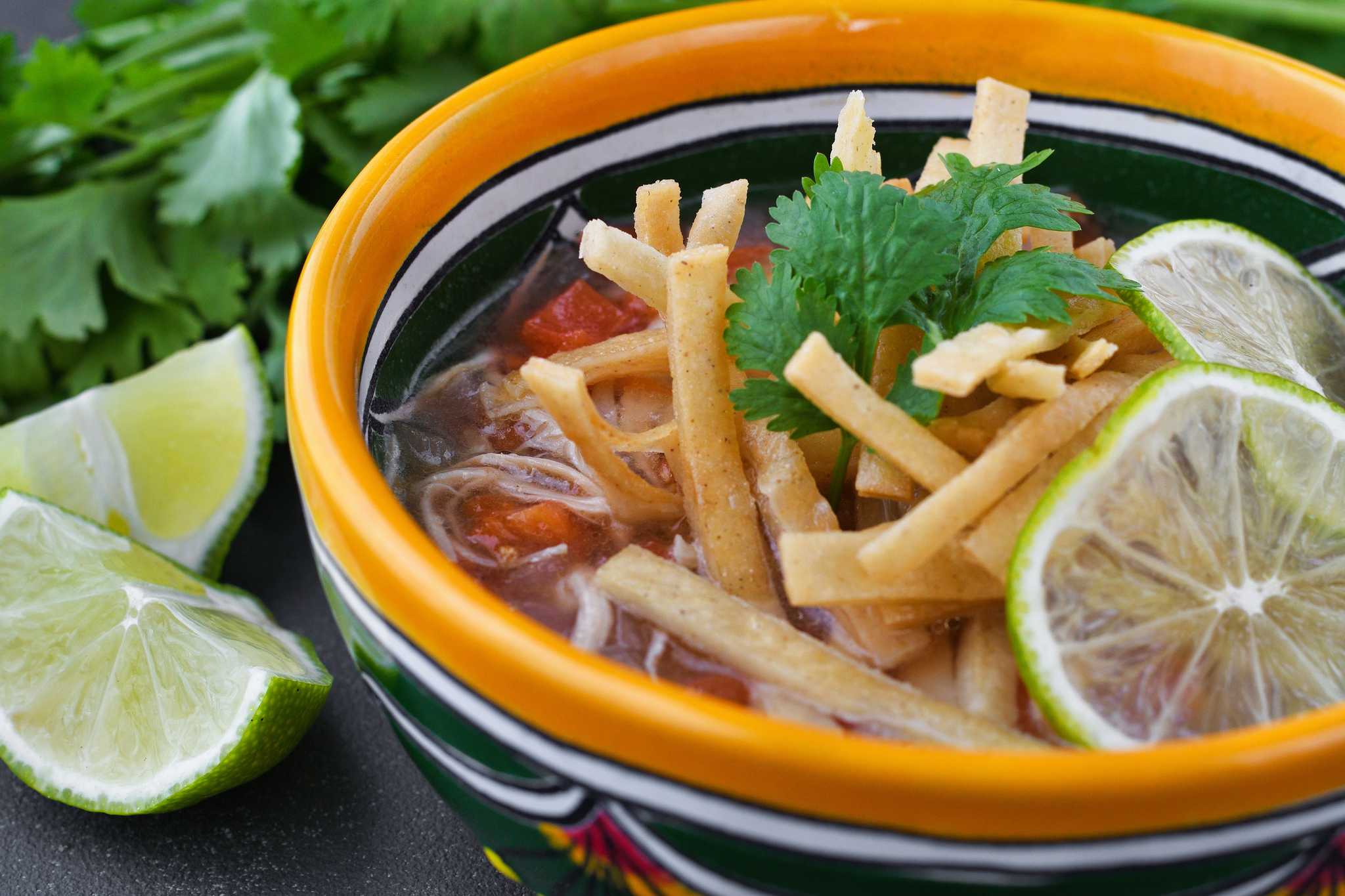
- Sopa de lima is a zesty chicken soup with tortilla crisps
- Sip xtabentún, a Maya anise-and-honey liqueur.
- Xcaita is a traditional, sweet Mayan drink made from squash and corn
- Poc chuc are thin slices of citrus-marinated pork
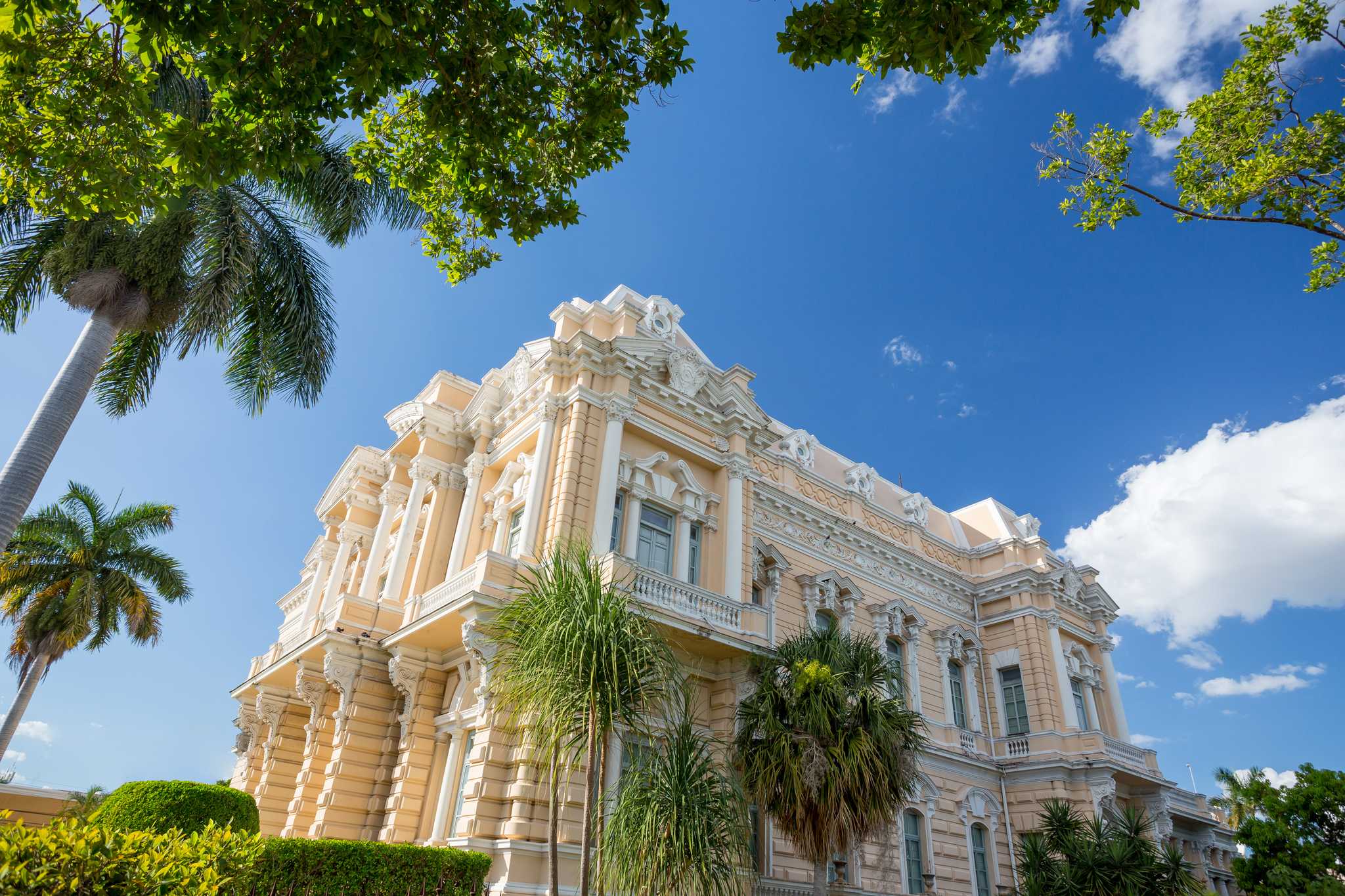
Explore colonial towns
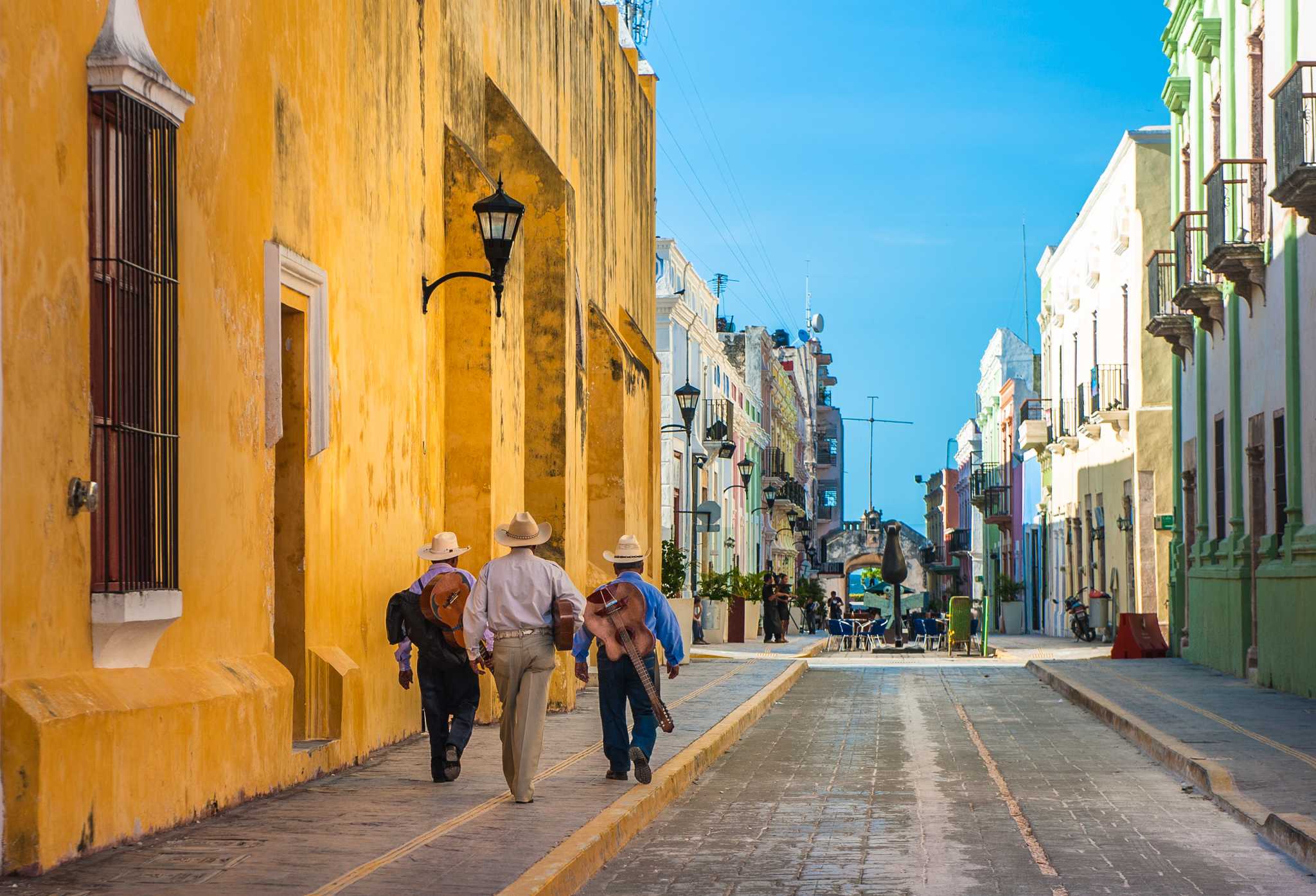
Spanish colonial architecture blends with Maya heritage in the Yucatán’s towns and cities. Wander past colorful facades, grand cathedrals, and shady plazas where locals gather in the evening.
- Stroll Mérida’s Paseo de Montejo, lined with grand mansions
- Walk the fortified walls of Campeche, a UNESCO World Heritage Site
- See Izamal, the “Yellow City”; nearly every building is painted yellow ochre
- Visit Valladolid’s convent of San Bernardino de Siena
- Enjoy free music and dancing in Mérida’s plazas most nights
What to eat, drink, and order
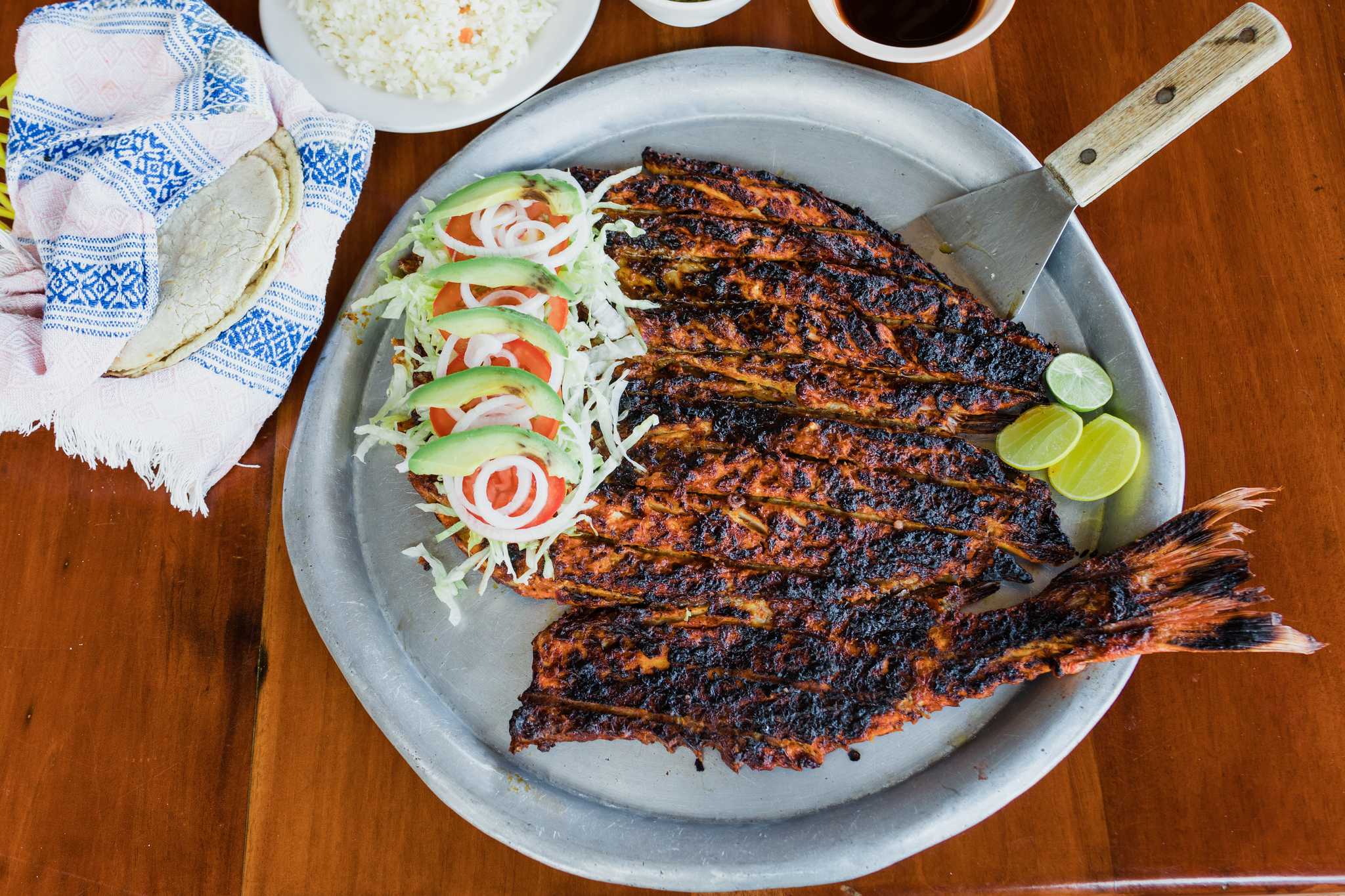
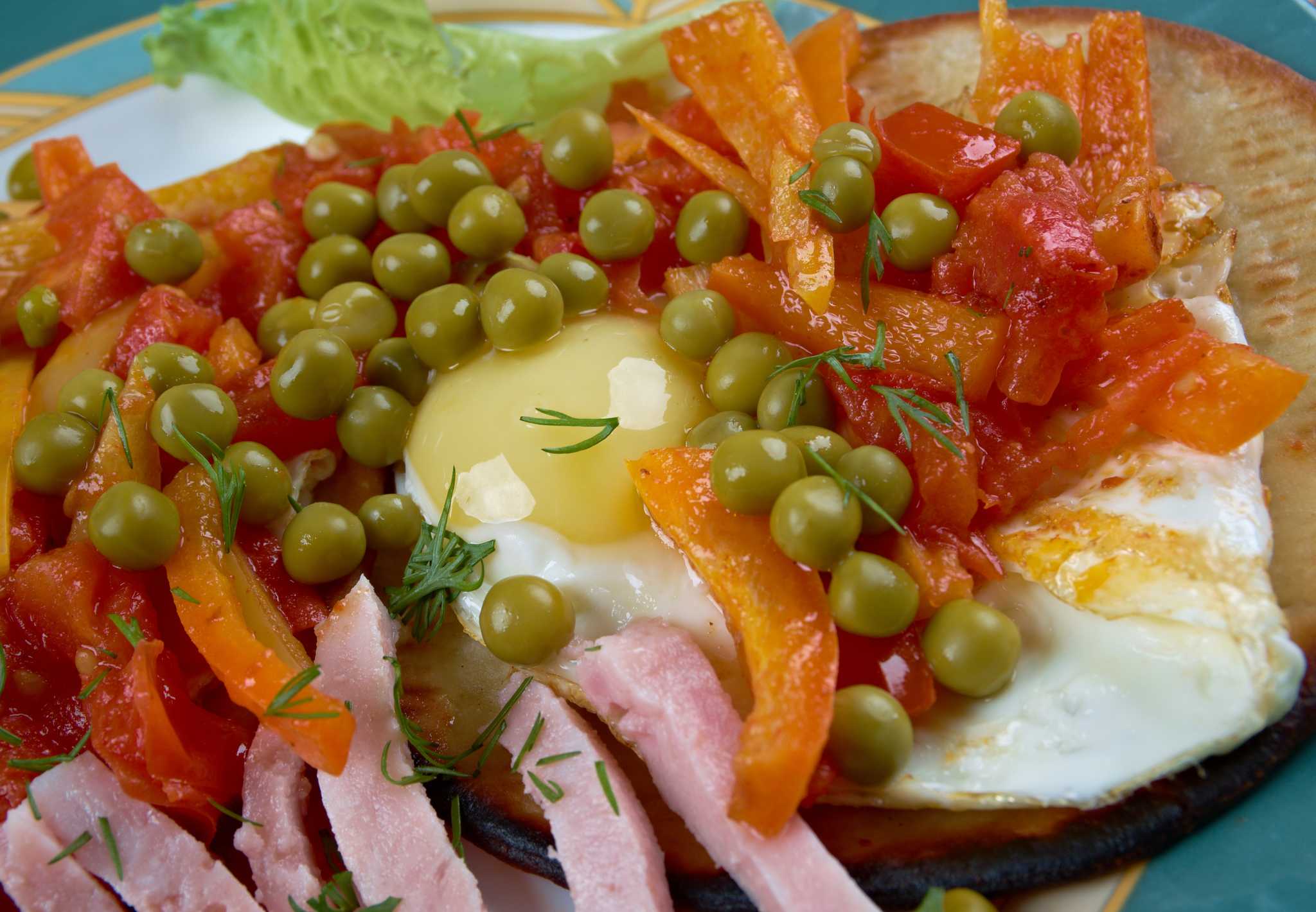
Food in this part of Mexico leans heavily on fish and meat with the bright, citrus flavor of lime and tropical fruits. Ancient recipes from Maya times live on today as street vendors serve hot meals along the beaches and town squares.
Food in this part of Mexico leans heavily on fish and meat with the bright, citrus flavor of lime and tropical fruits. Ancient recipes from Maya times live on today as street vendors serve hot meals along the beaches and town squares.

From a local
“If you want to know Yucatán, start with its food.”
– Fabiola, Daytrip team, Yucatán regular
Getting around the Yucatán
The best part of traveling around the Yucatán Peninsula is that most major resorts, beaches, and archaeological sites are close to each other. It is reasonable to see several major sites in one day, but only with a private driver. Public buses are an option, but their schedules can be unreliable, and they fill up fast. With a rental car, parking and security at ruins and hotels are on you. Overall, a private transfer is the safest and most time-saving option.
Our recommended routes in the Yucatán
Cancun Airport to Tulum
1h 35min • 119km (73.9mi)
From US$114
Tulum to Cancun
1h 36min • 124km (77.1mi)
From US$114
Playa del Carmen to Cancun
50min • 61km (37.9mi)
From US$68
Playa del Carmen to Tulum
51min • 65km (40.4mi)
From US$68
Akumal to Cancun
1h 15min • 98km (60.9mi)
From US$114
Tulum to Merida
3h 9min • 259km (160.9mi)
From US$270
Tulum to Chiquila
2h 36min • 169km (105.0mi)
From US$184
Merida to Cancun
3h 24min • 315km (195.7mi)
From US$329
Valladolid to Merida
1h 49min • 160km (99.4mi)
From US$216
Bacalar to Tulum
2h 31min • 216km (134.2mi)
From US$209
San Francisco de Campeche to Merida
2h 16min • 179km (111.2mi)
From US$140
Cancun Airport to Playa del Carmen
46min • 56km (34.8mi)
From US$68
Best day trips in the Yucatán

Merida to Chichen Itza: Private day trip
The Authentic Yucatan Triple Crown: Day trip from Cancun

Chichen Itza and Coba Expedition: Day trip from Tulum

Merida to Chichen Itza and Valladolid: Private day trip

Puerto Morelos to Akumal and Tulum: Private day trip

Tulum and Dos Ojos Turquoise Waters: Day trip from Playa

Merida to Ek Balam and Cenote Yokdzonot: Private day trip

Playa del Carmen to Sian Ka'an: Private day trip
2+ million travelers like you. Moments they'll never forget.

Your Yucatán questions, answered

About the author
Caroline Beach is a Prague-based travel writer who prefers centering her trips around regional cultural events, rather than long-standing major points of interest.
Be the first to discover more
Get handpicked travel ideas, insider highlights, and special Daytrip offers.


