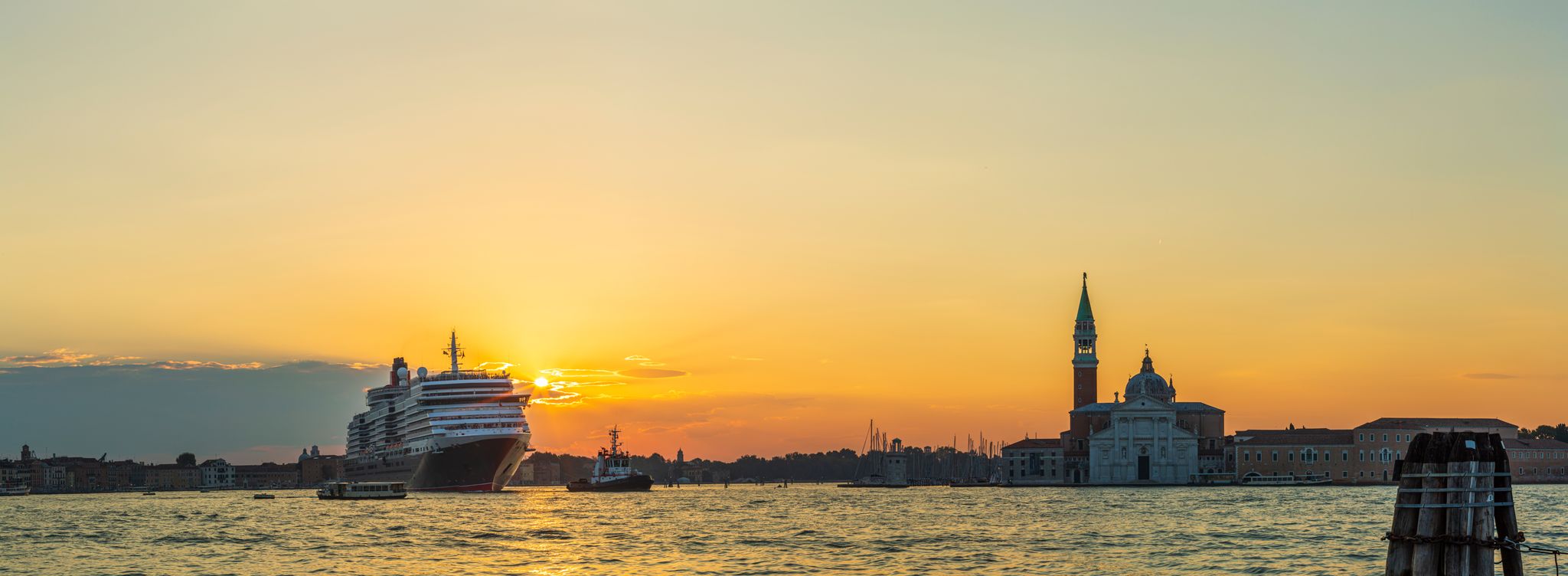
Italy's cruise ports

By Ján Tompkins
Every year, more cruise ships dock in Italy than in any other Mediterranean country, and 2026 is set to bring in a record fifteen million cruise passengers, the second most of any country in the world. They land at harbors scattered along both coastlines, from Trieste and Venice in the north to Palermo and Messina in the south, and nearly all of them face the same puzzle: one day, one port, and far more to see than the hours allow. This guide is written for that puzzle.
It helps to know what kind of port you are stepping into. Some are cities in full, where the old center begins within walking distance of the ship, as in Naples, Genoa, Palermo, and Trieste. Most of these reach beyond themselves as well, to Pompeii, Portofino, or a Norman cathedral in the hills. Others are gateways to something larger inland. Civitavecchia, Italy's busiest port by a wide margin, is the sea entrance to Rome, roughly 90 minutes away, and Livorno plays the same role for Florence. Venice sits in its own category, with big ships now routed to Marghera instead of the islands. Ravenna cruise port serves the wider northeastern region, while La Spezia is the main gateway to Cinque Terre and the Italian Riviera.
Because the ship sets the schedule, a port day rewards a plan. Eight to ten hours go quickly once you factor in distance, transfers, and the walk back to the terminal. Get those right and even a single afternoon can hold a Roman ruin, a hill town, or a stretch of coast. Ahead, six of Italy's best cruise ports, and what each puts within a day's reach.
Italy's main ports
Italy's cruise ports are gateways, not just stops. From these six harbors you can reach ancient ruins, canal cities, hill towns, and famous coastlines, often in a single day ashore. Each one opens onto something different. Here is where they lead.
Italy's cruise ports are gateways, not just stops. From these six harbors you can reach ancient ruins, canal cities, hill towns, and famous coastlines, often in a single day ashore. Each one opens onto something different. Here is where they lead.

Naples
Dock in the heart of the bay, with Pompeii, Vesuvius, the Amalfi Coast, and Capri all within an easy day's reach.

Venice
Step almost straight into the city of canals and St. Mark's Square, plus the quiet island colors of nearby Murano and Burano.

Civitavecchia (Rome)
Rome's cruise port, about ninety minutes from the Colosseum and the Vatican, with Etruscan tombs and beaches closer to hand.

Trieste
An elegant Habsburg-era port of grand seafront cafes, the clifftop Miramare Castle, and Slovenia just up the coast.

Palermo
Sicily's capital meets you with Arab-Norman churches, loud street markets, and the golden mosaics of Monreale above town.

Genoa
A working port fronting one of Europe's largest medieval quarters, with the Cinque Terre and Portofino down the coast.
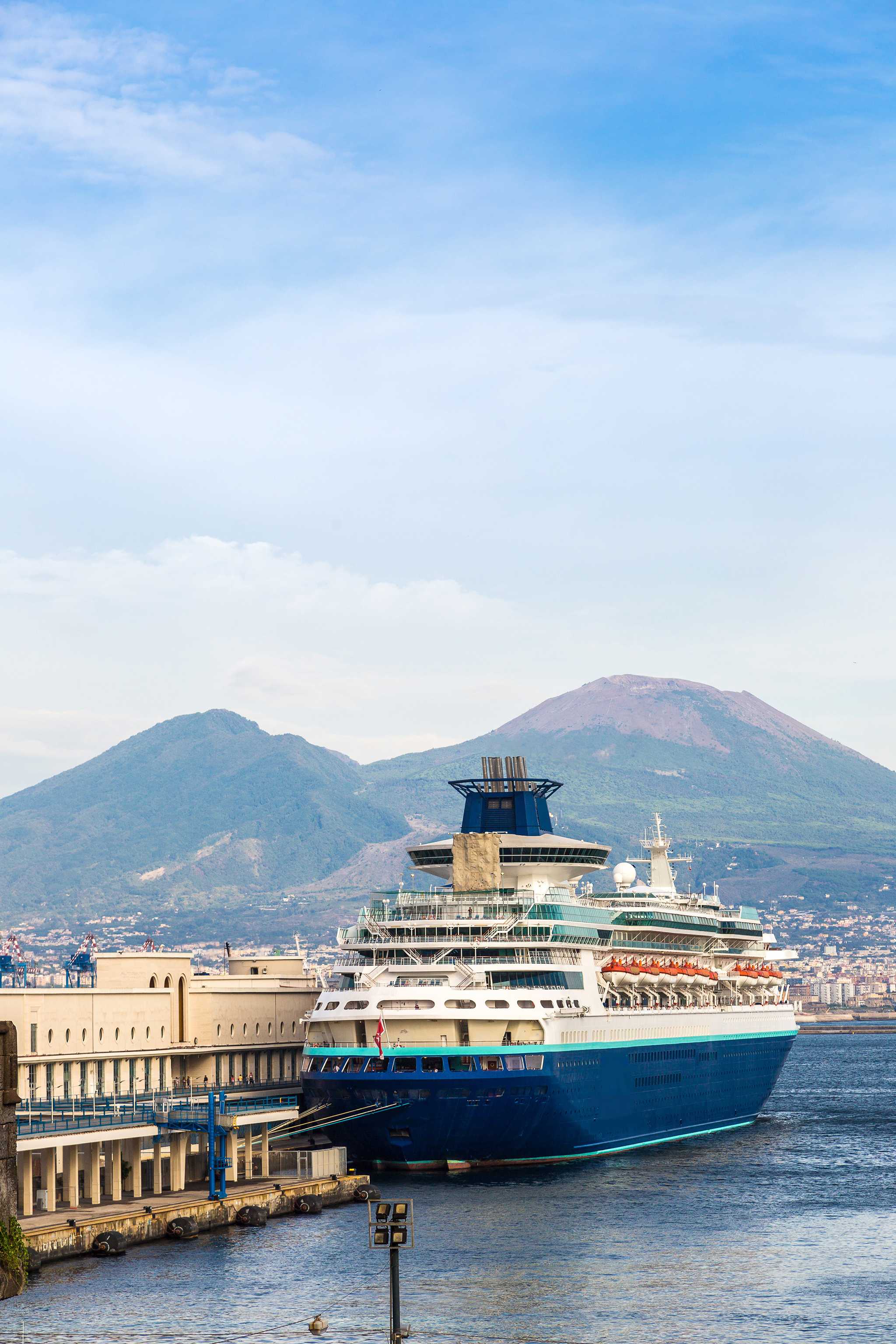
Naples is both a destination and a springboard, one of the Mediterranean's most convenient ports. Ships dock at Stazione Marittima, right in the center beside Castel Nuovo, a ten-minute walk from the old town. Spend the day in Naples, or use it to reach Pompeii, Vesuvius, Capri, or the Amalfi Coast.
Naples is both a destination and a springboard, one of the Mediterranean's most convenient ports. Ships dock at Stazione Marittima, right in the center beside Castel Nuovo, a ten-minute walk from the old town. Spend the day in Naples, or use it to reach Pompeii, Vesuvius, Capri, o...
Know the port
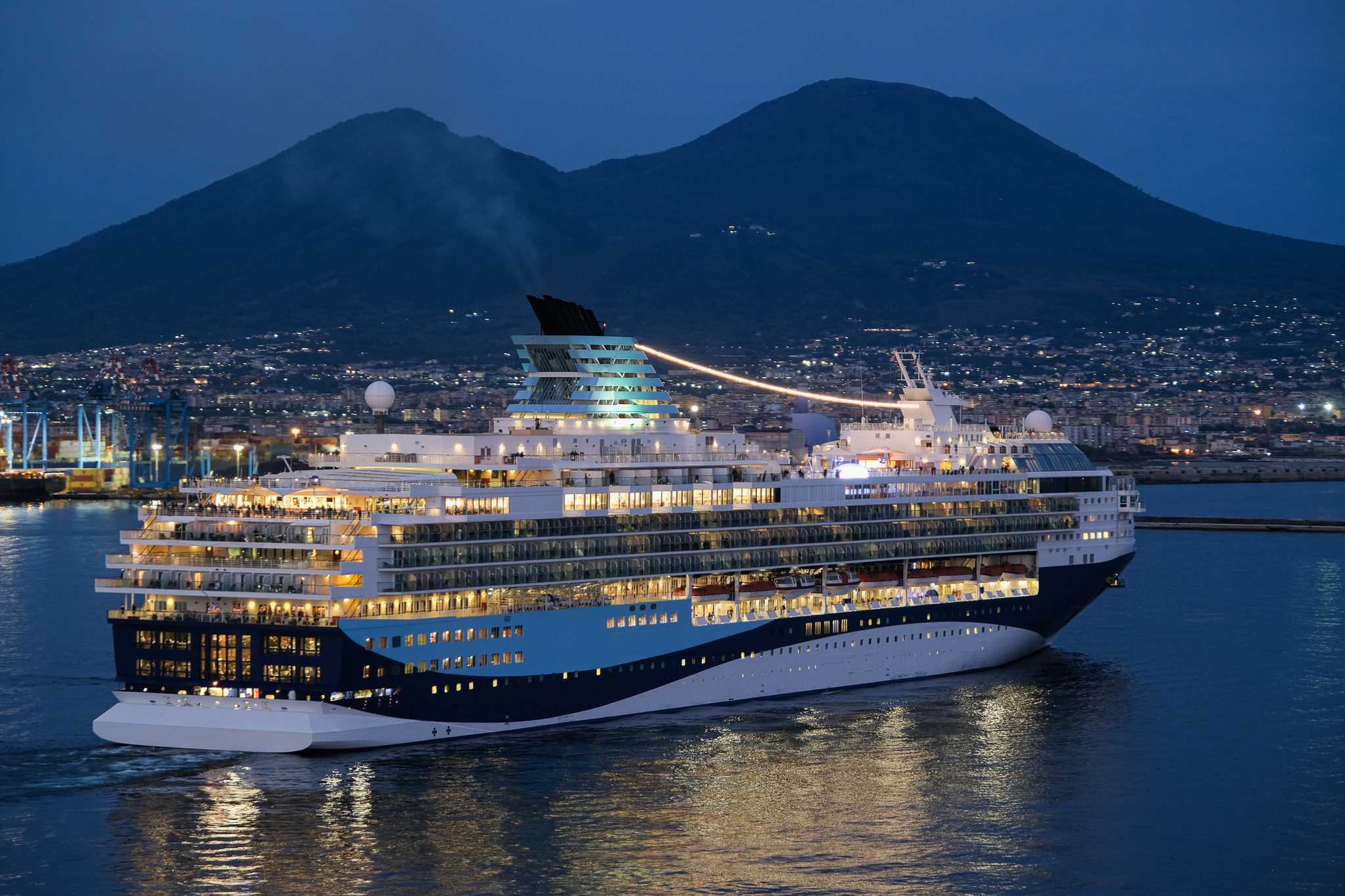
Naples is one of Italy's busiest cruise ports and among its most central. You step off almost into the old town, with trams, ferries, buses and the metro all close by.
- Ships dock at Stazione Marittima on Molo Angioino, by the castle
- Piazza Municipio and the old town are a 10-minute walk away
- MSC and Costa homeport here; other lines call in transit
- Ferries to Capri and Sorrento leave from Molo Beverello, next door
- Trains to Pompeii and Sorrento run from Garibaldi station, 15 minutes away by metro
- Wear sturdy shoes, bring sun cover, and carry some cash

Know the region
Naples anchors Campania, a region stacked with Greek, Roman, and royal history and known worldwide for its food. Much of what makes it special sits within reach of the ship.
- Naples began as the Greek colony of Neapolis, long before Rome
- Pizza was born here and is still the city's proudest export
- Vesuvius looms over the bay and buried Pompeii in 79 AD
- The dense, lived-in historic center is UNESCO-listed
- Coffee, sfogliatella, and buffalo mozzarella anchor the table
- Capri, the Amalfi Coast, and Greek Paestum lie close by
If you have 2 to 3 hours
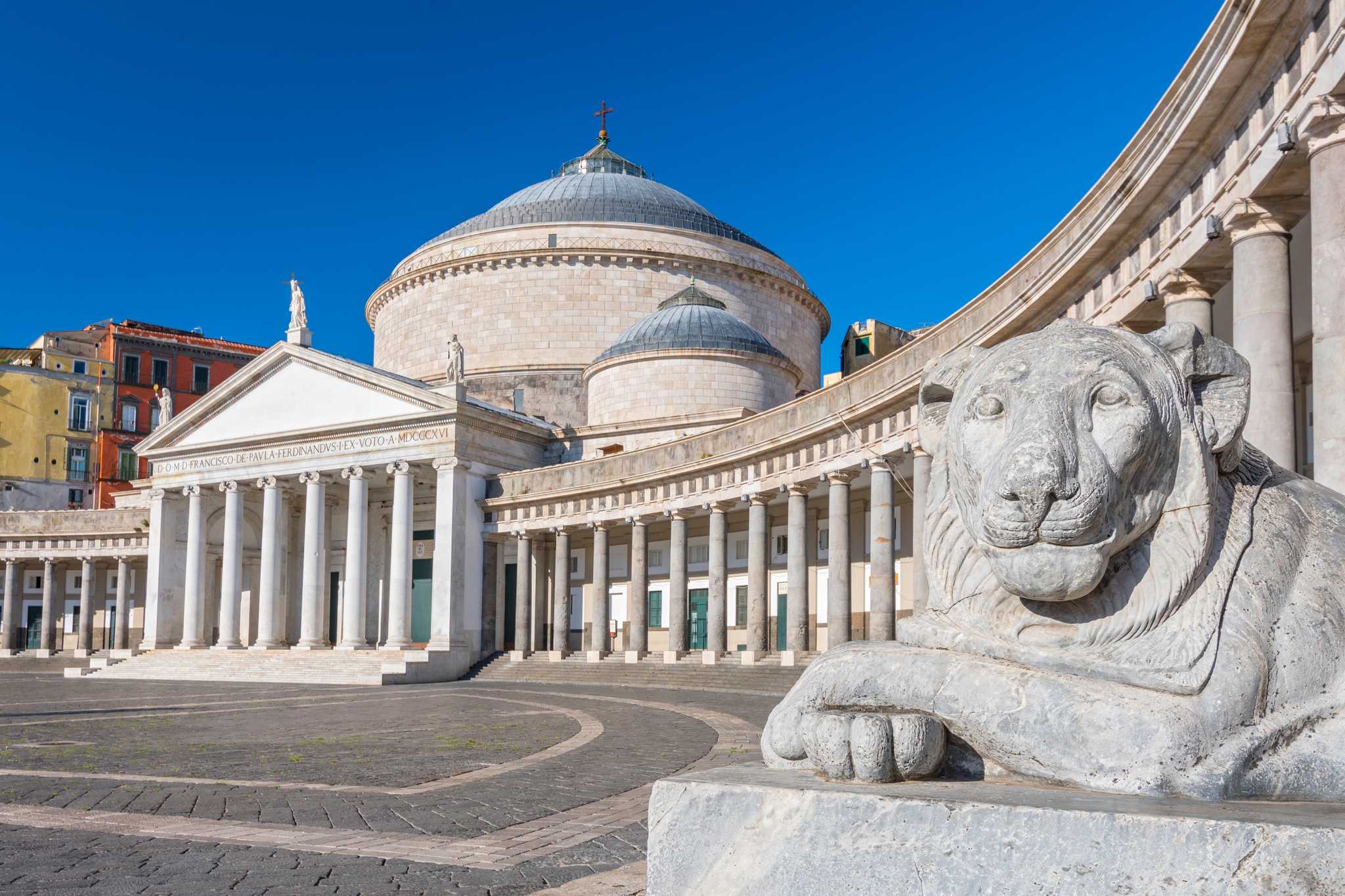
Short on time? Stay on foot in the old center, only minutes from the ship, and you can still fit in a couple of sights, a coffee, and a slice before the all-aboard.
- Walk Spaccanapoli, the dead-straight lane through the old town
- See the Veiled Christ at the Sansevero Chapel; book ahead online
- Step inside the glass-domed Galleria Umberto I arcade
- Tour Castel Nuovo, the medieval fortress by the terminal
- Eat a fried pizza or a warm sfogliatella near the port
- Down a strong espresso standing at the bar, Neapolitan-style

If you have half a day
With five or six hours, you can reach one big-name sight and get back with time to spare, or go deeper into the city. The trick is picking one thing and not overreaching.
- Tour Pompeii, about half an hour away by train or car
- Private transfer or shuttle up to Vesuvius, then walk the last half hour to the crater
- See the National Archaeological Museum's Pompeii and Farnese finds
- Go beneath the streets on a Naples underground tour
- Sit down for a proper Margherita at a historic pizzeria
- Build in buffer time; the drive back can be unpredictable

If you have a full day
A full day opens up the whole Bay of Naples. Choose one trip and commit to it: the coast, an island, or the ruins with a coastal town. Whatever you pick, give the roads and ferries generous margin.
- Drive the Amalfi Coast to Positano and Ravello
- Ride north to Caserta's palace, Italy's answer to Versailles
- Pair Pompeii with clifftop Sorrento for a long lunch
- Or combine Herculaneum with a walk up on Vesuvius
- Ferry to Capri for the Blue Grotto and Monte Solaro
- Watch the clock; keep in mind the coastal road can slow down all summer
Starting or ending here
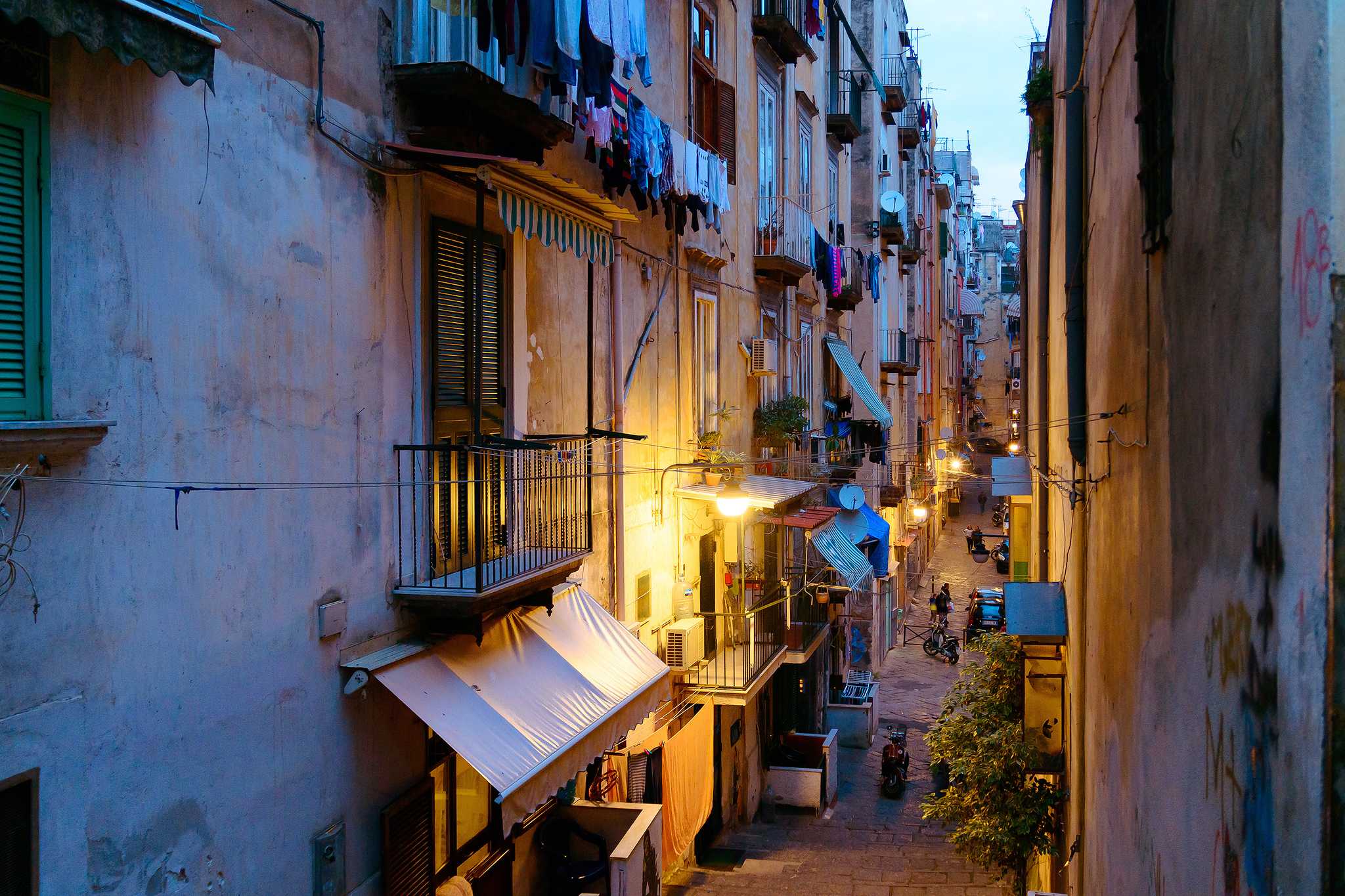
If Naples is where your cruise begins or ends, the central port makes it easy to add a night or two and see the city properly. A short stay turns a rushed stop into a real visit.
- The port is central, so an old-town hotel is walkable
- Naples airport sits about 7 km (or 4 miles) away, a short car ride
- Go to Rome by high-speed train from Centrale, or book a private transfer
- Stay a night to see Naples beyond the day-trip rush
- Sorrento and the Amalfi Coast make easy add-on nights
- Confirm your exact terminal; big ships use outer piers
Naples' best day trips
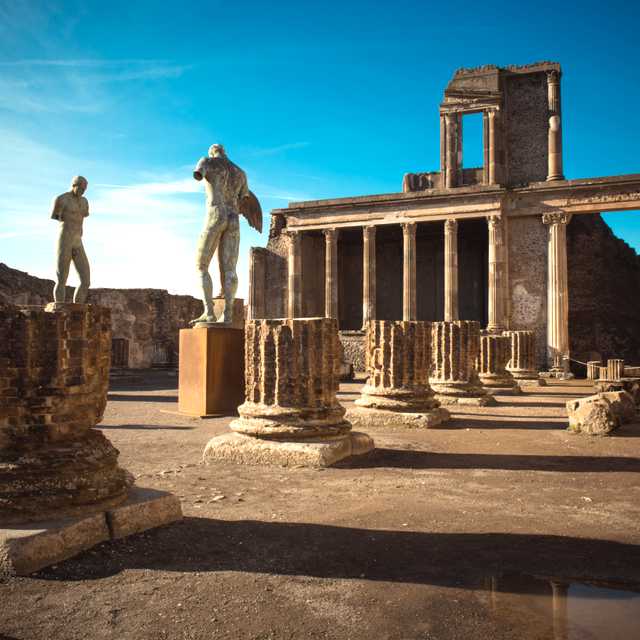
Naples to Pompeii: Private day trip
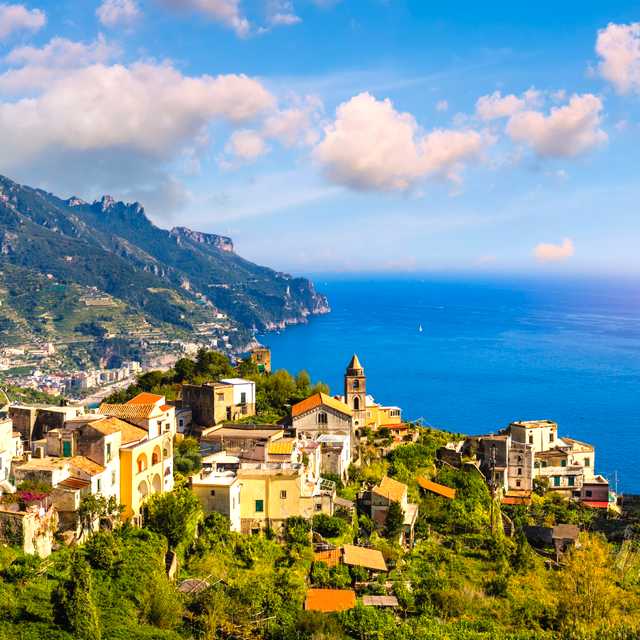
Naples to Ravello: Private day trip
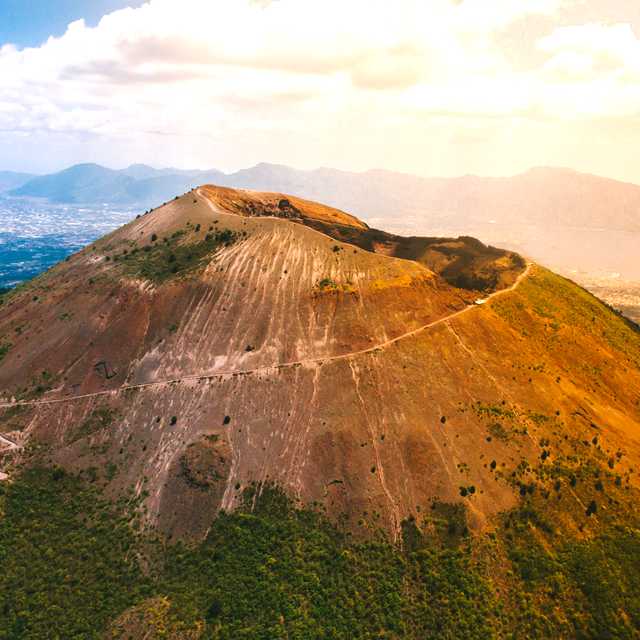
Naples to Herculaneum and Vesuvius: Private day trip

Naples to Campania cuisine highlights: Private day trip
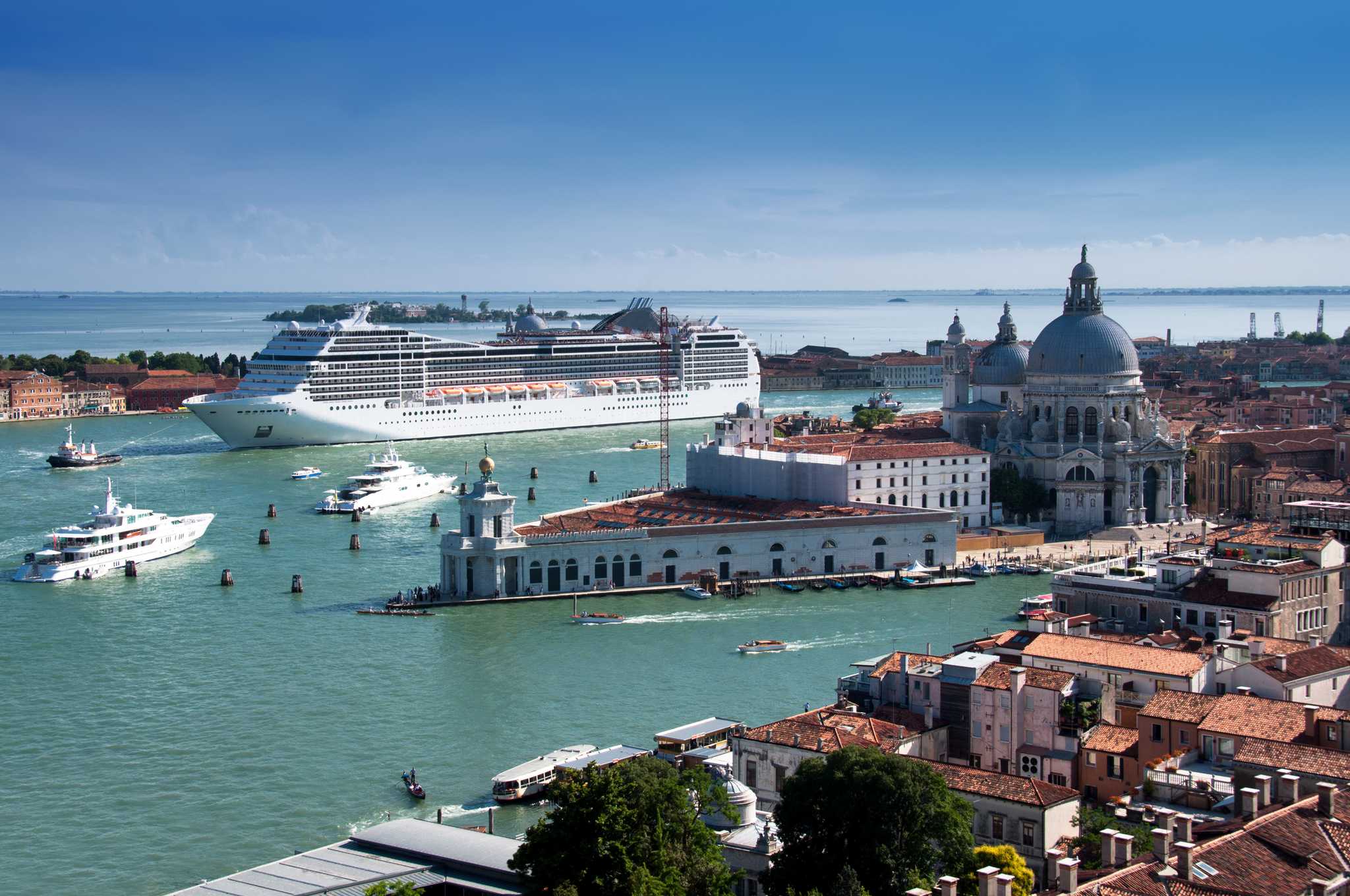
Venice is the rare port where the city is the whole point; you barely need to leave it. The catch is docking. Large ships now berth at Marghera on the mainland and shuttle passengers in, while only small ships reach the terminals near the old city. Plan the transit first.
Venice is the rare port where the city is the whole point; you barely need to leave it. The catch is docking. Large ships now berth at Marghera on the mainland and shuttle passengers in, while only small ships reach the terminals near the old city. Plan the transit first.
Know the port
Where you land in Venice depends on your ship. The historic city is closed to big vessels, so most passengers face a mainland transfer before the city begins.
- Large ships dock at Marghera on the mainland, not the old city
- Small ships use Marittima or San Basilio, on the western edge of the islands
- From Marghera, a shuttle reaches Piazzale Roma in about 20 minutes
- Budget 60 to 90 minutes each way from Marghera to St. Mark's
- Confirm your terminal with the cruise line before you sail
- Bring cash for vaporettos and a scarf for church dress codes

Know the region
Venice is a city like no other, a former sea empire built across a lagoon. It is the destination in full, so most of your day is spent in the city itself, not beyond it.
- Venice was a rich maritime republic for a thousand years
- The city spreads over 100-plus islands laced by canals
- St. Mark's Basilica glows inside with Byzantine gold mosaics
- Glass comes from Murano, lace from the painted houses of Burano
- Try cicchetti, small bar snacks, pair with an ombra of wine
- Veneto region beyond holds Verona and Padua, both a short ride away

If you have 2 to 3 hours
Two or three hours only stretches far if you dock near the center on a small ship. From Marghera, the transfer eats most of it, so head straight for the core and skip the ticket lines.
- Cross the marble Rialto Bridge over the Grand Canal
- Stand in St. Mark's Square below the basilica and campanile
- Duck into a bacaro for cicchetti and a small glass of wine
- Wander the back lanes away from the main crowds
- Ride vaporetto line 1 along the Grand Canal for the views
- Watch the time; the walk back to the shuttle bus can be long
If you have half a day
With the transfer behind you, five or six hours is enough for the big interiors and maybe one lagoon island, without rushing every step. Book the main sights ahead to skip the worst lines.
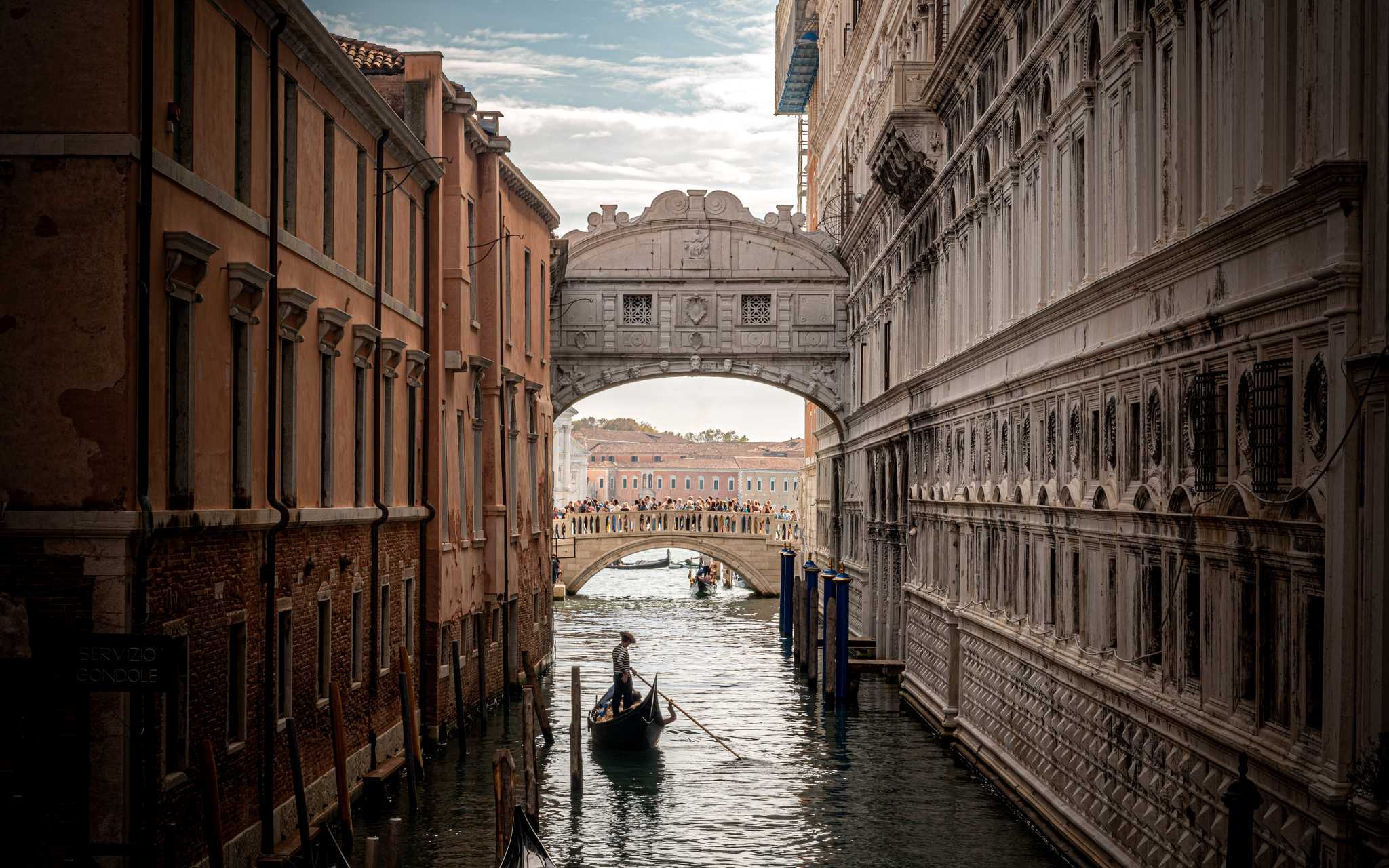
- Tour the Doge's Palace and cross the Bridge of Sighs
- Step inside St. Mark's Basilica to see its gold mosaics
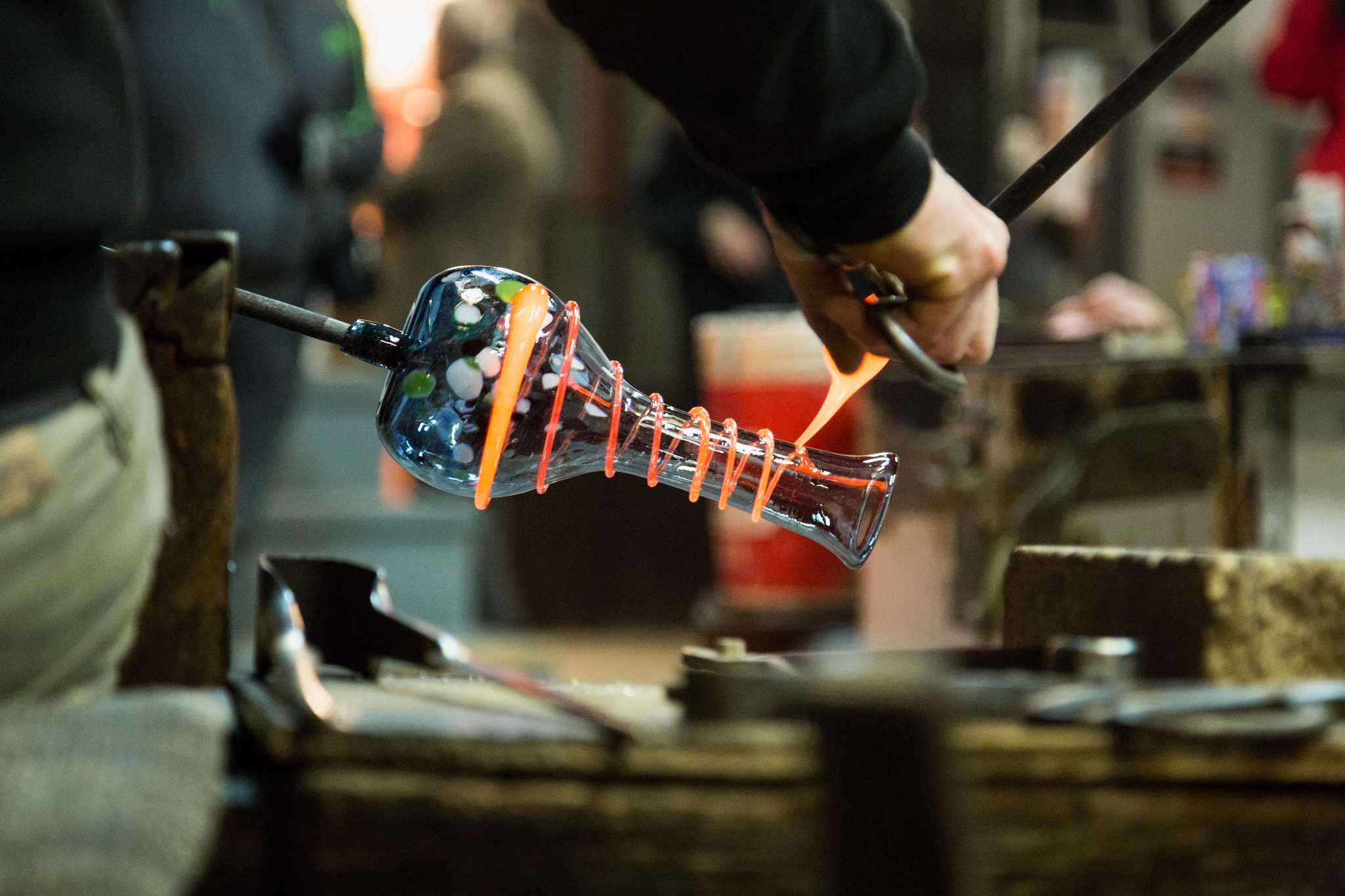
- Take a vaporetto out to Murano for the glass furnaces
- See the Basilica di Santa Maria Gloriosa dei Frari’s soaring Titian altarpiece
- If you like, splurge on a gondola ride through the quiet canals, or save with a cheaper traghetto canal crossing
- Keep the long return transfer firmly in mind
If you have a full day
A full day lets you go beyond the postcard core, out into the lagoon islands or deeper into the quieter quarters. Just respect the clock, since getting back to a mainland ship takes a while.
- Pair Murano's glass with Burano's painted fishing houses
- Add Torcello's ancient cathedral out in the lagoon
- Or head to Verona or Padua for a change of scene
- See the Accademia's masters or the Guggenheim collection
- Get lost on purpose in quiet Cannaregio or Dorsoduro
- Leave a wide buffer; lagoon transfers run slow

Starting or ending here
If Venice starts or ends your cruise, spend a night. The city is at its best early and late, once the day crowds have thinned out and the lanes go quiet.
- Stay a night; Venice glows once day-trippers leave
- Marco Polo airport links to the city by bus, water taxis, or a reliable transfer
- Check-in and luggage may be at Marittima, then a shuttle
- Trains from Santa Lucia reach Verona, Padua, and beyond, or take a private transfer for ease of comfort
- Watch bags closely; crowded spots draw pickpockets
Venice's best day trips
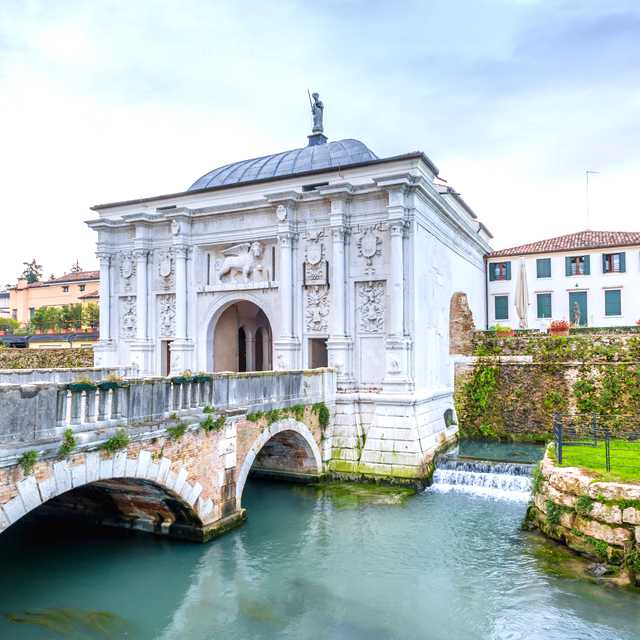
Venice to Treviso: Private day trip
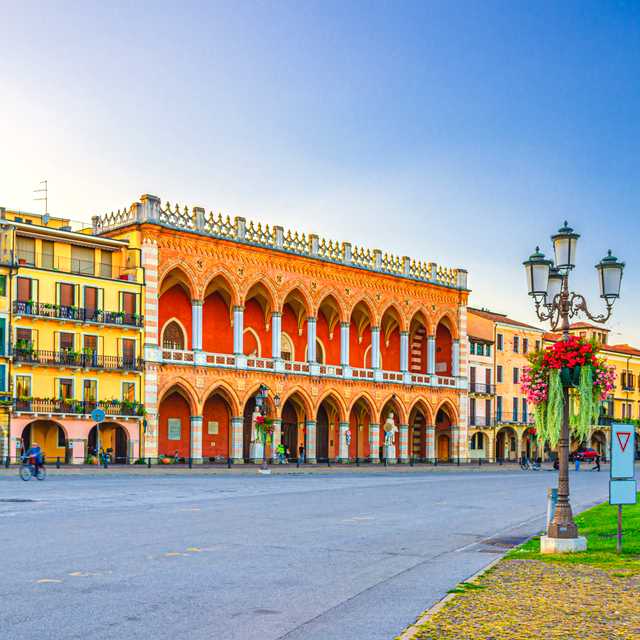
Venice to Padua: Private day trip
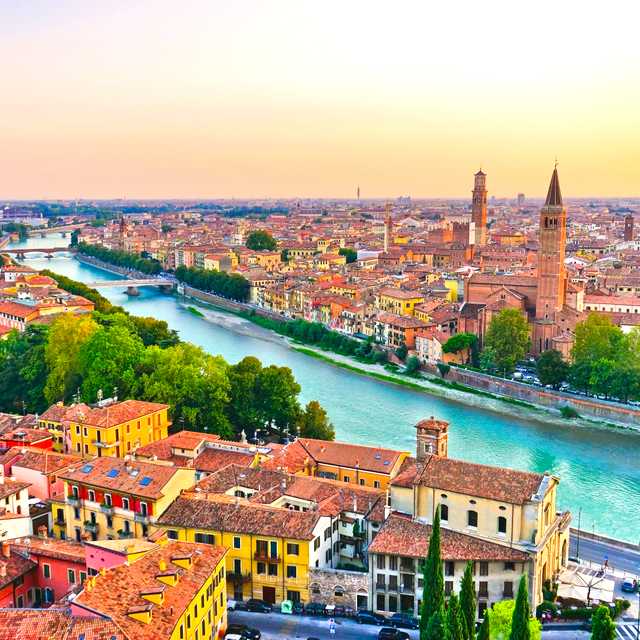
Venice to Verona: Private day trip
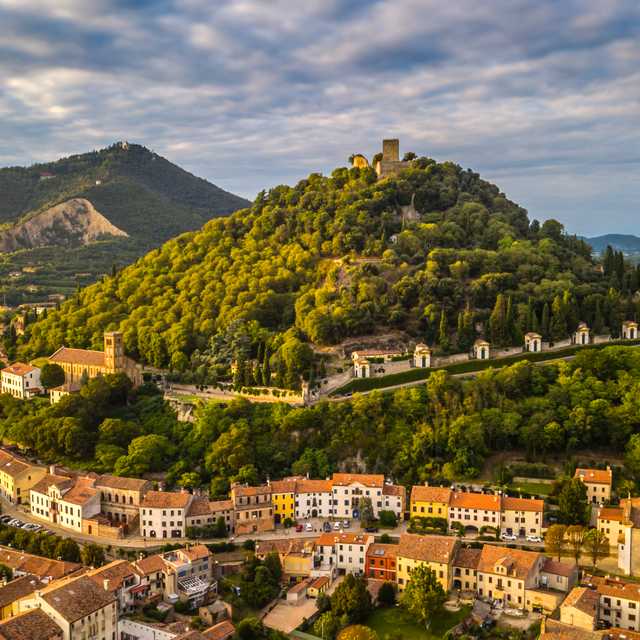
Euganean hilltowns and vineyards: Day trip from Venice
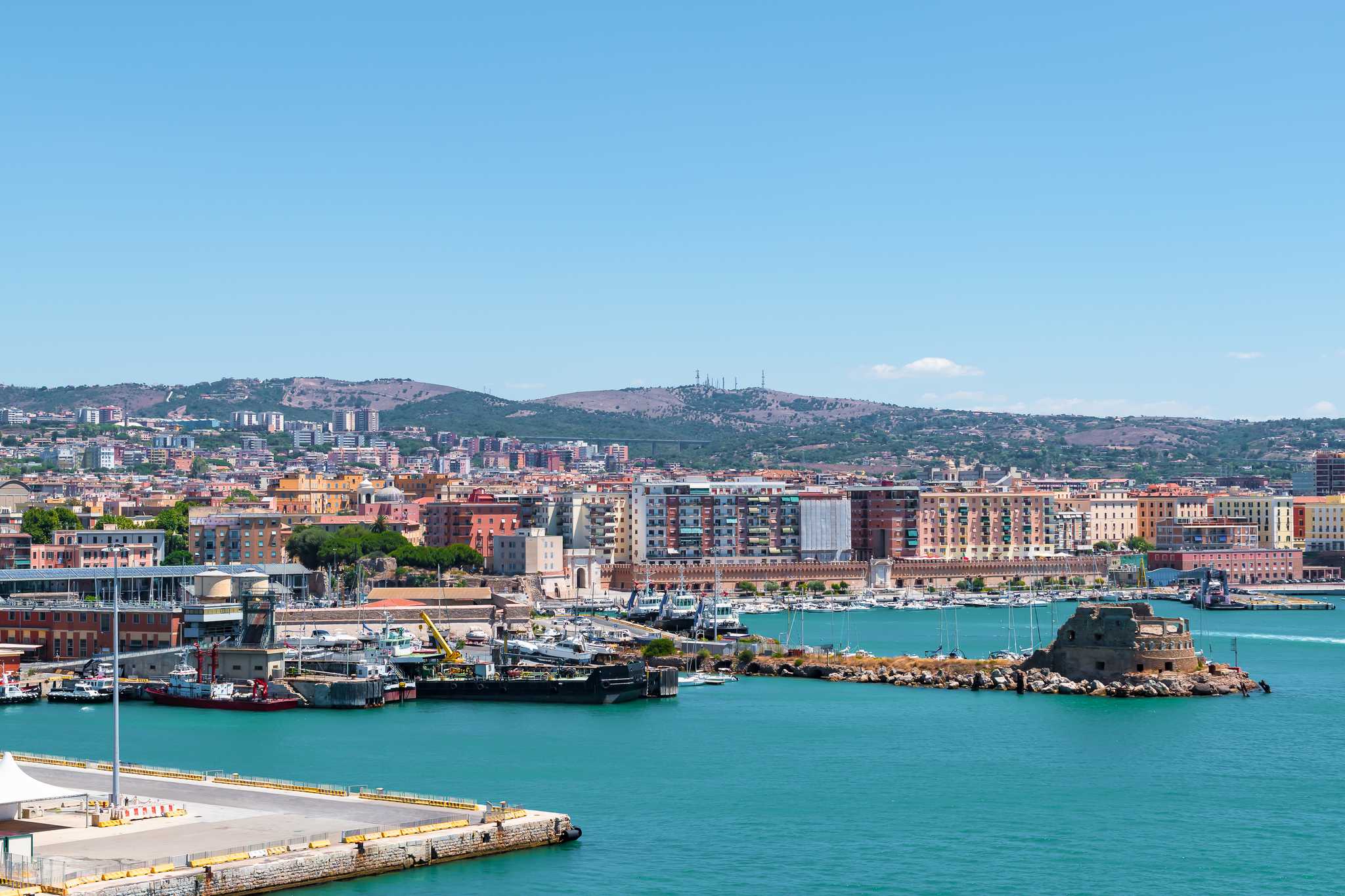
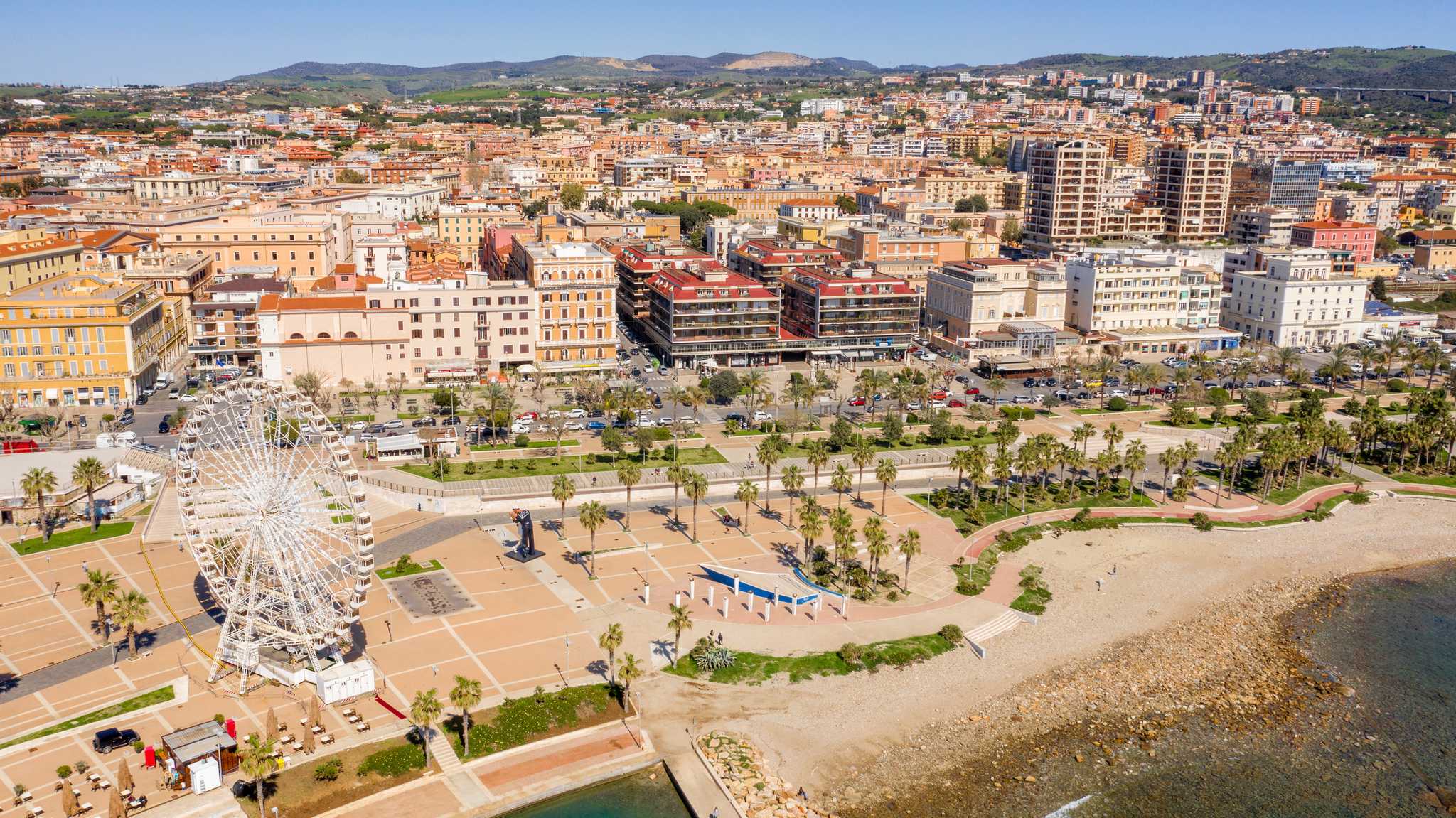
Civitavecchia is more of a gateway than a destination itself. The town is a working port with little to intrigue beyond Fort Michelangelo. Most come for Rome, about 80 km (around 50 miles) southeast and an hour and a half away door to door. Plan the transfer carefully, because the distance is the whole challenge here. Start early.
Civitavecchia is more of a gateway than a destination itself. The town is a working port with little to intrigue beyond Fort Michelangelo. Most come for Rome, about 80 km (around 50 miles) southeast and an hour and a half away door to door. Plan the transfer carefully, because the dis...
Know the port
Civitavecchia is Italy's busiest cruise port, and a big industrial one. You cannot walk off the ship to the street, so the shuttle system is the first thing to learn.
- Ships dock at berths like Bramante, Michelangelo, or Columbus
- A free port shuttle runs from every berth to the exit gate
- From the gate, the train station is a 15- to 20-minute walk
- The FL5 train reaches Rome in about 50 to 80 minutes
- Reserve a door-to-door transfer for a guaranteed return
- Wear good shoes, and cover knees and shoulders for the Vatican

Know the region
Civitavecchia has been Rome's harbor since Trajan built it in the 2nd century, and Rome is still why most people come ashore. Lazio around it layers Etruscan tombs, papal forts, and Roman food.
- Trajan founded the port as Centumcellae around 106 AD
- The name later became Civitavecchia, meaning "old town"
- Fort Michelangelo was completed in 1535; its keep is Michelangelo's design
- Nearby Tarquinia and Cerveteri guard UNESCO Etruscan tombs
- Lazio plates carbonara, cacio e pepe, amatriciana, and supplì

If you have 2 to 3 hours
Two or three hours is sadly not enough for a trip to Rome; the round trip alone runs three hours or more. Stay close to the port instead, see what the town offers, and keep any delay from ever risking the ship.
- Tour Fort Michelangelo, right by the port gate
- Stroll the seafront promenade and the small old center
- Browse the covered market or sit at a waterfront cafe
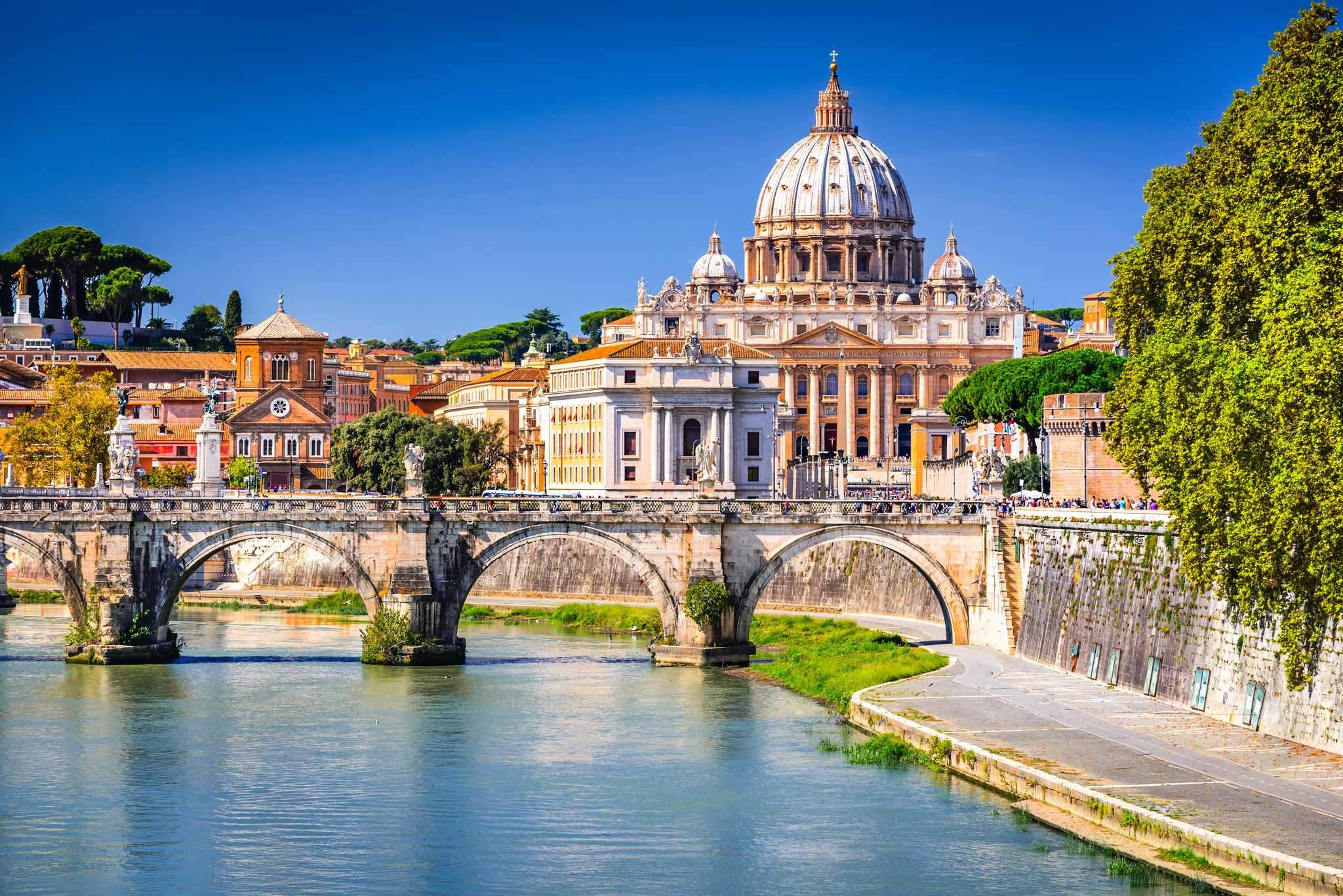
- Take a private transfer or ride the train one stop north to Etruscan Tarquinia
If you have half a day
With five or six hours, Rome is possible but still a bit tight, so pick one area and do it well rather than chase the whole city. A slower Etruscan or lakeside trip is the calmer alternative.
- See the Vatican, or the Colosseum and Forum, not both
- A private transfer saves real time over the train and walk
- Or visit the Etruscan tombs of Tarquinia and Cerveteri
- Lake Bracciano makes a calmer, greener half-day trip
- Set a hard turnaround time and hold to it, no matter what

If you have a full day
A full day is the classic Rome run, enough for a few of the big sights if you plan tightly and guard the clock. It’s still a rush, so keep the list short.
- Hit Rome's highlights: Colosseum, Forum, and the Vatican
- Or focus on the center: Pantheon, Trevi, Piazza Navona
- Book Vatican and Colosseum entries well in advance
- Allow a full 90 minutes to get back to the ship, a private car transfer can give more time in the city
Starting or ending here
If your cruise begins or ends here, do not stay in Civitavecchia itself. Base yourself in Rome and transfer out, or use a port hotel only when you face a very early embarkation.
- Most passengers base in Rome, not Civitavecchia itself
- Fiumicino airport sits about 60 km (around 37 miles) from the port
- Arrive the day before to avoid a same-day scramble
- Port hotels suit a very early morning embarkation
- Private transfers meet you at the gate of the ship
Civitavecchia's best day trips
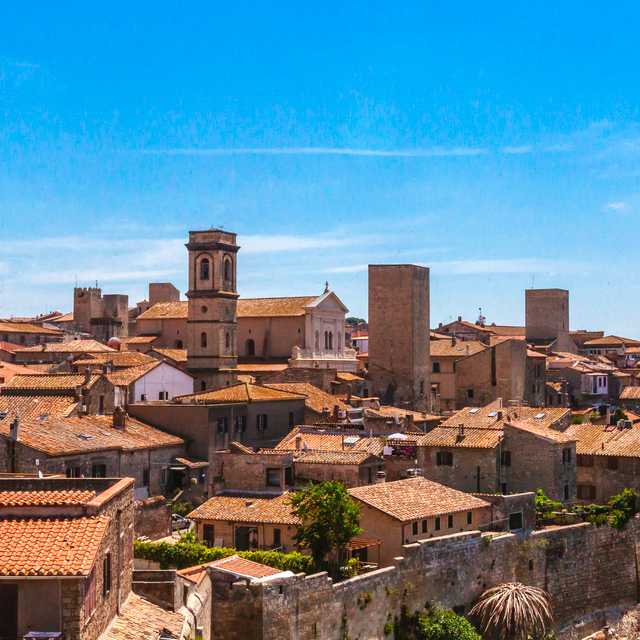
Civitavecchia to Tarquinia: Private day trip
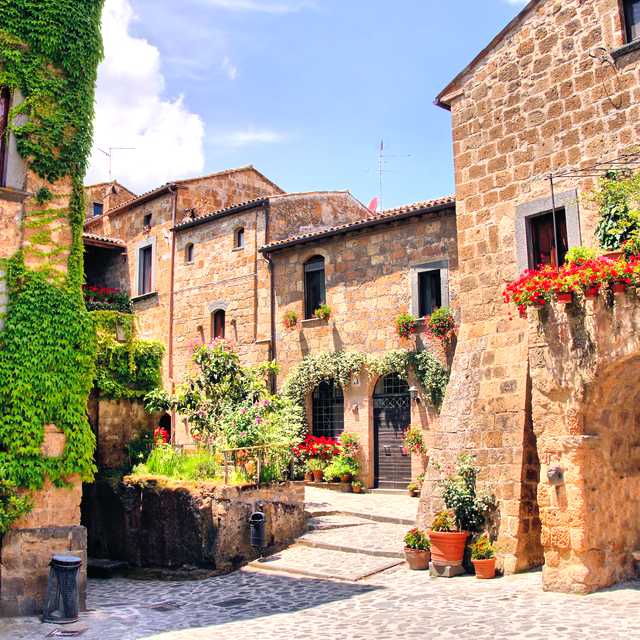
Civitavecchia to Viterbo: Private day trip
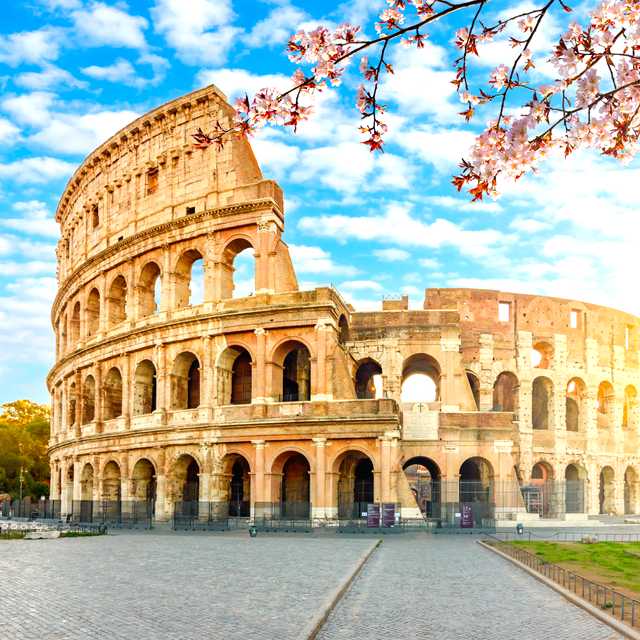
Civitavecchia to Rome: Private day trip
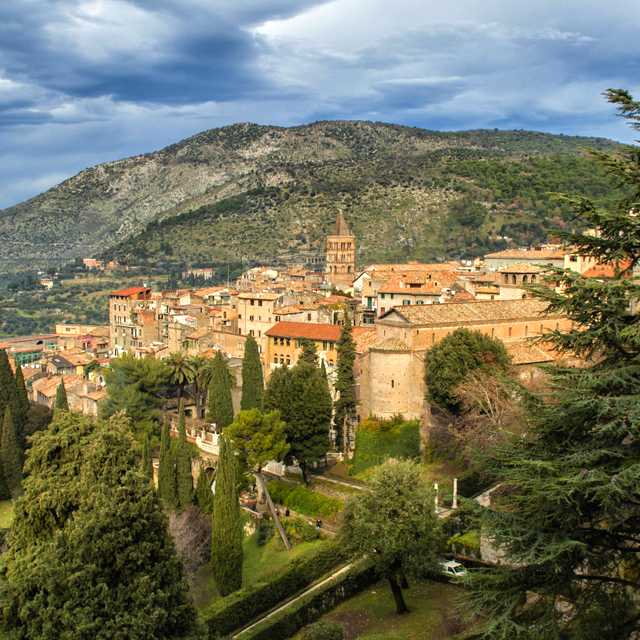
Civitavecchia to Tivoli: Private day trip
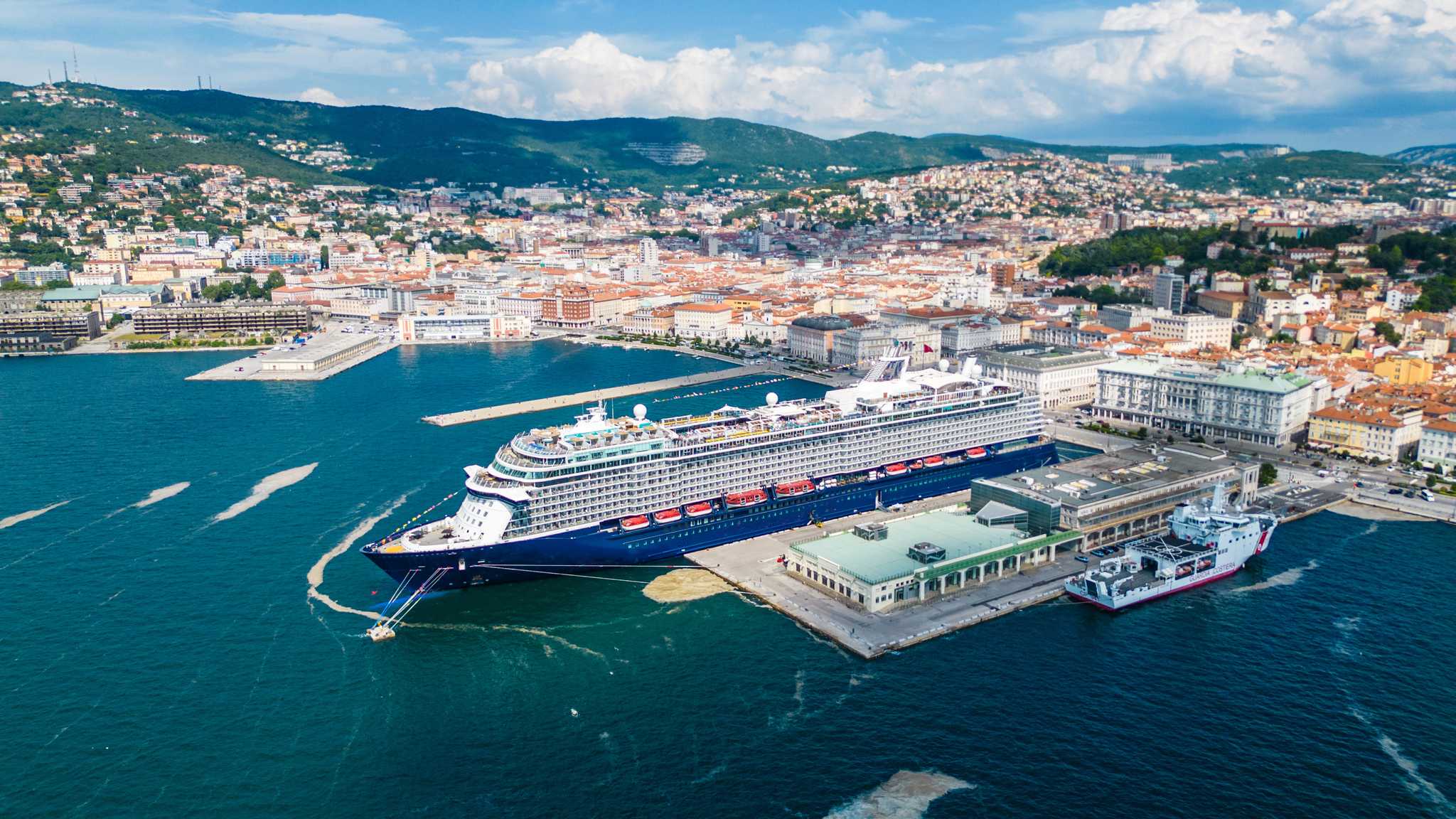
Trieste is one of Italy's easiest ports, and one of its most underrated. Ships dock at Stazione Marittima, right on the main square, so you walk straight into the center. Spend the day in this handsome Habsburg city, or use it as a gateway to Miramare Castle, the Karst, Slovenia, and Istria just beyond.
Trieste is one of Italy's easiest ports, and one of its most underrated. Ships dock at Stazione Marittima, right on the main square, so you walk straight into the center. Spend the day in this handsome Habsburg city, or use it as a gateway to Miramare Castle, the Karst, Slovenia,...
Know the port
Trieste is a rare port where you simply walk off the ship into the middle of town. The central terminal sits on the main square, so there is no shuttle to wait for.
- Ships dock at Stazione Marittima on Molo dei Bersaglieri
- Walk straight into the center; no shuttle or tender needed
- Piazza Unità d'Italia sits right beside the terminal
- MSC, Costa, and others use it, partly as a Venice option
- Trieste Centrale station is a 15-minute walk for day trips
- Bring layers; the bora wind can whip through the city

Know the region
Trieste feels more Central European than Italian, a legacy of its years as the Austro-Hungarian Empire's great seaport. The food and coffee carry the same border blend.
- Grand neoclassical squares, like Piazza Unita d'Italia, give it a Central European air
- Coffee is serious here; Illy was founded in the city
- Cooking blends Italian, Austrian, and Slovenian flavors
- Try jota soup, the boiled-pork buffet, and warm strudel
- Slovenia and Croatian Istria lie just over the border

If you have 2 to 3 hours
The center is small and flat, so a couple of hours on foot go a long way. With no transfer to eat into your time, you can slow down, take a coffee, and see a sight or two without rushing.
- Stand in Piazza Unita d'Italia, wide open to the sea
- Sip coffee in a grand old cafe like Caffe San Marco
- Stroll the Canal Grande in the Borgo Teresiano quarter
- Climb to the Roman theater below San Giusto hill
- Browse the seafront and the elegant shopping streets

If you have half a day
Five or six hours is enough to add one trip outside the center. Miramare is the obvious choice, though the Karst plateau and Roman Aquileia both reward the short drive out of town.
- Bus or drive to seaside Miramare Castle, only about 7 km (around 4 miles) out, and tour its Habsburg rooms and clifftop seaside gardens
- Or climb the Karst plateau to the vast Grotta Gigante cave
- Visit Roman Aquileia and its basilica floor mosaics
- Back in town, see San Giusto's cathedral and castle
- Pair one sight with a long, unhurried Triestine lunch

If you have a full day
A full day lets you cross a border, which is Trieste's real trick. Slovenia and Croatia both sit within easy reach, though you will spend a fair chunk of the day in the car getting there and back.

Starting or ending here
Trieste's central, low-stress port makes it a growing choice to start or end a cruise. It is also a calmer, cheaper base than Venice, which sits a couple of hours to the west.
- The central port makes a night in town effortless
- Trieste airport sits about 30 km (around 17 miles) from the center
- Venice is roughly two hours away by train or car
- Stay to catch the cafes and architecture at a slower pace
- Head to Ljubljana, Zagreb, Rijeka, and beyond
- Calmer and cheaper than Venice as a cruise base
Trieste's best day trips
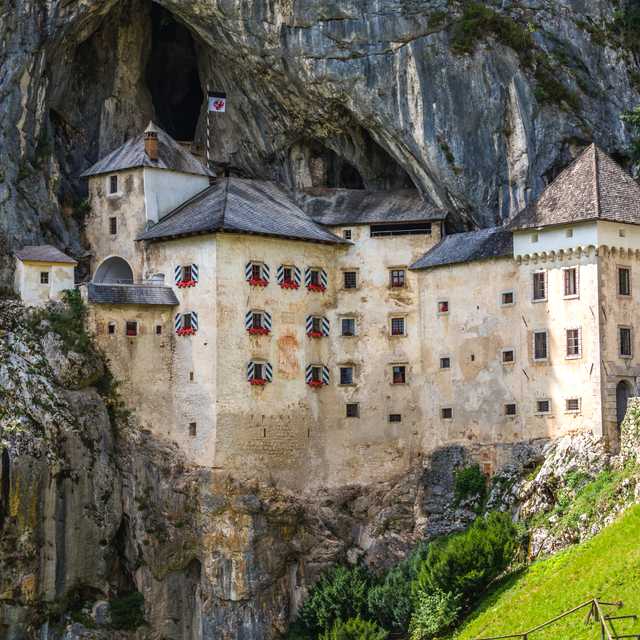
Trieste to Predjama Castle and Skocjan: Private day trip
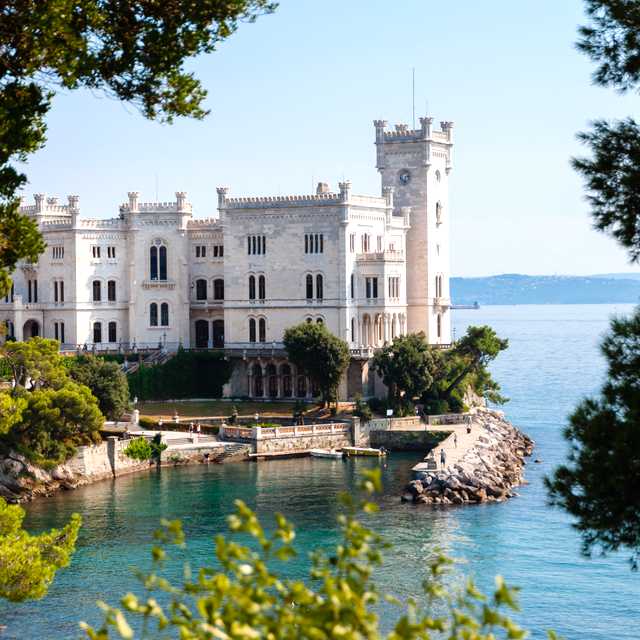
Trieste to Miramare Castle and Grotta Gigante: Day trip
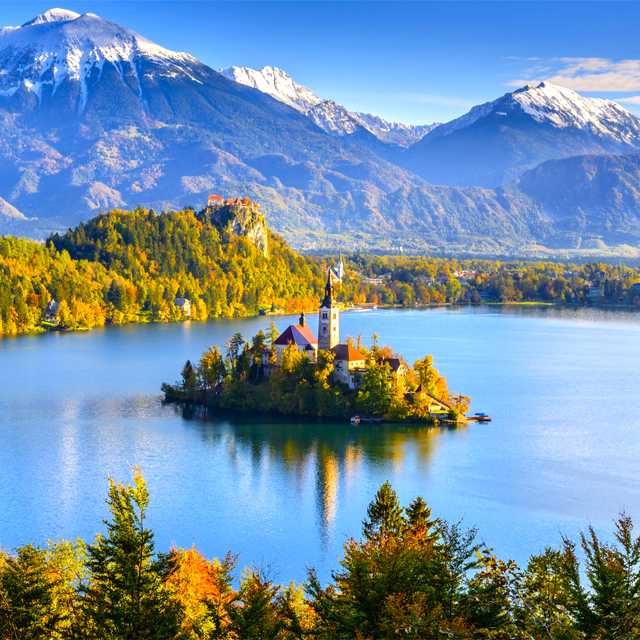
Trieste to Lake Bled: Private day trip
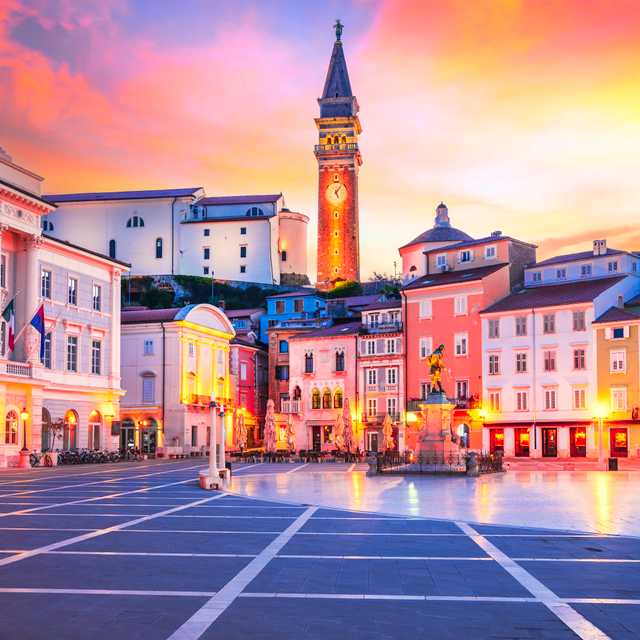
Trieste to Piran: Private day trip
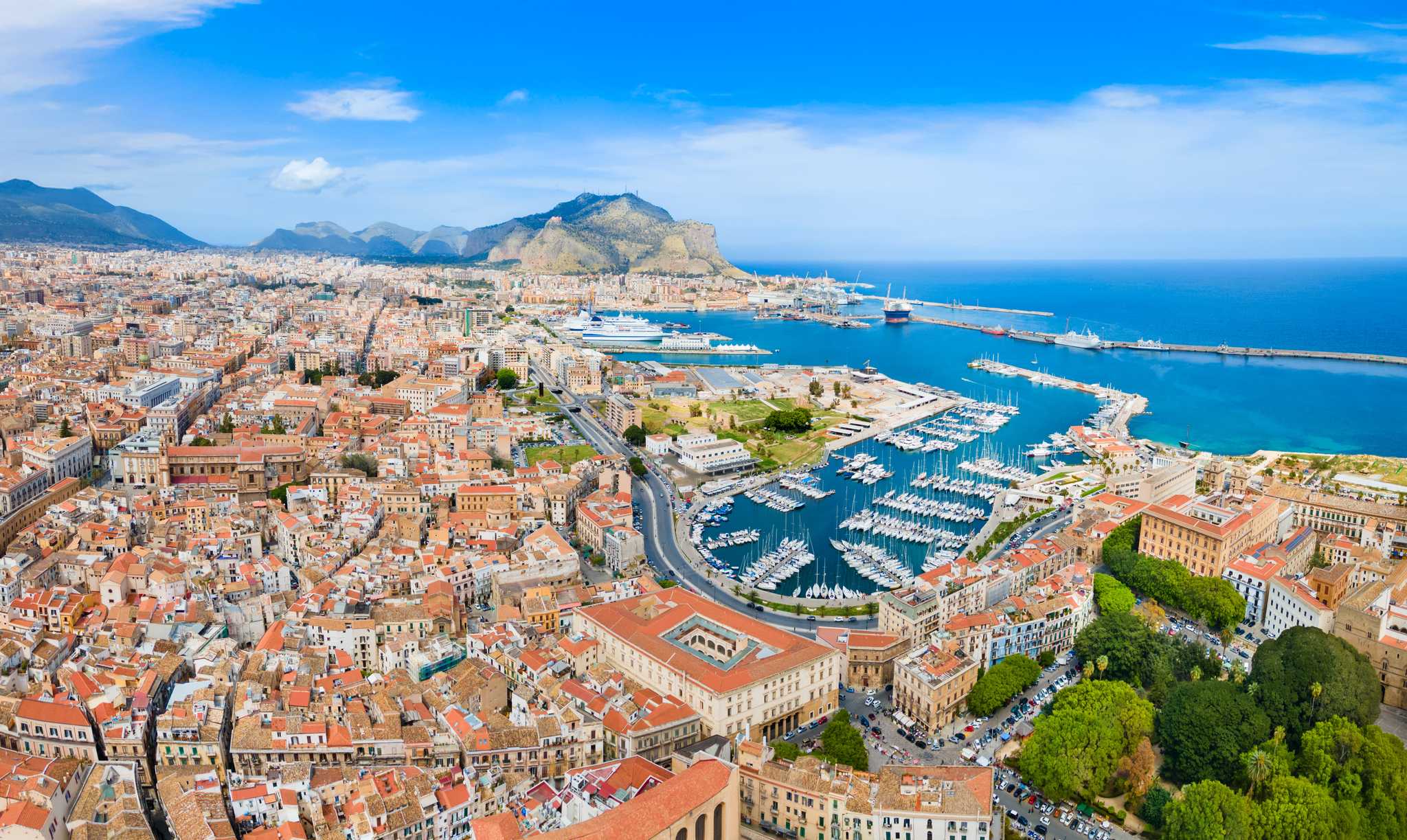
Palermo is both a destination and a gateway. Ships dock on the edge of the Arab-Norman old city, a short walk from the markets, palaces, and street food. The city alone fills a day, but Monreale's mosaics, Mondello's beach, and Cefalù all lie close by.
Palermo is both a destination and a gateway. Ships dock on the edge of the Arab-Norman old city, a short walk from the markets, palaces, and street food. The city alone fills a day, but Monreale's mosaics, Mondello's beach, and Cefalù all lie close by.
Know the port
Palermo docks you right beside the old city, with no tender and no long industrial walk out to a gate. The only thing to sort out is which of the two terminals your ship uses.
- Ships dock centrally on Via Francesco Crispi; no tender
- The Arab-Norman old city is a 10 to 20 minute walk
- MSC and Costa use a new dedicated terminal; check your gate
- Taxis, buses, and hop-on tour buses wait at the pier
- Palermo Centrale station is a short ride away, handy for Cefalù
- Wear sun cover; the walk in is hot and exposed in summer

Know the region
Palermo is Sicily's raucous capital, a city passed between Phoenicians, Romans, Arabs, Normans, and Spanish over 2,700 years. That long chain of rulers shows up in the churches, the markets, and above all the food.
- Phoenicians founded Palermo around 734 BC
- Arab and Norman hands then shaped the look of its churches and palaces
- The Palatine Chapel drips with Byzantine gold mosaics
- Street markets like Ballaro and Vucciria run loud all day
- Street food is the local pride: panelle, arancini, sfincione
- Cannoli, cassata, and cold granita finish every meal

If you have 2 to 3 hours
With the old city right on the doorstep, two or three hours is enough to catch its highlights and eat well, all on foot. Keep to the compact center, follow your nose to the markets, and you cannot go wrong.
- See the Quattro Canti crossroads and Fontana Pretoria
- Step into the striped, Arab-Norman Palermo Cathedral
- Dive into the Ballaro or Capo street market
- Snack on panelle and a fresh ricotta cannolo as you walk
- Admire Teatro Massimo, Italy's largest opera house
- Watch your bag; markets and buses draw pickpockets

If you have half a day
Five or six hours is enough to add Monreale's mosaics, the single best thing near Palermo, or to dig deeper into the old city and its palaces. Just leave a solid margin for the trip up and down the hill.
- Ride up to Monreale for its golden mosaic cathedral
- Allow three to four hours round trip for Monreale
- Or tour the Palatine Chapel in the Norman Palace
- Descend into the eerie Capuchin Catacombs
- Trade the city for Mondello's beach and its Art Nouveau-style Antico Stabilimento Balneare
- Take a market and street-food tour with a local guide

If you have a full day
A full day is your chance to leave Palermo behind for one proper trip, but only one; the island is far bigger than the map suggests, and its roads are slow. The choice really splits east or west: east is an easy train ride down the coast, west a longer drive into temple country and old hill towns.

Starting or ending here
Palermo's central port makes it an easy and increasingly popular place to start or end a cruise, with the old city, the airport, and day-trip towns all close at hand. It rewards arriving a day early.
- The central port makes staying in the old town simple
- Palermo airport sits about 35 km (around 22 miles) west of the city
- MSC and Costa now homeport at the Sammuzzo terminal
- Stay a night to eat and wander after the crowds thin
- Cefalù or Monreale make a fine pre- or post-cruise day
- Cards work widely, but carry cash for the markets and smaller vendors
Palermo's best day trips
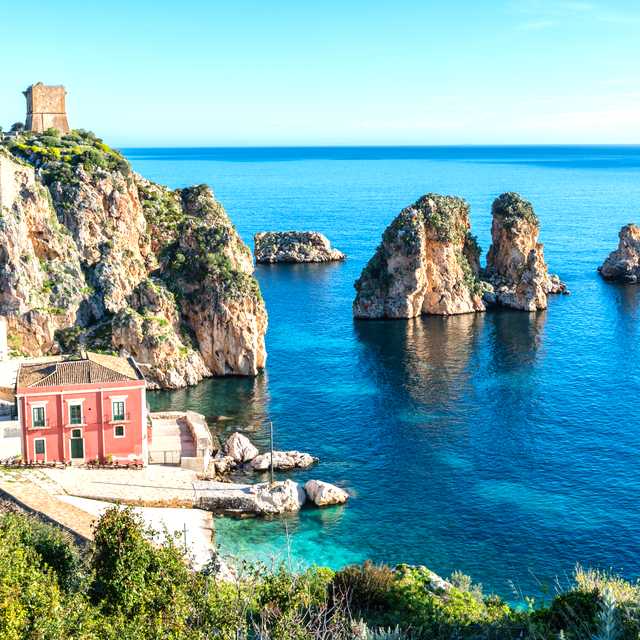
Palermo to Scopello: Private day trip
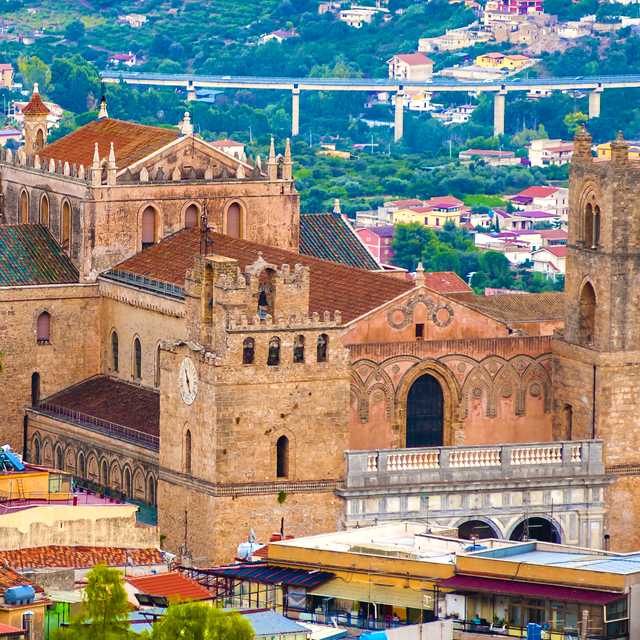
Palermo to Cefalu and Monreale: Private day trip
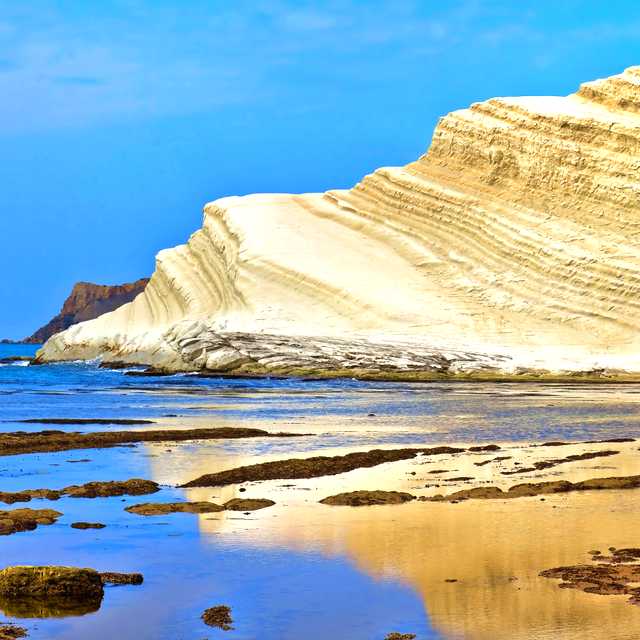
Palermo to Scala dei Turchi: Private day trip
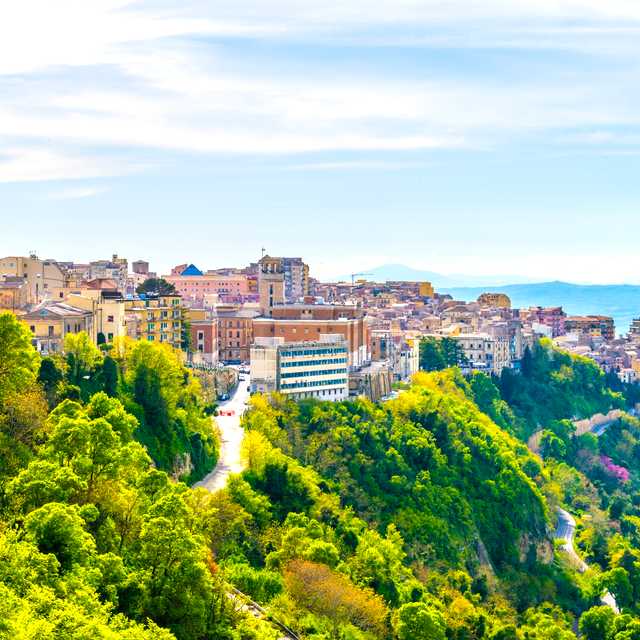
Palermo to Enna: Private day trip
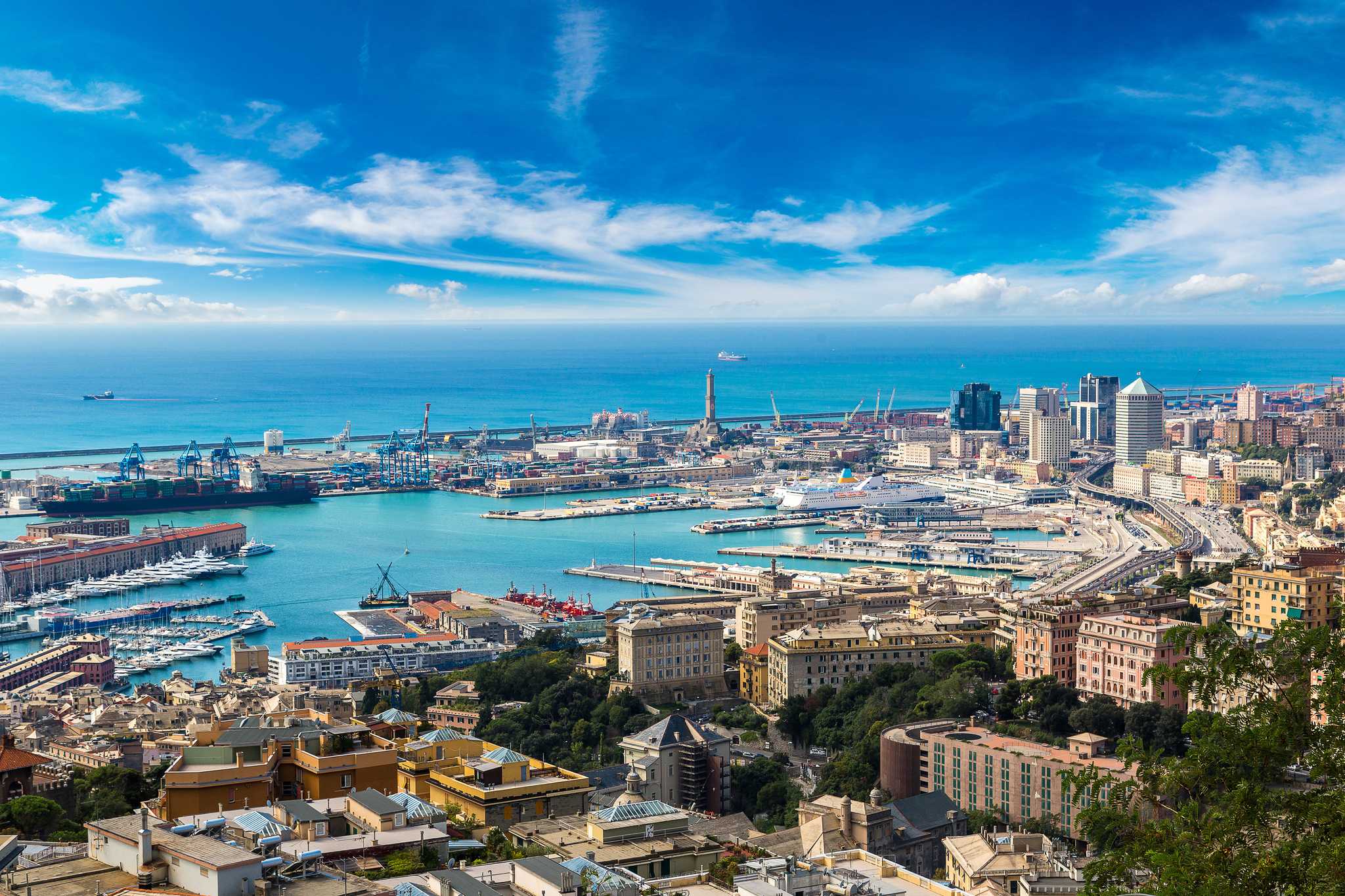
Genoa is both an underrated destination and a launch pad for the coast. Ships dock at the Stazione Marittima, a short walk from a dense medieval old town, a huge aquarium, and some of Italy's best focaccia and pesto. Stay and explore the city, or ride out to the Cinque Terre or Portofino down the coast.
Genoa is both an underrated destination and a launch pad for the coast. Ships dock at the Stazione Marittima, a short walk from a dense medieval old town, a huge aquarium, and some of Italy's best focaccia and pesto. Stay and explore the city, or ride out to the Cinque Terre or Po...
Know the port
Genoa is a walk-off port, but the terminal you draw matters. The cruise piers are spread along the harbor, and only one leaves the old town within an easier stroll.
- Ships dock at Ponte dei Mille and Ponte Andrea Doria
- Ponte dei Mille is closest, about 15 minutes' walk to the old town
- Ponte Andrea Doria sits a bit further out at a 25-30 minute walk or a bus ride to get you to the port exit
- A covered walkway links Ponte dei Mille to Principe station
- Costa and MSC homeport here and use the larger piers
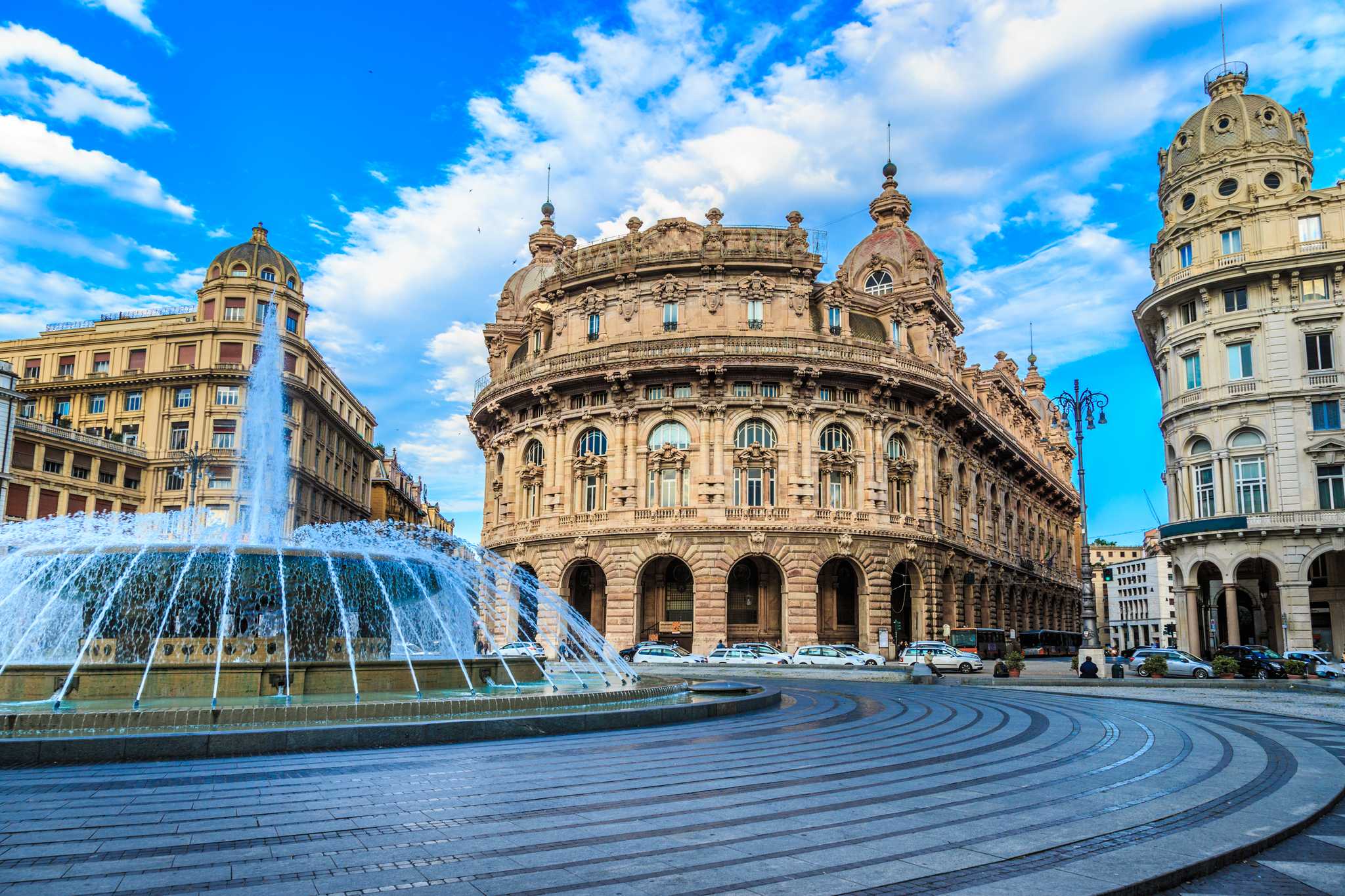
Know the region
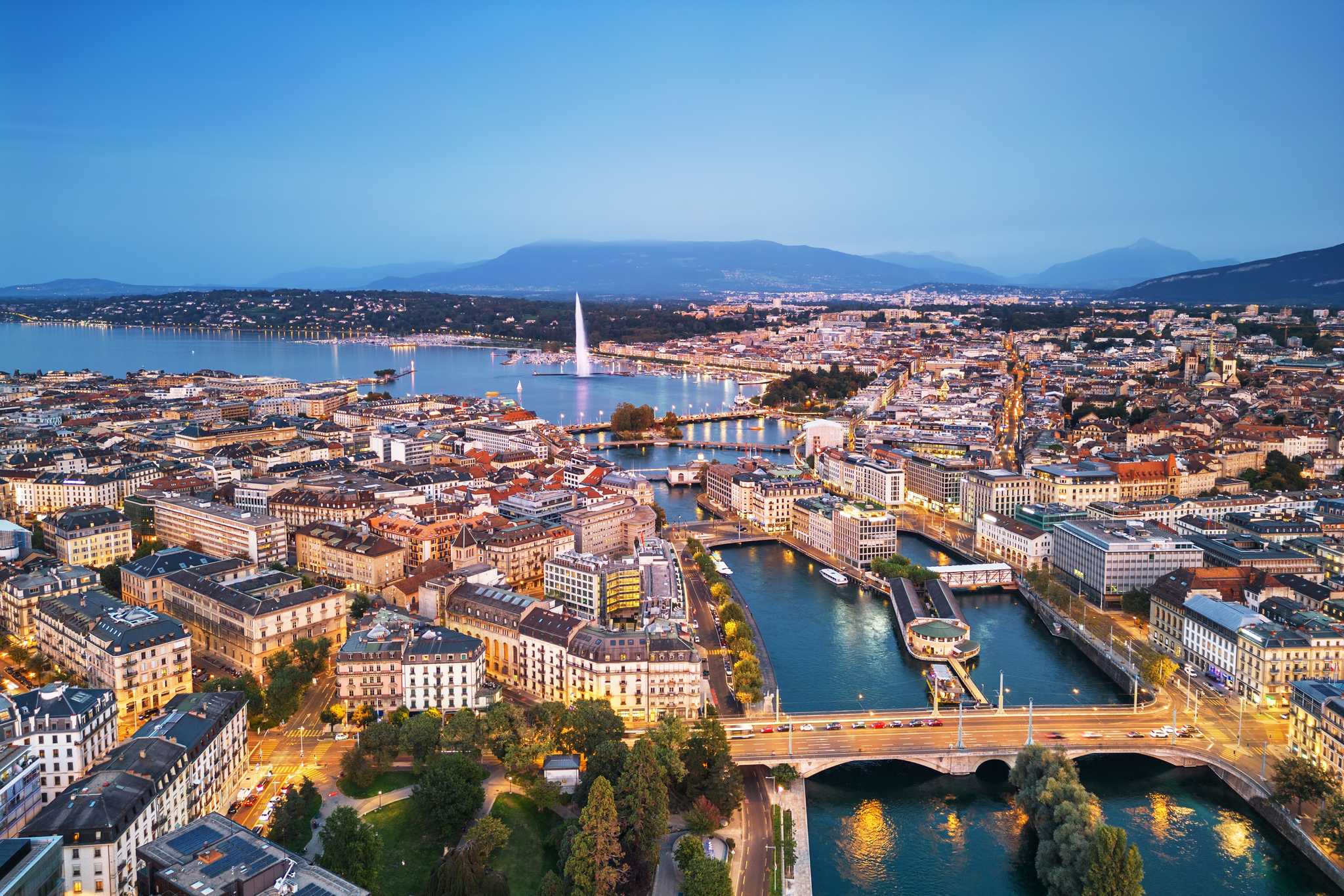
Genoa was once a sea power to rival Venice, and it still feels like a working port city rather than a polished resort. The Liguria region around it gave the world pesto and the glamorous Riviera coast.
- Genoa was one of Italy's four medieval maritime republics
- Its old town is one of Europe's largest, a maze of caruggi or alleyways
- The Rolli palaces on Via Garibaldi are UNESCO-listed
- Pesto and focaccia were born on this Ligurian coast
- The Riviera runs out to Portofino and the Cinque Terre
If you have 2 to 3 hours
The old town starts a short walk from the pier, so even a couple of hours is enough to feel the city and eat well. Duck into the caruggi, follow them wherever they lead, and don't fear getting a little lost.
- Wind through the caruggi, the old town's narrow lanes
- See the black-and-white striped San Lorenzo Cathedral
- Walk the grand Via Garibaldi past its painted palaces
- Stroll the Porto Antico waterfront by Renzo Piano
- Eat warm focaccia and farinata from a bakery
- Sit on Piazza De Ferrari beside its big fountain

If you have half a day
Five or six hours lets you dig into Genoa itself, the aquarium and palaces included, or slip down the coast to Portofino, the easier and calmer of the two Riviera day trips.
- Tour the Aquarium of Genoa, one of Europe's largest
- Step inside the Rolli palaces for their painted halls
- Head to Santa Margherita, or Portofino for a relaxed half-day, about an hour each way
- Ride the Zecca-Righi funicular for a hilltop view
- Lunch on trofie al pesto, the local classic, before heading back

If you have a full day
A full day opens up the Riviera, though the star trip comes with a catch. The villages of Cinque Terre is doable but transit-heavy from Genoa, while Portofino and its neighbors make a calmer, closer day out.
- Cinque Terre is tight: 3 to 4 hours in transit alone
- Or spend the day around Portofino and Santa Margherita
- Add pretty Camogli, quieter than its famous neighbors
- Pair Genoa's old town with one coastal village
- Trains can get busy on this route and prone to delays; a car can give a bit more time and a wider return buffer

Starting or ending here
Genoa is a major embarkation port, so a good share of cruises begin or end here. The central terminals, the nearby airport, and the coastal day trips all make it an easy place to add a night or two.
- Genoa is a major homeport, especially for Costa and MSC
- Cristoforo Colombo airport sits about 7 km (around 4 miles) away
- Stay near Piazza Principe station or in the old town
- Milan is about 2 hours away by car and 90 minutes away by fast train
- Confirm your pier ahead of time
- Store bags at the old port's left-luggage office
Genoa's best day trips
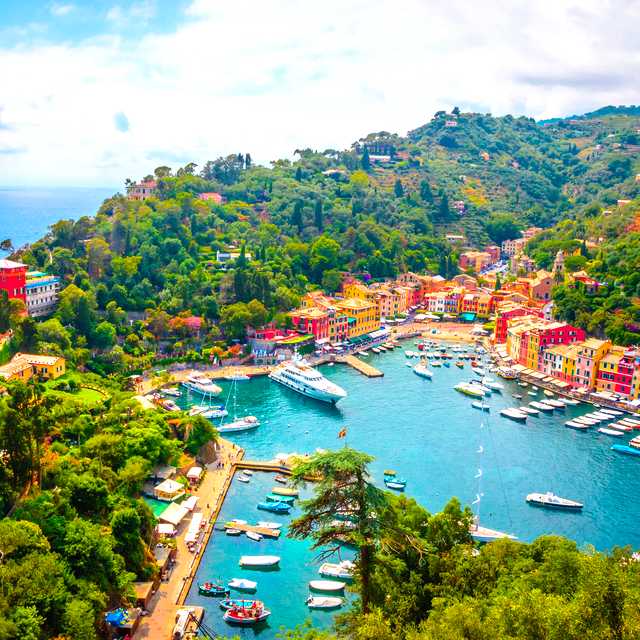
Genoa to Ligurian Riviera: Private day trip
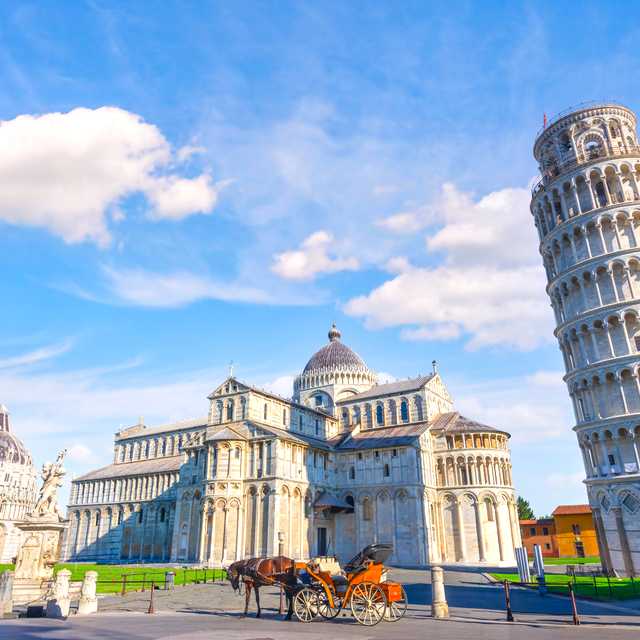
Genoa to Pisa: Private day trip
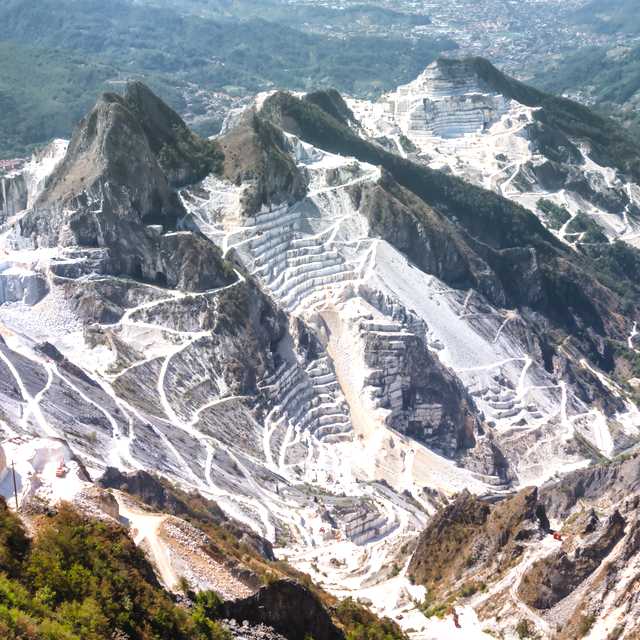
Genoa to Carrara Marble Quarries: Private day trip
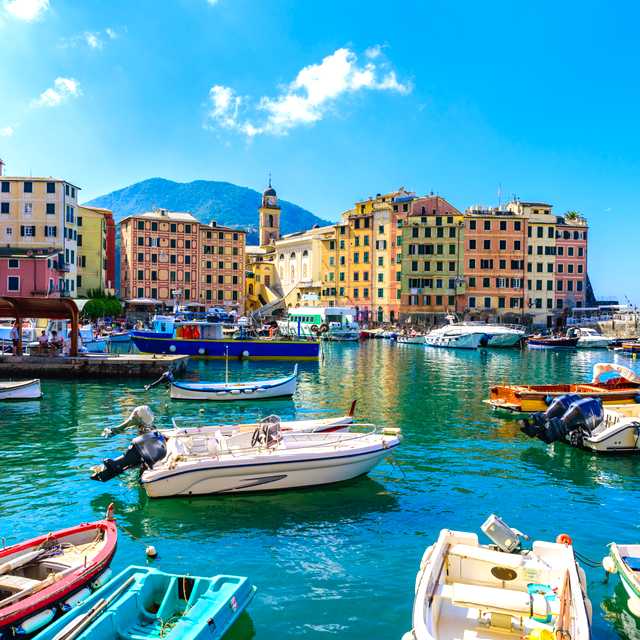
Genoa to Camogli and Rapallo: Private day trip
Making the most of your time ashore
A port day runs eight to ten hours, but the walk off the ship, the ride into town, and a return buffer can all eat into it. Plan for what fits.
- In 2 to 3 hours, stay near the port town; skip far day trips
- In 5 to 6 hours, reach one nearby sight or town, then return
- In a full day, pick one big trip; don’t try to combine multiple smaller ones; a classic mistake is overreaching and rushing it all
- Don’t forget the basics when you leave: bottled water, comfortable shoes, sunscreen, a portable charger, some cash, and your room key or card
- For non-EU visitors, always carry your passport with you as well
- Keep a return buffer of at least an hour before all-aboard; each cruise company can do things a bit differently, so always check with your cruise line and plan accordingly
- Miss the ship and catching up is on you, not the cruise line
Getting from the terminal
Getting from the ship to what you came for can shape the whole day, so weigh each option's trade-offs before you dock. Port shuttles can be cheap but run on a fixed schedule to a set stop. Taxis are quick and flexible, but fares climb, and few will wait long. Trains and buses help save money, but tend to add more logistics issues with luggage, limited mobility, and can be prone to delays and longer travel times. Private transfers cost more but suit tight timing with more sightseeing. Ideal for groups, those with heavy luggage, or mobility needs.
Our routes from Italy's ports
Ravenna - Cruise Port to Venice
2h 9min • 138km (85.7mi)
From €371
Civitavecchia to Rome
1h 12min • 72km (44.7mi)
From €250
Naples to Positano
1h 31min • 61km (37.9mi)
From €190
Naples to Rome - City Center
2h 31min • 229km (142.3mi)
From €412
Livorno to Florence
1h 29min • 95km (59.0mi)
From €355
La Spezia to Pisa
1h • 78km (48.5mi)
From €360
Marghera to Verona
1h 17min • 113km (70.2mi)
From €293
Genoa to Milan
2h 11min • 149km (92.6mi)
From €340
Genoa to Cinque Terre
1h 48min • 103km (64.0mi)
From €296
Trieste to Pula
1h 32min • 120km (74.6mi)
From €181
Trieste to Ljubljana
1h 15min • 94km (58.4mi)
From €194
Palermo to Taormina
3h 3min • 265km (164.7mi)
From €475
2+ million travelers like you. Moments they'll never forget.

Your port day questions, answered
About the author
Ján Tompkins is a Prague-based travel writer with a passion for arts and culture. His travels are shaped as much by museum exhibitions as by bakeries, greasy spoons, and funny signage. His favorite trip to Italy has been to the quiet clifftop Sorrentine town of Vico Equense.
Be the first to discover more
Get handpicked travel ideas, insider highlights, and special Daytrip offers.


