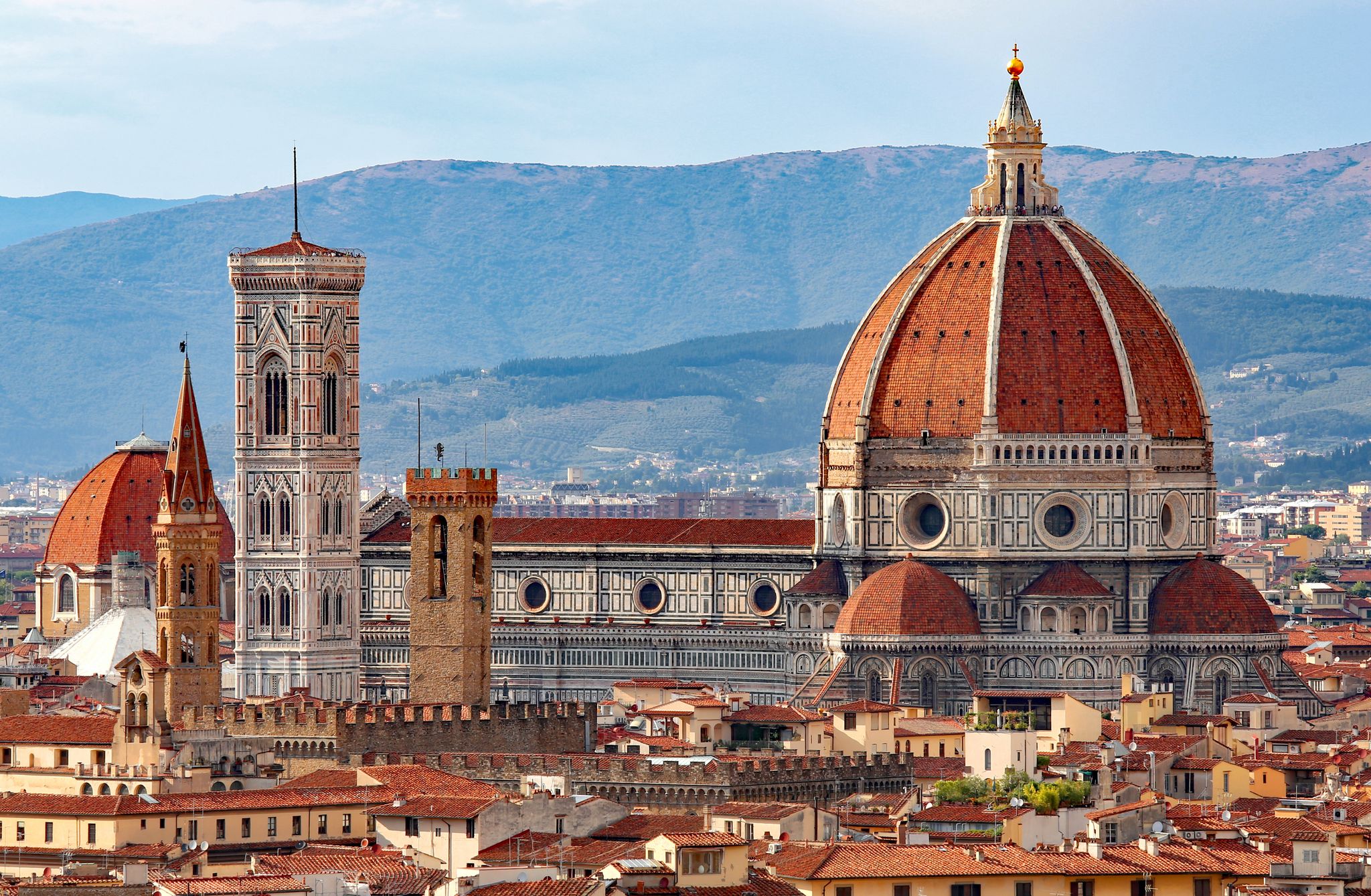
Daytrip's guide to Florence
One of the first things you notice about Florence is its small size, but huge impact on international art and culture. Only about 360,000 people live in Florence, and the historic center fits inside a ring you can walk across in half an hour. However, that size is deceptive. Florence punched above its weight by funding the Renaissance with wool money and banking. It ran on the Medici’s ambition for three centuries, and served as Italy's capital from 1865 to 1871. Most of what you came to see was made by people who knew each other personally.
One practical thing to know before you arrive: the historic center is a “ZTL,” or limited-traffic zone. This means it is closed to unauthorized cars during posted hours. Cameras enforce it, and fines reach you by mail months later. Your Daytrip driver will drop you at the closest legal point, usually a short walk from your hotel. Pack your bags with that walk in mind.
Etiquette here is straightforward. Cover your shoulders and knees inside churches. Order coffee standing at the bar. Do not sit on church steps or curbs to eat lunch, since the city has fined people for exactly that on Via de' Neri. Dinner starts later than you might be used to, and wake up early to see the sites before the crowds.
Main airport:
- Florence Airport (FLR), also known as Amerigo Vespucci Airport
Florence in brief
Region
Tuscany
Currency
Euro (€)
Time zone
CET (UTC+1) / CEST (UTC+2) in the summer
Population
360,000 people in the city, with 715,000 in the surrounding metropolitan area
Florence by neighborhood
Florence's historical center is small enough to cross on foot, so choosing a neighborhood is more about the atmosphere and price, not distance. Sleeping even just five minutes further out costs less and puts you with locals. Here is how the districts differ.
Florence's historical center is small enough to cross on foot, so choosing a neighborhood is more about the atmosphere and price, not distance. Sleeping even just five minutes further out costs less and puts you with locals. Here is how the districts differ.
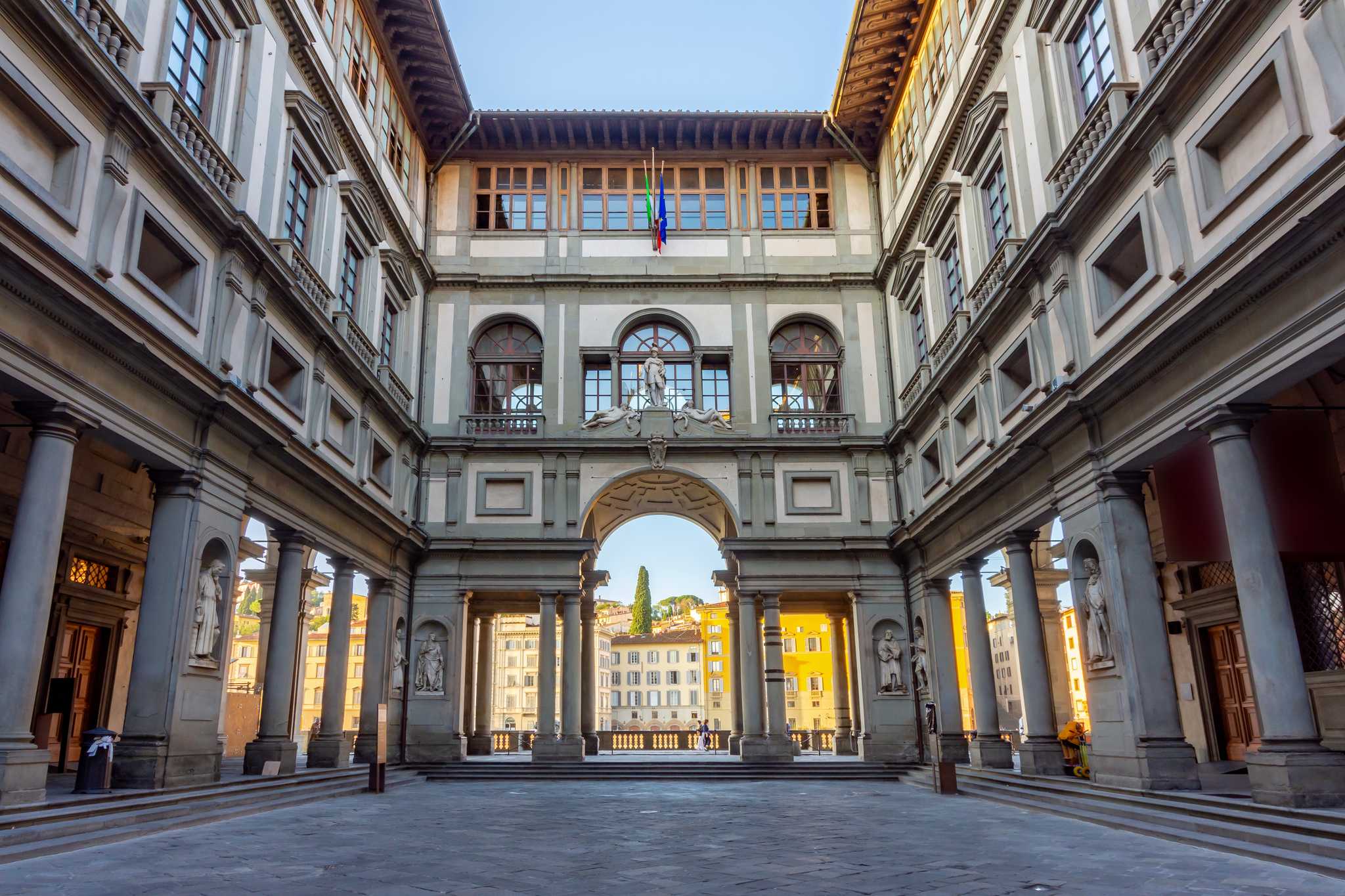
Centro storico
The walled core, with the Duomo, Uffizi, and Signoria. Most expensive, most crowded, and unbeatable before 8 a.m.

Oltrarno
The arts district (name means “Beyond the Arno”). Leather workshops, family-run trattorias, and the Pitti Palace, without the crowds of the Centro Storico.
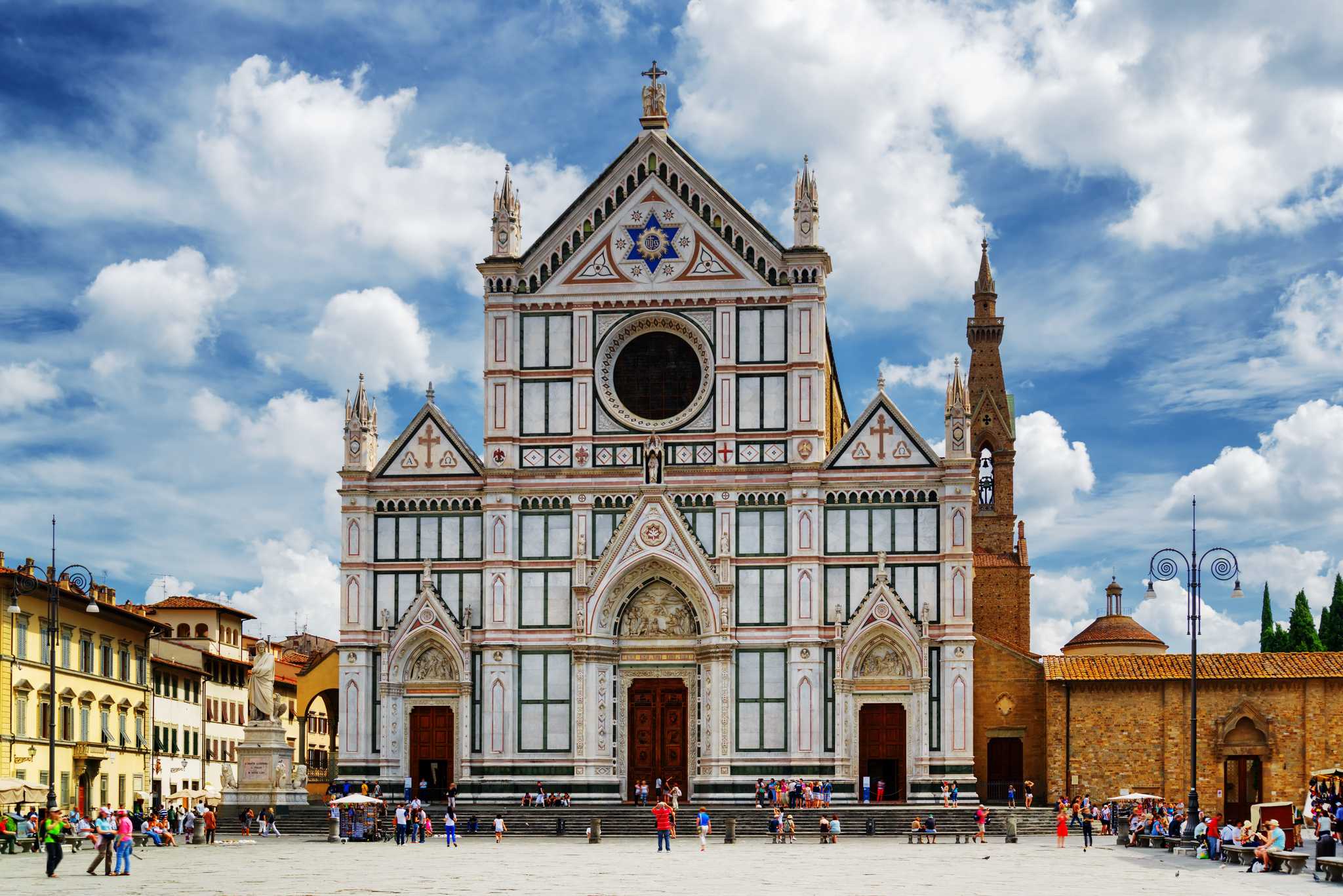
Santa Croce
Eastern quarter around the Franciscan basilica. Good markets, real bars, and the best cheap lunches inside the walls.
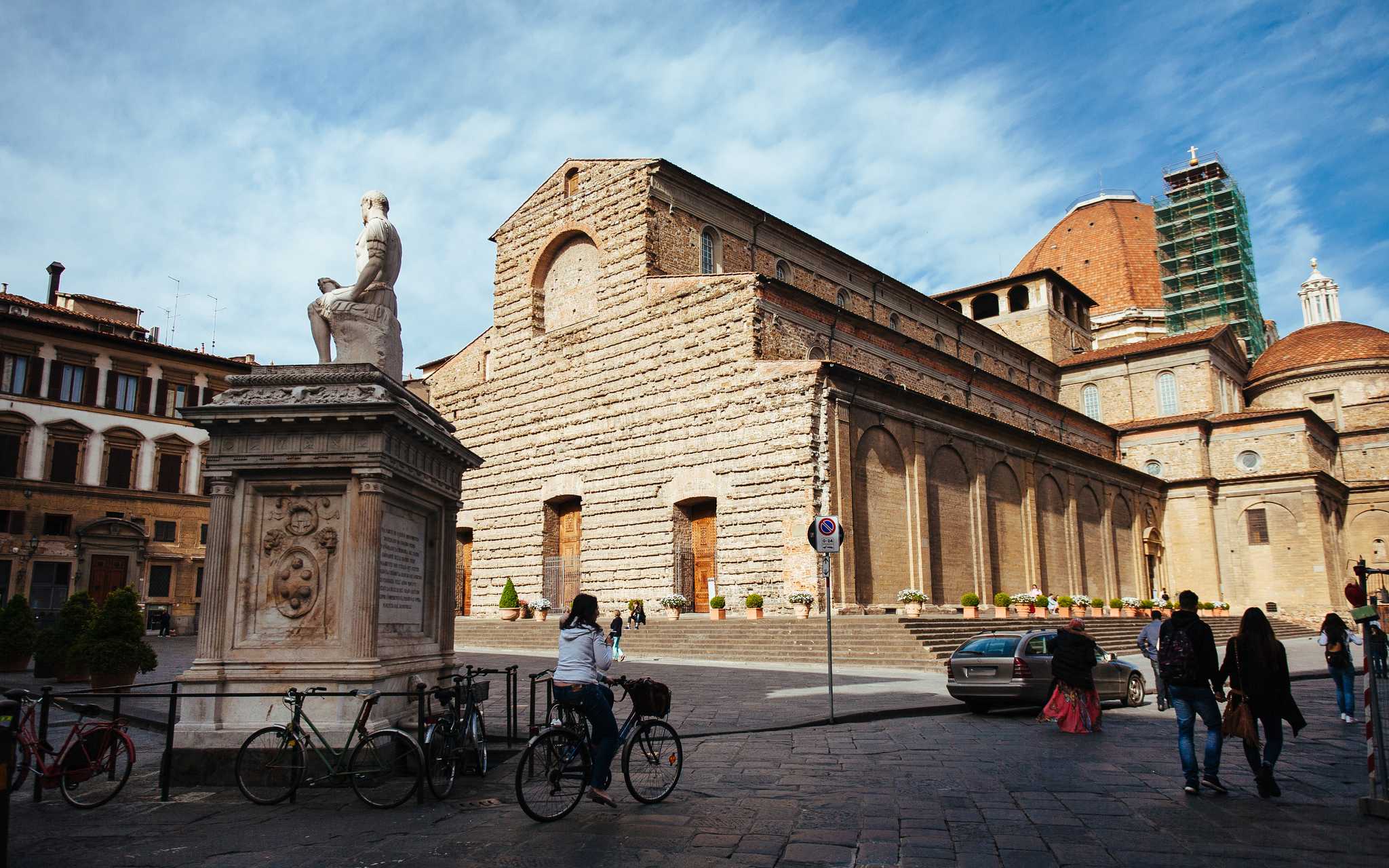
San Marco and San Lorenzo
Student and market territory, north of the cathedral. The Accademia is here, and hotel rates drop within a block or two.
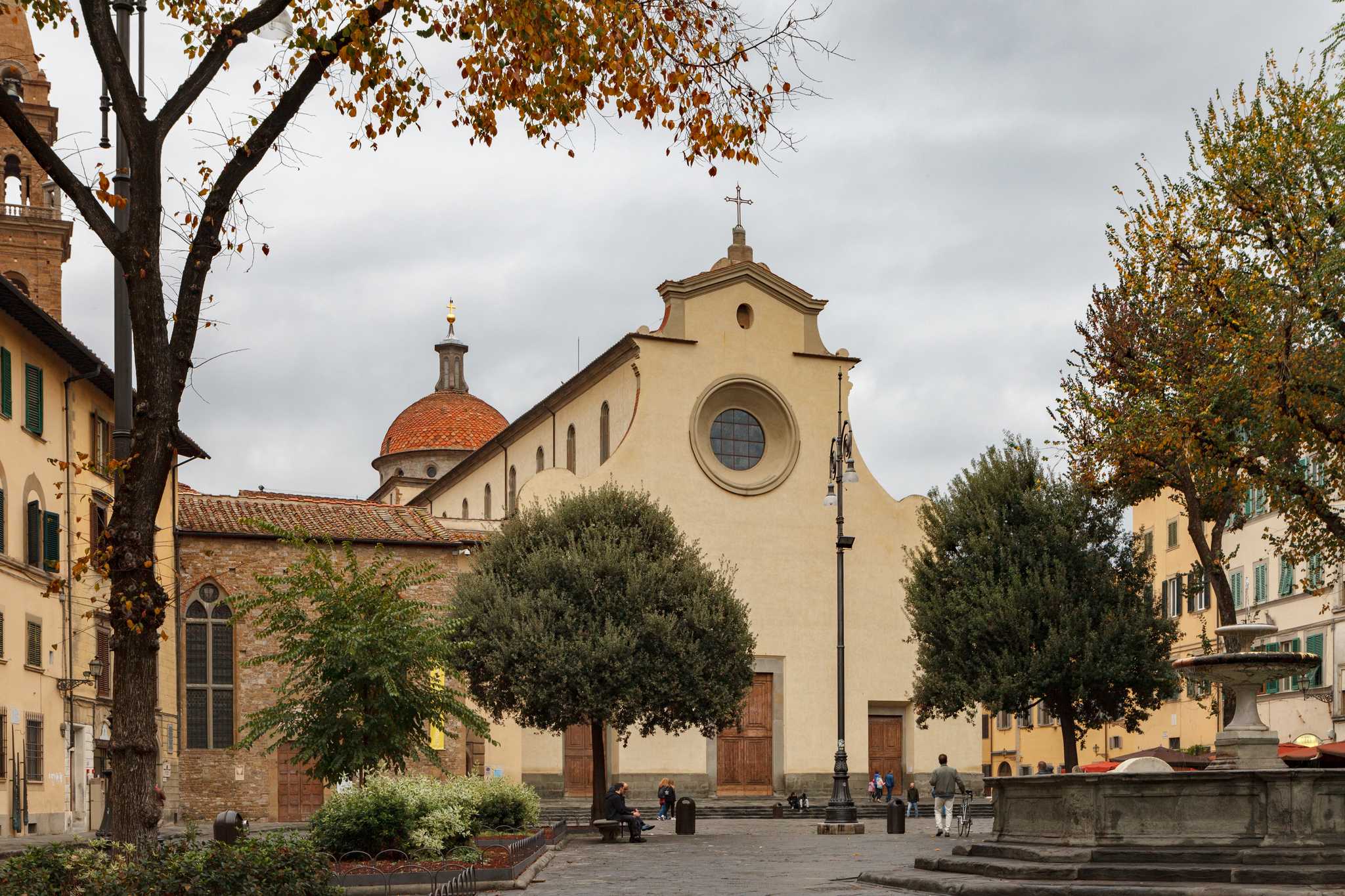
Santo Spirito
Oltrarno's social heart, a square with a plain church facade, morning stalls, and tables that stay full late into the night.
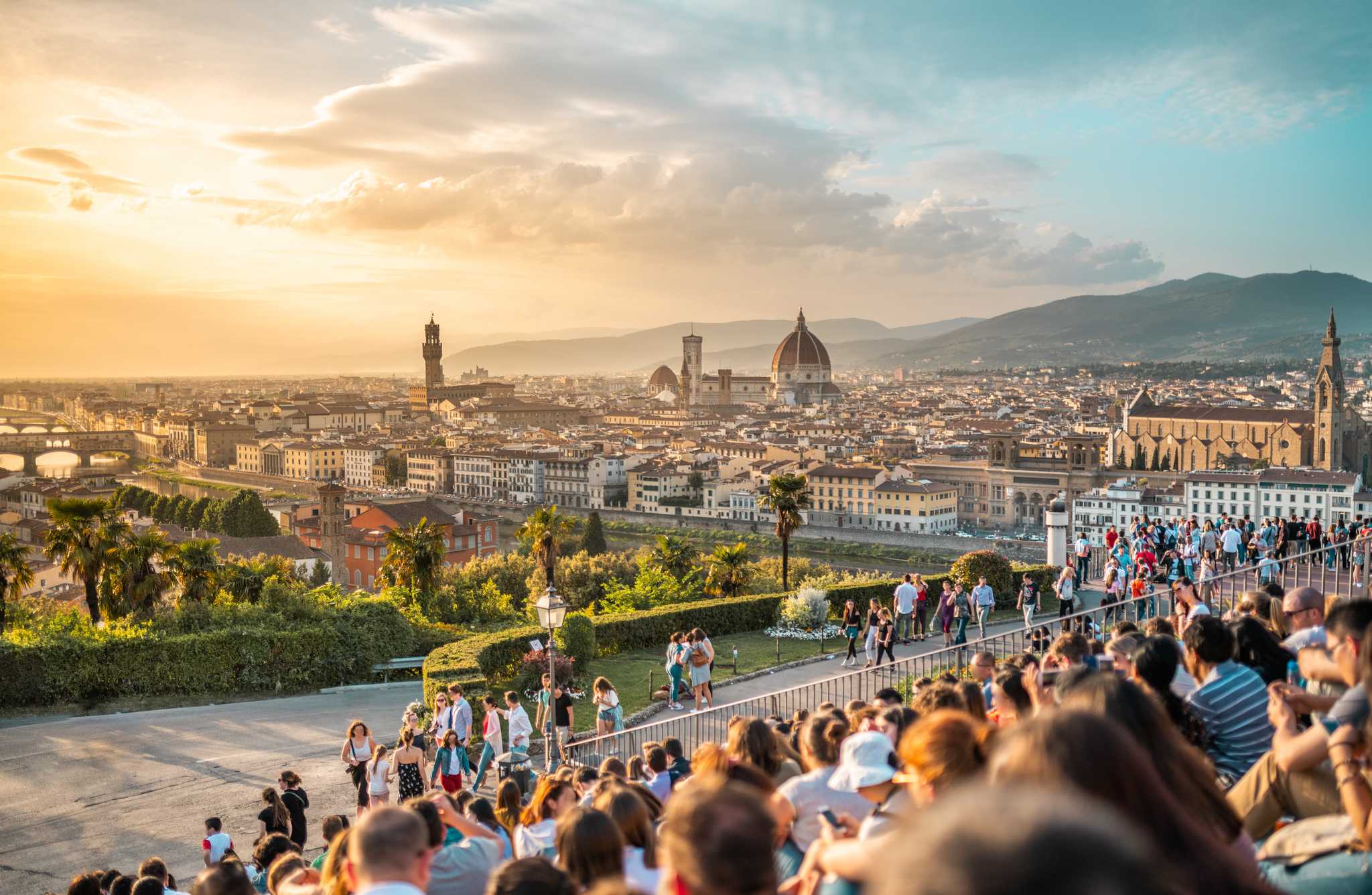
San Niccolo
Below the hill on the south bank. Quiet lanes, small wine bars, and a five-minute climb to the Piazzale Michelangelo view.
When to go
Spring
May is for long light and open gardens. Early March skips the crowds, when almond trees bloom along the Chianti road. Easter brings big celebrations all over Florence.
Summer
Come in early June, before the heat settles into the valley. Late August empties as Florentines leave. Take a day trip two hours west to the beach at Forte dei Marmi.
Fall
October is the best month: cool mornings, low light on the hills. Mid-November is quietest. Go to Chianti in late September for the grape harvest.
Winter
January is cold, clear, and empty, and the Uffizi has no line. Late January is quietest. Take a day trip to Viareggio in February for the Carnival floats.
Our picks: things to do in Florence
With Florence, you can have it all: slow days inside its museums, and long days on the roads out of town. Most travelers try to do both, and the city is small enough that you can. These are the six things worth building a trip around.
With Florence, you can have it all: slow days inside its museums, and long days on the roads out of town. Most travelers try to do both, and the city is small enough that you can. These are the six things worth building a trip around.
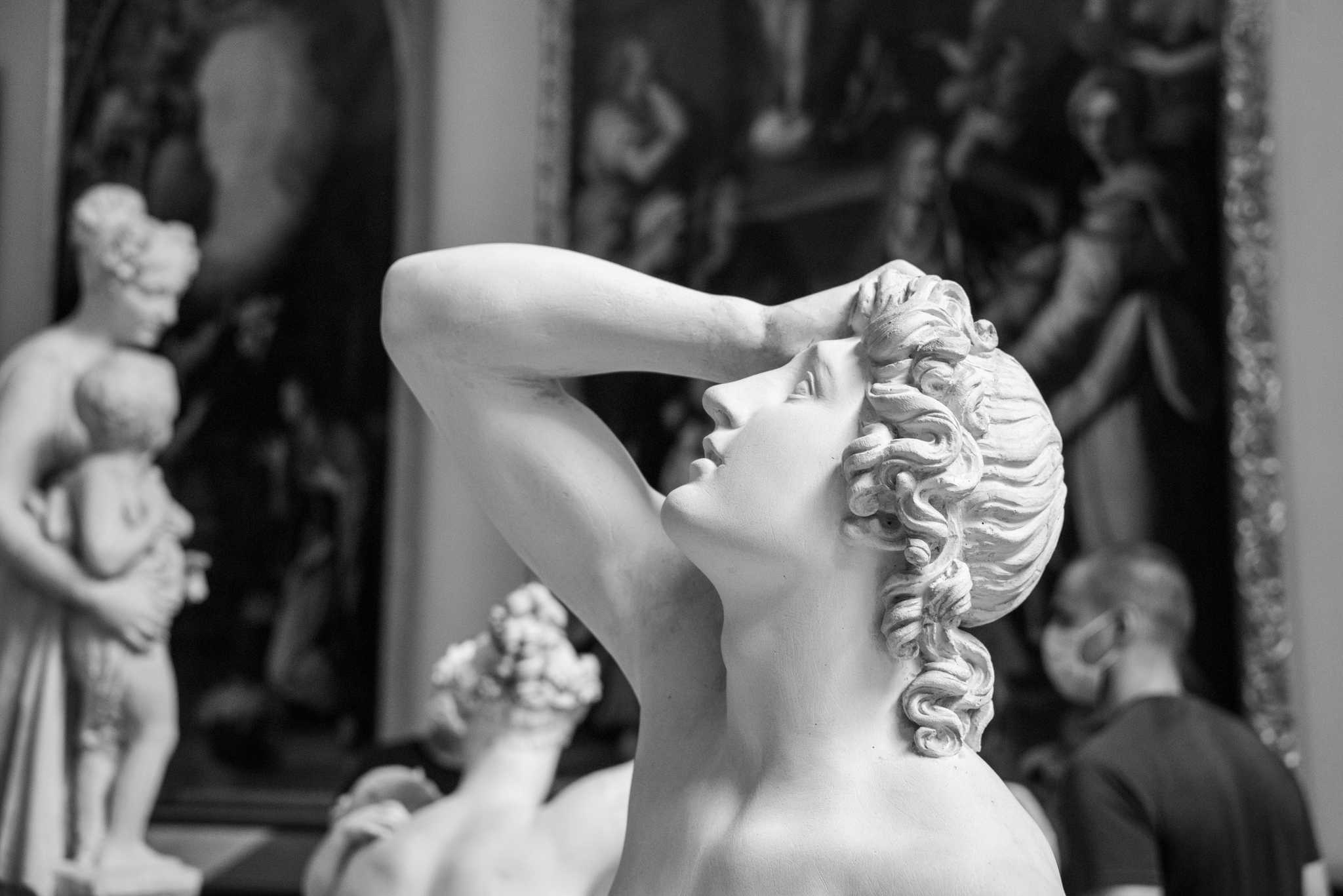
See the Renaissance where it was made
Almost nothing here was made for a museum. The paintings, bronzes, and frescoes are still in the churches, chapels, and palaces they were commissioned for, within a few crowded blocks.
- The Uffizi hangs Botticelli's Birth of Venus and Primavera
- Michelangelo's David stands in the Accademia, under a skylight
- Brancacci Chapel frescoes were famously copied by Michelangelo
- The monks’ cells at San Marco hold a Fra Angelico fresco
- The Bargello keeps Donatello's bronze and marble statues of David
- Palazzo Vecchio's Hall of the Five Hundred is vast and painted
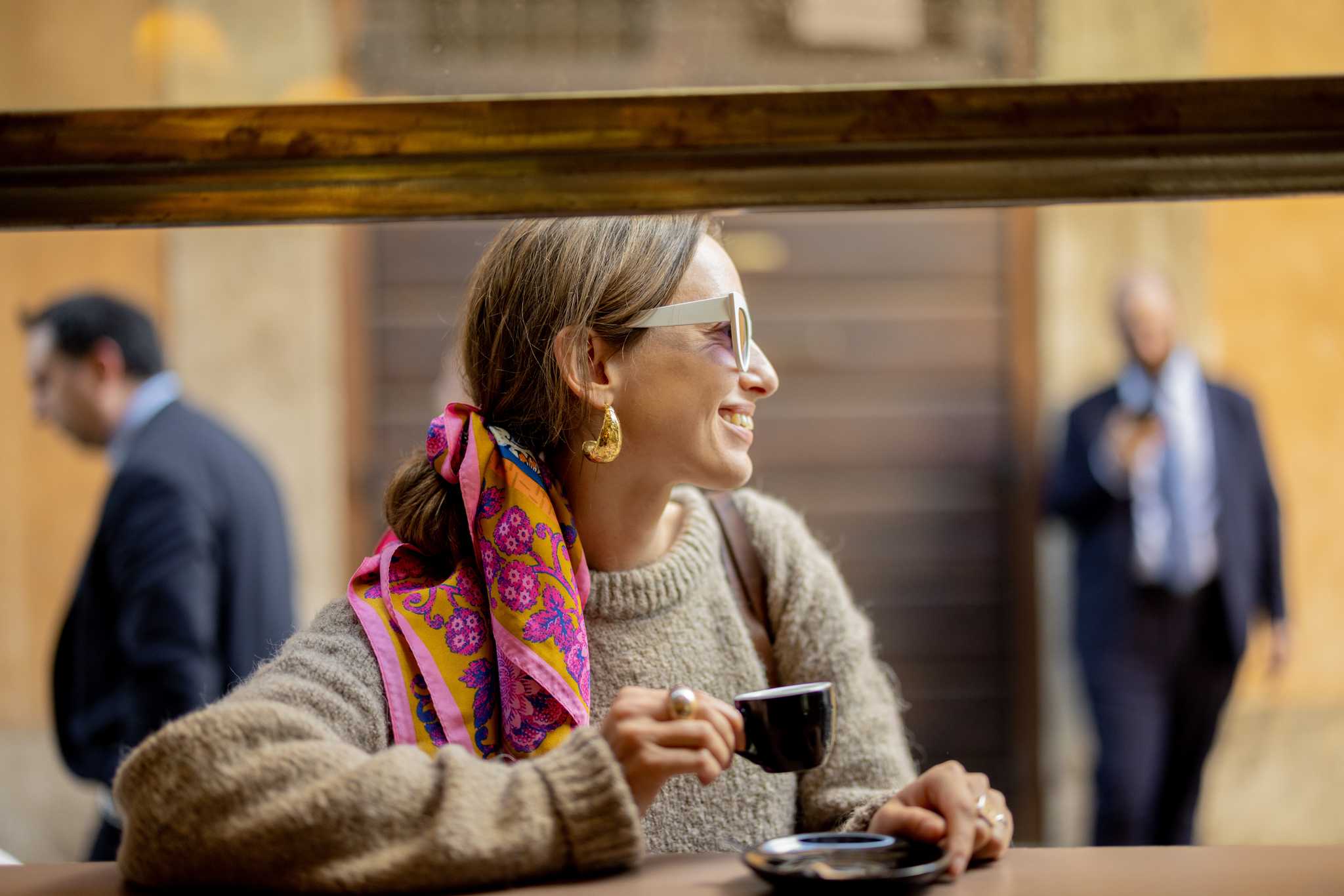
Eat the way Florentines do
Tuscan cooking is plain on purpose: bread, beans, oil, meat over fire. Lunch is the cheap meal and the good one. Most of the best food in Florence is sold standing up.
- Mercato Centrale for lampredotto, tripe in a bread roll
- Sant'Ambrogio market is where locals shop, not visitors
- Bistecca alla fiorentina is ordered by weight for the table
- Ribollita is bread soup, reboiled, best in cold months
- Buchette del vino are old aristocrats’ wine windows
- Order espresso at the bar, standing, and pay the lower price

Follow the Medici
One banking family shaped this city for three centuries, then died out, leaving it all behind. Their name is on the buildings, the tombs, the gardens, and the art they paid for.
- Palazzo Medici Riccardi hides Gozzoli's Magi frescoes upstairs
- The Medici Chapels hold Michelangelo's carved tombs
- Palazzo Pitti was their home after they outgrew the first one
- The Vasari Corridor let them cross the river unseen
- The Uffizi began as government offices, hence the name
- Villa La Petraia sits in the hills, an easy stop by car

Get above the city
Florence sits in a bowl. Every good view means going up, either on foot inside the center or by road into the hills. The duomo is the point of reference from all of them.
- Piazzale Michelangelo gives the postcard view of the skyline
- San Miniato al Monte is higher, quieter, and older
- The duomo climb is 463 steps and requires a booked time slot
- Giotto's bell tower looks straight at the duomo instead
- The Rose Garden below San Niccolo is free and rarely busy
- Fiesole looks down on the whole valley from the north
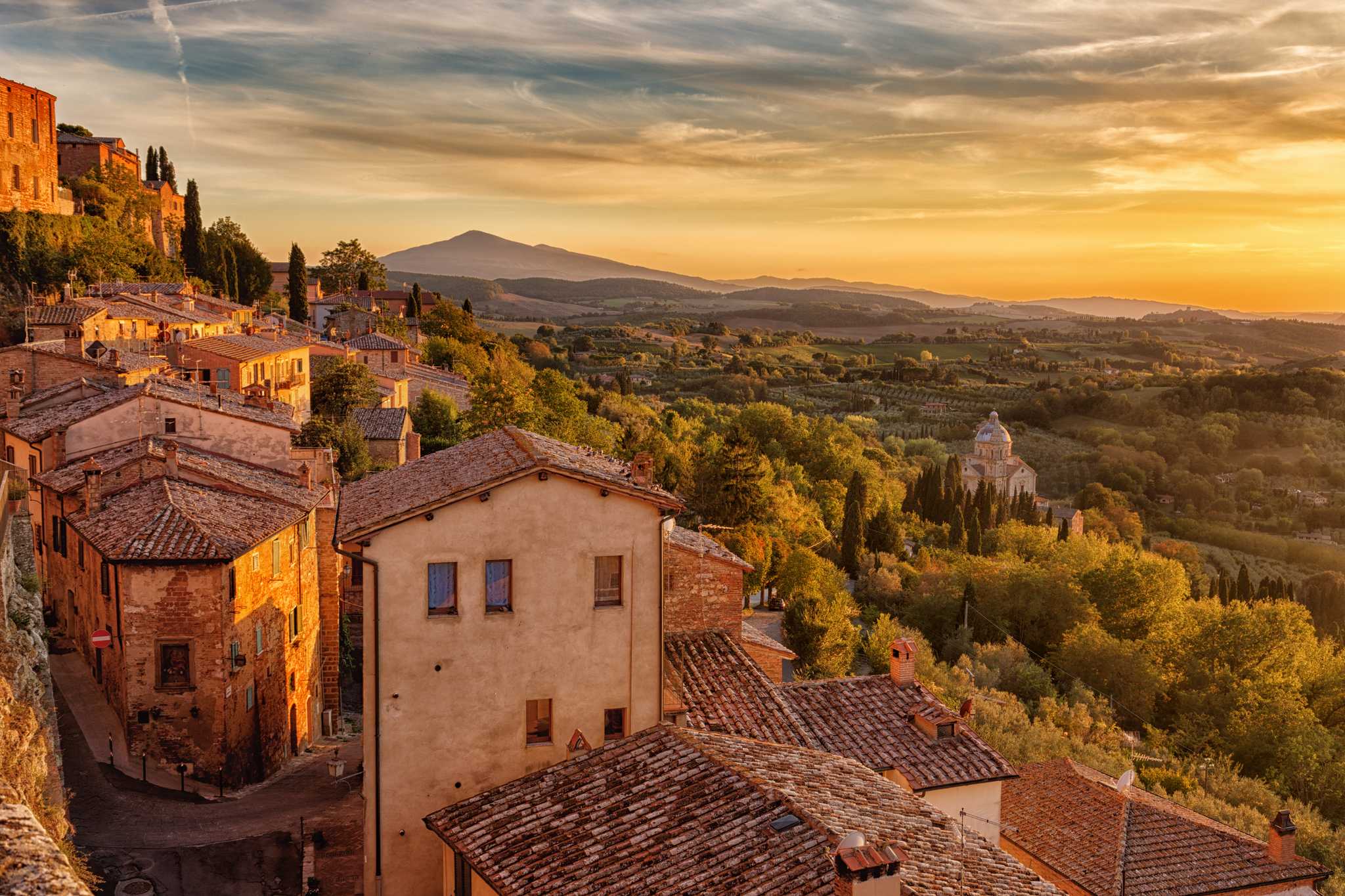
Drive out into the countryside
The landscape people picture when they think of Tuscany is real, and it is only about 45 minutes to two hours from the city. Take a day trip to see one of these many authentic sites.
- Greve in Chianti has a triangular market square and butchers
- Castello di Brolio pours the wine grown on its own estate
- The cypress avenue near San Quirico is the one gracing postcards
- The Crete Senesi turn from green to gold between April and July
- Vallombrosa's fir forest is cool and shaded in high summer

Reach the water
Florence is inland, but Tuscany is not. Beaches, thermal springs, and a lake are all within reach for a day, and the drives themselves are part of it.
- Forte dei Marmi has wide sand and marble peaks behind it
- Viareggio's seafront is lined with Art Nouveau facades
- Lake Bilancino in the Mugello is the closest swim, under an hour
- Saturnia's hot springs fall over limestone terraces, free to enter
- Elba is reachable by ferry from Piombino for clear water
- Cinque Terre takes about two and a half hours each way
What to eat, drink, and order
Tuscan food is built from what was cheap: stale bread, beans, oil, and cuts that other regions skip. The best version of a dish is usually in the town that claims to have invented it, so eat regionally when your driver stops. These six are worth planning a lunch around.
Tuscan food is built from what was cheap: stale bread, beans, oil, and cuts that other regions skip. The best version of a dish is usually in the town that claims to have invented it, so eat regionally when your driver stops. These six are worth planning a lunch around.
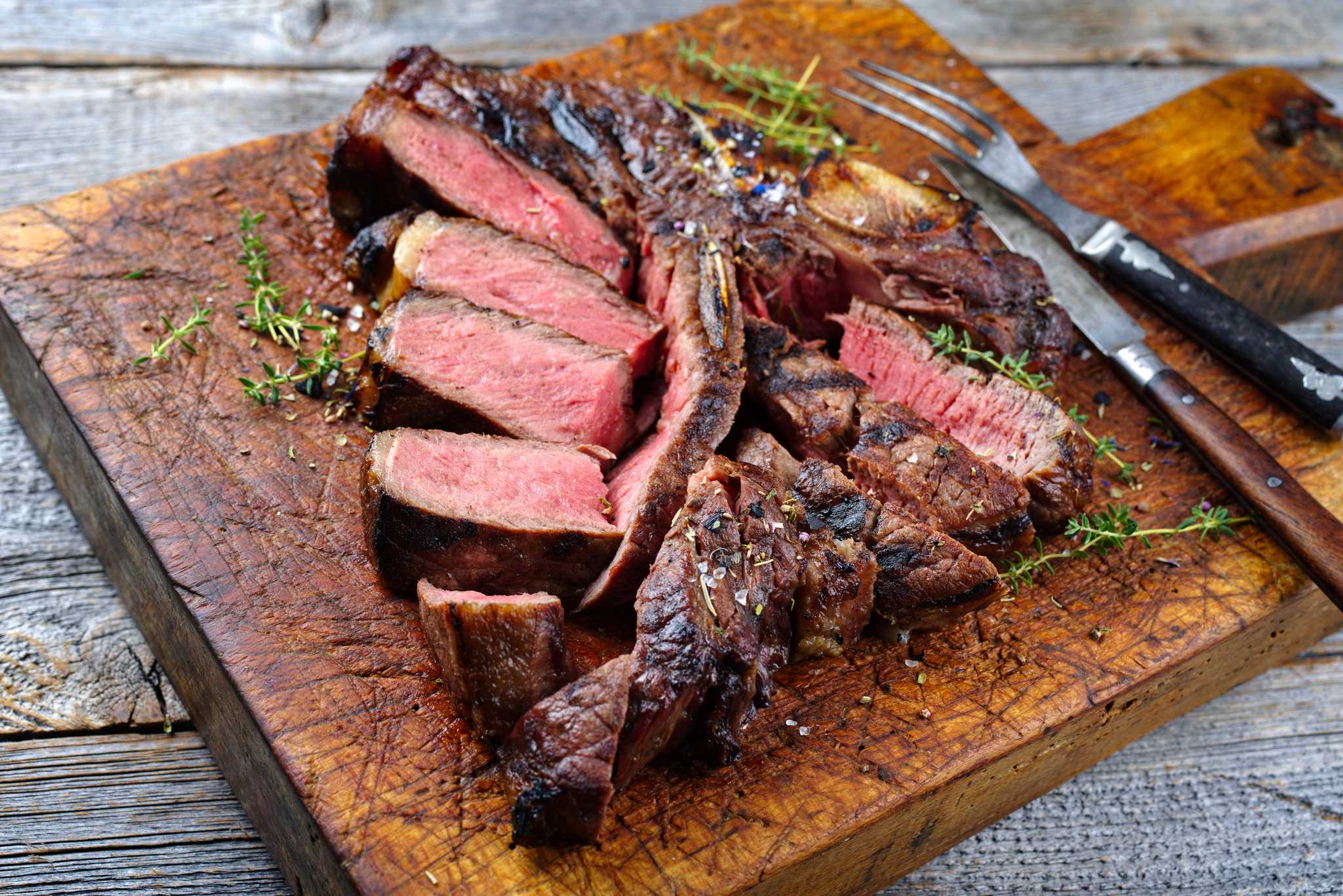
Bistecca alla fiorentina in Florence
A thick T-bone from Chianina cattle, grilled over coals, served rare. Ordered by weight for the table. Seasoned with salt and oil only.
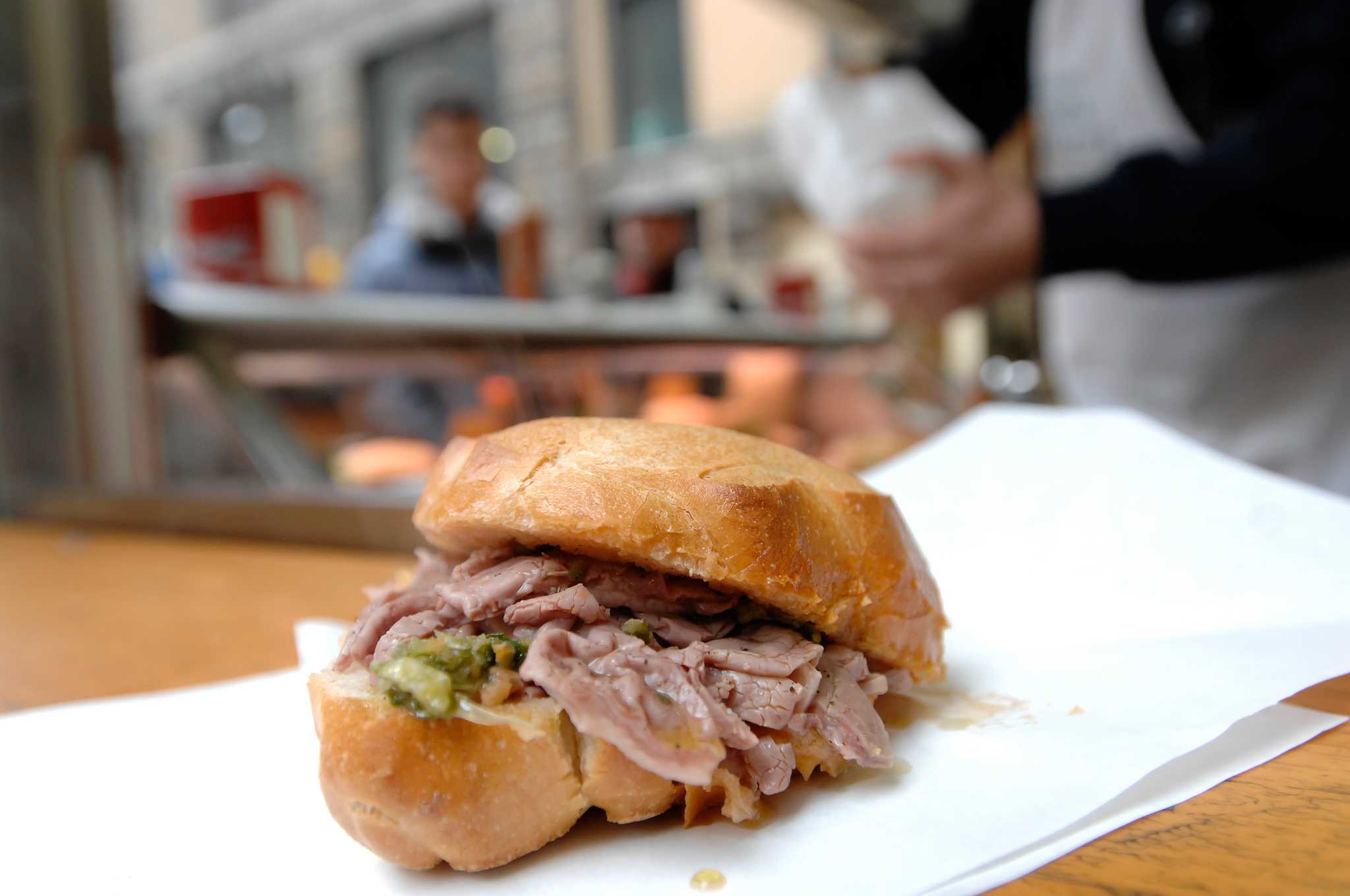
Lampredotto in Florence
The fourth stomach of a cow, simmered and stuffed in a bread roll with green sauce. Sold from street carts. Cheap and good.
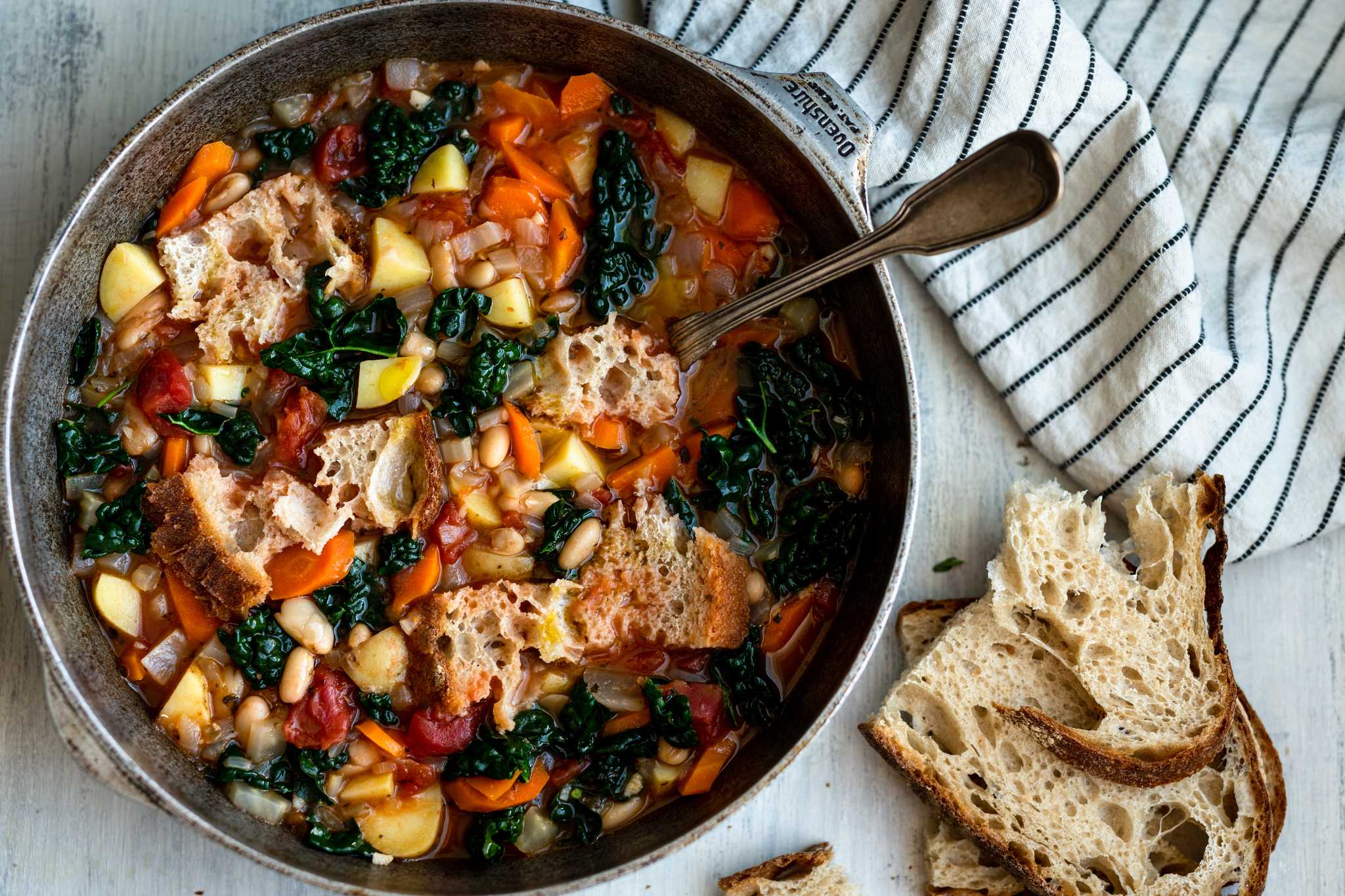
Ribollita in the Tuscan countryside
Bread, beans, and black cabbage boiled, then boiled again the next day. It gets better each time. A cold-weather dish.
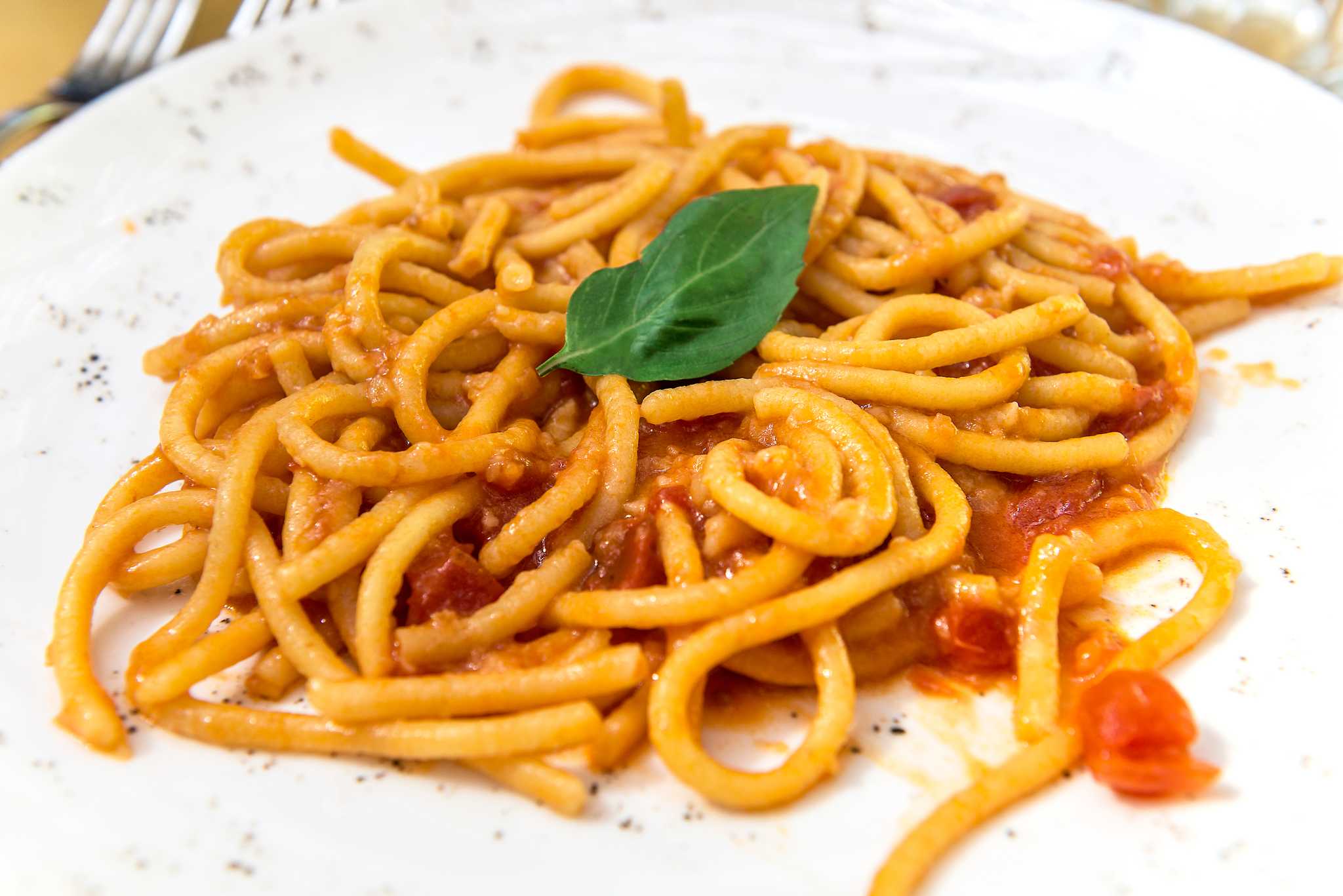
Pici in Siena and the Val d'Orcia
Fat hand-rolled pasta, uneven on purpose, so the sauce clings to it. Try it with garlic and tomato, or with wild boar ragu.
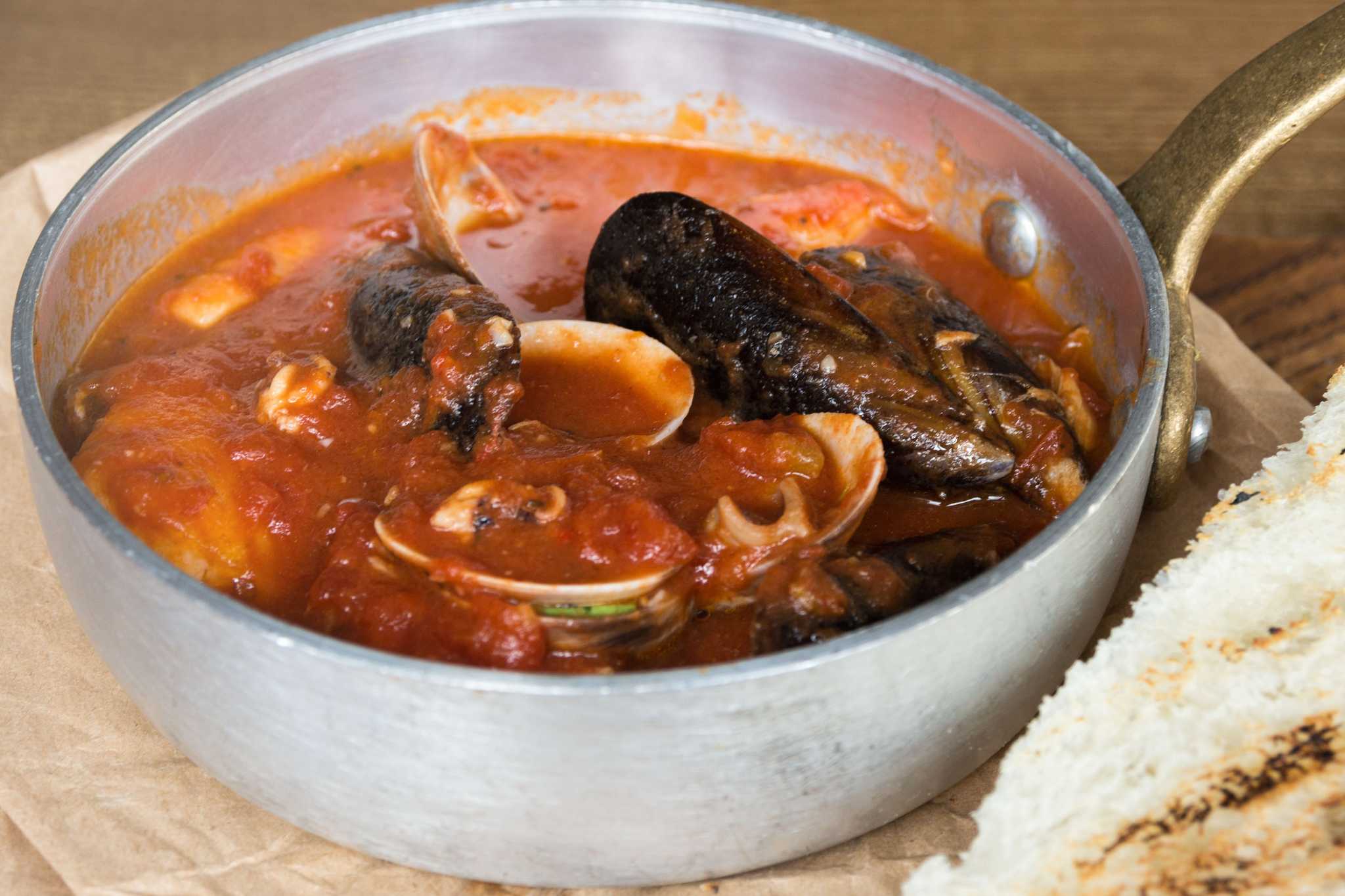
Cacciucco in Livorno
A five-fish stew, red with tomato and chili, poured over garlic-rubbed bread. Livorno claims it and defends the recipe hard.
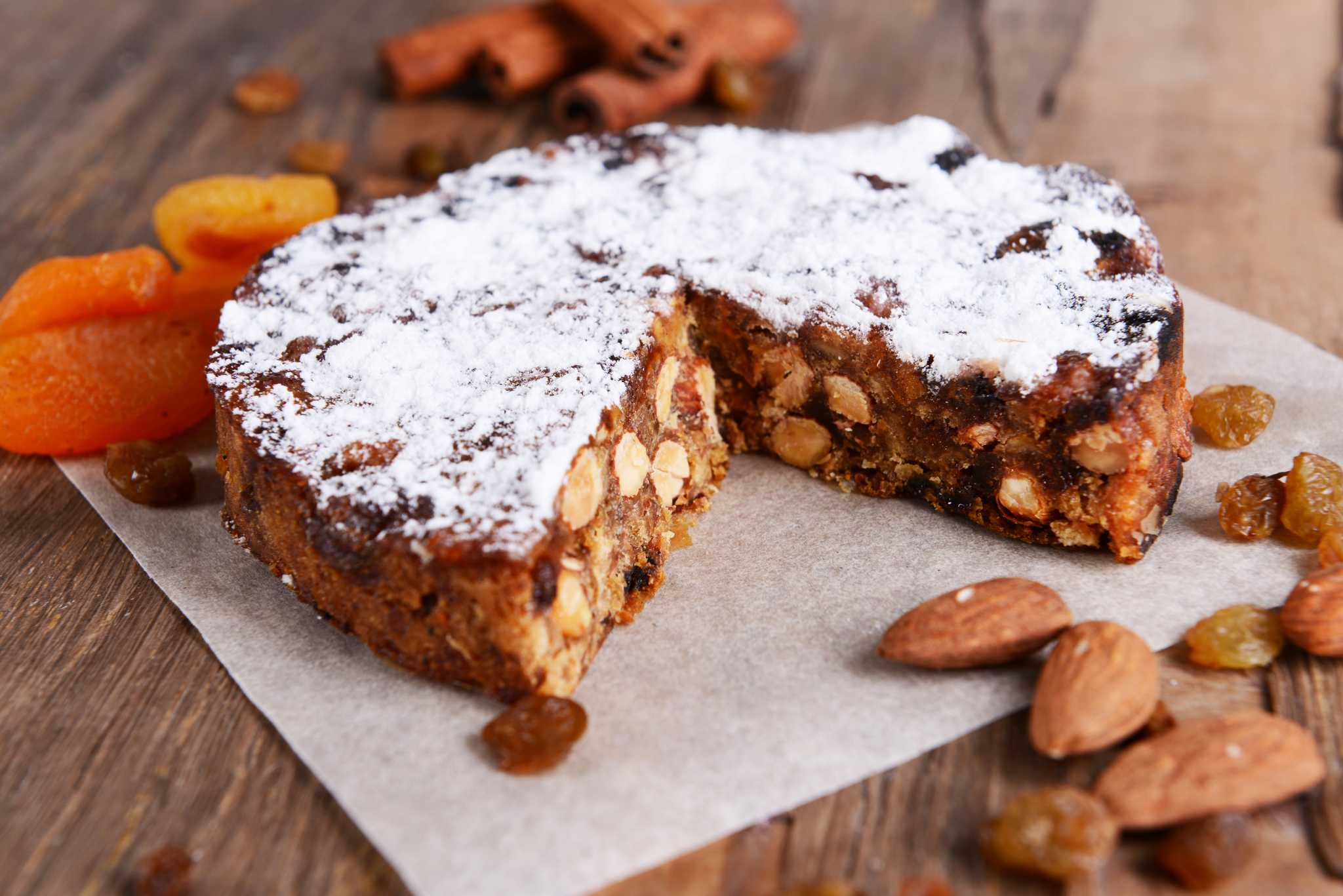
Panforte in Siena
A dense medieval cake of honey, nuts, candied fruit, and spice. Sold in flat discs year-round, though it started as Christmas food.
Getting around Florence
From the Amerigo Vespucci (FLR) airport, the T2 tram runs directly to Alamanni - Stazione Santa Maria Novella in about 20 minutes. But you’ll probably need to transfer to get to your specific hotel. Meanwhile, a taxi or Daytrip’s airport transfer takes 30 minutes, but is door-to-door.
For exploring Florence, most of the historic city center is walkable, given its “ZTL,” or limited-traffic zone, status. Minibusses cover longer distances within the historical zone. Longer trips will require a bus, or booking with Daytrip.
Beyond Florence
Tuscany is small, and the roads make it smaller. From Florence you can reach walled hill towns, a cathedral city near the coast, and Italy's best eating city in under two hours. These six are our travelers' favorites. Here is where to start.
Tuscany is small, and the roads make it smaller. From Florence you can reach walled hill towns, a cathedral city near the coast, and Italy's best eating city in under two hours. These six are our travelers' favorites. Here is where to start.

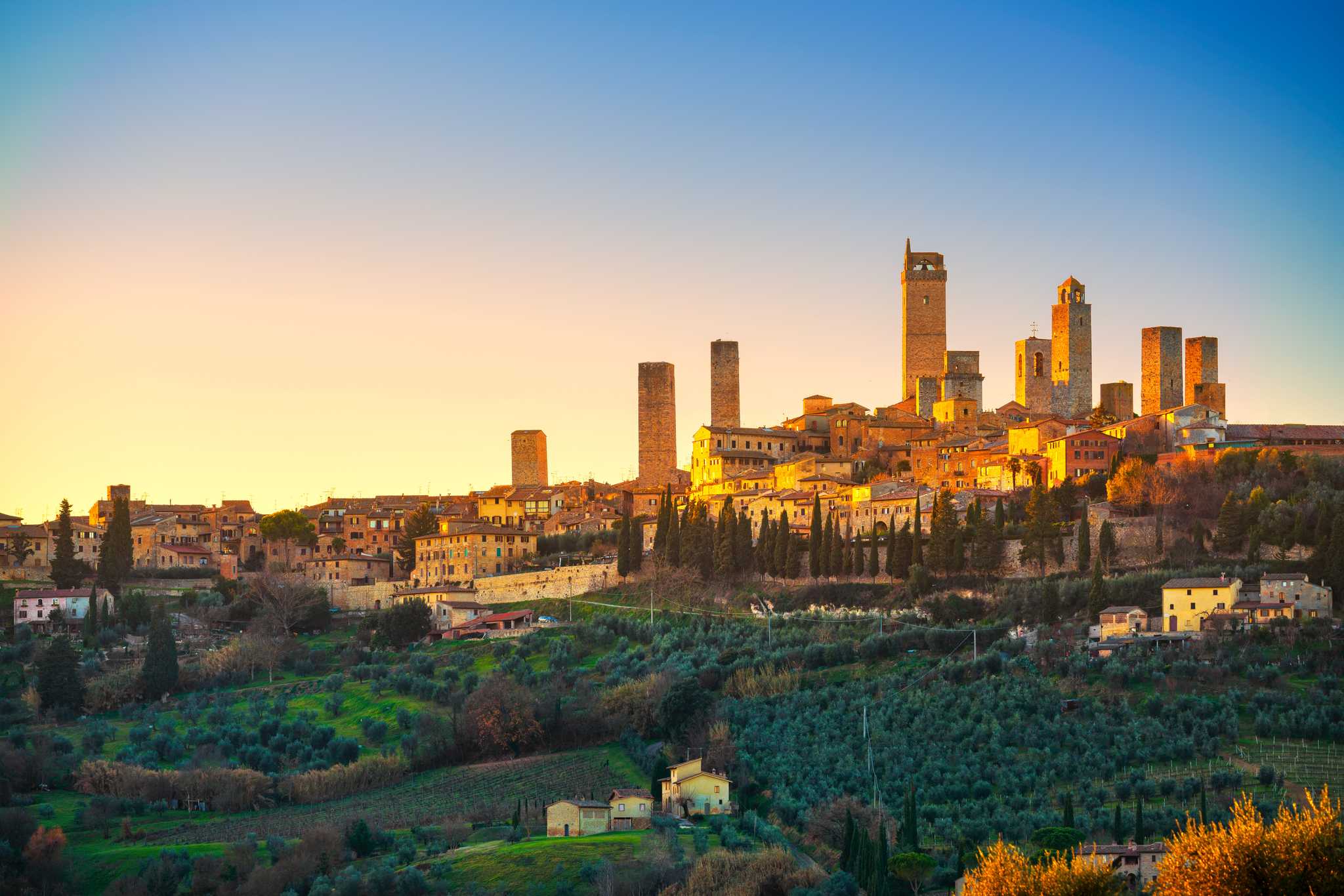


Our routes from Florence
Florence to Rome
3h 1min • 272km (169.0mi)
From €587
Florence to Siena
1h 11min • 76km (47.2mi)
From €353
Florence to Venice
2h 58min • 270km (167.8mi)
From €538
Florence to Milan
3h 31min • 317km (197.0mi)
From €634
Florence to Montepulciano
1h 29min • 109km (67.7mi)
From €365
Florence to Lucca
1h 12min • 93km (57.8mi)
From €361
Florence to Civitavecchia
3h 6min • 268km (166.5mi)
From €533
Florence Airport to Florence
34min • 11km (6.8mi)
From €140
Florence Airport to Siena
1h 9min • 87km (54.1mi)
From €354
Florence Airport to Cortona
1h 36min • 116km (72.1mi)
From €366
Florence Airport to Monterosso al Mare
2h 8min • 177km (110.0mi)
From €474
Florence Airport to Montefollonico
1h 33min • 123km (76.4mi)
From €366
Discover the best day trips from Florence
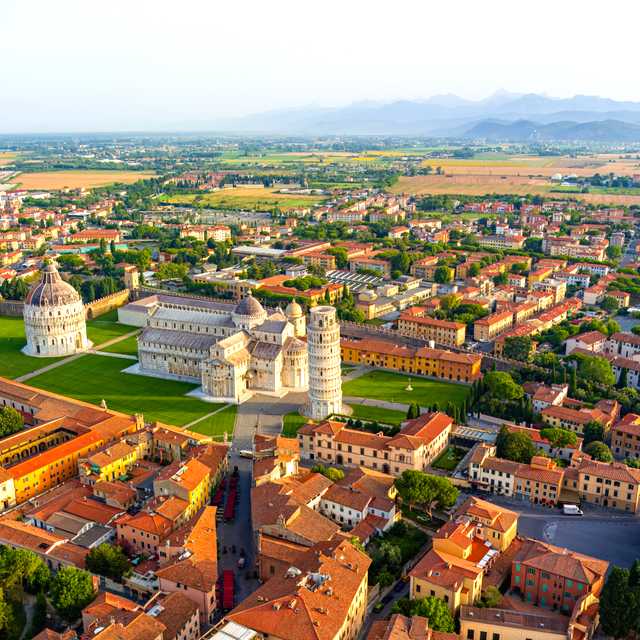
Florence to Pisa: Private day trip
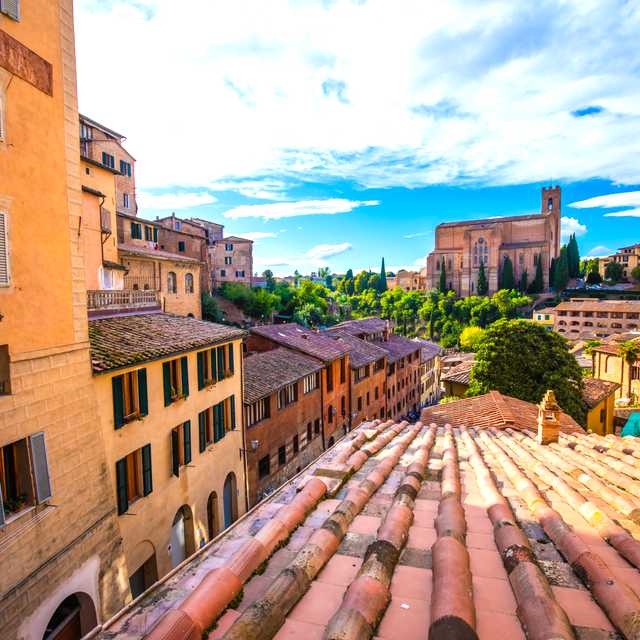
Florence to Siena: Private day trip
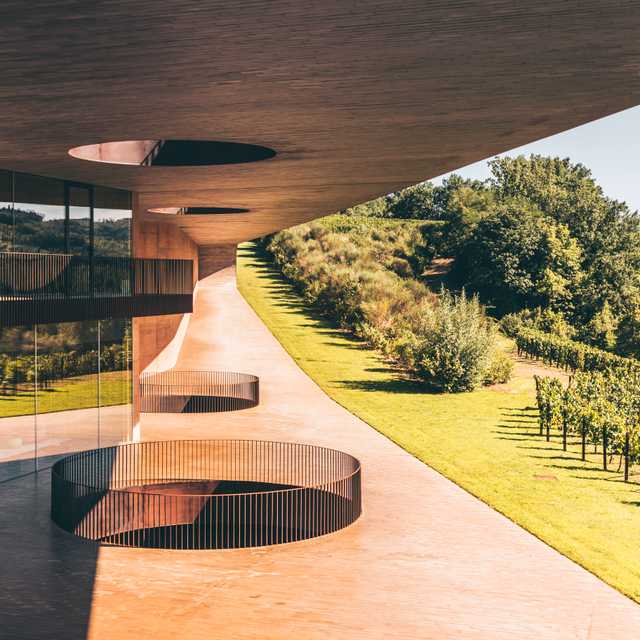
Florence to Antinori nel Chianti Classico: Private day trip
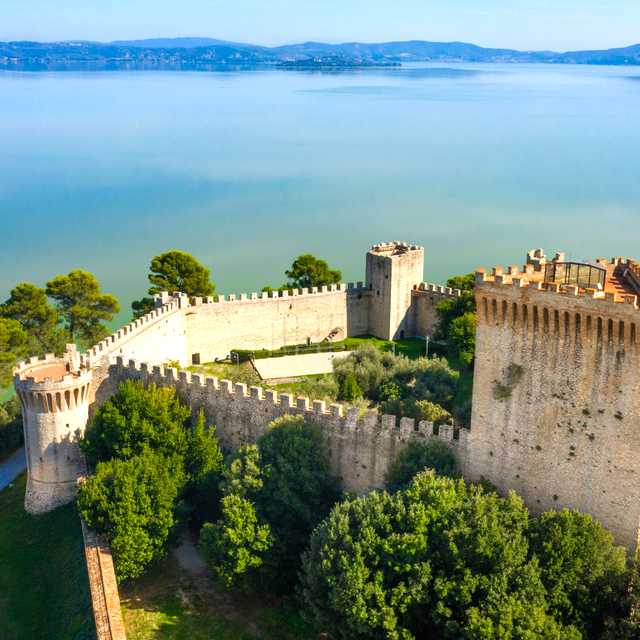
Florence to Lake Trasimeno and Arezzo: Private day trip
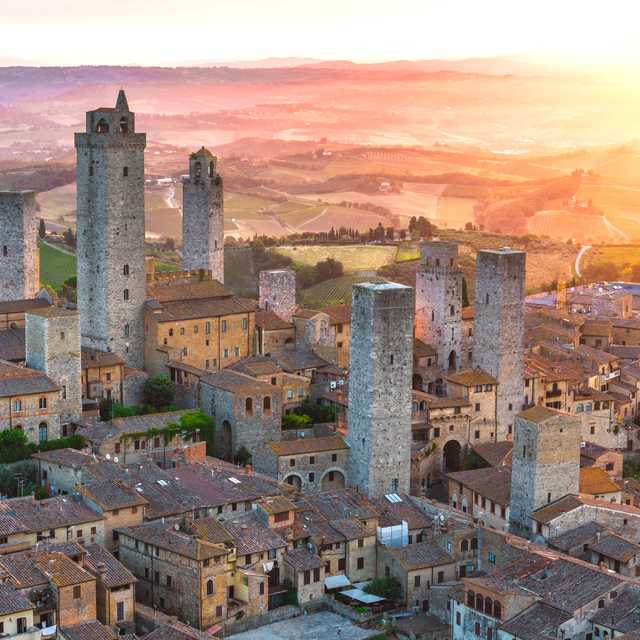
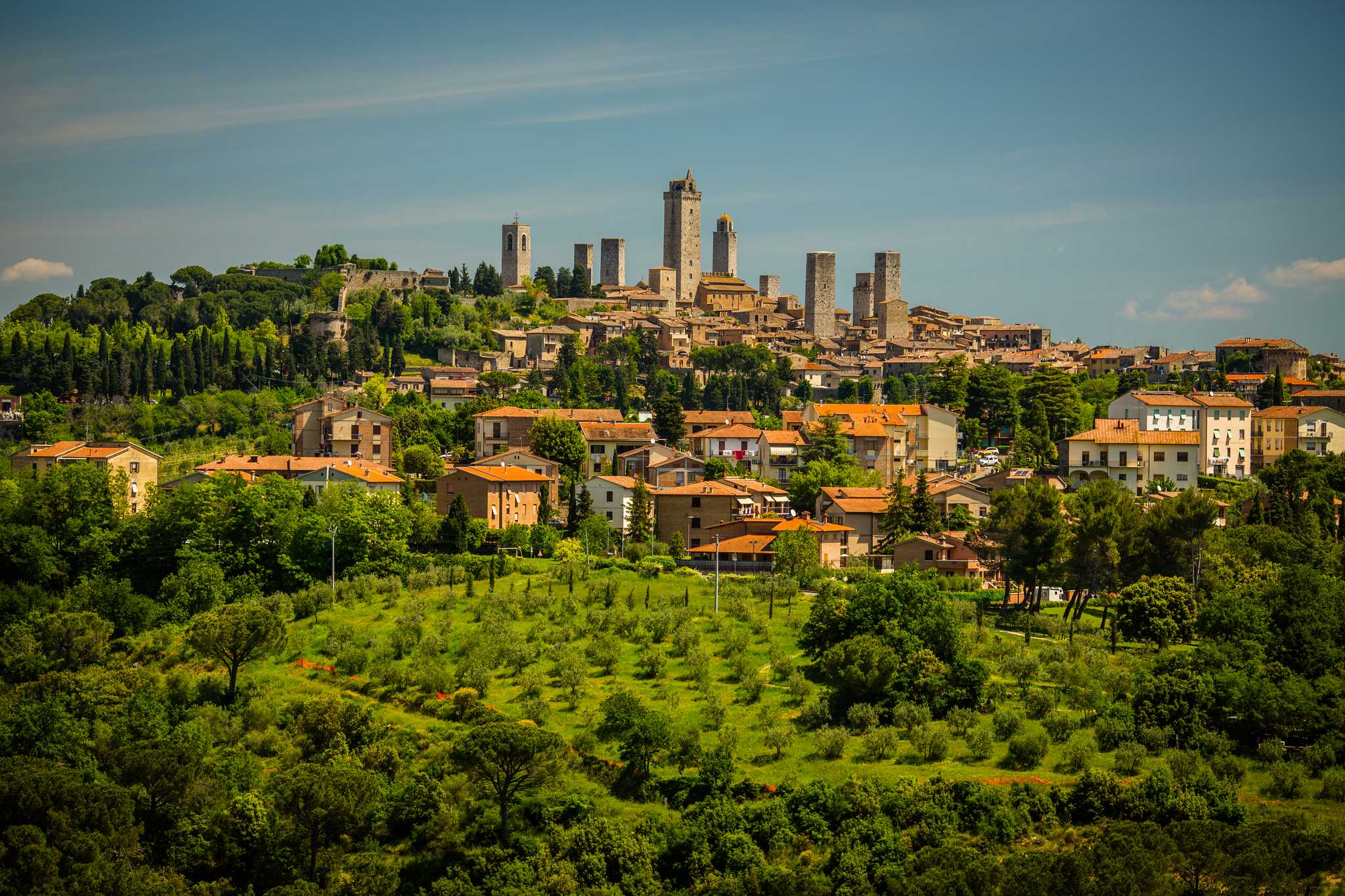
Florence to San Gimignano: Private day trip
Florence to Montepulciano: Private day trip
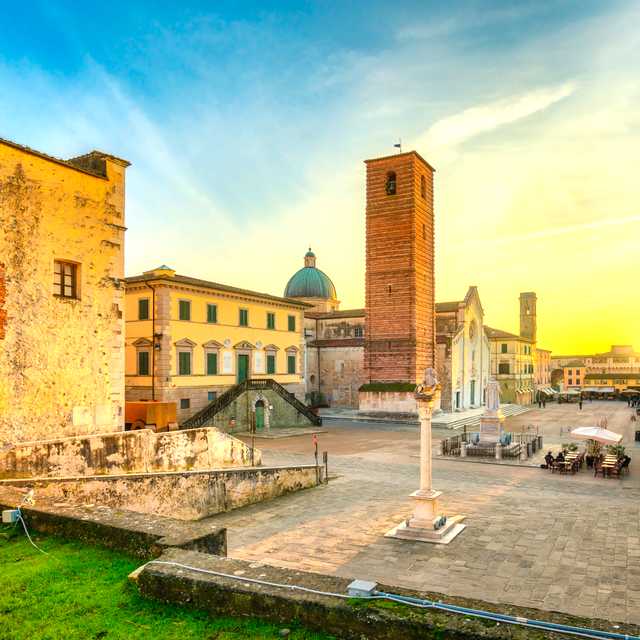
Florence to Viareggio and Pietrasanta: Private day trip
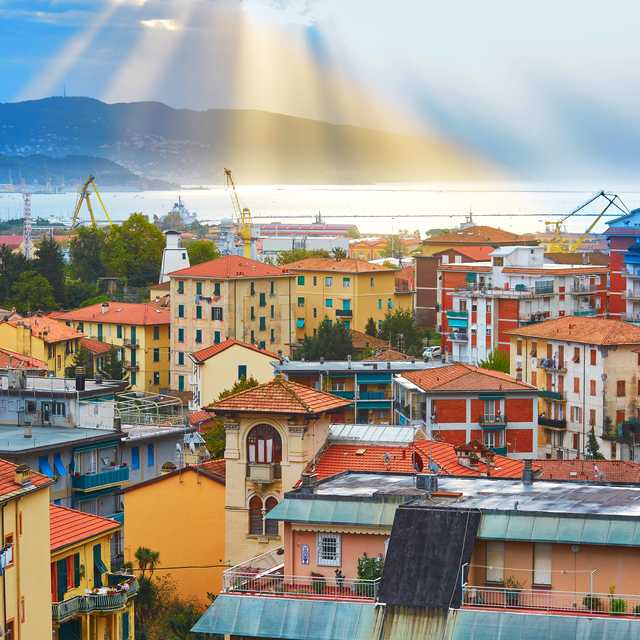
Florence to La Spezia and Portovenere: Private day trip
2+ million travelers like you. Moments they'll never forget.

Your Florence questions, answered
Three full days cover the city without rushing: the Duomo, two major museums, and one hill view at sunset. Two days work if you skip half the galleries, but with five days, you can add the countryside with a day trip.
Yes, for four: the Uffizi, the Accademia, the dome climb, and the Vasari Corridor all have timed entries that sell out in the high season. Avoid the free first Sunday of the month to skip the crowds.
Walking, since the center is about a mile across and mostly closed to cars. Wear shoes with real soles, since the paving is uneven stone. Buses help with two climbs only: to Piazzale Michelangelo and Fiesole.
Vespucci airport is closest, but it takes only regional and a few international flights. Pisa is 90 minutes west and usually cheaper. Bologna is 90 minutes north with more long-haul options. From North America, most routes come through Rome or Milan, then are driven in.
Stay in Florence on a first visit of four nights or fewer. The city is best early and late, once the day visitors leave. On a longer trip, split it: a few nights in town, then move south.
More than most Italian cities its size, less than Venice. Sleeping 15 minutes from the Duomo cuts the rate sharply. Coffee at the bar costs less than at a table, by law. Lunch is cheap and good. Museums add up, so pick three. Ask the price per kilo before ordering bistecca.
The kids might not be into the history, but Palazzo Vecchio has secret passages, the Galileo and Leonardo museums are hands-on, and Boboli gives everyone room to run. Dinner starts late, so you can bridge that gap with gelato as an afternoon snack.
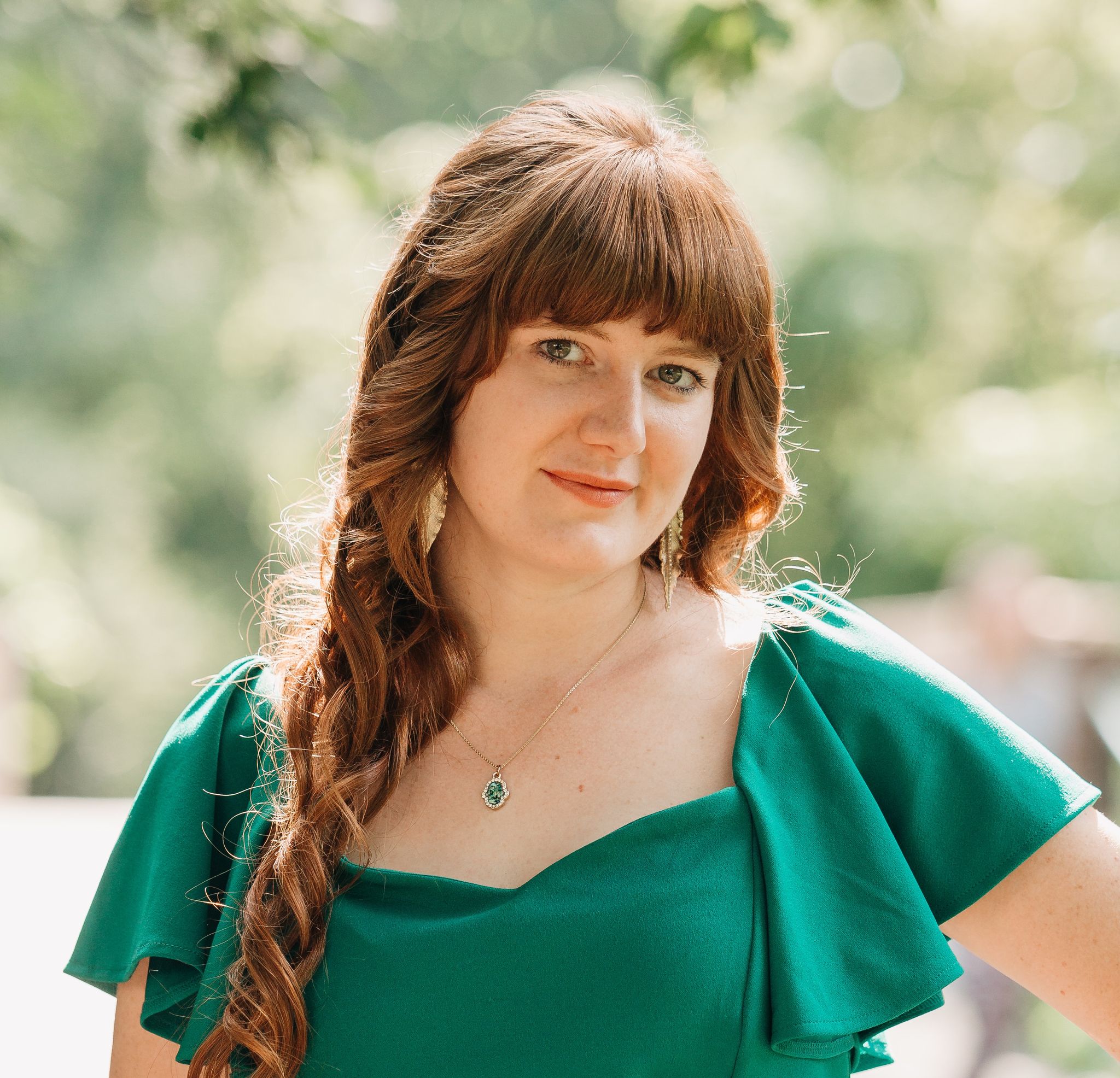
About the author
Caroline Beach is a Prague-based travel writer who prefers centering her trips around regional cultural events, rather than long-standing major points of interest. Regarding Italy, she is a repeat offender, having visited three times in 2025 alone.
Be the first to discover more
Get handpicked travel ideas, insider highlights, and special Daytrip offers.


