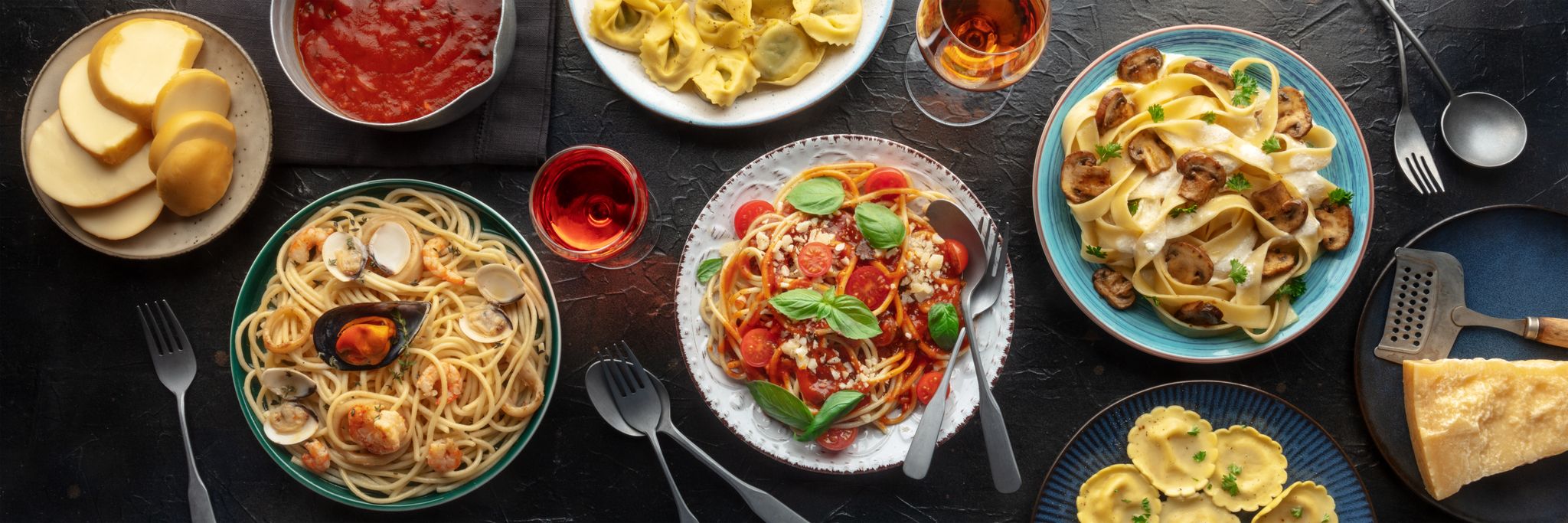
Italy's food guide
With over 20 distinct regions, Italian cuisine goes beyond just pasta and pizza. From white truffle risotto in Piedmont to Friselle in Puglia, it’s worth discovering the country’s hyper-local flavors. (Pro tip: In our regional guides to Italy, we cover the must-try dishes for every region.)
Regional cuisines are highly seasonal, stemming from their historic reliance on local gardens. Community food festivals (“Sagre”) celebrate the beauty of what’s growing.
Italian food is also deeply rooted in the culture. Meals are family- and community-focused, so much so that UNESCO recognizes the social aspect of Italian cooking as “Intangible Cultural Heritage of Humanity.” Cooking and sharing food are acts of care, so meals are unhurried gatherings.
Meal timing and etiquette are as much a part of the experience as the food served. Breakfasts are usually quick, and lunch or dinner is the main meal of the day (typically dinner on weekdays). Italians eat dinner late, and the meal stretches languidly into the night. Pre-dinner snacks and drinks lead into the main meal, split into several courses. After dessert, a digestif drink encourages you to linger at the table and enjoy each other’s company.
This guide covers how to structure a full day of eating for the most authentic experience from breakfast all the way through late-night drinks. We asked our Italian team members and drivers for their thoughts on Italy’s food culture and regional recommendations. Plan your trip with their insight to experience Italian food like a local.
Meal structure
Overview
Understand the elements of an Italian meal to make ordering a breeze.
Antipasto
“Before the meal,” closest to an appetizer, typically cured meats and cheeses or bruschetta.
Aperitivo
A pre-meal drink and light snack that bridges the gap between the workday and dinner time.
Primo
The first main course, hot and starchy. Think pasta or soup.
Secondo
The second course, containing proteins like fish or poultry.
Contorno
A side dish of vegetables, served with secondo.
Dolce
Dessert, including classics like tiramisu and gelato, or sometimes a plate of fruit.
Caffè and Digestivo
An after-dinner espresso and a light digestive liquor such as limoncello.
From a local
“Hard to “convert” the concept of primo and secondo. The literal translation would be “first” and “second,” and it is indeed the order we use for our meals. Instead of having a main course, we divide the first part (usually starch-based: pasta, riso, risotto, gnocchi, minestrone) and the second part (usually proteins: meat, fish, cheese, with the veg side too). It is not always mandatory to have both, but at the same time it is absolutely forbidden to mix them in the same plate!”
– Linda, Daytrip team, from Piacenza in Emilia-Romagna
Colazione: breakfast
Breakfast in Italy is usually light and sweet. This is the time for a cappuccino and a pastry. Many people eat in a neighborhood bar rather than making a hearty meal at home. Colazione is usually available from 7:00 to 11:00.
Breakfast in Italy is usually light and sweet. This is the time for a cappuccino and a pastry. Many people eat in a neighborhood bar rather than making a hearty meal at home. Colazione is usually available from 7:00 to 11:00.
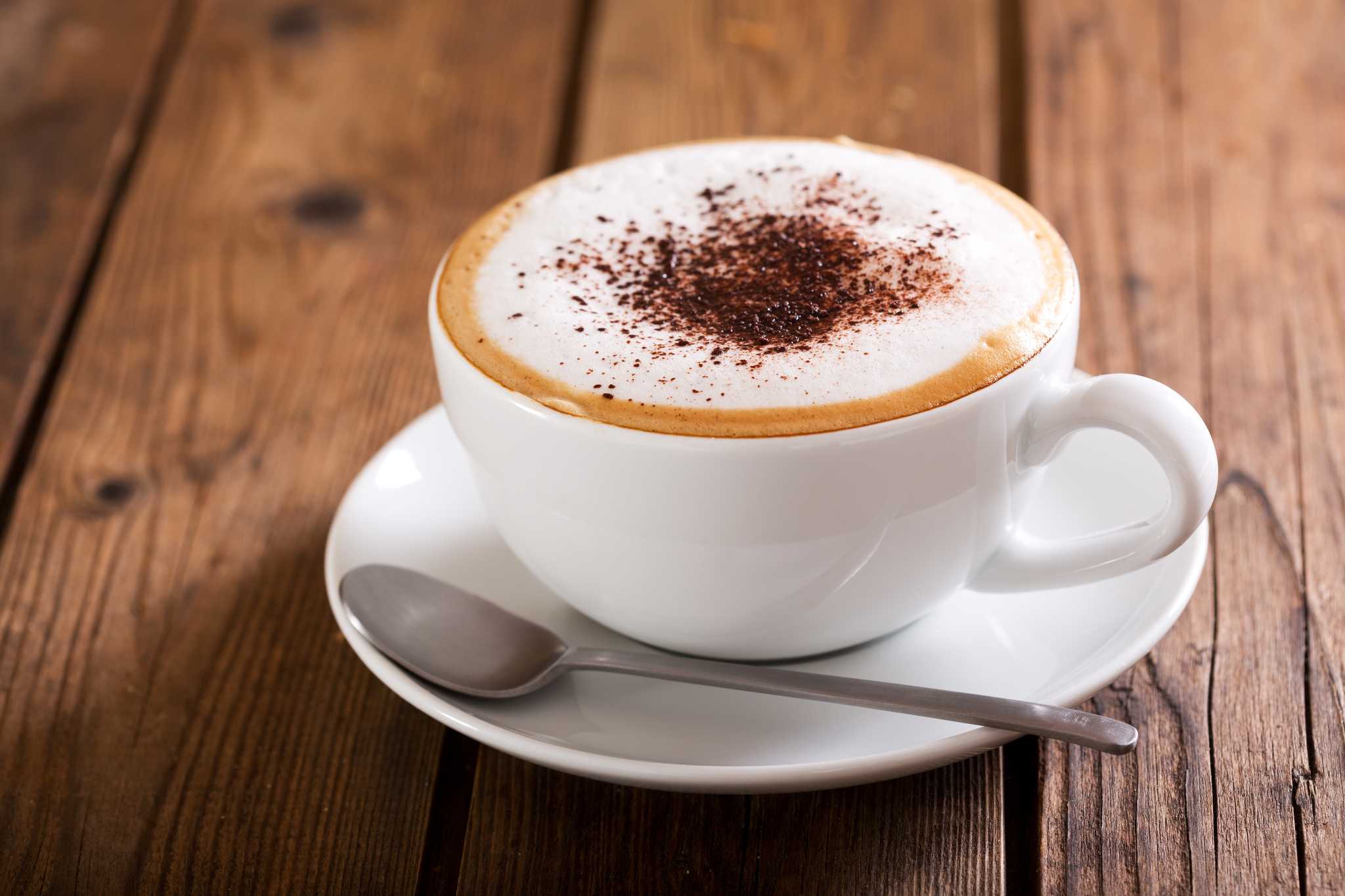
Cappuccino
A shot of espresso topped with steamed, frothed milk. Locals only drink milky coffee in the morning and switch to espresso later.
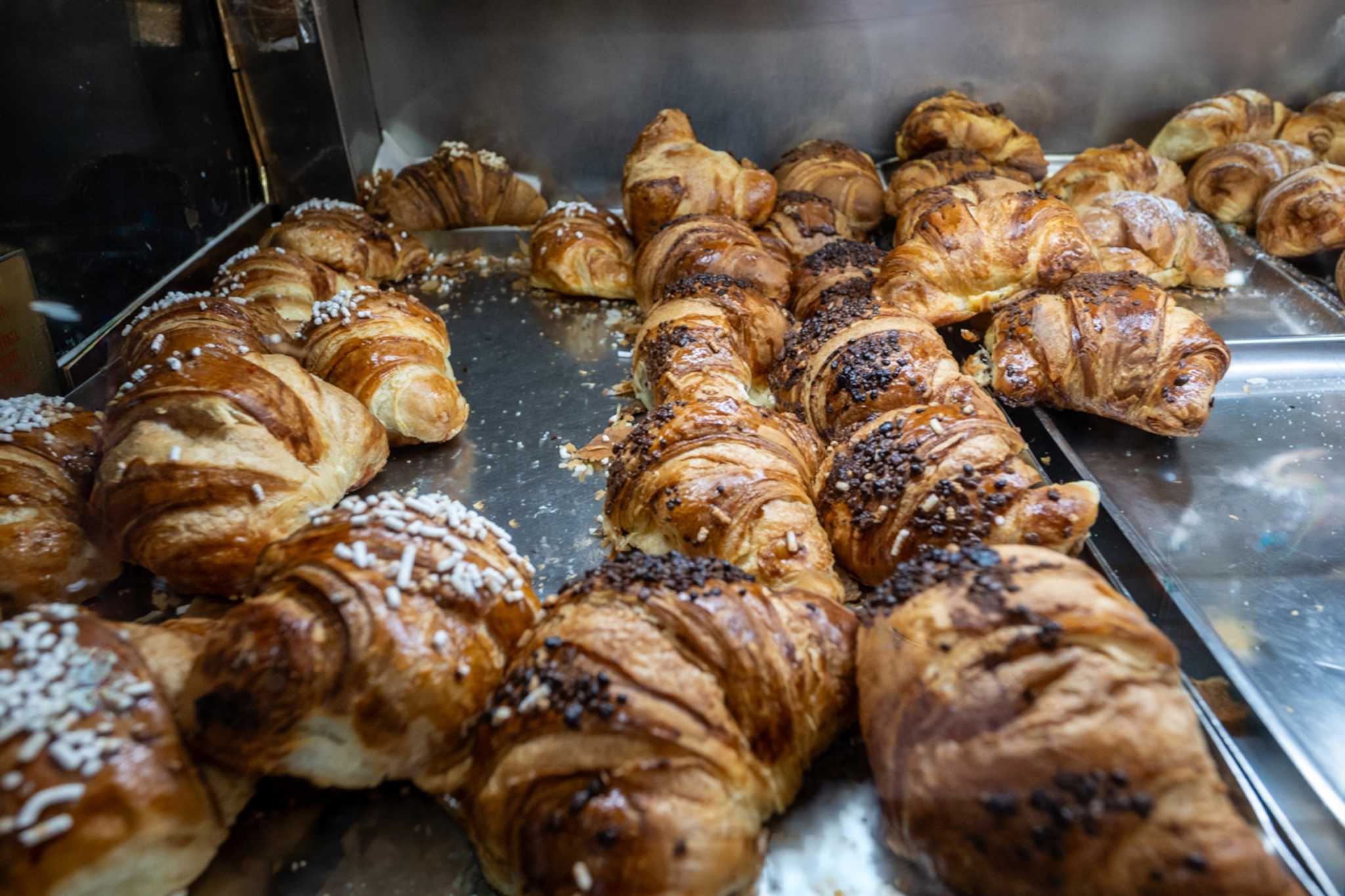
Cornetto
An Italian croissant. Flaky and sweet, usually filled with sweet cream or jam. Great with coffee.
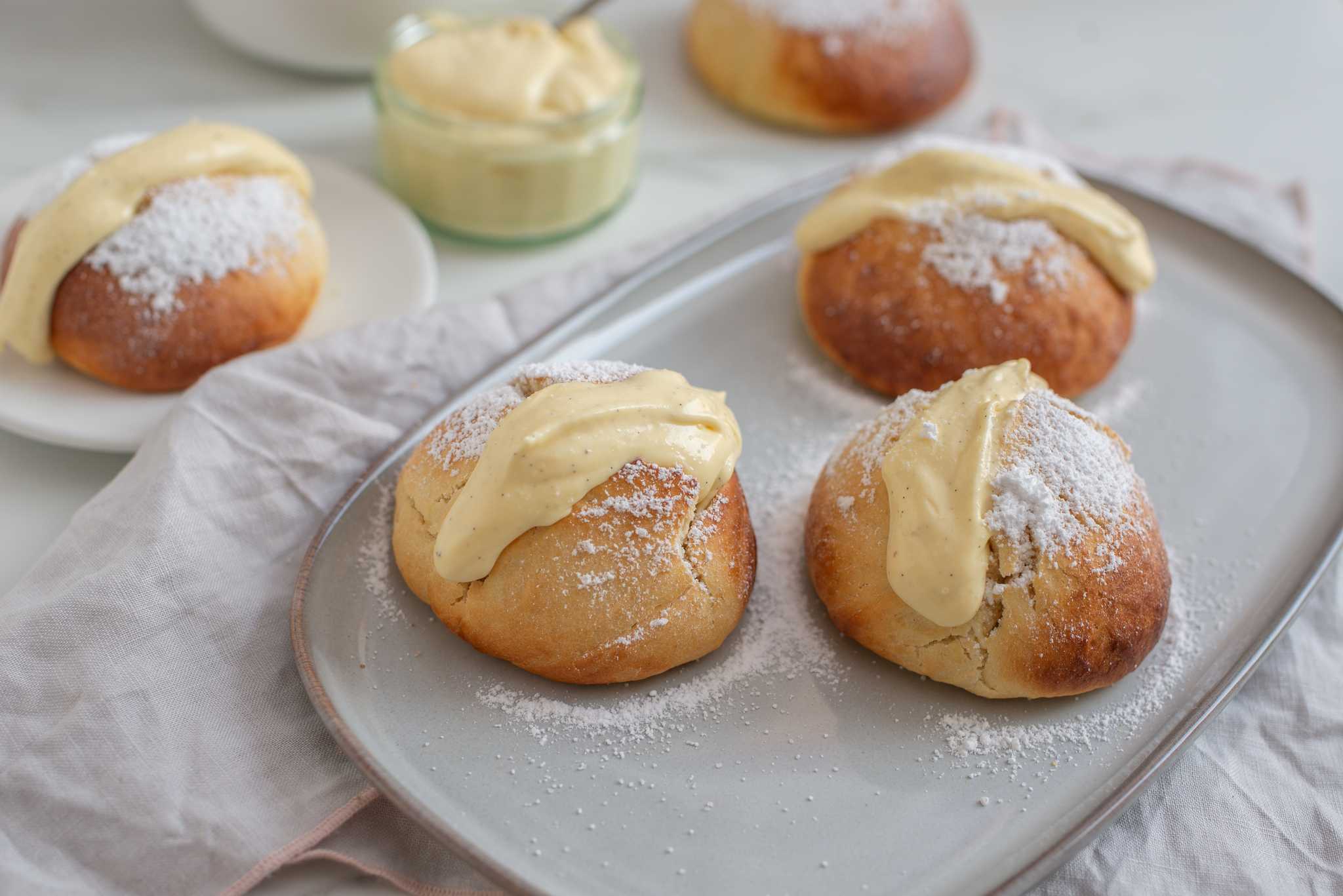
Maritozzo
A soft, sweet brioche bun filled with whipped cream. A decadent option typically found in Rome.
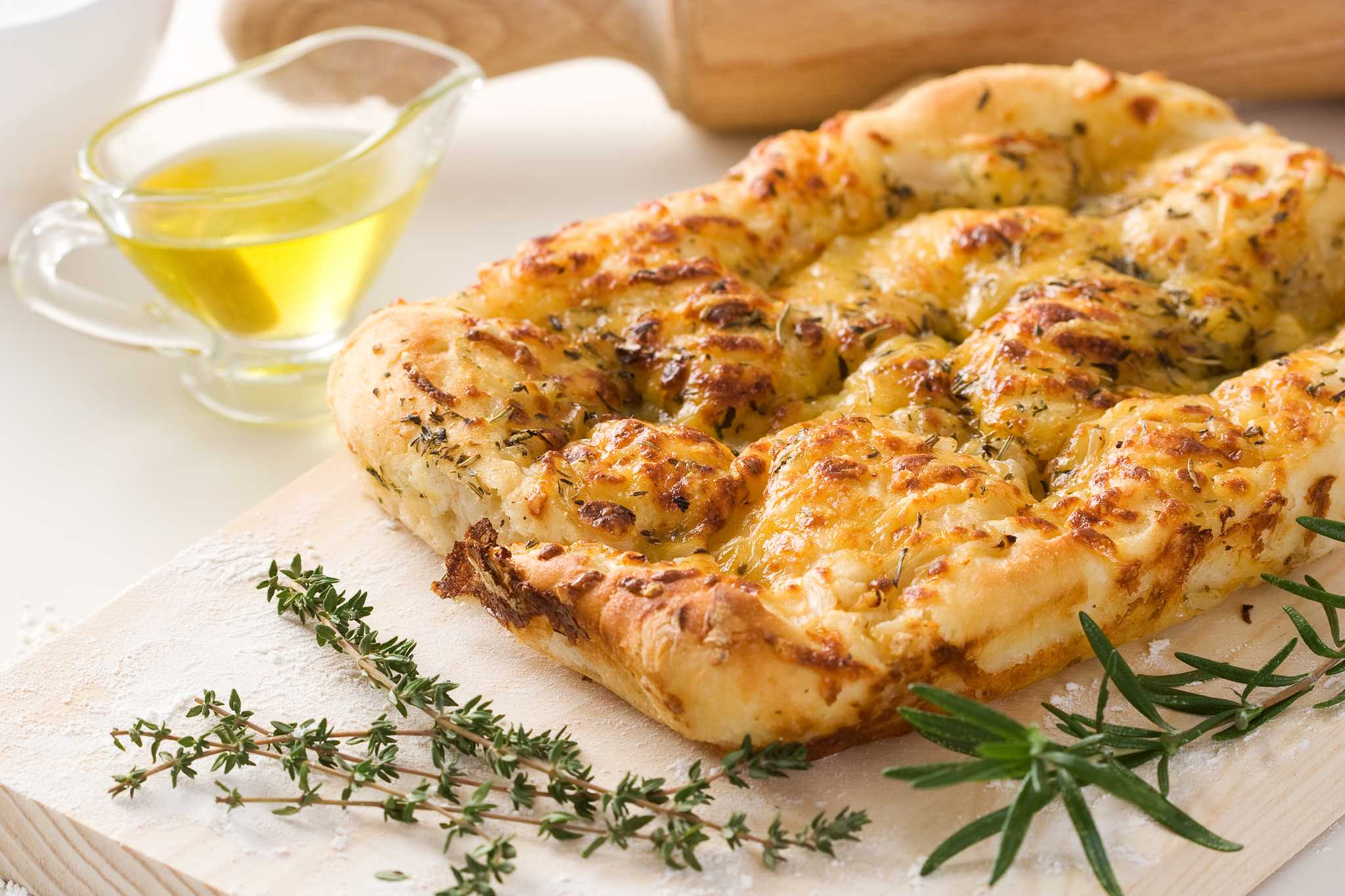
Focaccia con cappuccino
Locals in Liguria dip warm focaccia into their cappuccino, a salty-and-sweet combination popular in Genoa.
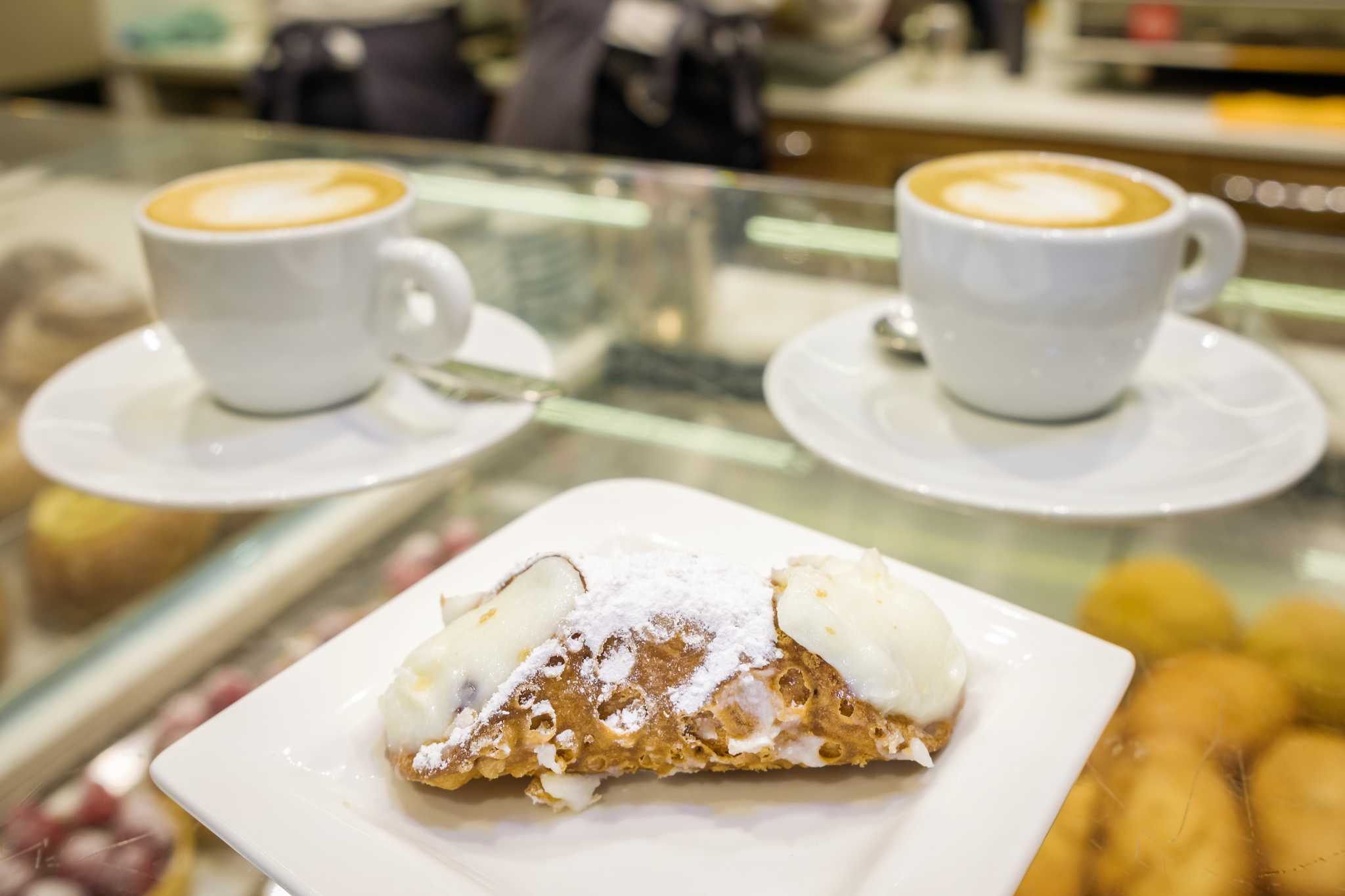
Caffè al banco in Naples
Quickly drink a simple espresso while standing at a local bar’s counter. Prices stay low when you avoid table service.
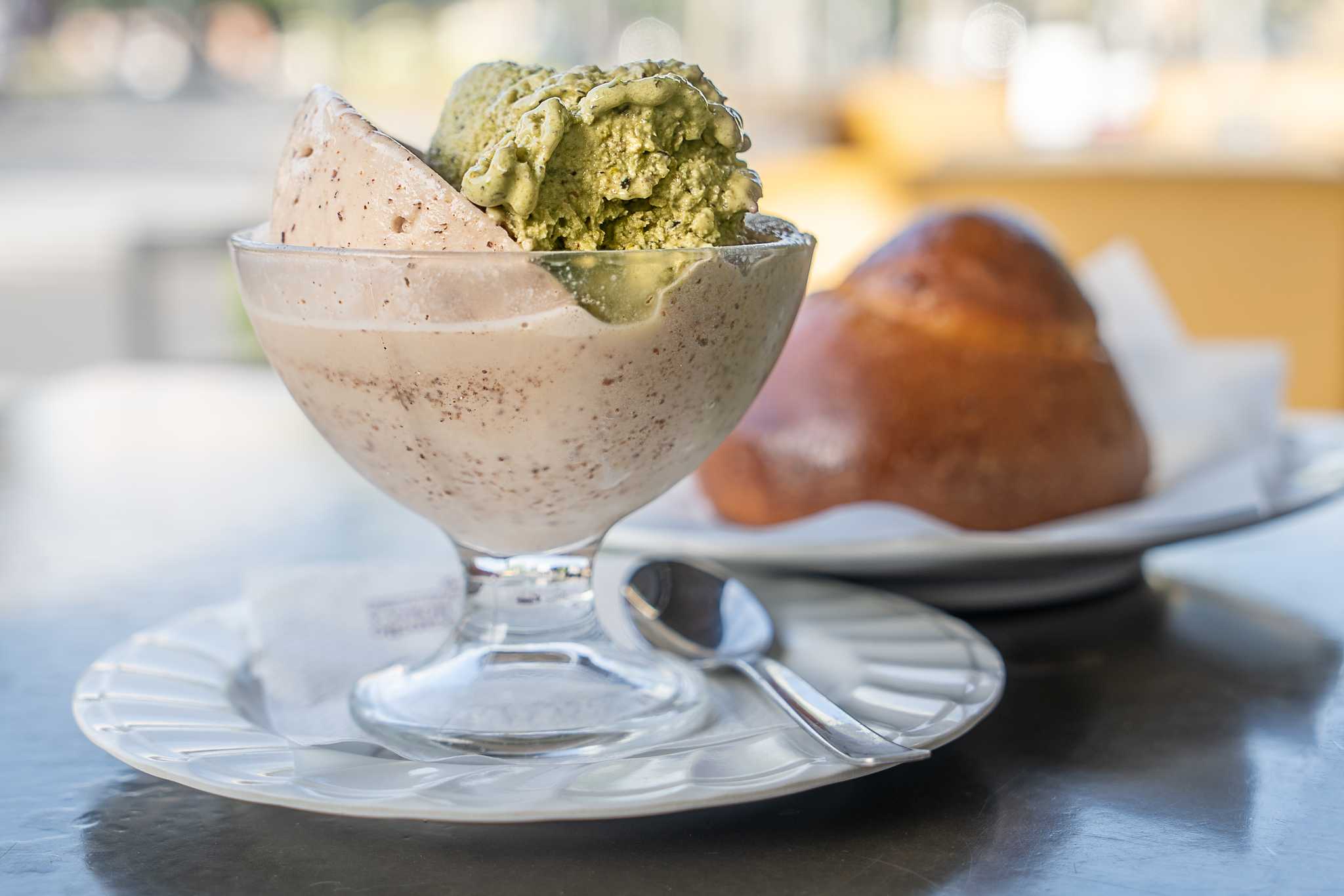
Granita e Brioche
During summer in Sicily, locals use a sweet brioche bun to scoop up shaved frozen lemon or almond granita and whipped cream.
Ingredient spotlight: coffee
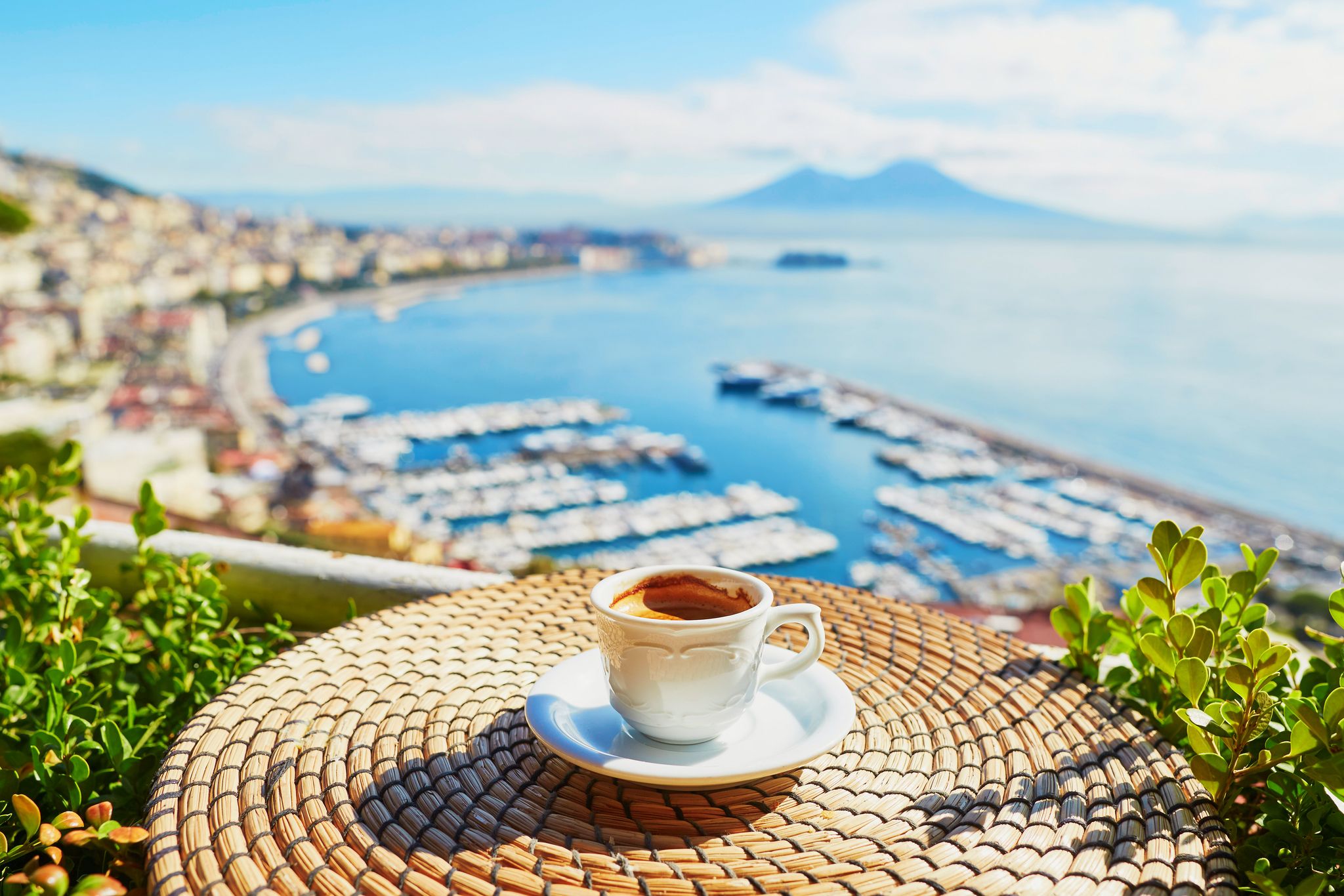
Italian coffee centers around the humble espresso shot. Order caffè for a single shot, great for drinking quickly. Order macchiato for a single dollop of frothed milk, or cappuccino for equal parts foam, milk, and espresso. A caffè latte has the most steamed milk.
From a local
"Everything that contains milk should be consumed before noon. In a bar they’ll be able to serve you a cappuccino no matter the time; they might silently judge you for it, but they’ll serve it to you. Any restaurant that is able to serve you a cappuccino after noon is very likely a tourist trap. Non-breakfast places just aren’t likely to have a milk frothing machine."
– Marco, Daytrip team, Naples native
Spuntino: snacks and small bites
Spuntini are small snacks eaten between meals to hold you over. They can happen any time of day but are more common mid-morning or in the afternoon between lunch and dinner (when it’s called merenda). Snacks might include fruit, small sandwiches, focaccia, or cured meats and cheeses.
Spuntini are small snacks eaten between meals to hold you over. They can happen any time of day but are more common mid-morning or in the afternoon between lunch and dinner (when it’s called merenda). Snacks might include fruit, small sandwiches, focaccia, or cured meats and chees...
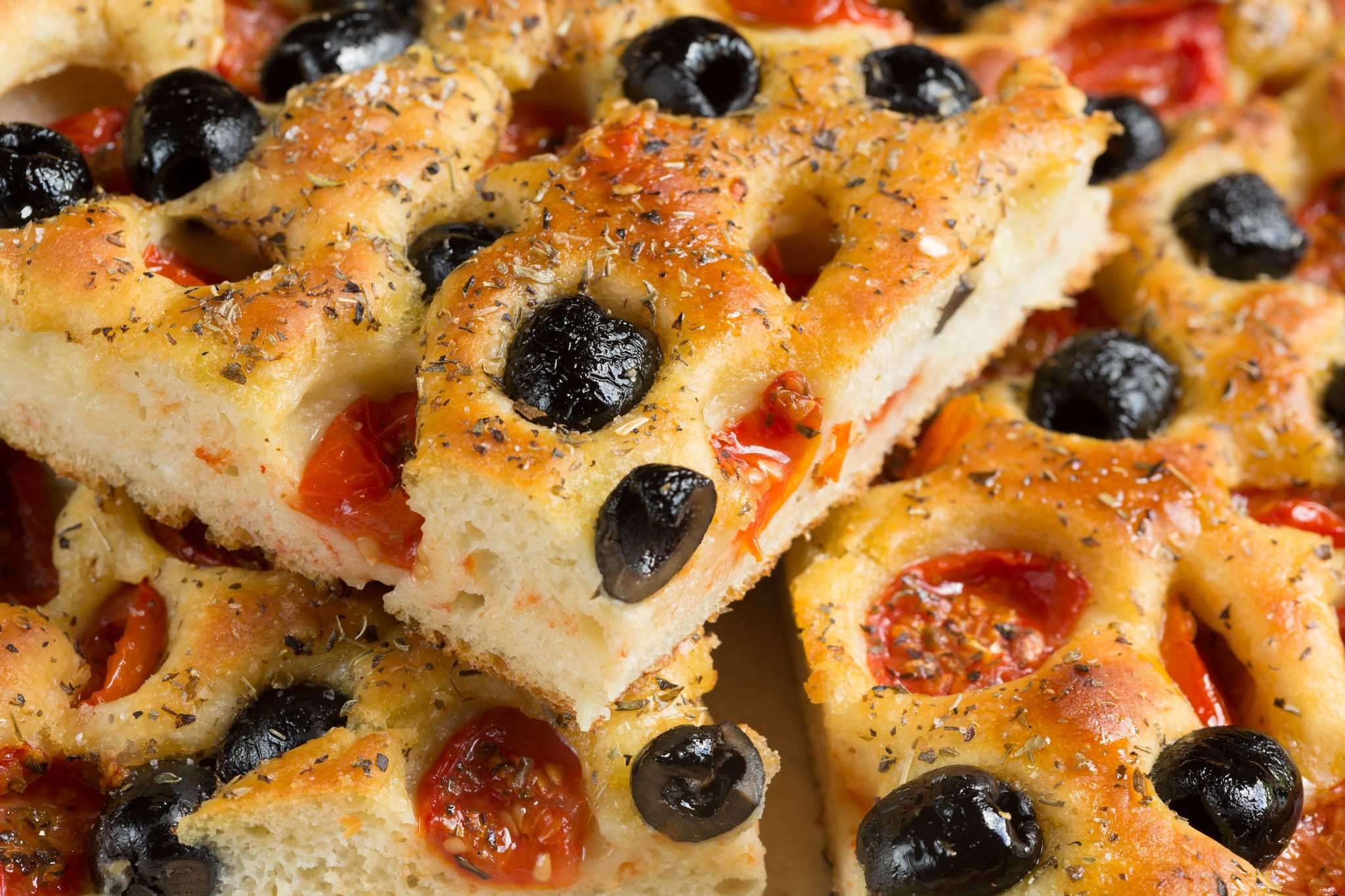
Focaccia
Classic, dimpled flatbread flavored with rich olive oil, herbs, and salt. Most popular in Liguria.
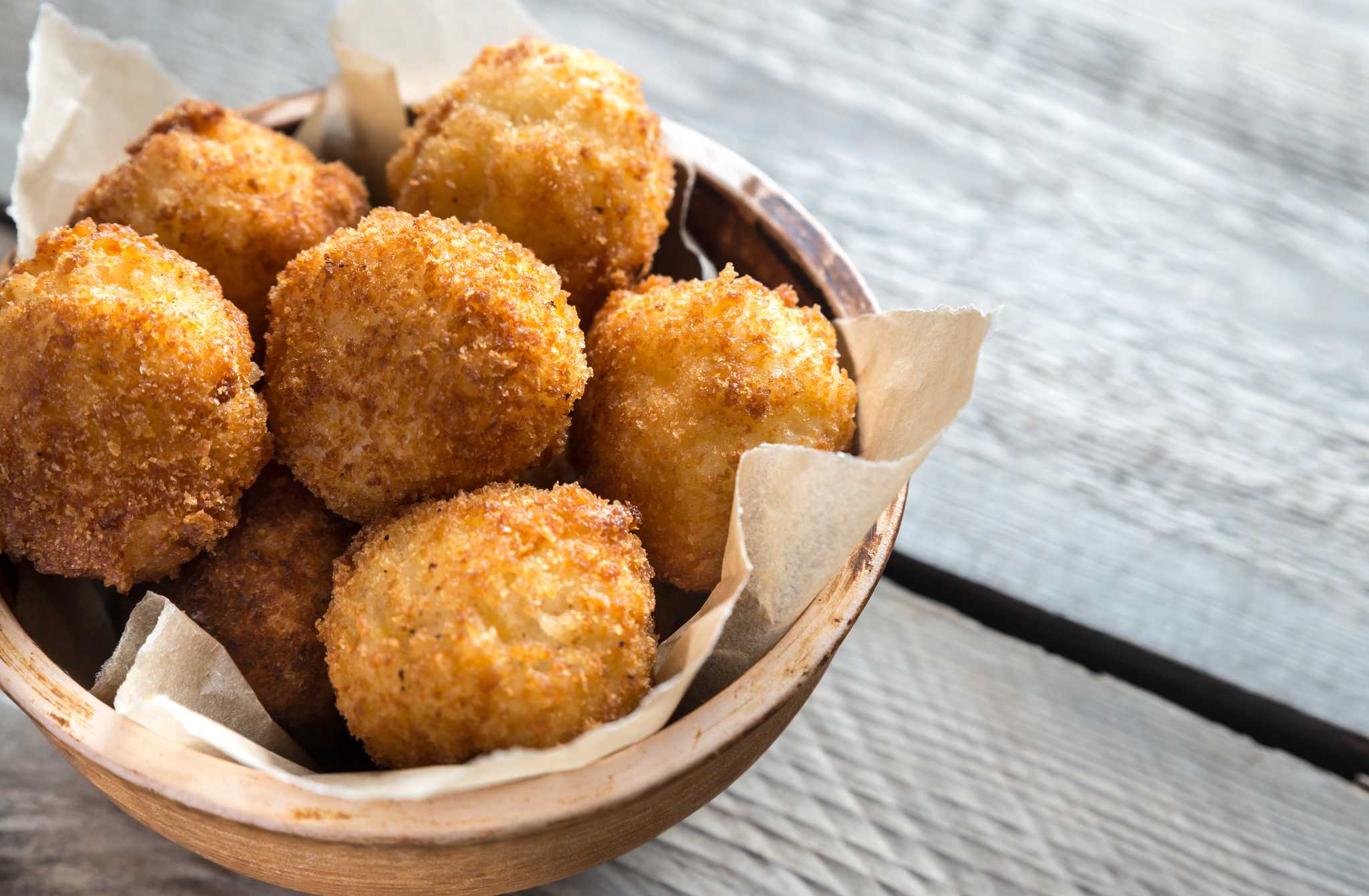
Arancini
Fried risotto balls, often stuffed with peas or cheese. Great as an appetizer or afternoon snack in Sicily.
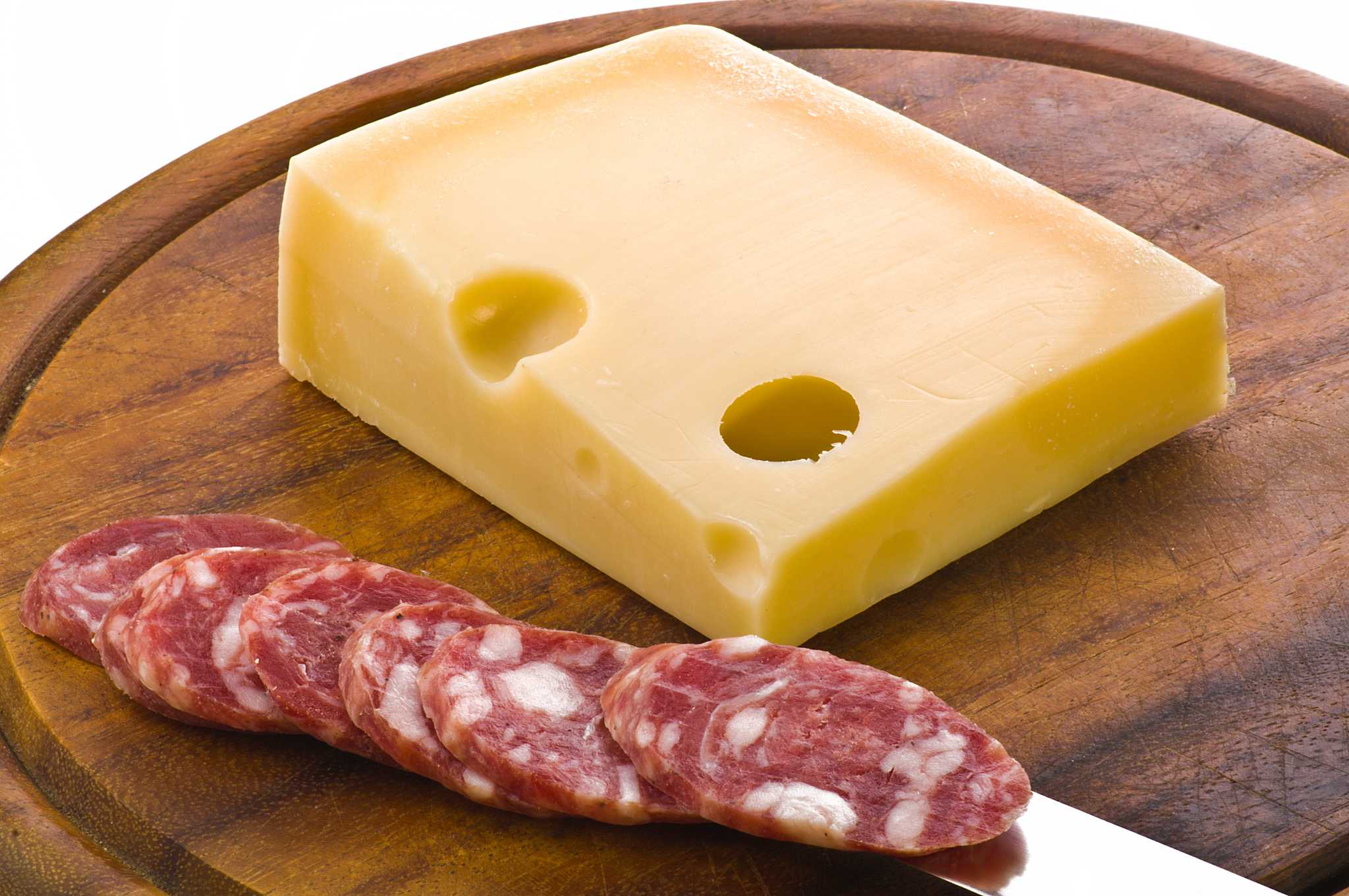
Spianata Calabrese
Spicy dried salami cut flat and served with focaccia or alongside cheeses. Typical in Calabria.
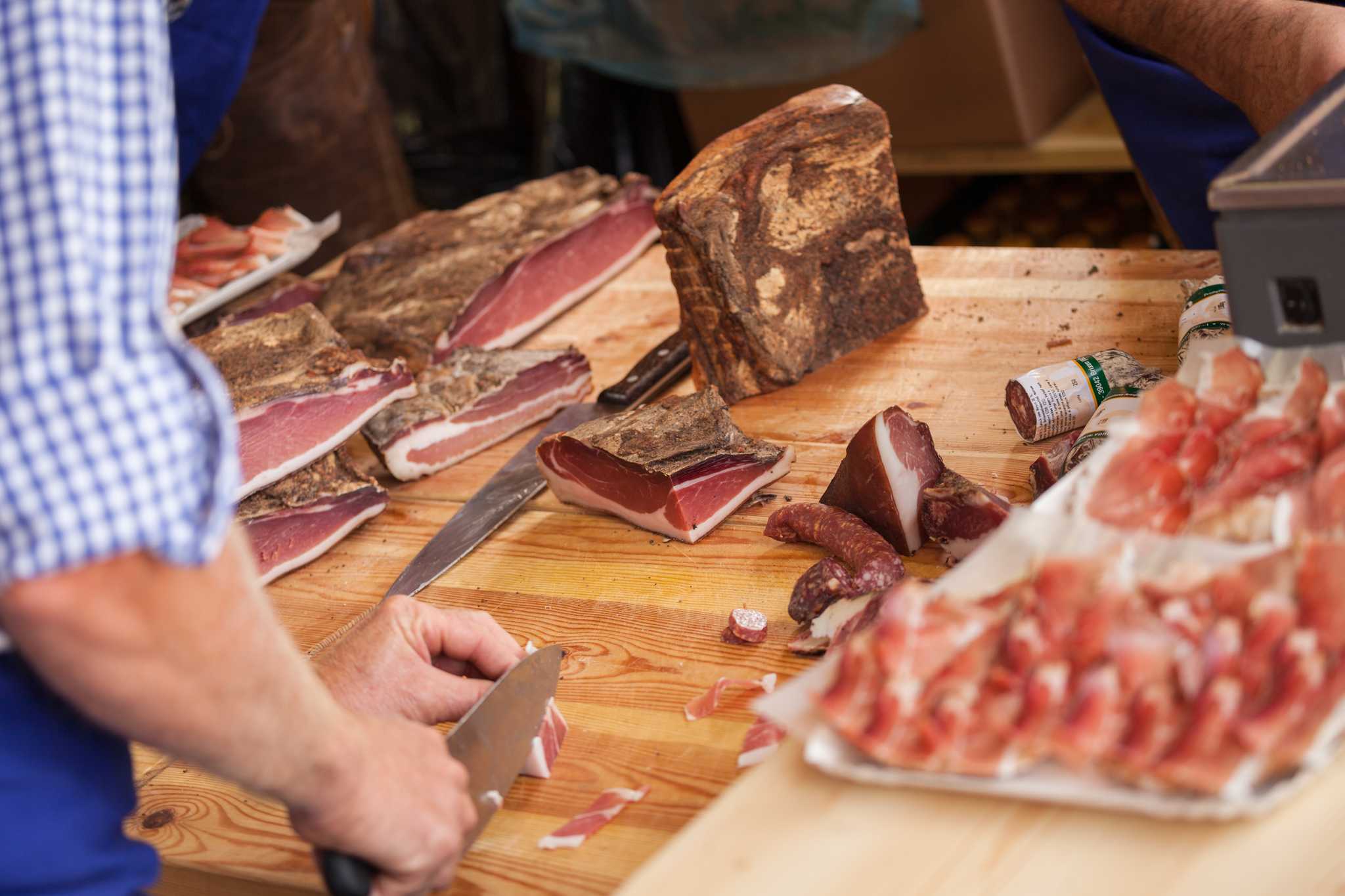
Speck
A smoked prosciutto, usually paired with crusty rye bread in places like Trentino.
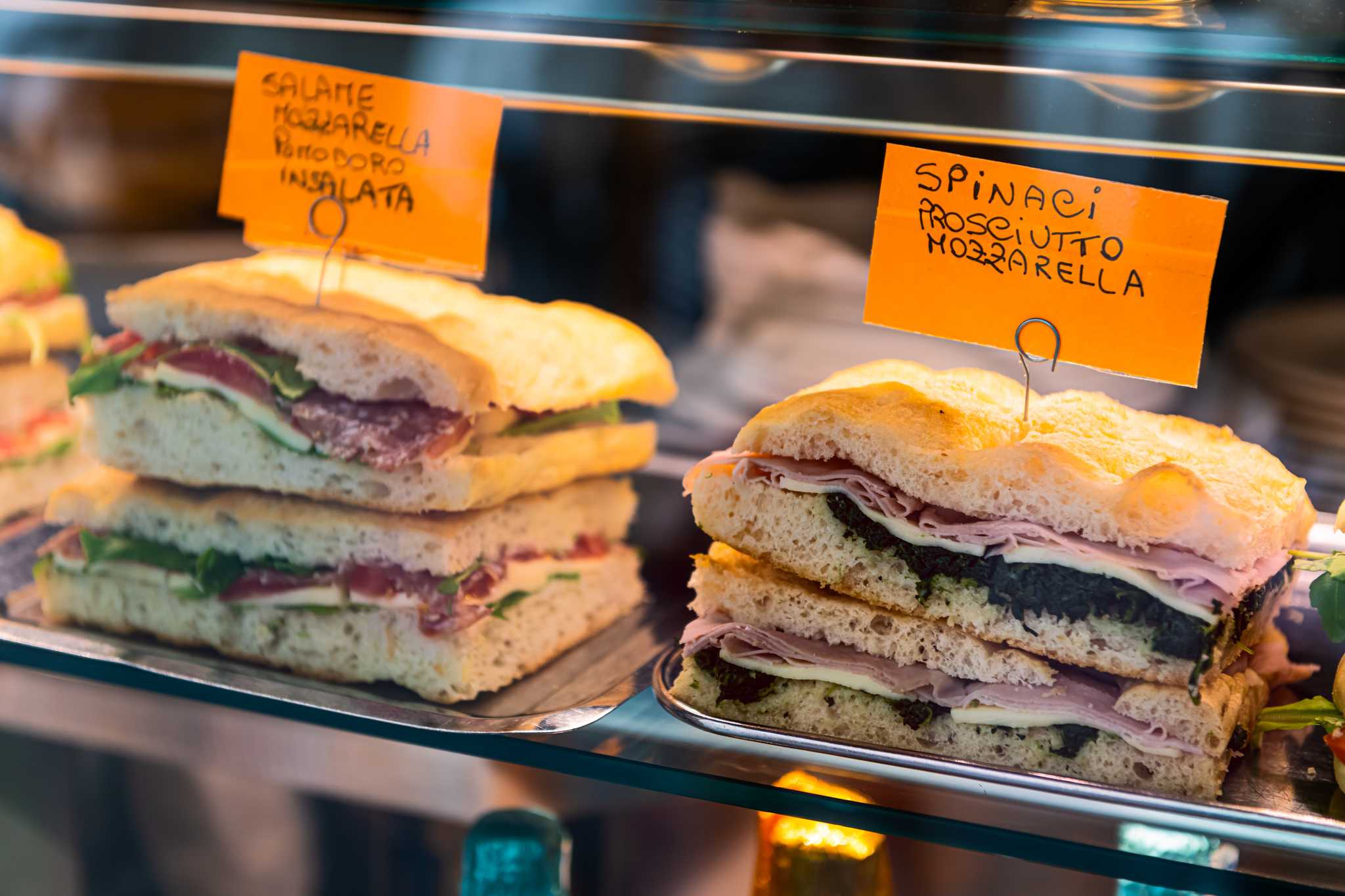
Rebechin
Hyper-local to Trieste, a small ham sandwich usually eaten quickly in a bar.
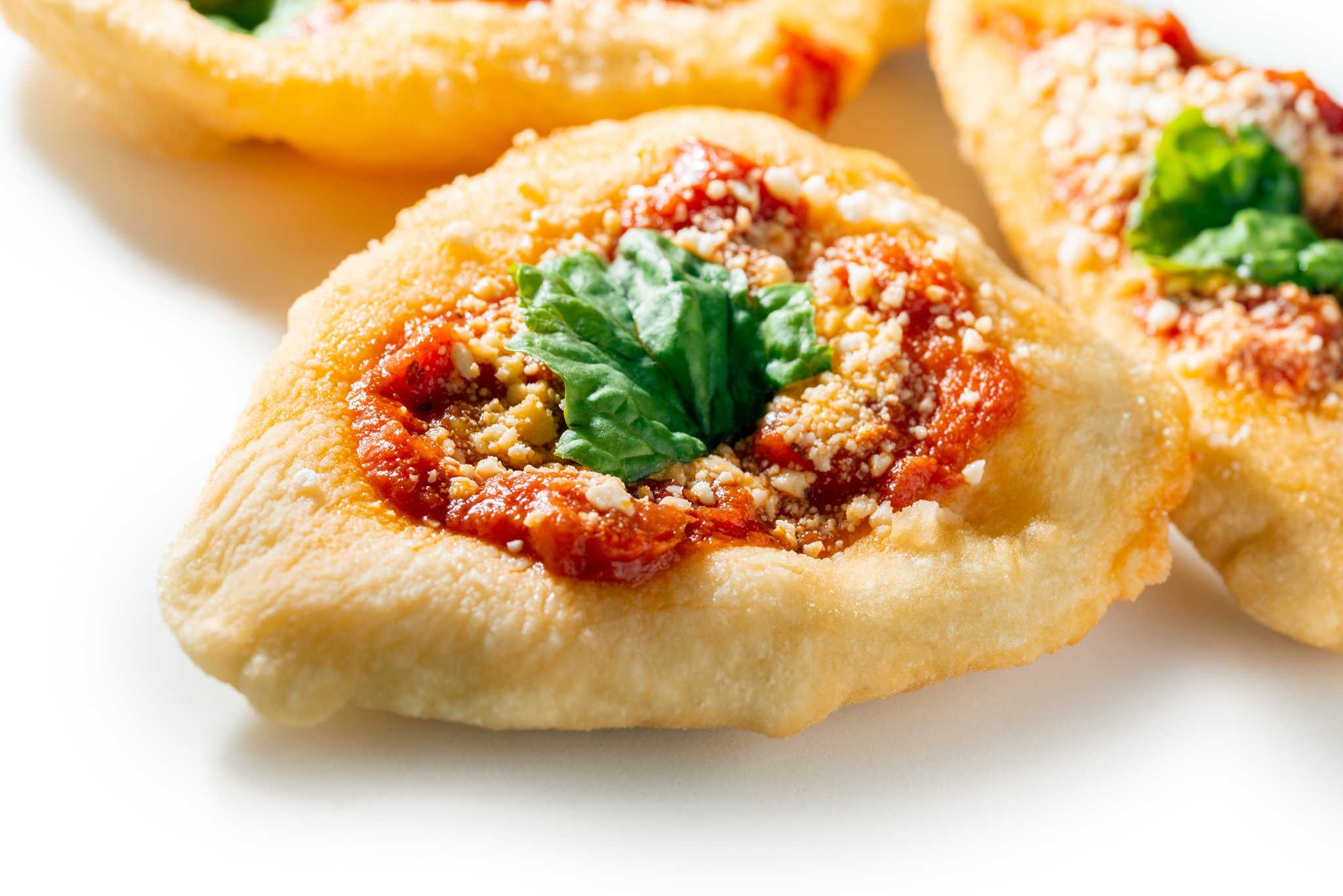
Pizza fritta
Small fried dough pockets stuffed with cheese and pork cracklings. Find them in Naples.
Pranzo: lunch
Lunch in Italy is from 12:30-14:30. Many small businesses close for an afternoon meal, followed by a break, or “riposo.” Weekday lunches are often quicker, but on weekends the pranzo is leisurely and becomes the main meal of the day.
Lunch in Italy is from 12:30-14:30. Many small businesses close for an afternoon meal, followed by a break, or “riposo.” Weekday lunches are often quicker, but on weekends the pranzo is leisurely and becomes the main meal of the day.
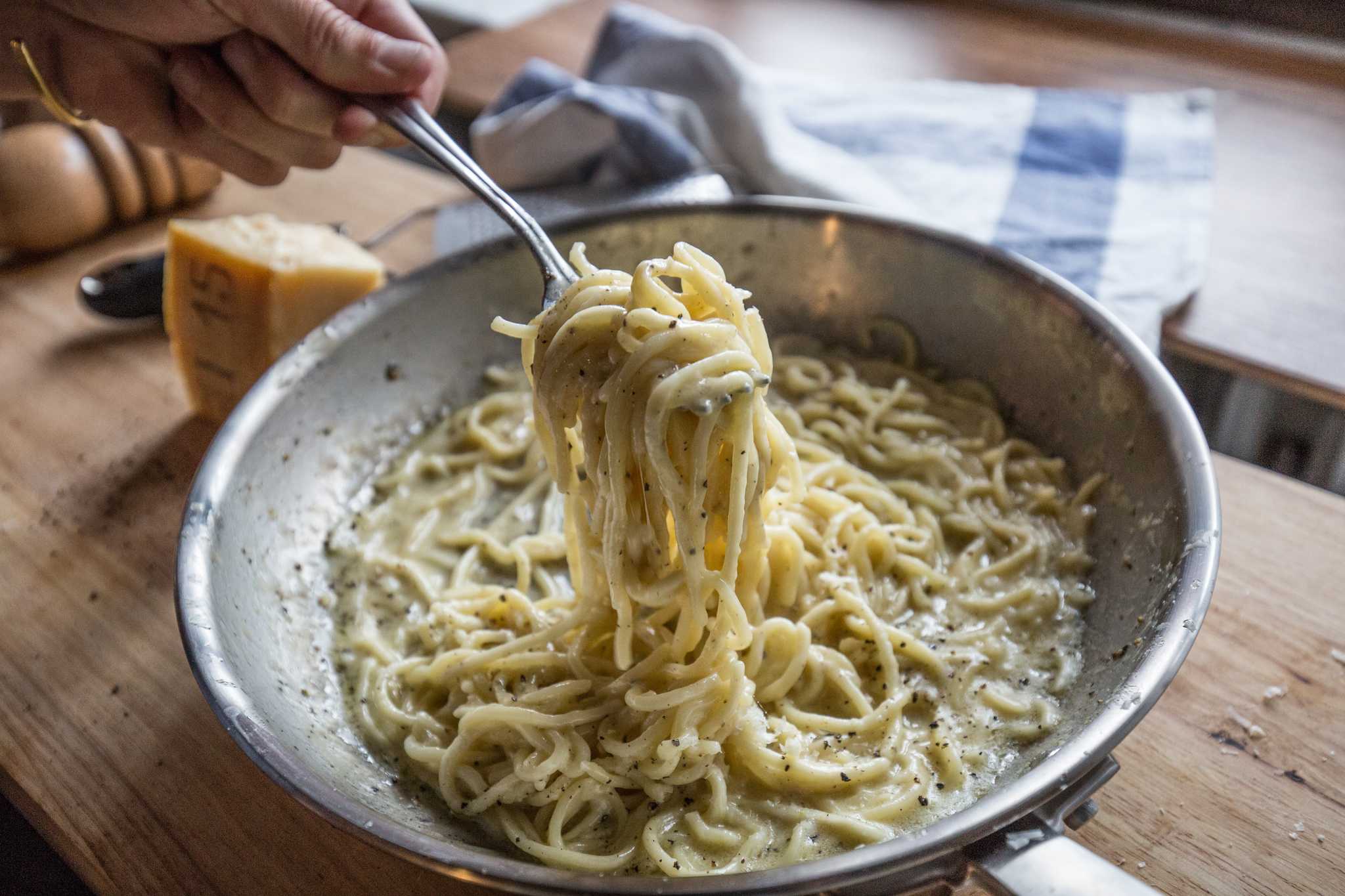
Cacio e pepe
Simple peppery pasta made with a generous serving of pecorino romano. Typical in Rome and wider Campania.
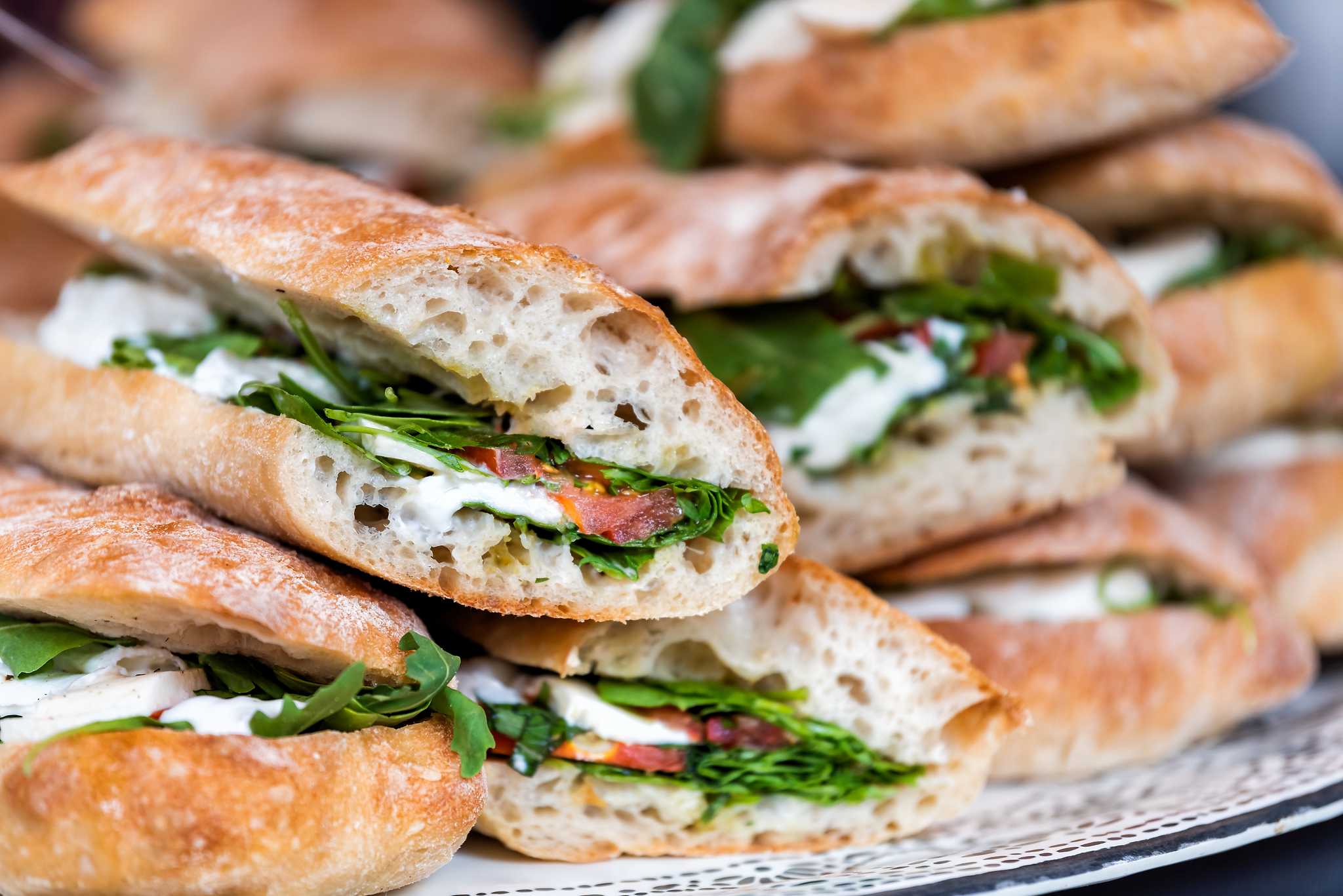
Panini
Hot-pressed sandwiches filled with cured meats and cheeses. Common throughout Italy. Great for on the go.
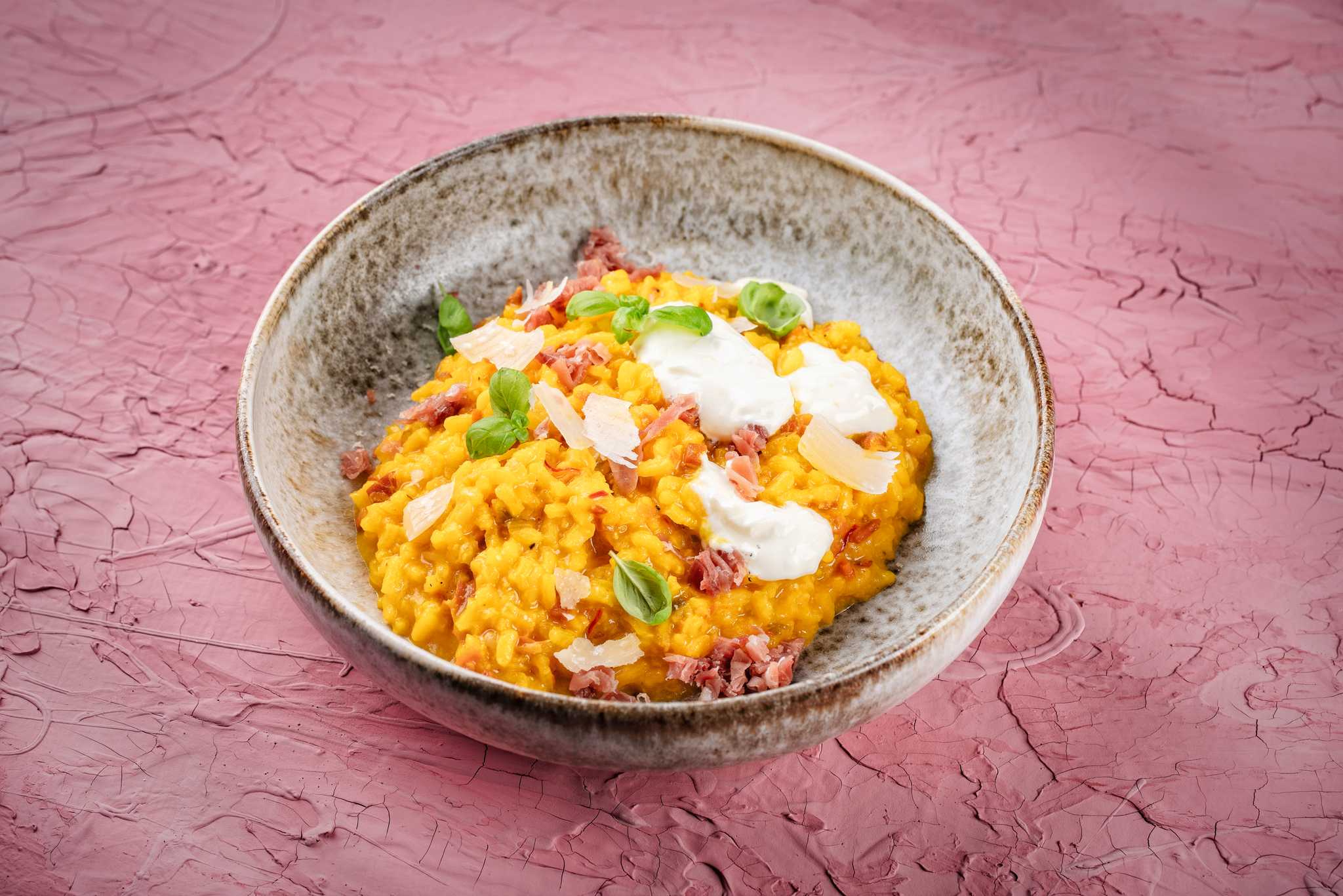
Risotto alla Milanese
Creamy golden saffron risotto with butter and parmesan. Traditional in Milan and northern Italy.
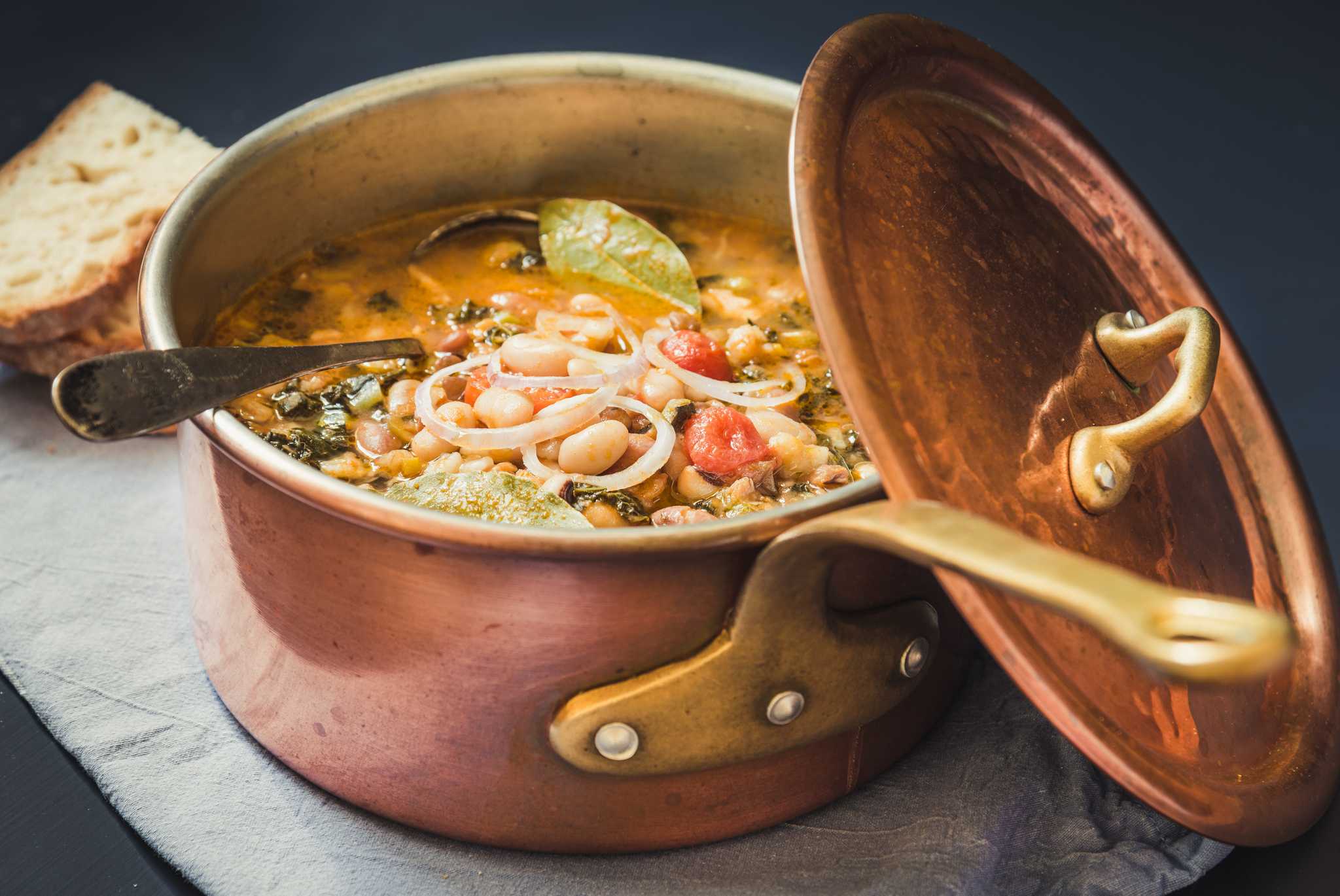
Ribollita
A vegetable soup with chunks of bread and cannellini beans, hearty and nourishing. Found in Tuscany.
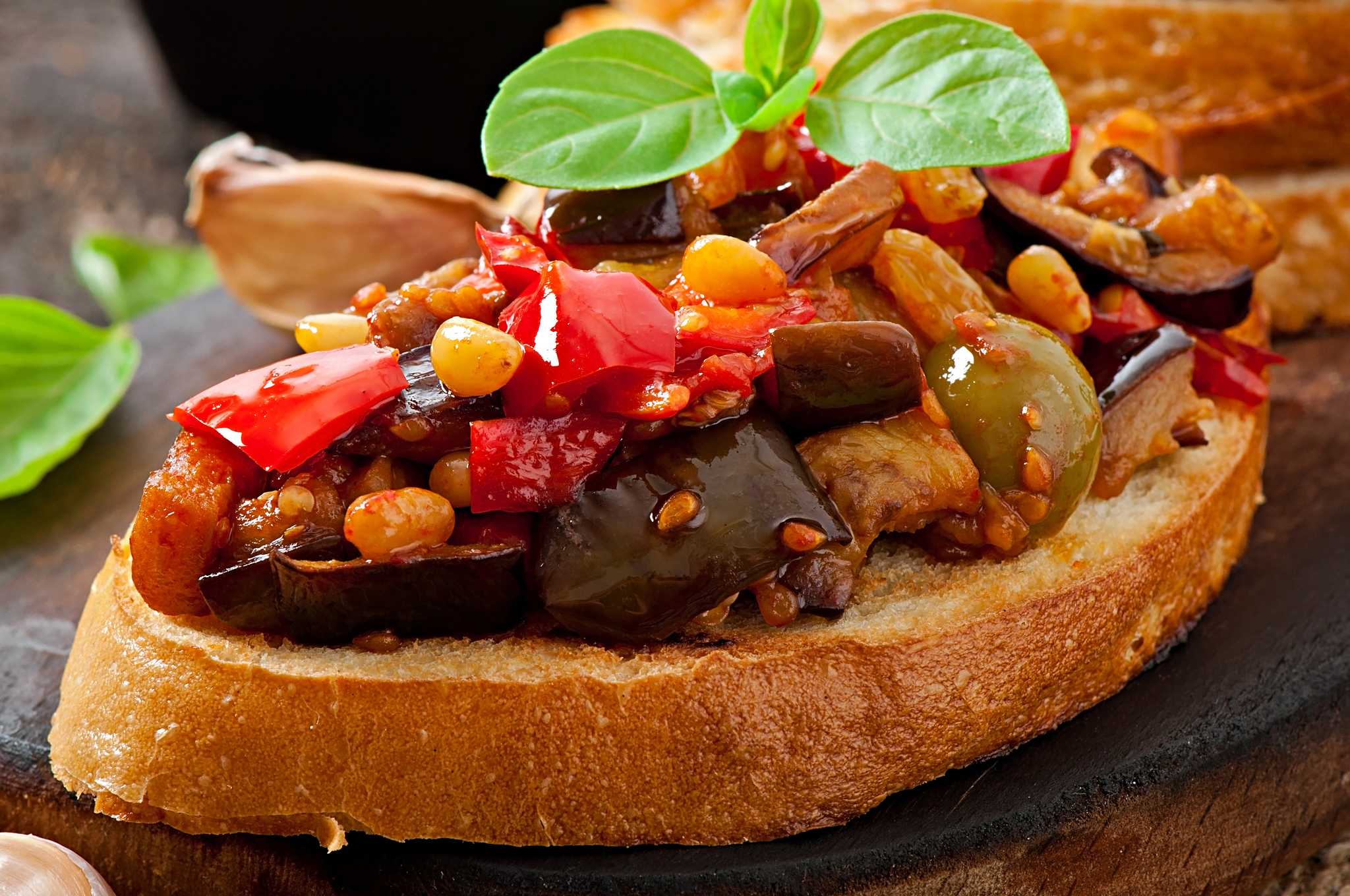
Caponata
A cooked vegetable salad served on crusty bread, with a sweet-and-sour profile. Typical in Sicily.
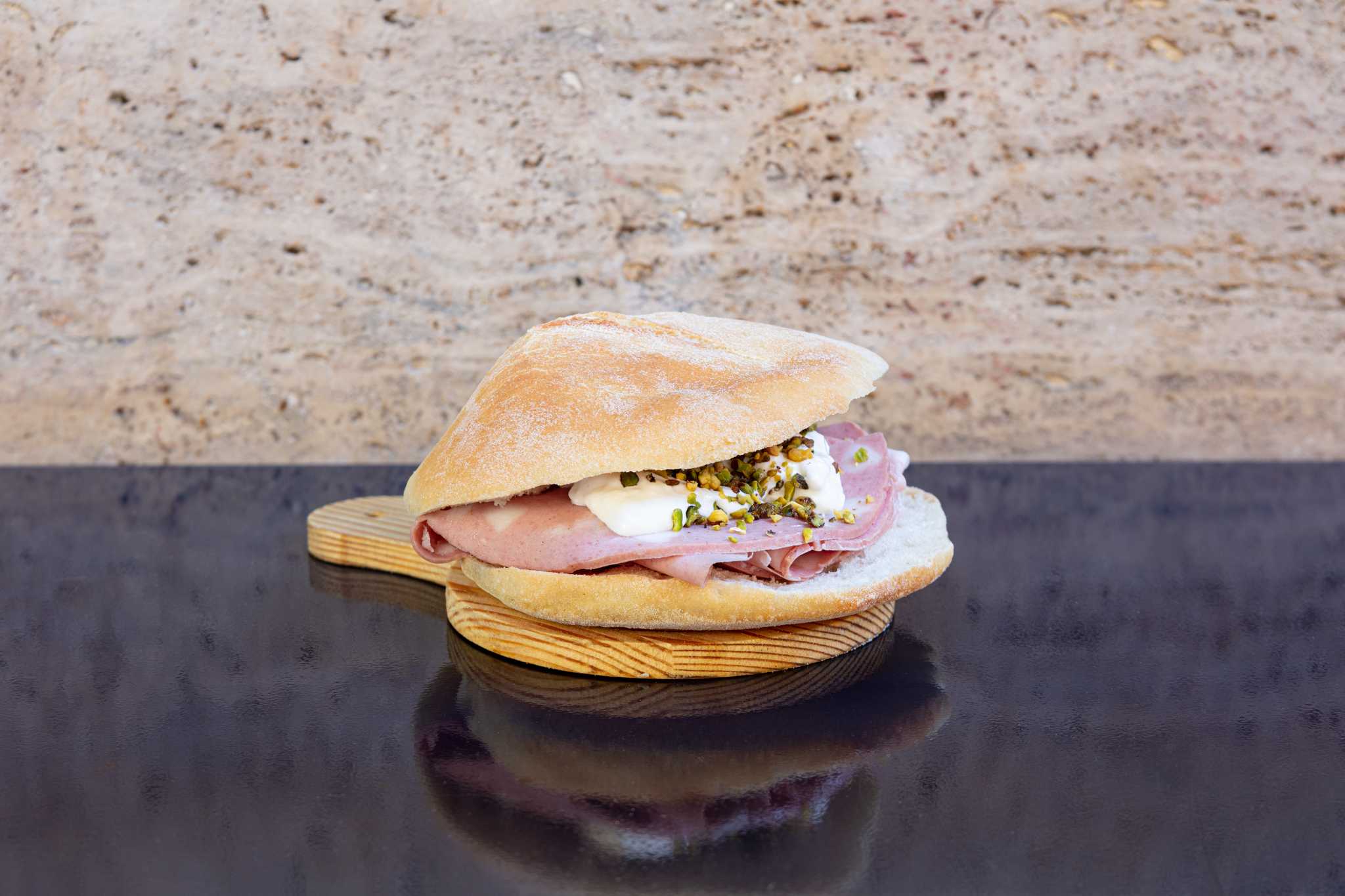
Puccia
Puglia’s traditional sandwich. Crustless bread filled with local meats, cheeses, and sliced vegetables.
Ingredient spotlight: Pasta
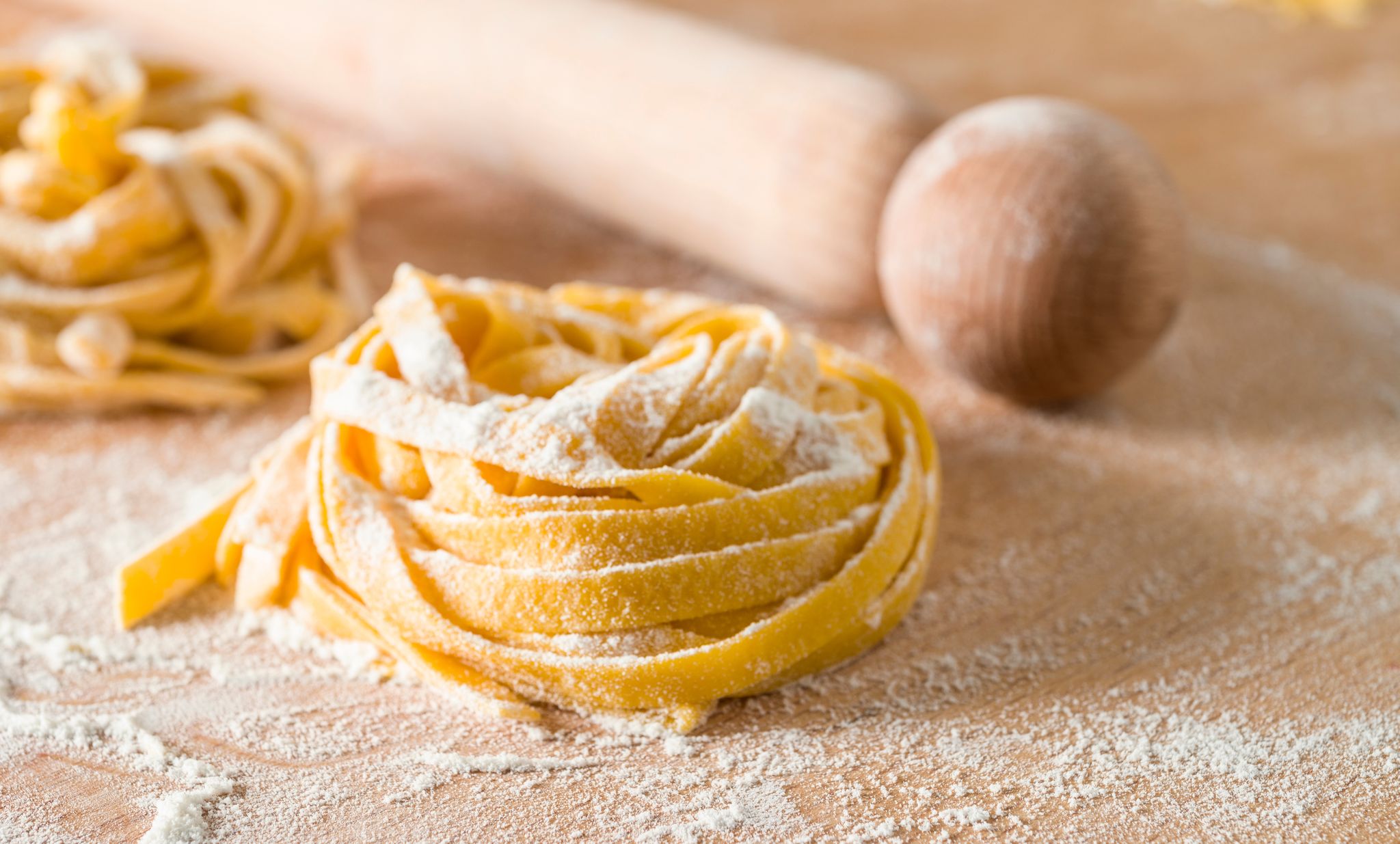
Every variety of pasta has a purpose in Italian cooking. Long, thin noodles are best for thin tomato or oil-based sauces. Flatter noodles offer a wide base for heavier meat sauces like Ragu. Tubular pastas such as penne or rigatoni trap chunks of meat and vegetables inside, and hold up to baking. Orecchiette serves as a tiny bowl for scooping chunky pesto or seasonal peas. Fresh pasta quickly absorbs sauces and works best in light, delicate dishes. Dried pasta releases more starch and helps to emulsify cheesy sauces.
Aperitivo: pre-dinner drinks and small bites
Aperitivo drinks and small bites are typically available from 17:00 to 20:00. This is an unhurried transition from the workday to the evening. Cocktails are typically bittersweet, wines are dry, and non-alcoholic sodas are common. Snacks usually revolve around nuts, olives, and charcuterie plates.
Aperitivo drinks and small bites are typically available from 17:00 to 20:00. This is an unhurried transition from the workday to the evening. Cocktails are typically bittersweet, wines are dry, and non-alcoholic sodas are common. Snacks usually revolve around nuts, olives, and charcu...

Aperol Spritz
Classic spritz made with three parts prosecco, two parts Aperol, and one part sparkling water. Born in Veneto.
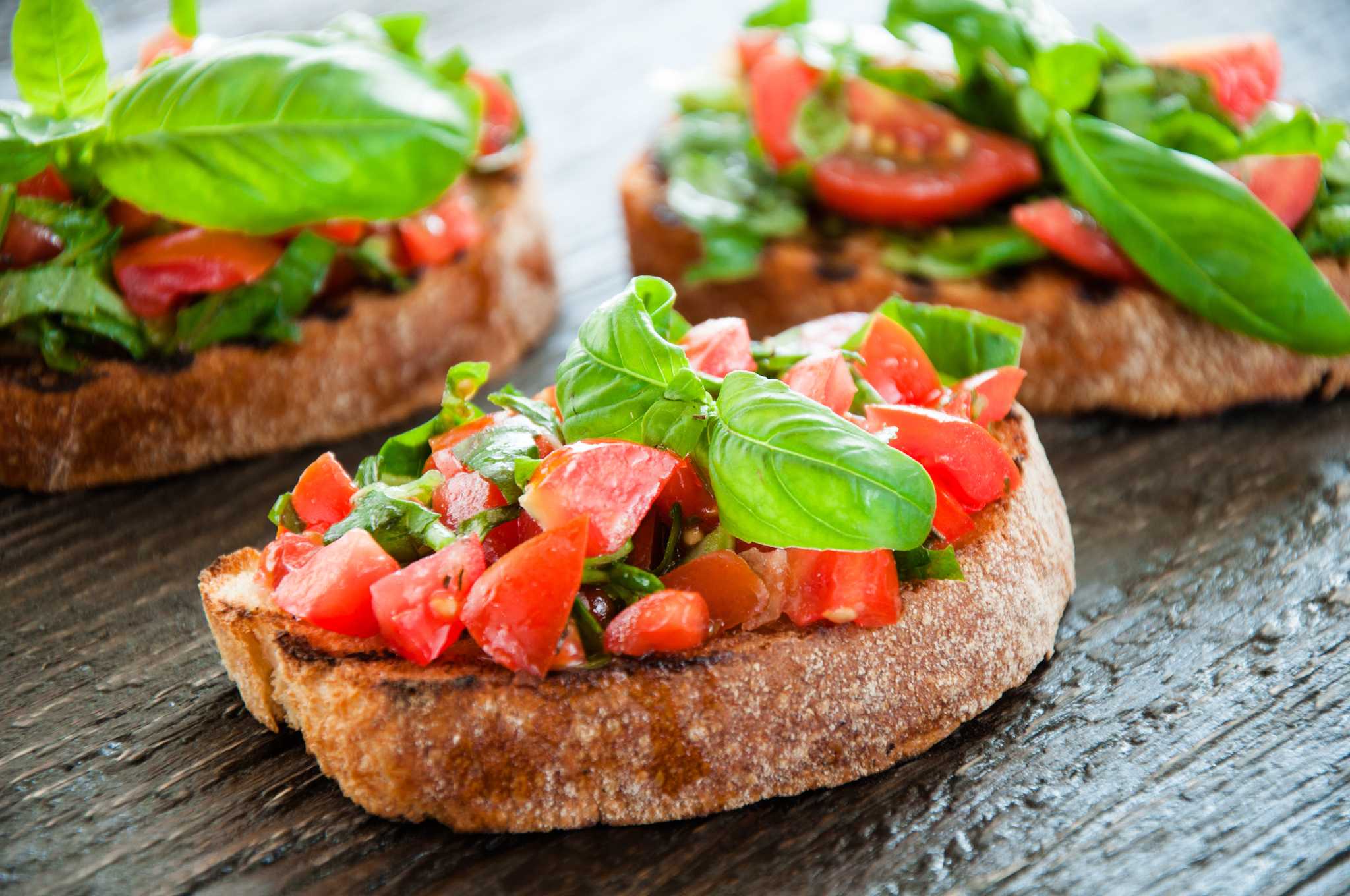
Bruschetta
Crusty bread with fresh chopped tomatoes, basil, garlic, and rich olive oil. Common around Rome.
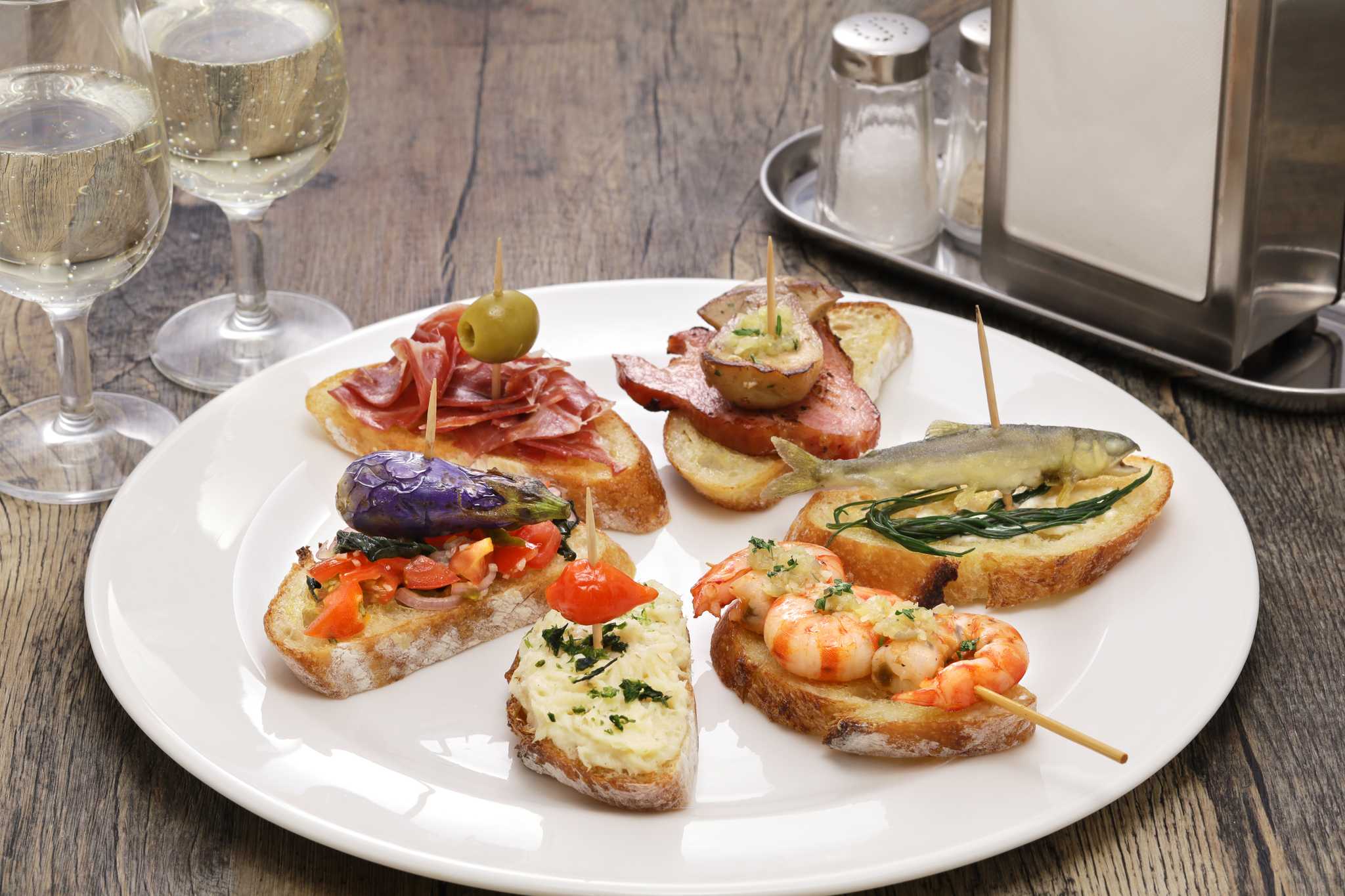
Cicchetti
Pieces of bread with creamed cod or cooked vegetables. Usually found in the Veneto region.
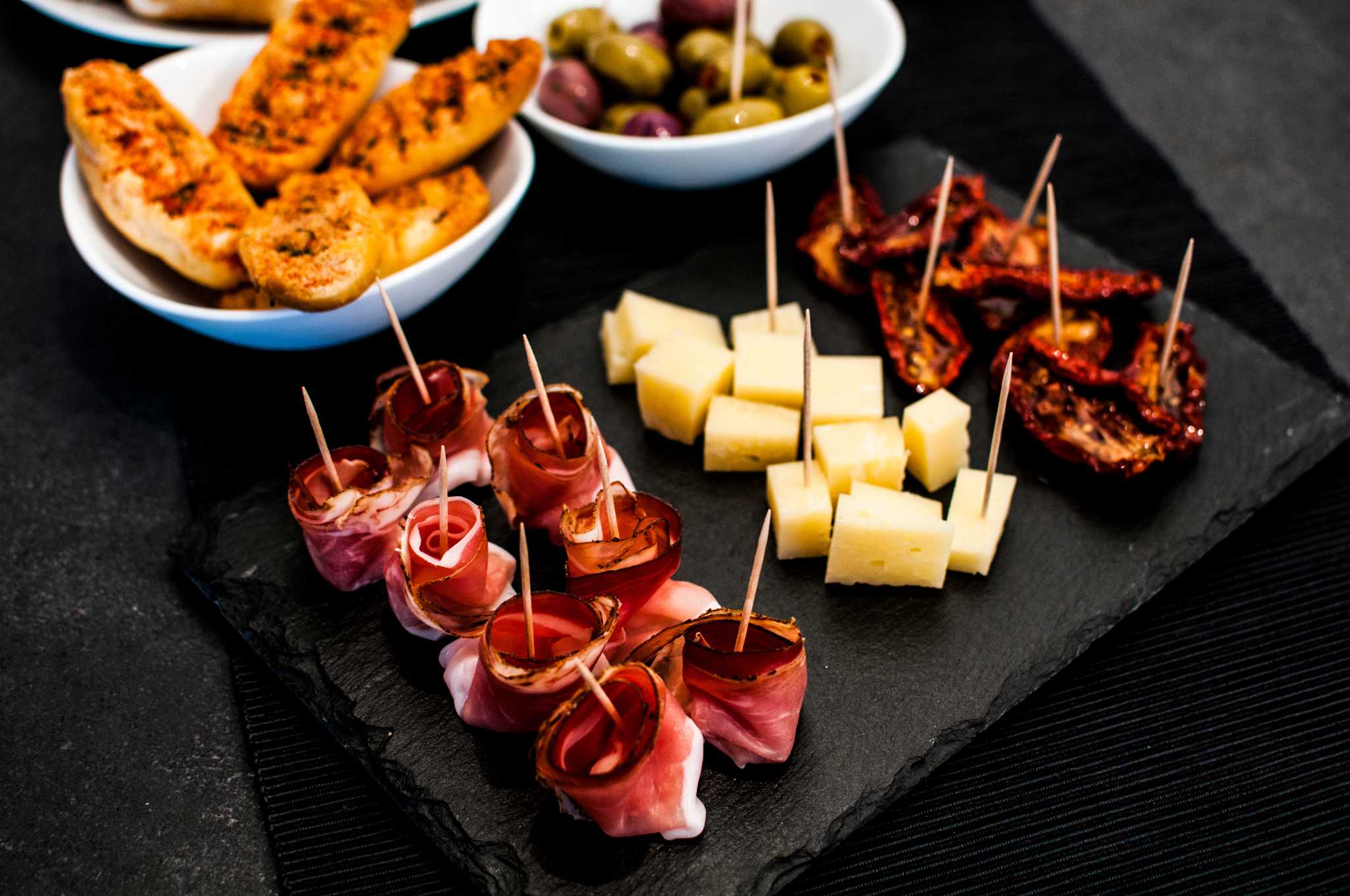
Aperitivo rinforzato
Larger buffet-style aperitivo options found around Milan in the Lombardy region. Potato chips, small sandwiches, olives.
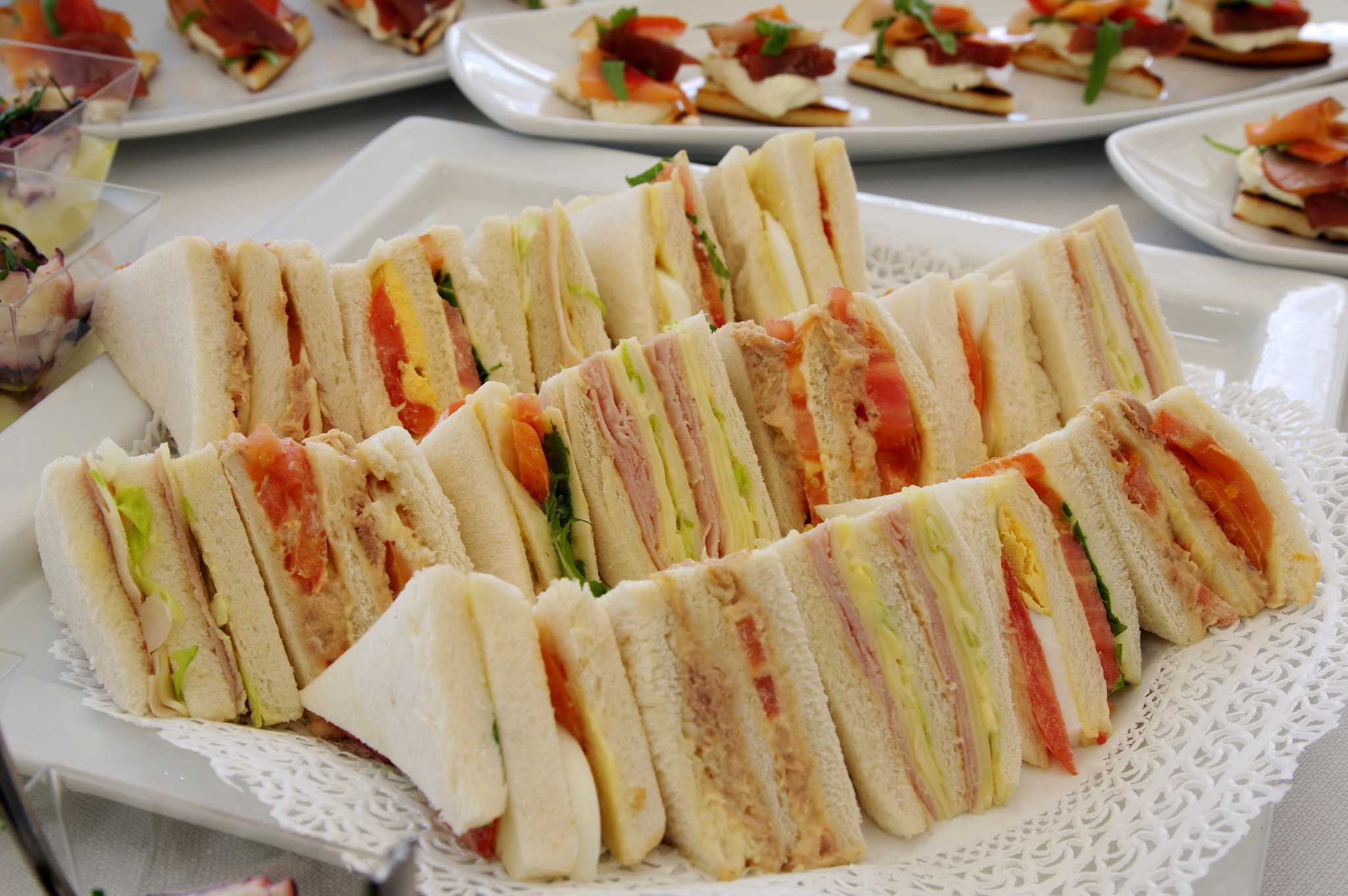
Tramezzini
A popular option in Piedmont, these are small triangular sandwiches filled with tuna or vegetables like artichokes.
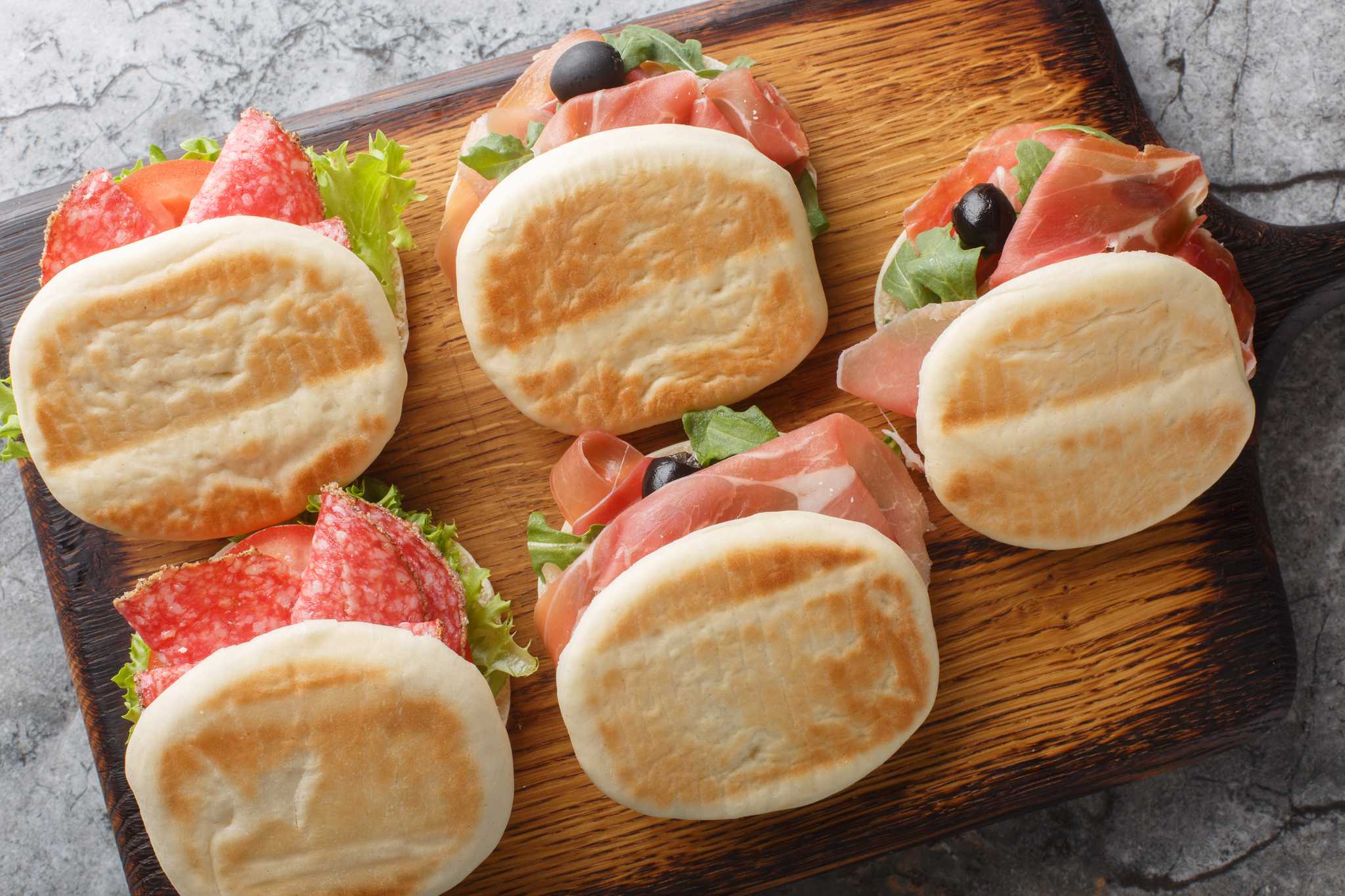
Tigelle
Small, round flatbreads sliced open and filled with cured meats. Common in Emilia-Romagna around Modena.
Ingredient spotlight: Cured meats
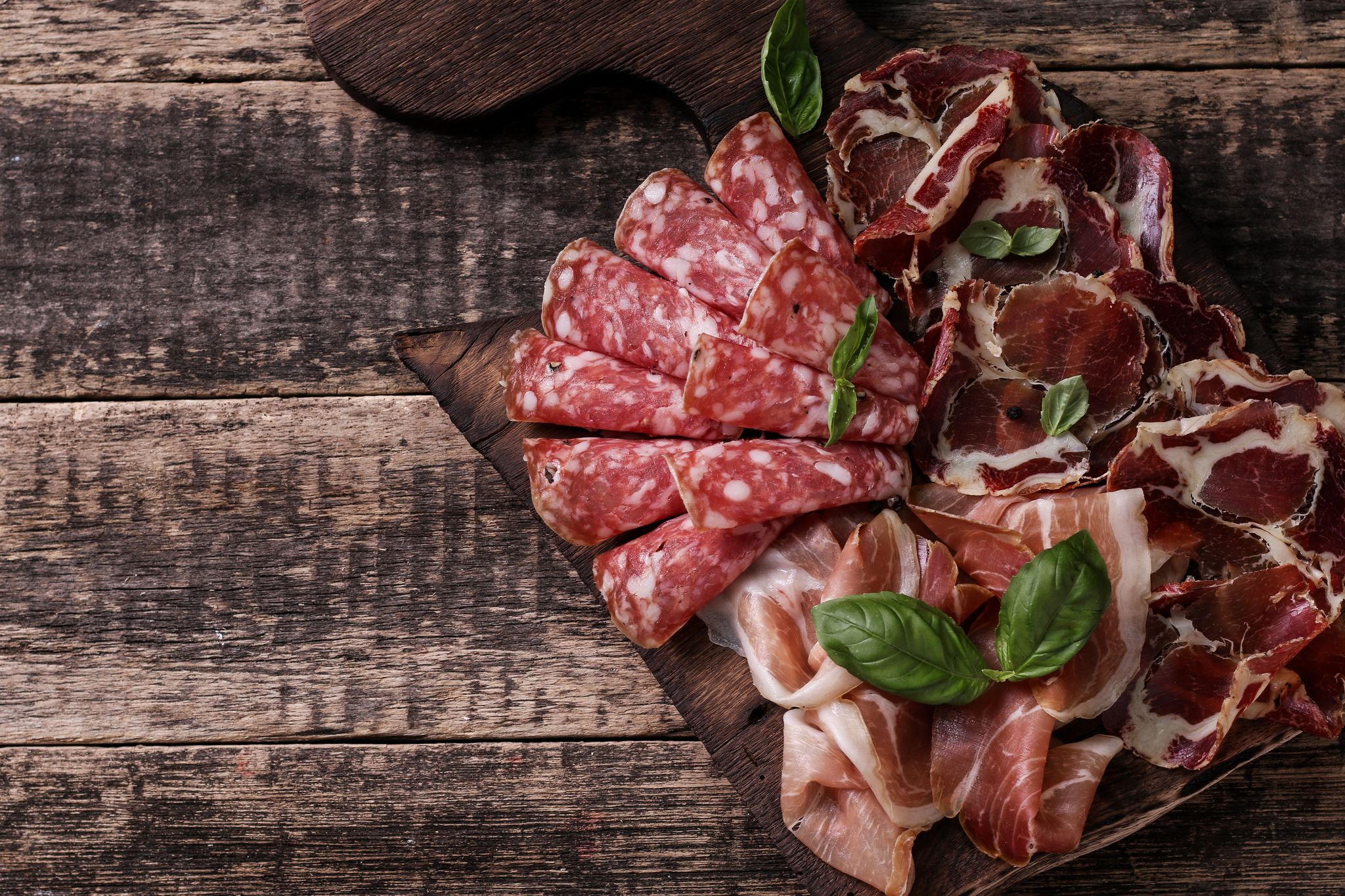
Called broadly “salumi,” cured meats are a staple of Italian cuisine. Prosciutto is among the most popular and is a dry-cured cut from a pig’s hind leg. Pancetta is pork belly cured with salt. Salami is ground pork mixed with spices and rolled in a casing. Guanciale, aged pork cheek, appears in Roman dishes like pasta carbonara.
Cena: dinner
Dinner in Italy happens later than many travelers expect. Most people don’t sit down to eat until 20:00-21:00, with meals starting and ending later the further south you travel. Dinner is unhurried, especially on weekends, and almost always paired with local wines.
Dinner in Italy happens later than many travelers expect. Most people don’t sit down to eat until 20:00-21:00, with meals starting and ending later the further south you travel. Dinner is unhurried, especially on weekends, and almost always paired with local wines.
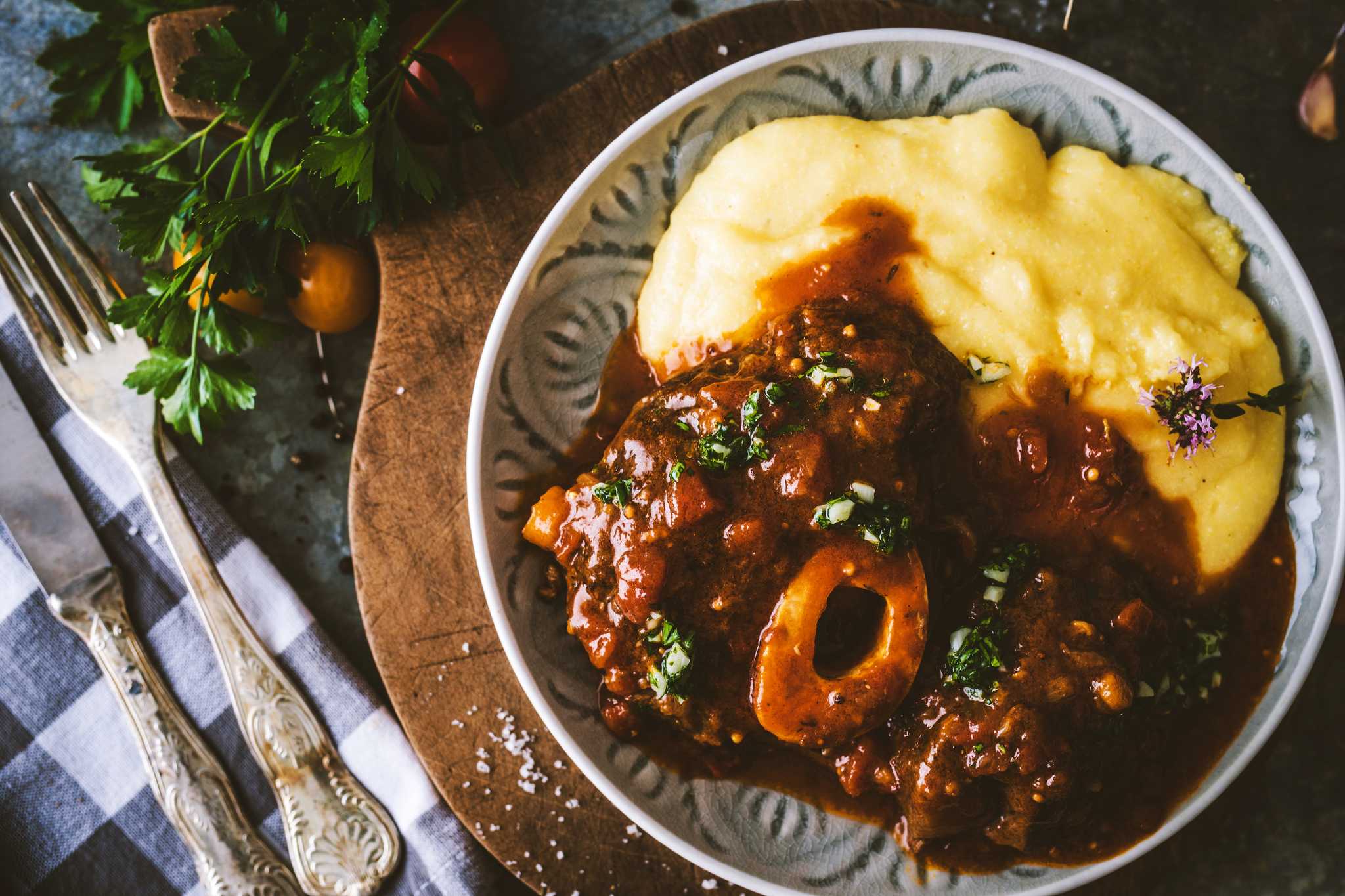
Osso Buco
Stewed veal, often cooked in tomato and wine sauce. Served with risotto or polenta and vegetables. Common in Northern Italy.
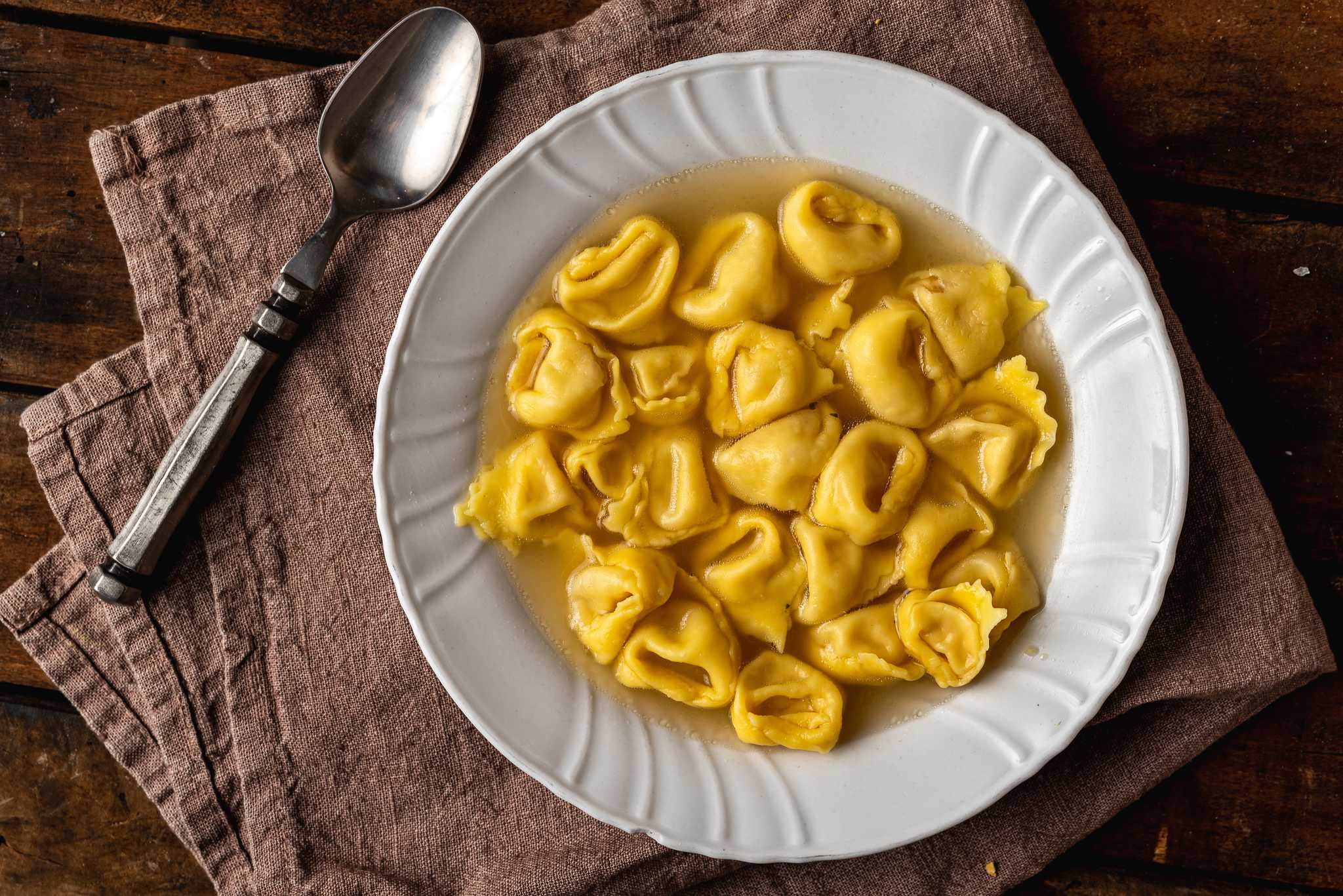
Tortellini
Pasta stuffed with cheese, meat, or spinach. Try it in Emilia-Romagna.
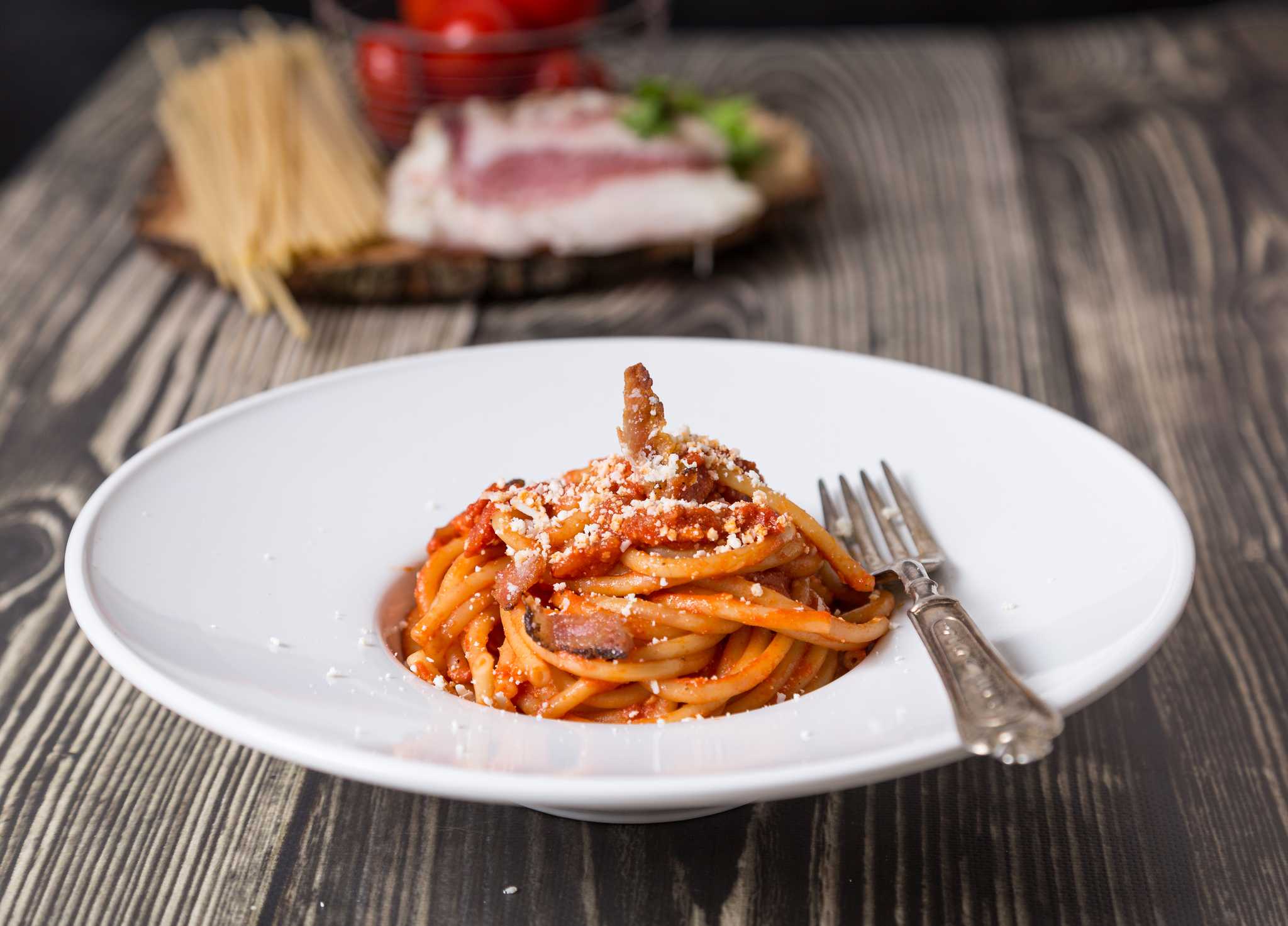
Bucatini all'Amatriciana
Hollow pasta in a hearty sauce made with fatty ham, pecorino romano, and tomatoes. Order in Rome.
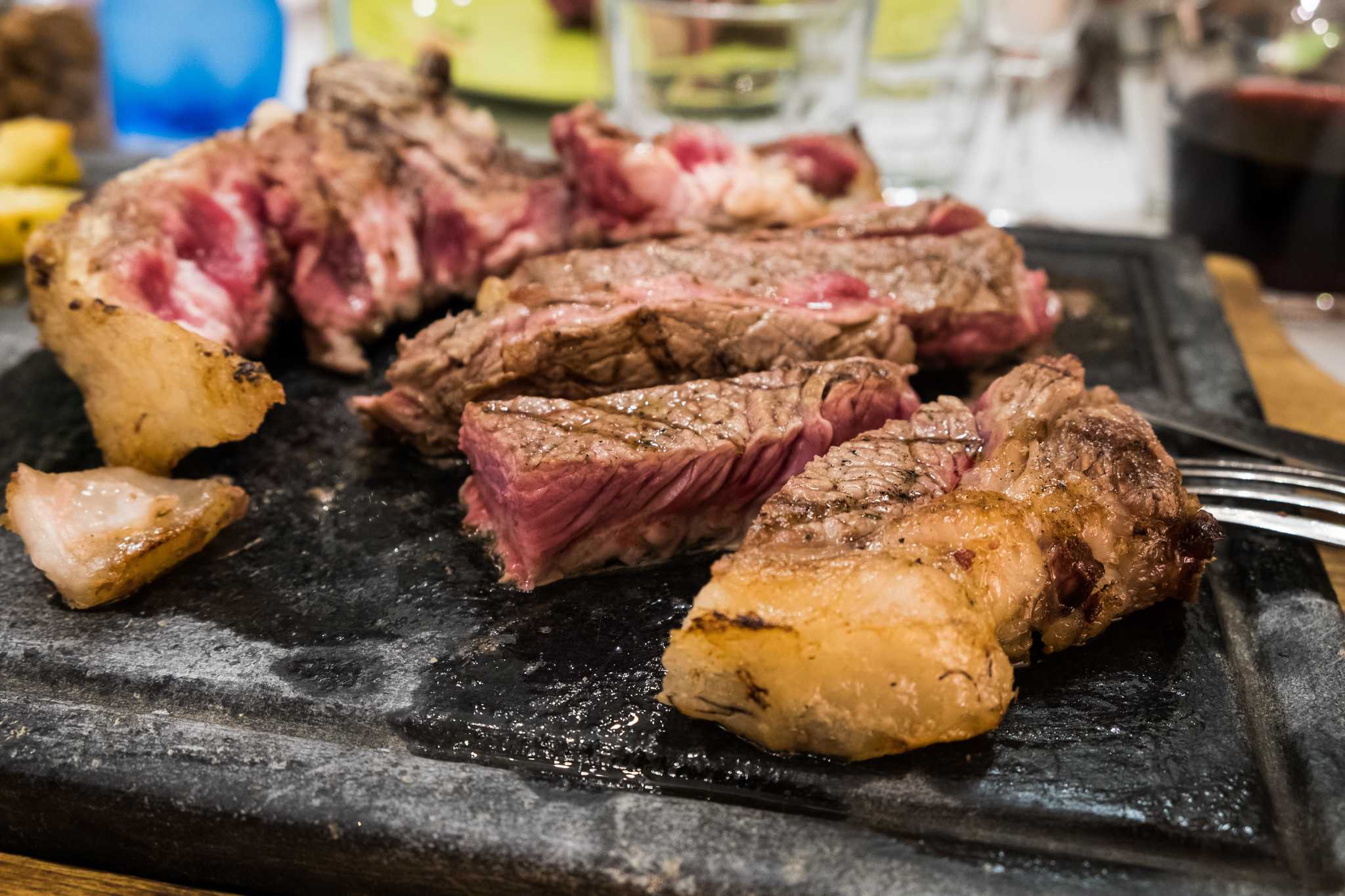
Bistecca Alla Fiorentina
A thick-cut local beef steak that is very common during secondo in Tuscany. Usually served rare alongside potatoes or simple grilled vegetables.
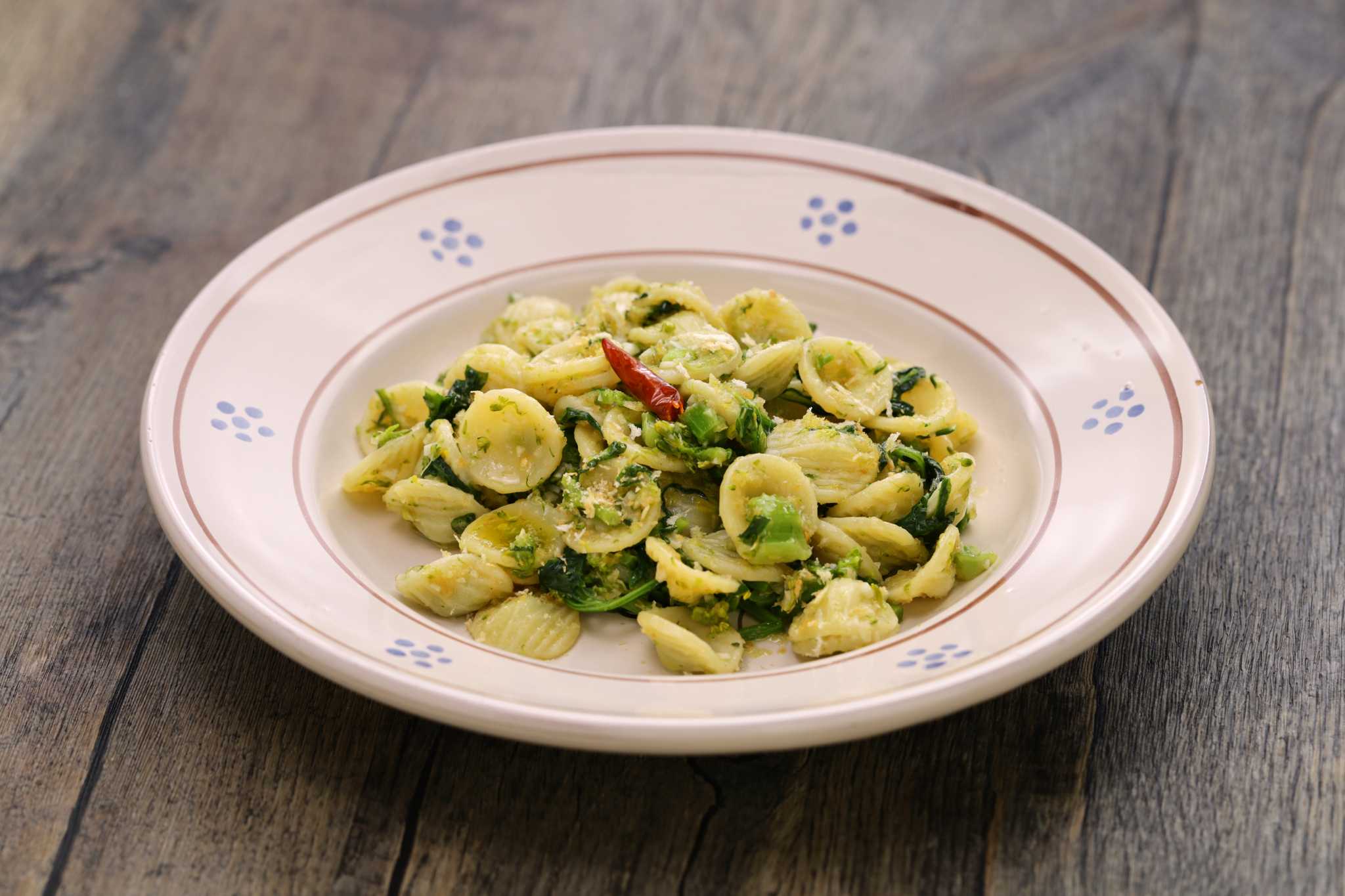
Orecchiette con cime di rapa
Orecchiette pasta with broccoli rabe and dried red chili flakes. The sauce is simple, olive oil-based, and often features anchovies. Found in Puglia.
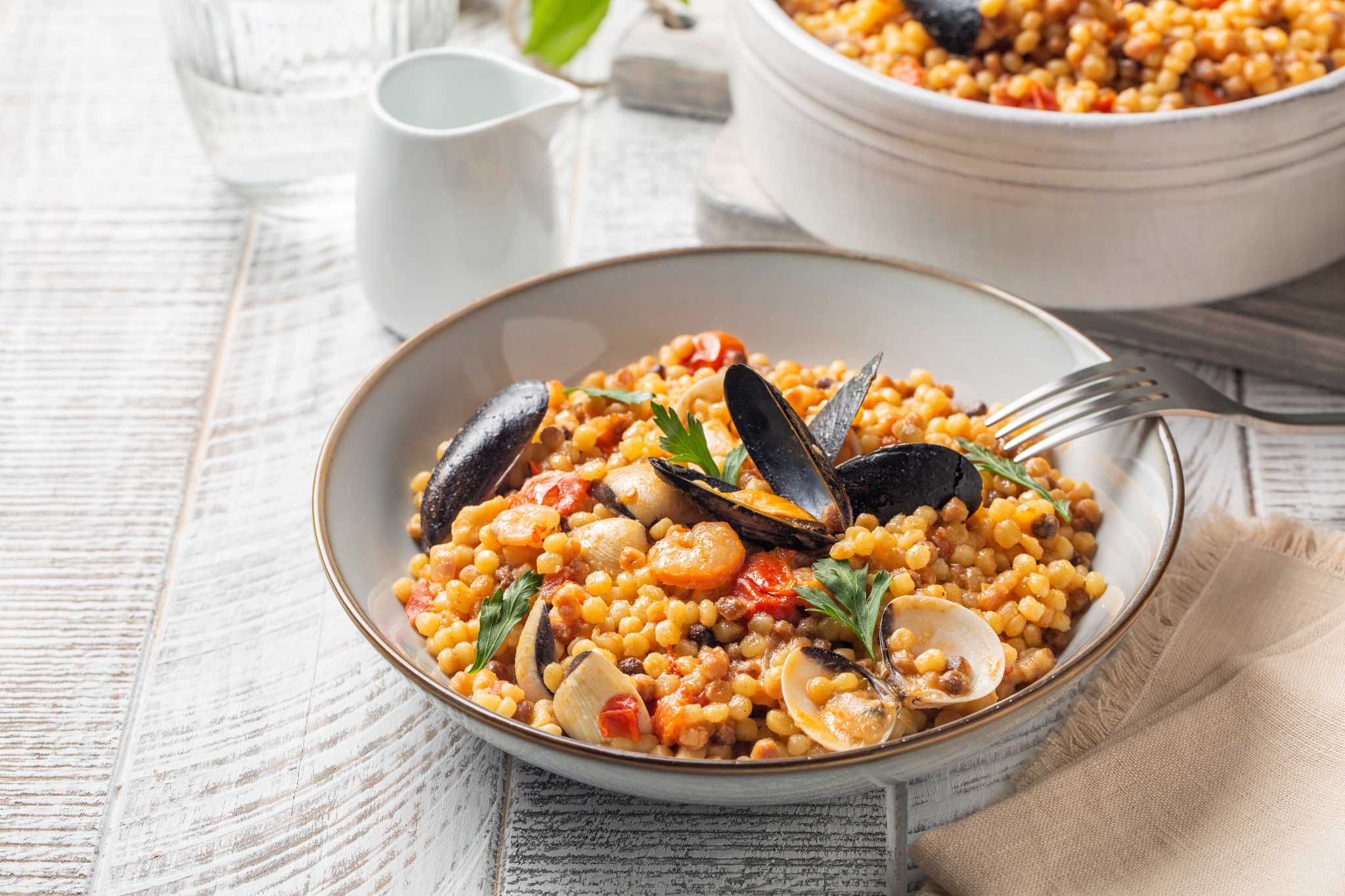
Fregola
A Sardinian toasted spherical pasta made from Semolina. Nutty, smoky, often served with seafood.
Ingredient spotlight: Cheese
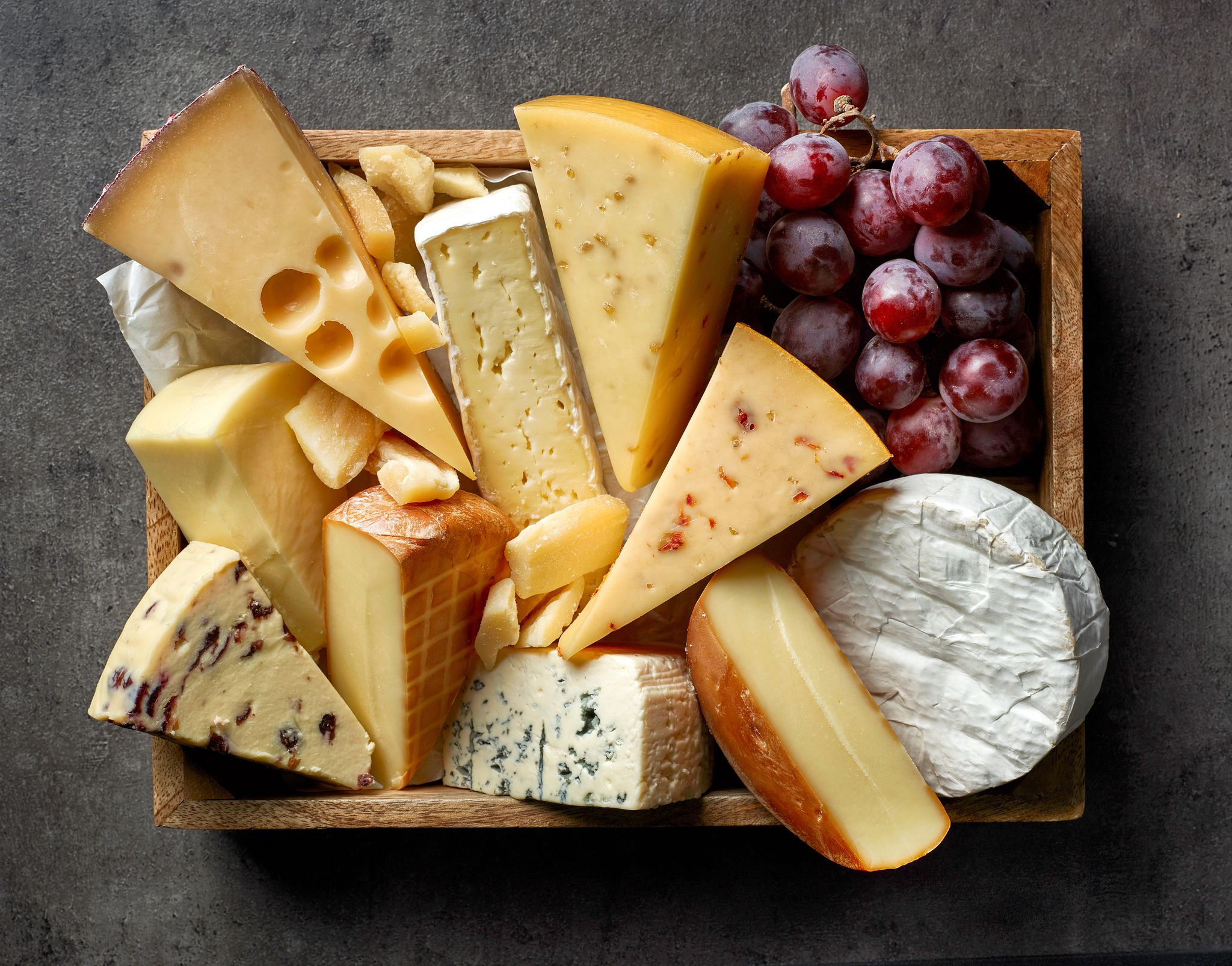
Italy produces a wide variety of cheeses used all over the world. Most famously, Parmigiano Reggiano is a hard, nutty cow’s milk cheese shaved over pasta. Pecorino Romano is a salty sheep’s-milk cheese used in creamy dishes. Mozzarella di Bufala is delicate and creamy, made from water buffalo milk and used on Neapolitan pizza.
From a local
The only places open for dinner at 6:30pm are fast food restaurants or tourist traps. At 6:30 we probably haven't even had an afternoon snack, aperitivo-style. At the earliest, we have dinner at 8 pm; in the very North maybe at 7-7:15 pm. If it’s 6:30, just go get yourself an aperitivo to get you through.
– Marco, Daytrip team, Naples native
Dolce: dessert
Desserts follow lunch or dinner, sometimes after a cheese or fruit plate. Sharing desserts is common, unlike main courses. Do not order coffee with the dolce course; wait to have an espresso afterward.
Desserts follow lunch or dinner, sometimes after a cheese or fruit plate. Sharing desserts is common, unlike main courses. Do not order coffee with the dolce course; wait to have an espresso afterward.
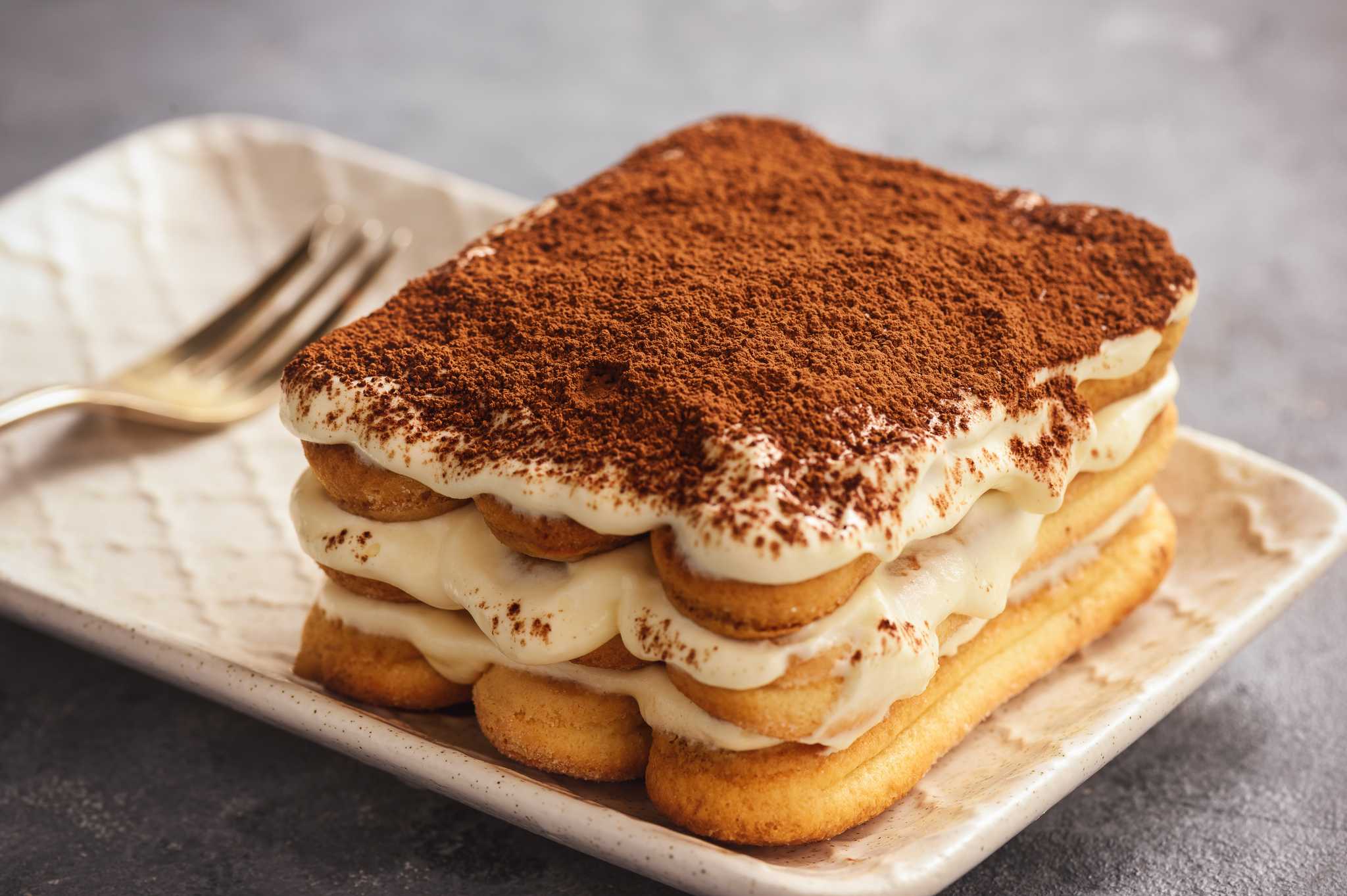
Tiramisu
Coffee-soaked sponge cookies layered with sweet, creamy mascarpone and dusted with cocoa. Originating in Veneto.
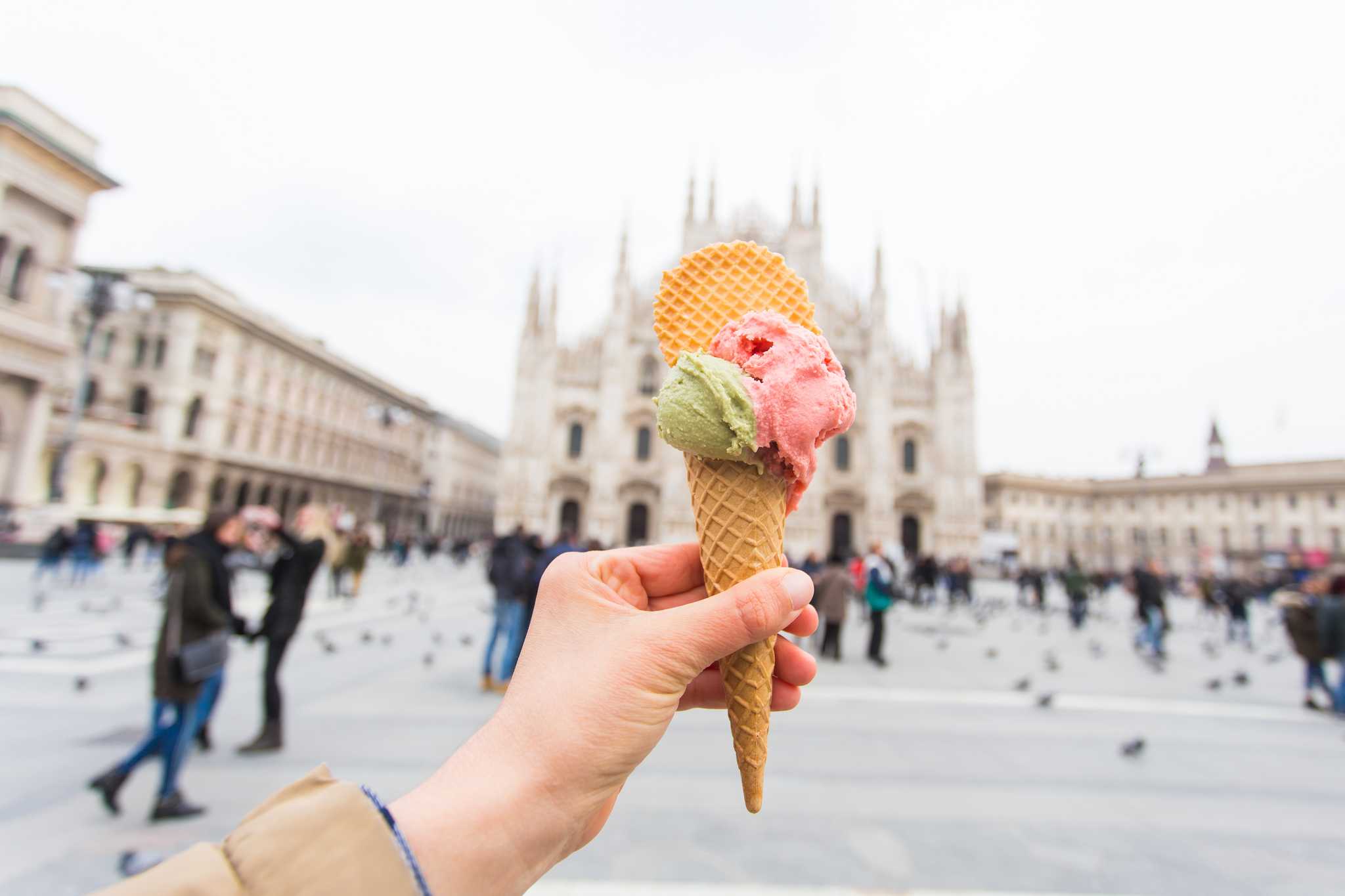
Gelato
Classic dessert similar to ice cream, but using more milk and less cream for a silkier texture.
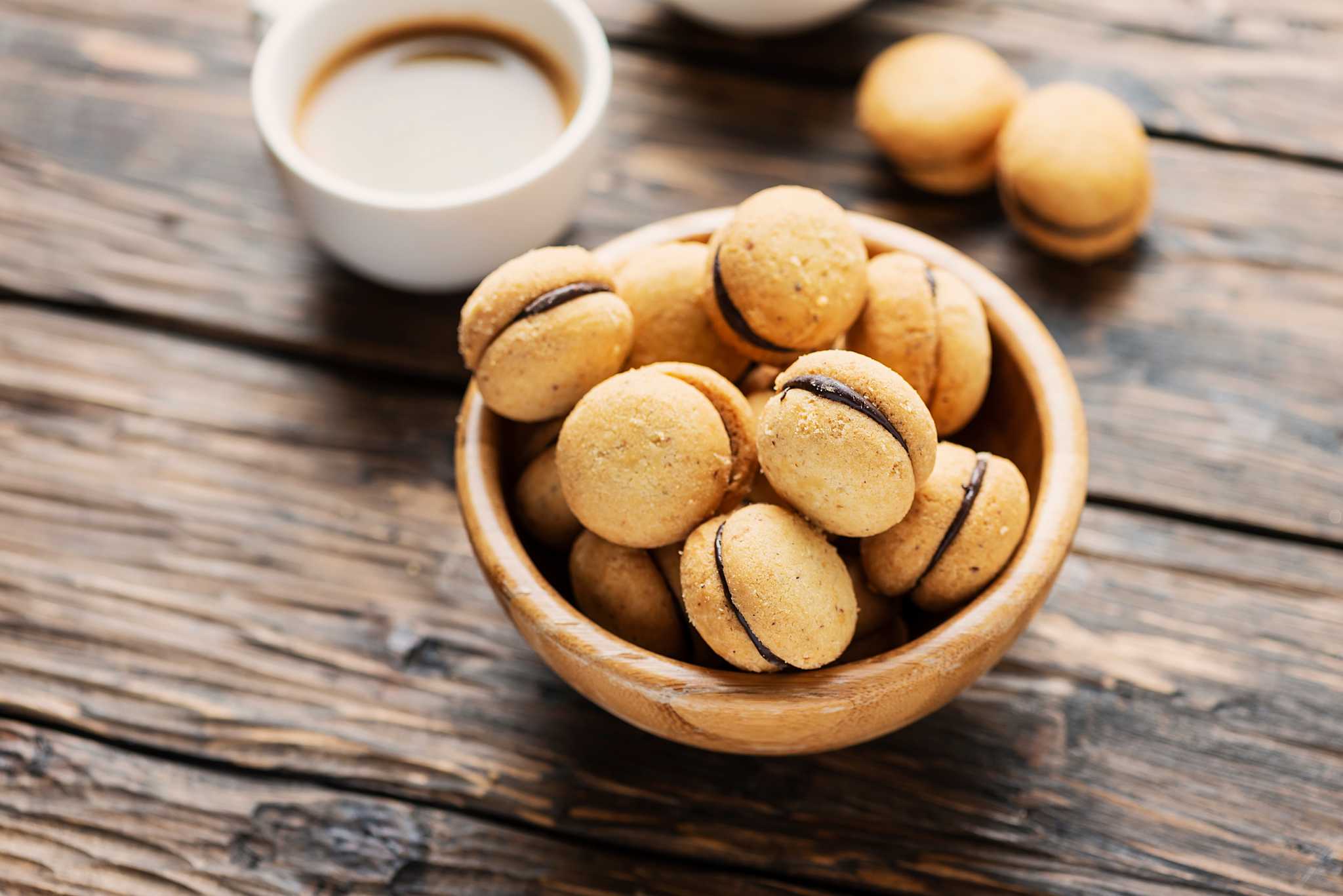
Baci di dama
Translating to “lady’s kisses,” these hazelnut cookie sandwiches feature a dark chocolate filling. Common in Piedmont.
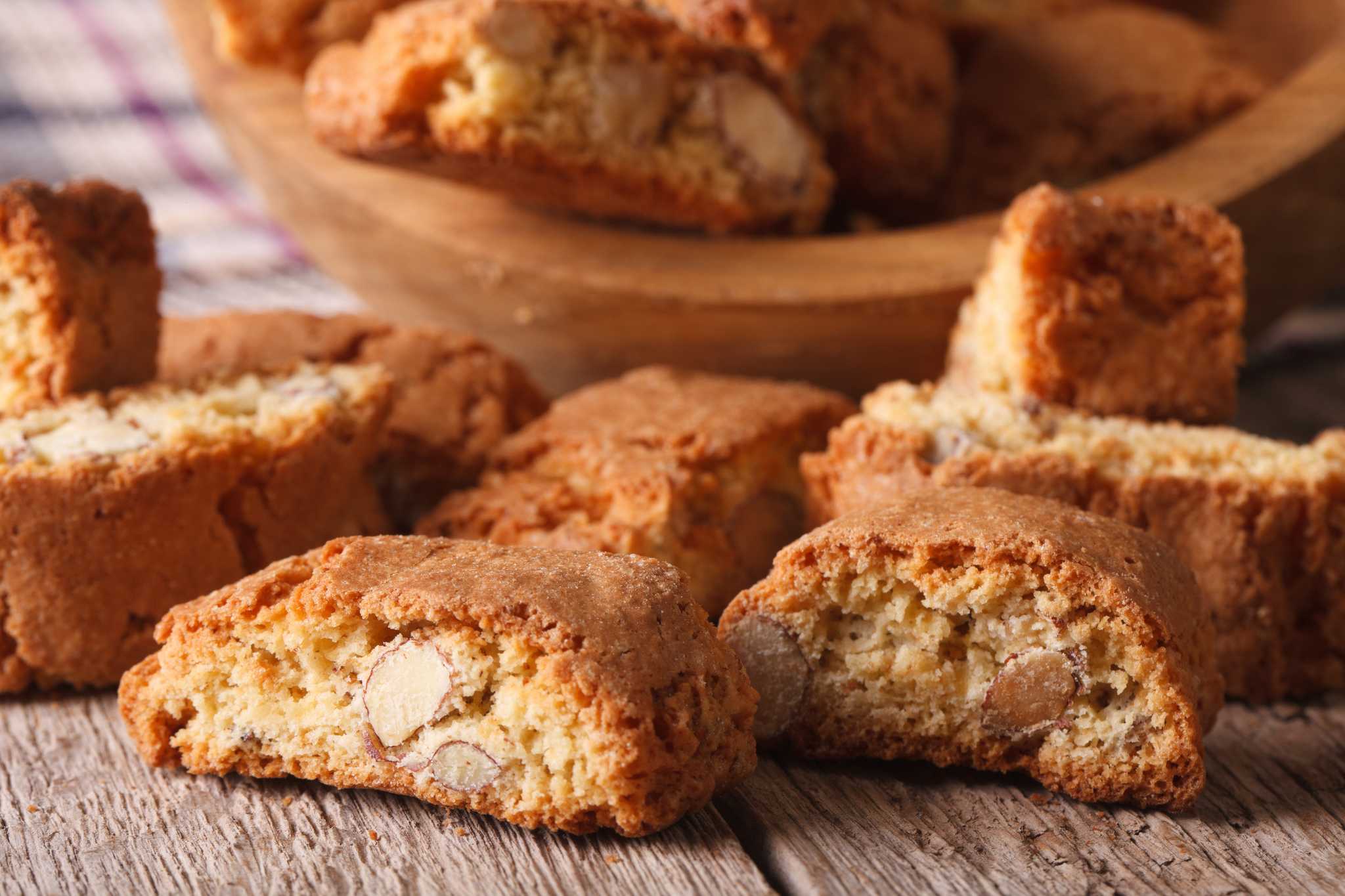
Cantucci
Locals in Tuscany dunk these sweet almond cookies into Vin Santo wine.
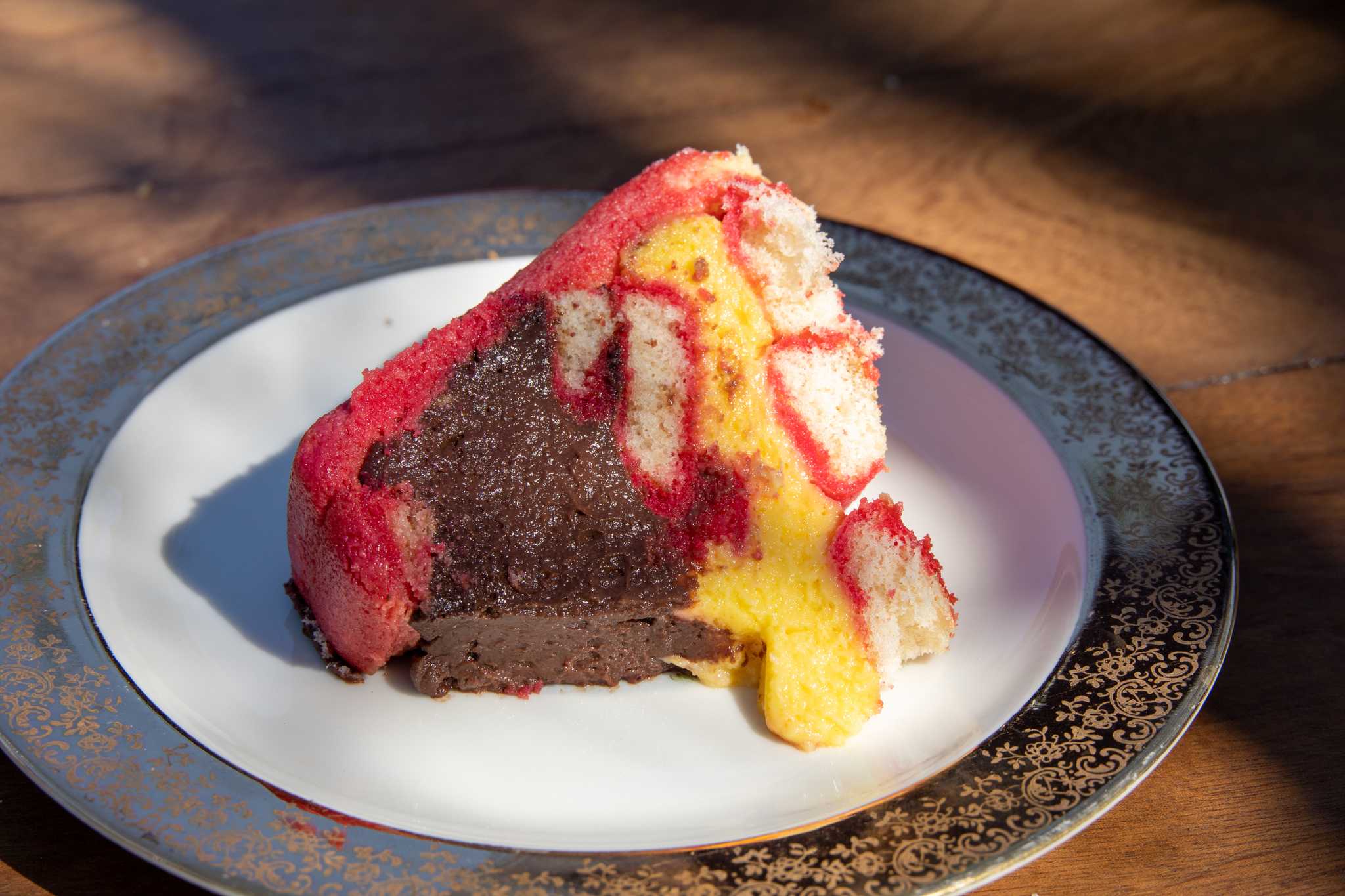
Zuppa inglese
This “English soup” is an Italian twist on a trifle. It’s sponge cake layered with custard, born in Emilia-Romagna.
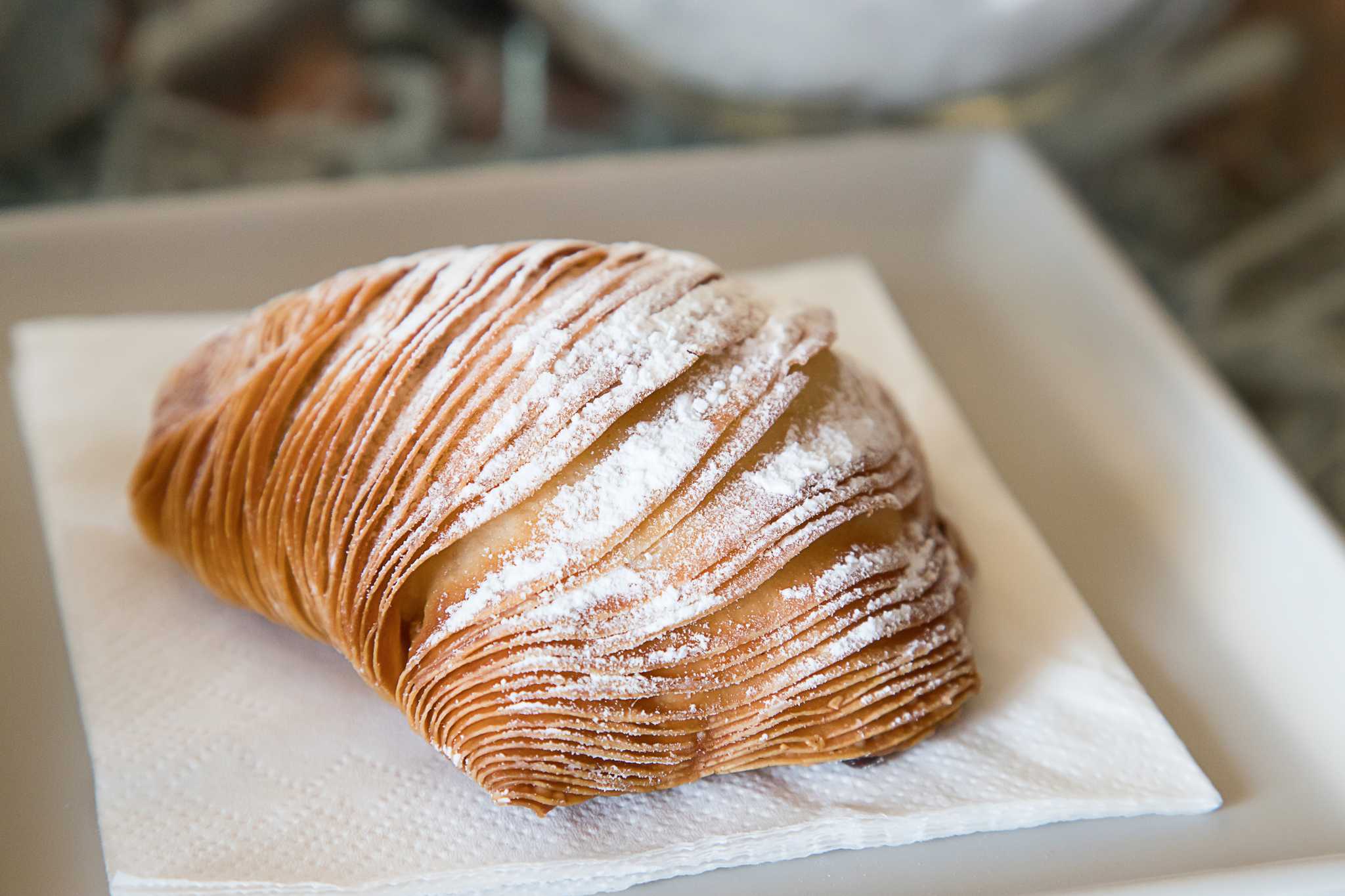
Sfogliatella
Find these crispy pastry shells stuffed with sweet ricotta in Campania, especially in Naples.
Digestivo: last orders
The final course of an Italian meal is the digestivo drink. These strong bitter or sweet liqueurs are thought to settle the stomach. This is also an acceptable time to order an espresso instead. As with the rest of Italian cuisine, the digestivo varies by region.
The final course of an Italian meal is the digestivo drink. These strong bitter or sweet liqueurs are thought to settle the stomach. This is also an acceptable time to order an espresso instead. As with the rest of Italian cuisine, the digestivo varies by region.
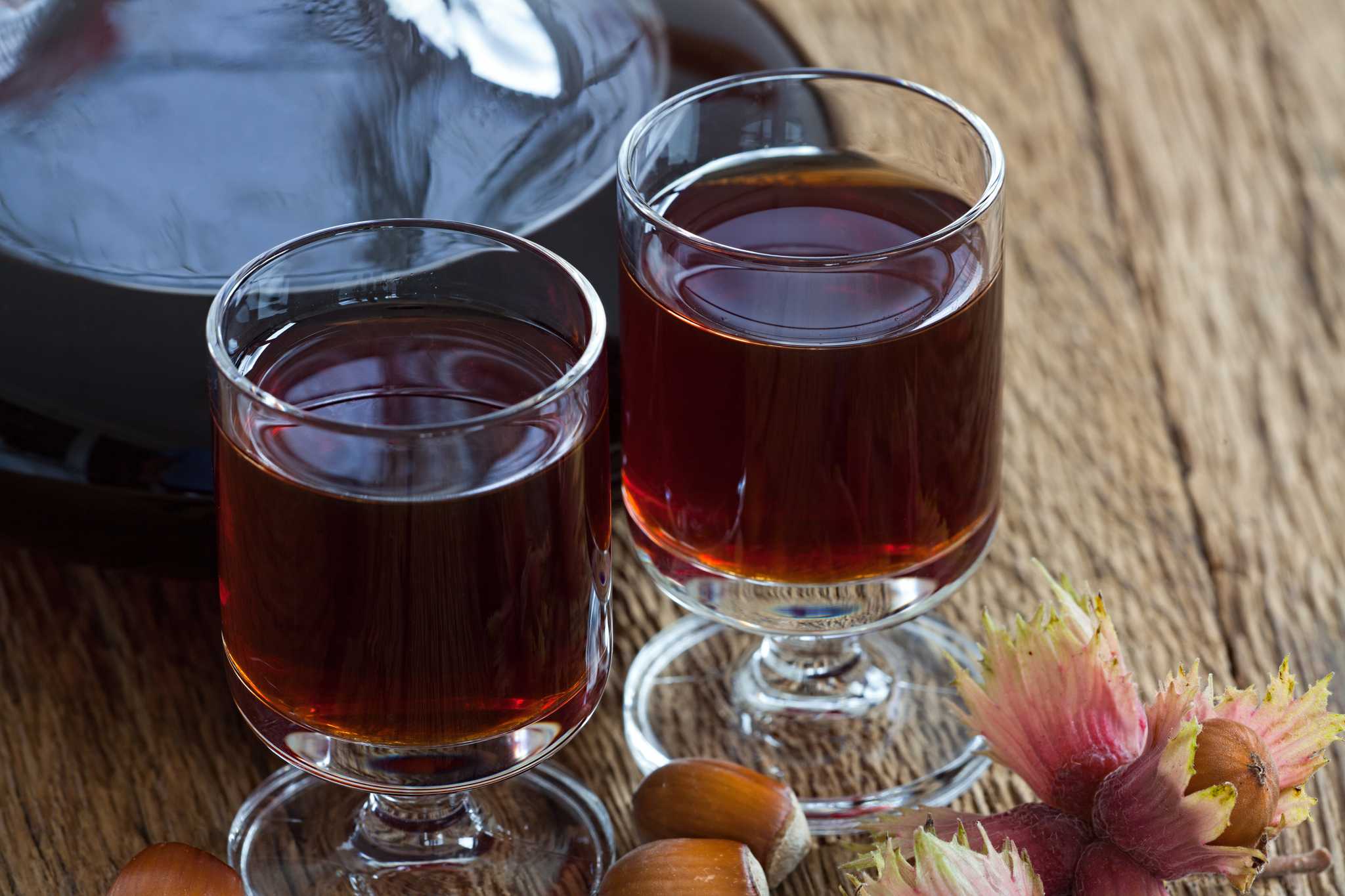
Braluo
Lombardy locals reach for this herbal, floral, and pine-infused amaro liqueur.

Grappa
Try this potent brandy made with what’s left of the grapes after winemaking. Grappa is popular across Veneto.
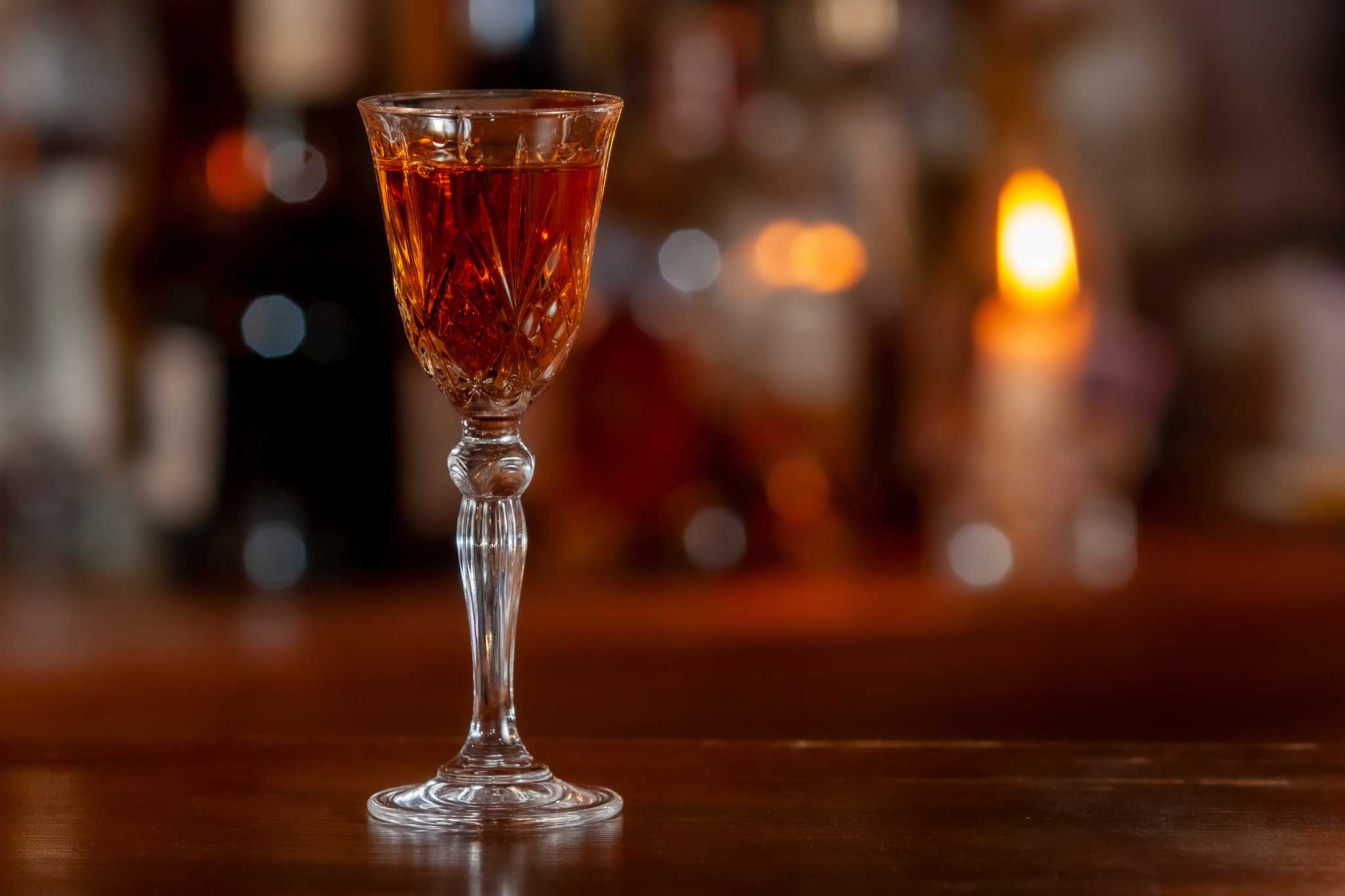
Barolo Chinato
In Piedmont, this infused red wine is popular. Expect rhubarb, warming spices, and quinine bark for a hint of bitterness.

Sambuca
Sambuca is a clear, sweet liqueur flavored with anise that tastes similar to black licorice. Try it in Rome with coffee as caffè corretto or as sambuca con la mosca (with coffee beans).
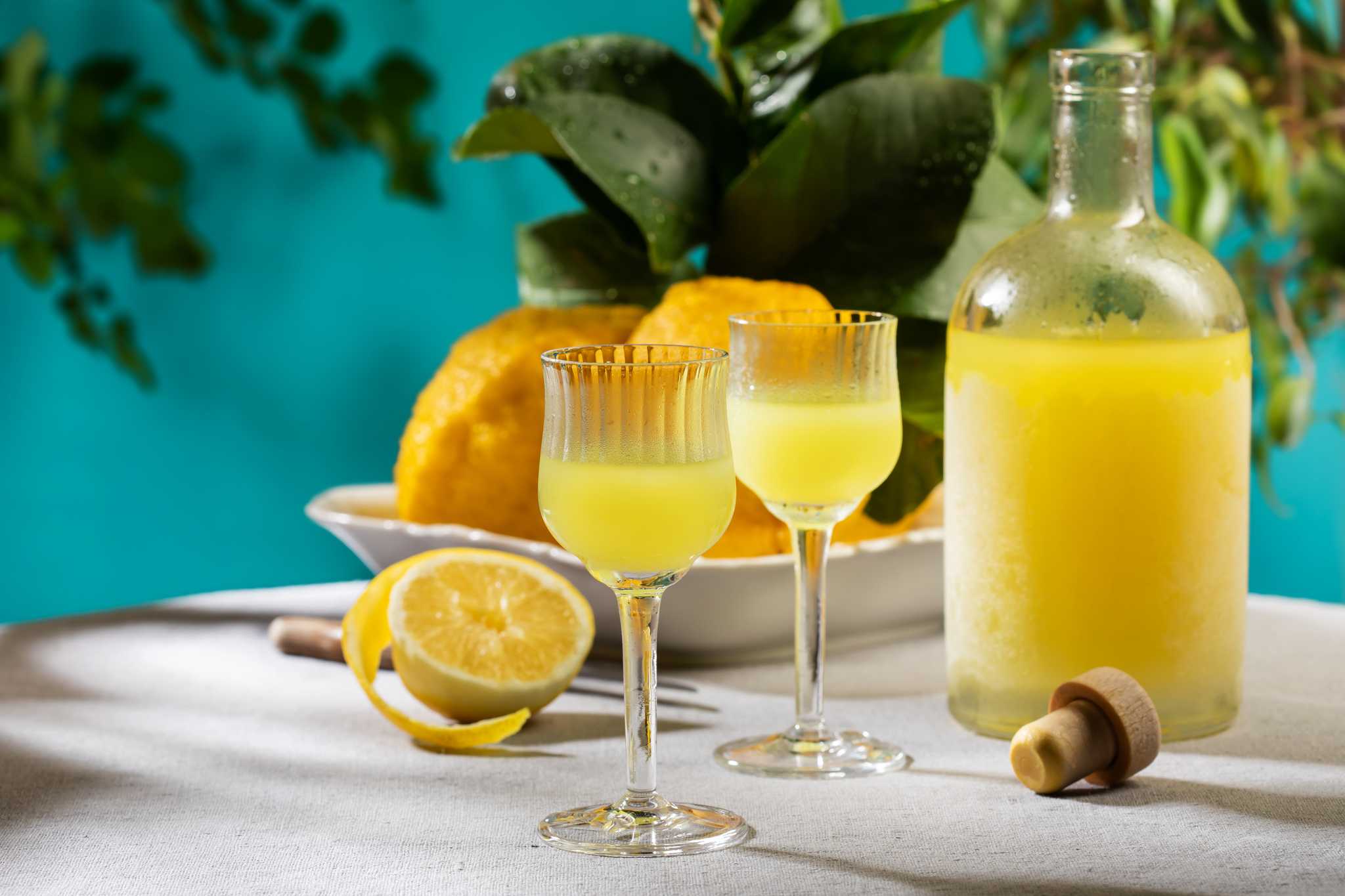
Limoncello
Campania’s lemon groves yield this crisp, sweet lemon liqueur. Restaurants serve it ice-cold as the most refreshing palate cleanser.
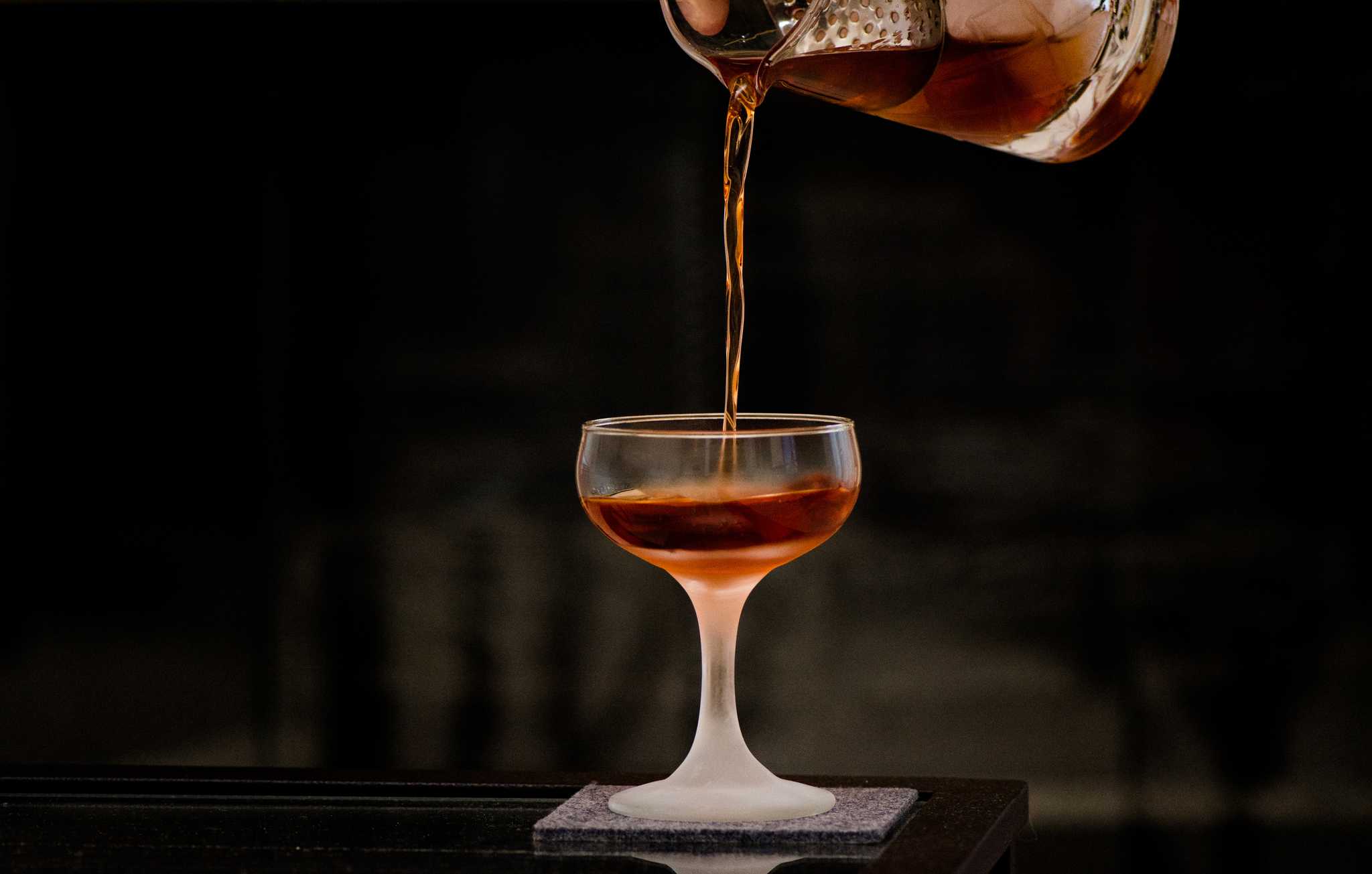
Amaro Averna
This bittersweet herbal liqueur comes from Sicily. The taste is almost caramel-like with an herbal bitterness.
Food rules according to Italians
Eat with the seasons
Italian food is rooted in farm-to-table traditions. Order what’s in-season for the best experience. As Cristian, our Perugia-based driver, said, “In Italy, the best dish isn't always the most famous, but the right one at the right time and in the right place.”
Respect meal times
Particularly outside of major cities, meal times are precise. Arriving late for lunch often means finding the kitchen closed.
Try “The real spaghetti bolognese”
As Raffaele, our driver in Bologna, said, “Forget ‘Spaghetti Bolognese’—it doesn’t exist. Real ragù goes strictly on tagliatelle, fresh-made by a local ‘sfoglina.’ The pasta needs to be rough to hold the meat sauce. If it's from a box, skip it.”
Visit during the fall harvest season
Autumn in Italy is a foodie’s dream. Locals celebrate the overlapping grape, truffle, and olive harvests with regional festivals. Linda, our team member from Emilia-Romagna, suggests the “frutti antichi” (ancient fruits) festival in Castello di Paderna.
Our favourite foodie routes
Naples to Sorrento
1h 8min • 49km (30.4mi)
From €149
Rome to Florence
3h 1min • 272km (169.0mi)
From €587
Amalfi to Naples
1h 23min • 62km (38.5mi)
From €189
Florence to Venice
2h 58min • 270km (167.8mi)
From €538
Trieste to Venice
1h 53min • 162km (100.7mi)
From €345
Siena to Rome
2h 37min • 234km (145.4mi)
From €497
Catania to Palermo
2h 27min • 212km (131.7mi)
From €368
Venice to Bologna
1h 48min • 157km (97.6mi)
From €319
Milan to Genoa
2h 11min • 149km (92.6mi)
From €340
Milan to Alba
1h 49min • 152km (94.4mi)
From €310
Bologna to Modena
50min • 44km (27.3mi)
From €350
Rome to Naples
2h 23min • 227km (141.1mi)
From €400
Best foodie day trips
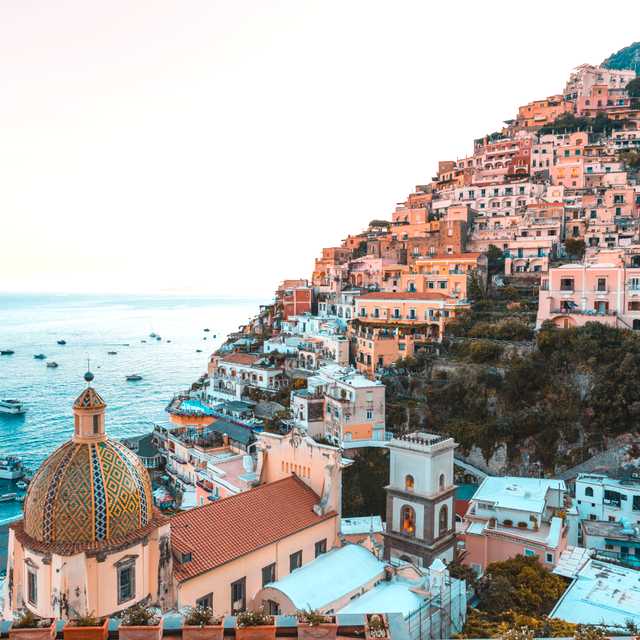
Amalfi Coast Essentials: Private day trip from Sorrento
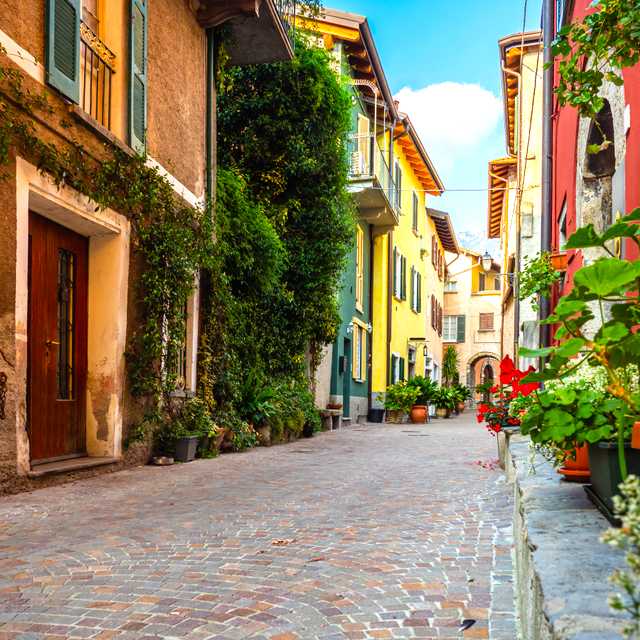
Milan to Como City and Bellagio: Private day trip
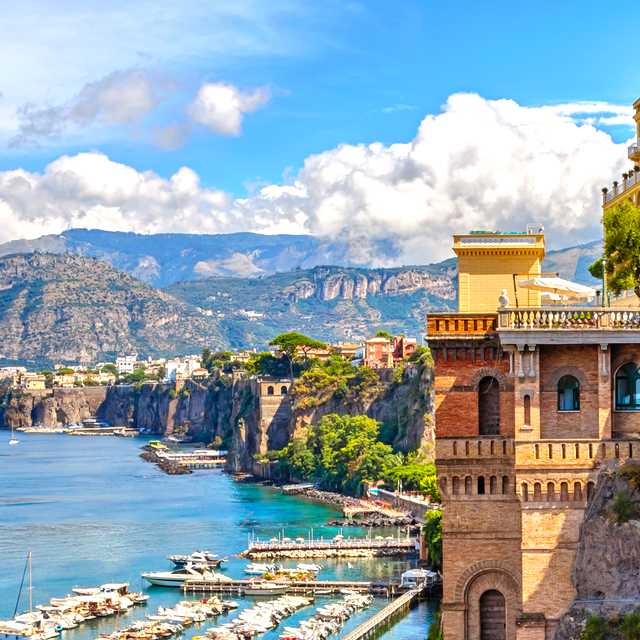
Naples to Sorrento and Positano: Private day trip
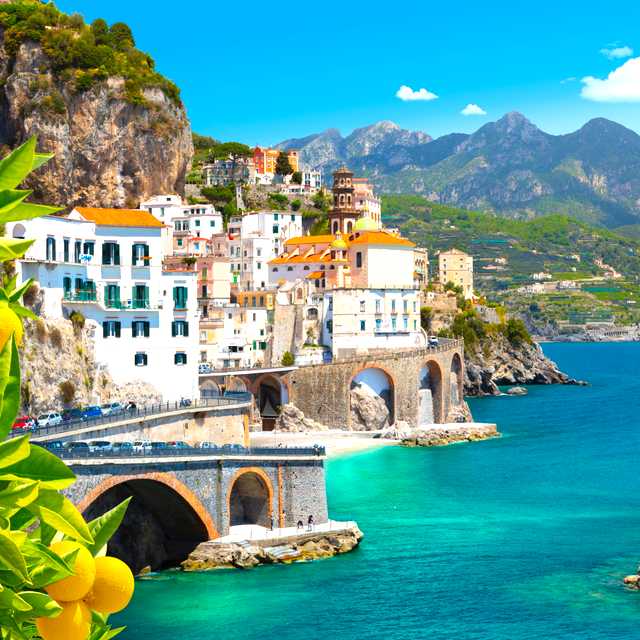
Genoa to Portofino: Private day trip
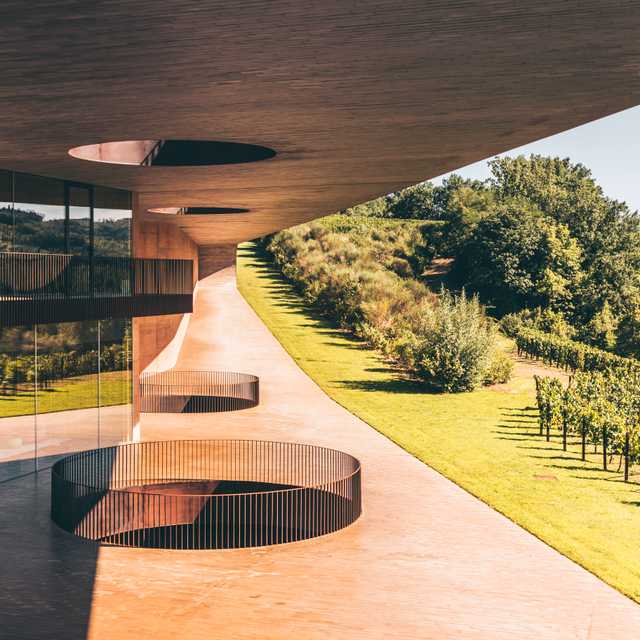
Florence to Antinori nel Chianti Classico: Private day trip
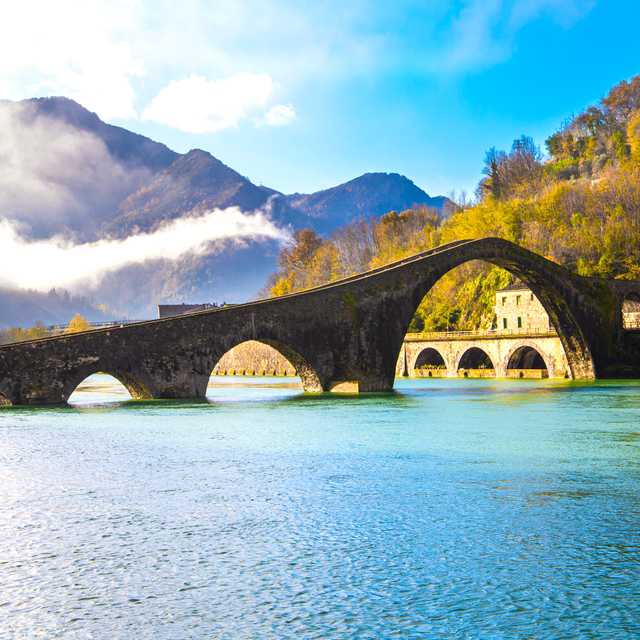
Florence to Pisa and Lucca: Private day trip
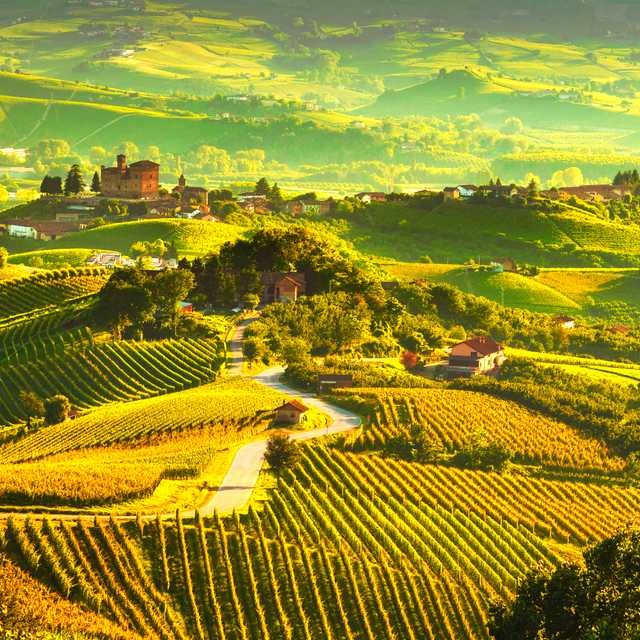
Turin to Barolo: Private day trip
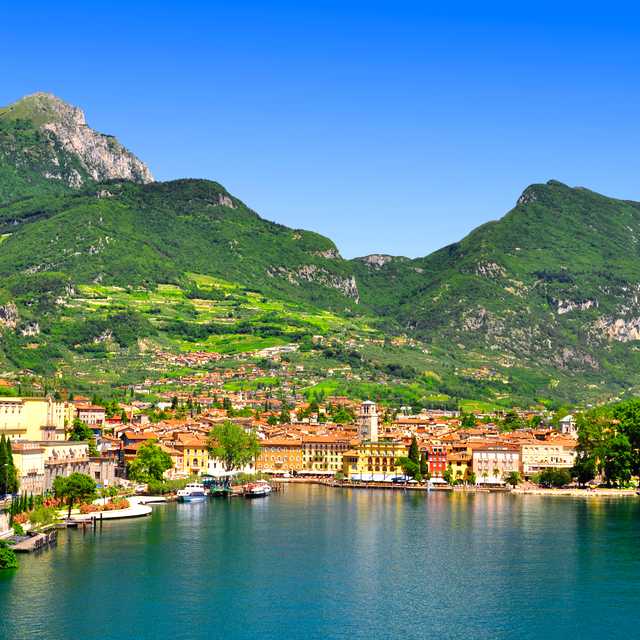
Verona to Sirmione and Riva del Garda: Private day trip
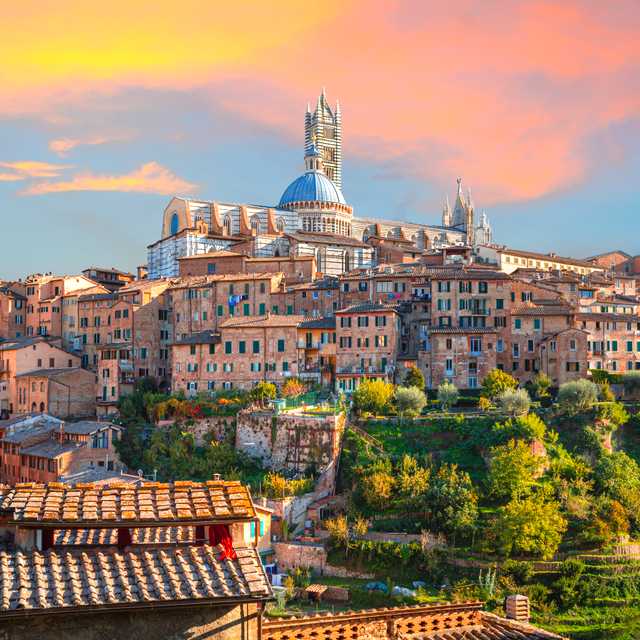
Florence to Siena and Monteriggioni: Private day trip
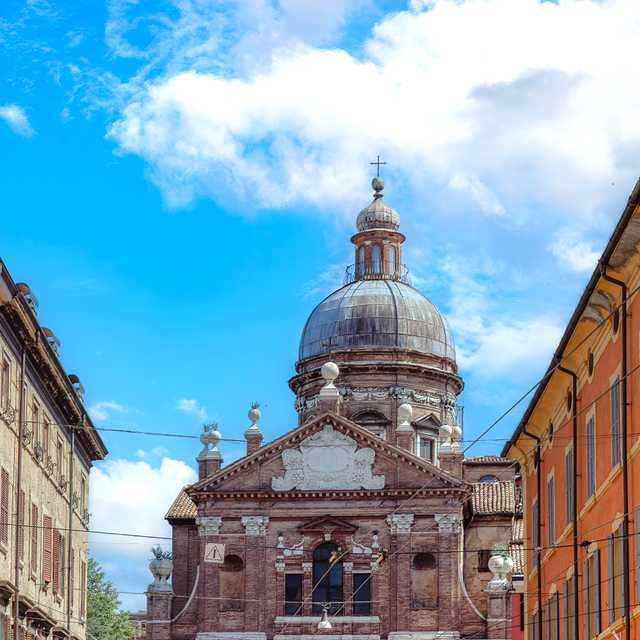
Bologna to Modena: Private day trip
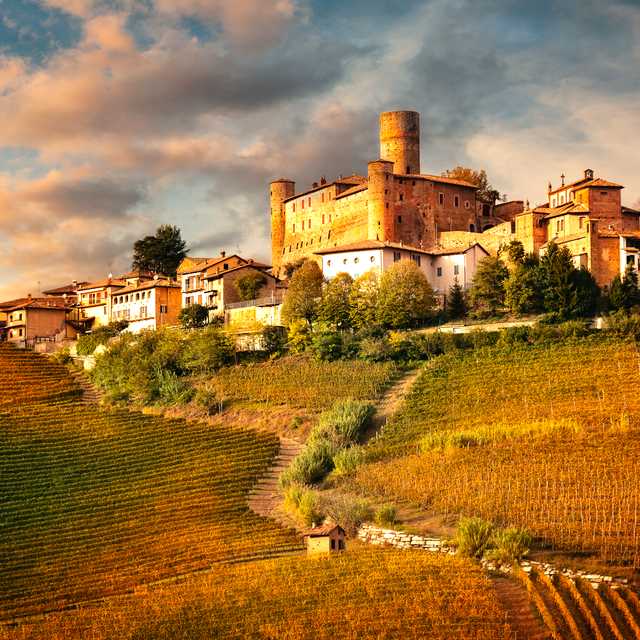
Turin to the Piedmont wine region: Private day trip
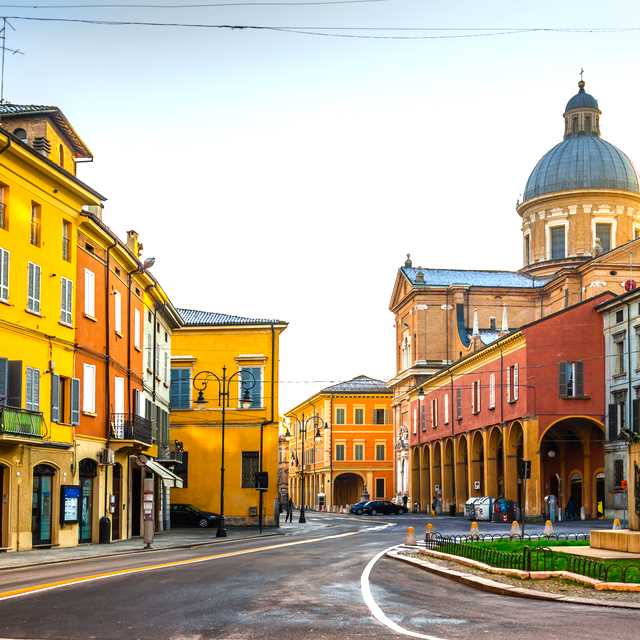
Bologna to Parma and Reggio Emilia: Private day trip
2+ million travelers like you. Moments they'll never forget.

Your Italy's food questions, answered

About the author
Morgan Carpenter is a US-based travel writer whose favorite parts of Italy are Tuscany and the Italian Riviera. On her last trip, Lucca became one of her favorite Italian destinations.
Be the first to discover more
Get handpicked travel ideas, insider highlights, and special Daytrip offers.


