Where to go in Italy
Travelers love Italy because it offers a variety of travel experiences in one country. It’s diverse and hyper-local, with each of the 20 regions bringing something new to the table. Use our regional guide to plan your trip with advice from locals on where to go and why.
The best regions for your trip will depend on your priorities. A culinary focus could take you through Tuscany or the Prosecco Hills. Skiers will favor the Dolomites up north. Sunseekers should head for Puglia.
Northern Italy offers a mix of cultural and culinary stops, coastal escapes, and winter sport destinations. Head to the canals and local wines of Venice in Veneto. Lombardy is home to Lake Como and Milan’s fashion. Unwind in Liguria along the Italian Riviera or the colorful Cinque Terre. Taste authentic Parmigiano-Reggiano and balsamic vinegar in the Emilia-Romagna region, especially in Bologna and Parma. Ski or hike in the staggering Dolomites.
Visit Central Italy for a classic first-visit. Start in Tuscany for Renaissance art, hearty food, and Chianti vineyards. Explore Florence, then head to smaller towns like San Gimignano. See iconic Rome in the Lazio region. Head to Umbria for an uncrowded alternative to Tuscany, especially Assisi and Orvieto.
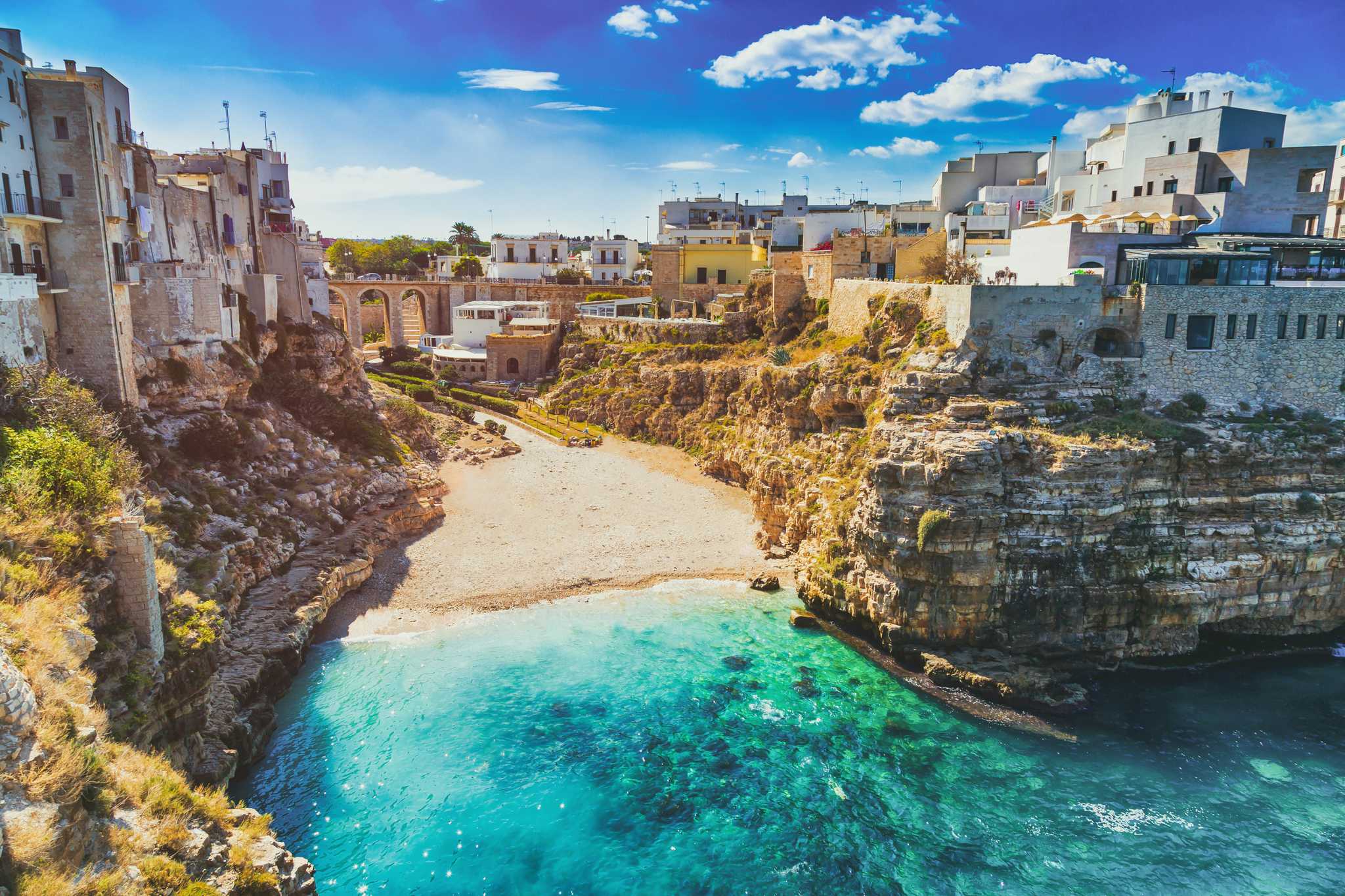
Campania, Puglia, and Sicily are the key regions in Southern Italy. Campania is most popular thanks to bustling Naples, the ruins of Pompeii, and the Amalfi Coast. Visit Polignano a Mare in Puglia for clear waters and cliff views. See Sicily’s active volcanoes and remarkably preserved Greek temples.
How to choose where to go
First-time visitor
Head to Rome for the Colosseum and the Vatican. See Florence’s Renaissance masterpieces. Visit Venice for its enchanting canals and glassblowing.
Art and culture
See da Vinci’s The Last Supper in Milan. Visit Rome for iconic Renaissance art. Head to the Uffizi galleries in Florence.
Coasts and beaches
Prioritize Sardinia; see Cala Goloritzé or the Gulf of Orosei. Enjoy Puglia’s Polignano a Mare. Find cliff views on the Amalfi Coast.
Food and wine
Visit Bologna and Emilia-Romagna for Parmesan, balsamic vinegar, and dry red wines. Indulge in Tuscany’s vineyards and Piedmont’s truffles.
History and archaeology
See Pompeii and Herculaneum in Campania. Stroll the Greek temples of Agrigento. Explore the ancient cave dwellings of Matera.
Nature and outdoors
Hike the Tre Cime di Lavaredo in the Dolomites. Enjoy Lake Como views from Varenna or Bellagio. Visit remote Gran Paradiso National Park.
Romance
Stroll the cobblestones of Verona, featured in Romeo and Juliet. Enjoy medieval and wine-centered Montepulciano in Tuscany.
Slow travel
See Orta San Giulio, a peaceful Piedmont island town. Soak up Roman history without the crowds in Umbria’s Spoleto.
Northern Italy
Enjoy Northern Italy’s faster pace, dramatic alpine scenery, and hearty culinary scene.
Before Italy’s unification, Northern Italy was a collection of wealthy states and maritime republics. Its success in banking and trade created today’s Industrialized economy and fast pace, most noticeable in the Lombardy region in cities like Milan. The Veneto region is home to parts of the Dolomites and iconic cities like Venice. Meanwhile, the Piedmont region boasts unmatched wine-making and royal flair.
Where to go in Northern Italy
Prioritize certain northern regions based on your preferences. Seek good food and a slow pace in Bologna, or tackle the great outdoors in the Dolomites. Plan around the seasons too, as the regions come alive at different times.
Prioritize certain northern regions based on your preferences. Seek good food and a slow pace in Bologna, or tackle the great outdoors in the Dolomites. Plan around the seasons too, as the regions come alive at different times.
Venice
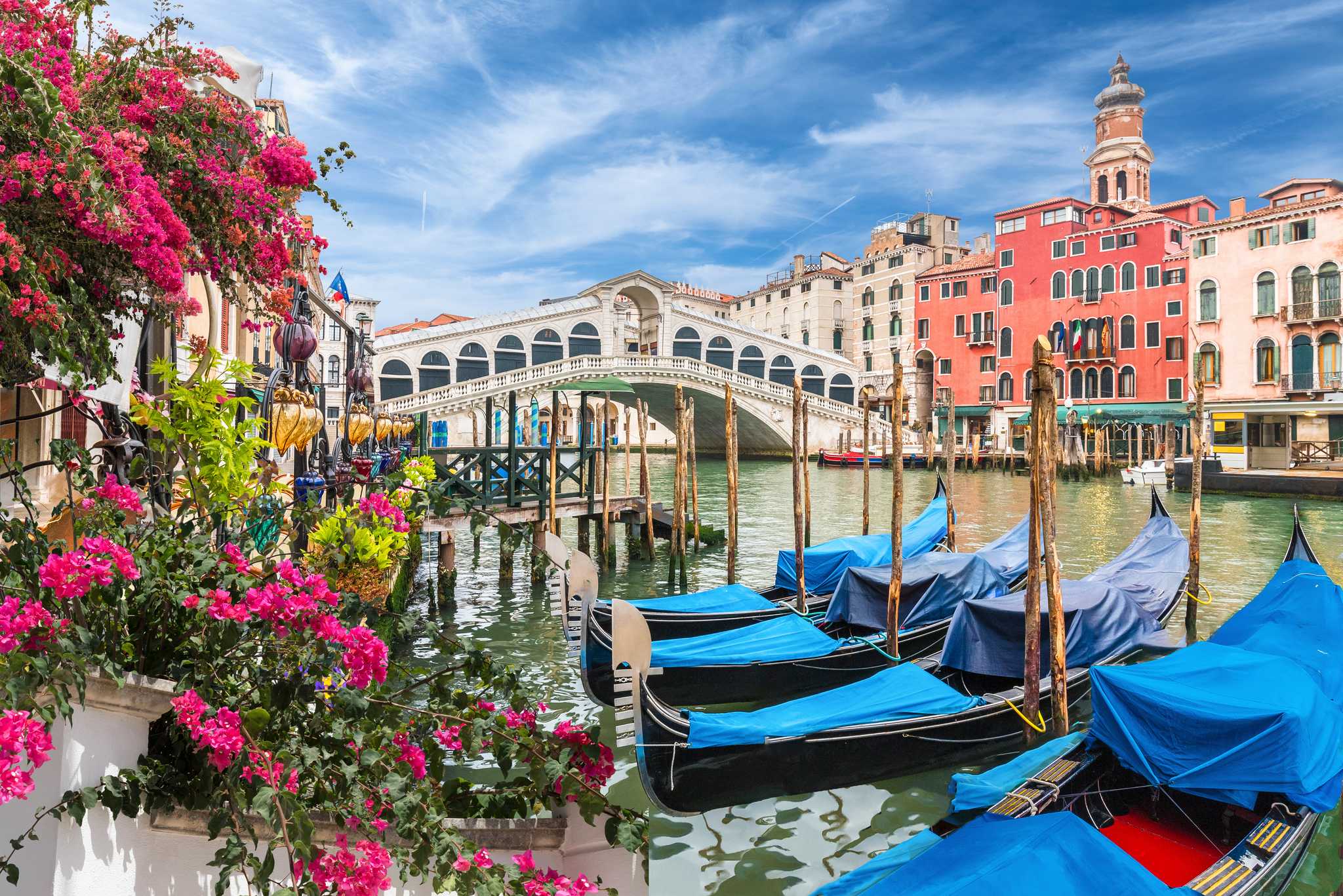
Marvel at Venice’s romantic canals and blended Byzantine, Gothic, and Renaissance architecture - especially stunning in spring or late winter for Carnevale.
- See St. Mark’s Square and Basilica for its bell tower and gold mosaics
- Cross the Bridge of Sighs in the Gothic Doge’s Palace
- Explore the winding canals with a relaxing gondola ride
- Eat Cicchetti, plates of crostini, seafood, and meatballs
- Experience the elaborate masquerade festivals of February’s Carnevale
- Visit nearby Murano for world-renowned glass blowing
The Dolomites
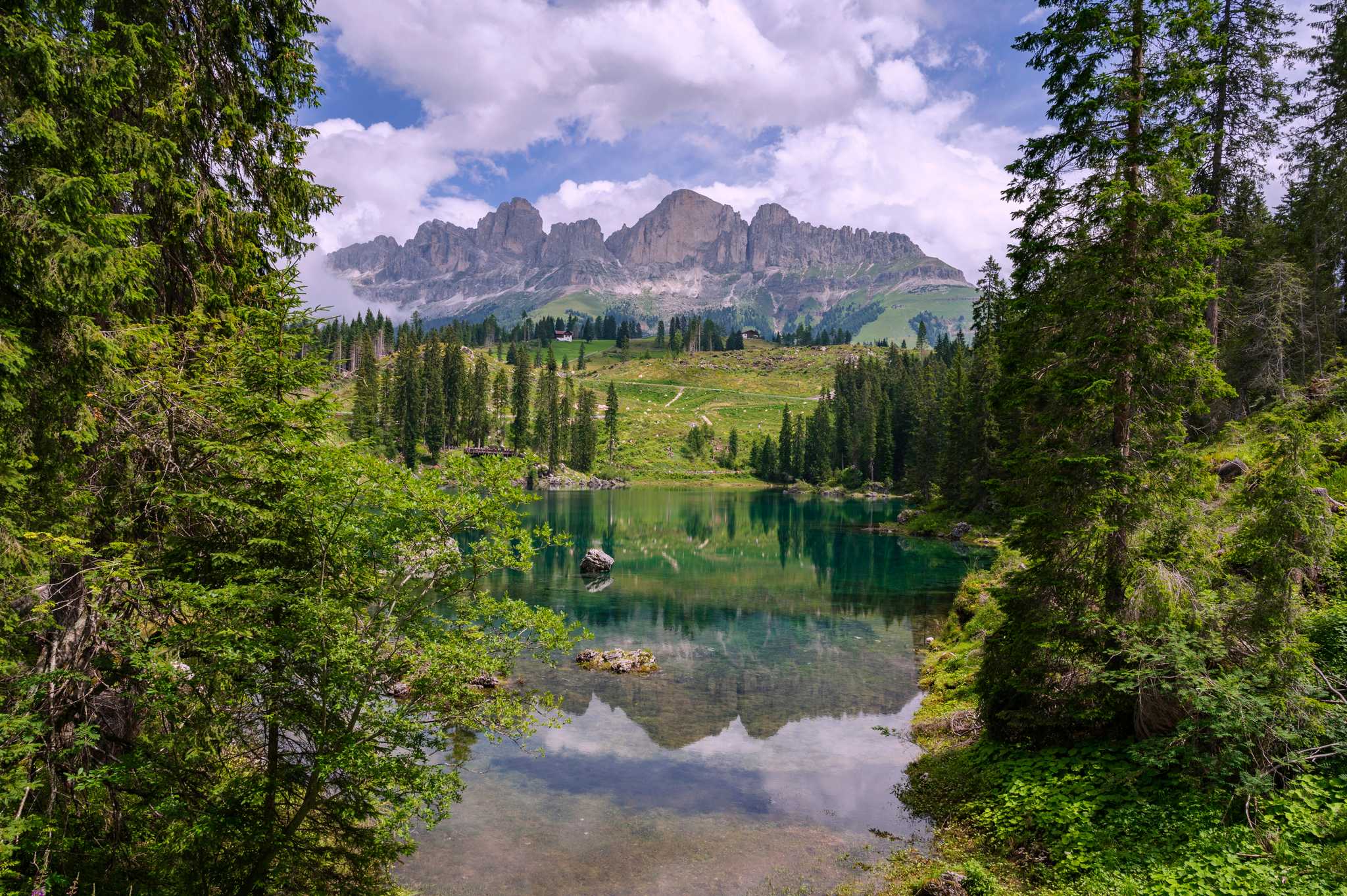
Find rugged alpine beauty, glacial lakes, and Austrian influence in the Dolomites. This region is popular for summer hiking and world-class winter sports.
- Hike the Tre Cime di Lavaredo loop for peak views
- Take an easier stroll through Alpe di Siusi, a wide alpine meadow
- Row along Lago di Braies’ picturesque green water
- Ski along the Sellaronda circuit or across Prato Piazza
- Enjoy Christmas Markets in towns like Bolzano for festive crafts
- Sample Canederli, bread dumplings in broth or with cheese
Lake Como
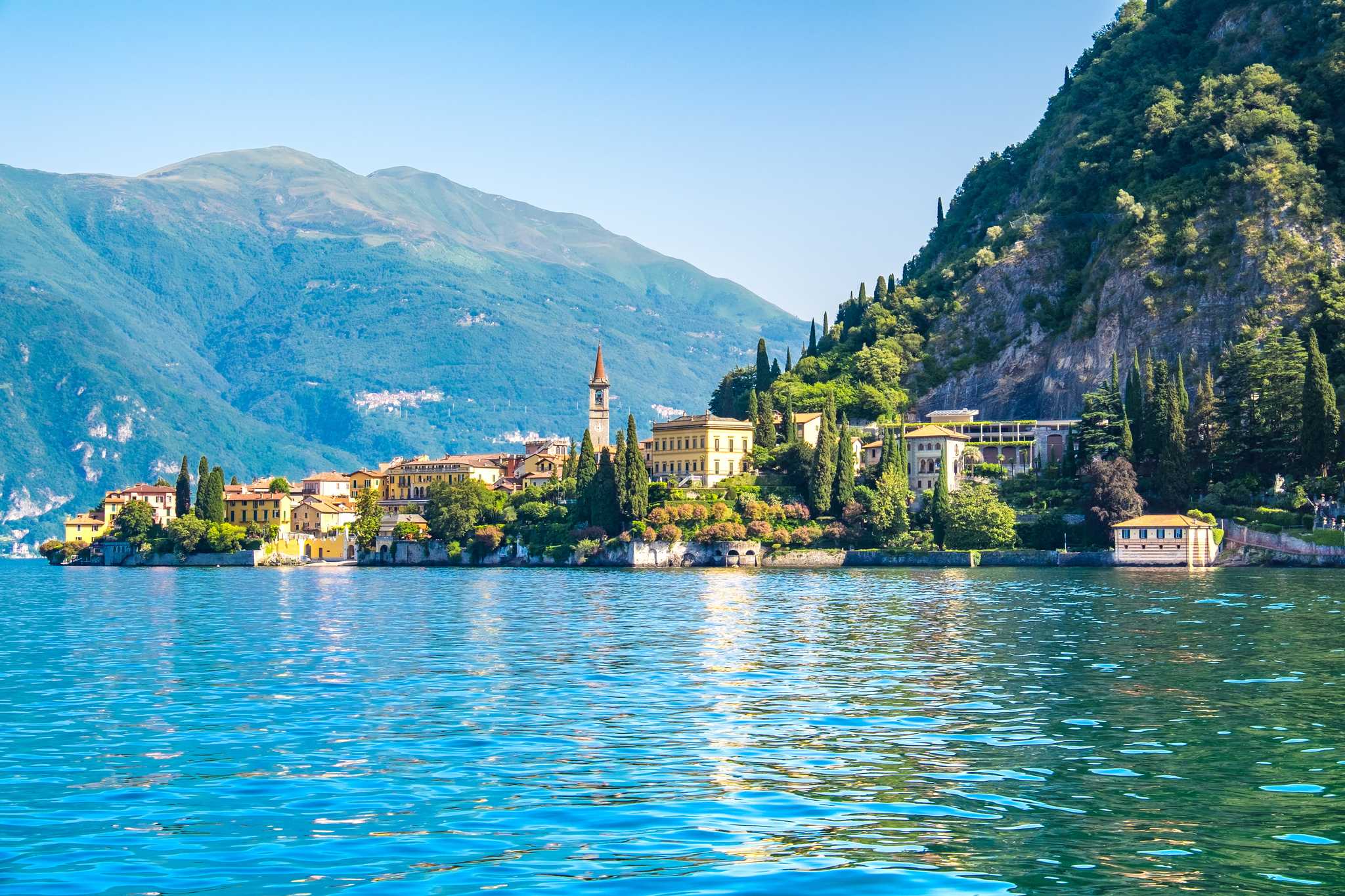
Find postcard-perfect scenery and relax by the water at Lake Como, the ideal spring and early summer retreat.
- Visit Bellagio for central lake access and photogenic streets
- Walk along Varenna’s romantic waterfront and villa gardens
- See Villa del Balbianello in Lenno, featured on the silver screen
- Take the cable car from Como City to Brunate for panoramic views
- Try Risotto e Pesce Persico, buttery risotto with lake-caught fish
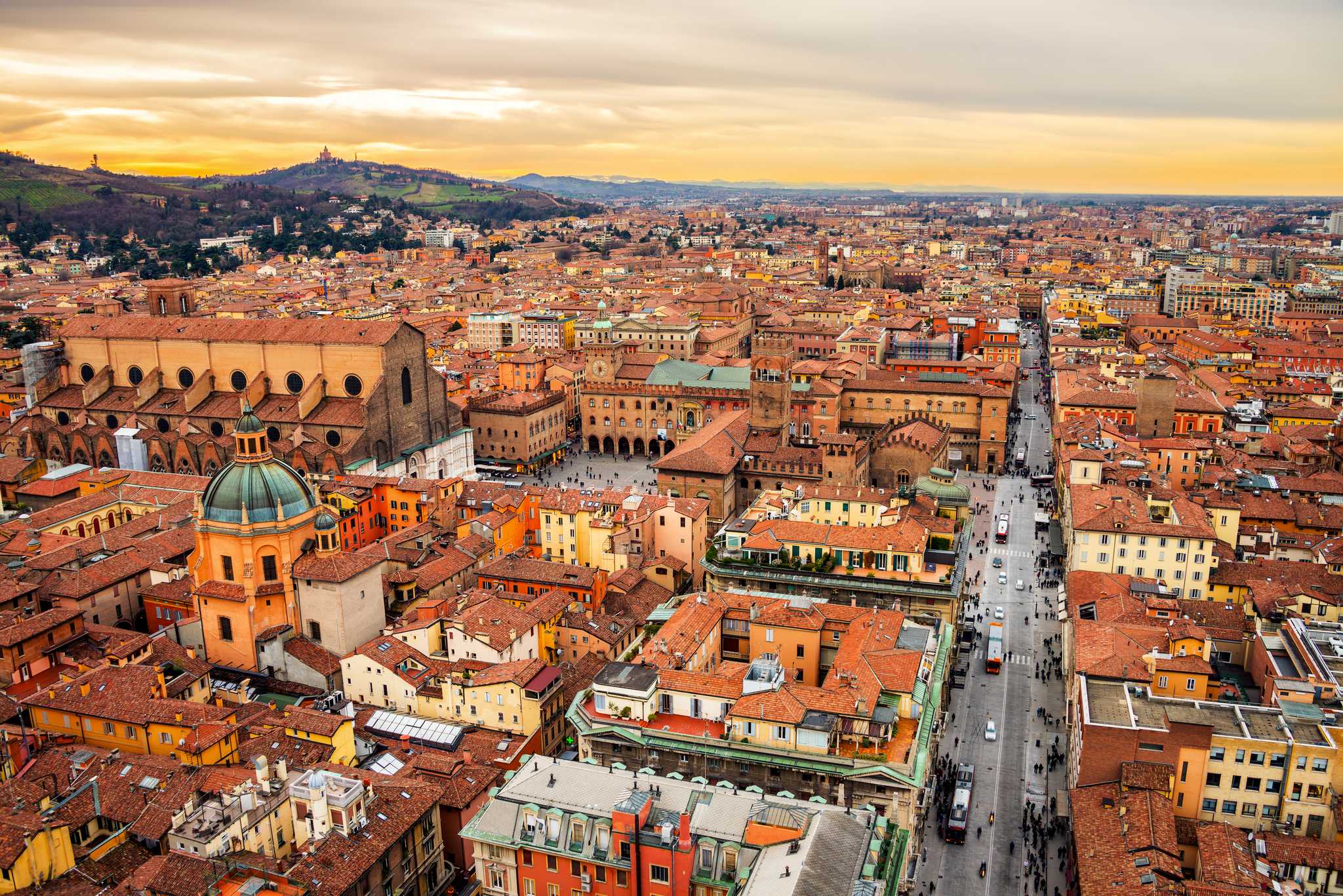
Bologna
Taste your way through Italy’s culinary capital, Bologna; Come in spring or fall for mild weather and uncrowded food markets.
- Sample dishes born here, like Tortellini and Tagliatelle al Ragù
- See Neptune’s Fountain and San Petronio Basilica in the main square
- Stop at Osteria del Sole, a centuries-old neighborhood wine bar
- Explore food markets like the Quadrilatero and Mercato delle Erbe
- Follow the covered Portico di San Luca for hilltop views
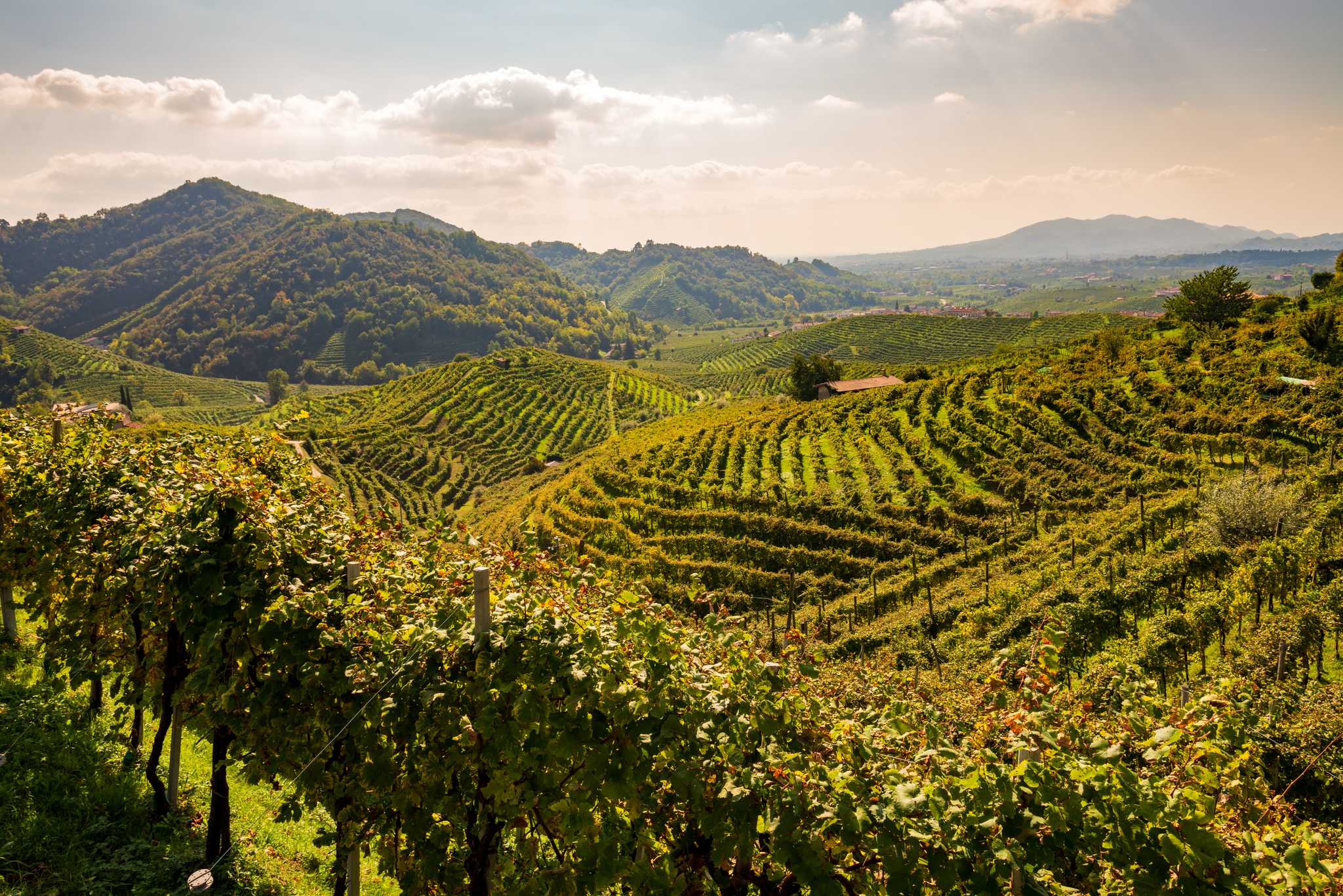
Prosecco Hills
Follow the scenic roads through traditional vineyards and family-run estates in the Prosecco Hills.
- Witness the harvest season in September; pair wine with fall produce
- Explore Conegliano’s hilltop castle and the School of Winemaking
- Visit Valdobbiadene (“Prosecco Capital”) for estate tours and tastings
- Stop at a self-serve hillside prosecco bar, Osteria Senz’Oste
- Wander quiet villages like Follina; See the Abbey of Santa Maria
- Try local Sopressa, a garlic-infused salami that’s soft and spicy
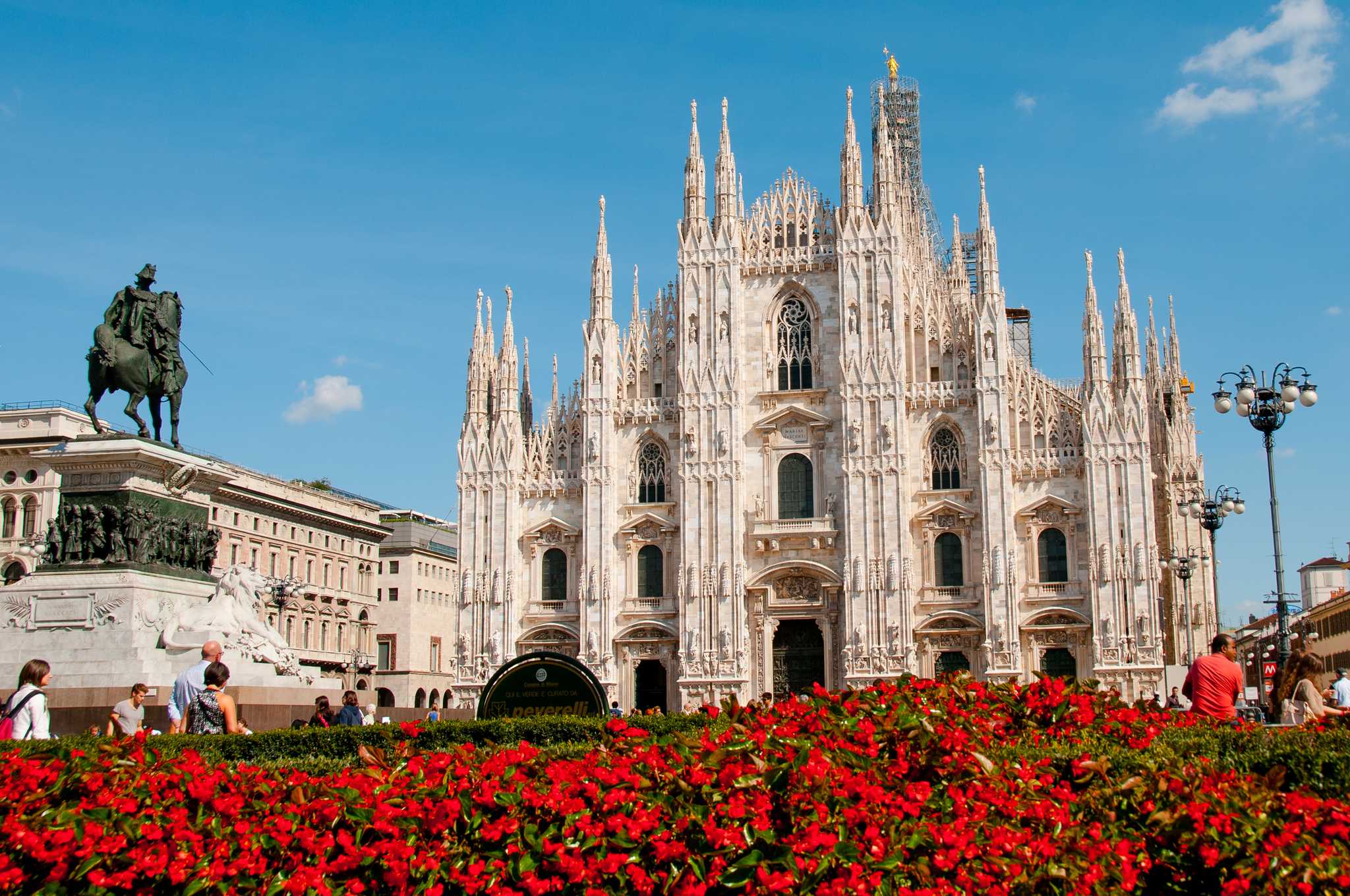
Milan
Take a cultural excursion to Milan for high-end fashion, iconic art, and impressive landmarks - expect price and crowd spikes during Design Week in April and Fashion Week in September.
- See da Vinci’s The Last Supper in Santa Maria delle Grazie
- Visit the main square for the massive, Gothic Duomo di Milano
- Browse luxury stores in the glass-roofed Galleria Vittorio Emanuele II
- Stop in the museum of musical history at Teatro alla Scala
- Sip on a negroni sbagliato made with prosecco, the city’s invention
- Taste creamy, saffron-infused Risotto alla Milanese
Central Italy
Visit some of the country’s best-known cities in Central Italy. Richly historic and slower in pace than the north, it is a solid choice for first-time visitors.
Here, vineyards and sunny terraces fill the rolling hills and valleys of the Apennine Mountains. This area was the heart of the Roman Empire and the Renaissance. In Lazio, visit Rome for ancient ruins and the world-renowned art of Vatican City. See Tuscany for its wine-making tradition and Florence’s Renaissance masterpieces.
Where to go in Central Italy
Travel in Central Italy revolves around crowds and climate. Favor Umbria for quieter towns like Assisi in the hottest, busiest months; save heavy-hitters like Rome and Florence for the cooler shoulder seasons. Prioritize a home base that reflects your main interest (like food experiences or ancient history).
Travel in Central Italy revolves around crowds and climate. Favor Umbria for quieter towns like Assisi in the hottest, busiest months; save heavy-hitters like Rome and Florence for the cooler shoulder seasons. Prioritize a home base that reflects your main interest (like food experien...
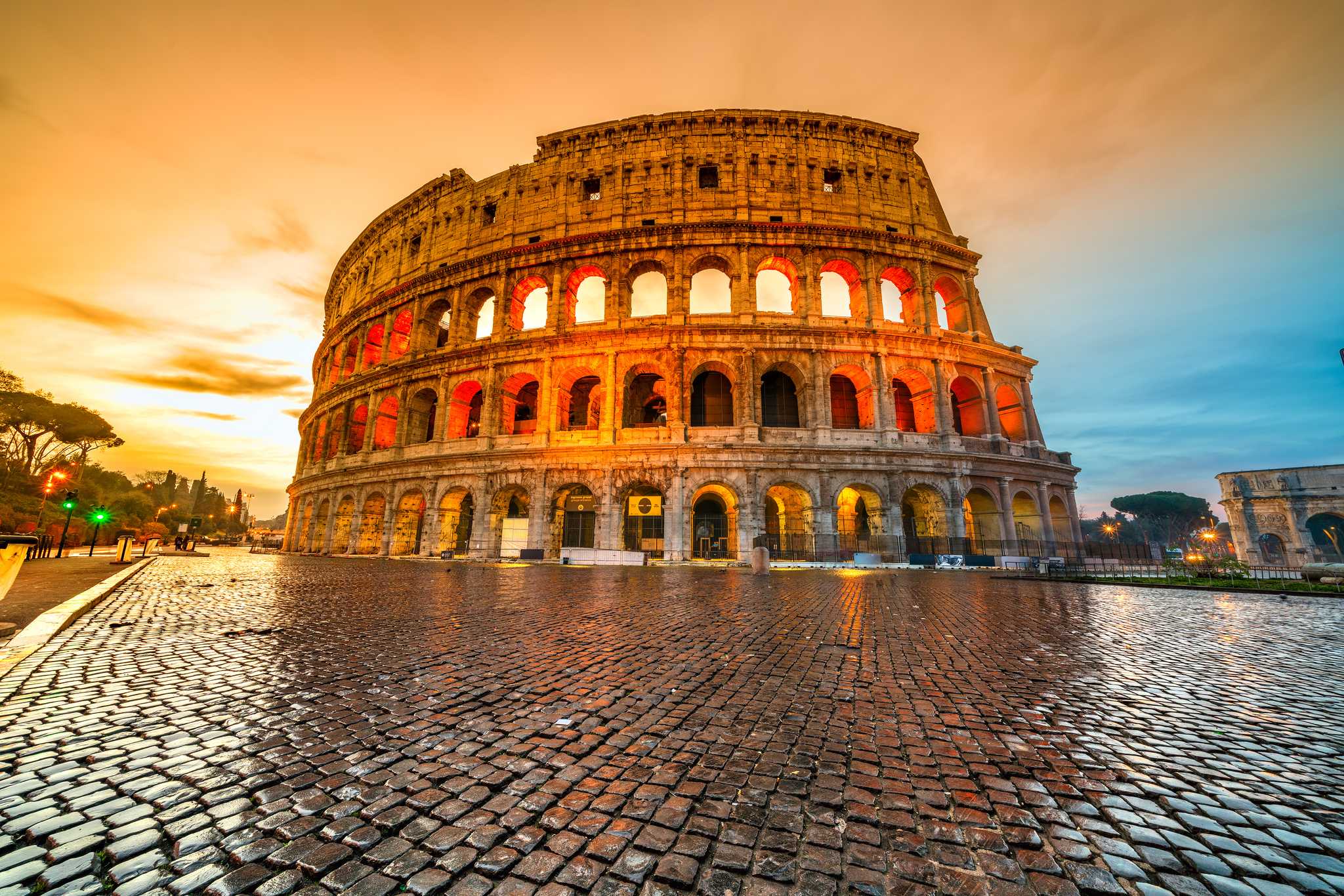
Rome and Vatican City
Step back in time at Rome’s ancient sites, and marvel at the world-famous art of the Vatican. Come in the spring or fall for lower temperatures, prices, and crowds. December visits are chilly but uniquely festive.
- Walk in the footsteps of gladiators at The Colosseum
- Explore the ruins of the Roman Forum and the temples of Palatine Hill
- Visit the Vatican’s Sistine Chapel for Michelangelo’s iconic ceiling
- Sample classic Roman dishes like creamy carbonara pasta
- Head to the Villa Borghese to stroll the gardens or row on the pond
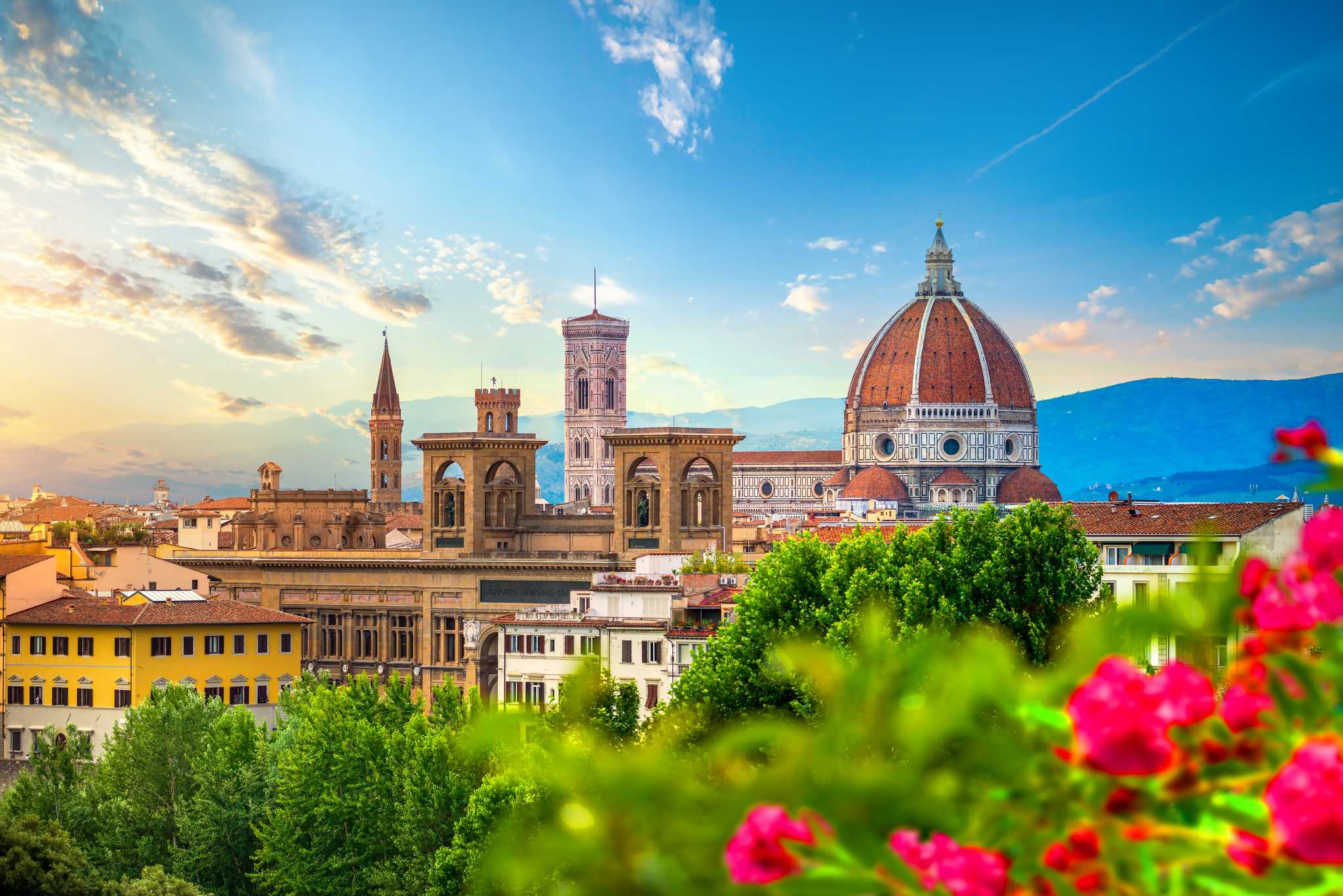
Florence
Dive into the Renaissance in Tuscany’s capital, especially charming in the fall when nearby wine festivals are in full swing.
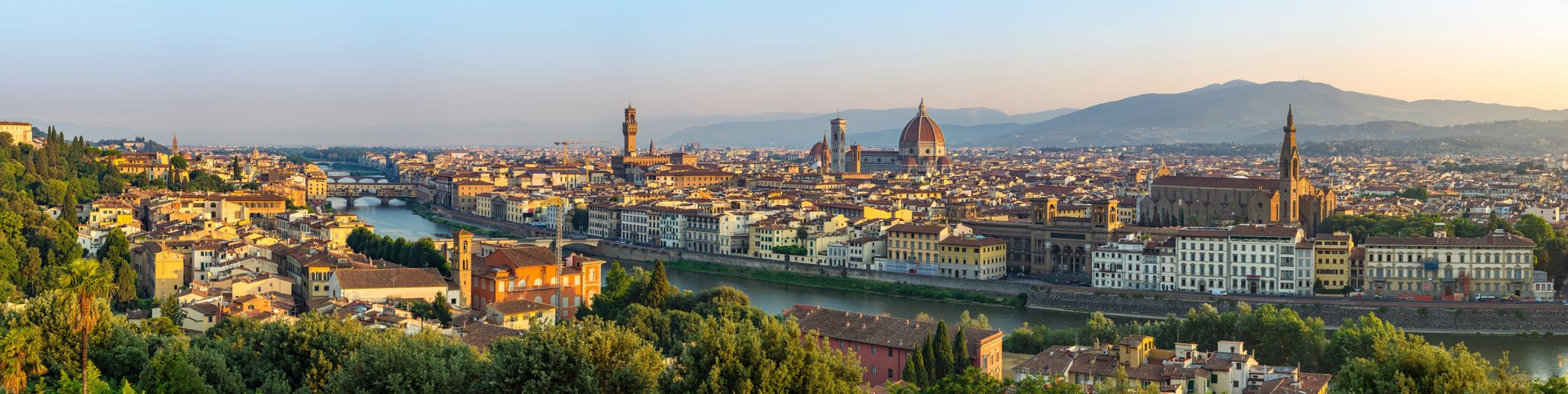
- Tour the Duomo, its massive red dome dominating the skyline
- See the Uffizi Gallery’s collection of Renaissance masterpieces
- Visit Michelangelo’s “David” in the Accademia Gallery
- Enjoy panoramic views from the Piazzale Michelangelo, best at sunset
- Sip on Chianti wines and try local Schiacciata (flatbread with salami)
- Dip almond cookies into dessert wine, called Cantuccini con Vin Santo
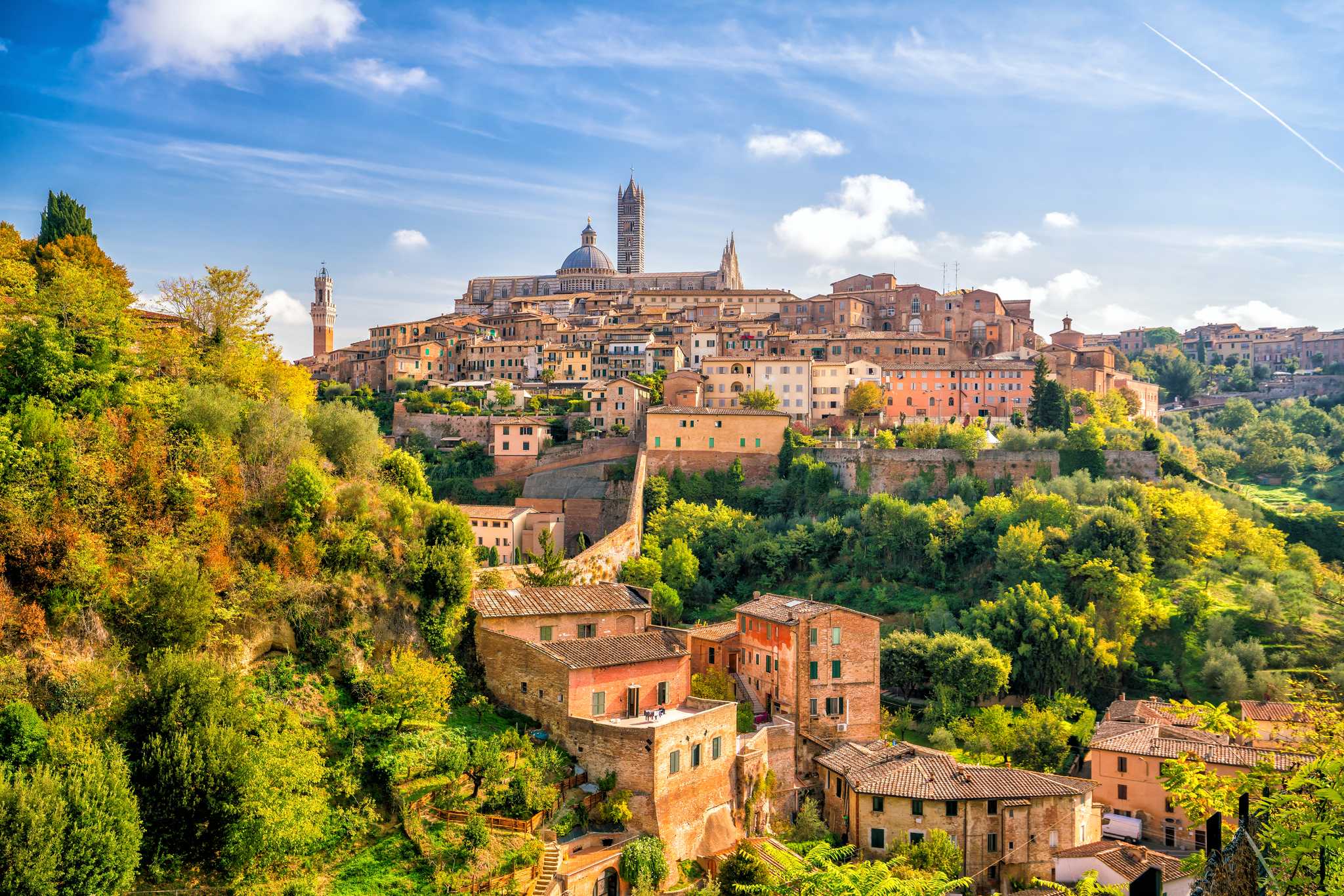
Siena
Enjoy walkable, medieval Siena, offering a quieter Tuscan experience than Florence.
- Start in the central square, the shell-shaped Piazza del Campo
- See the intricate mosaics, frescoes, and marble details of the Duomo
- Climb Torre del Mangia for views across the surrounding rolling hills
- Explore the tunnels and chapels of the Santa Maria della Scala
- Taste Pici Pasta, thick noodles served with wild boar or garlic sauce
- Try the dense spiced fruit cake, panforte
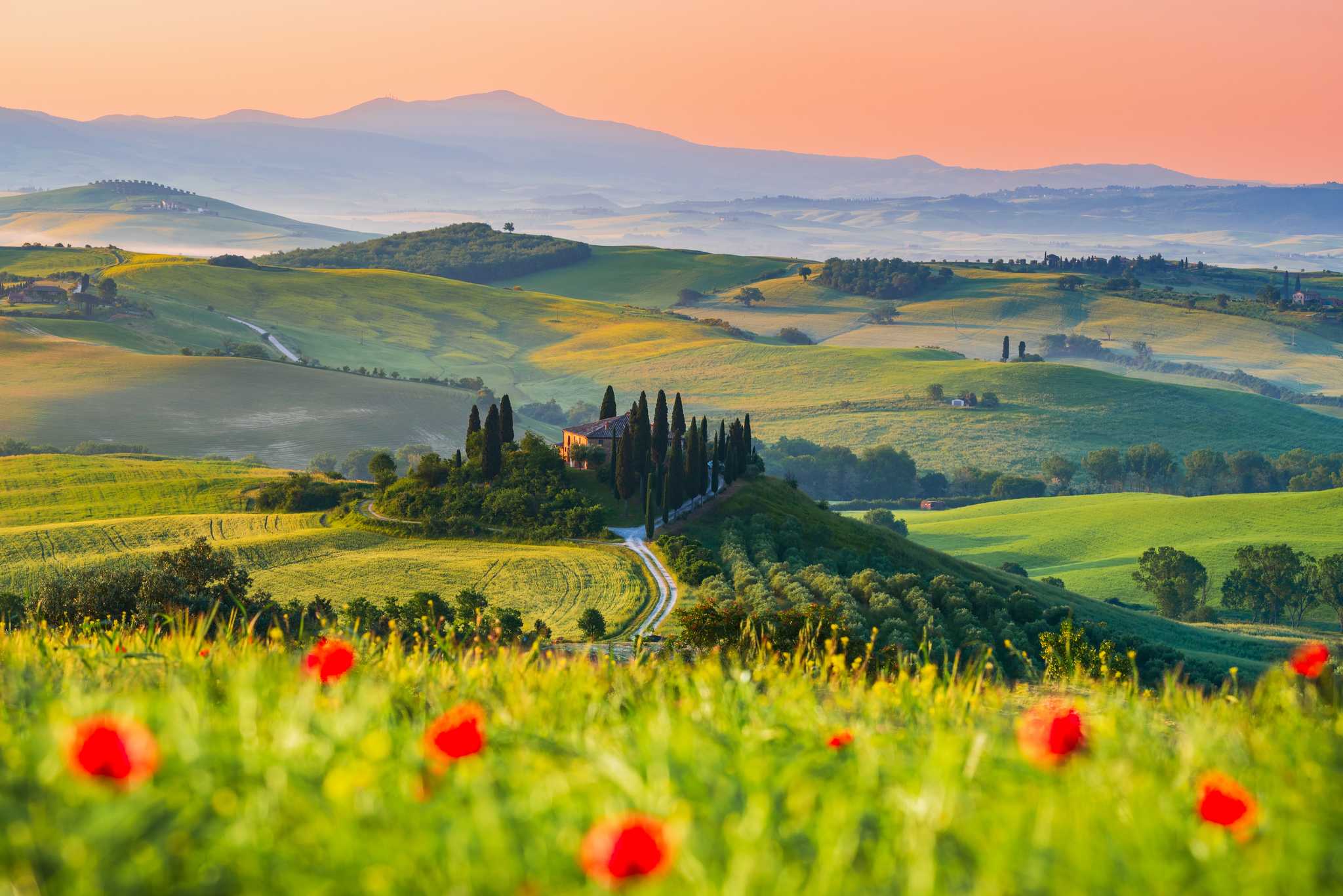
Val d’Orcia
Unwind among the vineyards and historic villages of Val d’Orcia, a southern Tuscan valley. September is peak season here; consider an October visit for quieter tastings and tours.
- Visit Pienza for its Renaissance architecture and Pecorino cheese
- See Montalcino’s fortified walls and sip Brunello di Montalcino
- Head to Montepulciano’s palaces and drink Montepulciano d'Abruzzo
- Explore Bagno Vignoni’s unique thermal pool town square
- Tour Castello Banfi, a high-end wine estate in a castle
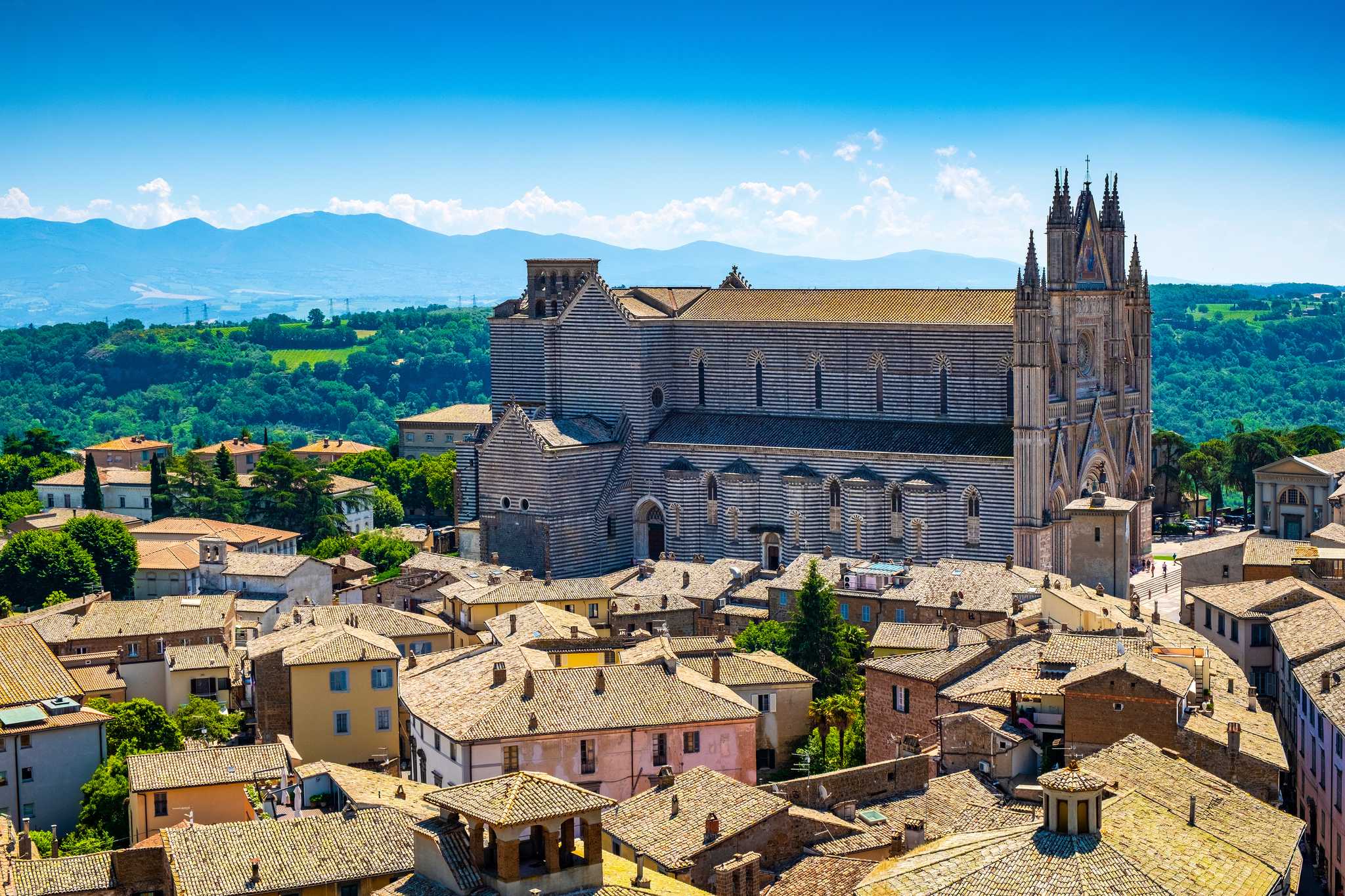
Orvieto
Visit this hilltop town for its Gothic cathedral, mysterious cave system, and handmade ceramics. Avoid crowds in April, or come in late May or June to see a costumed festival from medieval times.
- See the golden mosaics of the Duomo di Orvieto
- Admire the dual staircase of St. Patrick’s Well
- Sip on Orvieto Classico, a crisp white available in local enotecas
- Shop for bright pottery crafted by local artisans
- Soak up views of the Umbrian hillscape from Torre del Moro
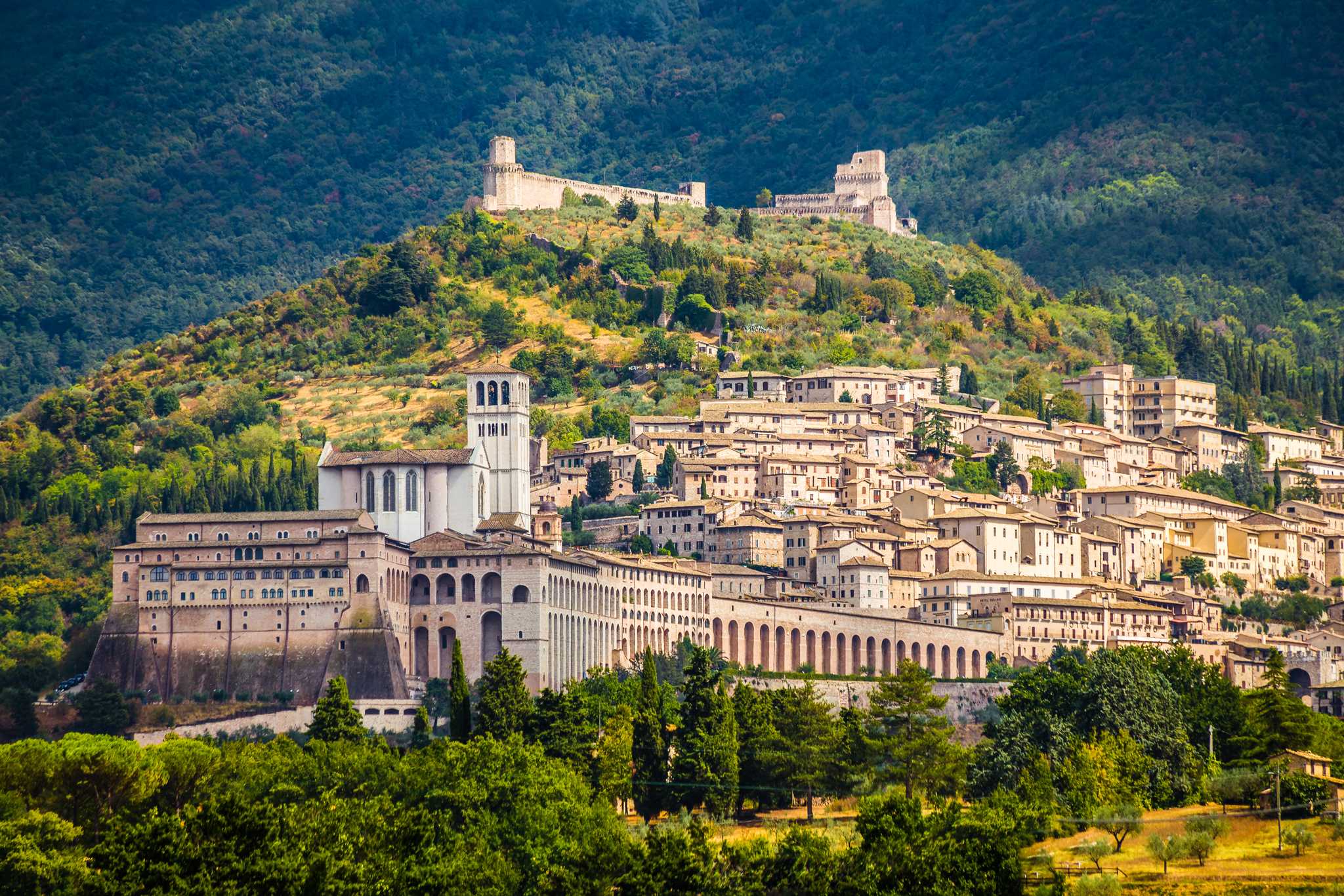
Assisi
Explore the quaint birthplace of St. Francis, packed with religious art and home to a medieval castle. Flowers bloom in April, and the “Calendimaggio” festival celebrates the return of spring in early May.
- See the huge Basilica of St. Francis, containing his tomb
- Admire the stonework of the Cathedral of San Rufino, the main church
- Hike up to the Rocca Maggiore castle for panoramic valley views
- People-watch in the Piazza del Comune and see an ancient church
- Eat dishes flavored with black truffles, harvested in the fall
Southern Italy
Explore Southern Italy for its dramatic coastlines and volcanic roots.
This part of Italy was once colonized by the Greeks, an influence still evident in the remarkably preserved Greek temples and local dialect (especially place names). Here, life is family-centered and lived slowly. Key regions include Campania, Puglia, Calabria, Basilicata, and the islands of Sicily and Sardinia.
Where to go in Southern Italy
See popular Campania and one other region for a balanced trip. Campania spans from towering Mount Vesuvius to the Amalfi Coast and houses Naples, a convenient home base. Head to Sicily in early summer for Greek ruins and pristine beaches. Visit Puglia for coastal beauty and the fall olive harvest.
See popular Campania and one other region for a balanced trip. Campania spans from towering Mount Vesuvius to the Amalfi Coast and houses Naples, a convenient home base. Head to Sicily in early summer for Greek ruins and pristine beaches. Visit Puglia for coastal beauty and the fall o...
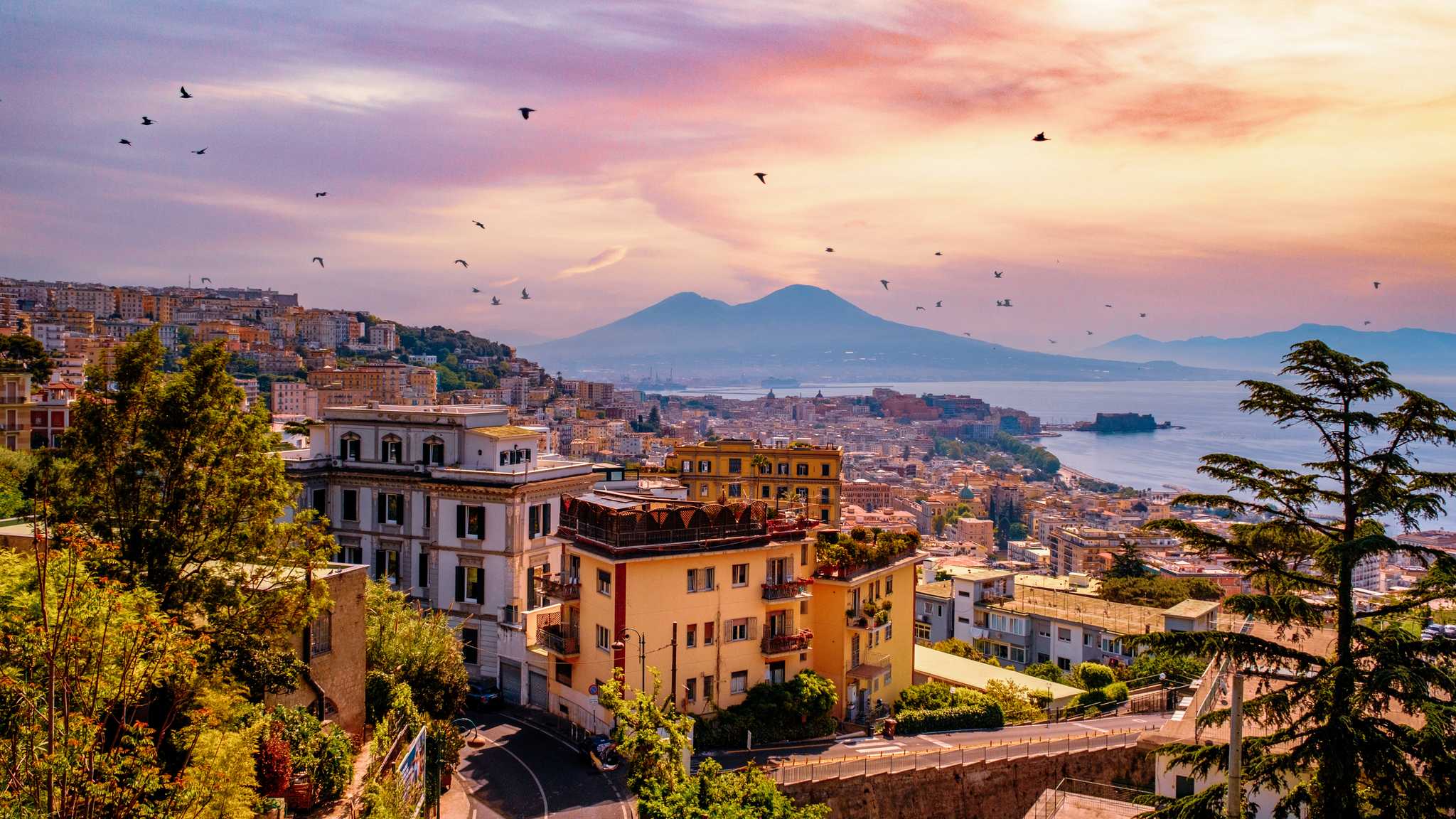
Naples
Embrace the bustling energy of Naples. Classic Italian street food, massive museums, and gulf views await visitors. March offers a quiet experience, but anticipate some rain showers.
- See the artifact collections of the National Archaeological Museum
- Eat a classic Neapolitan pizza, invented here
- Uncover the city’s secrets in ancient Roman Naples Underground
- Stroll the old town’s main street, the Spaccanapoli
- Visit the Duomo, the main church, with a relic of St. Gennaro
- Head to the hilltop fortress, Castel Sant'Elmo, for bay views
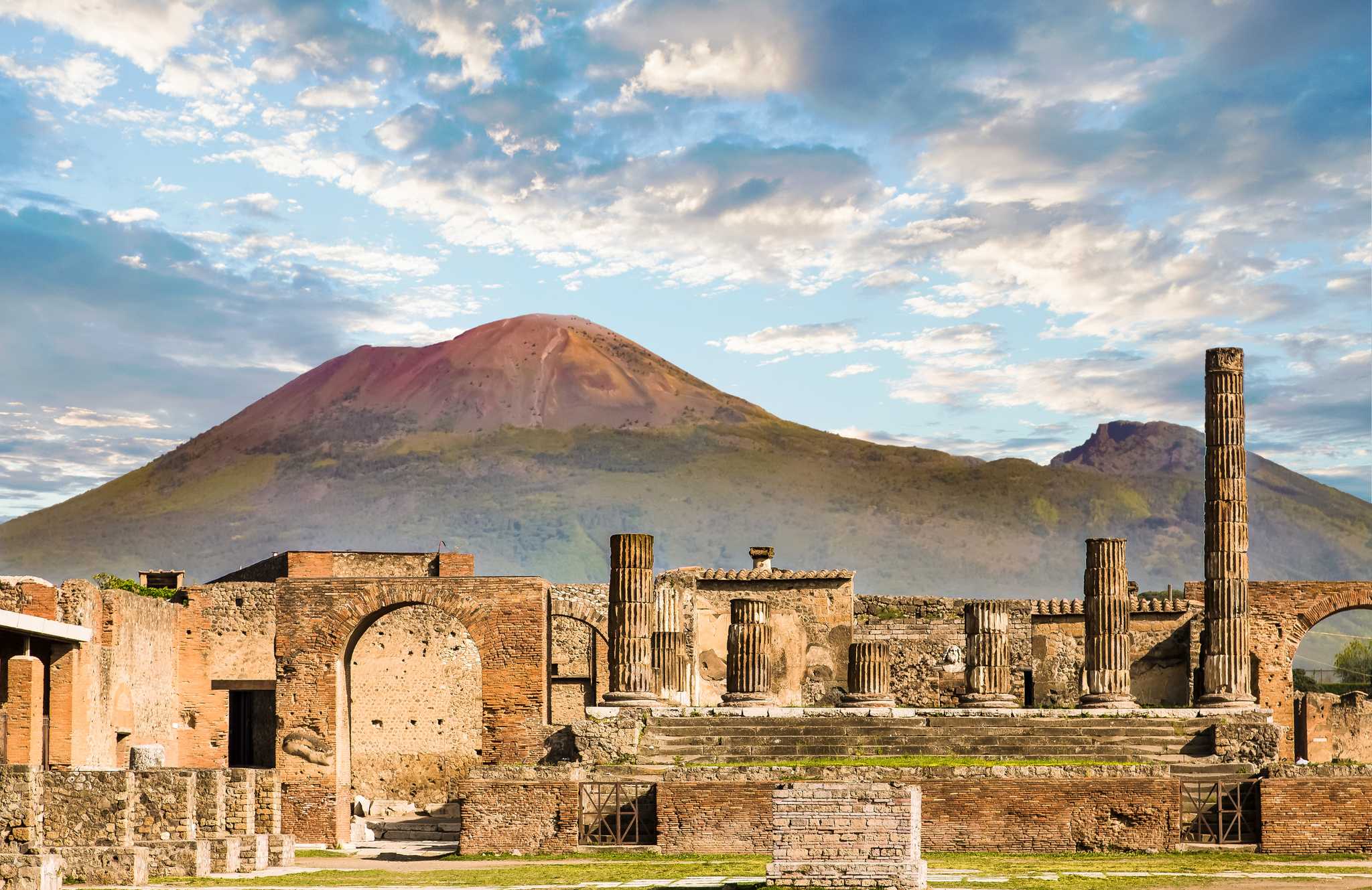
Pompeii
See the ruins of this city that the eruption of Mt. Vesuvius froze in time. In the crowded summer months, choose the Herculaneum ruins instead for a quieter alternative.
- Walk the central forum with standing columns and volcano views
- Visit the amphitheater, one of the oldest of its kind, from 70 BC
- Admire the preserved frescoes in the House of the Vettii
- Marvel at the art and inventive heating systems in the Stabian Baths
- Try Lacryma Christi, produced from grapes grown on nearby Vesuvius
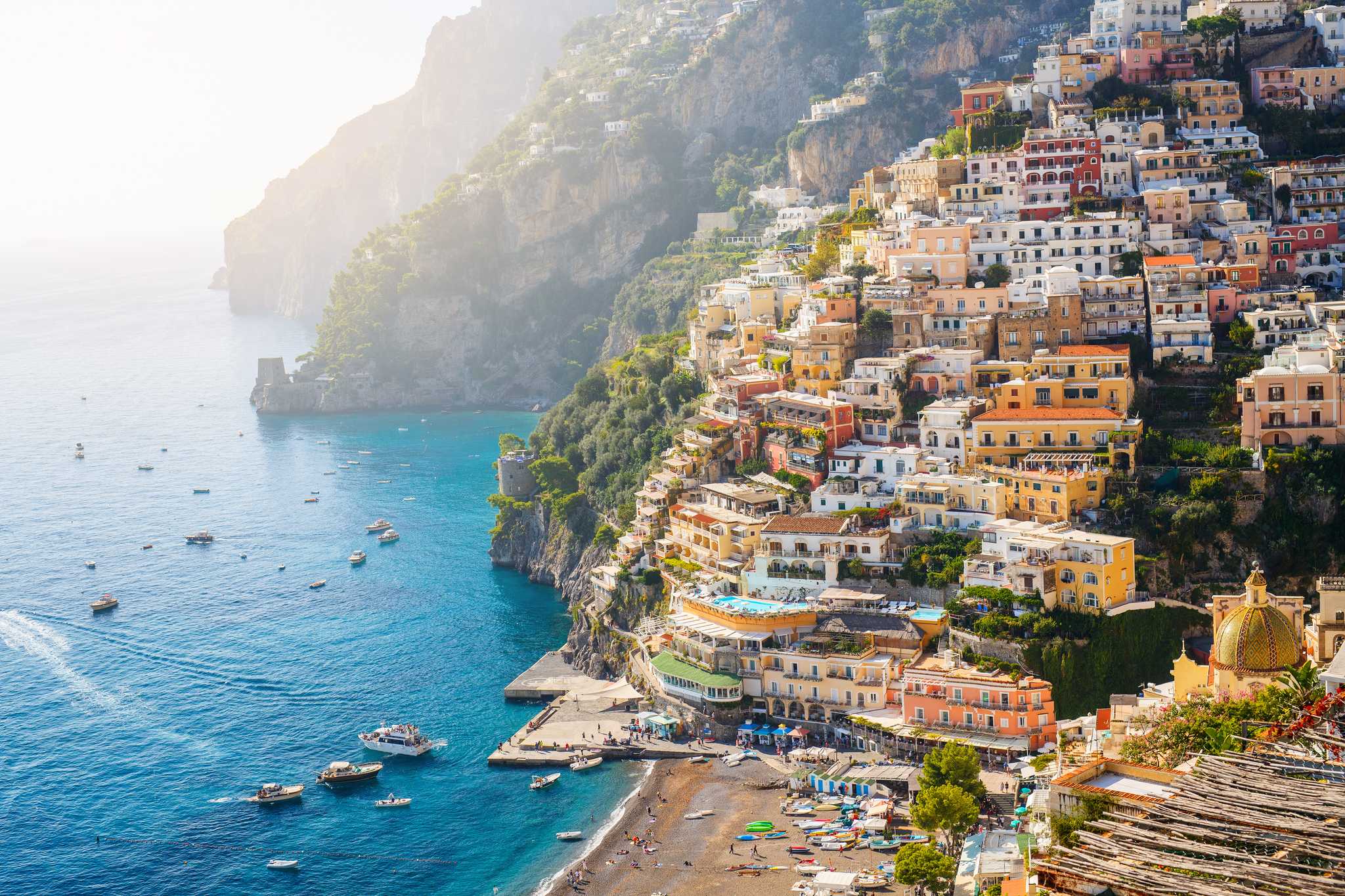
The Amalfi Coast
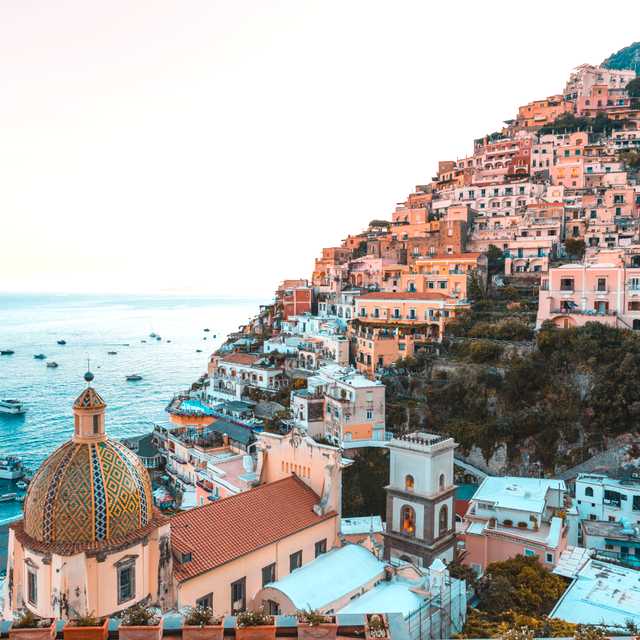
Find colorful villas and dramatic cliff views in the towns dotting the Amalfi Coast. Come in September or early October for still-warm water and milder weather than the peak summer months.
- See the pastel homes of Positano, and sunbathe at Spiaggia Grande
- Visit the Duomo di Sant’Andrea in historic Amalfi Town
- Wander the hanging gardens of Ravello and explore villa grounds
- Hike the cliffside “path of the gods” from Bomerano to Nocelle
- Dig into fresh clams with garlicky pasta (Spaghetti alle Vongole)
- Sip on the region’s famous Limoncello, a bright and sweet digestif
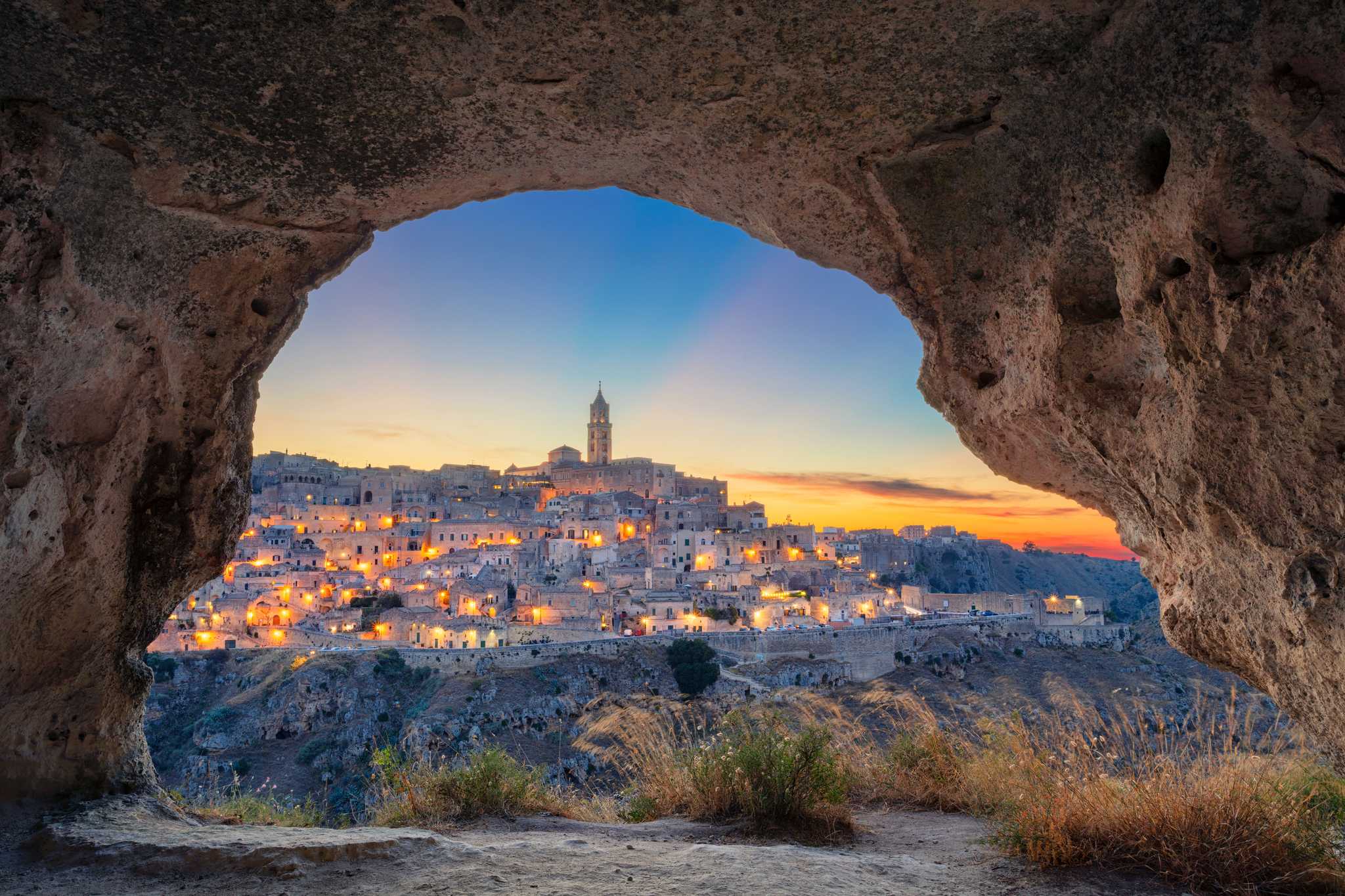
Matera
Find one of the world’s oldest cave cities in Matera. Arrive in December for a “Living Nativity” event, or in spring for pleasant hiking weather.
- See the two ancient cave-dwelling neighborhoods
- Visit the furnished cave house, Casa Grotto di Civo Solitario
- Tour stunning rock churches like Santa Maria di Idris
- Take in the view at Belvedere di Piazza Giovanni Pascoli
- Try Fave e Cicorie, a creamy fava bean and chicory puree
- Eat at one of the cave restaurants, like La Lopa
Bari
Explore medieval sites and taste Puglia’s favorite flavors in coastal Bari. Come in May or early June before the bulk of travelers arrive.
- Stroll the winding medieval alleys of Bari Vecchia
- Watch local women shape pasta on Strada Arco Basso
- Wander the stone walls of Castello Normanno-Svevo
- See the Romanesque Basilica di San Nicola, a key pilgrimage site
- Eat Baresi Focaccia, crispy and fluffy, topped with tomatoes or olives
Sicily
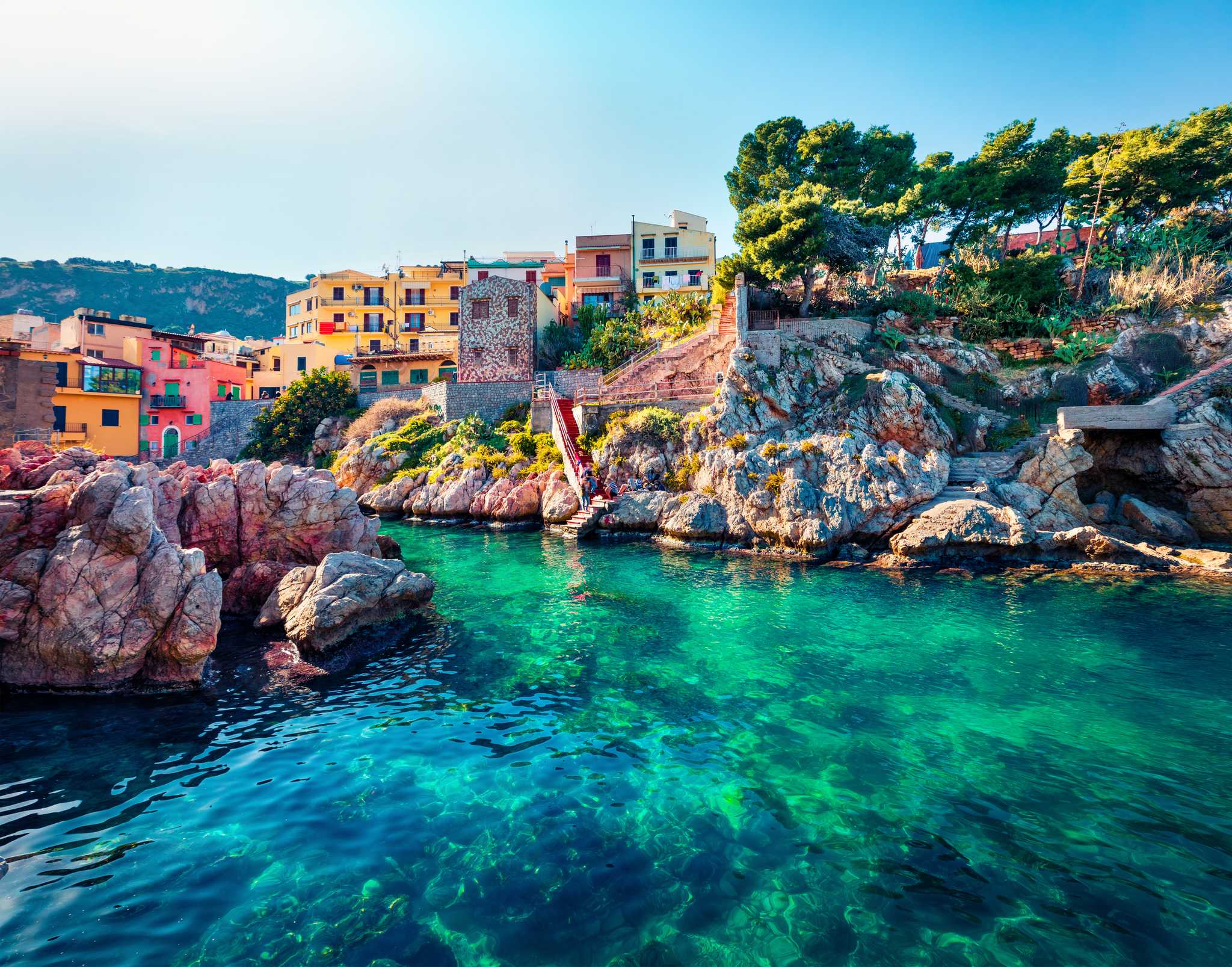
Soak up the sun in Sicily, popular among beachgoers. Visit in the spring and fall to avoid crowds, or during summer, try the remote islands and interior towns.
- See Mount Etna, the tallest active volcano in Europe
- Explore Palermo’s busy food markets and pedestrian squares
- Enjoy the family-friendly beach of San Vito Lo Capo
- Find otherworldly beauty at Scala dei Turchi, giant limestone cliffs
- Visit the Valley of the Temples in Agrigento for ancient Greek ruins
- Snack on arancini (fried risotto balls) and classic cannoli
How we'd travel Italy
Classic first trip - 7 days
See iconic Rome, Florence and Venice in one week, stopping at Orvieto and Bologna en route for the perfect introduction to Italy.
Rome (3 days) > Orvieto (2h stop) > Florence (2 days) > Bologna (2h stop) > Venice (2 days)
Weekend getaway - 3 days
Escape to Liguria and spend a long weekend on the Italian Riviera. Start in Genoa and stay in Monterosso al Mare and La Spezia.
Genoa (1 day) > Monterosso al Mare (1 day) > La Spezia (1 day)
Food circuit - 10 days
Deep dive into Emilian cuisine on this 10-day trip. Stay in the food capitals of Bologna, Modena, Ferrara, and Parma, with culinary sightseeing on the way.
Bologna (2 days) > Parmigiano (day trip from Bologna ) > Castelfranco Emilia (2h stop) > Modena (2 days) > Ferrara (2 days) > Reggio Emilia (1 day) > Parma (2 days)
Wine route - 1 week
Sip your way through Italy’s winemaking tradition on this week-long retreat. Stay in Florence, Greve, and Montepulciano, savoring classic Chianti wines.
Florence (2 days) > Greve in Chianti (2 days) > Antinori nel Chianti Classico (2h stop) > Pienza (2 days) > Montepulciano (3h stop) > Avignonesi winery (2h stop) > Florence (1 day)
Slow travel - 2 weeks
Relax in the Piedmont and Umbria regions of Italy on this slow 2-week trip. Arrive in Milan and stay in Turin, Alba, Bologna, and Orvieto, and leave from Rome.
Milan (1 day) > Turin (3 days) > Alba (3 days) > Bologna (3 days) > Orvieto (3 days) > Rome (1 day)
Families - 10 days
Spend 10 days exploring Northern Italy with the whole family. See Milan, Lake Garda, the Dolomites, and Venice at a relaxed pace.
Milan (2 day) > Bergamo (2h stop) > Lake Garda (3 days) > Ortisei (3 days) > Venice (2 days)
Ancient Italy - 2 weeks
Follow ancient footsteps on this 2-week tour of some of Italy’s oldest sites. Stay in Rome, Naples, Paestum, Matera, and Caserta, with day trips to historic sites throughout.
Rome (3 days) > Ostia Antica (1 day, stay in Rome) > Naples (1 day)> Herculaneum and Vesuvius (day trip from Naples) > Pompeii (day trip from Naples) > Paestum (2 days) > Matera (2 days) > Capua (4h stop) > Caserta (1 day) > Rome (1 day)
Off season grand tour - 3 weeks
Cover a lot of ground on this 3-week tour built for the spring or fall, seeing as much of Italy as possible when crowds and prices are down. Work your way from north to south.
Milan (2 days) > Varenna, Lake Como (2 days) > Cortina d’Ampezzo (2 days) > Venice (2 days) > Verona (4h stop) > Florence (3 days) > Pienza (2 days) > Naples (3 days) > Pompeii (4h stop) > Sorrento (2 days) > Rome (3 days)
Our recommended routes in Italy
Rome to Florence
3h 1min • 272km (169.0mi)
From €587
Florence to Venice
2h 58min • 270km (167.8mi)
From €538
Genoa to Monterosso al Mare
1h 25min • 89km (55.3mi)
From €294
Florence to Pienza
1h 38min • 115km (71.5mi)
From €366
Pienza to Florence
1h 38min • 115km (71.5mi)
From €366
Bologna to Modena
50min • 44km (27.3mi)
From €350
Modena to Parma
52min • 62km (38.5mi)
From €355
Milan to Turin
1h 51min • 143km (88.9mi)
From €312
Turin to Bologna
3h 33min • 332km (206.3mi)
From €655
Bologna to Orvieto
3h 6min • 270km (167.8mi)
From €709
Orvieto to Rome
1h 35min • 122km (75.8mi)
From €289
Naples to Matera
2h 54min • 257km (159.7mi)
From €450
Our favorite day trips in Italy
Amalfi Coast Essentials: Private day trip from Sorrento
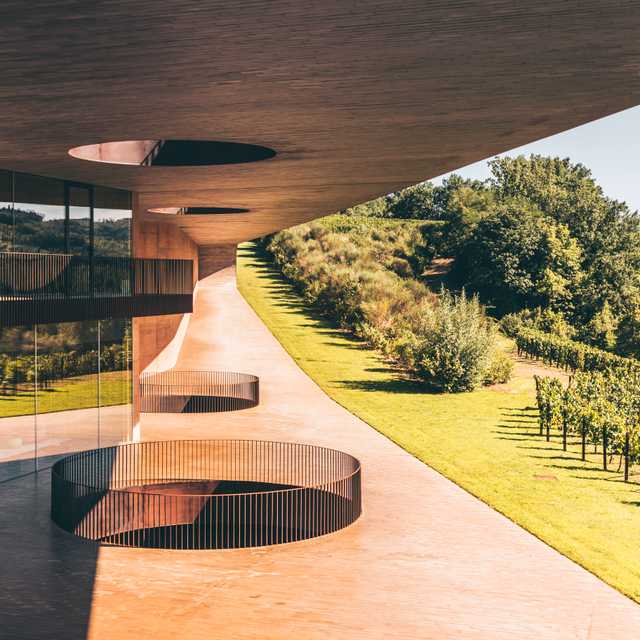
Florence to Antinori nel Chianti Classico: Private day trip
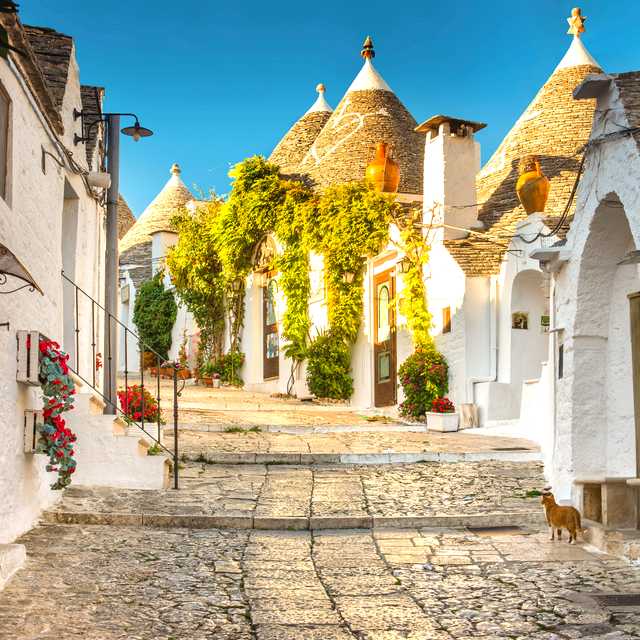
Matera to Alberobello: Private day trip
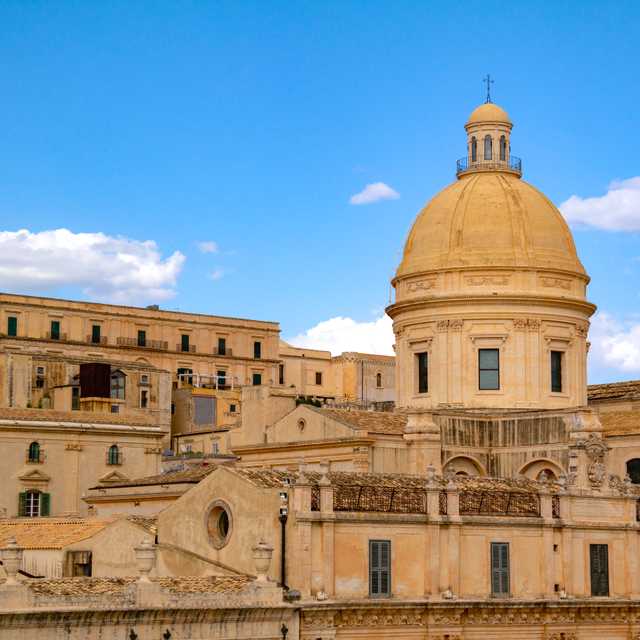
Sicily's White Lotus locations: Day trip from Catania

Benevento to Irpinia wine region: Private day trip
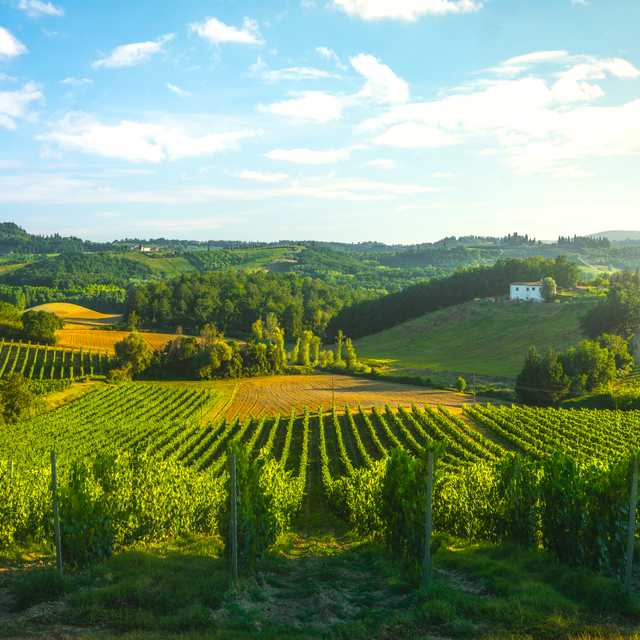
Siena to San Gimignano: Private day trip
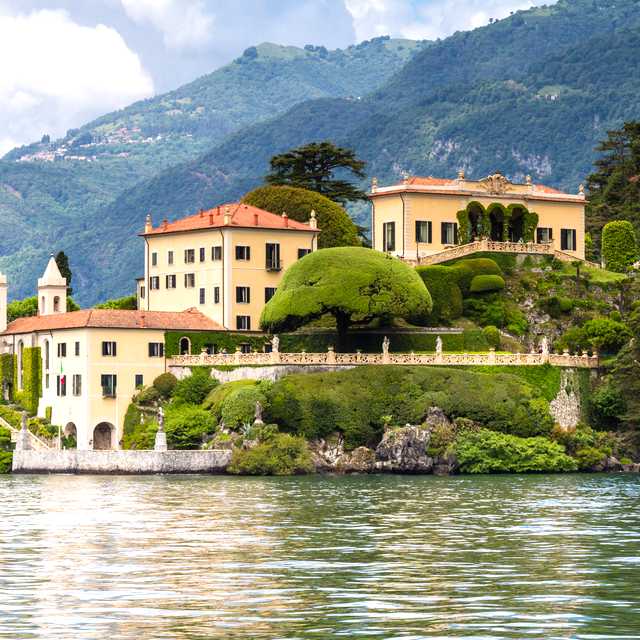
Bellagio to Como and Villa del Balbianello: Private day trip
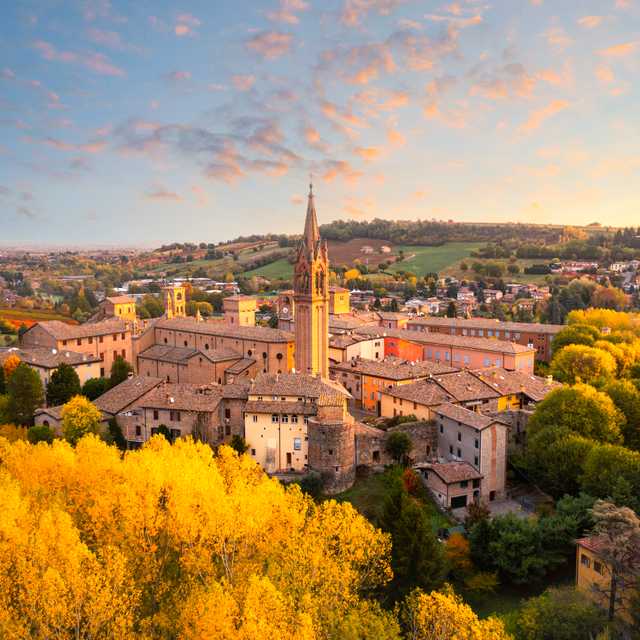
Bologna to the Ferrari sites: Private day trip
2+ million travelers like you. Moments they'll never forget.

Your Italy questions, answered

About the author
Morgan Carpenter is a US-based travel writer whose favorite parts of Italy are Tuscany and the Italian Riviera. Quiet Lucca and Pitigliano are her top picks for underrated Tuscan towns.
Be the first to discover more
Get handpicked travel ideas, insider highlights, and special Daytrip offers.


