Daytrip's guide to Campania

By Ján Tompkins
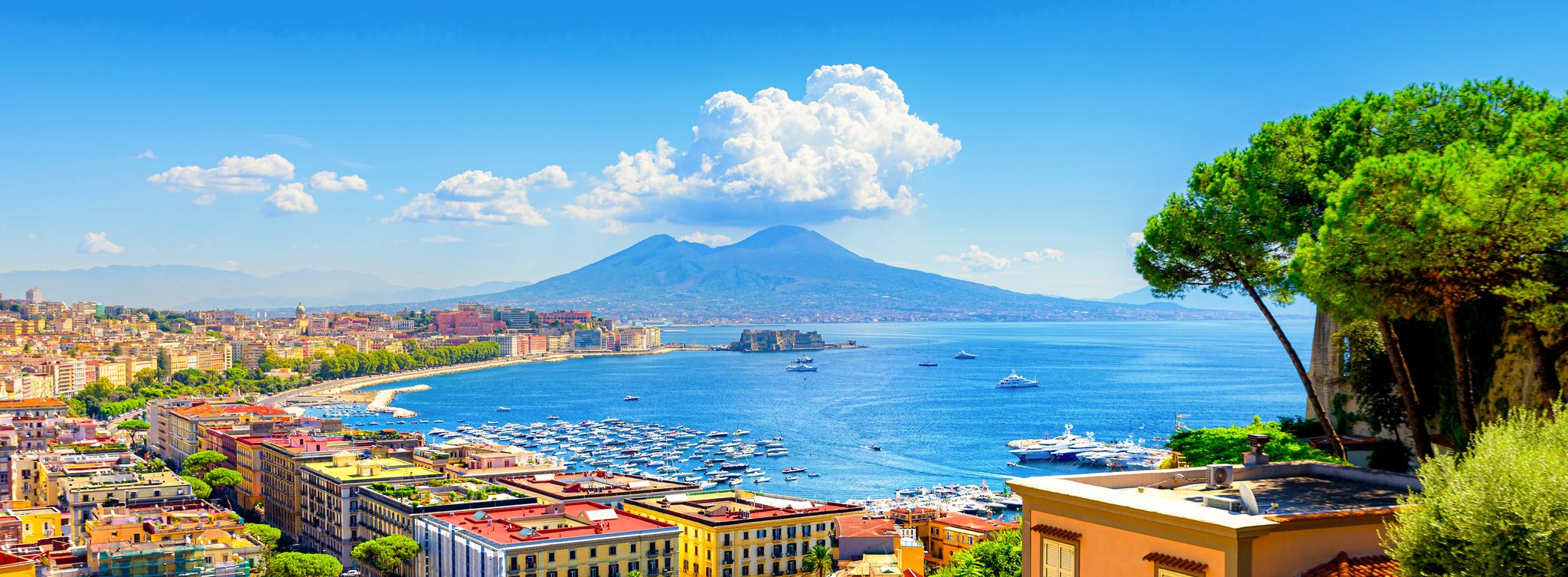
Campania is what people picture when they think of southern Italy, though most only see a fraction of it. The region gathers around the Bay of Naples, with Vesuvius on the skyline and the Amalfi Coast curling south toward Salerno. That coast draws the crowds, but Campania runs much deeper, reaching inland to Benevento and down to the near-empty shore of Cilento.
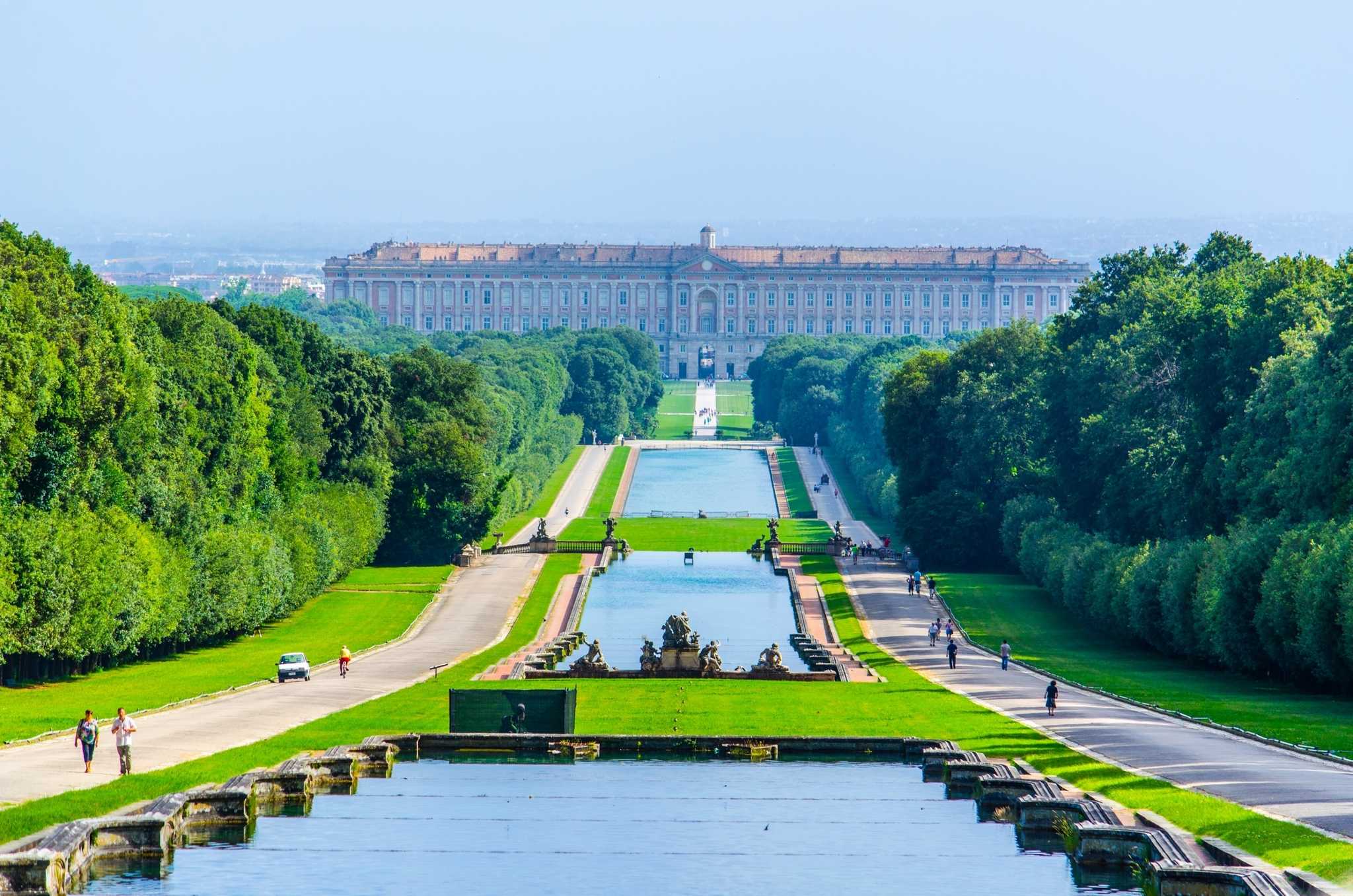
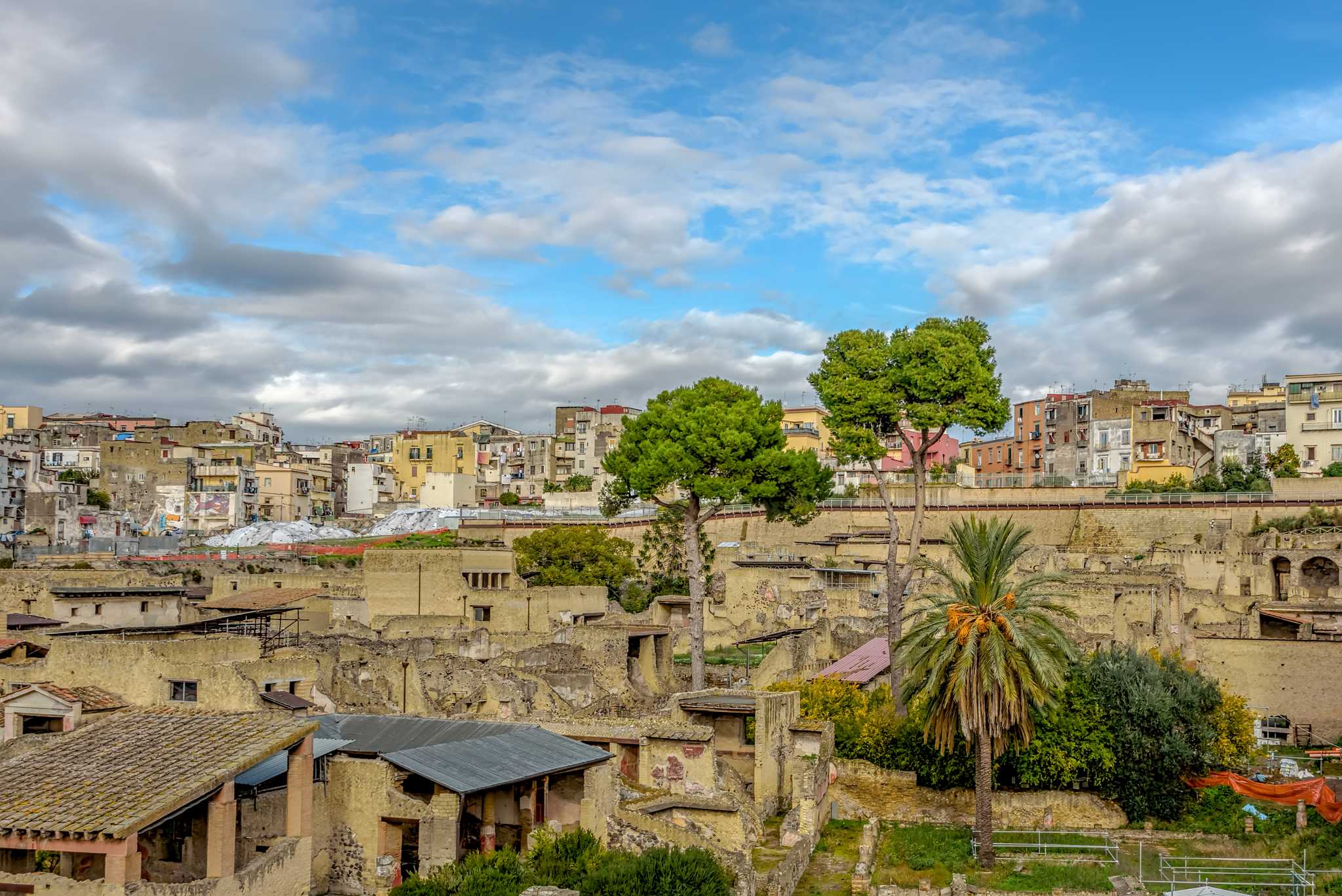
Its past is layered thick. Long before Rome, Greek colonists founded Neapolis, the "new city" at the root of modern Naples, and built the temples that still stand at Paestum. Rome followed, and in 79 AD Vesuvius buried a line of towns: Pompeii, Herculaneum at today's Ercolano, and Stabiae under what is now Castellammare di Stabia. Later the Bourbons made Naples a royal capital and built the palace at Caserta to match Versailles. Little wonder the region holds one of Italy's greatest concentrations of UNESCO World Heritage sites.
The pleasure is in the range. Naples rewards anyone willing to meet it head-on. Capri, Ischia, and Procida each feel like separate worlds a short hop offshore. The hills of Irpinia pour serious Aglianico reds where few visitors go. Plus, since the marquee sites overflow in summer, a car lets you slip between them at your own pace, stopping for pizza, mozzarella, and the volcanic-soil tomatoes that anchor the table.
Main airports:
- Naples International Airport (NAP)
- Salerno Costa d'Amalfi Airport (QSR)
Campania in brief
Regional capital
Naples
Language
Italian, Neapolitan
Currency
Euro (€)
Time zone
CET (UTC+1) / CEST (UTC+2) in the summer
Our favourite cities in Campania
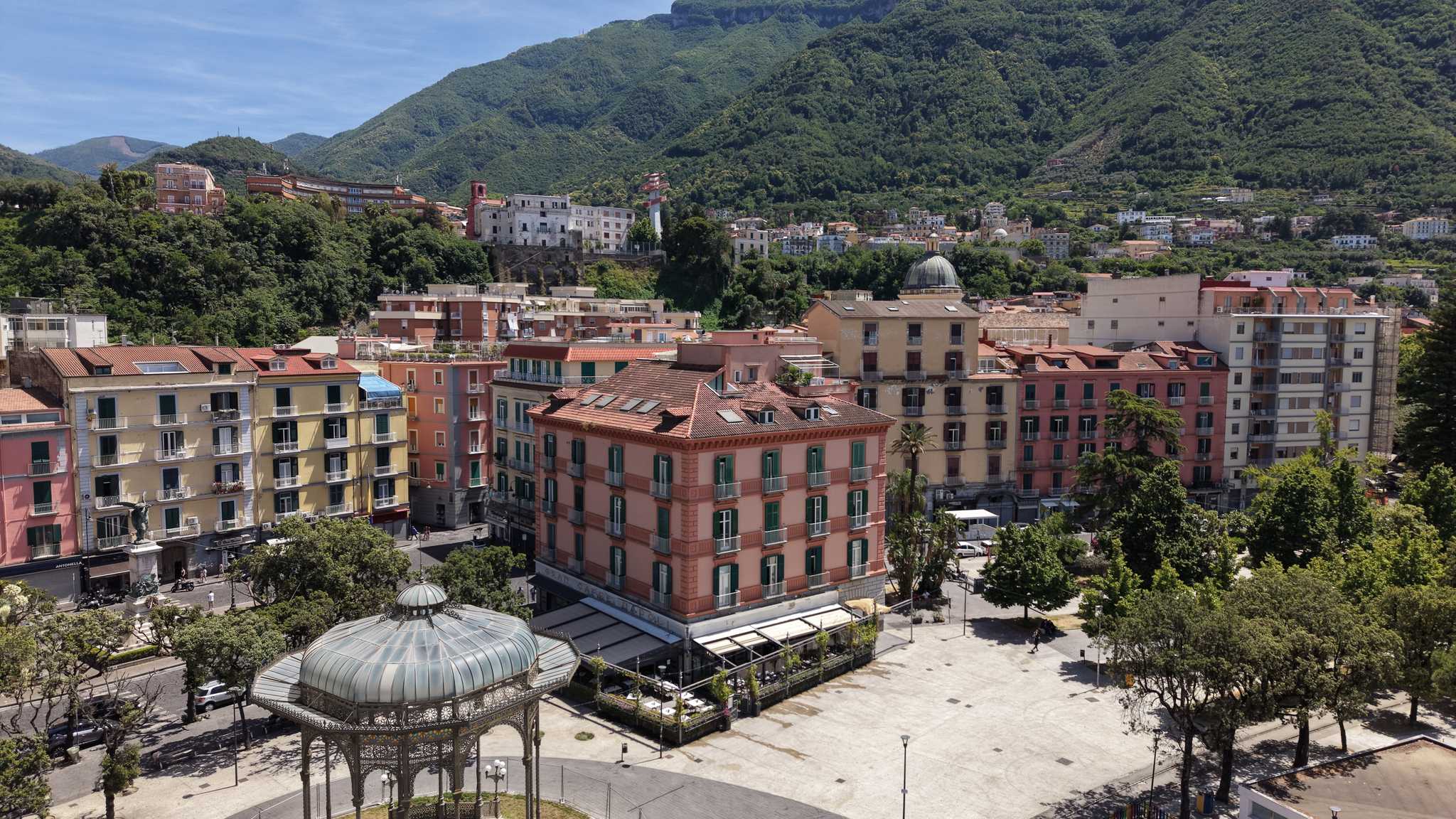
The Amalfi Coast gets the attention, but Campania's cities and towns hold its real depth: ruins, palaces, volcanoes, and centuries of history. These six are our travelers' favorites, each with its own pull. Here is where to start.
The Amalfi Coast gets the attention, but Campania's cities and towns hold its real depth: ruins, palaces, volcanoes, and centuries of history. These six are our travelers' favorites, each with its own pull. Here is where to start.



When to go
Spring
Best overall. March to May brings mild, dry days. Wildflowers bloom at Paestum and across Cilento. Best time to see ruins. Crowds and prices stay low.
Summer
Best for the islands and festivals. July and August turn hot, and the ruins bake with little shade. Naples empties in August. Crowds and prices peak.
Autumn
Best for food and wine. September holds summer's warmth as crowds thin. The grape harvest fills Irpinia. Rain and closures return by late fall.
Winter
Best for quiet and low prices. December to February runs cold and wet. Pompeii stays calm, and Naples lights up for Christmas. Many sites limit hours.
Our picks: things to do in Campania
Campania rewards the curious. Eat your way through Naples, walk the cities the Romans left behind, climb a live volcano, sail to the islands, and drink wine off volcanic hills. There is far more here than the Amalfi Coast, and most of it sits within an hour or two of Naples. Start with these six.
Campania rewards the curious. Eat your way through Naples, walk the cities the Romans left behind, climb a live volcano, sail to the islands, and drink wine off volcanic hills. There is far more here than the Amalfi Coast, and most of it sits within an hour or two of Naples. Start wit...

Eat like a Neapolitan
Campania is where much of what the world calls Italian food began. Pizza was born in Naples, mozzarella comes from the buffalo plains inland, and the tomatoes ripen on volcanic soil. Come hungry, and eat standing up when you can.
- Try a margherita at La Notizia, the first Michelin Guide pizzeria
- Grab a cuoppo, Naples' paper cone of fried seafood
- Mozzarella di bufala comes fresh from the Caserta plains
- Piennolo tomatoes grow on the slopes of Vesuvius
- Gragnano, near Naples, is Italy's dried-pasta town
- Finish with a warm sfogliatella and an espresso

Walk the ancient world
No region in Italy shows more of the ancient world. Greeks and Romans built cities here, and Mount Vesuvius preserved several by burying them in 79 AD. Some sit inside modern towns, others stand alone in open country.
- Pompeii is a full Roman city frozen in time
- Herculaneum, in Ercolano, is smaller but better preserved
- Greek temples stand at Paestum, near Salerno
- Villa Poppaea at Oplontis keeps vivid Roman frescoes
- Cumae, in the Campi Flegrei, hides the Sibyl's cave
- The Capua amphitheater, near Caserta, is second to the Colosseum
Climb the volcanoes
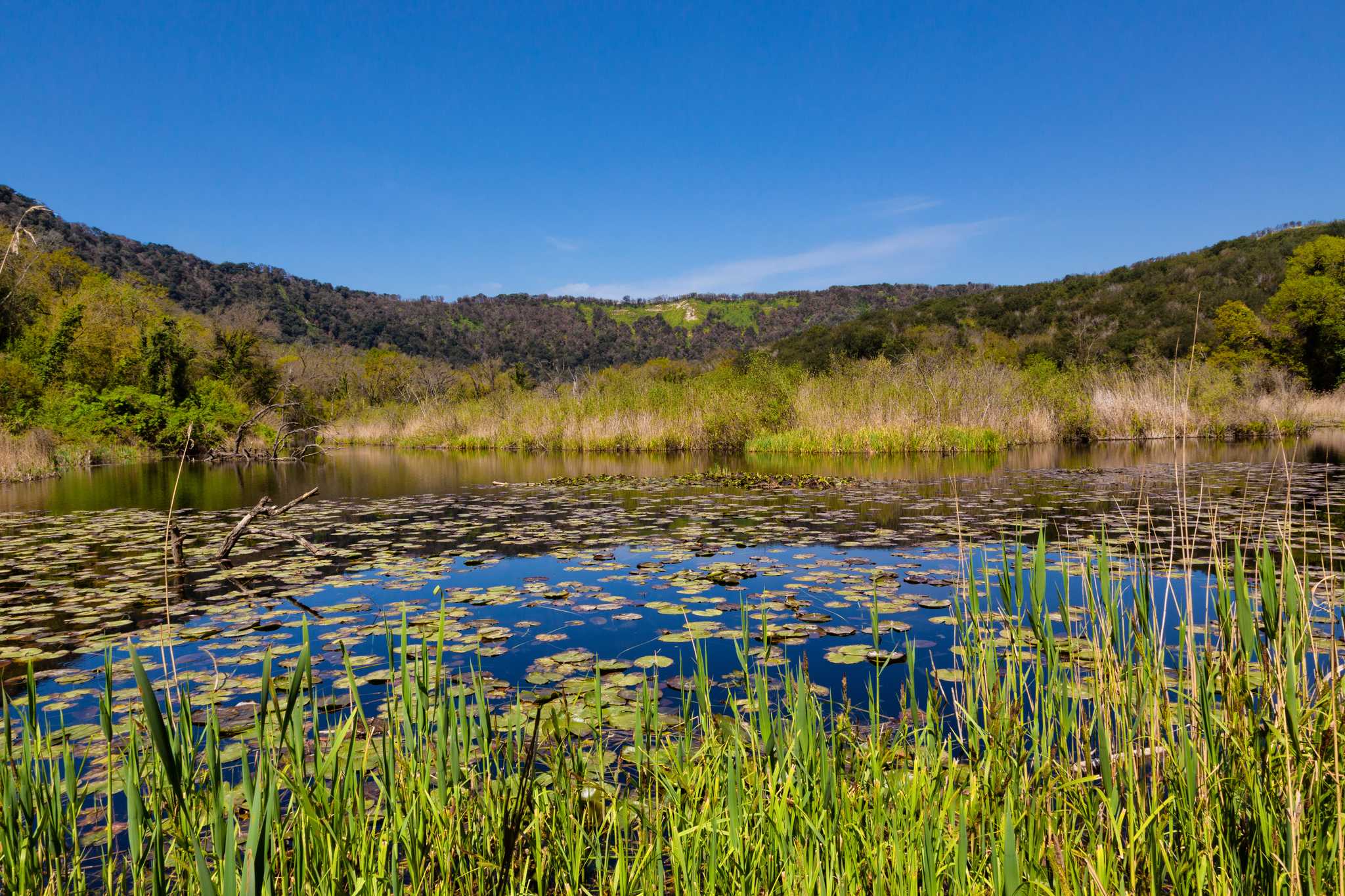
The ground here is volcanic and still restless. Vesuvius looms over the bay, and west of Naples the Campi Flegrei simmer with craters and steam. Inland and south, Cilento trades the fire for mountains, gorges, and caves.
- Hike Vesuvius to the crater rim above the bay
- The Astroni reserve fills an old crater near Naples
- Circle Lake Averno, the mythical gate to the underworld
- Underground rivers run through the Pertosa caves in Cilento
- Palinuro's sea cliffs and caves anchor the Cilento coast
- Cool off in the Calore river gorges inland from Paestum
Explore the cities
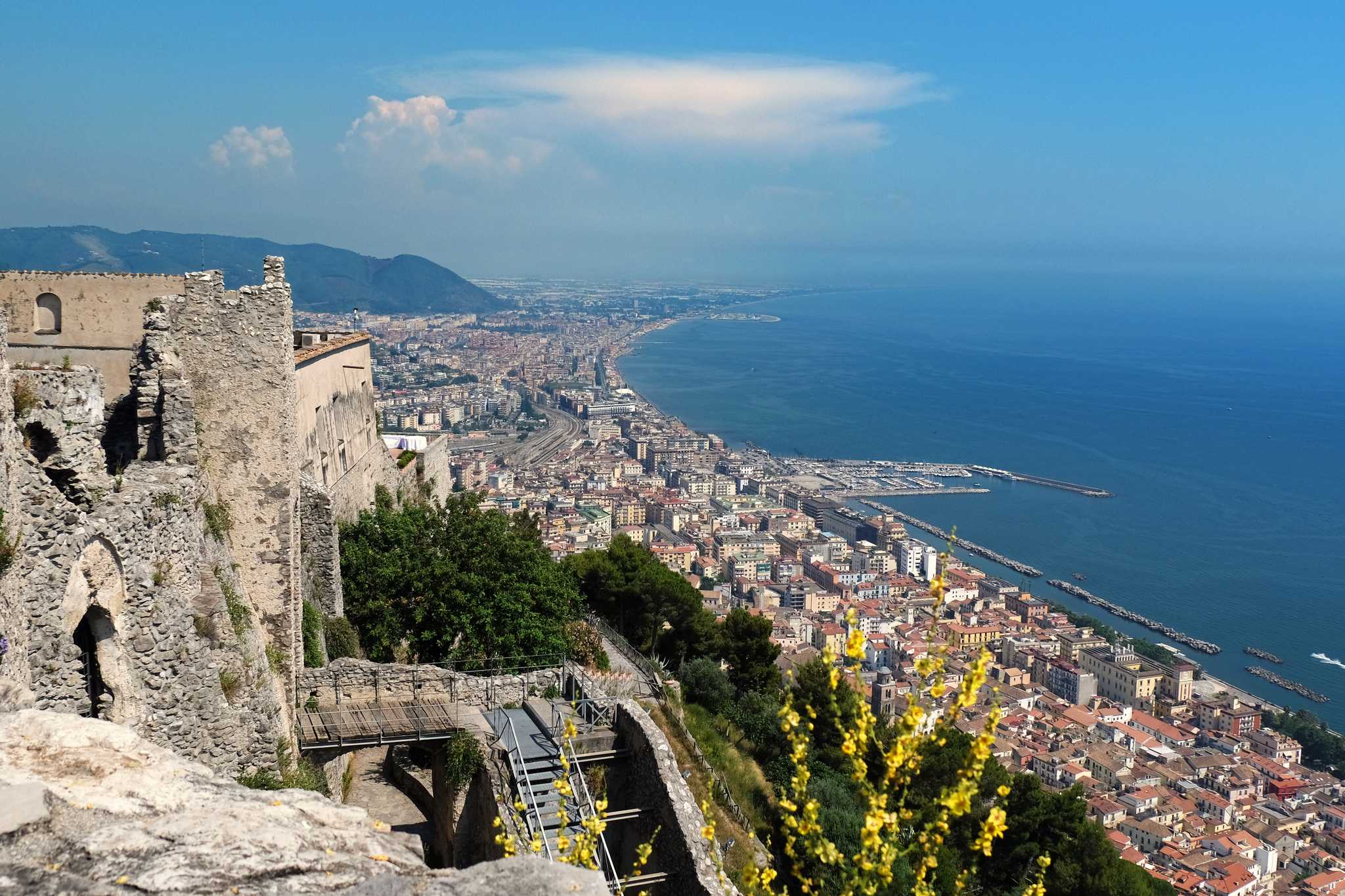
Campania's cities reward more than a quick stroll. Their museums, castles, and monuments hold the art and history the region is built on, from Greek bronzes to Baroque grandeur. Give two or three of them real time.
- See Naples' Archaeological Museum for the Farnese marble statues
- Climb the Certosa di San Martino for the best view over Naples
- Spot the Vanvitelli Aqueduct’s stone arches near Caserta
- Benevento's Hortus Conclusus sets Paladino's sculpture in a cloister
- Above Salerno, hilltop Arechi Castle overlooks the gulf
Sail to the islands
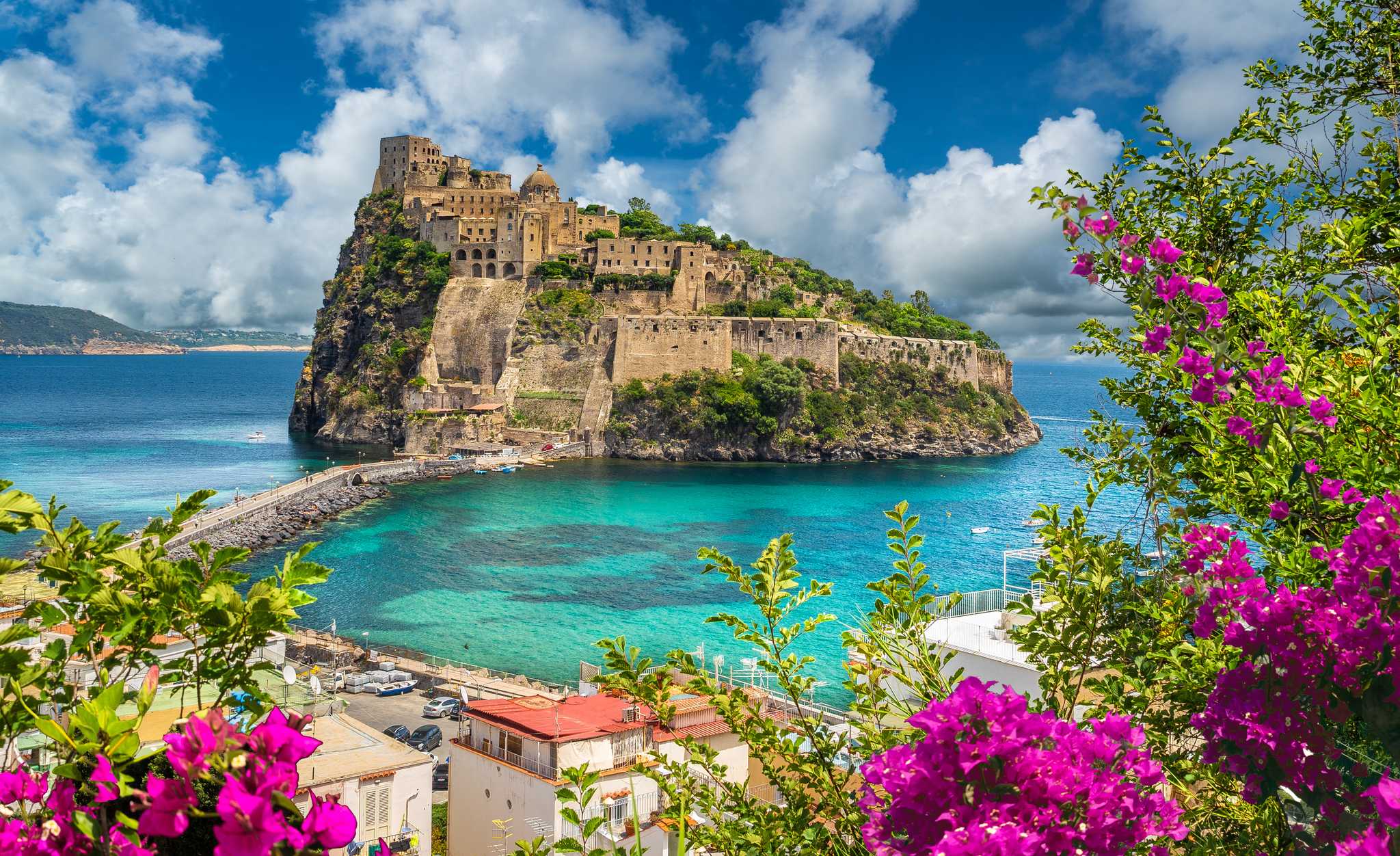
Three islands sit in the Bay of Naples, each with its own character. Capri is dramatic and glamorous, Ischia green and thermal, Procida small and quiet. Boats run from Naples and the coast, and the water is the whole point.
- Row into Capri's Blue Grotto and its glowing water
- Capri's chairlift climbs Monte Solaro for the long view
- Soak in Ischia's seaside thermal gardens
- The Aragonese Castle sits on its own islet off Ischia
- Corricella's fishing houses stack above Procida's harbor
- Climb to Terra Murata, Procida's old walled quarter
Follow the wine
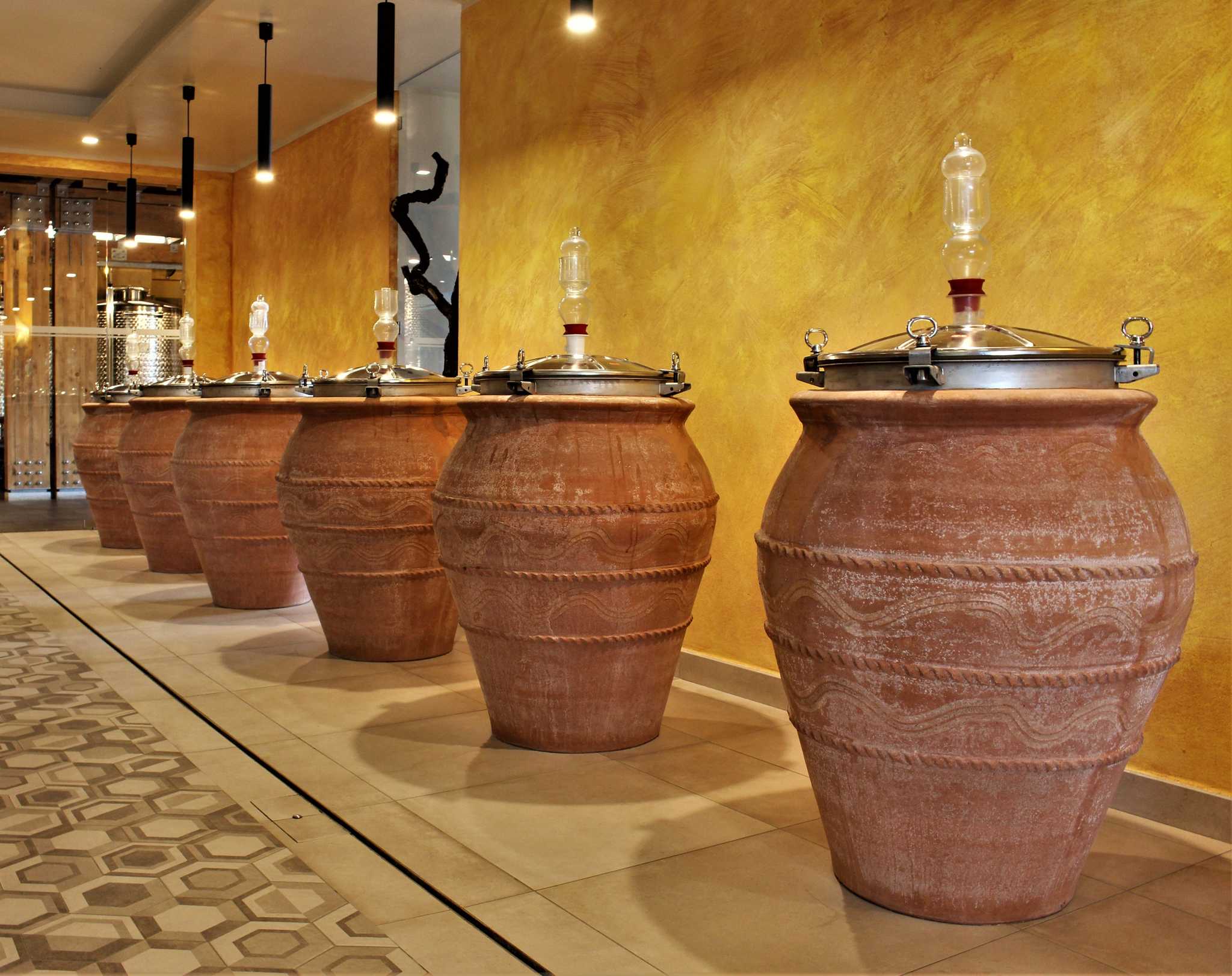
Campania's best wines come from the hills and the volcano, not the coast. Irpinia, near Avellino, makes the region's serious reds and whites, while the Sannio near Benevento pours easy Falanghina. Book winery visits ahead.
- Taurasi, the "Barolo of the South," is Irpinia's dark Aglianico red
- Greco di Tufo, a mineral white, comes from Tufo's hills
- Fiano di Avellino is a rare southern white that ages well
- Bosco de' Medici pours Lacryma Christi below Vesuvius, near Pompeii
- Feudi di San Gregorio pairs a Michelin-starred restaurant and cellar
What to eat, drink, and order
Campania's food runs deeper than pizza. Away from the coast, the mainland cities, the land under Vesuvius, and the three islands each keep dishes of their own, some old, some odd, all worth a detour. Here are six to seek out, and the places where they taste the way they should.
Campania's food runs deeper than pizza. Away from the coast, the mainland cities, the land under Vesuvius, and the three islands each keep dishes of their own, some old, some odd, all worth a detour. Here are six to seek out, and the places where they taste the way they should.
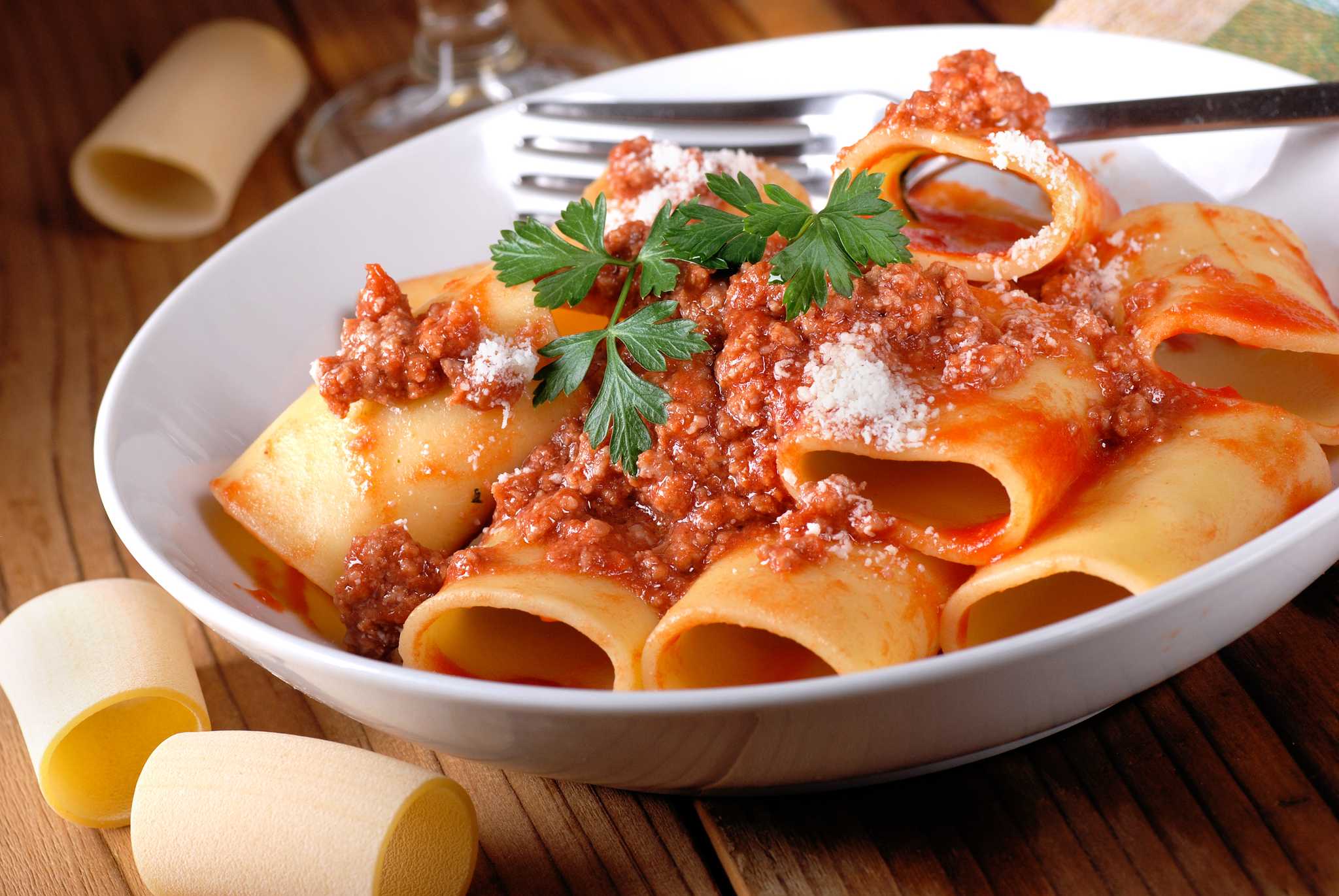
Ragù napoletano in Naples
Beef and pork simmered for hours in tomato until the sauce deepens, the Neapolitan Sunday dish, spooned over ziti.
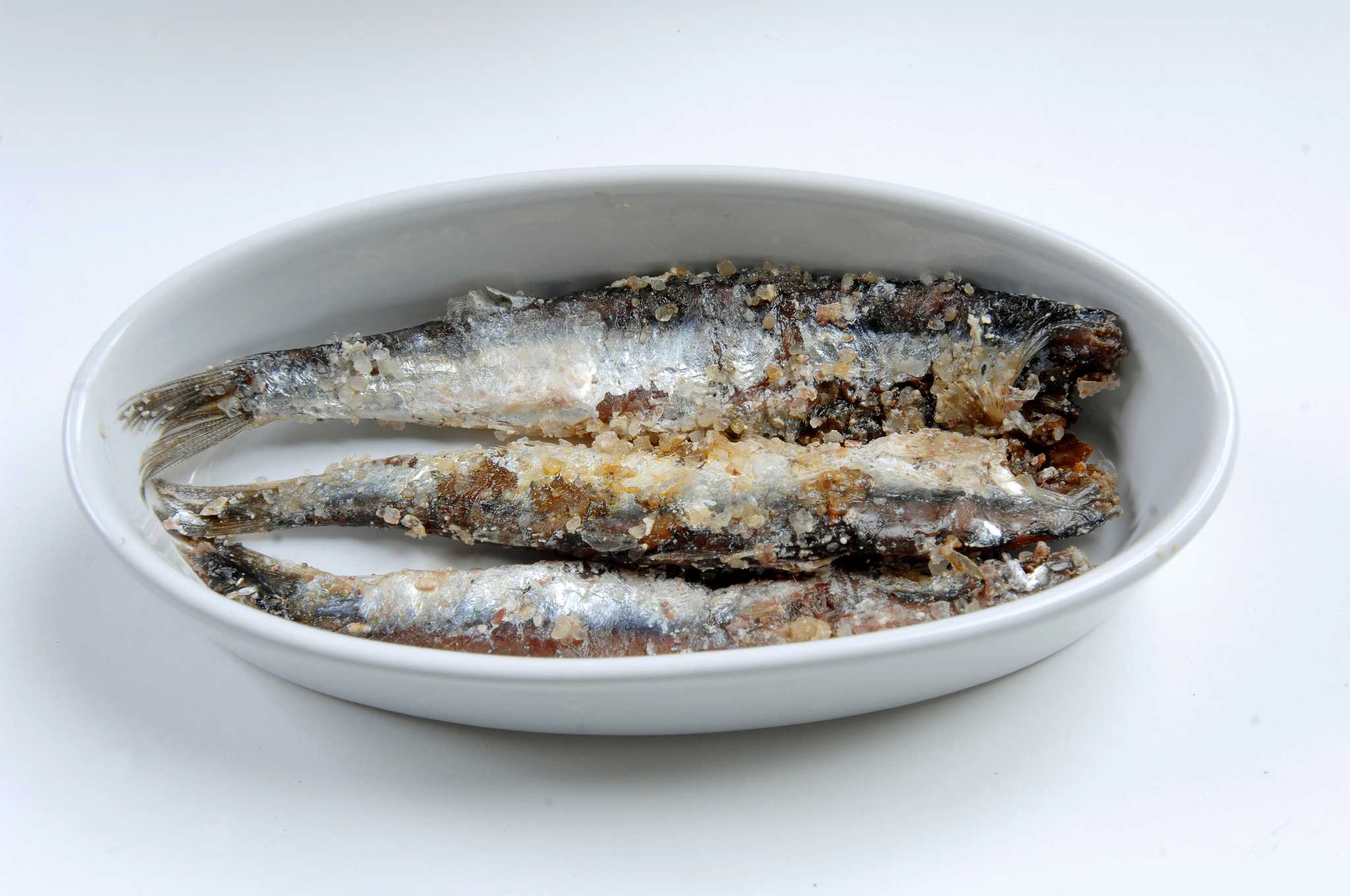
Alici di menaica in Marina di Pisciotta
Anchovies caught in an old menaica net and salted by hand, a rare Cilento catch protected as a Slow Food presidium.
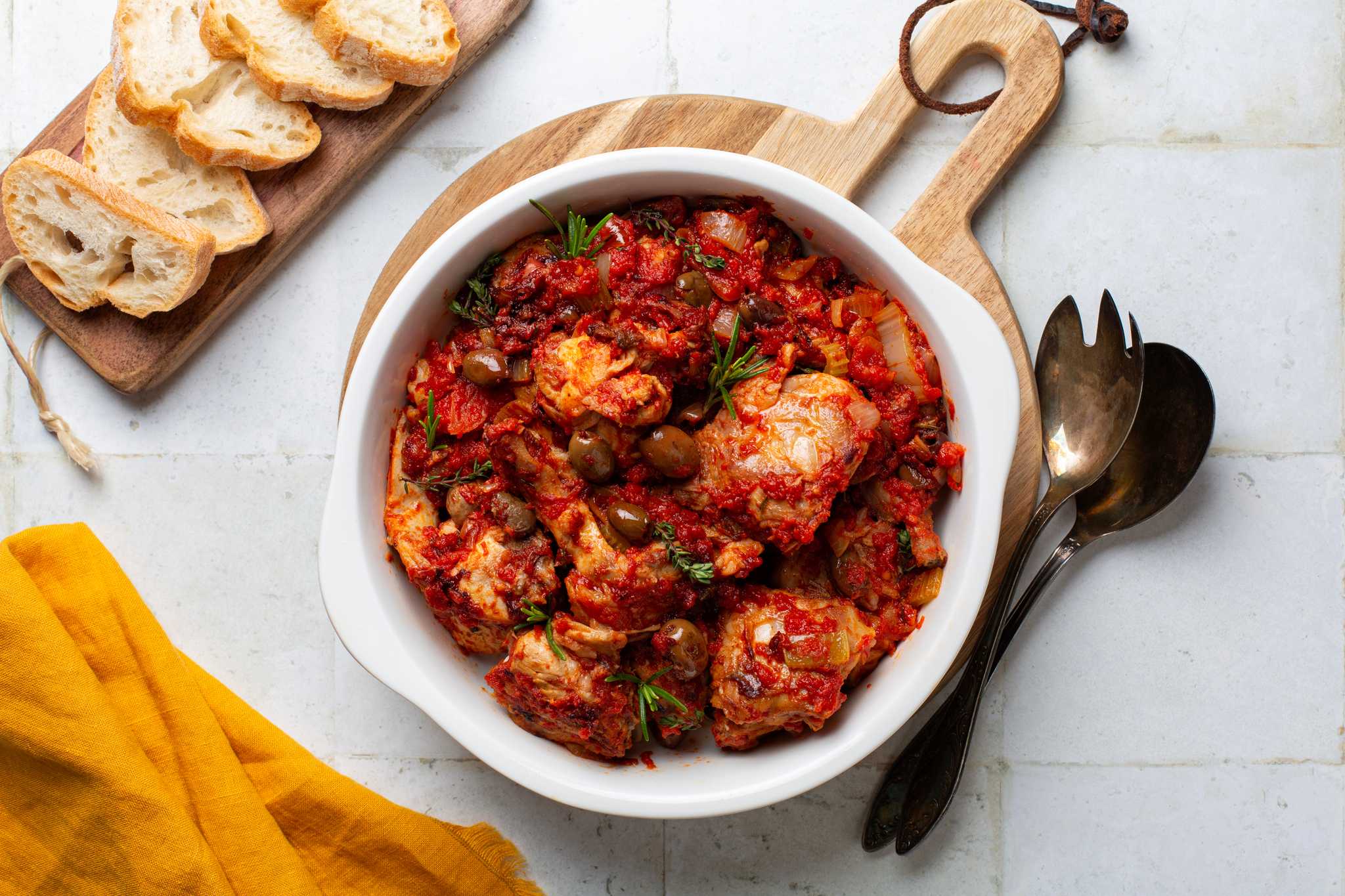
Coniglio all'ischitana in Ischia
Rabbit braised with tomato, garlic, white wine, and herbs, the signature dish of Ischia's farms, away from the beach.
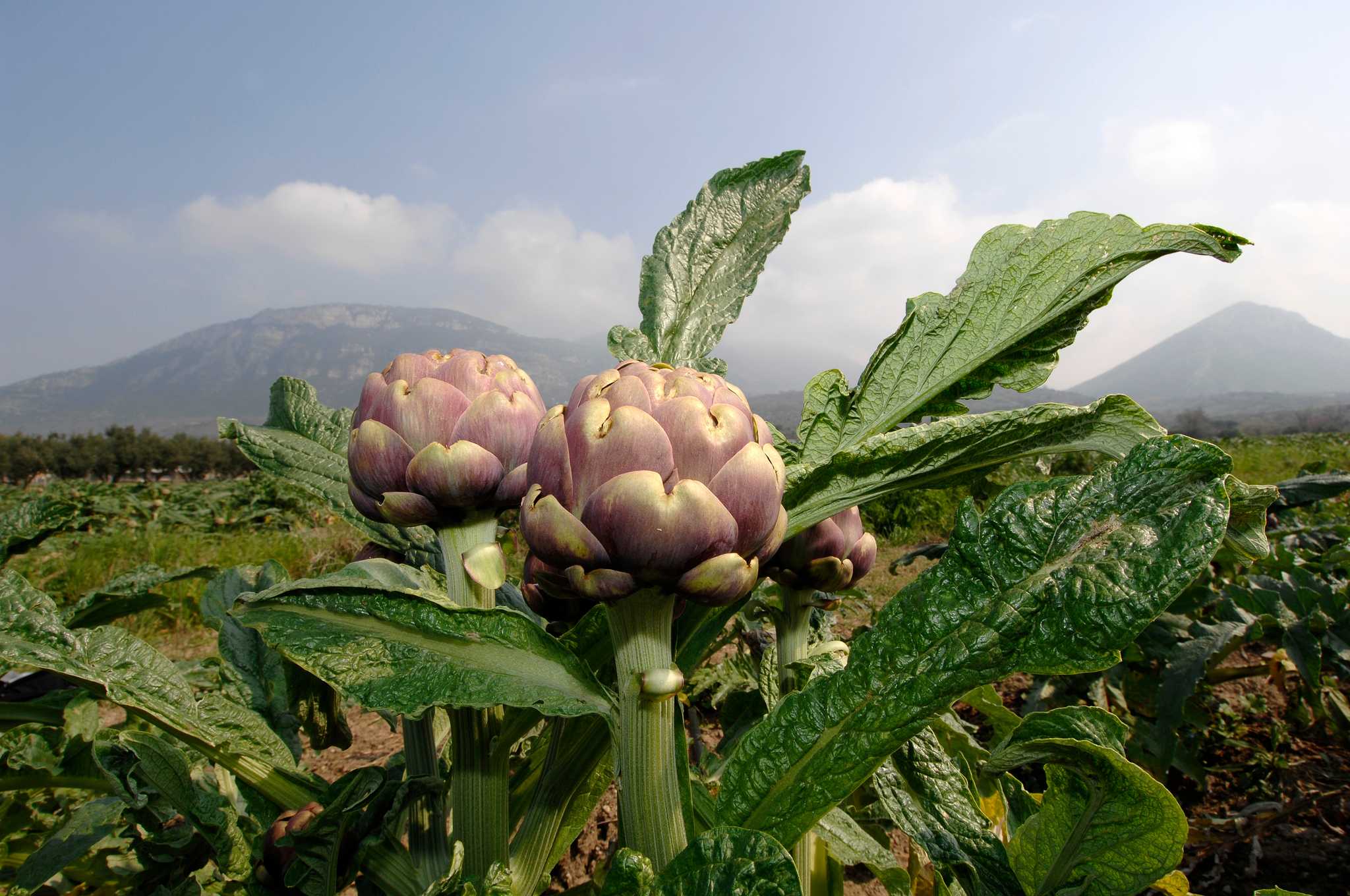
Carciofo tondo di Paestum near Salerno
A tender, early artichoke from the Sele plain, braised or fried in spring, a protected variety grown beside the temples.
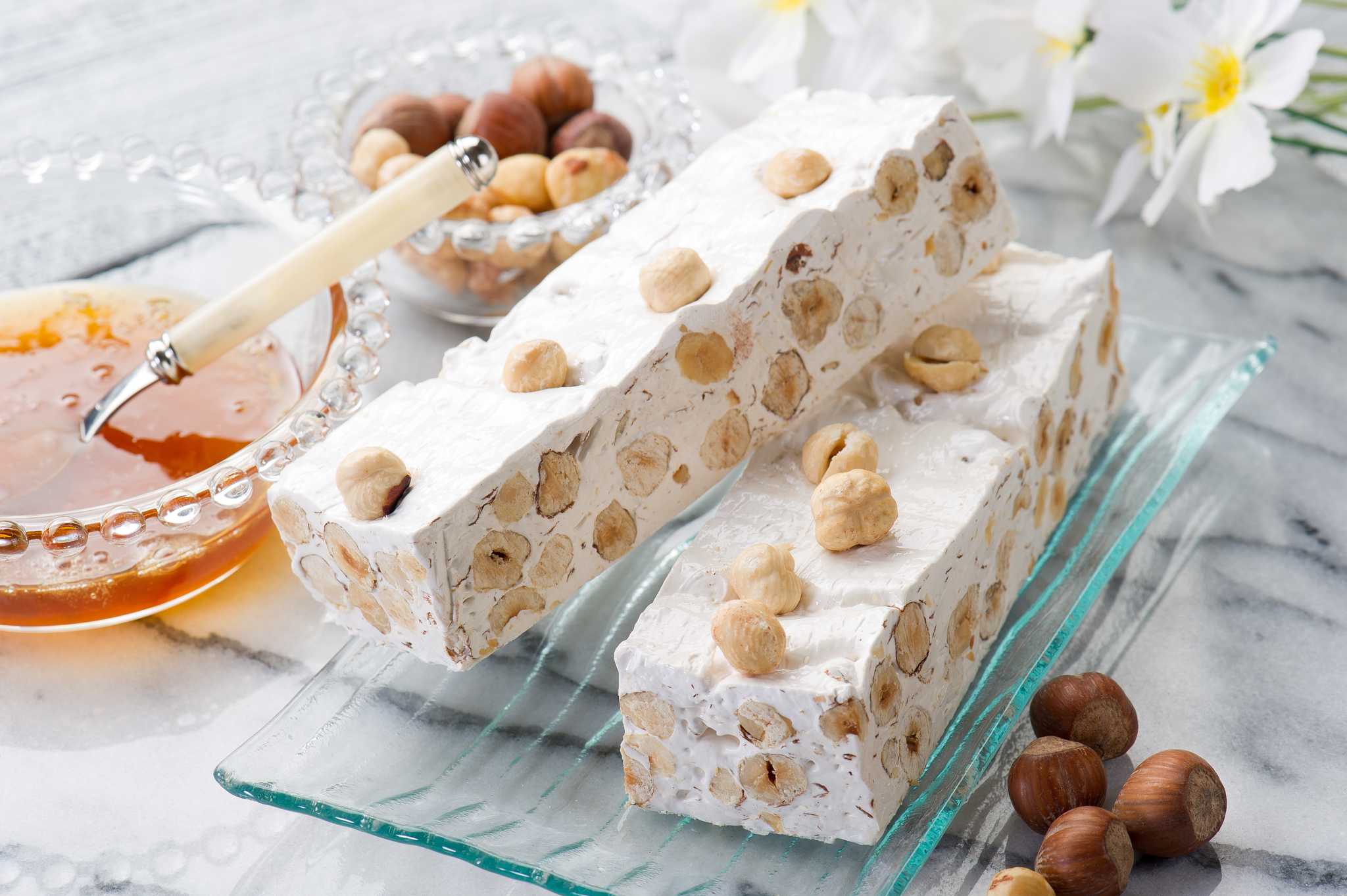
Torrone in Benevento
Honey-and-almond nougat, soft or hard, a sweet Benevento has turned out for centuries and still sells at Christmas.

Torta caprese in Capri
A flourless cake of ground almonds and dark chocolate, born on Capri, crisp on top and fudgy at the center.
Getting around Campania
This can take some planning. On the Amalfi Coast and around Sorrento, ferries and buses run often but pack out in season. Inland, trains link the main cities, but buses to the wineries and hill towns can be rare or unreliable. Southern roads are narrow and steep, and strikes frequently stop trains and flights. Daytrip’s private transfer services tie it all together: no timetables, no strikes, and door-to-door travel that suits families, older travelers, and anyone with luggage or mobility needs.
Our recommended routes in Campania
Naples to Salerno
45min • 55km (34.2mi)
From €177
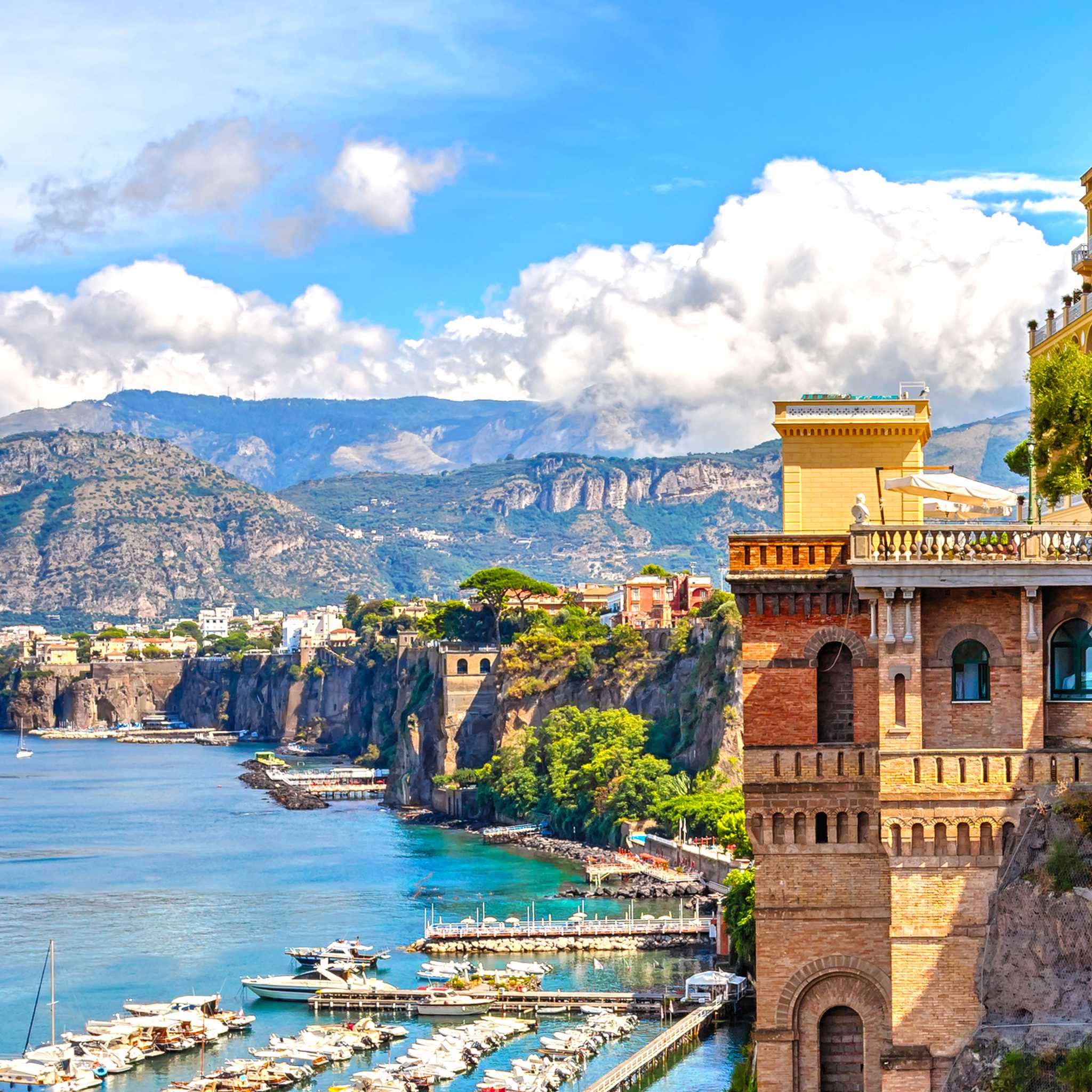
Caserta to Sorrento
1h 22min • 71km (44.1mi)
From €190
Naples Airport to Castellammare di Stabia
37min • 37km (23.0mi)
From €93
Benevento to Salerno Costa d'Amalfi Airport
1h 13min • 89km (55.3mi)
From €188
Salerno to Benevento
1h 4min • 74km (46.0mi)
From €185
Ercolano to Conca dei Marini
1h 23min • 53km (32.9mi)
From €182
Sorrento to Herculaneum Archaeological Area
1h 3min • 43km (26.7mi)
From €179
Naples to Pompeii
27min • 26km (16.2mi)
From €110
Rome to Mount Vesuvius
2h 45min • 239km (148.5mi)
From €441
Salerno to Caserta
56min • 76km (47.2mi)
From €187
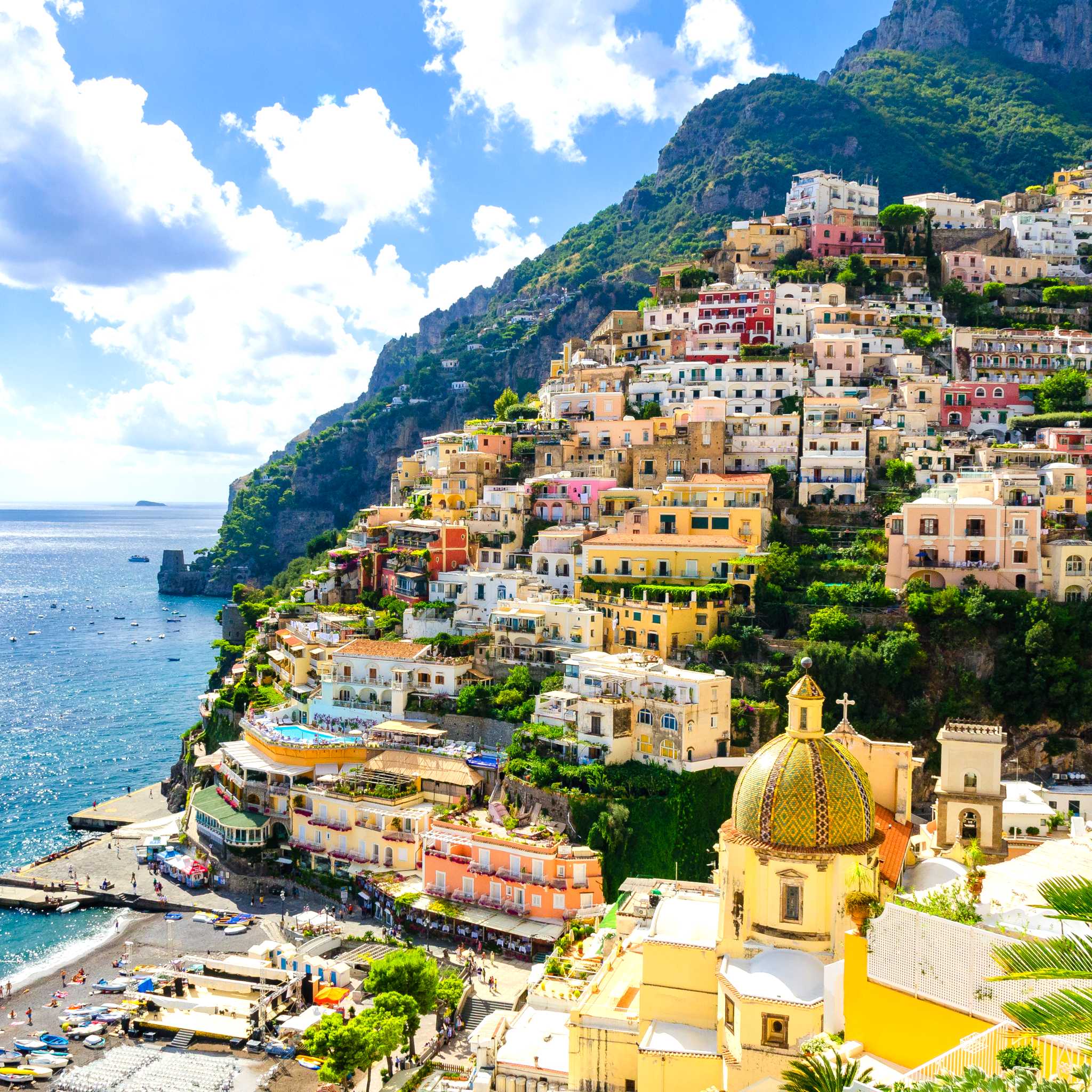
Naples to Positano
1h 31min • 61km (37.9mi)
From €190
Naples Airport to Sorrento
1h 9min • 55km (34.2mi)
From €149
Day trips from Campania's top cities
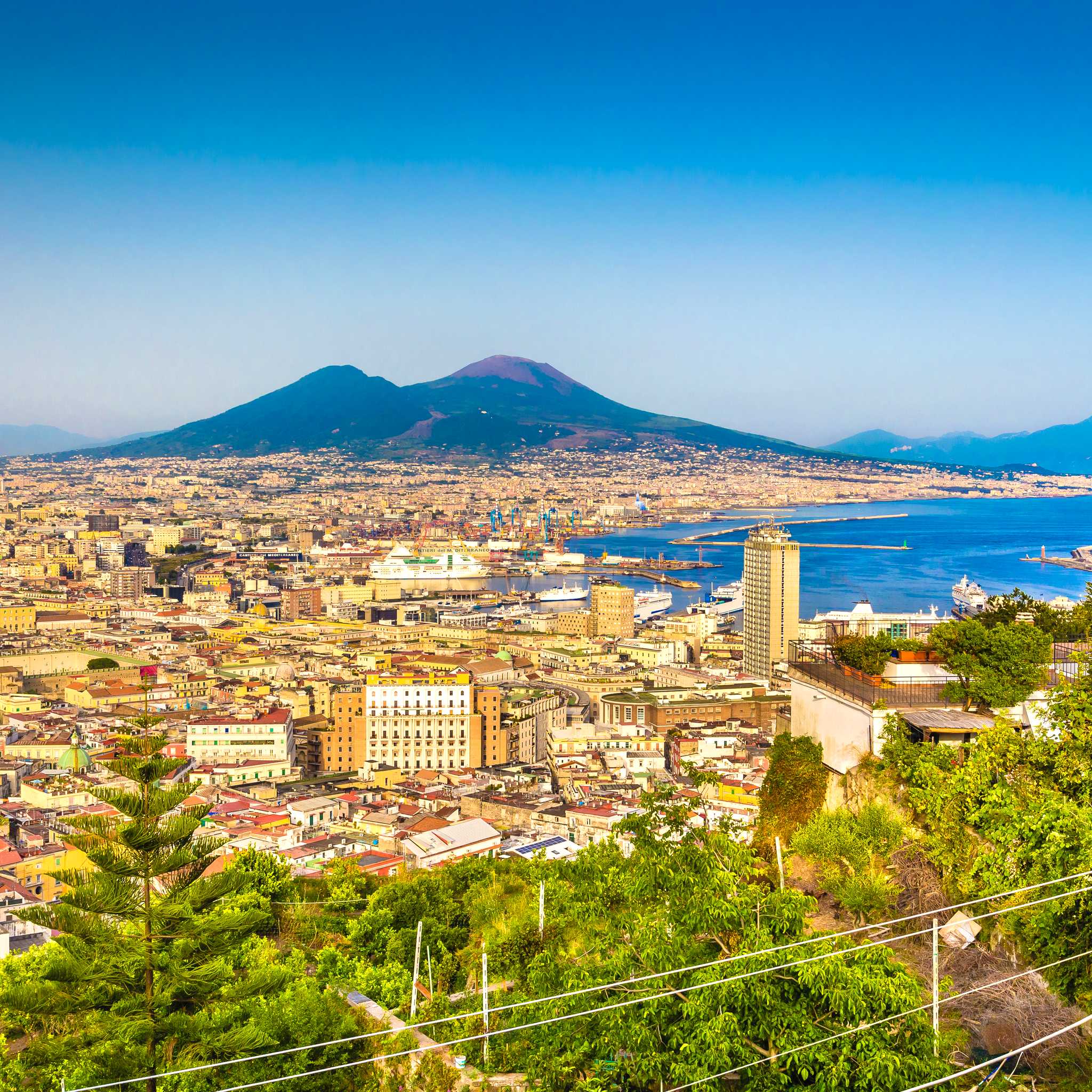
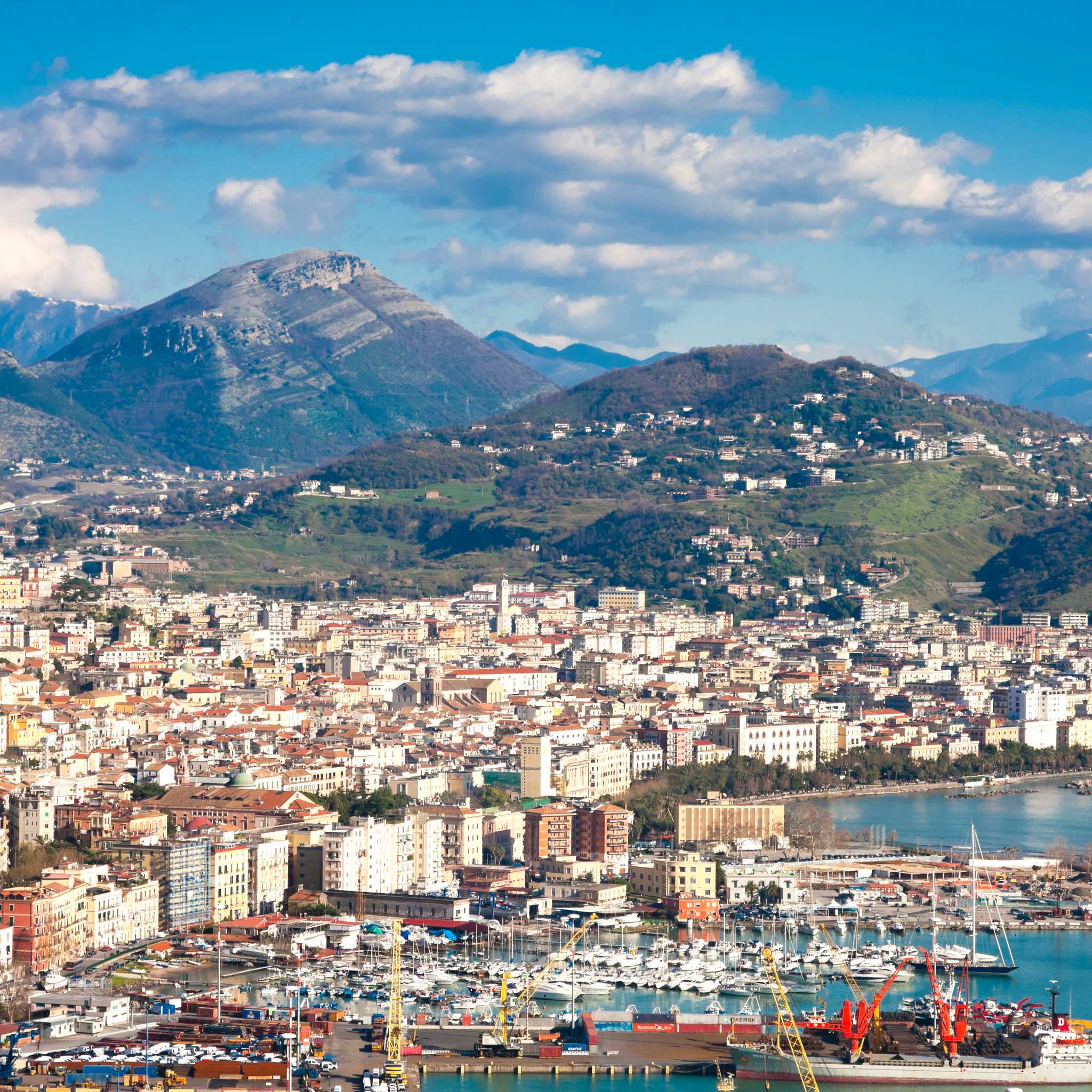
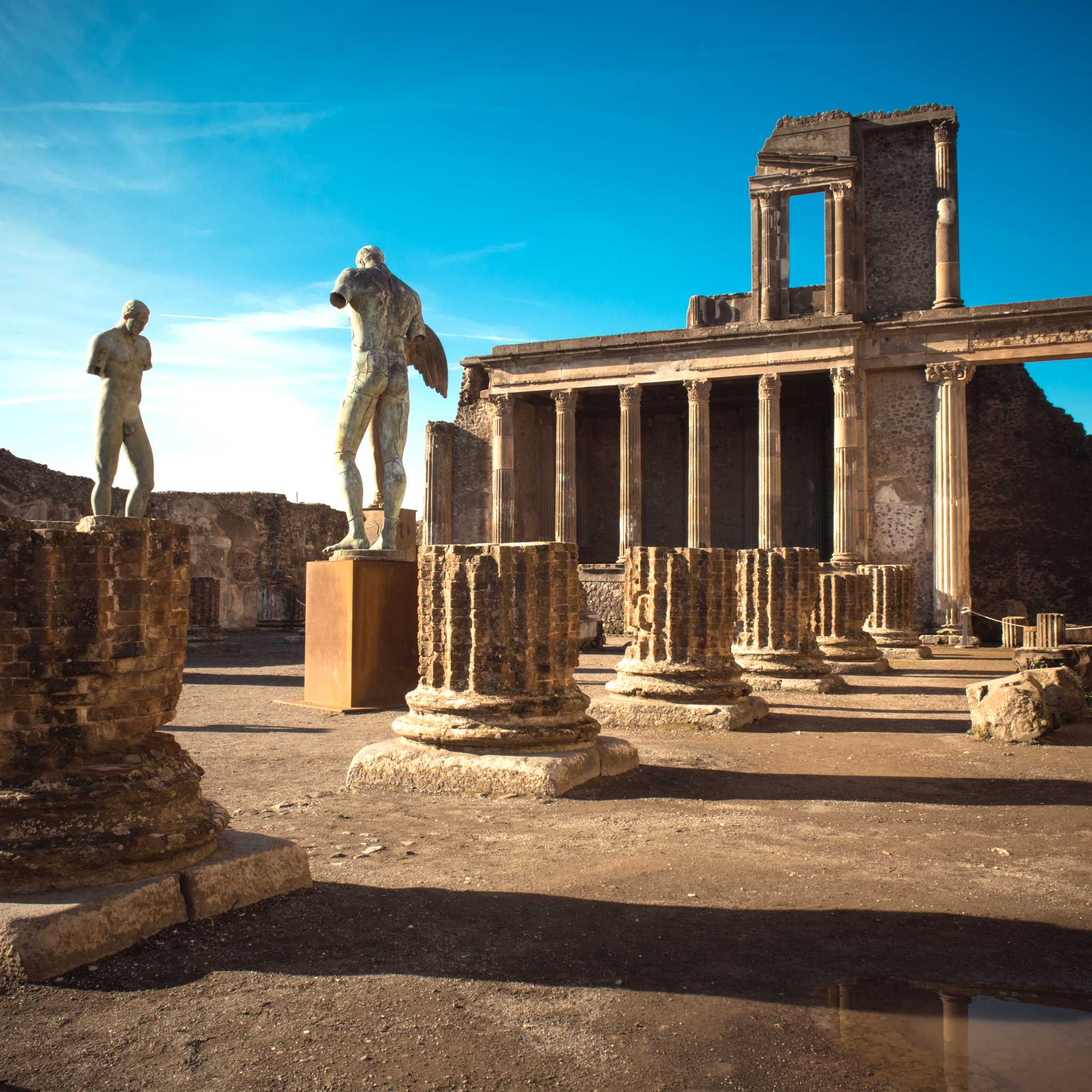

2+ million travelers like you. Moments they'll never forget.

Your Campania questions, answered
About the author
Ján Tompkins is a Prague-based travel writer with a passion for arts and culture. His travels are shaped as much by museum exhibitions as by bakeries, greasy spoons, and funny signage. His favorite trip to Italy has been to the quiet clifftop Sorrentine town of Vico Equense.
Be the first to discover more
Get handpicked travel ideas, insider highlights, and special Daytrip offers.


