Italy beyond the obvious
The best-known version of Italy is genuinely worth seeing, it attracts the crowds for a reason. Looking beyond it is what this guide is for. Travel with local knowledge to experience authentic Italian culture and cuisine in quieter surroundings.
Most visitors head for the “big three” cities: Rome, Florence, and Venice. While these are incredible destinations, add a few less-visited sites to your list to see Italy through Italian eyes. The busier cities are convenient anchors, especially for first-time travelers, but return travelers who have already memorized Roman streets will want to explore further. In the busiest cities you’ll also face higher prices and significant wait times (not ideal when you’re baking in the Roman sun awaiting your turn to see the Colosseum).
There are hundreds of Italian towns that don’t quite make the guidebooks despite being historically rich and postcard-esque. Flying into and out of a bigger city but staying in smaller towns, or taking day trips to quieter local treasures, can be a great way to structure your trip and still see the classics.
To guide your planning, we asked our local drivers and Italian team members for the best alternatives to Italy’s busiest destinations.
They had a lot to say.
Insider Tips
Respect the riposo
Small towns and villages take the afternoon lunch/riposo break more seriously than the bigger cities; expect closures of shops, attractions, and some restaurants 12:30-15:00.
Practice prego
Use “Prego” (“Pray-go”) to say “you’re welcome” in response to “grazie,” and expect to hear it used as “go ahead,” “can I help you,” and even “come again?”
Slow down
Match Italy’s pace and avoid overpacking your itinerary. Our Italian team members suggest slowing down, especially in smaller towns, and leaving room for the unexpected.
Keep cool
Many small, local museums do not have air conditioning. Old stone churches tend to keep much cooler and can be a reprieve during the hottest hours.
Vietri sul Mare instead of Positano
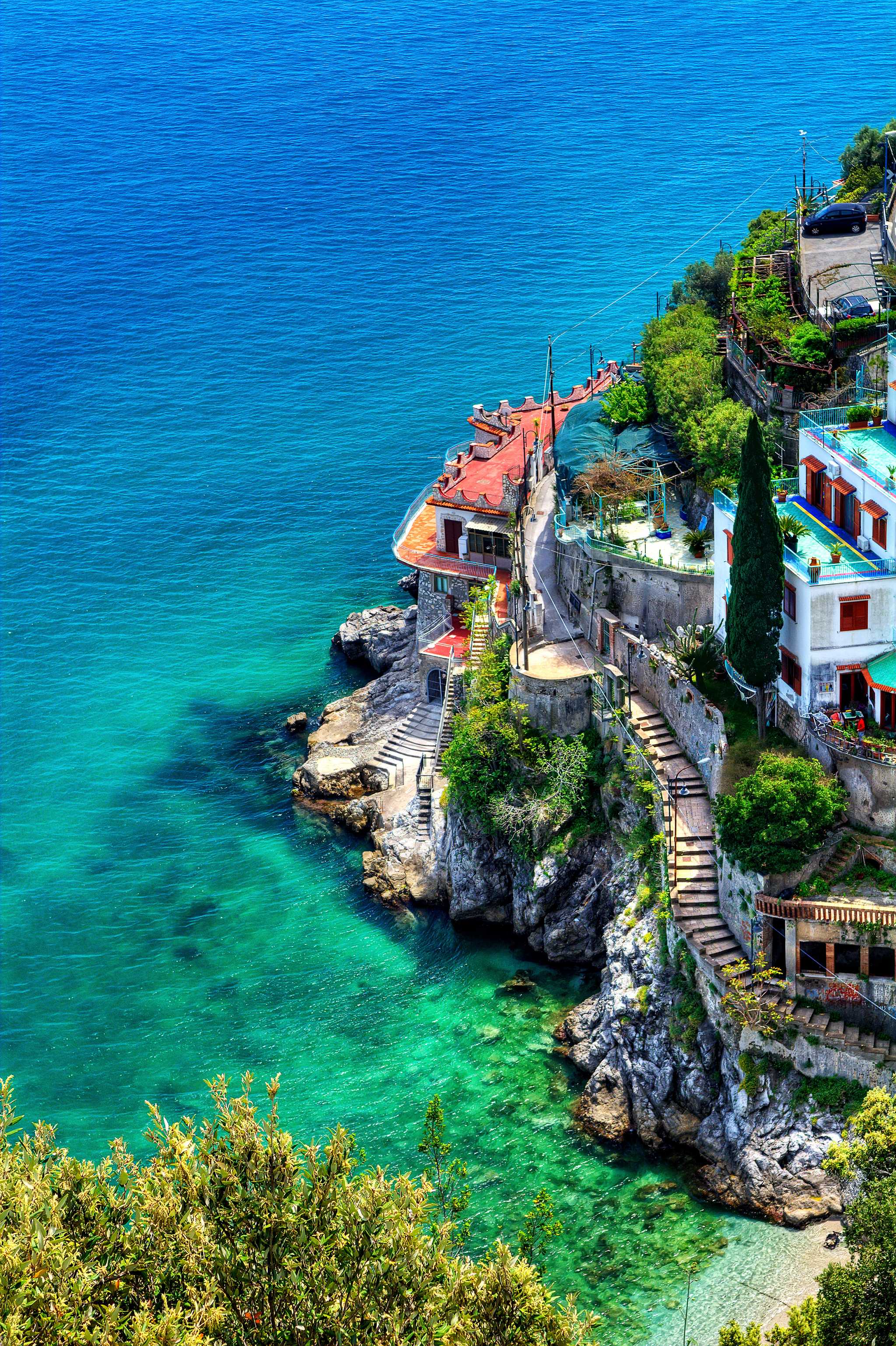
Overwhelmingly, our Italians agreed that famous Positano is overrated. They recommend colorful Vietri sul Mare, also on the Amalfi Coast, known for its pristine beaches and traditional ceramic production. The town is much less crowded than Positano and no less charming.
- See the church of San Giovanni Battista, with its yellow and green tiled dome and richly decorated ceiling
- Stroll the Villa Comunale, a cliffside garden overlooking the sparkling sea below, with benches covered in mosaics
- Swim and relax at Marina di Vietri, a series of beaches backed by colorful cliffside houses
- Shop for hand-painted ceramic souvenirs including tiles and kitchenware, focusing on the family-run shops along the Corso Umberto I
- Hike to nearby hamlets along hillside paths, exploring Raito or Albori and enjoying sweeping coastal views along the way
Herculaneum instead of Pompeii
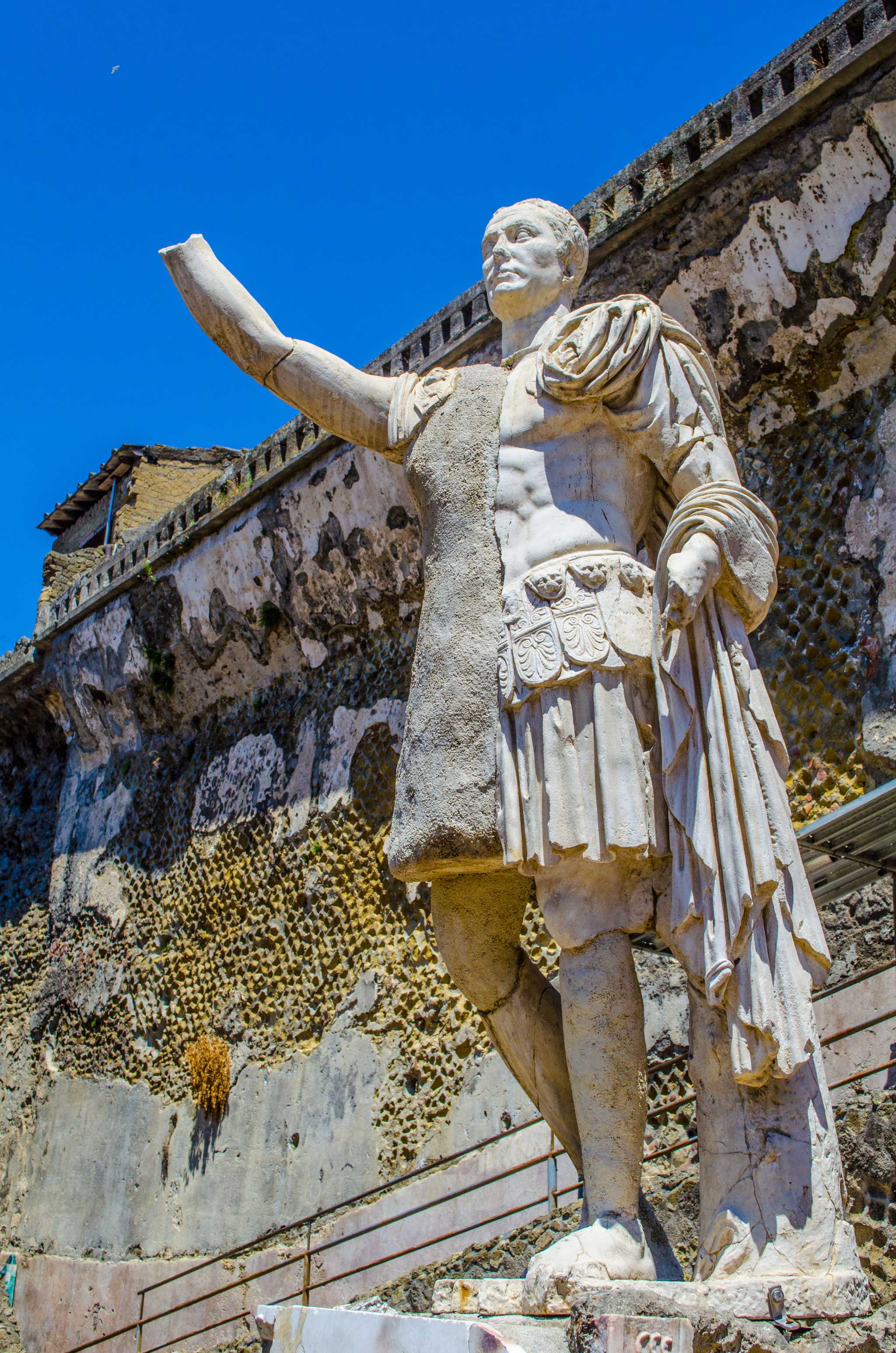
Our local drivers strongly suggested eschewing Pompeii for Herculaneum, a quieter and even better-preserved snapshot of ancient Roman life in Campania. This town was buried in volcanic mud that preserved organic materials lost to Mount Vesuvius’ ash in Pompeii, like wood and even food.
- See the House of Neptune and Amphitrite for its detailed mosaic of the sea god and his wife, framed by real shells
- Spot a rare example of preserved ancient Roman wood in the House of the Wooden Partition
- Visit the Boathouses, where hundreds of residents were tragically unable to flee from the eruption
- Explore the House of the Telephus Relief, a preserved multi-story house with a marble carving of Telephus, a Greek hero
- Combine your visit with a trip to Cantina del Vesuvio, a winery on the slopes of Mt. Vesuvius, for wines produced in volcanic soil
Lake Iseo instead of Lake Como
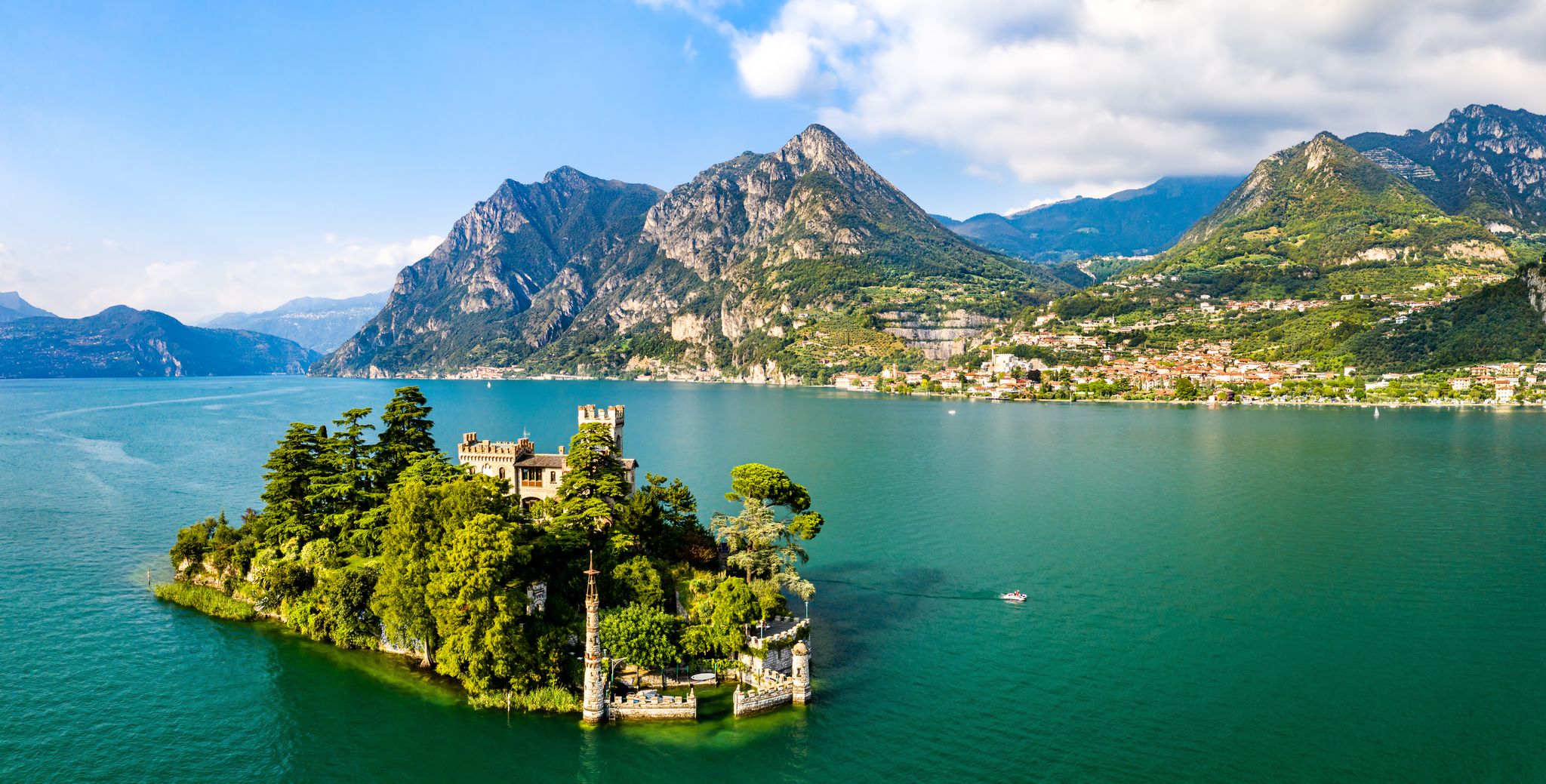
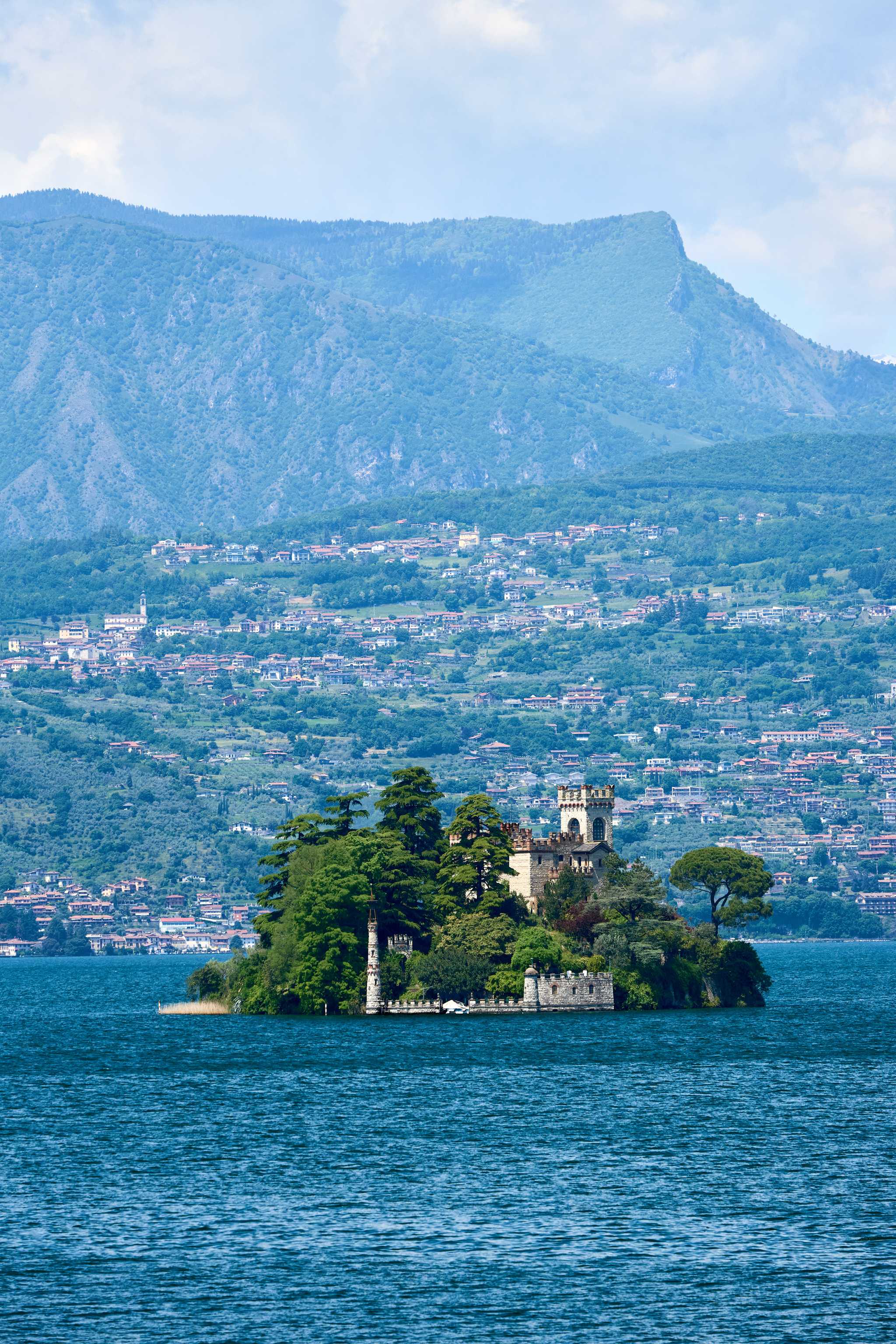
Often overlooked, sleepy Lake Iseo provides a waterside retreat free of heavy summer crowds. Stunning mountainous surroundings and a tiny inhabited island add to its charm. Plus, the lake is near the Franciacorta Wine region, so traditional sparkling wines are in easy reach.
- Take a boat to car-free Monte Isola, Europe’s largest inhabited lake island, for its scenic fishing villages
- Stroll the lakeside promenade of the lake’s main town, Iseo, and explore its historic squares and churches
- Visit Lovere at the northern tip of the lake, a picturesque village with medieval lanes and artful facades
- Walk the boardwalks of the Torbiere del Sebino Nature Reserve, a protected wetland area home to an abundance of wildlife
- Eat lake-caught whitefish or trout served with polenta and seasonal vegetables in one of the lakeside restaurants
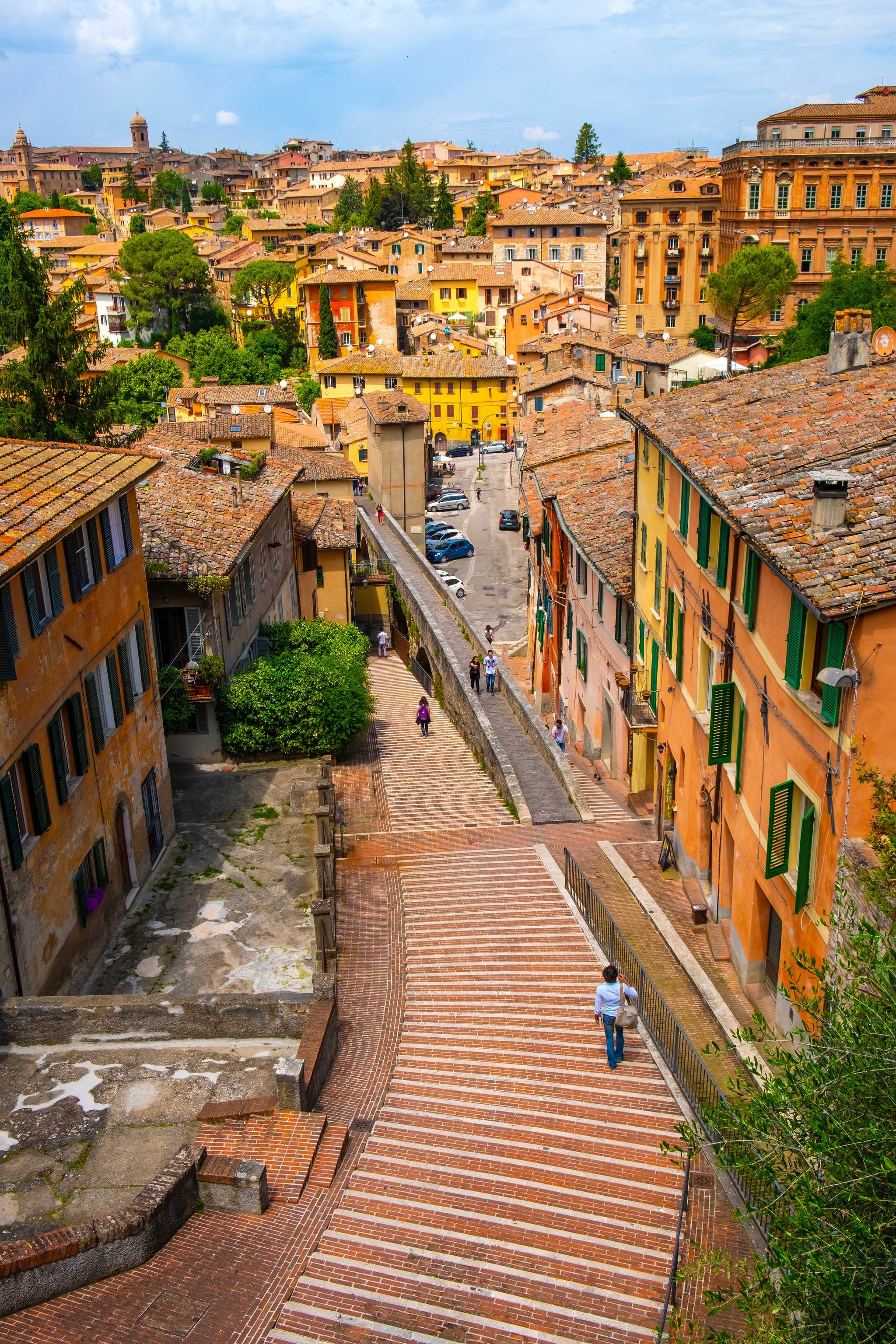
Perugia instead of Rome
Explore this hilltop city in Umbria, Italy’s Green Heart, for a historic experience away from the crowds of Rome. Discover Perugia's medieval architecture, an impressive collection of art, and rich, truffle-infused cuisine.
- Wander the car-free Piazza IV Novembre and see the Gothic Fontana Maggiore, an intricate 13th-century fountain
- Explore the Palazzo dei Priori and its National Gallery of Umbria, home to the world’s largest collection of Umbrian art, spanning six centuries
- See the Perugia Cathedral’s distinctive pink exterior and its collection of religious relics and art, including Frederico Barocci’s Deposition
- Head to the Giardini Carducci near the Piazza Italia for sweeping panoramic views of the valley beyond; Via dell’Aquedotto also offers remarkable views
- Sample local strangozzi al tartufo nero, thick egg-free pasta drenched in a rich black truffle sauce, sometimes served with parmesan
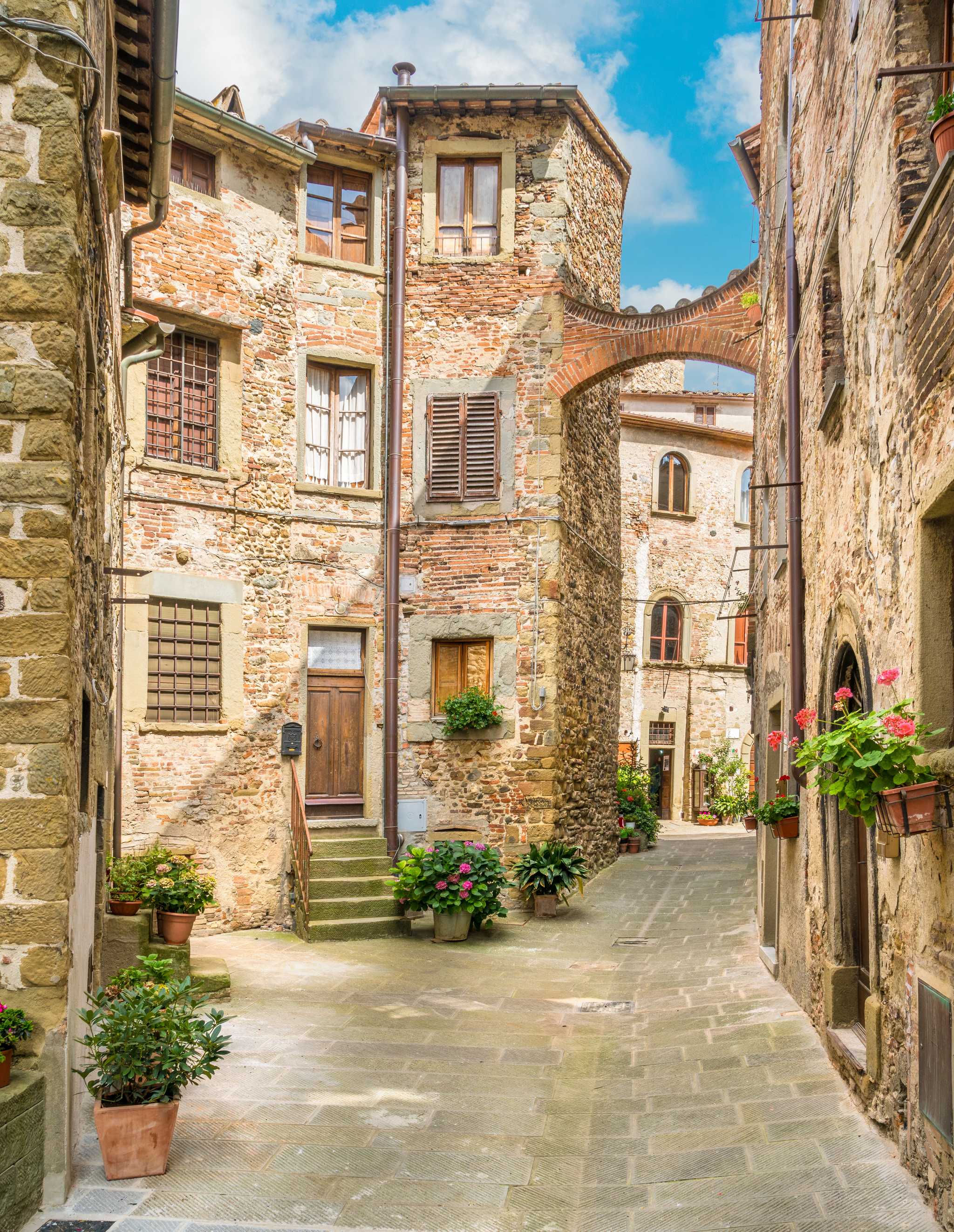
Arezzo instead of Florence
Explore Arezzo for an authentic Tuscan experience away from the crowds of Florence. This smaller town caters more to locals, offering traditional restaurants, quiet medieval lanes, and an array of art.
- See the Basilica of San Francesco’s 15th-century frescoes, The Legend of the True Cross
- Wander the Piazza Grande, featured in the Oscar-winning movie Life is Beautiful, built in a unique trapezoidal shape, hosting local markets
- Admire the stained glass and frescoes of the Arezzo Cathedral, perched on a hilltop overlooking the town below
- Walk uphill to the Fortezza Medicea, a former Medici fortress that now serves as a public park offering panoramic views
- Try sliced Chianina beef, a world-famous local steak served in Arezzo’s signature all'aretina style
- Shop for gold jewelry in local boutiques or browse for antiques at the famous Arezzo antiques fair every first Sunday of the month
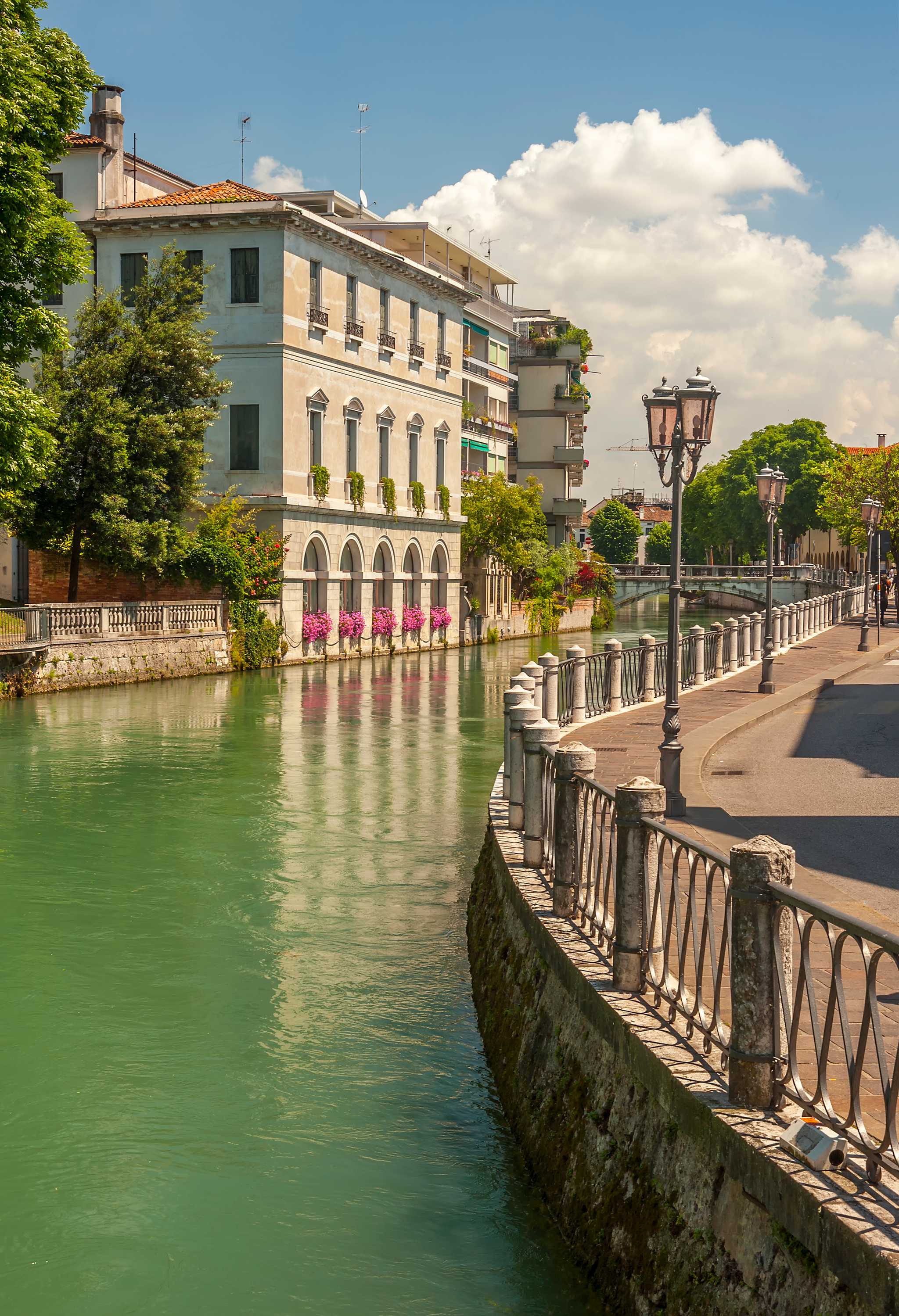
Treviso instead of Venice
Find scenic canals and a laid-back pace in this Little Venice. Also located in Veneto, Treviso offers medieval architecture and authentic northern Italian cuisine, with fewer crowds than Venice. The old town’s cobblestone streets are easily walkable and highly photogenic.
- Explore the central Piazza dei Signori for people-watching and a cafe break, home to the Palazzo dei Trecento, a civic palace with ancient frescoes
- Stroll along the porticos and bridges of the Buranelli Canal, a romantic waterway lined with wispy willows
- See the Treviso Cathedral’s neoclassical facade and head inside to see Titian’s High Renaissance painting, Annunciation
- Enjoy the hustle and bustle of the daily fish market held on a tiny river island, Isola della Pescheria
- Sample decadent tiramisu at the restaurant that claims to have invented it, Le Beccherie
Getting there with Daytrip
Sorrento to Herculaneum Archaeological Area
1h 3min • 43km (26.7mi)
From €179
Lago d'Iseo to Sondrio
2h 15min • 124km (77.1mi)
From €291
Rome Fiumicino Airport to Vietri sul Mare
2h 56min • 285km (177.1mi)
From €500
Naples Airport to Vietri sul Mare
47min • 57km (35.4mi)
From €177
Salerno to Ercolano
38min • 46km (28.6mi)
From €177
Naples Airport to Ercolano
24min • 18km (11.2mi)
From €63
Florence Airport to Arezzo
1h 7min • 90km (55.9mi)
From €359
Florence to Arezzo
1h 5min • 77km (47.8mi)
From €358
Malpensa Airport to Iseo
1h 33min • 120km (74.6mi)
From €286
Malpensa Airport to Treviso
3h 26min • 322km (200.1mi)
From €627
Rome Fiumicino Airport to Perugia
2h 16min • 201km (124.9mi)
From €424
Rome - City Center to Perugia
2h 16min • 177km (110.0mi)
From €407
2+ million travelers like you. Moments they'll never forget.

Your Italy questions, answered

About the author
Morgan Carpenter is a US-based travel writer whose favorite parts of Italy are Tuscany and the Italian Riviera. On her last trip, Lucca became one of her favorite Italian destinations.
Be the first to discover more
Get handpicked travel ideas, insider highlights, and special Daytrip offers.


