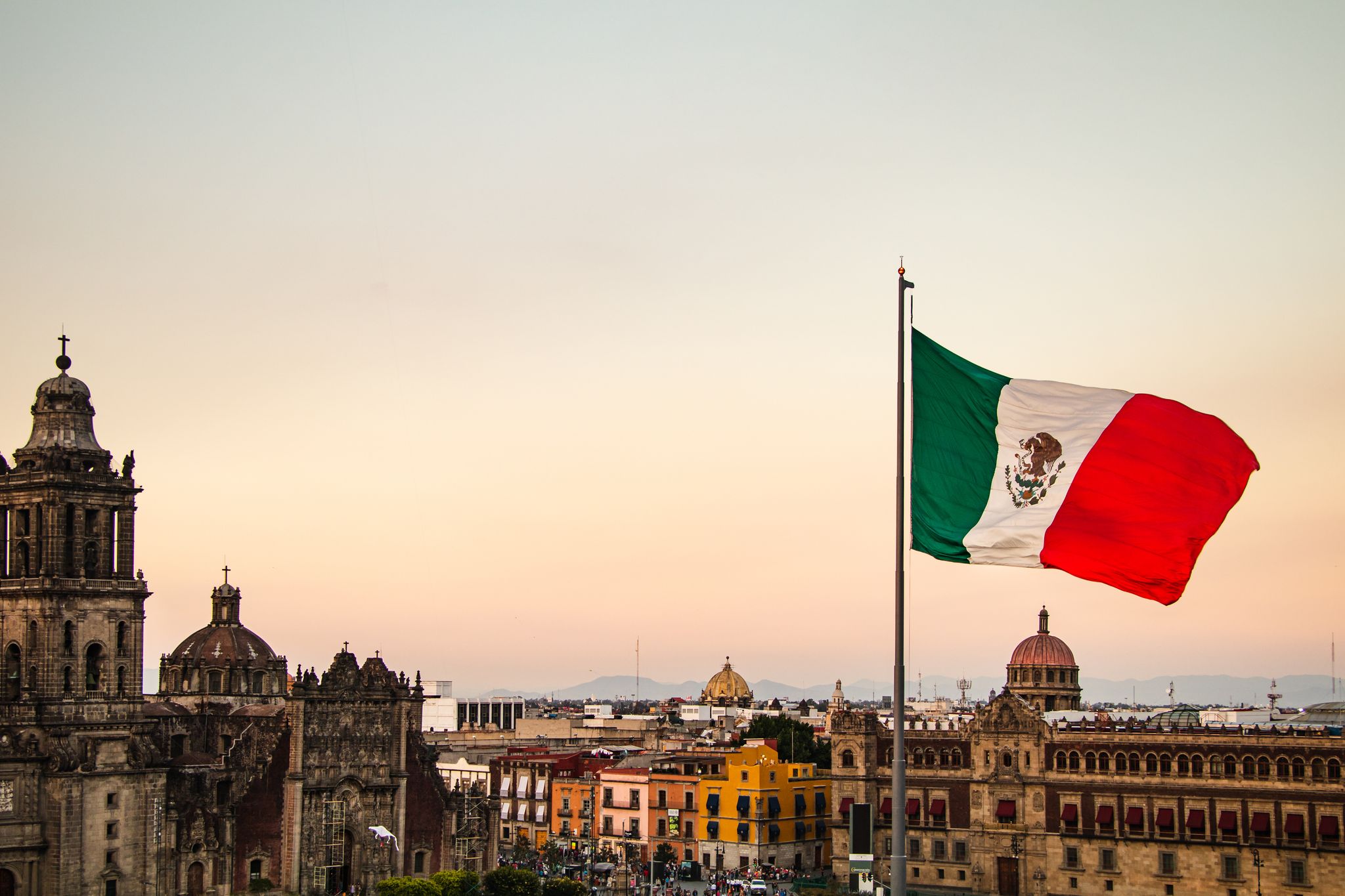
Daytrip’s guide to Central Mexico
Visit Central Mexico for ancient pyramids, silver-rich colonial cities, and one of the world’s great capitals. It’s loved for its museums, lively markets, and food, from street tacos in Mexico City to Puebla’s famous mole.
The region sits on a tall plateau ringed by volcanoes, including snow-capped Popocatépetl and Iztaccíhuatl. Mexico City rises high above sea level, giving the region mild, spring-like weather for much of the year.
History runs deep here. Teotihuacan was one of the largest cities in the ancient Americas, and in 1325 the Aztecs founded Tenochtitlan on an island in a lake. After the Spanish conquest in 1521, they built Mexico City on its ruins. Later, silver mines funded cities in the Bajío, such as Guanajuato, among the richest in New Spain. In 1810, the call for Mexican independence went out from the nearby town of Dolores.
This guide covers the best places to visit, when to go, and what to eat, with ideas for trips beyond the capital to cities like Puebla, Querétaro, and San Miguel de Allende.
Main airports:
- Mexico City International Airport (MEX)
- Felipe Ángeles International Airport (NLU)
- Toluca International Airport (TLC)
- Puebla International Airport (PBC)
- Querétaro Intercontinental Airport (QRO)
- Bajío International Airport, León (BJX)
Central Mexico in brief
Main cities
Mexico City, Puebla, and Querétaro
Language
Spanish, plus many recognized Indigenous languages
Currency
Mexican peso (MXN)
Time zone
UTC-6, no daylight saving time
Our favorite cities in Central Mexico
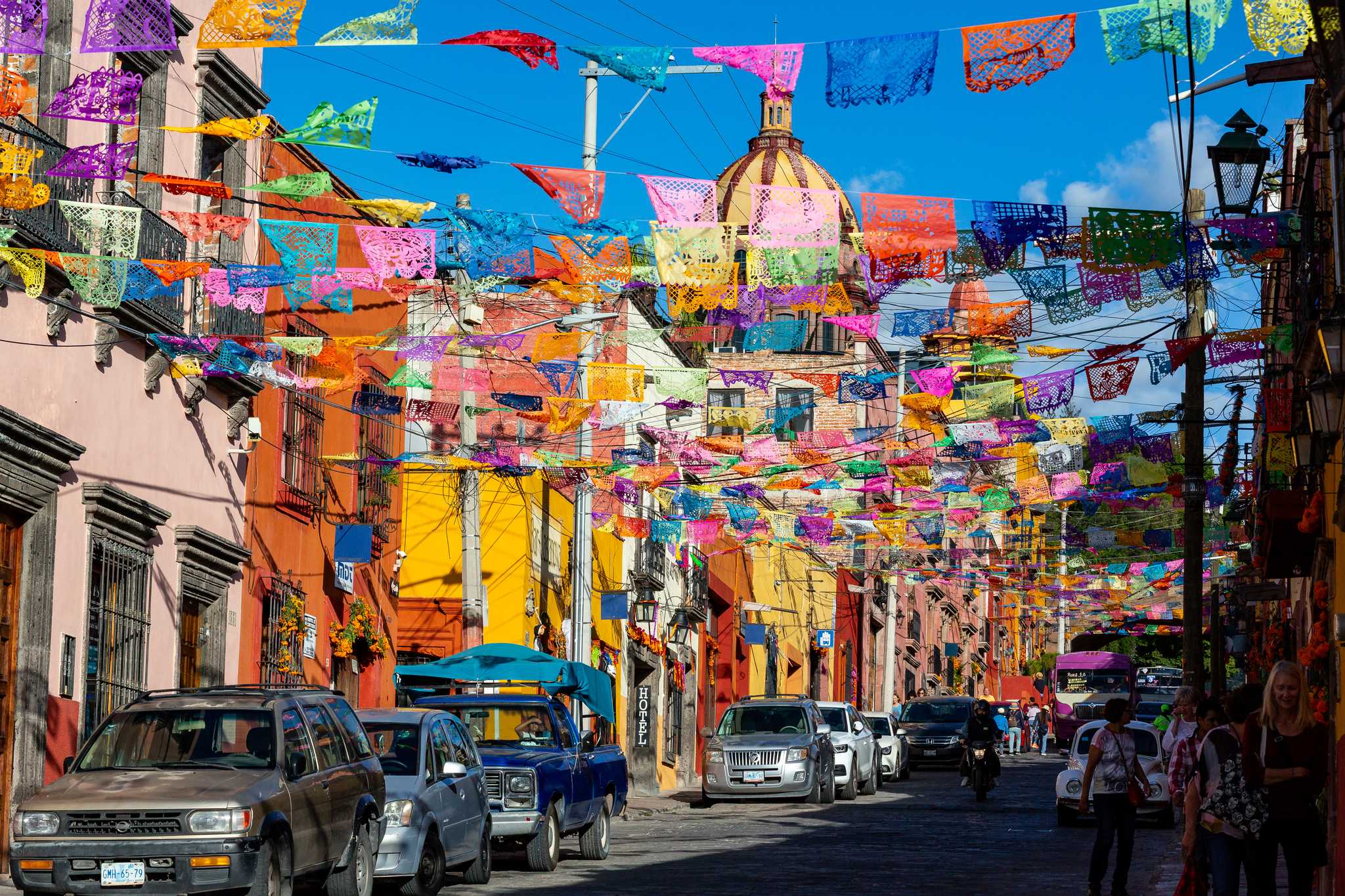
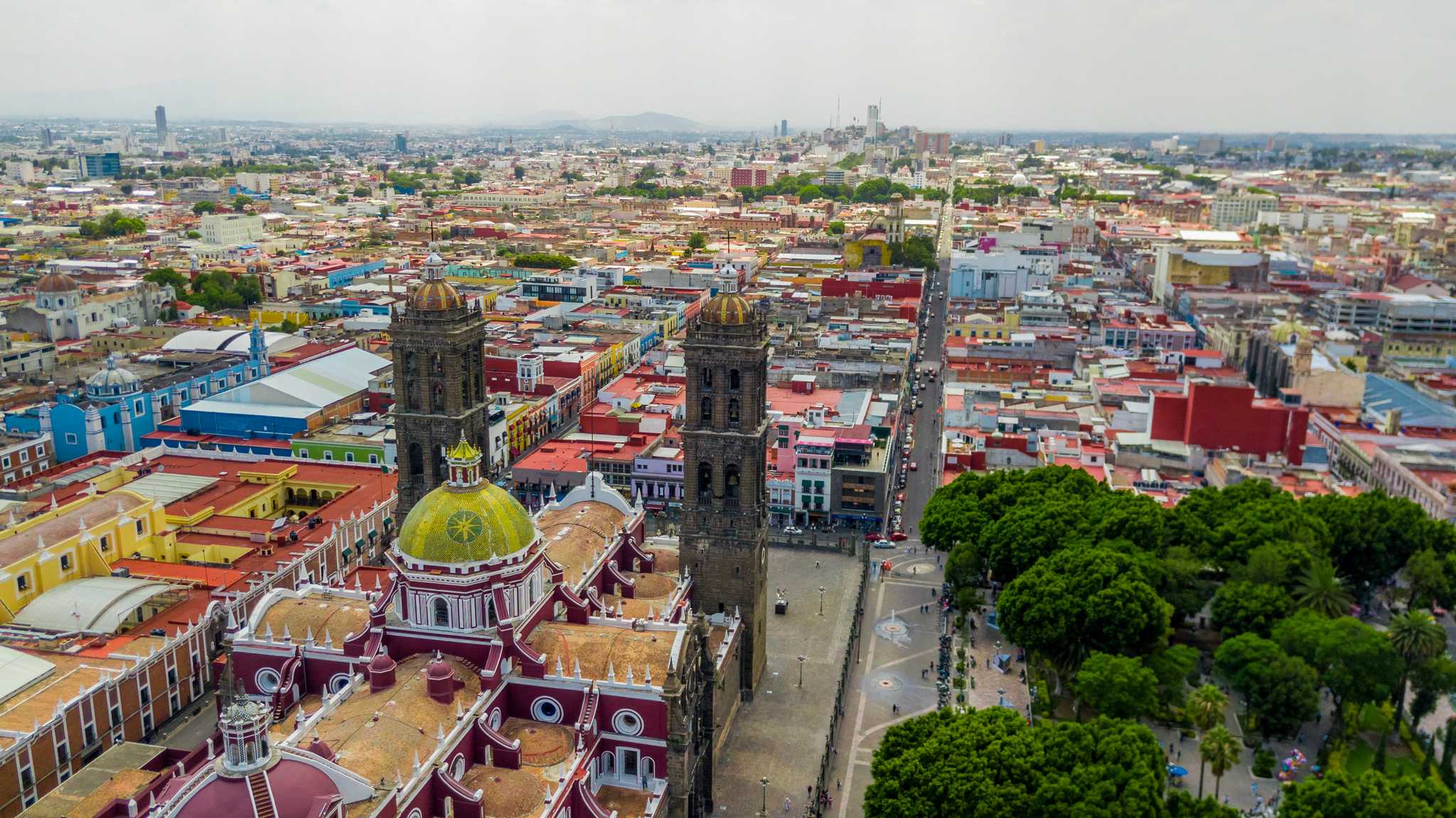
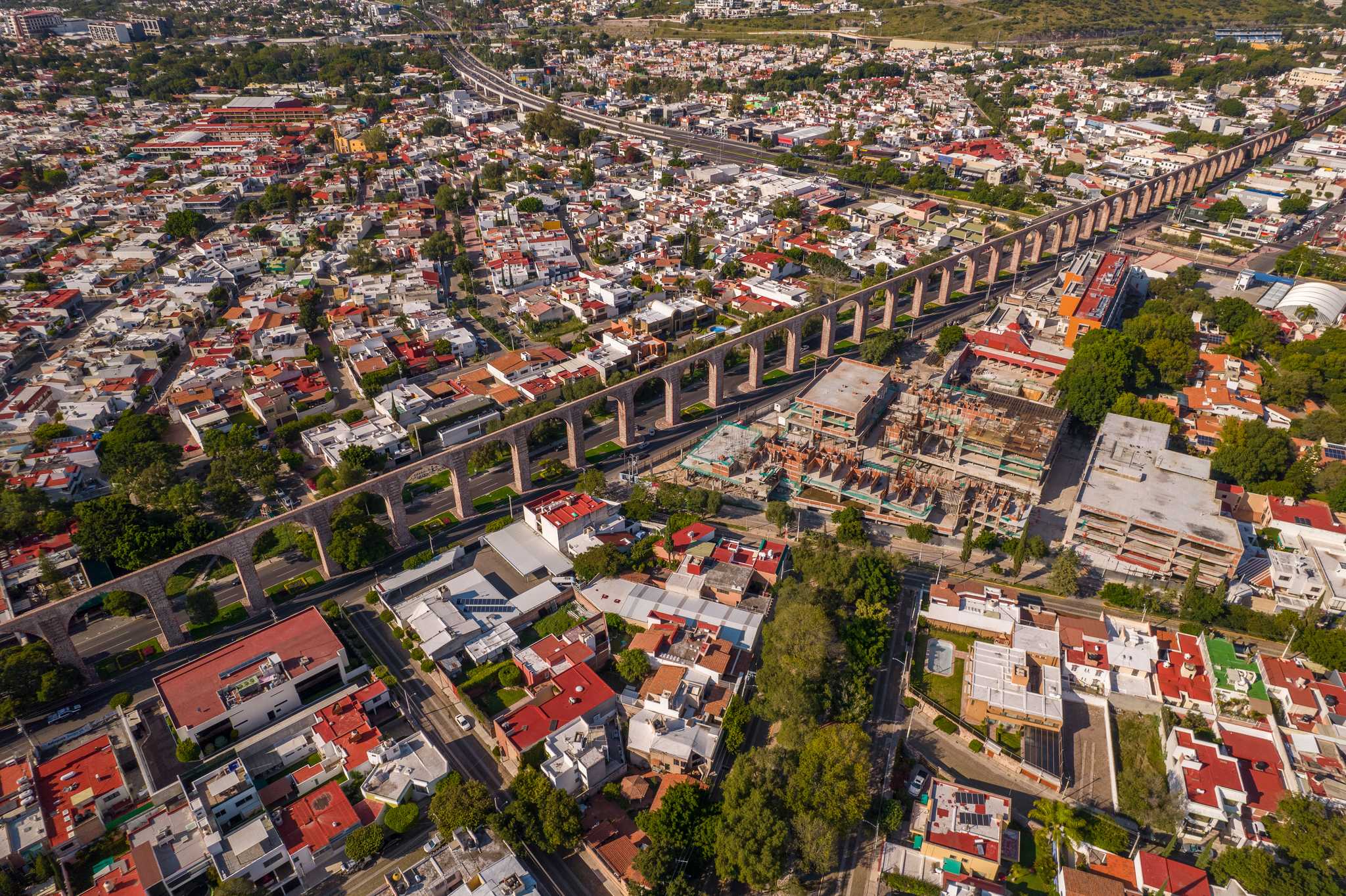
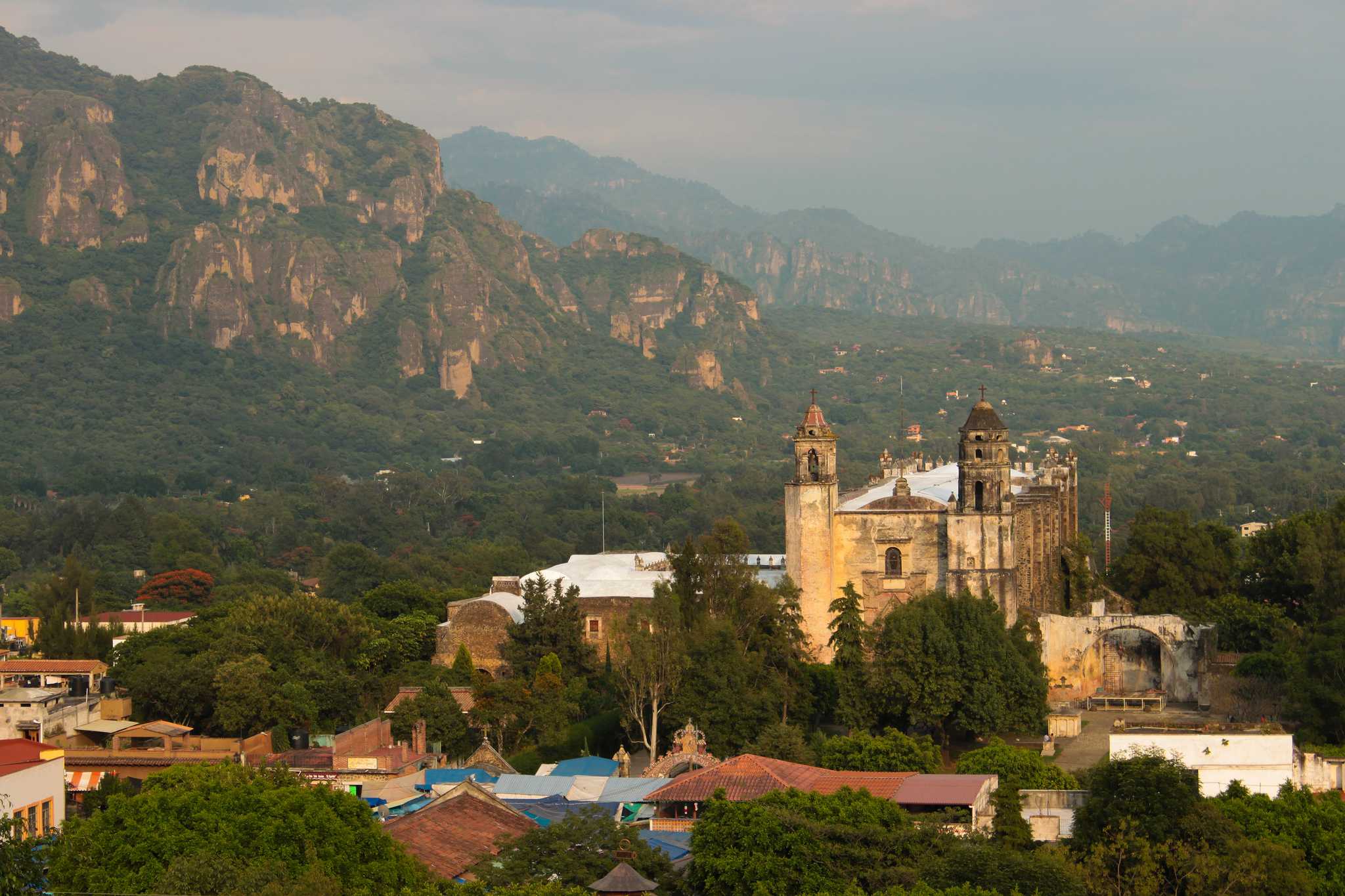
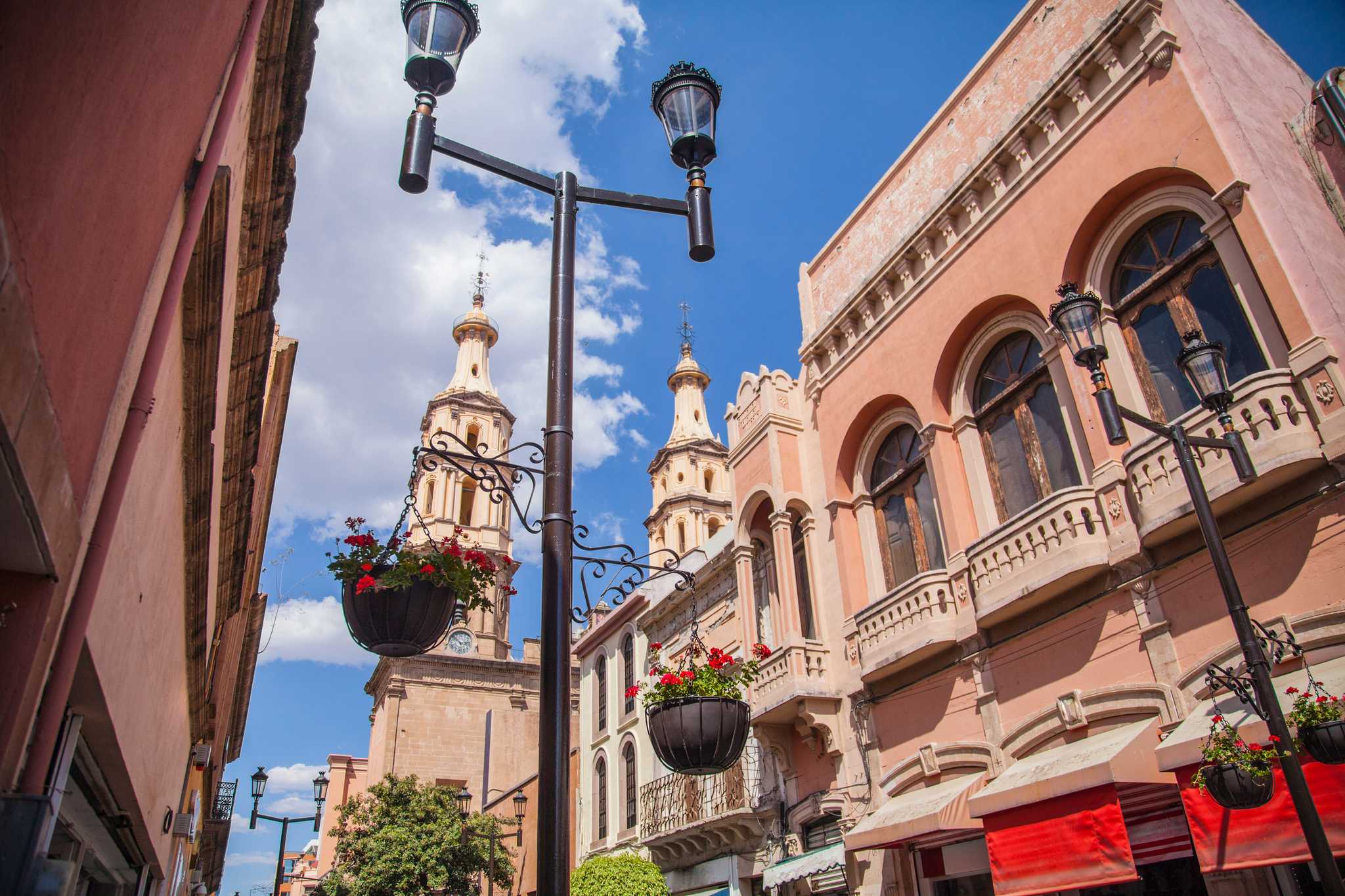
From a sprawling capital to quiet mountain towns, Central Mexico’s cities each have their own character. Explore world-class museums, colonial streets built on silver wealth, and lively plazas, all within a few hours of each other. This region is a year-round destination.
From a sprawling capital to quiet mountain towns, Central Mexico’s cities each have their own character. Explore world-class museums, colonial streets built on silver wealth, and lively plazas, all within a few hours of each other. This region is a year-round destination.

Did you know
Mexico City has the world’s longest public-transit cable car route, at 6.5 miles (10.5 km).
When to go
Winter
Enjoy dry, sunny days in Mexico City, with low crowds in January. See monarch butterflies near Valle de Bravo, and eat tamales on Candelaria, Feb. 2.
Spring
March brings purple jacarandas. Easter is chaotic but beautiful, especially in San Miguel. Go to Teotihuacan for the equinox.
Summer
Best time for lush, green countryside. Skip the crowds by visiting in June. Eat chiles en nogada in Puebla or go to Querétaro for the grape harvest.
Autumn
Visit in early October to skip the crowds. Go to Guanajuato for the Cervantino festival and see Day of the Dead in Mexico City.
Our picks: things to do in Central Mexico
Central Mexico offers something for every traveler, whatever their age or interests. Explore ancient pyramids, wander colonial towns, visit world-class museums, sip local wine, and eat your way through the birthplace of mole and tacos al pastor.
Central Mexico offers something for every traveler, whatever their age or interests. Explore ancient pyramids, wander colonial towns, visit world-class museums, sip local wine, and eat your way through the birthplace of mole and tacos al pastor.
Explore ancient cities
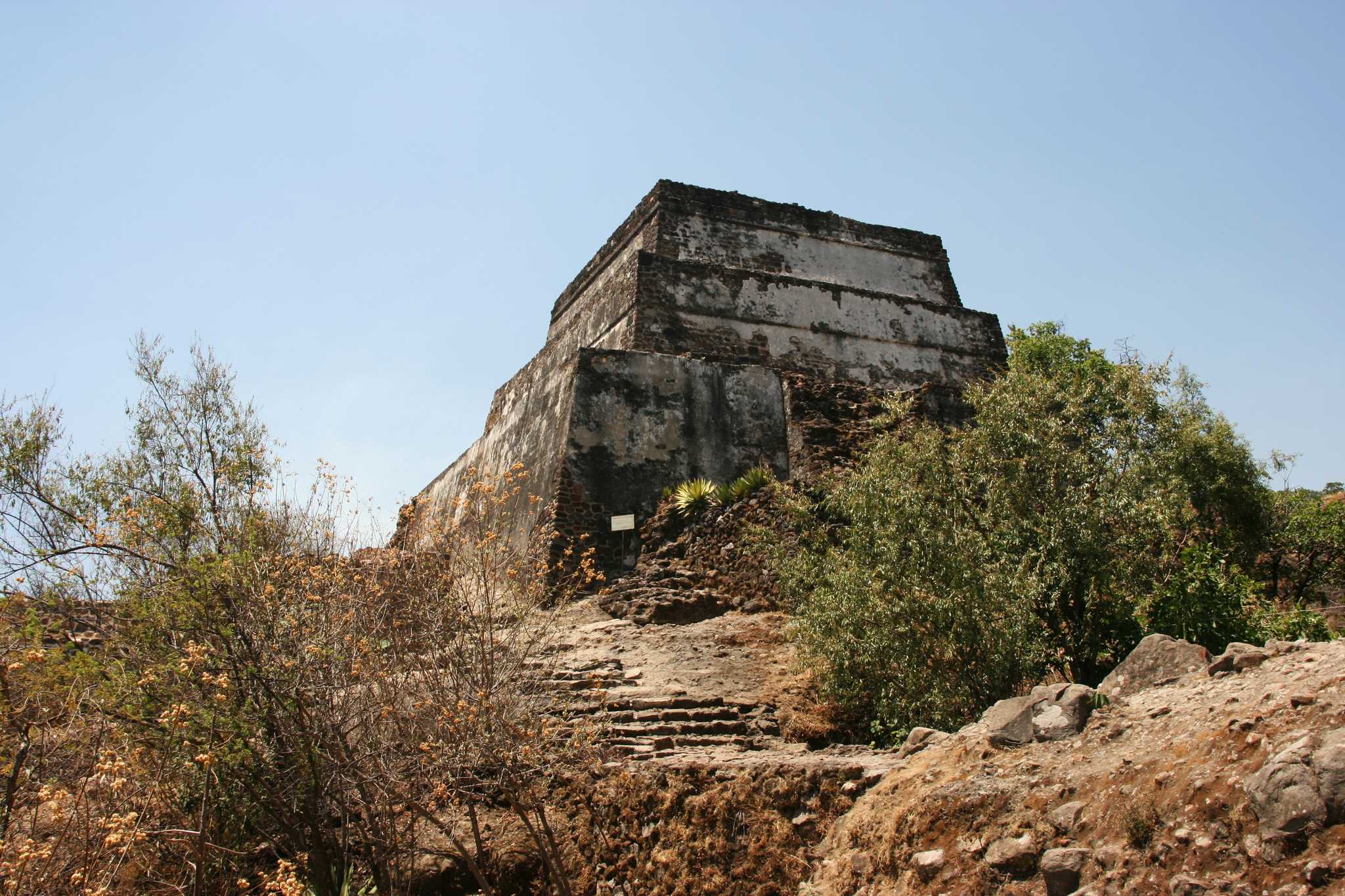
Long before the Spanish arrived, great civilizations built cities across the central highlands. Walk ceremonial avenues, explore pyramids, and see the ruins that shaped Mexico’s history.
- Walk the Avenue of the Dead between Teotihuacan’s pyramids
- See the Templo Mayor, the Aztecs’ main temple, in Mexico City
- Explore the tunnels inside Cholula’s Great Pyramid
- Admire the giant warrior statues of Tula, the Toltec capital
- See Cacaxtla’s vivid murals, preserved under a vast roof
Wander colonial towns
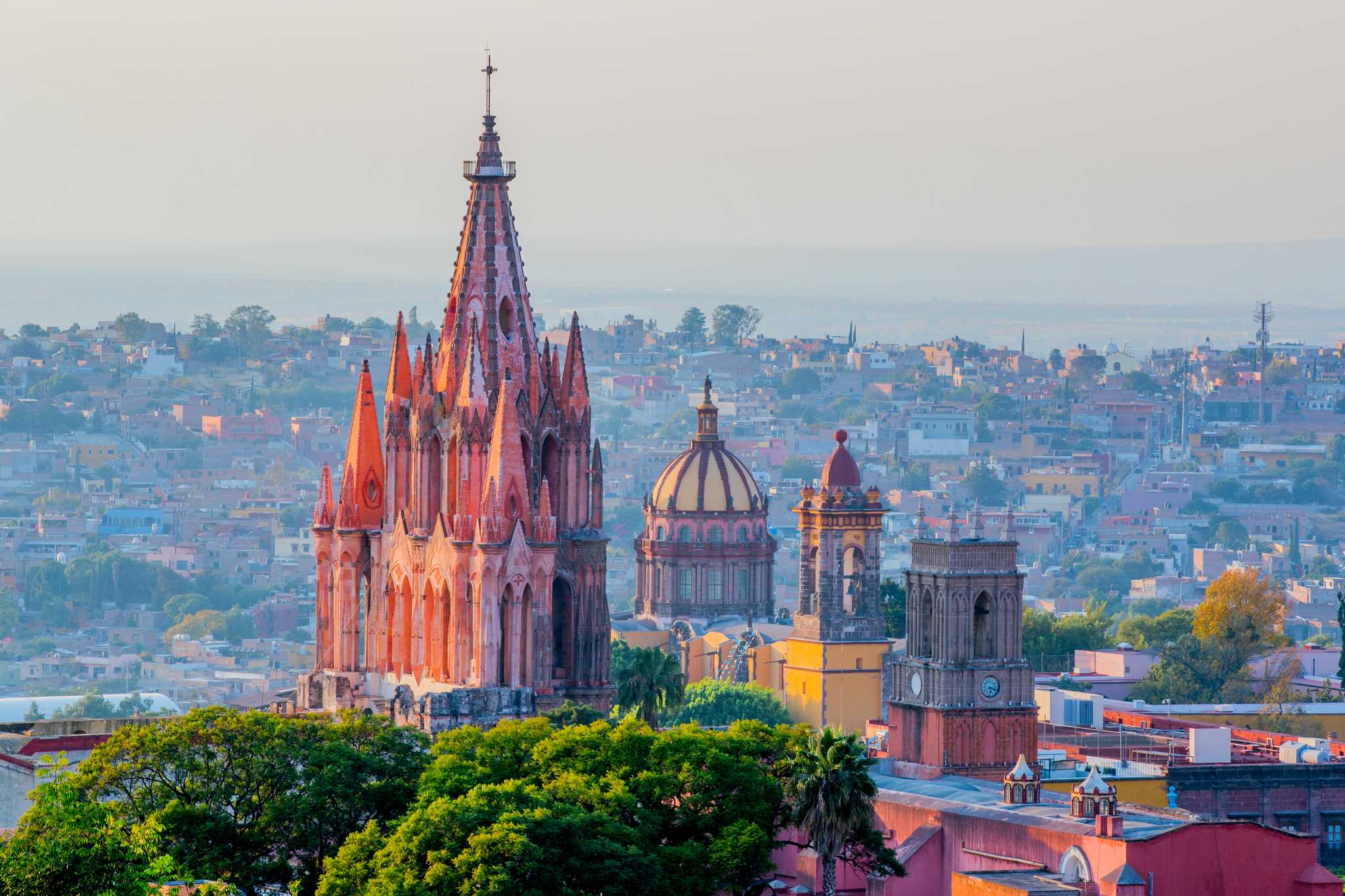
Silver wealth and Spanish rule left Central Mexico with some of the country’s most beautiful towns. Stroll cobblestone streets, colorful plazas, and grand Baroque churches.
- Admire San Miguel de Allende’s pink Neo-Gothic parish church
- Walk Guanajuato’s tunnels and the narrow Alley of the Kiss
- See Puebla’s Talavera-tiled facades and grand cathedral
- Visit Querétaro’s historic center and 18th-century aqueduct
- Explore Real del Monte, a mining town with Cornish roots

Discover Mexico City
Mexico City is packed with world-class museums, grand plazas, and lively neighborhoods. Spend a few days exploring its art, history, and street life.
- See the Sun Stone at the National Museum of Anthropology
- Visit Frida Kahlo’s Blue House in Coyoacán
- See Diego Rivera’s murals at the National Palace
- Ride a colorful trajinera through the canals of Xochimilco
- Stroll Chapultepec Park and visit its hilltop castle
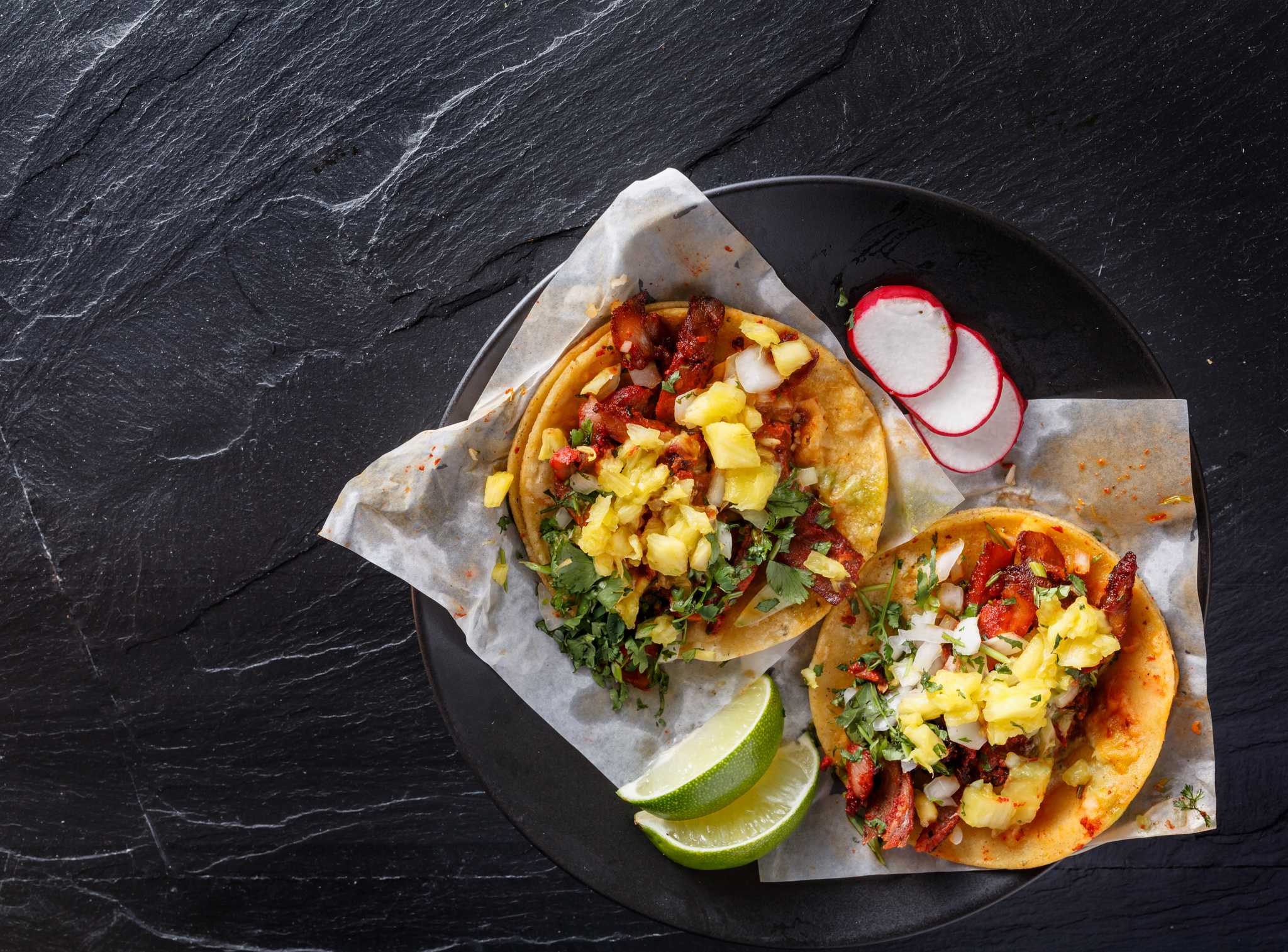
Eat local cuisine
Central Mexico is the birthplace of many of the country’s best-known dishes. Eat your way through street stalls, busy markets, and family-run restaurants.
- Try tacos al pastor at a Mexico City taquería
- Taste mole poblano in Puebla, where it was born
- Eat chiles en nogada in Puebla from July to September
- Drink pulque at a traditional pulquería
- Eat weekend barbacoa in Texcoco
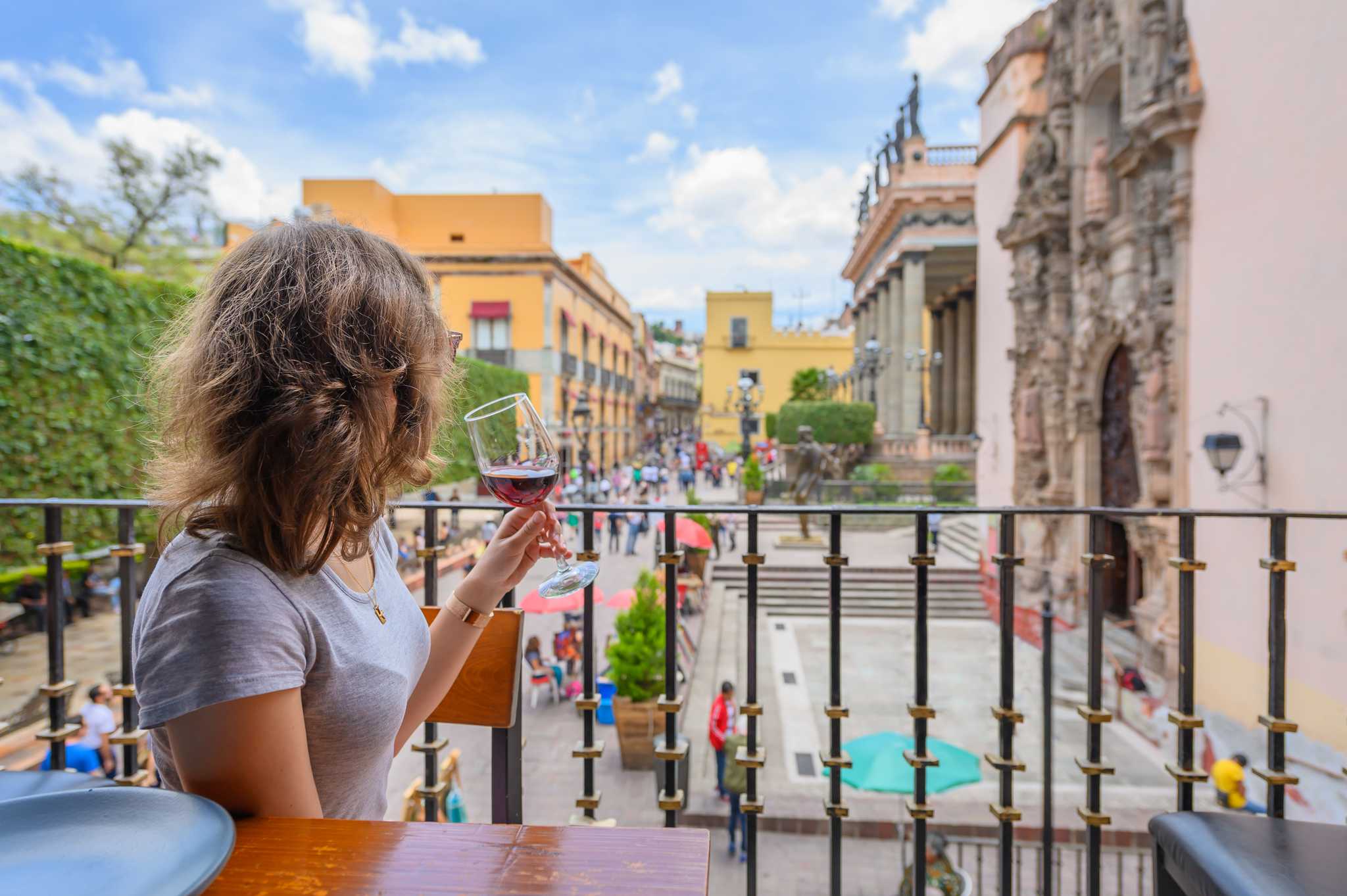
Tour wine country
Querétaro’s high-altitude vineyards produce some of Mexico’s best sparkling wines. Pair tastings with local cheeses, small towns, and countryside views.
- Follow Querétaro’s Wine and Cheese Route
- Tour the cellars of Freixenet México in Ezequiel Montes
- Visit Tequisquiapan, a relaxed town known for its cheese
- Climb Peña de Bernal, one of the world’s largest monoliths
- Join the grape harvest festivals in summer

Get into nature
Volcanoes, pine forests, and canyons lie just a few hours from the capital. Hike mountain trails, see wildlife, or soak in hot springs.
- See millions of monarch butterflies near Valle de Bravo
- Hike Iztaccíhuatl’s slopes in Izta-Popo National Park
- Walk among the basalt columns of Prismas Basálticos
- Soak in the turquoise thermal pools of Tolantongo
- Explore the forests and missions of the Sierra Gorda
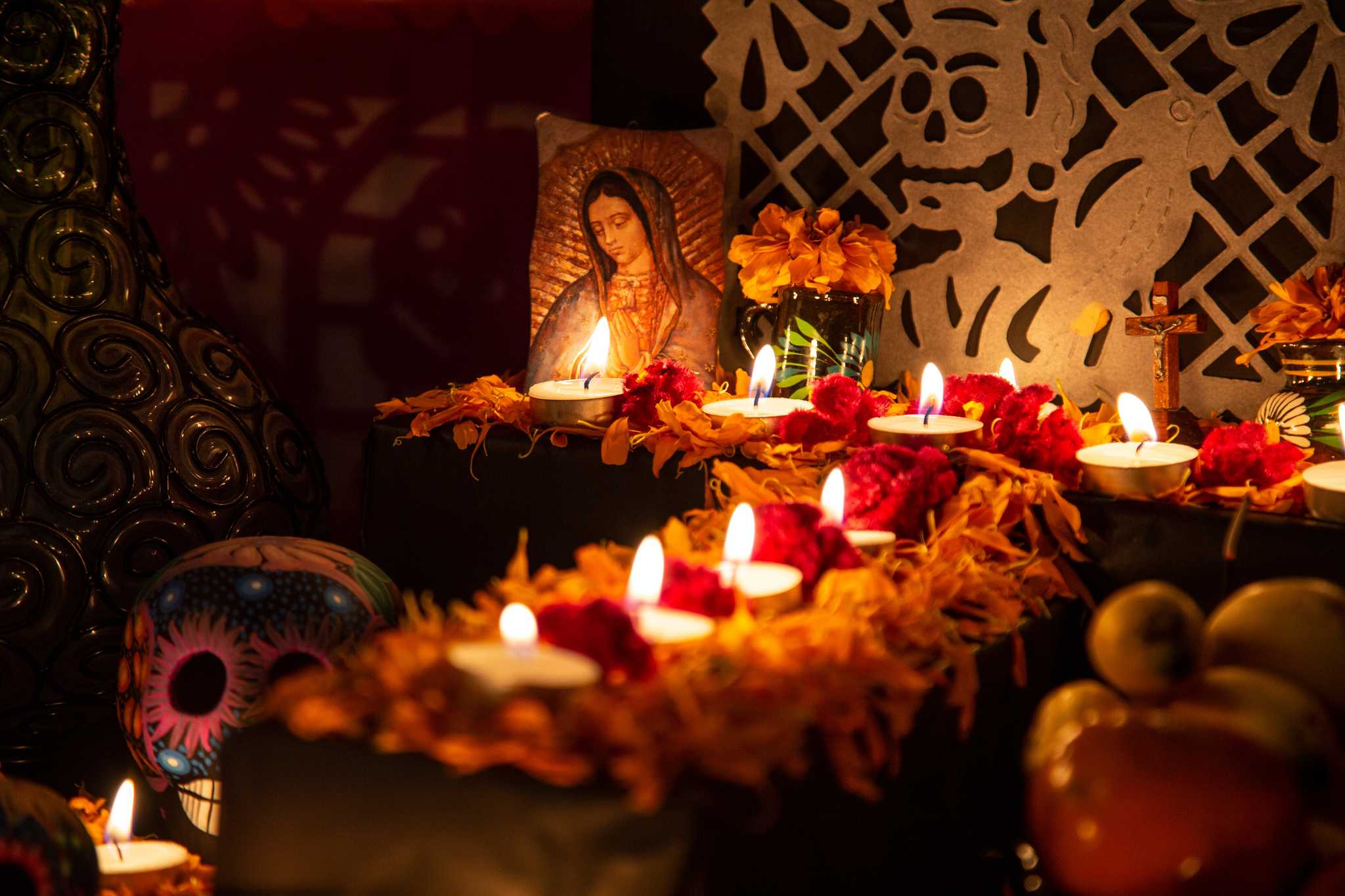
Celebrate local festivals
Central Mexico’s calendar is packed with colorful celebrations. Plan your trip around one to see music, dancing, and local traditions at their liveliest.
- Honor the dead with altars and marigolds on November 1 and 2
- Join the Cervantino arts festival in Guanajuato in October
- See Puebla’s Cinco de Mayo parade, marking the 1862 battle
- Hear the Grito on September 15 in Mexico City’s Zócalo
- See Huamantla’s dyed sawdust street carpets in August
From a local
“Mercado San Juan in Mexico City is my favorite place to visit there. Take a camera, some cash, and a big appetite, and try everything you see, from Spanish cheeses to fresh clams.”
– Armando, Daytrip team, Toluca native
What to eat, drink, and order
Central Mexican food is built on corn, chiles, and rich, slow-cooked sauces. Pre-Hispanic traditions blend with Spanish influences here, from Puebla’s convent-born mole to Mexico City’s taco stands and pulque, brewed since antiquity. Eat your way through Central Mexico with these foods and drinks.
Central Mexican food is built on corn, chiles, and rich, slow-cooked sauces. Pre-Hispanic traditions blend with Spanish influences here, from Puebla’s convent-born mole to Mexico City’s taco stands and pulque, brewed since antiquity. Eat your way through Central Mexico with these food...
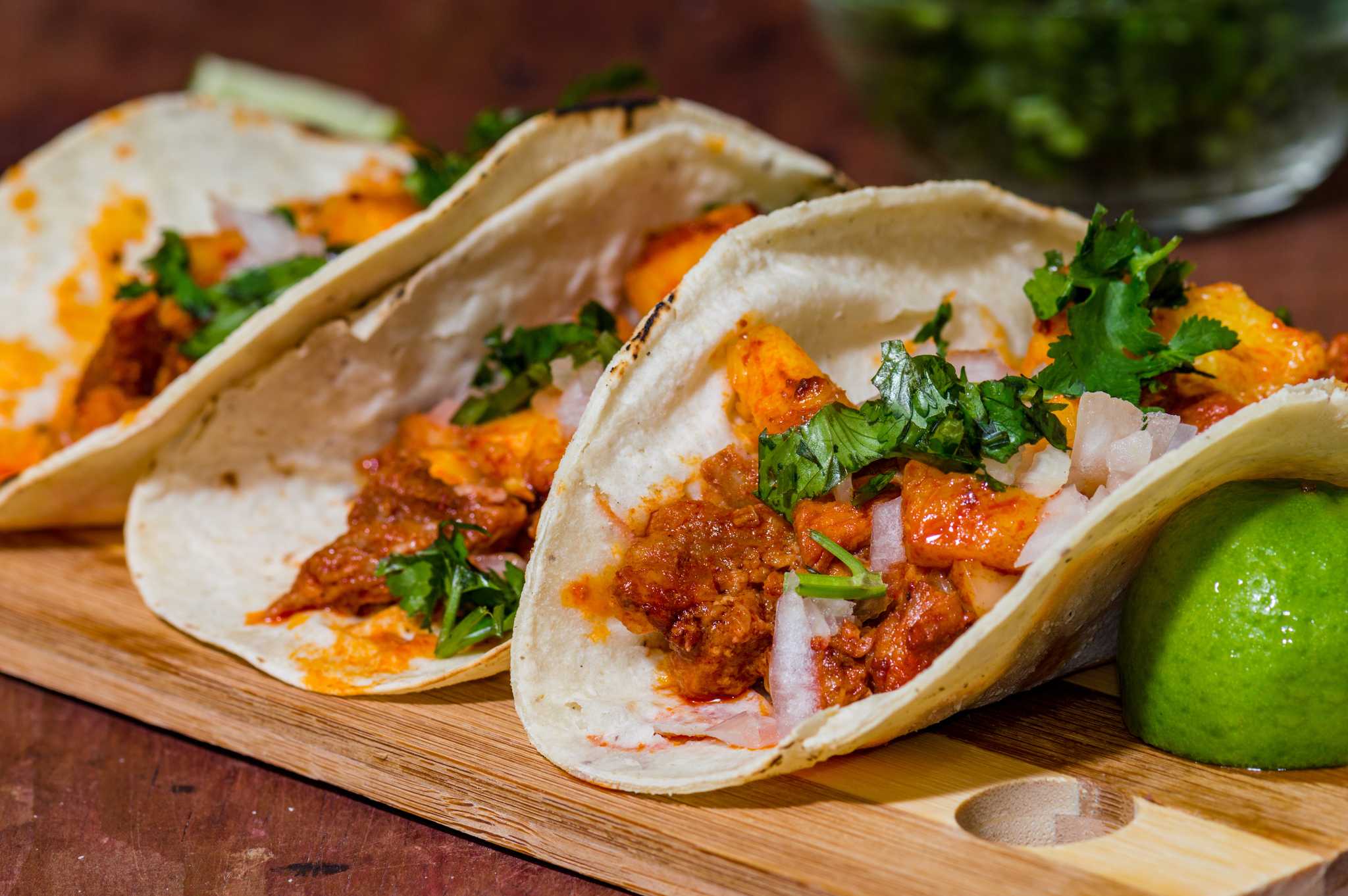
Tacos al pastor in Mexico City
Spit-roasted pork tacos, inspired by Lebanese shawarma, topped with pineapple and onion.
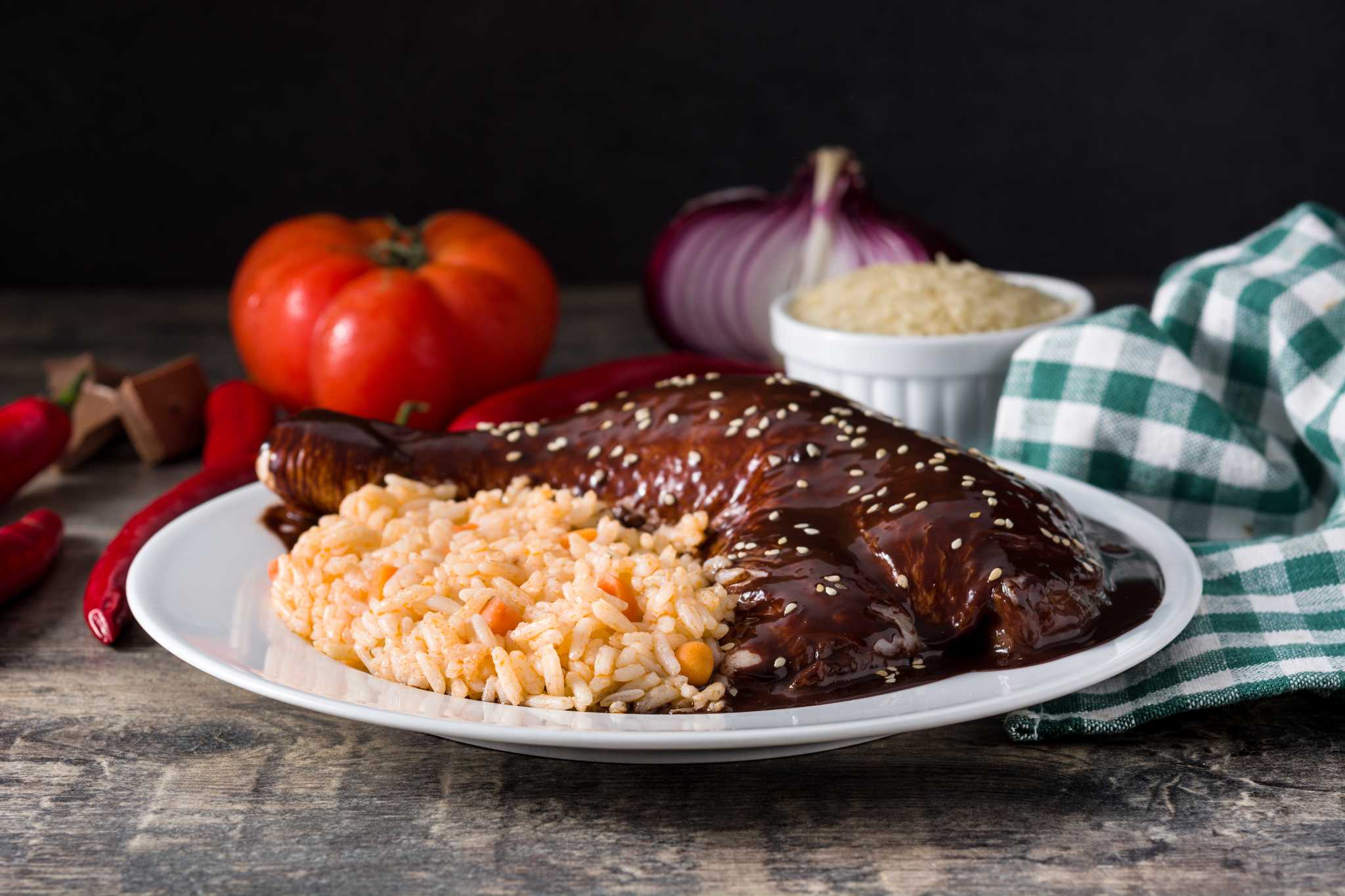
Mole poblano in Puebla
A rich, dark sauce of chiles, spices, and chocolate, usually served over turkey or chicken.
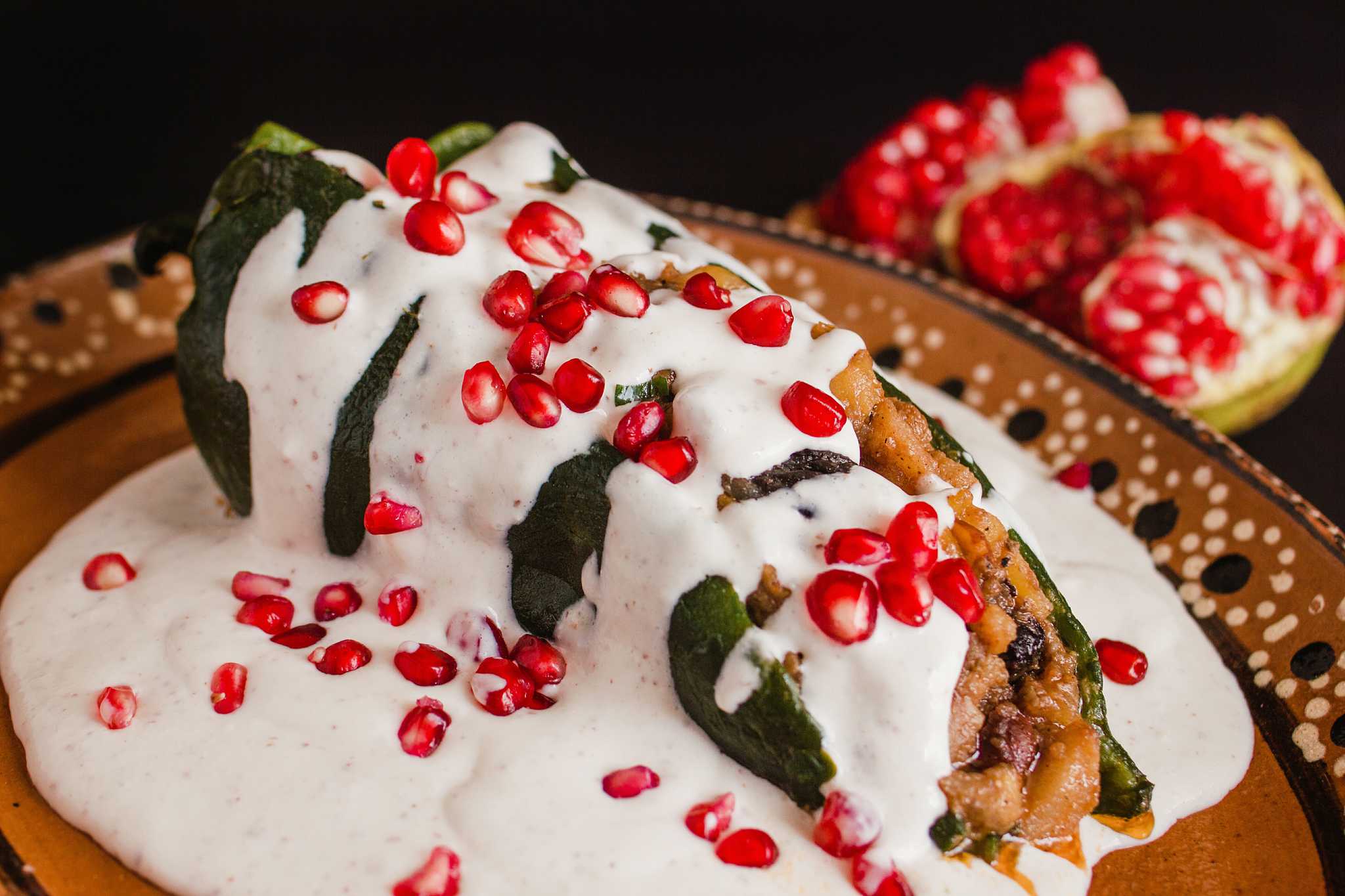
Chiles en nogada in Puebla
Stuffed poblano peppers in a walnut cream sauce with pomegranate, in the colors of the flag.
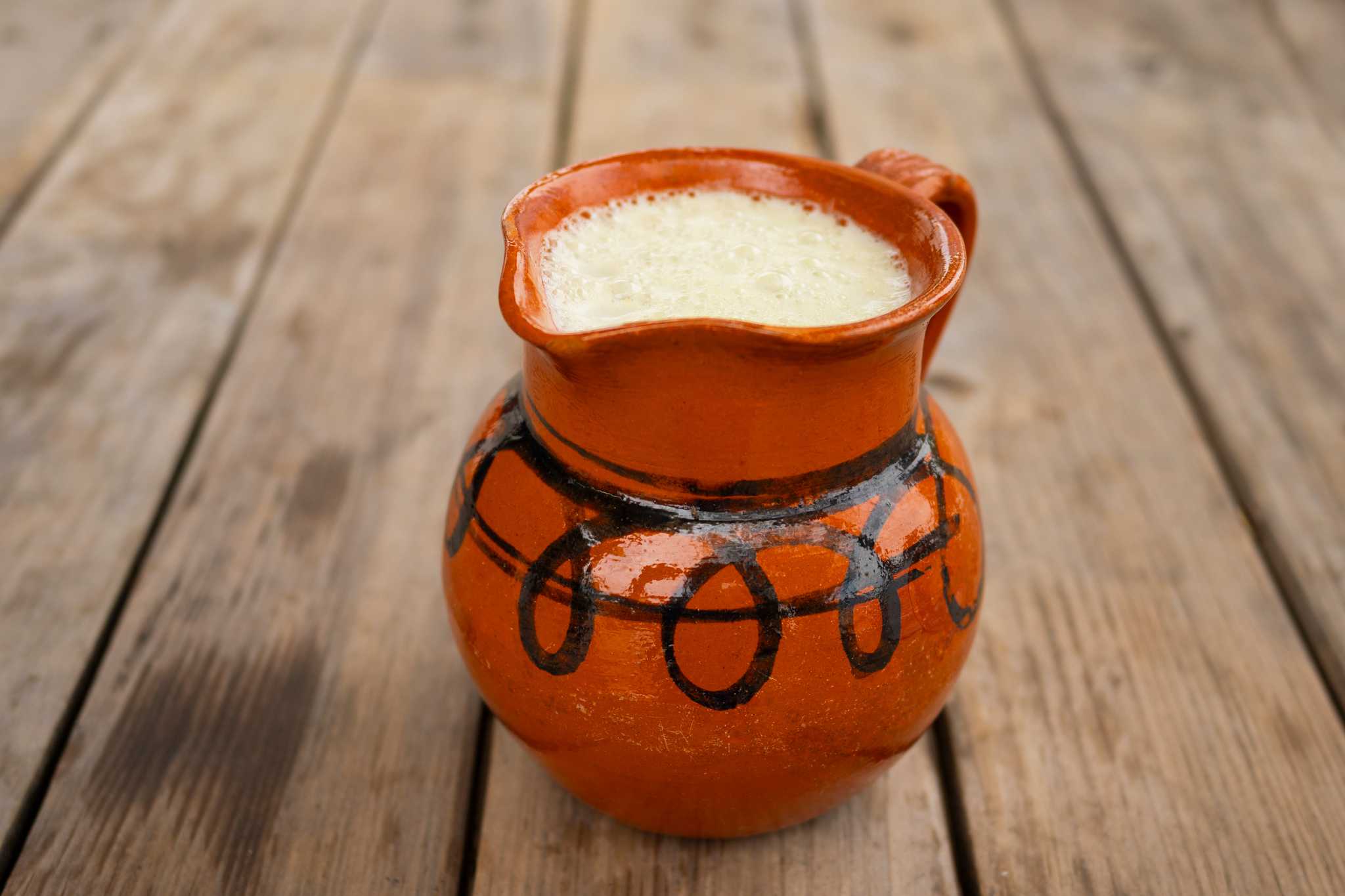
Pulque in Mexico City
A milky, lightly alcoholic drink of fermented agave sap, enjoyed since pre-Hispanic times.
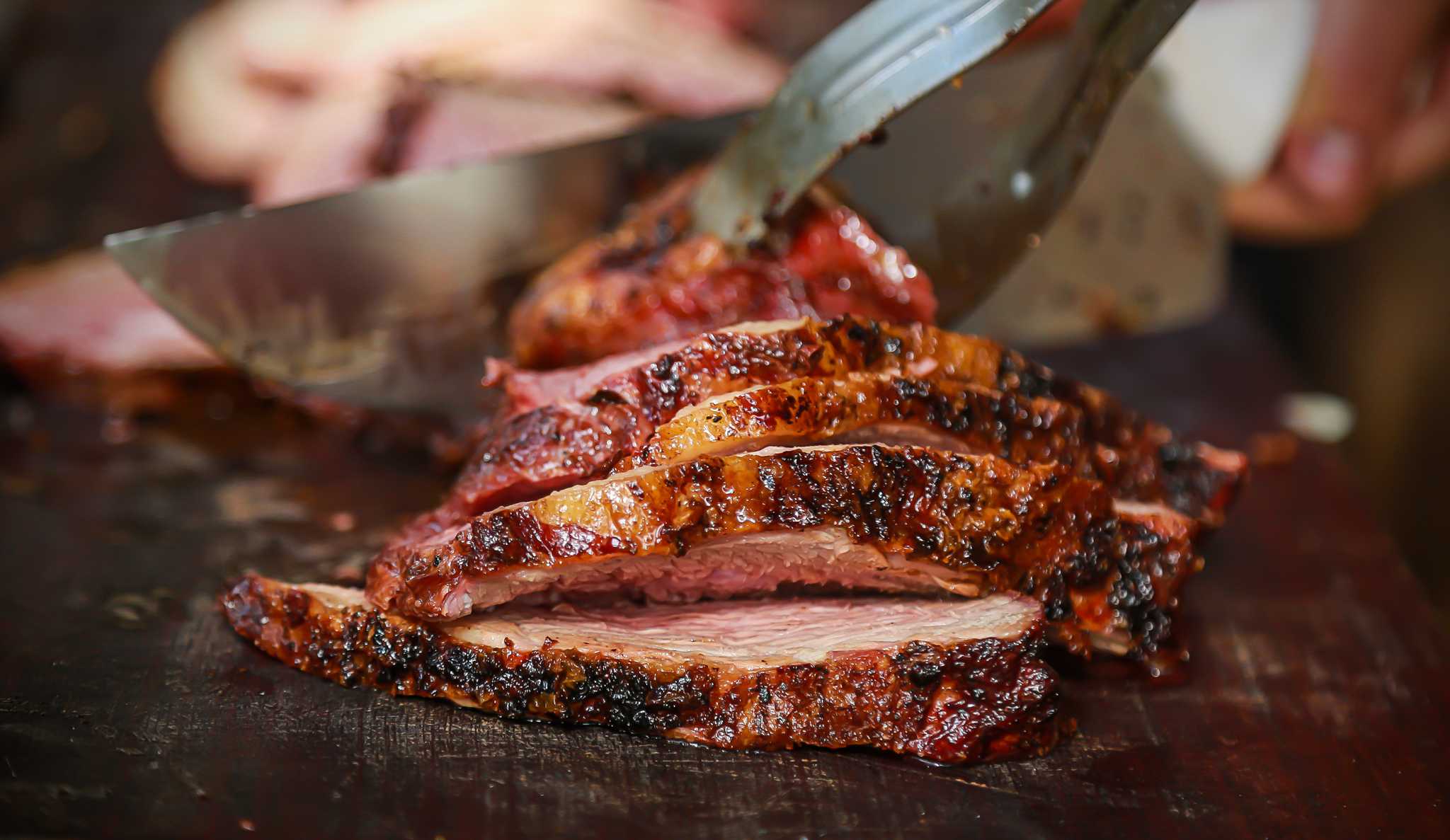
Barbacoa in Texcoco
Lamb wrapped in agave leaves and slow-cooked in an underground pit, usually eaten on Sundays after cooking all weekend.
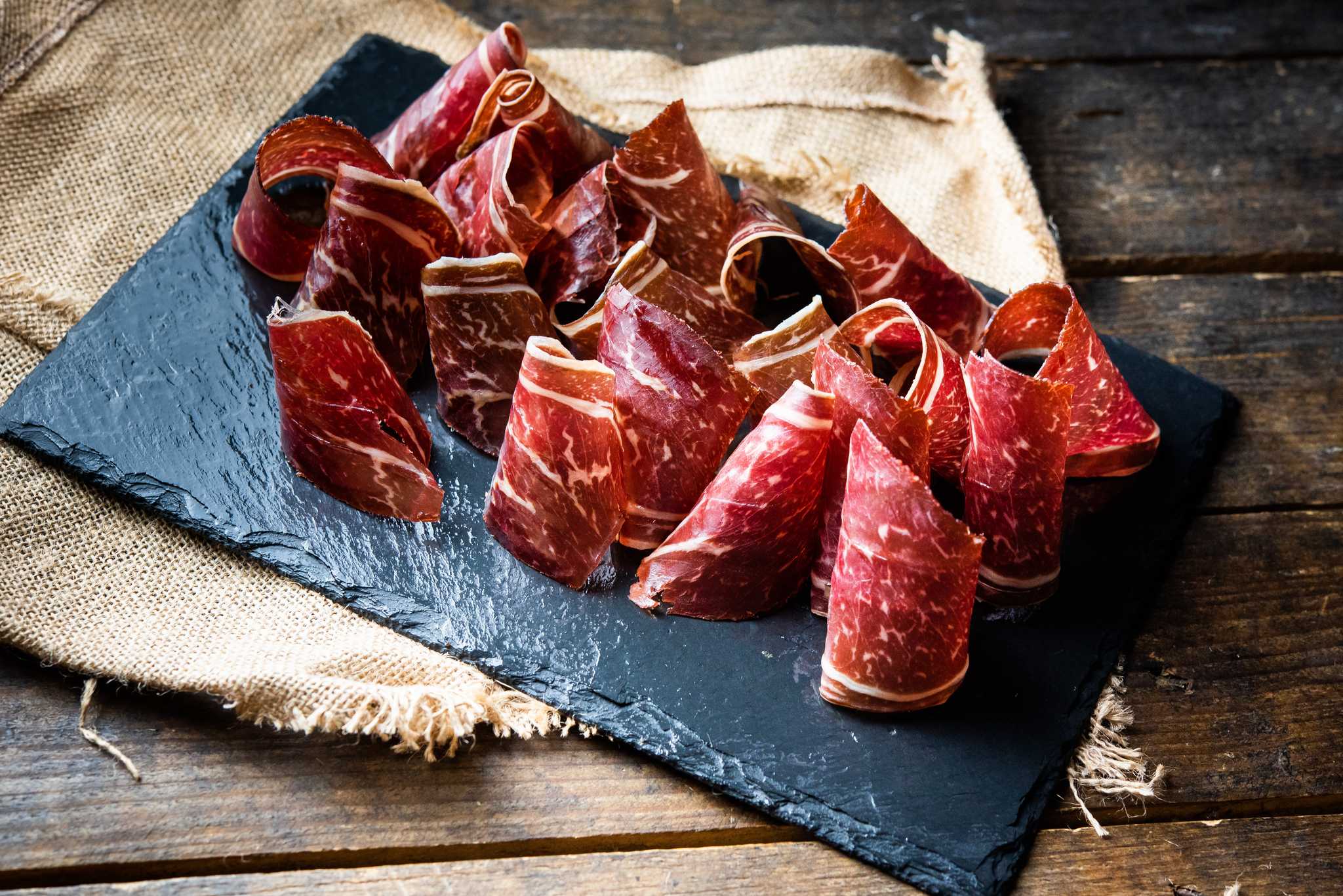
Cecina in Yecapixtla
Thin, salted, air-dried beef, grilled and served with cream, fresh cheese, and salsa.
From a local
“In downtown Toluca, at El Huipil, pozole verde is the dish. There’s nothing better than a big bowl of pozole with pork and a few shots of mezcal.”
– Armando, Daytrip team, Toluca native
Getting around Central Mexico
Many of Central Mexico’s highlights lie within a few hours of Mexico City, so it’s easy to combine several towns and sites in one trip. First-class buses are comfortable and link the main cities, but they don’t reach many smaller sites. Driving yourself means dealing with heavy Mexico City traffic and unfamiliar roads. A private driver is the most flexible and stress-free option, taking you door to door and letting you stop along the way.
Top rated routes
Mexico City to San Miguel de Allende
3h 38min • 266km (165.3mi)
From US$252
Mexico City to Puebla
2h 14min • 132km (82.0mi)
From US$151
Mexico City to Tepoztlan
1h 30min • 84km (52.2mi)
From US$97
Mexico City to Teotihuacan
1h 1min • 49km (30.4mi)
From US$57
Mexico City to Valle de Bravo
2h 17min • 142km (88.2mi)
From US$159
Santiago de Querétaro to San Miguel de Allende
1h 11min • 67km (41.6mi)
From US$85
San Miguel de Allende to Guanajuato
1h 27min • 77km (47.8mi)
From US$135
Mexico City to Santiago de Querétaro
2h 46min • 217km (134.8mi)
From US$198
Mexico City to Tolantongo Caves
3h 45min • 202km (125.5mi)
From US$209
Leon to San Miguel de Allende
2h 9min • 121km (75.2mi)
From US$133
Mexico City Airport to San Miguel de Allende
3h 38min • 272km (169.0mi)
From US$254
Leon to Guanajuato
1h 3min • 57km (35.4mi)
From US$124
Best day trips in Central Mexico

Mexico City to Tula Toltec Ruins: Private day trip

Puebla to Tlaxcala and Cacaxtla-Xochitecatl Private day trip

Artistic Heritage from Mexico City: Private day trip

Puebla to Cholula and Atlixco: Private day trip

Mexico City to Valle de Bravo: Private day trip

Mexico City to Tequisquiapan and Bernal: Private day trip

Mexico City to Cuernavaca: Private day trip

Mexico City to Teotihuacan: Private day trip
2+ million travelers like you. Moments they'll never forget.

Your Central Mexico questions, answered
About the author
Caroline Beach is a Prague-based travel writer who prefers centering her trips around regional cultural events, rather than long-standing major points of interest.
Be the first to discover more
Get handpicked travel ideas, insider highlights, and special Daytrip offers.


