Daytrip’s guide to the Bajío

By Ján Tompkins
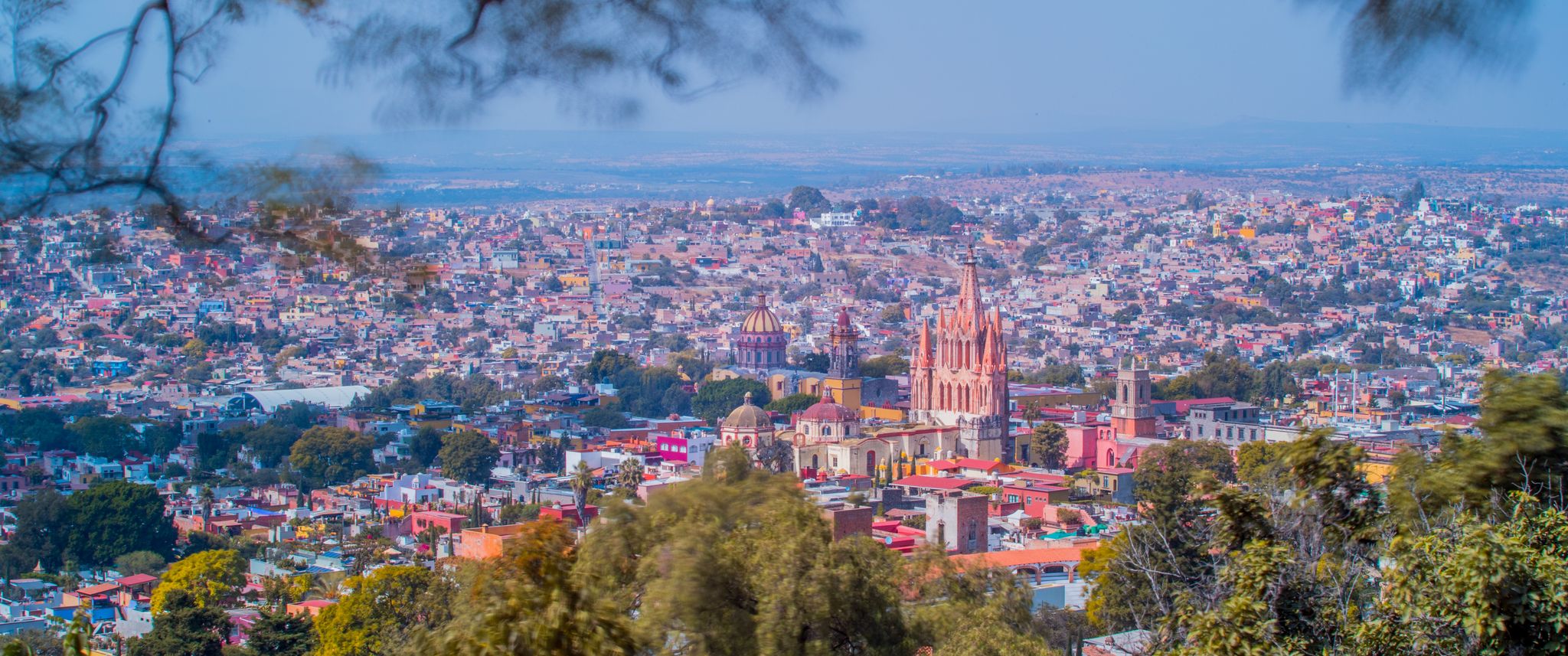
The Bajío is the high, sunny plateau northwest of Mexico City where silver money built some of the country’s grandest towns and the fight for independence began. Visit for Baroque churches, hillside cities painted ochre and blue, and some of Mexico’s best regional cooking. It is loved for its mild climate and unhurried plazas.
The name means “the lowland,” though most of its cities stand about a mile above sea level. In the mid-1500s, the Spanish struck silver here, and the royal road that carried it to Mexico City, the Camino Real de Tierra Adentro, strung together a chain of wealthy towns. Before dawn on Sept. 16, 1810, the priest of Dolores, Miguel Hidalgo, rang his church bell and called the country to revolt. Several Bajío towns are UNESCO World Heritage sites.
This guide covers the heart of the Bajío, from San Miguel de Allende and Guanajuato to Querétaro, León, and Aguascalientes, then heads west to Guadalajara, Tequila, and Lake Chapala, with smaller stops like Bernal along the way. Drive into Guanajuato, and the road dives into tunnels under the old town and surfaces among stacked, painted houses.
Main airports:
- Guadalajara International Airport (GDL)
- Bajío International Airport (BJX), near León
- Aguascalientes International Airport (AGU)
- Querétaro Intercontinental Airport (QRO), nearest San Miguel
Guanajuato and Jalisco carry Level 3 US travel advisories, with restrictions in some areas, so check current guidance and drive between cities by day.
The Bajío in brief
Main cities
León, Querétaro, and Guadalajara
Language
Spanish, plus Otomí and other Indigenous languages in some communities
Population
About 10 million
Currency
Mexican peso (MXN)
Our favorite cities in the Bajío
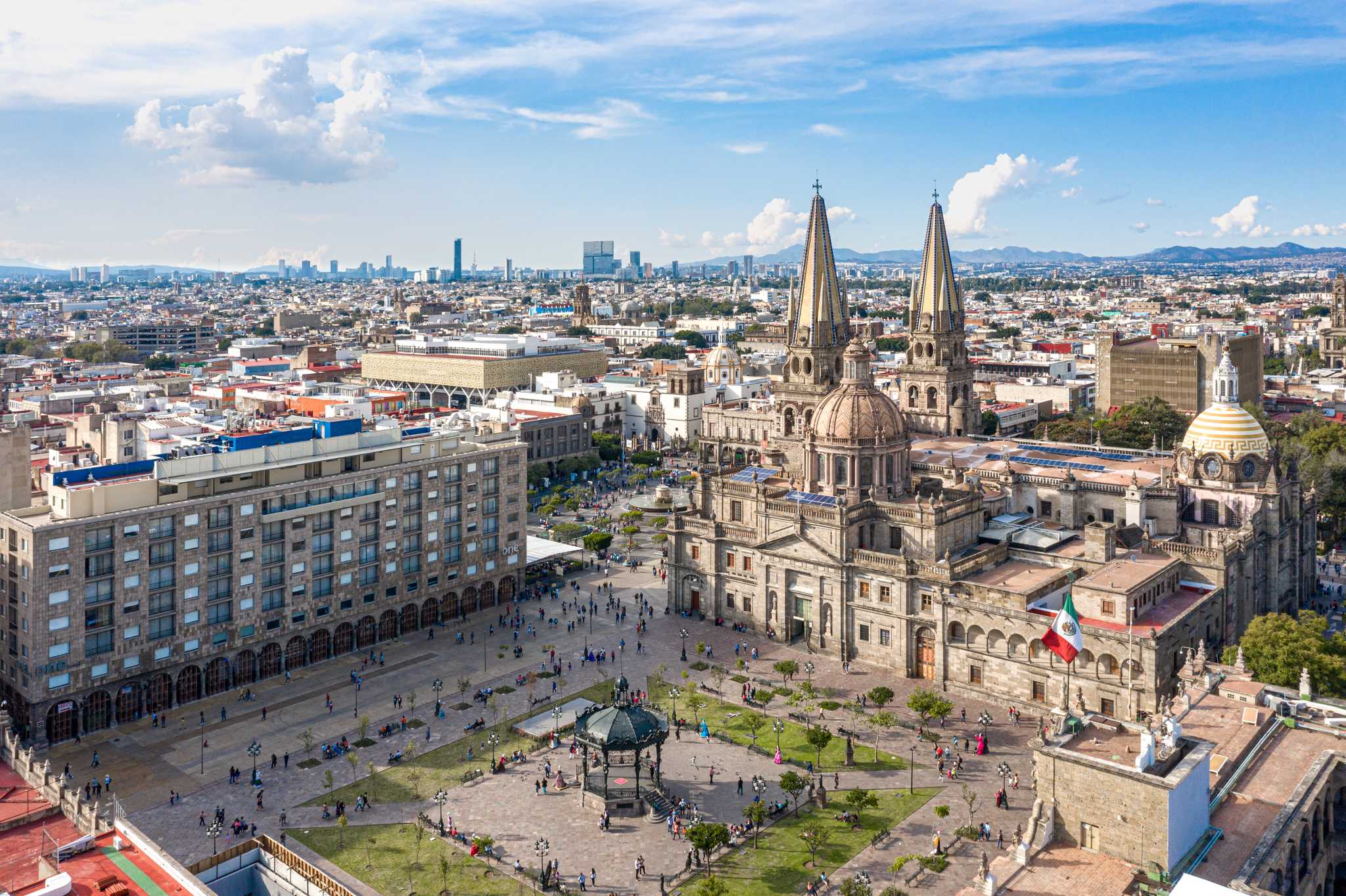
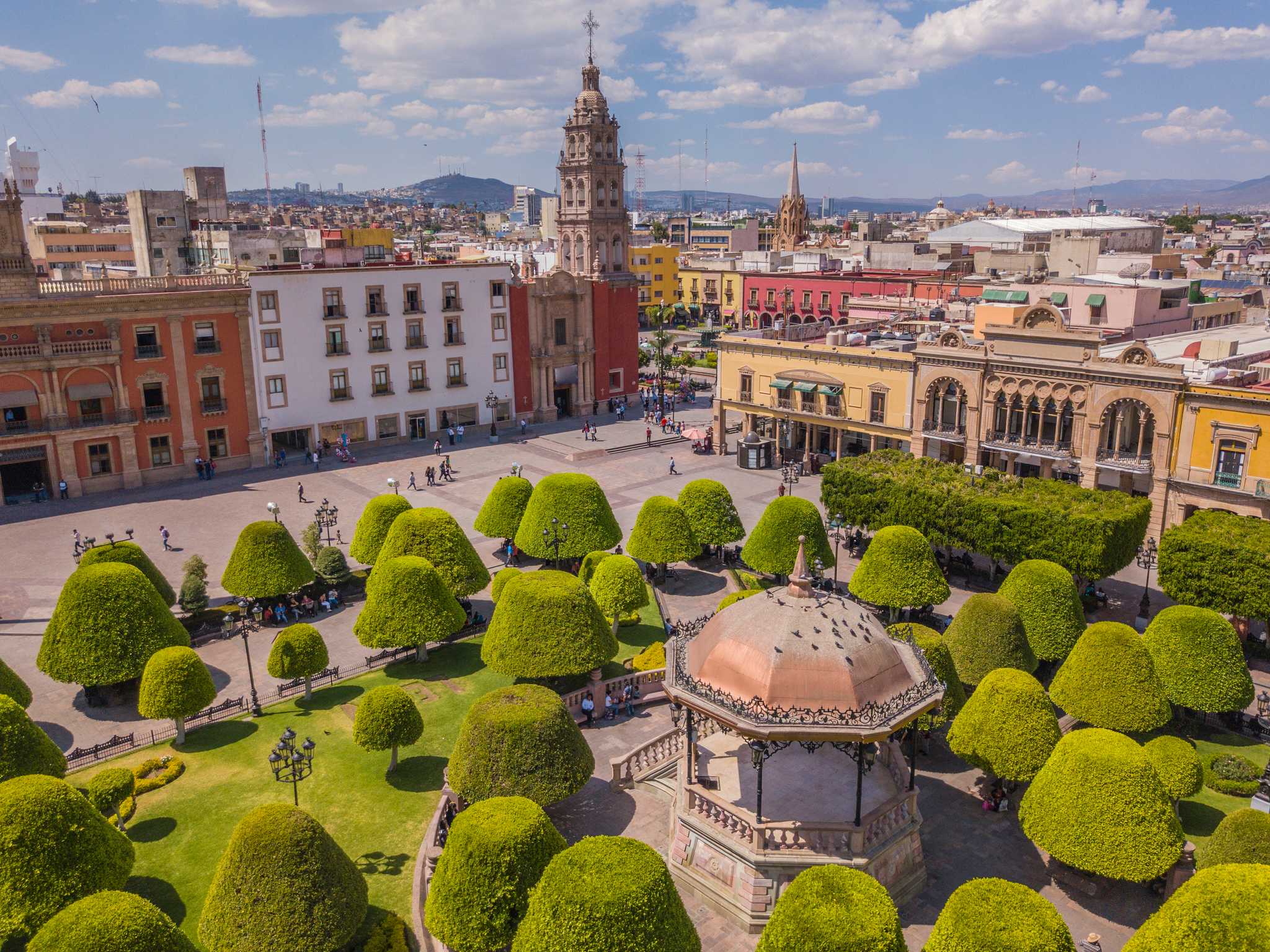
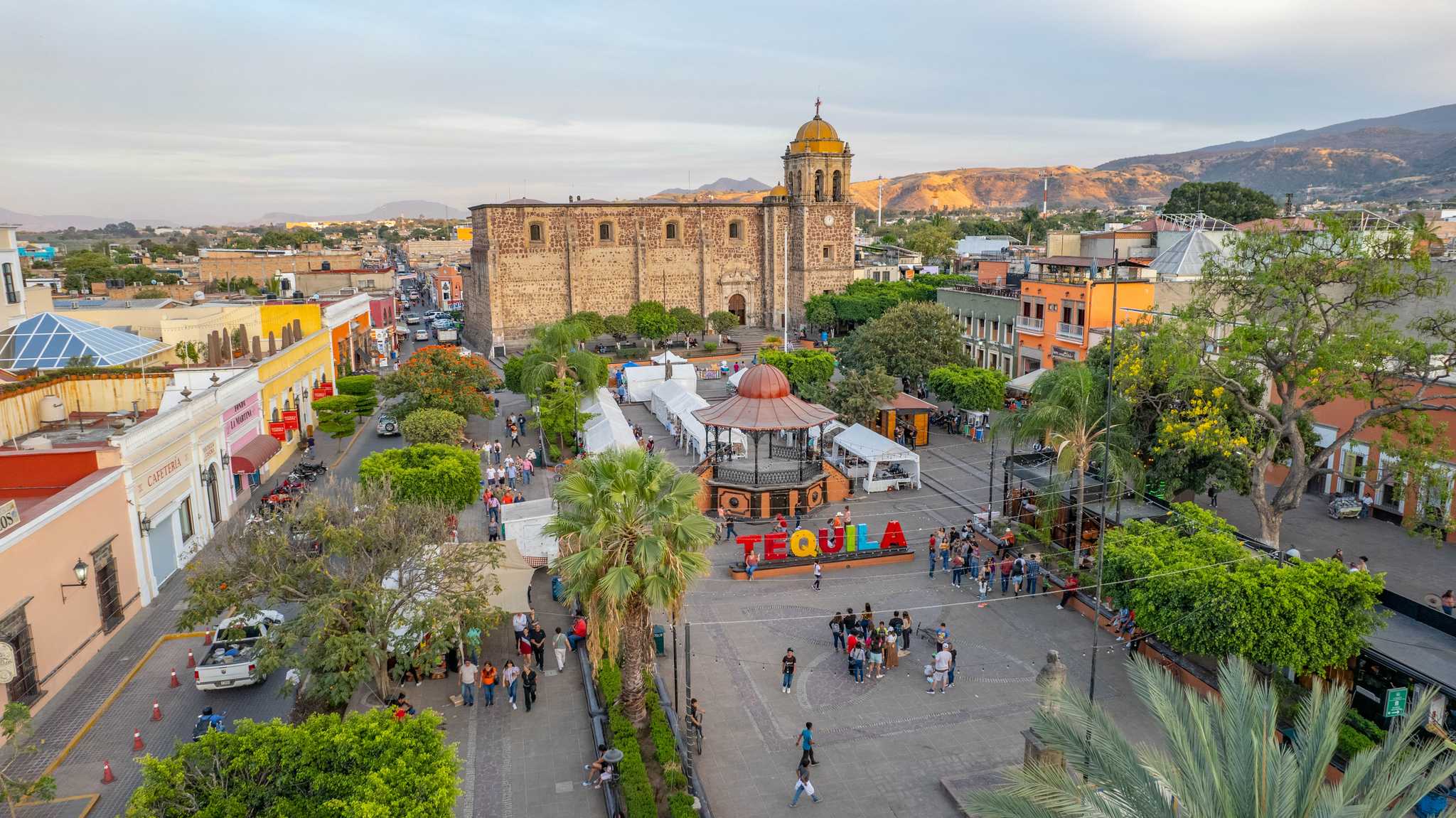
These are the places our travelers book most, and one name leads by far. San Miguel de Allende drew about twice as many Daytrip rides in 2025 as the other five combined. The rest range from big, busy cities to small towns, most a few hours apart by road.
These are the places our travelers book most, and one name leads by far. San Miguel de Allende drew about twice as many Daytrip rides in 2025 as the other five combined. The rest range from big, busy cities to small towns, most a few hours apart by road.



When to go
Spring
Best for jacarandas, which turn Guadalajara’s avenues purple in March. Days are dry and warm, and May is hot. Holy Week brings processions and crowds.
Summer
Best for escaping the crowds. June to August is our quietest season. Afternoon storms turn the hills green, and vineyards throw harvest fiestas.
Fall
Best overall. The rains clear by October, and the hills stay green. Independence fiestas fill September. November is our busiest month, so book early.
Winter
Best for sunshine. December to February is dry and clear, with cold nights. Christmas posadas fill the plazas, and the holidays are busy.
Our picks: things to do in the Bajío
The Bajío’s best sights sit close together, so you can spend one day visiting a silver mine in the morning, a vineyard in the afternoon, and a show at Teatro Juárez at night. These are our picks, grouped by what you came for, from independence history and Orozco murals to tequila tastings and crafts.
The Bajío’s best sights sit close together, so you can spend one day visiting a silver mine in the morning, a vineyard in the afternoon, and a show at Teatro Juárez at night. These are our picks, grouped by what you came for, from independence history and Orozco murals to tequila tast...
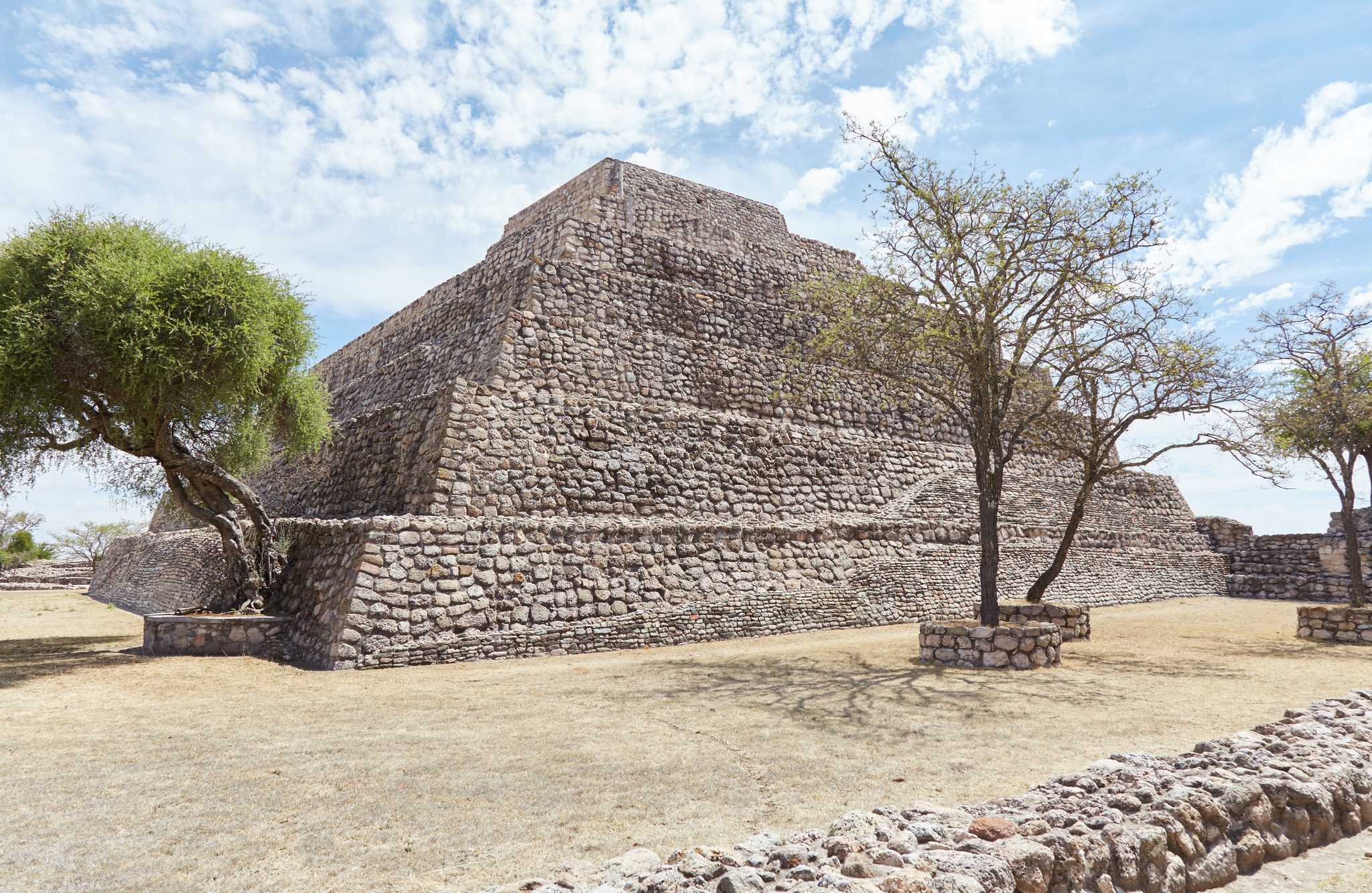
Step into Mexico’s history
Few regions hold so much of Mexico’s story. Pre-Hispanic pyramids, colonial silver mines, and the birthplace of independence all lie a short drive apart.
- Visit the 1,500-year-old Otomí pyramids of Cañada de la Virgen
- Visit Dolores Hidalgo, where Mexico’s War of Independence began
- Stand in Guanajuato’s Alhóndiga, site of the war’s first major battle
- Descend into a silver mine at Valenciana, above Guanajuato
- Tour Querétaro’s theater, where the 1917 Constitution was signed
- Visit Cerro de las Campanas, where Mexico’s last emperor met his end
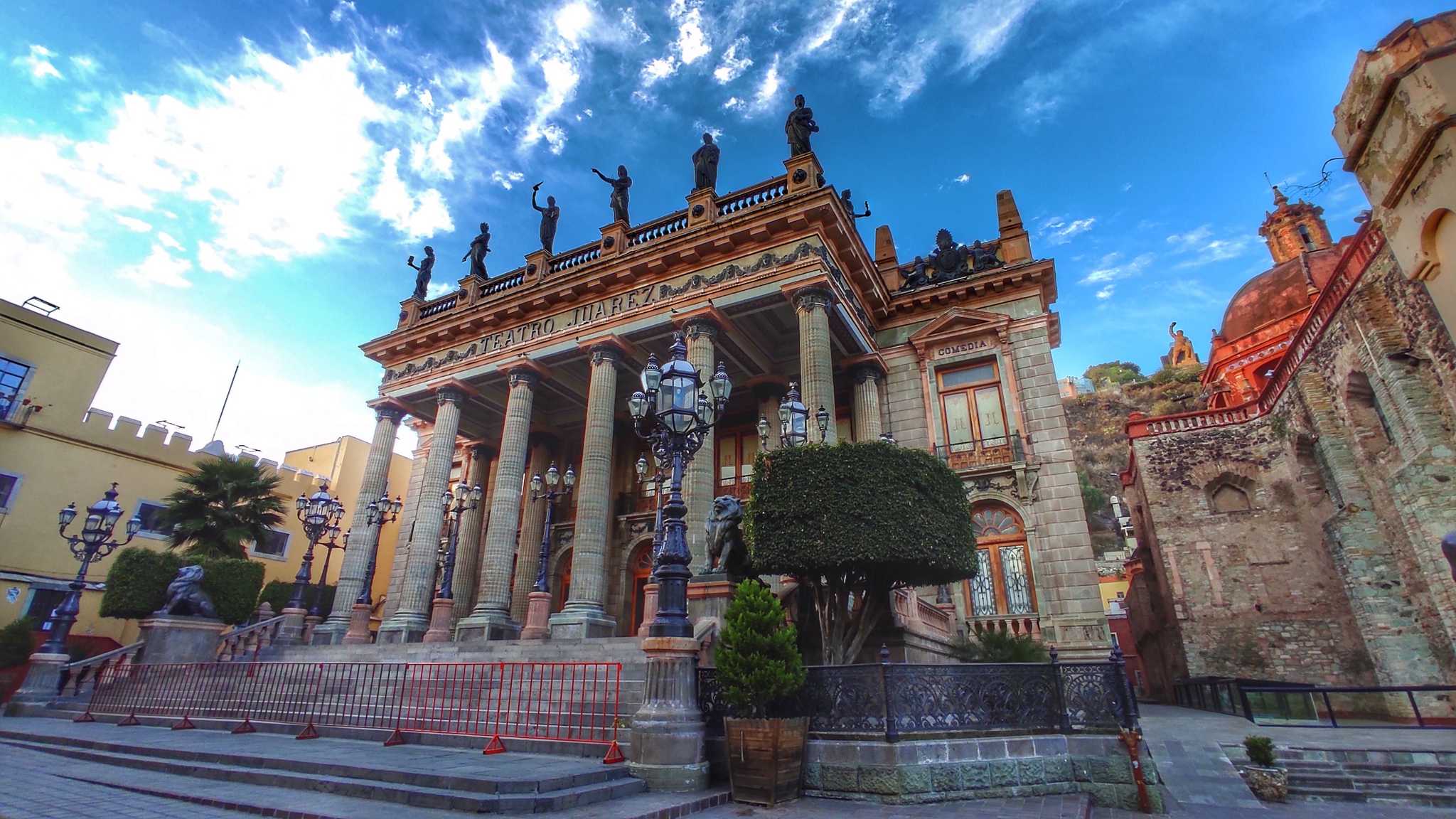
Take in the art
Painter and husband to Frida Kahlo, Diego Rivera was born here, and José Clemente Orozco painted some of his greatest murals here. The region’s theaters and galleries still keep a full calendar.
- See Orozco’s stylized Hidalgo mural in Guadalajara’s government palace
- Tour Diego Rivera’s birthplace, now a museum, in Guanajuato
- Find an unfinished Siqueiros mural at San Miguel’s Bellas Artes
- Browse the galleries of La Aurora, a former textile mill in San Miguel
- Catch a show in Guanajuato’s Teatro Juárez, a lavish 1903 theater
- Study the skeleton prints of José Guadalupe Posada in Aguascalientes
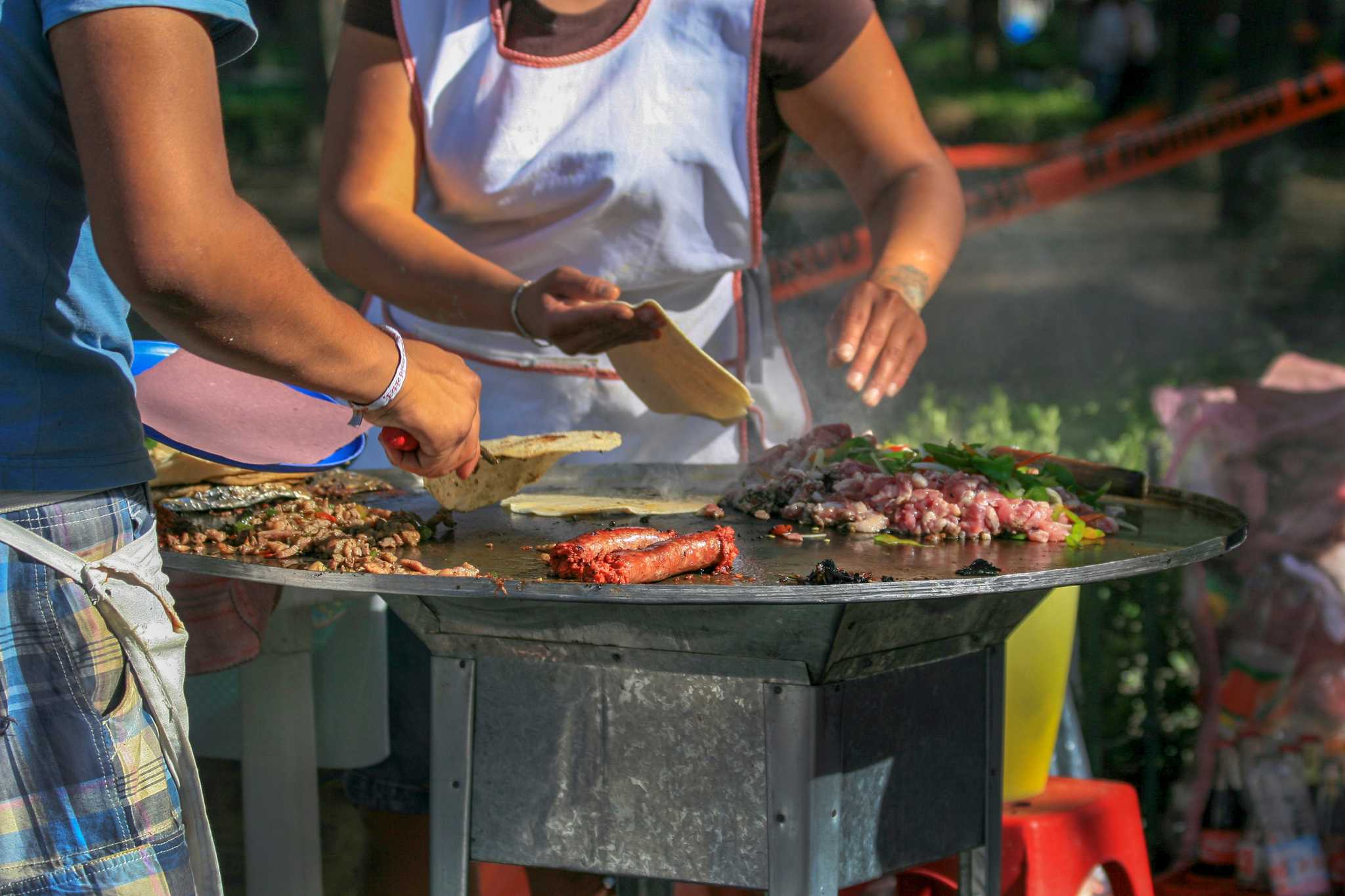
Eat like a local
Bajío cooking is hearty and direct, built on corn, pork, chiles, and cheese. The best of it comes from markets, street stalls, and family kitchens.
- Graze the stalls of Guanajuato’s iron-roofed 1910 Mercado Hidalgo
- Eat upstairs at Guadalajara’s huge Mercado San Juan de Dios
- Take a market tour and cooking class in San Miguel de Allende
- Breakfast at the stalls of Querétaro’s Mercado de la Cruz
- Taste aged cheeses at farms along Querétaro’s cheese and wine route
- Try avocado- or shrimp-flavored ice cream in Dolores Hidalgo’s plaza
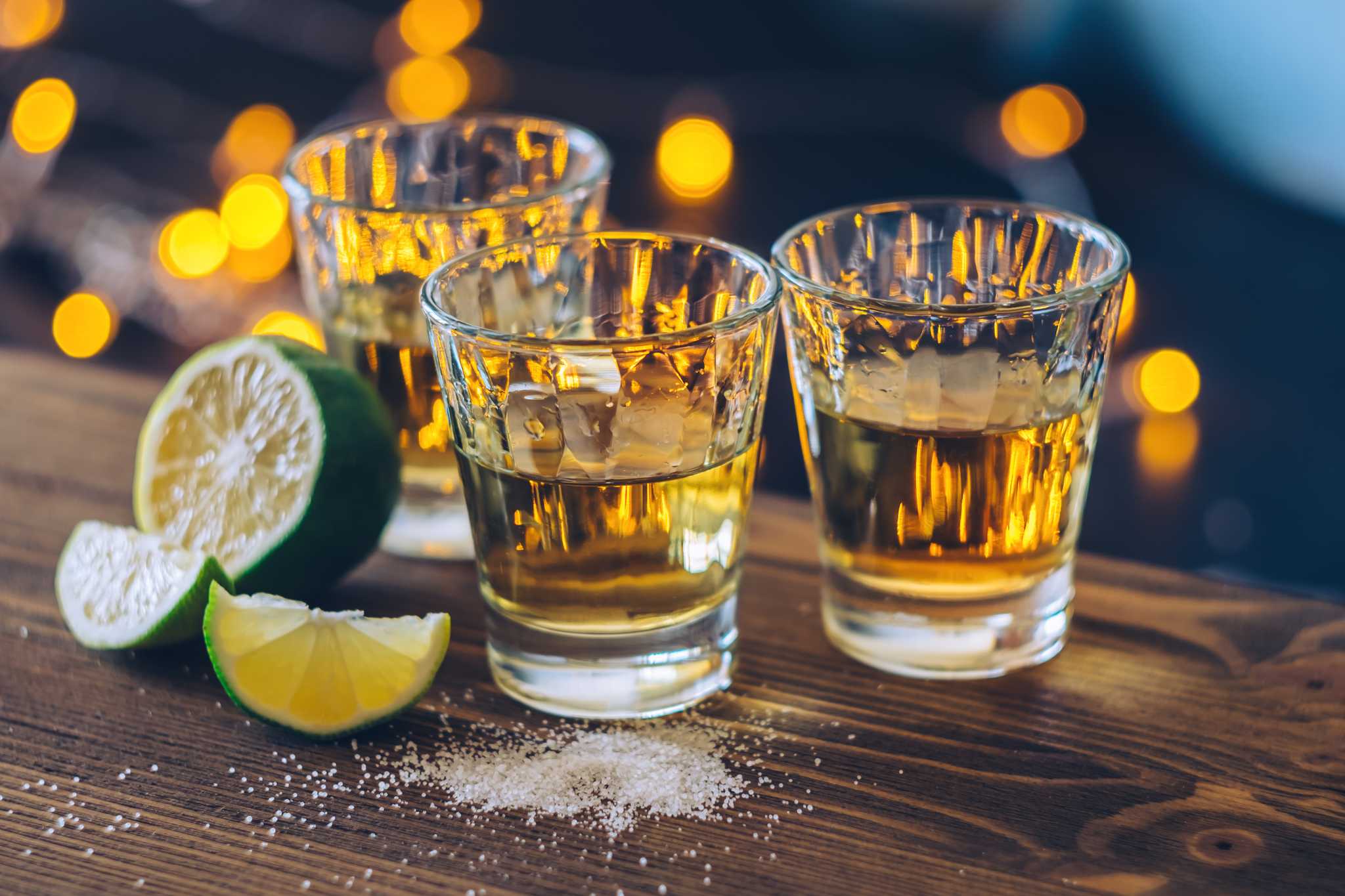
Raise a glass
Tequila comes from the agave fields around Guadalajara, and the high, dry vineyards of Querétaro and Guanajuato now make wines worth a detour.
- Visit a distillery in Tequila and watch agave hearts roast in ovens
- Order a cantarito, tequila and citrus in a clay cup, in Amatitán
- Sip sparkling wine at the vineyards of Querétaro’s wine route
- Taste wines at vineyards in the hills around San Miguel
- Try pulque, the milky, pre-Hispanic drink of fermented agave sap
- Cool off with tejuino, fermented corn with lime, in Guadalajara

Get outdoors
Beyond the cities, the land opens into canyons, cactus gardens, and Mexico’s largest lake. Most spots are an easy drive from town, ideal for a half day.
- Float over San Miguel’s hills in a hot-air balloon at sunrise
- Walk the cactus trails and canyon of El Charco del Ingenio, San Miguel
- Hike around the Peña de Bernal, a giant rock monolith above a Querétaro village
- Take a boat from Chapala to the Isla de los Alacranes
- Bathe in the warm river of Bosque La Primavera, west of Guadalajara
- Hike up La Bufa, the rocky crag that towers over Guanajuato
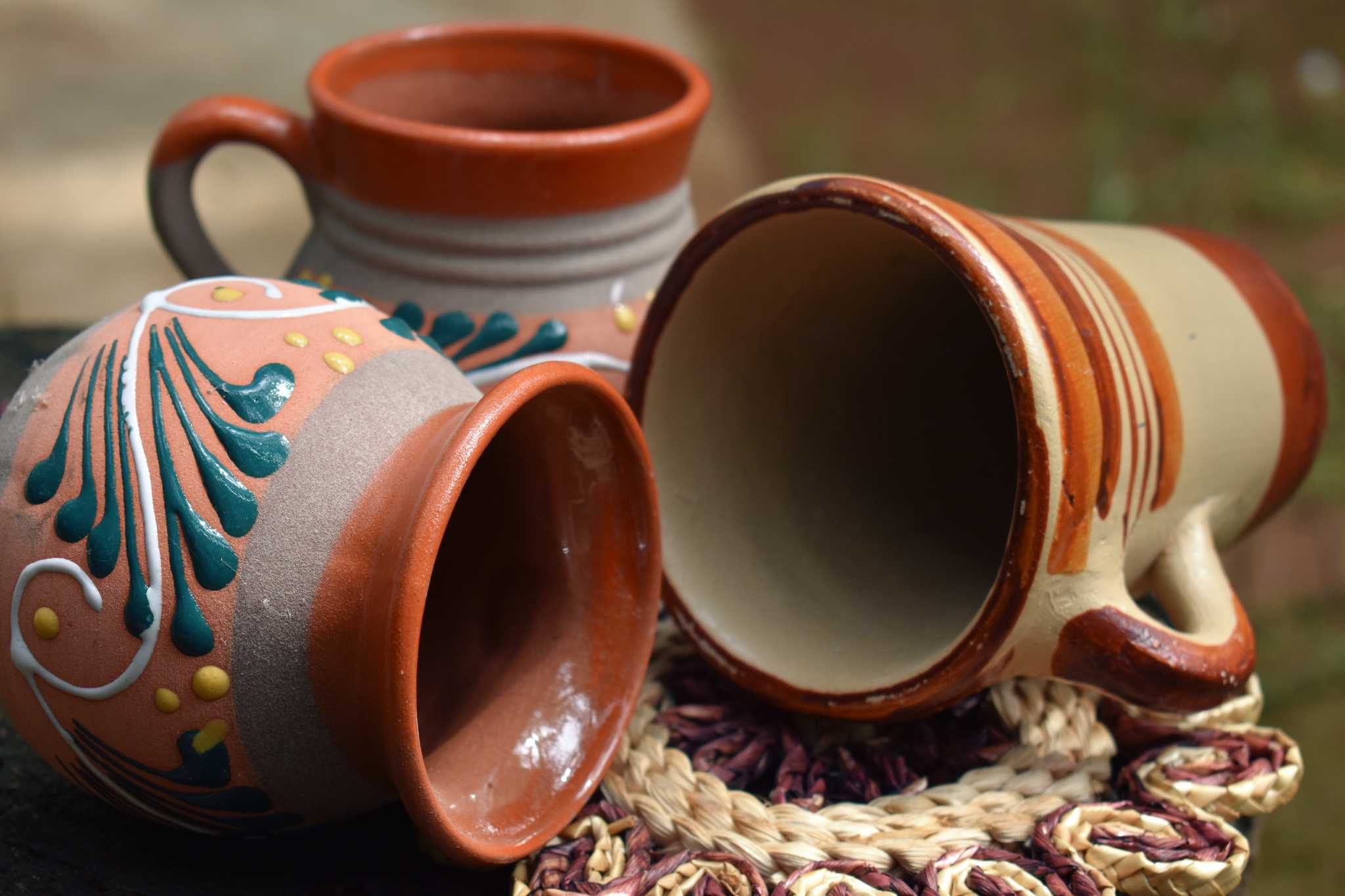
Shop for handmade crafts
Each corner of the region has its own craft, from Jalisco pottery to León leather, and buying straight from the workshop is half the fun.
- Hunt for pottery at Tonalá’s street market, Thursdays and Sundays
- Pick up hand-painted ceramics in the workshops of Dolores Hidalgo
- Find hojalata, decorative tinwork, at San Miguel’s crafts market
- Buy boots and belts from the factory outlets of León
- Look for fire opals in the shops of Tequisquiapan, Querétaro
- Shop for deshilado, fine drawn-thread embroidery, in Aguascalientes
Did you know
Mexico’s last emperor was an Austrian Habsburg. Napoleon III used his invading army to put Archduke Maximilian on the throne in 1864 while President Benito Juárez led the resistance. Once French troops withdrew, Juárez’s forces captured Maximilian in Querétaro, and in 1867 he was shot on Cerro de las Campanas, ending the foreign-backed empire.
What to eat, drink, and order
Bajío cooking is local to the town, sometimes to the street. A dish that defines one city may be hard to find two hours down the road. These six are worth planning a stop for, each best eaten where it became famous, from lakeside fish to a miners’ plate.
Bajío cooking is local to the town, sometimes to the street. A dish that defines one city may be hard to find two hours down the road. These six are worth planning a stop for, each best eaten where it became famous, from lakeside fish to a miners’ plate.
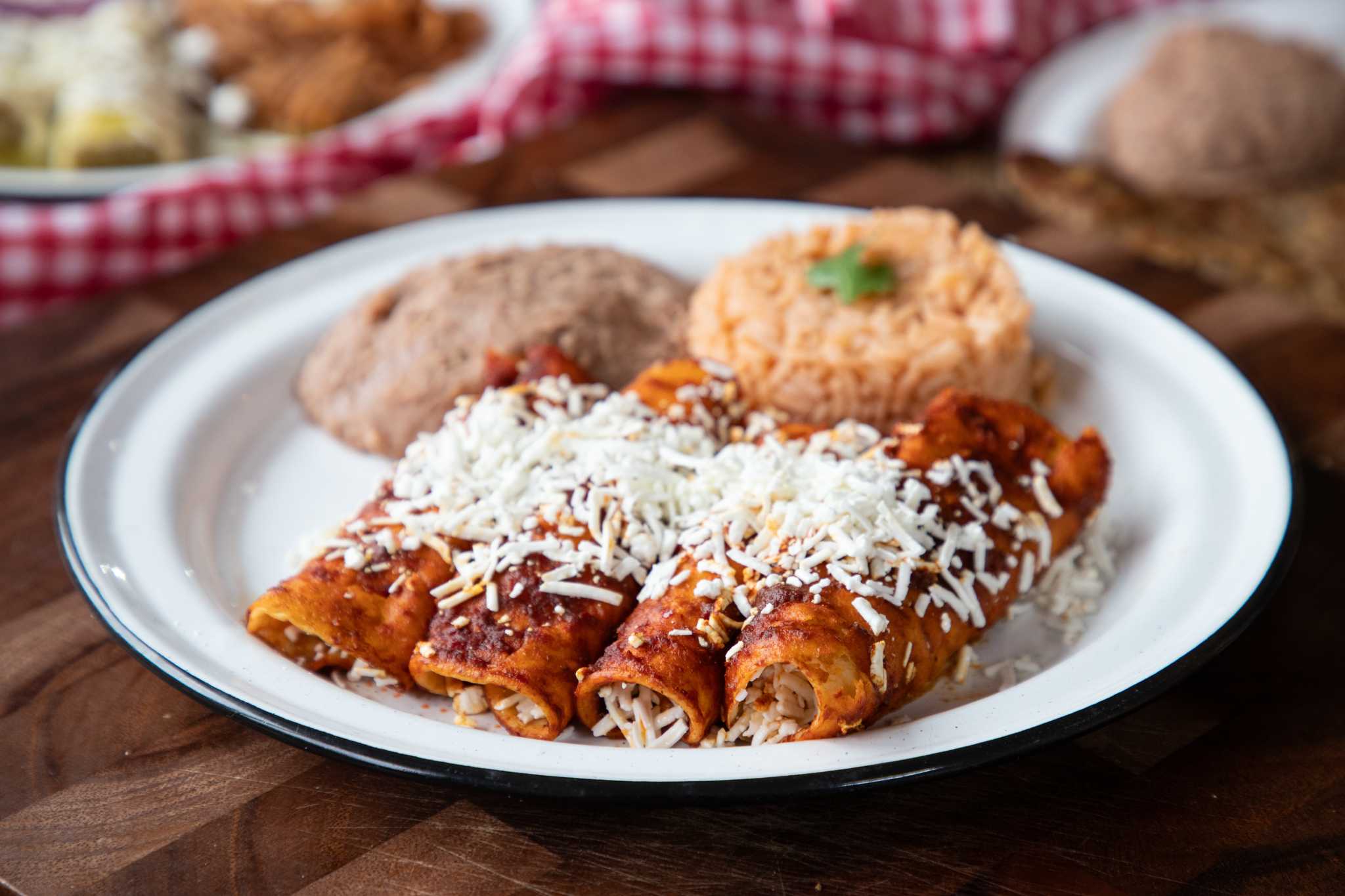
Enchiladas mineras in Guanajuato
Made to fuel silver miners: chile-dipped tortillas with cheese and onion, topped with chicken, potatoes, and carrots.
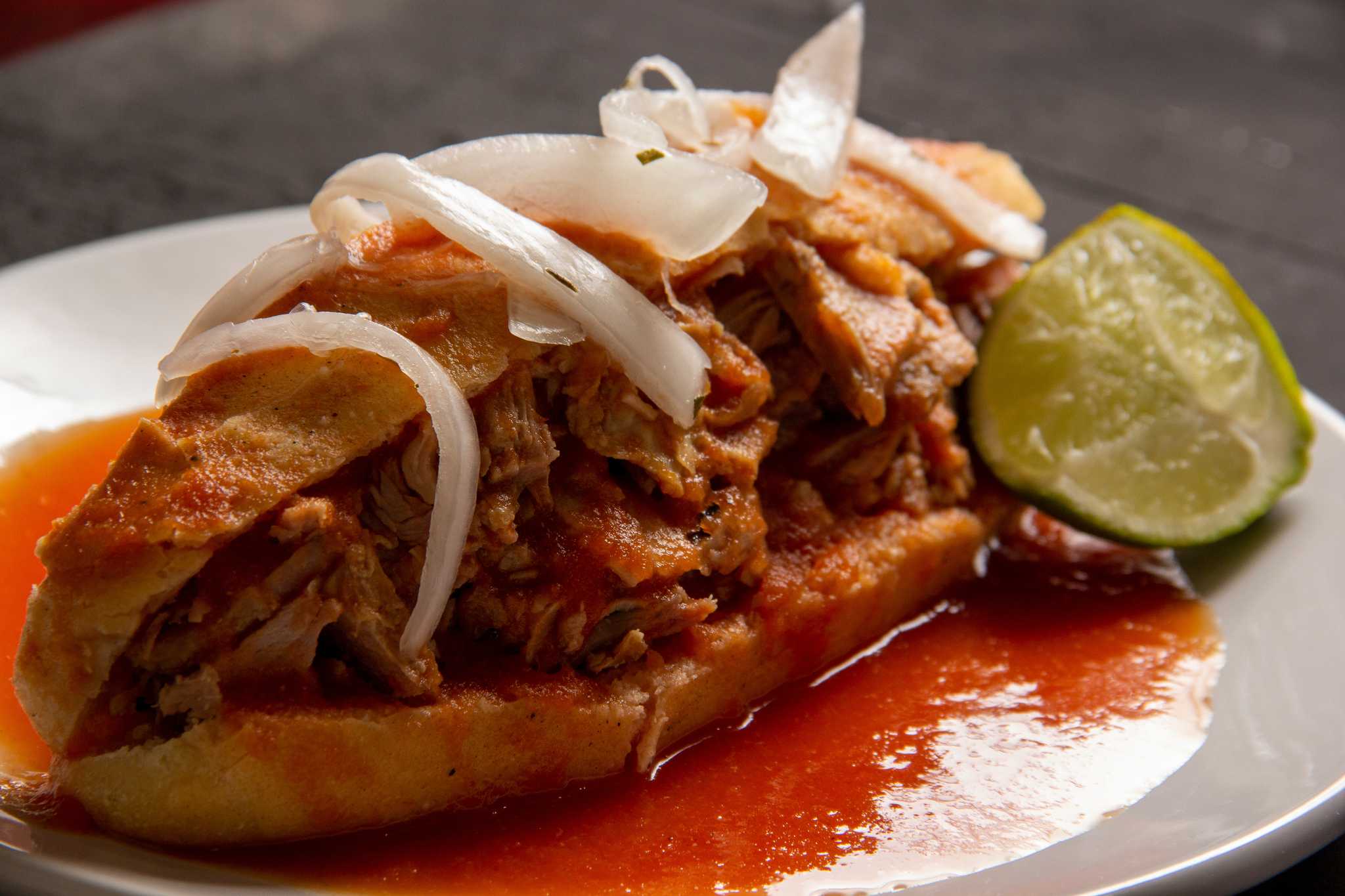
Torta ahogada in Guadalajara
Carnitas in birote, Guadalajara’s crusty, salty sourdough roll, drowned in a spicy chile sauce. Messy, and meant to be.
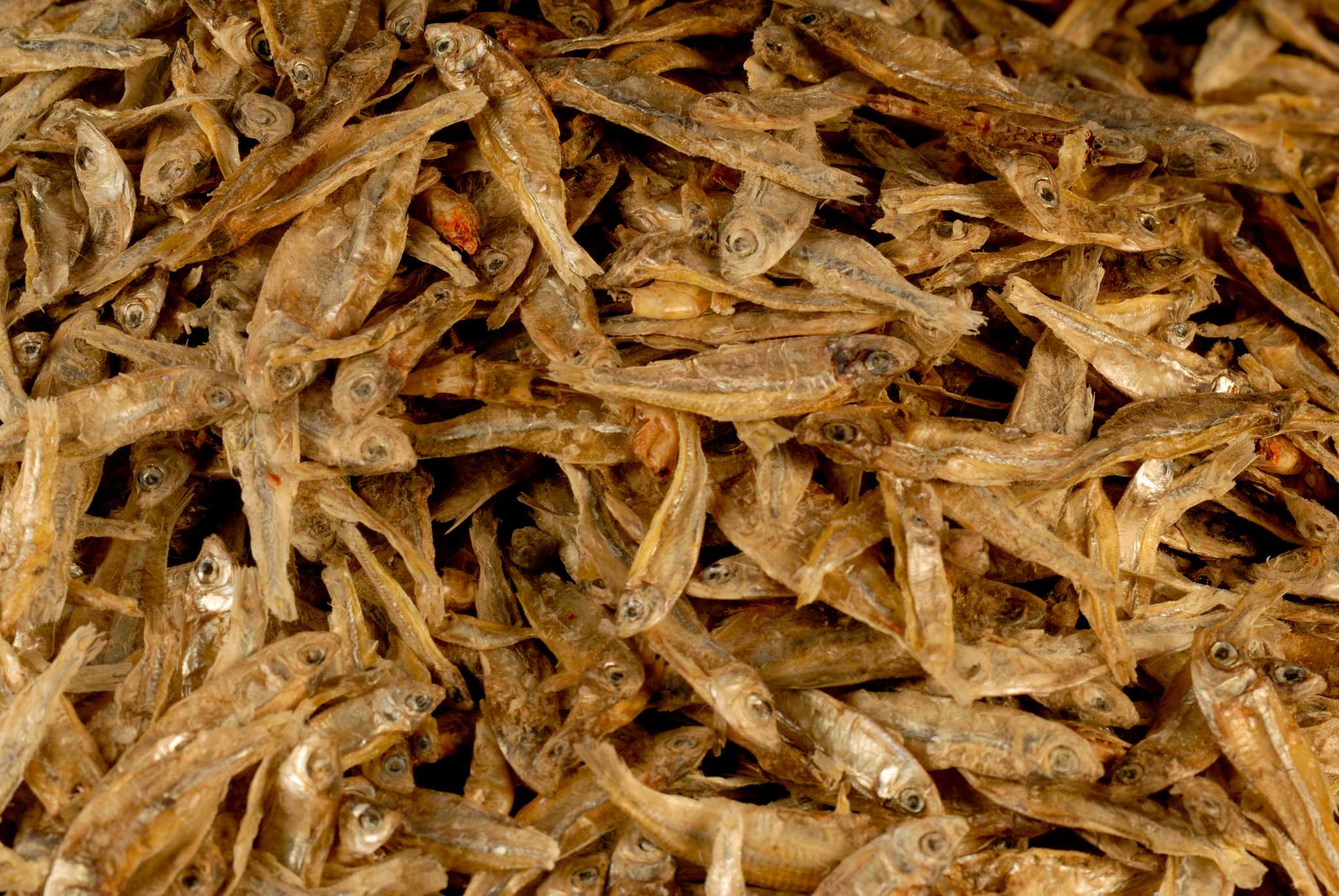
Charales in Chapala
Tiny lake fish, fried crisp and eaten whole like chips, with lime and chile from stalls along Lake Chapala’s shore.
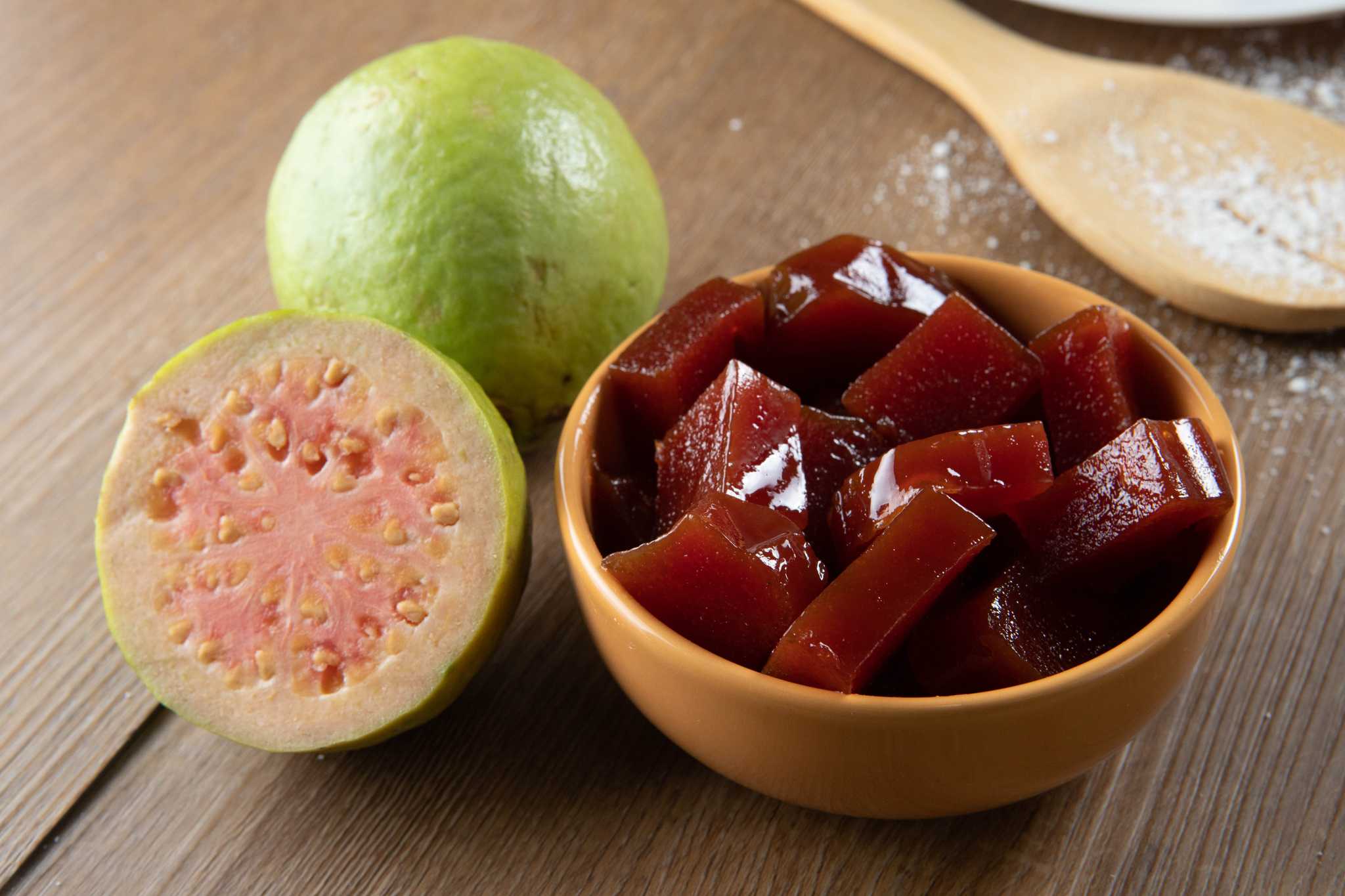
Guava sweets in Calvillo
Aguascalientes’ self-styled guava capital smells of in-season fruit. Buy ate, a firm fruit paste, or candied guava.
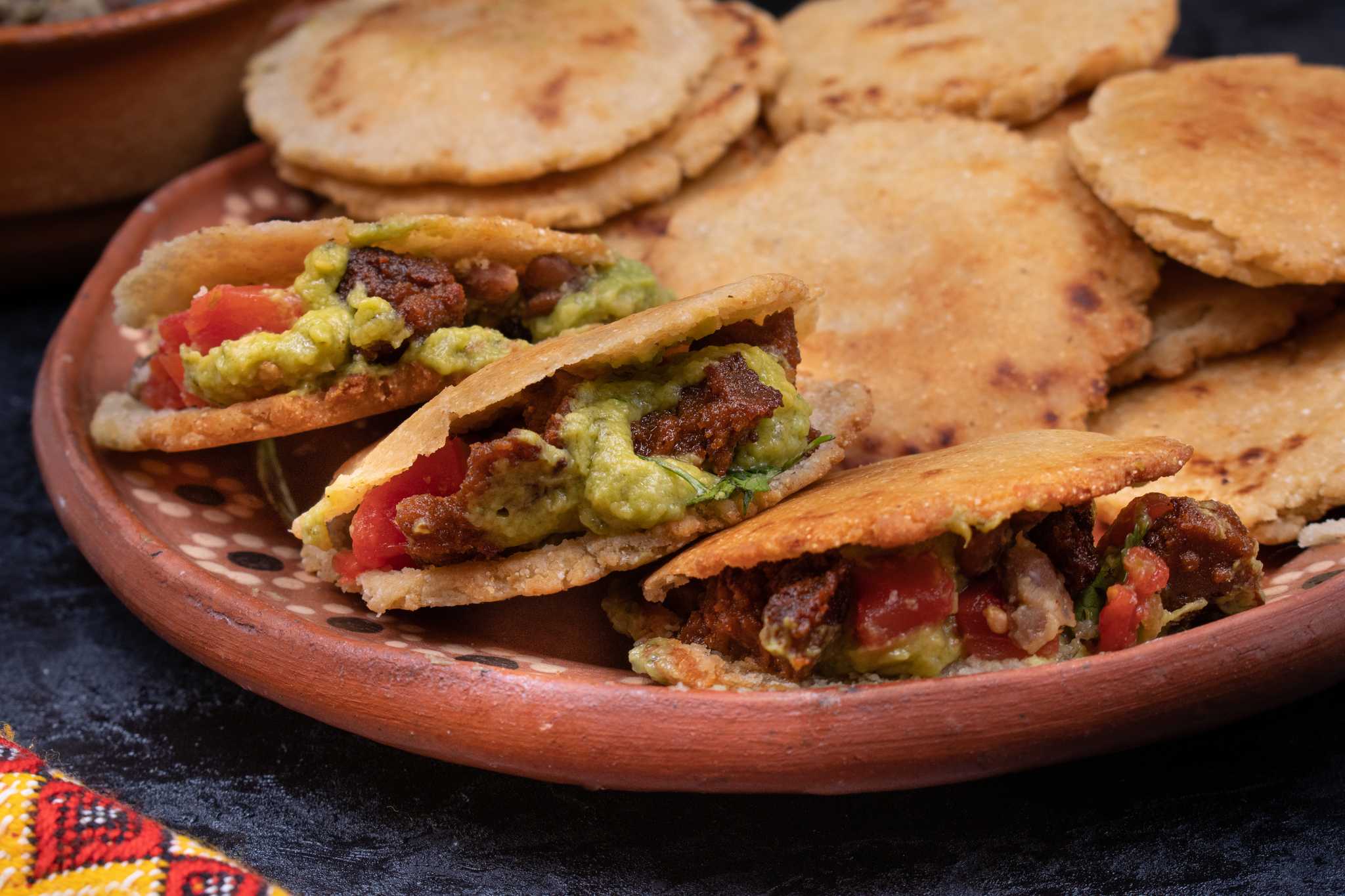
Gorditas de migajas in Querétaro
Corn pockets stuffed with migajas, the crisp bits left over from making chicharrón. A Querétaro street favorite.
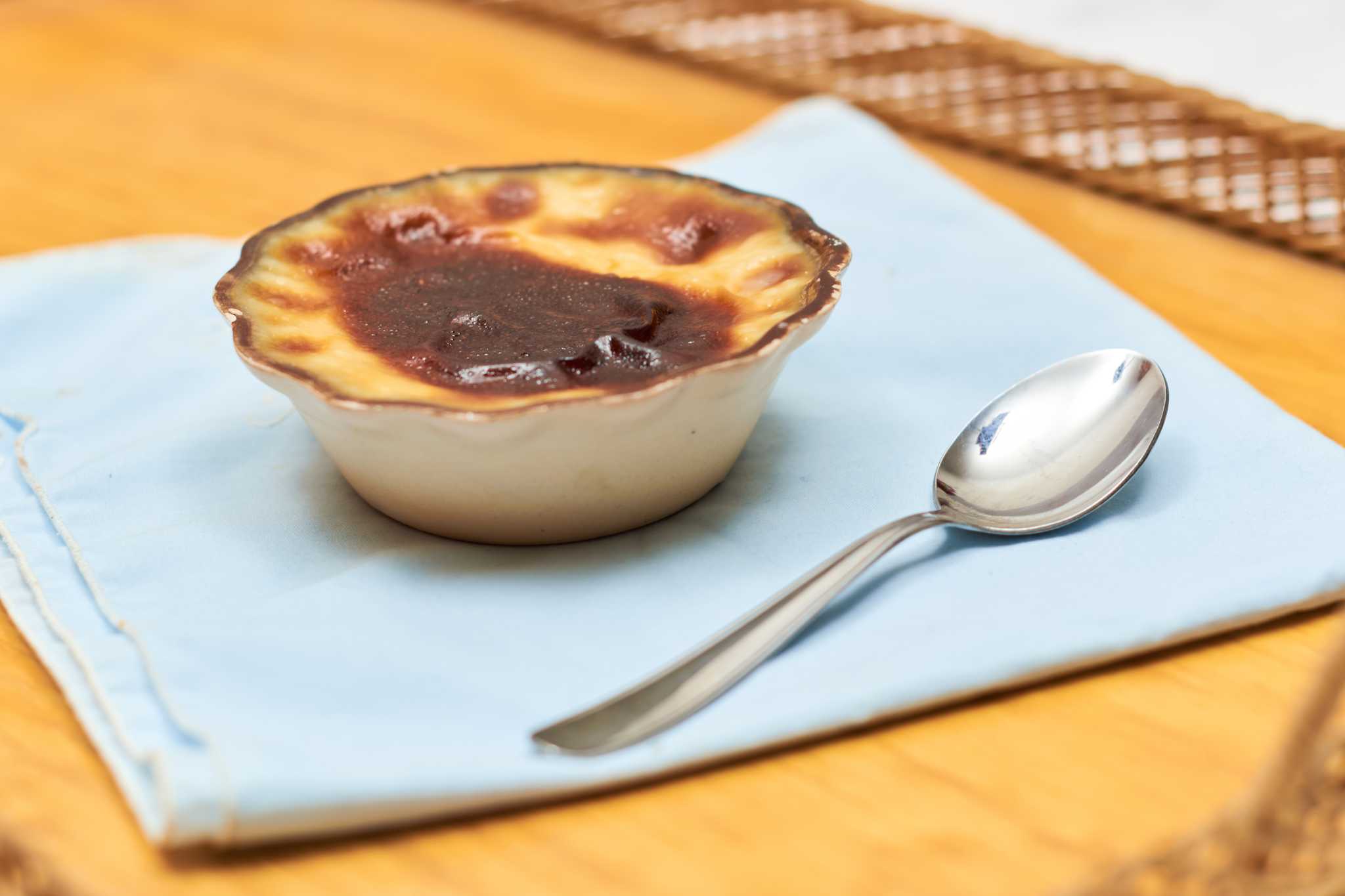
Jericalla in Guadalajara
A wobbly, burnt-top custard with cinnamon and vanilla. Legend says it was first made for a Guadalajara orphanage.
Getting around the Bajío
The Bajío’s cities are linked by good toll highways, and most drives take one to four hours. First-class buses are comfortable and cheap, but run on fixed timetables between stations. A rental car gives you freedom, but it also means unfamiliar roads, tolls, and steep colonial streets with little parking. With Daytrip, you book a private car at a fixed price, and a local driver picks you up at your door. Add stops on the way, like the UNESCO-listed Sanctuary of Atotonilco between San Miguel and Guanajuato.
Our recommended routes in the Bajío
Mexico City Airport to San Miguel de Allende
3h 38min • 272km (169.0mi)
From US$254
Santiago de Querétaro to San Miguel de Allende
1h 11min • 67km (41.6mi)
From US$85
San Miguel de Allende to Guanajuato
1h 27min • 77km (47.8mi)
From US$135
Mexico City to Santiago de Querétaro
2h 46min • 217km (134.8mi)
From US$198
Mexico City to Guanajuato
4h 17min • 360km (223.7mi)
From US$330
Guadalajara to San Miguel de Allende
4h 13min • 337km (209.4mi)
From US$319
Leon to San Miguel de Allende
2h 9min • 121km (75.2mi)
From US$133
Guadalajara to Tequila
1h 4min • 68km (42.3mi)
From US$128
Guadalajara to Guanajuato
3h 10min • 273km (169.6mi)
From US$351
Santiago de Querétaro to Guanajuato
1h 56min • 149km (92.6mi)
From US$143
Leon to Guanajuato
1h 3min • 57km (35.4mi)
From US$124
Guadalajara to Chapala
49min • 49km (30.4mi)
From US$117
Best day trips in the Bajío

Mexico City to Teotihuacan and Queretaro: Private day trip

Mexico City to Tequisquiapan and Bernal: Private day trip

Puerto Vallarta to Tequila: Private day trip
Sayulita to Tequila: Private day trip
2+ million travelers like you. Moments they'll never forget.

Your Bajío questions, answered
About the author
Ján Tompkins is a Prague-based travel writer with a passion for arts and culture. His travels are shaped as much by museum exhibitions as by bakeries, greasy spoons, and funny signage. His favorite Juan Gabriel song is "¿Por Qué Me Haces Llorar?"
Be the first to discover more
Get handpicked travel ideas, insider highlights, and special Daytrip offers.


