
Monarch butterfly sanctuaries

By Ján Tompkins
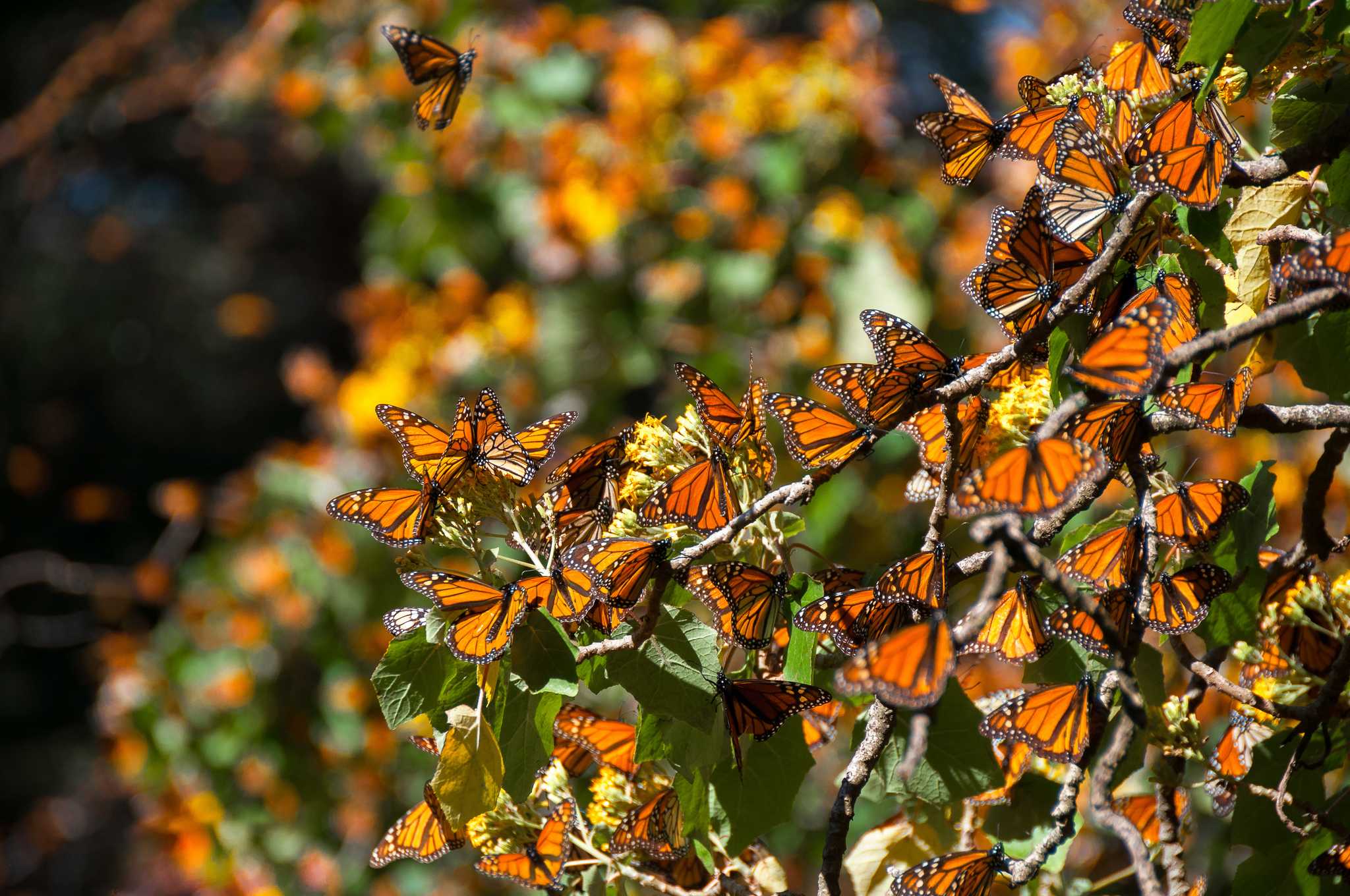
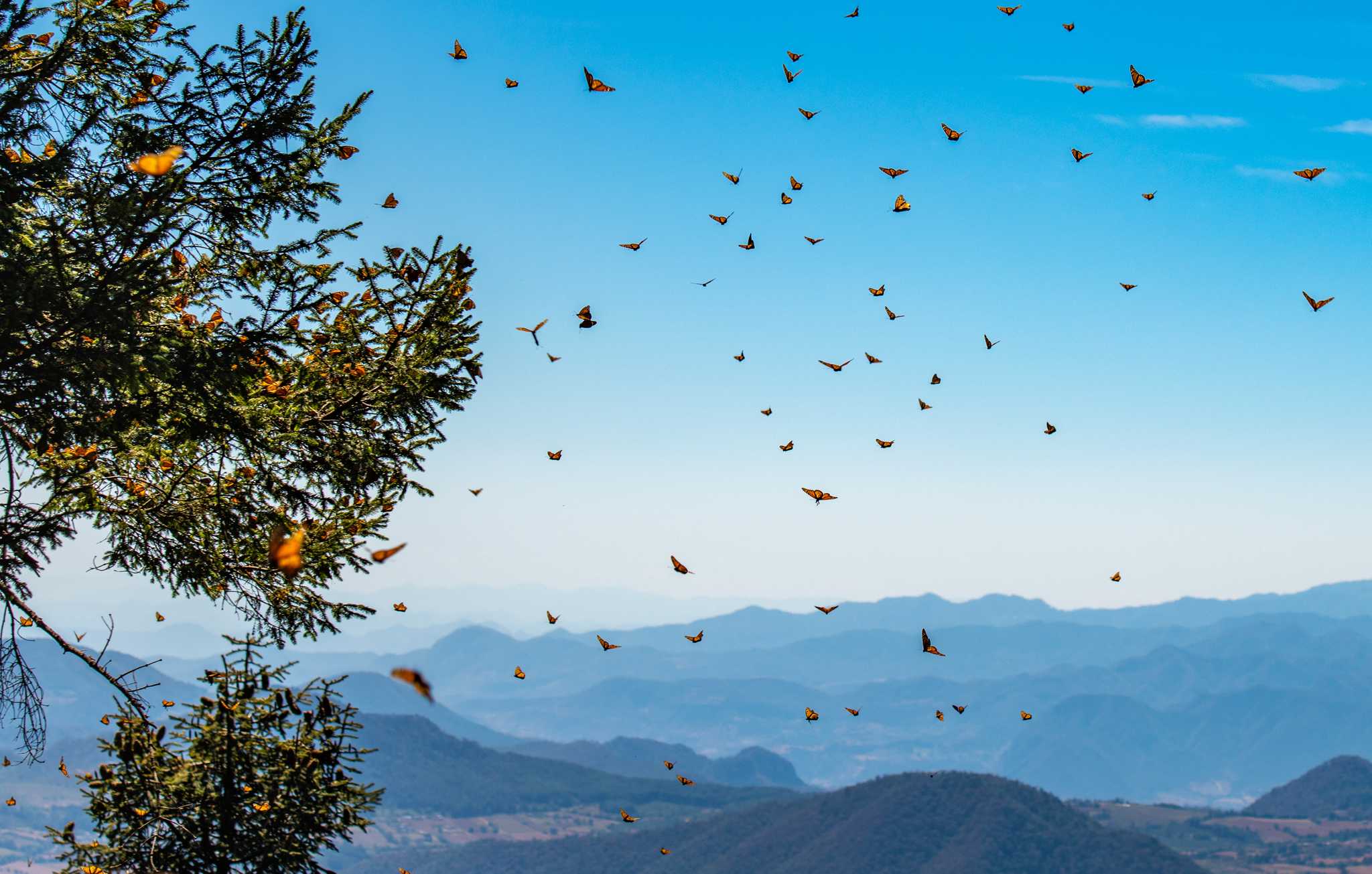
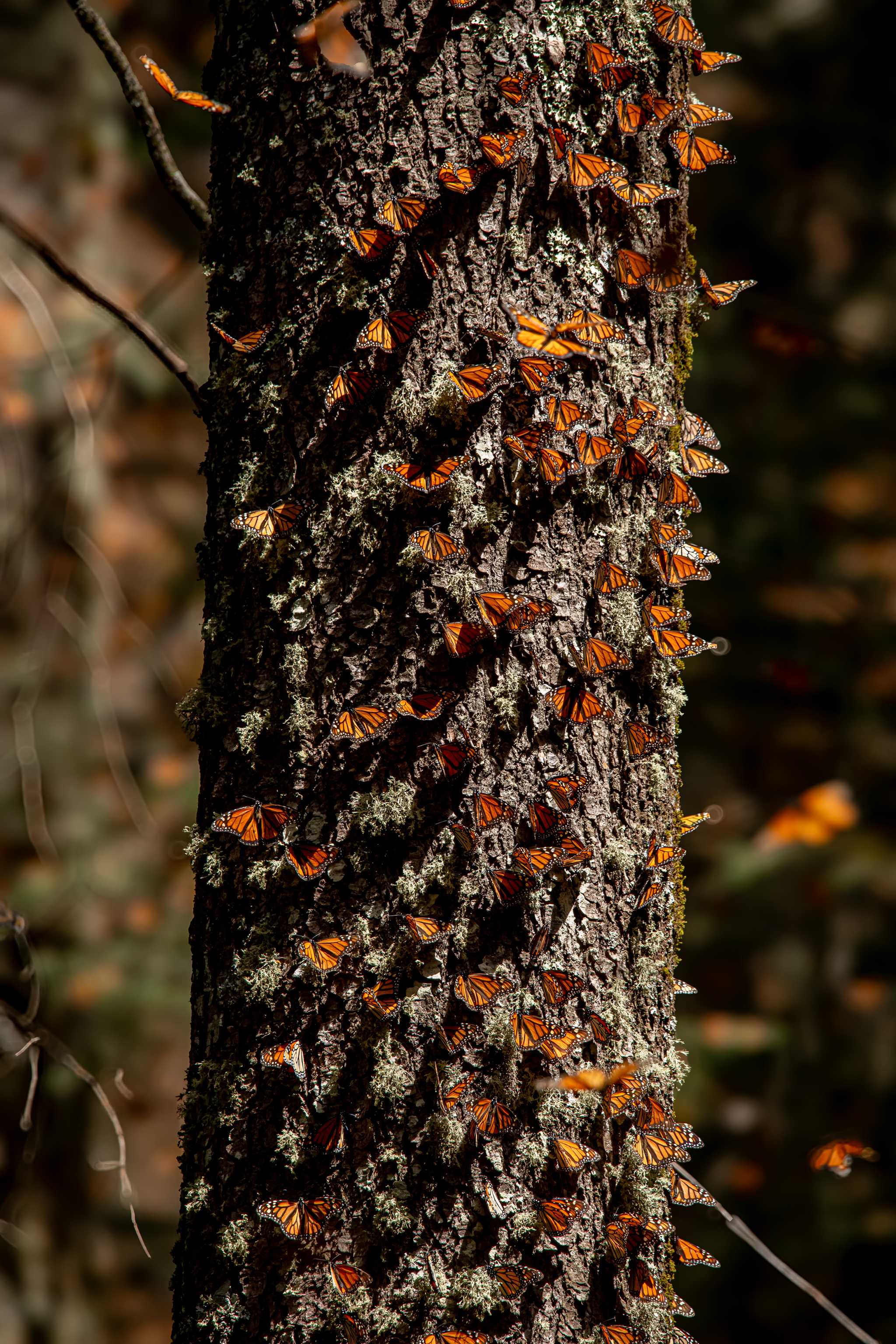
Every winter, millions of monarch butterflies fly more than 2,500 miles (4,000 km) from Canada and the U.S. to the fir forests of central Mexico. They cluster so densely that branches bend under their weight, and on sunny afternoons the air fills with orange wings. Visit for one of Earth's great wildlife migrations, within a day's reach of Mexico City.
They come for the high oyamel fir forests, cool enough to let them rest all winter but rarely freezing. Last winter, scientists counted nine colonies covering about 7 acres (3 hectares), roughly five American football fields, up 64% from the year before. Six were in the State of Mexico. The first monarchs arrive in early November, a timing many families link to Día de Muertos and the return of departed souls.
The UNESCO-listed Monarch Butterfly Biosphere Reserve straddles the State of Mexico and Michoacán. The closest, Piedra Herrada, is about two hours from Mexico City by road and under an hour from Valle de Bravo, a lakeside town that makes an easy overnight base.
The sanctuaries open from mid-November to the last days of March. Colonies cling to slopes at around 10,000 feet (3,000 m), so expect a steep walk or horse ride, cold mornings, and thin air. Below, we cover when to go, which sanctuary to choose, and how to plan the day. With a private driver, you can leave the city at dawn, reach the butterflies as the sun warms them, and be back for dinner.
Monarch season in brief
Season dates
The sanctuaries open from mid-November to March 31. Butterfly numbers usually peak mid-December to February. Check ahead for exact opening dates.
Opening hours
Usually from 8 or 9 a.m. until mid-to-late afternoon. Last season, Piedra Herrada closed at 3 p.m., so arrive by late morning, when the butterflies start to fly.
Altitude
The colonies sit at about 10,000 feet (3,000 m). Expect a steep uphill walk, thin air, and cold mornings. Most sanctuaries offer horses for hire.
Entry fee
About 100 to 150 pesos for adults and 70 to 100 pesos for children, varying by site. Guides and horses may cost extra. Bring cash, as few sites take cards.
Distance from Mexico City
Piedra Herrada is about two hours from Mexico City by road, via Toluca, and under an hour from Valle de Bravo, the closest overnight base.
Safety
The U.S. State Department rates the State of Mexico as Level 2: Exercise Increased Caution. Travel by day, and check the latest advisory map before you go.
Did you know
No single monarch makes the round trip. Summer monarchs live just two to five weeks, and up to four generations relay the journey north each year. The last of them, born in late summer, can live up to nine months and flies all the way to Mexico, a place it has never seen. These butterflies are often the great-great-grandchildren of the ones that left the forests in spring, yet they find the same mountains.
Which sanctuary to visit
Three sanctuaries near Mexico City are open to visitors, and each feels different. Piedra Herrada is the closest and most accessible, Cerro Pelón the wildest, and El Rosario the biggest and busiest. All mean an uphill walk at altitude, so choose by time and energy.
Three sanctuaries near Mexico City are open to visitors, and each feels different. Piedra Herrada is the closest and most accessible, Cerro Pelón the wildest, and El Rosario the biggest and busiest. All mean an uphill walk at altitude, so choose by time and energy.

Piedra Herrada
The closest sanctuary to Mexico City, Piedra Herrada sits in pine and fir forest off the highway between Toluca and Temascaltepec, about two hours from the capital and under an hour from Valle de Bravo. Its convenient location makes it a favorite with day-trippers, so weekends can get busy.
- Expect an uphill walk to the colony (around 2 hours up, 1 hour down), or hire a horse at the entrance
- Come on a weekday, or arrive at opening, to beat the weekend crowds
- Pair it with a lakeside day trip to Valle de Bravo
- Gates can close early, so don't leave it late
Cerro Pelón
The villages of Macheros and El Capulín in the municipality of Donato Guerra give access to the colonies of Cerro Pelón, deep inside the UNESCO-listed reserve. At about three hours from Mexico City, the trip works best with an overnight stay. The trails are steeper, and the crowds thinner than at other popular sites, so the forest feels wilder.
- The climb is long and steep, so most go up on horseback
- There's very little infrastructure for visitors, so it's best to pay for a local guide who knows where the colony is
- For a full experience, stay at JM Butterfly B&B and get their butterfly tour package
- Pack layers and water: the forest can get cold, and the hike can be demanding
El Rosario
Across the state line in Michoacán, El Rosario is the largest and most visited sanctuary, where dense colonies hang in fir forest at around 10,500 feet (3,200 m). It's about three and a half to four hours from Mexico City, so plan a long day: leave early and head back by midafternoon.
- Expect about a 45-minute to 1-hour steep climb on trails, or hire a horse
- Arrive early on weekends and holidays, when the trail gets crowded
- Entry is 150 pesos for adults, with horses about 200 pesos each way
- Michoacán is Level 4 on the U.S. advisory, so this trip gets back before sundown
Our data suggests
Valle de Bravo is catching on. Rides to and from the lakeside town have more than quadrupled since 2023 and grown every year since. Almost all of them start or end in Mexico City, and a large share fall between November and March, when the monarchs roost in nearby forests, making the town a natural base for a sanctuary visit.
What to know before you go
The monarchs fly thousands of miles to reach these forests, and the ejidos, the local farming communities that own and guard the land, help keep them protected. Your entry fee, guide, and horse hire support that work. A little care on the trail goes a long way. Here is what to know before you go.
When to go
The first monarchs arrive in November, peak from mid-December to February, and head north in March. Go around midday on a sunny day, when they fly.
Altitude and cold
The colonies sit at about 10,000 feet (3,000 m). Mornings are cold, and the air is thin, so dress in layers, wear sturdy shoes, and climb slowly.
Getting up
Reach the colony on foot or on horseback, always with a local ejido guide. Bring cash in pesos for entry, guides, and horses; they rarely take cards.
At the colonies
Stay quiet, keep to the trail, and watch your step, as butterflies rest on the ground. Skip flash, bug spray, and hand sanitizer near the colonies.
Make a day of it
Finish with a late lunch by the lake in Valle de Bravo, under an hour from Piedra Herrada, then head back to Mexico City before dark.
Top rated routes
Mexico City to Valle de Bravo
2h 16min • 142km (88.2mi)
From US$159
Valle de Bravo to Mexico City
2h 16min • 142km (88.2mi)
From US$159
Mexico City to Toluca
1h 22min • 65km (40.4mi)
From US$81
Valle de Bravo to Toluca
1h 18min • 76km (47.2mi)
From US$138
Mexico City to Malinalco
2h 7min • 101km (62.8mi)
From US$145
Mexico City to El Rosario Butterfly Sanctuary
3h 15min • 192km (119.3mi)
From US$190
Mexico City to Piedra Herrada Monarch Butterfly Sanctuary
2h 21min • 115km (71.5mi)
From US$132
Mexico City to Cerro Pelón Monarch Butterfly Reserve
2h 43min • 173km (107.5mi)
From US$162
Best day trips from Mexico City
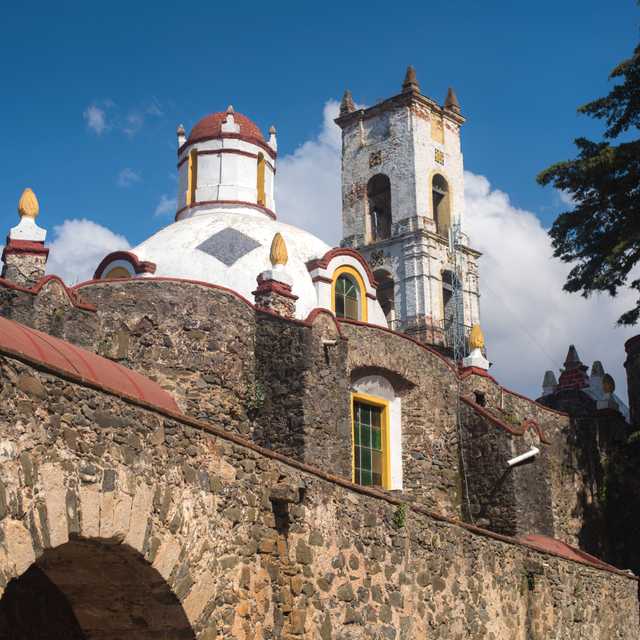
Mexico City to Valle de Bravo: Private day trip
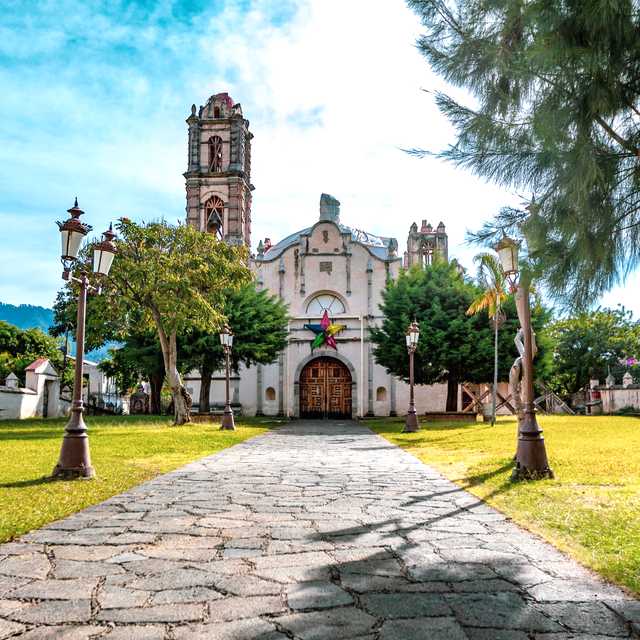
Mexico City to Malinalco and Ixtapan del Oro: Day trip
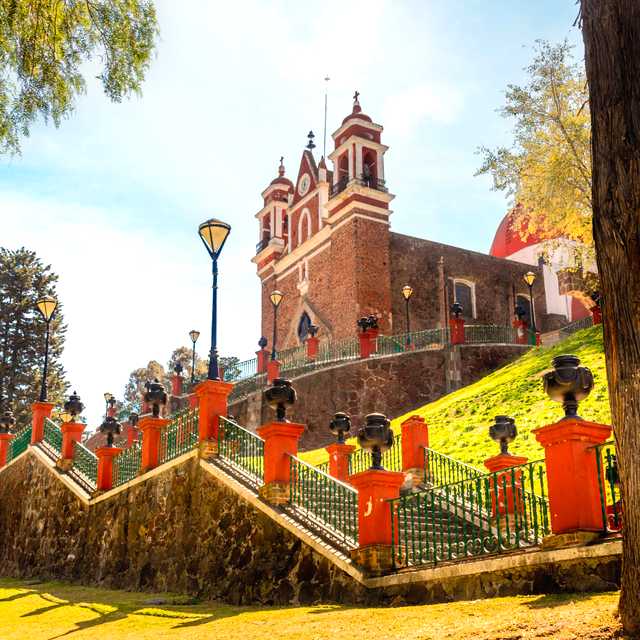
Mexico City to Metepec and Ixtapan de la Sal: Day trip
2+ million travelers like you. Moments they'll never forget.

Your monarch butterfly questions, answered
The sanctuaries open from mid-November to March 31, but the colonies are fullest from mid-December to February. Within that window, pick a sunny day and aim to arrive around midday. As the forest warms, the butterflies leave the branches and fill the air. On cold or cloudy days, they stay clustered on the trees and barely move.
Piedra Herrada, in the State of Mexico, is the closest, about two hours by road via Toluca. It sits under an hour from Valle de Bravo, so you can pair it with lunch by the lake or an overnight stay. Its easy access also makes it the busiest sanctuary, so visit on a weekday if you can.
Yes. With a private driver, Piedra Herrada makes an easy day trip from Mexico City: leave early, spend two to three hours at the sanctuary, stop for lunch in Valle de Bravo, and be back by evening. More remote sanctuaries, such as Cerro Pelón, are about three hours away each way, so they are easier to enjoy with an overnight stay in the area.
It depends on the sanctuary and on where the colony settles that season. Expect an uphill walk of anywhere from half an hour to two hours at about 10,000 feet (3,000 m), where the air is thin. Trails can be steep, dusty, and rocky. If you'd rather not walk, horses are available at the trailhead.
Yes. Guides from the local ejidos lead visits to the colonies; they own and protect the forest. Guides know where the butterflies are roosting that week and keep groups on the right trails. Depending on the sanctuary, the guide is included in the entry fee or charged separately, so bring cash.
The sanctuaries in this guide are all in the State of Mexico, which the US State Department rates Level 2: exercise increased caution. Visits are guided, and the main risks are practical: altitude, cold, and steep trails. As anywhere in Mexico, travel between cities by day, use toll roads, and check the latest advisory before you go.
Not in town itself, but Valle de Bravo is the best base for seeing them. Piedra Herrada is under an hour away by road, and El Capulín, a gateway to the Cerro Pelón colonies, is about an hour. Stay overnight by the lake, and you can reach a sanctuary early, before the day-trippers from Mexico City arrive.
About the author
Ján Tompkins is a Prague-based travel writer with a passion for arts and culture. His travels are shaped as much by museum exhibitions as by bakeries, greasy spoons, and funny signage. His favorite Juan Gabriel song is "¿Por Qué Me Haces Llorar?"
Be the first to discover more
Get handpicked travel ideas, insider highlights, and special Daytrip offers.


