
Italy through literature

By Ján Tompkins
Everyone flocks to Verona for a balcony, though Shakespeare set his star-crossed lovers there without ever setting foot in Italy. This guide leaves that one to the crowds. Instead, it follows eight places across the country where writers truly lived, wrote, and in some cases died, and where you can still walk the streets that shaped their work.
It’s a guide for readers, for anyone who likes to travel with a book in hand. Italy has fed literature for seven centuries. It gave the world Dante, Petrarch, and Boccaccio, the medieval "three crowns" who forged the Italian language itself, and it drew foreign writers ever after: the Romantics Keats, Shelley, and Byron, who lived and wrote here; Goethe on his Grand Tour; and, nearer our own time, Elena Ferrante and Umberto Eco. They came for the light, the ruins, and the past made present, and many never left.
Each stop pairs a place with a page: Dante's Florence and his tomb in Ravenna, Keats's room above the Spanish Steps, the Naples of Ferrante's novels, the hill village that took Petrarch's name, and the coast that seduced Steinbeck and Gore Vidal. A few practical notes. Many of these sites are small house-museums, so check the opening hours, as several close on Mondays, and book ahead where you can. Some are graves. And every trip rewards reading the book first, since the streets mean far more when you already know the story.
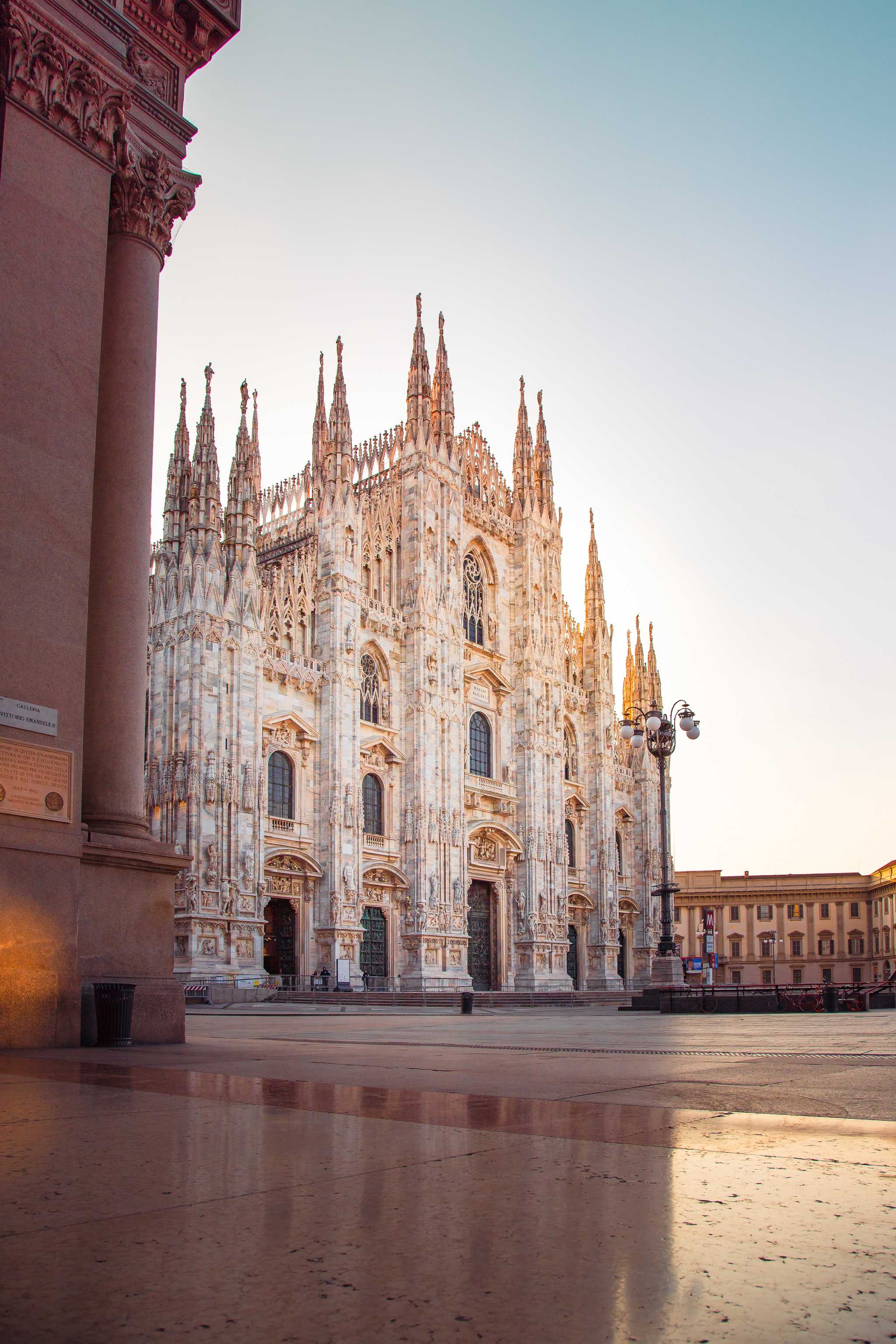
Milan
Milan is Italy's capital of finance and fashion, but its literary roots run deep. Stendhal loved it above all others and called himself Milanese; Ernest Hemingway set the heart of A Farewell to Arms here, giving Italy its national novel. A city of opera, letters, and quiet elegance.
- Milan is where Hemingway recovered from his own wounds during World War I, and where his hero, wounded too, reunites with the nurse he loves in A Farewell to Arms.
- Stendhal adored the city and had "Milanese" carved on his gravestone; The Charterhouse of Parma opens as Napoleon's army marches in.
- See a show or take a tour at La Scala, the opera house Stendhal haunted and the beating heart of Milanese culture.
- Milan is also Alessandro Manzoni’s city: his novel The Betrothed is Italy's national epic. Visit his preserved home, the Casa del Manzoni.
- Wander Brera, the artsy quarter of bookshops, cafes, and galleries where the city's writers and painters long gathered.
- Read A Farewell to Arms or The Charterhouse of Parma first, then walk the elegant streets and salons they describe.
Arquà Petrarca
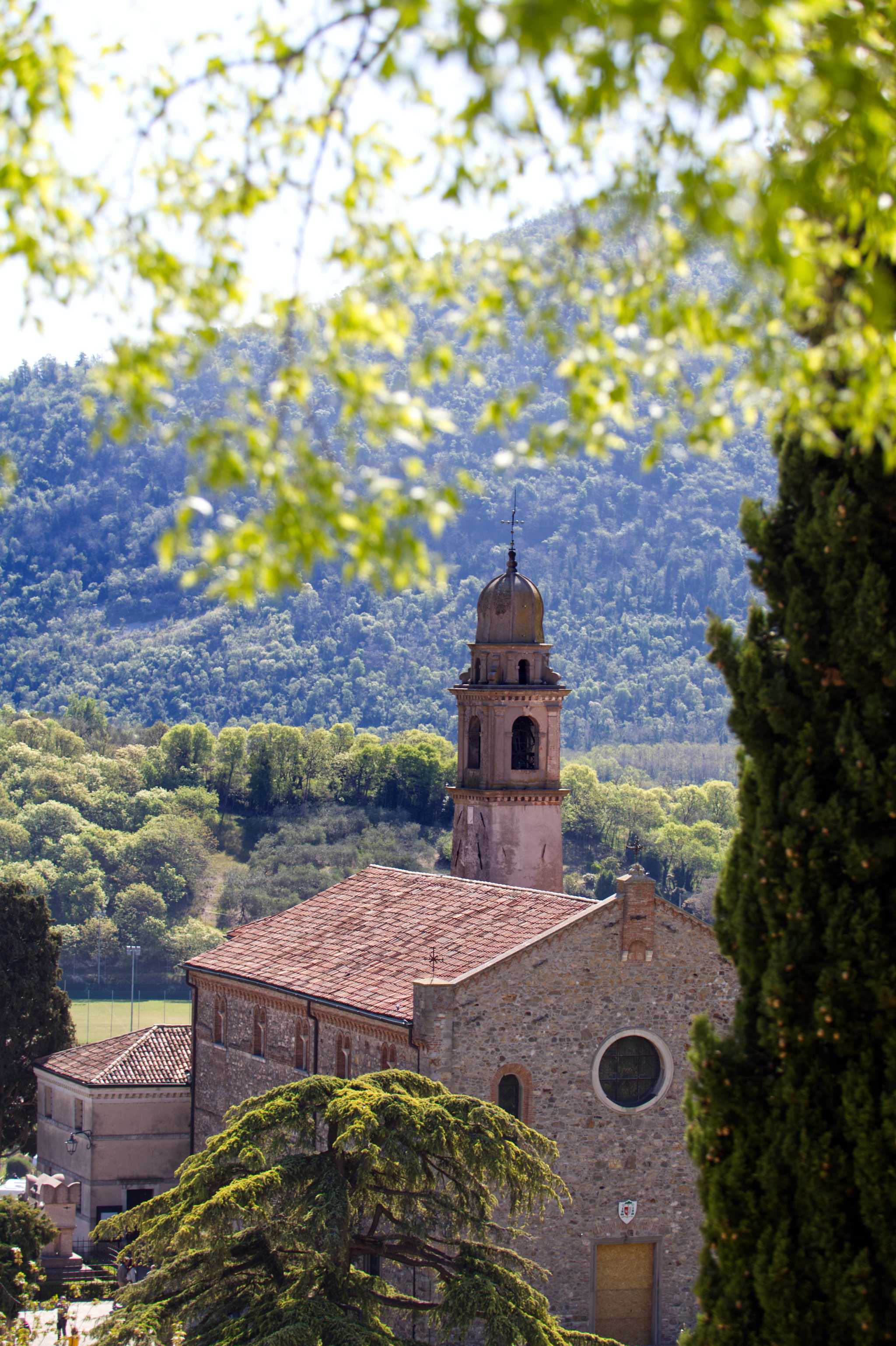
Arquà Petrarca is a tiny medieval village in the volcanic Euganean Hills, and one of Italy's prettiest. Here Petrarch, a father of Humanism and one of Italy's three great early poets, spent his final years, and the village later took his name. It has drawn literary pilgrims ever since.
- Petrarch, one of Italy's "three crowns,” and whose sonnets to Laura shaped love poetry for centuries, died here in 1374, reportedly at his desk.
- Tour the Casa del Petrarca, his preserved home and study. Its famous mummified cat, long said to be his, was added far later and likely never was.
- See his red-marble tomb before the church, a shrine to the poet Ugo Foscolo, who sang of great men's graves, came to honor.
- Wander the stone lanes of one of Italy's loveliest villages, set among vineyards, olive groves, and jujube trees.
- Follow the Romantics: Byron and Shelley made the pilgrimage here, and Shelley wrote his own lines on these Euganean Hills.
- It sits off the railway, about 12 miles from Padua; come by car or local bus, and pair it with the wider Euganean Hills.
Florence
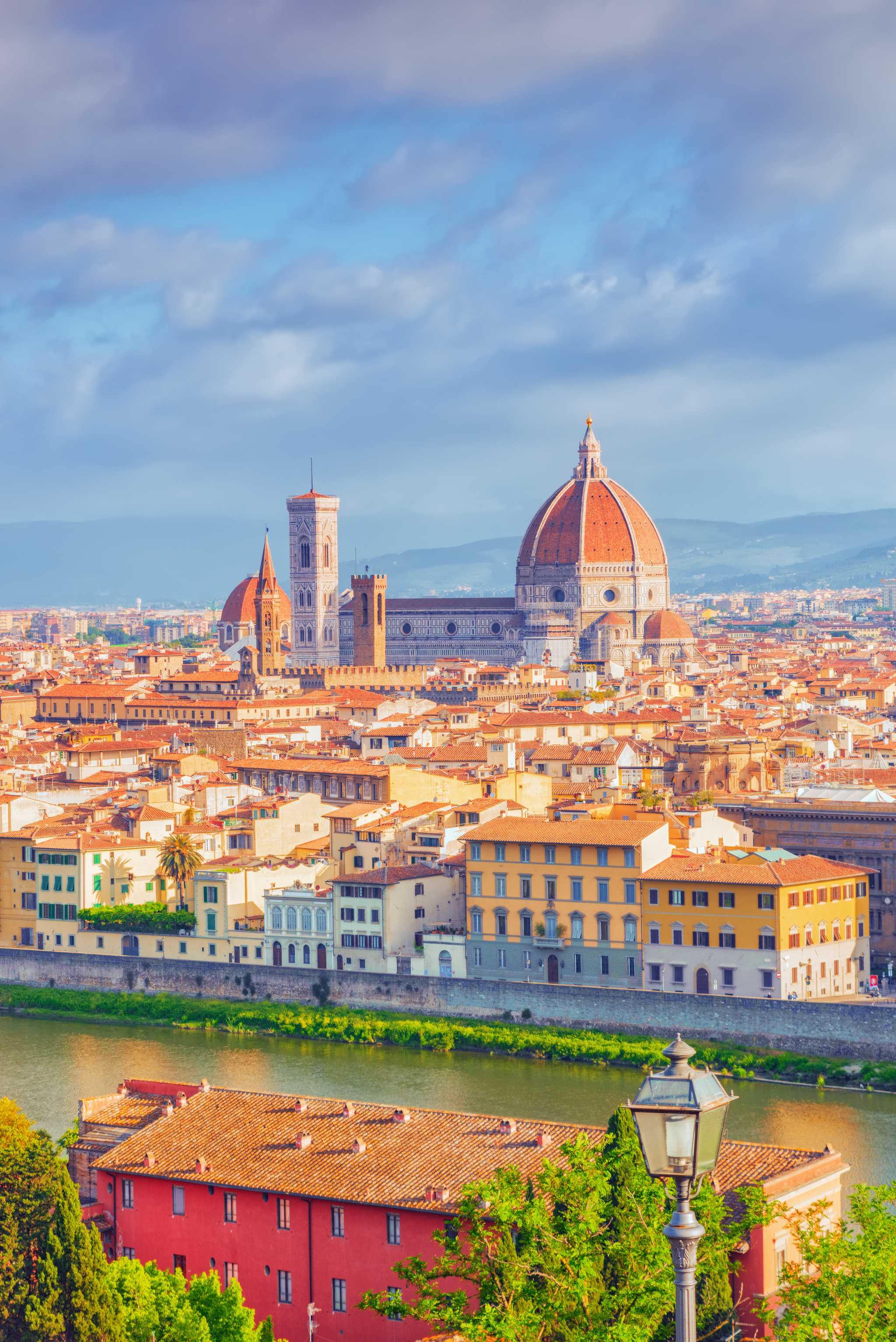
Florence is the cradle of the Renaissance and of Italian literature. Dante was born here around 1265, and his Divine Comedy, rooted in the city's streets and feuds, forged the Italian language. Giovanni Boccaccio set his Decameron here, and it later drew E.M. Forster. Art and letters, born together.
- Dante filled his Inferno with real Florentines, enemies and popes among the damned; exiled in 1302, he died in Ravenna, never to return.
- See the baptistery where he was christened, a museum in his old quarter, and the little church tied to Beatrice, his lifelong muse.
- Boccaccio's Decameron sends ten young Florentines fleeing the 1348 plague to a country villa, where they trade a hundred tales.
- E.M. Forster’s A Room with a View plays out here: a faint in Piazza della Signoria, Santa Croce with a guidebook, a kiss in the Fiesole hills.
- Santa Croce is Italy's pantheon of genius, with an empty tomb for Dante and the graves of Machiavelli, Galileo, and the poet Foscolo.
- Read the Inferno or A Room with a View first, then walk the old center and climb to Fiesole for the same hilltop views.
Rome
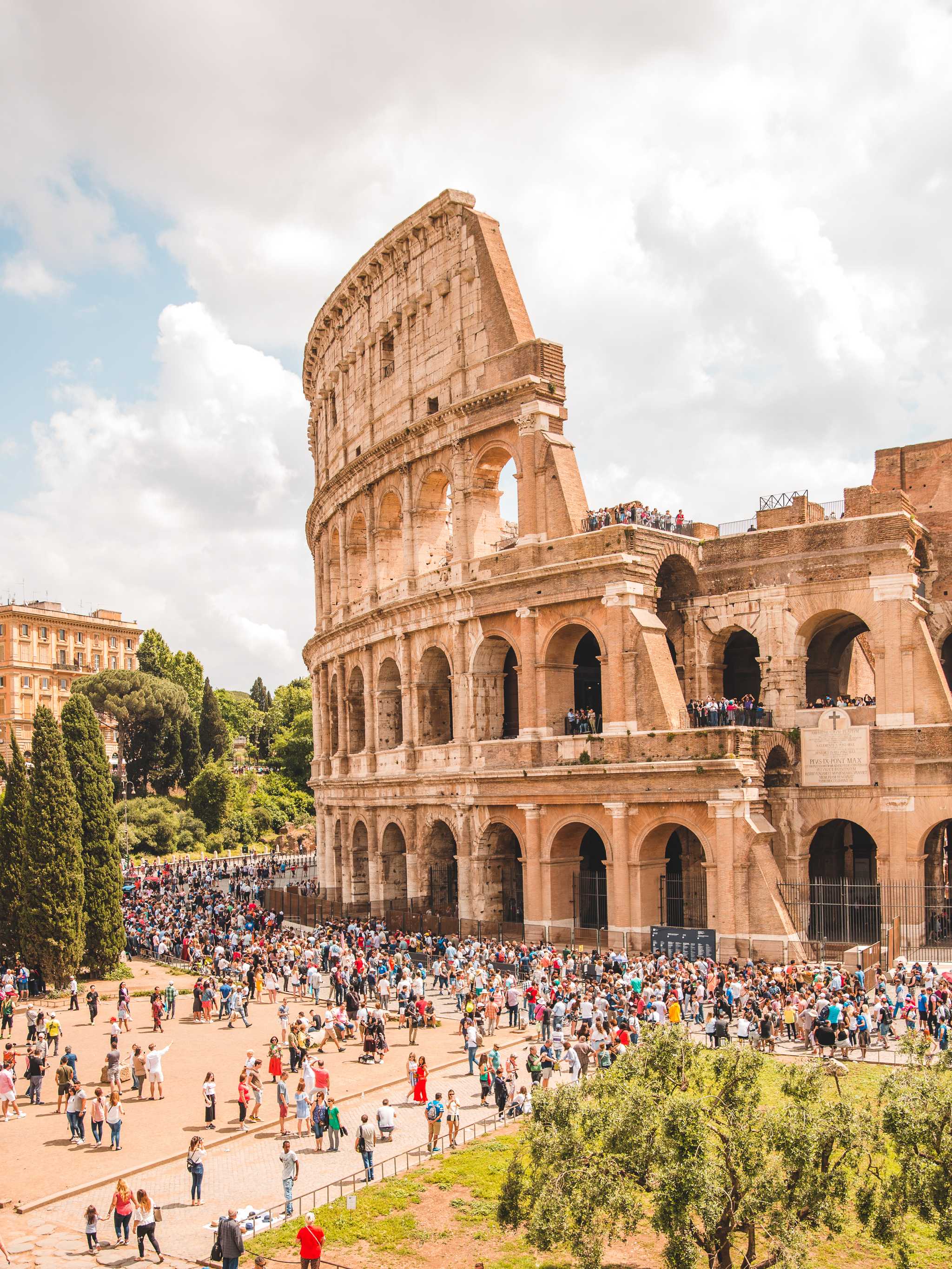
Rome has drawn writers for as long as it has drawn everyone else, and none more than the Romantics. Keats died here young, Shelley wrote among its ruins, and the Eternal City filled countless books besides. Art, ancient stone, and poets' graves still draw readers here.
- John Keats came to Rome in 1820 hoping the air would cure him; he died at 25 in a room above the Spanish Steps, now the Keats-Shelley House.
- Percy Bysshe Shelley wrote much of Prometheus Unbound among the ruined terraces of the Baths of Caracalla; after he drowned, his ashes came to Rome.
- Nathaniel Hawthorne set part of The Marble Faun here, a tale so steeped in Rome's statues and ruins that Victorians used it as a guidebook.
- Both poets lie in the Protestant Cemetery, Keats beneath his famous epitaph, "here lies one whose name was writ in water."
- Dan Brown's Angels & Demons races across Rome, turning the Pantheon, Bernini's fountains, and Baroque churches into clues in a deadly hunt.
- Read the Romantics or Angels & Demons, visit the Keats-Shelley House and the poets' cemetery, then wander the ruins that moved them.
Ravenna
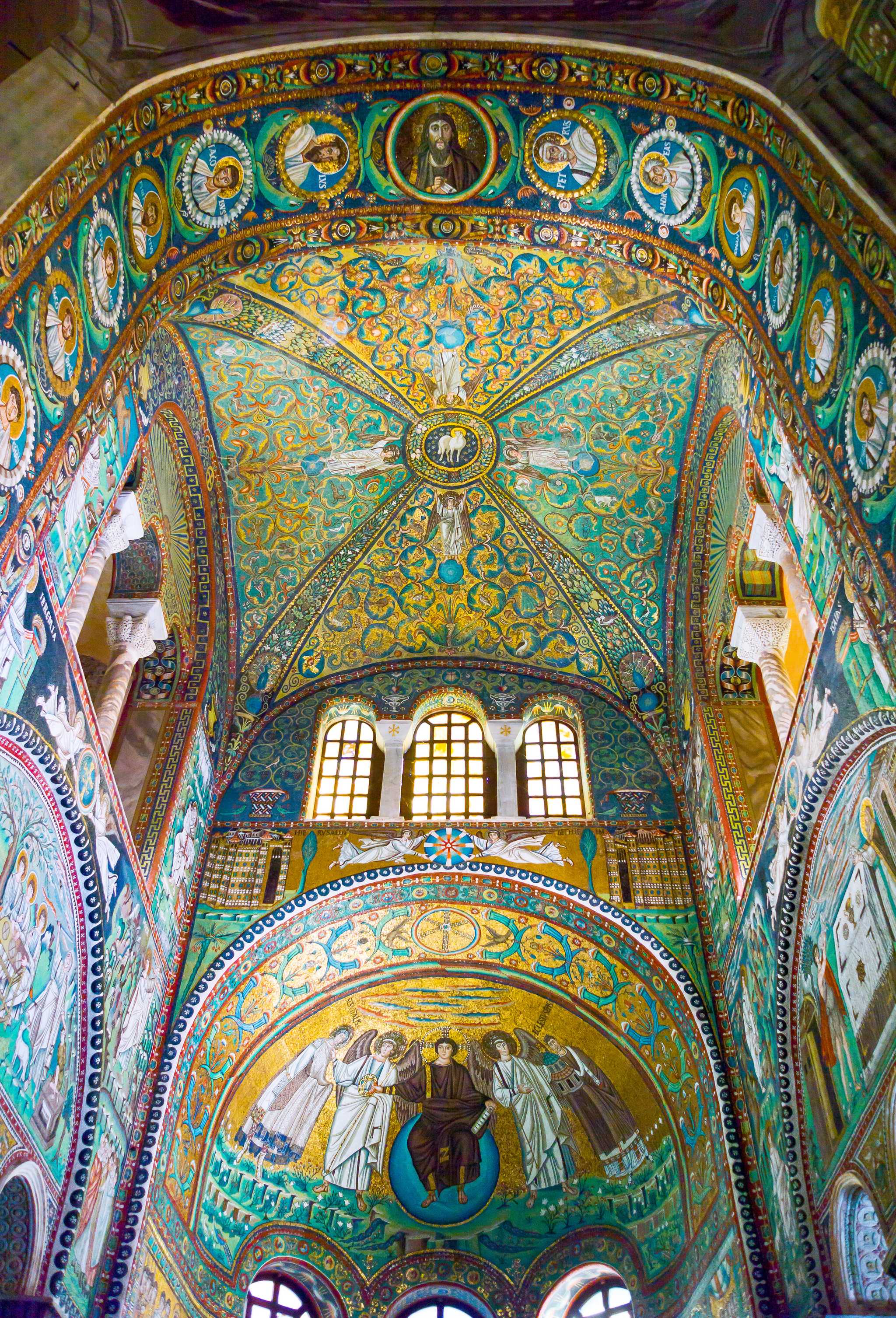
Ravenna is a quiet, elegant city known for two things: the glittering mosaics of its days as an imperial capital, and Dante. Exiled from Florence, the poet spent his final years in Ravenna and is still buried here. Lord Byron settled here centuries later.
- Offered a pardon on humiliating terms, Dante refused it and stayed in exile; Ravenna took him in, and here he finished the Divine Comedy and died in 1321.
- Friars once hid his bones from Florence, which, in penance, sends oil for its lamp to this day.
- Byron spent two years here from 1819, chasing a young married countess, working on Don Juan, and plotting with Carbonari rebels.
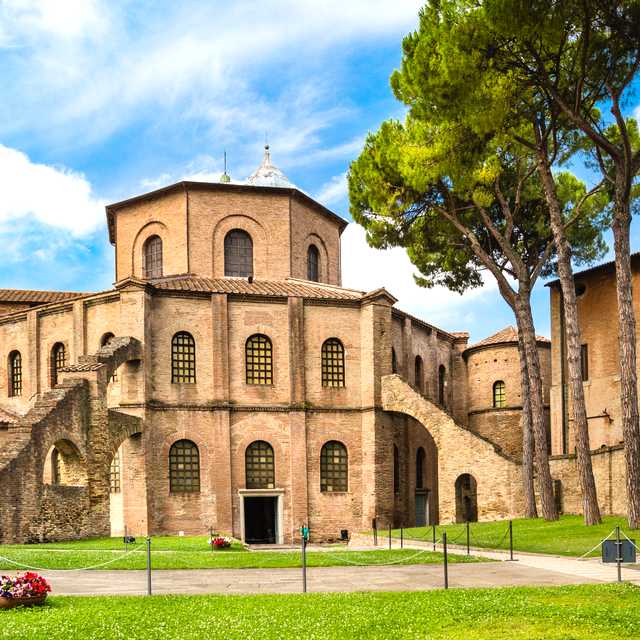
- The real wonder, though, is the mosaics: San Vitale and the star-lit Mausoleum of Galla Placidia glitter from Ravenna's imperial heyday.
- Walk the pine forest of Classe, just south of Ravenna: it shaped Dante's earthly paradise, staged a Boccaccio tale, and drew Byron out on horseback.
- See the mosaics and the tomb, then read the Paradiso, finished here; the city is small and made for slow wandering.
Bologna
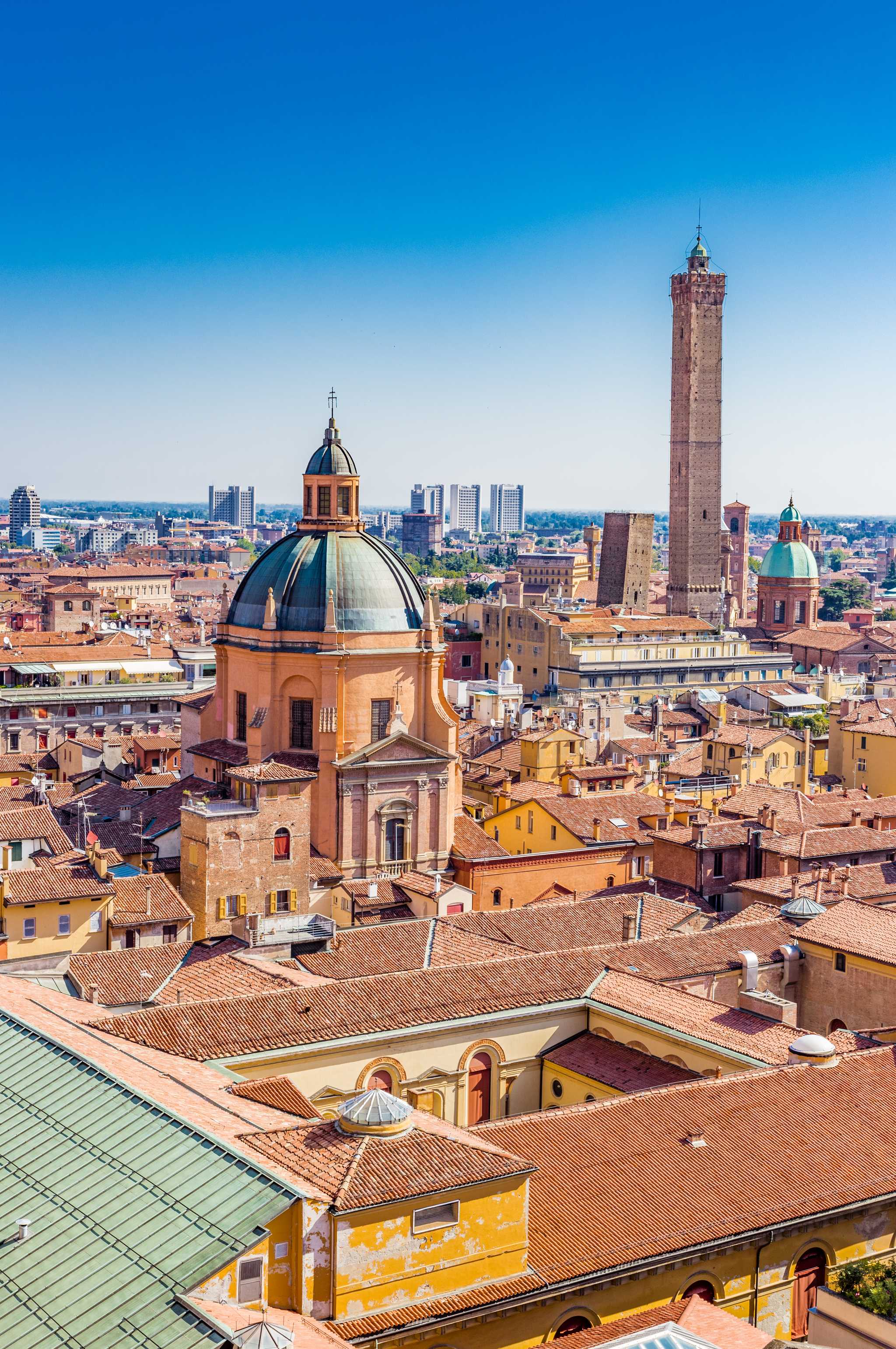
Bologna is Italy's gastronomic capital and home to the oldest university in the Western world, and is known as La Dotta, or "the learned". A place of endless porticoes and deep scholarship, it was the intellectual home of Umberto Eco and of the Nobel poet Giosuè Carducci.
- Umberto Eco, the scholar behind The Name of the Rose, taught semiotics at Bologna's ancient university for over 35 years.
- Founded in 1088, the university hasn’t stopped teaching for over 900 years; Petrarch, Copernicus, and countless others studied within its walls.
- The poet Carducci taught here for forty years and became Italy's first Nobel laureate in literature; his home is now a museum, the Casa Carducci.
- Dante immortalized Bologna's leaning Garisenda tower in the Inferno; it still tilts over the street beside its taller twin, the Asinelli.
- Pier Paolo Pasolini, the poet and filmmaker, was born here in 1922, another of the city's literary sons.
- Wander the porticoed streets and student quarter, read The Name of the Rose, and eat as well as anywhere in Italy.
Naples
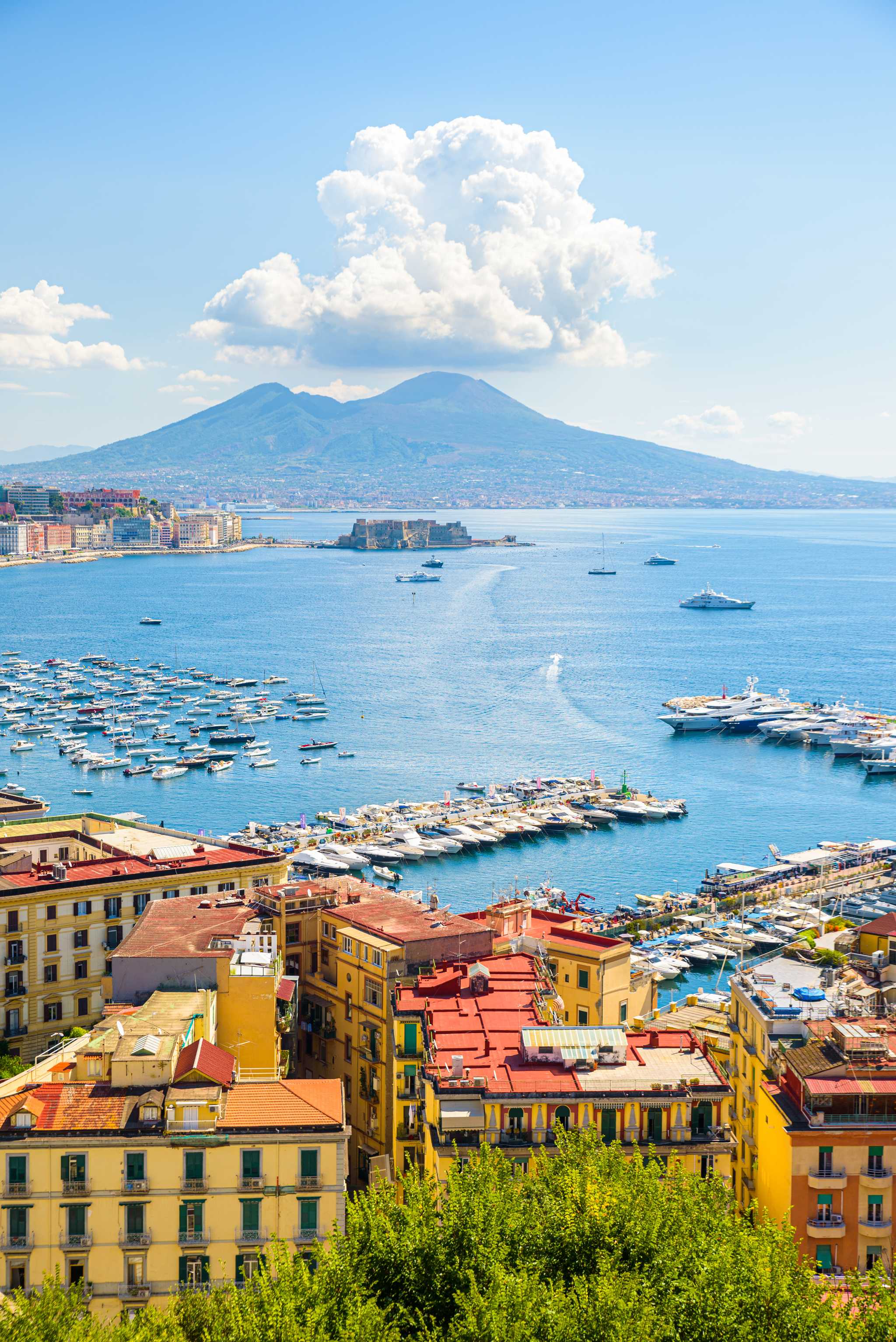
Naples is Italy at its rawest and most alive, a chaotic ancient port beneath Vesuvius. It has drawn writers for centuries: Goethe was intoxicated by it, Elena Ferrante set her Neapolitan Novels in its poor quarters, and it holds the tombs of Virgil and Leopardi. Loud, layered, and the home of pizza.
- Elena Ferrante set her Neapolitan Novels, from My Brilliant Friend, in a poor eastern quarter, the Rione Luzzatti; her identity is still a secret.
- Johann Wolfgang von Goethe arrived in 1787 on his Italian Journey, so taken by the city that he embraced the old boast: "Vedi Napoli e poi muori": see Naples and die.
- A monument long honored as Virgil's tomb stands here, his ashes lost to time; nearby lies the great poet Giacomo Leopardi, who died in Naples in 1837.
- Matilde Serao laid the city's poorest quarters bare in her 1884 novel The Belly of Naples, and was the first woman in Italy to found and run a daily newspaper.
- Beyond the books, walk Spaccanapoli through the teeming old center, gaze at Vesuvius across the bay, and eat pizza where it was invented.
- Read My Brilliant Friend first, then wander the rione and the old town, and let the city's chaos carry you.
The Amalfi Coast
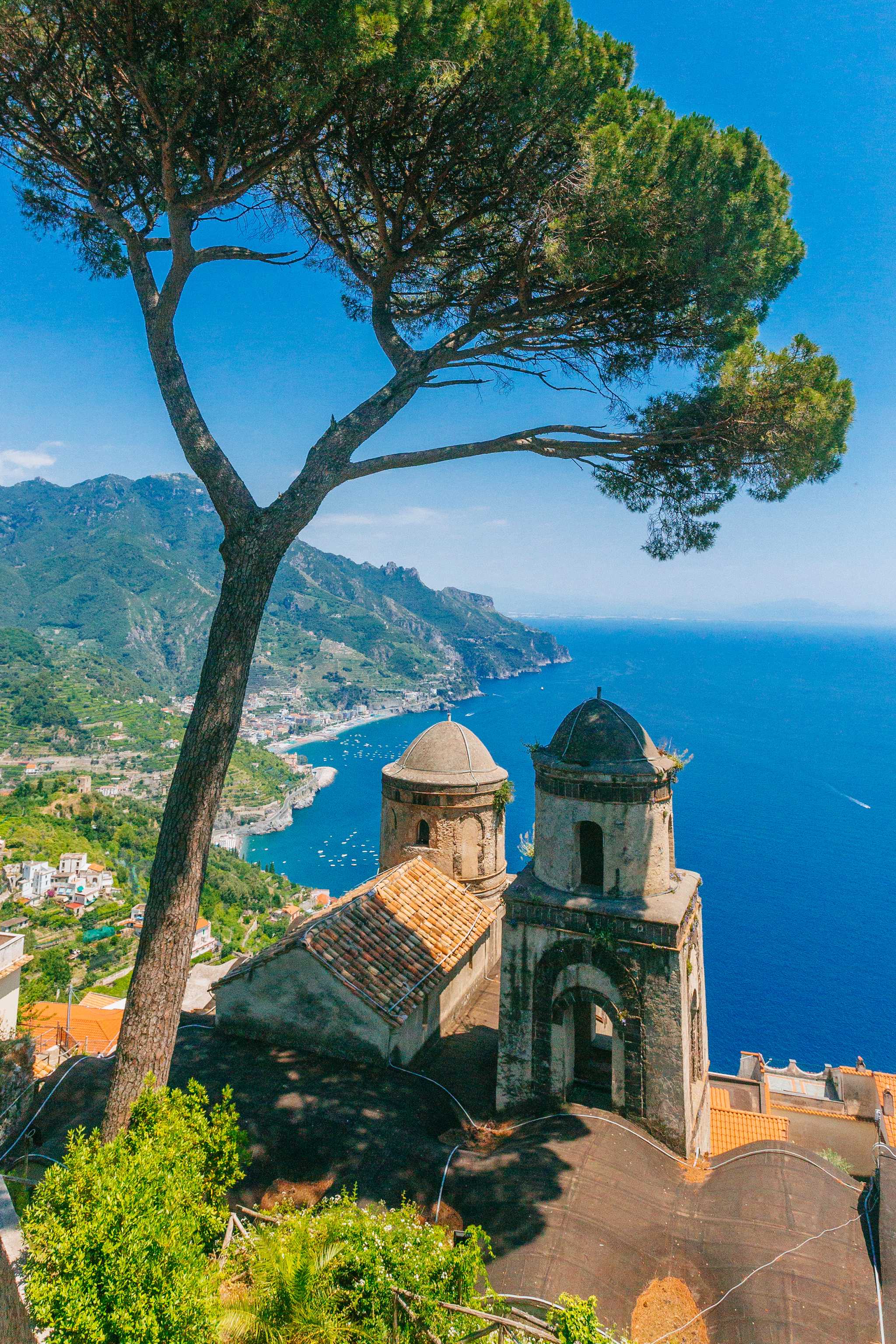
The Amalfi Coast is a ribbon of pastel villages and terraced gardens clinging to sheer cliffs above a blue sea, and it’s seduced writers for generations. John Steinbeck put Positano on the map, Gore Vidal made Ravello his home for thirty years, and Boccaccio and E.M Forster left their mark too.
- Steinbeck's 1953 essay for Harper's Bazaar romanticized then-quiet Positano, "Positano bites deep," and helped make its name.
- Vidal lived above Ravello for some thirty years at La Rondinaia, his clifftop villa, where he wrote and hosted the famous.
- Boccaccio set a Decameron tale in Ravello, home of the merchant Rufolo family, whose garden villa still enchants today.
- Ravello also gave E.M. Forster his first tale, “The Story of a Panic”, conceived on a walk there in 1902.
- Read Steinbeck's essay first, take the coast road or a boat between the towns, and linger in quiet Ravello for the views.
Our recommended routes
Positano to Naples
1h 31min • 61km (37.9mi)
From €190
Naples to Sorrento
1h 8min • 49km (30.4mi)
From €149
Rome to Florence
3h 1min • 272km (169.0mi)
From €587
Ravello to Naples
1h 8min • 56km (34.8mi)
From €186
Florence to Venice
2h 58min • 270km (167.8mi)
From €538
Naples to Rome
2h 23min • 227km (141.1mi)
From €400
Milan to Venice
3h 4min • 281km (174.6mi)
From €553
Venice to Ravenna
2h 18min • 144km (89.5mi)
From €388
Venice to Bologna
1h 48min • 157km (97.6mi)
From €319
Ravenna to Florence
2h 16min • 202km (125.5mi)
From €506
Naples to Positano
1h 31min • 61km (37.9mi)
From €190
Florence to Milan
3h 31min • 317km (197.0mi)
From €634
Best literary day trips
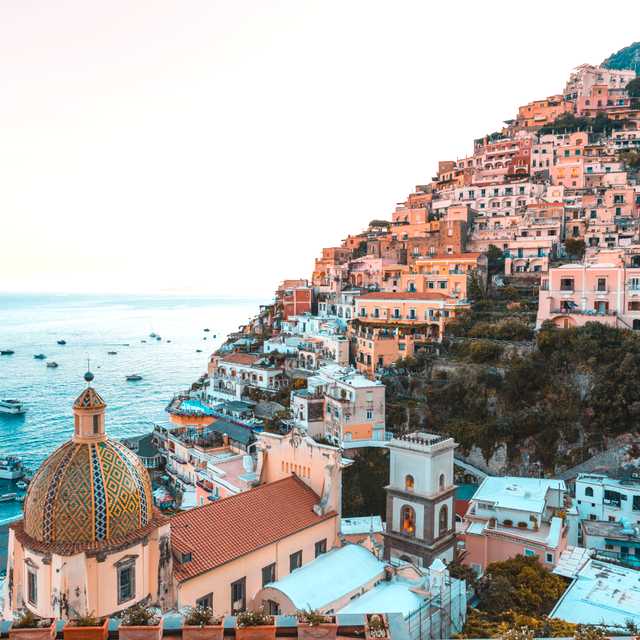
Amalfi Coast Essentials: Private day trip from Sorrento
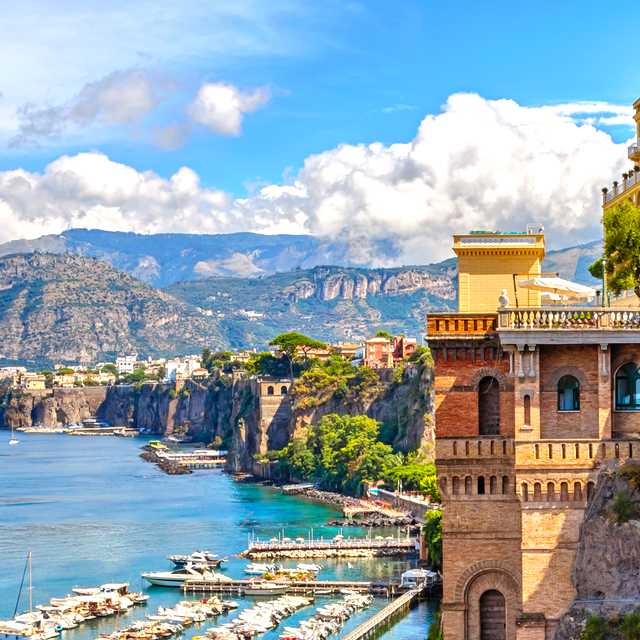
Naples to Sorrento and Positano: Private day trip
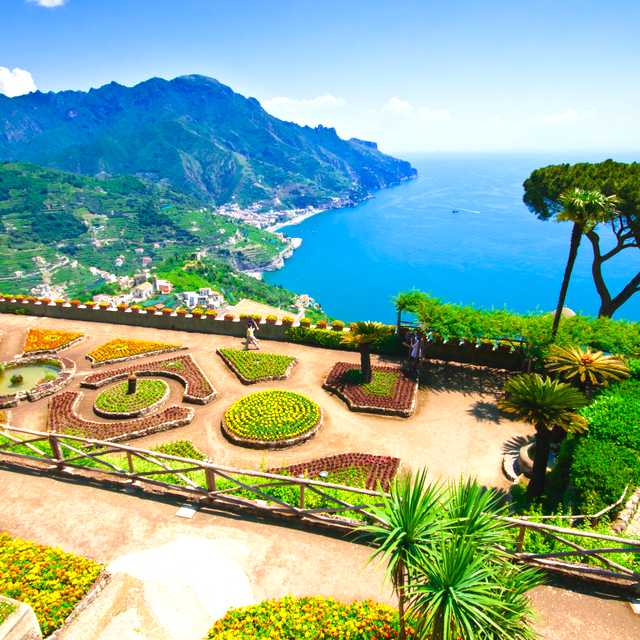
Positano to Ravello: Private day trip
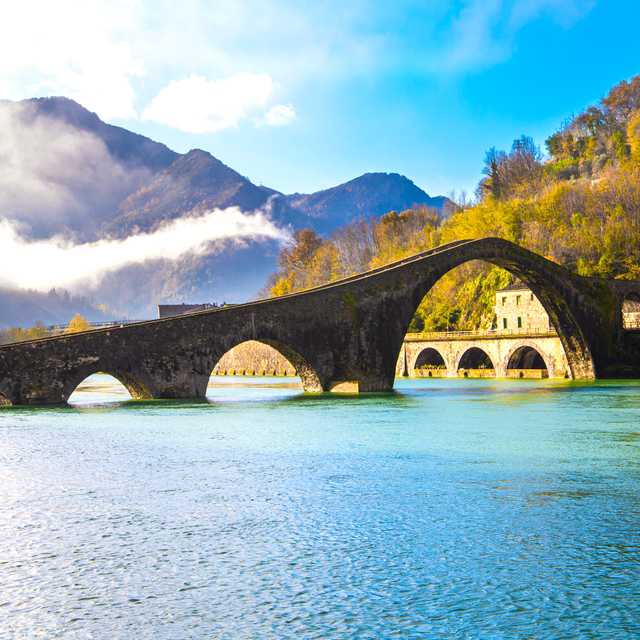
Florence to Pisa and Lucca: Private day trip
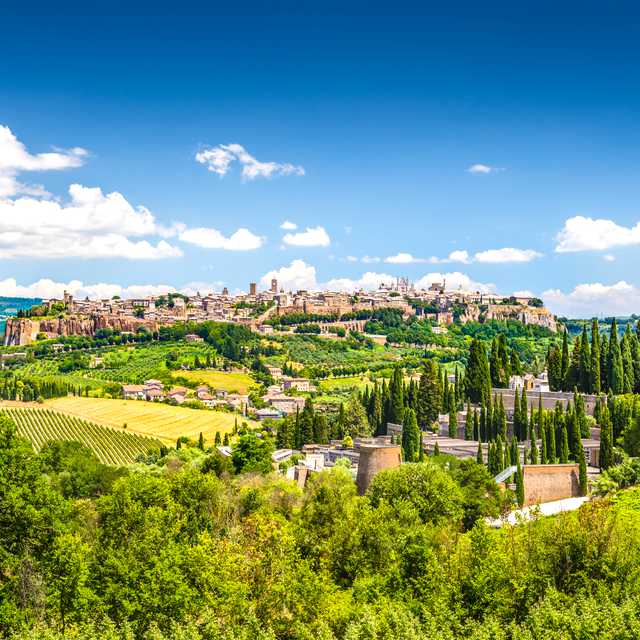
Rome to Orvieto and Assisi: Private day trip
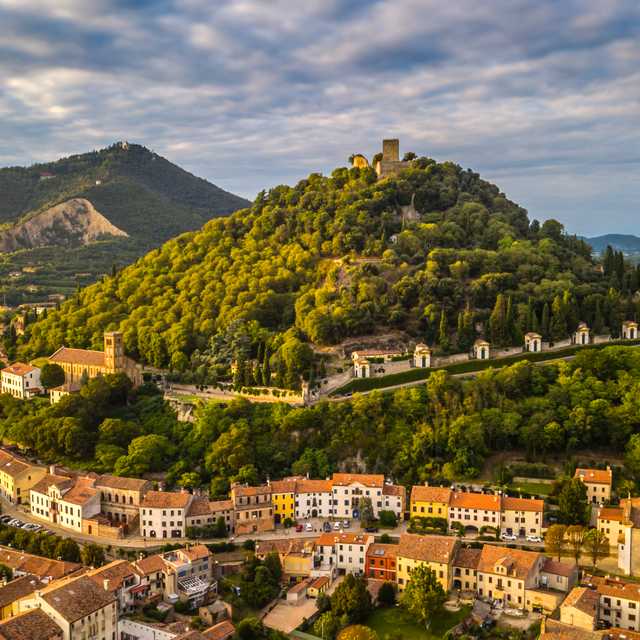
Euganean hilltowns and vineyards: Day trip from Venice
Verona to Dante's Italy: Private day trip
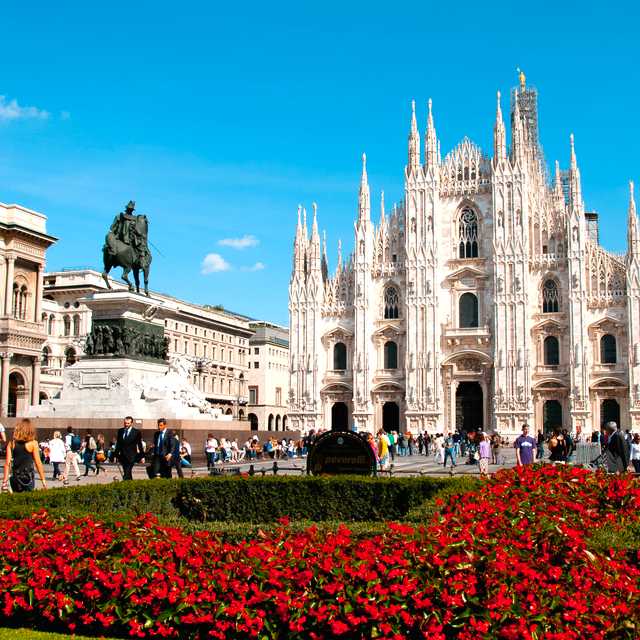
Turin to Milan: Private day trip
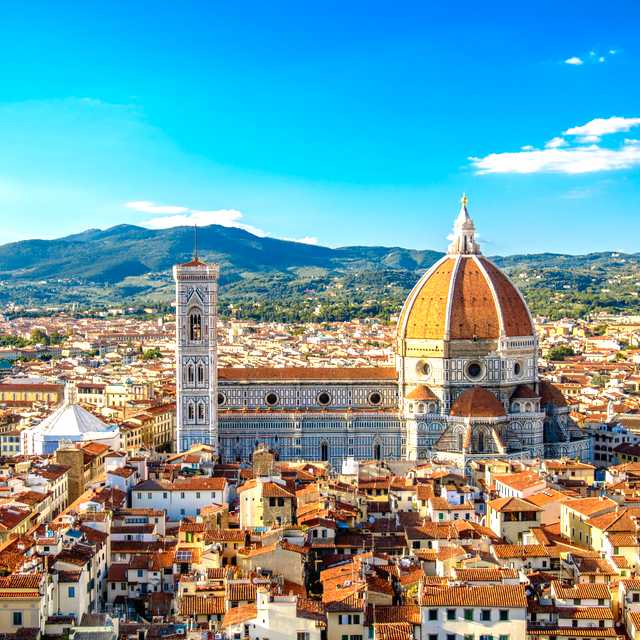
Ravenna to Florence: Private day trip
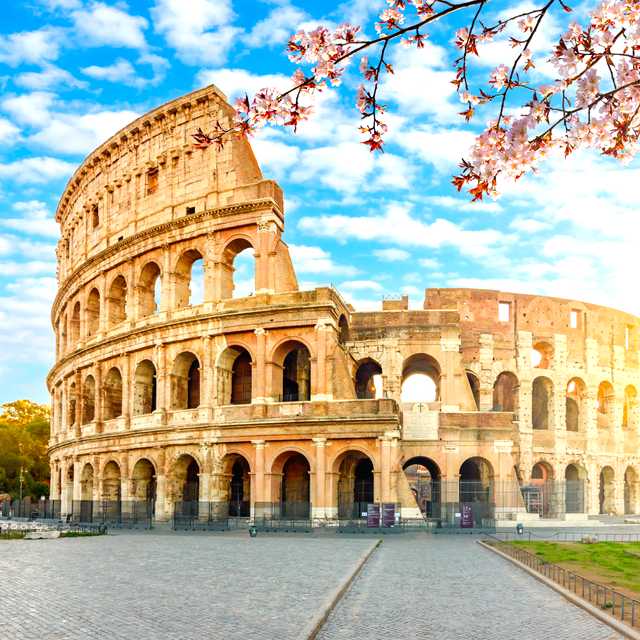
Civitavecchia to Rome: Private day trip
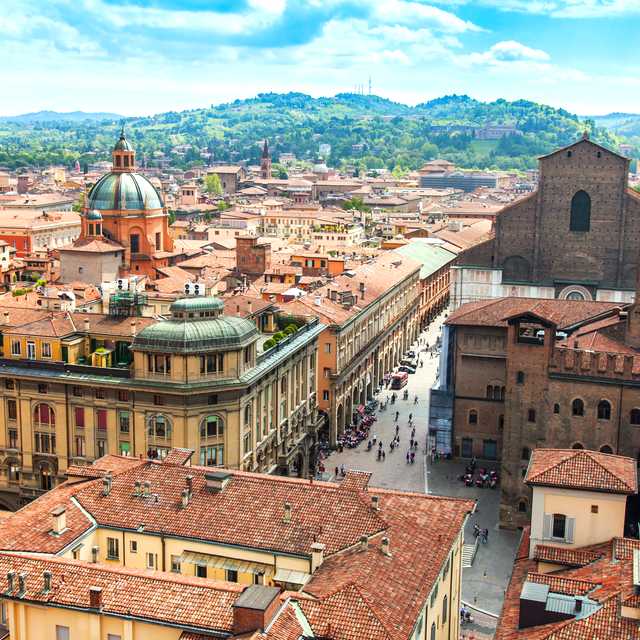
Ravenna to Bologna: Private day trip
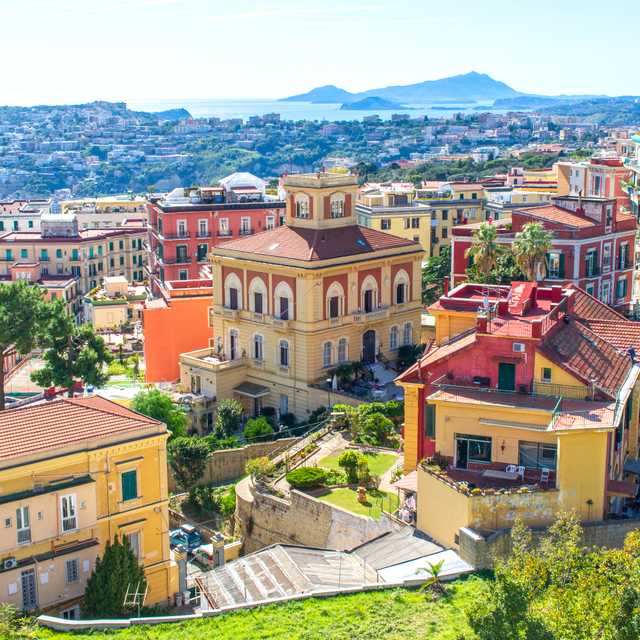
Positano to Naples: Private day trip
2+ million travelers like you. Moments they'll never forget.

Your literary Italy questions, answered
About the author
Ján Tompkins is a Prague-based travel writer with a passion for arts and culture. His travels are shaped as much by museum exhibitions as by bakeries, greasy spoons, and quirky signs. His favorite trip to Italy has been to the quiet clifftop Sorrentine town of Vico Equense.
Be the first to discover more
Get handpicked travel ideas, insider highlights, and special Daytrip offers.


