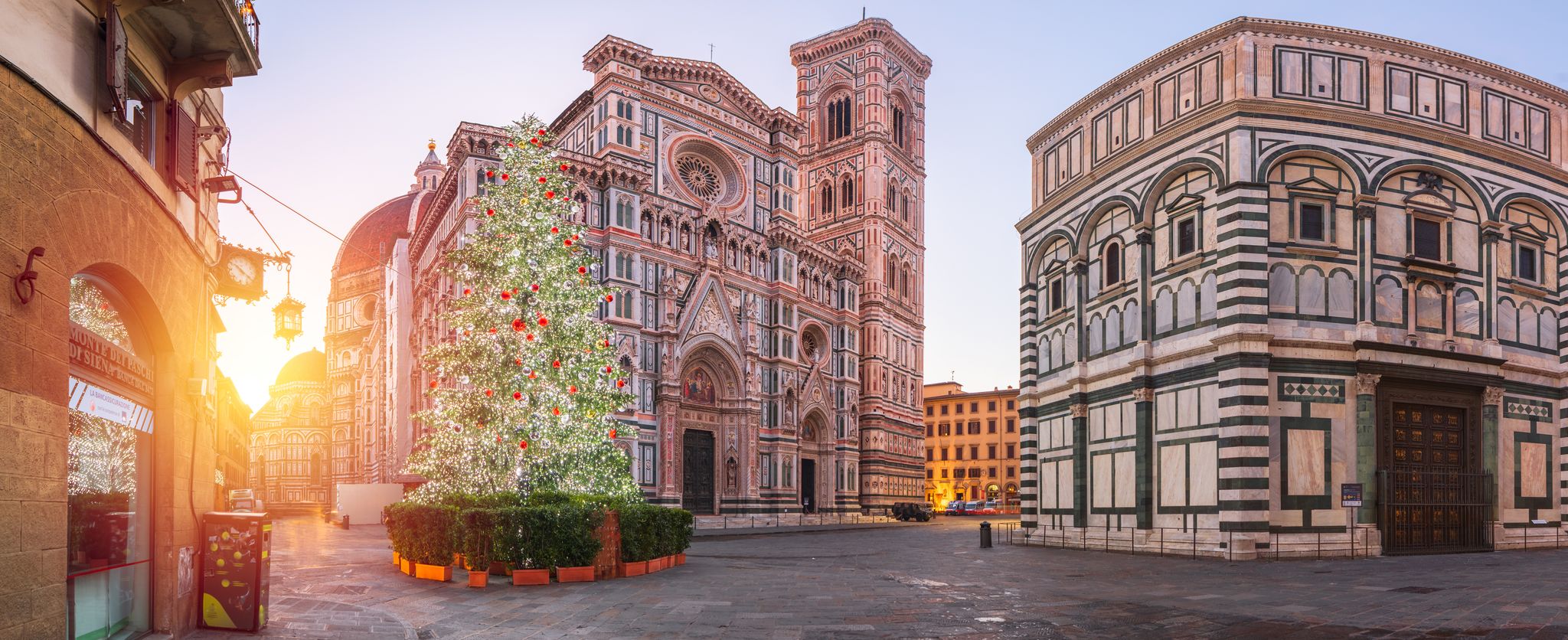
Christmas in Italy
Winter brings a flurry of festivals to Italy. Christmas itself is an elaborate affair, but Italy also goes all out for other religious and cultural holidays. As temperatures drop, holiday markets, traditional religious festivals, and New Year’s celebrations begin.
The festive season starts in early December and stretches into the first week of January. The first major national holiday is the Feast of the Immaculate Conception on December 8th. The Christmas season ends with the Epiphany on January 6th, just in time for Carnevale preparations to start up in late January and February.
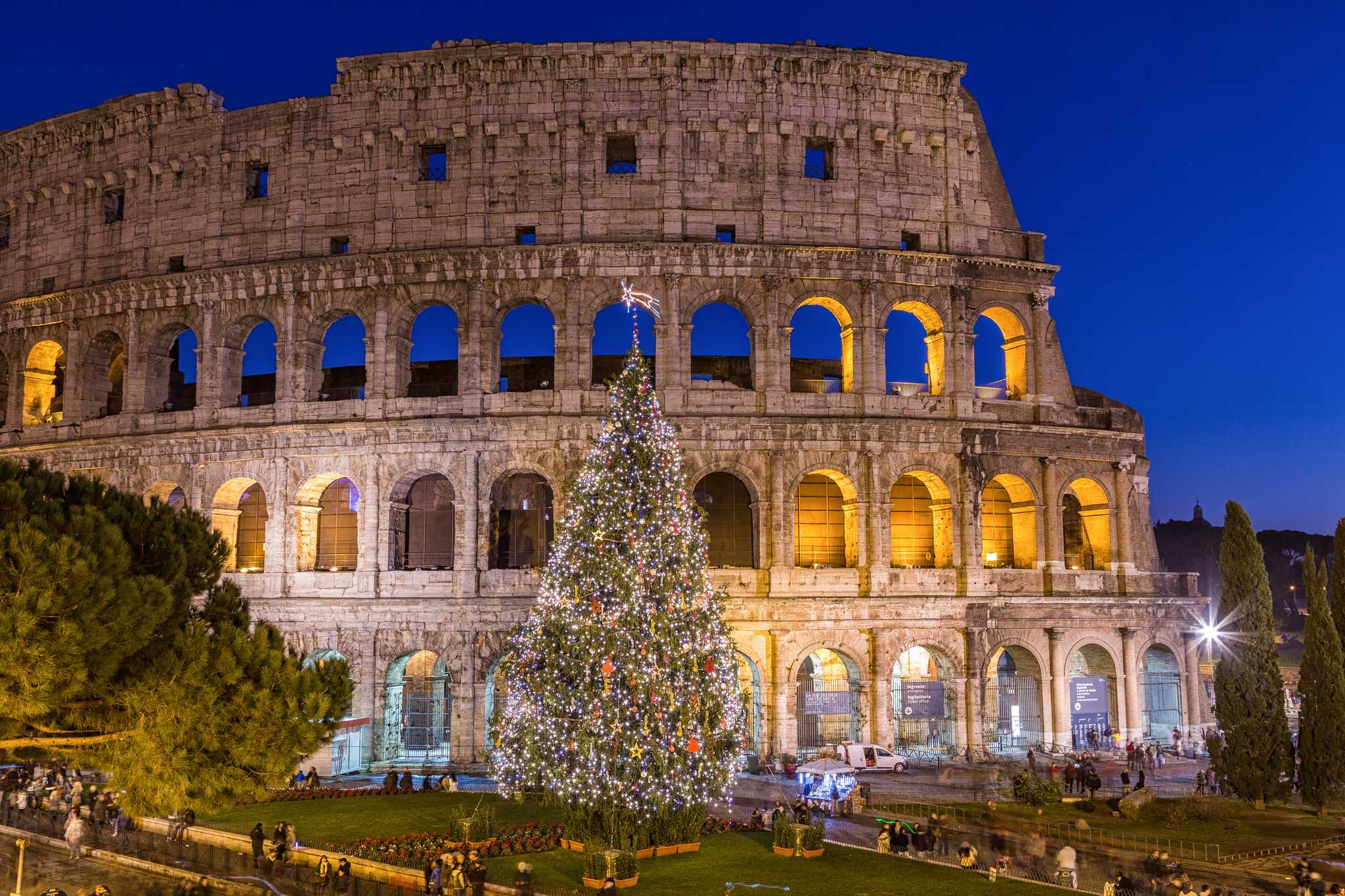
December and January bring fewer crowds and lower prices, apart from peak holiday weeks. This is a great time to see major attractions like the Colosseum without waiting in line. Expect heavy snow in the Alps (perfect for skiing) and cool, damp weather in southern and central Italy. Most businesses close on national holidays, and public transport is limited, so plan accordingly.
With a little planning, the holiday season is one of the best times to visit Italy. Light shows, world-class skiing in the Dolomites, traditional masses, and hearty winter comfort foods await you.
Italy’s festive calendar
L'Immacolata Concezione: December 8th
The Christmas season starts with the Feast of the Immaculate Conception. Christmas trees go up in homes and handcrafted nativity displays emerge.
Santa Lucia: December 13th
The Feast of Saint Lucy honors a 4th-century martyr and is especially popular in southern Italy. People eat historic dishes, and in some regions, children receive gifts.
La Vigilia: December 24th
Italians traditionally celebrate Christmas Eve with seafood-forward feasts and a Midnight Mass. Families may stay up late playing games after Mass.
Natale: December 25th
On Christmas Day, families eat a lavish lunch with regional pasta and meat dishes. Modern families may exchange gifts, but traditional households wait until January.
Santo Stefano: December 26th
St. Stephen’s Day is a relaxing day often spent strolling with family, visiting nearby churches’ nativity scenes, and engaging with the community.
Festa di San Silvestro: December 31st
New Year’s Eve usually features a multi-course dinner, elaborate firework shows, and certain unique traditions thought to attract luck, health, or fertility.
Capodanno: January 1st
New Year’s Day, like St. Stephen’s Day, is meant for relaxing and recovering from the night before with slow strolls, family time, and local church services.
Epiphany: January 6th
The Epiphany marks the end of Christmas. Traditionally, the night before, a “Christmas witch” named La Befana flies on a broomstick to deliver presents and candy, or coal for the naughty kids.
Where to spend Christmas in Italy
Choose one home base city to make holiday travel easy. The best base for your festive trip will depend on whether you want massive city-wide celebrations, cozy local traditions, or easy access to skiing. These top destinations offer season-long festivities at different paces.
Choose one home base city to make holiday travel easy. The best base for your festive trip will depend on whether you want massive city-wide celebrations, cozy local traditions, or easy access to skiing. These top destinations offer season-long festivities at different paces.
Italy’s best Christmas markets
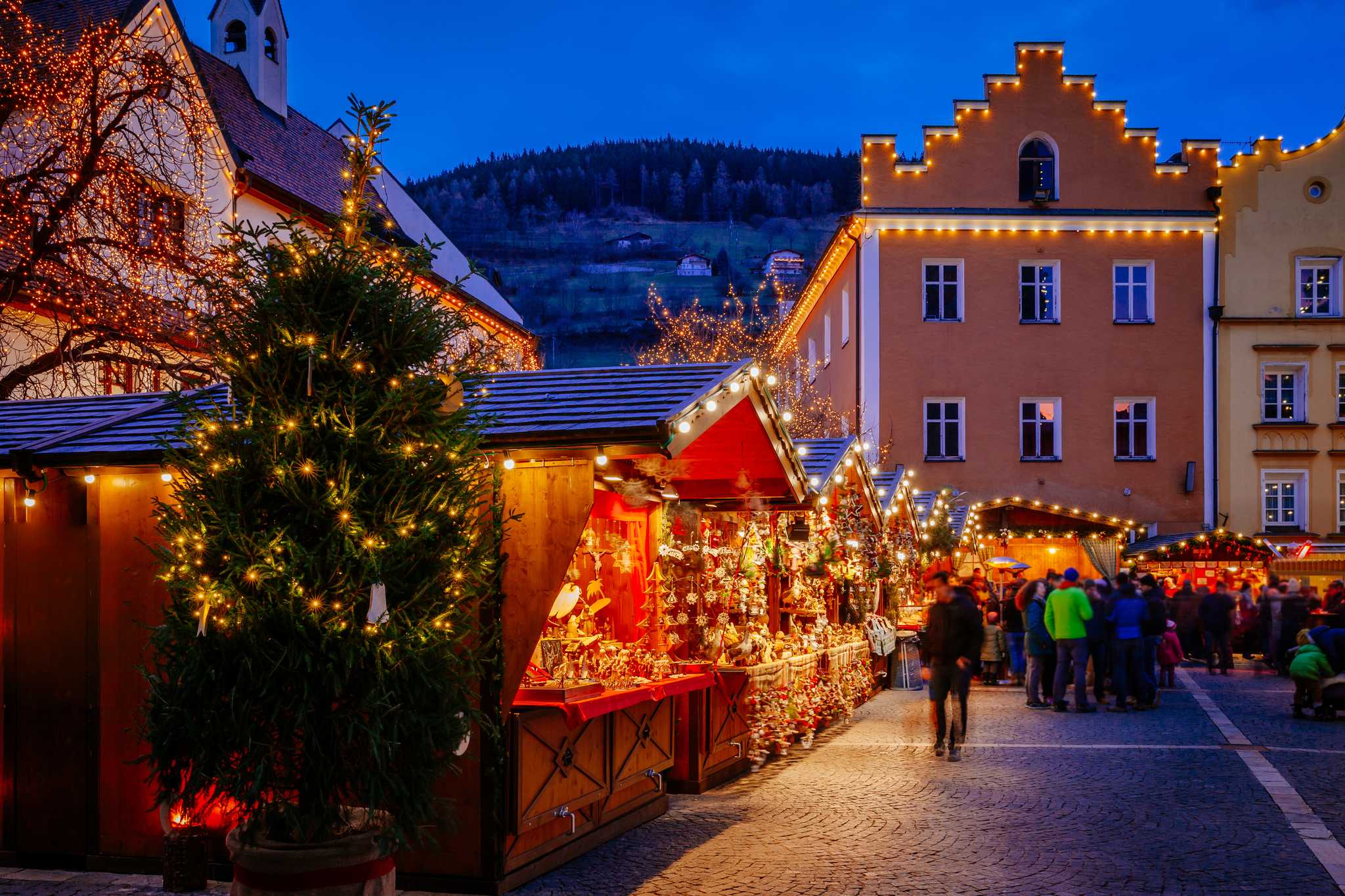
Celebrate the holiday season with Italy’s iconic Christmas markets. Admire the blend of Germanic and Italian traditions, shop for Christmas gifts, and indulge in local treats. Travelers and locals favor these top markets, each offering a unique atmosphere.
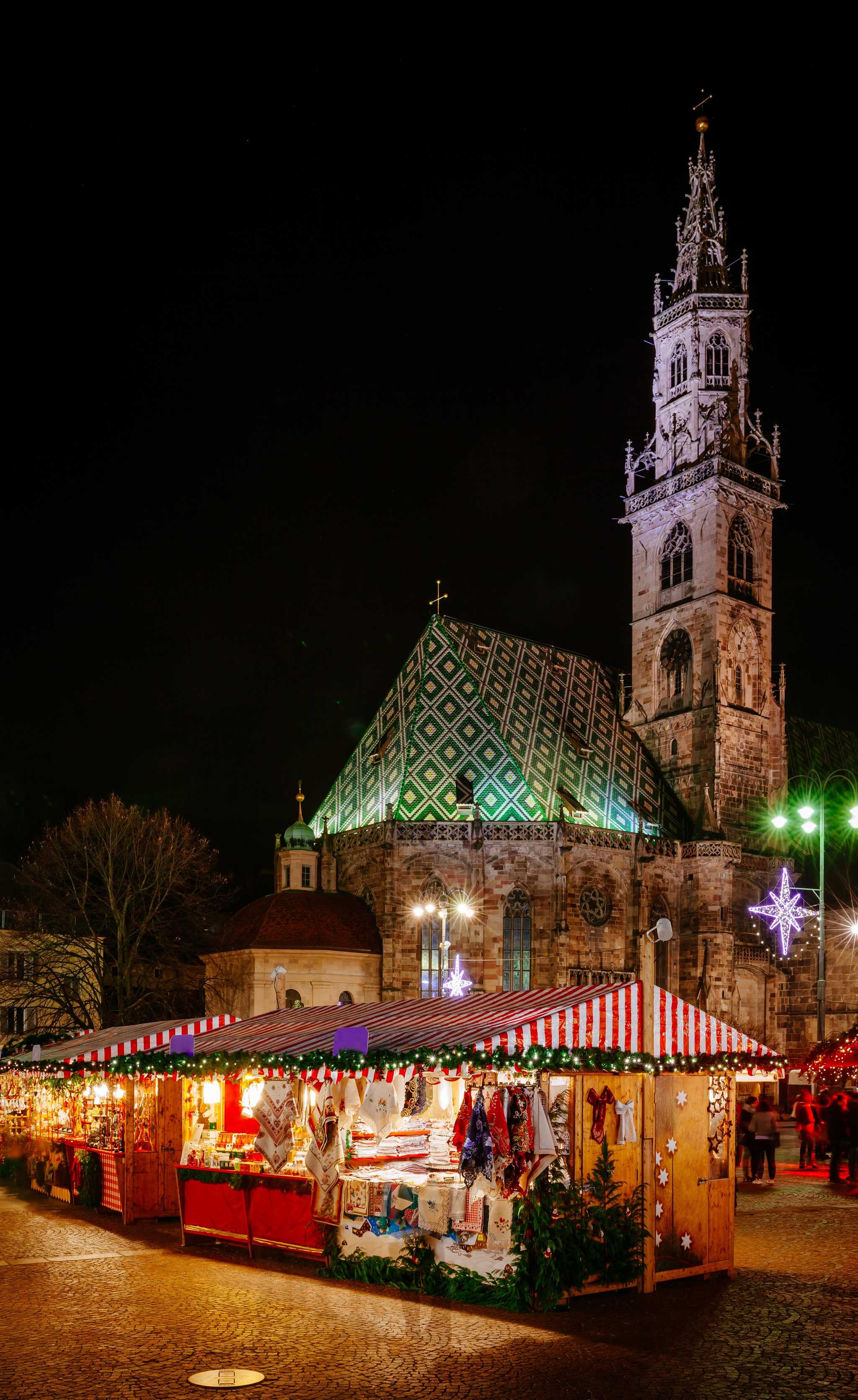
Bolzano (Piazza Walther)
Italy’s largest Christmas market, in Bolzano. Nov. 26 to Jan. 6. Catch live music and see the Krampus parade.
Merano (Kurpromenade/Lungo Passirio)
Merano’s market is among the prettiest in the Alps. Nov. 26 through Jan. 6. Uncrowded, beside a scenic river. Emphasis on local crafts.
Trento (Piazza Fiera and Piazza Mostra)
Trento's two main markets run Nov. 20 to Jan. 6. Fiera is larger and more traditional. Mostra is more intimate and offers regional treats.
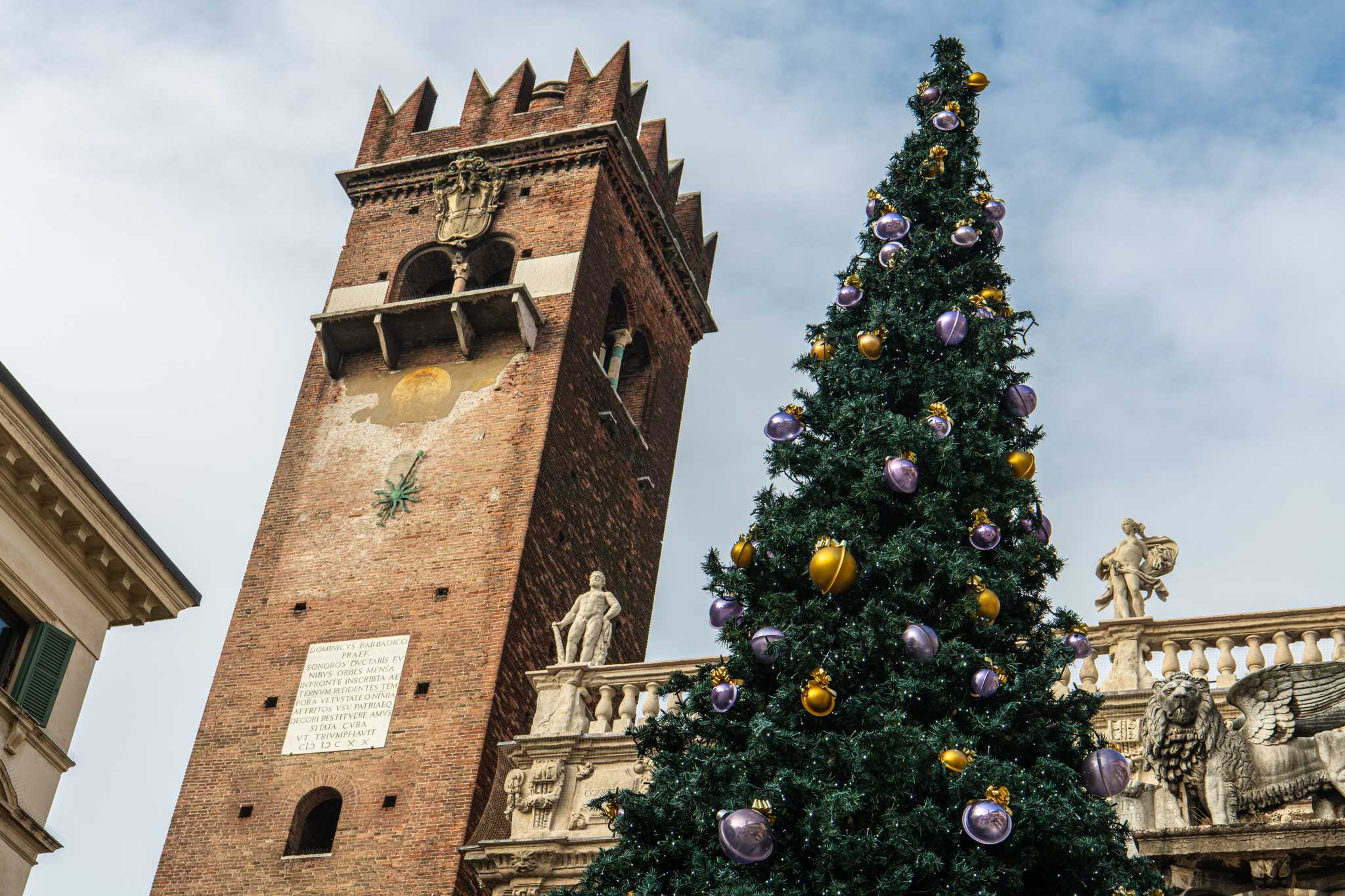
Verona (Piazza dei Signori)
Partnered with Nuremberg, Verona offers German treats and a romantic setting. See the lighted star in the Roman arena. Late November to late December.
Rome (Piazza Navona)
Rome’s market is lively and full of Italian traditions. Runs early December to Jan. 6. See handcrafted toys and try ciambelle (huge doughnuts).
Bologna (Antica Fiera di Santa Lucia)
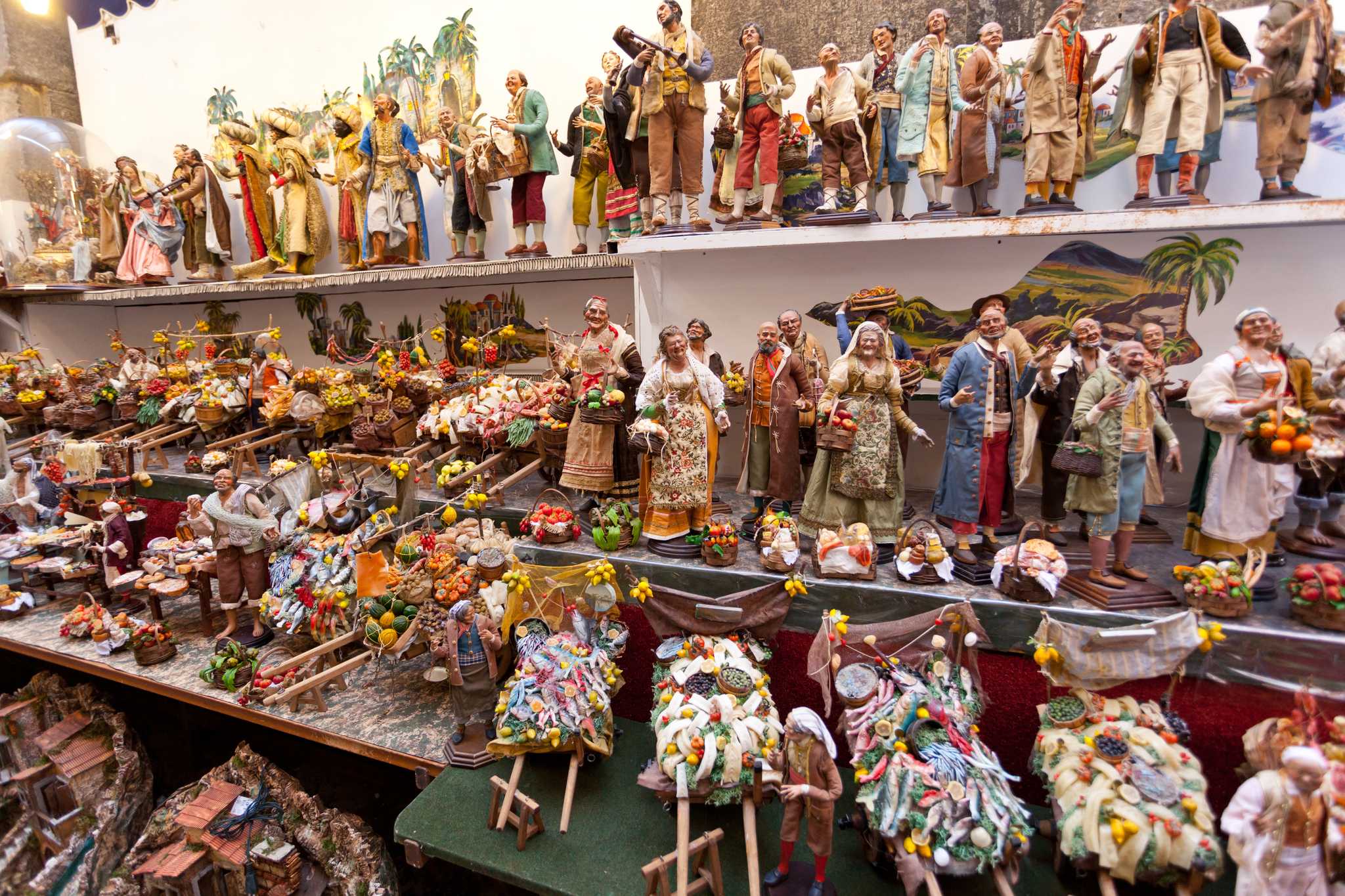
Local, small, traditional. In front of the massive basilica. Runs Nov. 6 to Dec. 27. Famous for handmade nativity figurines.
Christmas rituals
Italy’s approach to the holiday season is deeply rooted in spiritual traditions. Today, many families still celebrate with modern holiday rituals shaped by ancient folklore and Catholic traditions.
Italy’s approach to the holiday season is deeply rooted in spiritual traditions. Today, many families still celebrate with modern holiday rituals shaped by ancient folklore and Catholic traditions.
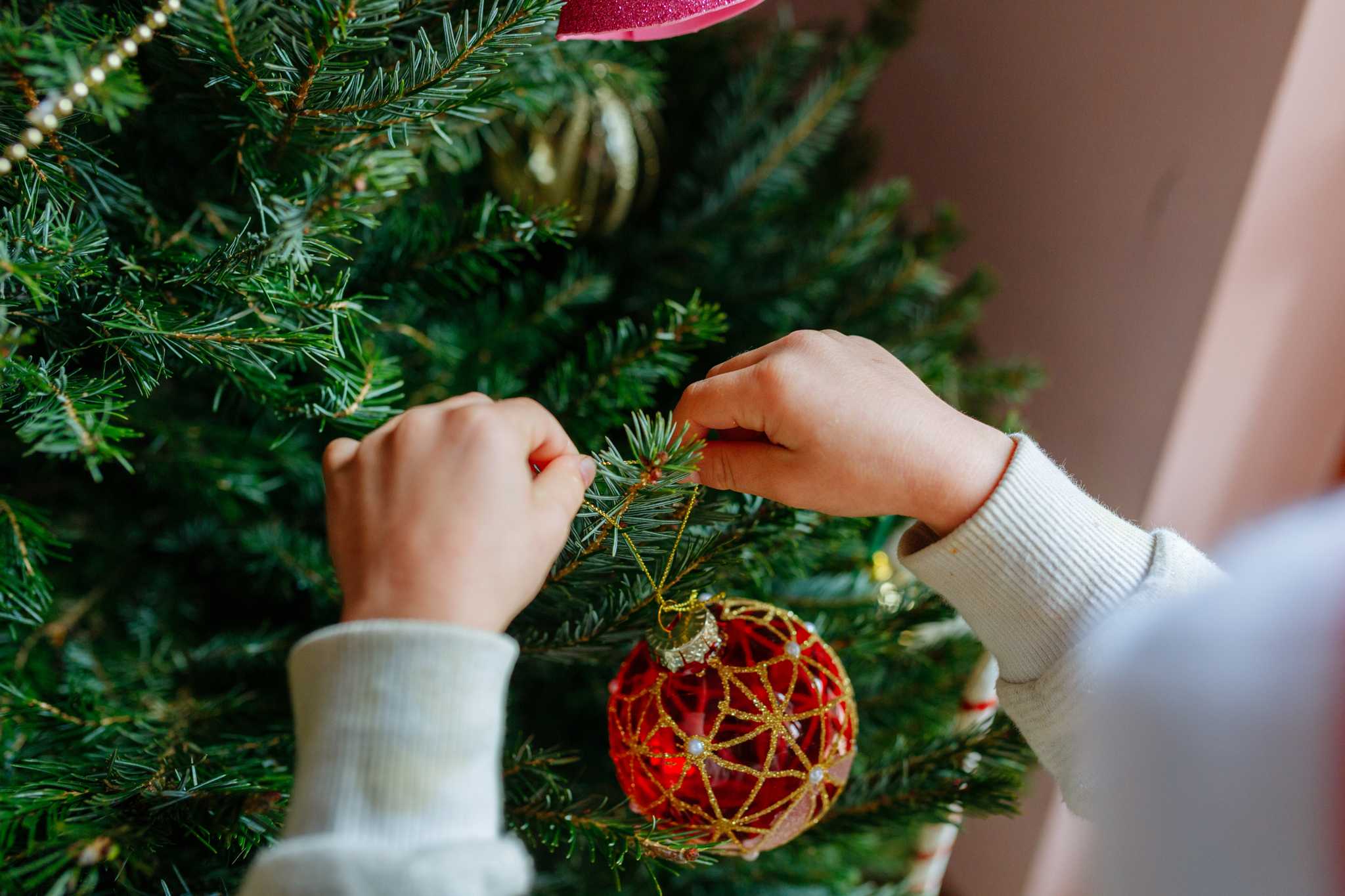
Immaculate Conception
On December 8th (or 7th in Milan), families start the Christmas season by putting up their trees and nativity scenes (the presepe).
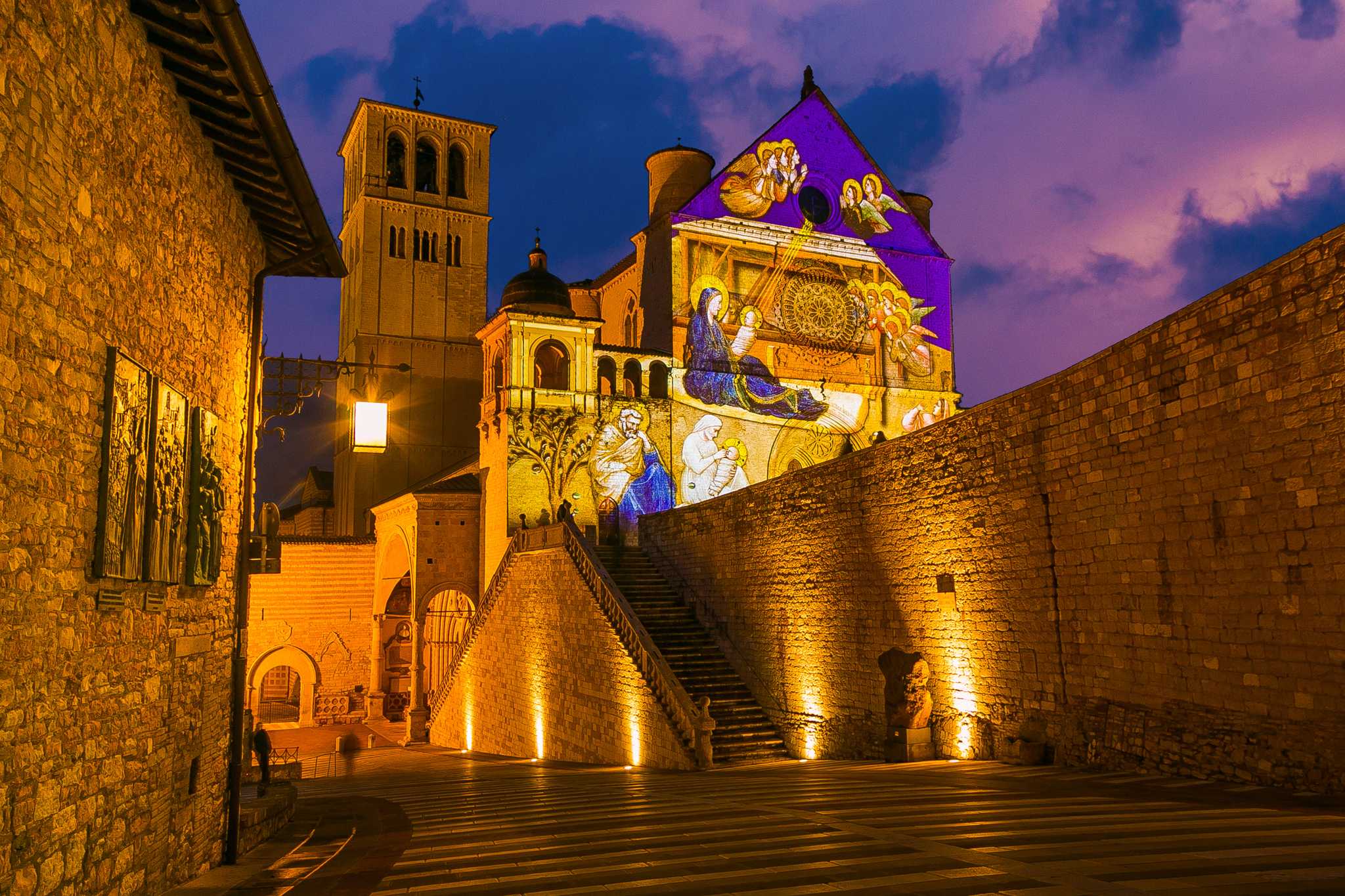
Novena
In the nine days leading up to Christmas, special prayers and masses commence. Carolers are common, and children put on nativity pageants.
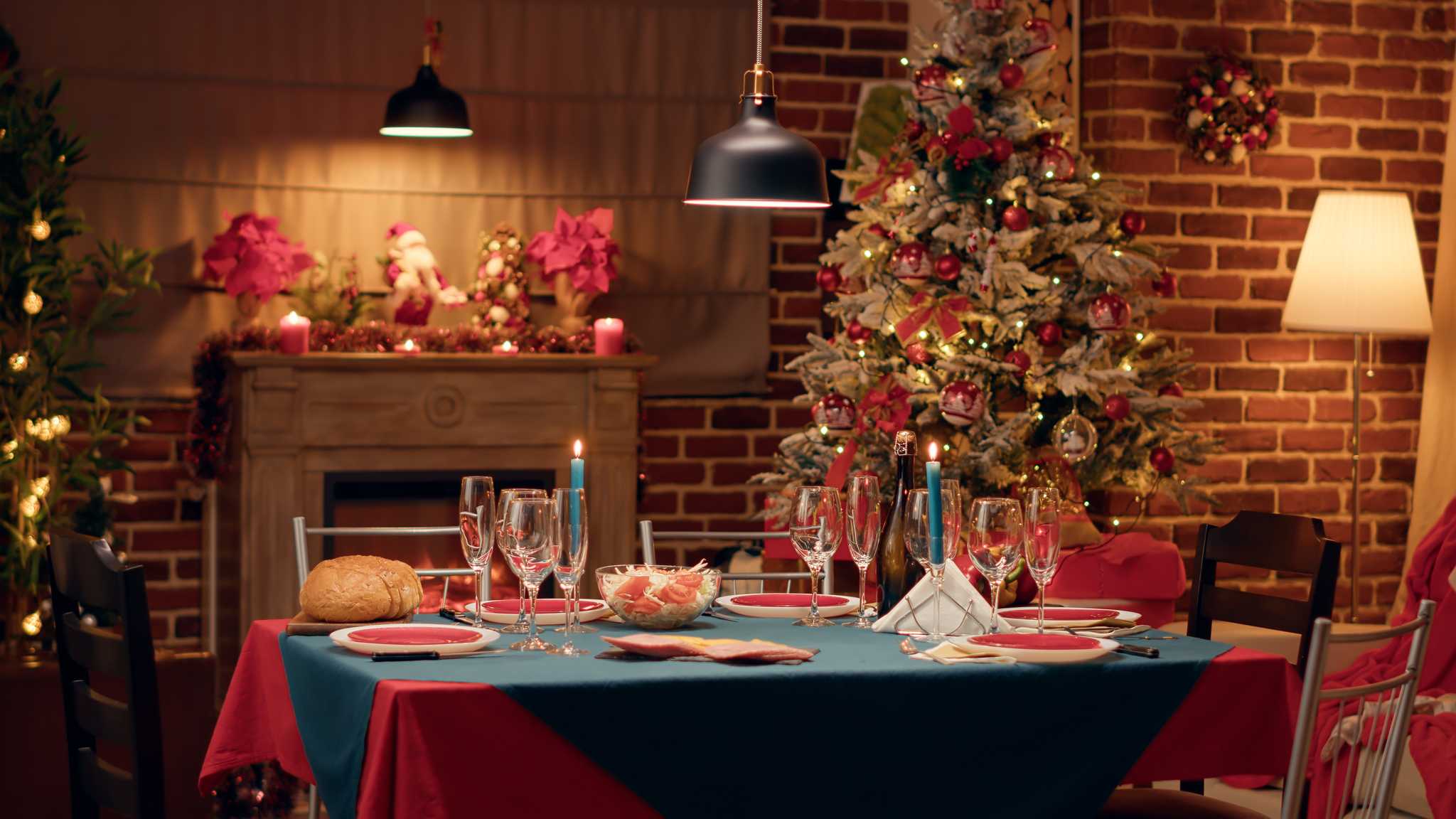
La Vigilia
On Christmas Eve, many Italians follow the Catholic tradition of abstaining from meat and favoring seafood instead. (Led to Italian American “Seven Fishes.”)
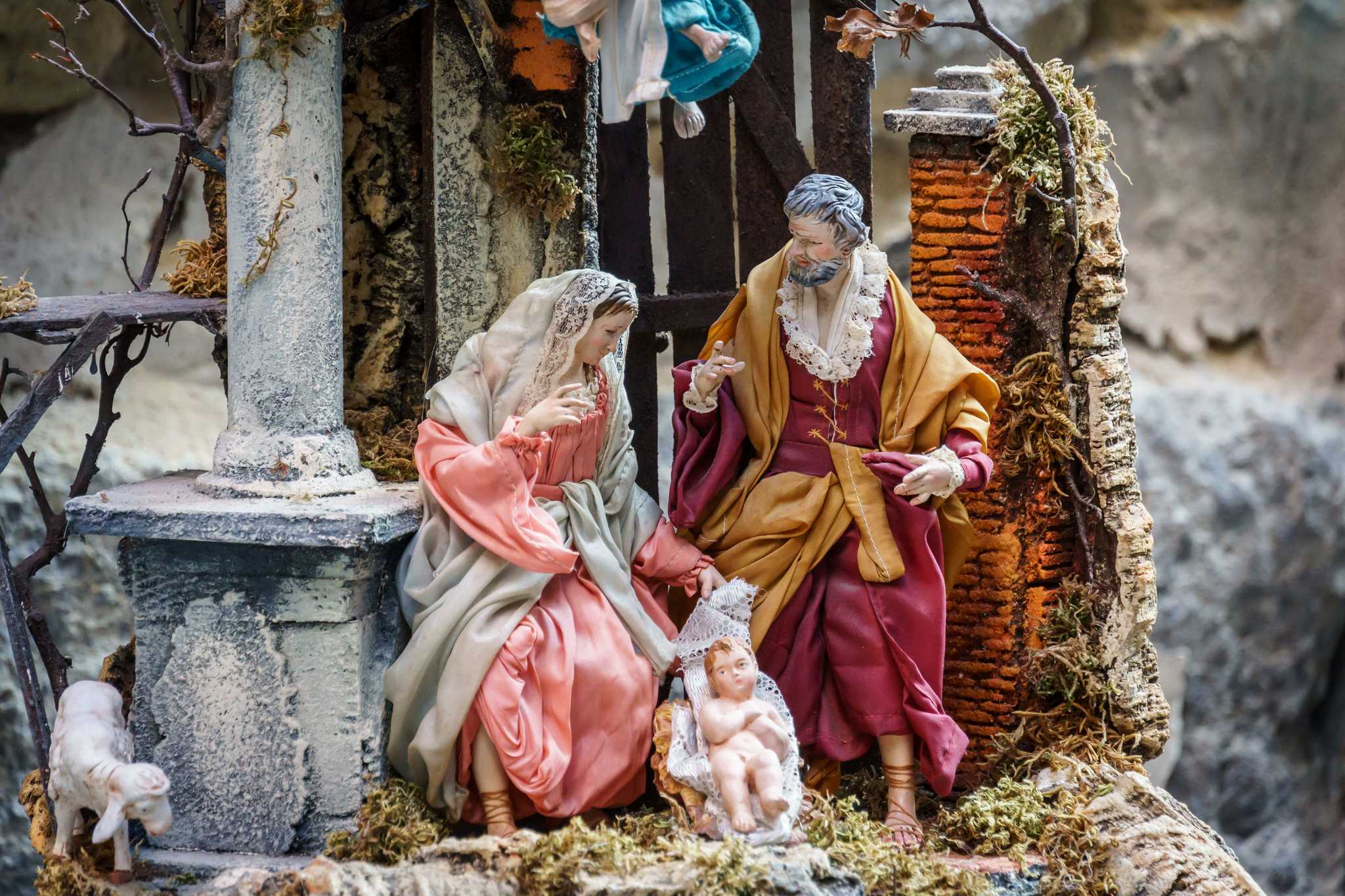
Placing the Bambinello
The nativity crib sits empty in town squares and homes until midnight on December 24th, when locals add the baby Jesus figurine.
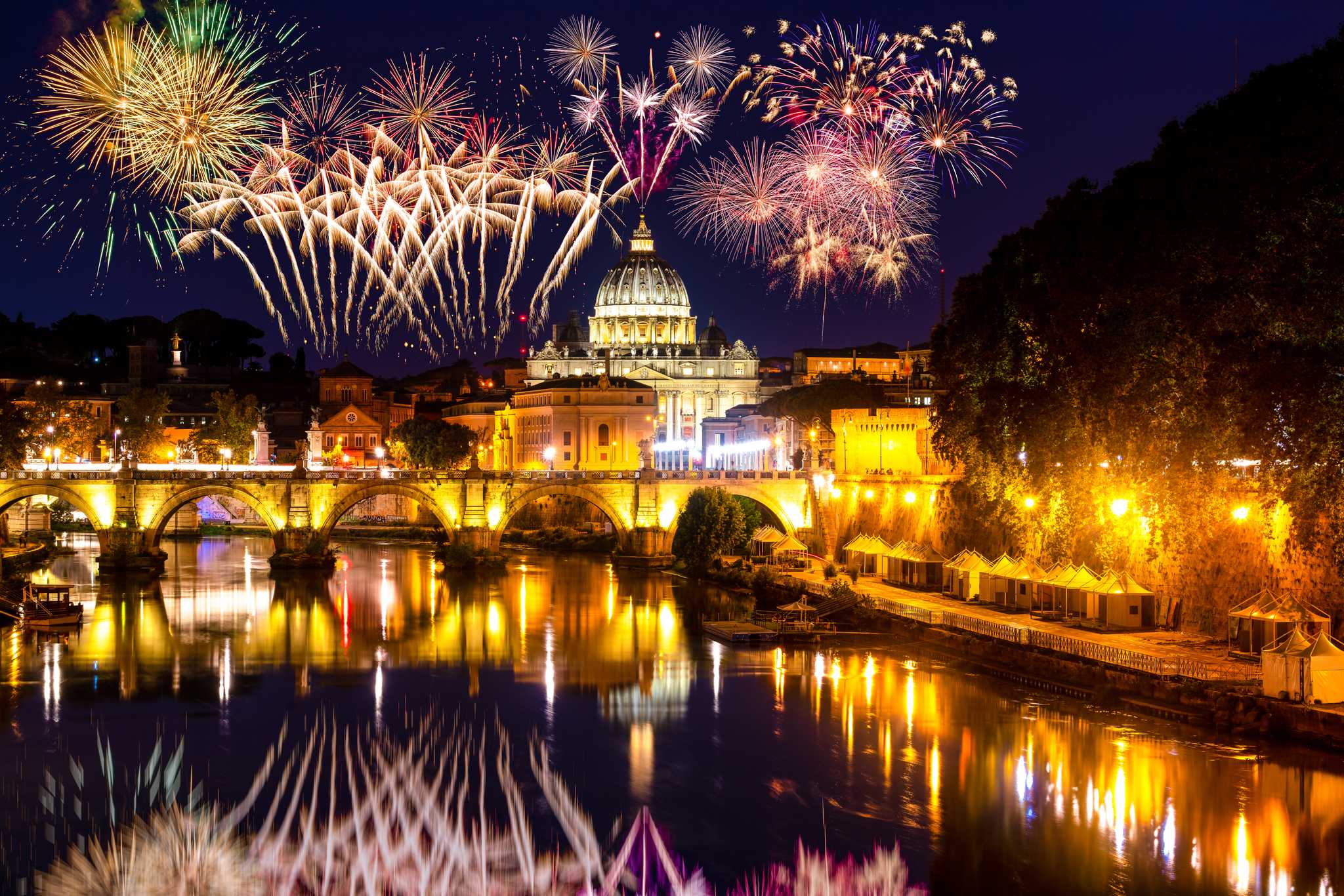
New Year's Eve superstitions
Wearing red underwear is thought to grant luck in love and money. In some cities, locals burn an effigy of the old year.
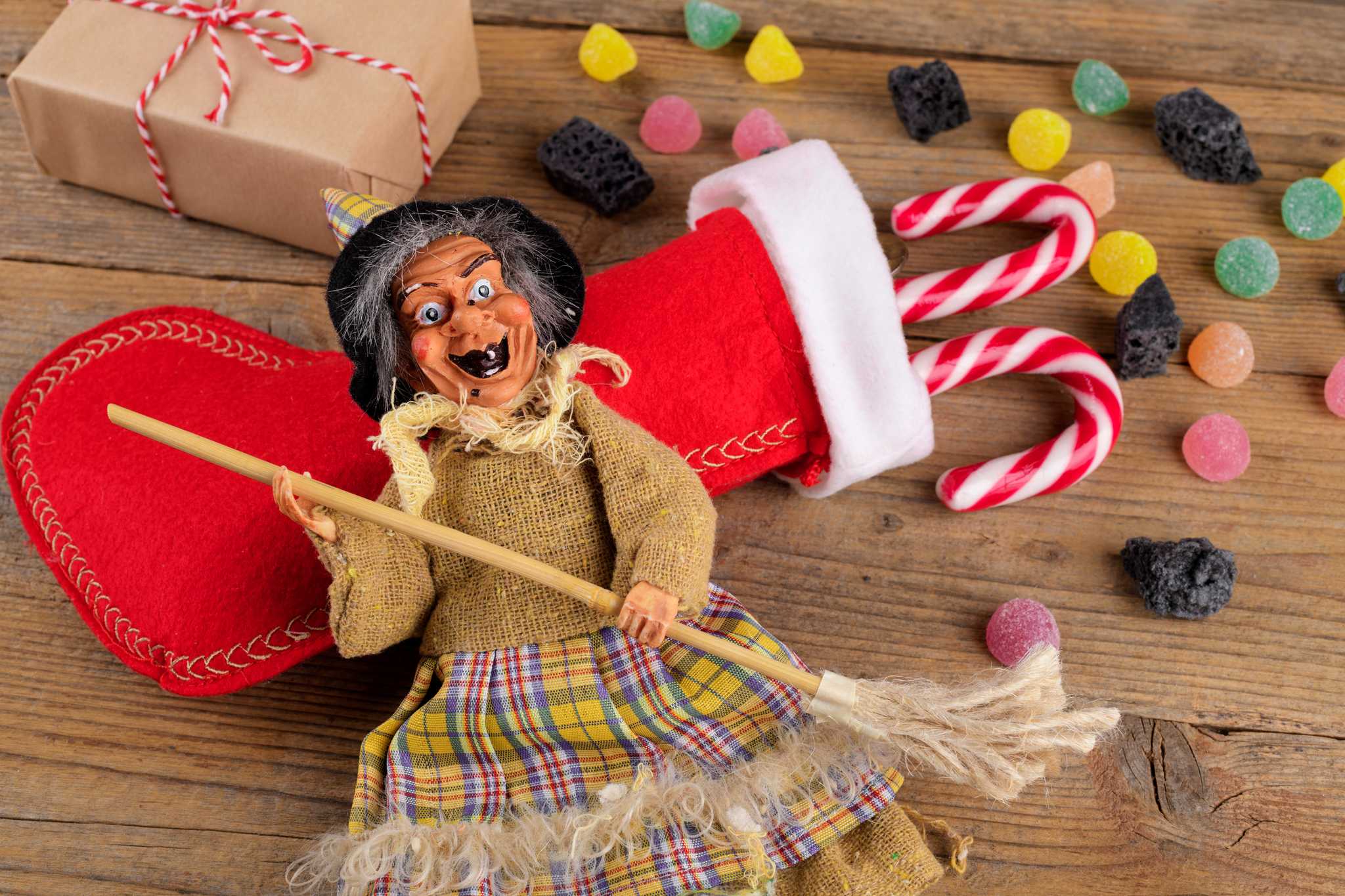
La Befana
According to tradition, La Befana, too busy to follow the Magi to Jesus, later regrets it and searches each Jan. 5, giving candy and gifts to kids.
Regional Christmas traditions
As with most of Italian culture, Christmas traditions vary regionally. Even the interpretations of core rituals like La Vigilia and La Befana change from north to south. Witness these unique regional traditions during your visit.
As with most of Italian culture, Christmas traditions vary regionally. Even the interpretations of core rituals like La Vigilia and La Befana change from north to south. Witness these unique regional traditions during your visit.
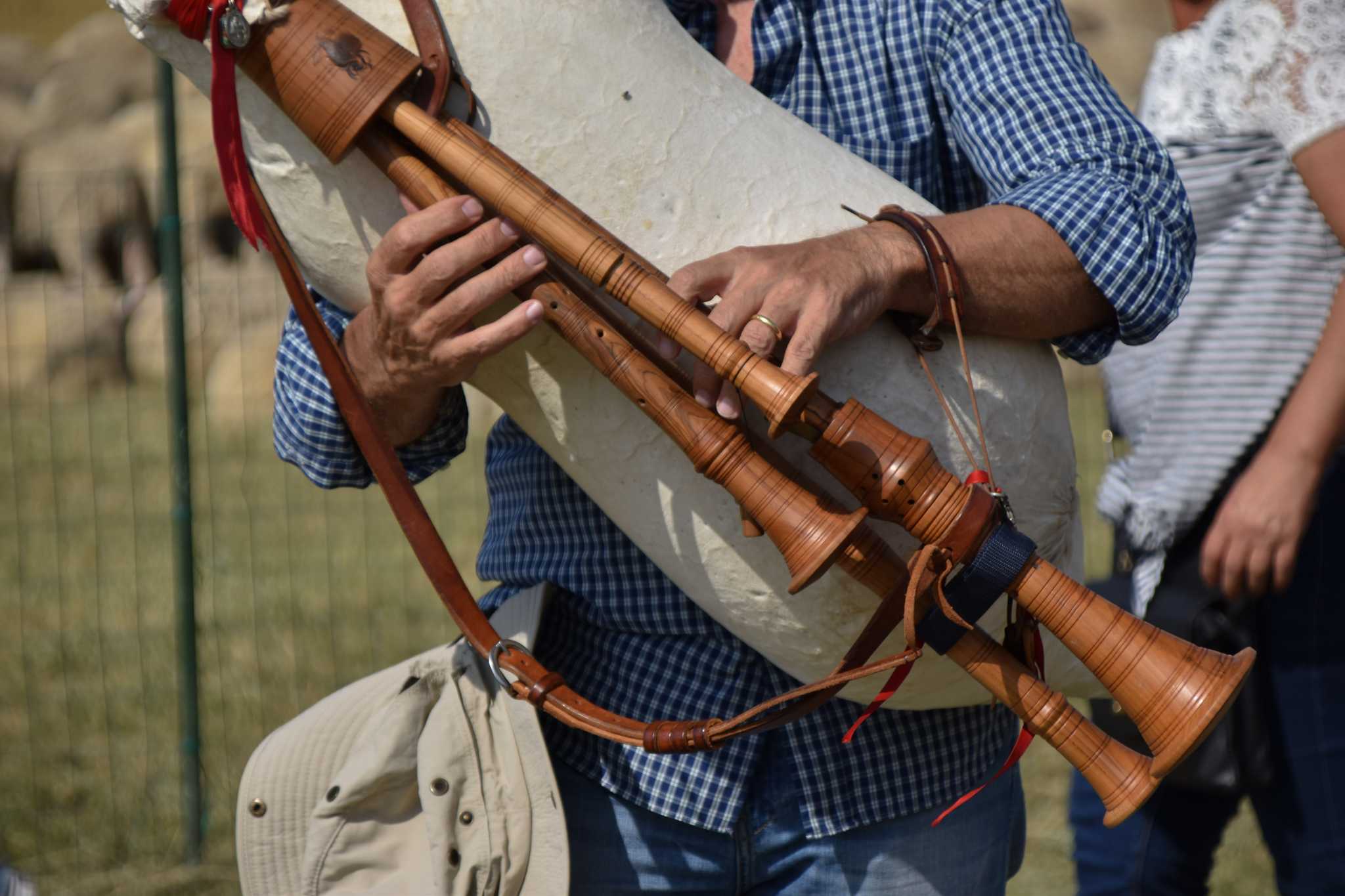
Zampognari
In central and southern Italy, shepherds descend from the mountains to play traditional bagpipes.
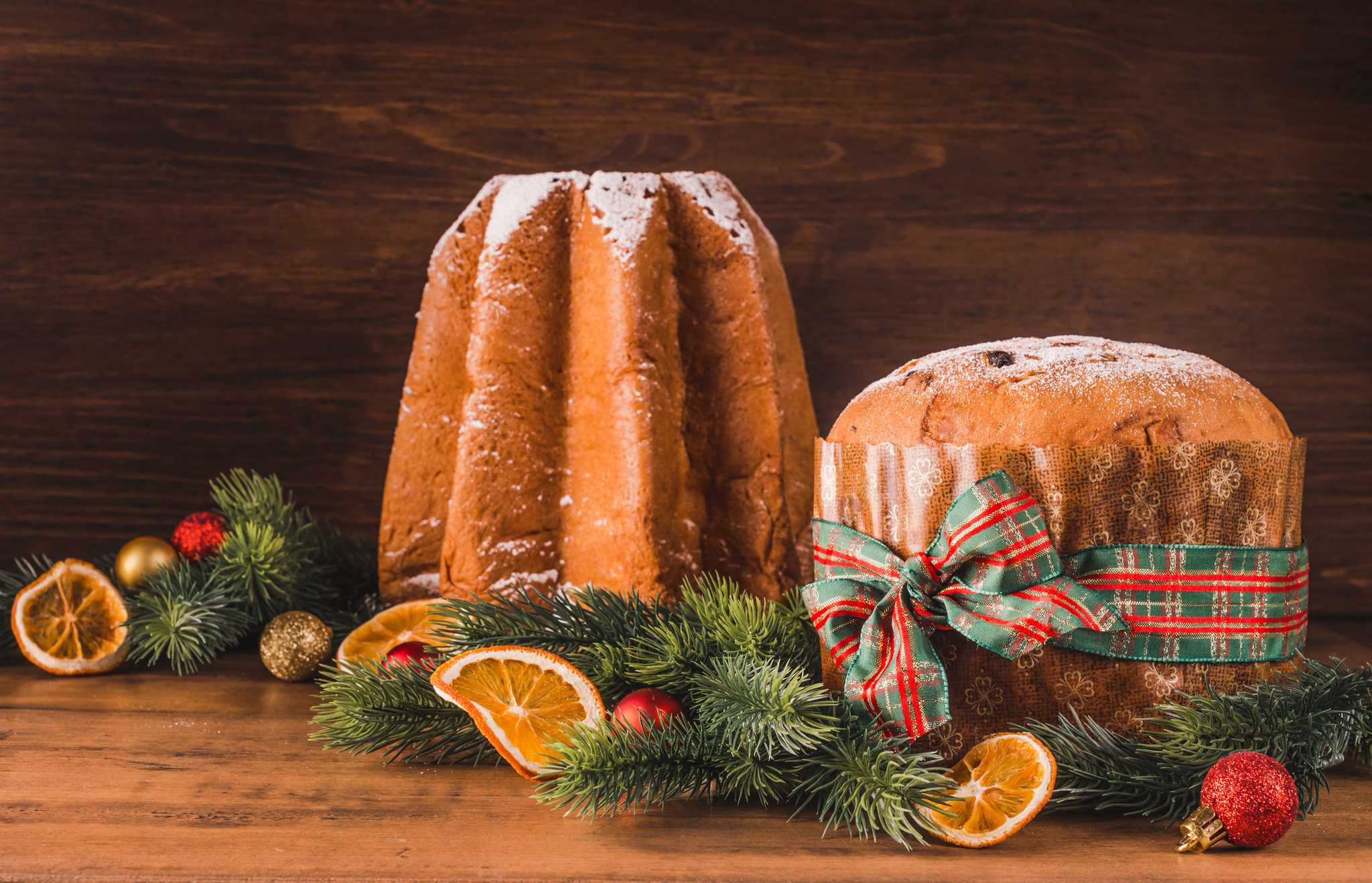
Panettone vs. pandoro
Milan and Verona create rival festive sweet breads. Milan’s Panettone is domed and has candied fruit. Verona’s Pandoro is star-shaped and vanilla-flavored.
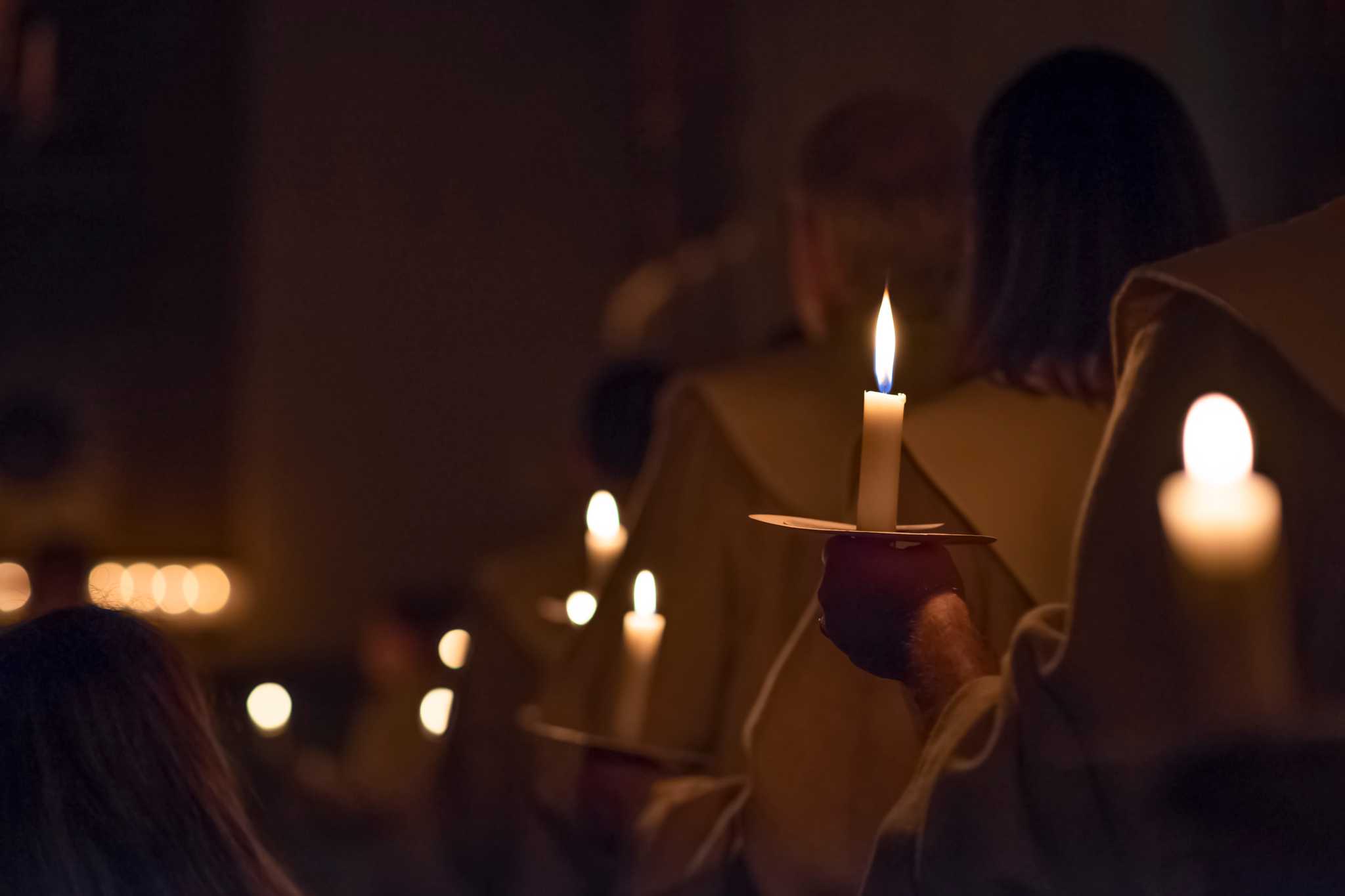
Santa Lucia as the gift giver
In some cities, children await gifts from Saint Lucy on December 13th, instead of Santa Claus. Tradition depicts her as riding a flying donkey.
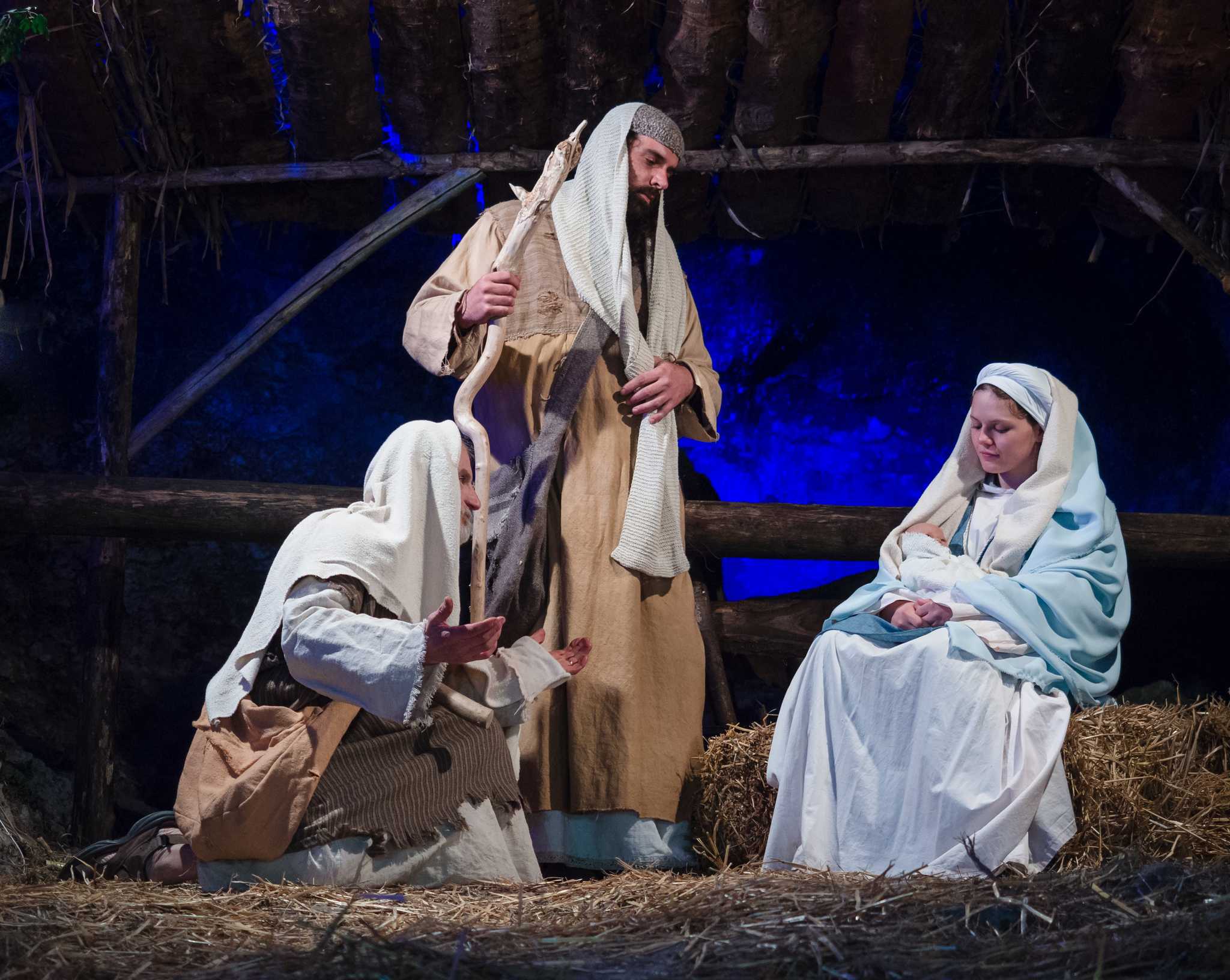
Presepe vivente
In Umbria, several towns stage a live nativity scene with costumed locals. St. Francis of Assisi started the tradition in Greccio, Lazio, in 1223.
The Christmas table
Food is an inextricable part of Italian culture – and Christmas is no exception. Traditionally, the Christmas Eve meal is a meat-free dinner. Christmas Day, on the other hand, centers around a hearty (and meaty) lunch. Every family puts their own spin on the meals, but a few key dishes are common.
Food is an inextricable part of Italian culture – and Christmas is no exception. Traditionally, the Christmas Eve meal is a meat-free dinner. Christmas Day, on the other hand, centers around a hearty (and meaty) lunch...
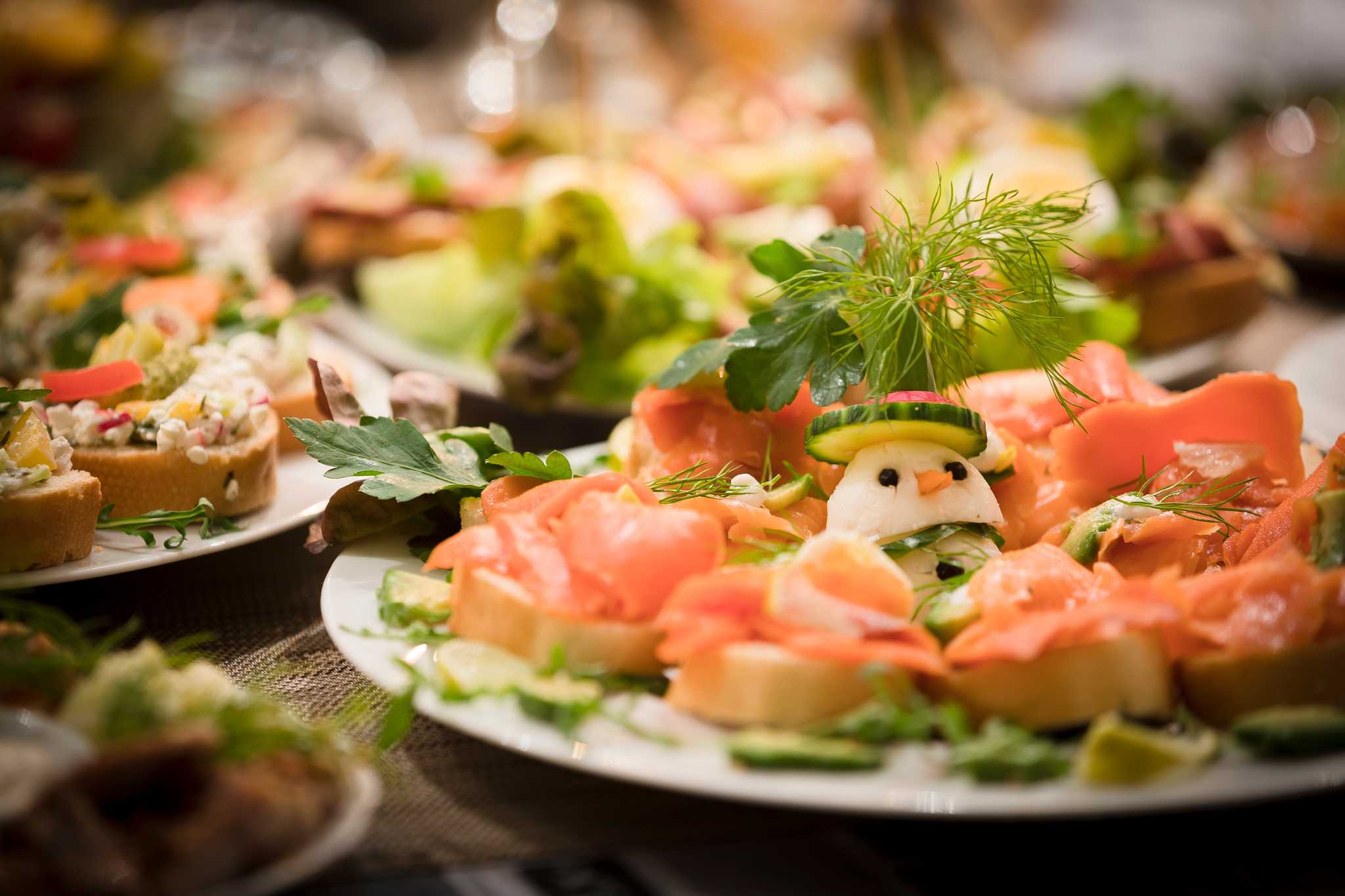
Christmas Eve antipasti
Appetizers include light seafood-based snacks like creamed salt cod, marinated anchovies and crackers, or fried calamari.
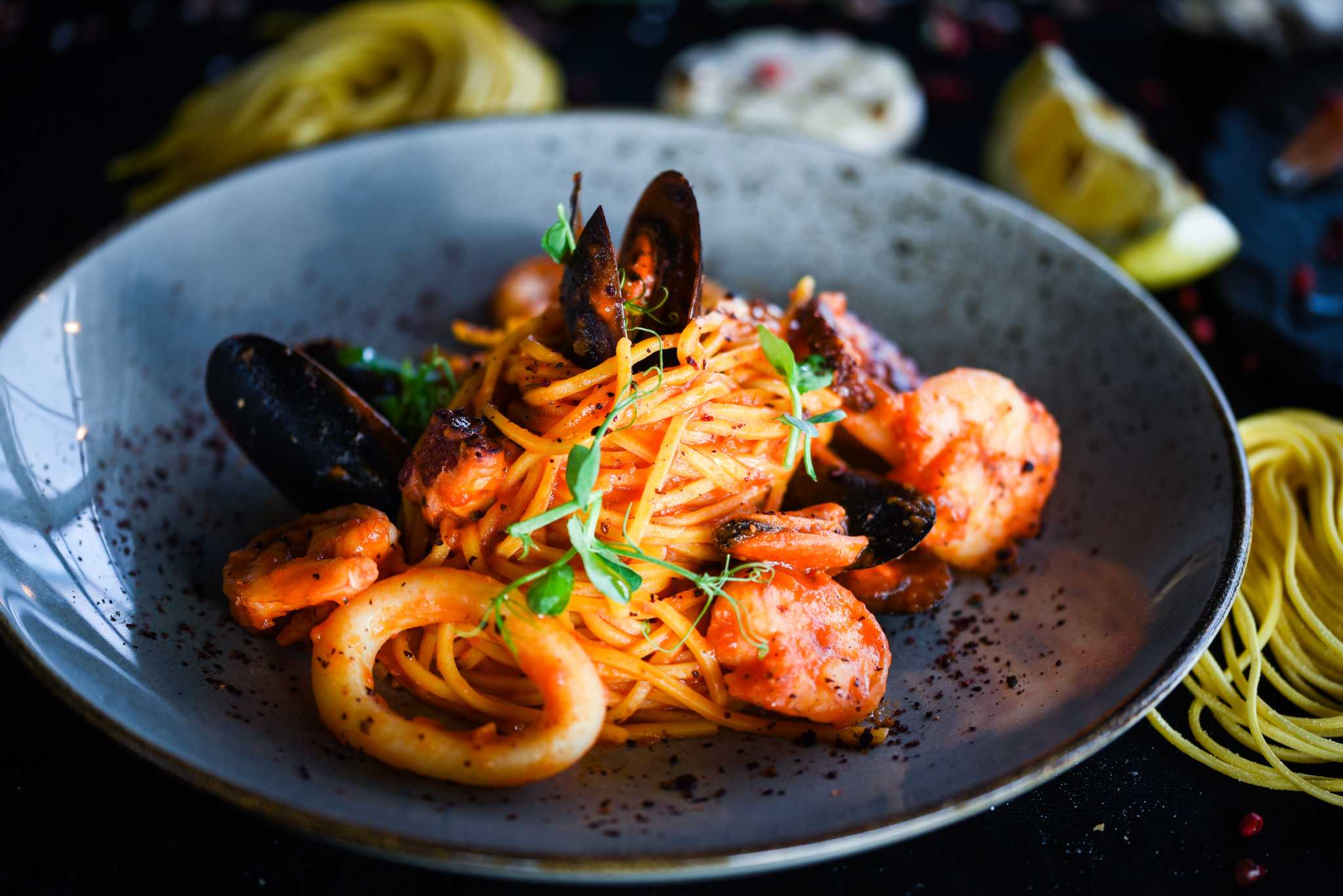
Christmas Eve primi
The first main course is typically seafood pasta. Think spaghetti with clams or baked pasta dishes stuffed with fish.
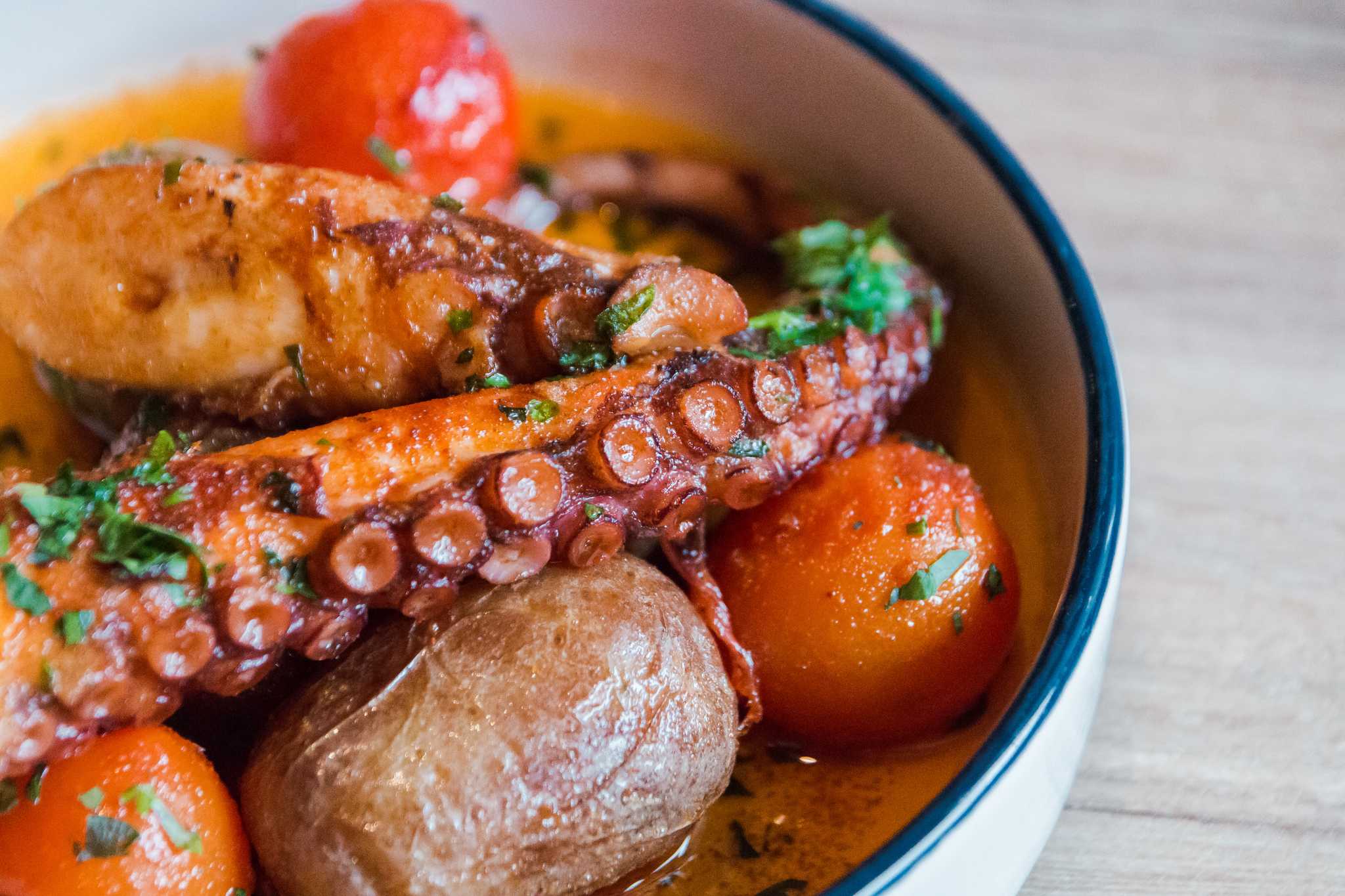
Christmas Eve secondi
The second course avoids starch and emphasizes the fish: grilled eel, baked octopus, or white fish coated in breadcrumbs.
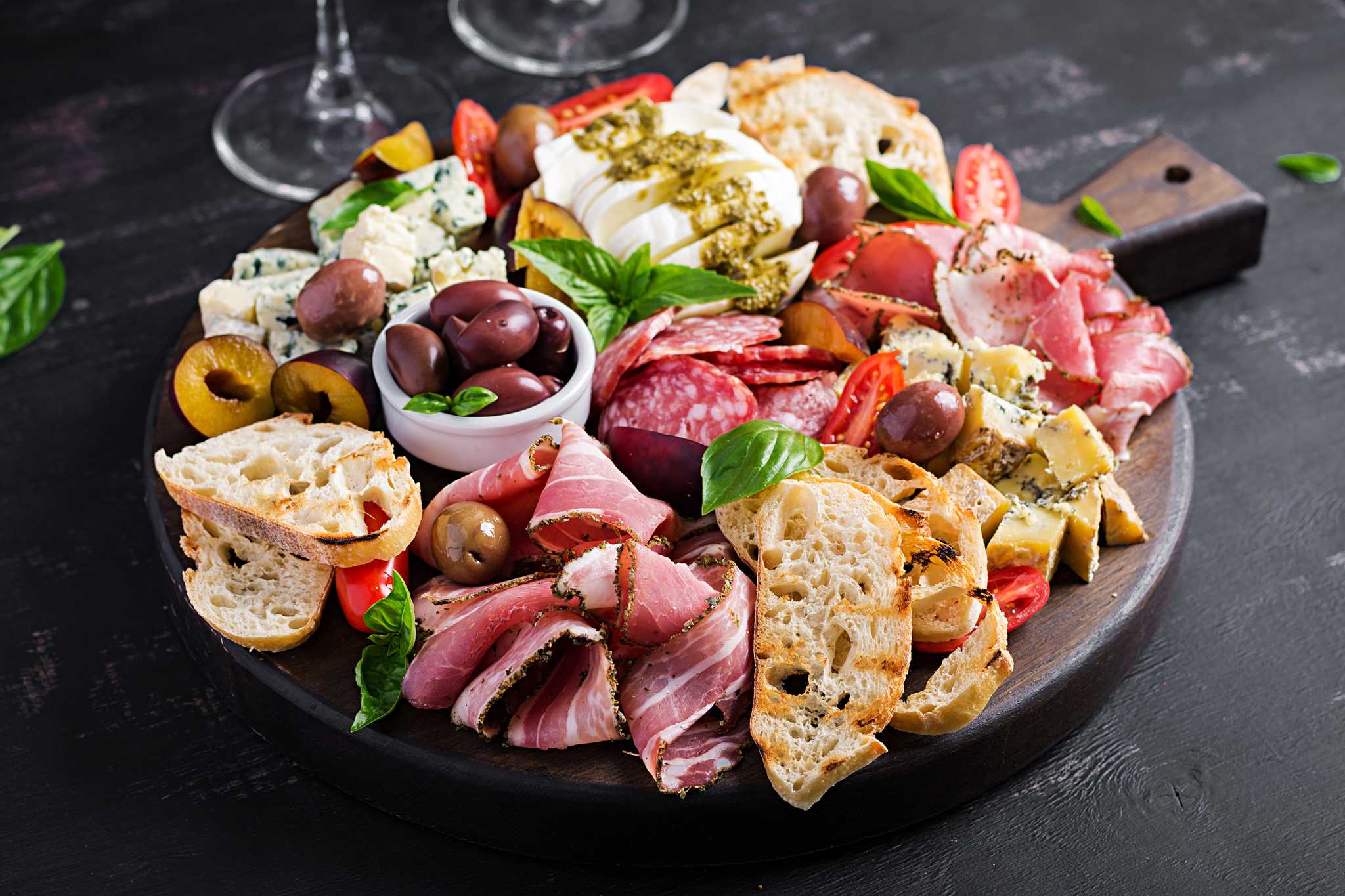
Christmas Day antipasti
The celebration of meat begins with salamis, local cheese, bite-sized pastries, and olives.
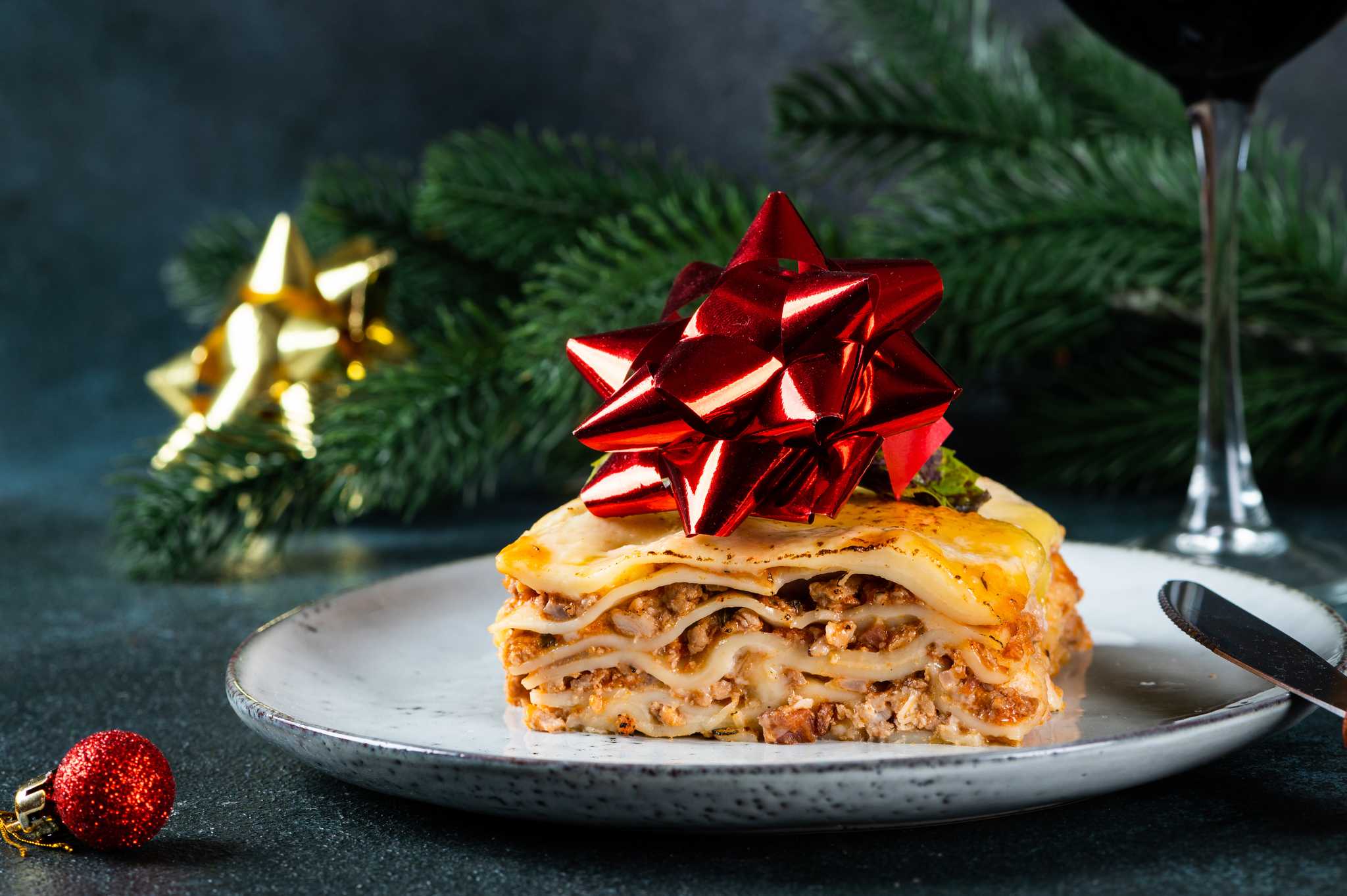
Christmas Day primi
Classic pasta dishes like lasagna or tortellini in broth start the main course. Protein is held until secondi.
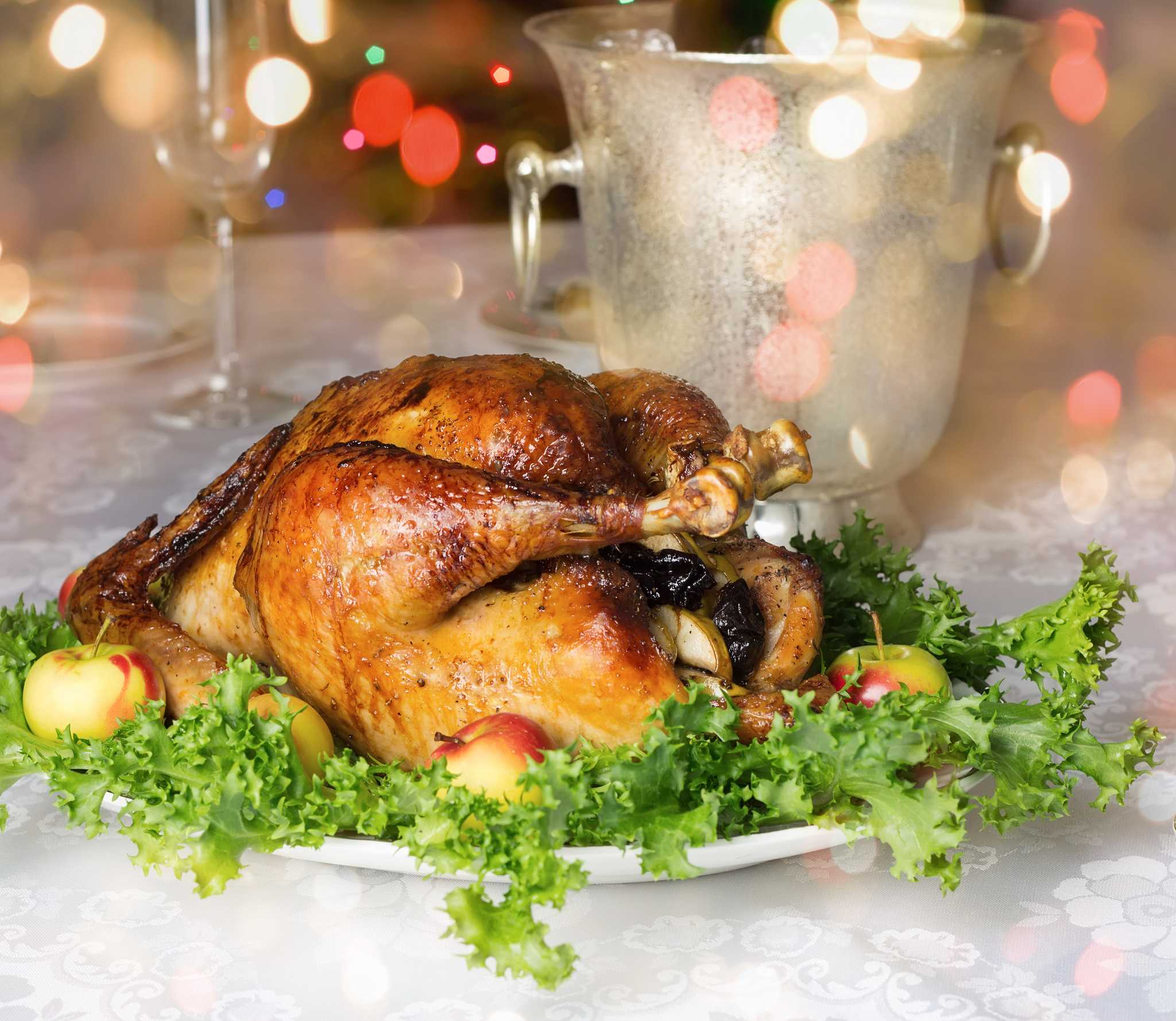
Christmas Day secondi
Roasted meat, especially lamb or beef, takes center stage. Stuffed capon, or, up north, boiled mixed meats, are common.
More festive season foods
Struffoli
A Campania specialty, these fried dough balls are flavored with honey and anise liqueur and dotted with candied fruit.
Torrone
Common at Christmas markets throughout Italy, torrone is a chewy, sweet nougat folded around toasted nuts.
Panforte
Tuscany’s festive, chewy cake features nuts, honey, and spices. These cakes are often packaged to travel well.
Lenticchie
On New Year's Eve, Italians traditionally eat lentils with pork. These coin-shaped legumes are said to bring wealth.
Cartellate
These rose-shaped and honey-drenched fried dough spirals appear in Puglia. Vincotto (wine syrup) may replace honey.
Buccellato
Sicily created these wreath-like ornate pastries filled with dried fruit, nuts, and spices.
Practical tips
A little planning can help keep your holiday travels stress-free. The Christmas season in Italy can be a magical time of year, but there are a few details to keep in mind when booking your trip.
- Most businesses and public transport close on major holidays; this goes beyond Christmas, including the Epiphany on Jan. 6
- Book popular restaurants ahead of time, especially for Christmas meals
- Expect shorter daylight hours and sightsee earlier in the afternoon
- “Vestiti a cipolla” (dress like an onion) and pack layers for temperature swings
- Choose a private transfer to avoid transit closures
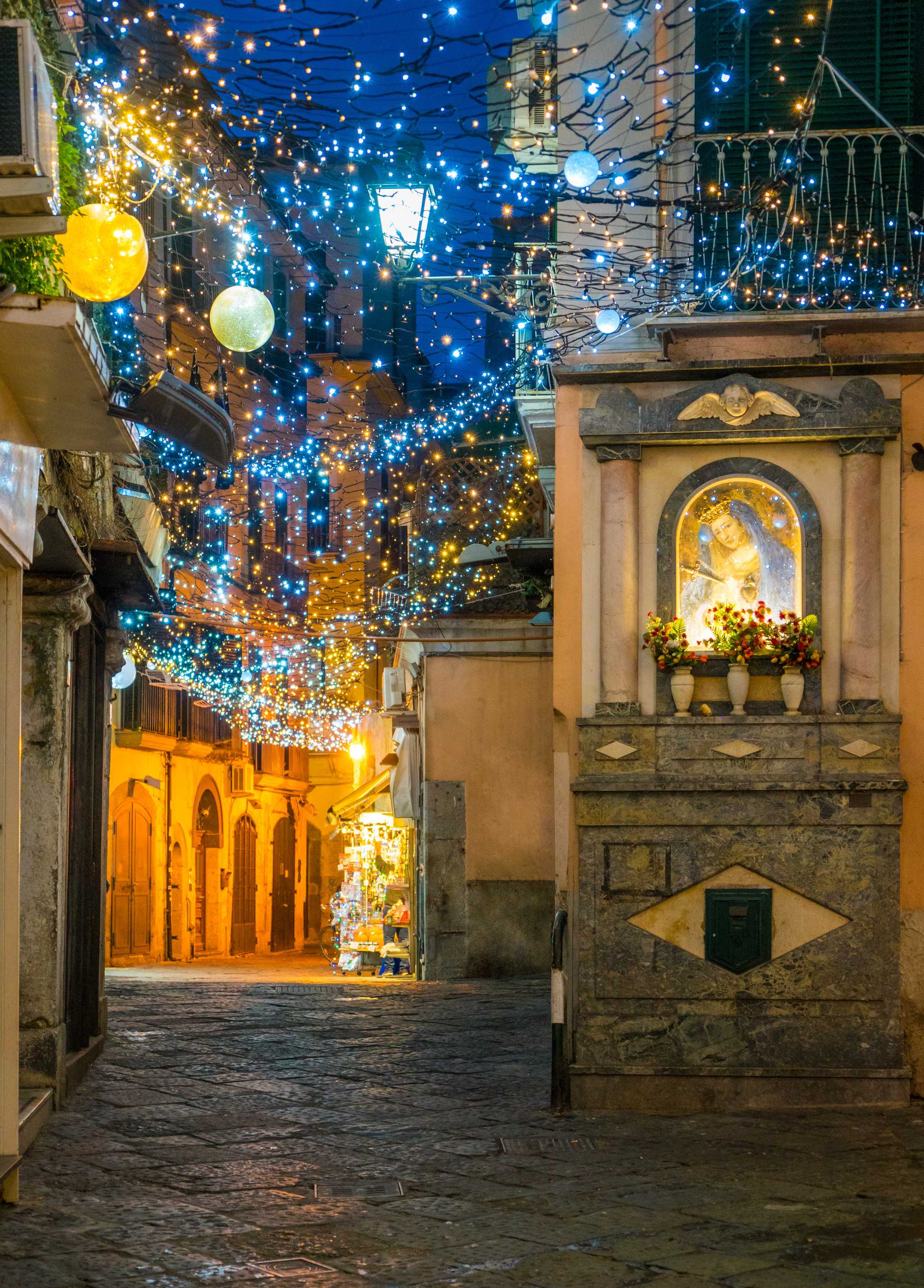
Our recommended Christmas routes in Italy
Rome to Florence
3h 1min • 272km (169.0mi)
From €587
Florence to Venice
2h 58min • 270km (167.8mi)
From €538
Naples to Rome
2h 23min • 227km (141.1mi)
From €400
Milan to Venice
3h 4min • 281km (174.6mi)
From €553
Assisi to Rome
2h 17min • 174km (108.1mi)
From €407
Cortina d'Ampezzo to Venice
2h 9min • 158km (98.2mi)
From €332
Milan to Verona
2h 3min • 161km (100.0mi)
From €352
Bologna to Florence
1h 40min • 122km (75.8mi)
From €368
Turin to Milan
1h 51min • 143km (88.9mi)
From €312
Verona to Bolzano
1h 50min • 155km (96.3mi)
From €313
Verona to Merano
1h 55min • 179km (111.2mi)
From €376
Venice to Ortisei
3h 13min • 302km (187.7mi)
From €587
Best Christmas day trips
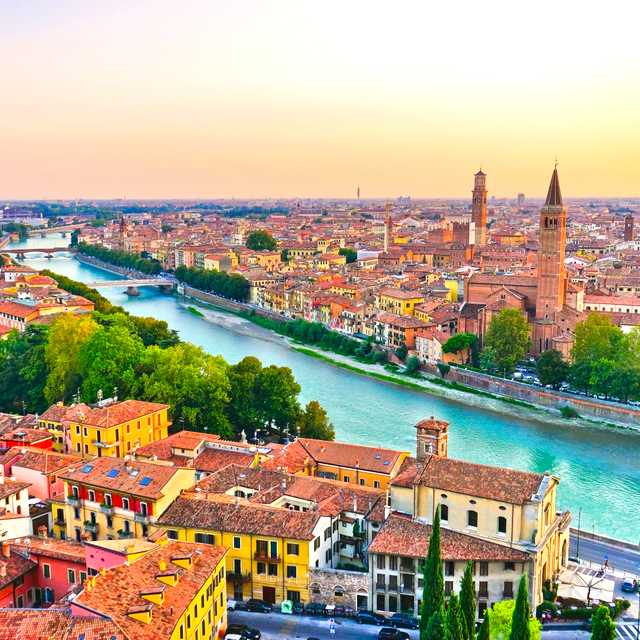
Venice to Verona: Private day trip

Rome to Naples: Private day trip
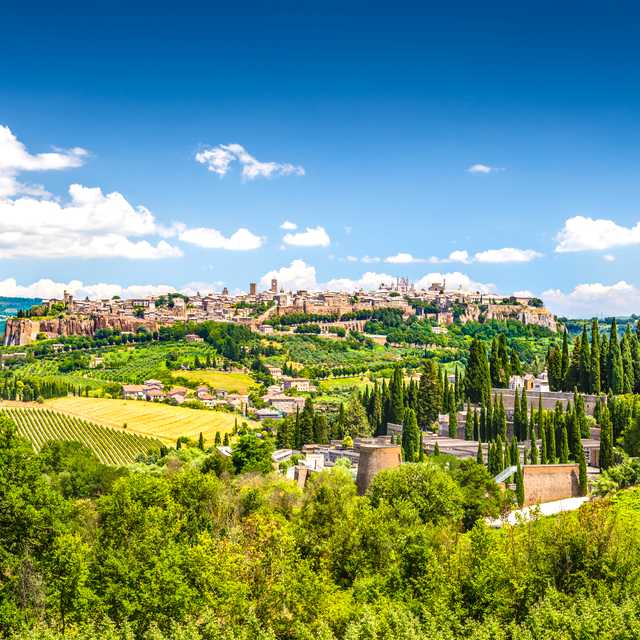
Rome to Orvieto and Assisi: Private day trip

Turin to Aosta: Private day trip
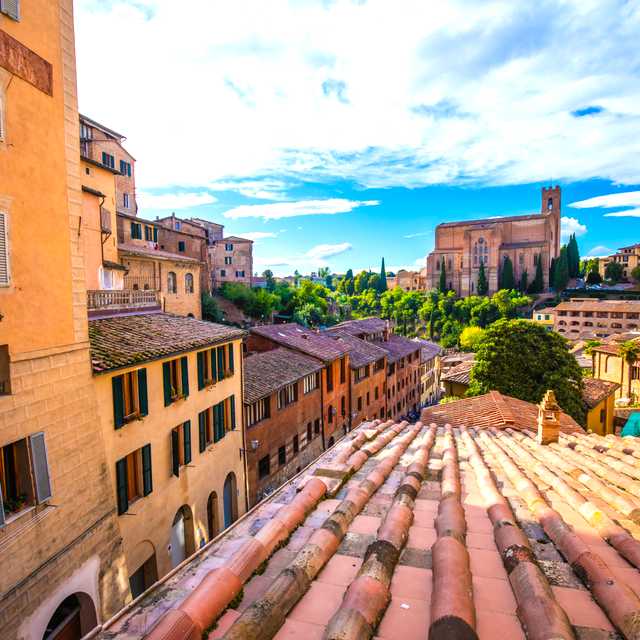
Florence to Siena: Private day trip

Innsbruck to Vipiteno and Brixen: Private day trip

Bari to Alberobello: Private day trip

Milan to Bergamo: Private day trip
2+ million travelers like you. Moments they'll never forget.

Your Christmas in Italy questions, answered

About the author
Morgan Carpenter is a US-based travel writer whose favorite parts of Italy are Tuscany and the Italian Riviera. On her last trip, Lucca became one of her favorite Italian destinations.
Be the first to discover more
Get handpicked travel ideas, insider highlights, and special Daytrip offers.


