
Italy's wine regions
Italy is synonymous with wine. Its ancient roots trace back to the Etruscans, who cultivated wild, sprawling vineyards. Then the Greeks developed trellising and pruning systems. Later, Roman rule brought aging cellars and expanded viticulture.
Today, wine is intertwined with Italian food culture. Wine is part of the meal, and Italians sip it slowly and in moderation at lunches and dinners. Many dishes evolved alongside local wines, creating pairings that reflect the unique micro-cultures.
Here, “What grows together goes together.”
For instance, in Emilia-Romagna, fertile plains and stable weather suit both pig farming and delicate grape varieties. The region’s Lambrusco cuts through the fatty, pork-forward dishes with its bright, bubbly profile. Conversely, in Piedmont, the high-tannin soils and autumn fogs that gave rise to Nebbiolo wines are also ideal for white truffles. The pair’s earthy, floral flavors complement Piedmont’s butter-based dishes.
Every region in Italy has its own wine identity. There are over 74 DOCG and 330 DOC (quality classifications for wine production) regions in the country. Despite the differences, harvest season (“vendemmia”) unites the country. Autumn brings locals and travelers together for wine festivals.
While there’s good wine throughout the country, wine tourism centers around a few key regions of concentrated production.
Tuscany
Tuscany is the heartland for red wines. Scenic rolling hills, historic estates, and earthy, acidic reds define the region. The main grape is Sangiovese, with its savory tannins and acidic cherry notes. Terraced growing on rugged hills gives the vines maximum exposure to sun and cool evening breezes. The crumbly, acidic soil forces deep roots and concentrated flavor. Harvest starts in late August and continues through October. Coastal regions like Bolgheri ripen first, while inland areas like Chianti peak later.
Tuscany is the heartland for red wines. Scenic rolling hills, historic estates, and earthy, acidic reds define the region. The main grape is Sangiovese, with its savory tannins and acidic cherry notes. Terraced growing on rugged hills gives the vines maximum exposure to sun and cool e...

Overview
- Base city: Siena
- Best for: Renaissance art, gastronomy, medieval hill towns, and historic wine estates
- Where to go: Florence, Montepulciano, Greve in Chianti
- Wine style: Savory, earthy red that pairs well with rustic foods

Brunello di Montalcino
- A classic Sangiovese red wine, oak-aged for at least 5 years, dark cherry, tobacco, leather, and wild berries
- Try at Castello Banfi or Azienda Agricola Patrizia Cencioni, both in Montalcino
- Pair with wild boar ragù, braised lamb, or mushroom risotto
- A relatively “new” wine, developed in 1888 by the Biondi-Santi family

Chianti Classico
- Famous dry red, made with mostly Sangiovese grapes, light-medium-bodied, bright and acidic, herbal and earthy
- Try at Antinori nel Chianti Classico in Bargino, or Castello di Verrazzano in Greve
- Pair with tomato-based pasta dishes like lasagna, aged pecorino, and grilled Florentine steak
- Bears a recognizable black rooster seal on the bottleneck

Super Tuscans
- Blends Sangiovese with international varieties, medium-full-bodied, Italian acidity meets French dark fruits, vanilla, and spices
- Try at Tenuta Torciano Cantina & Ristorante in San Gimignano, or Villa il Pozzo in Certaldo
- Pair with grilled meat, black truffle pasta, and hard aged cheeses
- Bordeaux-style blends end in “-aia”, while Sangiovese-dominant blends end in “-ello”
Piedmont
Expect dramatic hills, foggy autumn mornings, and complex reds in Piedmont. Barolo and Barbaresco, made entirely from Nebbiolo grapes, are the heavy hitters here. Other wines, like the acidic Barbera and the soft Dolcetto, are also popular. Vineyards are steep, and humid autumns lengthen the growing season. Sedimentary soils give wine higher acidity and heavier tannins. Harvest peaks mid-September through mid-October, overlapping with white truffle season.
Expect dramatic hills, foggy autumn mornings, and complex reds in Piedmont. Barolo and Barbaresco, made entirely from Nebbiolo grapes, are the heavy hitters here. Other wines, like the acidic Barbera and the soft Dolcetto, are also popular. Vineyards are steep, and humid autumns lengt...

Overview
Base city: Alba
Best for: Gastronomy, harvest season festivals, access to smaller wine villages
Where to go: Turin, Asti, Barolo
Wine style: High-acid bold reds with lengthy aging processes, or soft and fruity low-acidity casual daily drinkers

Barolo
- The “king” of Italian wines, a full-bodied red with high tannins and acidity, rose and cherry notes, long aging
- Try in Barolo itself, at wineries like Marchesi di Barolo, or Brezza Giacomo e Figli
- Pair with savory and fatty foods, stewed beef or game, white truffle pastas
- Must age for at least 38 months before it can sell

Barbaresco
- The “queen” of Italian wines, elegant, easier-drinking than Barolo, cherry, plum, spices
- Try at Enoteca Regionale del Barbaresco, or with a meal at Campamac, both in Barbaresco
- Pair with braised duck, truffle or porcini pasta, or hard aged cheeses
- Ages at least 26 months, made from 100% Nebbiolo

Barbera
- Fruit-forward red with low tannins, bright and juicy, great with everyday meals
- Try in and around Alba at Roberto Sarotto Wine Bar, or Mario Rivetti Cascina Serre
- Pair with meat ragu, lasagna, or grilled pork
- Historically an affordable table wine nicknamed “the people’s wine”

Dolcetto
- Soft, deep-purple wine with dark fruits and a hint of bitterness, enjoyed young
- Try near Alba at Ceretto, or head to Certaldo and visit A Solatio
- Pair with tomato- and cheese-forward pastas, charcuterie bites, and roasted vegetables
- Best slightly chilled to highlight the fruit notes
Did you know
Nebbiolo gets its name from the Italian word for fog, “Nebbia.” The name likely refers to the dense autumn fogs that roll across Piedmont’s hills, or to the whitish “foggy” bloom that coats the ripe grapes.
Veneto
Veneto produces the most wine of any region in Italy. The region’s most famous exports are sparkling Prosecco, mineral-rich Soave, and bold, dry Amarone. Key grapes are the white Glera used for Prosecco, Garganega used for Soave, and the reds like Corvina. Diverse geography defines Veneto’s production. Alpine foothills meet warm flat plains and coastal breezes. The soil ranges from volcanic to limestone or sand-heavy, each blend imparting distinctive characteristics to the wines. Harvest starts with Glera in late August, with red varieties ripening later in September and October.
Veneto produces the most wine of any region in Italy. The region’s most famous exports are sparkling Prosecco, mineral-rich Soave, and bold, dry Amarone. Key grapes are the white Glera used for Prosecco, Garganega used for Soave, and the reds like Corvina. Diverse geography defines Ve...

Overview
Base city: Verona
Best for: Romantic escapes, slow travel, natural beauty of Dolomites and Lake Garda
Where to go: Treviso, Padua
Wine style: Fresh, crisp whites (some sparkling), bright, dry reds, great with seafood

Prosecco
- A renowned sparkling white wine, light, fruity, crisp, made in hilly Conegliano and Colli di Valdobbiadene
- Try at Fason Menin Winery or Ruggeri Prosecco, both in Valdobbiadene
- Pair with cured meats and light fried bites, “finger foods”
- Designed to be enjoyed young; Brut denotes a dry variety

Amarone della Valpolicella
- Full-bodied, bright red with rich dark fruit flavors, made from dried grapes, high in alcohol
- Try at Amarone Brunelli or Azienda Vinicola Farina, both on Verona’s outskirts
- Pair with rich, savory dishes like braised beef or short ribs, wild game, and hearty pastas
- Created accidentally when Adelino Lucchese found a forgotten barrel of sweet wine

Soave
- Bright white, high minerality with citrus and almond notes, from Garganega grapes grown in volcanic soils
- Try at wine bars in Venice like Vino Vero or Al Timon
- Pair with seafood pasta, seared scallops, or gnocchi in cream sauce
- Must contain at least 70% Garganega grapes
Campania
Volcanic soils and abundant sun support ancient grape varieties in Campania. The main players are Fiano, Greco, and Aglianico. The Mediterranean climate and mineral-rich soils create crisp, acidic whites and floral, tannic reds. Harvest season runs from late September through October, a shorter peak season than in other regions.
Volcanic soils and abundant sun support ancient grape varieties in Campania. The main players are Fiano, Greco, and Aglianico. The Mediterranean climate and mineral-rich soils create crisp, acidic whites and floral, tannic reds. Harvest season runs from late September through October,...

Overview
Base city: Avellino
Best for: Ancient history, volcanic landscapes, and a slower pace of life along the coast
Where to go: Benevento, Naples, Sorrento, Mt. Vesuvius
Wine style: Acidic, bold, complex, excellent with seafood and carb-forward casual meals

Taurasi
- Deep, aged red, with dark fruits and hints of spice and earthiness, from the Aglianico grape
- Try at Cantina del Vesuvio on the slopes of Mt. Vesuvius, or the Bosco de’ Medici Winery in Pompei
- Pair with fatty meats, aged Pecorino, or roasted mushroom dishes
- Italy’s first DOCG wine, awarded in 1993

Aglianico del Taburno
- Rich, intense red; also from Aglianico; cherry, dark chocolate, and licorice notes
- Try at Azienda Vinicola Sorrentino or Il Rifugio Wine Bar in Naples
- Pair with grilled steak, osso buco, or wild boar stew
- Minimum aging for rosso variety is 2 years

Greco di Tufo
- Bold white, bright citrus, high minerality and acidity, medium-full-bodied, dry and un-oaked
- Try at enotecas in Naples like Enoteca Belledonne or Spuzzulè Winery
- Pair with fried squid, grilled snapper, and seafood pasta dishes
- Only produced in eight small wine villages in the wider Avellino province

Fiano di Avellino
- Dry white with a crisp, smoky, acidic profile and hints of white peach and hazelnut
- Try at Villa Raiano Sri or Cortecorbo winery
- Pair with grilled octopus, citrus-roasted chicken, pesto pasta
- The Fiano grape was near extinction until winemakers carefully revived it in the 20th century
Sicily
Sicily is the most diverse wine region in Italy, with a lengthy harvest window and a range of soils. Key red grapes include Nero d’Avola and Nerello Mascalese, while the region’s whites come from varieties like Grillo and Carricante. Near Mount Etna, volcanic soil and high elevation yield high acidity and a smoky quality. In the lowlands and coastal areas, sea breezes, intense sun, and limestone soils foster early-ripening whites. Harvest starts in early August and continues through November, moving west to east.
Sicily is the most diverse wine region in Italy, with a lengthy harvest window and a range of soils. Key red grapes include Nero d’Avola and Nerello Mascalese, while the region’s whites come from varieties like Grillo and Carricante. Near Mount Etna, volcanic soil and high elevation y...

Overview
Base city: Catania
Best for: Greek ruins, beaches, street food, and residual summer sun
Where to go: Syracuse, Marsala, Trapani
Wine style: Bold or smoky reds, crisp whites along the coast
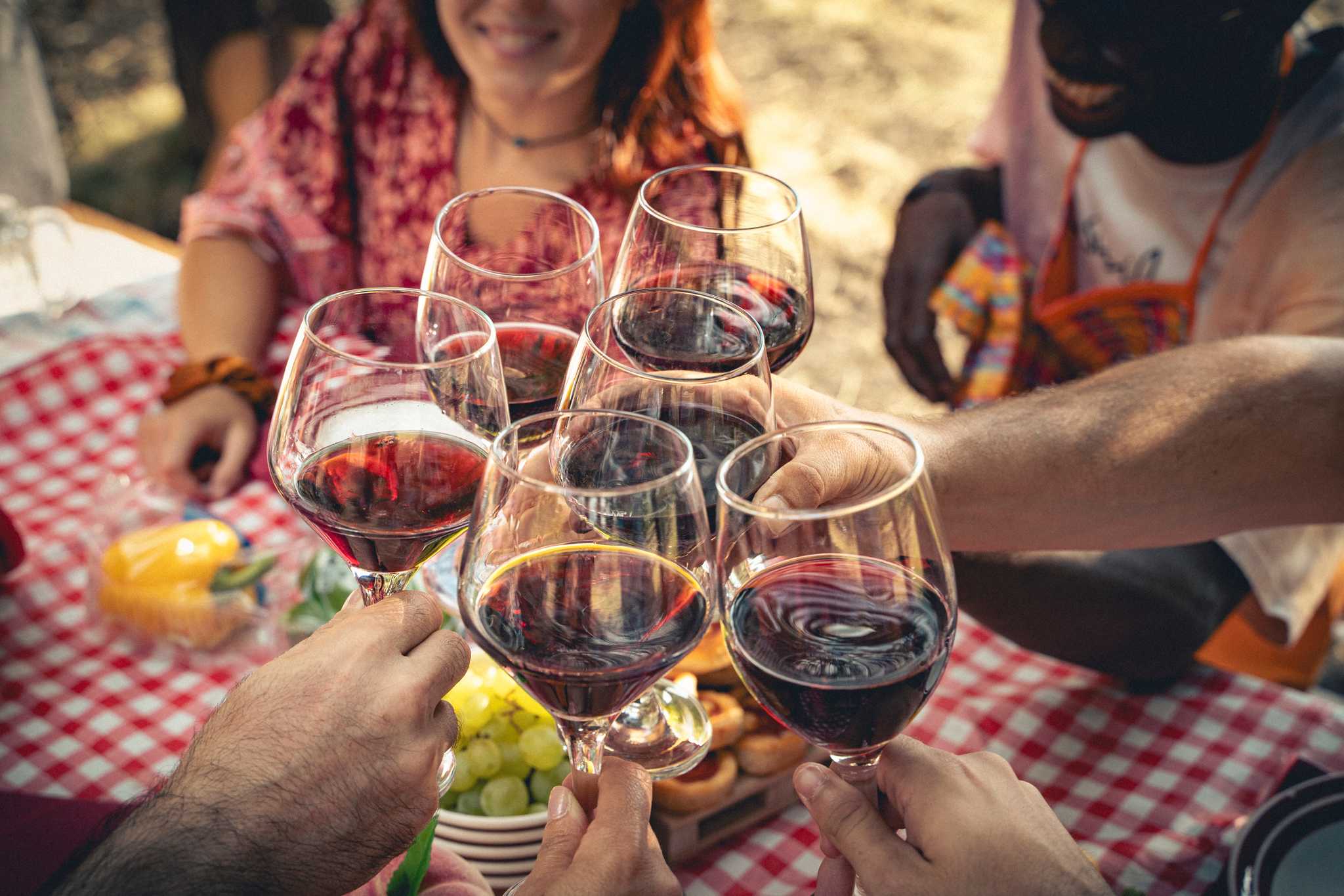
Etna Rosso
- High-altitude volcanic red, smoky, with cherry notes and high acidity, somewhat saline
- Try at Monti Rossi Etna Wines or Gambino Vini, both in Mount Etna’s shadow
- Pair with tomato-forward pasta dishes, cured meats, hard aged cheeses, and swordfish
- Typically grown in horseshoe-shaped rings high above sea level

Etna Bianco
- Mineral white with bright citrus, peach, and apple blossom notes, salty-minerality
- Try at Monti Rossi Etna wines, or Favazza Etna Winery, both on the slopes of Mount Etna
- Pair with grilled seafood, lemon dishes, salads with goat cheese
- Can be drunk young, or aged for up to 10 years for a honeyed, nutty flavor
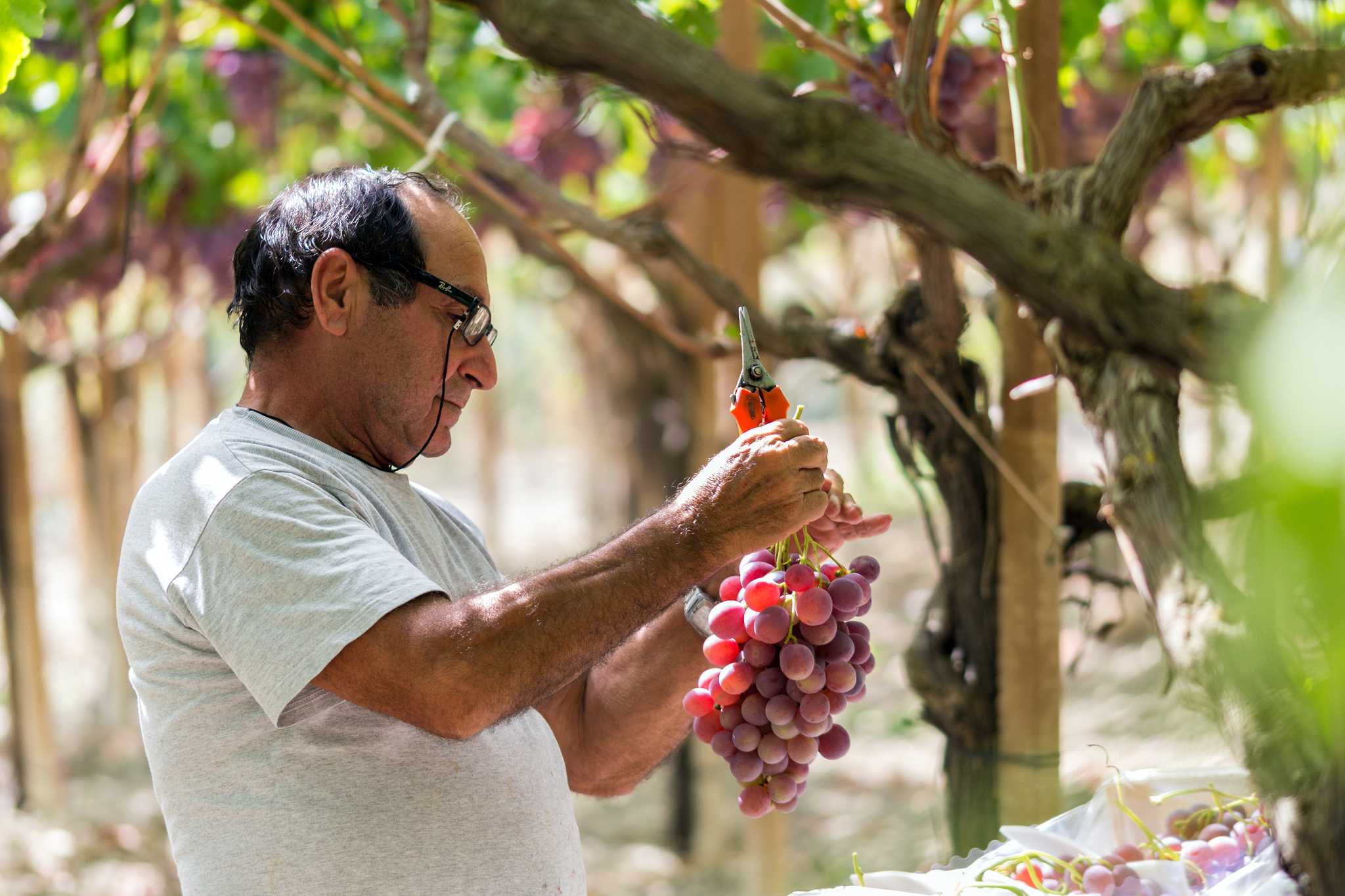
Cerasuolo di Vittoria
- Dry red wine, a blend of Nero d’Avola and Frappato grapes, floral, bright cherry contrasting with earthy and spicy notes
- Try at Tenute Nicosia or Etna Urban Winery, both in Catania
- Pair with Pasta alla Norma, Arancini, or seared swordfish
- Sicily’s only DOCG wine
Puglia
Puglia’s viticulture centers around deep, fruity, high-alcohol red wines and brighter, minerally-rich whites. It’s best known for the Primitivo, Negroamaro, and Nero di Troia grapes. The region is defined by hot weather, limestone soils, and cooling sea breezes. The region is mostly flat or mildly hilly, with red clay layered with limestone. Harvest is late August through September, with Primitivo ripening earliest.
Puglia’s viticulture centers around deep, fruity, high-alcohol red wines and brighter, minerally-rich whites. It’s best known for the Primitivo, Negroamaro, and Nero di Troia grapes. The region is defined by hot weather, limestone soils, and cooling sea breezes. The region is mostly f...

Overview
Base city: Lecce
Best for: Coastal views and beaches, fairytale villages, seafood
Where to go: Locorotondo, Manduria, Bari
Wine style: Full-bodied reds and minerally-rich whites, savory rosés
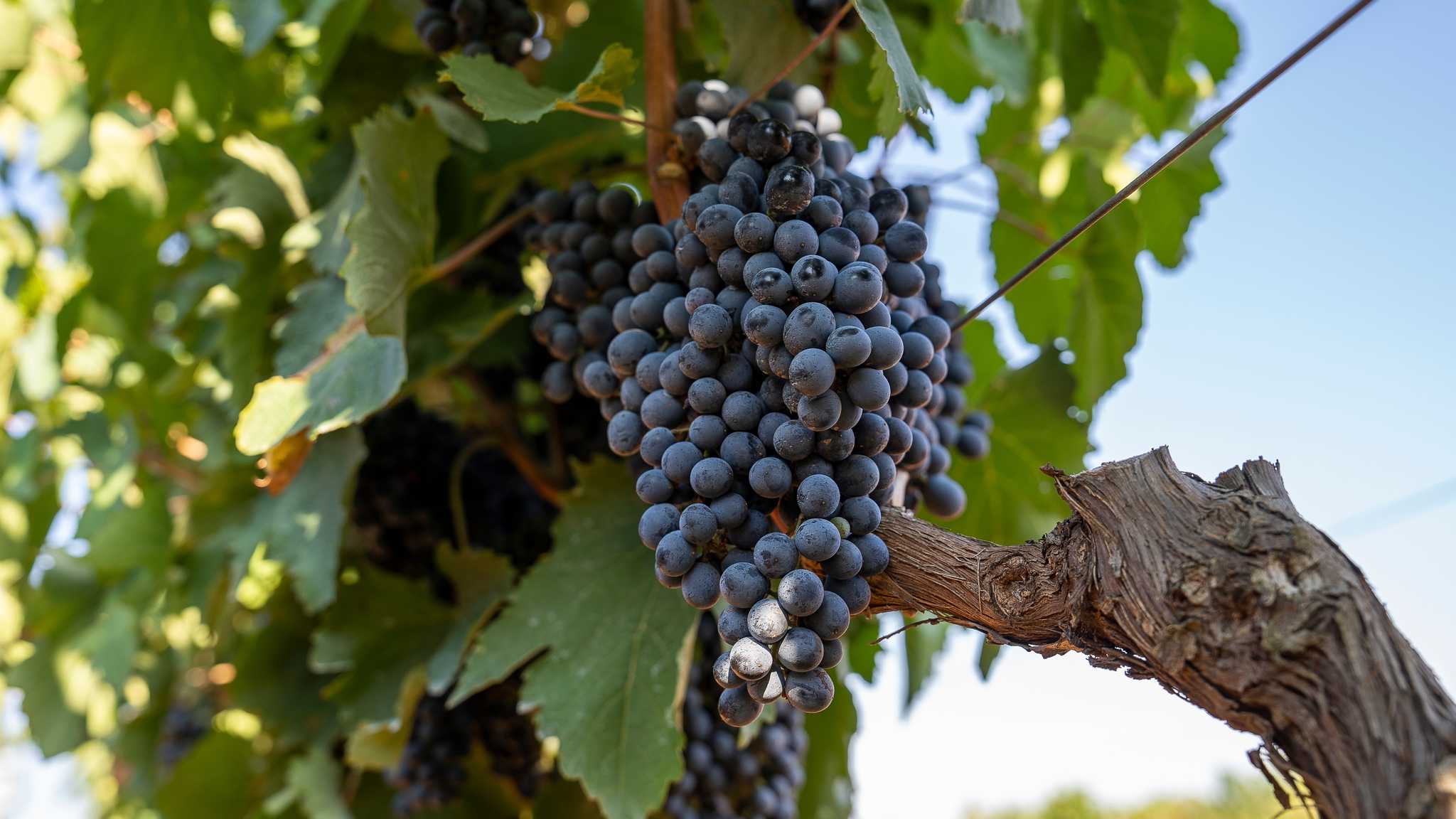
Primitivo di Manduria
- Full-bodied red made from Primitivo (identical to Zinfandel), deep color and dark fruit colors
- Try at Consorzio Produttori Vini in Manduria or Terre di San Vito in Polignano a Mare
- Pair with Grilled meats, rich stews, and charcuterie with hard, aged cheeses
- “Primitivo” refers to the grape’s early ripening in the late summer

Gioia del Colle Primitivo
- Deep ruby red with black fruits, subtle spices, dry, balanced, fine tannins
- Try at Cantine Polvanera in Gioia del Colle or Terre di San Vito in Polignano a Mare
- Pair with earthy mushroom dishes, grilled and herb-crusted meats
- A monk identified and named the Gioia del Colle grape in the 1700s

Salice Salentino Rosso
- Robust, fruity red, often with tobacco and coffee notes, made of at least 75% Negroamaro grapes
- Try in Lecce at Cantine Baldari or Le Vigne di Sammarco
- Pair with cured meats, mature pecorino, lamb chops
- Rosato (rosé) version offers a lighter, drier, floral option
Beyond the big names
Valle d’Aosta
High-altitude vineyards, mineral-forward whites, spicy reds, Italy’s smallest wine region. Primarily uses the Petit Rouge red grape for herbal berry notes.
Alto Adige
South Tyrol, mainly Pinot Grigio and Gewürztraminer grapes for rich, crisp whites with fruity or floral notes.
Collio
Full-bodied white wines rich in minerals and brightly acidic. Key grape is the white Friulano.
Liguria
Steep terrace growing. Crisp white wines, primarily Vermentino and Pigato grapes, but Rossese also produces a standout spicy, light red.
Umbria
Most popular wines are Orvieto DOC and Sagrantino di Montefalco DOCG, a volcanic white and a tannic red. Rolling hills and historic towns, known as “Italy’s Green Heart.”
Marche
Known for its Verdicchio grapes, used in citrusy white wines that carry an almond note. Coastal reds made from Montepulciano and Sangiovese blends are also popular.
Basilicata
Volcanic reds produced on the slopes of Monte Vulture. The main grape is Aglianico. Aglianico del Vulture DOCG, an age-worthy red often referred to as the “Barolo of the South.”
Calabria
Robust reds made from native Gaglioppo grapes. High tannins, spicy, earthy, fruity profile. Ancient Greeks called the area the “land of the vines/wine.”
How to read the label
Learn your way around the most common wine labels in Italy. Italian labels are based on strict legal classifications that go beyond grape names. They’ll tell you about the aging, production locations, and quality restrictions. The more you know, the easier it will be to find your favorites.
- DOCG: The strictest quality restriction, meaning every part of production took place in one microregion
- DOC: At least one part of production occurred in a specific microregion, still a controlled label indicating high quality
- IGT: Allows more creative freedom; makers can use international grapes or unique blends of Italian grapes
- Classico: From the original, historic vineyards in a given region, tight quality controls and lower overall grape yields
- Riserva: Undergoes regulated extended aging, usually in wood or bottles
- Superiore: Stricter quality rules, typically a higher minimum alcohol level, requires lower grape yields, aging time less strict than Riserva but still regulated
- Secco: A dry wine, commonly Lambrusco Secco in Emilia-Romagna
- Amabile: Semi-dry, medium sweet wines; try Orvieto Classico Amabile
- Dolce: Sweet wines; think Roscato Bianco Dolce
- Spumante: Fully sparkling wines, like Prosecco Spumante or Franciacorta
- Frizzante: Lightly sparkling wines, common in Lambrusco

Our recommended routes
Siena to Rome
2h 37min • 234km (145.4mi)
From €497
Siena to Florence
1h 11min • 76km (47.2mi)
From €353
Orvieto to Rome
1h 35min • 122km (75.8mi)
From €289
Florence to Montepulciano
1h 29min • 109km (67.7mi)
From €365
Catania to Palermo
2h 27min • 212km (131.7mi)
From €368
Bari to Matera
1h 5min • 67km (41.6mi)
From €180
Venice to Verona
1h 25min • 121km (75.2mi)
From €296
Milan to Alba
1h 49min • 152km (94.4mi)
From €310
Bari to Lecce
1h 44min • 153km (95.1mi)
From €264
Naples to Pompeii
27min • 26km (16.2mi)
From €110
Naples to Benevento
1h 11min • 92km (57.2mi)
From €185
Verona to Treviso
1h 38min • 136km (84.5mi)
From €302
Best winery day trips
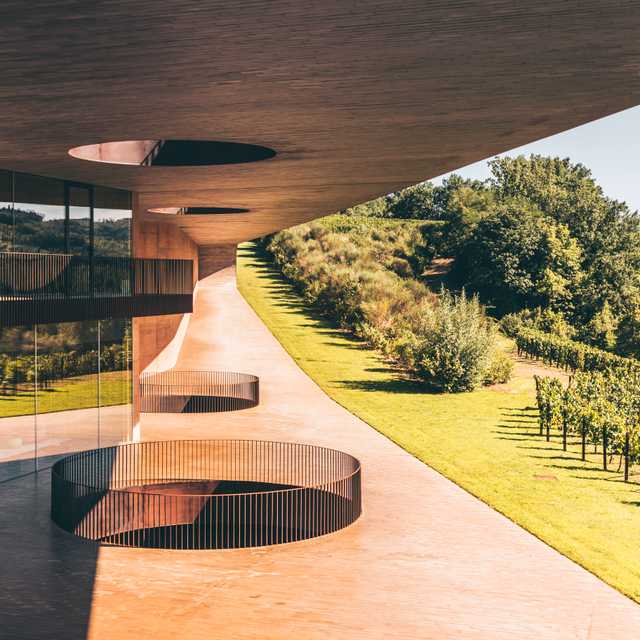
Florence to Antinori nel Chianti Classico: Private day trip
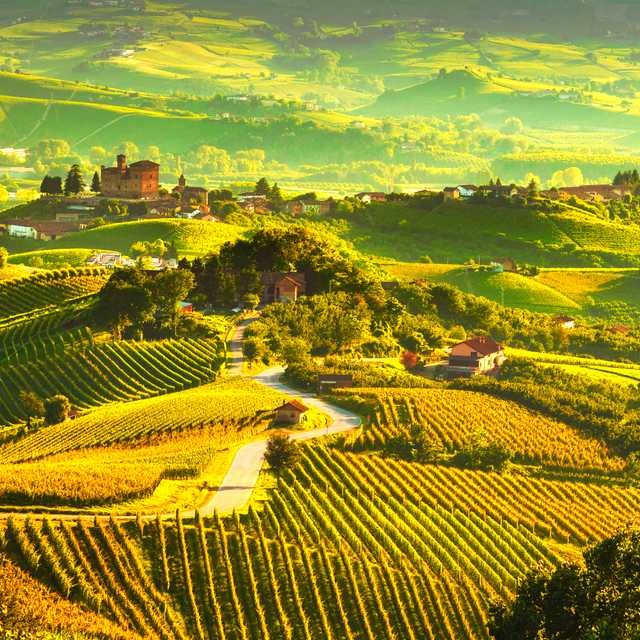
Turin to Barolo: Private day trip
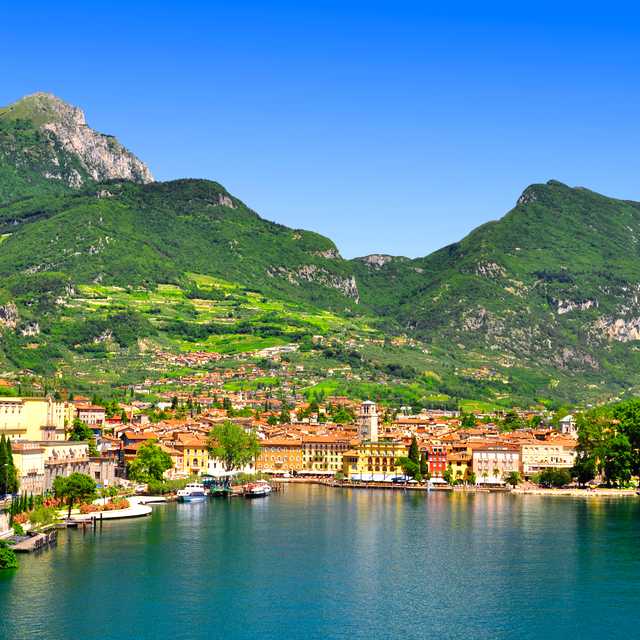
Verona to Sirmione and Riva del Garda: Private day trip
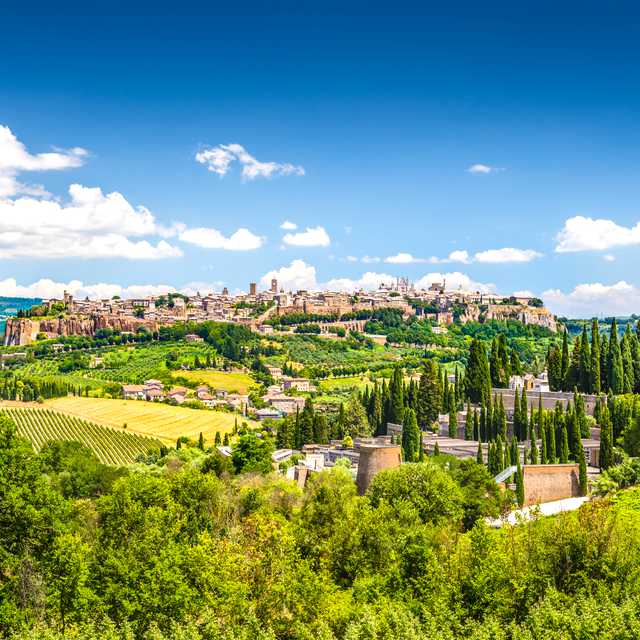
Rome to Orvieto and Assisi: Private day trip
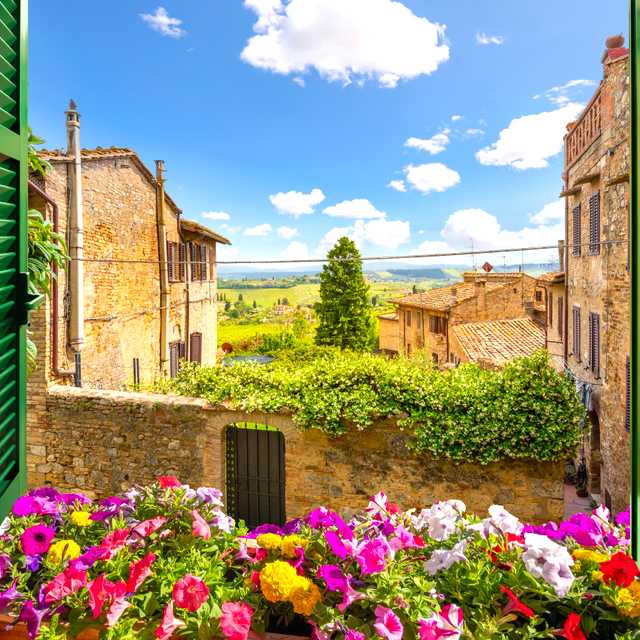
Florence to San Gimignano and Volterra: Private day trip
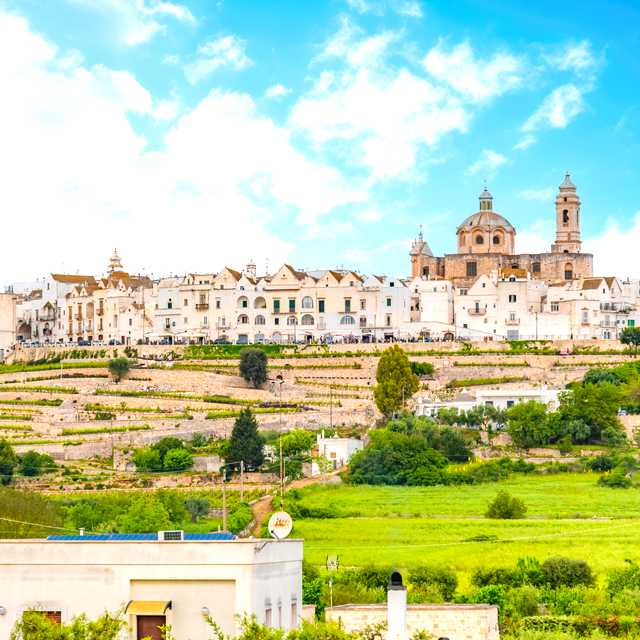
Ostuni to Locorotondo and Martina Franca: Private day trip
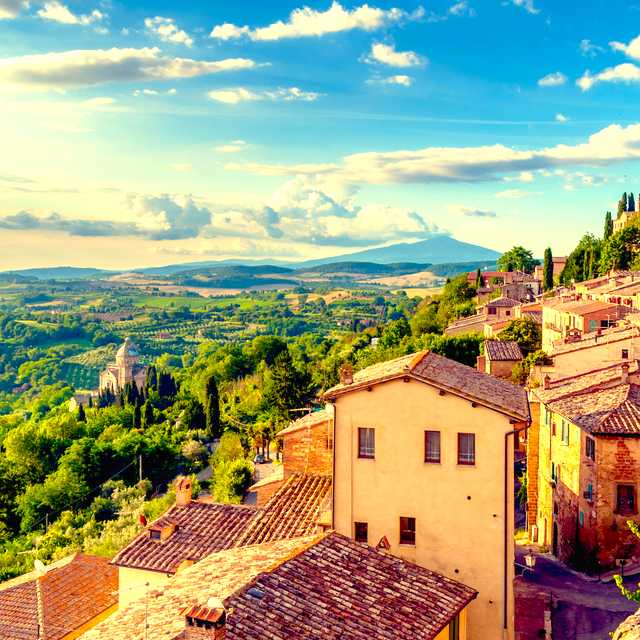
Siena to Montepulciano and Pienza: Private day trip
Benevento to Irpinia wine region: Private day trip
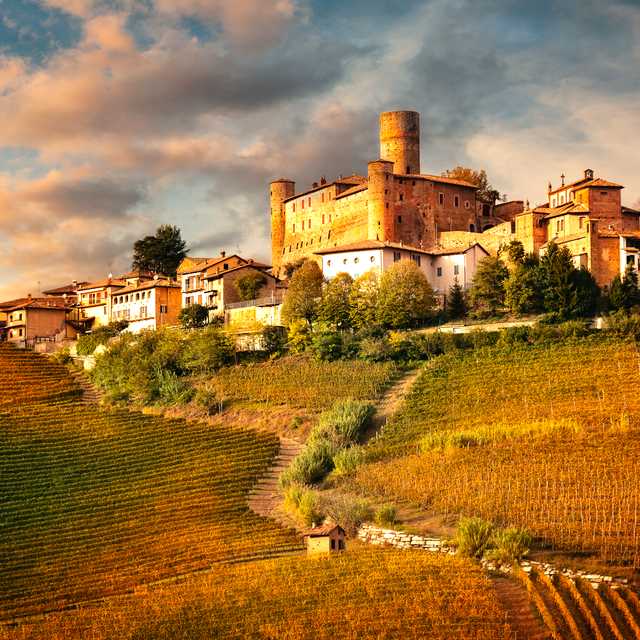
Turin to the Piedmont wine region: Private day trip
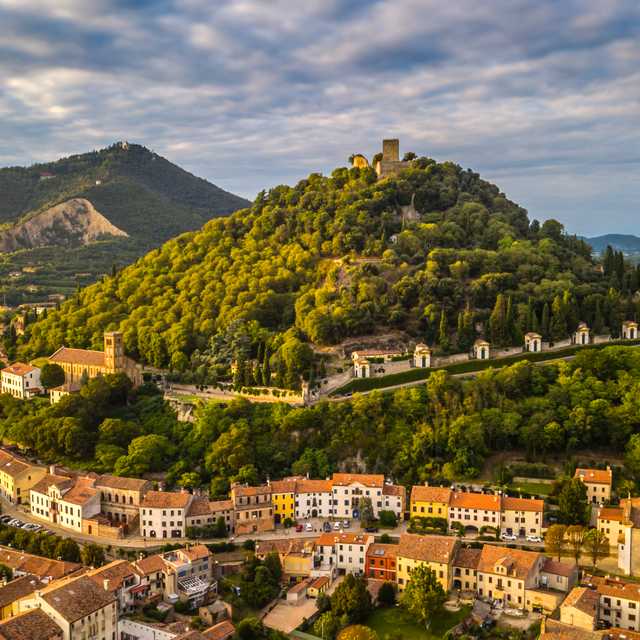
Euganean hilltowns and vineyards: Day trip from Venice
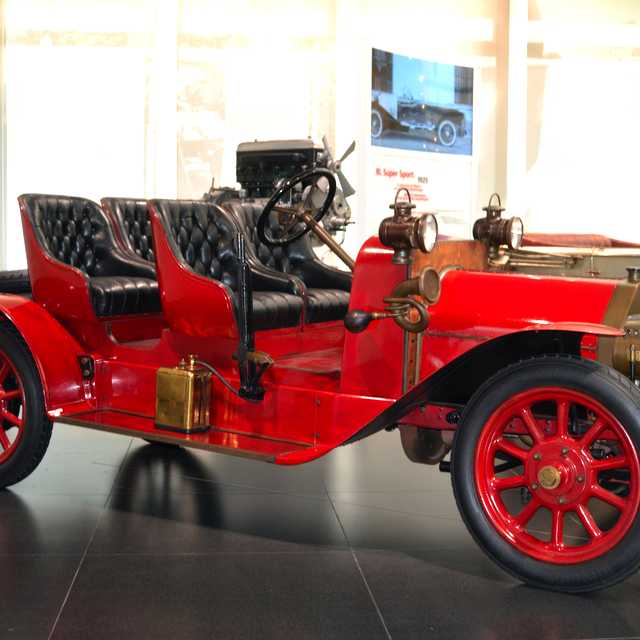
Italian sports cars and vineyards: Day trip from Milan
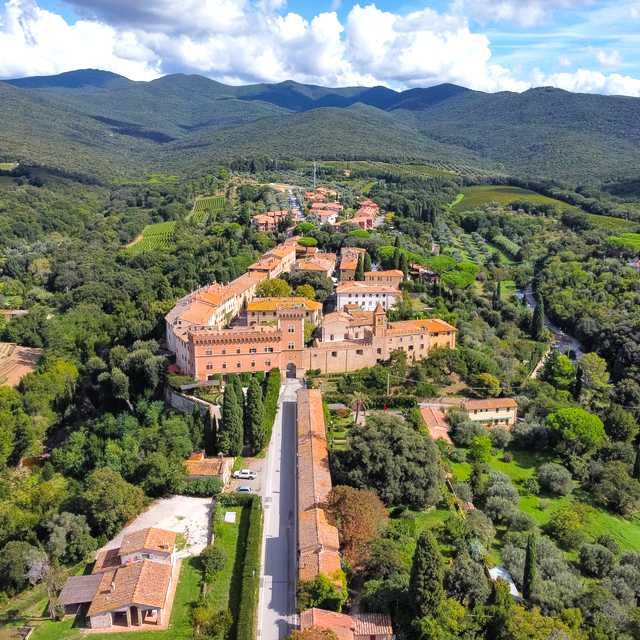
La Spezia to Etruscan Coast Vineyards: Private day trip
2+ million travelers like you. Moments they'll never forget.

Your Italian wine questions, answered

About the author
Morgan Carpenter is a US-based travel writer whose favorite parts of Italy are Tuscany and the Italian Riviera. On her last trip, Lucca became one of her favorite Italian destinations.
Be the first to discover more
Get handpicked travel ideas, insider highlights, and special Daytrip offers.


