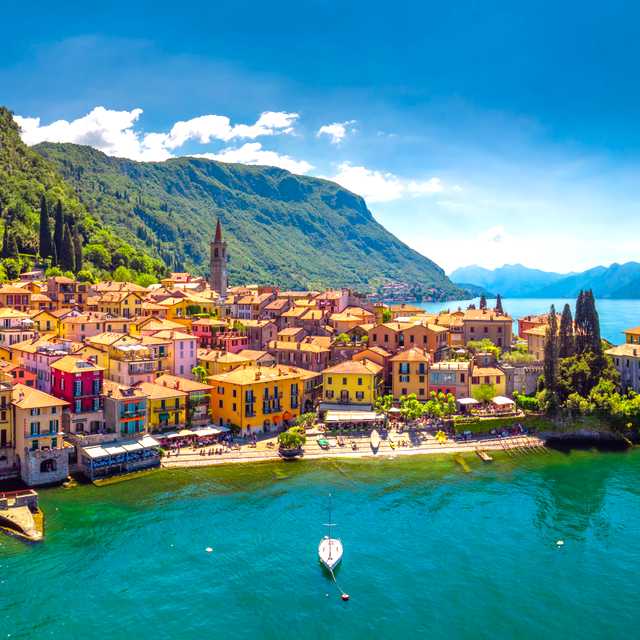
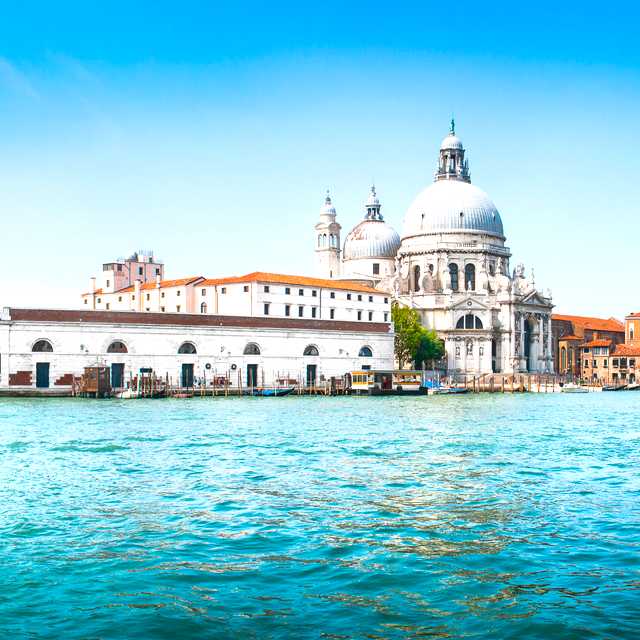
Operar en todo el mundo significa que conocemos las mejores maneras en todas partes.
Soporte 24/7 en el que puedes confiar
Con Daytrip, nunca estás solo. Obtén la ayuda que necesitas, en cualquier momento y en cualquier lugar.
Expertos locales al volante
Nuestros conductores de habla inglesa son profesionales verificados que son expertos en rutas, consejos locales y seguridad.
Flexibilidad para personalizar tu viaje
Personaliza tu viaje para ver exactamente lo que quieres, cuando lo quieres.
Seguridad y confianza, todo el camino
Descubre nuevos lugares con tranquilidad, sabiendo que estás seguro, cómodo y a tiempo.
Viajes de último minuto, reservas fáciles
Reserva hoy, viaja mañana. Tu próximo viaje está listo cuando tú lo estés.
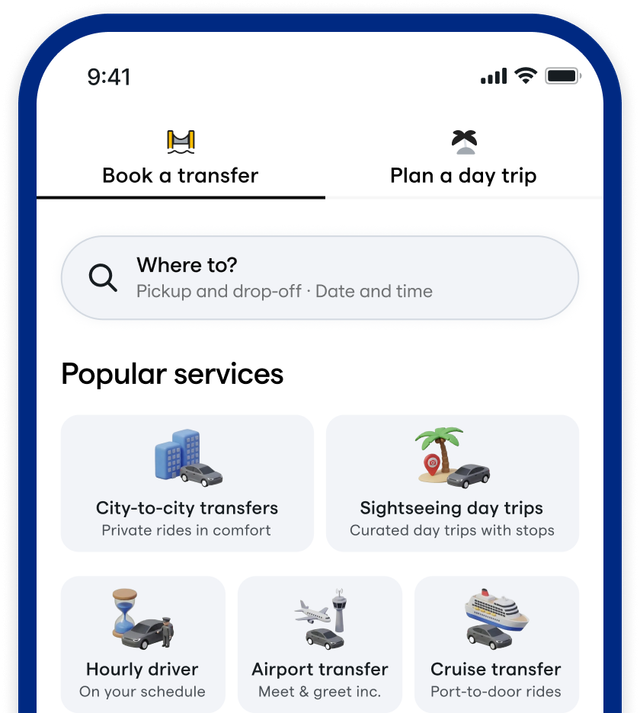
Ve a cualquier lugar. La aplicación Daytrip te lo facilita.
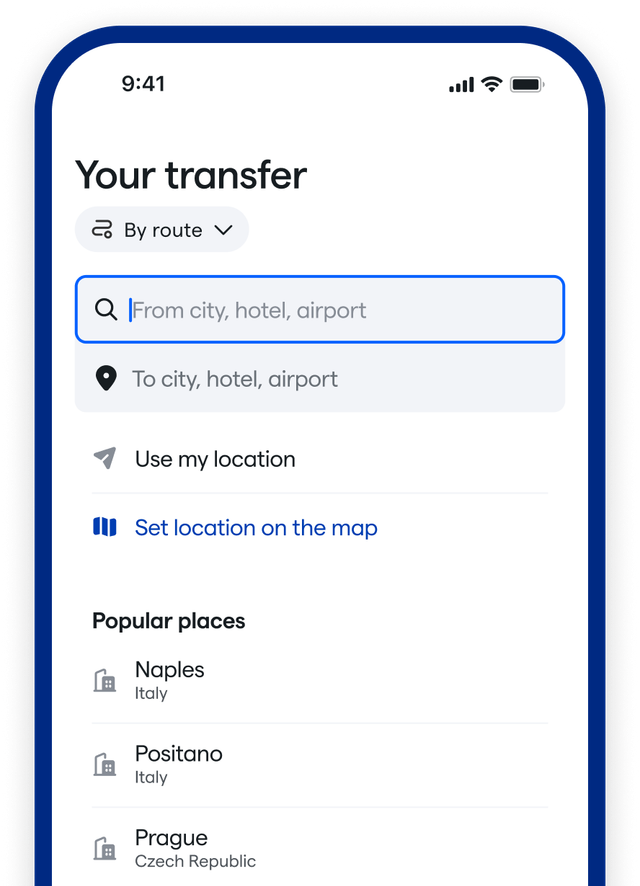
Reserva traslados entre ciudades, explora paradas increíbles y viaja cómodamente en la app de Daytrip. Escanea el código QR, descarga la app, y empieza a explorar!
Preguntas Frecuentes
Si tiene alguna pregunta, aquí están las respuestas.
Sé el primero en descubrir más
Recibe ideas de viaje seleccionadas, destacados secretos y ofertas especiales de Daytrip.
Daytrip es una plataforma de servicio de coche privado que te conecta con conductores locales que te transportarán de puerta a puerta. También te damos la oportunidad de explorar lugares y atracciones en el camino. Nosotros conducimos, tú descubres.
Daytrip ofrece traslados privados de puerta a puerta con paradas turísticas opcionales, alquiler de conductor por horas y excursiones de un día seleccionadas, todo con conductores locales que hablan inglés y operando en más de 130 países. También puedes reservar en nuestra aplicación Daytrip, disponible en el Apple App Store y en Google Play Store.
La política de cancelación puede variar según tu viaje. Las condiciones de cancelación disponibles para tu reserva siempre se mostrarán antes de confirmar tu viaje. Según la elegibilidad, Daytrip ofrece diferentes opciones de cancelación:
No reembolsable: Si tu viaje se cancela después de la confirmación, el importe pagado no será reembolsado.
Estándar: Si tu viaje se cancela al menos 24 horas antes de la hora de salida programada, el importe pagado será reembolsado en su totalidad. Las cancelaciones realizadas con menos de 24 horas antes de la salida no son elegibles para reembolso.
Flexible: Si tu viaje se cancela al menos 1 hora antes de la hora de salida programada, el importe pagado será reembolsado en su totalidad. Las cancelaciones realizadas con menos de 1 hora antes de la salida no son elegibles para reembolso.
Los viajes reservados con menos de 24 horas antes de la salida pueden no ser elegibles para cancelación gratuita, a menos que se indique lo contrario durante el proceso de reserva.
¡Sí! Reserva un traslado privado de puerta a puerta al aeropuerto con un conductor local que hable inglés. Disfruta de precios fijos y transparentes, sin cargos ocultos, y la opción de pagar por adelantado sin la molestia de cambiar dinero en un aeropuerto extranjero.
Recibirá el vehículo que mejor se adapte al número de viajeros en su grupo, desde un sedán hasta una furgoneta para grupos de hasta 7 personas. Dependiendo de su destino, puede reservar desde un sedán comparable a un Toyota Corolla hasta una Mercedes V-Class o un auto clásico cubano. Aunque el modelo exacto puede variar, siempre nos aseguramos de que el vehículo proporcionado cumpla con sus necesidades en cuanto a seguridad, fiabilidad y comodidad. Es posible que se le asigne una categoría de vehículo superior sin costo adicional, según la disponibilidad. Dado que nuestro vehículo más grande tiene capacidad para 7 personas, para grupos más grandes se utilizará una combinación de vehículos. Le enviaremos los detalles exactos del vehículo unos días antes de su viaje.
En todos los lugares excepto en EE. UU., los conductores proporcionarán asientos infantiles adecuados (solo avísanos durante la reserva). En EE. UU., algunos estados requieren que traigas tus propios asientos infantiles.
Sí, y esta es una de las ventajas prácticas de un traslado privado con Daytrip. Lorca se encuentra entre Murcia y Almería, lo que la convierte en una parada intermedia natural en una ruta más larga por el sureste de España. Puedes solicitar una parada turística en Lorca mientras viajas entre dos destinos, pasar unas horas explorando el castillo y el casco histórico, y luego continuar hasta tu destino final, todo en un solo viaje sin interrupciones con el mismo conductor y vehículo.
Lorca se encuentra en la región de Murcia, en el sureste de España. Desde la ciudad de Murcia está a unos 60 km, normalmente alrededor de una hora por carretera. Desde Alicante son aproximadamente 130 km, generalmente entre 1,5 y 2 horas dependiendo del tráfico. Desde Almería está a unos 100 km, lo que suele ser entre 1 y 1,5 horas. Un traslado privado con Daytrip te recoge directamente en tu alojamiento, por lo que no tendrás que preocuparte por conexiones de transporte, esperas en estaciones ni cargar con el equipaje.
Cuatro o cinco horas en Lorca son suficientes para recorrer los principales monumentos con comodidad y sin prisas. Solo el complejo del castillo merece una hora o más, dada su extensión y las vistas que ofrece. El centro histórico, con los palacios barrocos de la Calle Corredera, la Colegiata de San Patricio y las torres del Espolón y Alfonsina, se puede explorar en otras dos o tres horas a pie. Llegar por la mañana te permite disfrutar de la mejor luz para las vistas del castillo y evitar el calor del mediodía en verano.
Lorca es uno de los mejores destinos puramente históricos de la región de Murcia, precisamente porque no ha sido moldeado por el turismo de costa. La estratificación arqueológica aquí es excepcional: miliarios romanos, fortificaciones moriscas, torres posteriores a la Reconquista y siglos de construcción de iglesias cristianas conviven a poca distancia unas de otras. Si te interesa comprender cómo la Reconquista transformó una ciudad fronteriza a lo largo de los siglos, o ver auténtica arquitectura cívica barroca en su contexto urbano original, Lorca ofrece una profundidad que las zonas turísticas de playa de la región simplemente no pueden igualar.
Lorca experimentó un auge de riqueza en los siglos XVII y XVIII que produjo una concentración inusualmente densa de arquitectura barroca, tanto civil como religiosa, para una ciudad de su tamaño. Las familias nobles competían por construir palacios y fachadas cada vez más elaborados, dejando un paisaje urbano que se considera uno de los mejores ejemplos del barroco español fuera de las grandes capitales. El terremoto de 2011 dañó muchas de estas estructuras, lo que hace que el posterior esfuerzo de restauración, galardonado con el premio Europa Nostra y que abarcó seis iglesias históricas, sea una parte viva de la historia por la que hoy pasean los visitantes.
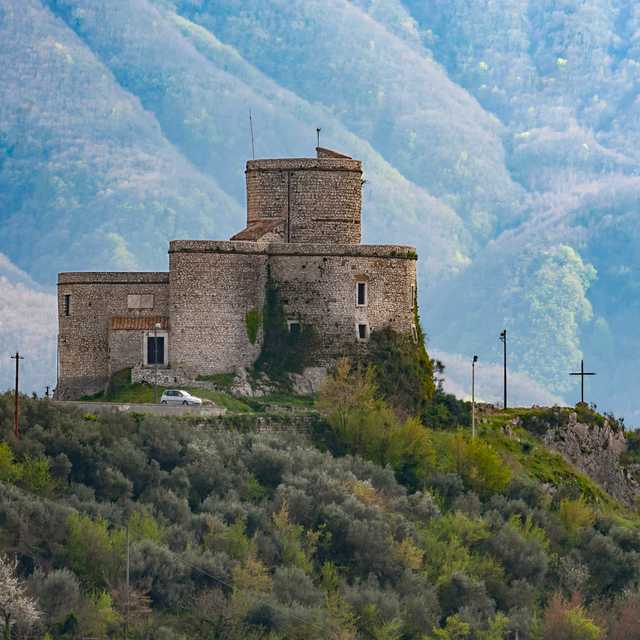
Lorca concentra una extraordinaria variedad de historia en un centro urbano compacto. Pocas ciudades españolas pueden presumir de un asentamiento continuo desde la época paleolítica, pasando por las eras romana, musulmana y cristiana, todo visible en un solo paseo. El icónico Castillo de Lorca domina el horizonte, mientras que el casco histórico que lo rodea está repleto de palacios barrocos, conventos de los siglos XVI al XVIII y la antigua puerta de la ciudad del siglo X. Lorca también es ejemplo de resiliencia: tras el terremoto de 2011, los trabajos de restauración de su patrimonio le valieron el prestigioso Premio Europa Nostra, haciendo que sus monumentos se sientan realmente conquistados y llenos de significado.
Explore 130+ países con nuestros traslados privados en coche y excursiones de un día
Estoy muy, muy feliz de haber encontrado esta página web para reservar dos traslados privados mientras visitaba Lima, Perú. Ambos fueron viajes de solo ida de aproximadamente 3 horas. La comunicación fue excelente desde el momento en que todo quedó reservado por correo electrónico y luego descargué su aplicación. Tuve algunos problemas con la aplicación y el servicio de atención al cliente fue increíble tratando de ayudarme a solucionarlos. Honestamente, el servicio al cliente fue impresionante y me dio la sensación de que había tomado la decisión correcta. Ambos conductores llegaron exactamente a tiempo, ¡sin ningún problema! No puedo decir suficientes cosas buenas sobre el servicio y lo fácil que fue todo al viajar tan lejos.¡Gran trabajo del equipo de Daytrip! Lo recomendaría totalmente.