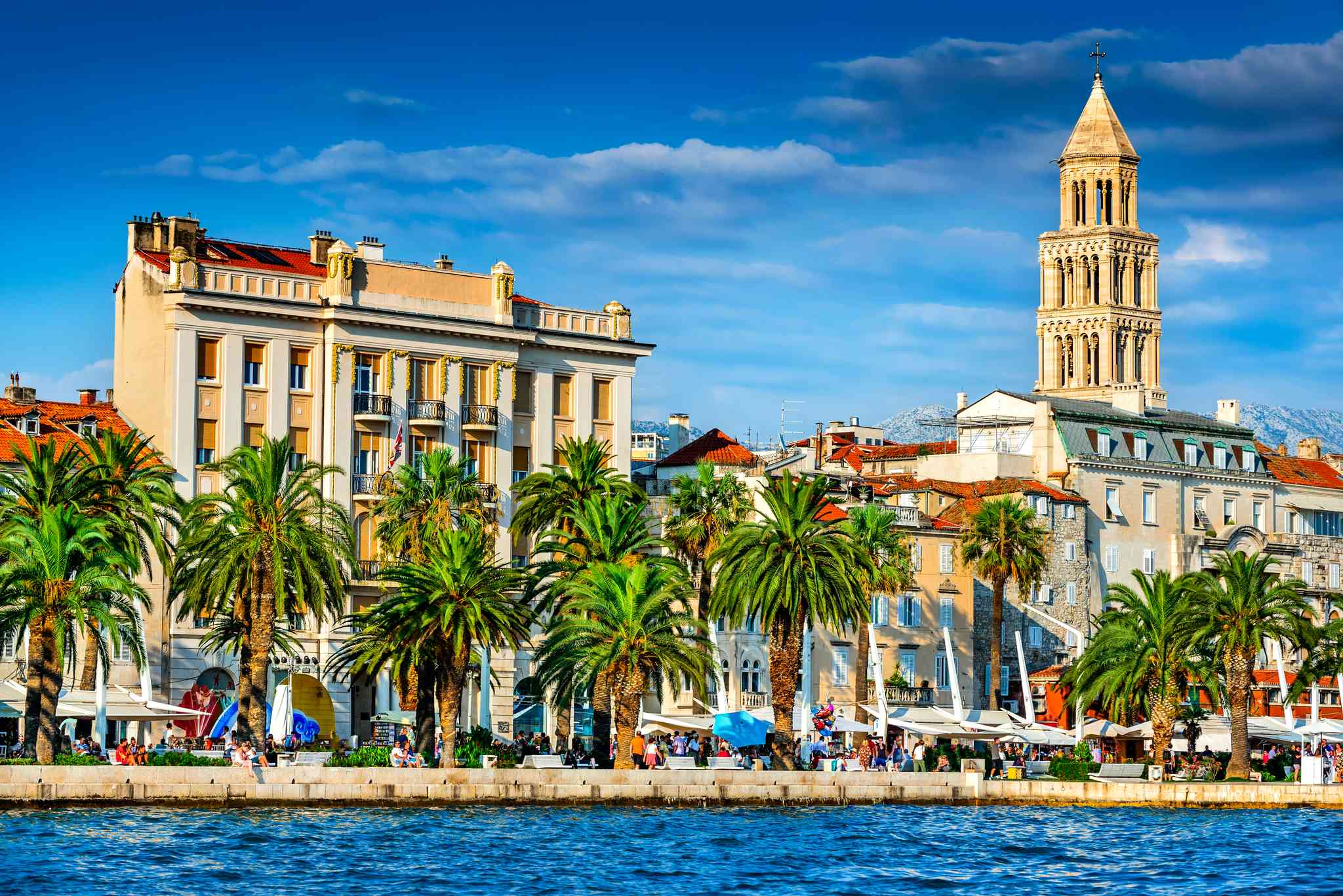
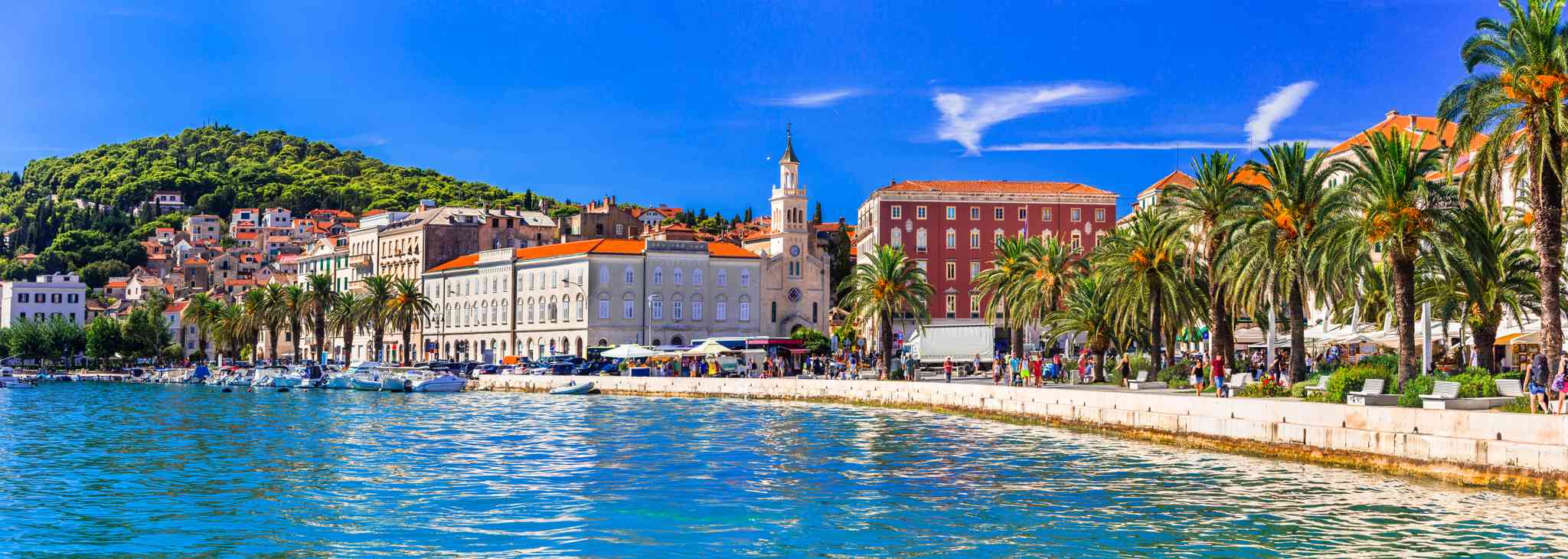
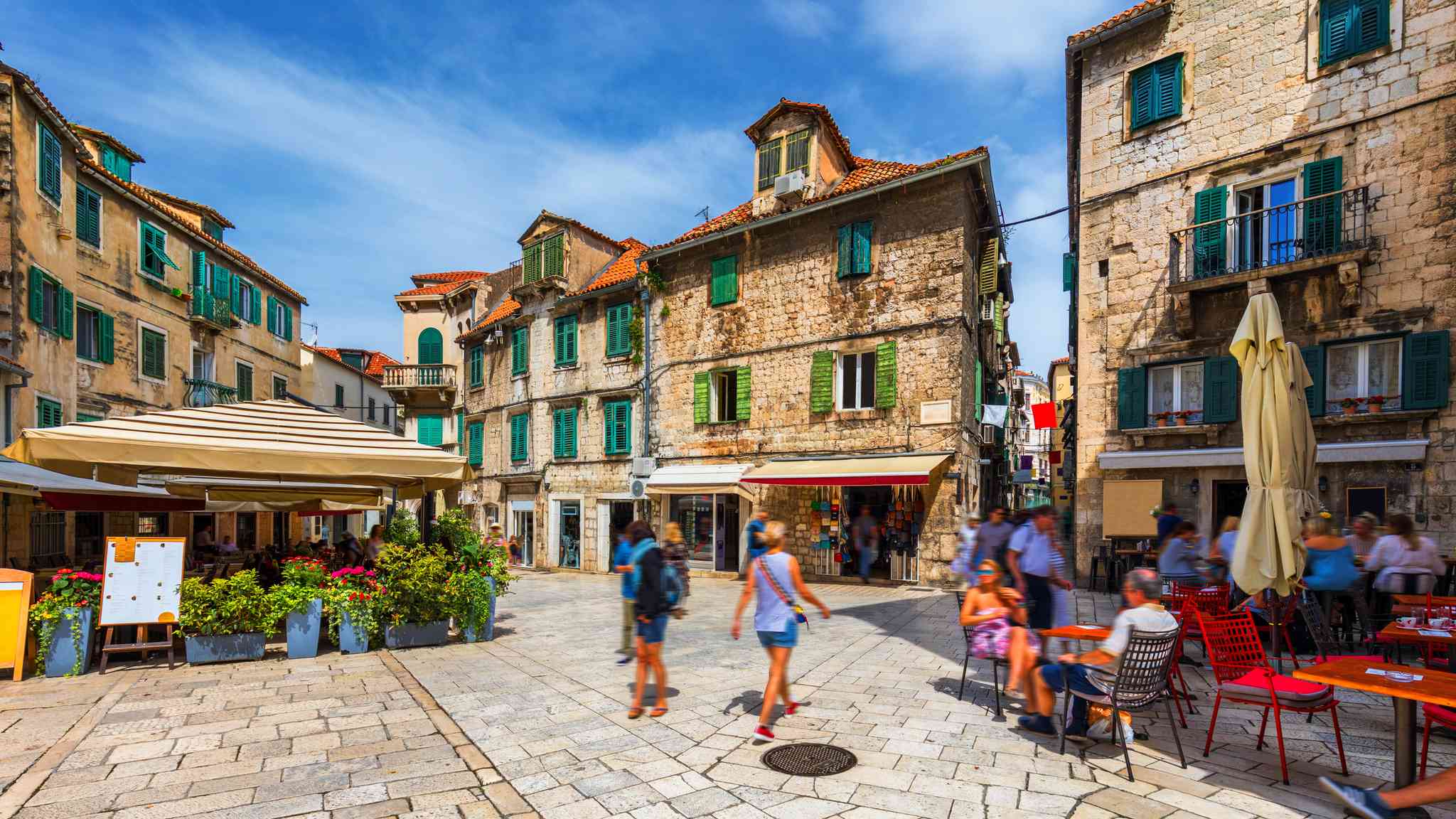
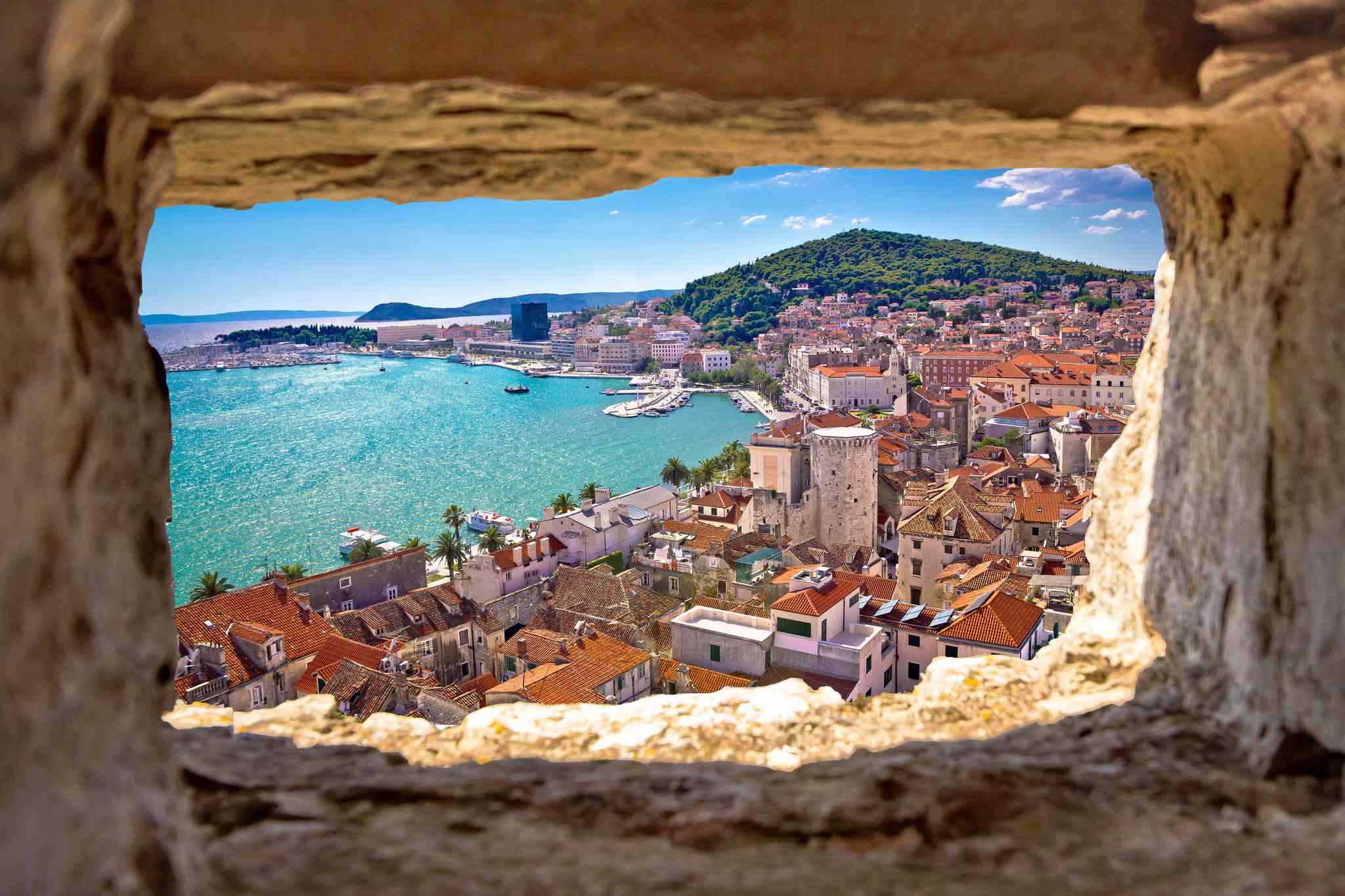
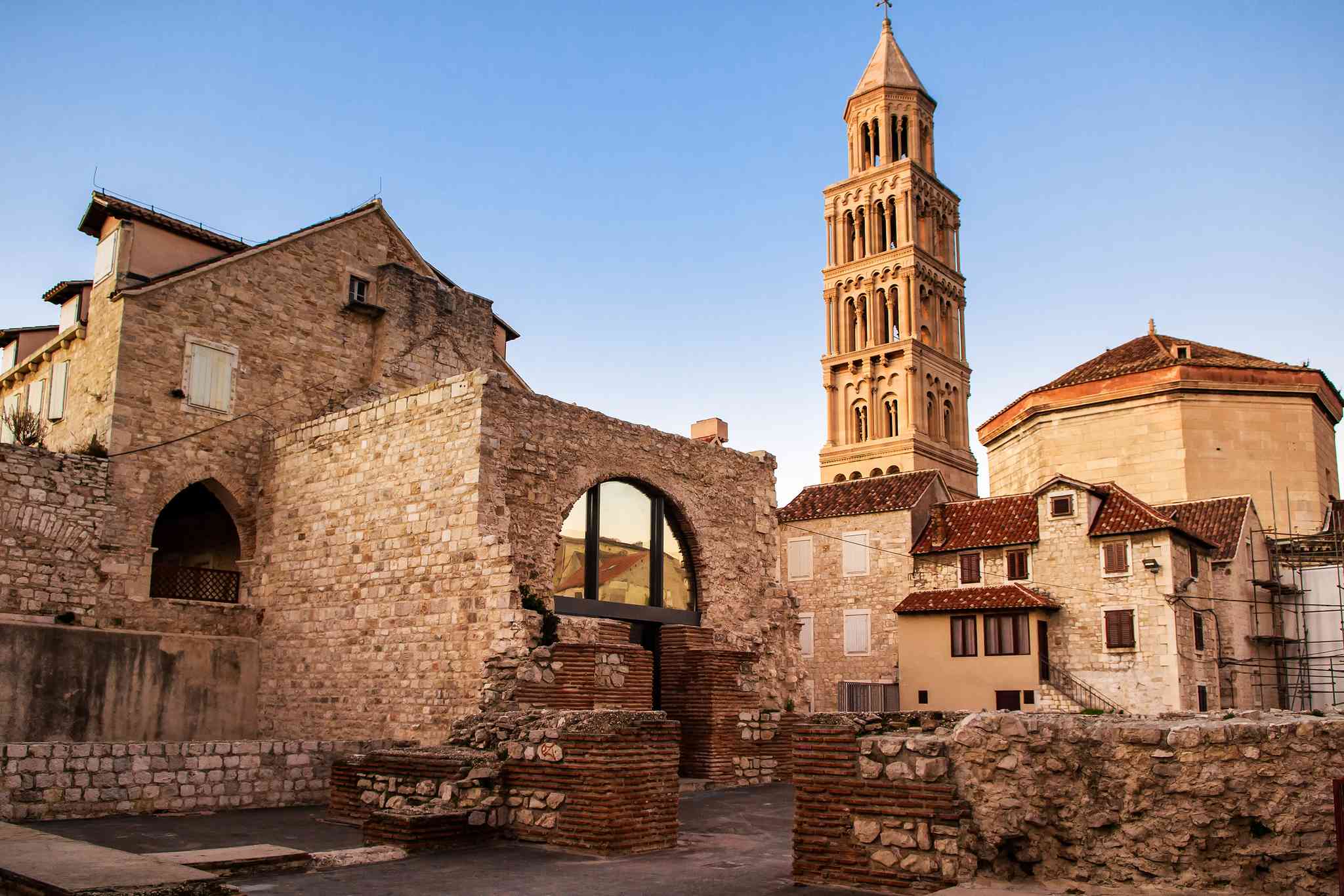
Transferência de carro particular de Split para Plitvice Lakes National Park
em 2 h 50 min
por assento
confortável
Informações da Viagem
Partida
O seu motorista irá encontrá-lo no seu endereço em Split.
- Serviço porta-a-porta
- Ajuda com a sua bagagem
Viagem
Você viajará com conforto por 2 h 50 min.
- Passeio turístico opcional
- Carro limpo e confortável
- Motorista profissional
- Água engarrafada
- Assentos infantis
- Preparado para pessoas com deficiência.
- Proibido fumar
- Aceita animais de estimação
Destino
O seu motorista irá deixá-lo no seu endereço em Plitvice Lakes National Park.
- Serviço porta-a-porta
- Ajuda com a sua bagagem
Overview: car trip from Split to Plitvice Lakes
The Split to Plitvice Lakes transfer covers approximately 160 miles (260 km) and takes around 2 hours and 50 minutes by car. This journey offers the perfect opportunity to transform a simple transfer into an unforgettable day trip through Croatia's stunning landscapes. With a Daytrip private transfer, you can experience the convenience of door-to-door service while adding exciting sightseeing stops along the way.
As you travel from Split's coastal charm toward the natural wonder of Plitvice Lakes National Park, you'll pass through Croatia's diverse terrain. The route takes you from the Adriatic coastline through rolling hills and eventually to the lush forests surrounding the lakes. Why rush directly to your destination when you can enhance your travel time with memorable stops at fascinating locations?
Consider adding Krka National Park to your itinerary, where you can marvel at magnificent waterfalls cascading over natural limestone barriers. Or perhaps explore the historic Klis Fortress. Your journey from Split to Plitvice Lakes becomes more than just a transfer; it’ll become an integral part of your Croatian adventure.
About Plitvice Lakes
Plitvice Lakes National Park, Croatia's oldest and largest national park, is a breathtaking natural wonder that draws visitors from across the globe. Established in 1949 and recognized as a UNESCO World Heritage site since 1979, this remarkable destination showcases nature's artistry through a series of 16 interconnected lakes that cascade into one another through travertine barriers.
The park's formation is a fascinating geological story that began thousands of years ago. Water flowing over limestone and chalk deposits created natural dams, resulting in the terraced lakes we see today. This continuous process means the landscape is ever-changing, with new travertine barriers forming while others grow or dissolve over time.
The lakes themselves are renowned for their distinctive colors, ranging from azure to green, gray, and blue. These color variations occur due to different mineral compositions and organisms in the water, along with changing light conditions throughout the day. The best time to visit depends on what you hope to experience. Spring brings abundant waterfalls with melting snow, summer offers lush greenery, autumn transforms the surrounding forests into a canvas of golden and red hues, while winter creates a magical frozen wonderland.
The park's biodiversity is equally impressive, with over 1,200 plant species, 161 bird species, and numerous mammals, including bears, wolves, and rare European lynx. While these animals typically avoid human contact, their presence highlights the park's ecological importance. Visitors can explore Plitvice Lakes via a network of wooden walkways that meander across the water, allowing for close-up views of waterfalls without disturbing the sensitive ecosystem.
Unlike many national parks worldwide, swimming is prohibited in Plitvice Lakes to preserve the delicate ecological balance and protect the travertine formations. However, the visual feast of cascading waterfalls, crystal-clear lakes, and lush forests more than compensates for this restriction. The park's elevation ranges from 1250 to 4200 feet (380 to 1,280 meters) above sea level, creating diverse microclimates and habitats throughout the area.
From Split to Plitvice Lakes: travel tips
Planning your journey from Split to Plitvice Lakes? Here are some essential travel tips to ensure your trip goes smoothly:
Add sightseeing stops to your journey
The drive from Split to Plitvice Lakes offers numerous fascinating attractions along the way. With Daytrip, you can customize your transfer by adding stops at places like Krka National Park or the fortress town of Knin. This transforms your travel day into an enriching experience rather than just time spent getting from point A to point B. Plus, your driver will wait while you explore, eliminating the stress of finding parking or navigating unfamiliar roads.
Plan for a full-day visit
Plitvice Lakes National Park is vast, covering 296.85 square kilometers. To fully appreciate its beauty, allocate at least 6-8 hours for exploration. The park offers several hiking routes of varying lengths and difficulties, with the longest taking up to 8 hours to complete. Check the official Plitvice Lakes website for the most up-to-date information on trails and visiting conditions.
Pack the appropriate gear
Even in summer, the wooden walkways around the lakes can be slippery, so comfortable walking shoes with a good grip are essential. The weather in the park can differ significantly from coastal Split due to the elevation change, so bring layers regardless of the season. Don't forget your camera! The landscape offers countless photo opportunities as you travel through this natural wonderland!
How to get from Split to Plitvice Lakes
There are several options for your Split to Plitvice Lakes transfer, each with its own advantages. Let's explore them from most to least convenient:
Private transfer from Split to Plitvice Lakes
The most comfortable and flexible way to travel from Split to Plitvice Lakes is with a Daytrip private car service. This door-to-door transfer takes approximately 2 hours and 45 minutes direct, though you can extend this pleasantly by adding sightseeing stops. Your journey begins at your accommodation in Split and ends directly at your chosen location in Plitvice Lakes, eliminating the hassle of navigating public transportation.
With Daytrip, you'll travel with a professional English-speaking local driver in a clean, comfortable vehicle. Unlike public transportation, you can customize your trip with stops at attractions like Krka National Park, Trogir, or Sibenik.
Bus from Split to Plitvice Lakes
Buses are the most common public transportation option for traveling from Split to Plitvice Lakes. The journey takes approximately 3.5 to 4.5 hours, depending on the route and time of day. During peak tourist season (April to October), multiple buses operate daily, but departures become less frequent in the off-season.
Tickets typically cost between $15-$30 one way, making this an economical choice for budget travelers. However, be aware that buses will drop you at the park entrance, and you'll need to walk to your accommodation if staying nearby. You'll also need to plan your return trip carefully, as the last bus from Plitvice to Split usually departs in the early afternoon. Check the current timetables and book tickets in advance, especially during high season.
Car rental from Split to Plitvice Lakes
Renting a car gives you maximum flexibility for your trip and the freedom to explore at your own pace. The direct drive takes about 2.5-3 hours, but you'll need to factor in time for parking at Plitvice Lakes, which can be challenging during peak season.
Rental cars in Split typically start around $40-70 per day, plus fuel costs. The route is well-maintained and mostly follows the A1 highway, making it an easy drive. However, keep in mind that you'll be responsible for navigation, parking fees, and potential one-way drop-off charges if you're not returning to Split. Also, you'll miss out on the local knowledge a private driver can provide about the best spots to visit along the way.
Train from Split to Plitvice Lakes
Unfortunately, there is no direct train connection from Split to Plitvice Lakes. The Croatian railway network doesn't extend to the national park area. While you could take a train part of the way, you would then need to arrange additional transportation to reach Plitvice Lakes, making this an impractical option for most travelers.
Things to do when you get to Plitvice Lakes
Once you arrive at Plitvice Lakes after your journey from Split, here are some must-do activities to make the most of your visit:
Explore the park's walking trails
Plitvice Lakes National Park features a network of well-maintained trails that cater to all fitness levels. The park offers seven different routes, ranging from 2 to 8 hours in duration. These trails are marked with letters (A through K) and color-coded signs for easy navigation.
Route C is often recommended for first-time visitors as it provides a comprehensive 4-6 hour tour of both the Upper and Lower Lakes. For those with limited time, Route A offers a 2-3 hour walk focusing on the Lower Lakes, where some of the most impressive waterfalls are located. Check the visitor information center for up-to-date trail maps and advice on the best route for your interests and available time.
Ride the panoramic train and electric boat
To cover more ground and rest your legs, take advantage of the park's transportation system. A scenic panoramic train (actually an electric tram) connects the Upper and Lower Lakes, offering beautiful views as it traverses the park. Your entrance ticket includes unlimited rides on this train, which is especially useful for reaching distant sections of the park.
Similarly, an electric boat carries visitors across Lake Kozjak, the park's largest lake. This 20-minute boat ride is not only practical but also provides unique perspectives of the surrounding landscape that aren't visible from the walking paths. Both the train and boat operate from April through October, with reduced service in the shoulder seasons and no service during winter.
Visit Veliki Slap (Great Waterfall)
At 255 feet (78 meters) high, Veliki Slap is the tallest waterfall in the park and one of Croatia's most impressive natural features. Located in the Lower Lakes section, this thundering cascade creates a constant mist that supports unique microhabitats for plants and animals.
The best viewpoints for photographing Veliki Slap are from the trails above it, where you can capture both the waterfall and the valley beyond. Visit early in the morning or late afternoon to avoid crowds and harsh midday lighting. During spring and after heavy rainfall, the waterfall is at its most powerful, creating a truly awe-inspiring spectacle.
Experience the Upper Lakes section
While the Lower Lakes get more attention due to Veliki Slap, the Upper Lakes section offers a quieter, equally beautiful experience. Here, you'll find a series of smaller lakes and waterfalls surrounded by dense forests. The elevated wooden walkways take you directly over crystal-clear water, where you can observe fish swimming below and unique aquatic plants.
Galovački Buk, at 80 feet (25 meters) high, is the most impressive waterfall in this section. The Upper Lakes also feature Prošćansko Lake, the highest and second-largest lake in the system. This area tends to be less crowded, especially in the early morning, offering a more serene communion with nature during your day trip to this remarkable destination.
When is the best time to visit Plitvice Lakes
The best time to visit Plitvice Lakes largely depends on your preferences and what you hope to experience during your trip from Split to this natural wonder.
Summer (June to August) brings warm temperatures ranging from 68°F to 86°F (20°C to 30°C), making it the most popular time to visit. The park's lush vegetation is in full bloom, and the longer daylight hours give you more time to explore. However, this is also peak tourist season, so expect larger crowds and higher accommodation prices near the park. If you visit in summer, arrive early in the morning to enjoy some tranquility before the day trippers arrive.
Spring (April to May) and autumn (September to October) offer excellent alternatives with fewer visitors. Spring brings powerful waterfalls as snow melts, while autumn transforms the surrounding forests into a spectacular display of red, orange, and gold colors. Temperatures during these seasons range from 50°F to 68°F (10°C to 20°C), perfect for hiking the trails without overheating.
Winter (November to March) presents a completely different but equally magical experience. The frozen waterfalls and snow-covered landscapes create a winter wonderland, though some paths may be closed due to ice. Winter visits also offer the advantage of significantly reduced entrance fees and almost no crowds, allowing for a more intimate experience with nature during your travel from Split.
Perguntas e Respostas sobre Viagens de Split para Plitvice Lakes National Park
How do I get from Split to Plitvice Lake?
Is there a train from Split to Plitvice Lakes?
Is Split or Zagreb closer to Plitvice Lakes?
How do I get from Plitvice Lakes National Park to Split Airport (SPU)?
Can you visit Plitvice Lakes from Split without a car?
Can you do a day trip from Split to Plitvice Lakes?
Visite estes pontos turísticos no caminho
Bom saber
Crianças
Se estiver viajando com crianças, certifique-se de nos informar na reserva para que possamos providenciar os assentos infantis apropriados!
Animais de estimação
Animais de estimação são permitidos (e amados)! Só precisamos saber com antecedência. Você pode nos informar sobre eles na próxima fase da reserva.
Gorjetas
A gorjeta não está incluída nem é obrigatória, mas se você realmente gostou da sua viagem, pode mostrar sua apreciação ao motorista com uma gorjeta opcional (10% é suficiente).
Bagagem
- Bagagem grande
- 29x21x11 polegadas
- 74x53x28 cm
- Bagagem pequena
- 22x14x9 polegadas
- 56x36x23 cm
Cada passageiro pode levar uma mala despachada e uma bagagem de mão. Se estiver viajando com mais malas ou bagagem de tamanho grande, você pode ajustar isso durante a reserva.
Métodos de pagamento
Pague com cartão de crédito online ou em dinheiro diretamente ao seu motorista!
Perguntas frequentes
Se tiver alguma dúvida, aqui estão as respostas.Daytrip é a maneira mais conveniente de conhecer 14.500+ cidades ao redor do mundo.
Todo viajante merece uma visão real das culturas dos países que está visitando. E todo lugar incrível na Terra merece ser visitado e apreciado. Acreditamos que o conhecimento local único e a conexão humana real são insubstituíveis quando se trata de compreender verdadeiramente outra cultura.
Fomos destacados em
Mais rotas
Croatia
Croatia - Montenegro
Croatia - Bosnia and Herzegovina
Croatia - Slovenia
Croatia - Montenegro
Croatia - Kosovo
Croatia - Serbia
Croatia - Albania
Croatia
Croatia - Montenegro
Croatia
Croatia - Slovenia
Croatia - Montenegro
Croatia - Italy
Croatia - Bosnia and Herzegovina
Croatia
Croatia - Bosnia and Herzegovina
Croatia
Germany - Croatia
Bosnia and Herzegovina - Croatia
Germany - Croatia
Italy - Croatia
Italy - Croatia
Austria - Croatia
Serbia - Croatia
Viagens de um dia populares
Atendimento ao cliente