Operar em todo o mundo significa que conhecemos as melhores maneiras, em qualquer lugar.
Suporte 24/7 em que você pode contar
Com o Daytrip, você nunca está sozinho. Obtenha a ajuda que precisar, a qualquer momento, em qualquer lugar.
Especialistas locais ao volante
Nossos motoristas falantes de inglês são profissionais selecionados que são especialistas em rotas, dicas locais e segurança.
Flexibilidade para personalizar sua viagem
Personalize sua viagem para ver exatamente o que deseja, quando desejar.
Segurança e confiança todo o caminho
Descubra novos lugares com tranquilidade, sabendo que você está seguro, confortável e pontual.
Viagens de última hora, reservas fáceis
Reserve hoje, viaje amanhã. Sua próxima viagem está pronta quando você estiver.
Vá a qualquer lugar. O aplicativo Daytrip facilita.
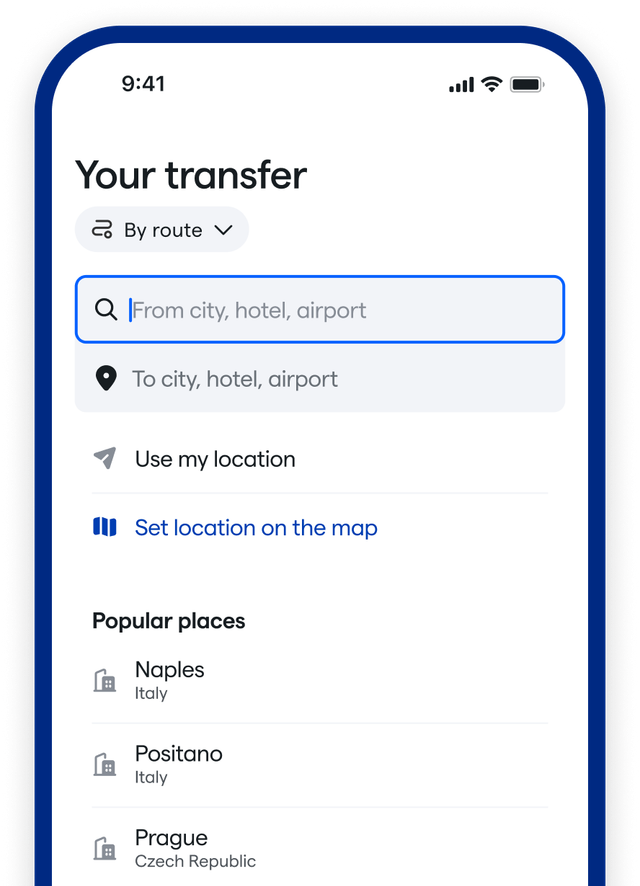
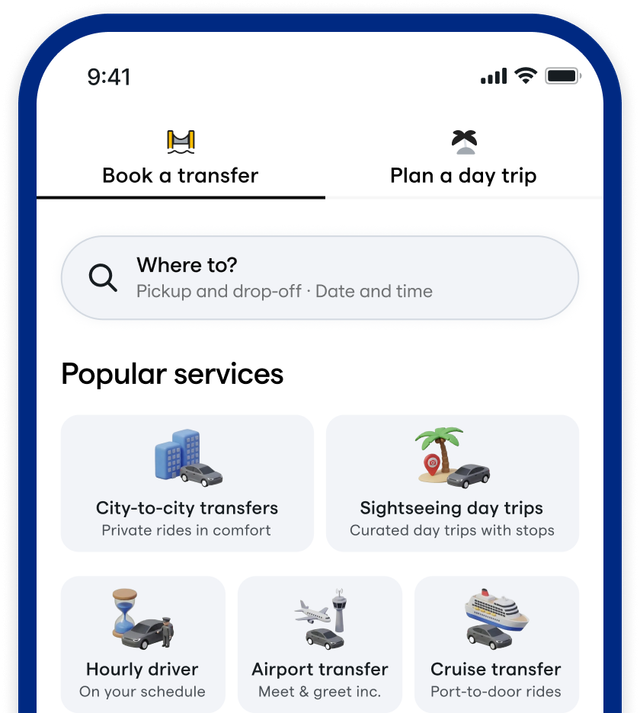
Reserve traslados entre cidades, explore paradas incríveis e viaje com facilidade no aplicativo Daytrip. Escaneie o código QR, baixe o app e comece a explorar!
Perguntas frequentes
Se tiver alguma dúvida, aqui estão as respostas.
Seja o primeiro a descobrir mais
Receba ideias de viagem selecionadas, destaques internos e ofertas especiais da Daytrip.
Sim, e esta é uma das combinações mais significativas nas viagens de herança cultural da África Ocidental. O Castelo de Cape Coast — outro forte de escravos listado pela UNESCO e talvez o mais visitado dos locais da "Porta do Não Retorno" em Gana — fica aproximadamente 15 km a leste do Castelo de Elmina. Os dois estão suficientemente próximos para serem visitados no mesmo dia e, juntos, oferecem uma visão mais ampla e completa da história da região. O Castelo de Elmina, sendo mais antigo e tendo sido controlado inicialmente pelos portugueses e depois pelos holandeses, possui um caráter distinto do Castelo de Cape Coast, que era administrado pelos britânicos. Muitos viajantes consideram que visitar ambos aprofunda consideravelmente a experiência, em vez de diluí-la.
Elmina fica a aproximadamente 165 km a oeste de Acra, ao longo da costa de Gana. Uma transferência privada normalmente leva cerca de 2,5 a 3 horas, dependendo do trânsito, especialmente nos arredores de Acra. O trajeto segue pela rodovia costeira através da Região Central, passando por vilarejos de pescadores e trechos de litoral com palmeiras. Viajar com um motorista particular significa chegar sem o cansaço de navegar por estradas desconhecidas, além de permitir que você saia em um horário que lhe dê tempo suficiente para visitar o castelo, sem precisar se apressar para pegar uma conexão de volta.
Uma excursão de um dia bem planejada é suficiente para visitar o Castelo de Elmina (e o Forte St. Jago), caminhar pela área do porto e, se combinado com uma parada com a Daytrip, também conhecer o Castelo de Cape Coast. A maioria dos visitantes passa de duas a três horas em cada castelo ao fazer um tour guiado. O fator prático a considerar é o horário de saída de Acra — começar cedo maximiza seu tempo e permite evitar tanto o calor do meio-dia quanto o trânsito intenso no retorno. Se você pretende visitar ambos os castelos em um ritmo tranquilo e reflexivo, sem pressa, vale a pena considerar passar a noite em Cape Coast. Mas para quem sai de Acra cedo, é perfeitamente possível aproveitar um dia inteiro, que será muito recompensador.
Elmina tem uma atmosfera viva e dinâmica que a torna muito mais do que apenas uma parada histórica. O porto de pesca da cidade é um dos mais ativos da costa de Gana — no início da manhã ou no final da tarde, barcos de madeira coloridos retornam com a pesca do dia em uma cena que se repete há séculos. O Forte St. Jago (também conhecido como Forte Coenraadsburg) fica no morro em frente ao Castelo de Elmina; os holandeses construíram este forte para defender o castelo de rivais, e ele oferece um ponto de vista elevado com vistas impressionantes da cidade, do porto e da costa. Caminhar pelas ruas estreitas do centro histórico, com sua arquitetura da era colonial e a vida da comunidade pesqueira, dá contexto a um lugar que é muito mais do que seu capítulo mais sombrio.
Elmina é uma cidade costeira histórica na Região Central de Gana, e carrega um peso que poucos lugares no mundo podem igualar. Seu marco mais emblemático é o Castelo de São Jorge — conhecido como Castelo de Elmina — construído pelos portugueses em 1482, tornando-se a estrutura europeia mais antiga da África subsaariana. Por mais de três séculos, serviu como um dos principais pontos de detenção do tráfico atlântico de escravos, onde milhares de africanos escravizados foram aprisionados antes de serem enviados através do oceano. Hoje, é um Patrimônio Mundial da UNESCO e um dos mais importantes locais de reflexão, memória e história da diáspora africana no continente. Visitar este lugar não é turismo no sentido comum — é testemunhar a história.
O Castelo de Elmina é um local de profundo trauma histórico, e a maioria dos visitantes considera a experiência realmente impactante. As masmorras onde pessoas escravizadas eram mantidas — na escuridão, em extrema superlotação — são visíveis e acessíveis. A "Porta do Não Retorno", por onde africanos escravizados passavam rumo aos navios que os aguardavam, é um espaço que carrega uma gravidade quase física. As visitas guiadas conduzidas por guias ganeses são o padrão e a forma mais recomendada de conhecer o local; elas fornecem contexto histórico, reflexões pessoais e uma narrativa que honra a humanidade daqueles que sofreram ali, em vez de reduzir a visita à arquitetura ou datas. Reserve um tempo para absorver o que está vendo, em vez de passar rapidamente pelo local.
Daytrip é uma plataforma de serviço de carro particular que conecta você a motoristas locais que o transportarão de porta a porta. Também oferecemos a oportunidade de explorar pontos turísticos e atrações ao longo do caminho. Nós dirigimos, você descobre.
A Daytrip oferece traslados privados porta a porta com paradas opcionais para passeios turísticos, aluguel de motorista por hora e excursões de um dia selecionadas — tudo com motoristas locais que falam inglês e operando em mais de 130 países. Você também pode reservar pelo nosso aplicativo Daytrip, disponível na Apple App Store e no Google Play Store.
A política de cancelamento pode variar dependendo da sua viagem. As condições de cancelamento disponíveis para a sua reserva serão sempre exibidas antes da confirmação da sua viagem. Dependendo da elegibilidade, a Daytrip oferece diferentes opções de cancelamento:
Não reembolsável: Se a sua viagem for cancelada após a confirmação, o valor pago não será reembolsado.
Padrão: Se a sua viagem for cancelada com pelo menos 24 horas de antecedência em relação ao horário de partida programado, o valor pago será reembolsado integralmente. Cancelamentos feitos com menos de 24 horas de antecedência não são elegíveis para reembolso.
Flexível: Se a sua viagem for cancelada com pelo menos 1 hora de antecedência em relação ao horário de partida programado, o valor pago será reembolsado integralmente. Cancelamentos feitos com menos de 1 hora de antecedência não são elegíveis para reembolso.
Viagens reservadas com menos de 24 horas de antecedência podem não ser elegíveis para cancelamento gratuito, a menos que indicado de outra forma durante o processo de reserva.
Sim! Reserve um transfer privado, porta a porta, do aeroporto com um motorista local que fala inglês. Aproveite preços fixos e transparentes, sem taxas ocultas, e a opção de pagar antecipadamente, sem a preocupação de trocar dinheiro em um aeroporto estrangeiro.
Você receberá o veículo que melhor se adapta ao número de viajantes do seu grupo, variando de um sedan a uma van para grupos de até 7 pessoas. Dependendo do destino, você pode reservar desde um sedan comparável a um Toyota Corolla até uma Mercedes V-Class ou um Carro Clássico Cubano. Embora o modelo exato possa variar, sempre garantimos que o veículo fornecido atenda às suas necessidades em termos de segurança, confiabilidade e conforto. Você pode ser atualizado para uma categoria de veículo maior sem custo adicional, dependendo da disponibilidade. Como nosso maior veículo acomoda 7 pessoas, para grupos maiores será utilizada uma combinação de veículos. Enviaremos os detalhes exatos do veículo alguns dias antes da sua viagem.
Em todos os lugares, exceto nos EUA, os motoristas fornecerão assentos infantis apropriados (basta nos informar durante a reserva). Nos EUA, alguns estados exigem que você forneça seus próprios assentos infantis.
2+ milhões de viajantes como você. Momentos que nunca esquecerão.
2+ milhões de viajantes como você. Momentos que nunca esquecerão.
Fiquei muito, muito feliz por ter encontrado este site para reservar dois transportes privados durante minha visita a Lima, no Peru. Ambos foram viagens só de ida de aproximadamente 3 horas. A comunicação foi excelente desde o momento em que tudo foi reservado por e-mail, e depois baixei o aplicativo deles. Tive alguns problemas com o aplicativo e o atendimento ao cliente foi incrível tentando me ajudar a resolvê-los. Sinceramente, o atendimento foi impressionante e me deu a sensação de que eu tinha feito a escolha certa. Os dois motoristas chegaram exatamente no horário, sem nenhum problema! Não tenho palavras suficientes para elogiar o serviço e a facilidade de tudo, especialmente viajando tão longe. Excelente trabalho da equipe Daytrip! Recomendo fortemente.